Charleston Festival (4)

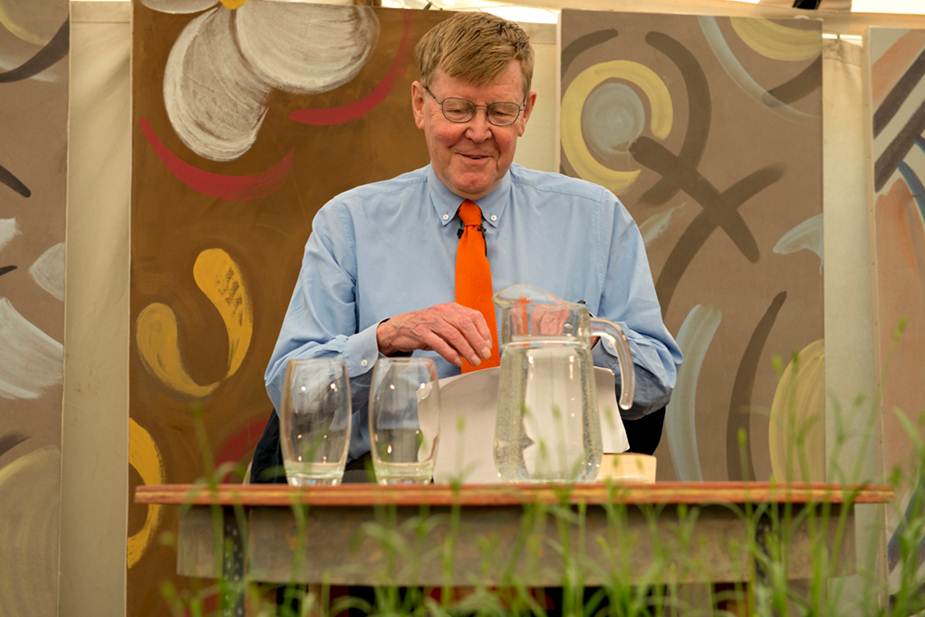
Hard to beat Alan Bennett (age 80) reading his own description of first visiting the Leeds City Art Gallery and of his first Room of His Own at Exeter College, Oxford, failing to buy a pot by Lucie Rie whilst on National Service in Cambridge, not buying a chair by Isokon, but a roll of wallpaper instead, which he wasn’t able to hang.   He stayed on at Oxford as a postgraduate student of medieval history (he taught Bevis Hillier, who collected ceramics, and David Bindman, who collected Old Master drawings) and he retains just a touch of the intellectual dryness of an Oxford don.   His favourite museum is the Fitzwilliam Museum in Cambridge.   I wanted to ask how he had found it as a Trustee of the National Gallery.   He ended with his spoof memoir of Virginia Woolf as if read to the Memoir Club from Forty Years On.
Alan Bennett_1

Ⓒ Axel Hesslenberg

Alan Bennett_2

Ⓒ Axel Hesslenberg

Standard

Early Morning in East Sussex

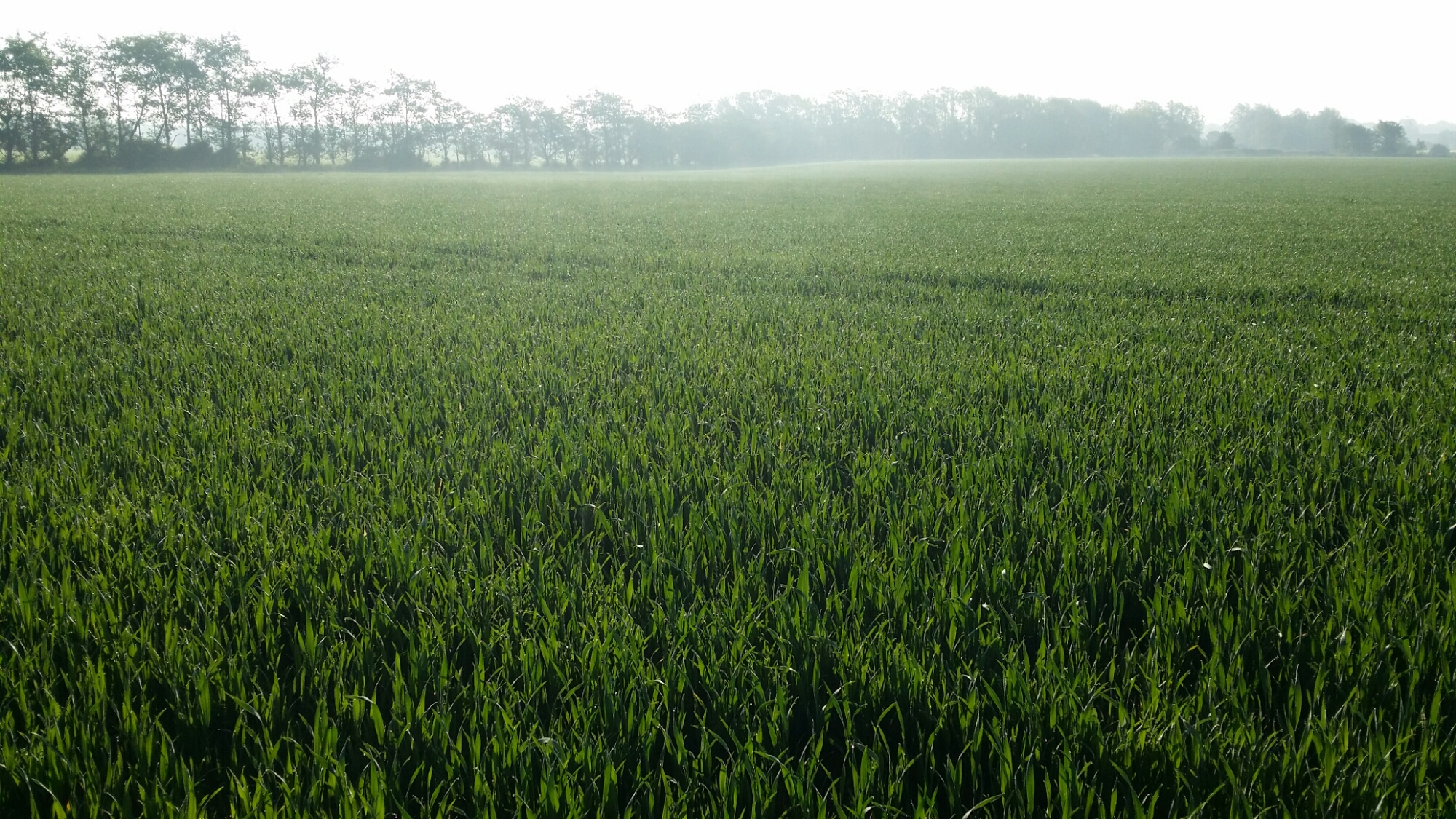
I got up early to have a swim, walk across the fields towards Hamsey and enjoy the distant views of the fields and the downs:

image

image Continue reading

Standard

Charleston Festival (3)

The highlight of the second day of the Charleston Festival was Robert Harris talking about his novel, An Officer and a Spy, which I haven’t read and now want to.   He was admirably straightforward in describing how his interest in the Dreyfus Affair derived from a commission from the filmmaker Roman Polanski;  had involved a bit of research, including the use of a 1900 Baedeker Guide to Paris, which told him about the relevant restaurants;  and then a mere six months of writing from 5.30 in the morning to lunchtime.   He compared his technique to that of Dickens and Trollope, believing that the best novels should be written without pretention.   He was offset by discussion with Hilary Spurling and came across as impressively convincing.

Standard

Charleston Festival (2)

Another thing I like about the Charleston Festival is the presence of the old and the wise.   In the front row of the stalls at the first event was Jeremy Hutchinson (age 99), the emeritus Professor of Law at the Royal Academy, whose mother Mary was Clive Bell’s mistress.   A few rows back was Olivier Bell (age 97), who served in the Control Commission in the second world war and has just been awarded an MBE.   One of the best of the speakers was Asa Briggs (age 93) talking about his third volume of autobiography, still pretty alert, a codebreaker in Bletchley and second Vice Chancellor of Sussex University.   When it came to questions, someone asked a tough one about the long delay in the publication of the Chilcot Inquiry.   Asa Briggs said, ‘Thank you, Phyllis’.   The questioner was P.D. James (age 94).

Standard

Charleston Festival (1)

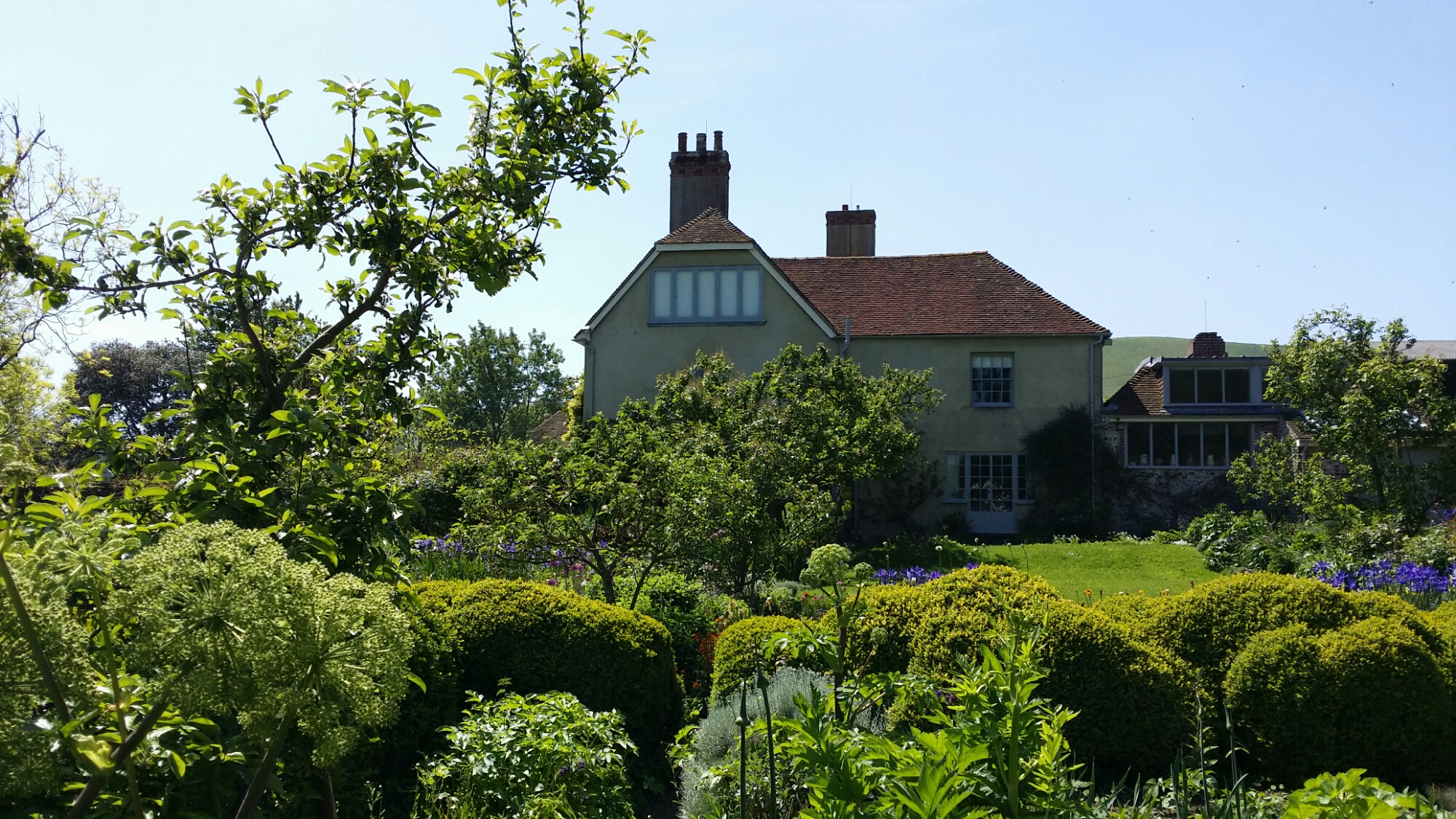
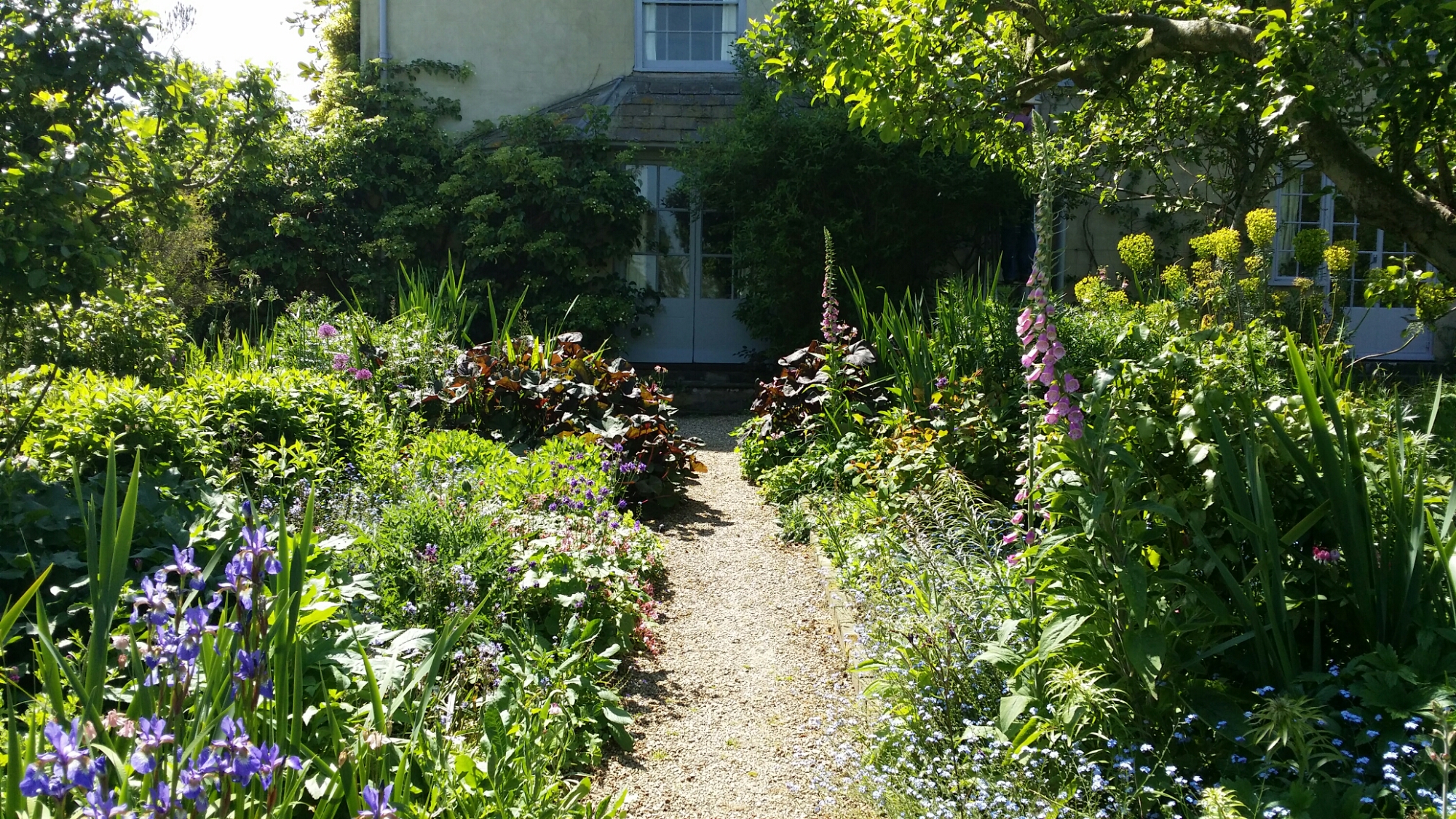
Each year we go to the Charleston Festival in Sussex and have done every year (I think) since 1993 when I became a Trustee.   I love it:  the windy tent, the excessively knowledgeable audience, lounging about in the sun over lunch, and the magnificent unpredictability of the subjects discussed.   The pleasure is not just what happens and is said in the tent, but the beauty of the setting:  the garden looking brilliantly lush:

image

image

Continue reading

Standard

Tom Stuart-Smith (1)

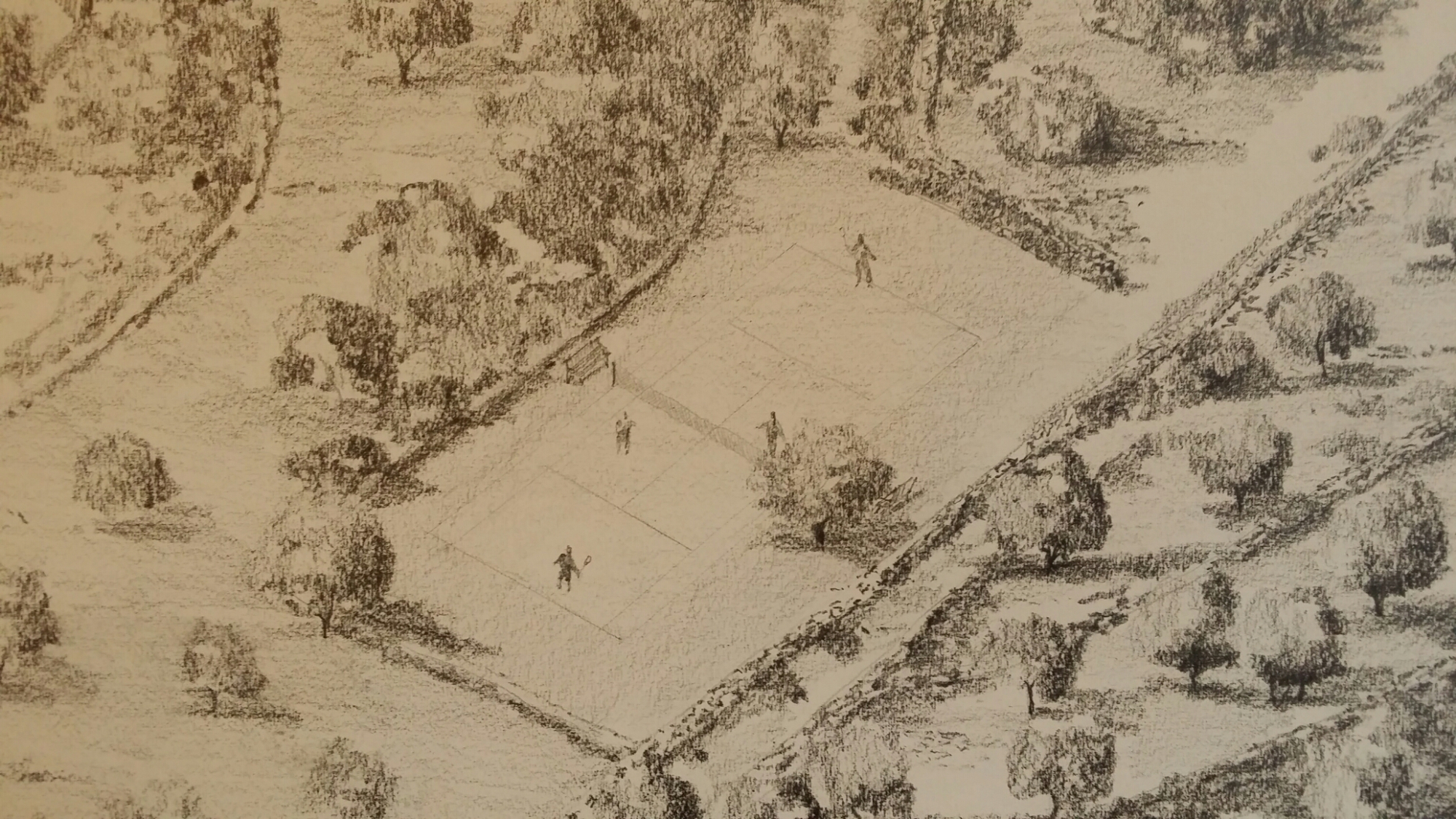
It being nearly summer, people are sitting out having lunch in the Keeper’s House garden at the RA.   It was designed (at spectacularly short notice) by Tom Stuart-Smith.   He has just had an exhibition of his drawings at the gallery at the back of Alan Baxter’s offices in Cowcross Street.   Not only does he conceptualise all his projects through drawings, but he requires all his staff to do so as well.   He won the contract through a beautifully presented drawing done not by him, but by a member of his staff.   It’s a skill which may have lost currency in art teaching, but remains a pleasure to behold:

image

image
Continue reading

Standard

Liane Lang

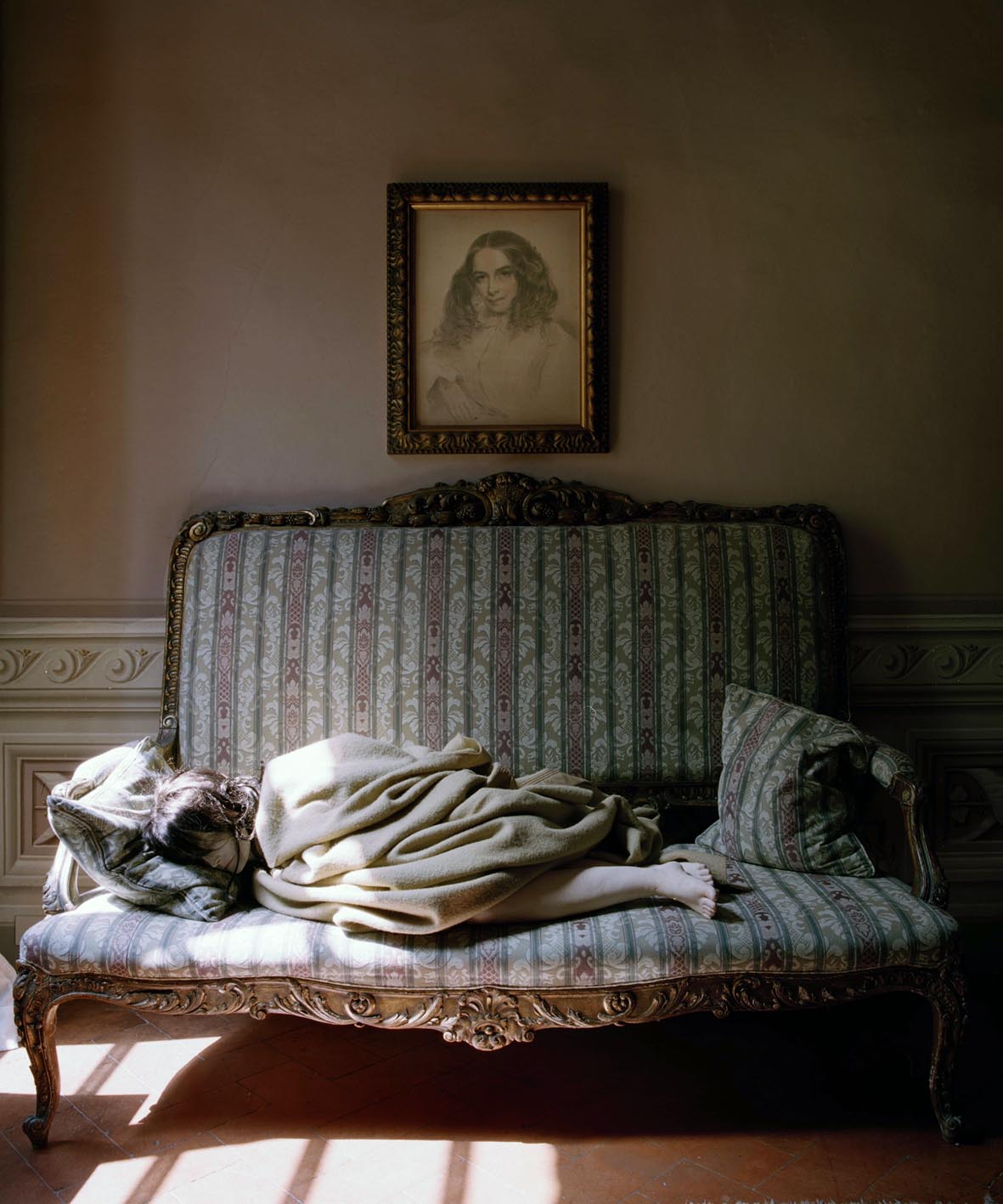
This morning I went to a talk by Liane Lang, a German-born artist who studied at the Royal Academy Schools and whose work I very much admire for the way that it combines history, fiction and installation.   Her most recent project is based on the Casa Guidi, the Brownings’ house just south of the Palazzo Pitti in Florence and re-imagines Elizabeth Barrett Browning in situ as a doll.   I found it slightly spooky because years ago, when I was fourteen, I stayed in the house which the Brownings lived in in Asolo.   When I was coming down to dinner one evening as a suggestible teenager, I saw an elderly lady come out of the upstairs drawing room and cross the landing to the bedroom next door.   I’ve always assumed that the lady was Elizabeth Barrett Browning.
image

Standard

Green Park

When it’s sunny, as it is this morning and was yesterday, I take a short detour on my morning walk in order to walk up the side of Green Park.   I like the views of the grand mansions which back on to the park, shut up tight after the entertainment of the night before.   It starts with Lancaster House, built for the Duke of York in 1825 by Benjamin Dean Wyatt with an interior by Charles Barry and now used by the Foreign Office.

image

Immediately to the north is Bridgewater House by Barry, where parts of the Orleans collection were hung and could be visited by artists on the recommendation of an RA:

image

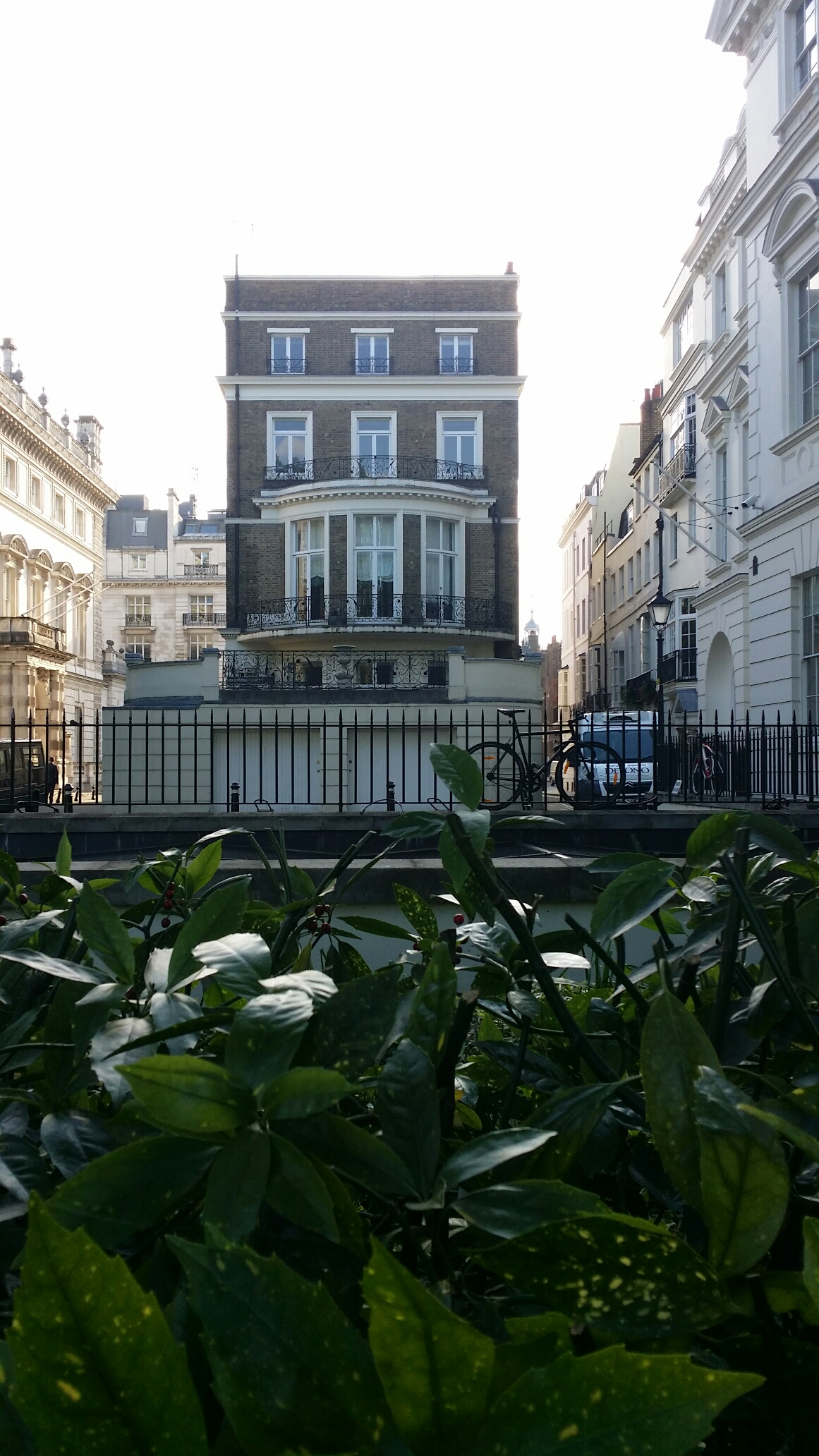
There’s a curious building just south of Bridgewater House which looks as if it’s stranded on the beachfront at Brighton:

image

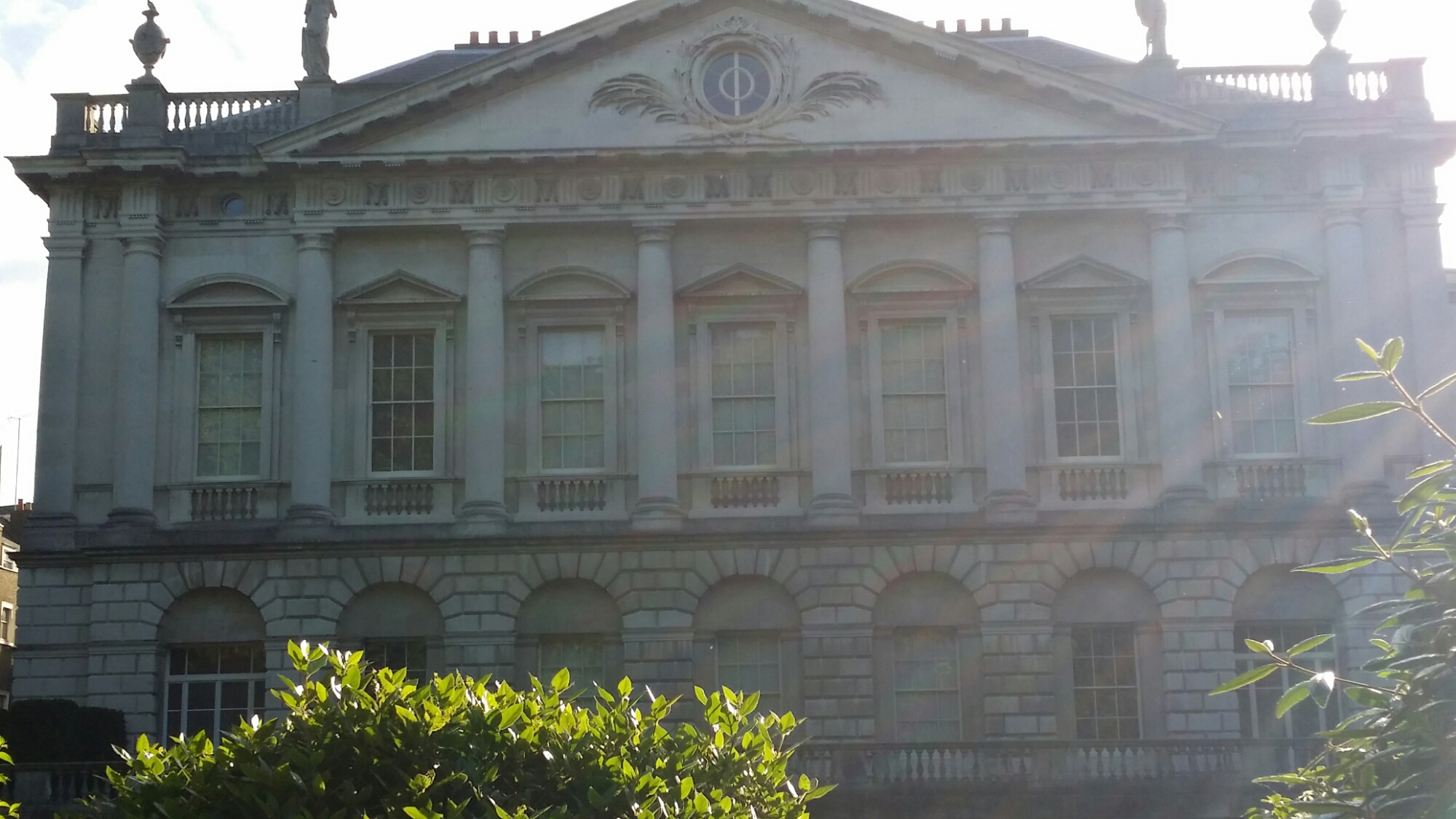
The facade of Spencer House is hard to see, protected as it is by shrubbery.   But at least one can see bits of John Vardy’s detailing and remember that for much of the postwar period it was converted into offices for the Economist:

image

Standard

Catherine Goodman (9)

I’ve sneaked an extra hour at lunchtime to attend another sitting as time is running out.   Catherine said I look completely different, probably because I am in work mode, half way through a difficult day.   Hannah Rothschild, who is a fellow sitter, part of the invisible community which flits in and out of Rossetti Studios, aware of one another but never meeting, has asked me why I say ‘I am sitting to Catherine Goodman’ not ‘I am sitting for Catherine Goodman’.   The former feels correct.   I am sitting to her, as an honour, not performing a service for her, as a task.

Standard

The Golden Child

Some time before Christmas, I was approached out of the blue by an editor at Harper Collins and asked if I would consider writing an introduction to a new paperback edition of Penelope Fitzgerald’s first novel, The Golden Child.   I accepted because I am a great admirer of The Blue Flower and my interest was piqued.   It’s a novel about the internal workings of the British Museum.   My text was more severely edited than anything I have ever written and a passage was deleted at the request of the company lawyers.   Now, only a few months later, the edition has appeared.

image

Standard