
I have discovered that I am not the only person to have spotted the scale of the codpieces in the work of Moroni (a cod is middle English for a scrotum). Jock McFadyen asked me about them last night. And Jonathan Jones draws attention to them in his review in the Guardian. What is odd is that they go unmentioned in the texts of the captions and catalogue entries, although it is by far the most striking feature of the portrait of Podestà Antonio Navagero from the Brera, a man who is otherwise of the utmost respectability, described at the time as ‘truly a very intelligent and prudent gentleman’, depicted impassively holding a letter and ignoring his codpiece of impressive proportions. So, the question is: is it a symbol of virility or was it because he had venereal disease ?
Monthly Archives: October 2014
100 Buildings 100 Years
I have just been to the launch of a small exhibition at the RA to celebrate the publication of a book published by The Twentieth Century Society in which members of the society have picked one building to mark every year of the last century. It’s an intriguing choice. I had no idea that H.P. Berlage had designed a building in London (Holland House in Bury Street in 1915). I was pleased, if surprised, to find the wacky ‘House in the Clouds’ in Thorpeness listed for 1923. What’s missing ? No work by Raymond Erith. No St.Paul’s Bow Common (1960) nor Architects’ Co-Partnership’s Durham University Student Union Building (1965) nor Essex University. Liverpool Cathedral is listed for 1978, which is a touch eccentric given that it was started in 1907, and the Brunswick Centre for 2006 when it was refurbished, not 1961 when it was built. But, of course, the point of the book is to provoke dispute.
Giovanni Moroni (2)
I was asked yesterday to speculate what it might have felt like to have been one of Moroni’s sitters, based on the experience of sitting for my portrait. I’m not sure any modern painter paints in the way Moroni did partly because so much of modern portraiture is based on the idea of psychological insight, whereas Moroni strikes me as having been at least as interested in the trappings and appurtenances of the nobility, who mostly stood rather than sat for him, nearly all of them bearded. What I have to say on the subject is now available at http://www.royalacademy.org.uk/article/point-of-view-what-its-like-to-sit
Michelin House
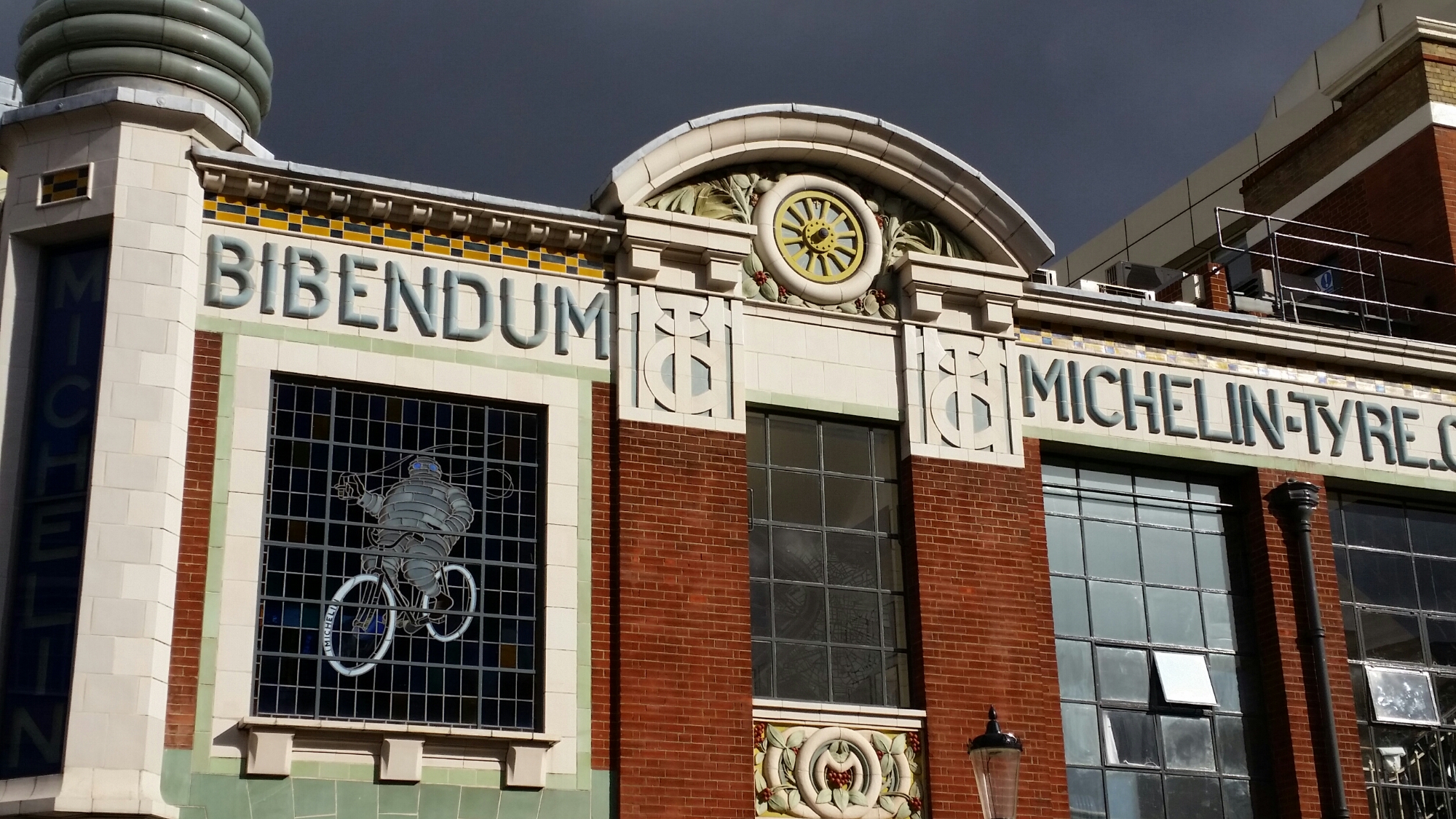
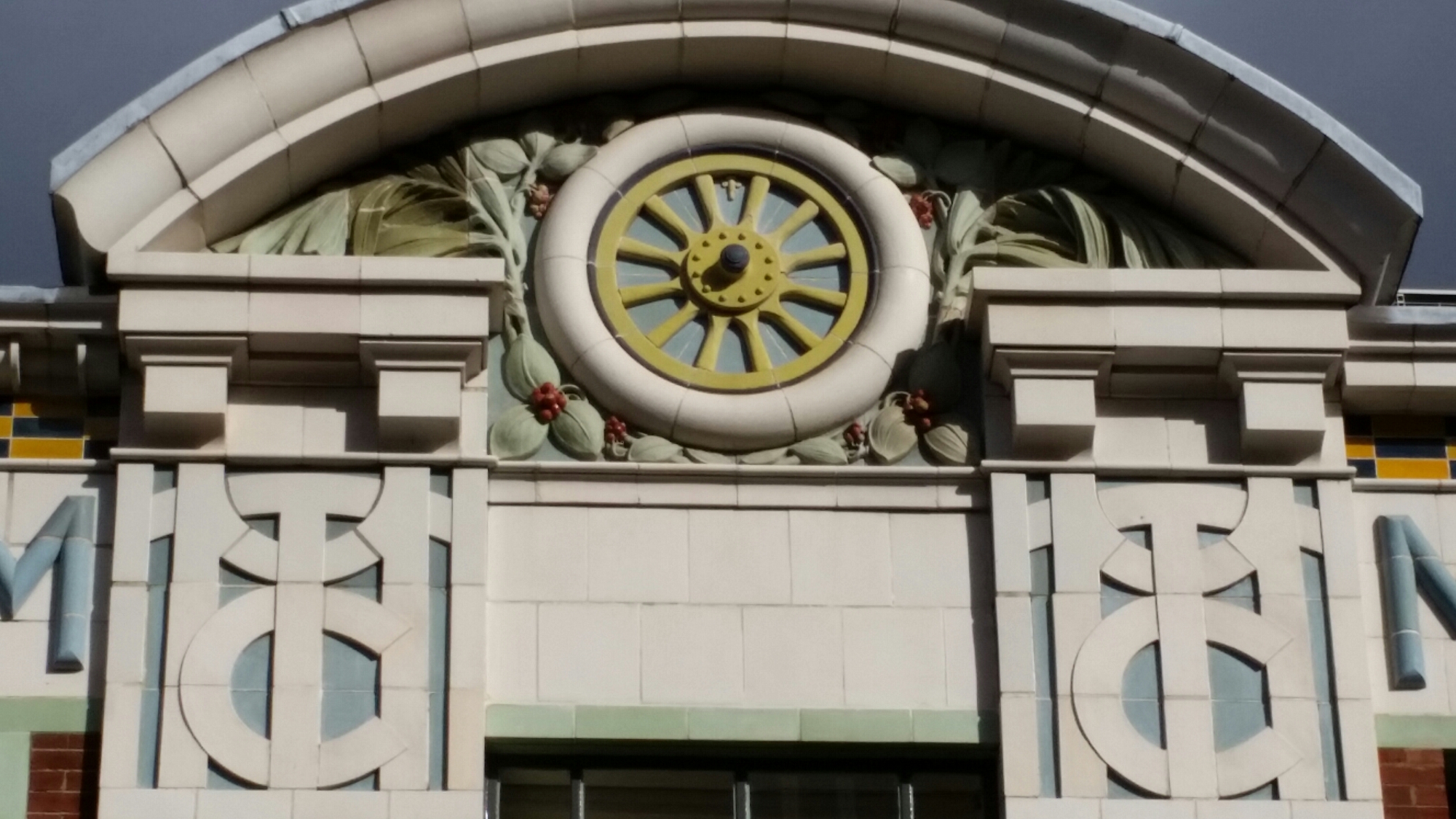
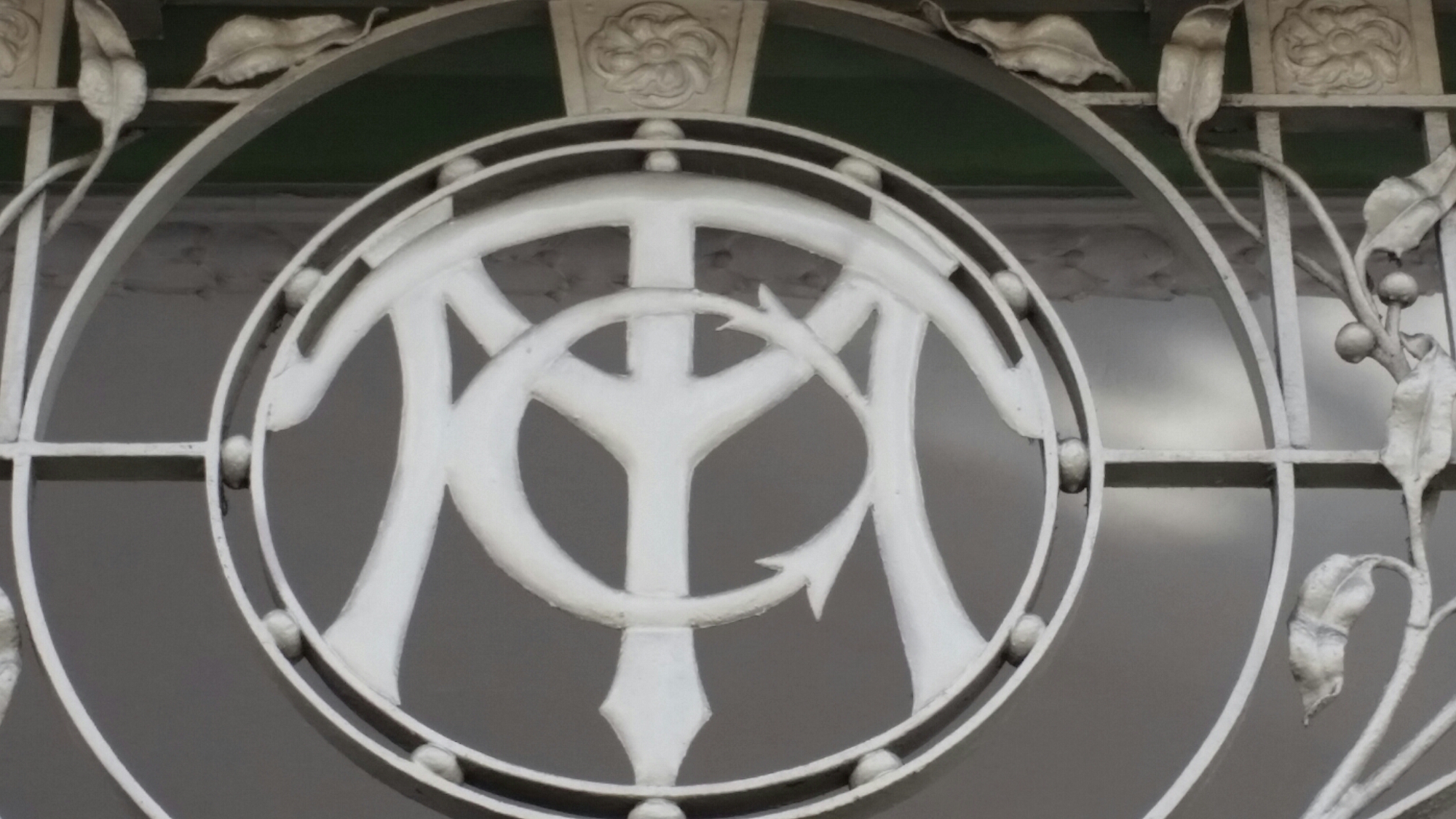
Michelin House is one of the great buildings of London. Designed by François Espinasse, a Michelin employee, as a visible advertisement for Michelin’s wares, it was built out of ferro-concrete in five months and opened for business on 20 January 1911. It could have been designed by John Outram:
Pelham Crescent
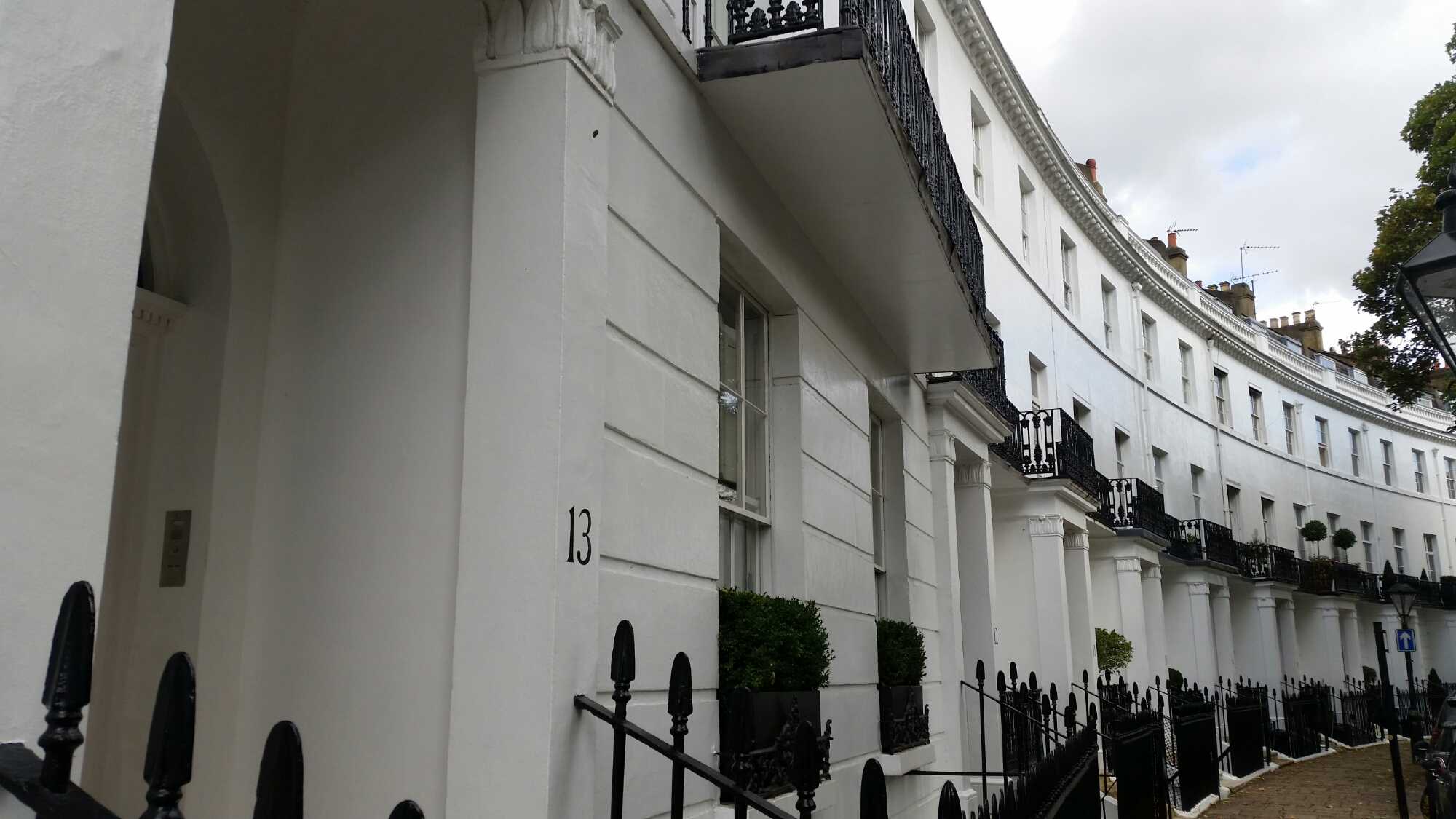
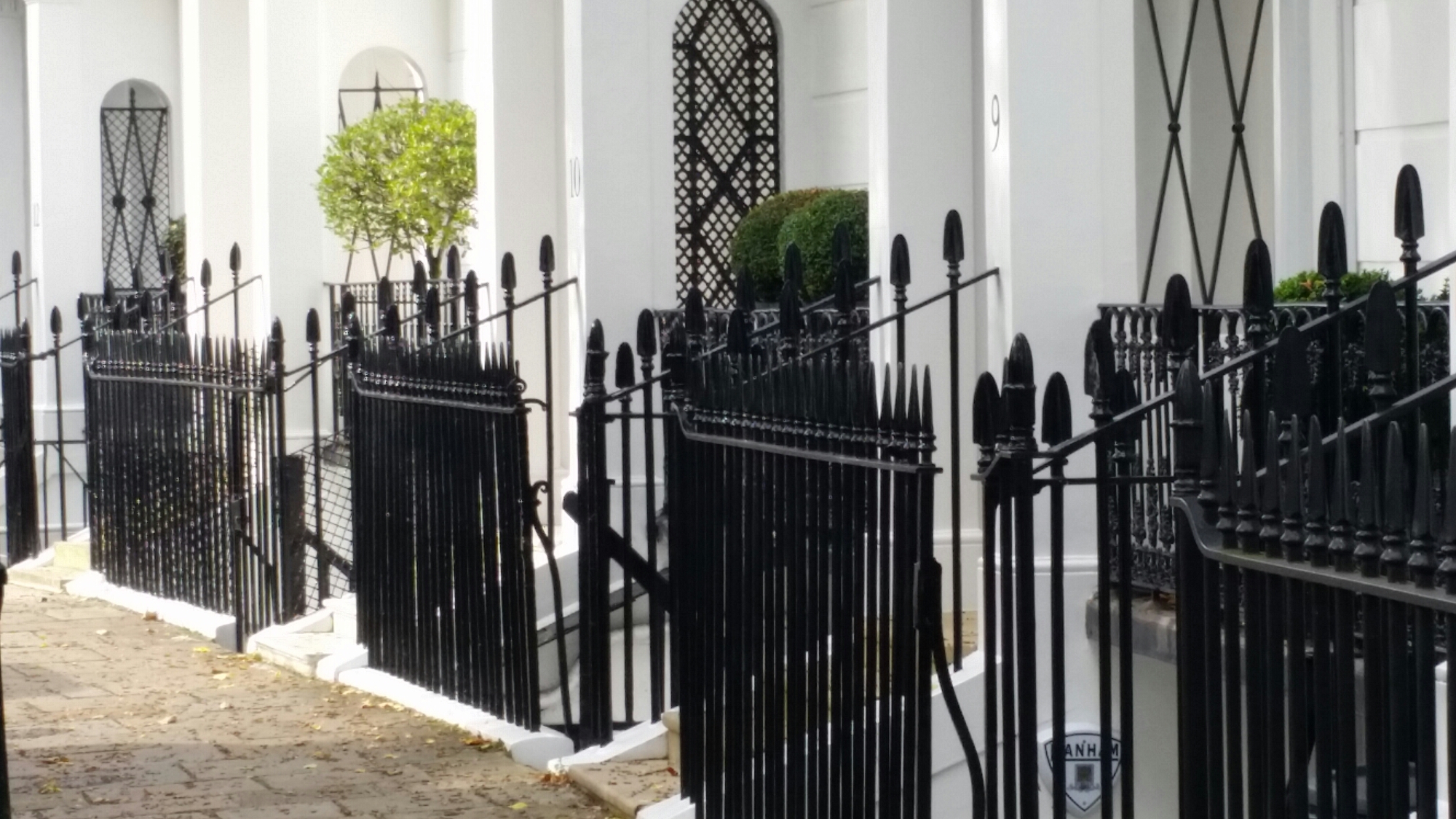
One of the pleasures of having lunch at Bibendum yesterday was the opportunity to walk down Pelham Crescent which I used to do often when I worked at the V&A. It was designed by George Basevi in the early 1830s for Smith’s Charity Estate, following the bankruptcy of Samuel Harrison and William Bristow in 1832 who ran the Brompton Nursery. Built by James Bonnin, houses originally cost
£1,000 and were occupied by clergymen, clerks and a private tutor. No more. But it remains the epitome of west London suavity:
Snowdon
I was invited to lunch today at Bibendum to celebrate the publication of a big book about Tony Snowdon, A Life in View, which has been put together by his daughter, Frances, and published by Rizzoli. It included lots of people of Tony’s generation – Terence Stamp wearing a green corduroy suit he acquired from Far from the Madding Crowd and had remade by Cerruti ten years later – and lots of Frances’s as well. Lucy Snowdon reminded me of what it was like to sit for Snowdon: the old blue shirt one was forced to don, the stiff leather arm chair. I was photographed with a battered green leather suitcase on my lap.
Giovanni Moroni (1)
I gave myself a sneak preview of our Moroni exhibition which opens to the public later this week. He was a great favourite of the Victorians, including Eastlake and Morelli, is strongly represented in British collections, and best known for his Portrait of Faustino Avogadro (A Knight with his jousting helmet) and Portrait of a Tailor, both in the National Gallery (the hero of Henry James’s The Liar thought the Tailor one of the half dozen greatest paintings in the world). His work looks beautiful in the austere spaces of the Sackler galleries, a concise exhibition which shows off the great strengths of this Bergamese painter, particularly his portraits with their spectacular furs, ruffs, brocades and codpieces.
Brogdale Farm
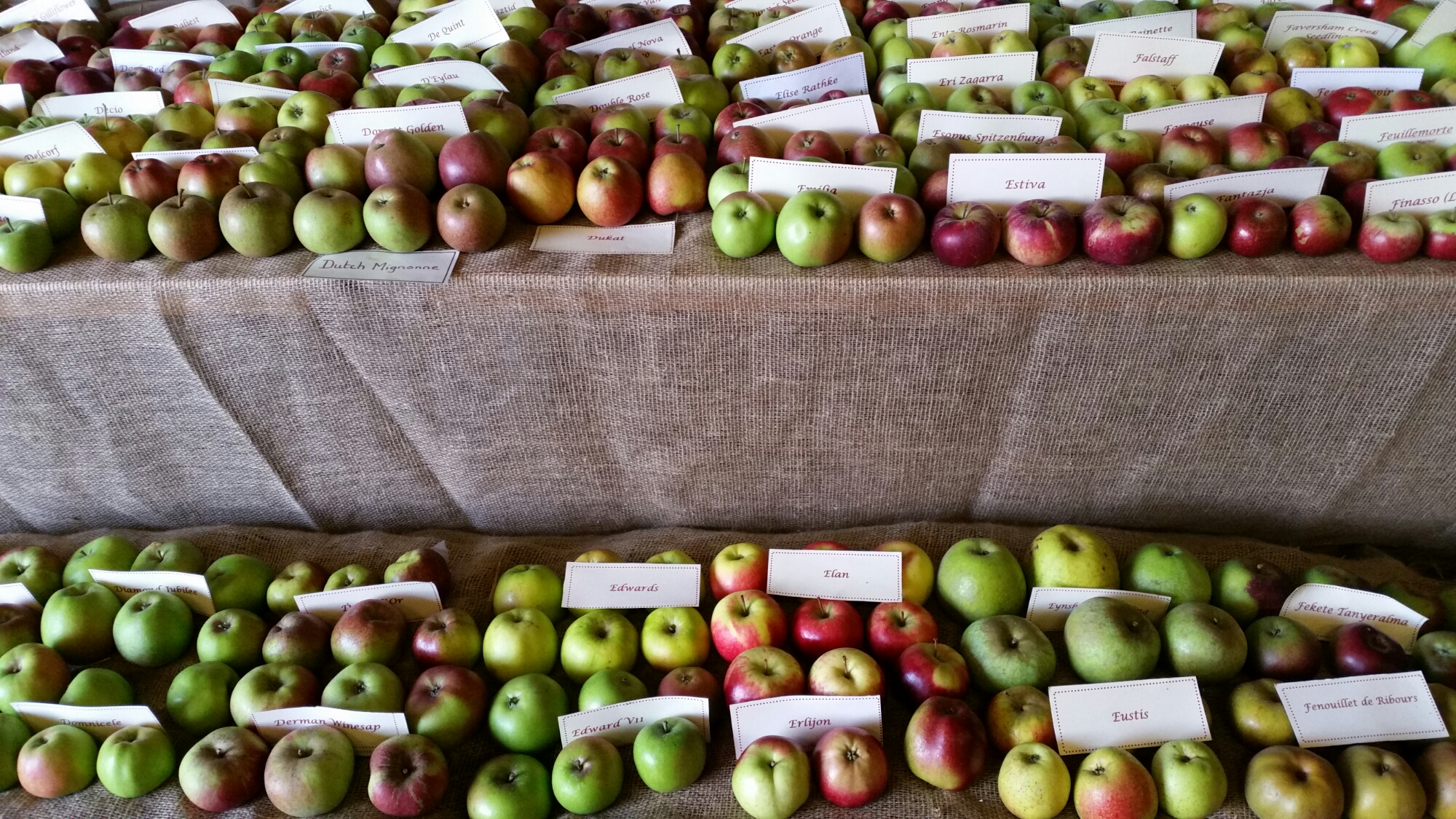
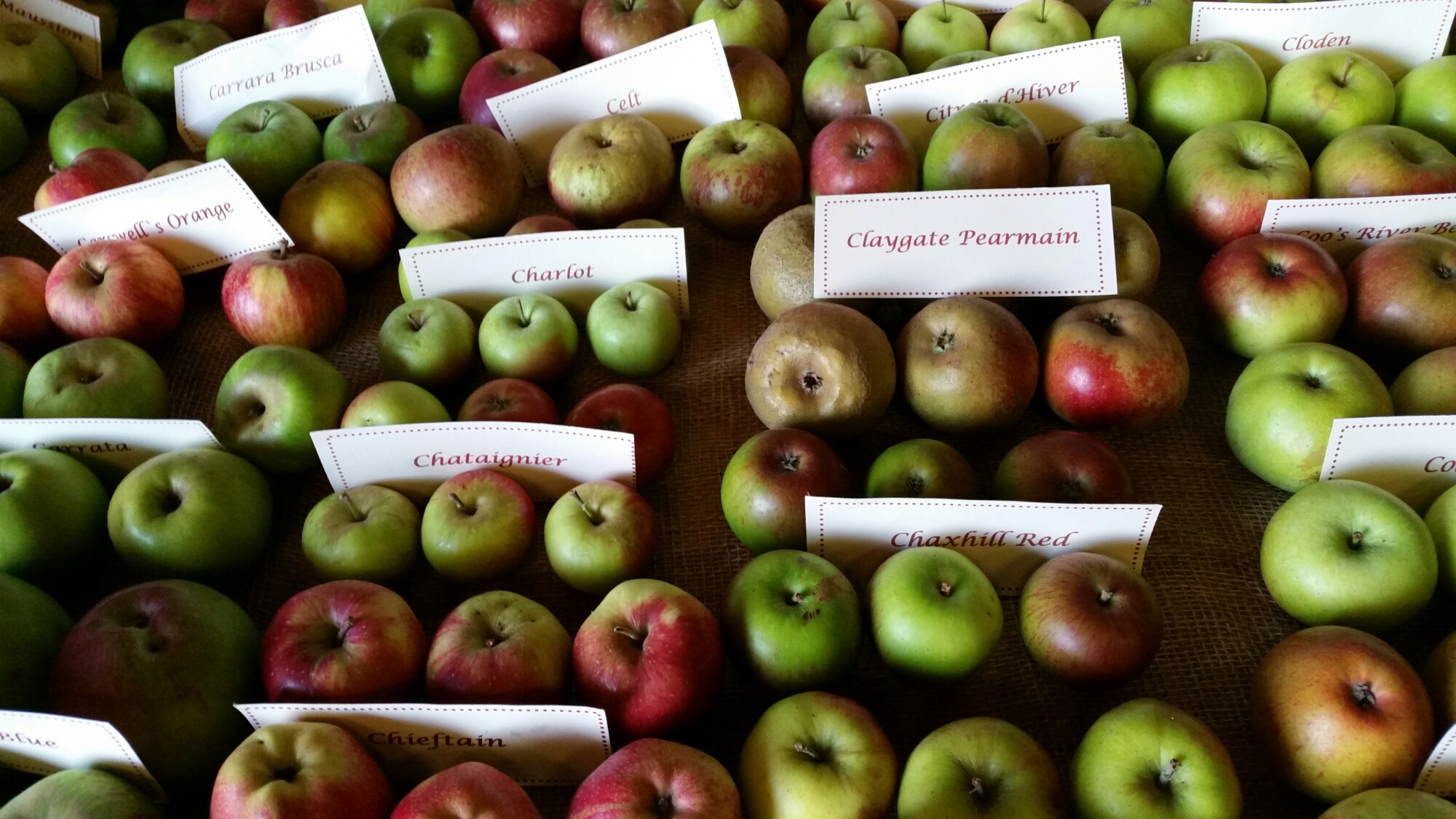
On the way back from Whitstable yesterday afternoon, we called in at Brogdale Farm, which is apple heaven. The headquarters of the National Fruit Collection and run by the University of Reading, it had a large barn full of every variety of apple displayed alphabetically:
Whitstable (2)
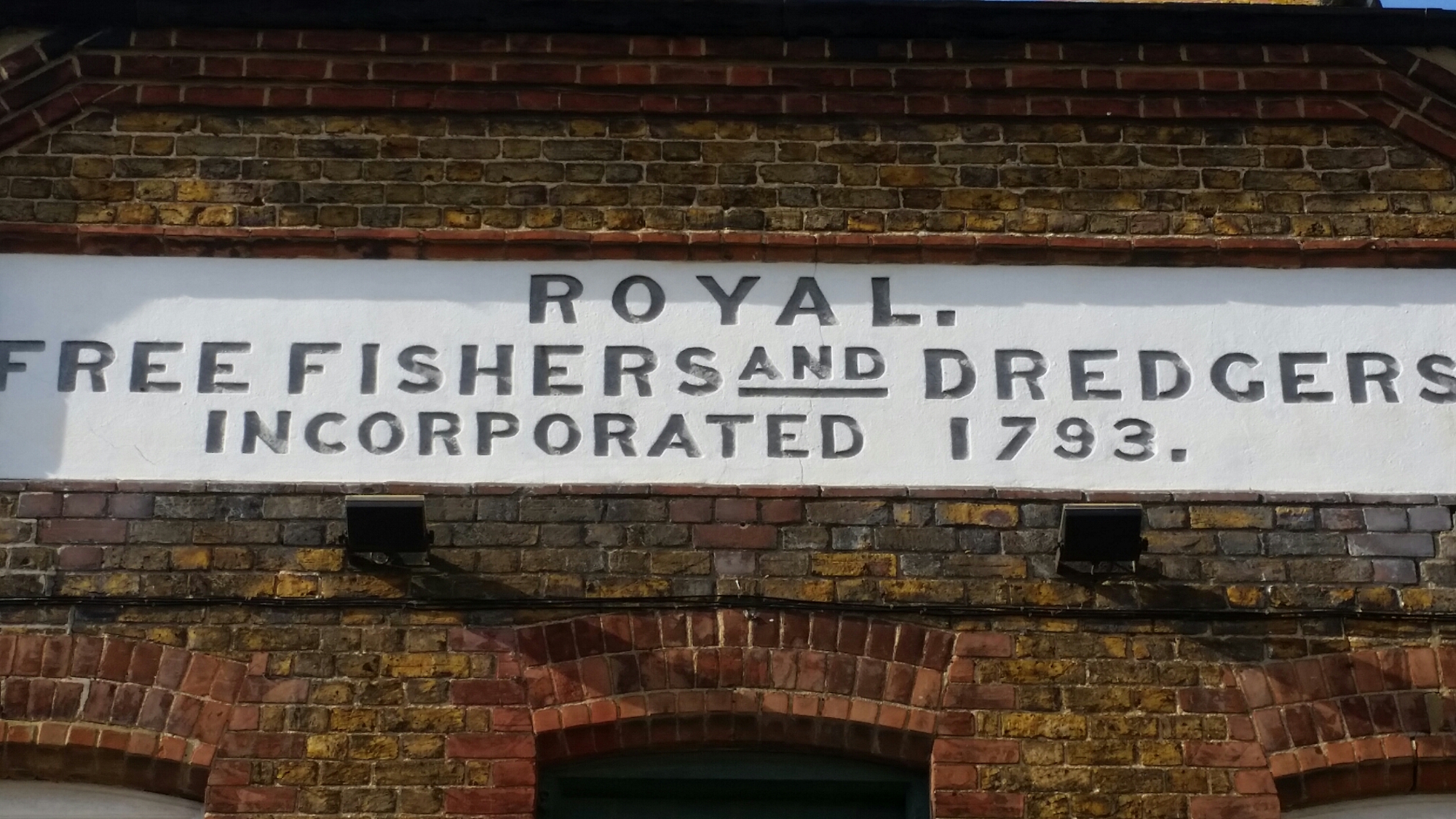
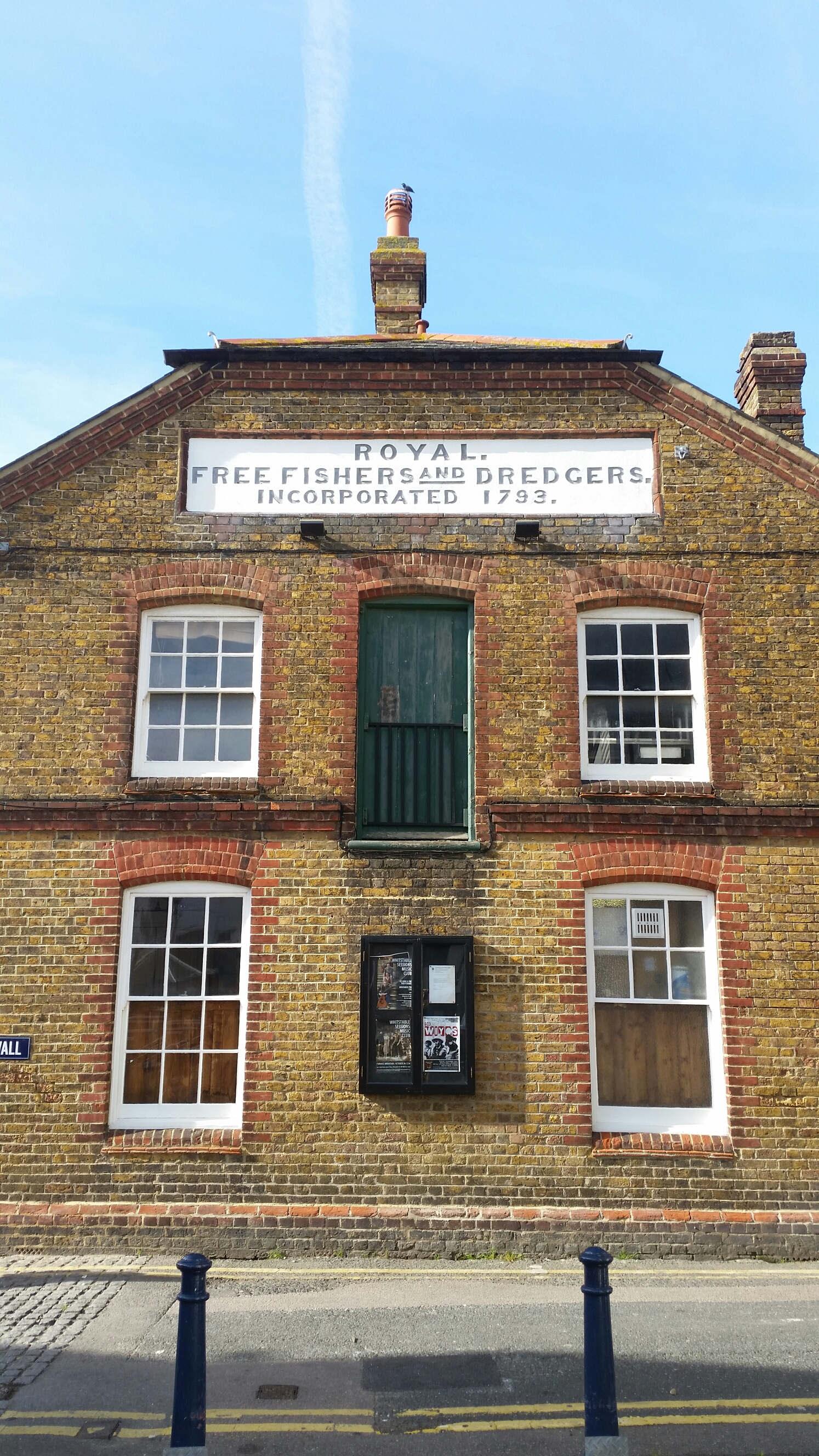
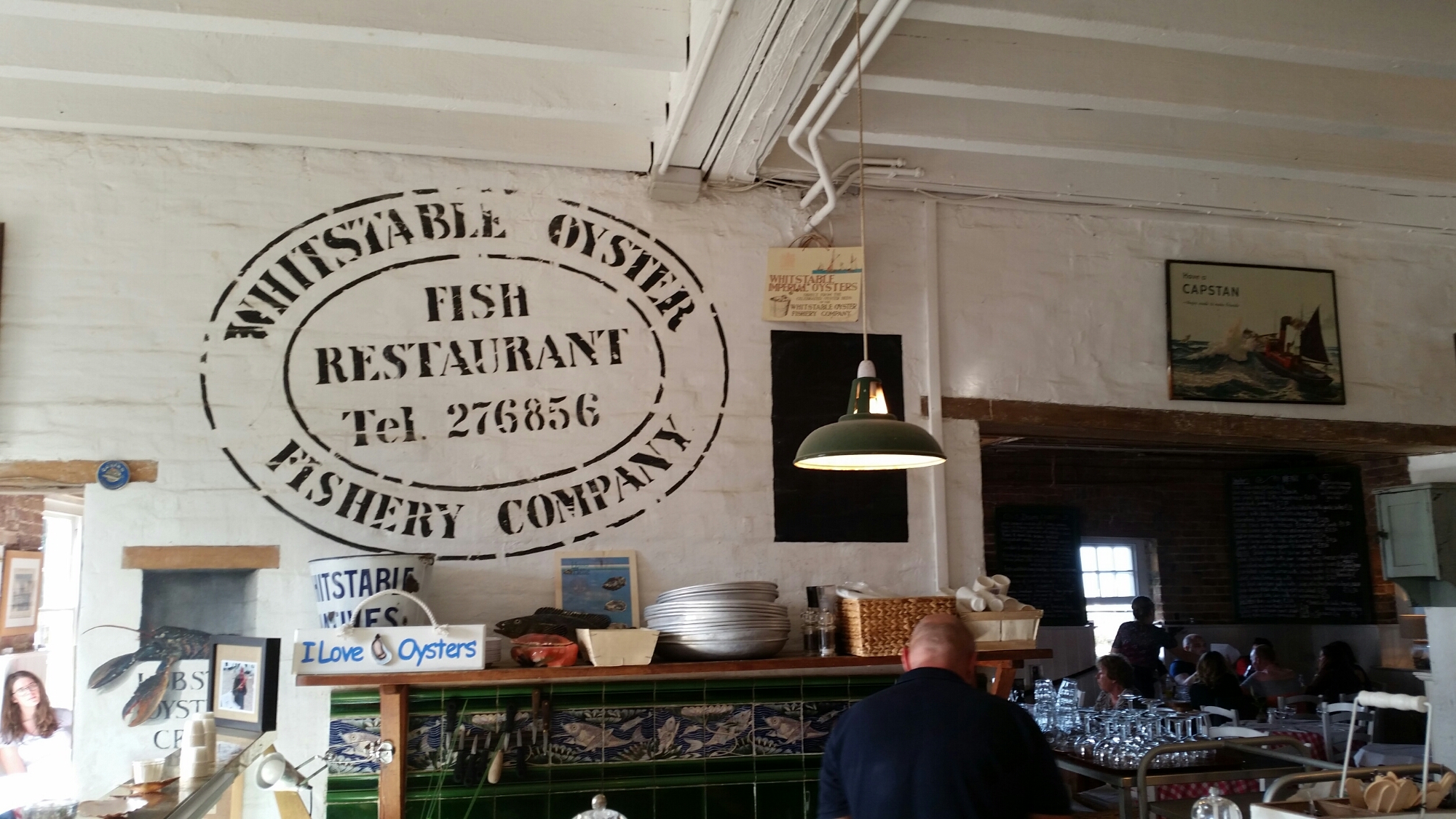
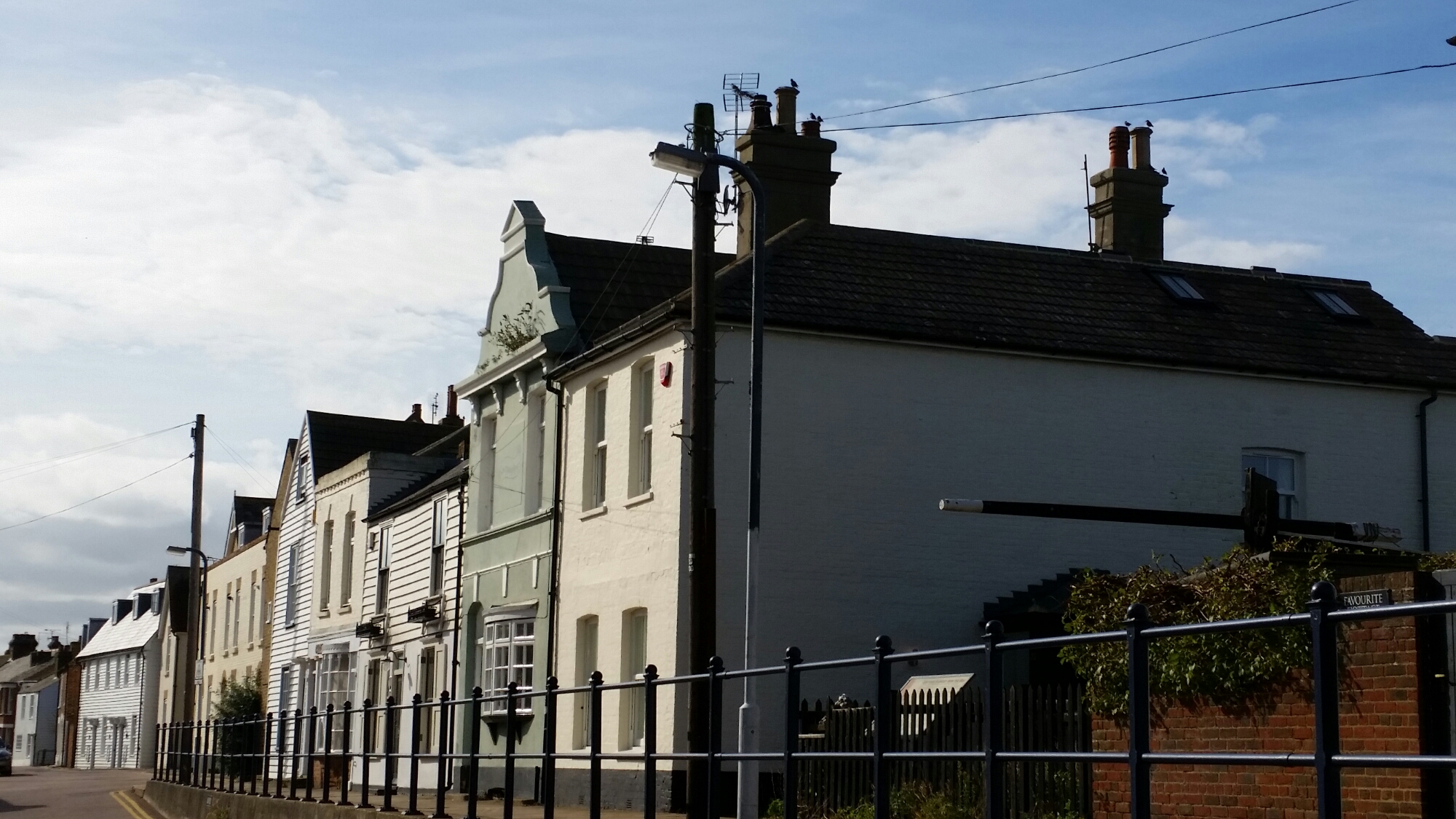
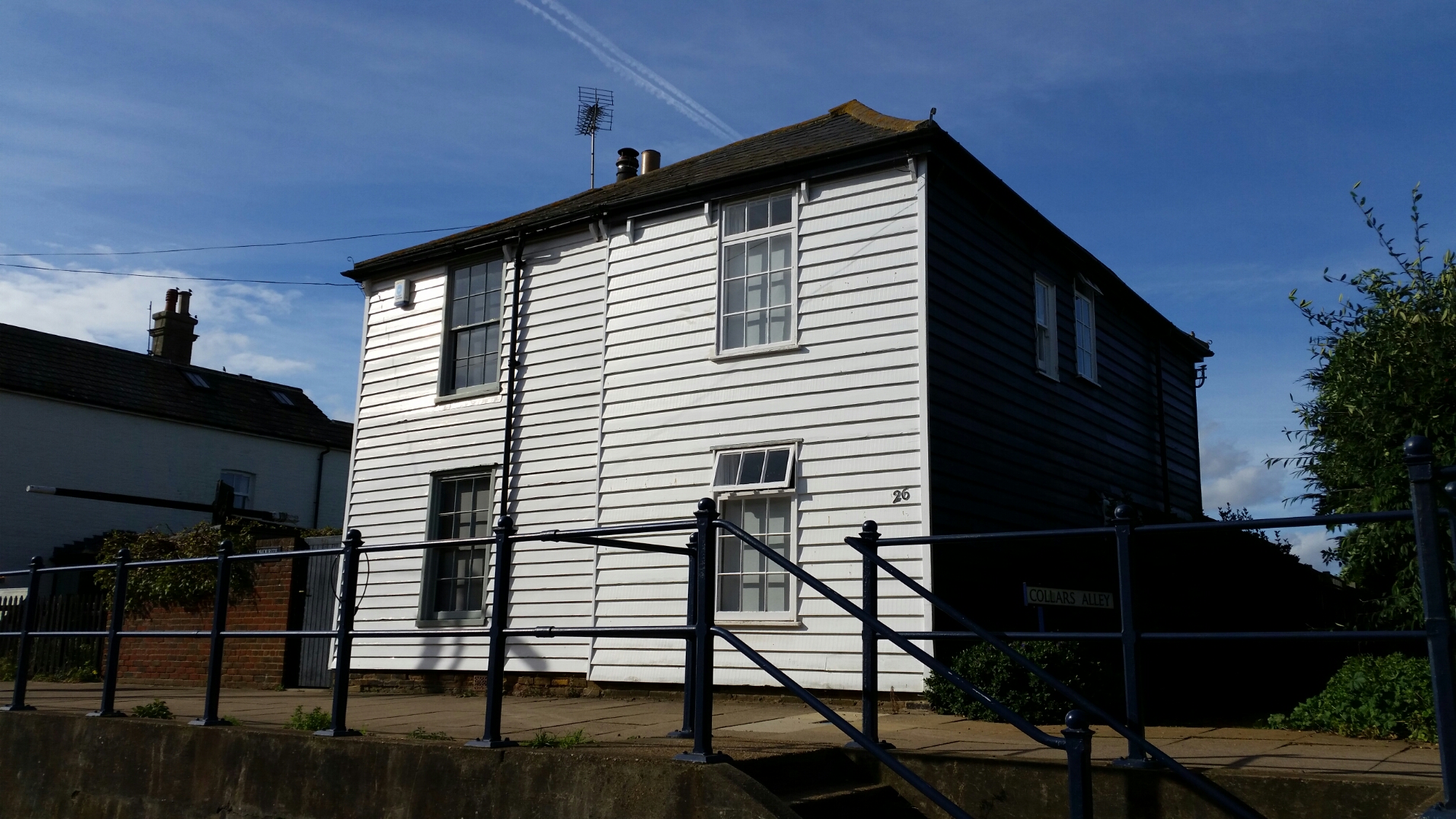
We had lunch today in the Royal Native Oyster Stores, with excellent fresh crab, Whitstable oysters and local India pale ale, full of people eating all afternoon looking out across the Thames Estuary towards Essex:
Tyburnia
I’ve been asked to explain my use of the term Tyburnia to describe the area of shabby chic streets and squares that lie between Paddington and Bayswater, from Craven Hill to Cleveland Square. The term derives, of course, from the fact that public executions used to take place at the Tyburn Tree near the junction between the Bayswater and Edgware Roads where a grandstand was set up for people to watch the hangings. Paul Sandby lived in the semi-rural St. George’s Row and so did Dominic Serres. The area, once owned by the Bishop of London, was developed in the early nineteenth century by Samuel Pepys Cockerell and George Gutch as surveyors to the Paddington Estate. They were responsible for the layout of its streets and squares, including the grand houses of Hyde Park Gardens. It retains an attractively nondescript character of boarding houses and cheap hotels.
 | Charles | Saumarez | Smith |
You must be logged in to post a comment.