
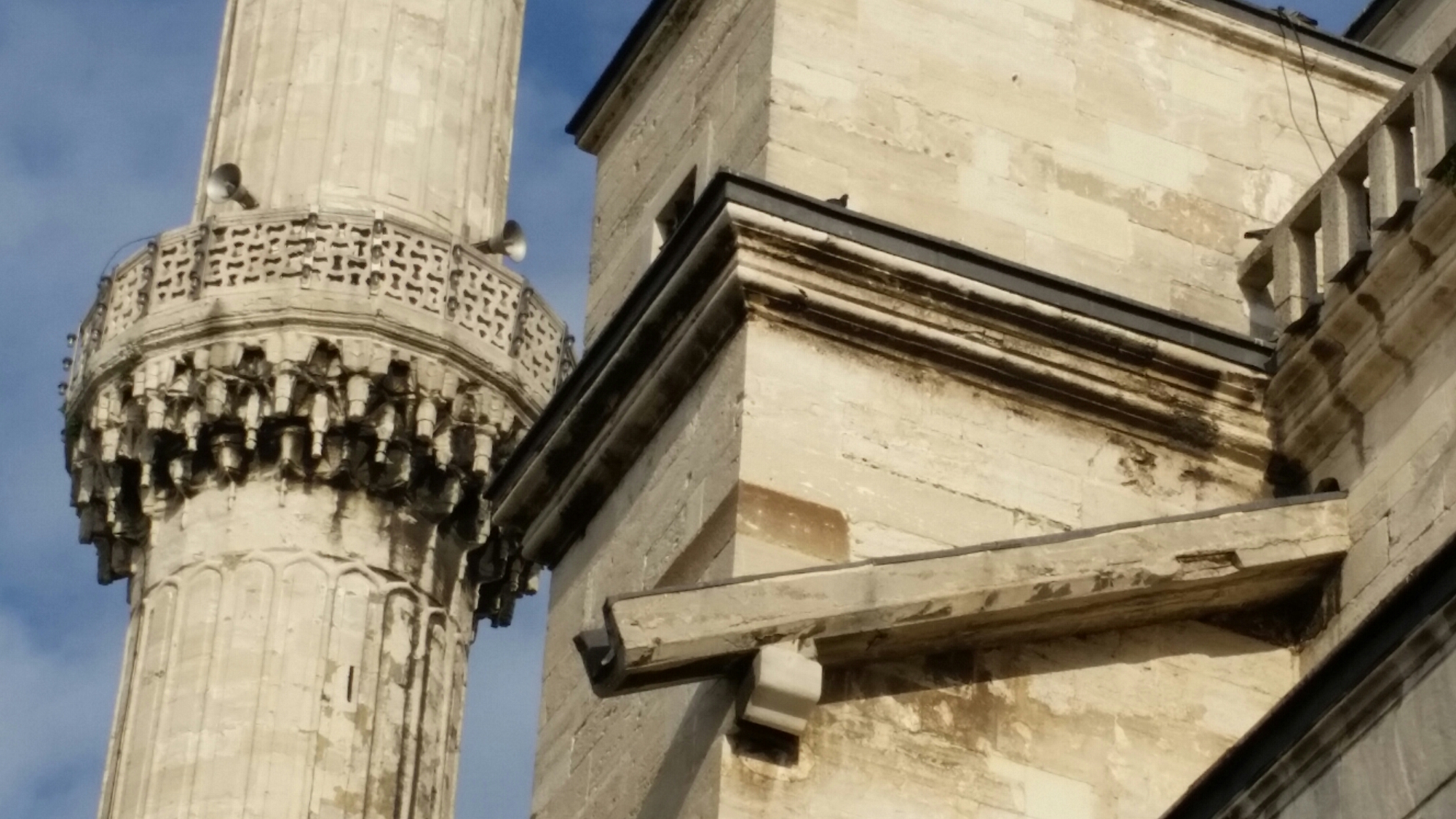
We started (shoeless) with the Blue Mosque, built for Sultan Ahmet I by Mehmet Ağa between 1609 and 1616, the grandest of the great mosques on the line of hills visible from the Golden Horn:
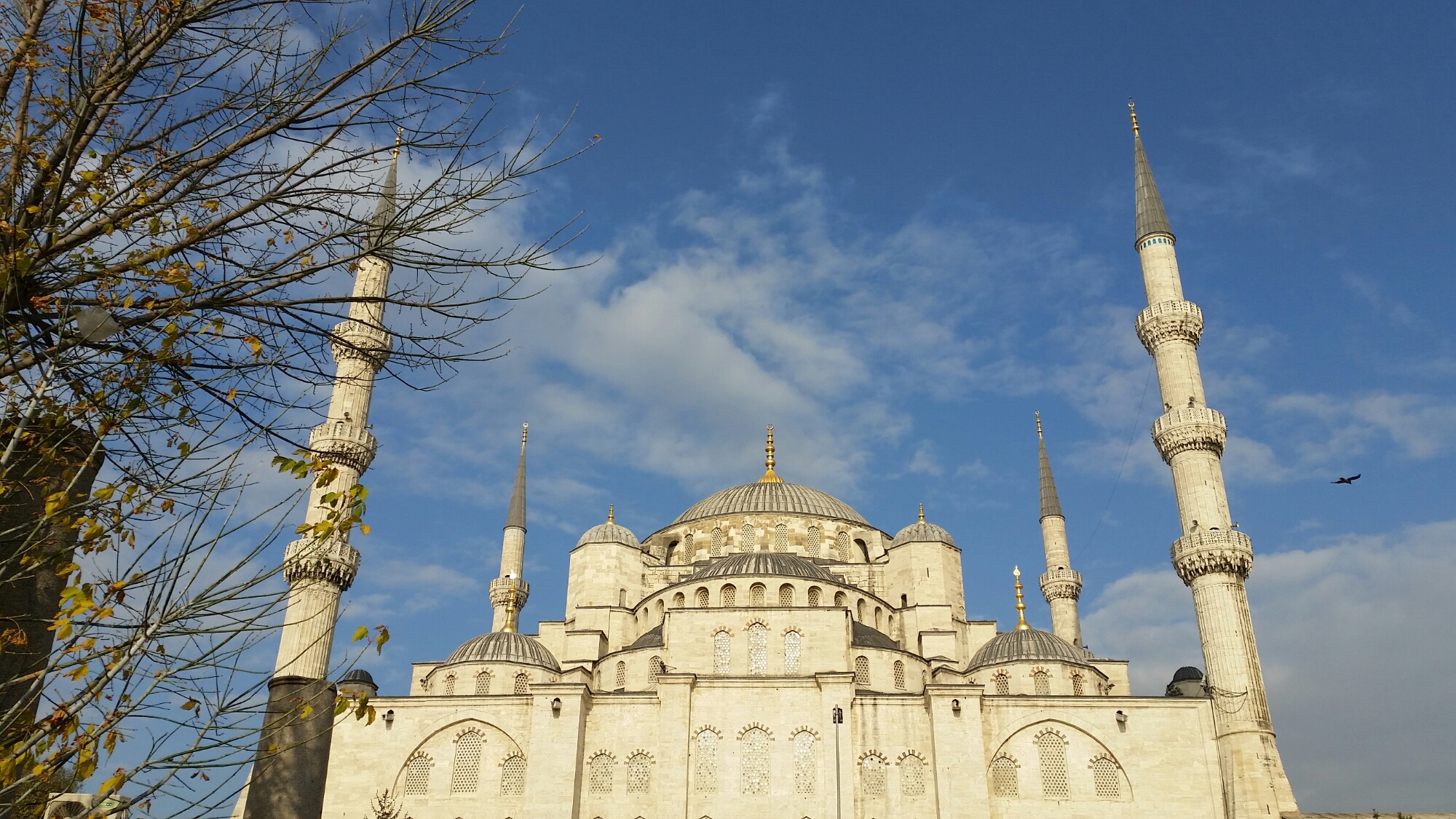
We started (shoeless) with the Blue Mosque, built for Sultan Ahmet I by Mehmet Ağa between 1609 and 1616, the grandest of the great mosques on the line of hills visible from the Golden Horn:
I took an early morning prowl round the local streets of Istanbul. We’re staying halfway between the Blue Mosque and Hagia Sofia, so well placed to explore the streets when only the shoe shine man was up. At 9.05 sharp the staff of the hotel assembled outside to honour the memory of Ataturk to the sound of distant sirens and the wailing of boats on the Bosphorus.
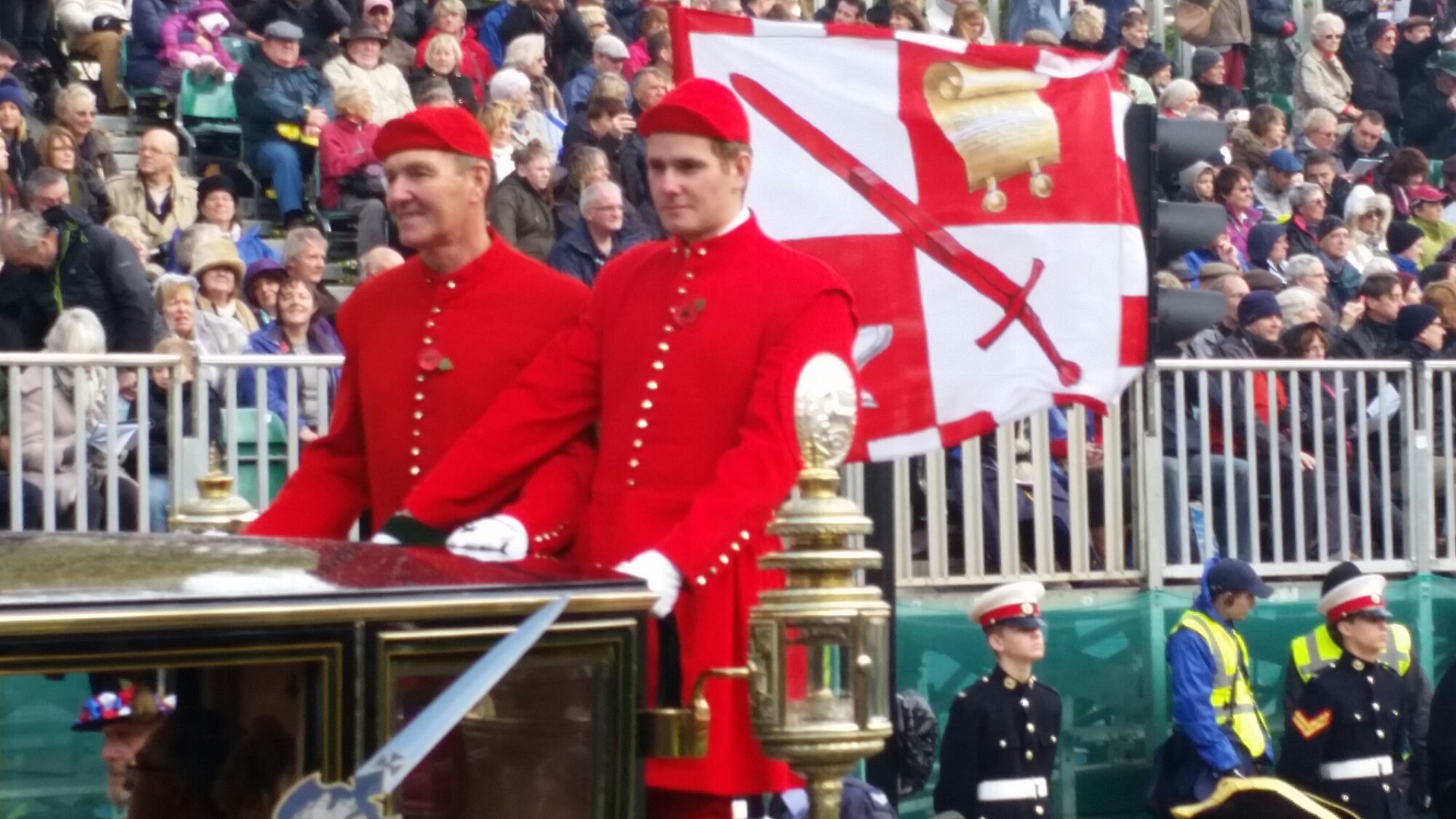
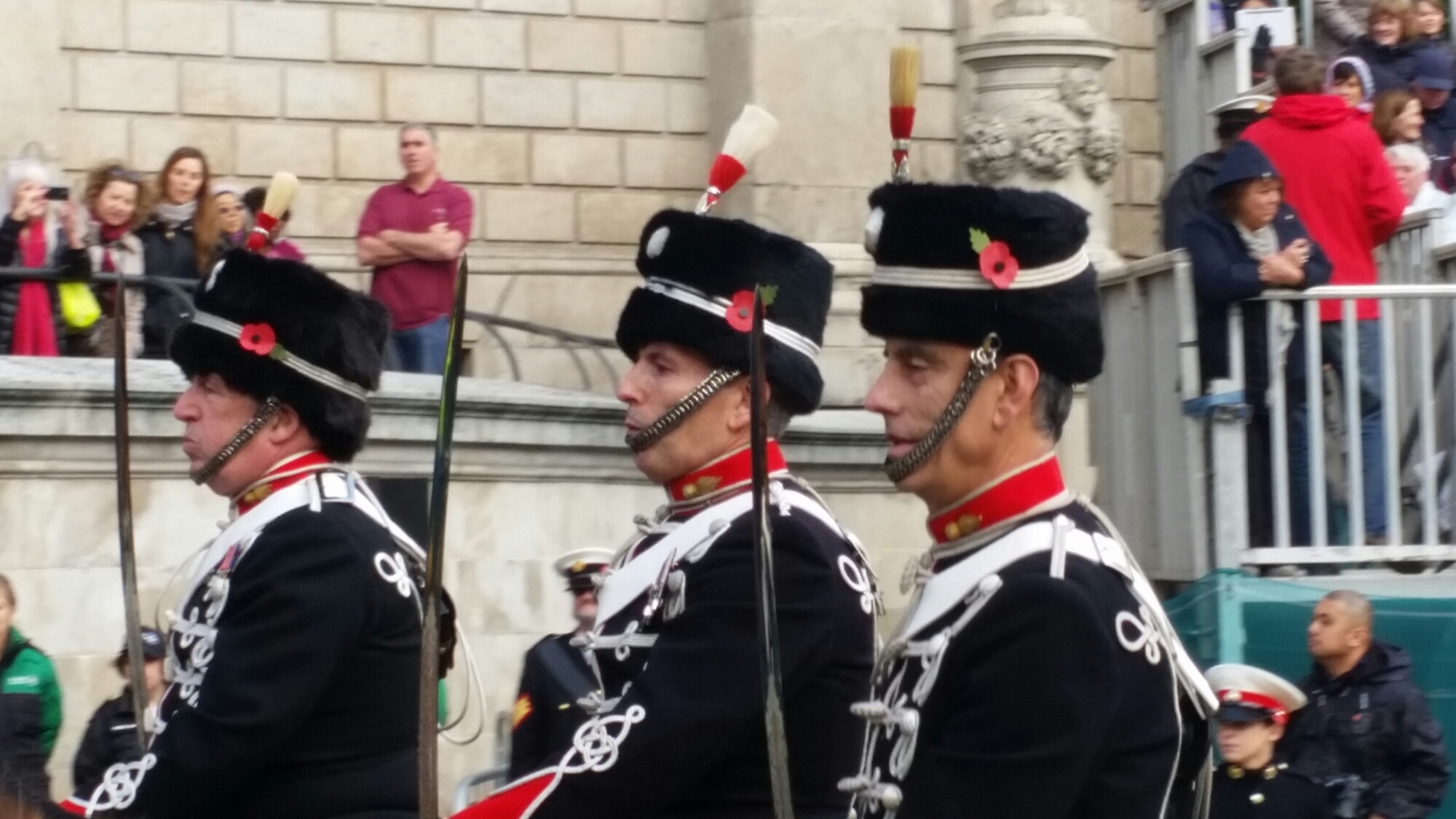
We had a good view of the Lord Mayor’s Show in a grandstand opposite the south front of St. Paul’s in a cheerful crowd in spite of the intermittent drizzle. It was a fine mixture of the magnificent, the moving and the ridiculous, including a surprising amount of straight advertising. There was the band of Christ’s Hospital, a lot of military recruitment and the Royal Academy’s red collars leading our Learning Department, as well as Gog and Magog led by the Worshipful Company of Basketmakers. Like much of the City, it’s part medieval ceremonial, part fund-raising and part community outreach. By the end, we were frozen.
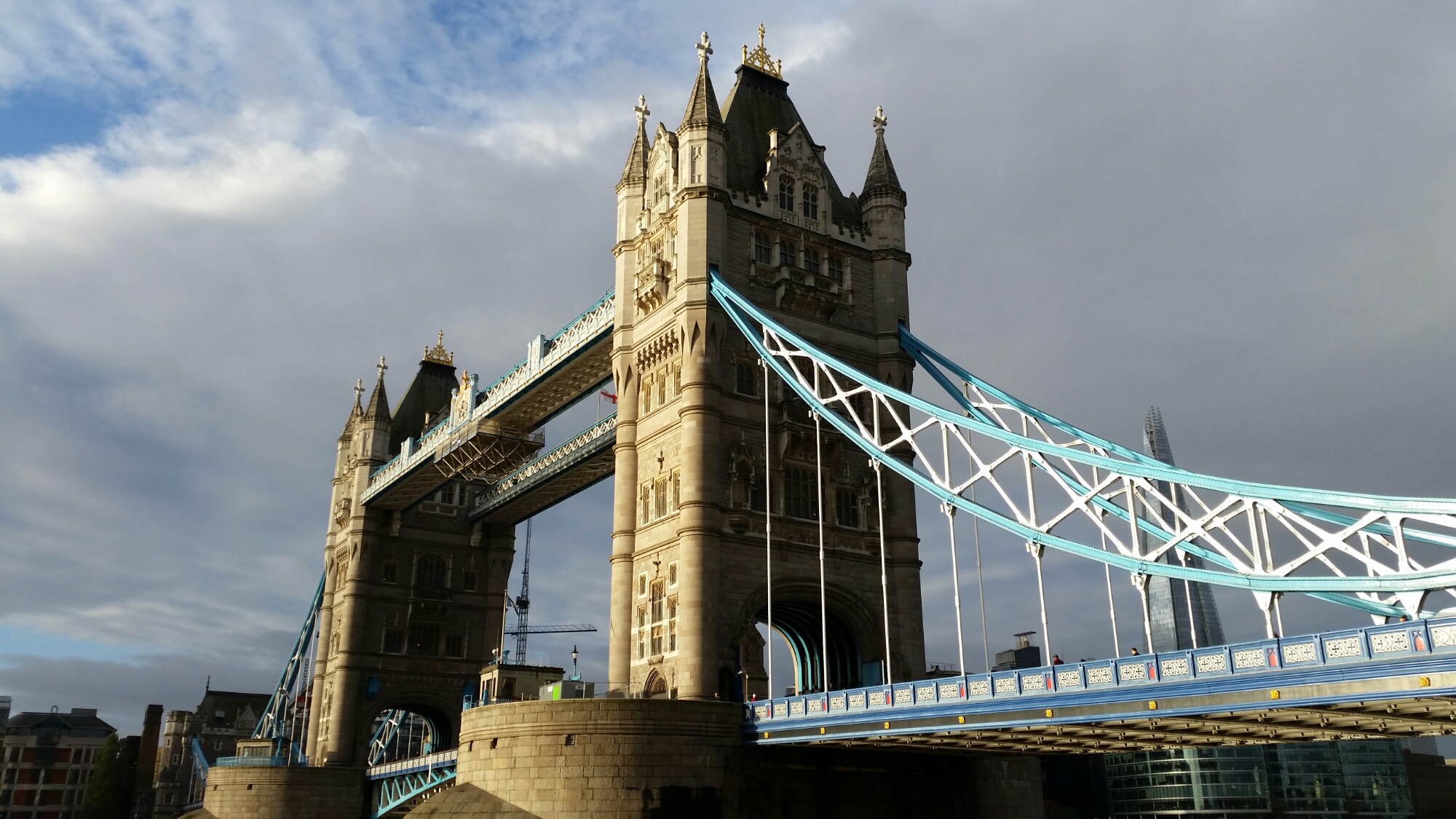
It was hard not to admire Tower Bridge in the early morning sun. Although it must be one of the most photographed views in Europe, Sir Horace Jones’s late Victorian design still retains a certain municipal dignity above the traffic and the crowds:
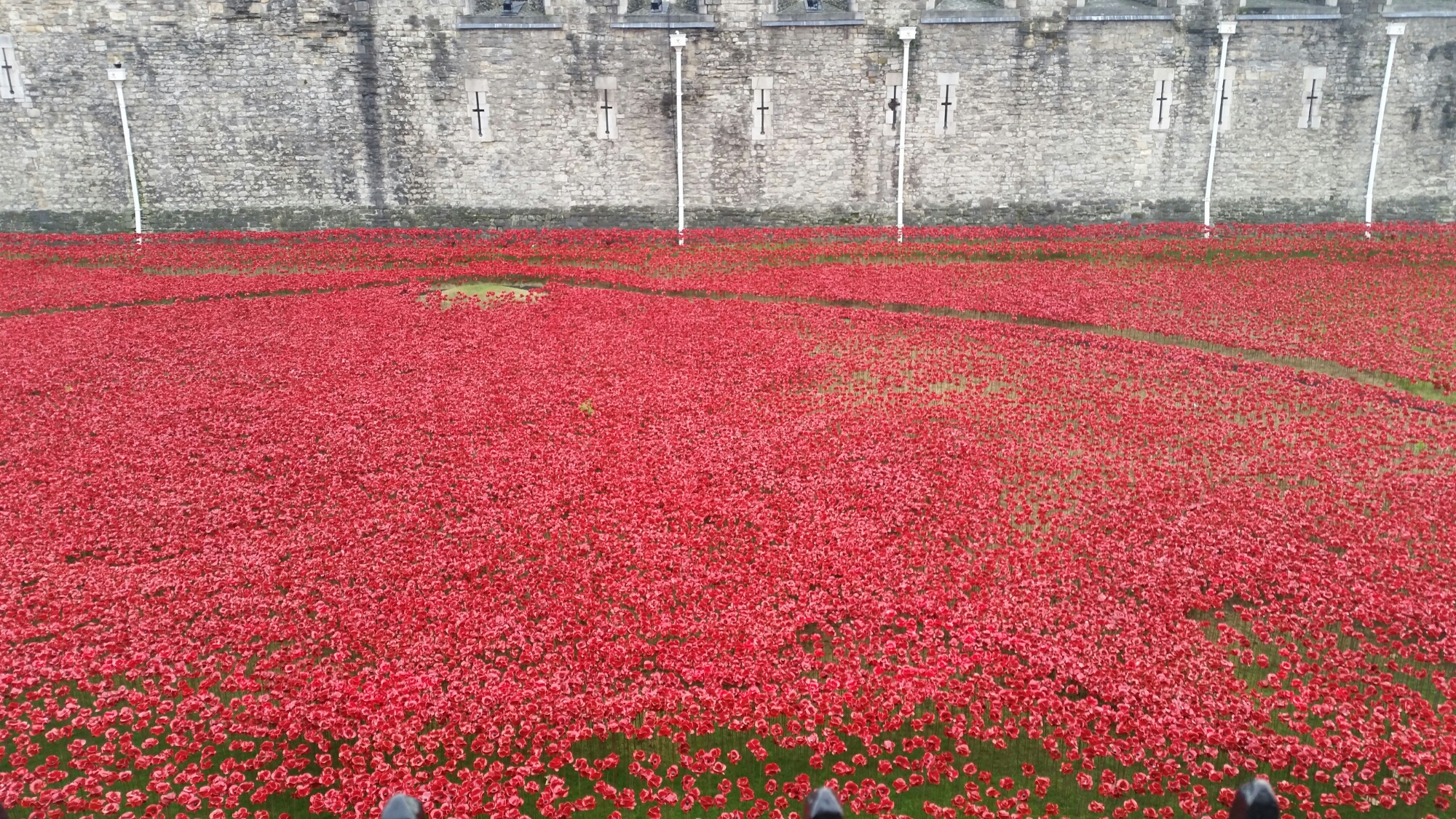
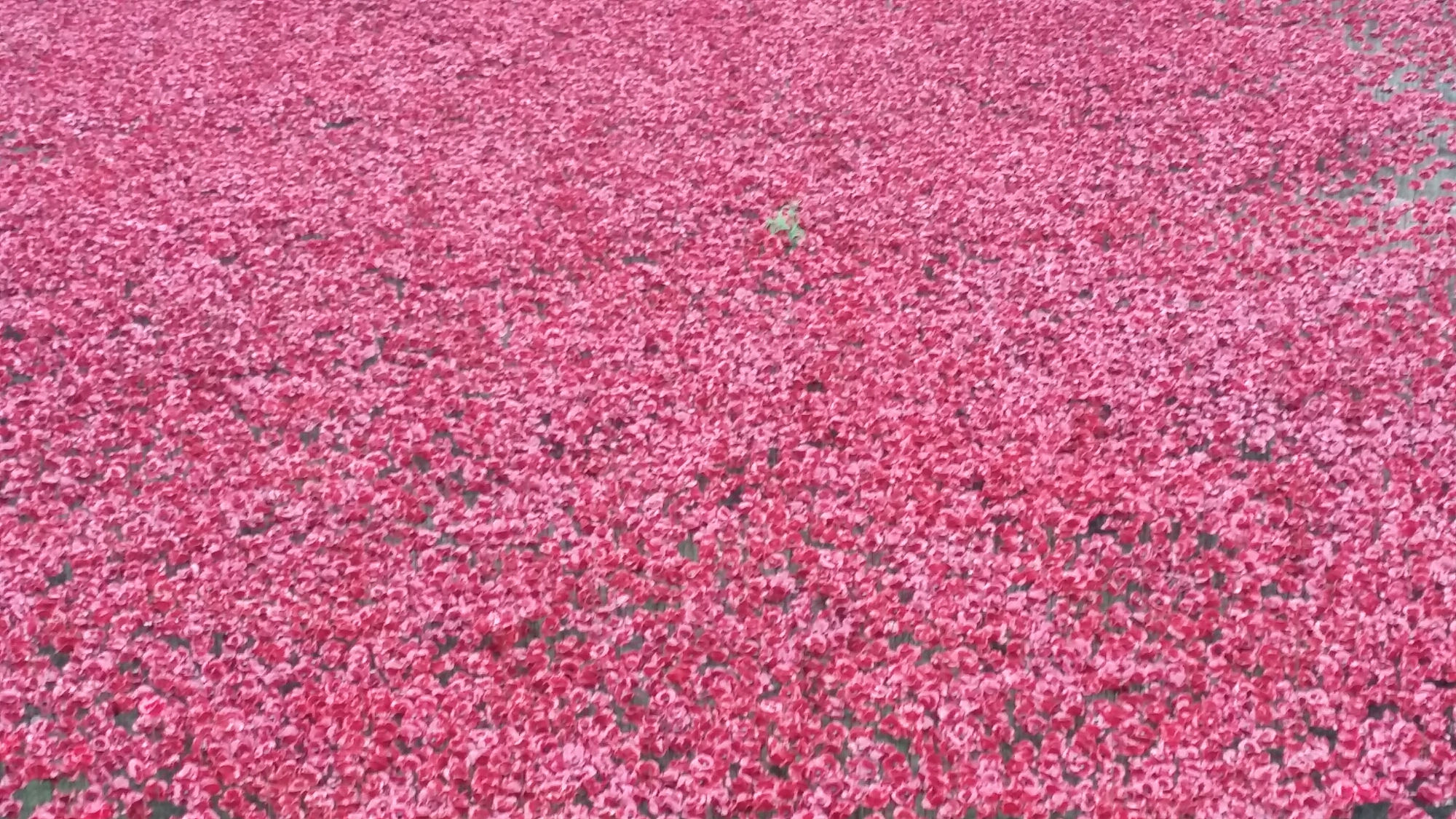
Before the crowds got up, I thought I should go and pay my respects to the poppies at the Tower. There was already a great sea of people standing silent with their cameras, milling about, acres of poppies stretching out all around the bastions of the Tower. It’s a very simple commemorative device and extremely effective:
We had a very good event this evening in which three of the actors who appeared in Mr. Turner – Martin Savage who played Benjamin Robert Haydon, Mark Stanley who played Clarkson Stansfield and Timothy Spall himself – came to the RA to talk about the work which went into the film: the amount of background reading, two and a half years in which Timothy Spall was taught the craft of painting, the extent to which the actors were required to think themselves into their roles, the research which went into the reconstruction of the 1832 exhibition (filmed at Wentworth Woodhouse), and the task of improvisation which led to the final script. I had not known that Turner had actually met Reynolds as well as being a huge admirer of Reynolds’s Discourses – indeed, that Reynolds had chaired the panel which led to Turner’s acceptance into the Royal Academy Schools aged fourteen and Turner attended the last of his Discourses in December 1790. The event convinced me, if I had had any doubts, of the seriousness of the film as an exercise in research-based and intelligent, as well as intuitive, reconstruction.
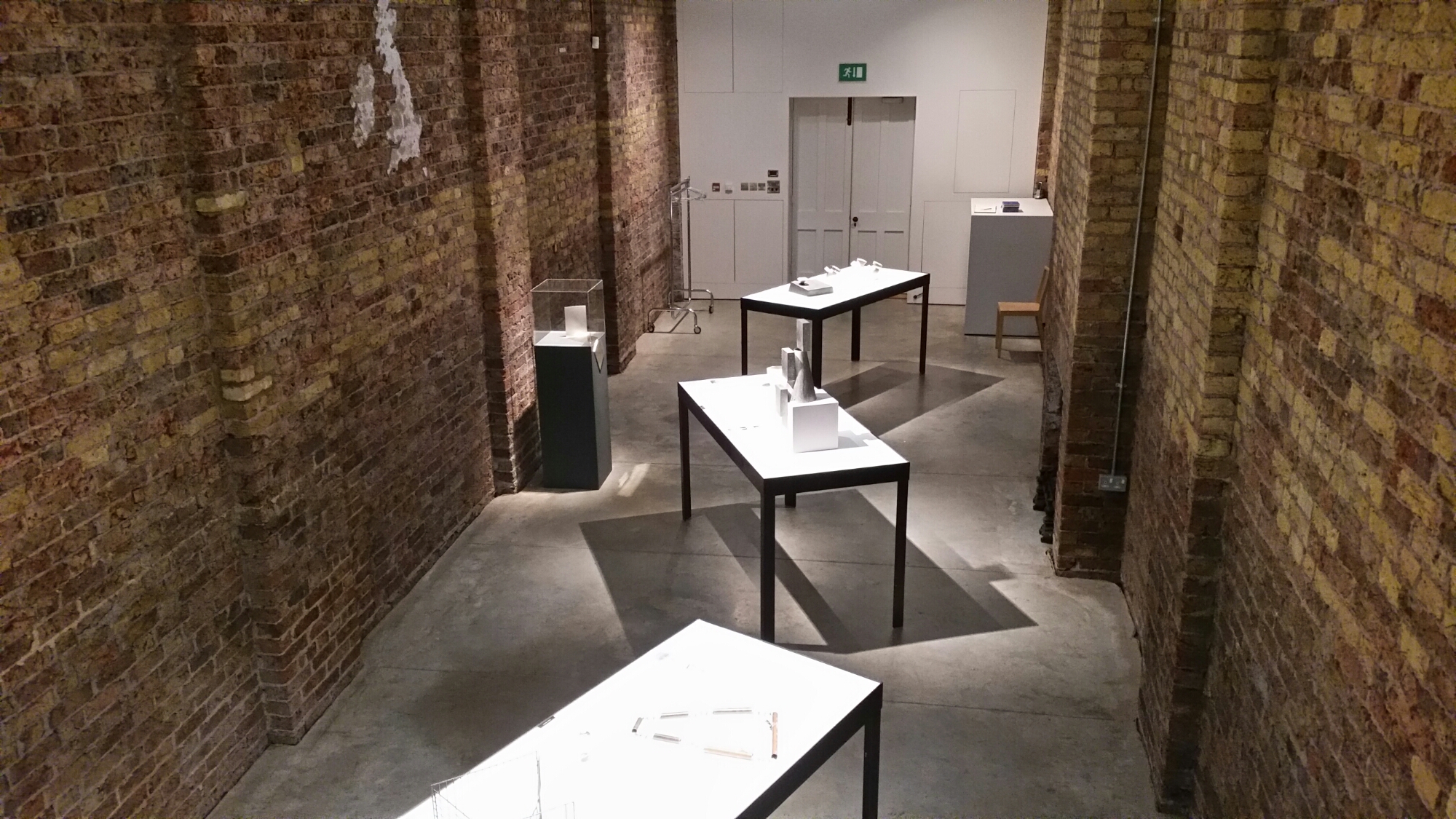
As I walked down Brick Lane, I discovered to my surprise that Gallery SO, the jewellery gallery sandwiched amongst the Indian restaurants, was open on the first Thursday of the month. They had a beautiful mixed display of new work by mainly German jewellers, including Bernhard Schobinger whose exhibition we saw recently at Manchester City Art Gallery:
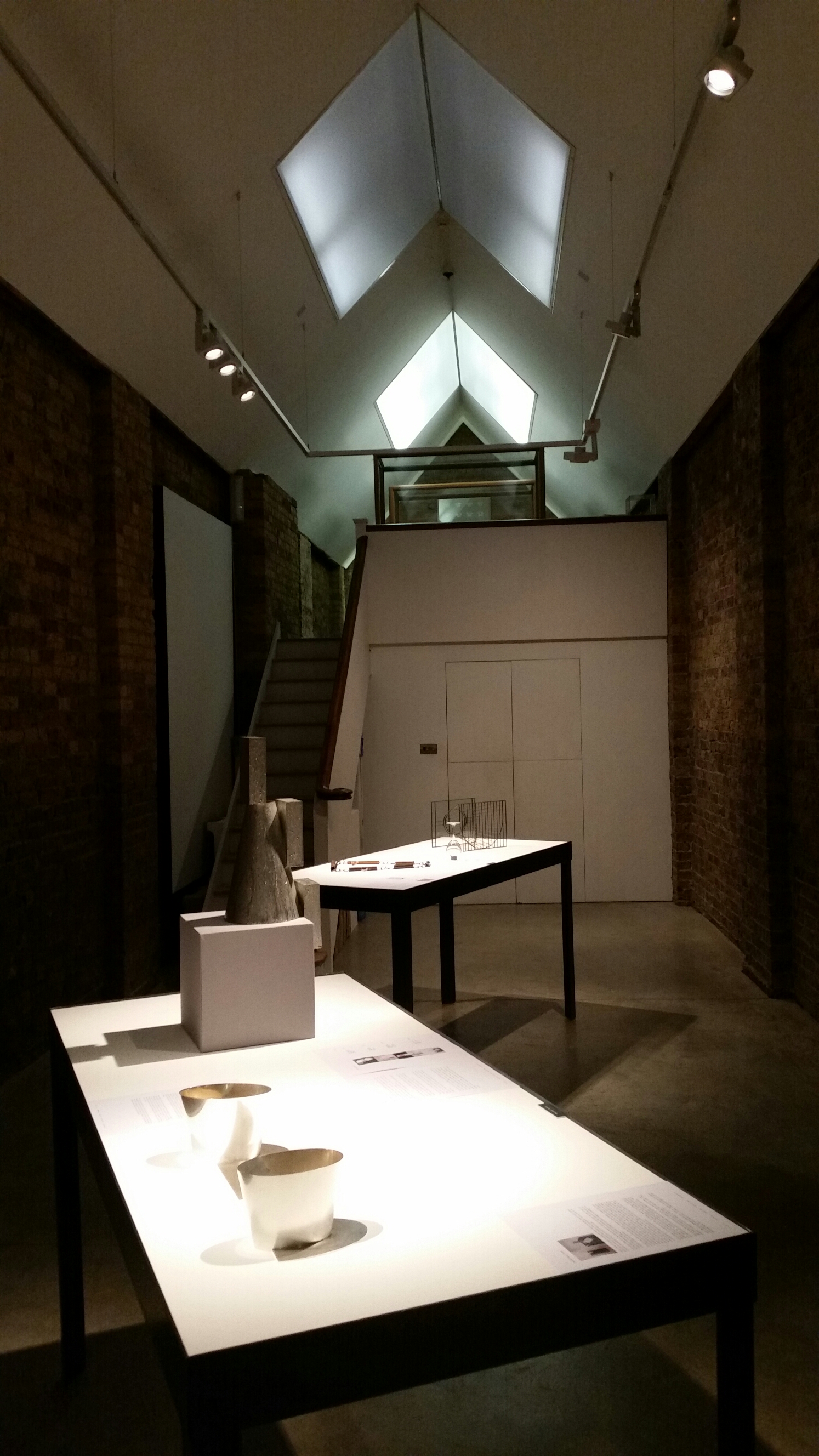
I spent much of the evening in Chris Dyson’s lovely, small gallery, ELEVEN SPITALFIELDS, a Huguenot weaver’s house in Princelet Street, with his architectural practice at the back and a display of Anthony Eyton’s recent drawing in the rooms at the front. Chris had asked Anthony to draw Hawksmoor’s churches, which he’s done with astonishing vigour and enthusiasm. He first visited Spitalfields in 1947 and took a studio in Hanbury Street in 1962, so his love and knowledge of the area and its churches antedates the gentrification of the surrounding streets. He was encouraged to paint and draw in his youth by Augustus John and represents an old tradition of endless careful, but now in old age, freer observational drawing, which is wholly admirable.
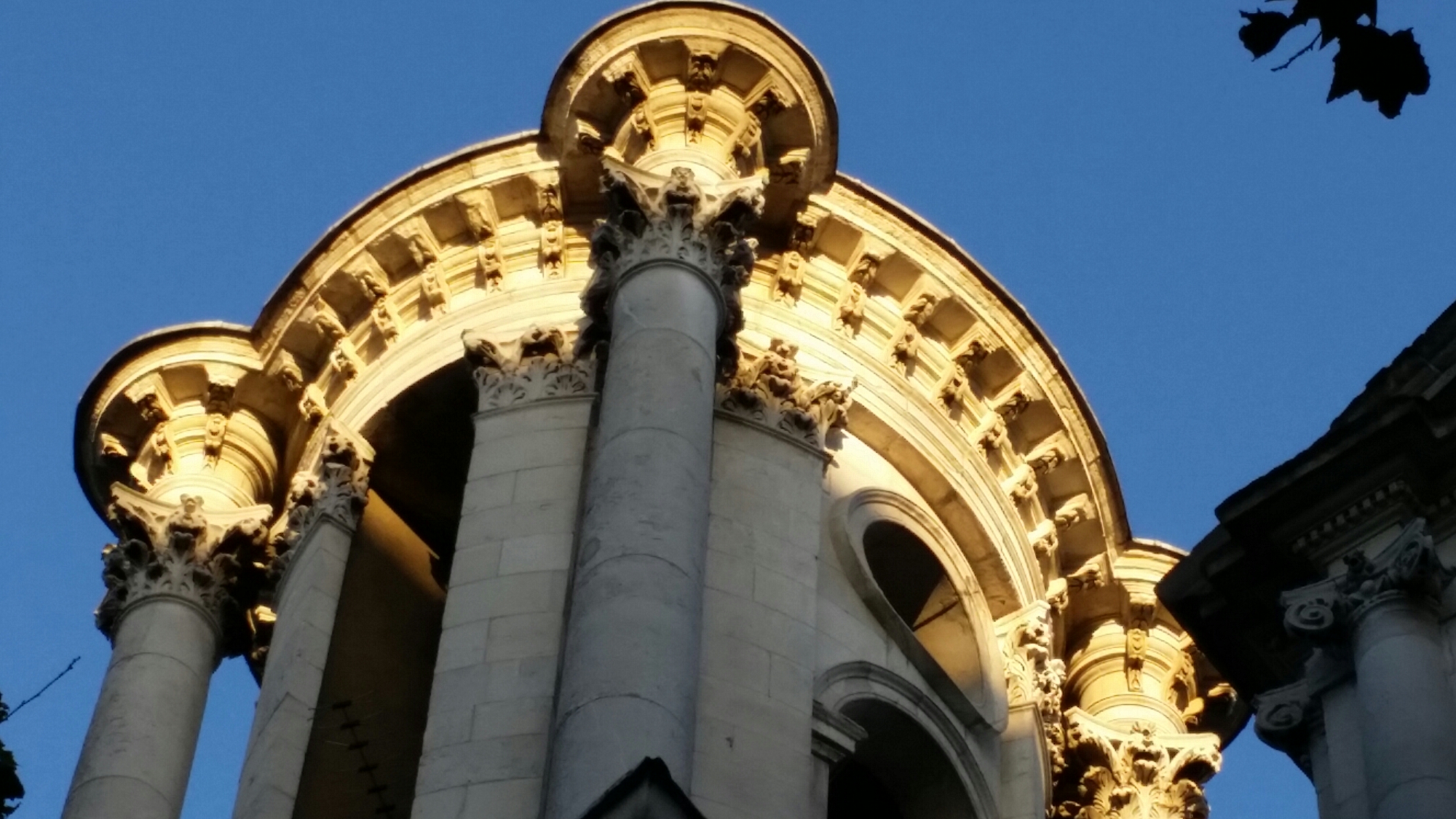
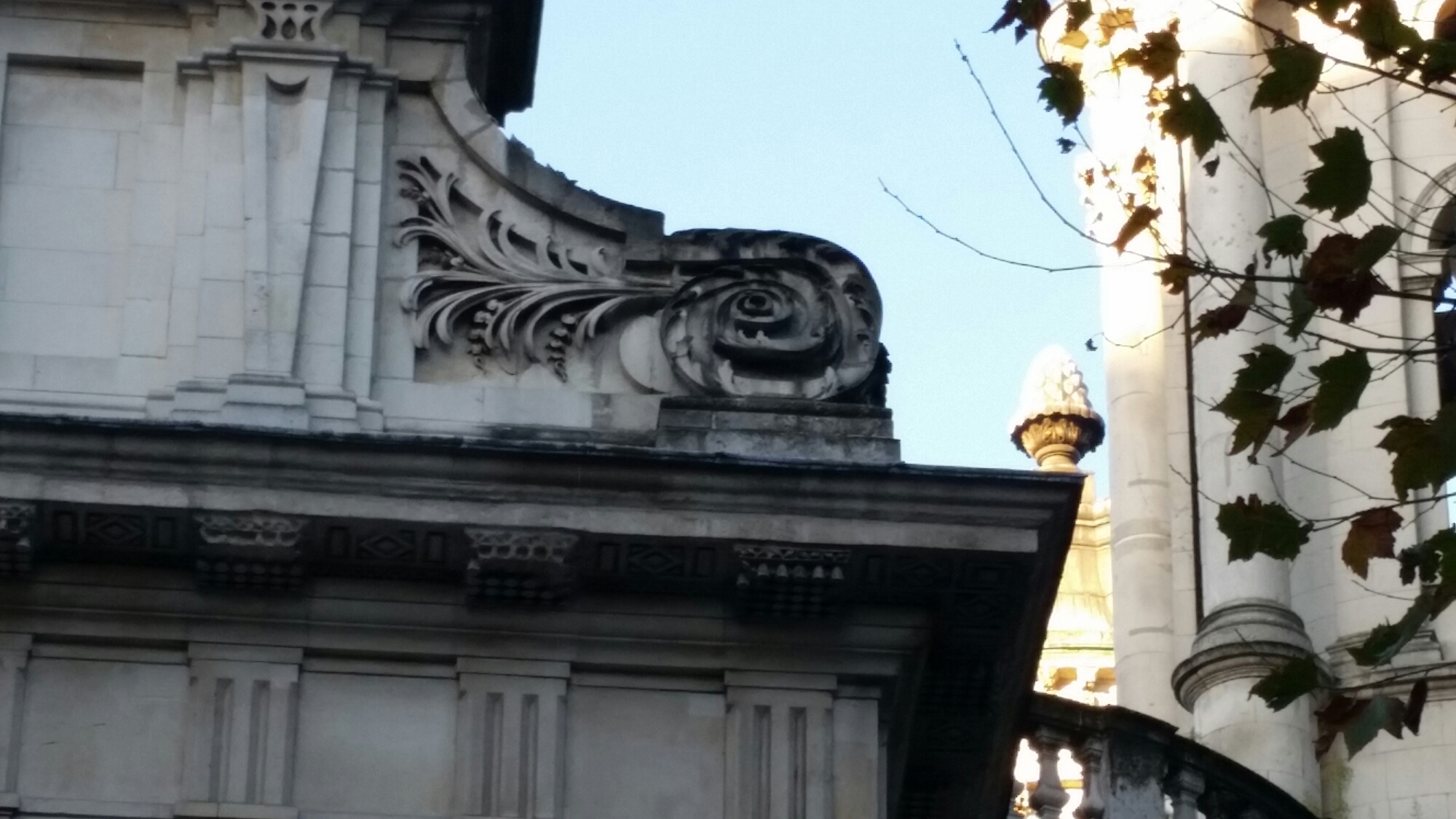
As I had an early morning meeting at Tate Britain, I thought I would walk down from Westminster tube station through the streets round Smith Square. I have always liked this unexpected survival of early Georgian London: the great Roman Baroque church by Thomas Archer surrounded by streets – Barton Street, Cowley Street, Lord North Street – lived in by plotting parliamentarians and grace-and-favour houses owned by Westminster School.
These are details of the church:
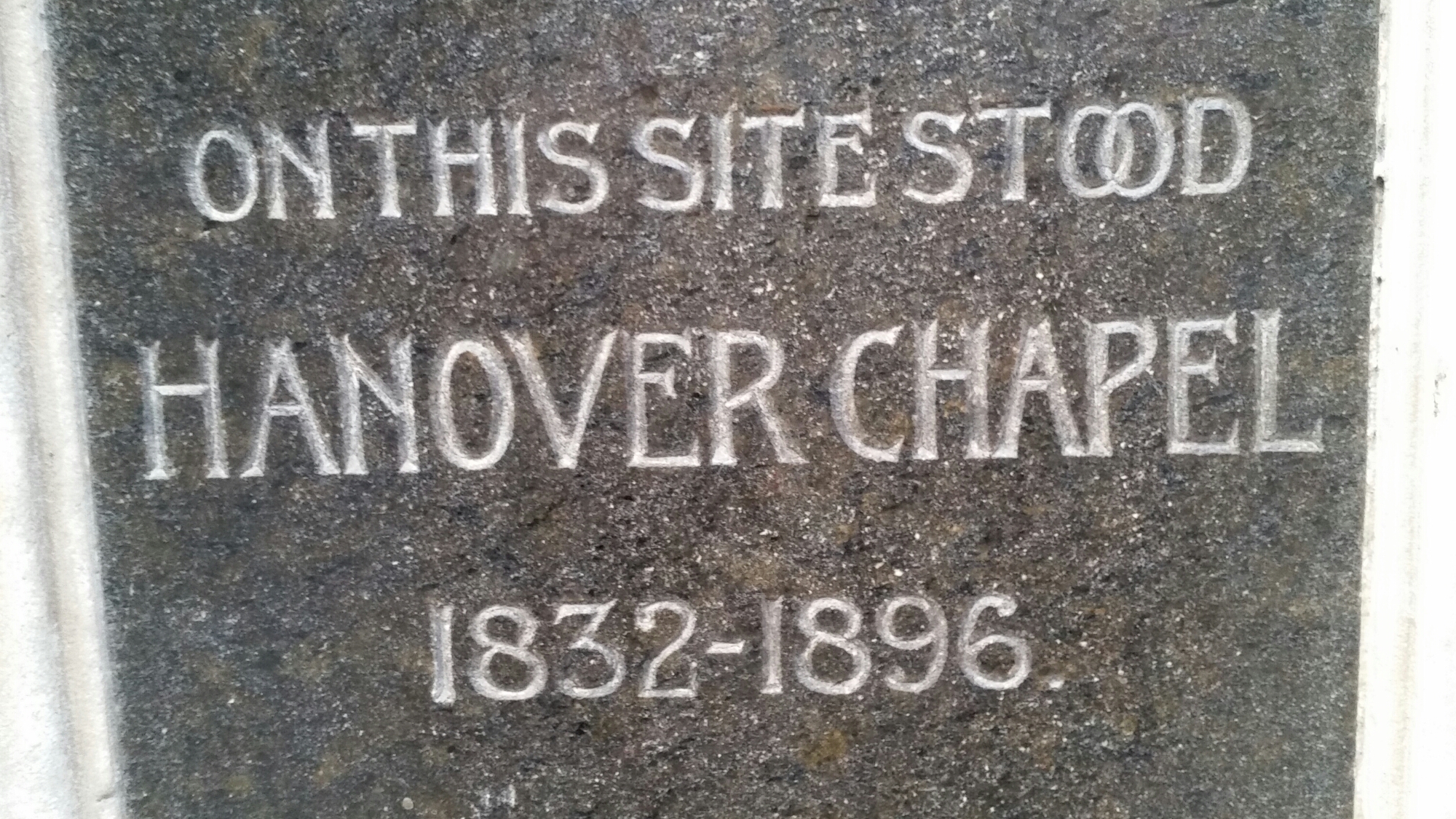
Hanover House on Regent Street replaced Hanover Chapel, an extremely grand, early nineteenth-century place of worship which was designed by the great Charles Cockerell in 1823 (not 1832 as the inscription states) soon after his return from a prolonged Grand Tour. The first stone was laid on 20 June 1823. It opened in 1825. Its design was applauded by J. Britton and A.C. Pugin in their book The Public Buildings of London, published shortly afterwards: ‘At a time when the extravagant and corrupt style of Louis XIV, or the architecture of our less cultivated ancestors, engage by turns the taste of the public, we hail, with the utmost satisfaction every endeavour to naturalise to our climate and our uses the purer taste displayed in Greek buildings…’
 | Charles | Saumarez | Smith |
You must be logged in to post a comment.