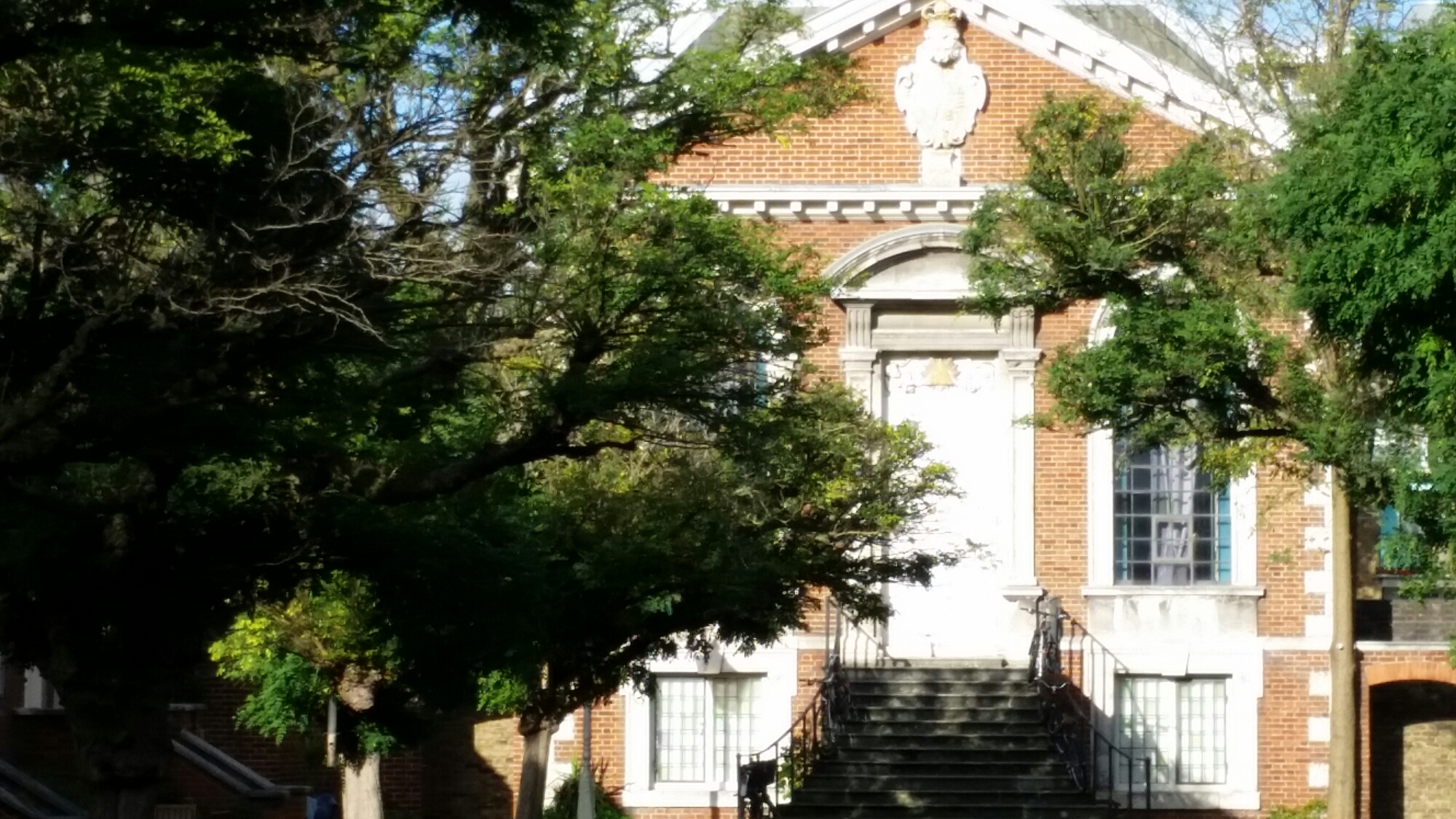
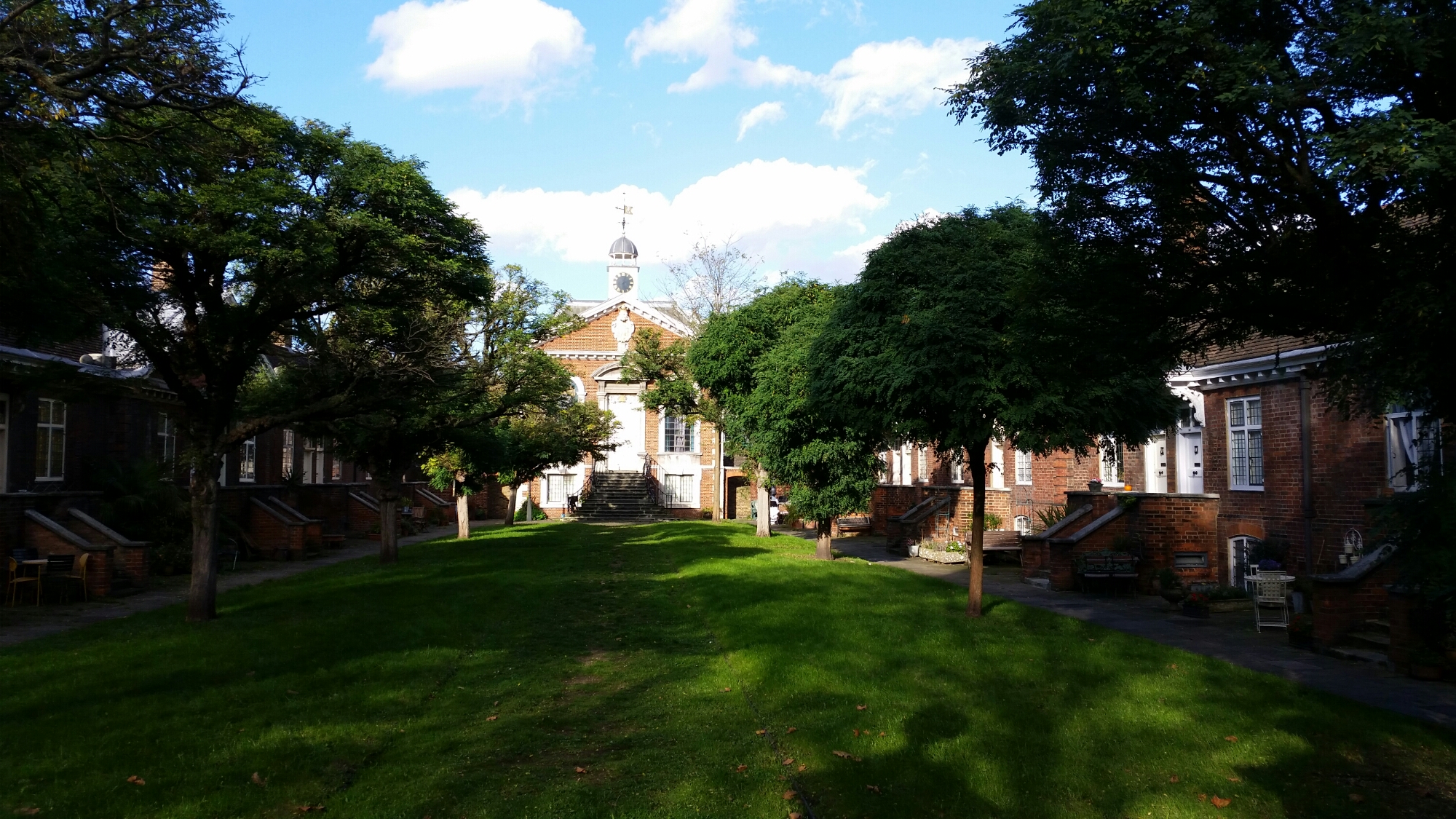
I walked past the almshouses at Trinity Green this afternoon. They looked particularly fine in the late autumn sun, with the grass grown long in front of the chapel. Established by the will of Captain Henry Mudd of Ratcliffe for ’28 decayed masters and commanders of ships or the widows of such’, there are model ships, fibreglass copies of the marble originals, on the parapet. What is not recorded is that the almshouses were saved as a result of the energies of C.R. Ashbee who wrote The Trinity Hospital in Mile End: An object lesson in national history as the first volume of the Survey of London, published in 1896 by his Guild of Handicraft in Bow:
Monthly Archives: November 2014
Nature Study Museum
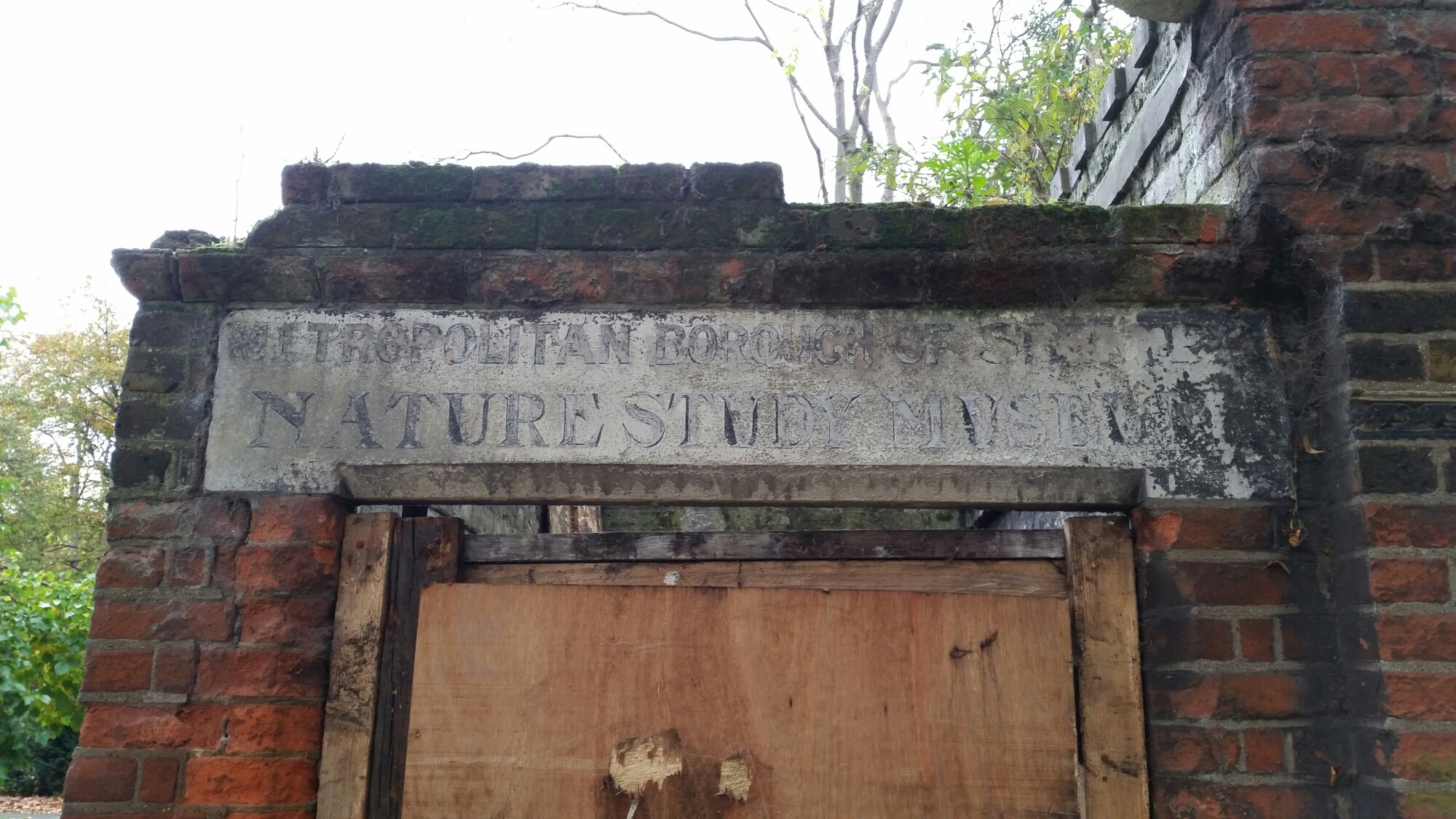
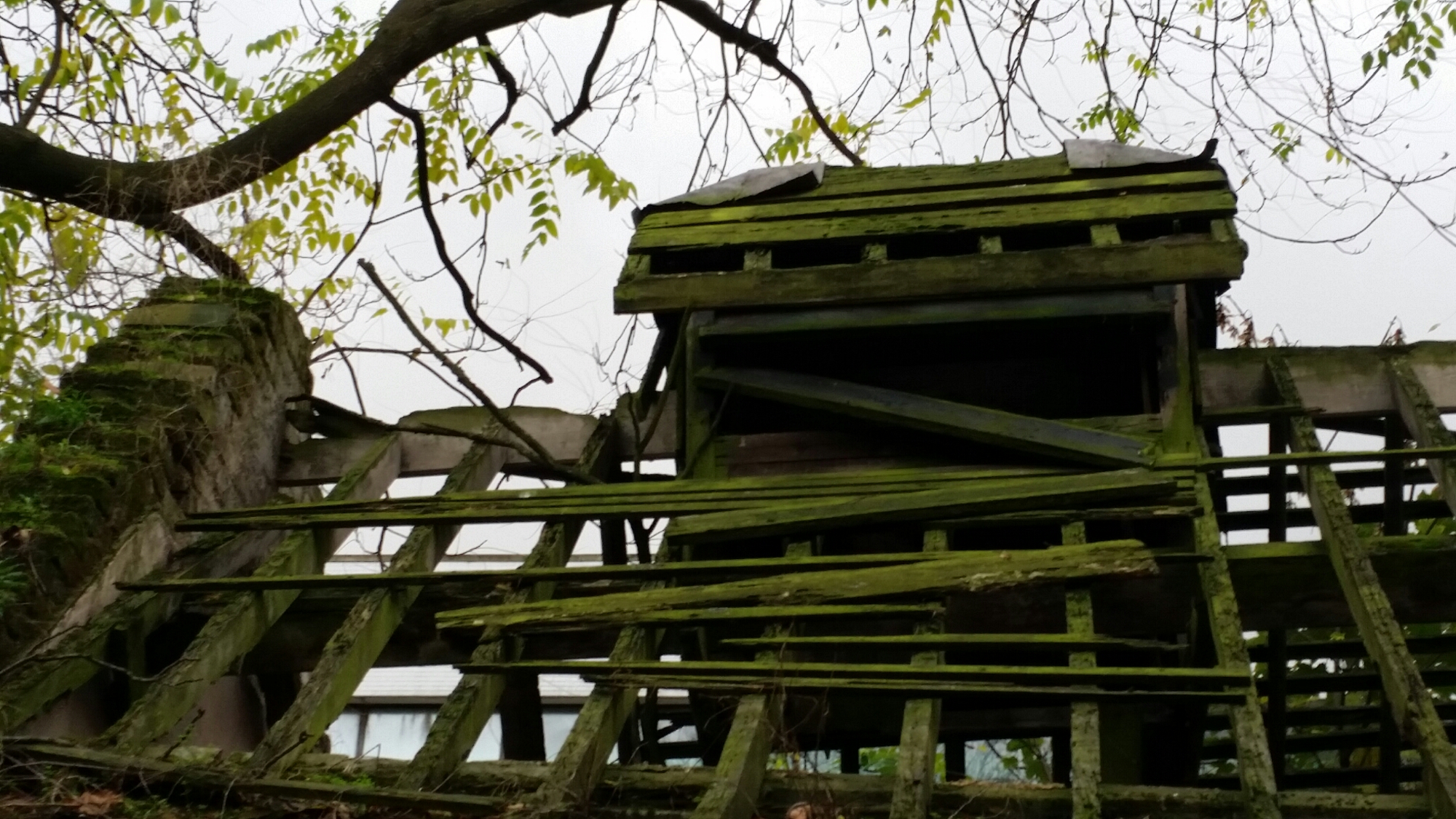
We took a detour today to have a look at the Nature Study Museum in the grounds of St. George-in-the-East, the great Hawksmoor church on the Highway. It’s an odd little building, nearly completely derelict, originally built as a mortuary chapel where coffins were put before transfer to a public cemetery. In 1904, it was converted into a Nature Study Museum by an eager young curator, Miss. Kate Hall, to introduce the local poor to the world of nature, including tanks of frogs, toads, newts and salamanders and beehives outside. When she died, the building was described as a ‘fairy house in an oasis’, but the monkey took to biting children and the Museum was closed during the second world war:
The Mission
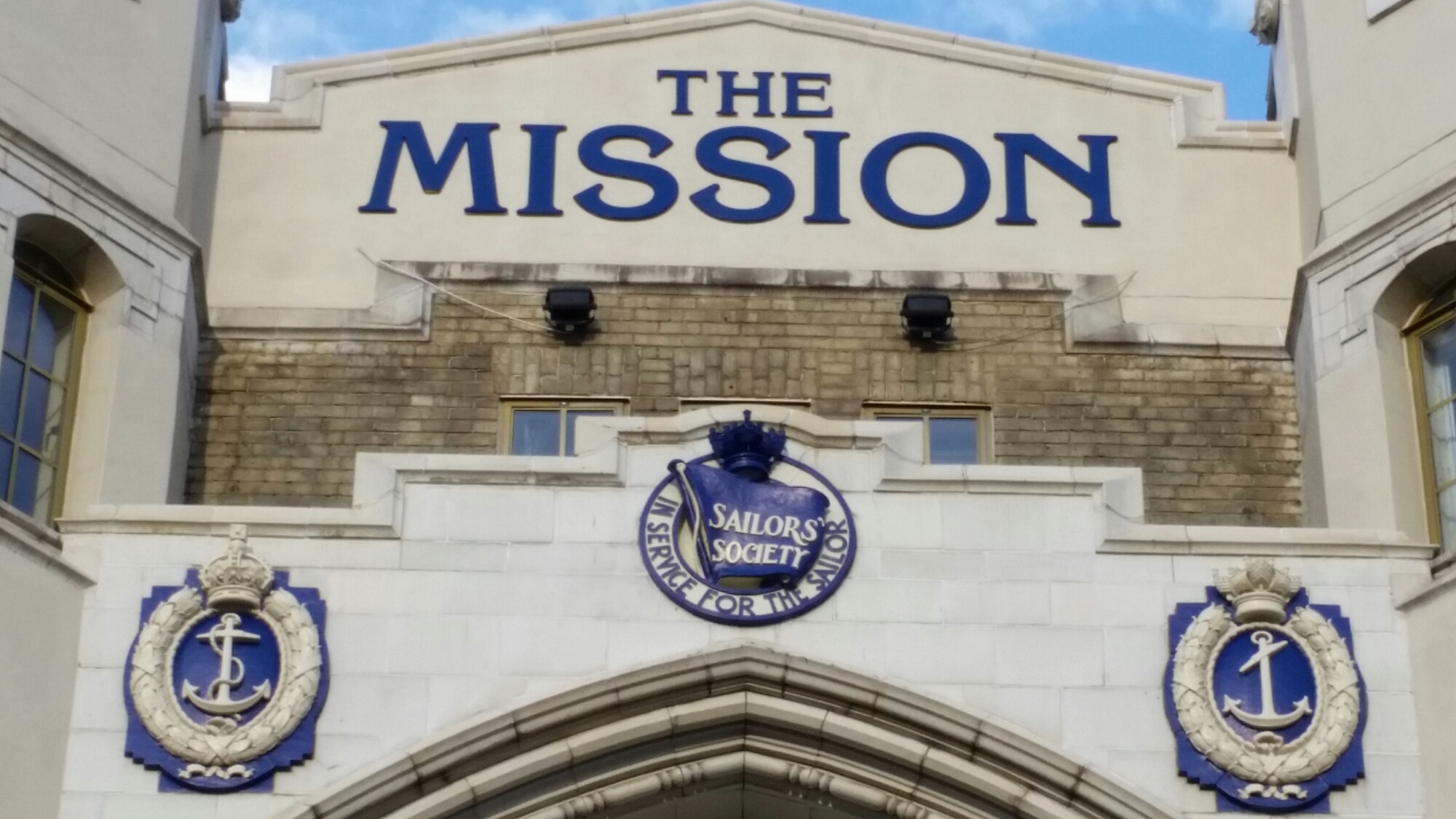
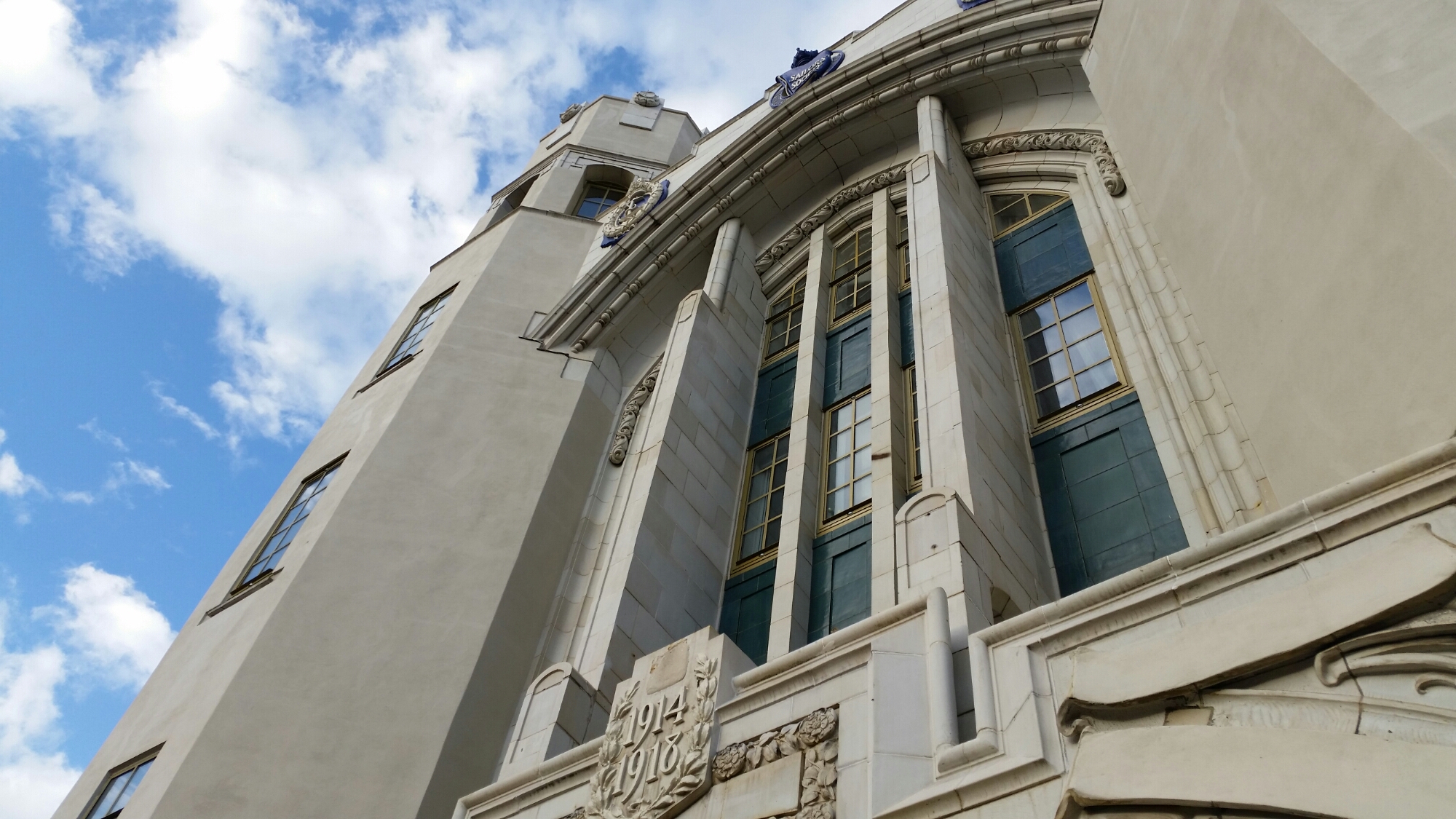
When we lived in Limehouse, we inherited the architectural drawing for the Empire Memorial Sailor’s Hostel, which was designed by Thomas Brammall Daniel and Horace W. Parnacott and opened in 1924 with beds for 205 sailors in cabins. It’s quite a fine building, with a grandiose frontispiece of stripped-down perpendicular and I hope the drawing survives in the Ragged School Museum to whom I donated it. Rather amazingly, in 1960 the building was the location for the 4th. Conference of the Situationist International, a group of revolutionary Marxists led by Guy Debord, who pioneered the study of psychogeography:
Stepney Municipal Baths
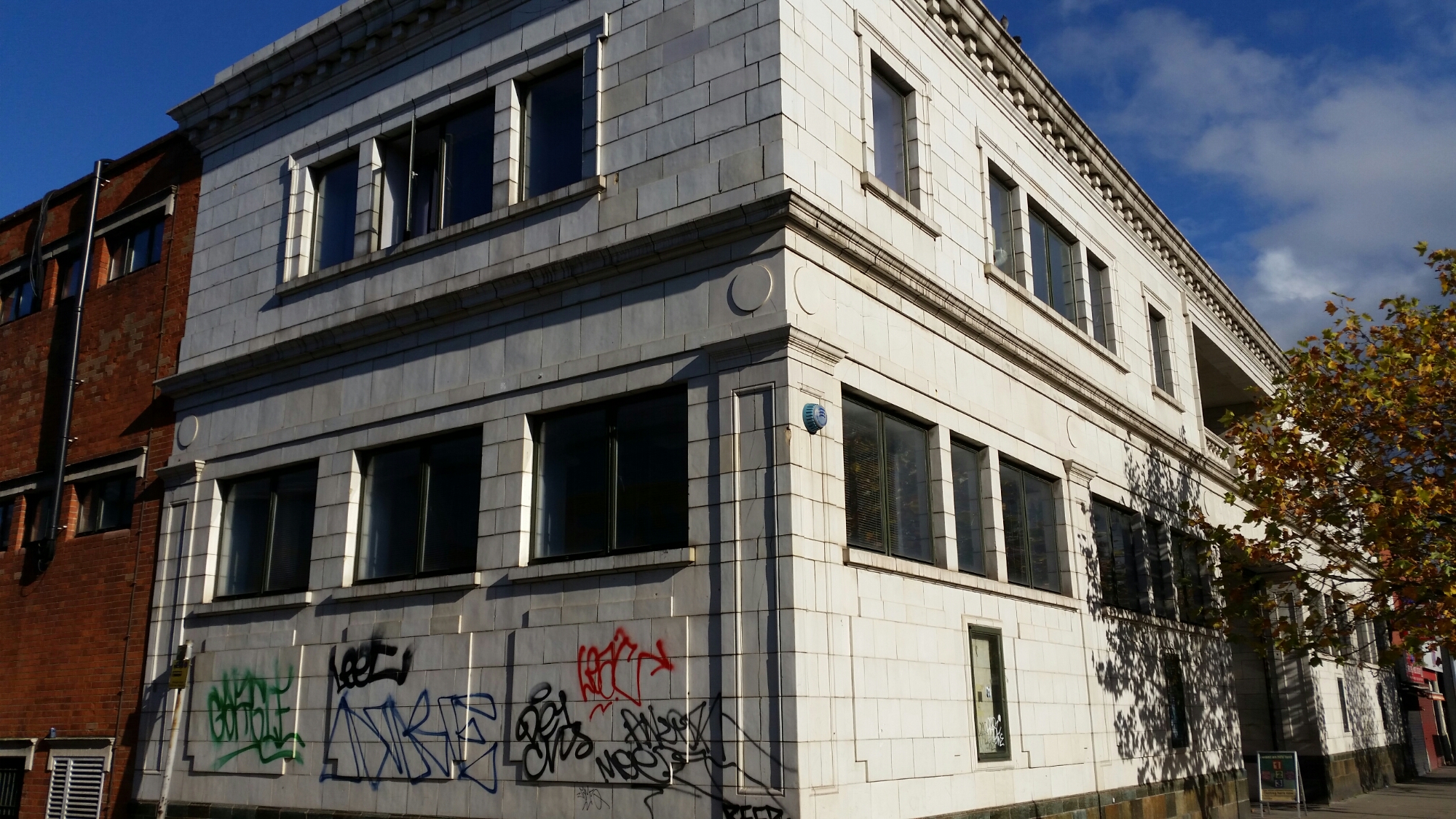
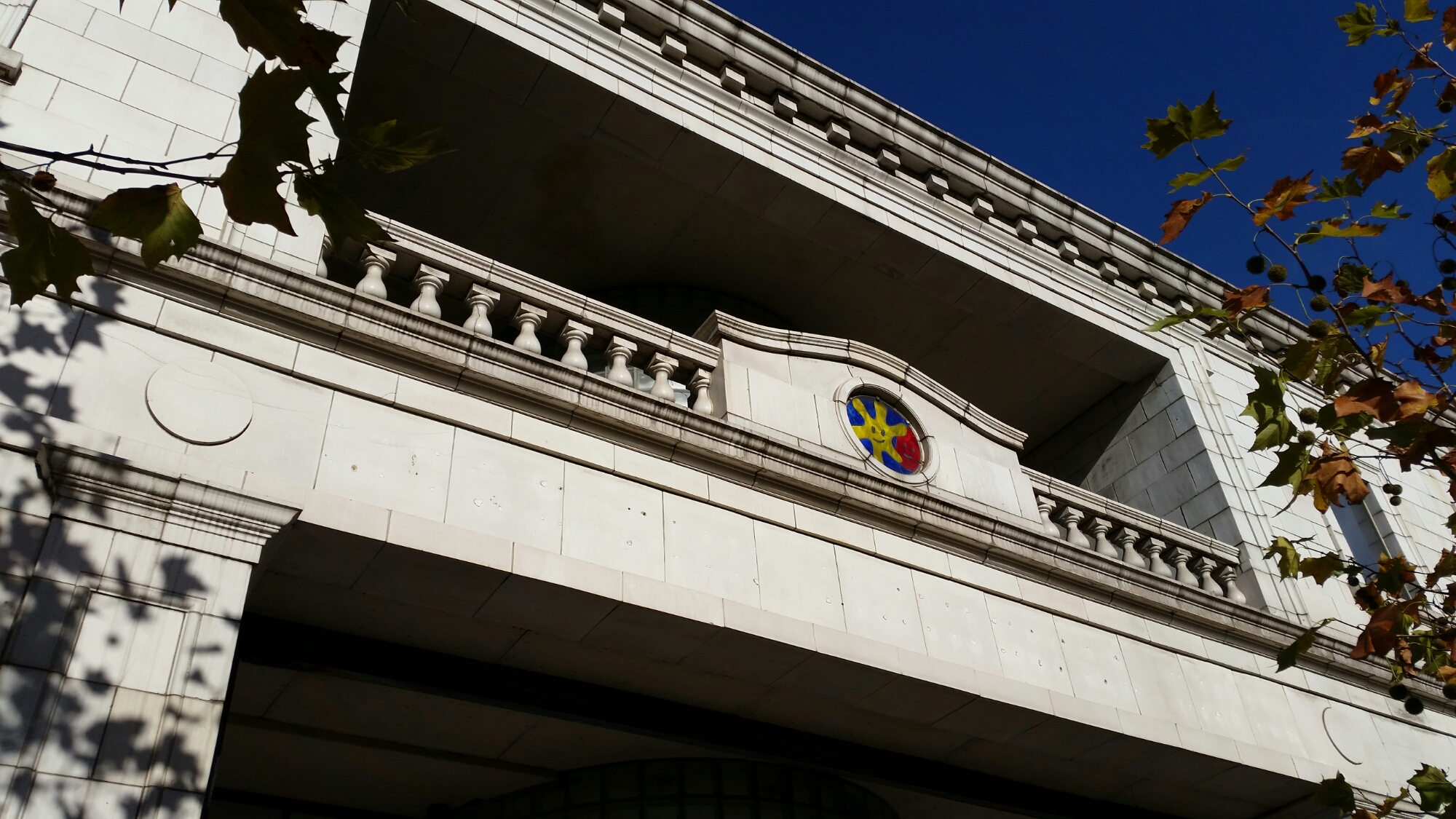
My attention has been called to the so-called ‘Moony Sipal’, the old Municipal Baths which were built before the war by the Stepney Borough engineer and converted in 1995 into the local centre for HIV. I walk past it twice a day on the way to the underground station and have never stopped to examine what Pevsner (or Bridget Cherry) describes as ‘a likeable, hygienic faience façade, with central recessed bay and loggia at first floor behind a balustrade’. Not a particularly distinguished building perhaps, but a relic of a pre-war era of civic improvement in the old east end, when you could buy a bar of soap for 1d. and have a bath for 6d: