
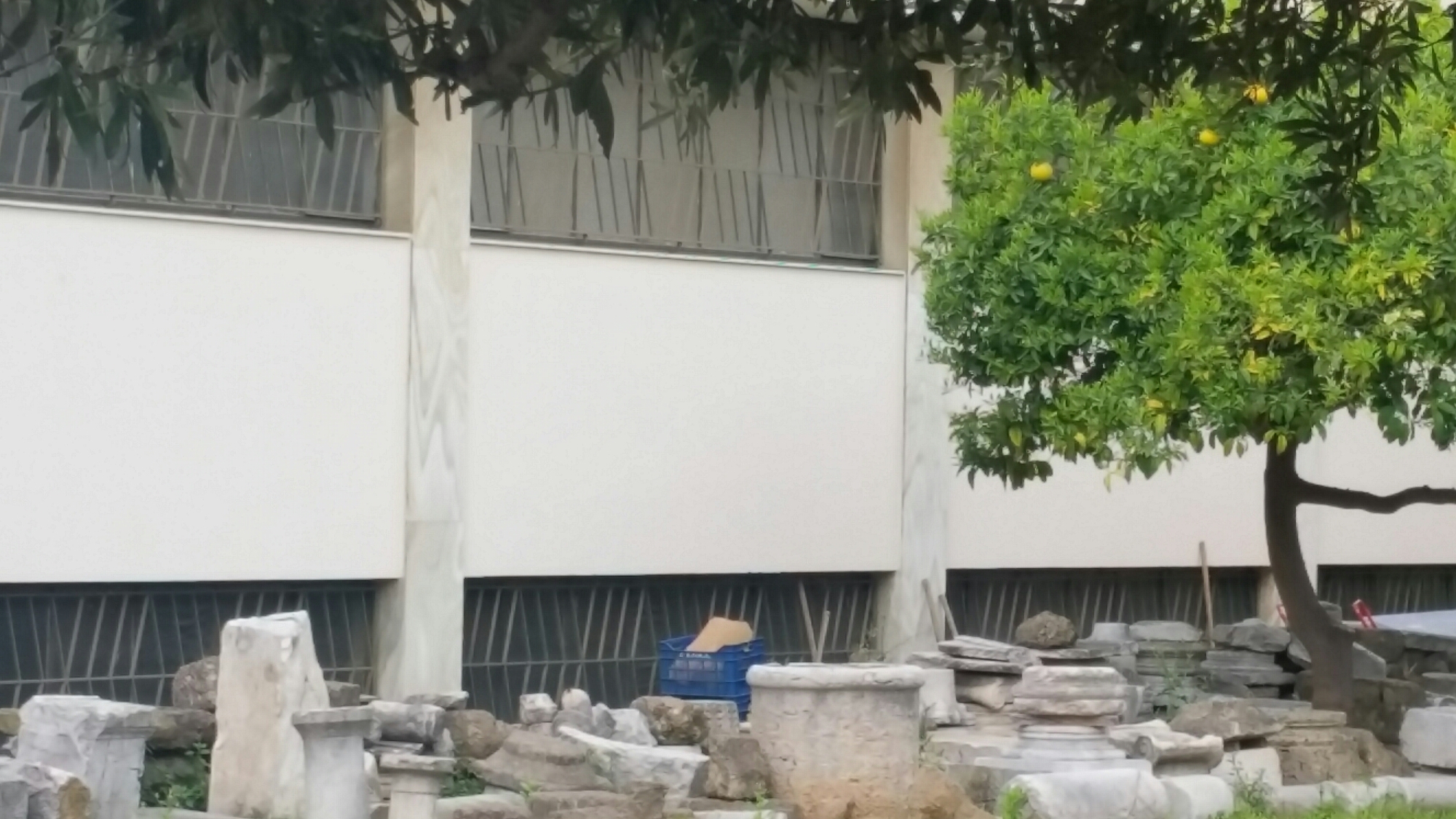
The town of Argos has seen better days, once a rival to Sparta, now a one-horse market town.
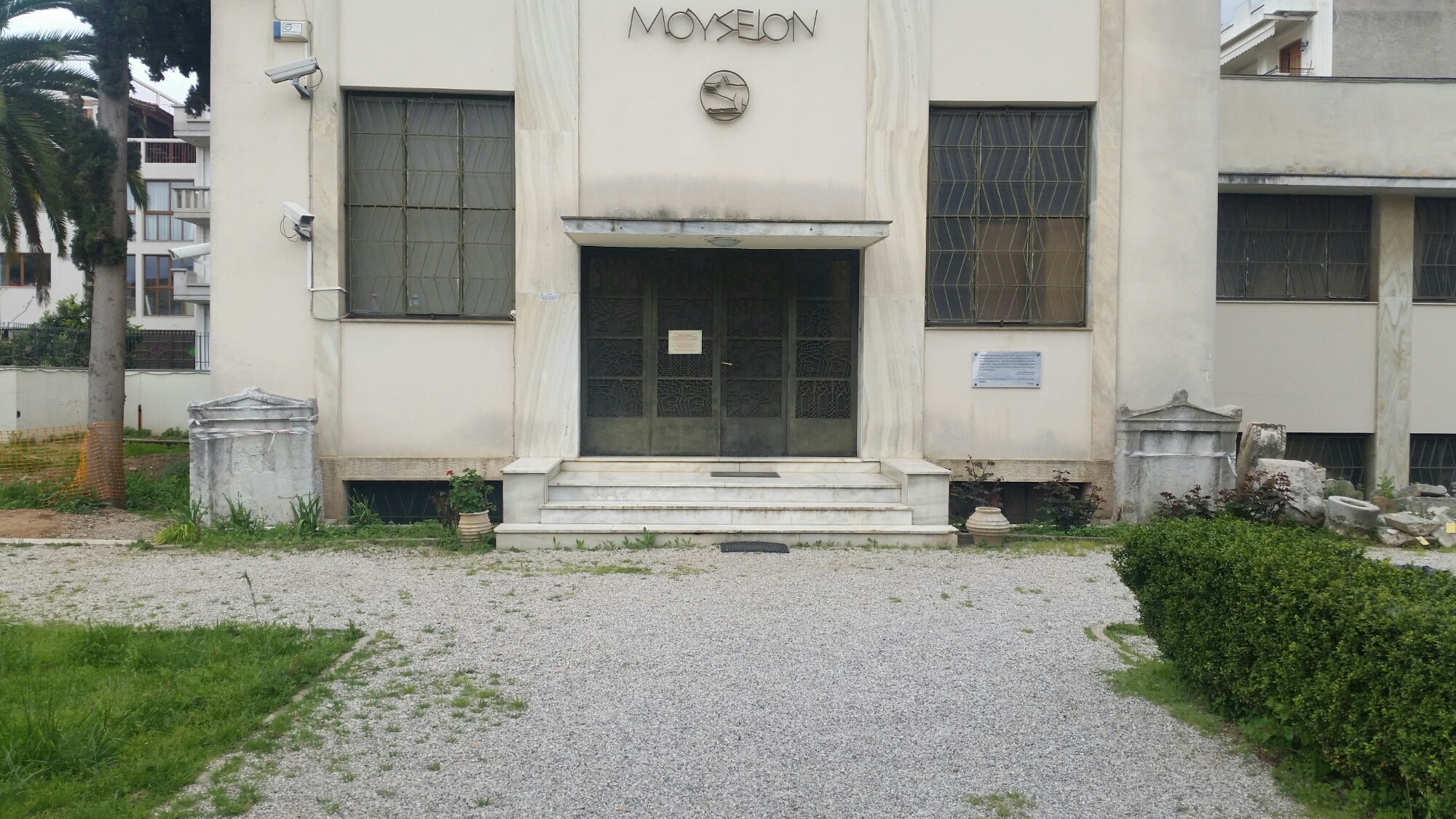
This is its museum, closed for the foreseeable future:-
The town of Argos has seen better days, once a rival to Sparta, now a one-horse market town.
This is its museum, closed for the foreseeable future:-
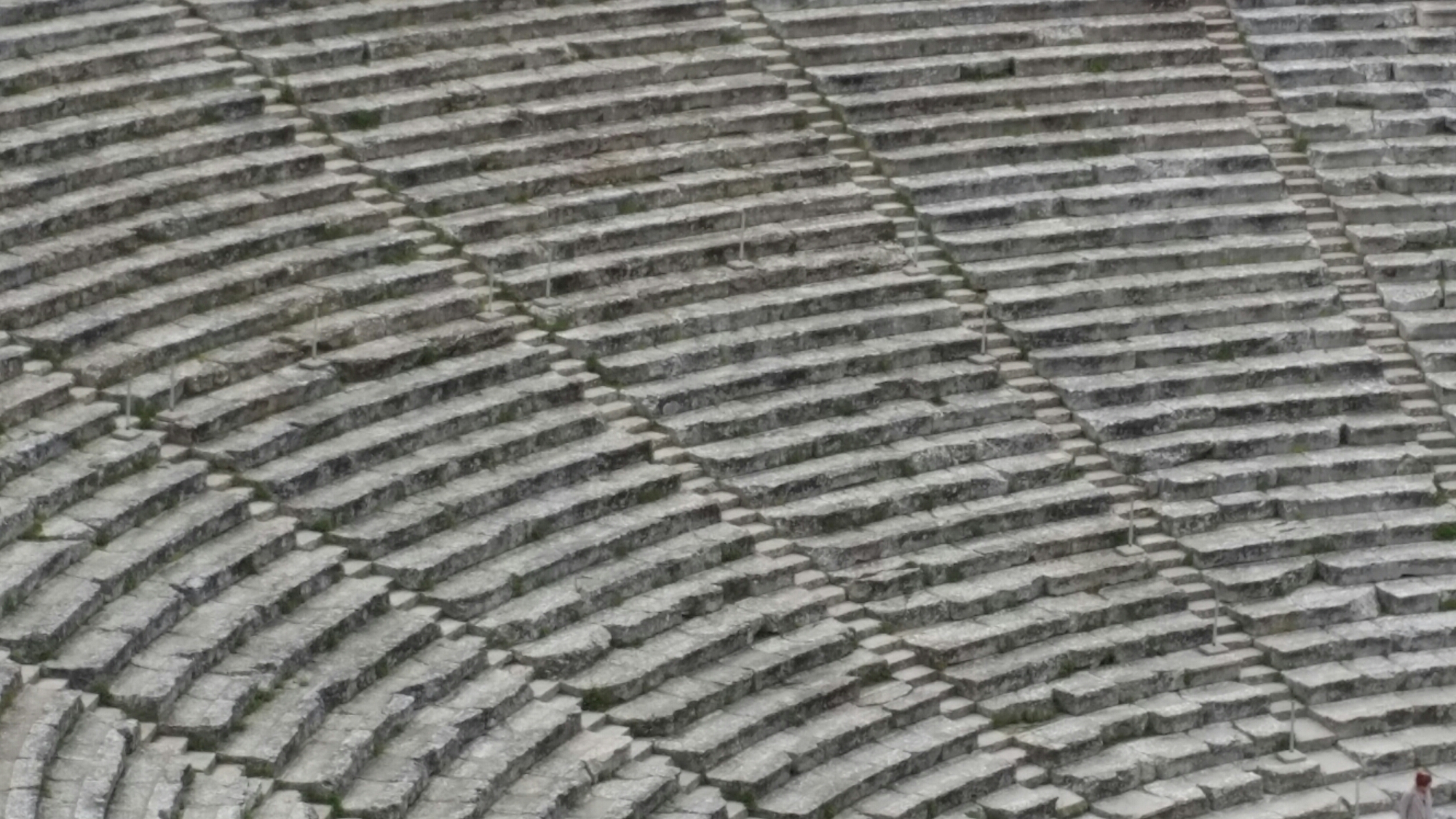
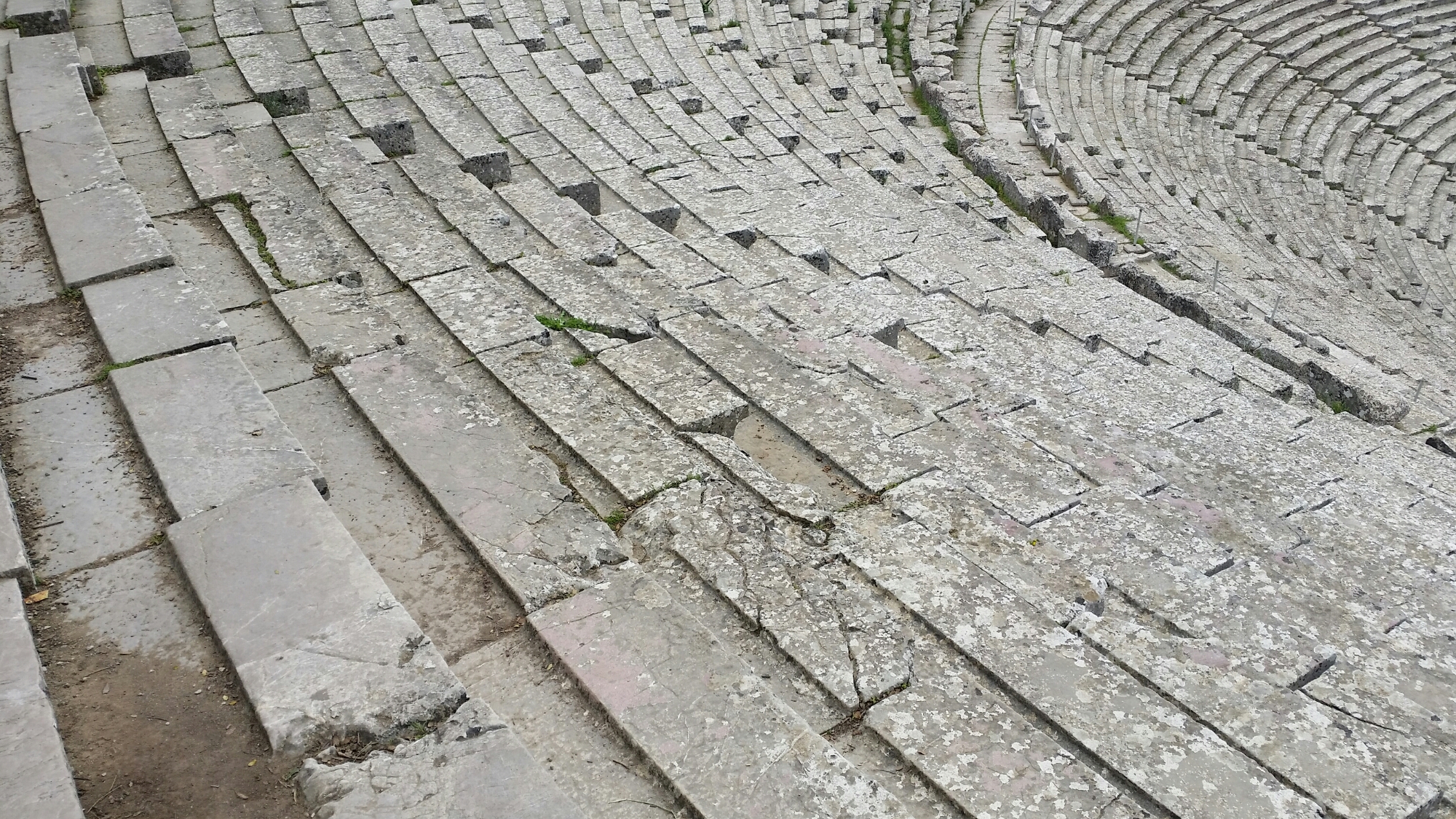
We crossed the hills to Epidaurus and its great theatre, less romantic than Mycenae, but still deeply impressive despite the crowds, on such a massive scale with its seats of mottled stone:-
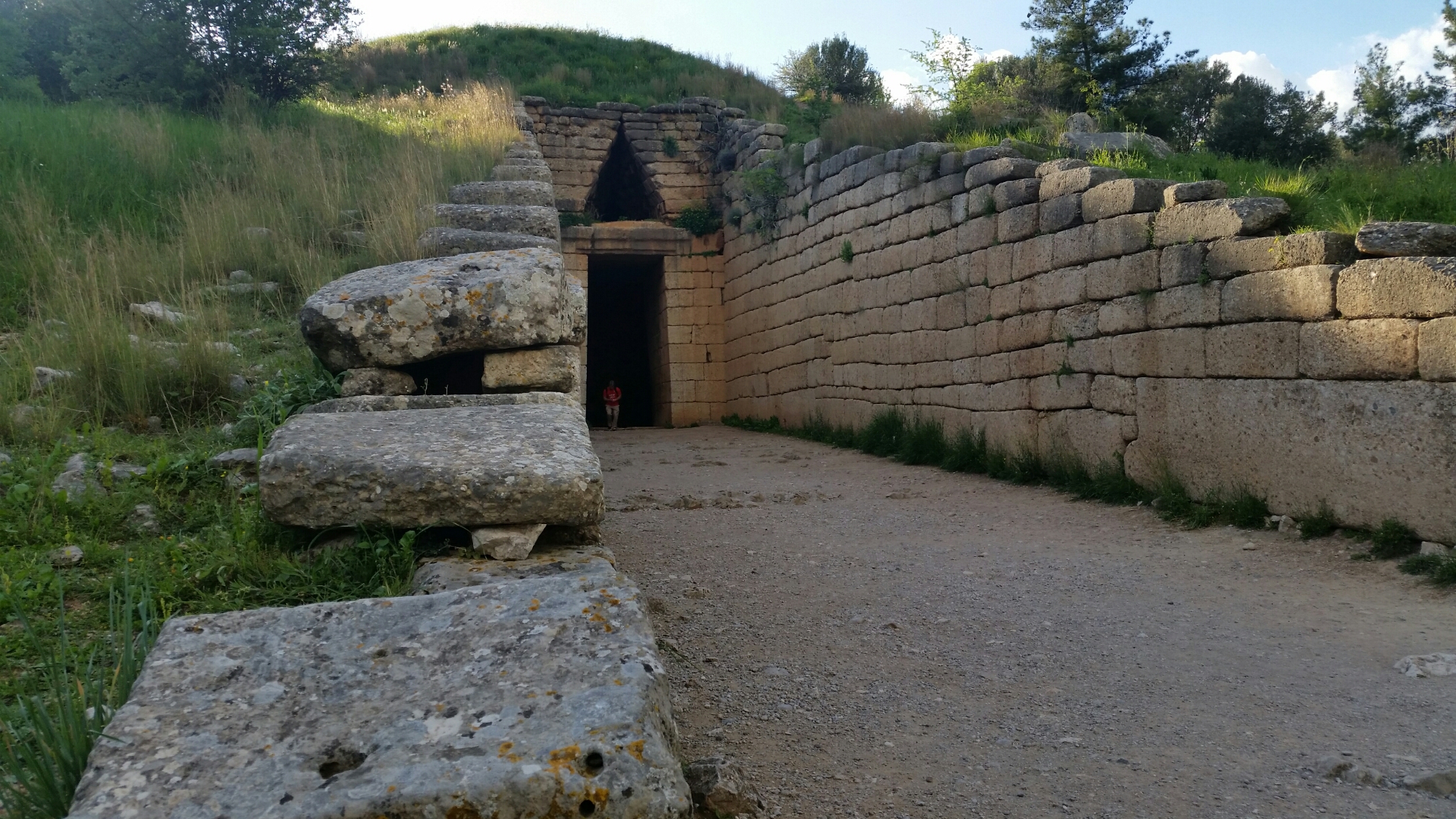
Nearly as impressive as the remains of Mycenae is the Treasury of Atreus below, a great tholos tomb heavy with the noise of bees and the biggest dome for more than a thousand years:-
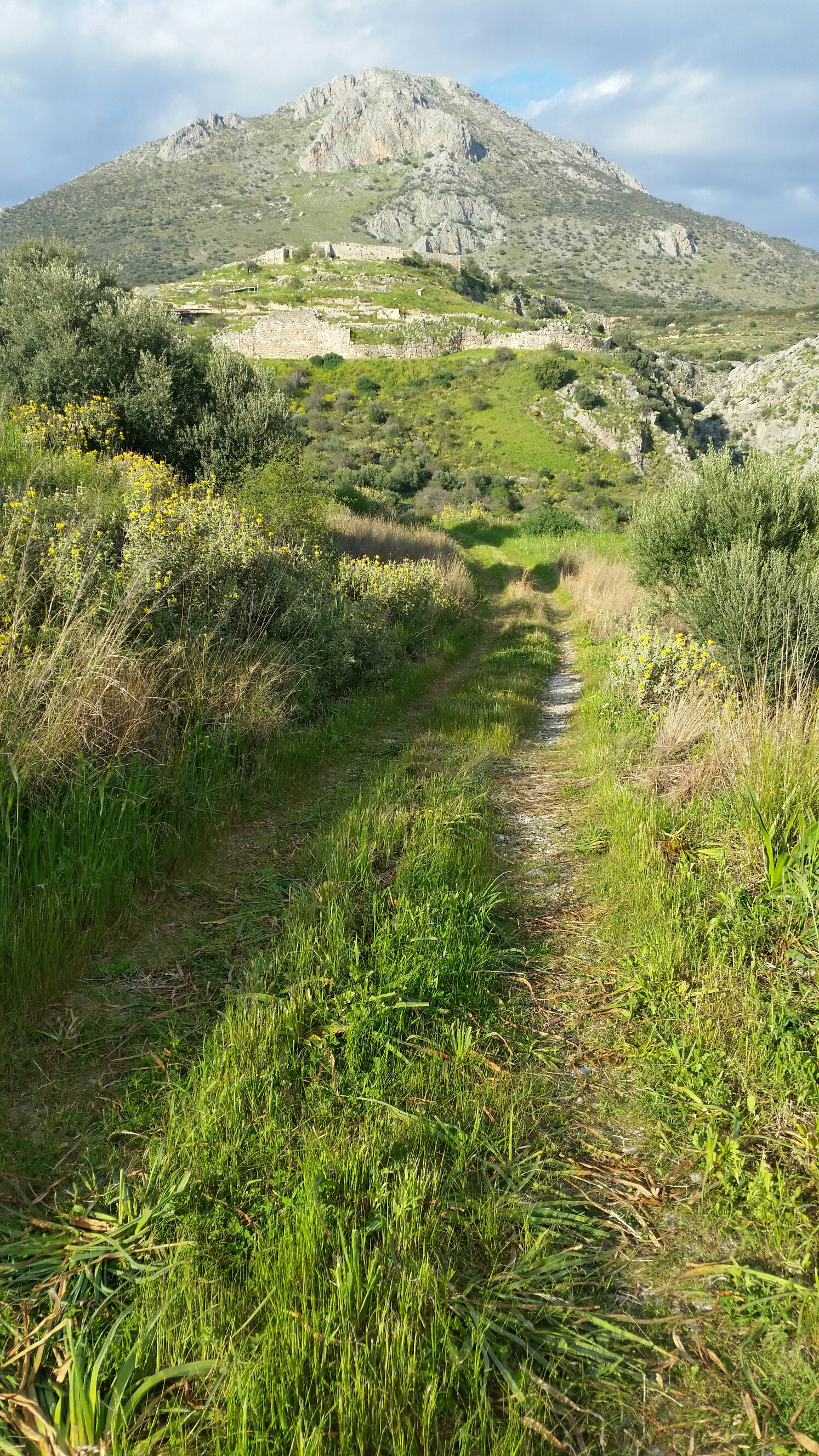
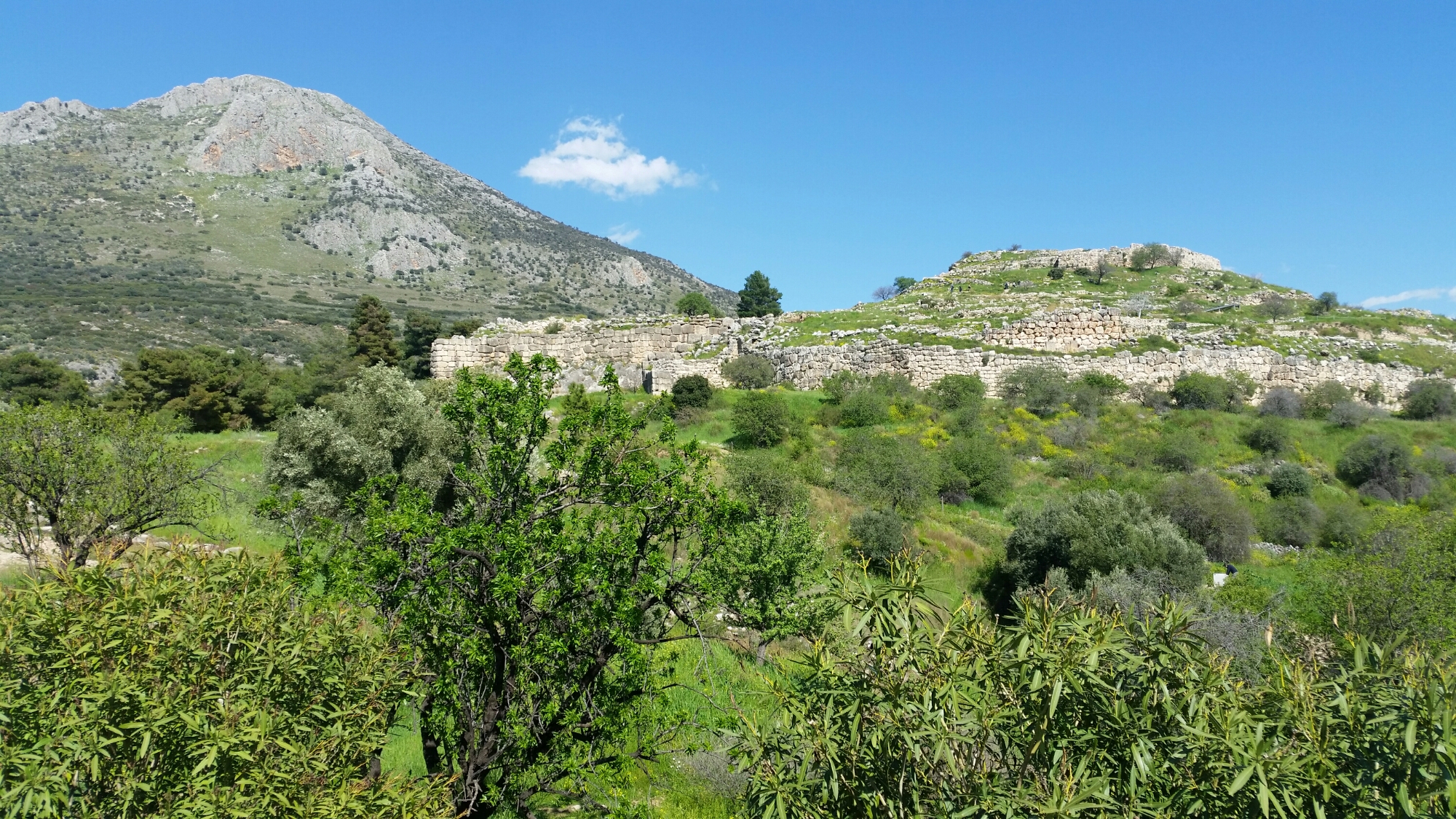
It was a brilliant, bright sunny afternoon when we went to Mycenae, high in the hills and unspeakably magical, empty of tourists, full of wild flowers and the memory of Heinrich Schliemann excavating in 1876 and finding the Mask of Agamemnon in Grave Circle A:-
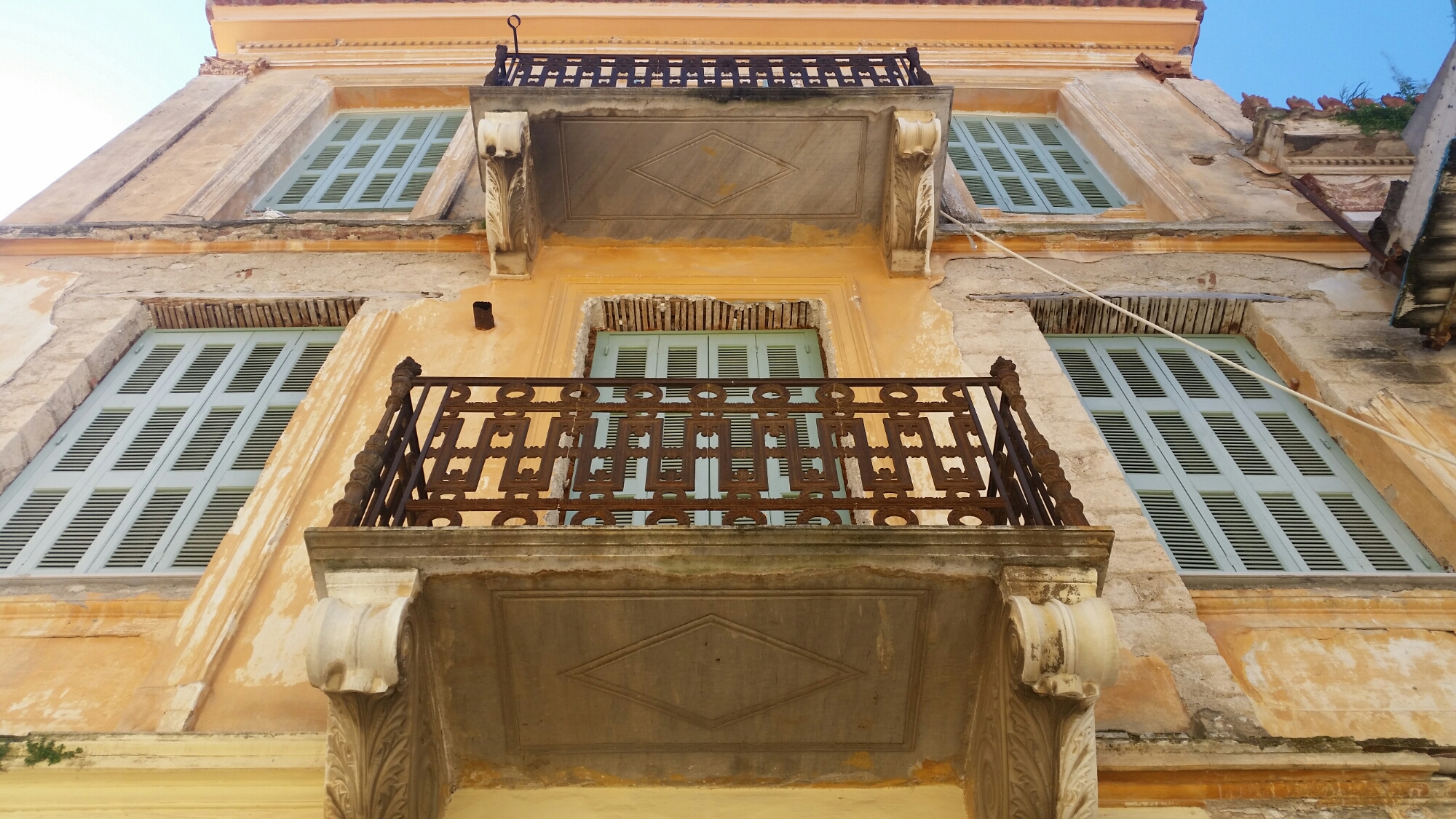
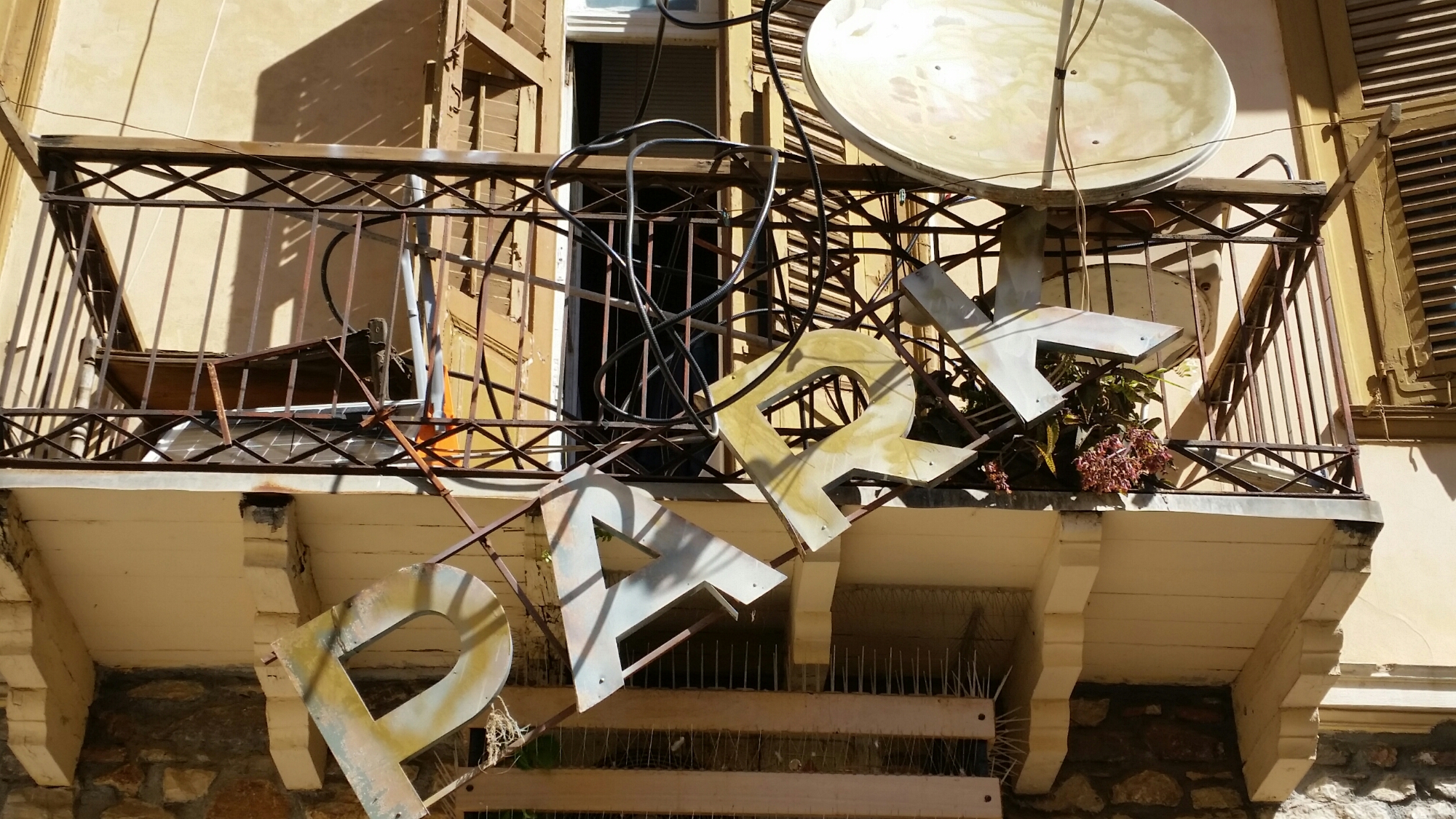
We spent the morning wandering round the back streets of the first Greek capital, established in December 1822 after the Greek War of Independence and full of rundown houses with classical detailing:-
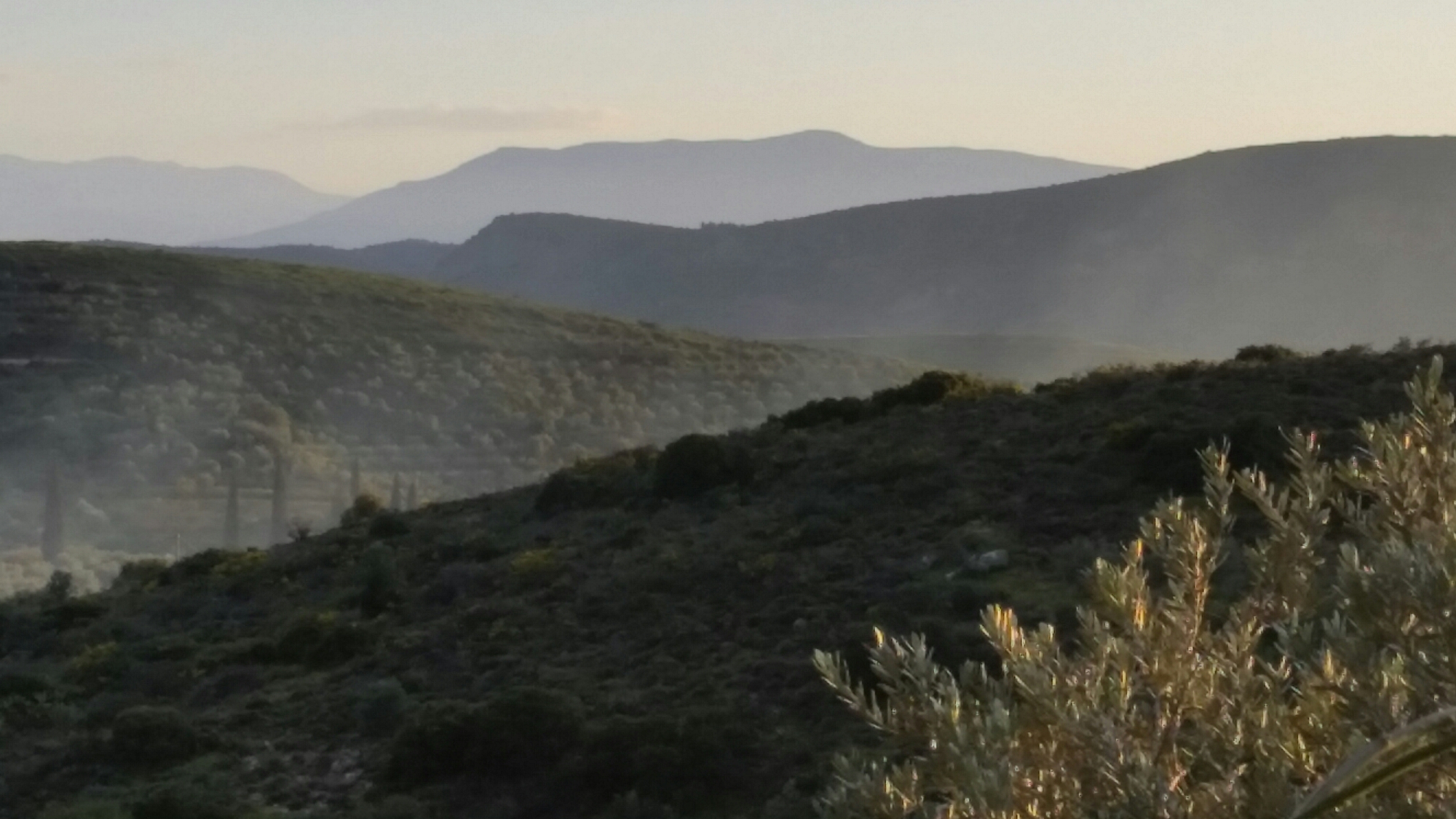
Although I studied Greek at school and Greek history at university, I have never previously been to the Peloponnese, to the landscape of Mycenae and Corinth, to the ruins of Bassae and Epidaurus, to where the Spartans and Athenians fought the Peloponnesian War. So, it was with a slight frisson that I crossed the Corinth canal into the mountains towards Arcadia:-
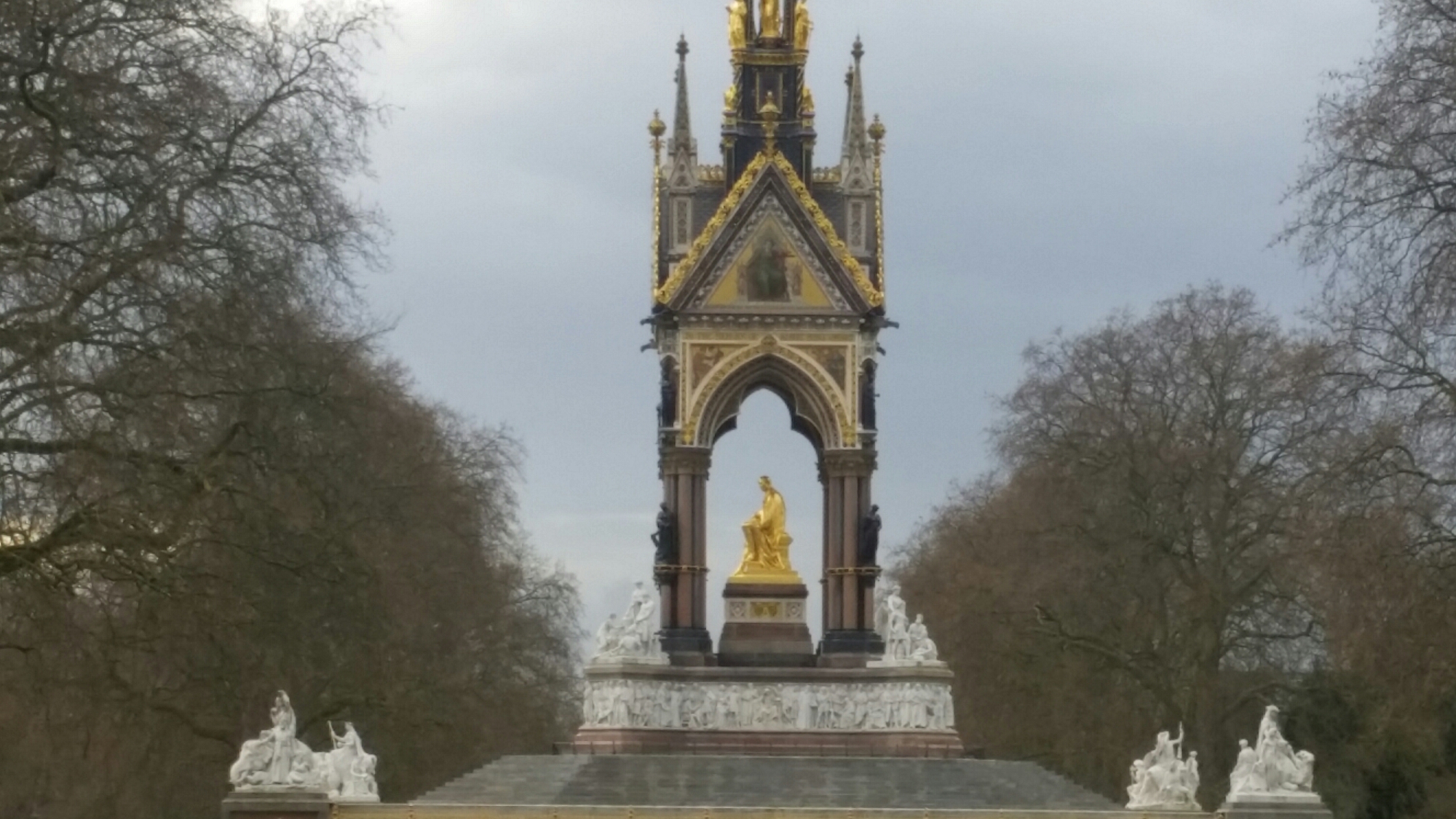
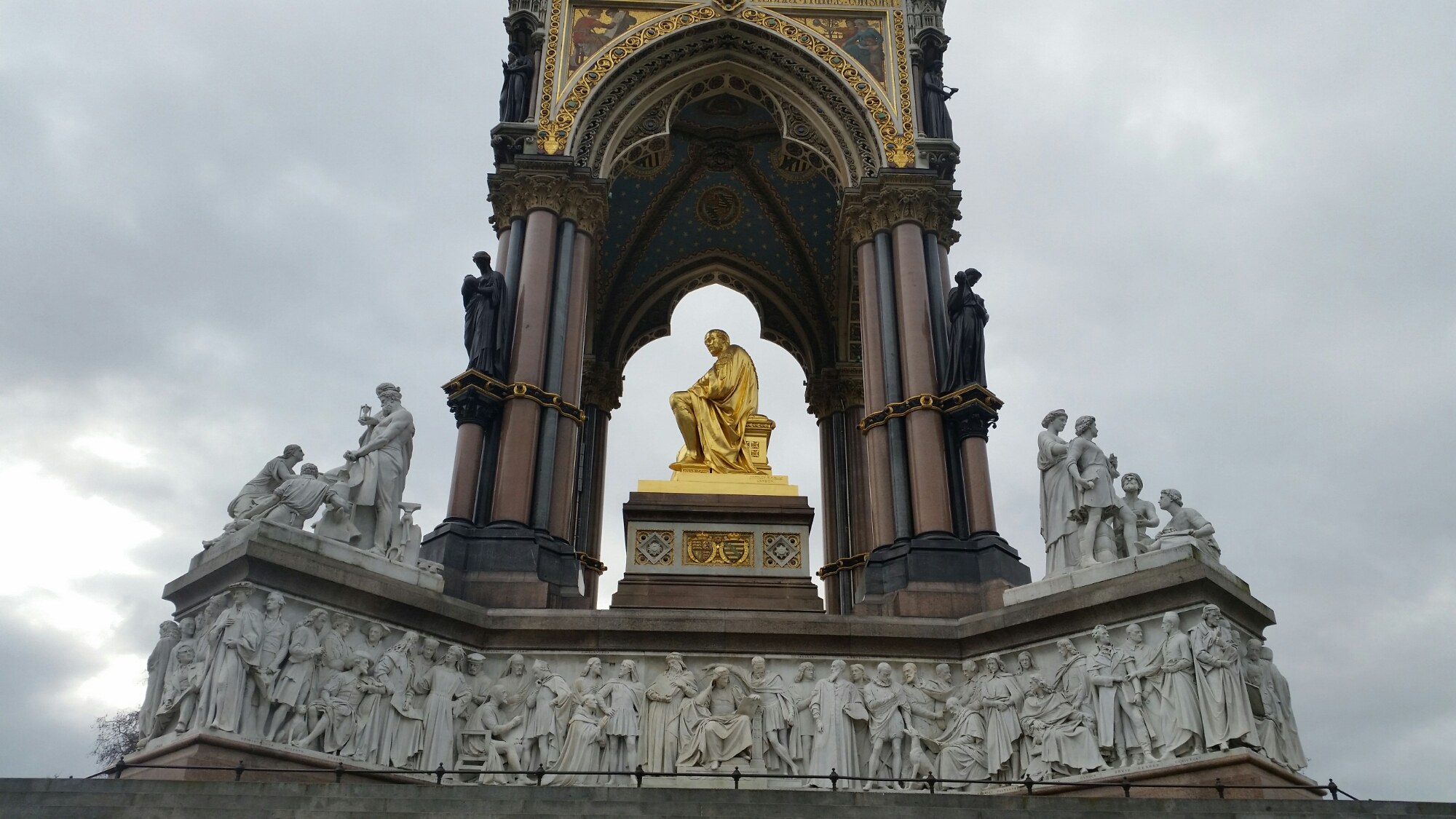
I know that I’m not the first person to admire the Albert Memorial, but finding myself seeing it for the first time in a long while (it’s not my part of town), I couldn’t help but be impressed by its Victorian imperial pomp, solid and confident and gilt, thanks to Jocelyn Stevens, at the end of the grass sward. I went up to it to pay my respects before a meeting at the Serpentine. Odd to think how much it was hated and reviled:-
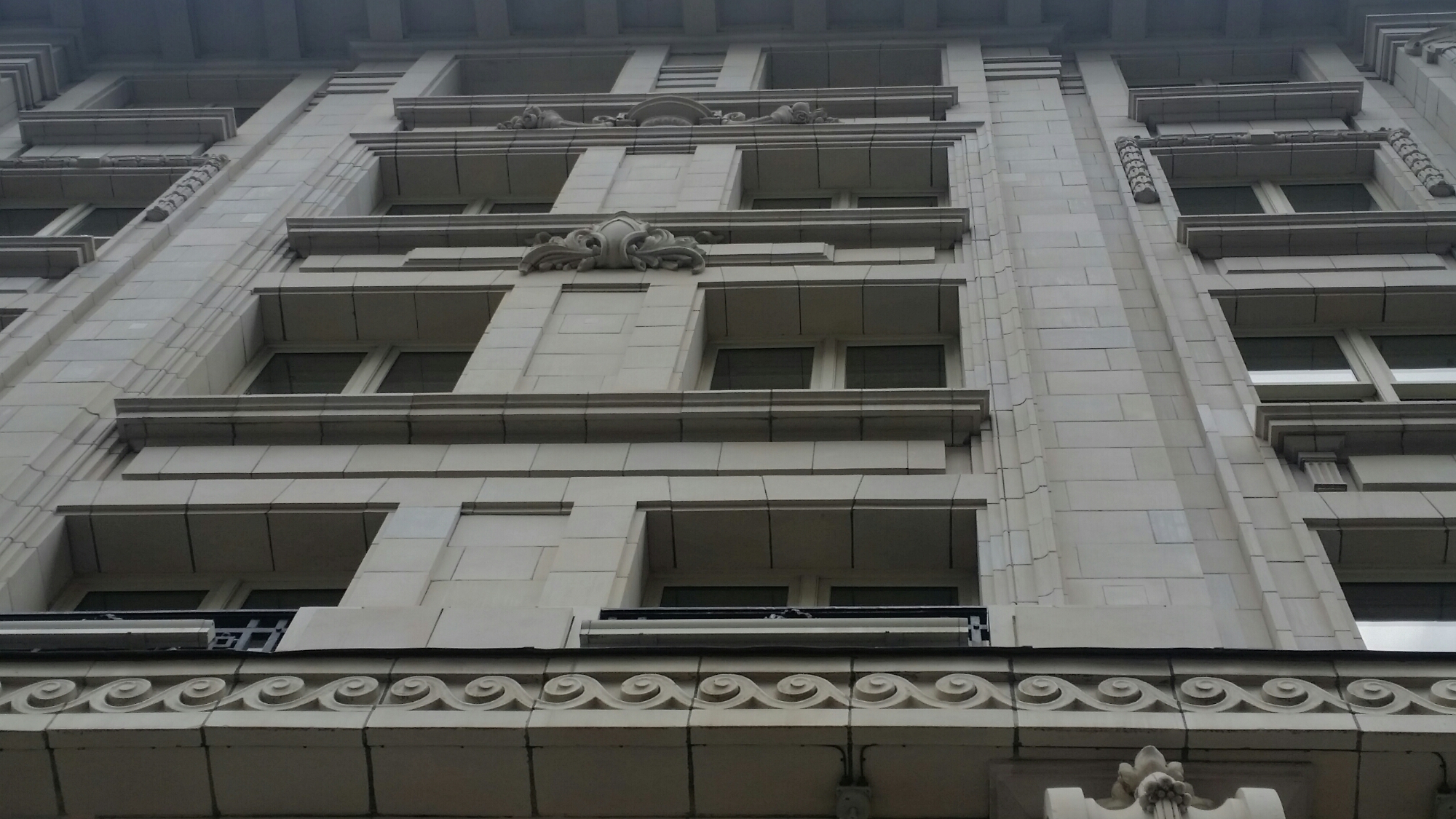
I went to the launch of a book about Quadrant 3, the unglamorous name for the conversion of the old Regent Palace Hotel by Crown Estate. Many people may not register its scale and significance precisely because it is a combination of new and old, mixed use, combining shops like Whole Foods, Ugg Rapha and the Department of Coffee and Social Affairs at ground floor level (no more Jack Spade) with Zedel down below and offices above. Jeremy Dixon, who was the architect for the project, gave a characteristically generous speech in which he praised the huge range of planners, consultants and builders who were involved, but I sometimes feel that he and his partner, Ed Jones, do not get enough credit for their very sophisticated approach to urban design, sensitive to history and context, but also capable of transforming the experience of a neighbourhood, as they did at Covent Garden. No more ‘blood on the needles and steam on the urine’ as Graham Morrison is reported to have said.
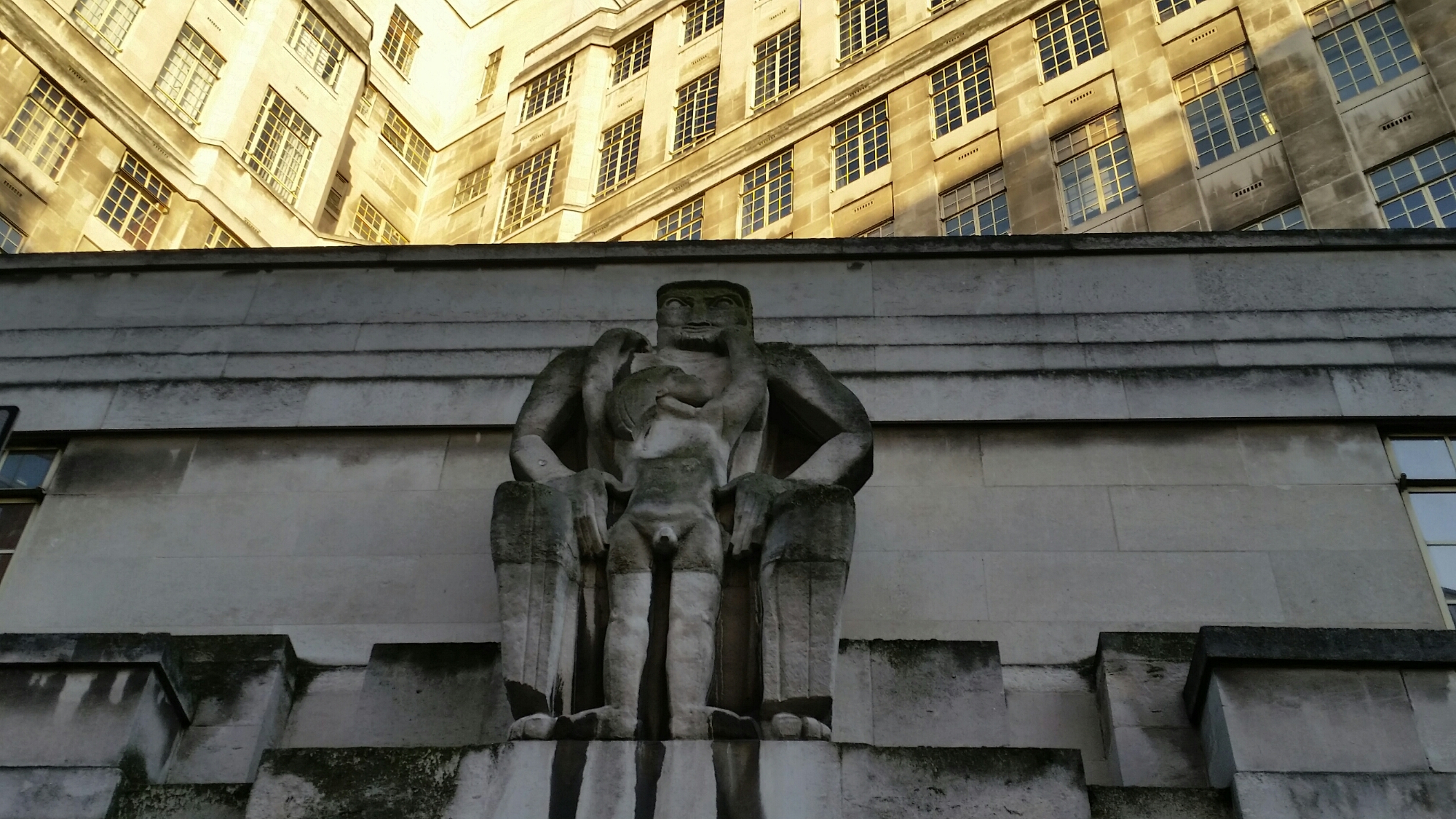
I was slightly shocked to discover that planning permission has been sought to turn 55, Broadway, the monumental headquarters of London Transport, into luxury flats. For nearly a century, it has been the great temple of the Underground Electric Railways Company of London, designed by Charles Holden in the late 1920s, overseen by Frank Pick, and embellished with sculptures by Jacob Epstein which led to such an outcry that the size of the boy’s penis in Day was reduced (Pick offered to resign):-

This is Day:-
 | Charles | Saumarez | Smith |