
Some time ago, I was on a version of Any Questions with Yancey Strickler, the young and very impressive co-founder and now CEO of Kickstarter, the organisation which arranged and leads crowdfunding campaigns, based in Brooklyn NY. At the time, we were having difficulties getting funding for our major Ai Weiwei exhibition this September and Yancey generously suggested that Kickstarter might be able to help. The campaign was launched this morning with a target of £100,000 to pay for an installation in the courtyard.
Monthly Archives: July 2015
Bjarke Ingels
I have been digesting last night’s Annual Architecture lecture at the RA which was given by Bjarke Ingels, who showed a rapid-fire succession of projects in major cities throughout the world, including Copenhagen, Vancouver and New York, all of which are more radically disruptive of the conventional geometries of building, more grandly and ostentatiously scenographic, than the work of Frank Gehry. Trained as a cartoonist at the Royal Danish Academy of Fine Arts and then as an architect in Barcelona, he worked first for Rem Koolhaas. Both VIA, his apartment block in New York, and his recently announced building to replace one by Norman Foster on the World Trade essentially change the language of architecture, such that it belongs more to the world of Archigram and Lingotto than it does to Le Corbusier and Mies van der Rohe.
The Hill, Hampstead
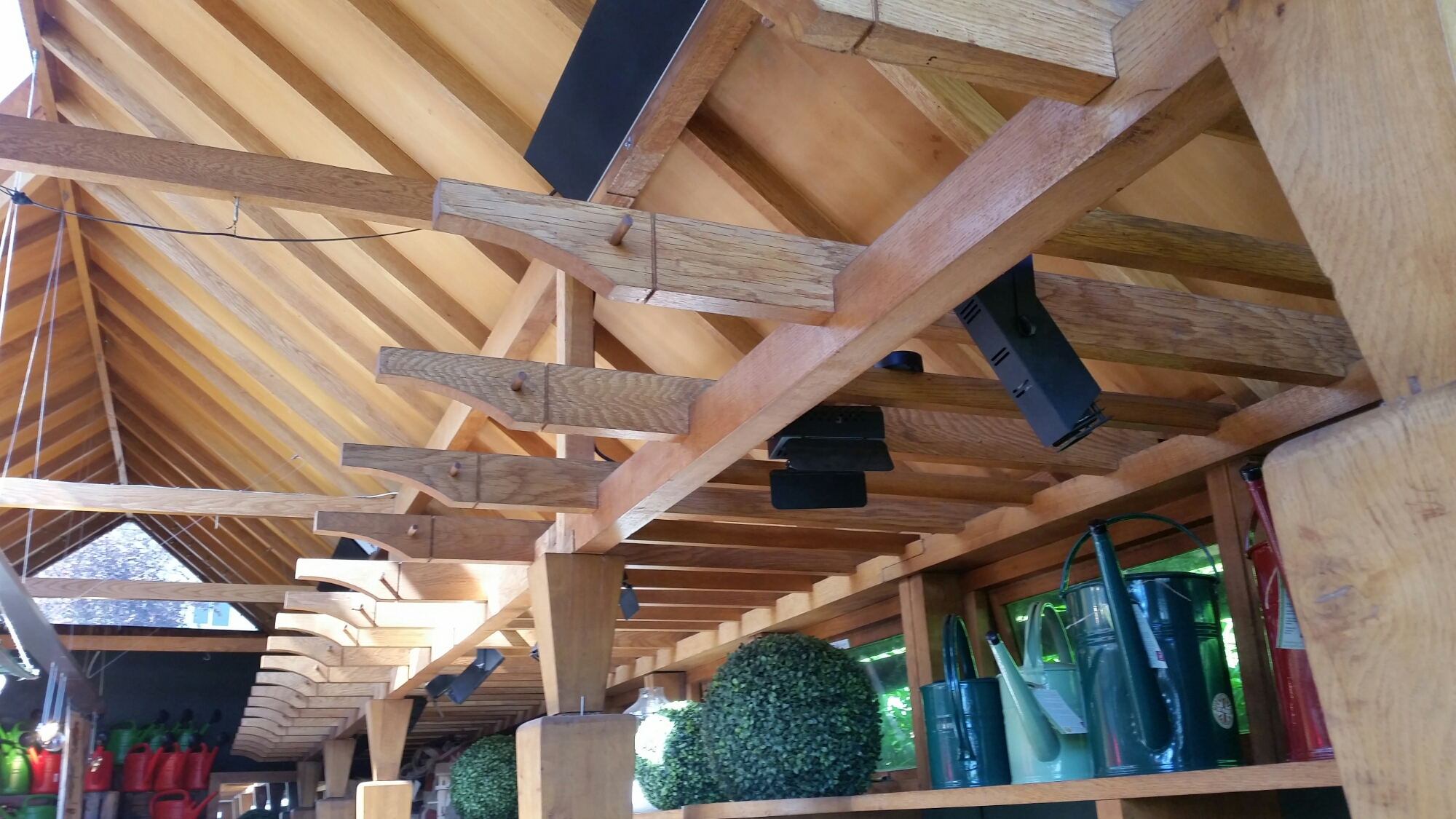
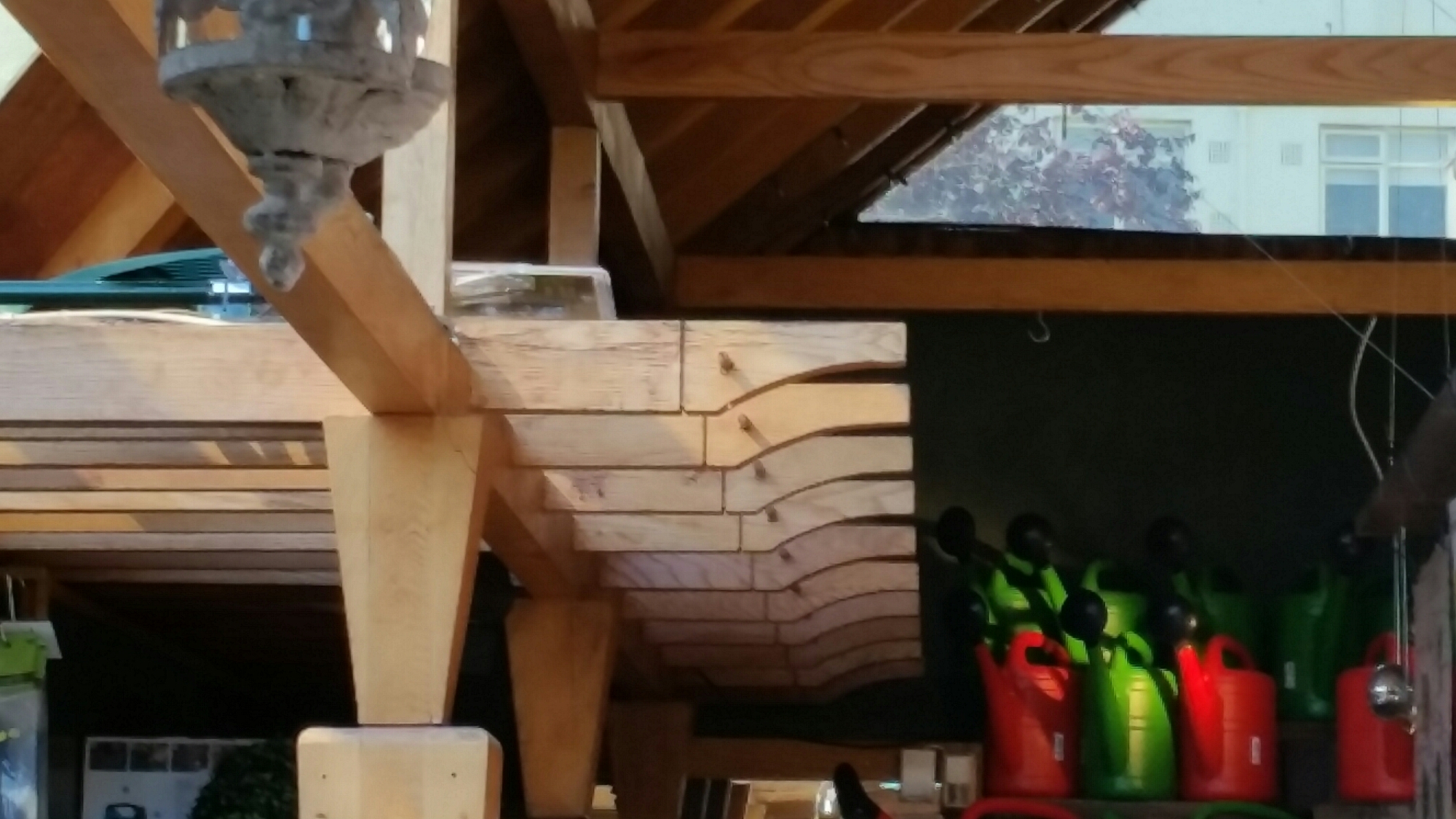
Jeremy Dixon introduced me to the great wooden pergola in the grounds of The Hill, Hampstead in order to show the source of the carved woodwork detailing in the roof of Clifton Nursery in Little Venice. I had no idea that lurking just behind Raymond Erith’s reconstruction of Jack Straw’s Castle is a vast Edwardian house, designed in 1895 and bought by the first Lord Leverhulme in 1904 (the previous owner moved to Streatham). The pergola is part of the terrace designed by Thomas Mawson in 1910 and maintained for public benefit by the Corporation of London:-


Clifton Nurseries
I show the wooden detailing on the wooden cross beams in the roof of Jeremy and Fenella Dixon’s design for Clifton Nurseries, which are very obviously, as he said, based on the wooden pergola at the Hill in Hampstead. They were part of a project to provide a shop alongside the greenhouses, commissioned by Jacob Rothschild on the recommendation of Charles Jencks:-
Lanark Road
The second of the housing projects which I went to visit with Jeremy Dixon were the houses he did for an enterprising developer called Michael Taylor in Lanark Road, Maida Vale. This was a time when he and Fenella Dixon were experimenting with new housing types based on the traditional model of the villa and the street with seven apartments per villa, each of which were sold to Council tenants in 1983 for a fixed price of £17,500. At a time when there is a crisis in low-cost housing, it seems slightly odd that no-one is looking back at these experiments of the early 1980s which contribute to the city and have been well maintained.
These are the sales particulars, with an essay by the architect in which he extols ‘one of the the great virtues of London as a city’ as ‘its domestic and dispersed character based on streets and squares of houses’:-


St. Mark’s Road
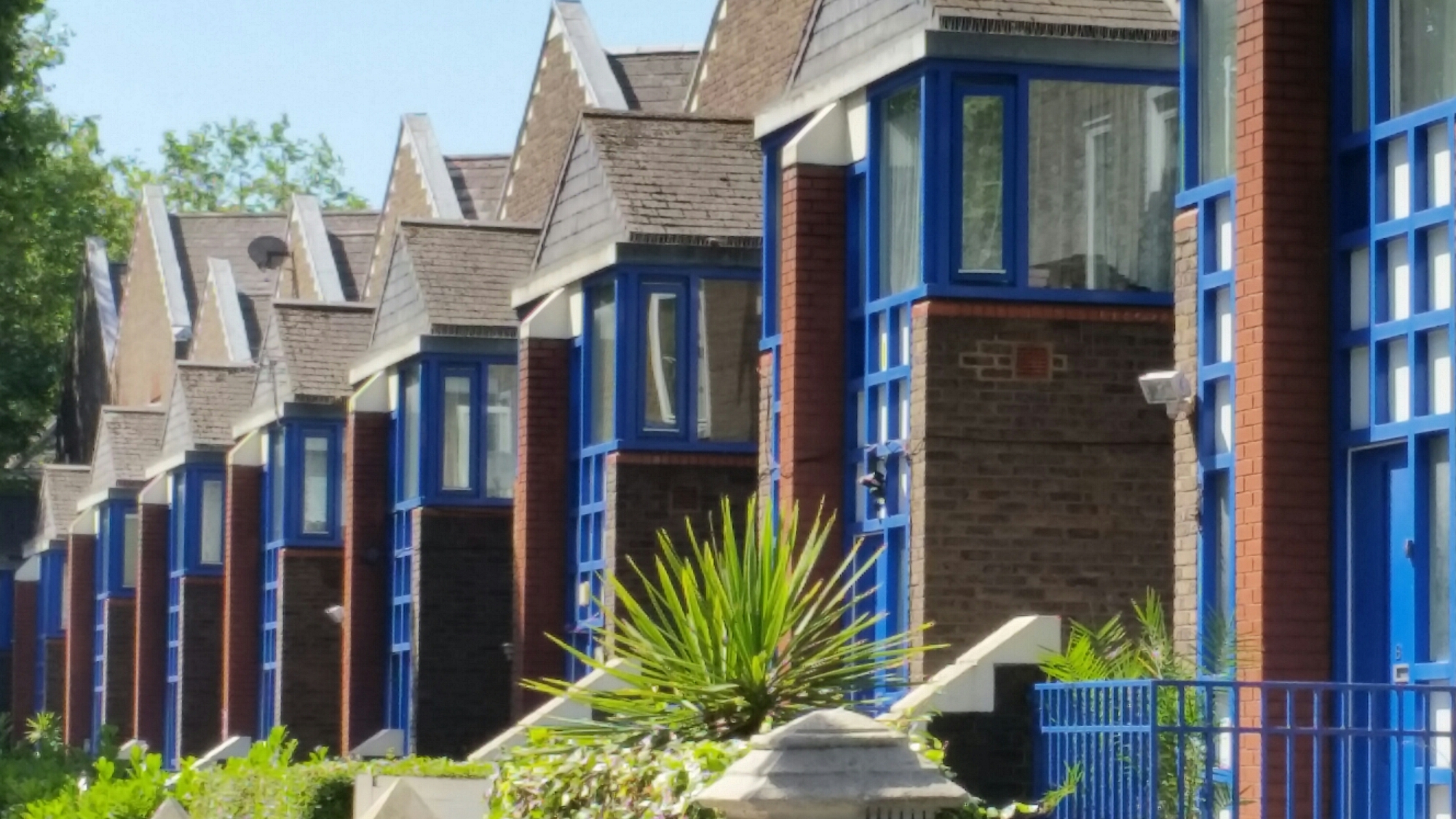
I have only just seen for the first time Jeremy and Fenella Dixon’s housing for the Kensington Housing Trust. It looks relatively uncontroversial now, sitting, as it was intended to, in amongst the terraces and streets of North Kensington. But, at the time that it was built, it was regarded as a trahison des clercs, using brick and colour and ornamental gables, all of which were taboo to the previous generation:-

in-ku
We went on a pilgrimage to in-ku, a small shop in Warren Street which sells handmade clothes cut in situ and then made up by three home working machinists and sold under the imprint Universal Utility, originally in collaboration with Rei Kawakubo, but now independently:-


Mile End Road
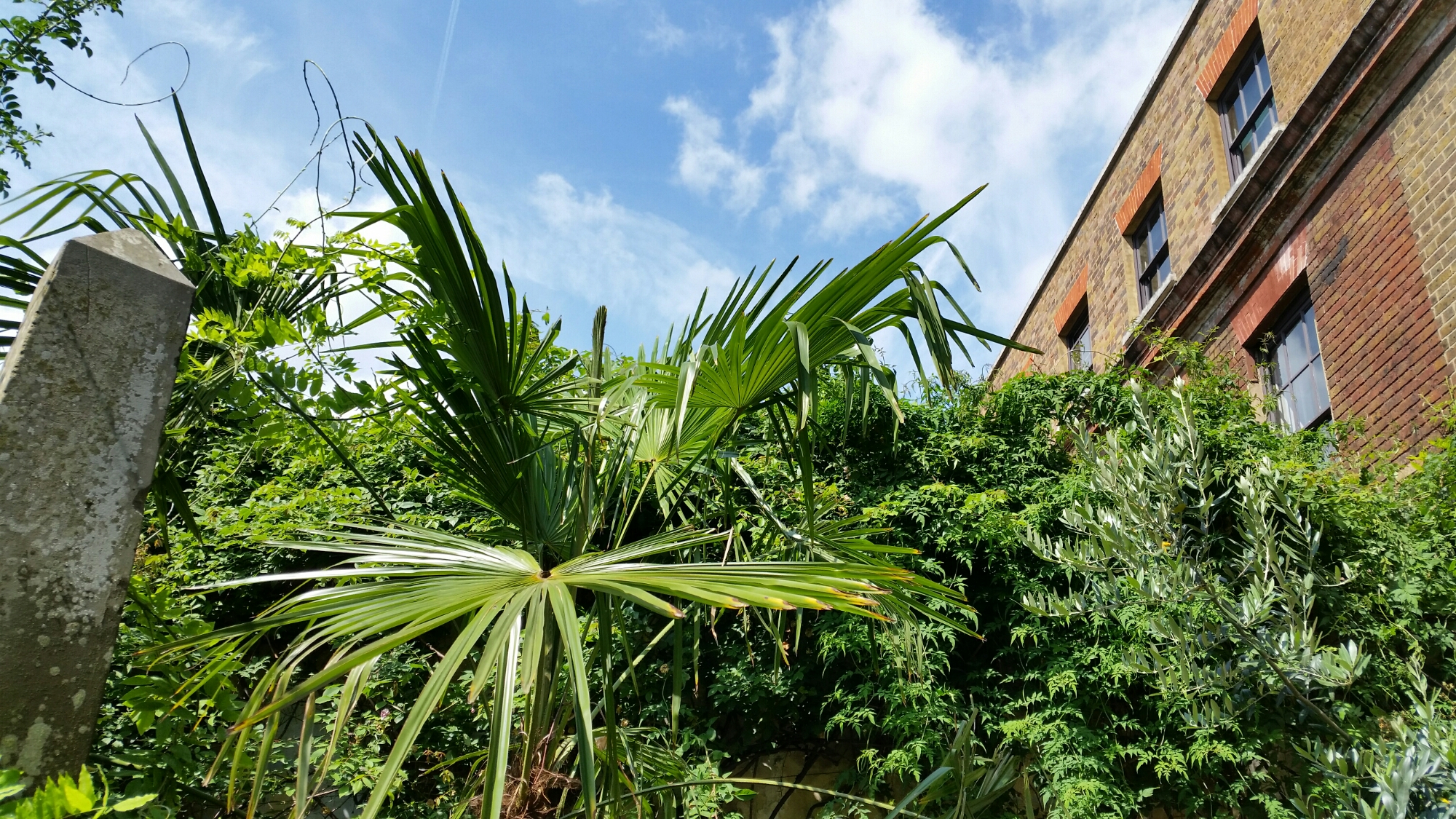
I was wandering past my neighbour’s garden and he kindly allowed me to take photographs of his jungle garden, complete with cenotaph, sub-tropical vegetation and the newly painted front door:-

Stepney City Farm (1)
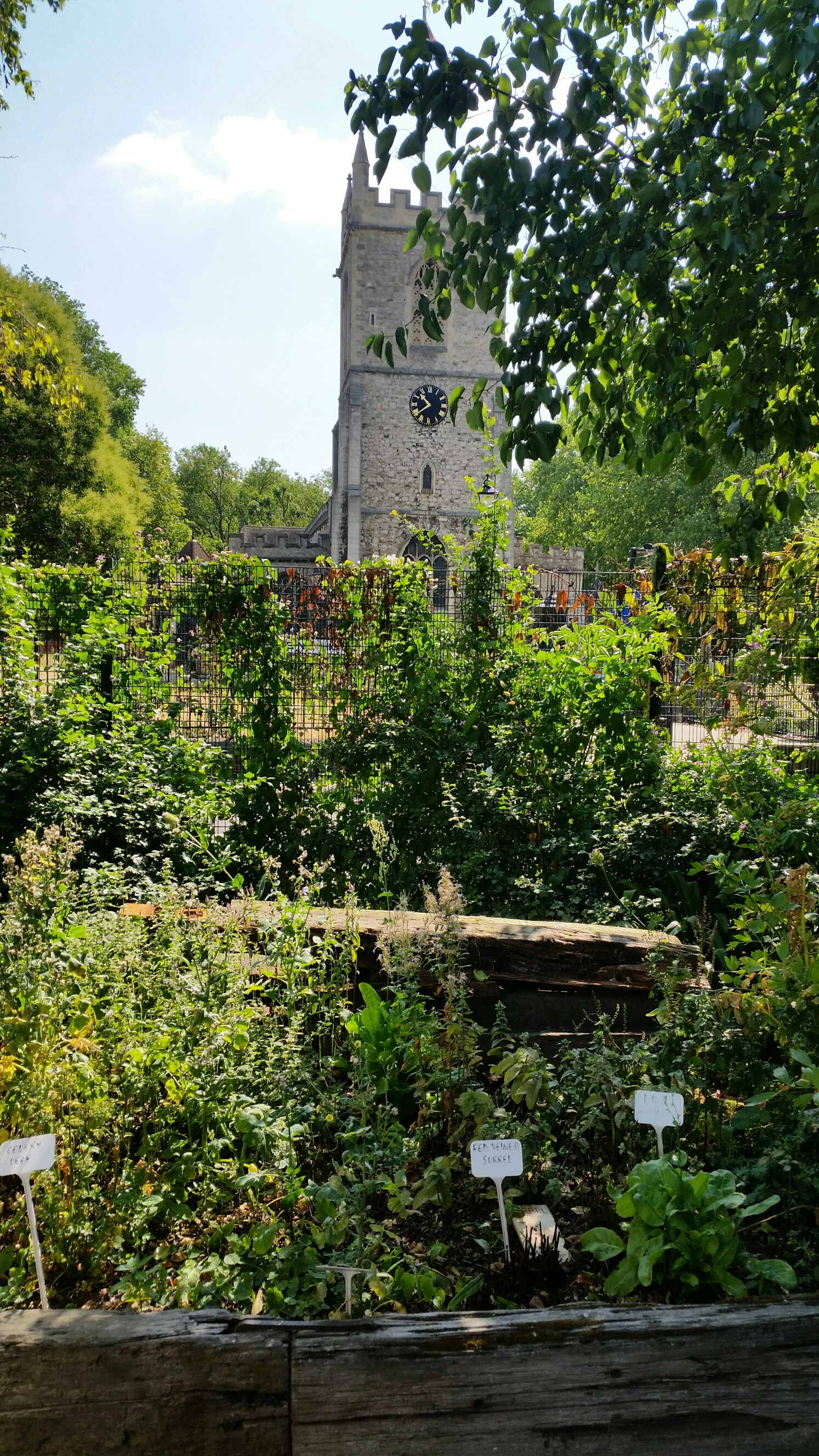
I don’t think I’ve done a post on Stepney City Farm. Actually, I’m not sure that I’ve ever been to it properly, other than the Saturday Farmers’ Market, except maybe when the children were small to see the pigs. It’s an unexpected piece of hippy rusticity next door to where they are doing the tunneling for Crossrail, with geese, donkeys and chickens wandering fairly freely amongst the lettuces:-

The Grange (2)
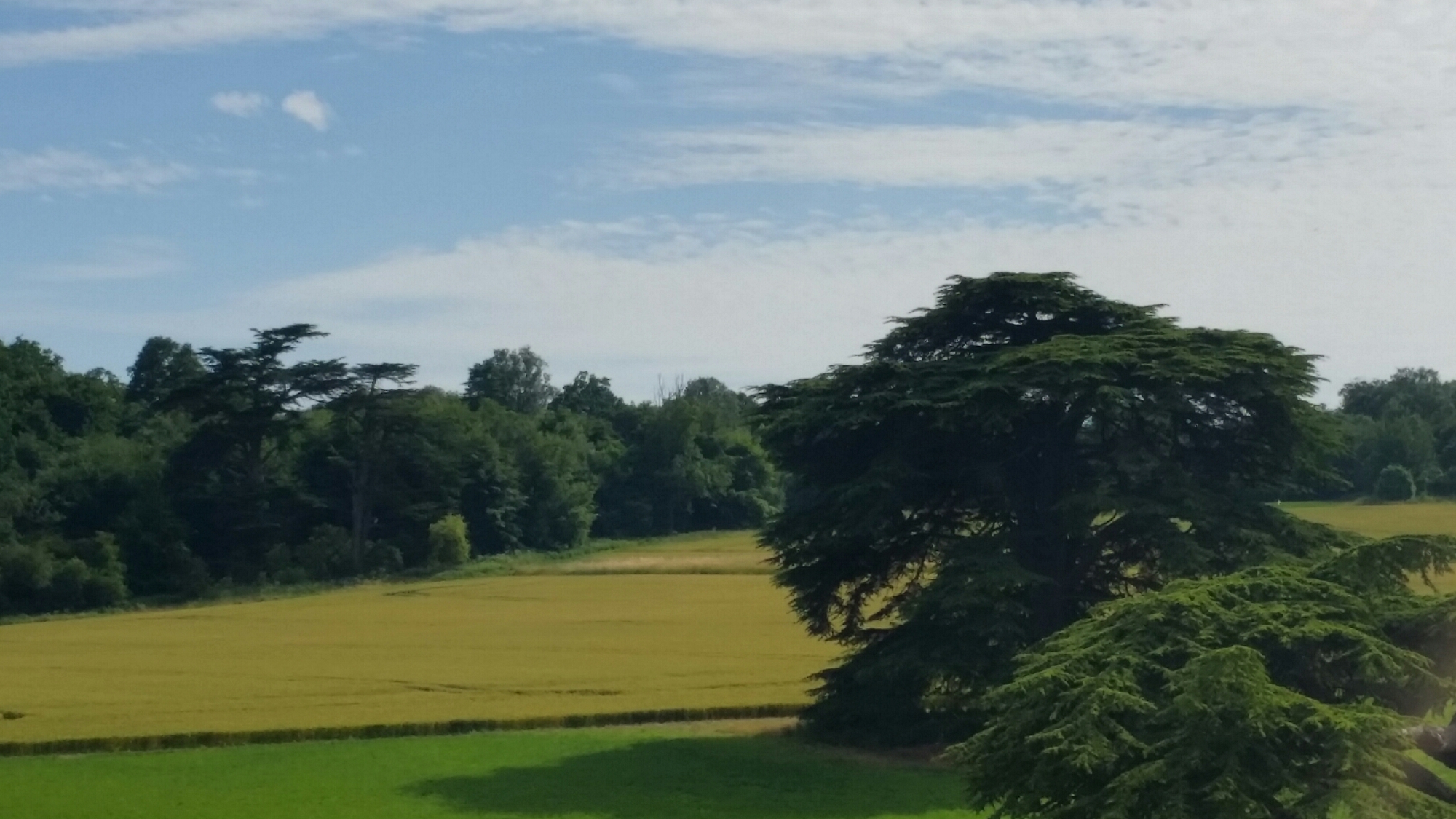
There are few places more beautiful than the valley of The Grange on a summer evening, looking across the fields over the Baring’s estate with its nineteenth-century planting, some of which presumably dates back to the 1820s when Alexander Baring, the first Lord Ashburton, added the conservatory which is now the opera house. I went for the first night of Eugene Onegin, a wonderful opera, so full of drama and tragic misunderstanding.
This is the view from the Indian tent where we drank champagne and had tea after the performance:-

 | Charles | Saumarez | Smith |
You must be logged in to post a comment.