
Off to 798, the old area of east German munitions factories which have been converted into art galleries and cafés:-
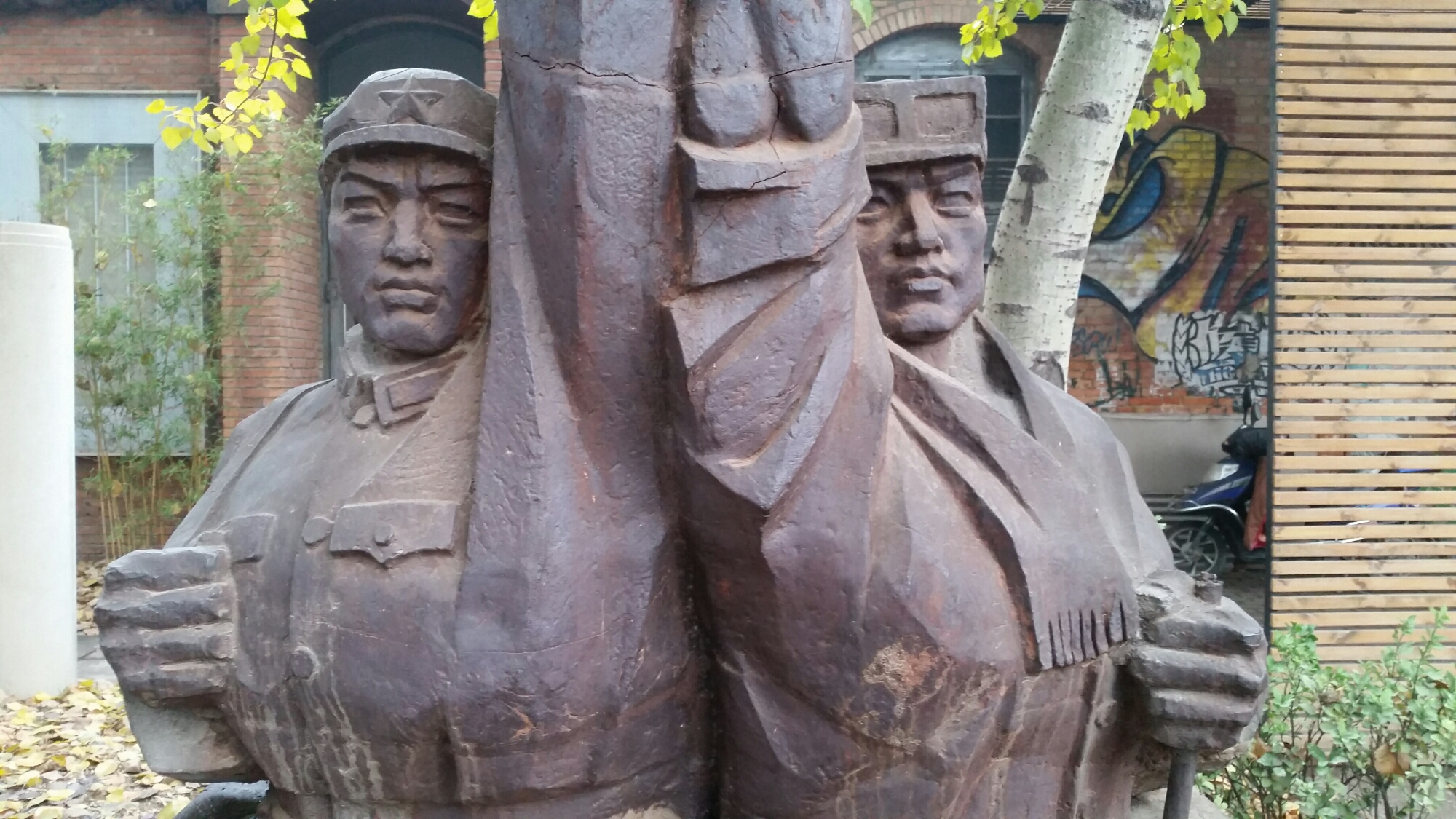
Off to 798, the old area of east German munitions factories which have been converted into art galleries and cafés:-
After visiting the private quarters of the Forbidden City yesterday afternoon, I was, not surprisingly, curious as to how they have been so beautifully and atmospherically well preserved in a culture which has not much cared for its historic past and regards conservation as a process of progressive renewal. They are the six private palaces north of The Hall of Mental Cultivation (Yangxindian): the Palace of Eternal Longevity; the Palace of the Queen Consort; the Palace for Gathering Elegance; the Palace of the Supreme Pole; the Palace of Eternal Spring; and the Palace of Eternal Happiness. They survive more or less as constructed in the Ming dynasty, partly because they are not generally open, but only on special application.
Our guide in Shanghai gave the best description as to what happened to private collections during the Cultural Revolution when the Red Guards came to smash them up. Some collectors apparently gave works to the national museums. Some found hiding places. According to Linda Jaivin’s Beijing, ‘Many people burned precious artworks in their personal possession rather than see them destroyed by Red Guards and be beaten for having them as well’. But many collectors apparently held yard sales, whereby works were sold off cheaply, and hence were distributed widely in order to ensure their preservation. They are apparently now coming back onto the market. It is a topic which people don’t like talking about.
Last stop Beijing. We’ve arrived in the deep white, miasmic haze of the polluted capital city. Our guide introduced the pleasures of Beijing by telling us about the poor state of the ladies’ lavatories and the likelihood of being scalped on Tiananmen Square.
We walked across Tiananmen Square:-

Through to the Forbidden City. Initially I was sceptical. But when we were allowed through a private door to an area occupied by the concubines and young princes and went into rooms unoccupied for a century at least, there was more of a sense of its history pre-Mao, before the Cultural Revolution, when Reginald Johnston taught the young Emperor Puyi to play tennis.
Mao hangs over the entrance:-
Last call was to the Power Station of Art, a state-run contemporary art museum opened in 2012.
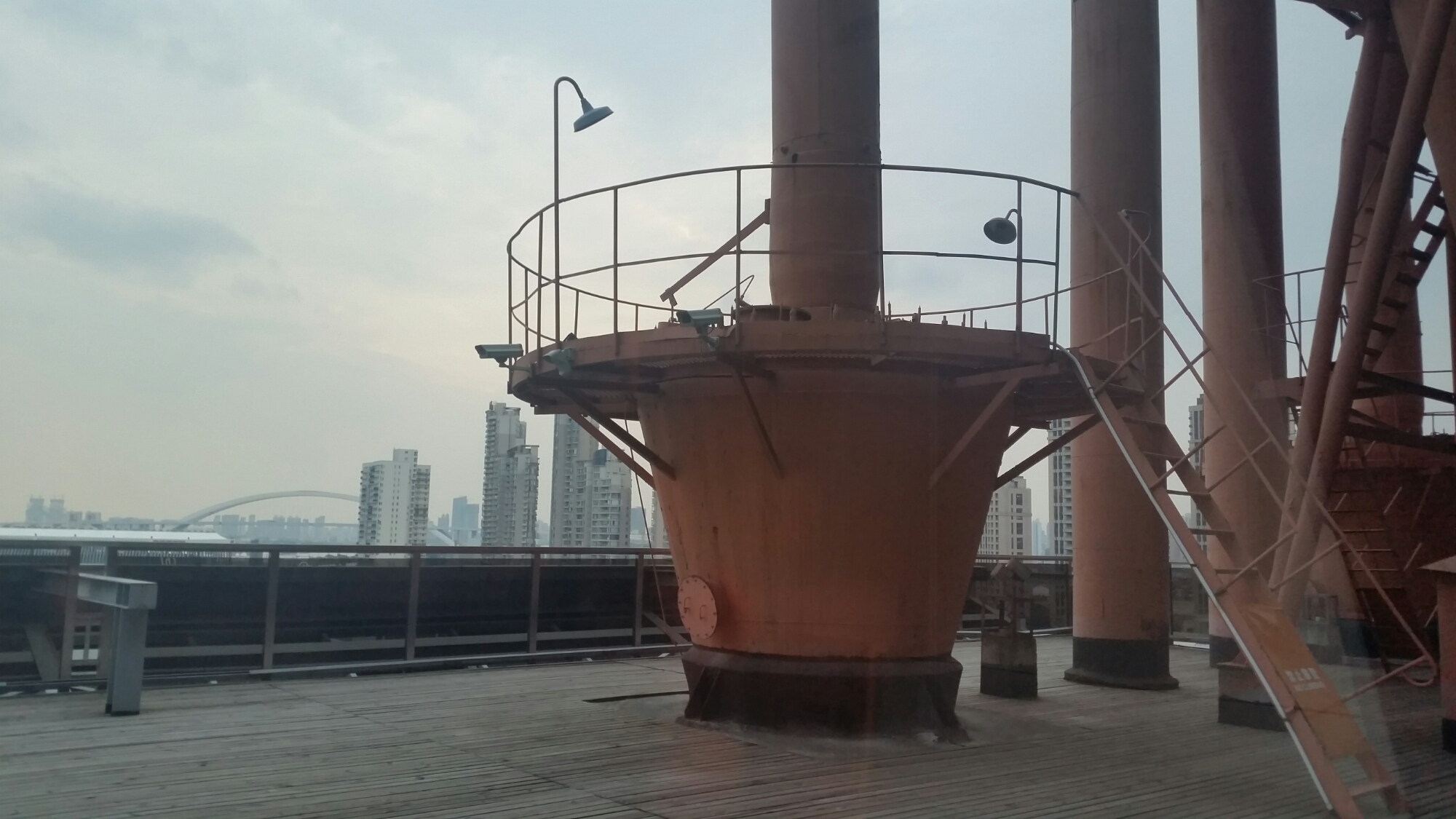
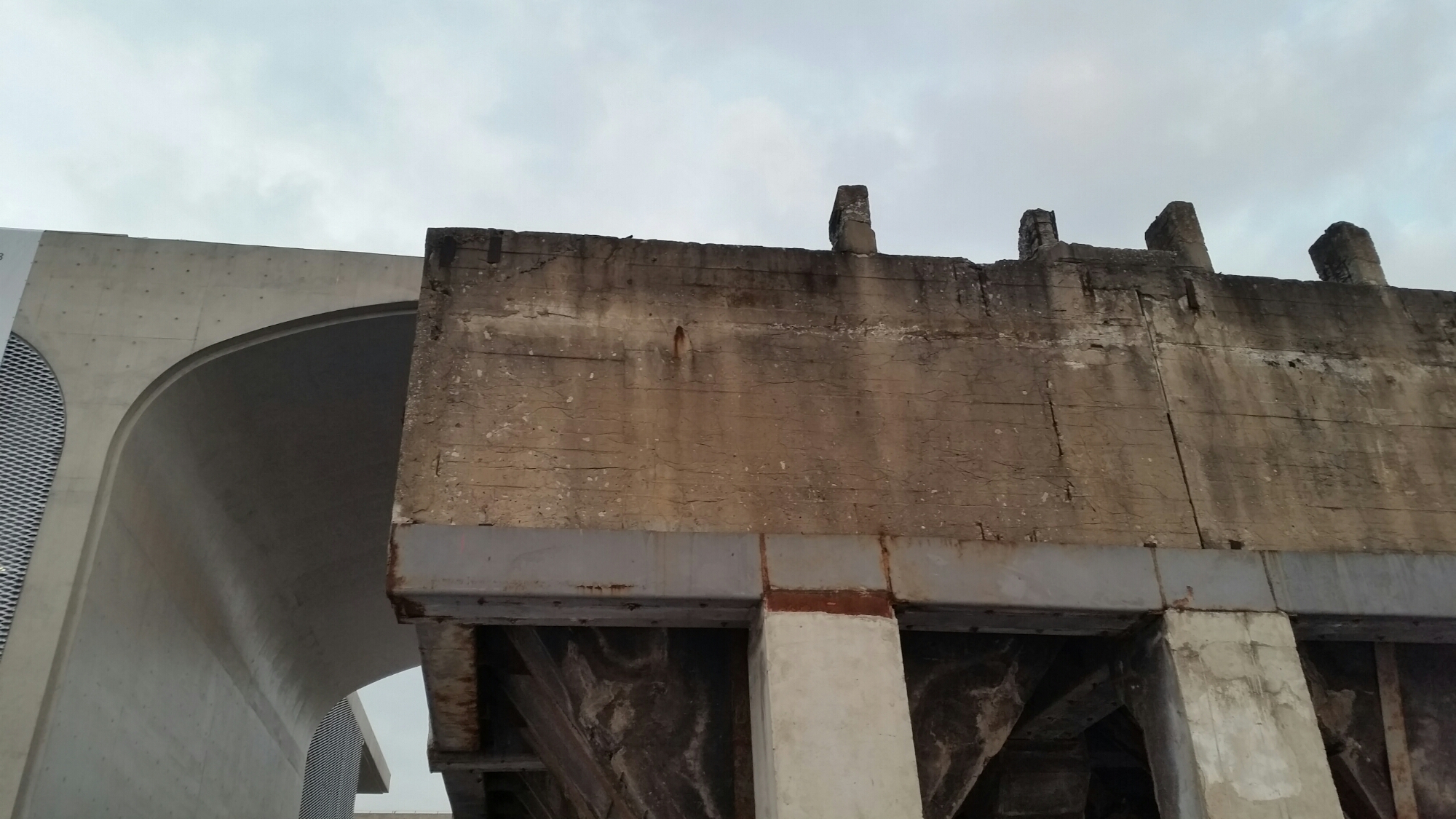
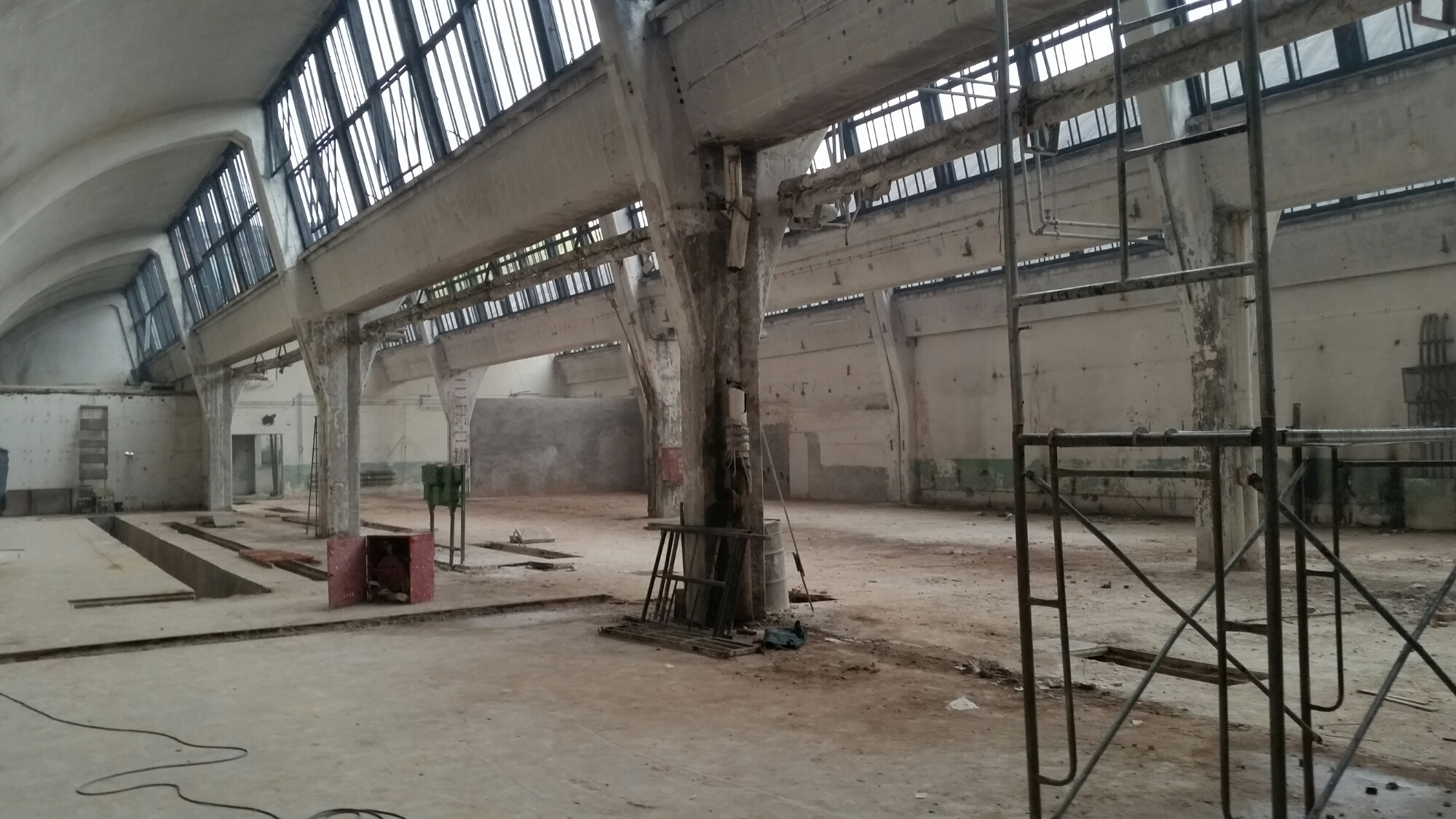
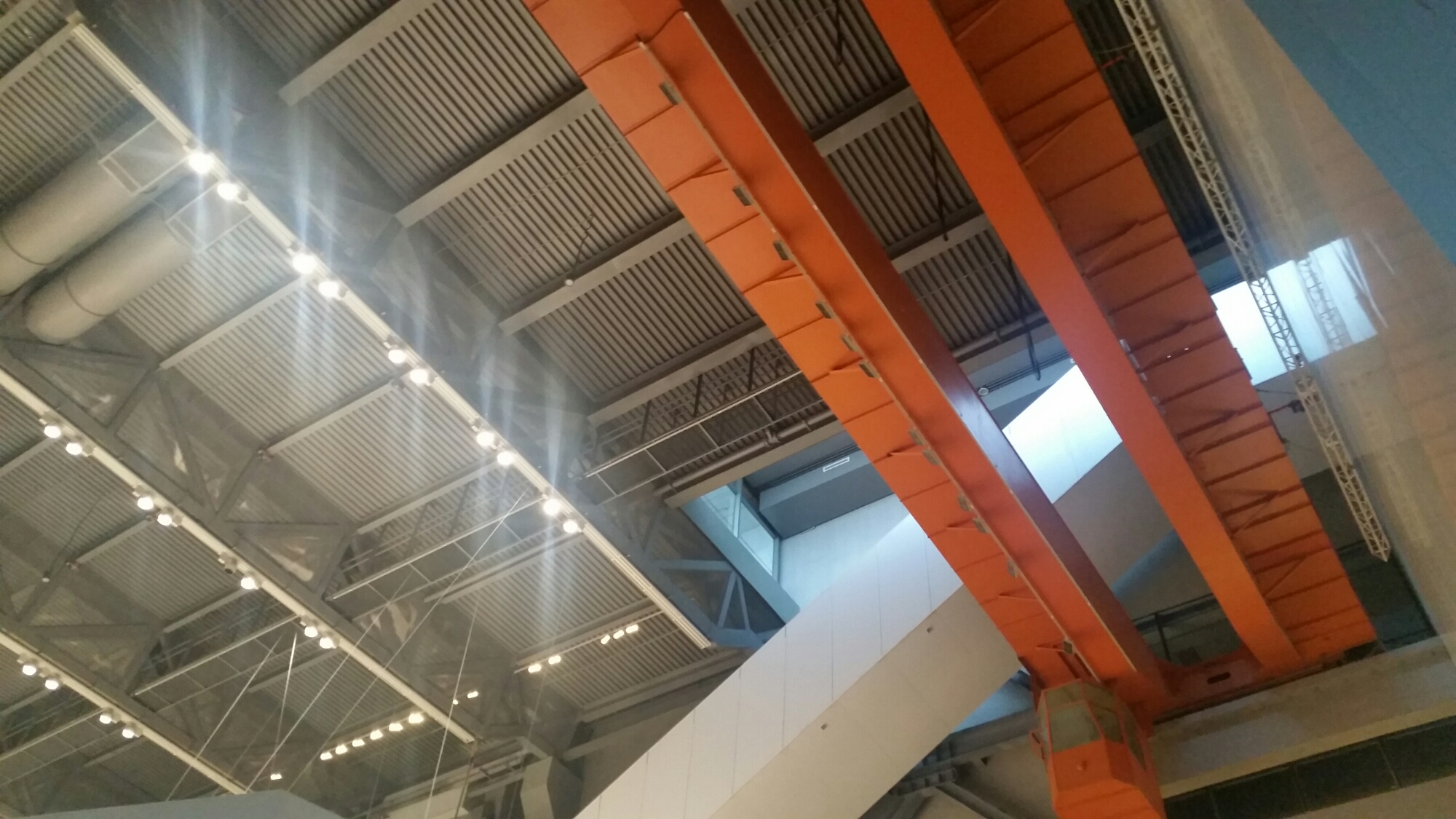
We went to the Yuz Museum which is a converted aviation factory built by the Russians in an area of the city where the authorities have invited entrepreneurs to open private museums. The museum opened in 2014, designed by Sou Fujimoto:-
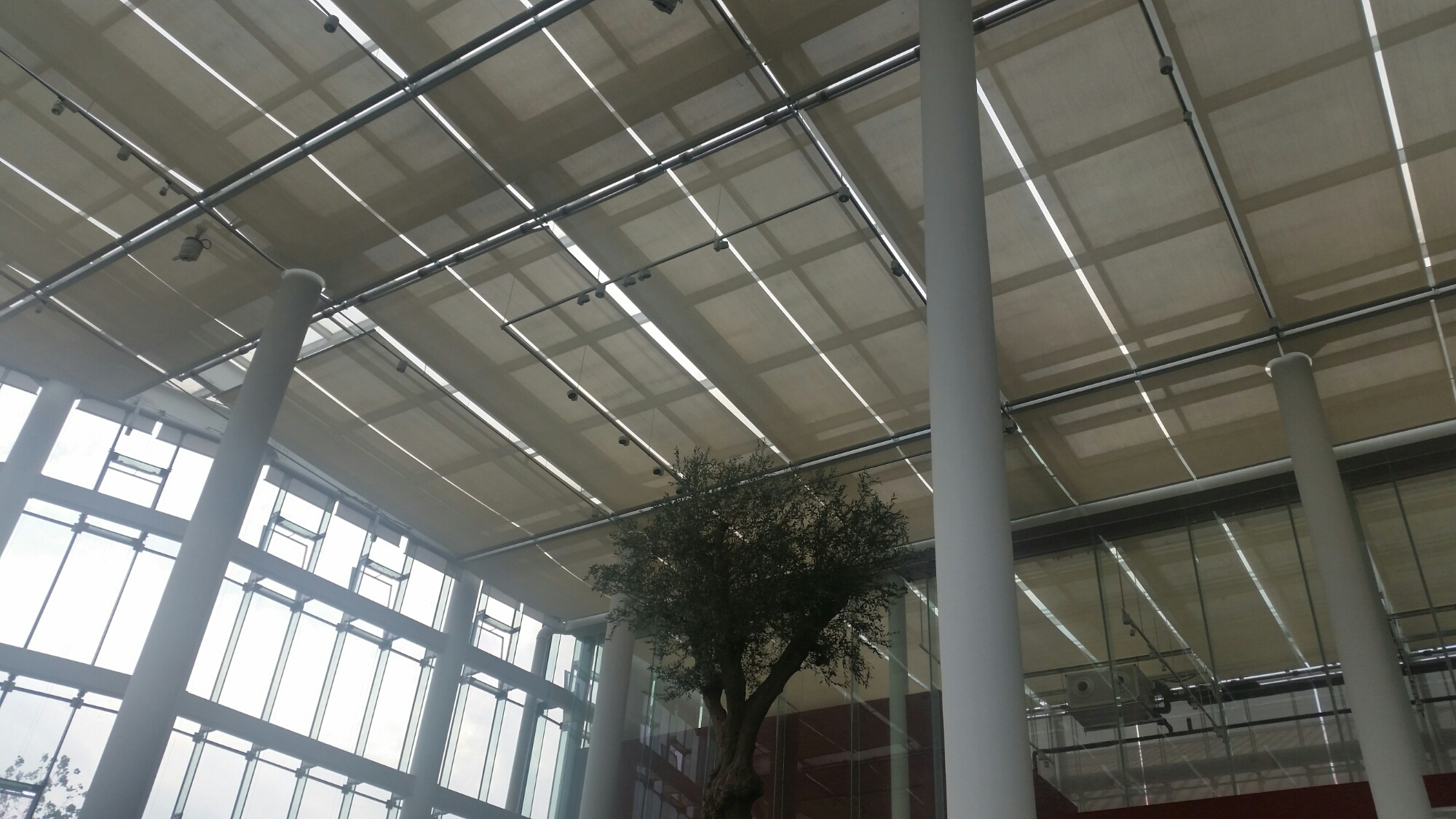
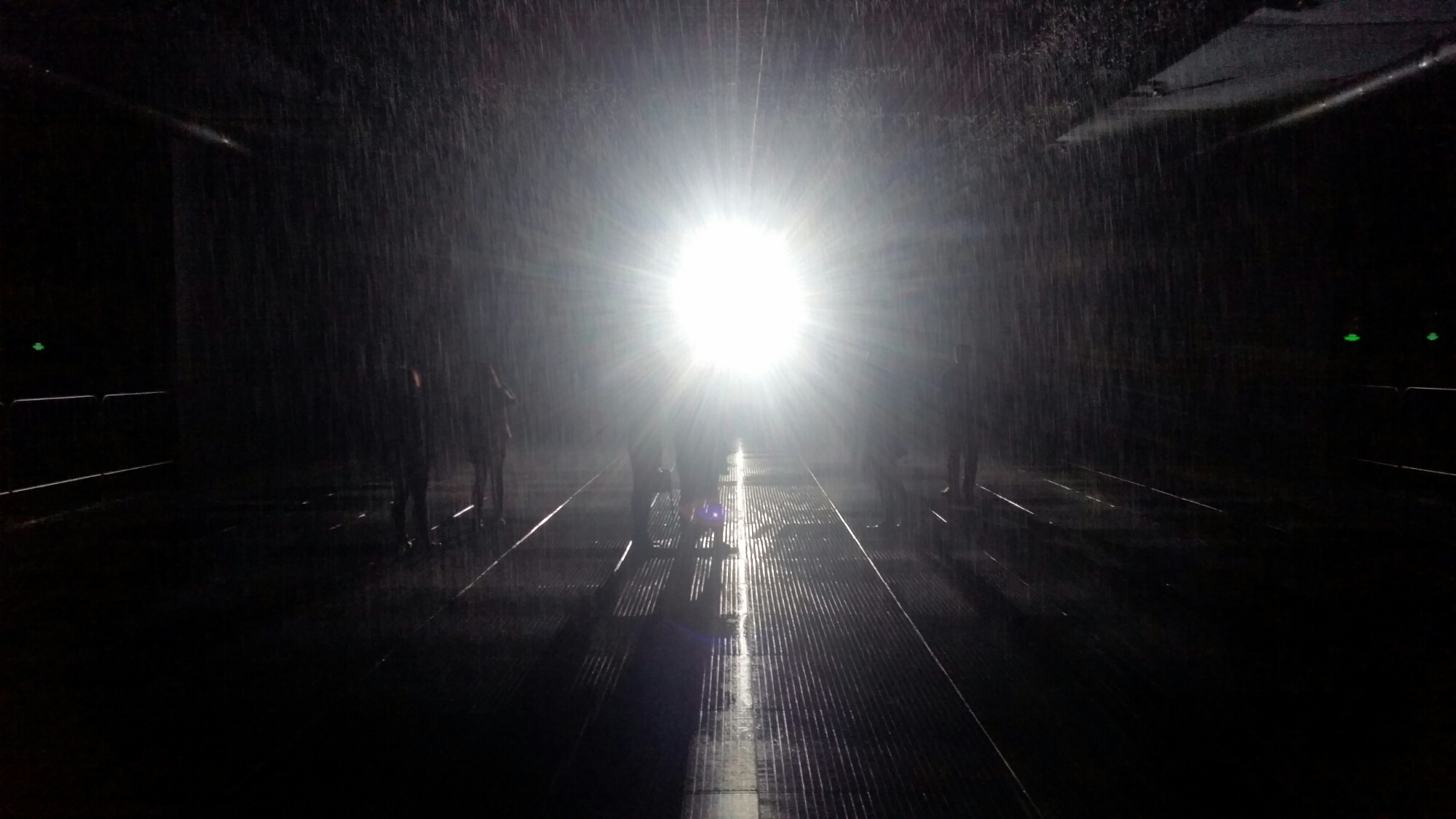
We began with the Rain Room by Random International where we got gently soaked:-
We went to the K11 shopping mall in downtown Shanghai to see the exhibition they have done on the influence of Salvador Dali on modern Chinese art, a collaboration with the Dali Museum in Figueres, an appropriate use of the space, given the theatrical and crossover nature of Dali’s career and work:-
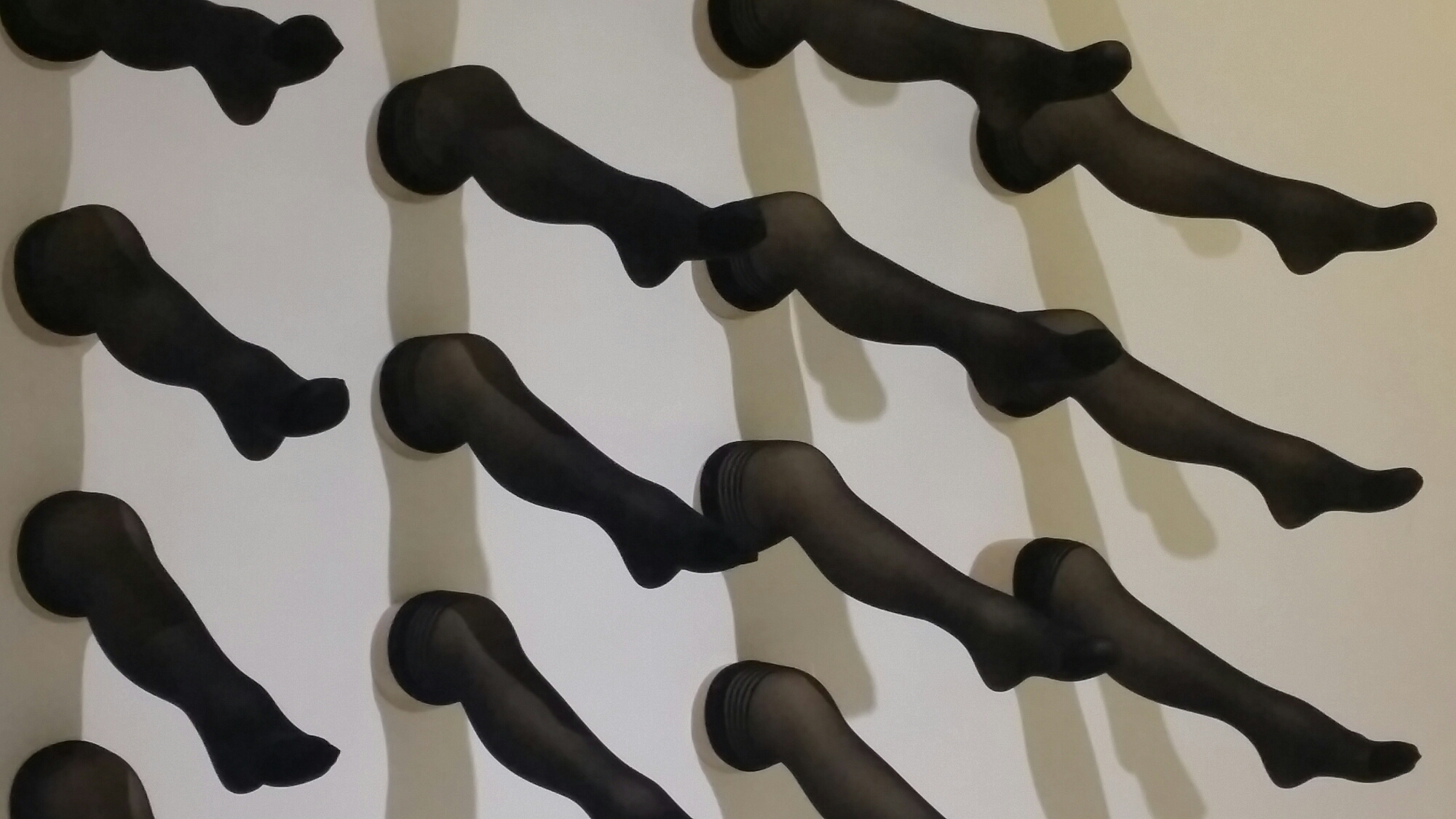
Then we had lunch:-

We went out to Zhang Huan’s studio in an old hydraulics factory in the far distant outskirts of Shanghai:-

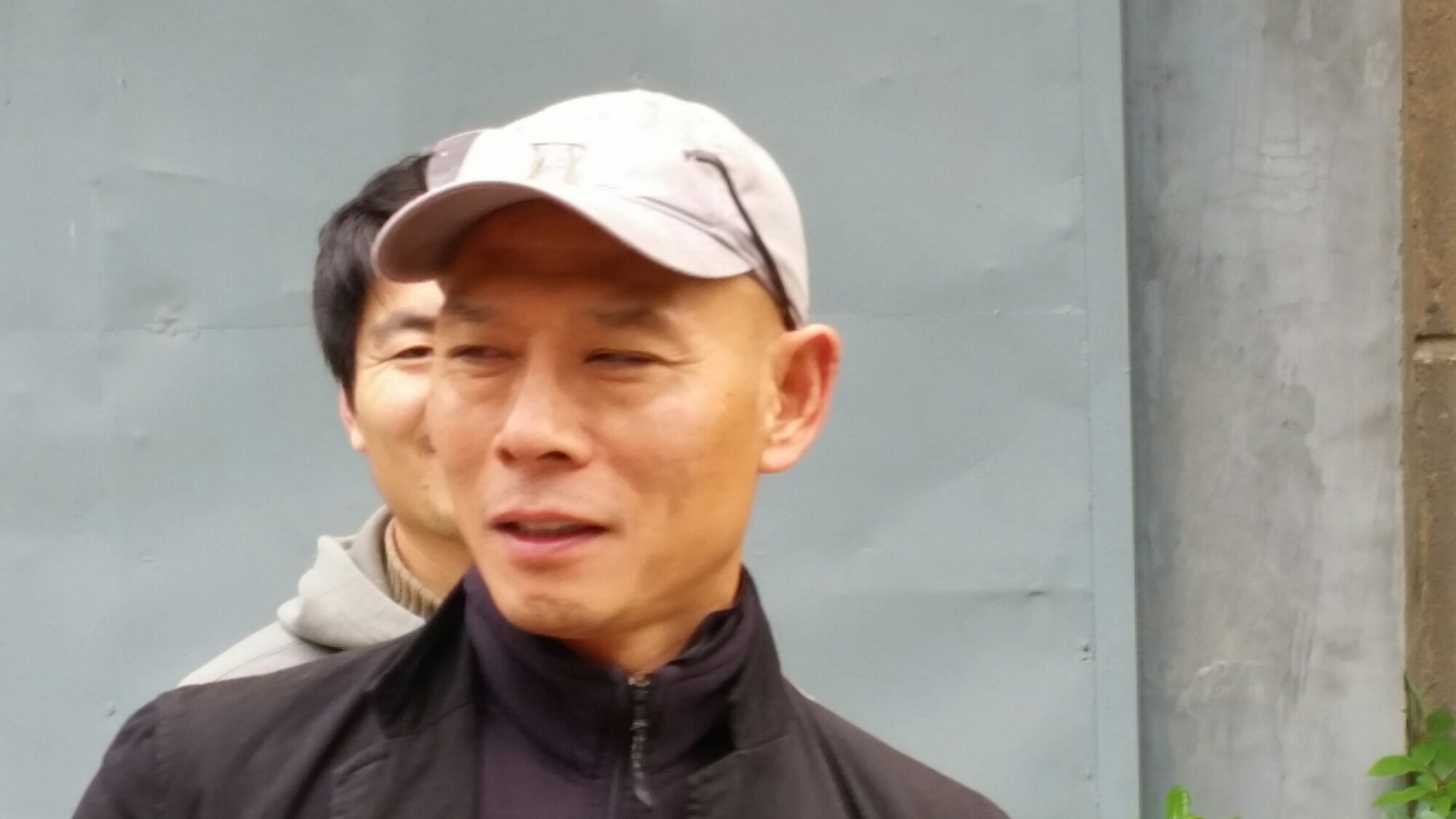
He came out to greet us:-
I had been before to the Long Museum, just before it opened eighteen months or so ago. It’s an impressive, large scale, concrete structure based on surviving industrial remains. What I hadn’t expected was a scholarly exhibition in the basement devoted to The Imperial Art of the High Qing, art which survives in Chinese private collections from the reigns of three Emperors – Kangxi, Yongzheng and Qianlong. What wasn’t clear was where the works had been during the cultural revolution. Were they hidden or have they been bought back from the west ?
Off to Shanghai. By the standards of Hong Kong, a huge, messy, amorphous megalopolis, with a population of 25 million spread across the delta of the River Yangtse and a long drive in from the airport. It’s hard to believe the ups and downs of its history: settled by the British after the Treaty of Nanking in 1842, foreign men, according to the guidebook, ‘found sexual solace in service professionals’; they were joined by the French and Americans and the Sassoons and Kedouries from Baghdad; then the Japanese came after the Sino-Japanese war of 1895 and the White Russians after 1917. The Japanese took over in 1937, the Americans on 15 August 1945, and the Communists on 25 May 1949. Now, under the Communists, it is once again the ultimate capitalist city.


 | Charles | Saumarez | Smith |
You must be logged in to post a comment.