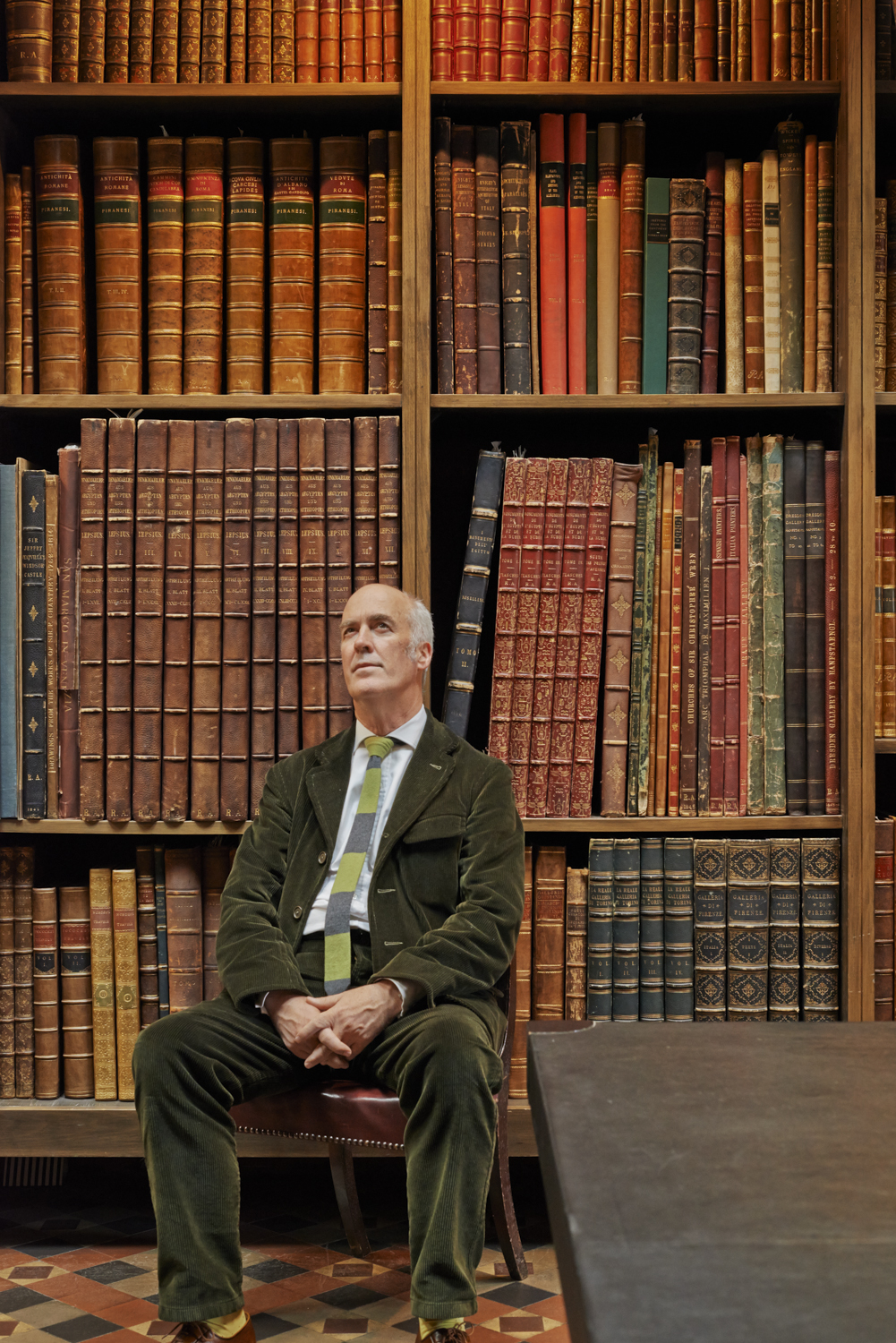
We had an unexpected, but exceptionally enjoyable pop-up dinner in an anonymous tower block in Central. A sliding door opened to reveal a sculpture in a small space by the lift:-

We had an unexpected, but exceptionally enjoyable pop-up dinner in an anonymous tower block in Central. A sliding door opened to reveal a sculpture in a small space by the lift:-
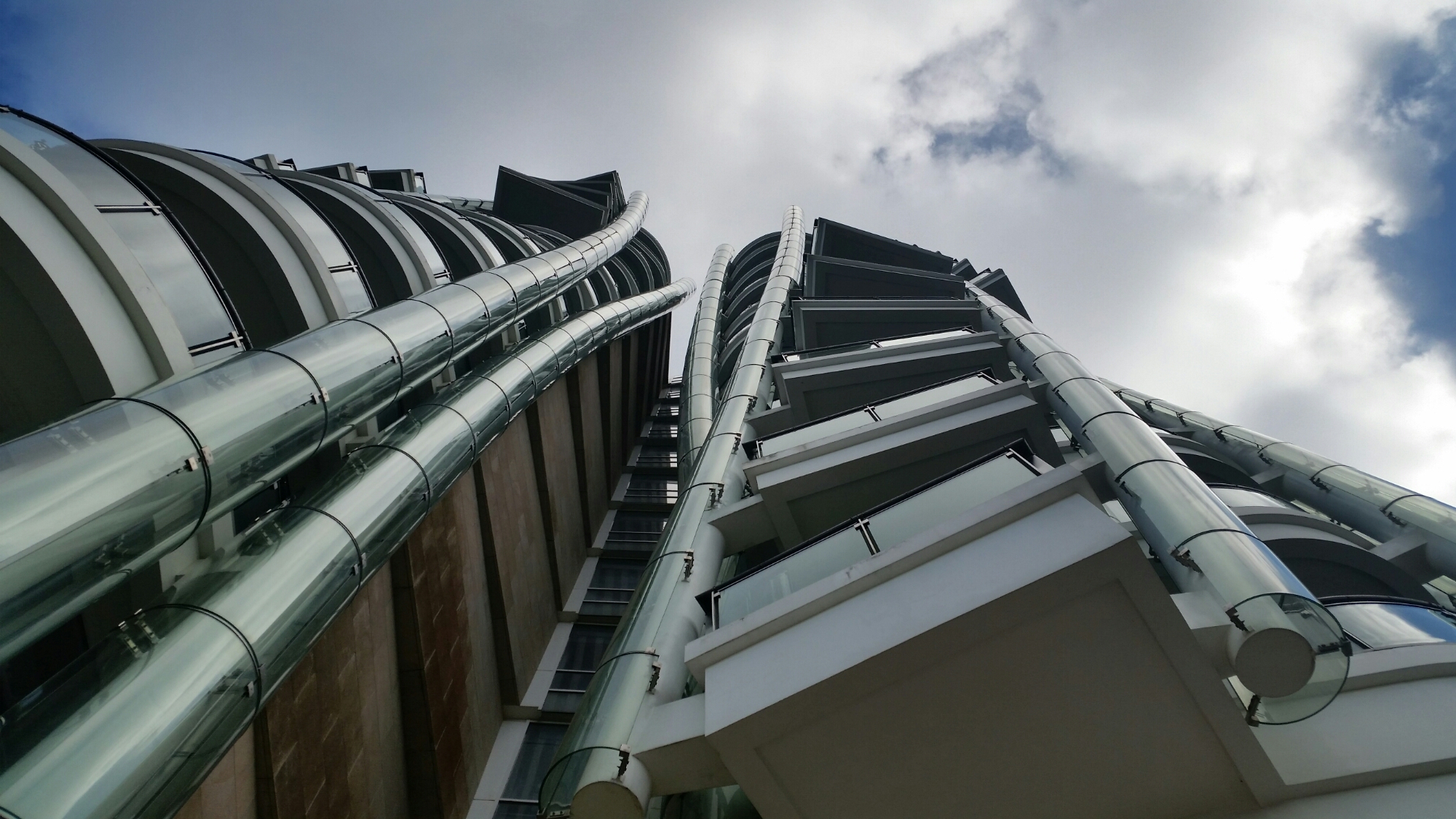
We had lunch with the Consul General in her residence which is in the Opus Building, up on the Peak, designed by Frank Gehry organically and with a fairly astonishing view of the whole of Hong Kong:-

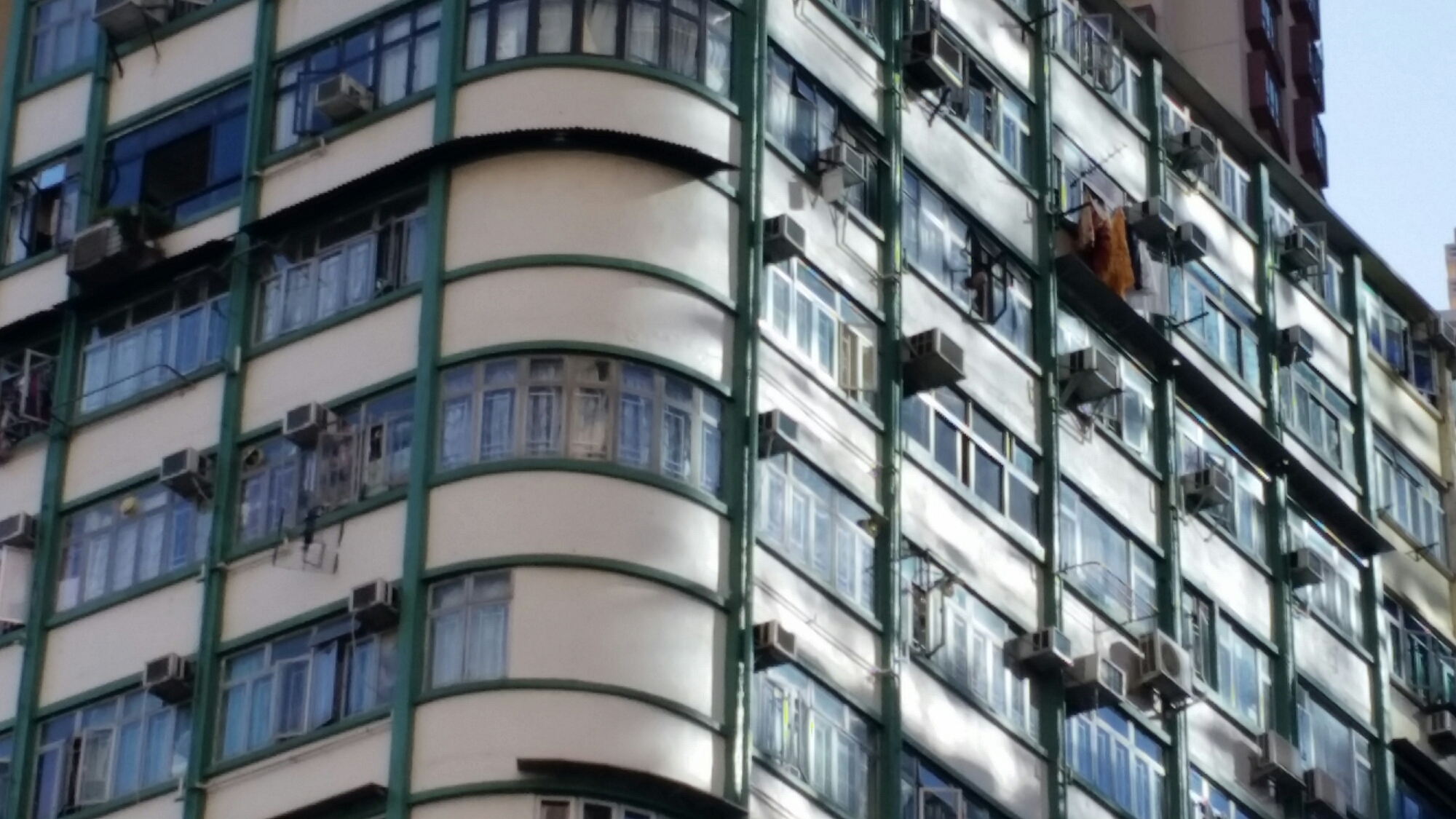
We started the day in a Buddhist nunnery which was reconstructed in the 1980s in Kowloon City beyond the old airport and is surrounded by huge tower blocks, making for a slightly surreal combination of the traditional and the contemporary:-

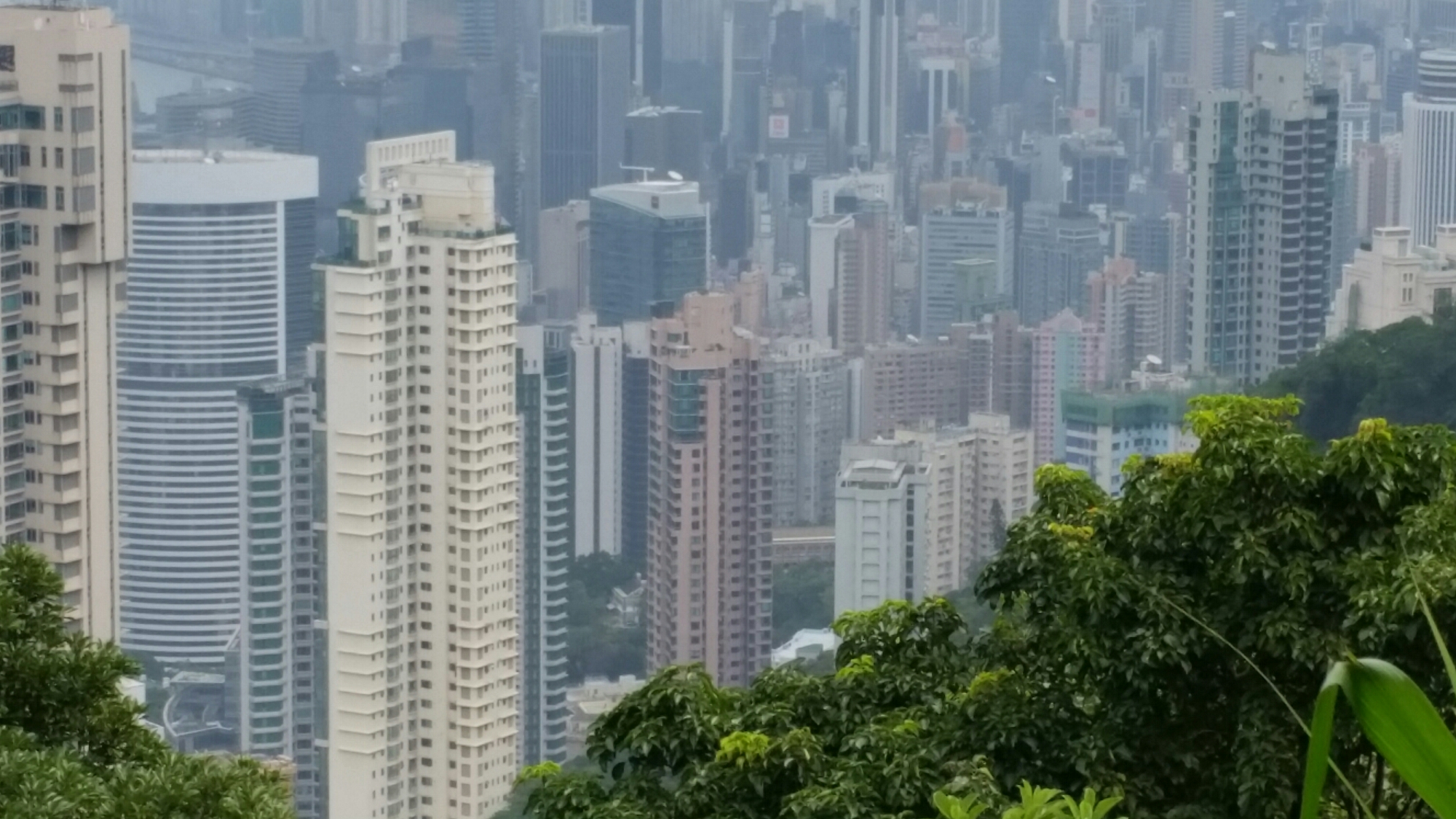
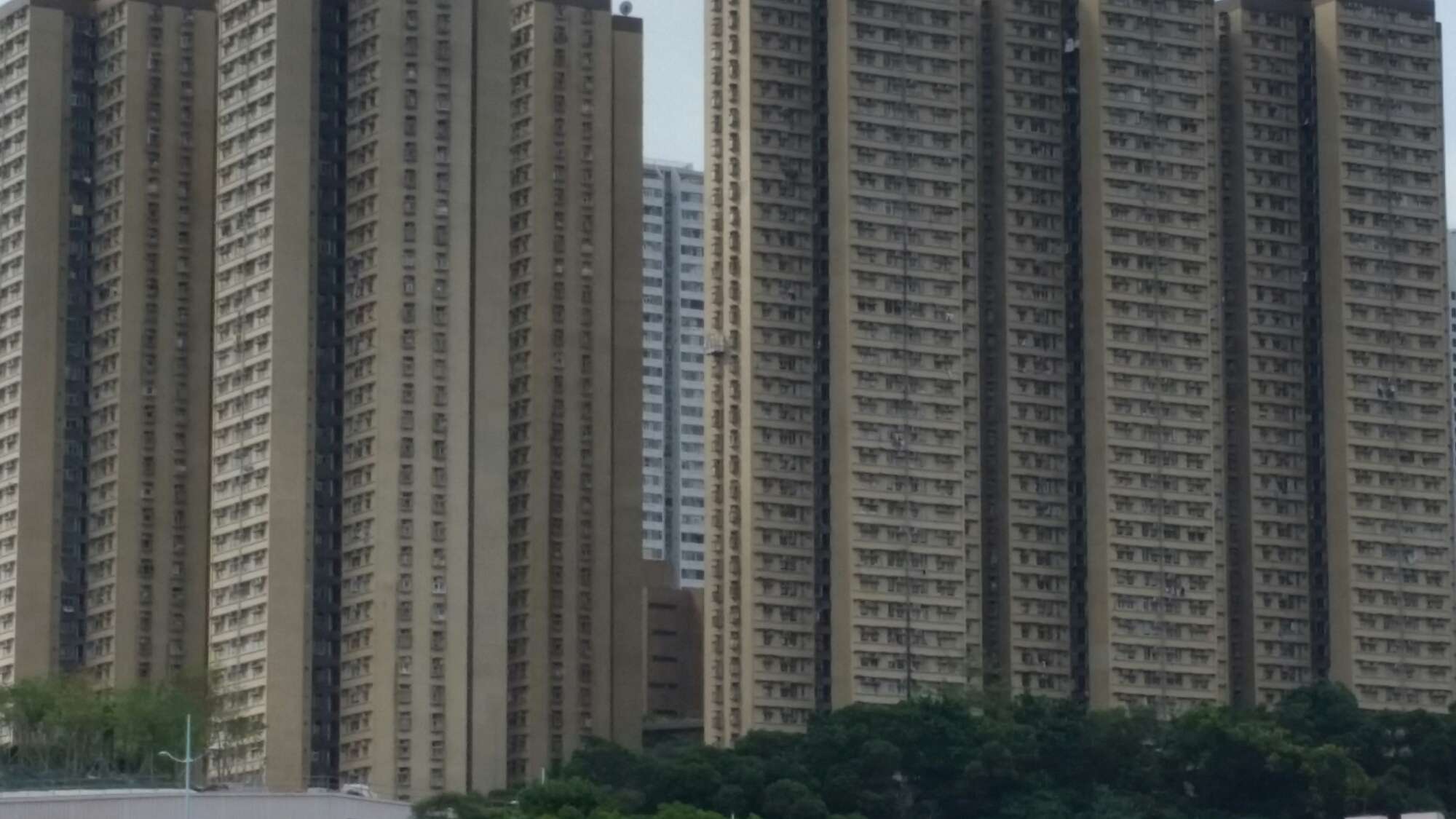
I have been impressed by the scale and density of the great housing projects of the 1950s and 1960s, as seen from above from the Peak and from the street on our visit to Para-site, including the staircase down from the floor they occupy in an old industrial building in Quarry Bay:-
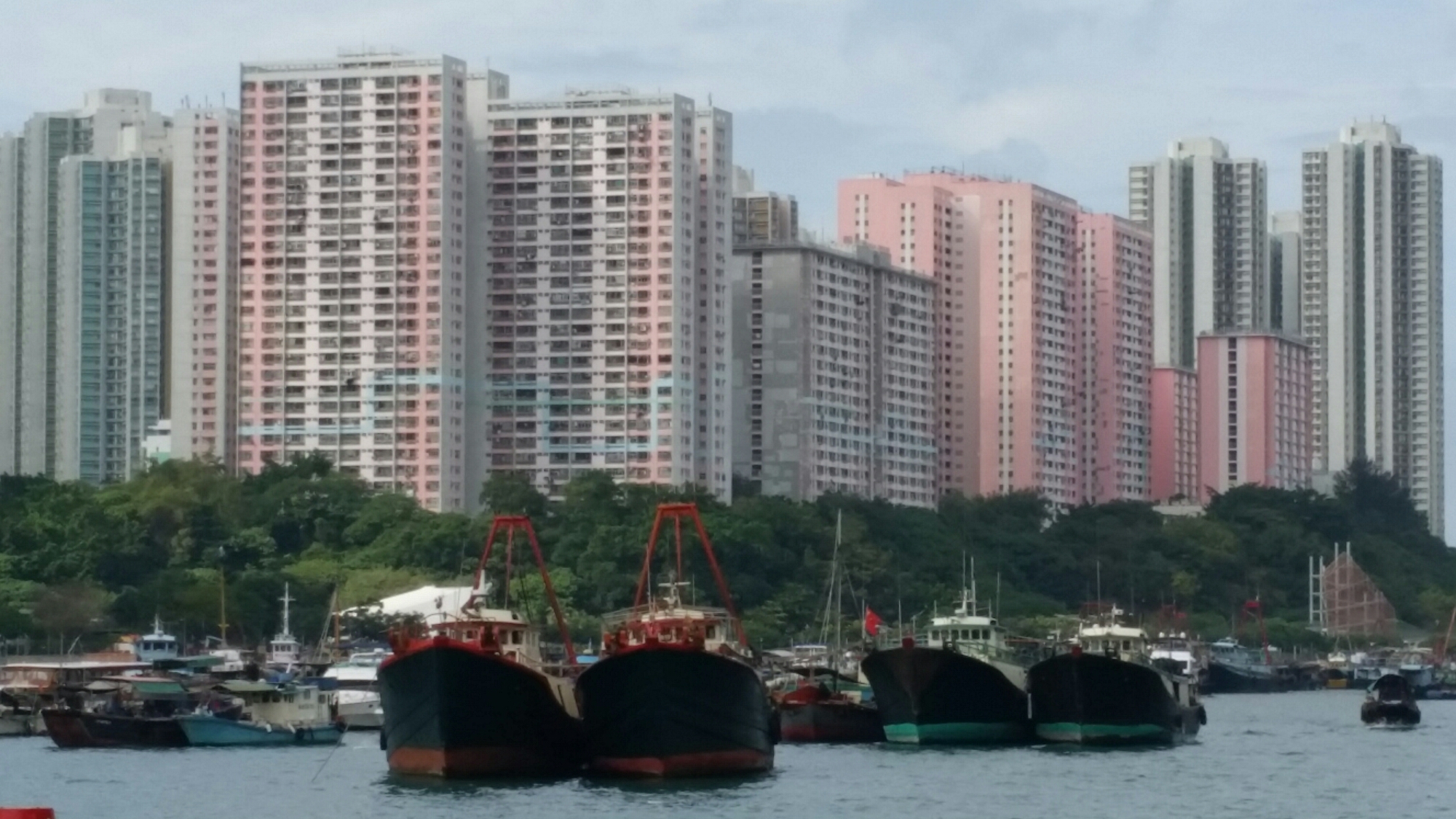
We started in Aberdeen, an old fishing village over the hill – actually under a tunnel – from Hong Kong. We were taken on a motorised Sanpan to see what remains of the old houseboats in amongst the great monuments of 1970s social housing.
This is the social housing:-
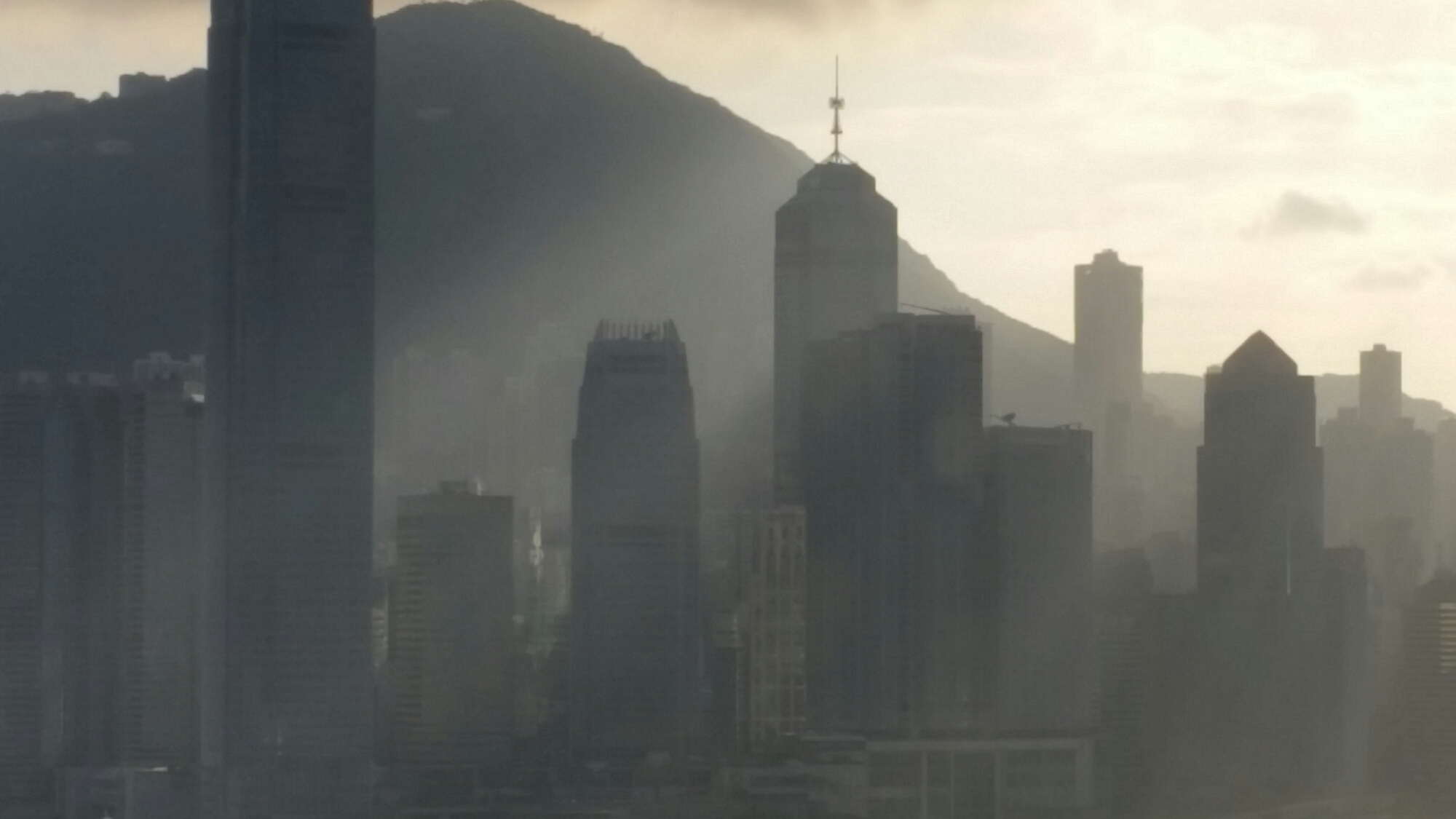
I’ve always in the past stayed in Central, normally at the Mandarin, but this time am at the Peninsula in Kowloon. They support art projects with the RA. I like the ceremony of arrival in Hong Kong, the old fashioned and hyper elaborate courtesy. This is my attempt to do an Alvin Langdon Coburn of the view from the hotel:-

We had a study day today to discuss the Waterloo Cartoon which has been on display for the last month or so as a way of commemorating the Battle of Waterloo. What struck me on looking at it again is its documentary realism. Most of the works commemorating Wellington are, not surprisingly, heroic. But Maclise, in undertaking the task of depicting the aftermath of the battle for the House of Lords, is surprisingly impassive, concentrating on accuracy in the detail and the scale of death without glorifying it. I also did not know that it was bought by the RA in 1870, following Maclise’s death, put on display in the new diploma galleries until 1922 when its ardent Victorianism went out of fashion. So it was sent on loan to Sandhurst where it was displayed in a gymnasium.
I walked up Melbury Road this evening to the sound of fireworks exploding in Holland Park. Past the street which leads to Leighton House, past the Tower House, past where Michael Winner used to live, to No. 8 with its grand oriel windows, designed by Norman Shaw as an artist’s’ home for Marcus Stone, a rather obscure RA, but immensely wealthy because of his work as a book illustrator. G.F. Watts was at No. 6 next door. And No. 11 (now No. 31) was built for Luke Fildes, also by Shaw, not long afterwards:-

I am immensely indebted to the reader of my blog who compared my photograph of Tate Modern from the roof of St. Paul’s to the work of Alvin Langdon Coburn. It has compelled me to look at his work and read about his career. Of course, she is right in that Coburn became famous partly for his misty view of cityscapes, views of New York seen from the top of a skyscraper, Fifth Avenue from the St. Regis (1905) and The Octopus (1909) showing Madison Square abstractly from above, published in his book New York in 1912. In London, he photographed St. Paul’s from the bottom of Ludgate Hill with the steam train going past, and again from across the river, and the dome of the National Gallery occluded by the Landseer lions. I am not conscious of being influenced by his aesthetic of intense pictorialism, but am flattered that someone should think there might be a relationship.
We have just had a seminar on the future development of Mayfair, run by Peter Murray, the chairman of New London Architecture. Much of what is happening is potentially exciting: the conversion of the old US Embassy building into a hotel and the renovation of Grosvenor Square; the reduction in traffic roaring down Bond Street and the widening of pavements; the creation of a new arcade of art galleries connecting Cork Street to Old Burlington Street; a David Adjaye scheme immediately opposite the Ritz. The question is how to maintain the existing layering of different uses, including art, culture, hotels, shopping and – I was reminded – clubs. How to pay for the public realm developments which are needed when public funding is being cut. And what role will the new Mayor play in all of this.


 | Charles | Saumarez | Smith |
You must be logged in to post a comment.