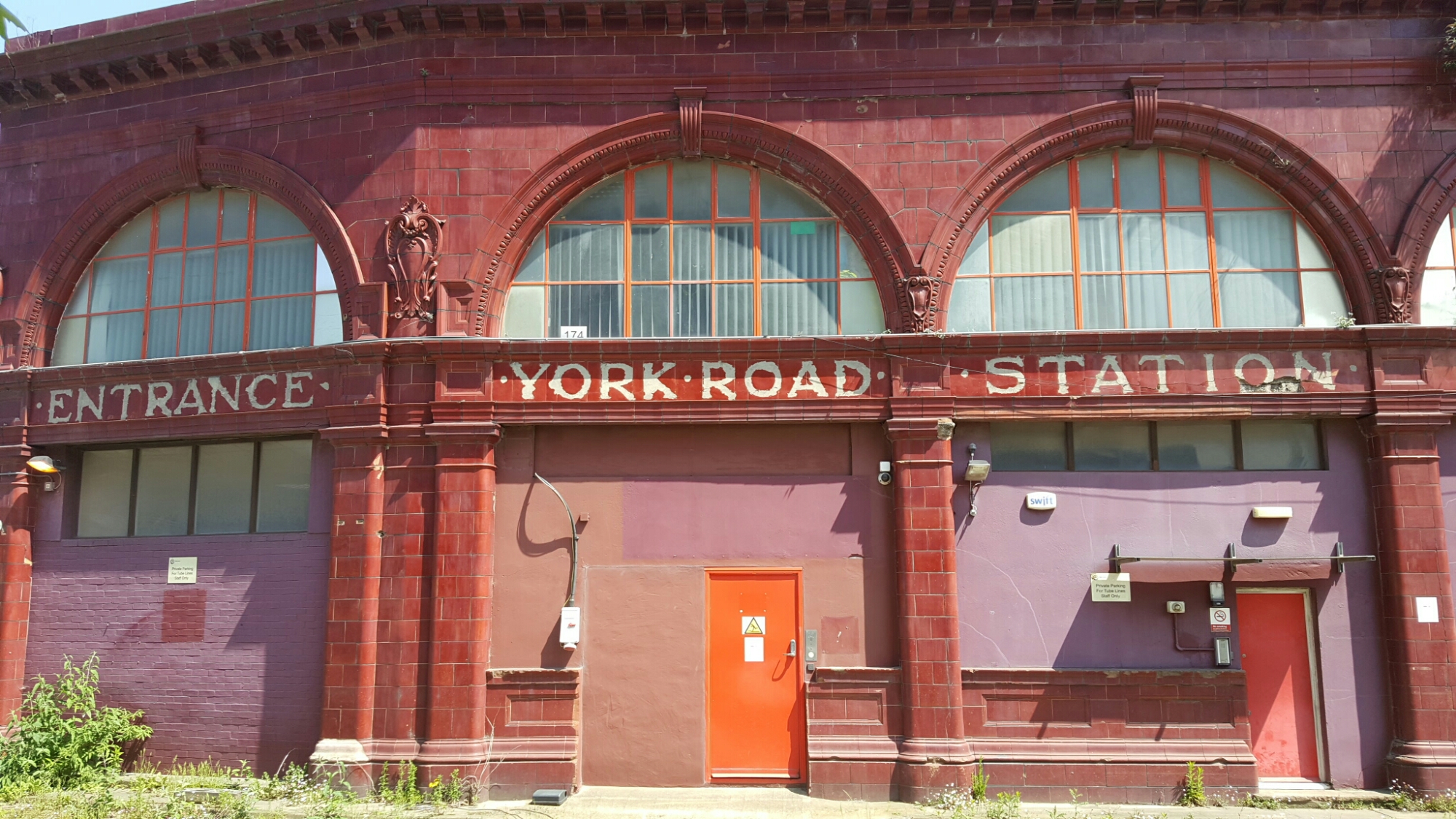
I was walking down York Way north of King’s Cross and realised that it has one of London’s ghost underground stations, opened in December 1906 to serve the Great Northern, Piccadilly and Brompton Railway. It closed in September 1932. I am surprised that it hasn’t re-opened now that it is one of London’s property hotspots. It’s got odd, wobbly lettering:-
Monthly Archives: June 2016
Antony Gormley RA
I spent the morning with the Trustees of the Royal Academy and of Royal Academy America in Antony Gormley’s studio in north London. He reminded us of how and why the studio had been designed by David Chipperfield: that he had visited the RIBA in 1990 in search of a young architect to help work on his house; and had (rightly) picked out Chipperfield on the basis of his attention to qualities of interior space and light. The studio has these qualities, but also an attentiveness to proportion:-
157, Piccadilly
As I was getting money out of the cash machine, I saw a building I have seen a thousand times lit up in the evening sun. It’s the former Royal Insurance building on the corner of Piccadilly and St. James’s Street, designed by J.J. Joass of Belcher and Joass, a Scot from Dingwall who trained in Glasgow and who seems to have imbibed some of Charles Rennie Mackintosh’s adventurous indiscipline. As Pevsner says – or maybe it is Simon Bradley – ‘the indiscipline must be considered a positive quality. The endeavour here was clearly to smash up the classical conventions, but the fragments are left in a restless disquieting pattern’:-
Burlington Gardens
My latest bulletin on the progress of works in Burlington Garden involves a walk outside the so-called laboratory galleries at the back, looking up at the temporary roof in the middle of a thunderstorm:-
I poked my camera through a hole in the awning to take a photograph of the lantern over Sidney Smirke’s Octagon:-
The Architecture Room
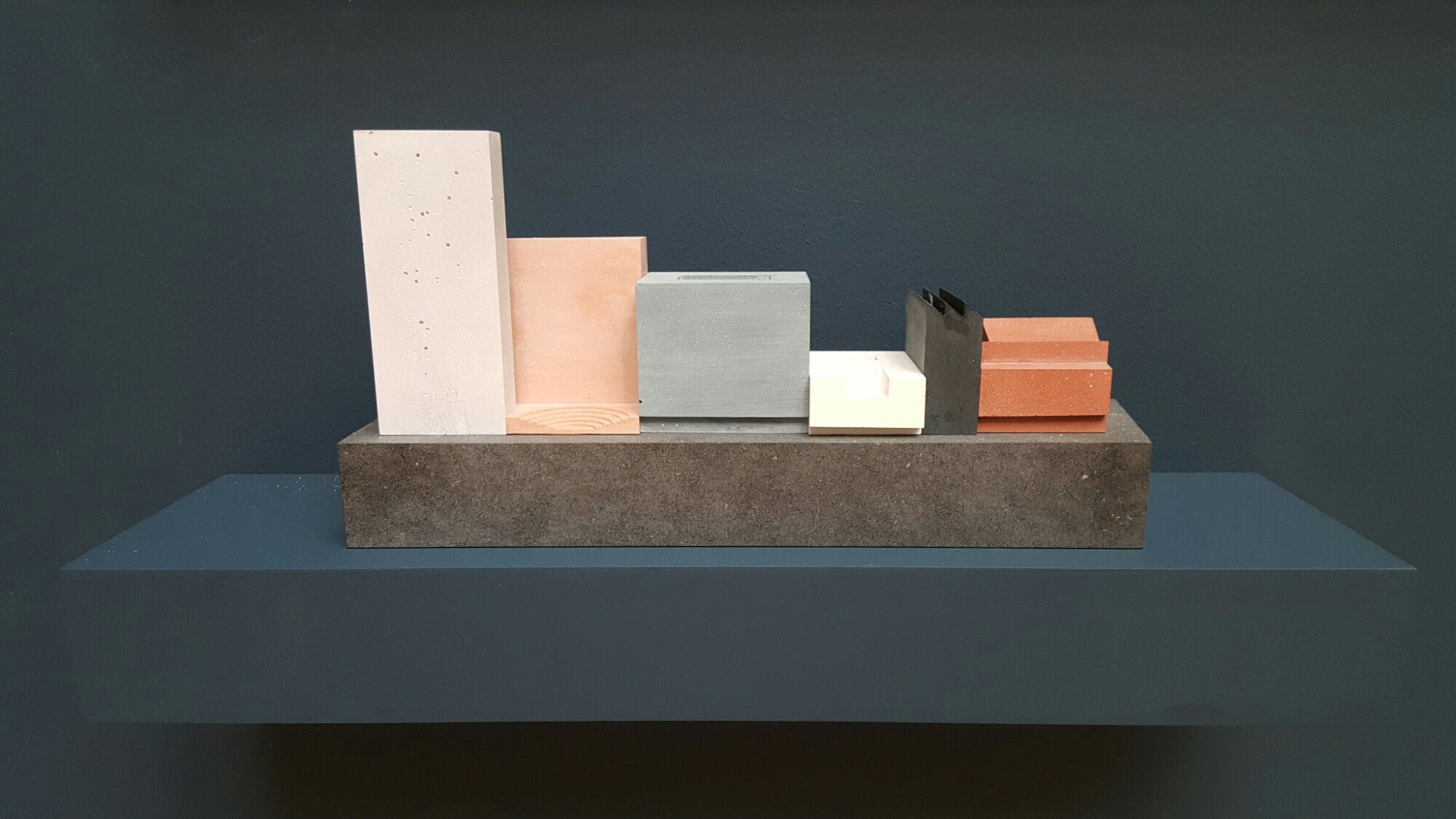
This year’s Architecture Room in the Summer Exhibition is on the theme of The Unbuilt, a good way of encouraging architects not to use the exhibition as an advertisement for their new work, but to encourage them to show their more conceptual thinking. For example, I hadn’t seen David Chipperfield’s entry for the new set of cultural buildings in the Olympic Park, which he presented as a set of conceptual blocks made out of jesmonite:-
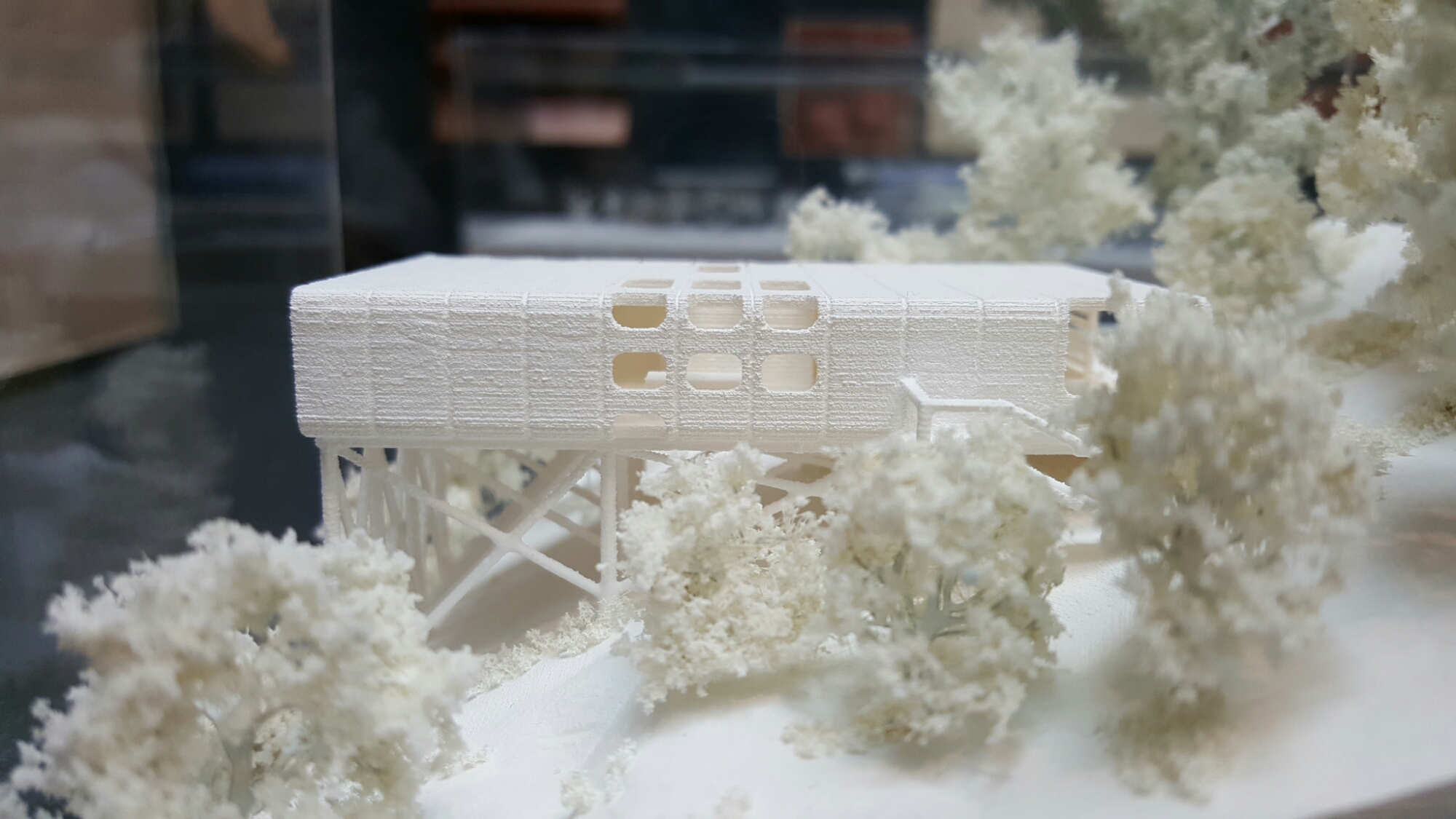
There’s a neo-1960s house on stilts designed by Richard Rogers:-
Time & Life Building
I was wandering down Bond Street on Saturday morning trying to remember why the Time & Life Building is regarded as of such significance. Part of it, of course, is the presence of four grand abstract sculptures by Henry Moore set into the wall to the side of the building:-
The rest of the building is a rather bland and neutral American-style, postwar office block:-
That is precisely its significance: that it was built with dollars in the early 1950s as a mark of Anglo-American friendship, designed by Michael Rosenauer, a fashionable Austrian architect who was a friend of Oliver Messel and worked for Cecil Beaton before the war. The interiors were by Hugh Casson and Misha Black.
Timothy Brittain-Catlin
I sat next to Timothy Brittain-Catlin last week at an event to celebrate the 100th. birthday of his cousin, Leonard Manasseh. I had previously only known him as a reviewer in The World of Interiors, but I have since been lent a copy of his book, Bleak Houses: disappointment and failure in architecture. It covers the history of architecture since Pugin and the way in which in each generation a small number of aggressive modernising architects have tended to elbow out others who have therefore subsequently been regarded as failures and lost to history. His first example is George Basevi, the architect of the Fitzwilliam Museum, who failed to adapt to the new Puginesque Gothic and fell to his death from the roof of Ely Cathedral. Before the first world war, Horace Field, one half of Field and Bunney, who published an excellent book on Domestic Architecture of the XVII and XVII Centuries, went on to be chief architect for Lloyds Bank, but is now forgotten. In the 30s, he cites Seely and Paget, grand social architects who were responsible for Eltham Palace, but do not appear in any standard narrative. After the war, his examples, less convincing, are Hugh Casson, who won’t have been forgotten and certainly wasn’t a failure, and Raymond Erith, who will almost certainly be remembered as an austere classicist outside the mainstream. It’s a very clever book, making one think about the way architectural history is written.
Keeper’s House Garden
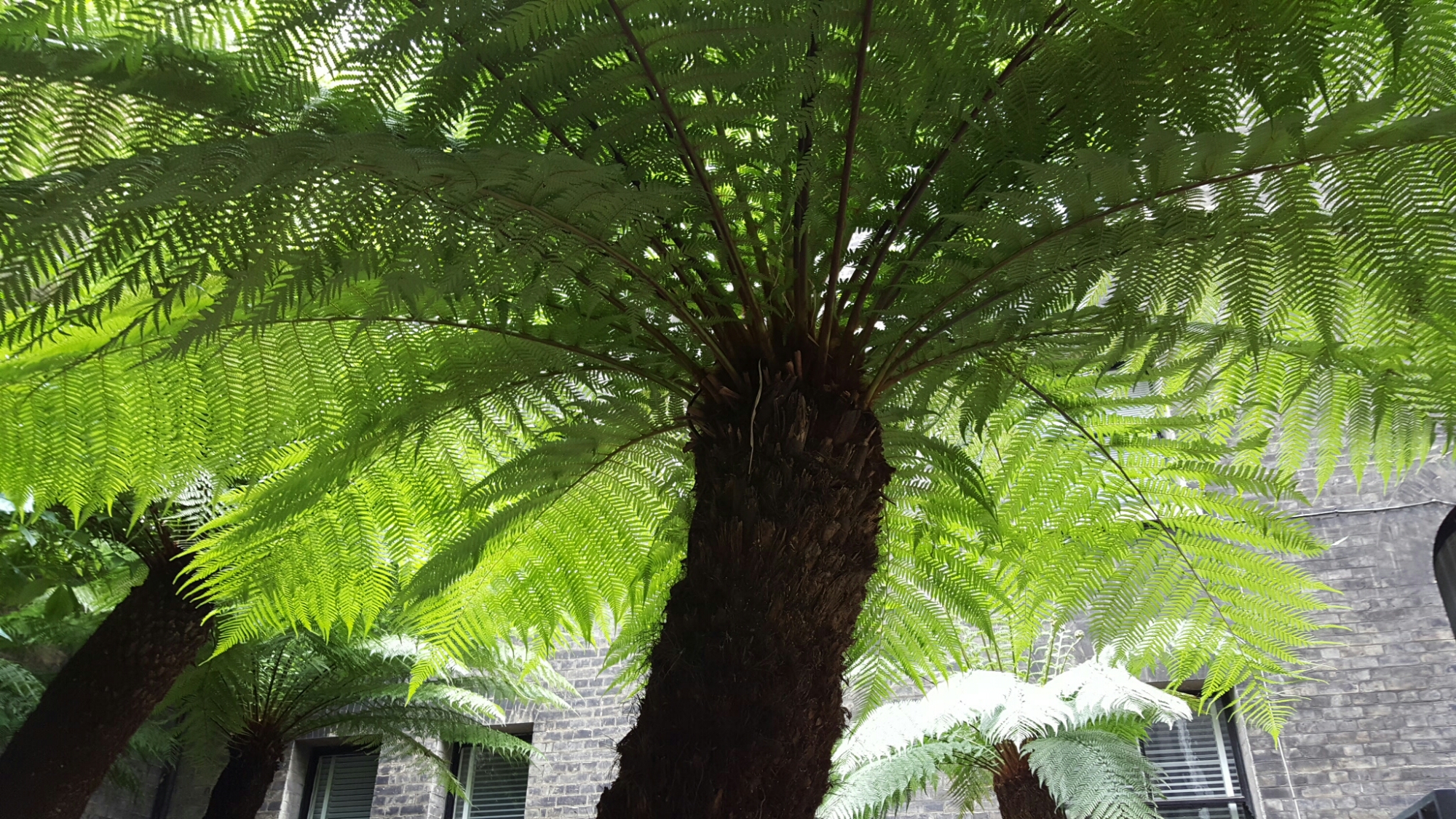
We had lunch in the garden of the Keeper’s House, which I never think of doing in the week, under the shade of Tom Stuart-Smith’s increasingly magnificent New Zealand tree ferns which are growing apace:-
Giorgione
Realising that In The Age of Giorgione closes tomorrow, we spent the morning in it. A few comments. The astonishing generosity of the lenders, particularly the Royal Collection and the Accademia. The complexities of attribution, beyond the Terris portrait, which has an inscription ascribing it to Giorgione. The fact that after more than a century of post-Morellian discussion and debate around attribution, there is no more certainty than when Berenson decided to dedicate his life to its study. The tension between the influence of Durer who visited Venice in 1505 and described Bellini as ‘still the best’ and the influence of Leonardo who had visited a few years earlier. The extraordinary realism and poignancy, particularly in the eyes, of La Vecchia, which I had not realised was described in a sixteenth-century inventory as a portrait of Giorgione’s mother. Hard to imagine the range of works in the exhibition ever being easily repeated.
The Gimlet Bar
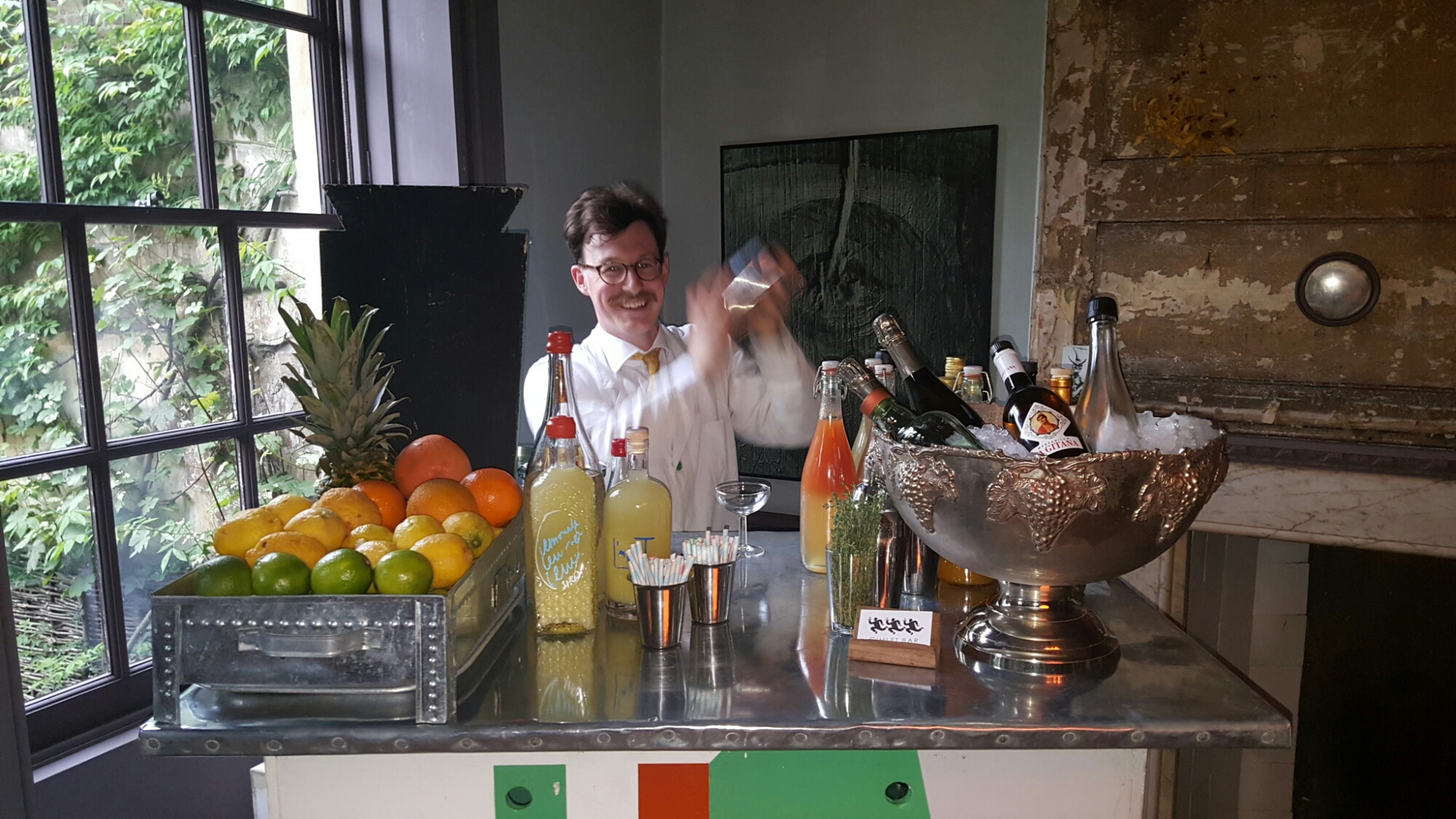
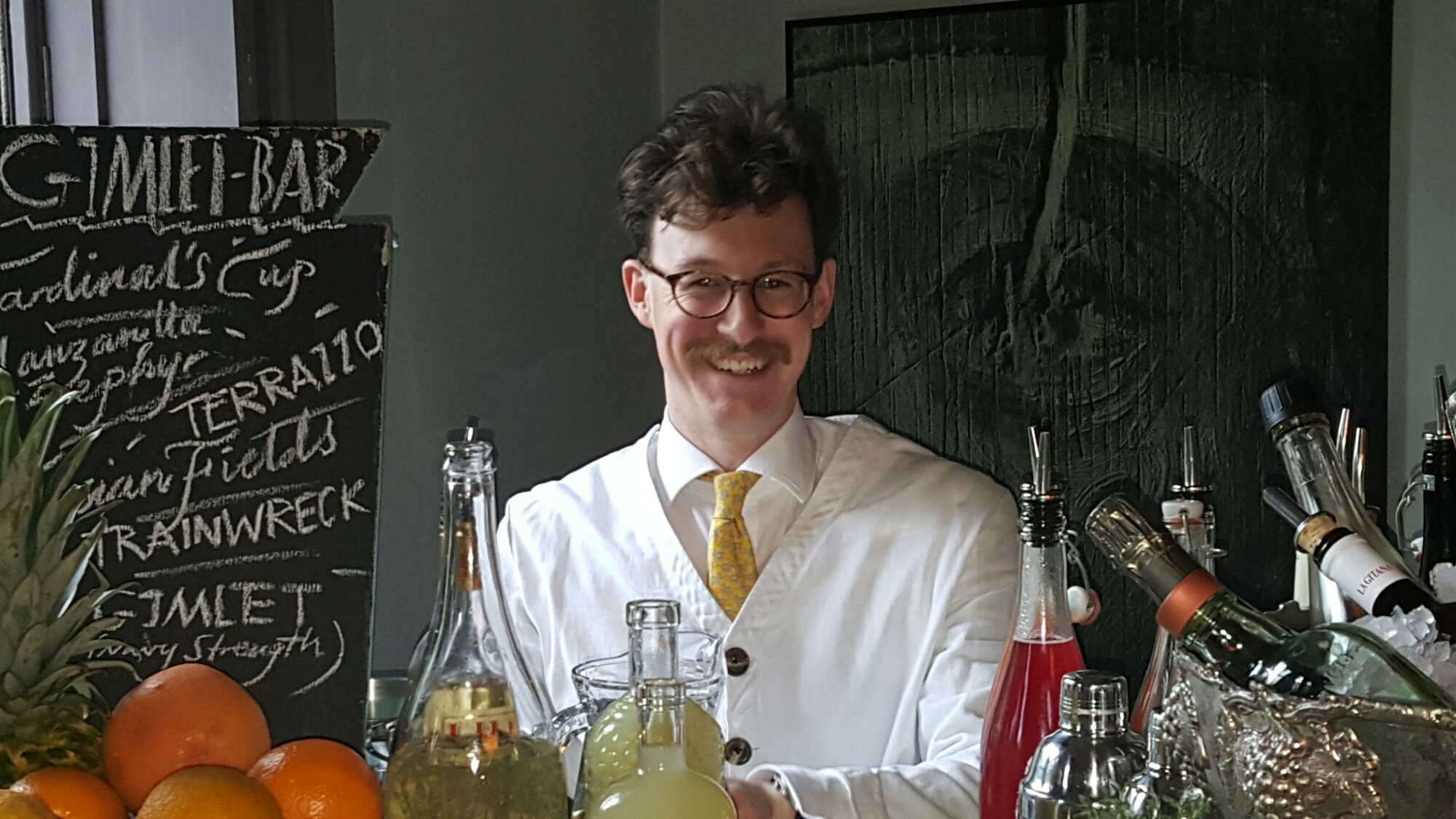
We had an evening of cocktails with a bar set up in the dining room by Charlie Gouldsbrough, who learned his trade in the States and prepares his own lethal mixtures with navy strength gin, first devised for Nelson who didn’t want his gunpowder to be contaminated. He does pop-up bars at art and other events:-


You must be logged in to post a comment.