
One of the reasons that Stubbs had an ambivalent, if not hostile attitude to the Royal Academy in spite of being elected an Associate in 1780 and full member not long afterwards must be that he remained loyal to the Society of Artists when so many prominent artists left it to found the Academy: not just loyal, but he became its Treasurer in 1768, the year of the Academy’s foundation, and President from October 1772 to October 1773. It was only in 1775 that he began to exhibit with the Royal Academy, having presumably realised that he had backed the wrong horse.
Monthly Archives: February 2017
George Stubbs ARA (1)
I had the opportunity of looking at Stubbs’s anatomical drawings over the shoulder of Henri Loyrette, the former Director of the Louvre. I couldn’t remember the status of Stubbs’s membership of the Royal Academy, only that he had been an ARA, not a full RA. The answer is that he was elected an ARA on 6 November 1780 (he was 56) and a full RA on 13 February 1781. But he refused to give a diploma work, regarding it as a ‘new rule’ aimed against him, in spite of it having been a requirement of the original Instrument of Foundation. So, his membership was annulled (nothing to do with him being a sporting painter). And it was Charles Landseer, not Stubbs, who gave the Academy the drawings for The Anatomy of the Horse, after acquiring them following their auction on Edwin Landseer’s death in 1873.
David Hockney RA
I met someone yesterday who reminded me to go and see the exhibition David Hockney: The Complete Early Etchings 1961-1964 at Hazlitt Holland-Hibbert down the street from the RA. She was right. It’s a very choice, complete exhibition of Hockney’s early etchings – funny, witty, and an odd mixture of innocent and erudite, starting with Myself and My Heroes (1961) – Hockney (‘I am 23 years old and wear glasses’), Walt Whitman and Mahatma Gandhi – and including Kaisarion and all his Beauty (also 1961), which was bought by the Museum of Modern Art, and My Bonnie Lies Over the Ocean (1962), in which Ocean is mis-spelt. Palm trees, fairy tales and Egypt are all present very early.
Futures Found
I’m looking forward to our exhibition Futures Found: The Real and Imagined Cityscapes of Post-War Britain which opens at the RA on Saturday. Meanwhile, I have been enjoying the book Lost Futures which accompanies it. It’s written by Owen Hopkins, formerly of the RA, now of the Soane Museum, about post-war buildings which have been demolished. I can’t mourn the loss of the Freemasons Estate in Newham which contained Ronan Point, where a small explosion in the kitchen of a cake decorator led to a collapse in the side of the building and loss of life (but not of the cake decorator, who survived). Nor do I miss the Stifford Estate, which occupied the site of Stepney Green Park, now being excavated for Crossrail. The big losses look to be Robin Hood Gardens, still there, but only just, due apparently to be demolished at the end of this month; and Gillespie, Kidd & Coia’s Seminary at Cardross which is now due to be preserved as a dramatic ruin, like The Grange.
Common Thread
I have just been sent out of the blue a copy of a magazine called Common Thread (truth to tell, it came with some mail order shirts). It includes an article by Paul Hedge of Hales Gallery about three older generation artists whose work deserves to be celebrated. Two are RAs: Frank Bowling is depicted in a dashing photograph in his studio in New York in 1968; and I had not known that Basil Beattie trained as a figurative painter in the RA Schools from 1957 to 1961 before turning to abstraction and teaching the YBAs at Goldsmiths.
A Rum Affair
I have been reading the new edition of A Rum Affair: A True Story of Botanical Fraud, in which Karl Sabbagh recounts the story, originally based on an unpublished manuscript account held in the library of King’s College, Cambridge and now corroborated by a great deal of secondary evidence, of how John Raven, then a young Research Fellow at Trinity College, Cambridge, specialising in the Pre-Socratics, unmasked the fraudulent activities of John Heslop Harrison, Professor of Botany at Newcastle University, who was importing botanical species to the island of Rum and then reporting their discovery. I read the first edition and can’t tell exactly how much material has been added to the second. There is much discussion about what motivated Raven. From what I remember of him (he was my uncle), he liked nothing better than puncturing pomposity.
Beethoven’s Piano
We have just been to a Sunday morning concert in which Melvyn Tan played two Beethoven piano sonatas – Nos. 21 and 30. Before the second he told the story of how one of his first recordings had been on Beethoven’s piano. Beethoven had acquired a Broadwood piano, which was transported to Vienna and customised by Conrad Graf. After Beethoven’s death, the piano was sold at auction to C.A. Spina, an art dealer and publisher, who in turn gave it to Liszt. Liszt gave it to the National Museum in Budapest. EMI arranged for it to be restored and for Melvyn to play it in concerts across Europe, with recordings in Forde Abbey in Dorset. At night, it was guarded by Interpol. Now it’s back in Budapest. The knowledge that Melvyn had played Beethoven’s piano gave an extra frisson to his performance.
Anselm Kiefer
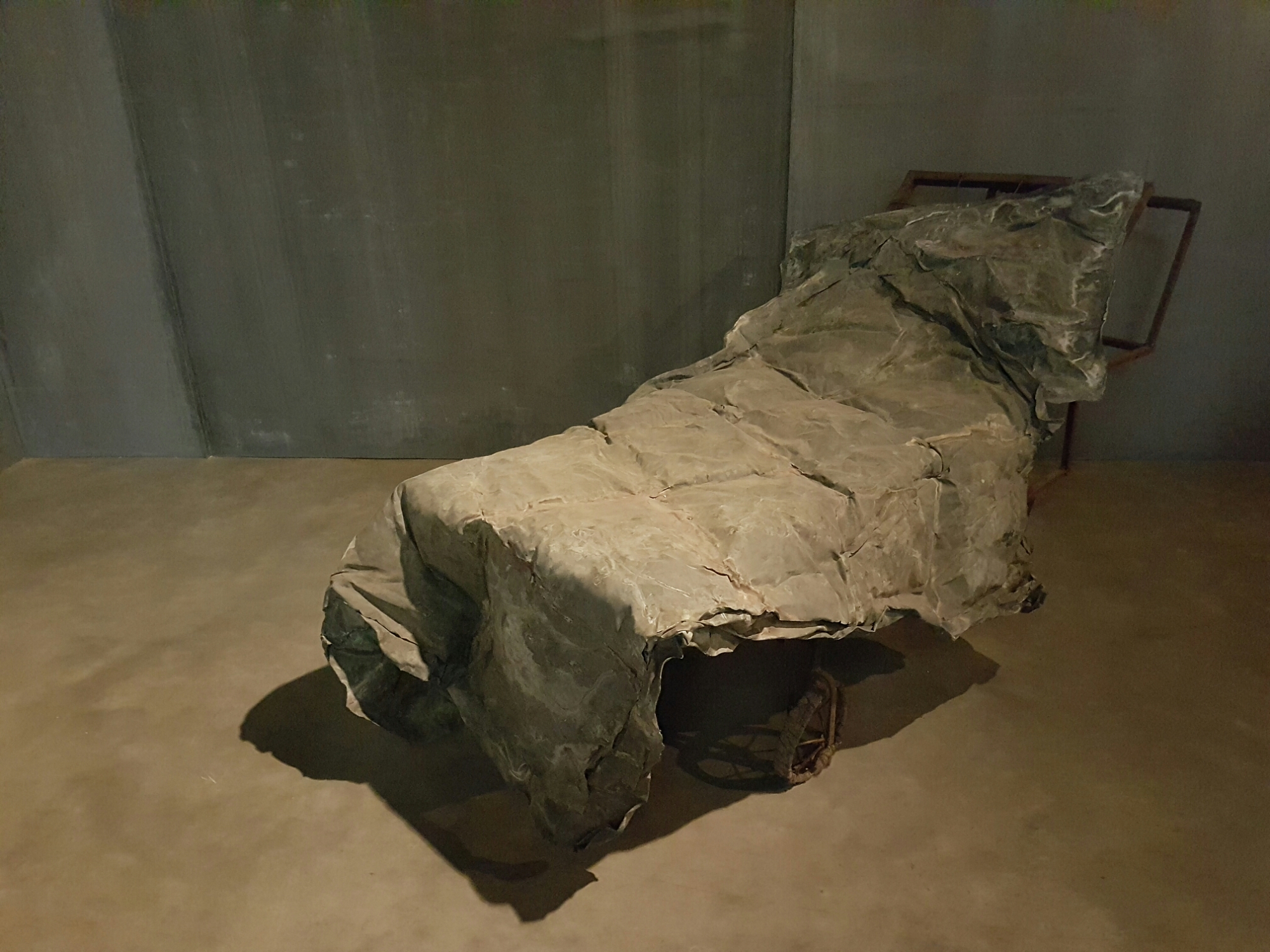
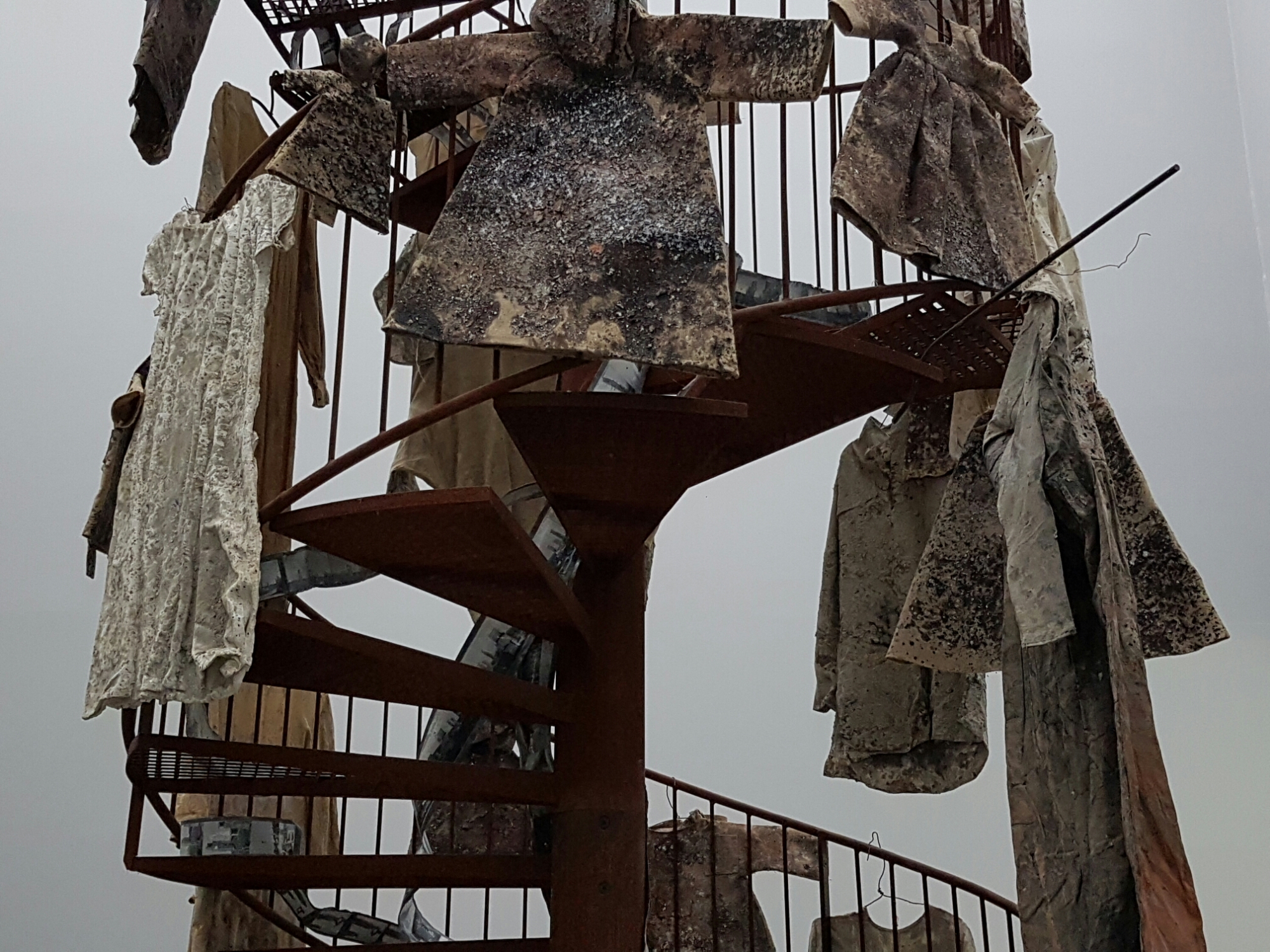
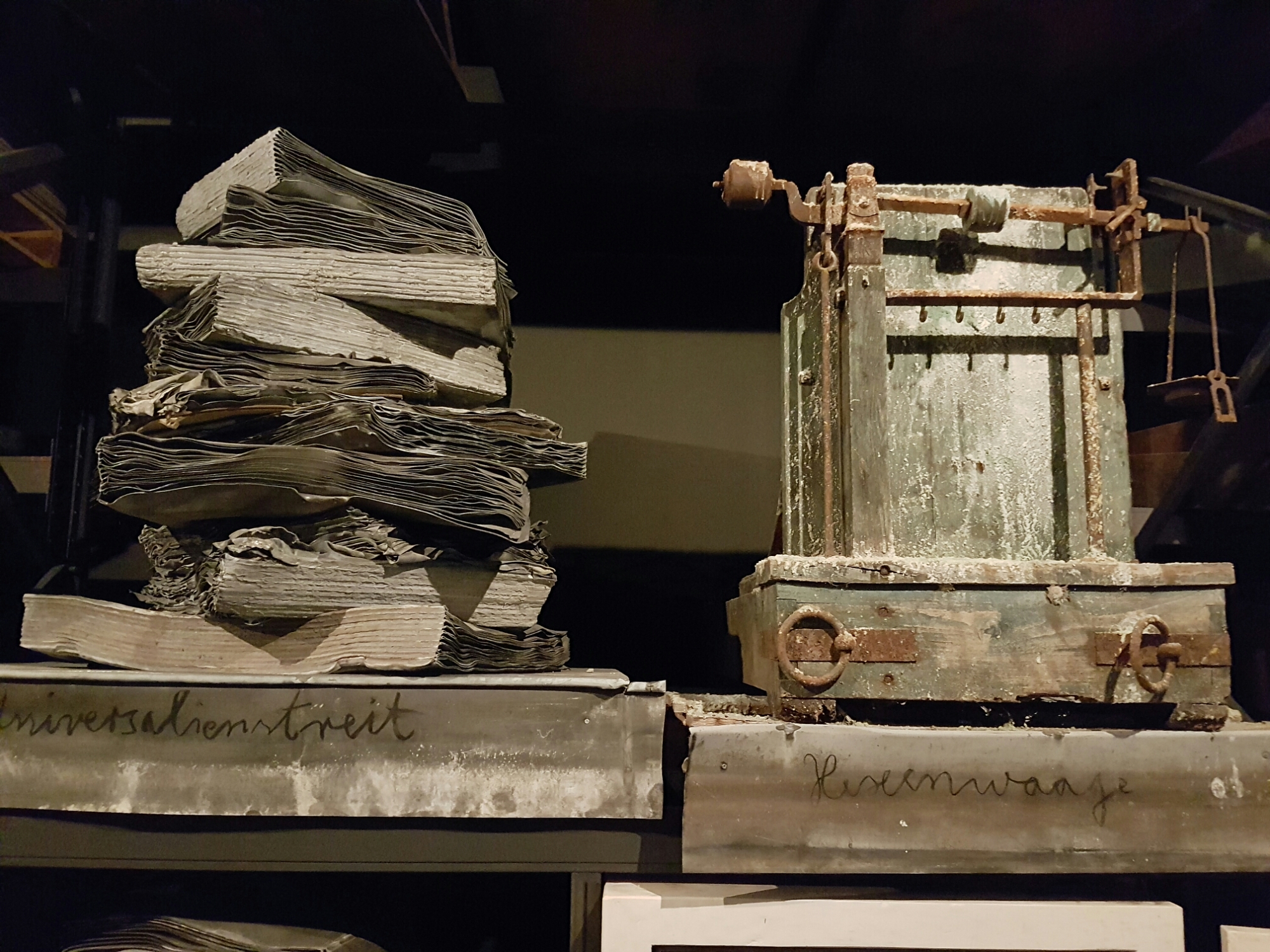
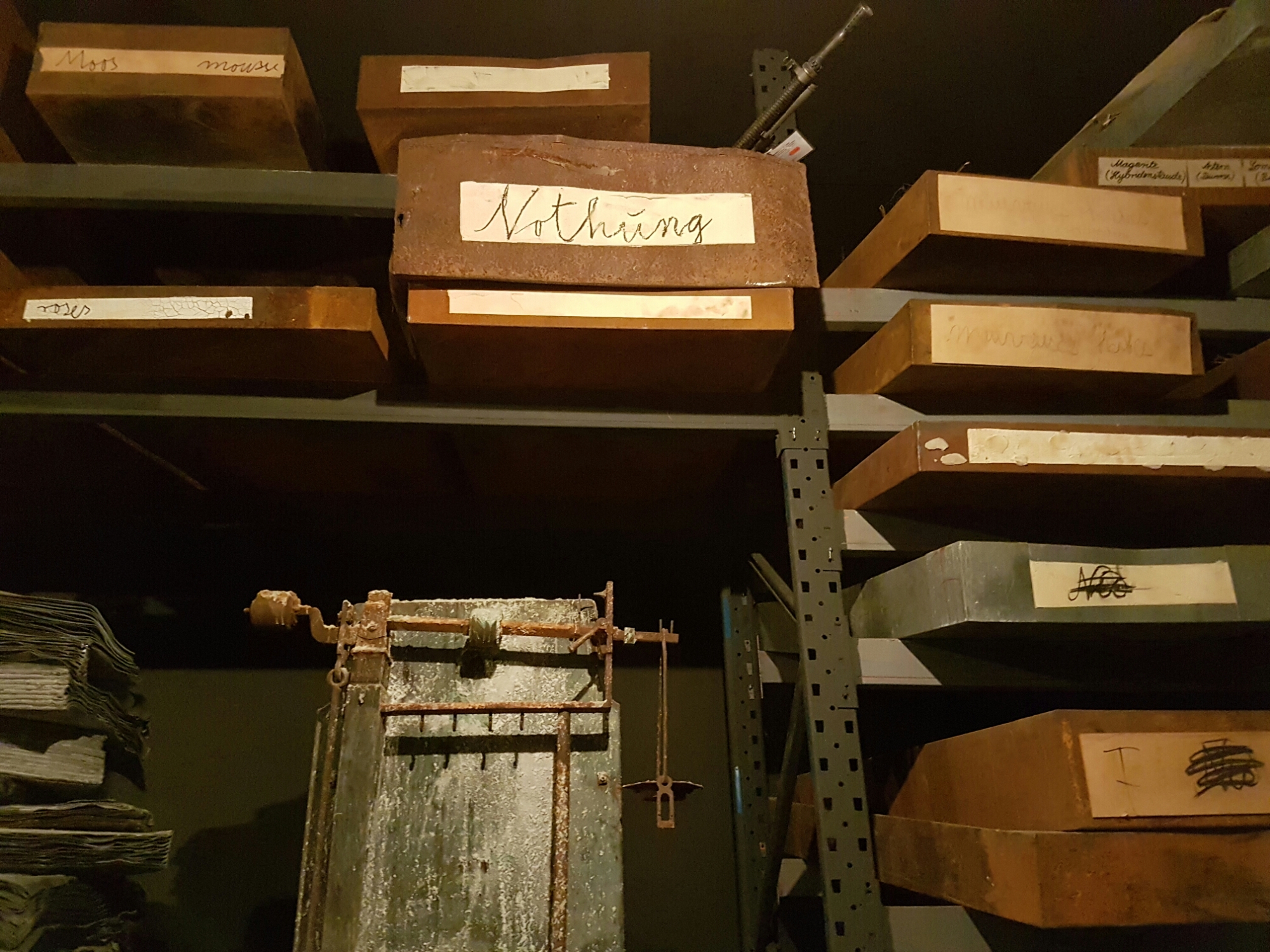
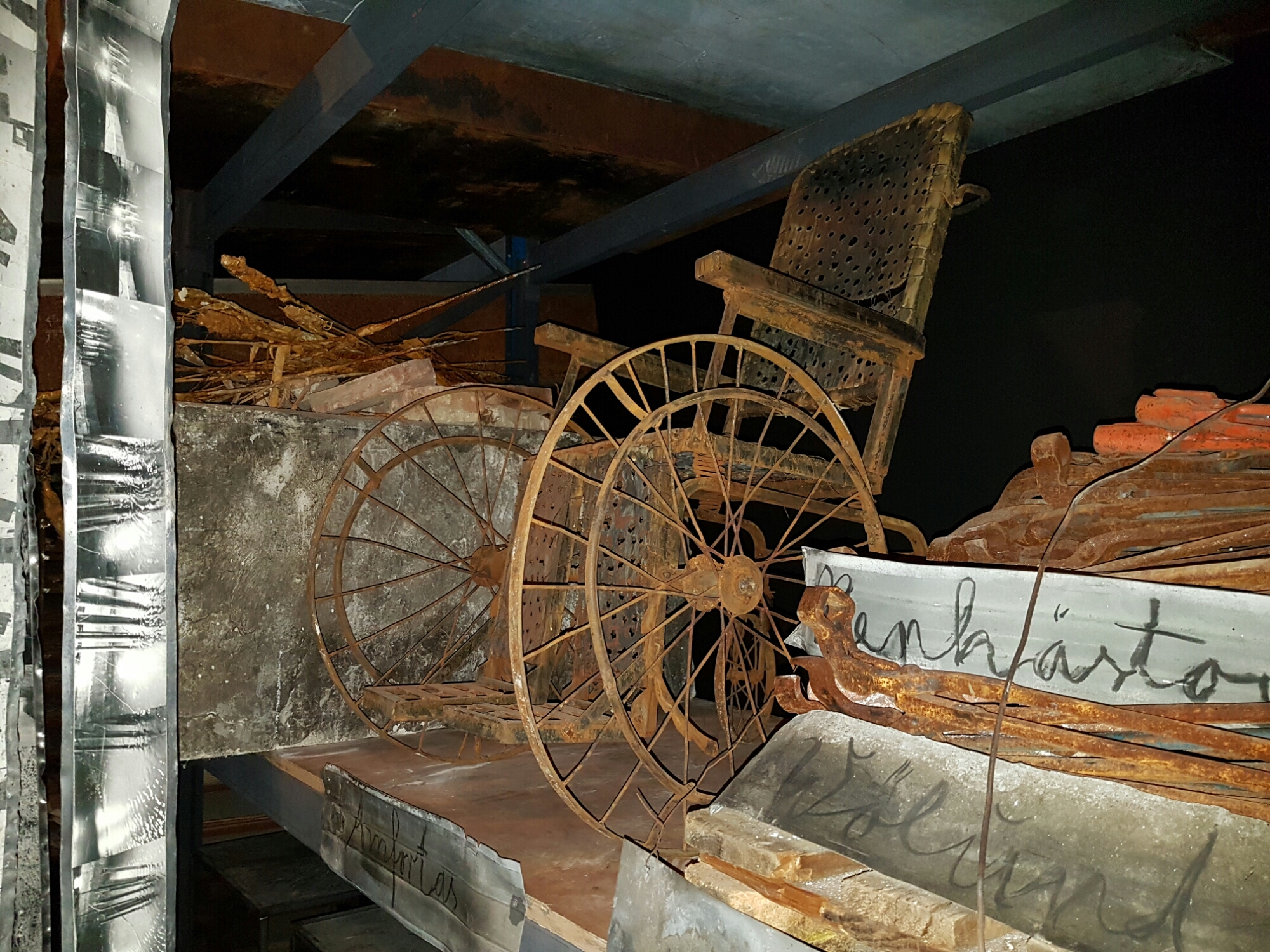
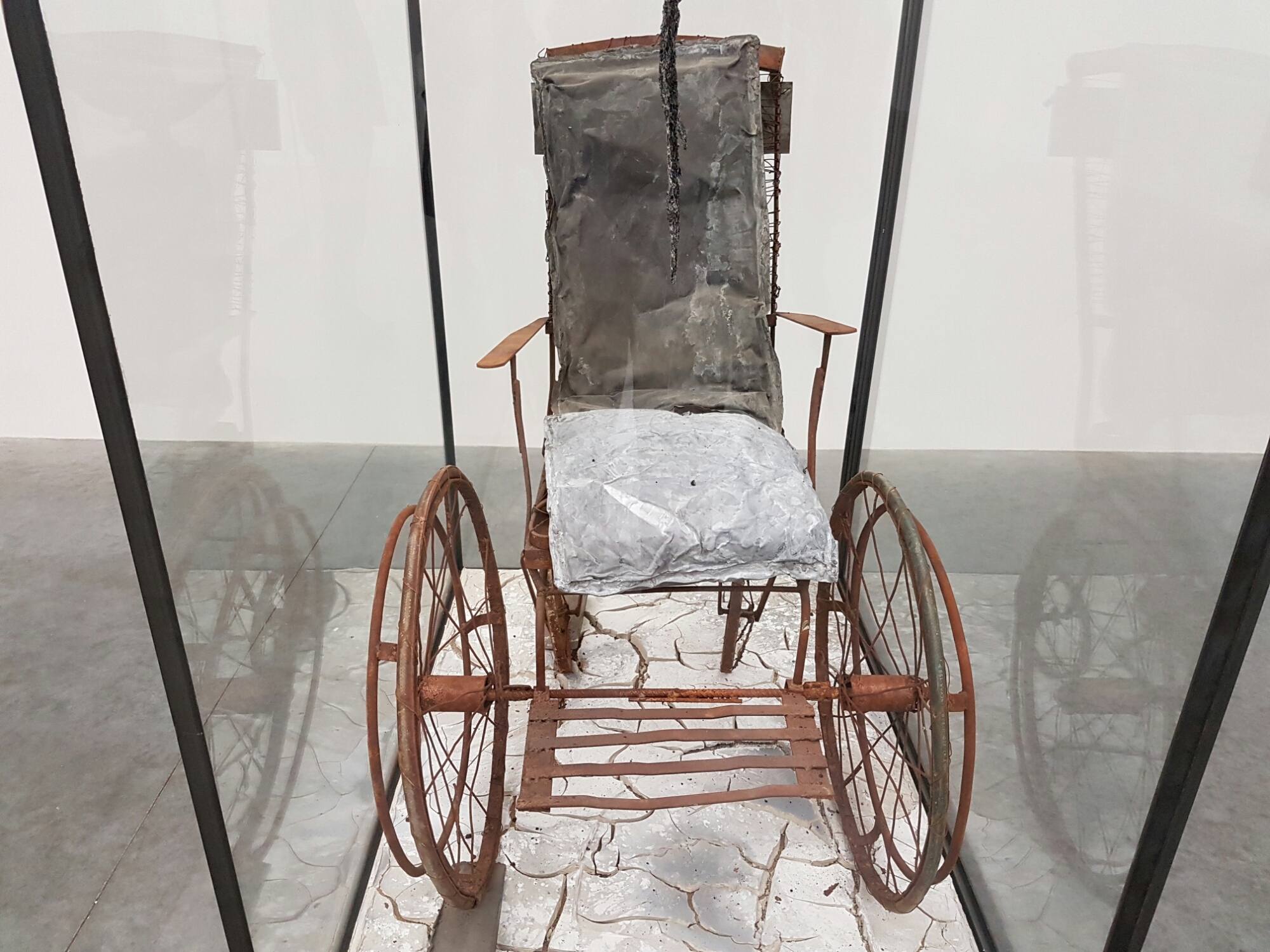
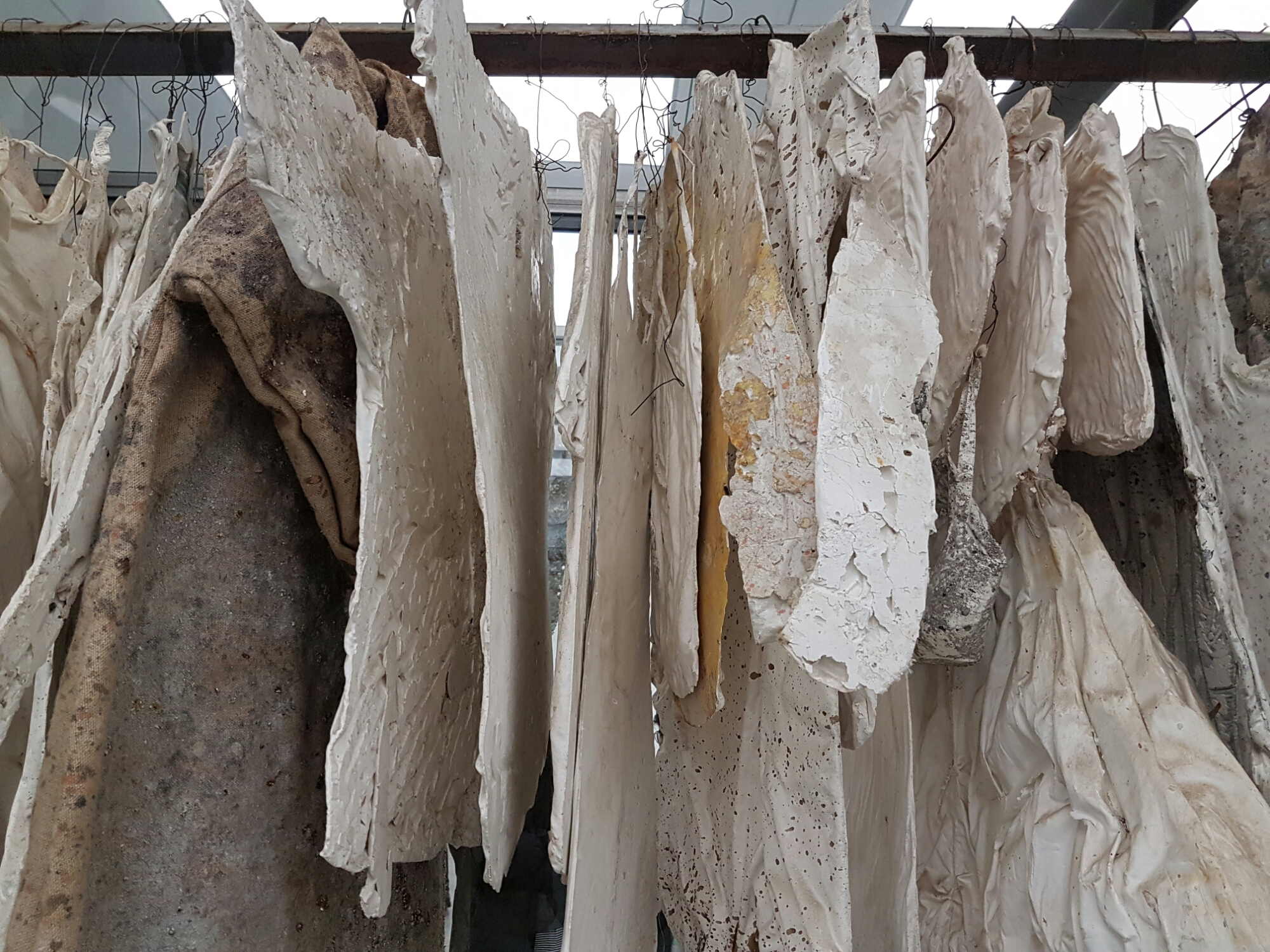
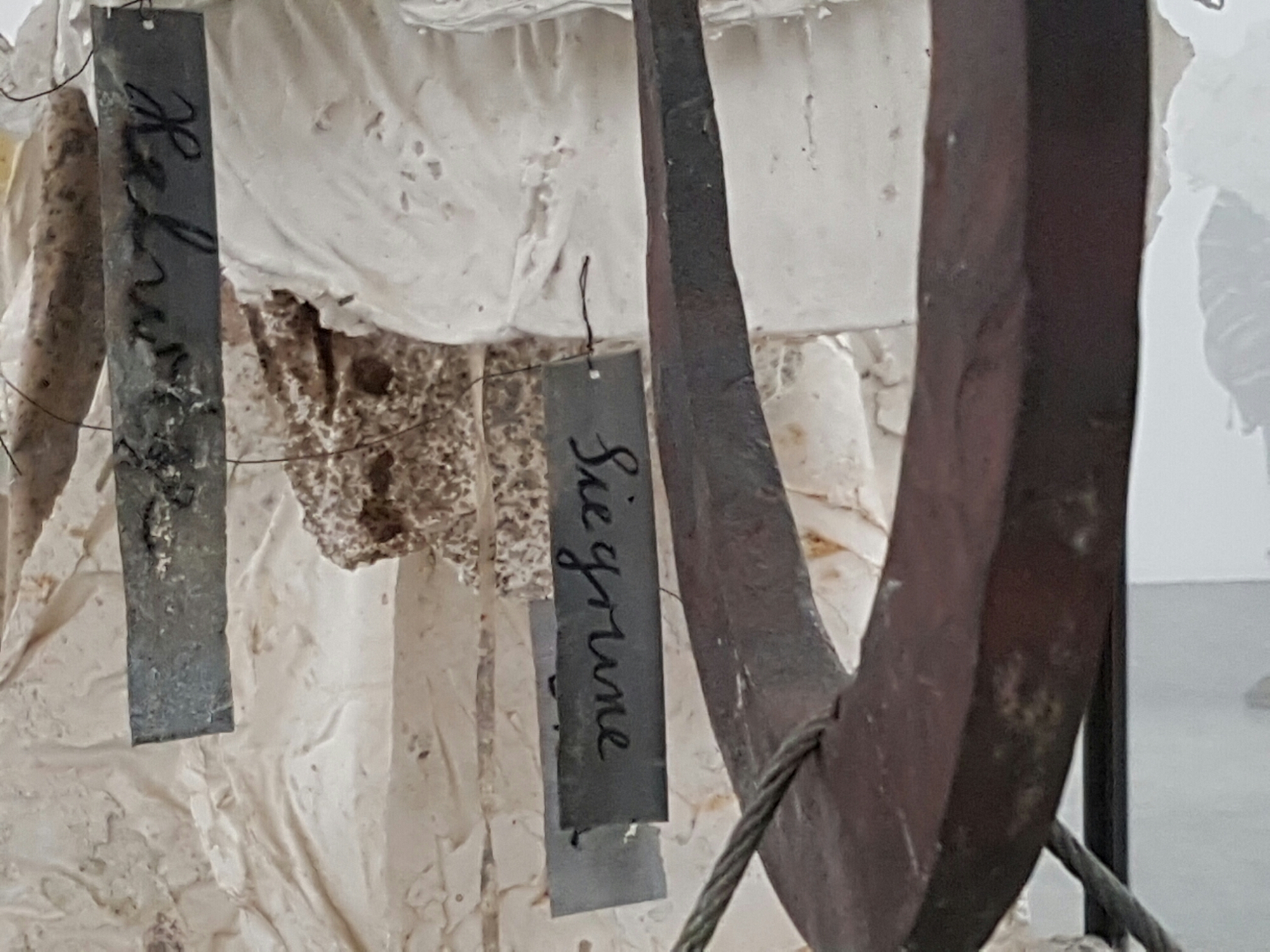
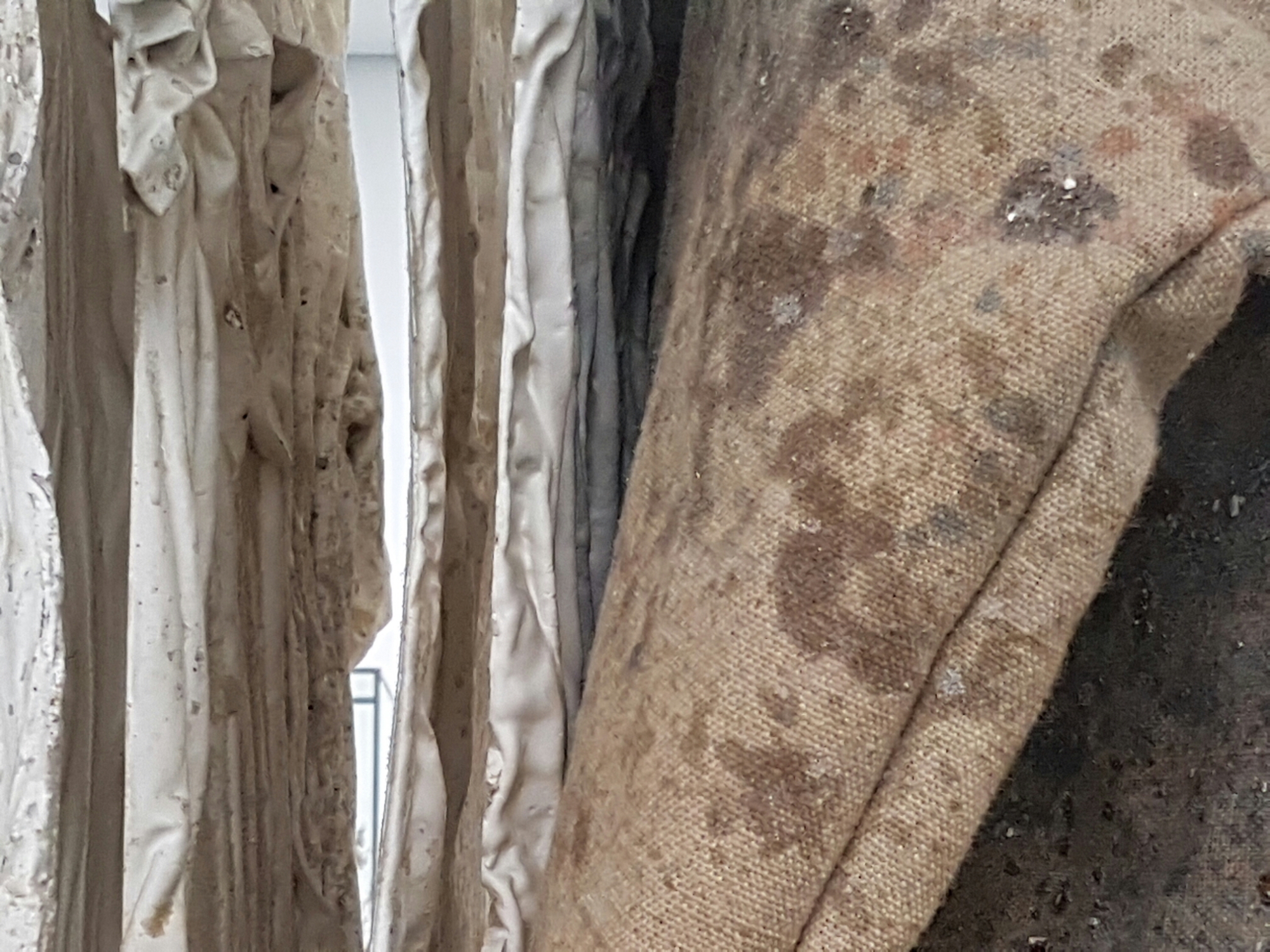
We finally made it to Kiefer’s Walhalla , having missed the opening before Christmas. I kept on thinking of the impeccable orderliness of his living accommodation at Barjac as we contemplated the spectacular pandemonium of the storage space piled high from floor to ceiling with decay.
Down the central aisle are lead beds:-

Off the aisle is a metal staircase festooned with plaster dresses:-
And the storeroom:-


We admired the wheelchair in a vitrine:-
And the plastercast dresses:-
Mile End Place
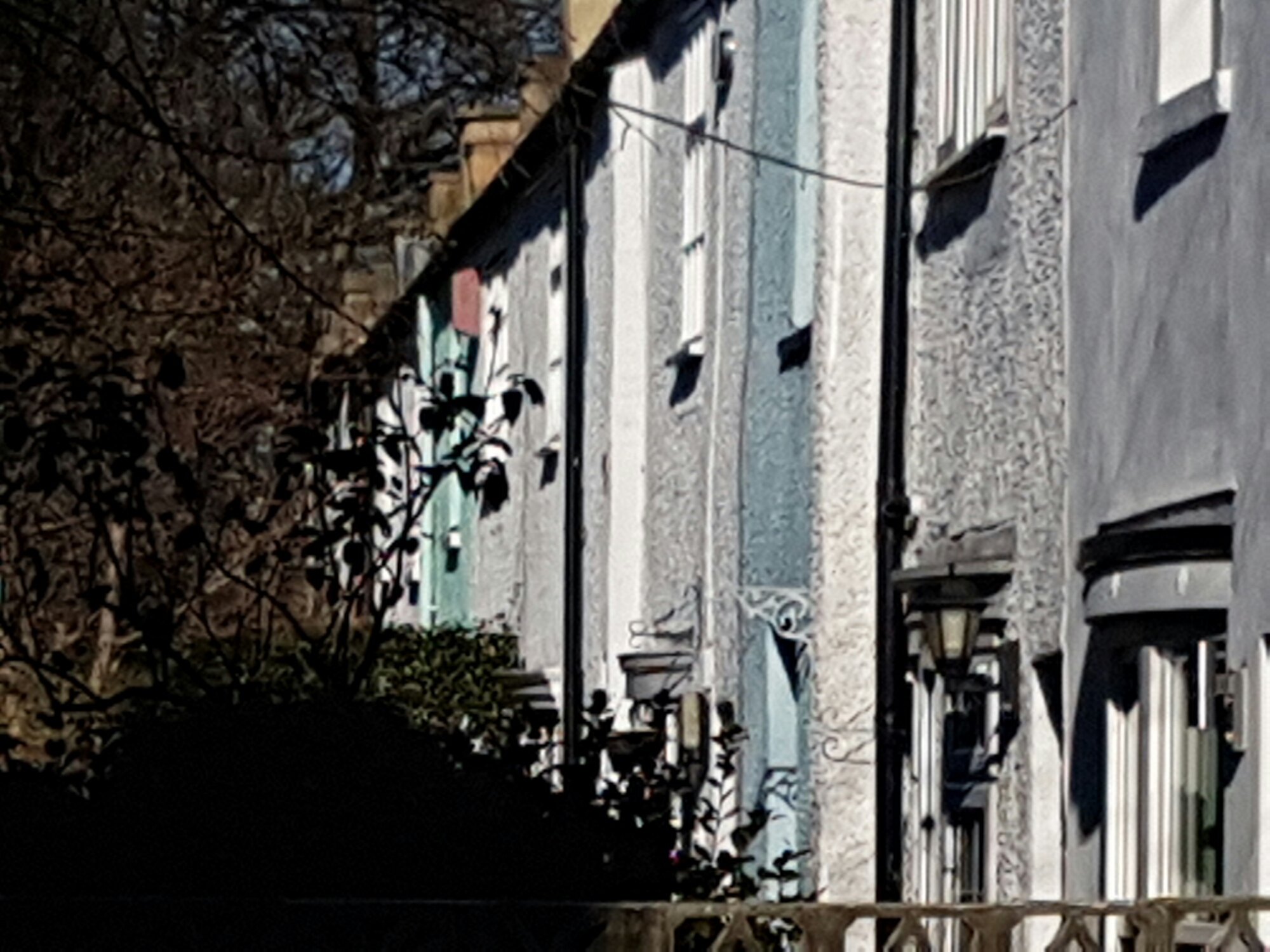
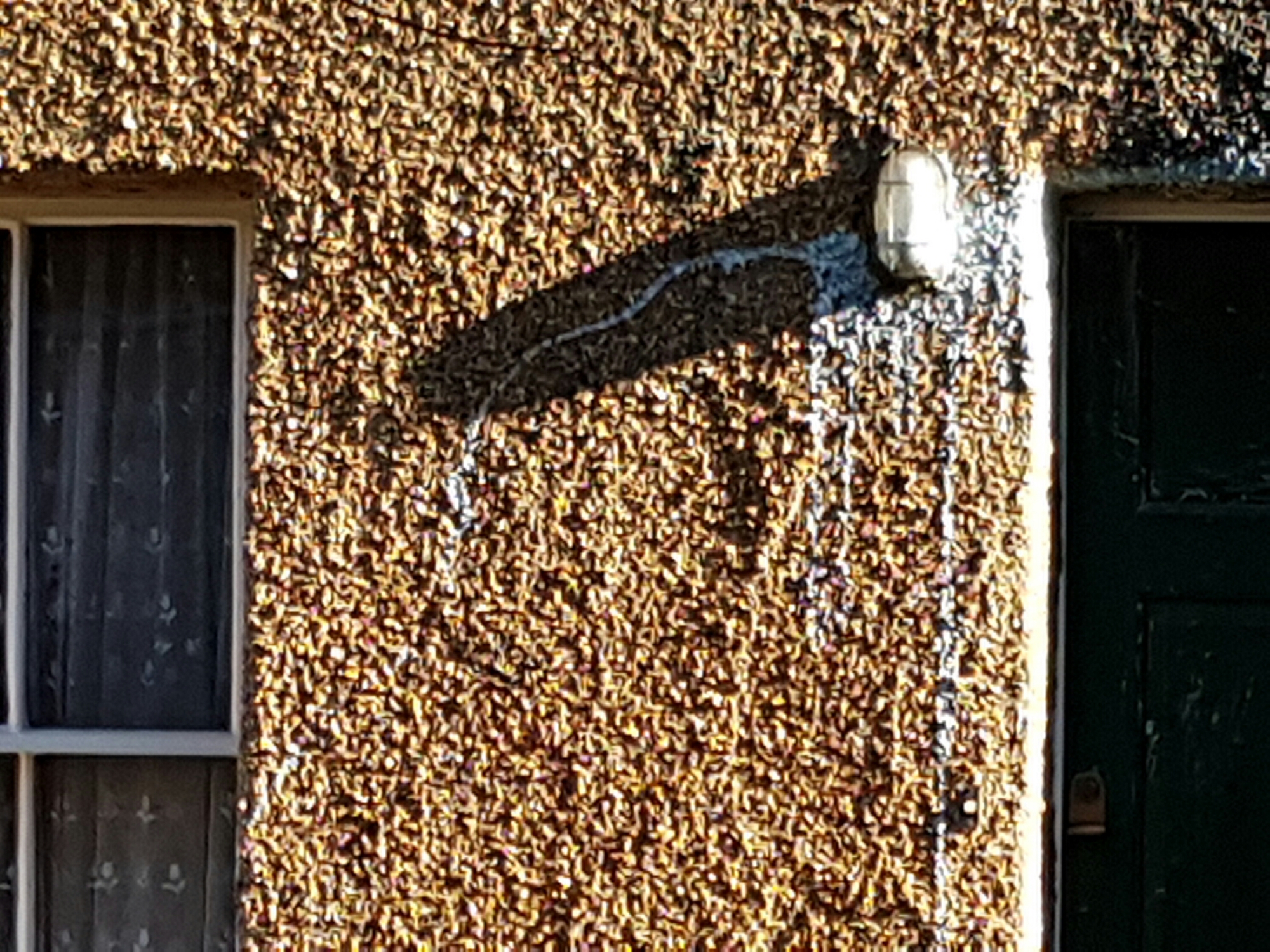
I walked past Mile End Place this morning in the sleet and remembered that I had taken photographs of it recently in sunnier weather, not least from over the wall to the north in the Jewish cemetery:-



Whitechapel Bell Foundry (5)
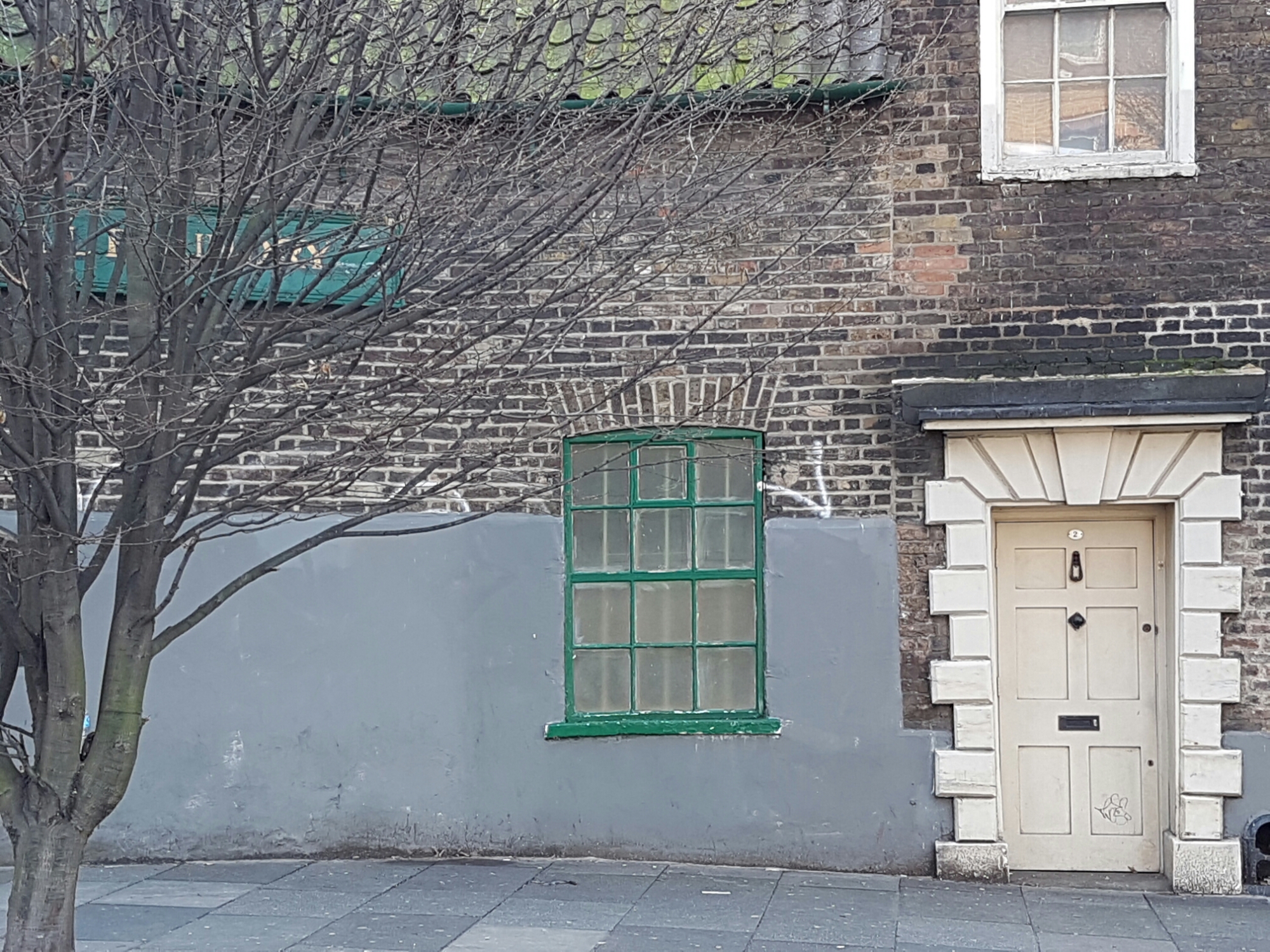
After a bit more investigation of the history of the Whitechapel Bell Foundry online (not difficult because of the wonderful work of the Survey of London), it’s become clear to me that the key to the preservation of the site may lie not so much in the buildings at the front which are of obvious historical importance and are already listed Grade 2*, so theoretically impossible to develop, let alone demolish, but more in the big engineering workshop at the back which was added by James Strike, a conservation architect who worked at English Heritage and was the author of a book on Architecture in Conservation: Managing Development at Historic Sites (and of a book on Span). So, preservation of the site may depend not so much on the work of the traditional conservation societies as on the Twentieth-Century Society persuading Historic England to spot list this building.
 | Charles | Saumarez | Smith |
You must be logged in to post a comment.