
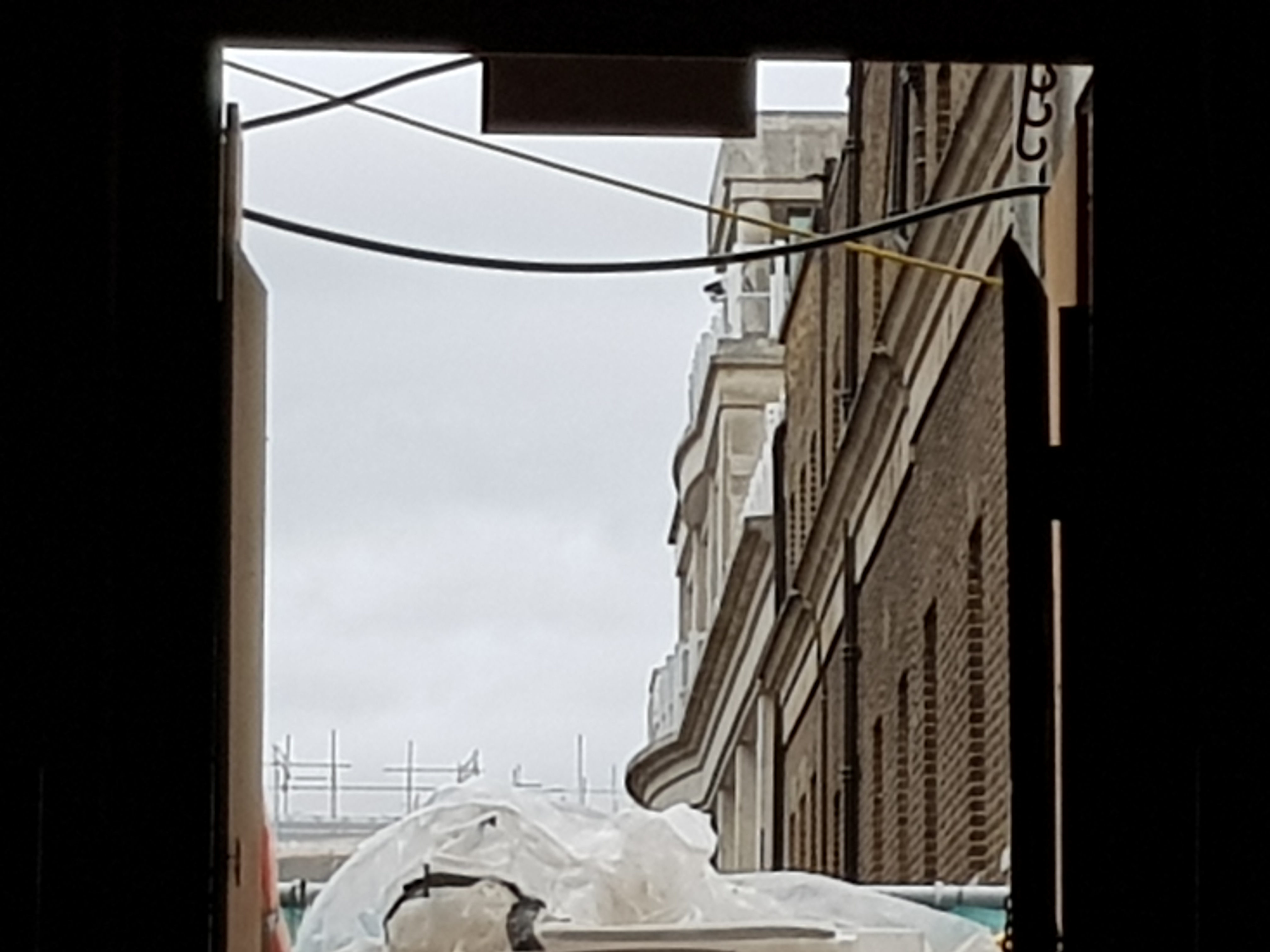
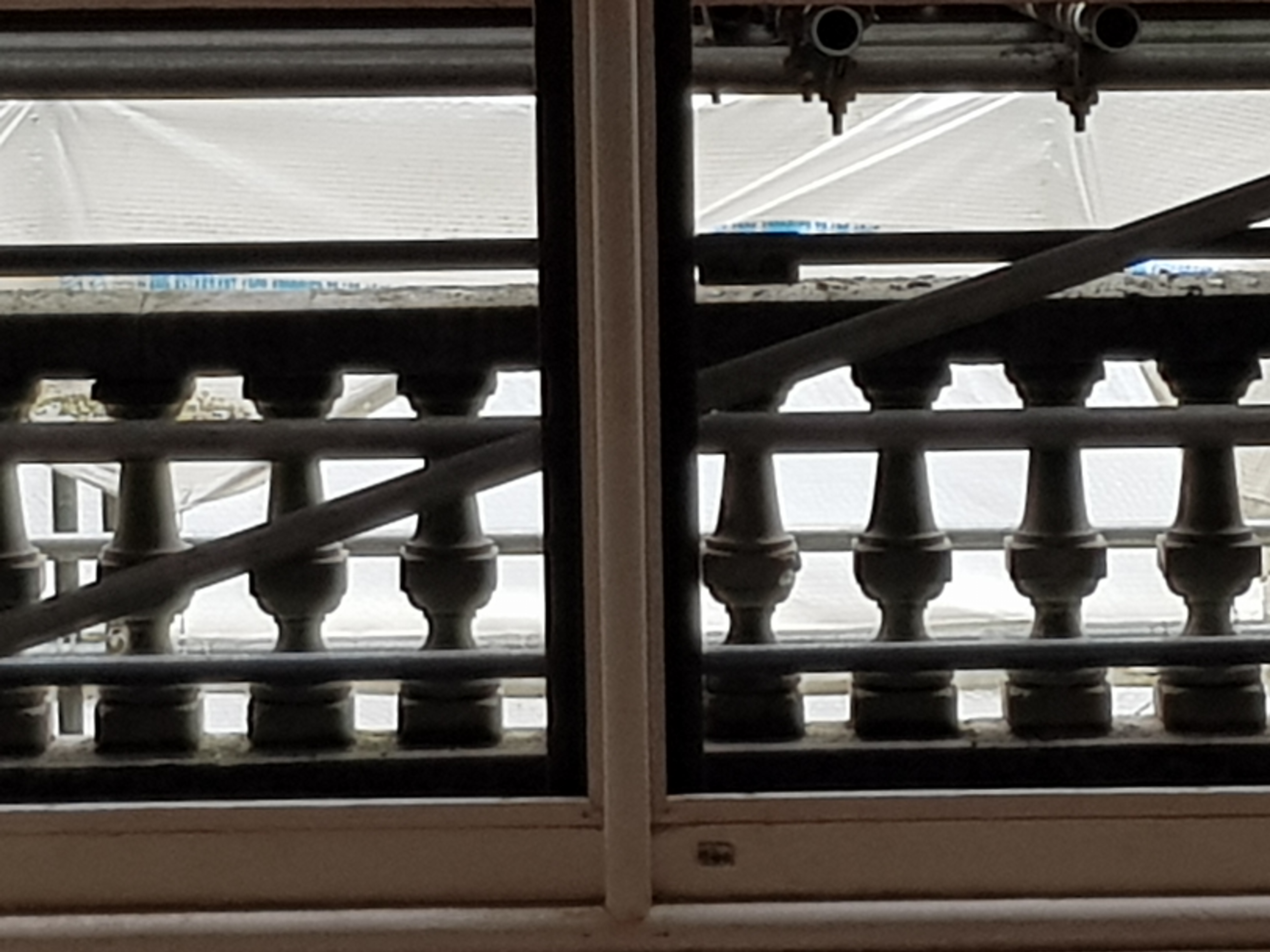
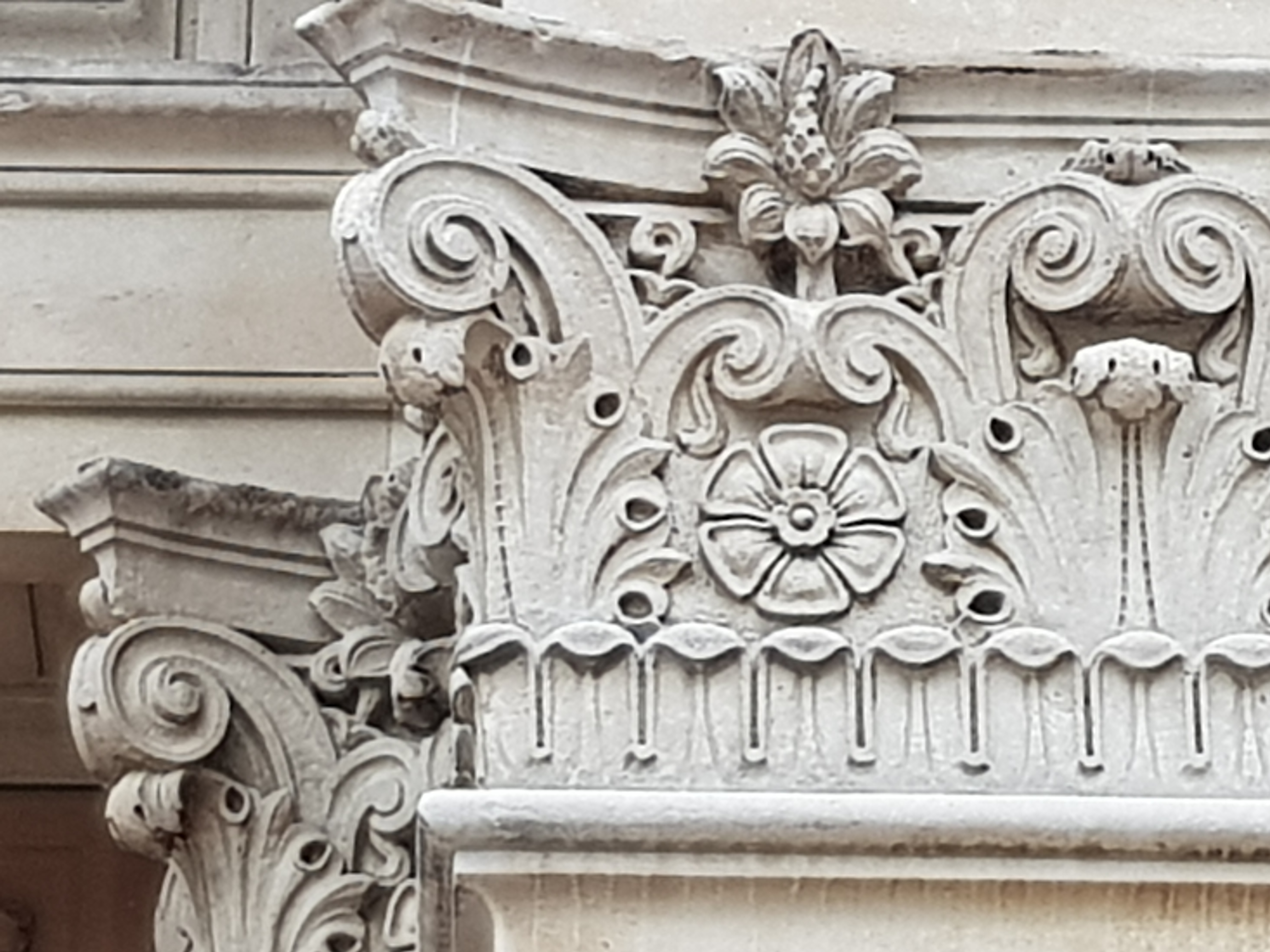
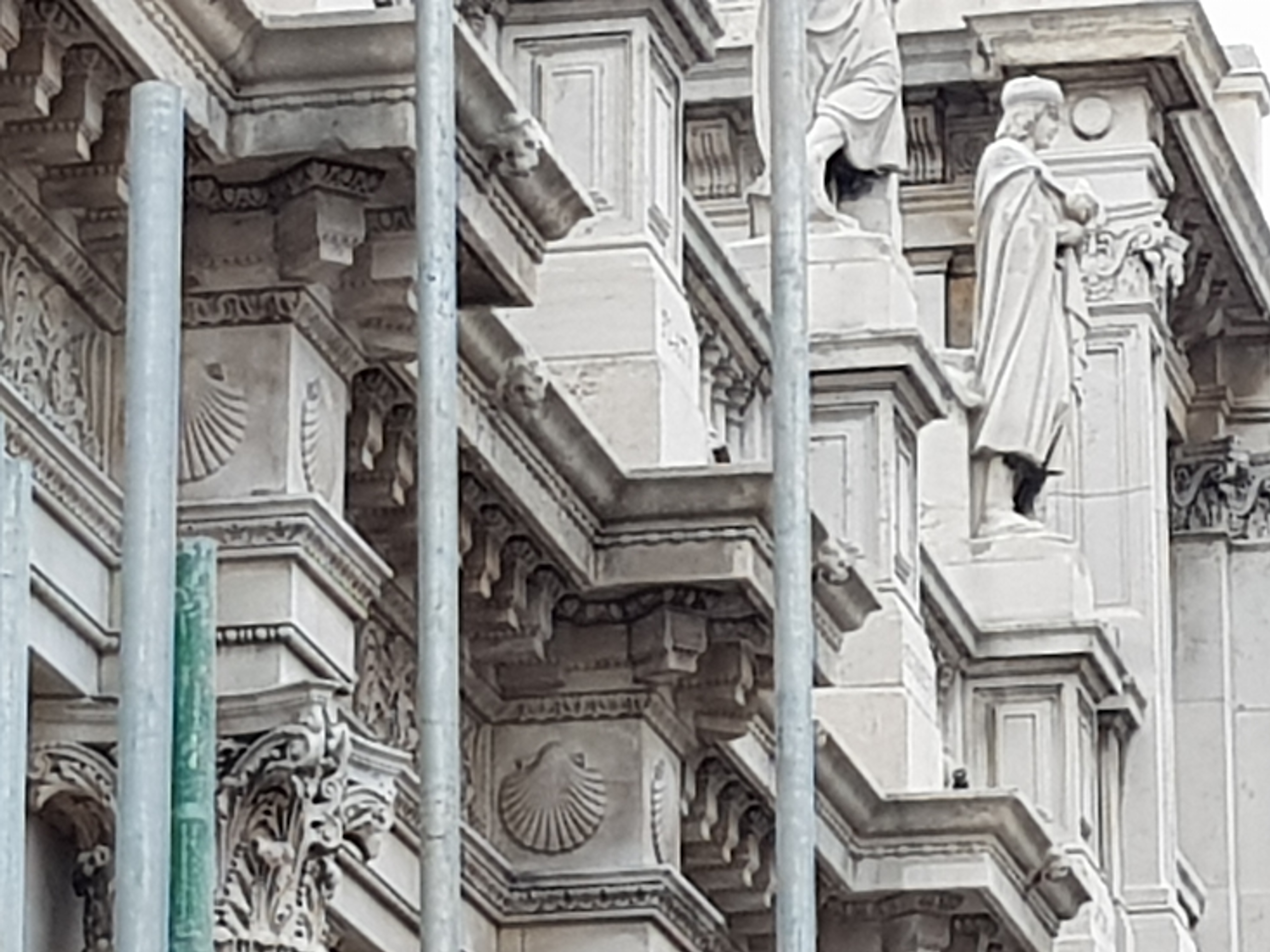
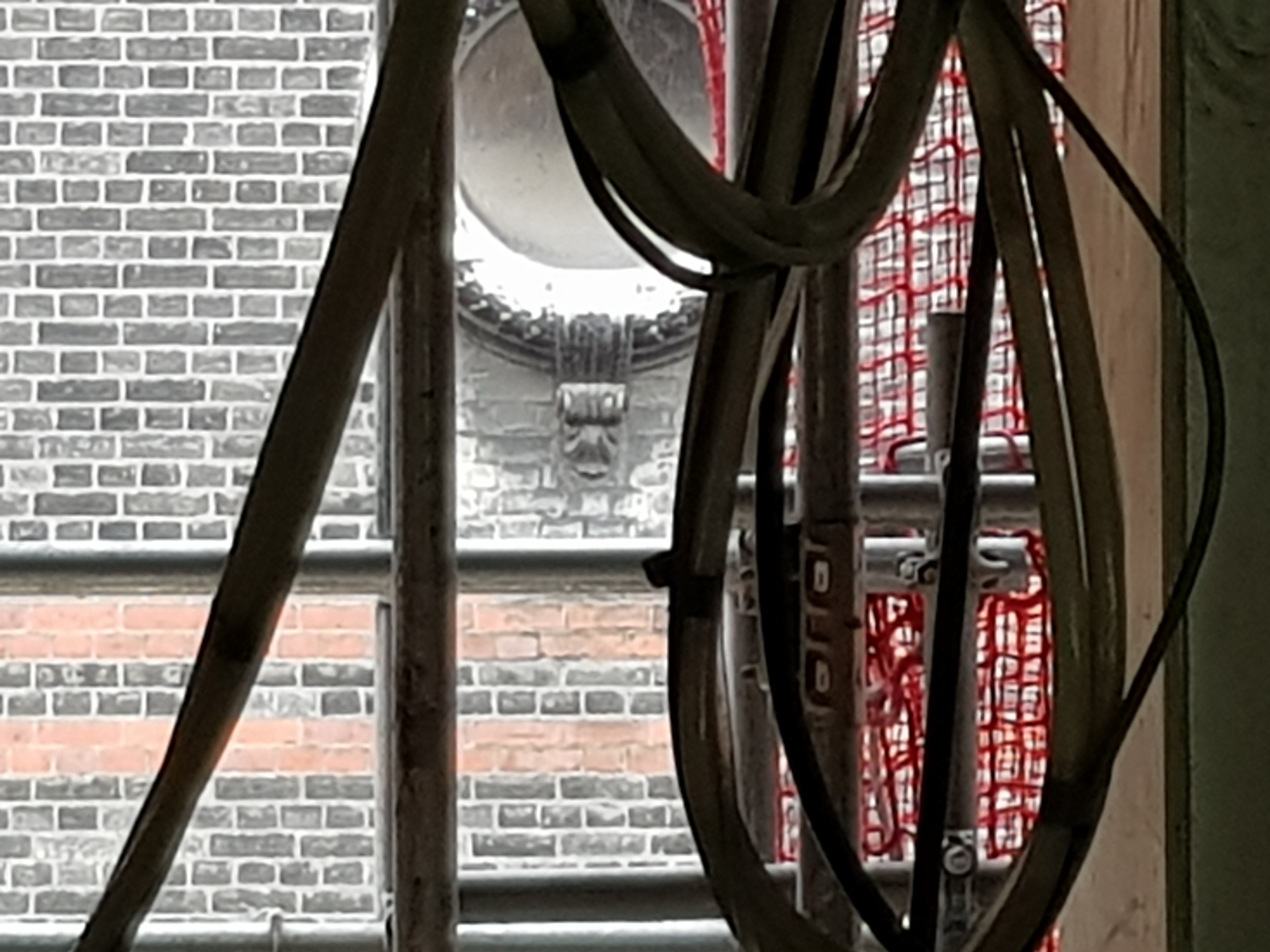
I walked round Burlington Gardens in the drizzle:-




I have been trying to recall how Matisse was regarded by his English friends and confrères, particularly in the light of Jonathan Jones’s view in the Guardian that he had no right to be buying furniture in 1942, but should have been involved, as was Picasso, in political action. But the point about Matisse was that he was magnificently self-absorbed. According to Simon Bussy’s daughter Janie, her father recognised ‘that rare blend of virtuosity, daring and charm that was to make him famous, but he was never taken in by the extreme seriousness and reverence with which already in those early days Matisse was wont to regard Matisse’. Matisse arrived every day at the Bussy’s house in Nice sharp at 4.30 to eat pastries, scones and plum cake, but never thought to ask them back. Quentin Bell took the same view, that to meet Matisse was like meeting an insurance salesman and that, as the Bussys explained, he was ‘the greatest living painter, the greatest living egoist, and the greatest living bore’. It was not his life, but his art that one admires.
In the interests of historical accuracy, I feel I should say that when I got back home, I checked the first edition of the Shell Guide, published in 1963, and realised that, as with other Shell Guides, the earlier edition is shorter and livelier, printed on much better quality paper, and with jazzier graphics, presumably reflecting a time when John Betjeman was still joint general editor and taking an interest in the quality of book design. There is a good description of what Betjeman was aiming at in a letter he wrote in 1963 to Lady Juliet Smith, who was writing Northamptonshire, about the difference between a Shell Guide and Pevsner: ‘It is no good trying to write a comprehensive impersonal catalogue. That is already being done in Pevsner’s Buildings of England, and does not tell you what a place is really like, i.e. whether it is strung with poles and wires, overshadowed by factories or ruined army huts, whether it is suburban or a real village, nor whether it is a place of weekend hide-outs and carriage-lamp folk with wrought-iron front gates by the local smith’.
 | Charles | Saumarez | Smith |
You must be logged in to post a comment.