
I went to David Chipperfield’s offices last night to attend the launch of the latest book about his practice: they get fatter each time, but always in the same deliberately economical typeface, designed by John Morgan. This time there is an introduction by Fulvio Irace, a Professor at the Politecnico di Milano, which places Chipperfield’s work in the context of the postwar Milanese tradition of pragmatic rationalism: Aldo Rossi, obviously, with his interests in the city and classicism; Ernesto Rogers less obviously; and Carlo Scarpa, who clearly influenced Chipperfield’s interests in the fragment, in history, and in the relationship between survival and new build. What comes across is his interest in the layering of history in his projects – that he is working in a continuum, in contrast to many of his contemporaries, who regard building as a clean sheet. As he stated in a conversation with Peter St. John and Adam Caruso in 1997, ‘I’m not obsessed with the idea of a clean sheet. I think we are in a continuum and that our responsibility is to find clues in memory and context’. I find this helpful in thinking about what he has achieved in Burlington Gardens. It’s a combination of attentiveness to the quality and characteristics of the original building with an intellectual boldness in the insertion of new elements.
Monthly Archives: April 2018
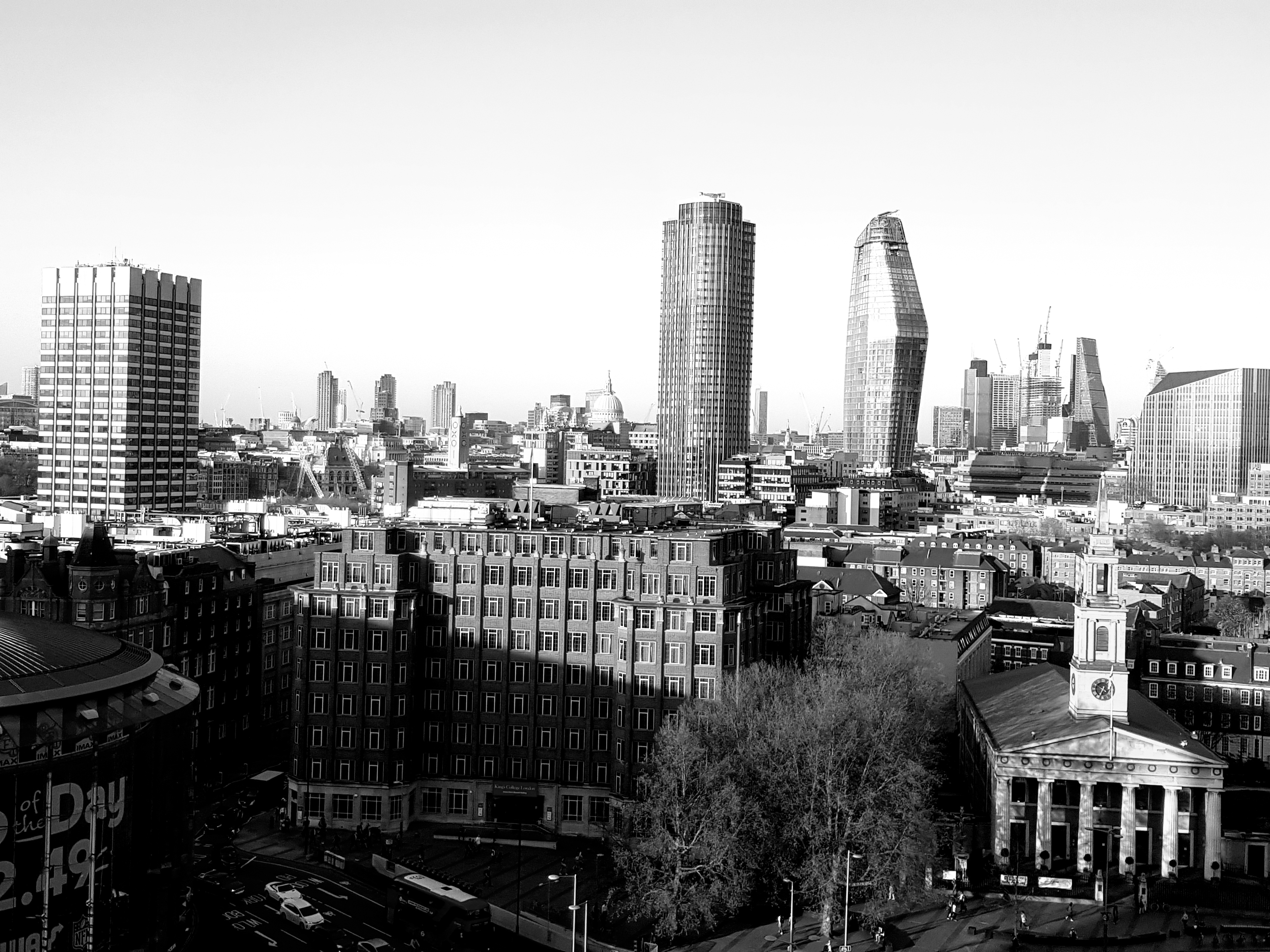
The View from Waterloo
It’s about three years since I last went to the Chipperfield offices in a high rise (but not very high) overlooking Waterloo. I remember Chipperfield looking out over the urban morass and lamenting the lack of any systematic town planning, while I slightly relished the view of nineteenth-century streetscape. In the intervening time, the view has been comprehensively buggered by the horrible building south of London Bridge. How on earth did it ever get planning permission ?
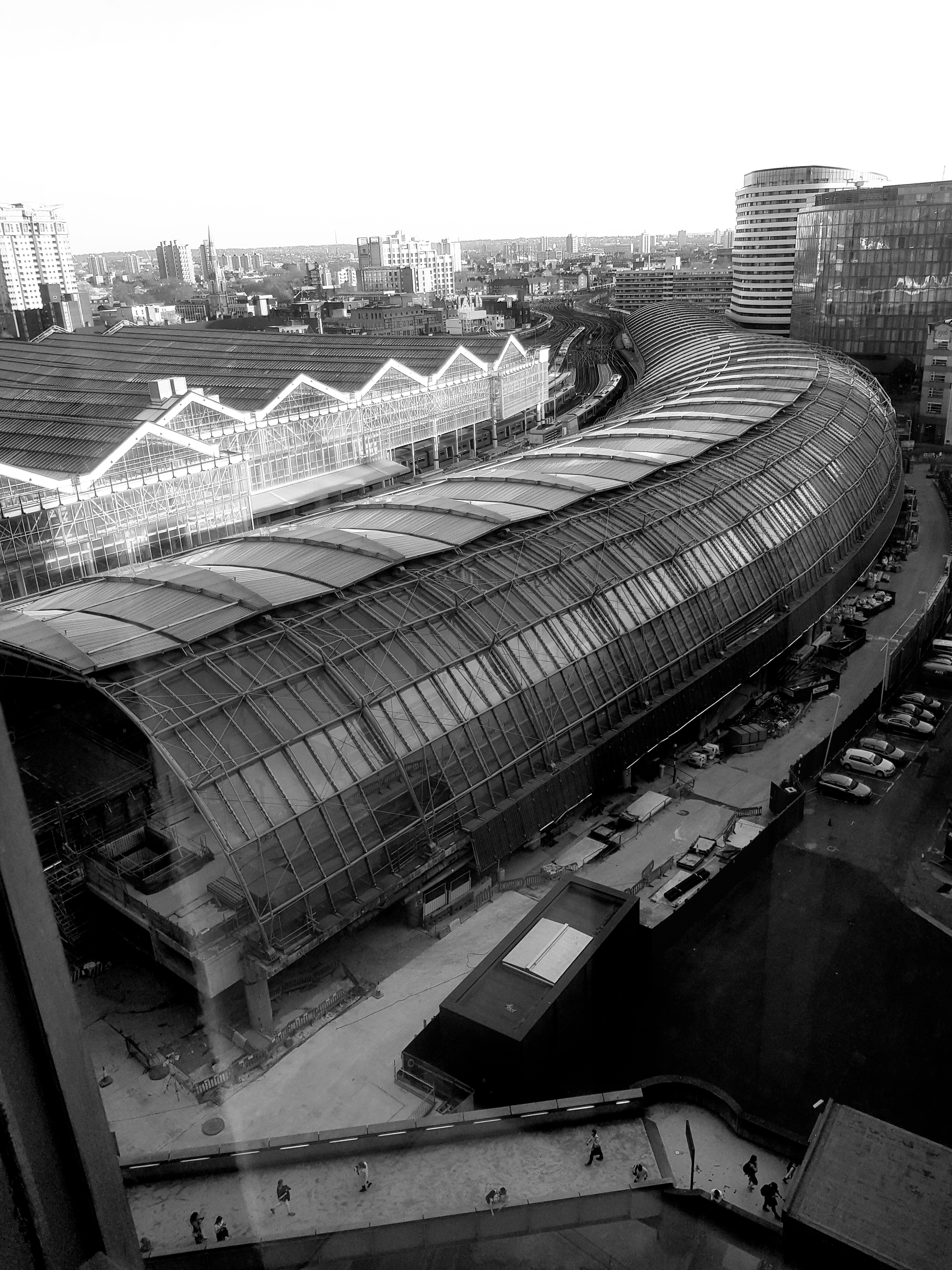
On the other side is Grimshaw’s sinuous Waterloo station, majestic, but still unused:-
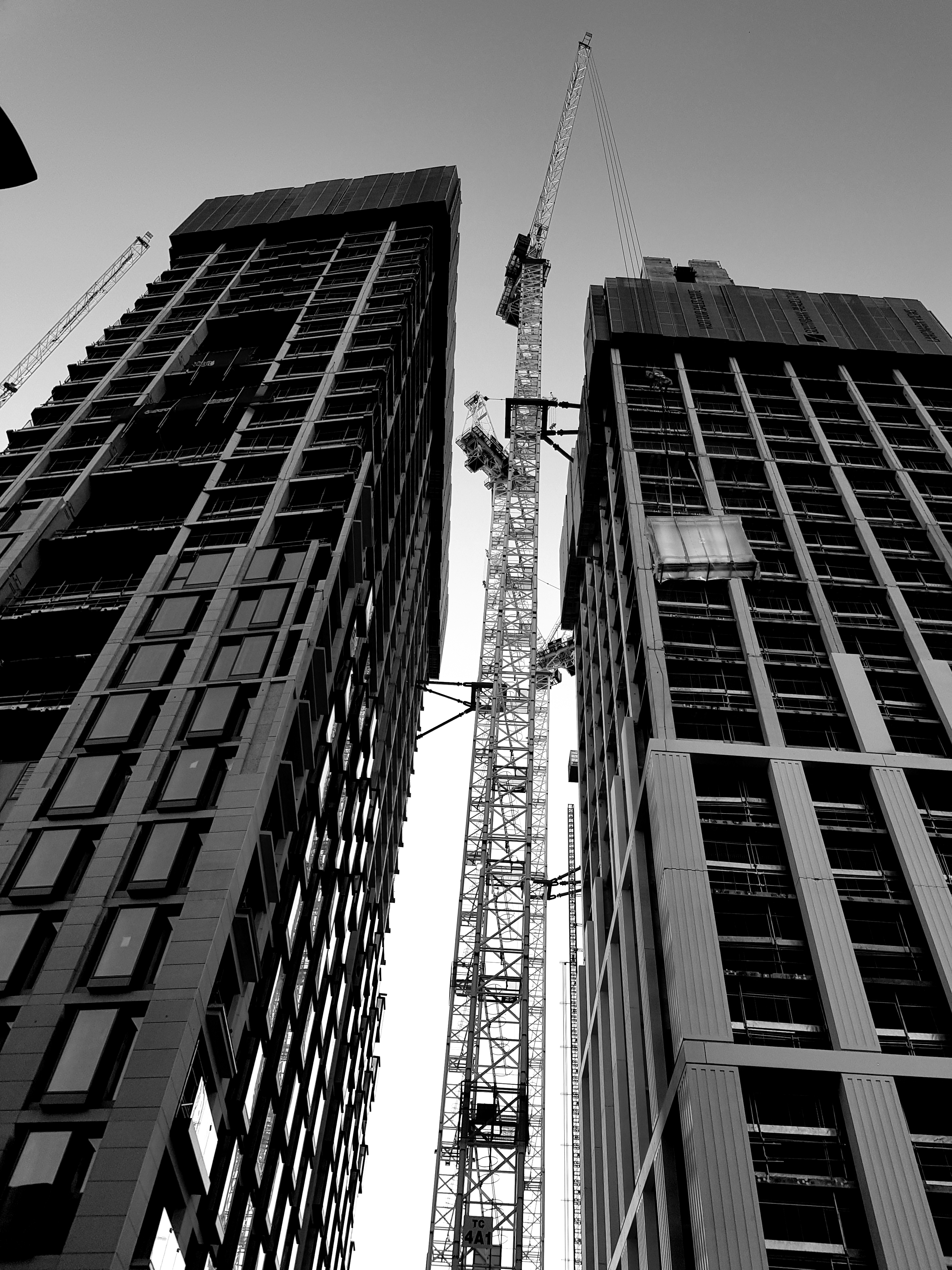
And to the north is Qatar’s latest London development:-
Arthur Lett-Haines
In rootling about for information about Arthur Lett-Haines (Lett as he was known), I was intrigued to discover Richard Morphet’s description of his relationship with Cedric Morris in the DNB: ‘Morris was quiet, humorous, impractical, country-loving, and determined to concentrate on his art (with its key activity of human observation) and on the world of plants and animals. Lett-Haines was complex and sophisticated, a natural organizer, and dedicated to expanding recognition of Morris’s art’. When Kathleen Hale, of Orlando the Marmalade Cat, was told by her psychoanalyst in the late 1930s that she needed to have an extra-marital affair to unblock her art, Lett obliged.
Hyde Park
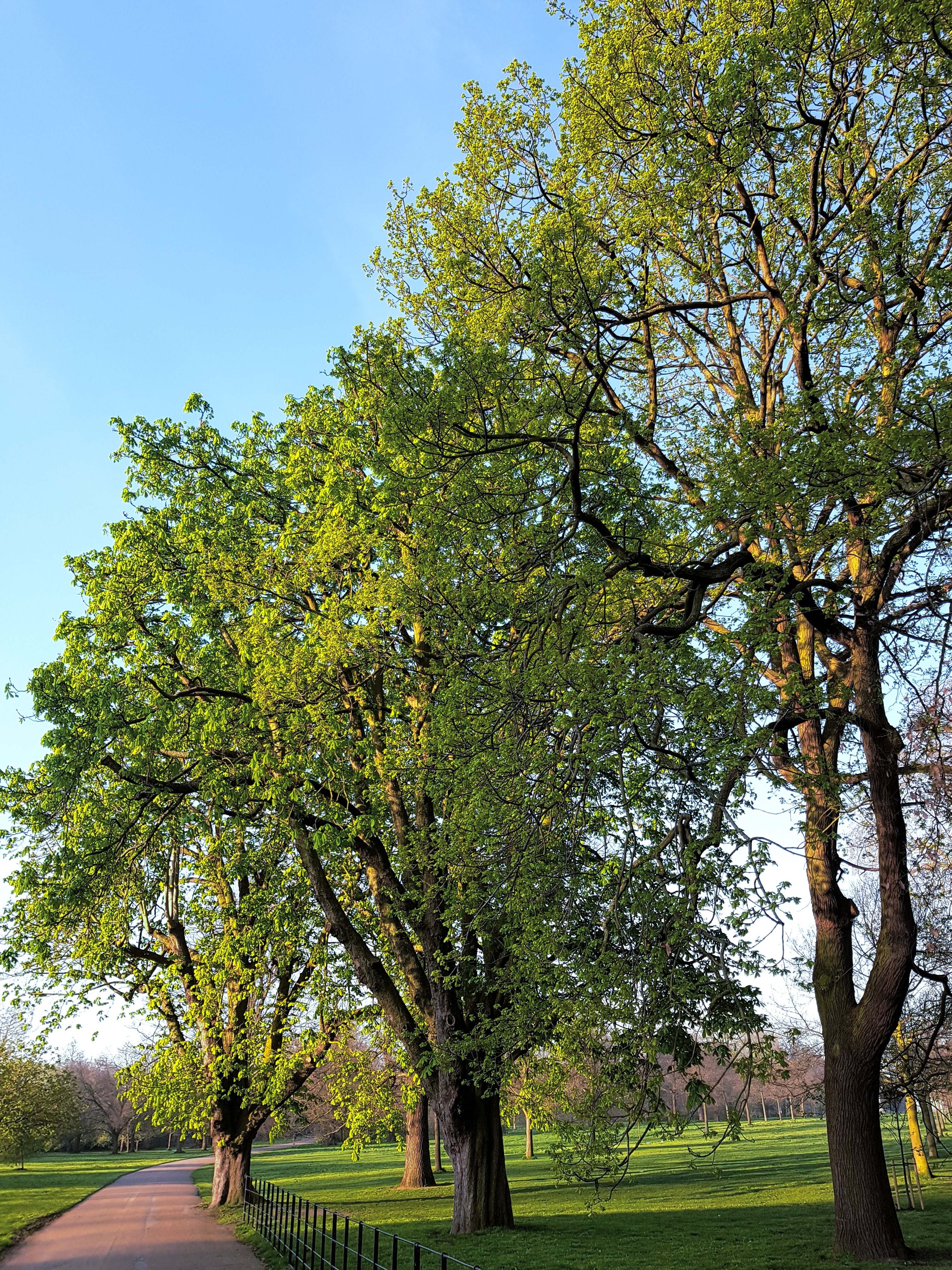
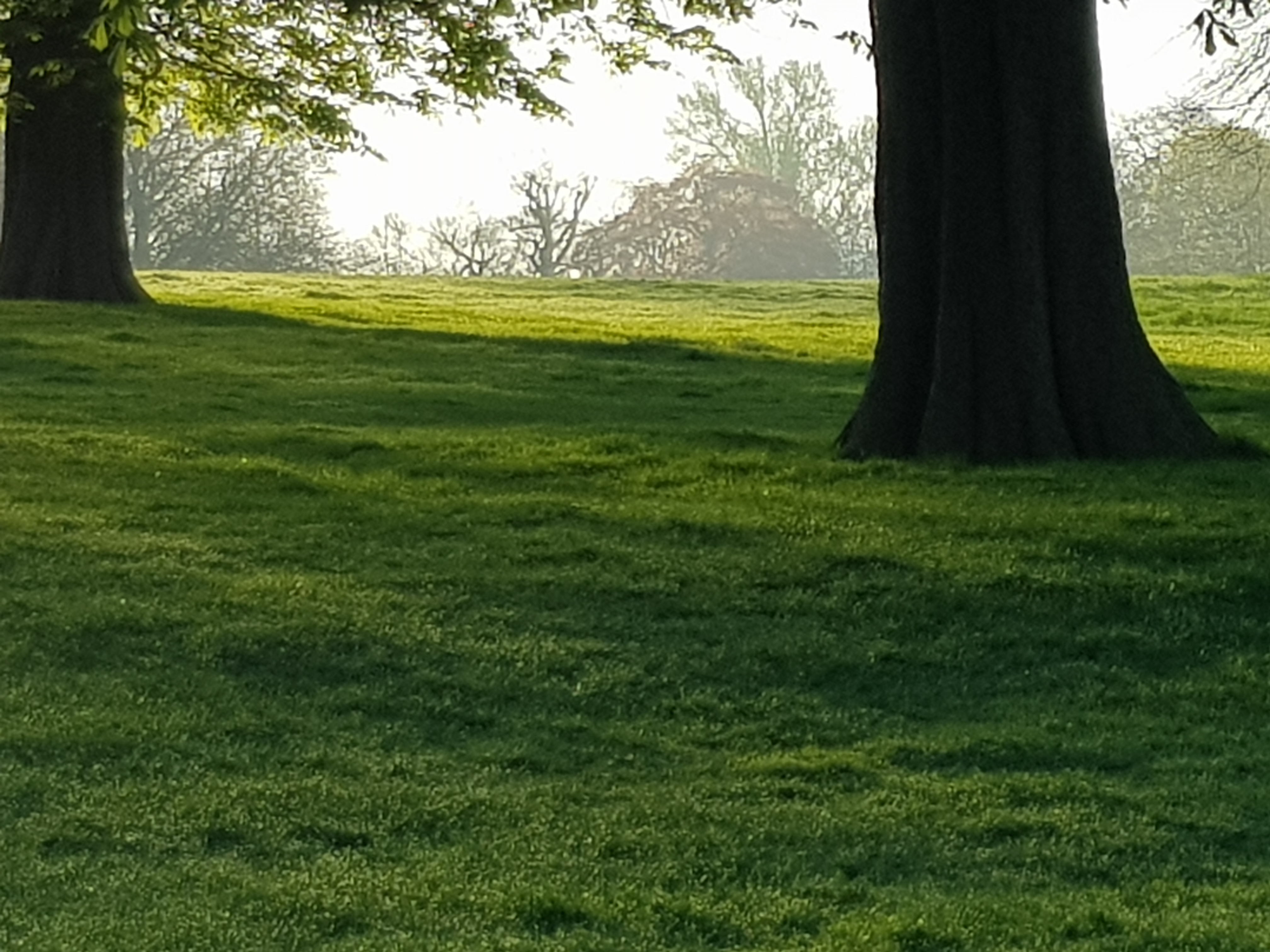
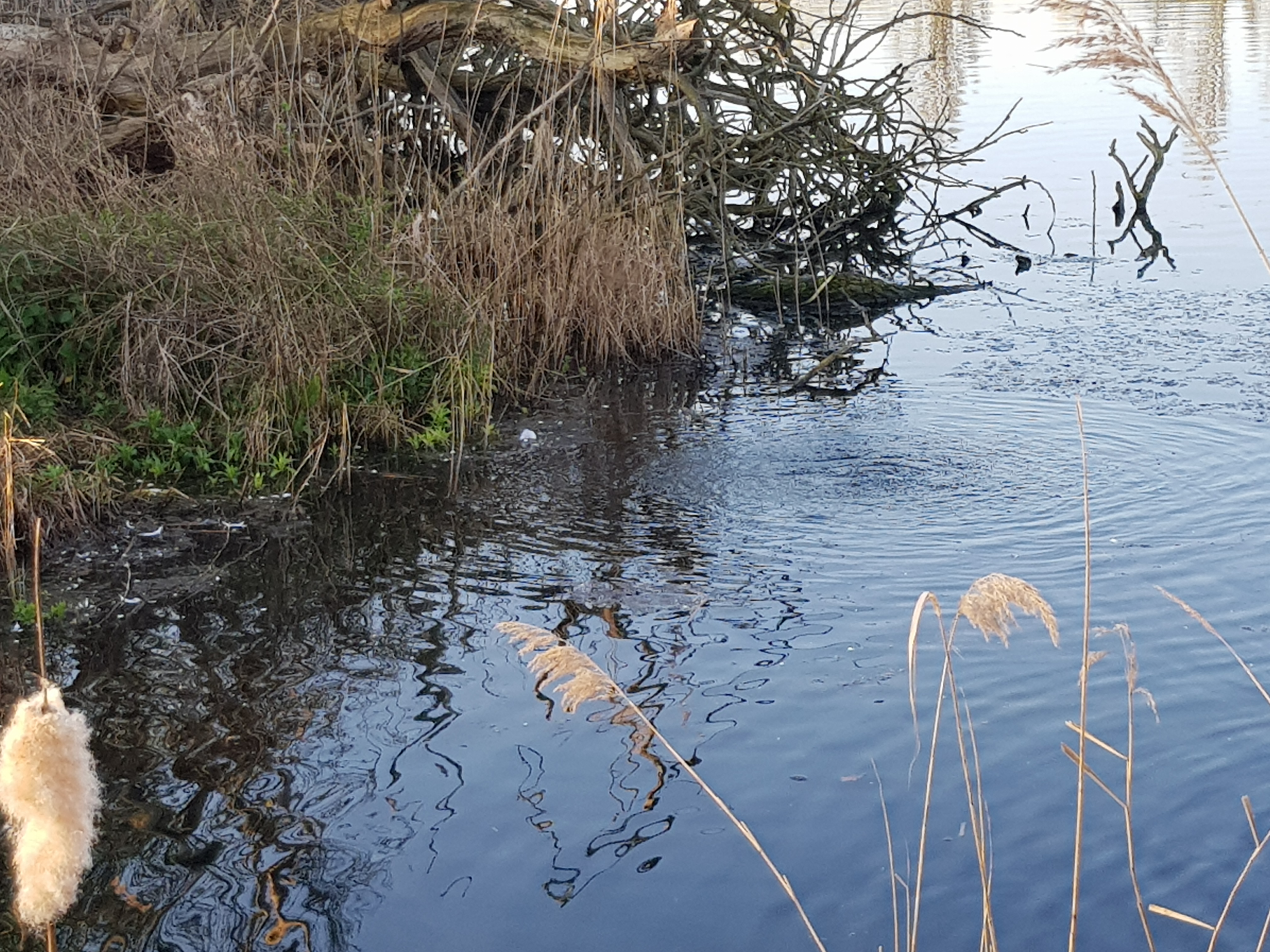
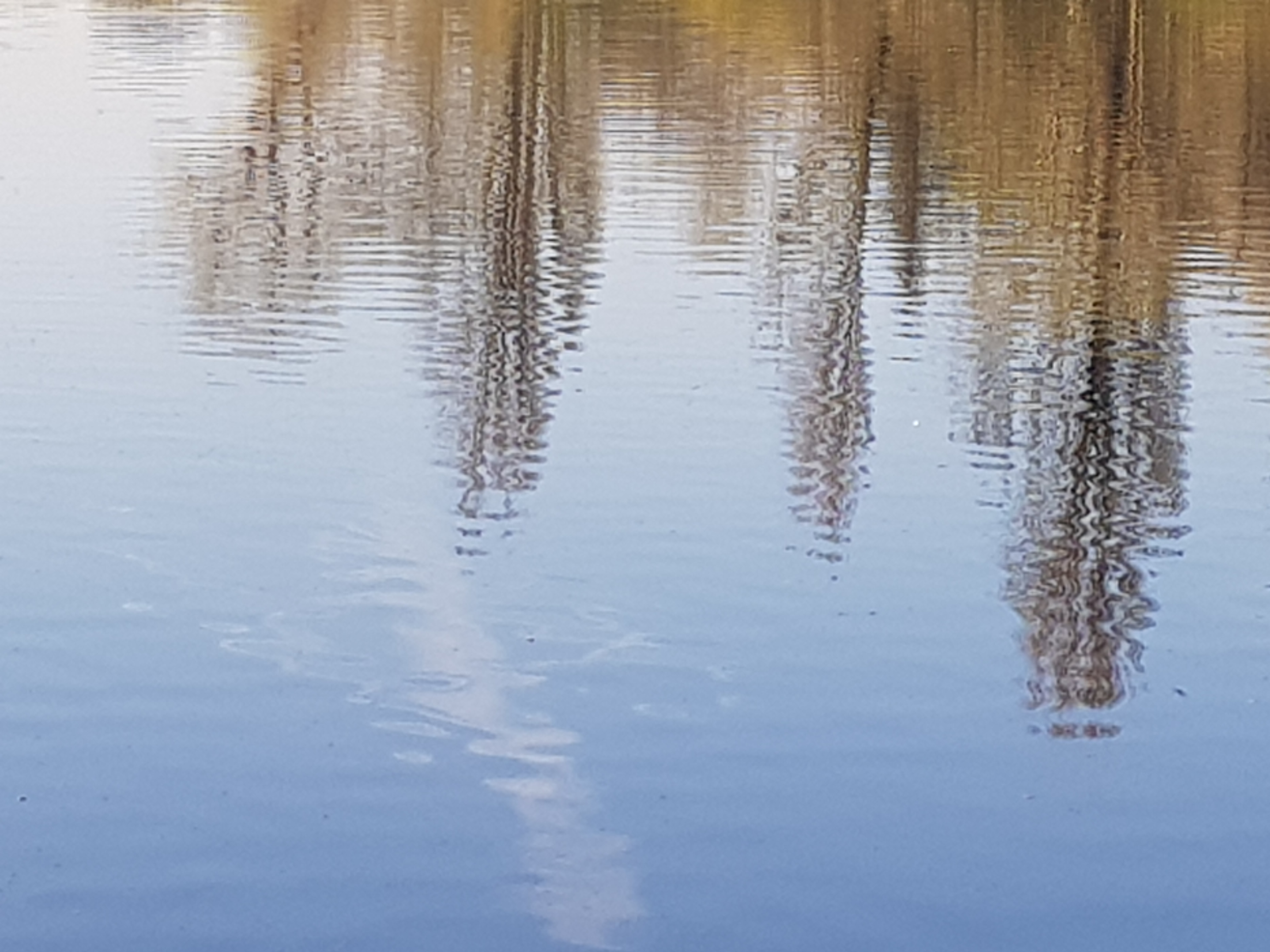
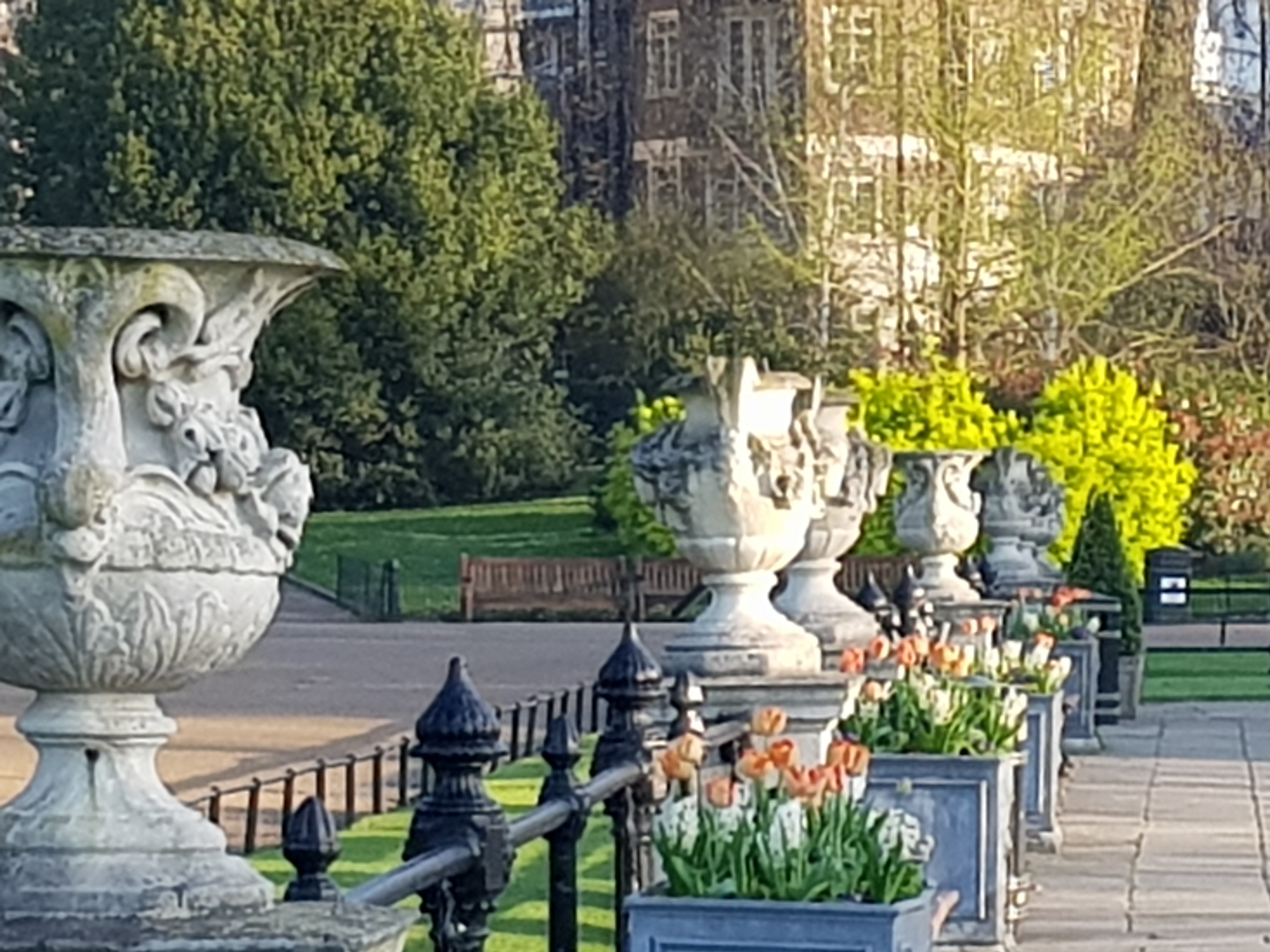
I refrained from taking photographs of St. James’s Park yesterday, having done so often before; but I couldn’t restrain myself from taking a few pics of Hyde Park in the early morning sun.
There is still the residue of eighteenth-century planting in the long, axial views:-
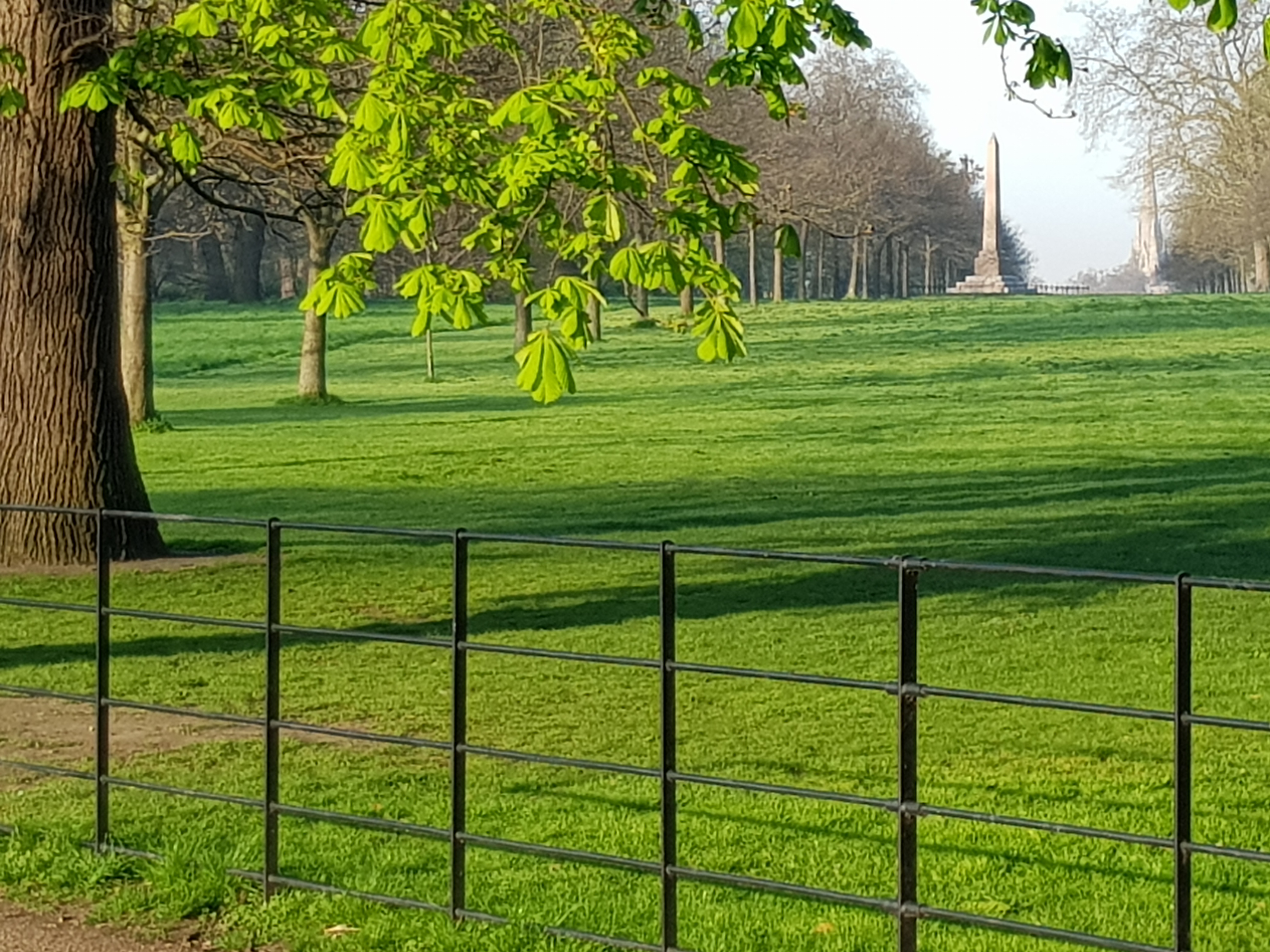
Then some rus in urbe:-
And water:-
And Prince Albert’s Italian Garden:-
Cedric Morris
I went to the second half of the two Cedic Morris exhibitions – abundant floriculture at the Garden Museum and more restrained landscape and travel painting tonight at Philip Mould & Co. I hadn’t really registered him as a painter before (although there’s a very good Self-portrait in the NPG), not having seen Richard Morphet’s pioneering Tate exhibition in 1984. I certainly hadn’t registered the extent to which his graphic language – outline drawing, acute observation, a touch of surrealism – influenced Lucian Freud and hence John Craxton (or was it the other way round ?). The introductory panel mentions that he fell in love with Arthur Lett-Haines in 1918 and that they lived together thereafter, without mentioning that Lett-Haines was married and that they all lived together for a year.
Charlotte Verity
Back from São Paulo, we went this evening to Charlotte Verity’s beautiful, small and thoughtful exhibition of John Nash’s, and now Ronald Blythe’s, garden, BOTTENGOMS, which Christine Nash, John’s half-German wife, found deserted down a track in Suffolk in 1943. Charlotte was commissioned to record the garden by the Garden Museum between September 2016 and July 2017 and her watercolours are displayed in an aisle not far from an exhibition of Cedric Morris’s much more showy paintings. I don’t know if I was allowed to take photographs of the work, but did, through the glass, in spite of the (purple) reflections:-
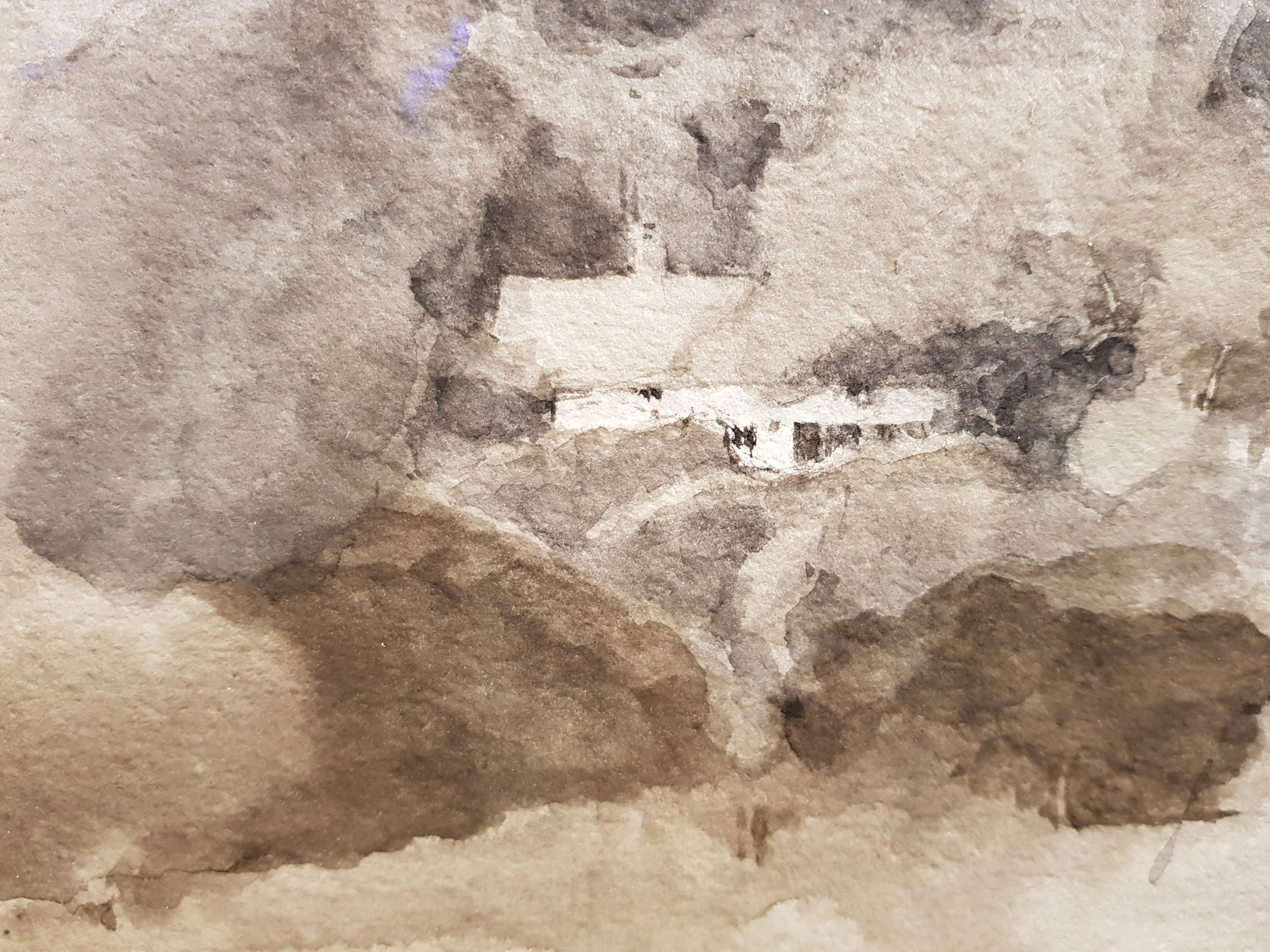
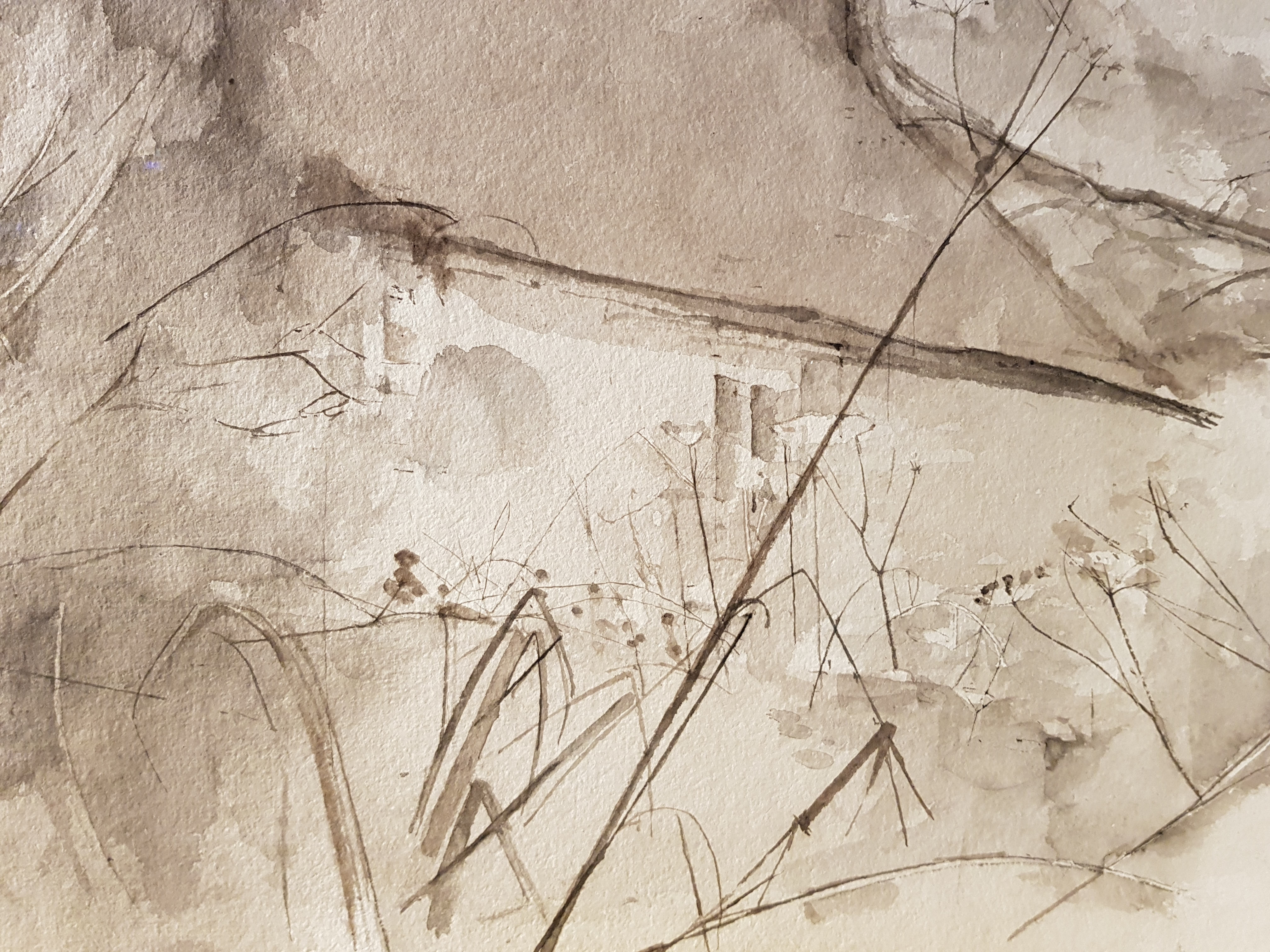
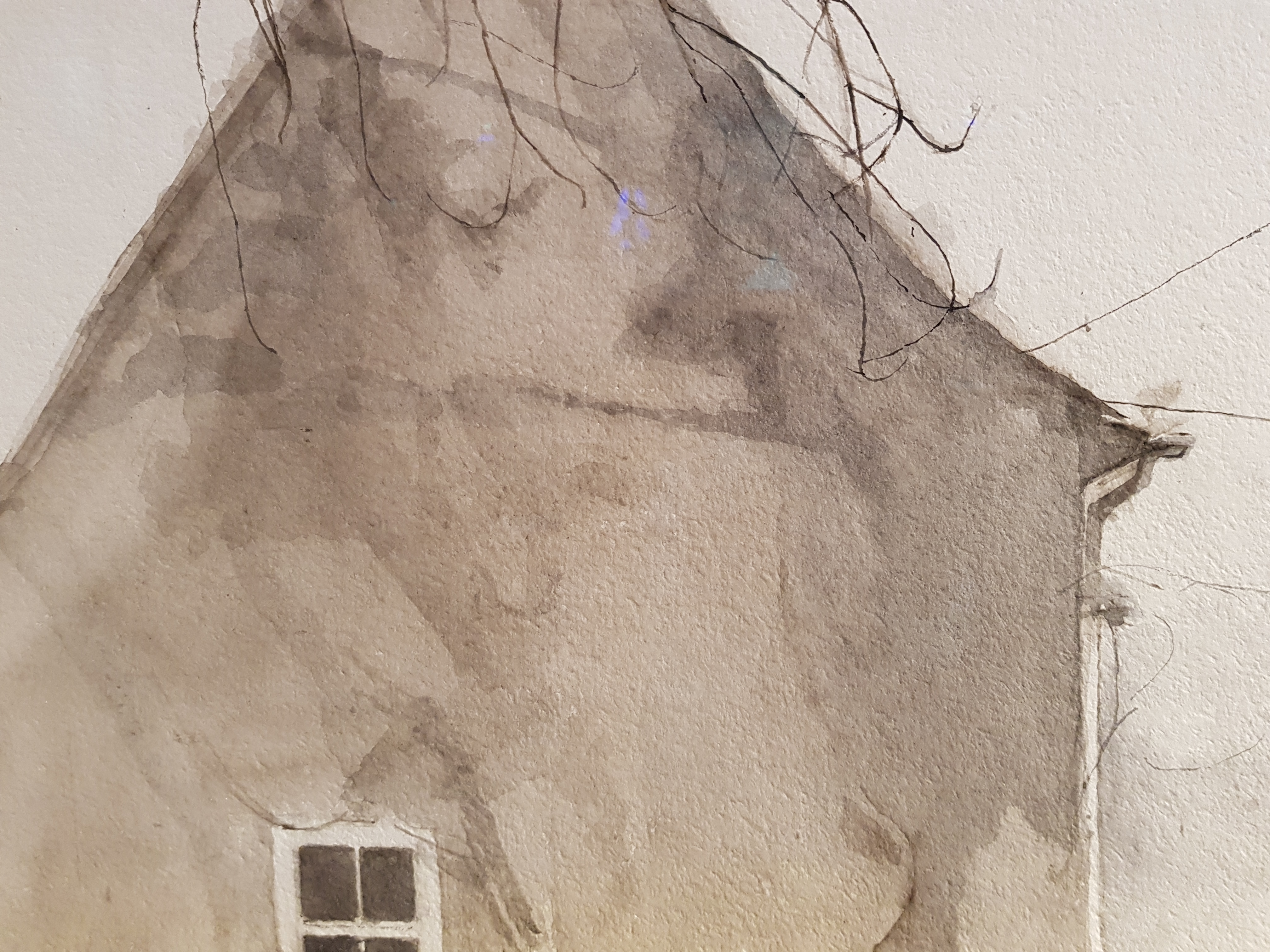
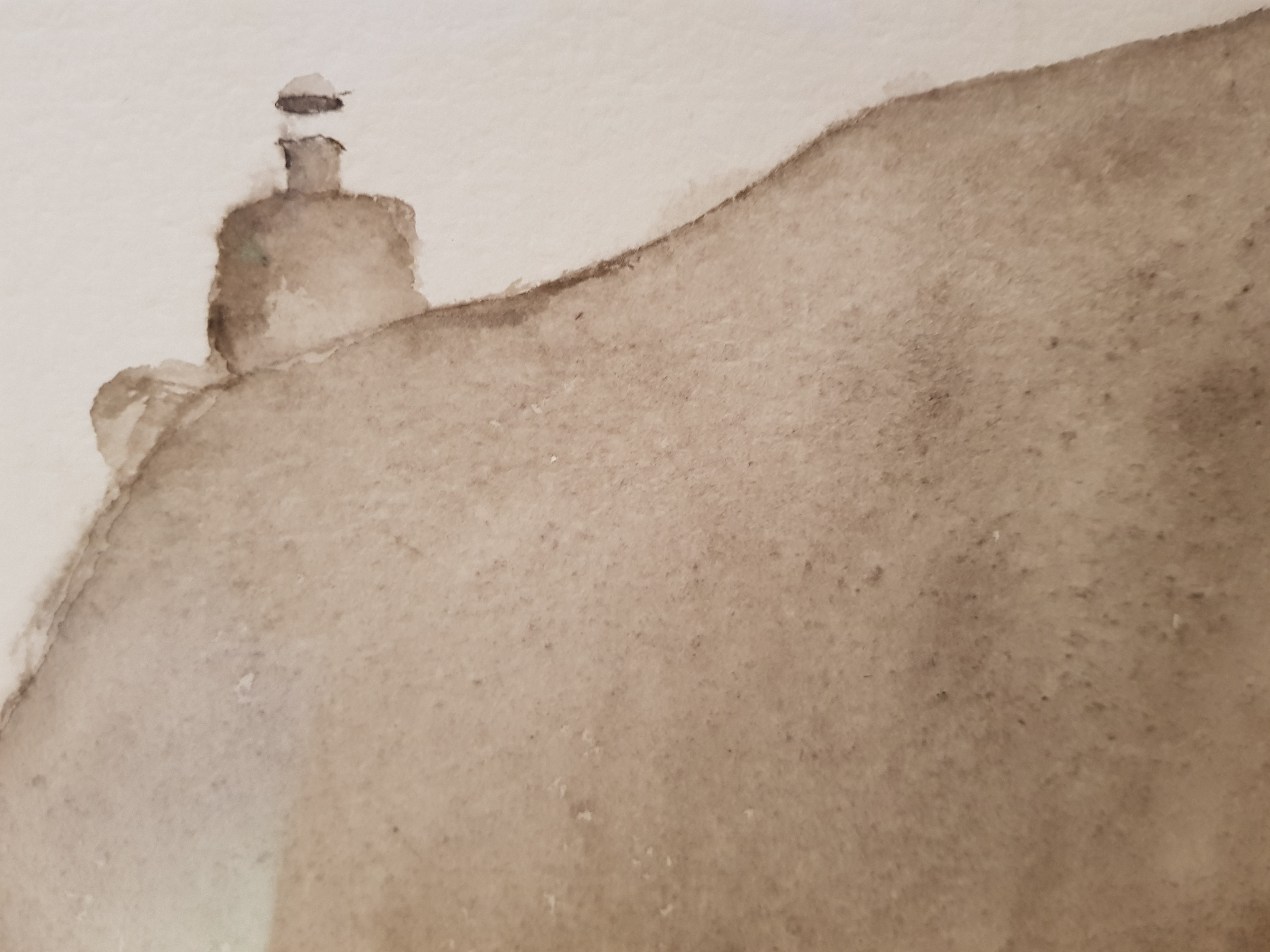
The exhibition is accompanied by a booklet designed by the Ben Weaver studio and with a journal of her visits which is as precise in its observations as her art.
SESC Pompéia
My last post from São Paulo is of SESC Pompéia, Lina Bo Bardi’s final major architectural project, which she started work on in 1977 and was opened in 1982. It was an old industrial site, a drum factory, converted into the Centro de Lazer Fábrica da Pompéia, a very upmarket and much more idealistic version of a British municipal leisure centre, inspired, to an extent, by the Centre Pompidou and much influenced by Bo Bardi’s residual communism. She, like Mendes da Rocha later, sandblasted walls and brought the old buildings back to their original condition:-
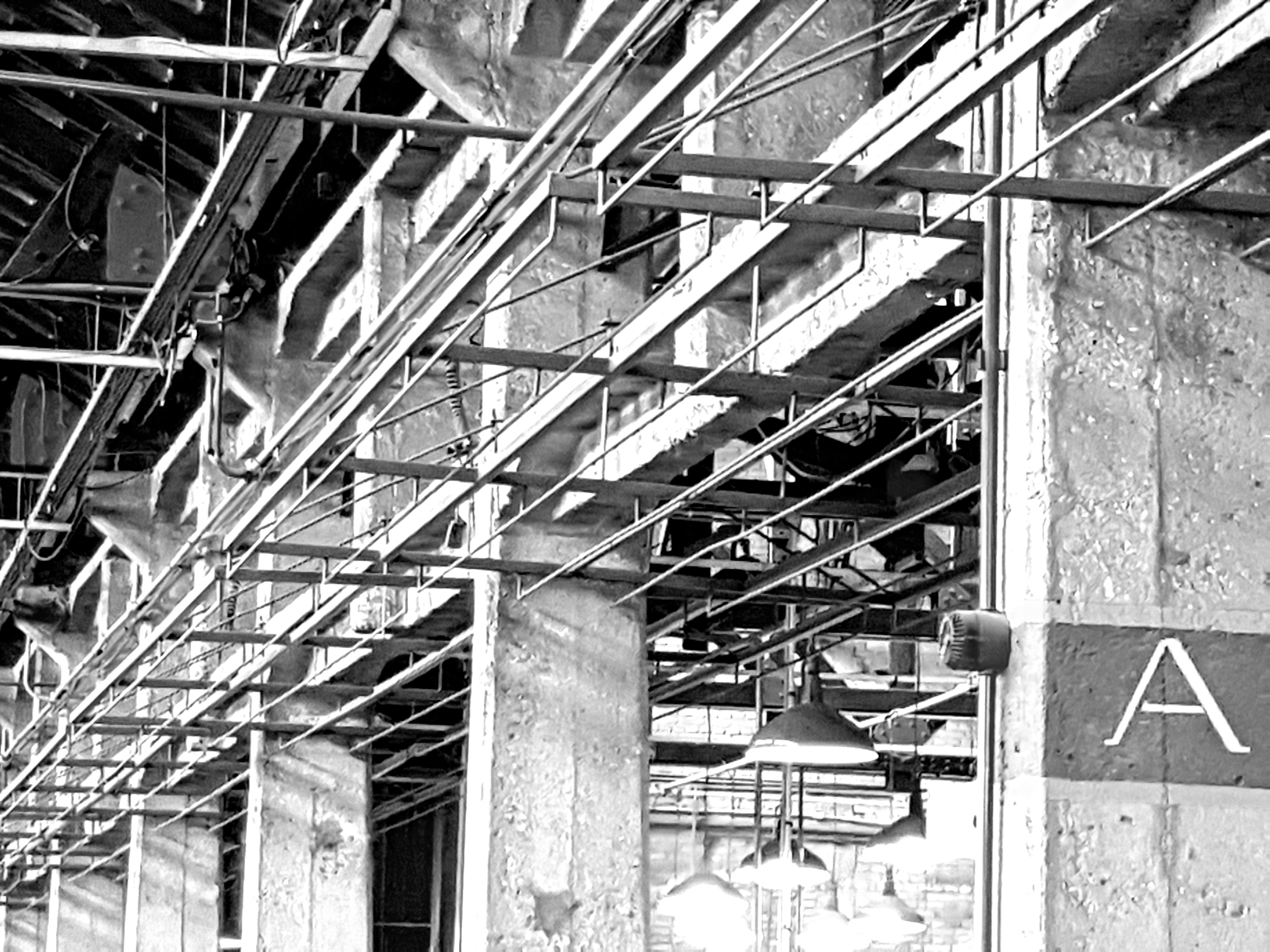
She added a huge great concrete block to the west which contains a swimming pool and, I assume, other facilities above (it’s a big building):-
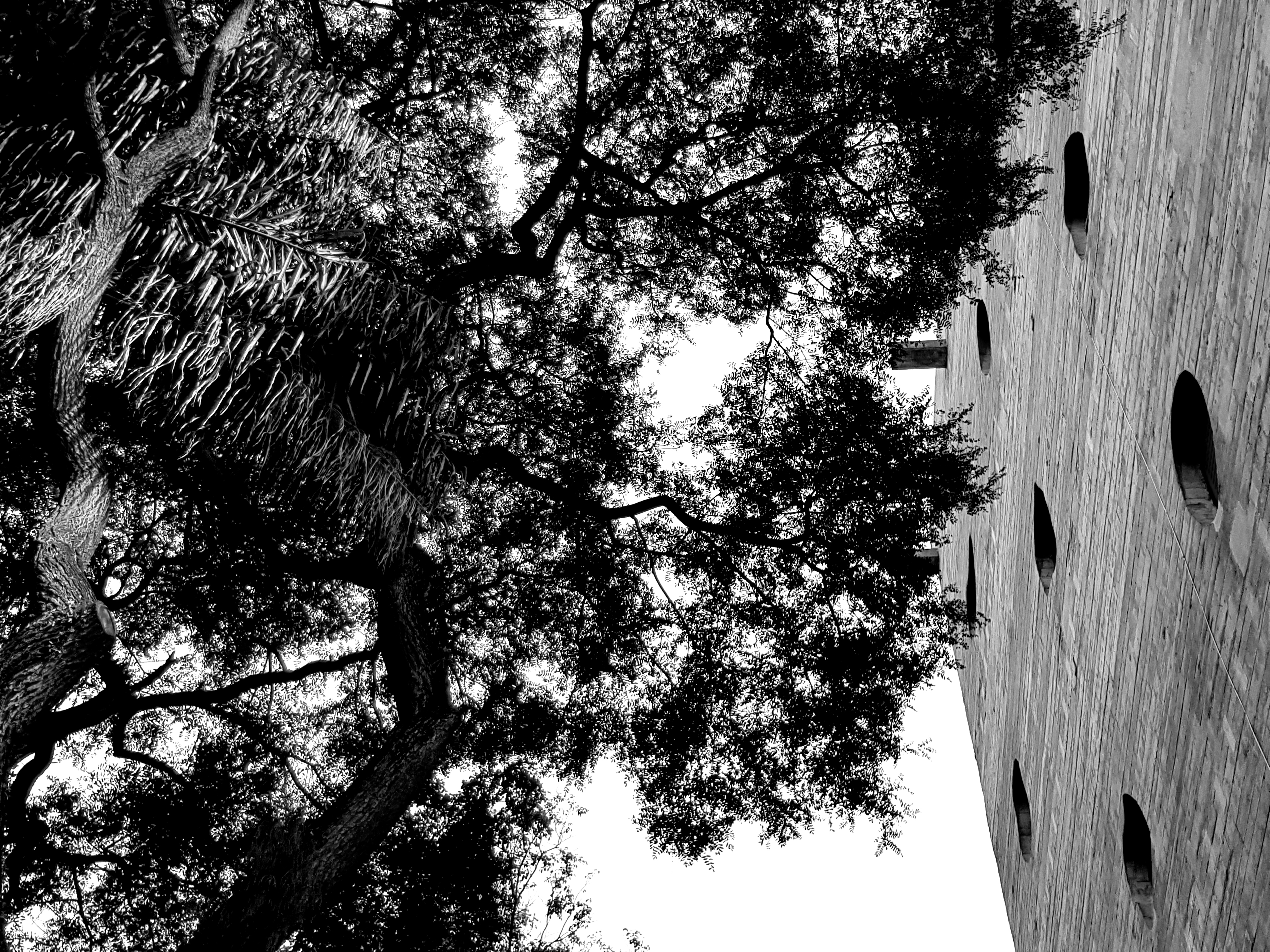
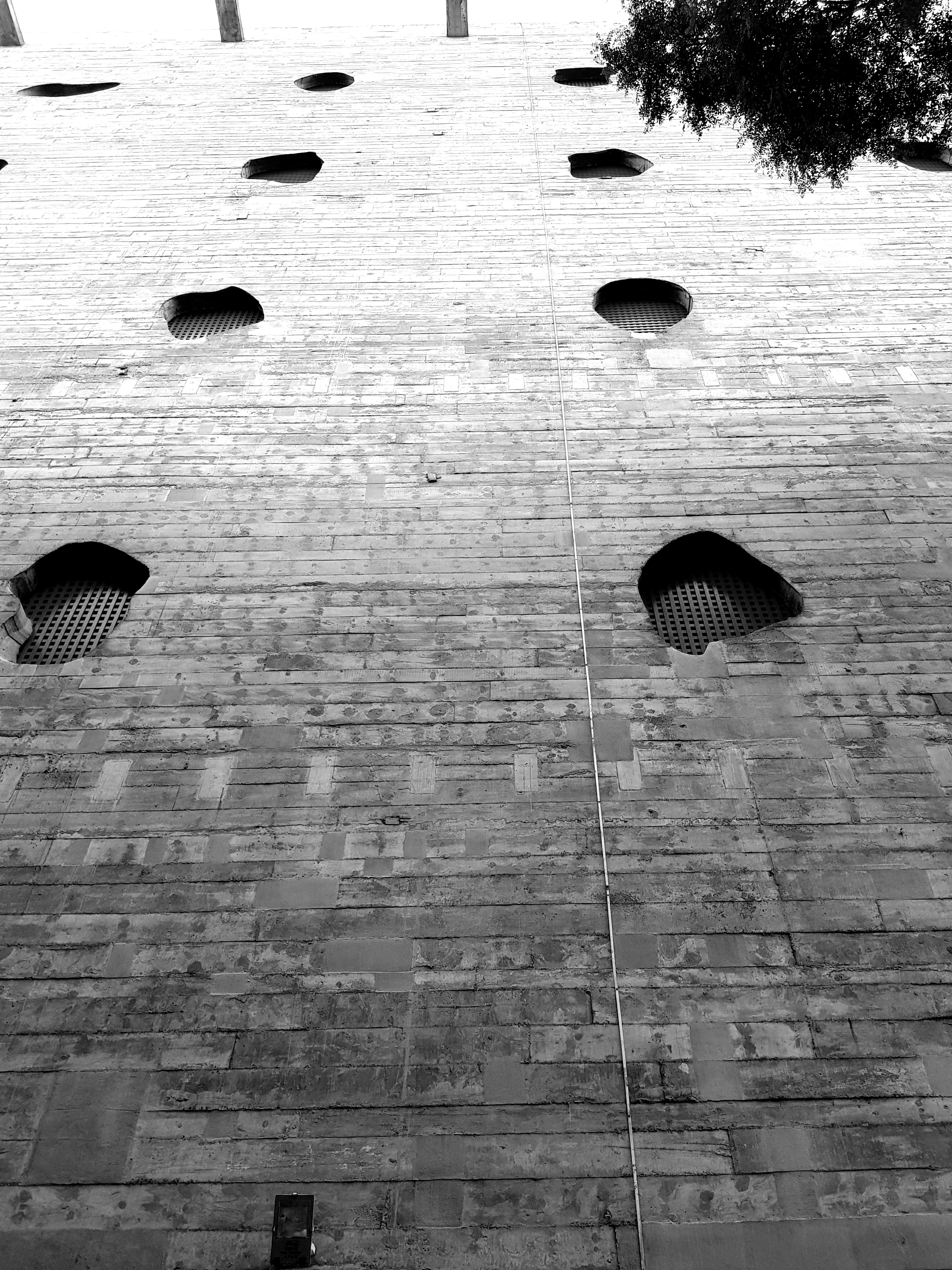
It’s a building of spectacular obduracy. To the south is another block which presumably contains more leisure facilities:-
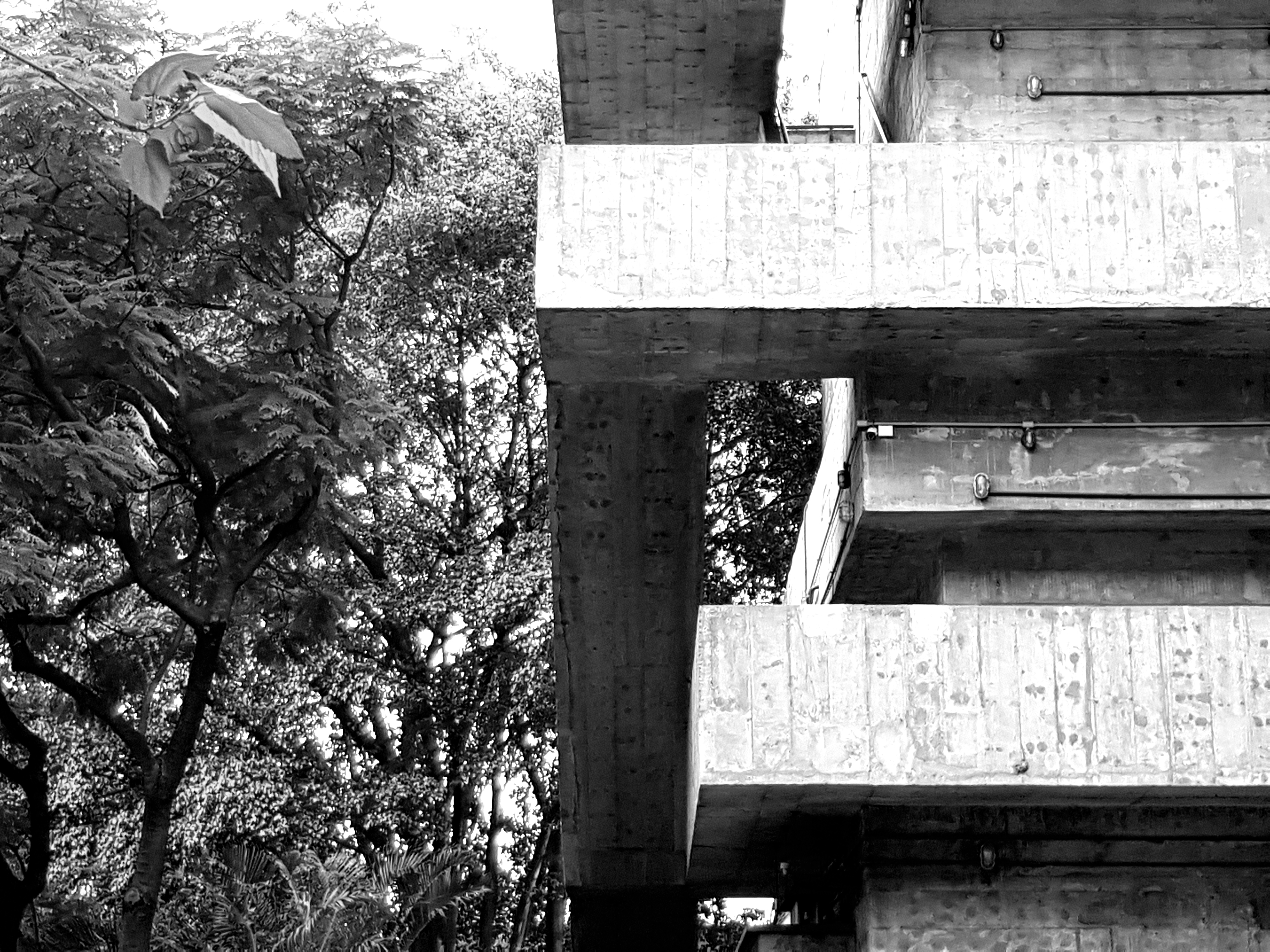
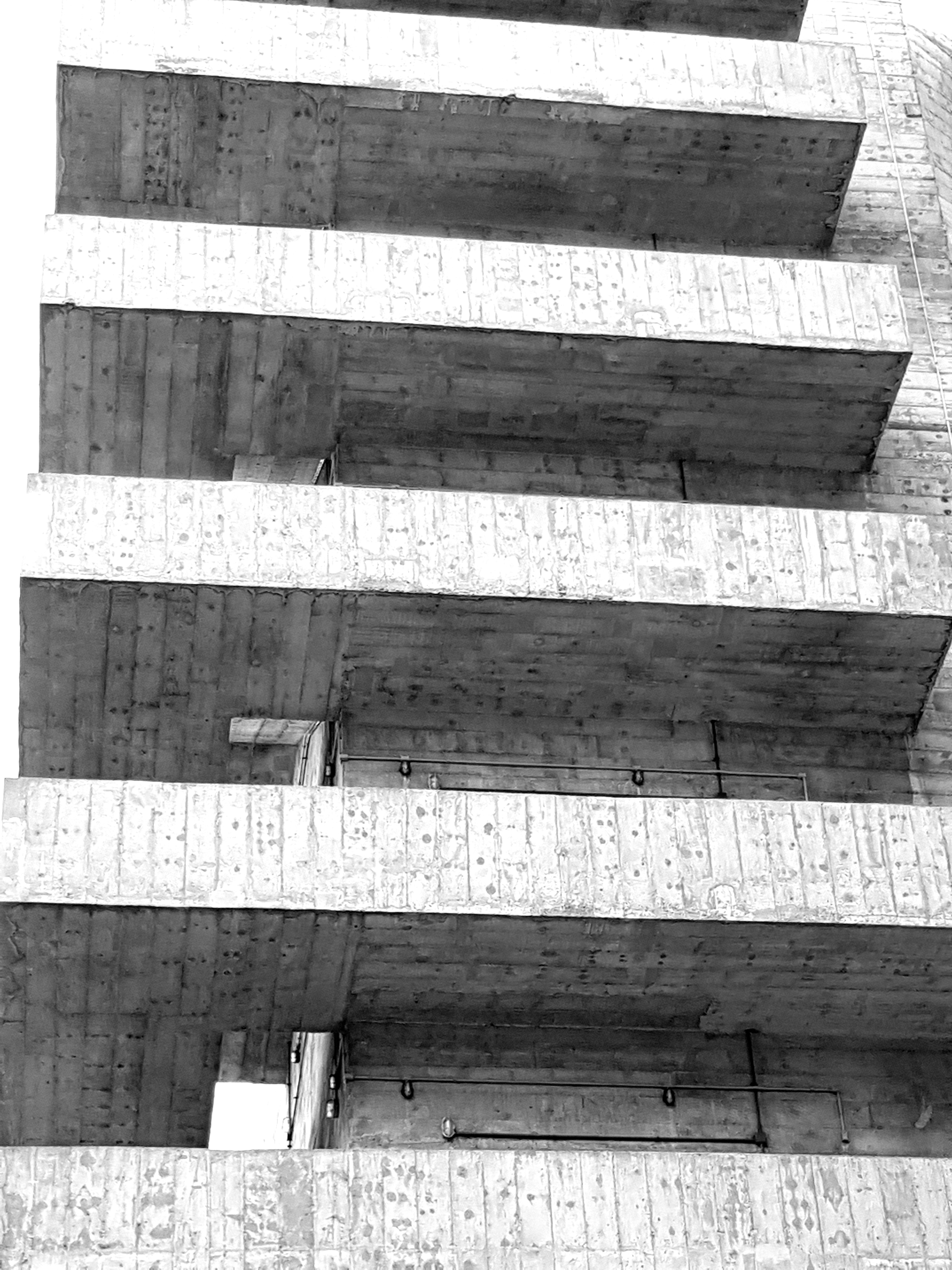
What makes the project not exactly playful, more Piranesian, are the concrete walkways which crisscross the space in between:-
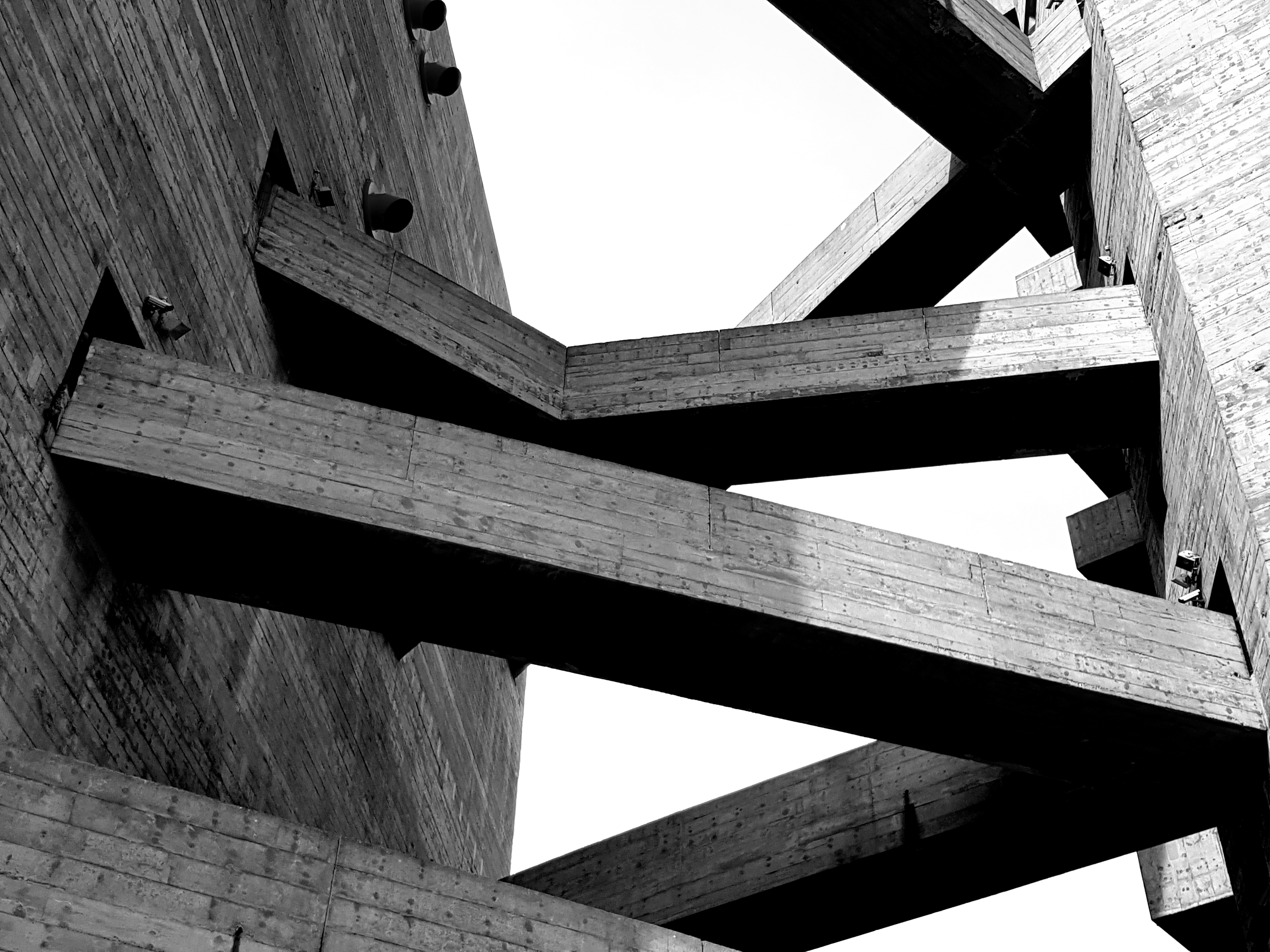
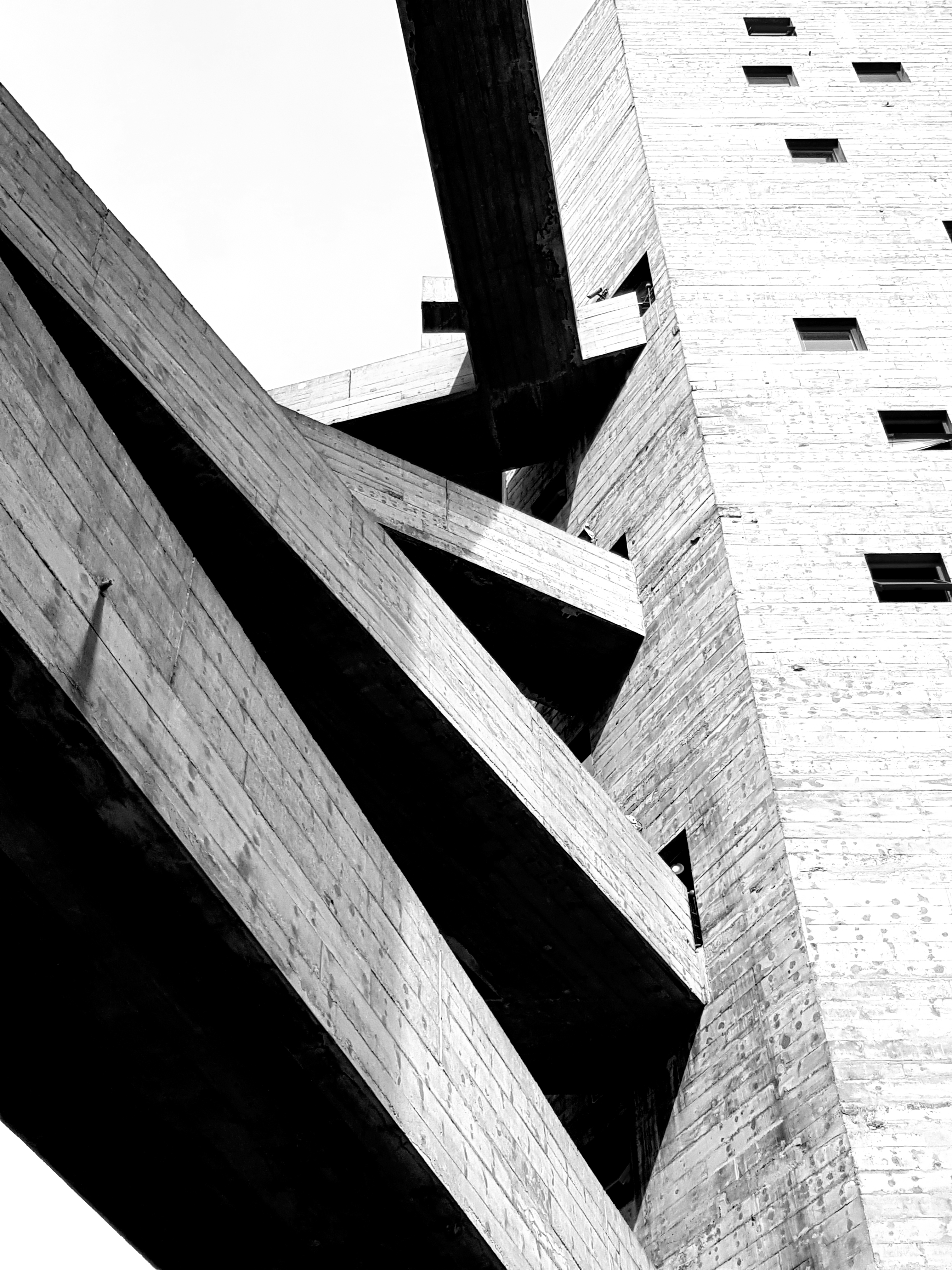
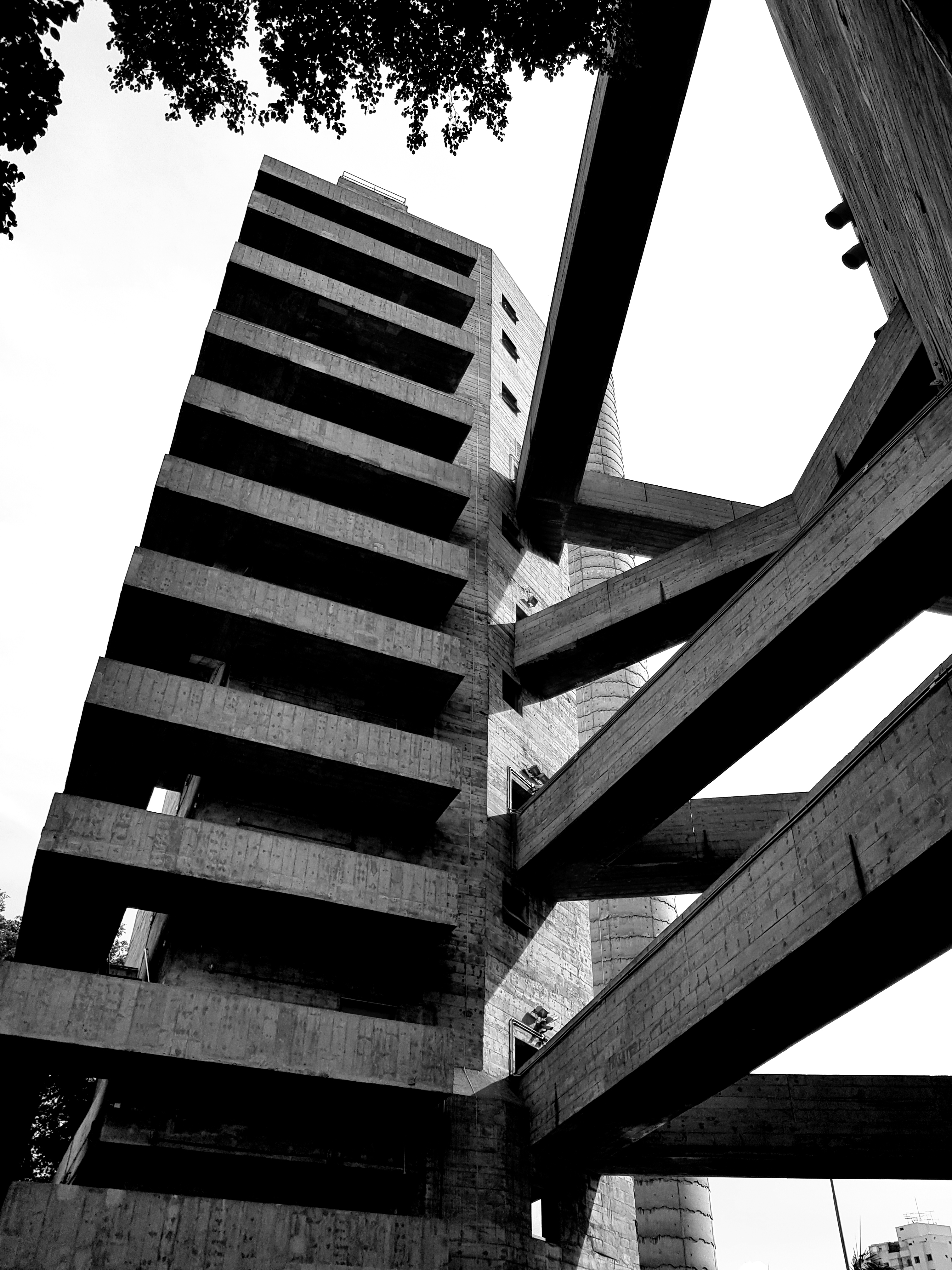
It’s like using concrete as line drawing.
Museu Instituto Tomie Ohtake
I don’t think I have ever seen a more purely postmodern building:-
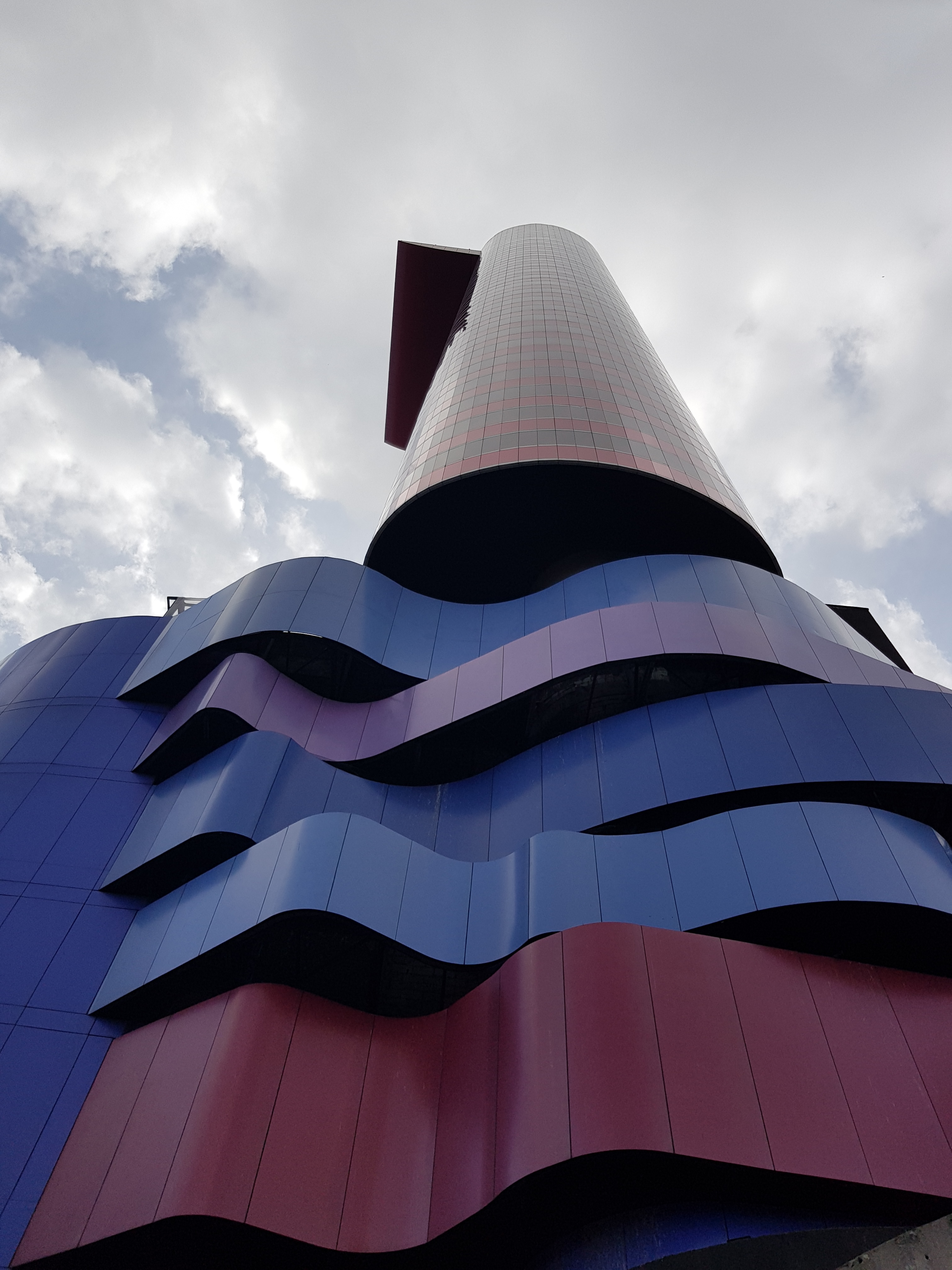
Totally arbitrary, highly polished, no sense of form, a wilful breach of conventions:-
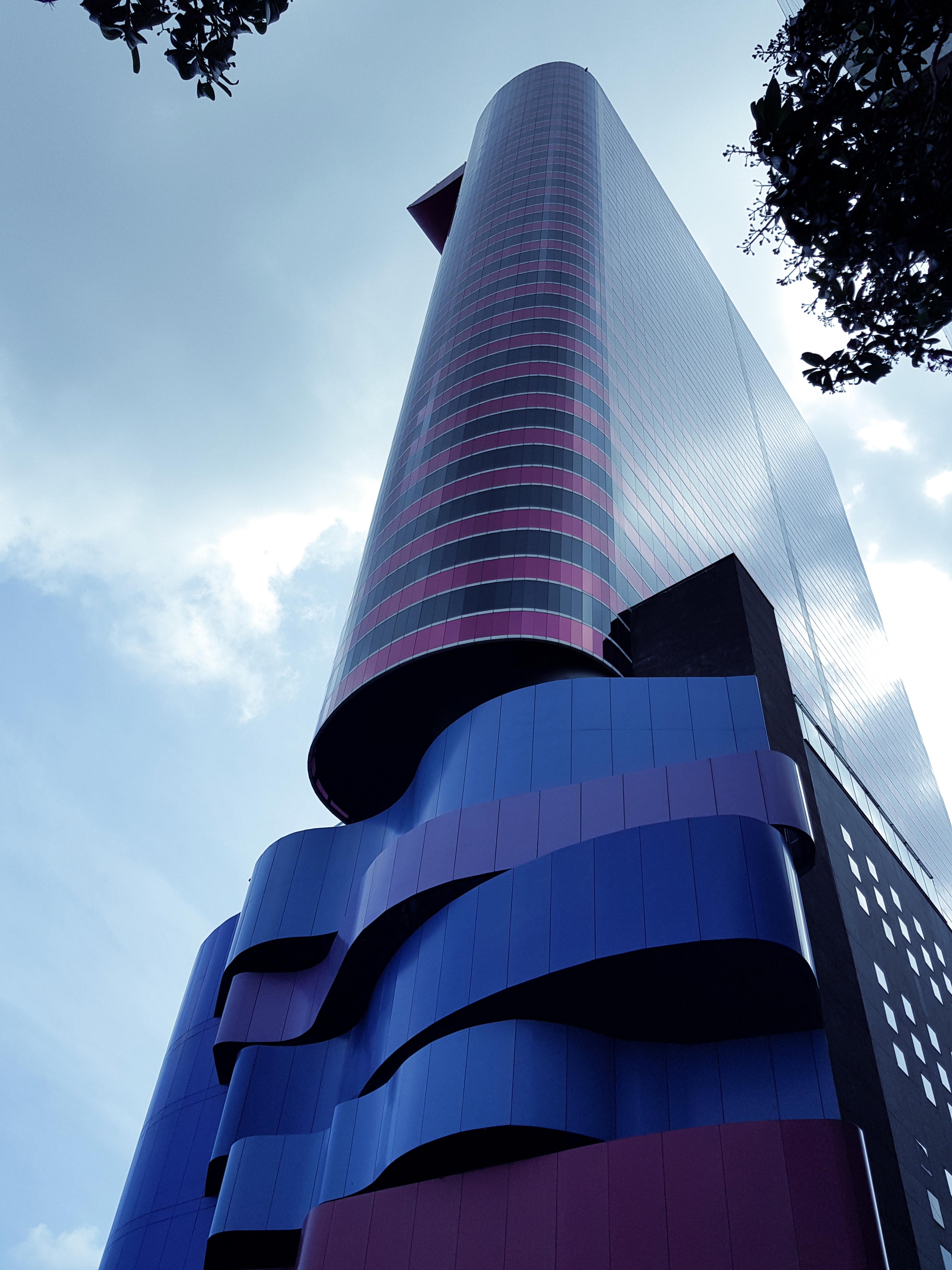
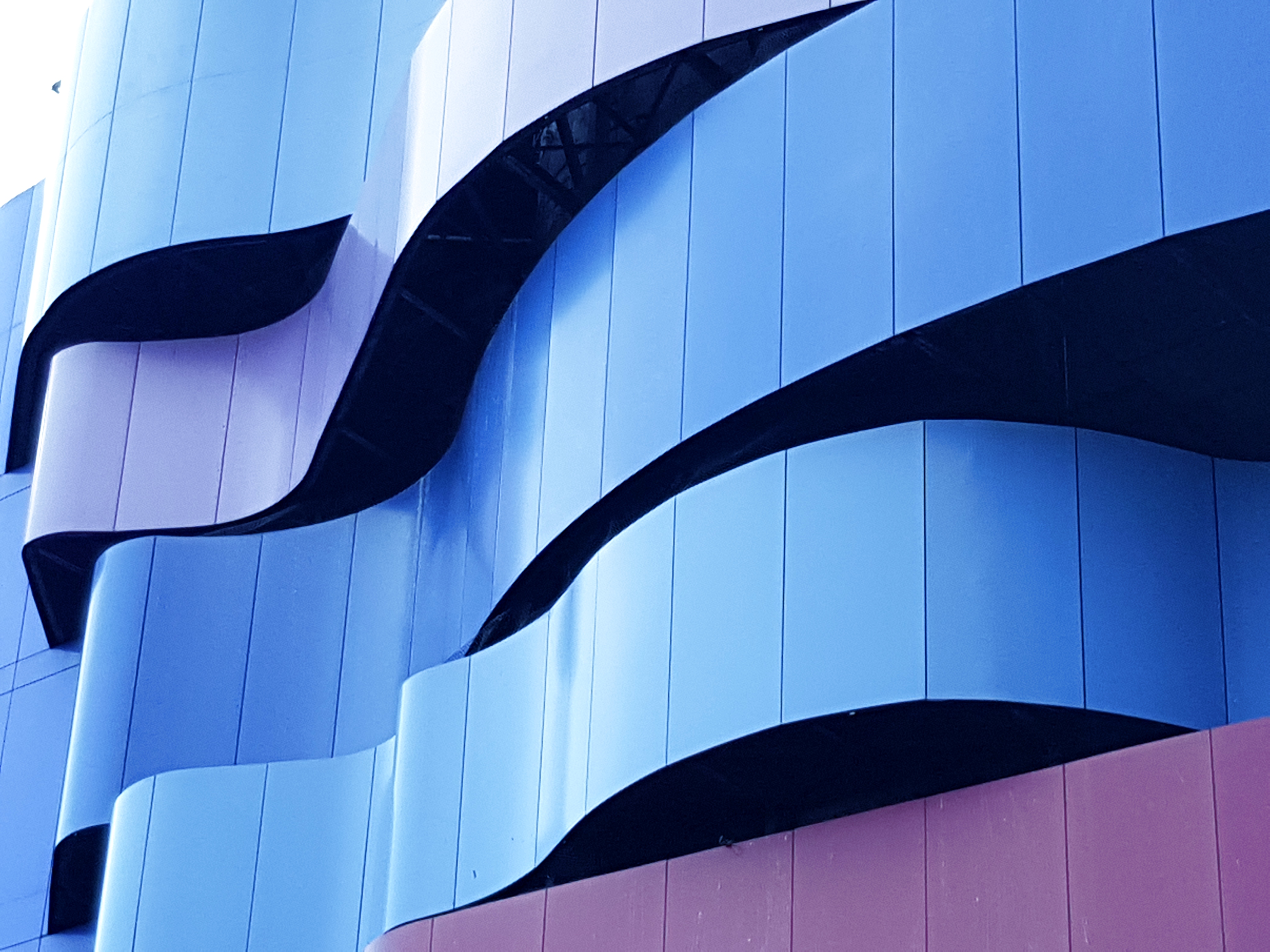
It was designed by Ruy Ohtake, the son of the eponymous Tomie. He is half-Japanese, half-Brazilian.
Museu Brasileiro de Escultura
As part of my crash course in Brazilian modernism, I have been trying to teach myself what I can about Paulo Mendes da Rocha, the author of the revived Pinacoteca de São Paulo, a project which involved stripping away all of its classical components, leaving only the unadorned brickwork, with the courtyards glassed over and the spaces connected by metal walkways.
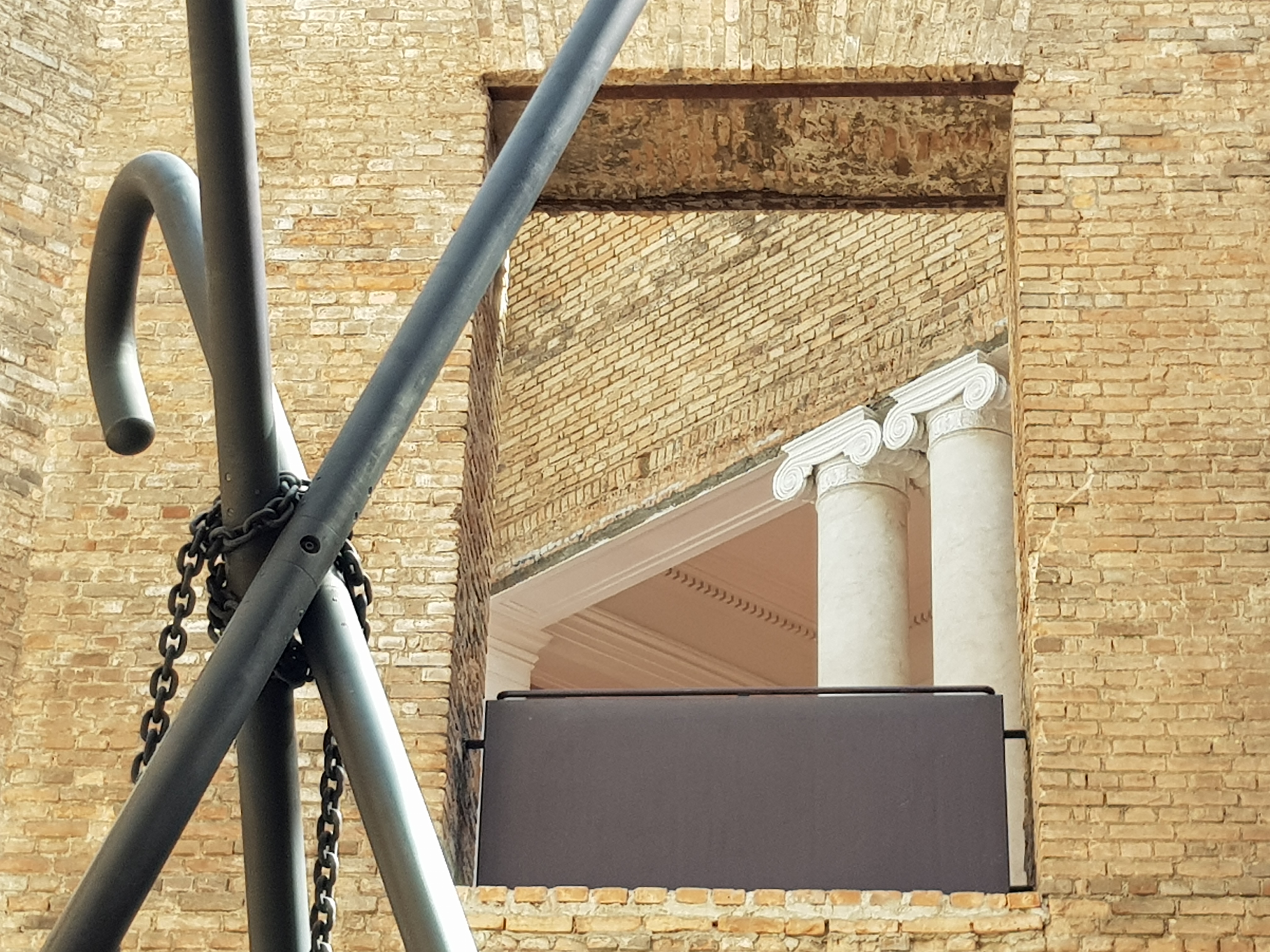
The answer seems to involve the stripping away of the social concerns of architecture, the tradition in which he was trained at the São Paulo School of Architecture, towards a much more minimalist and reductive focus on form, treating architecture as sculpture, interested in the pure materiality of building, not its delivery of purpose.
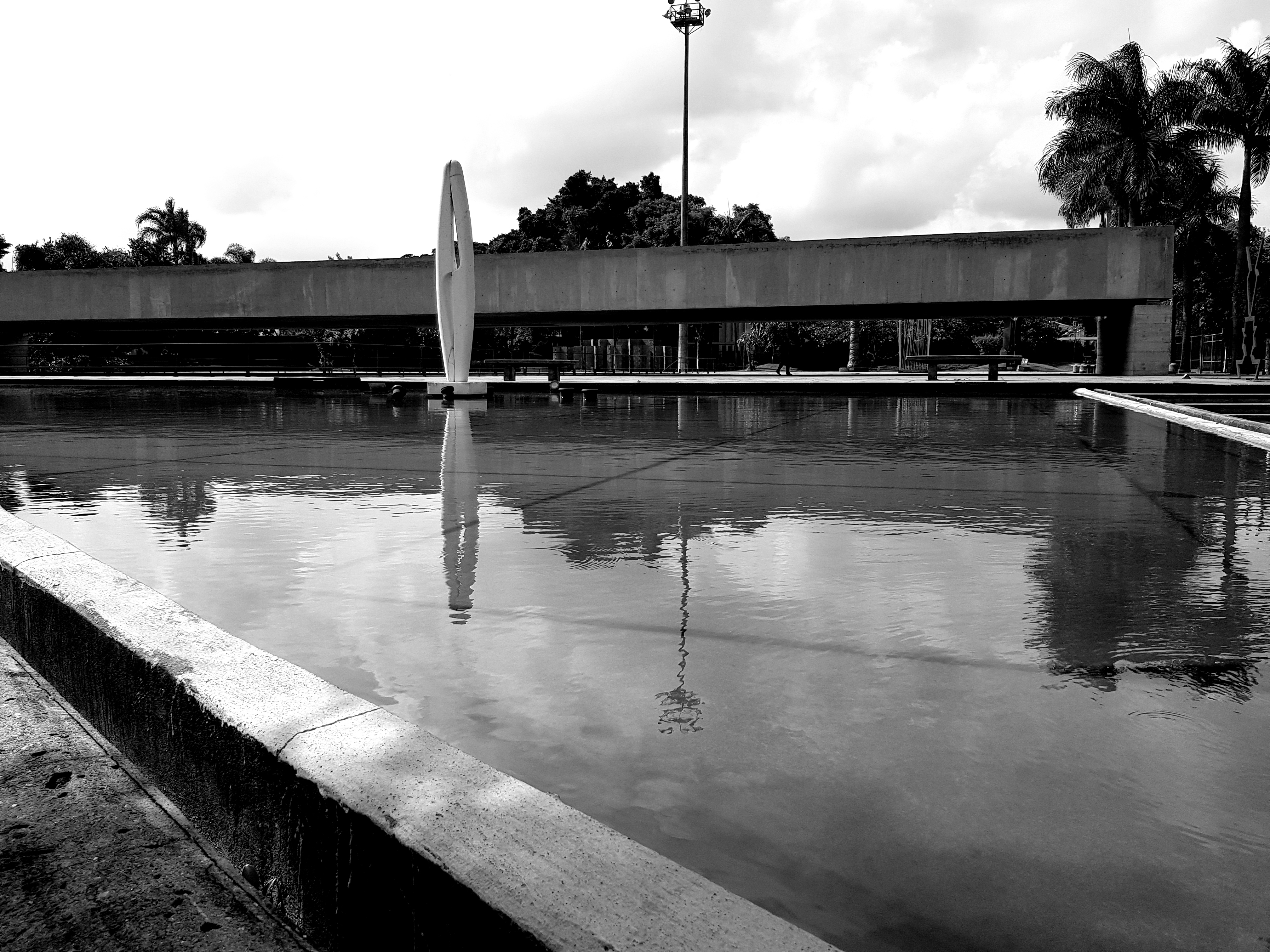
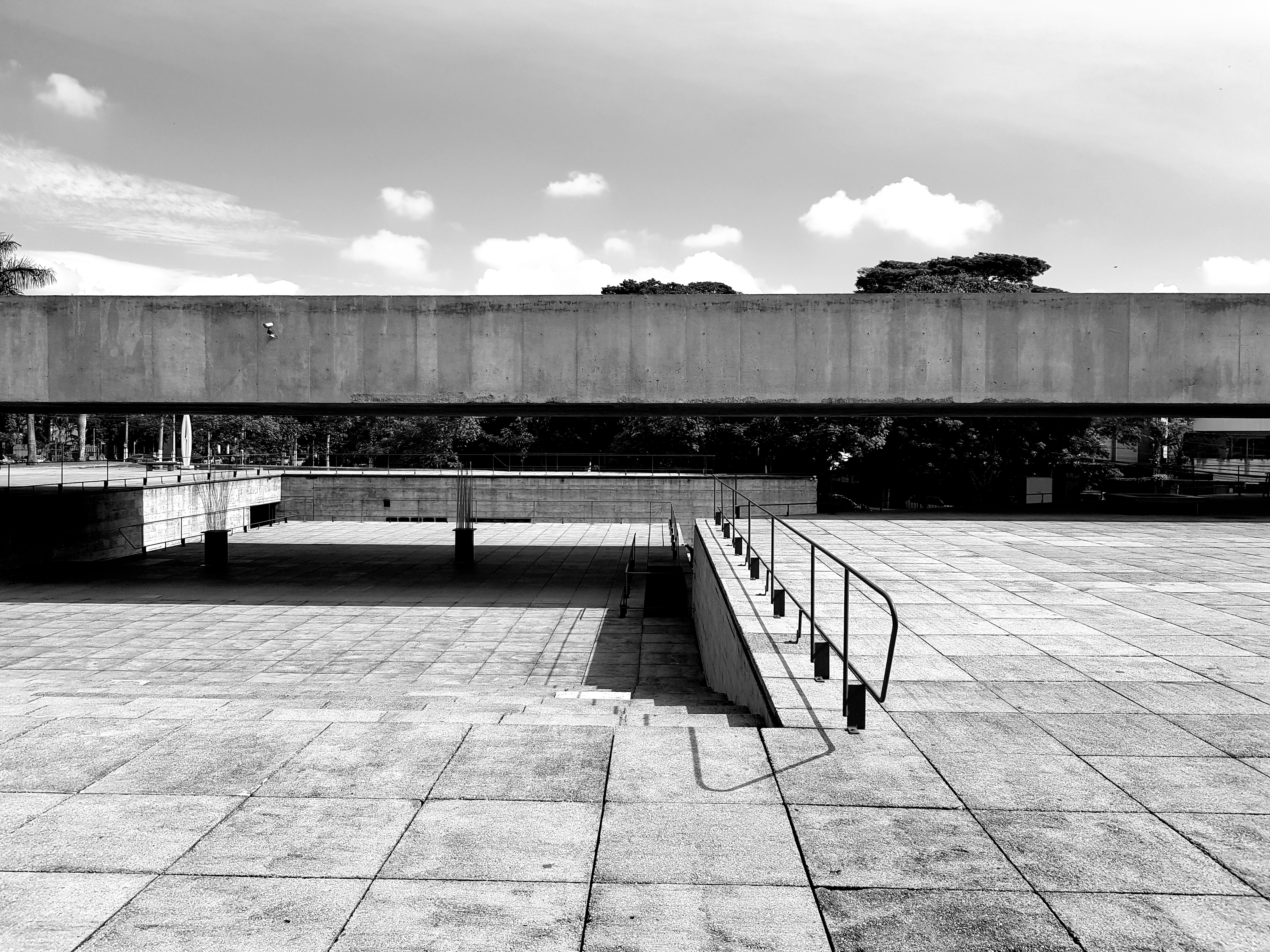
Yesterday, I visited the building he did for the Museu Brazileiro de Escultura, a building as purely sculptural as it’s possible to be. I can’t say I liked it. Too abstract. Too arbitrary. Too concrete:-
Galeria Sé
There will be more on what I saw today, but there’s a limit to the number of posts I can do in a day.
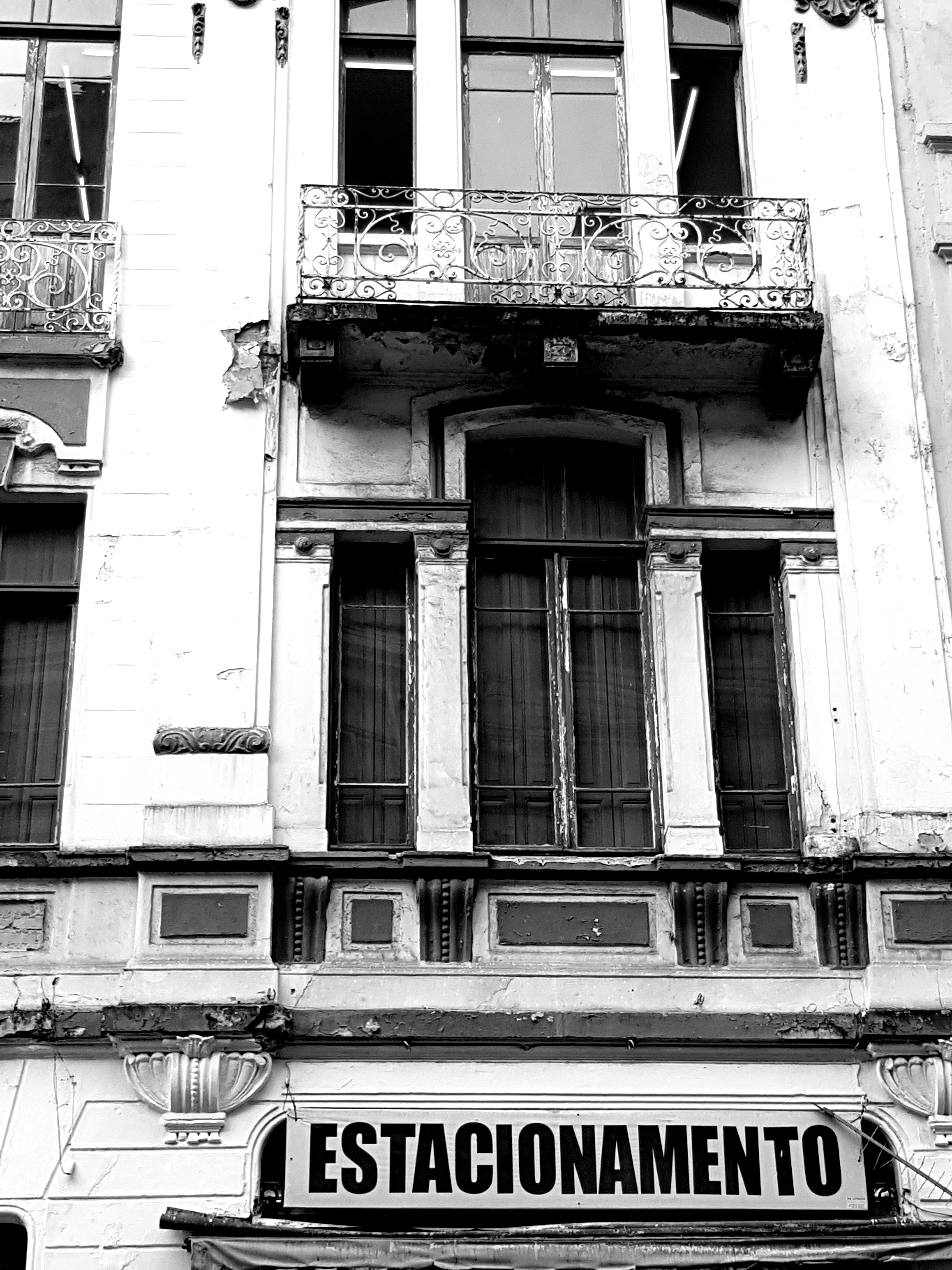
But I want to record my last stop while it’s fresh in my mind, which was a visit to the Galeria Sé in the heart of the old historic downtown – it is apparently in the oldest street in São Paulo:-
There was a welcome small espresso upstairs:-
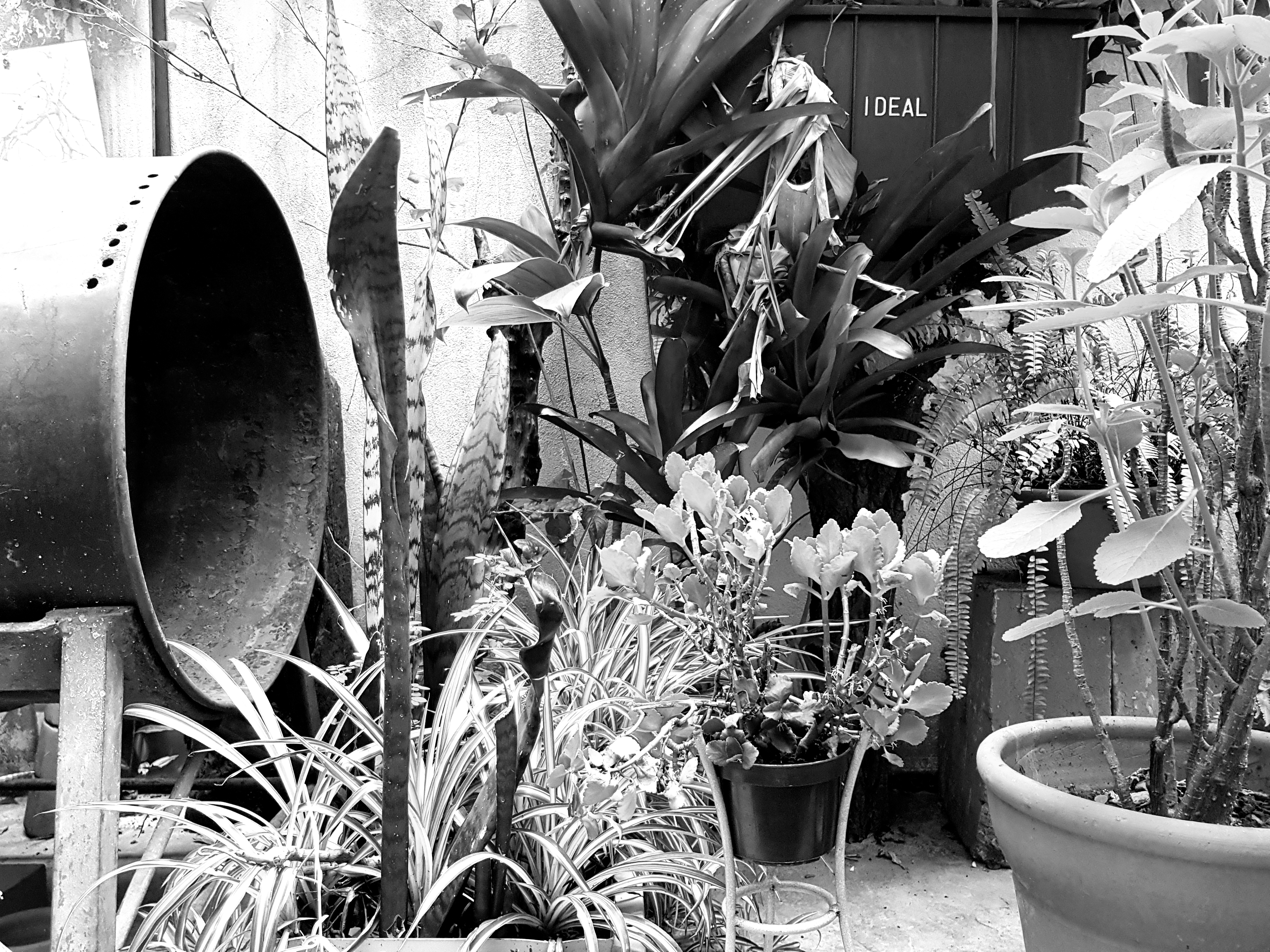
Then I was taken next door:-
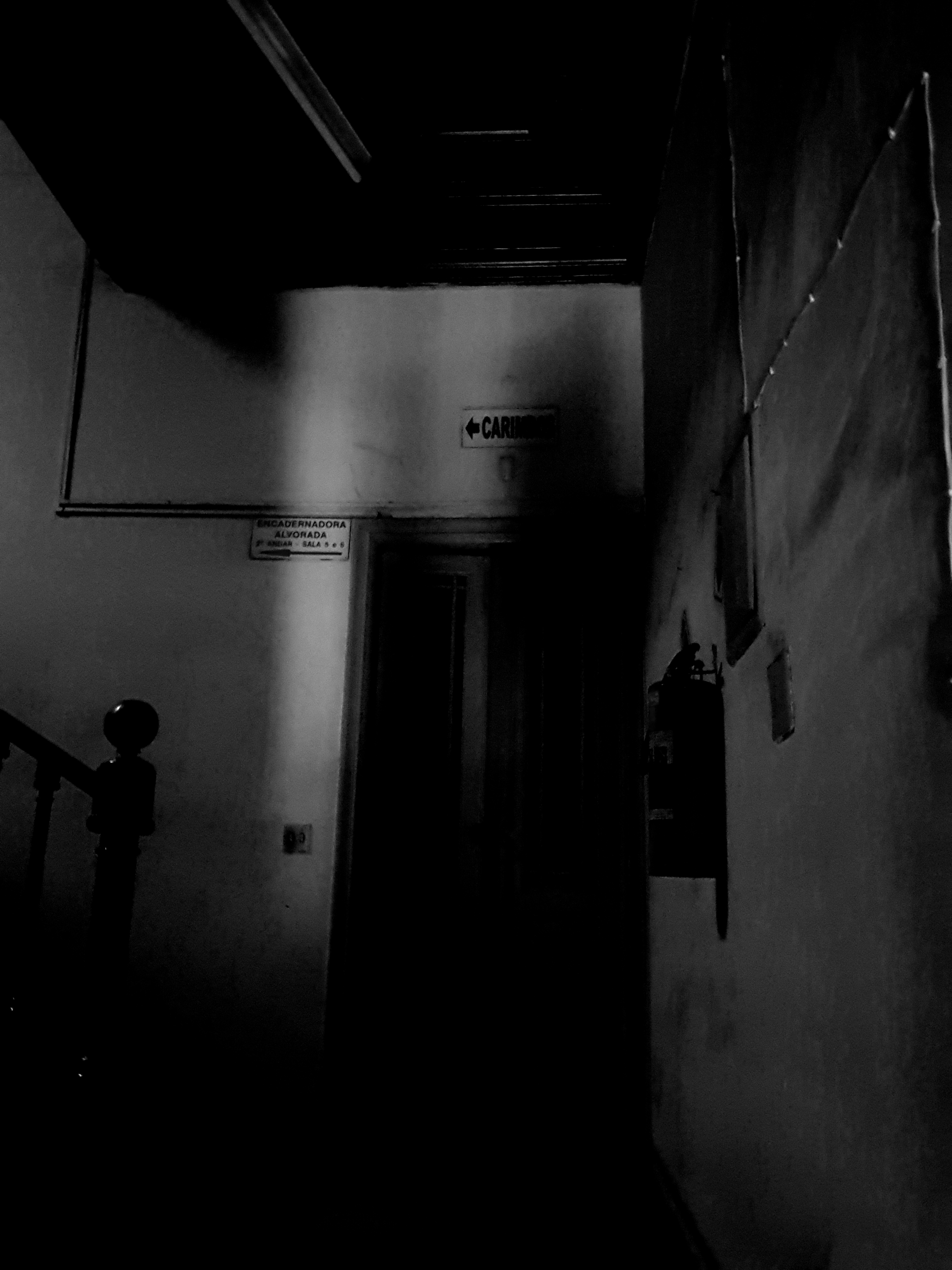
Into the artist’s space:-
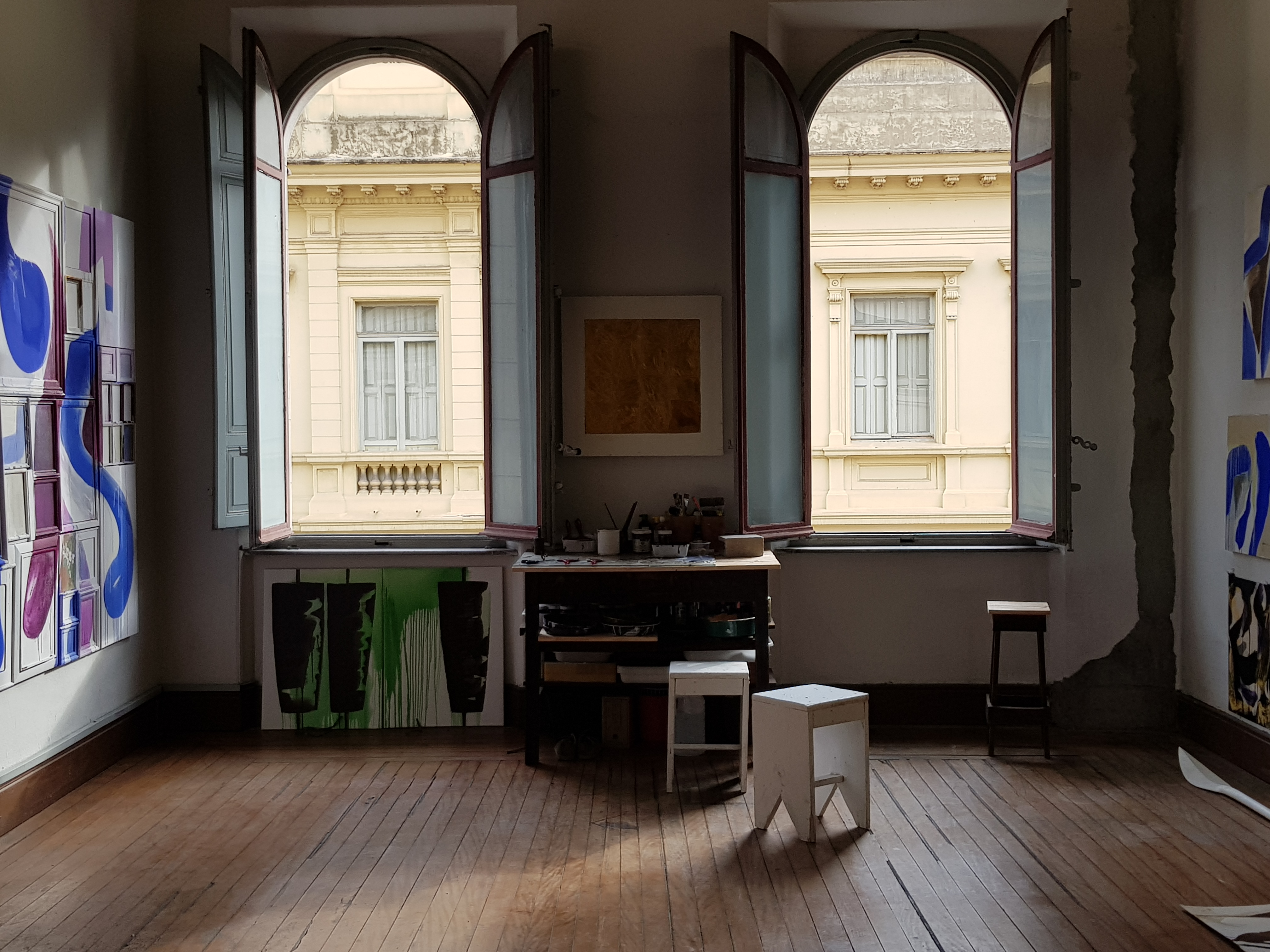
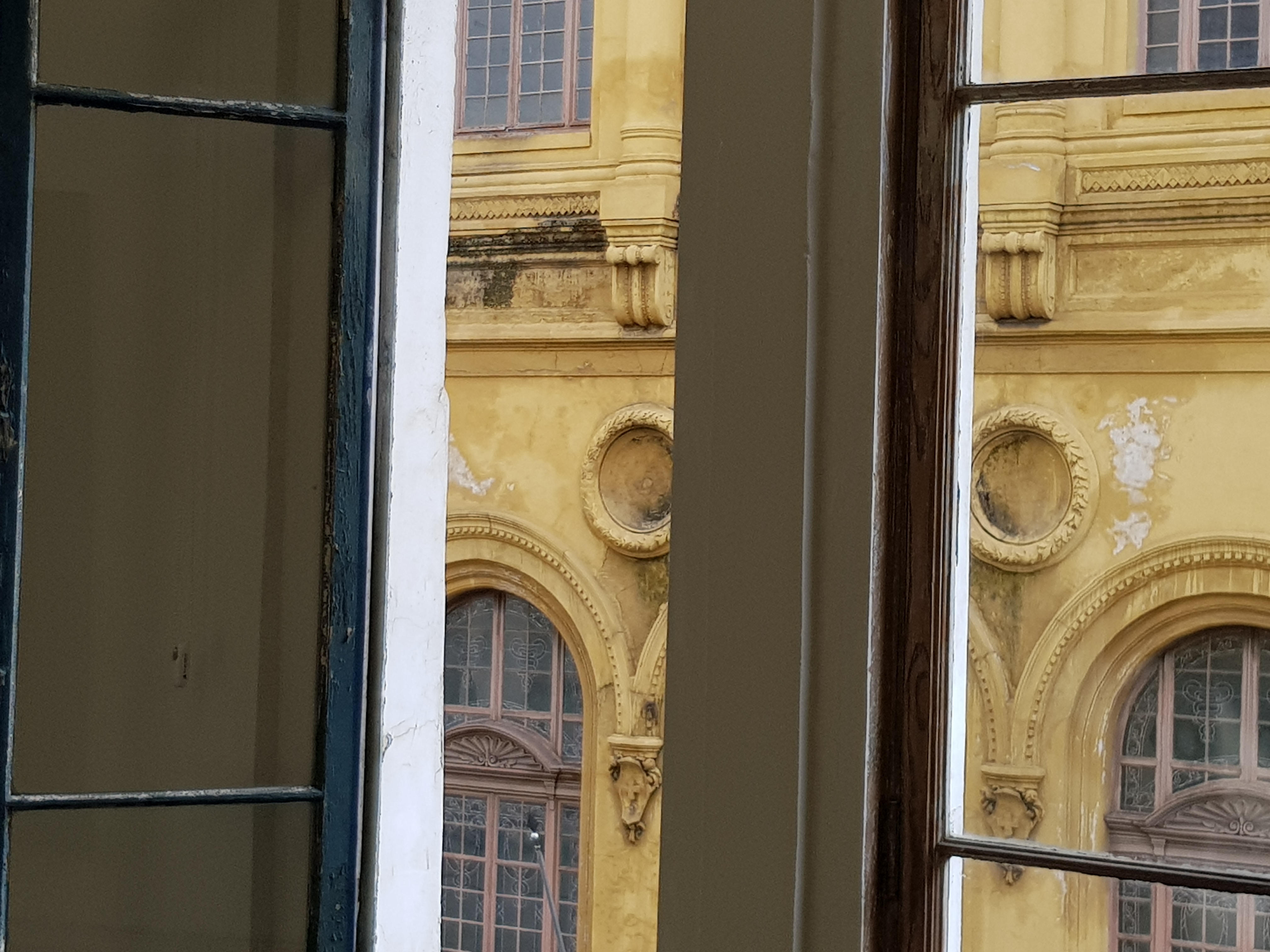
The artist showing work was Arnaldo de Melo. But I was (annoyingly) at least as interested in the view out of the window:-
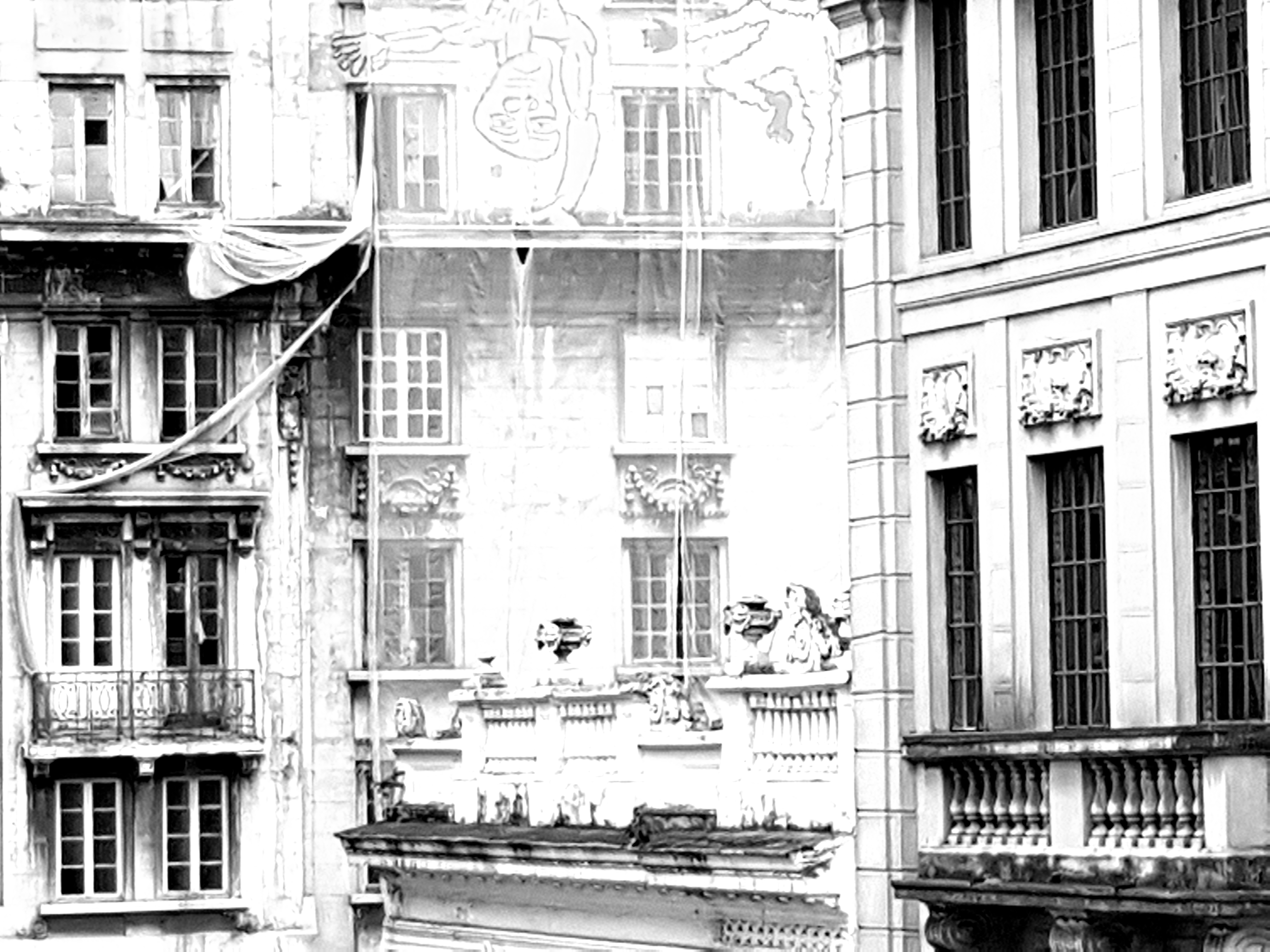
And the quality of light in the front room of the gallery next door:-
 | Charles | Saumarez | Smith |
You must be logged in to post a comment.