Alto Alentejo (1)

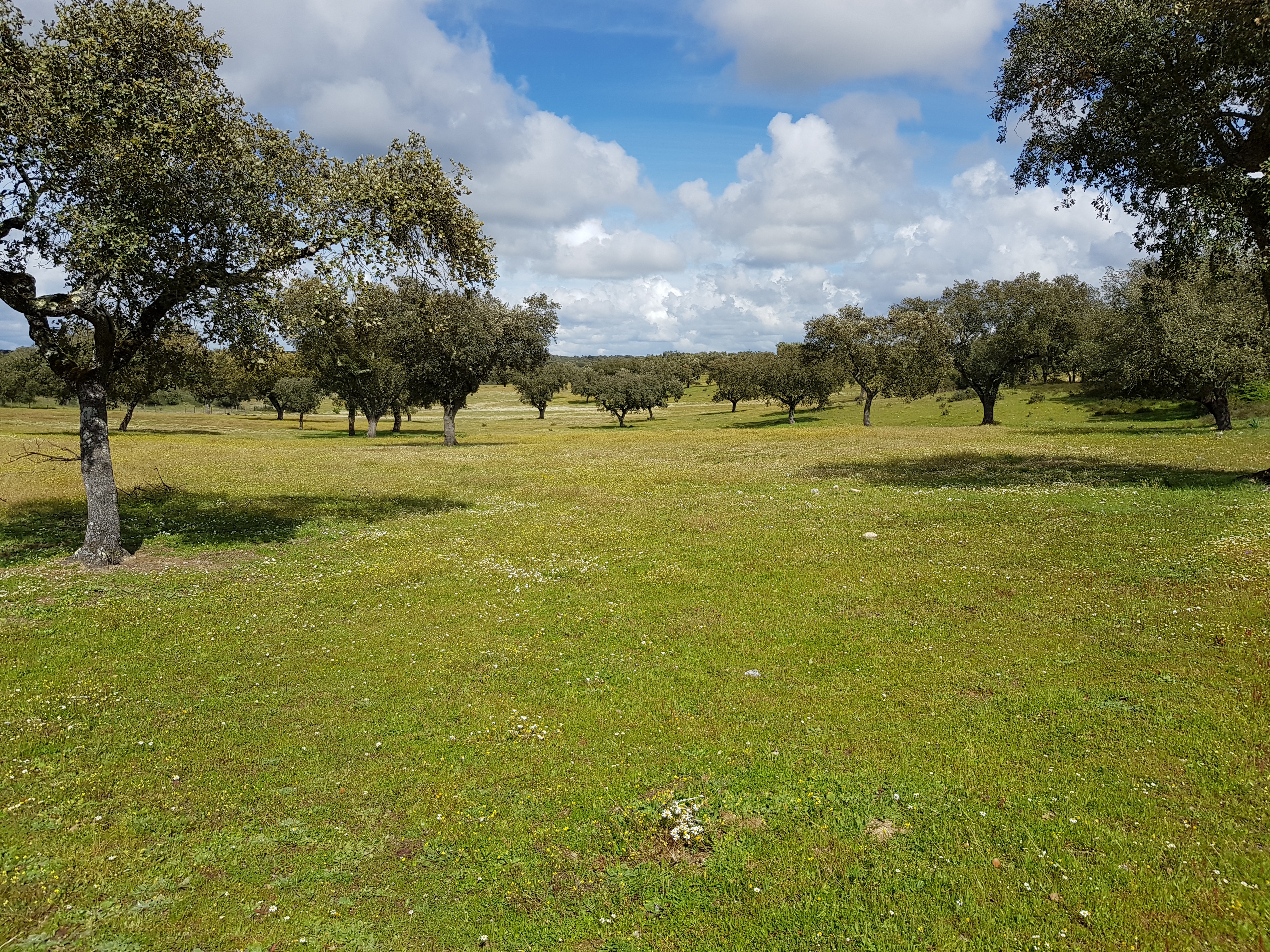
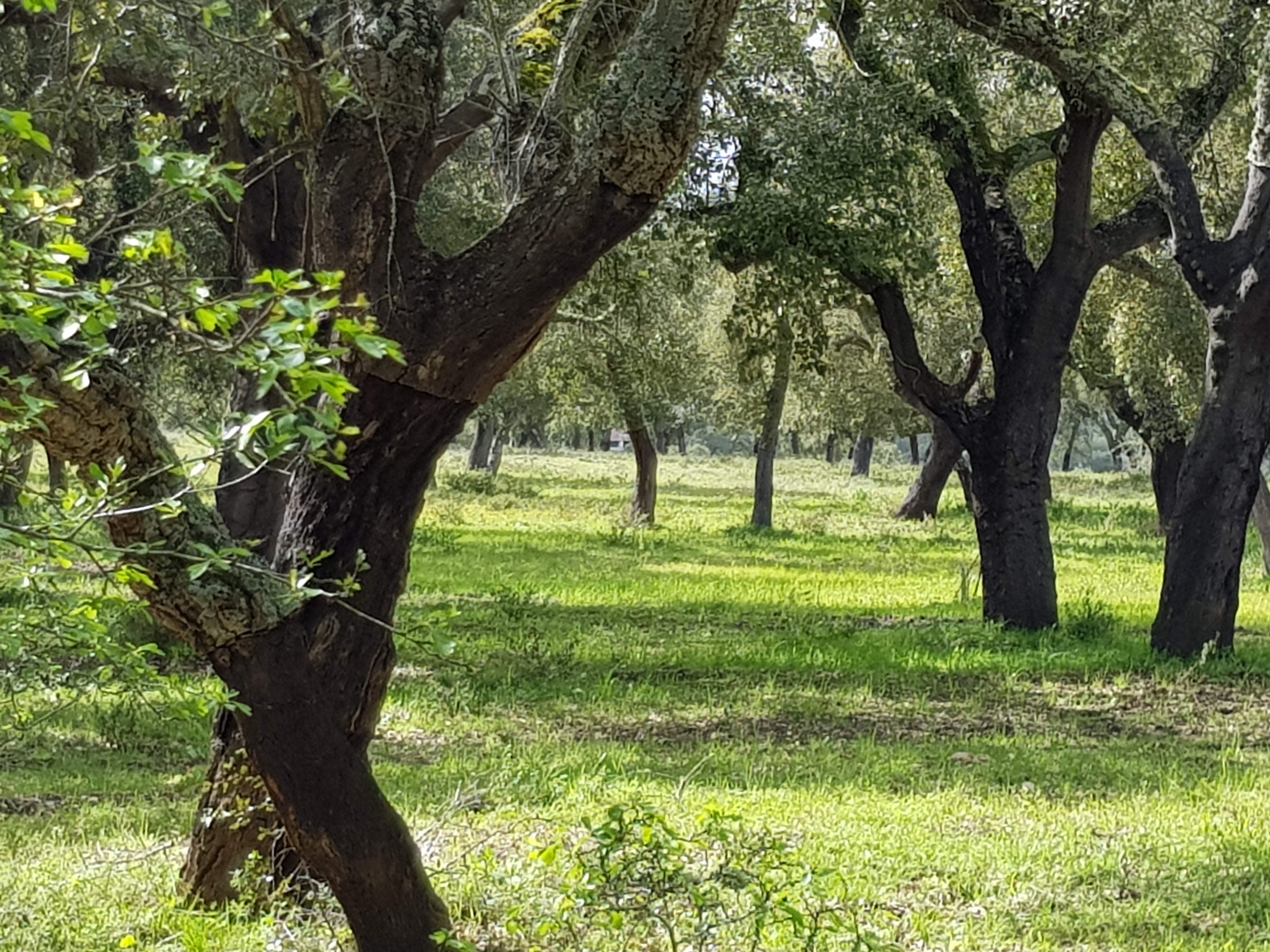
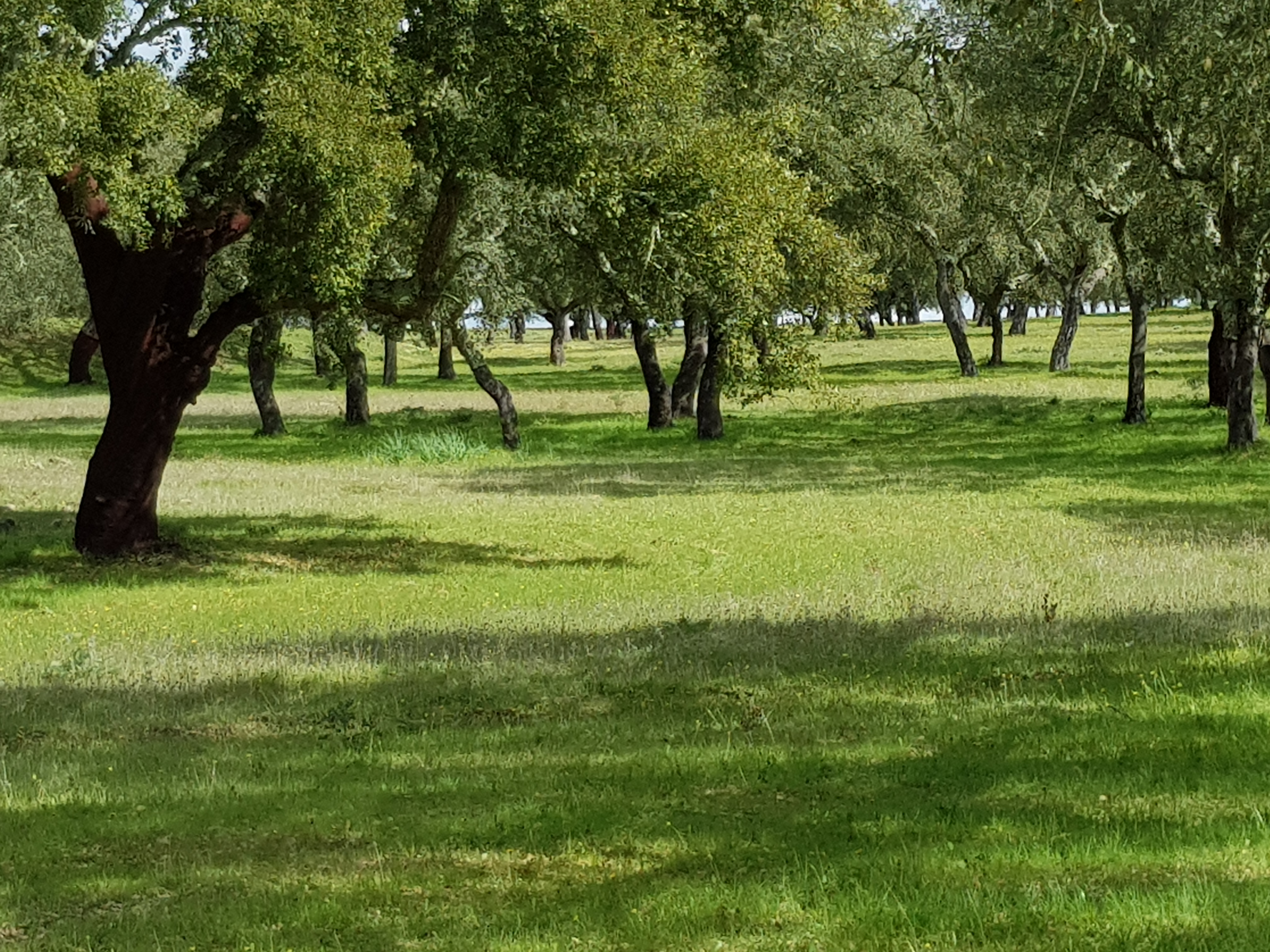
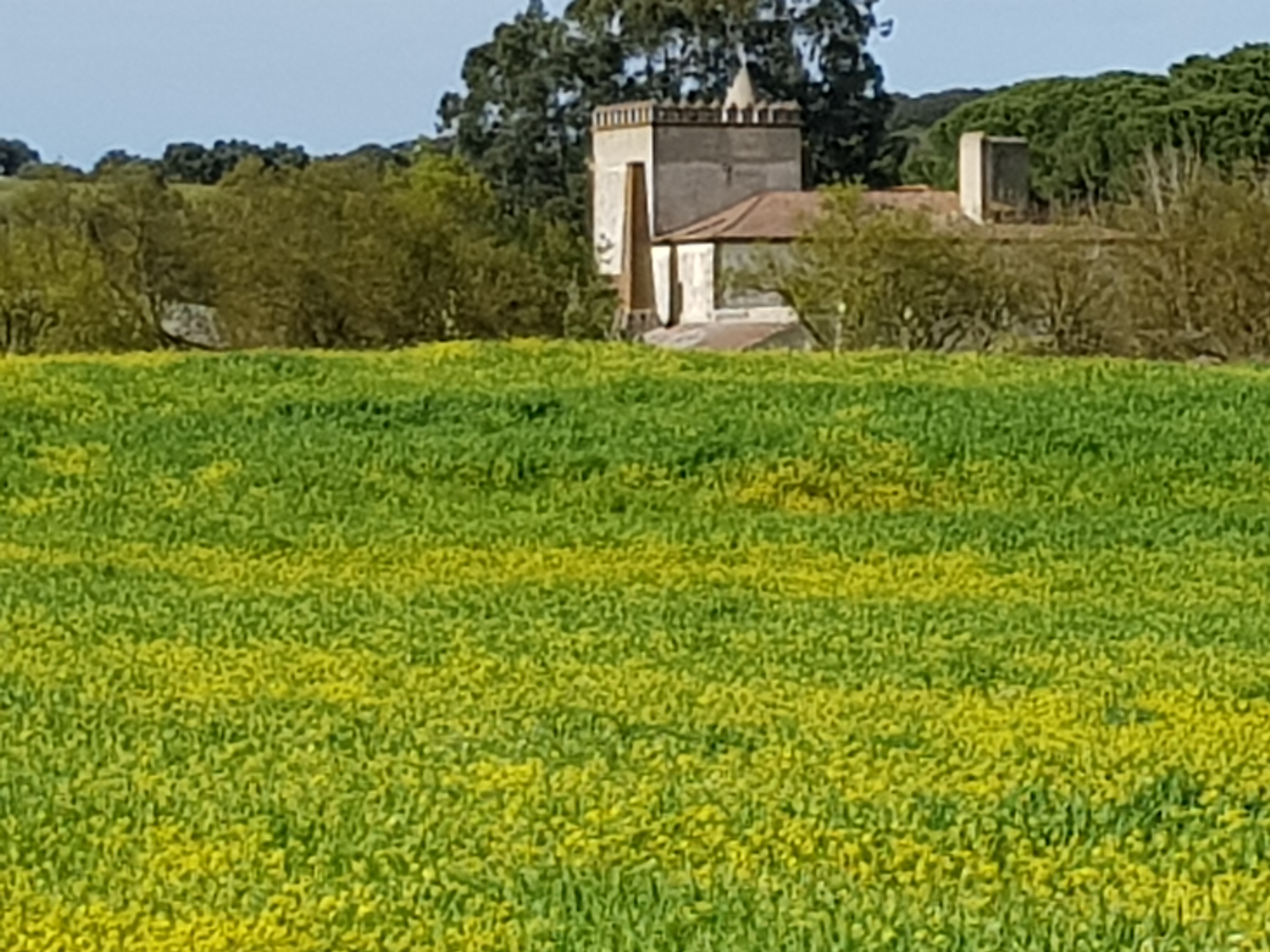
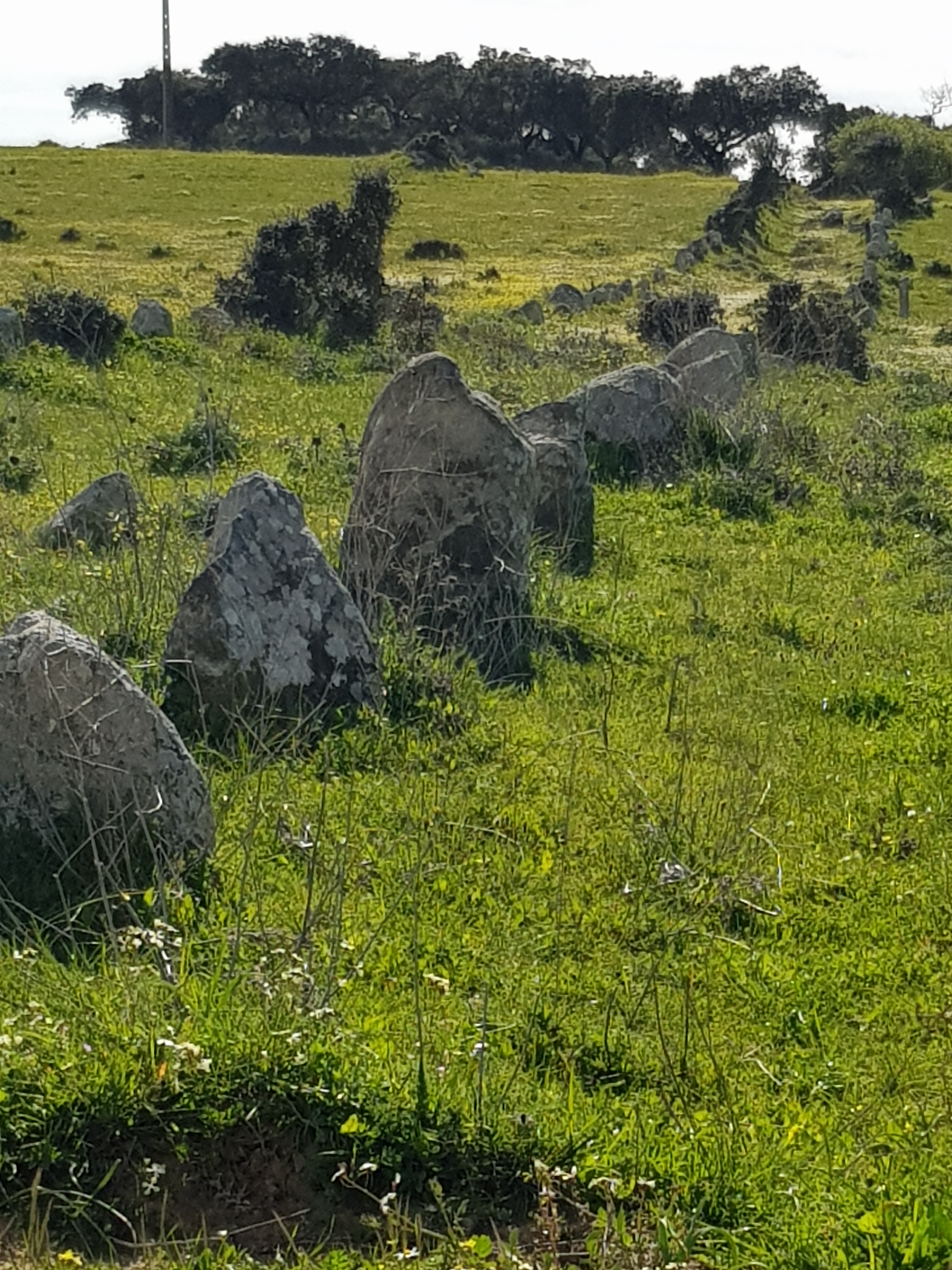
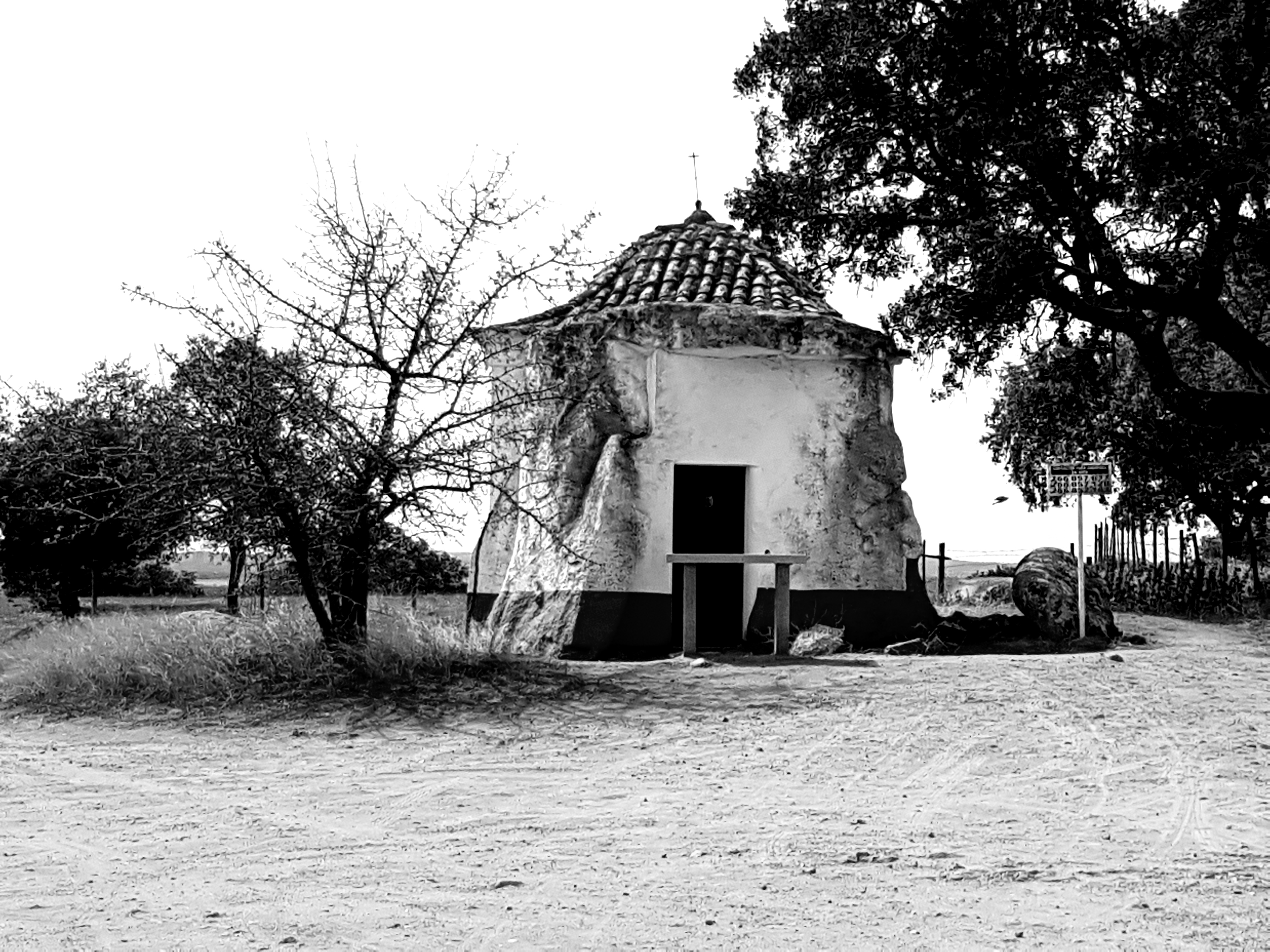
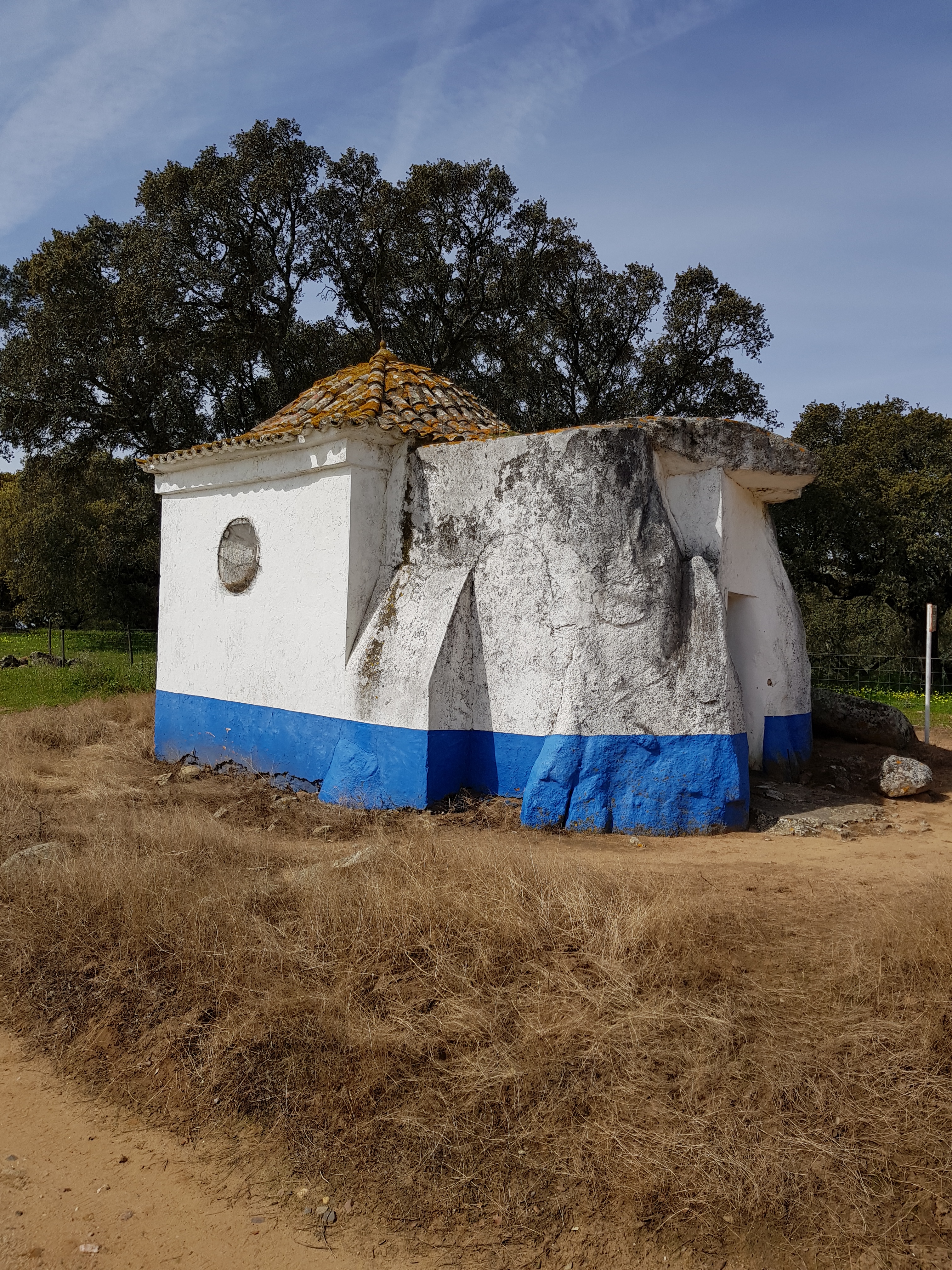
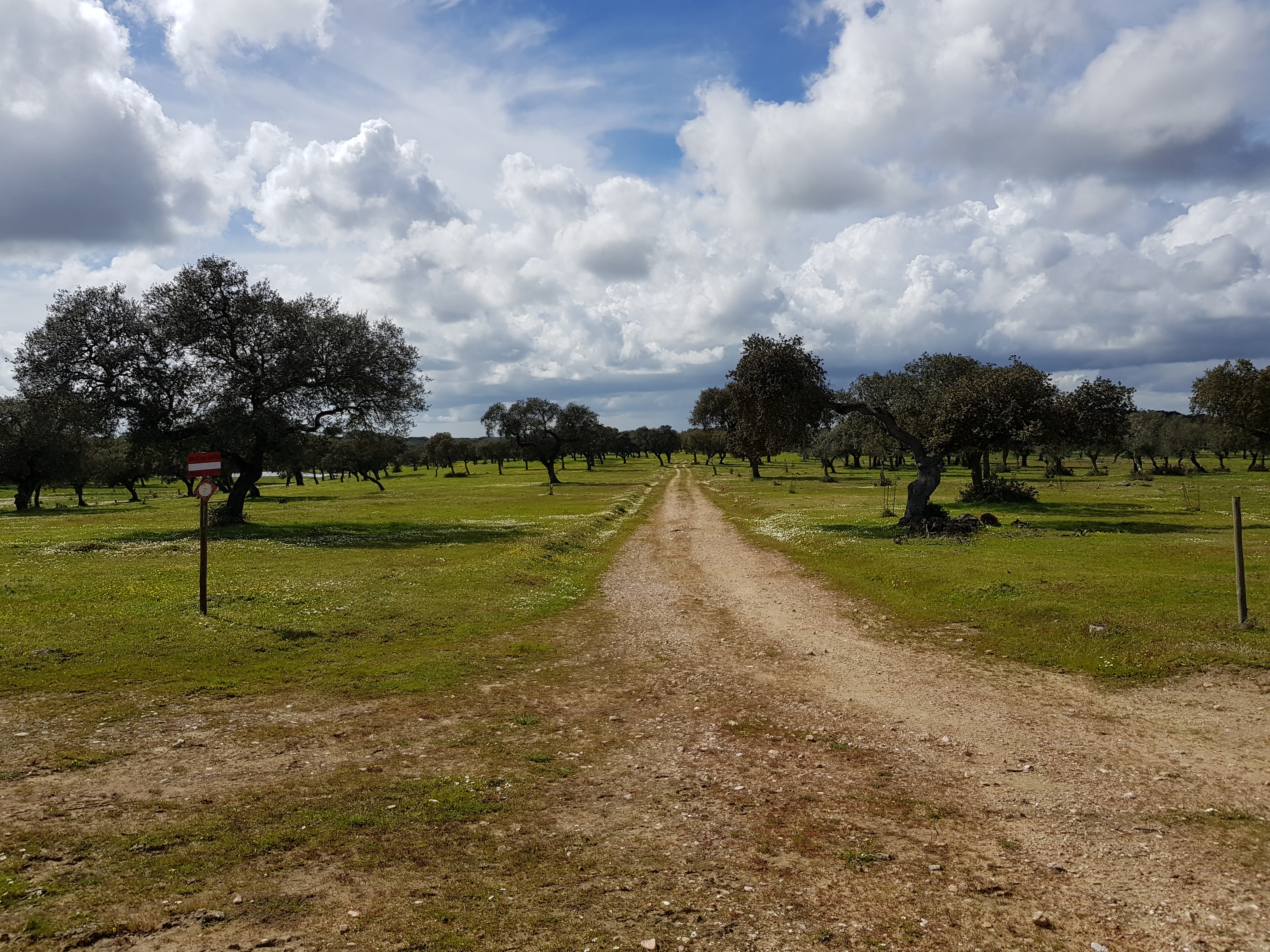
It is hard to convey how unspoilt this part of the Alto Alentejo is:  a large agricultural estate which has been preserved for generations without much change in the basic arboriculture by the Rodrigues family.   I keep remembering a comment by my old English teacher that we have lost the ability to hear silence, which means silence out to the distant horizon without aeroplane, car or machine, more unusual than one might think.   I don’t know if my photographs in any way convey it:-

image

image

image

image

Standard

Catherine of Braganza (1)

Staying in the Alentejo has got me interested in relations between Catherine of Braganza and Charles II, who she married in 1661, leaving the great palace of Vila Viçosa, east of Estremoz, and bringing with her, according to the terms of her marriage treaty, 2 million cruzados (although this was never entirely paid), Tangier and Bombay. She set up court at St. James’s Palace, where a Catholic chapel was made available for her and, rather amazingly, established a convent known as The Friary in 1665 occupied by Portuguese Franciscans. In 1671, she moved her entourage to Somerset House and Charles II seems constantly to have considered the possibility of divorcing her, as many encouraged him to do, as she was both heirless and a Catholic. But he never quite got round to it. She attended him in his final illness, commissioning a bust of him after his death, and falling into ‘a profound depression and melancholy’, before returning to Portugal in 1692, where she was, for a short time before her own death in 1705, Regent.

Standard

Sempre Noiva

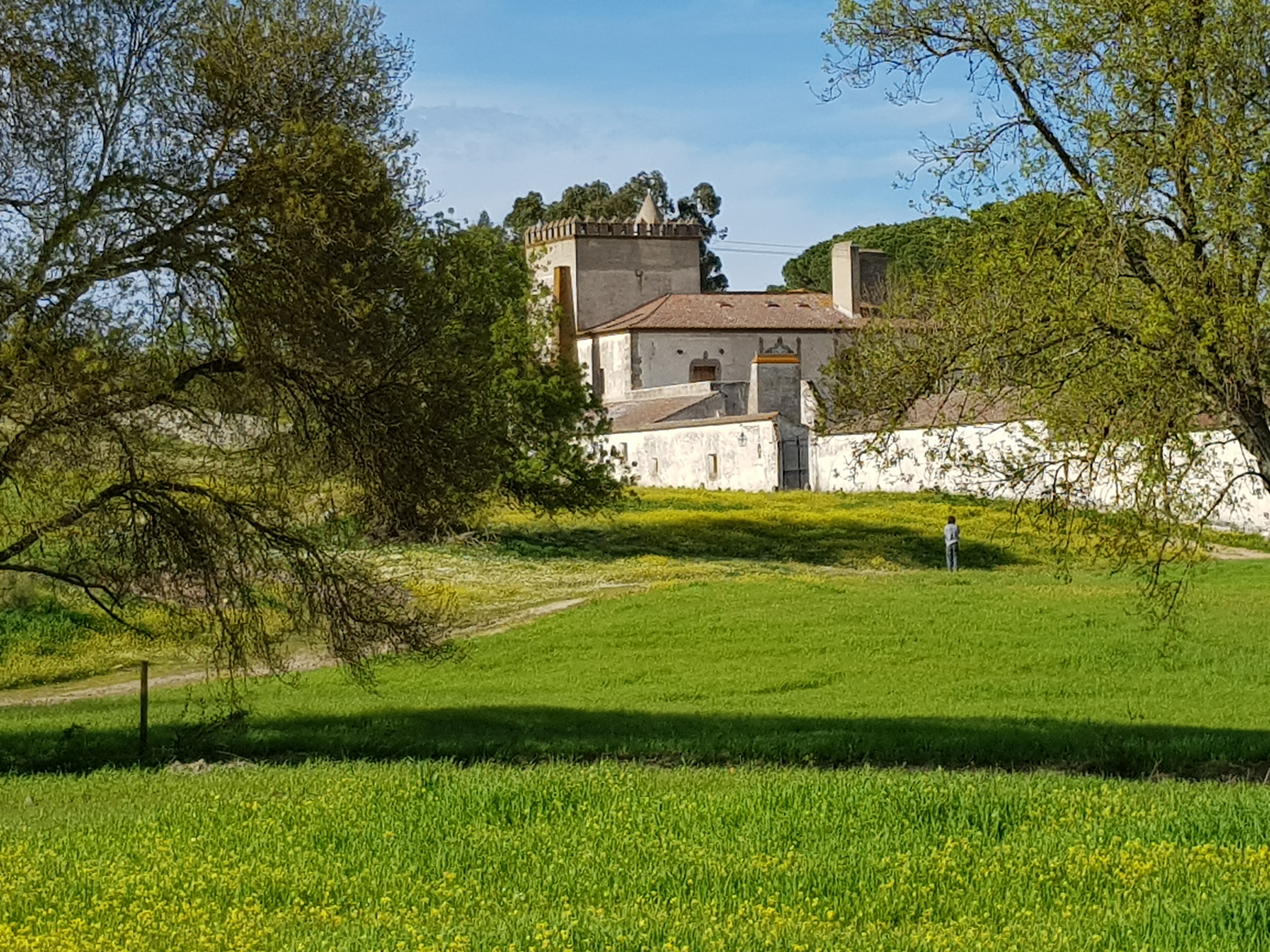
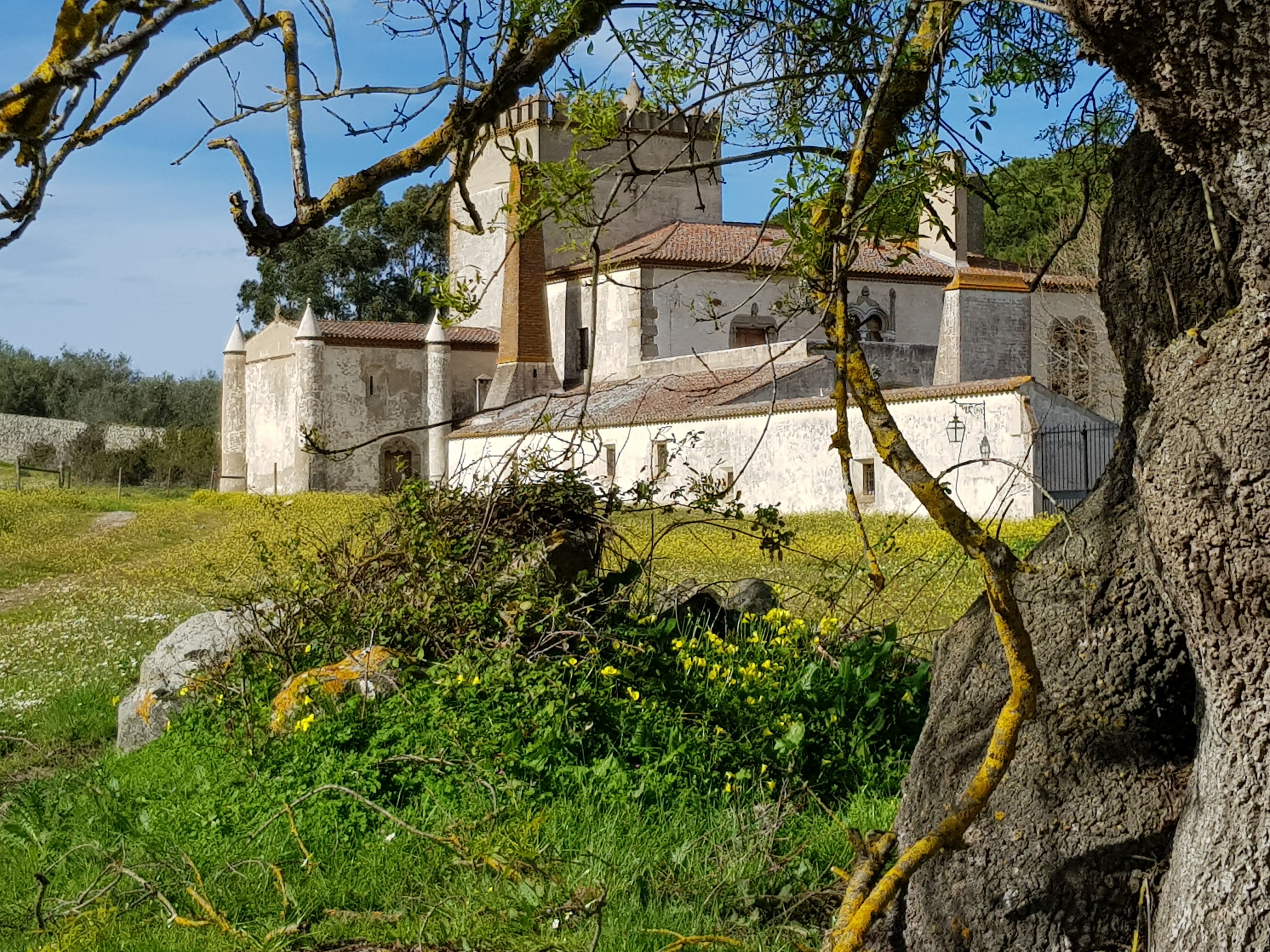
I have discovered that the manor house we visited yesterday – not officially open to the public and at the end of a long track across fields – is called Sempre Noiva (‘forever new’) and is described by José Saramago in his Journey to Portugal as ‘a fine work of architecture, were it not so over-decorated with inauthentic decorations.   Despite all this, the building itself, dating from around 1500, sustains a sense of proportion resulting from the application of the golden mean to its central structure, a name the gilded youth who flocked there richly merited’:-

image

Standard

Nossa Senhora da Graça do Divor

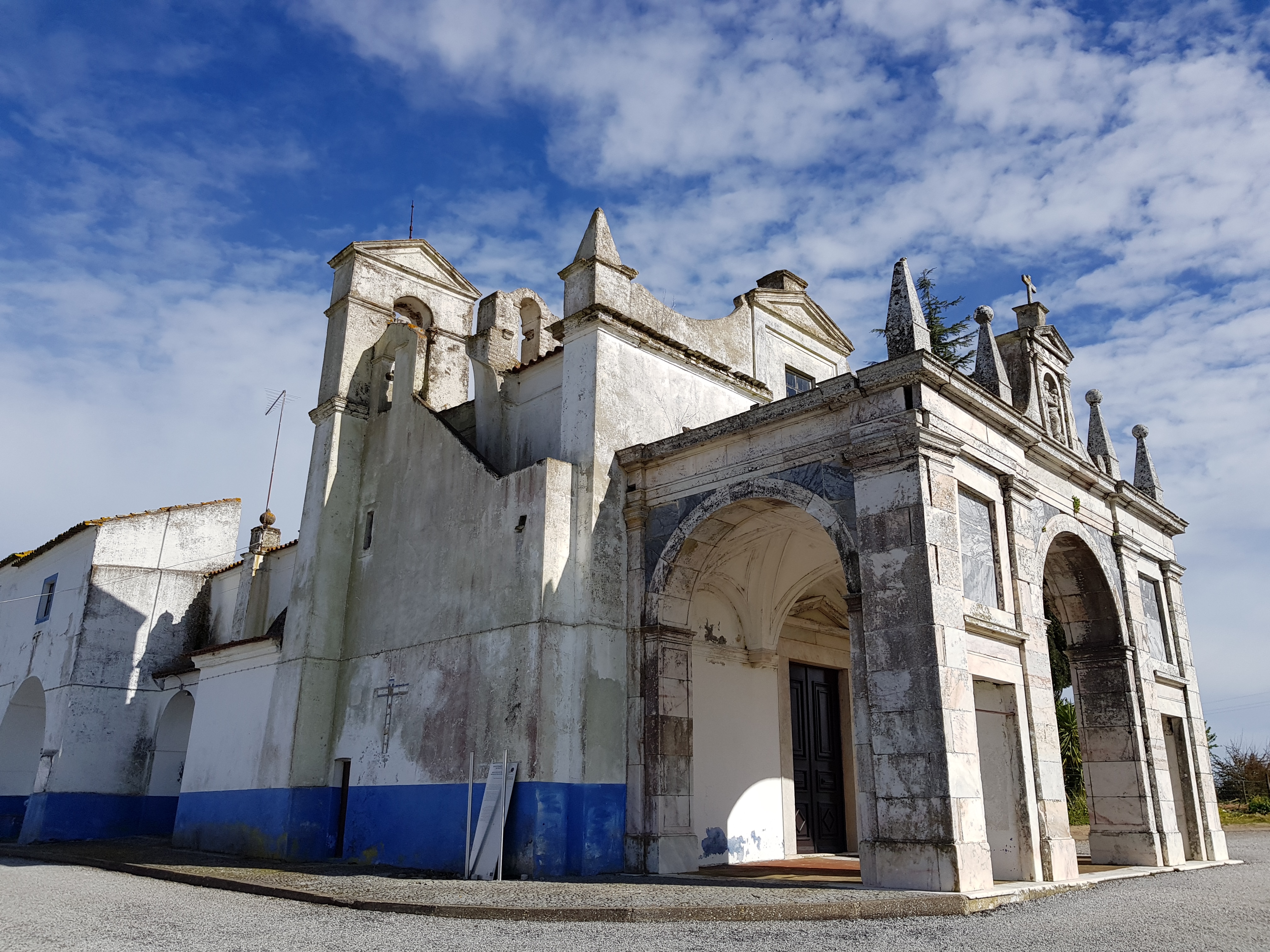
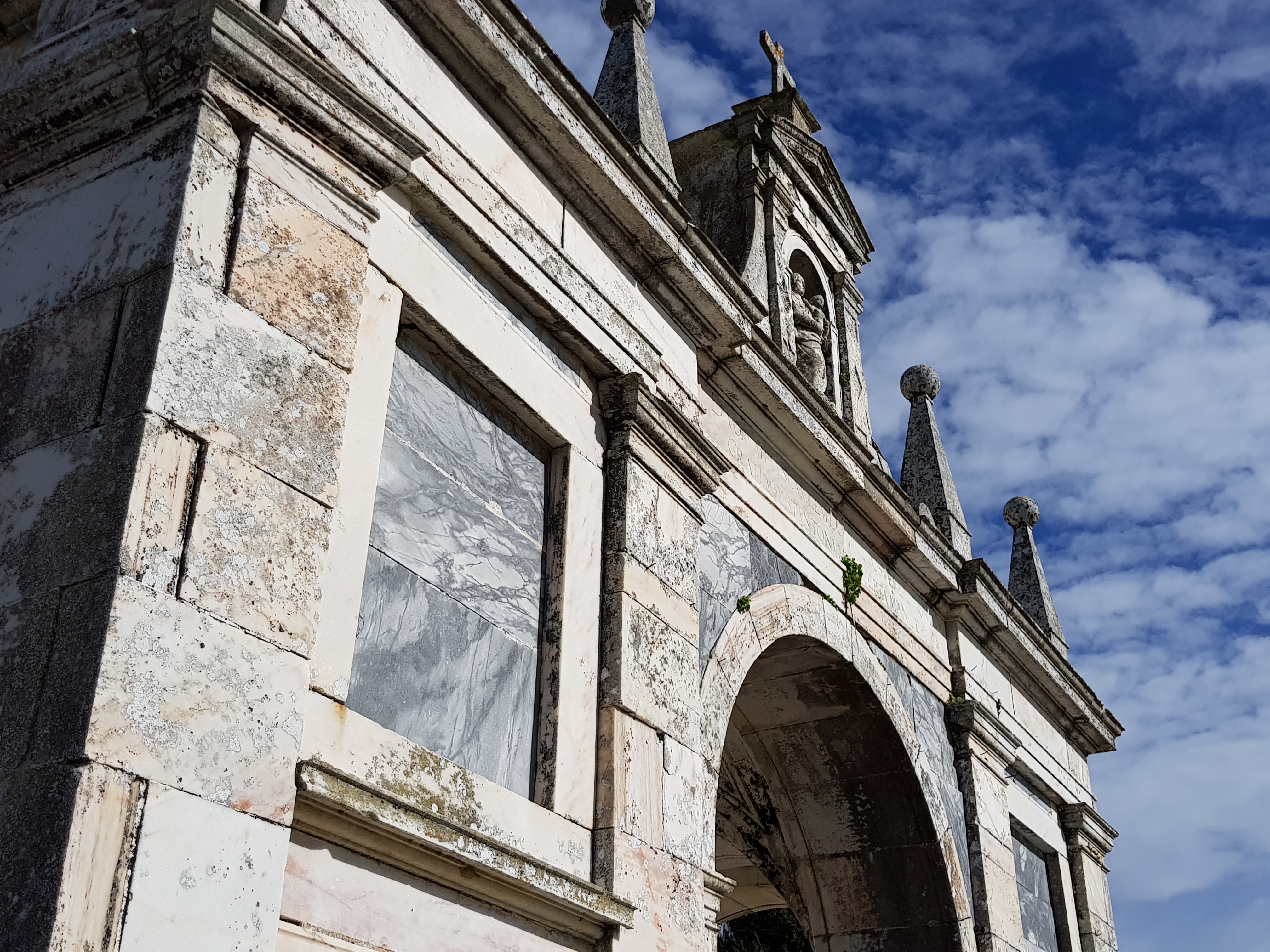
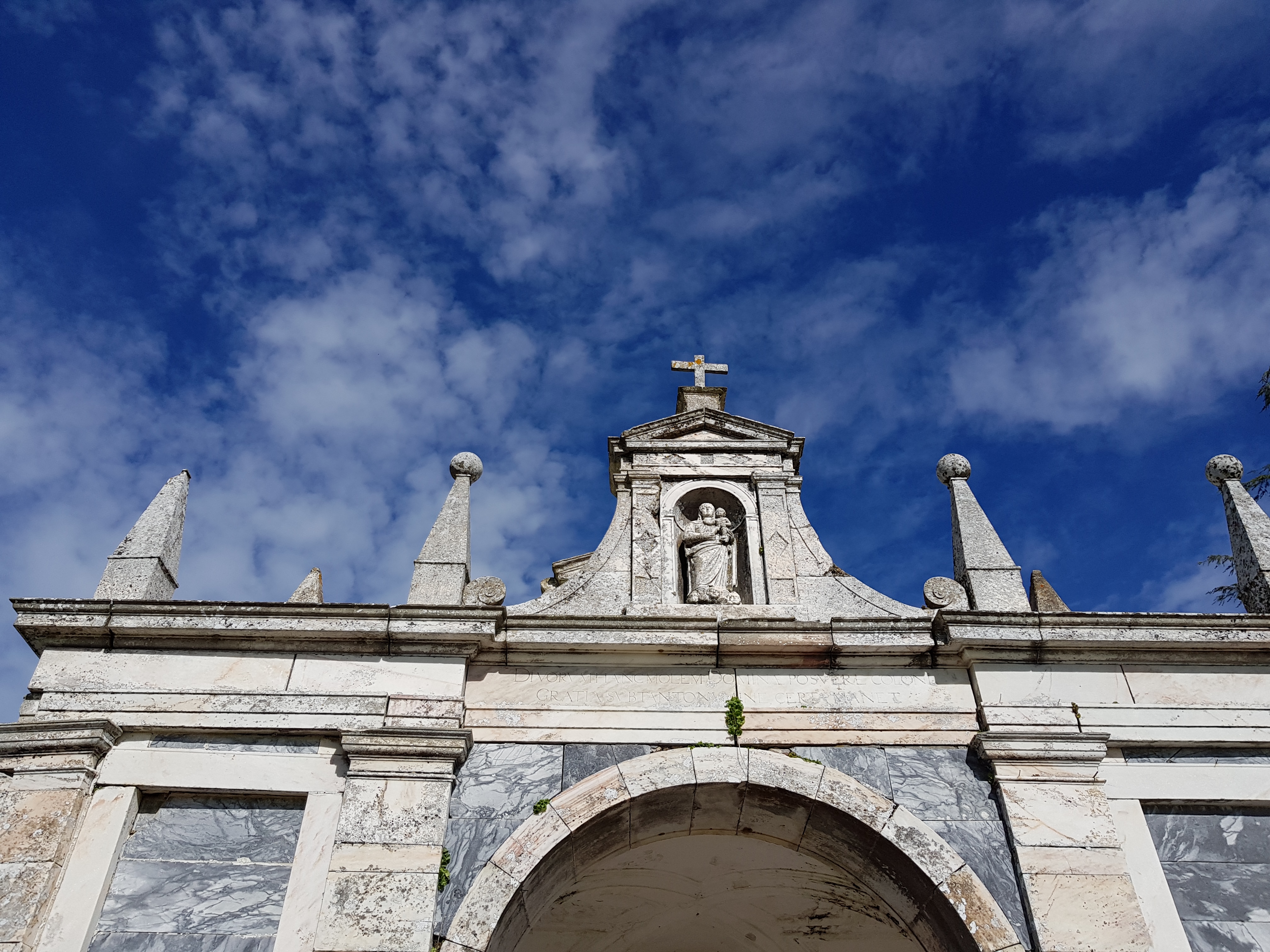
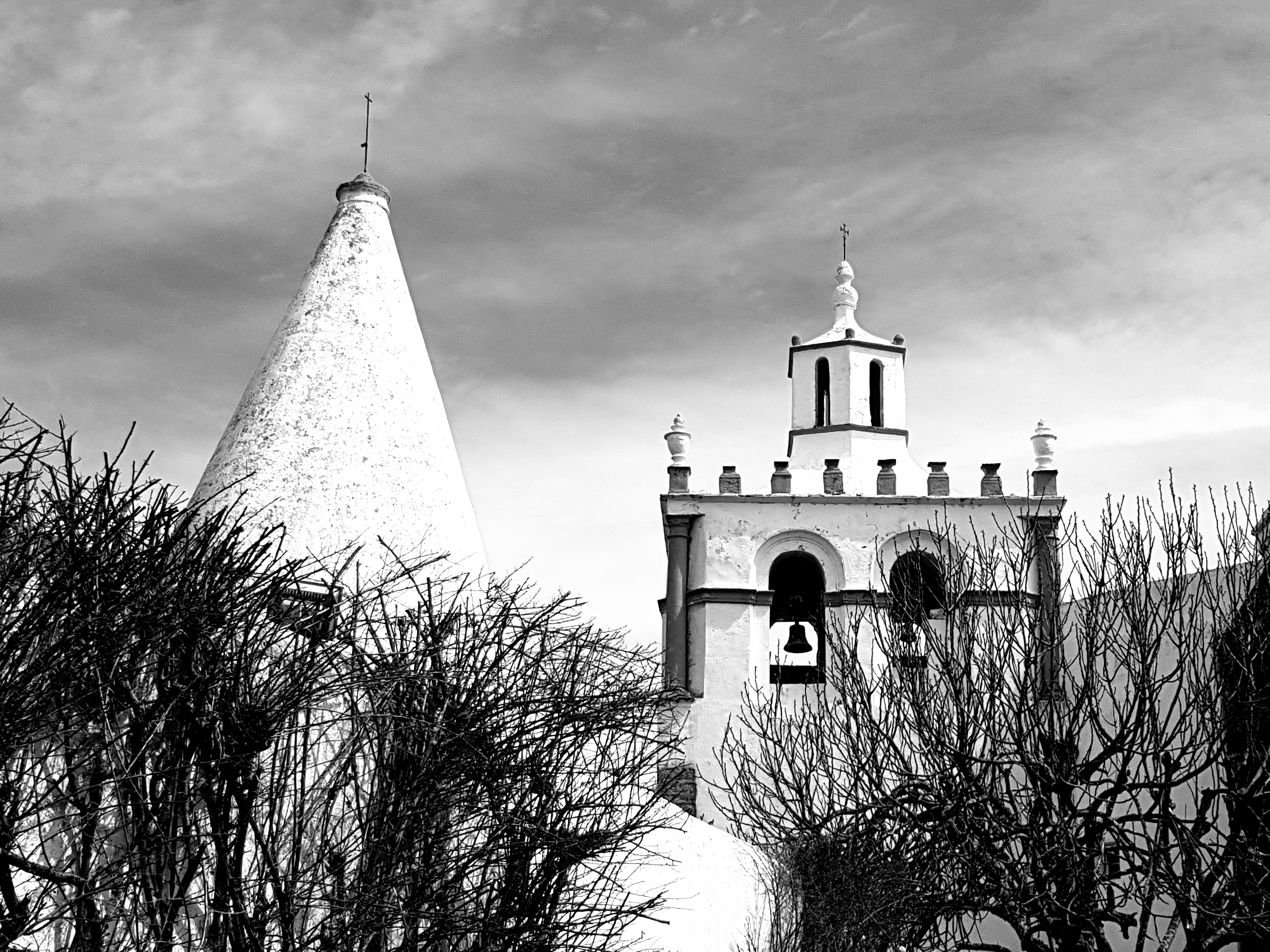
On the way back we stopped off at Nossa Senhora da Graça do Divor, a small village just off the main road to Arraiolos, with a sixteenth-century church:-

image

image

image

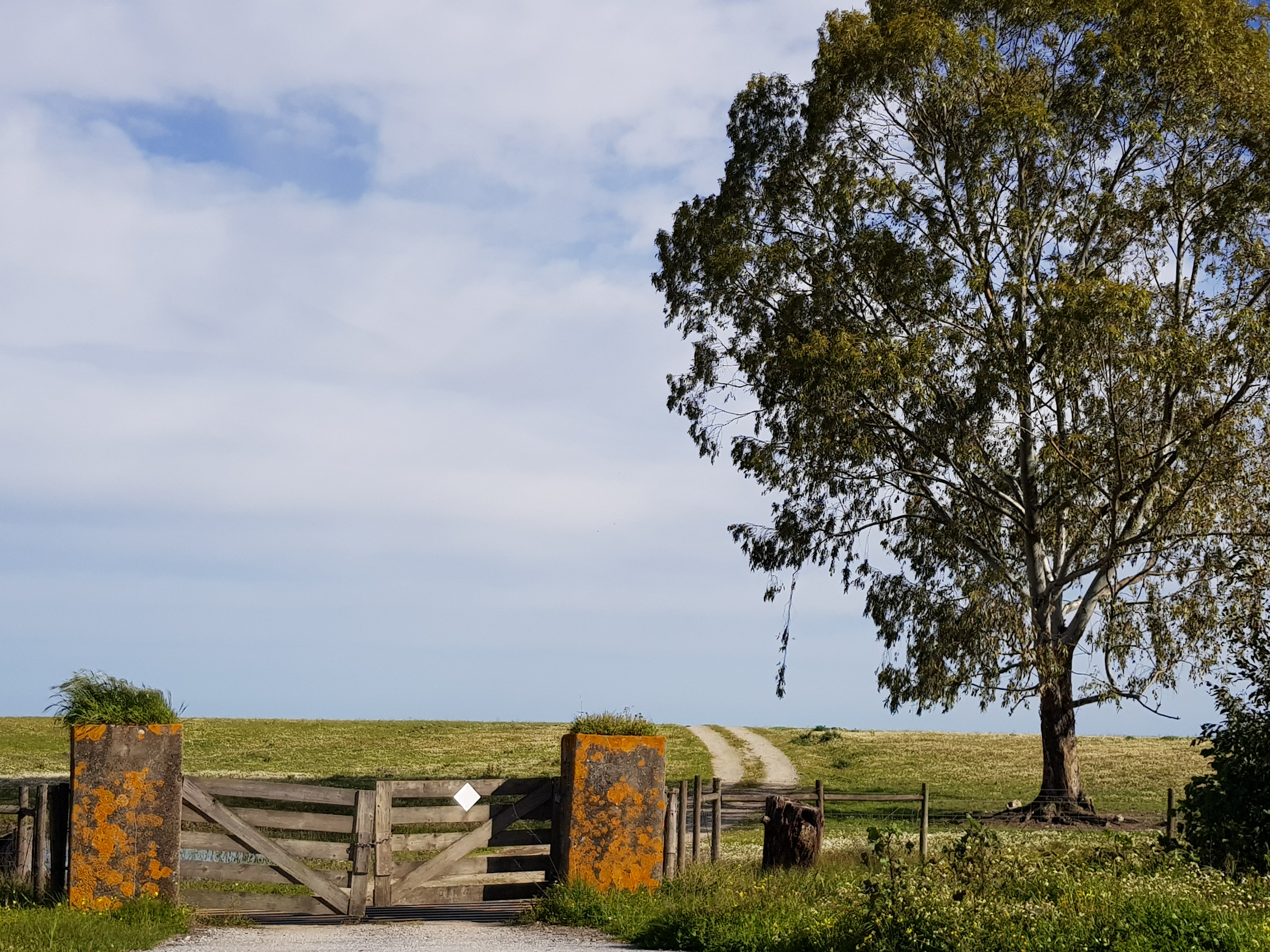
We stopped to photograph a lichen-covered gate:-

image

And a track flanked by stones:-

image

Before turning off down a mud track in search of a fourteenth-century manor house in the middle of fields:-

image

image

Standard

Évora

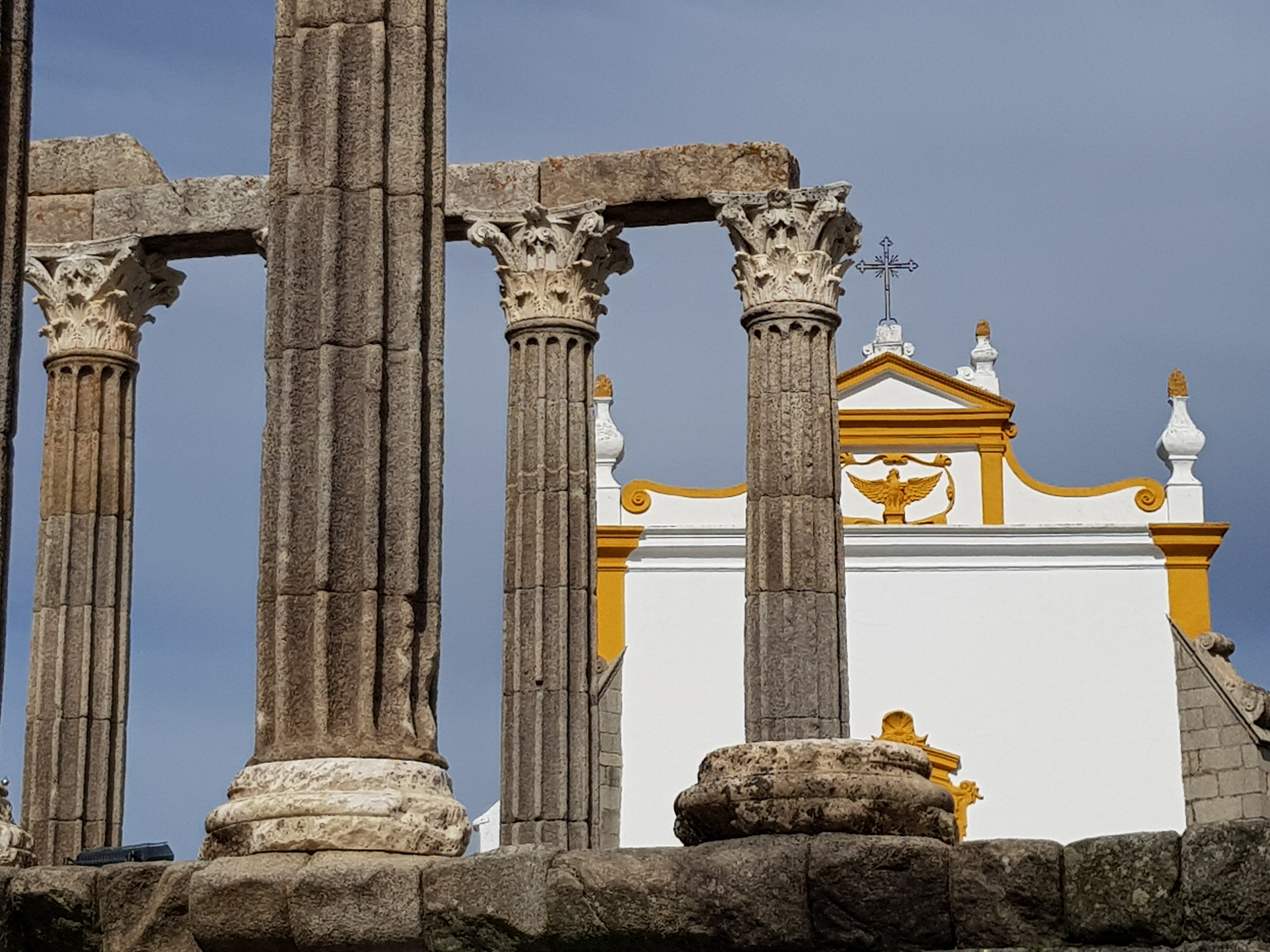
We were en route for Évora, the dusty, blue-and-white relic of Portugal’s sixteenth-century court, with its well-preserved, but largely reconstructed Roman temple:-

image

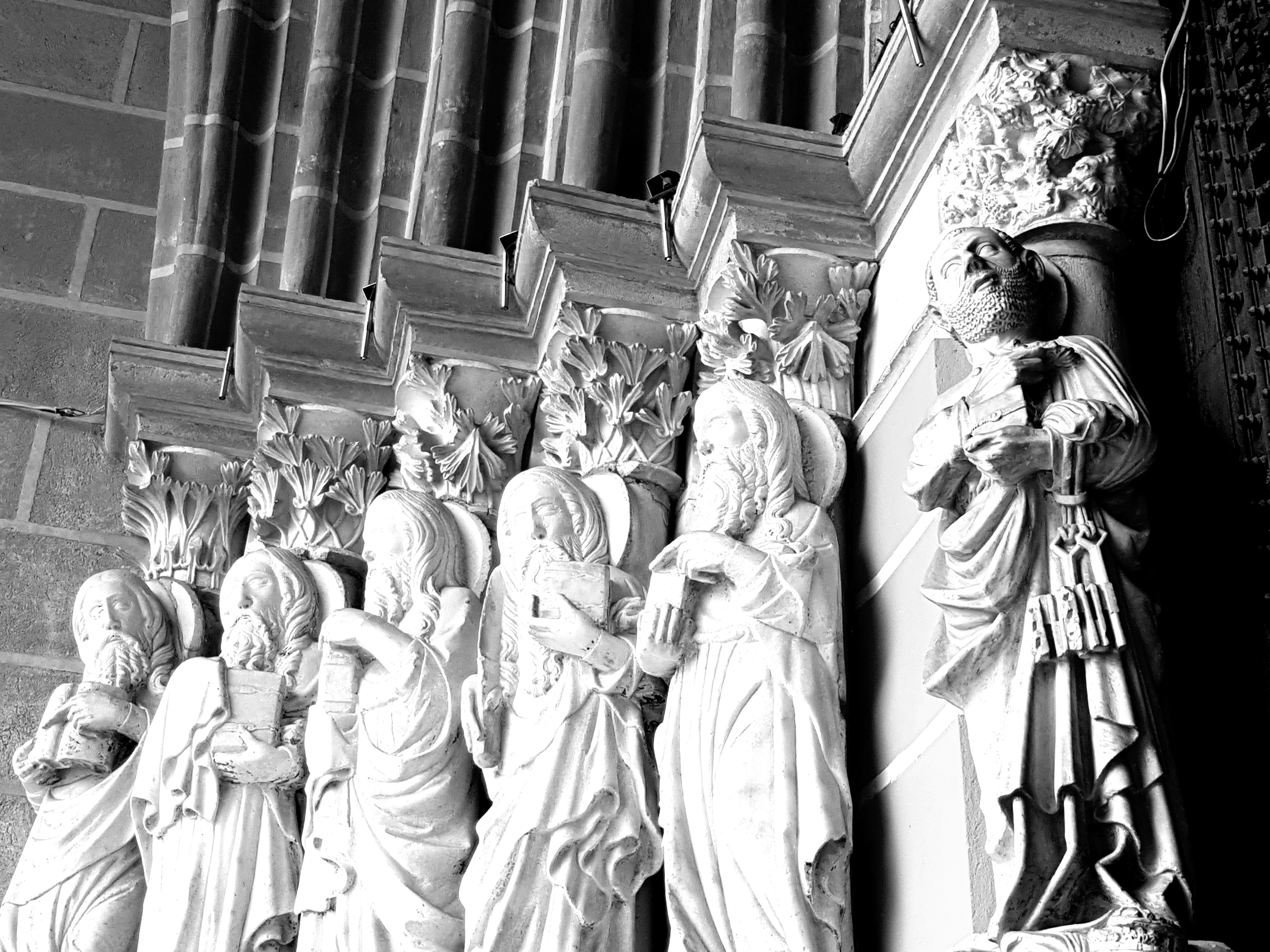
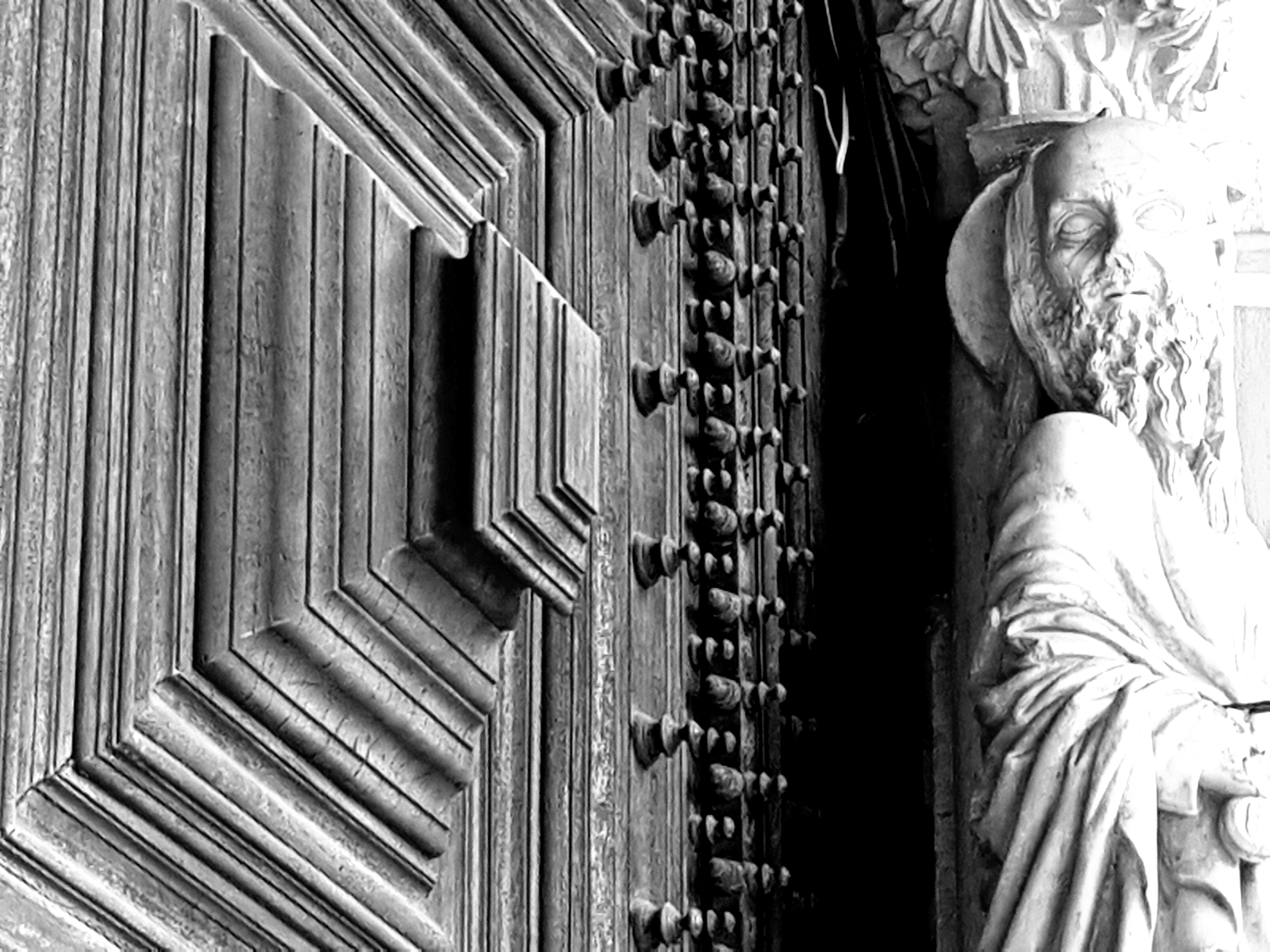
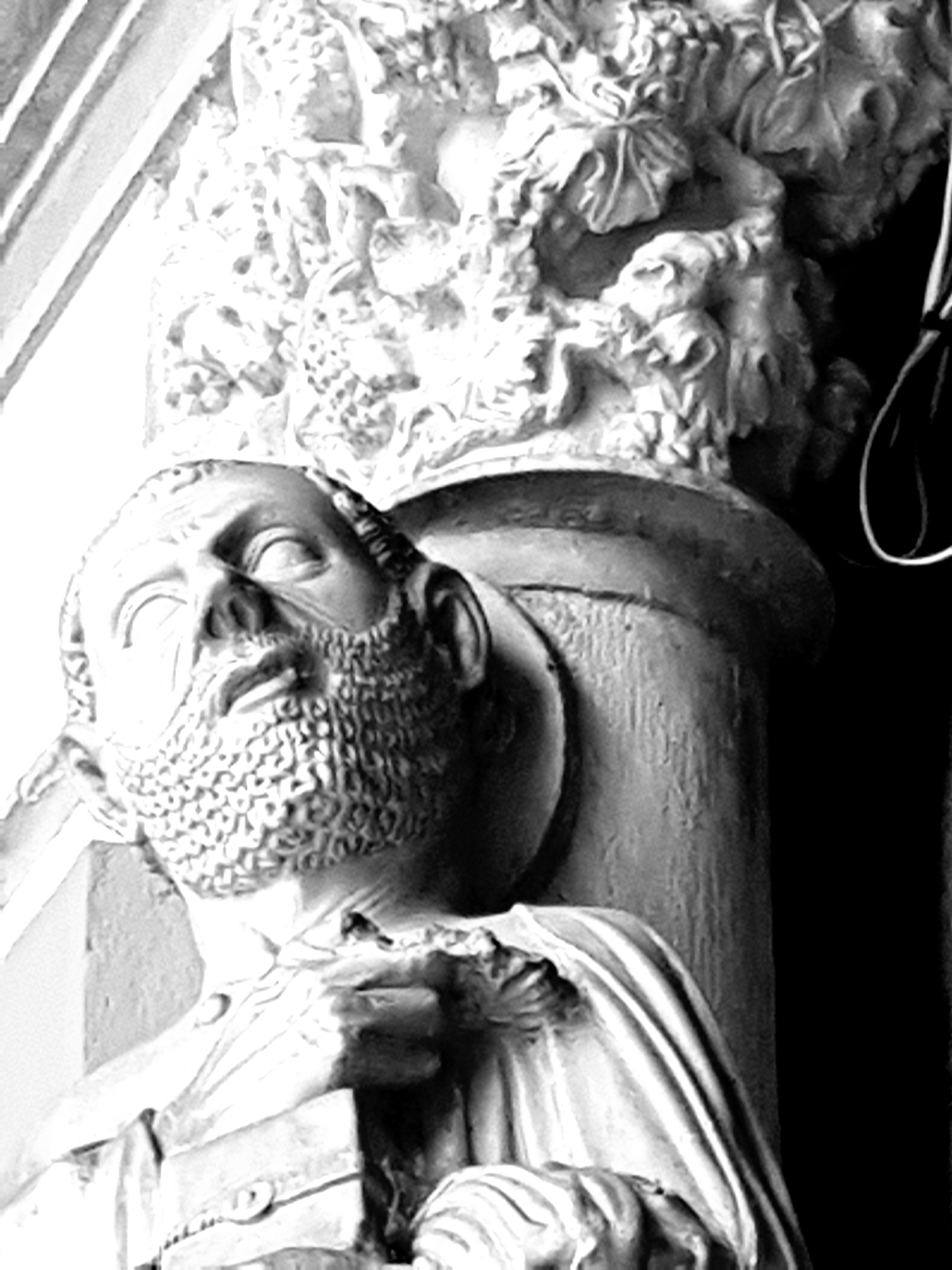
The cathedral has fine carved apostles on either side of the late Gothic portico:-

image

image

image

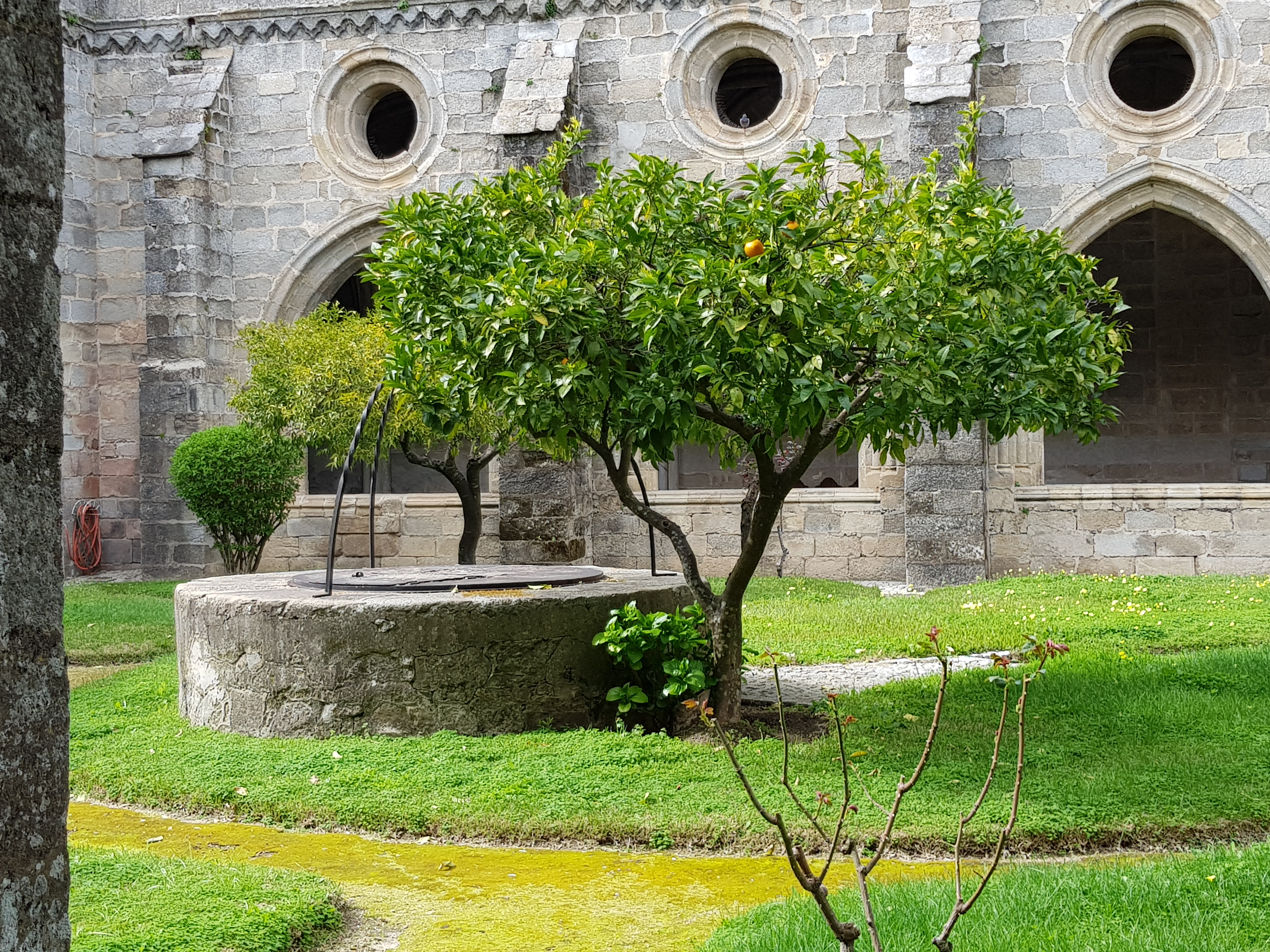
A good cloister:-

image

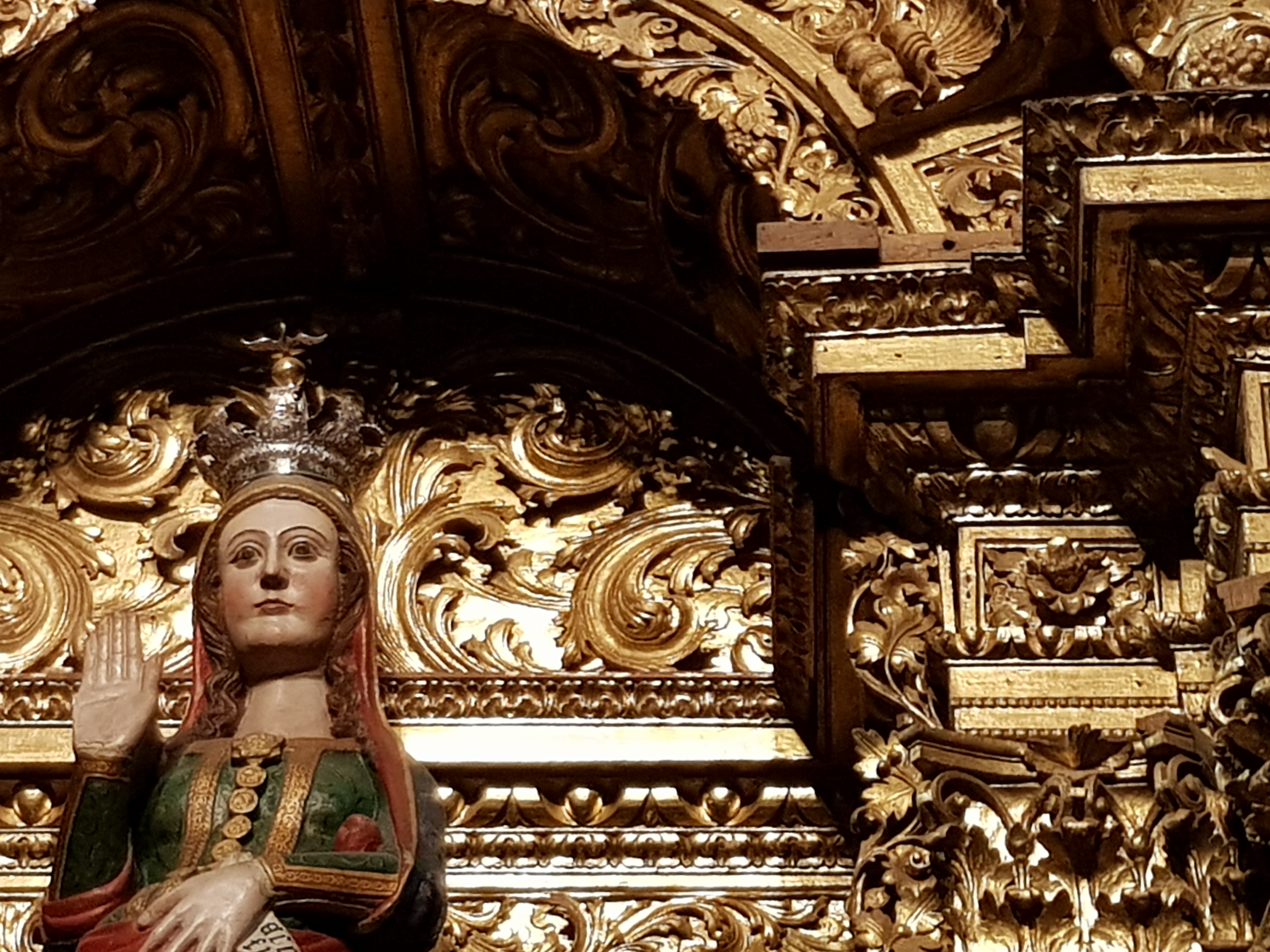
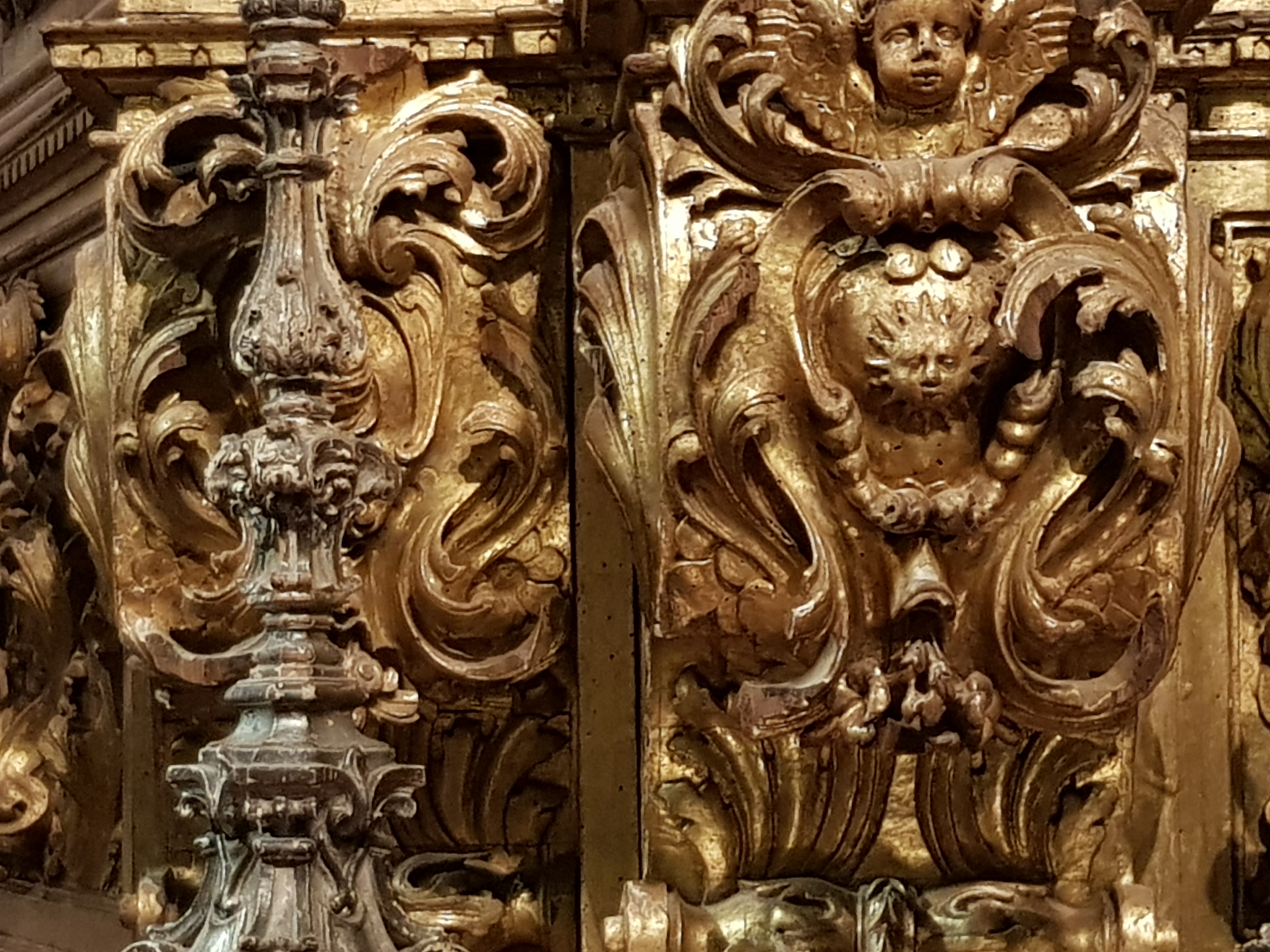
And a very elaborately decorated shrine to the Madonna in the nave:-

image

image

Nearby is the Convento de Lóios, now a pousada:-

image

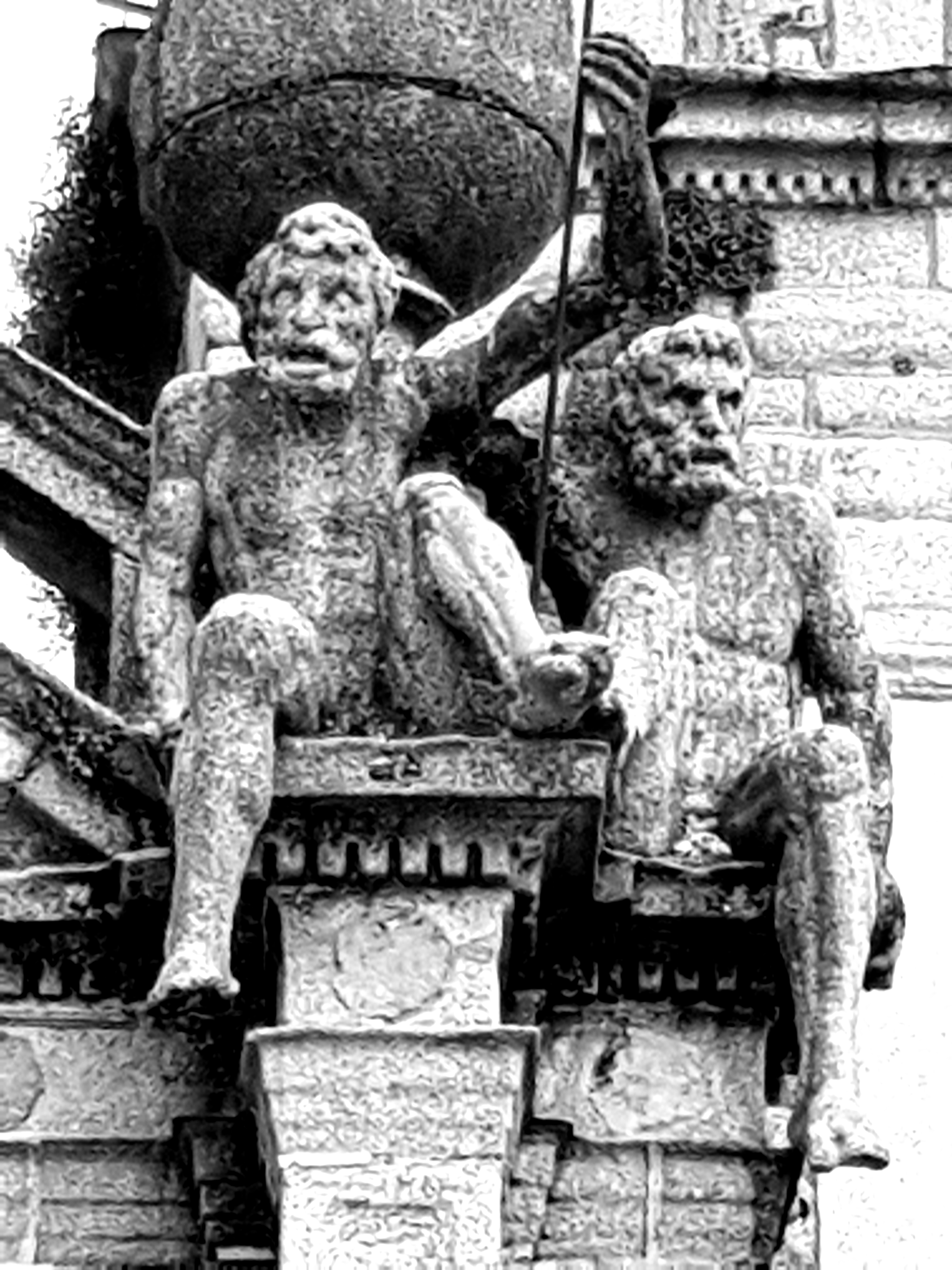
But what we liked best were the strange, oversize, carved Continents perched on the façade of the Convento da Graça:-

image

Standard

Anta de São Brisos

Our first stop was a minuscule seventeenth-century chapel known as the Ante-capela de Nossa Senhora do Livramento on a dirt track off a minor road south of Montemor-o-Novo. It was constructed in such a way as to incorporate a prehistoric dolmen in its structure, as the Catholic church was keen to accommodate surviving monuments of ancient religions:-

image

image

image

Standard