
Menai Bridge has lost all its banks, but kept its wonderful hardware shop, Evans Bros., and acquired a picturesque antique shop, Hawthorn Yard, which had the spoons we needed:-


Menai Bridge has lost all its banks, but kept its wonderful hardware shop, Evans Bros., and acquired a picturesque antique shop, Hawthorn Yard, which had the spoons we needed:-
I have been reading The Great Level, Stella Tillyard’s recently published novel mainly about Jan Brunt, a Dutchman who is employed as an engineer to undertake the draining of the Fens in the early 1650s: a book which totally inhabits the physical and mental universe of the seventeenth century and the period of the early Commonwealth – its industry, its uprightness, its sense of its own rectitude, and above all, its language, infused at every level with the language of the bible, as the new order conquers the old, more heathen peoples of the Fens, living close to the water. It is a great feat of imaginative inhabitation of someone else’s world, about attitudes to nature and ownership, ending with a poetic description of life in a plantation by the James River in the New World.
We were fascinated by a picture of The Penrhyn Slate Quarry, the source of George Dawkins-Pennant’s great wealth, painted by Henry Hawkins (otherwise unknown) in 1832, the year of The Great Reform Bill, which Dawkins-Pennant opposed. It’s like a John Martin, but real:-
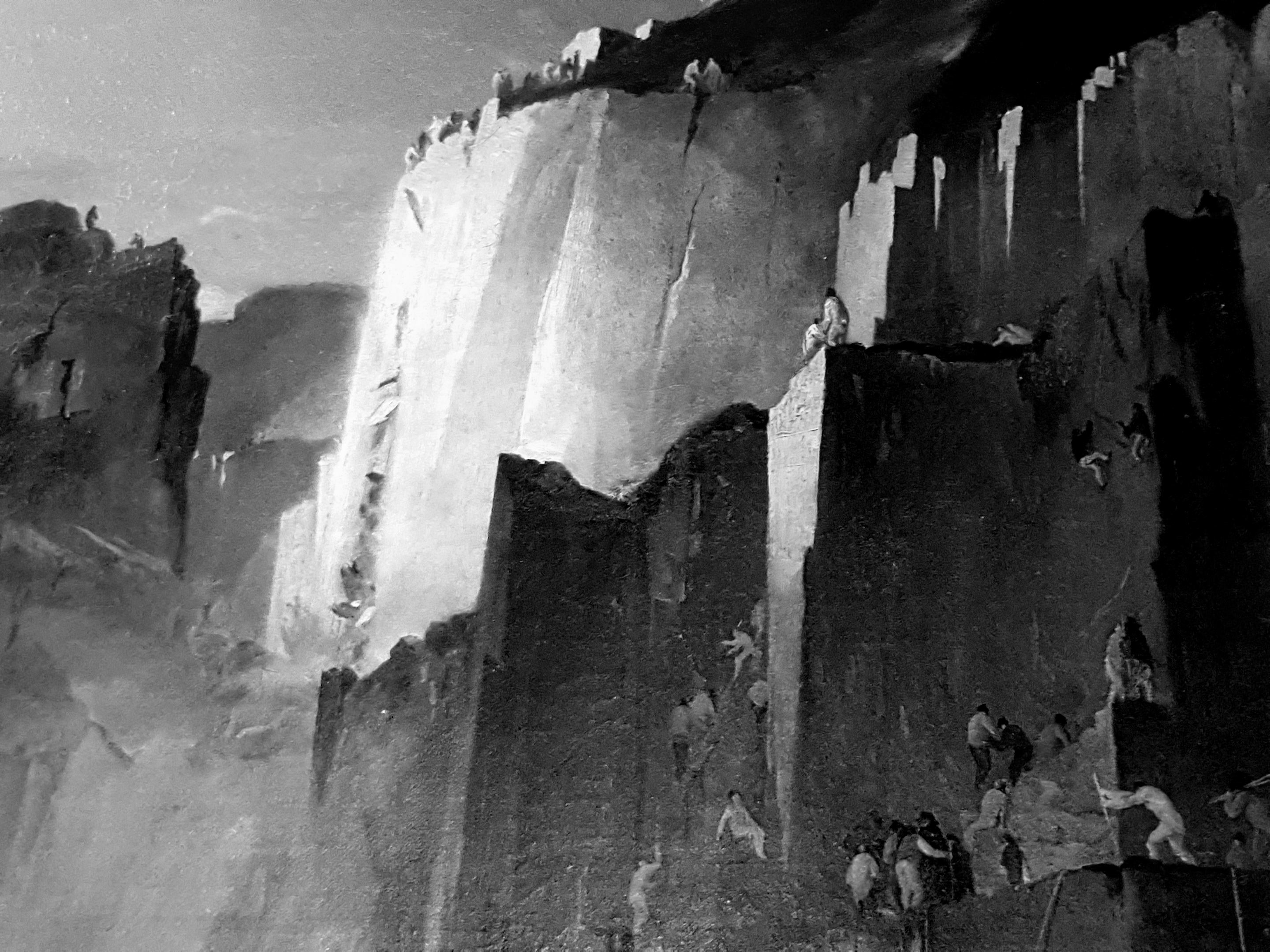

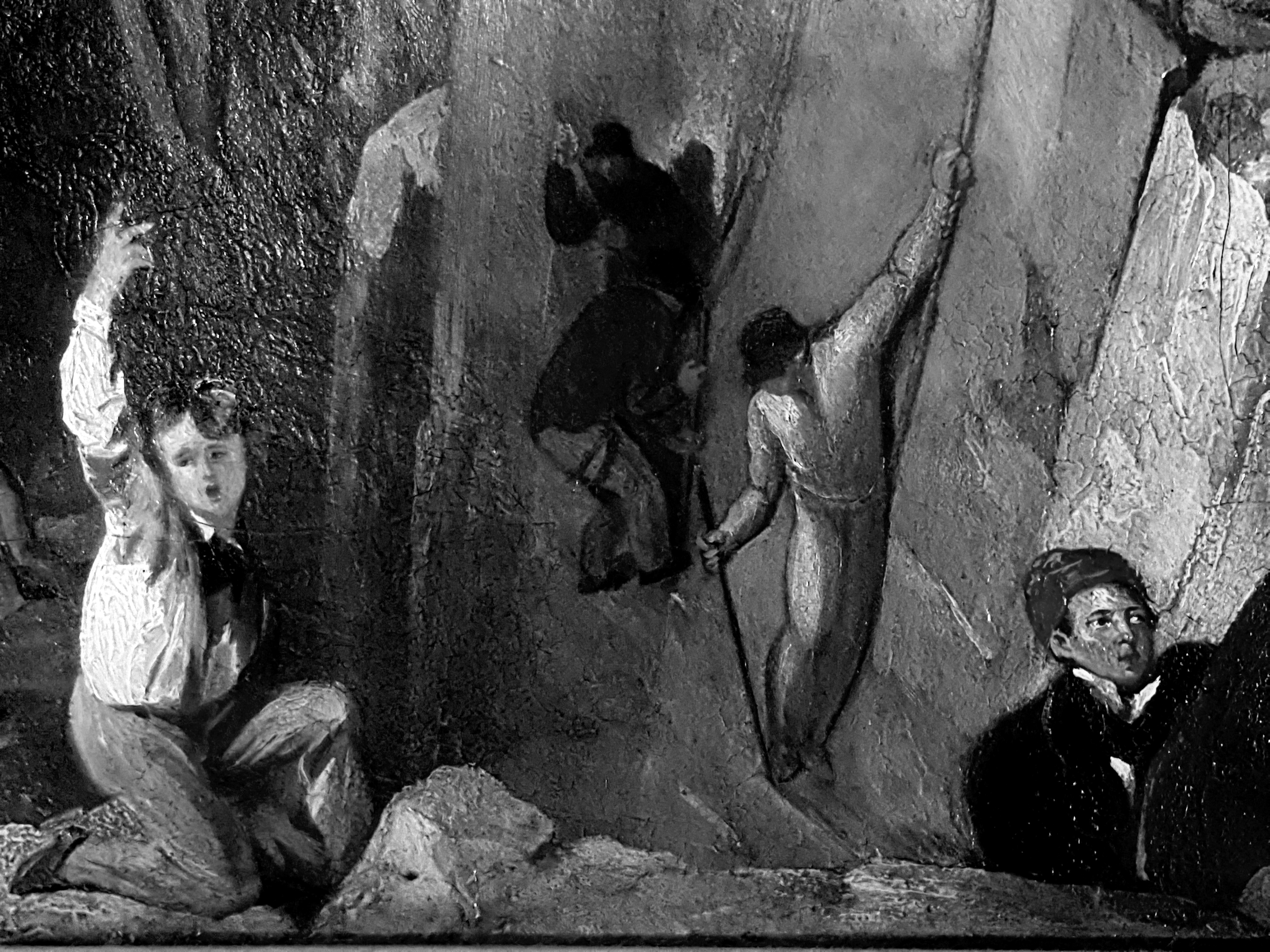
The wet weather drove us to Penrhyn Castle, the neo-Norman pile designed by Thomas Hopper, a hard-working and eclectic Regency designer in whatever style was suitable for a particular commission and who on this occasion based his design on a mix of Castle Hedingham and Rochester Castle. His client was George Hay Dawkins-Pennant, who had inherited a fortune made from sugar and slate from his father’s cousin, Lord Penrhyn.
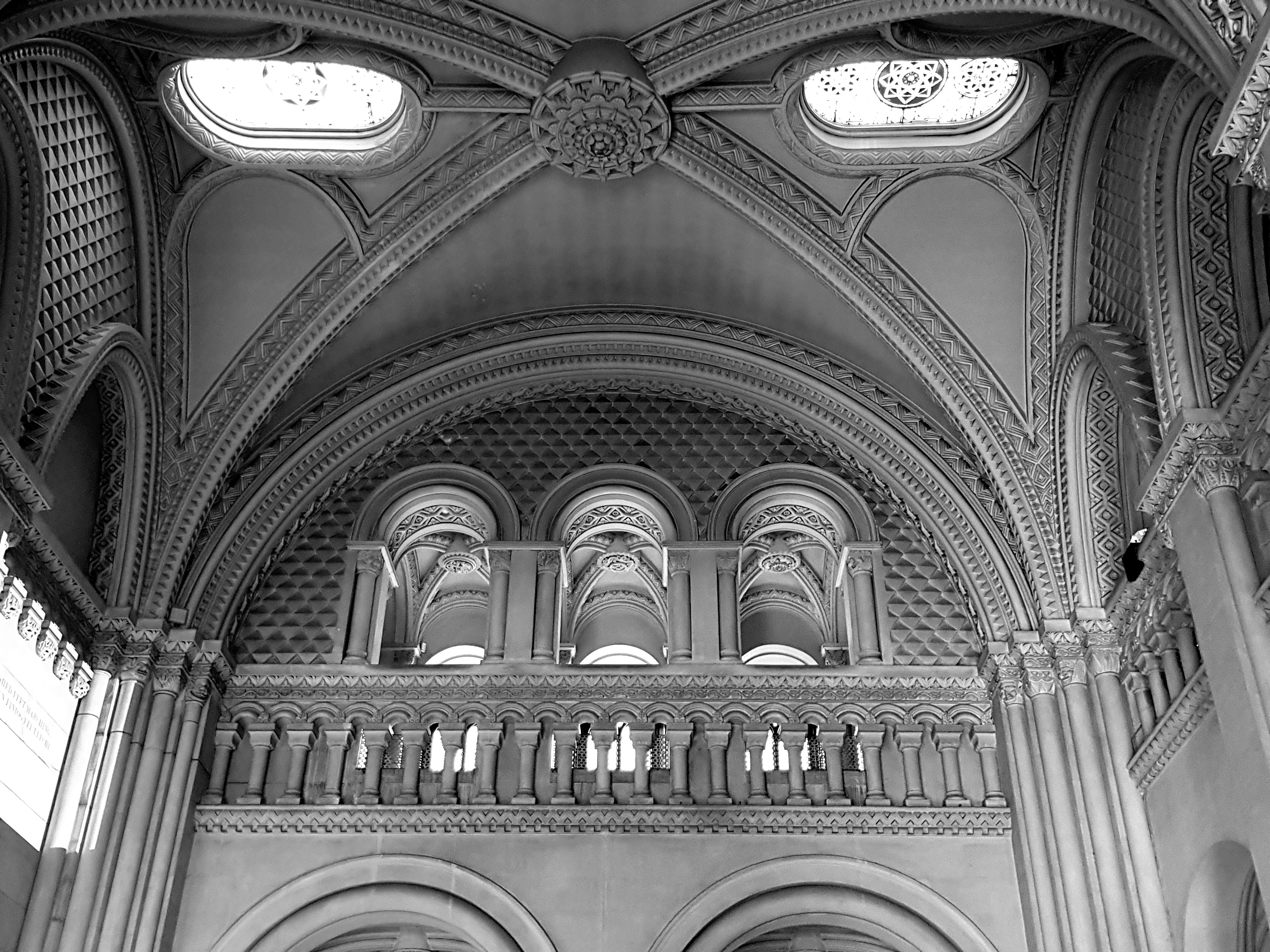
The interior ornament and carving is undeniably impressive. This is the Grand Hall:-
Hopper’s oak chairs:-
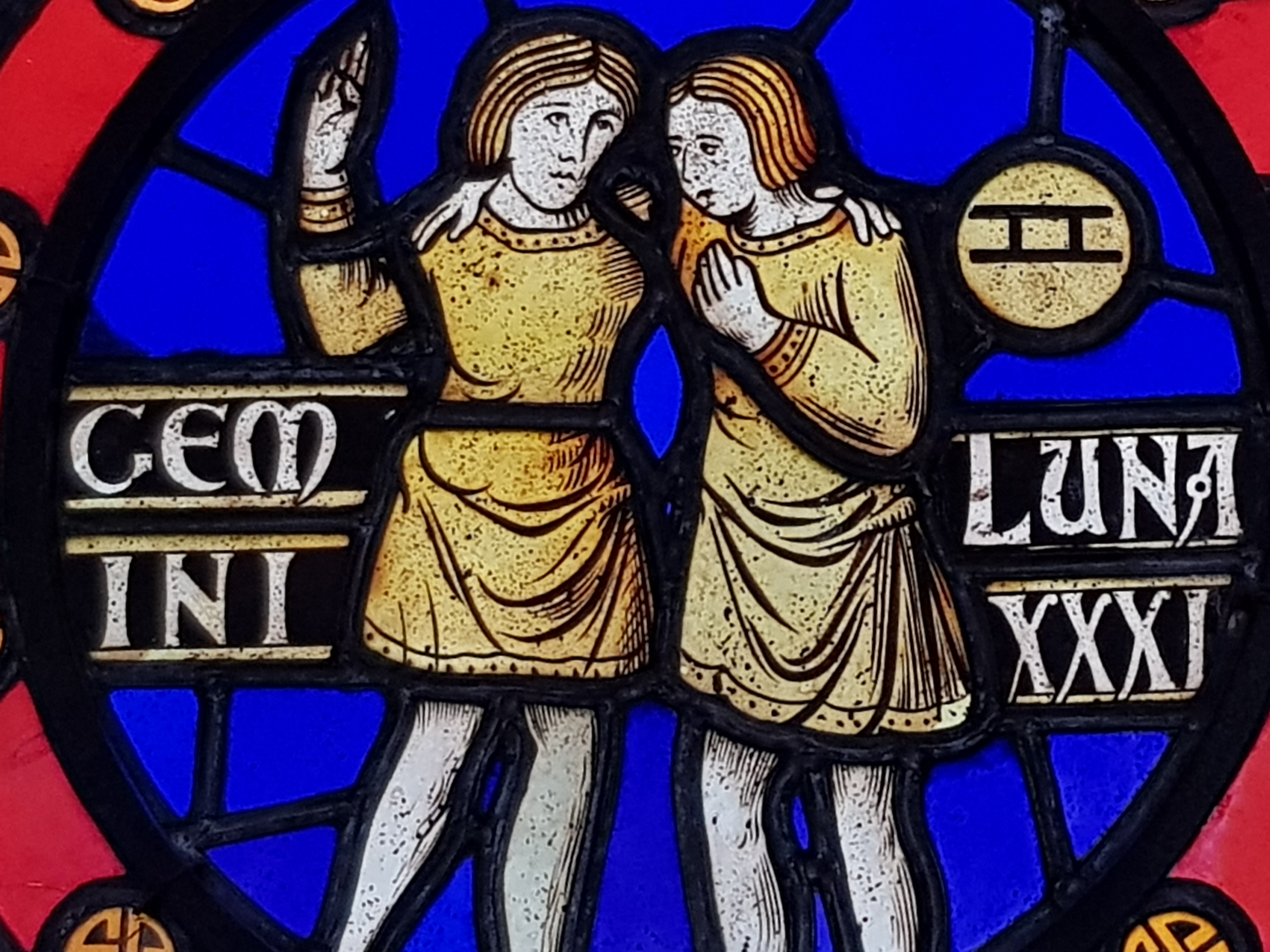
And the stained glass windows:-

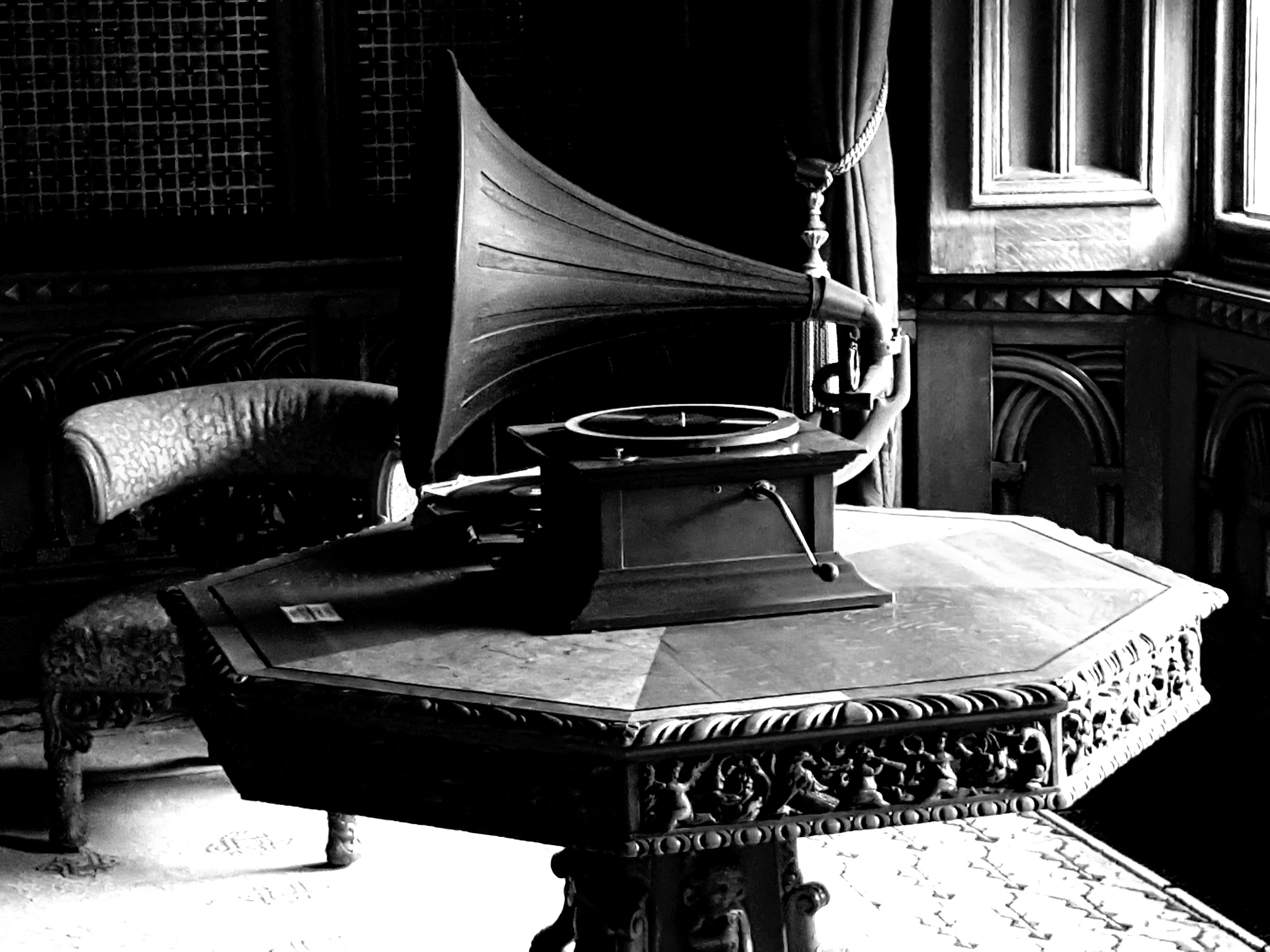
Next door, the library is equally impressive, with its elaborate carved chairs and slate gramophone:-
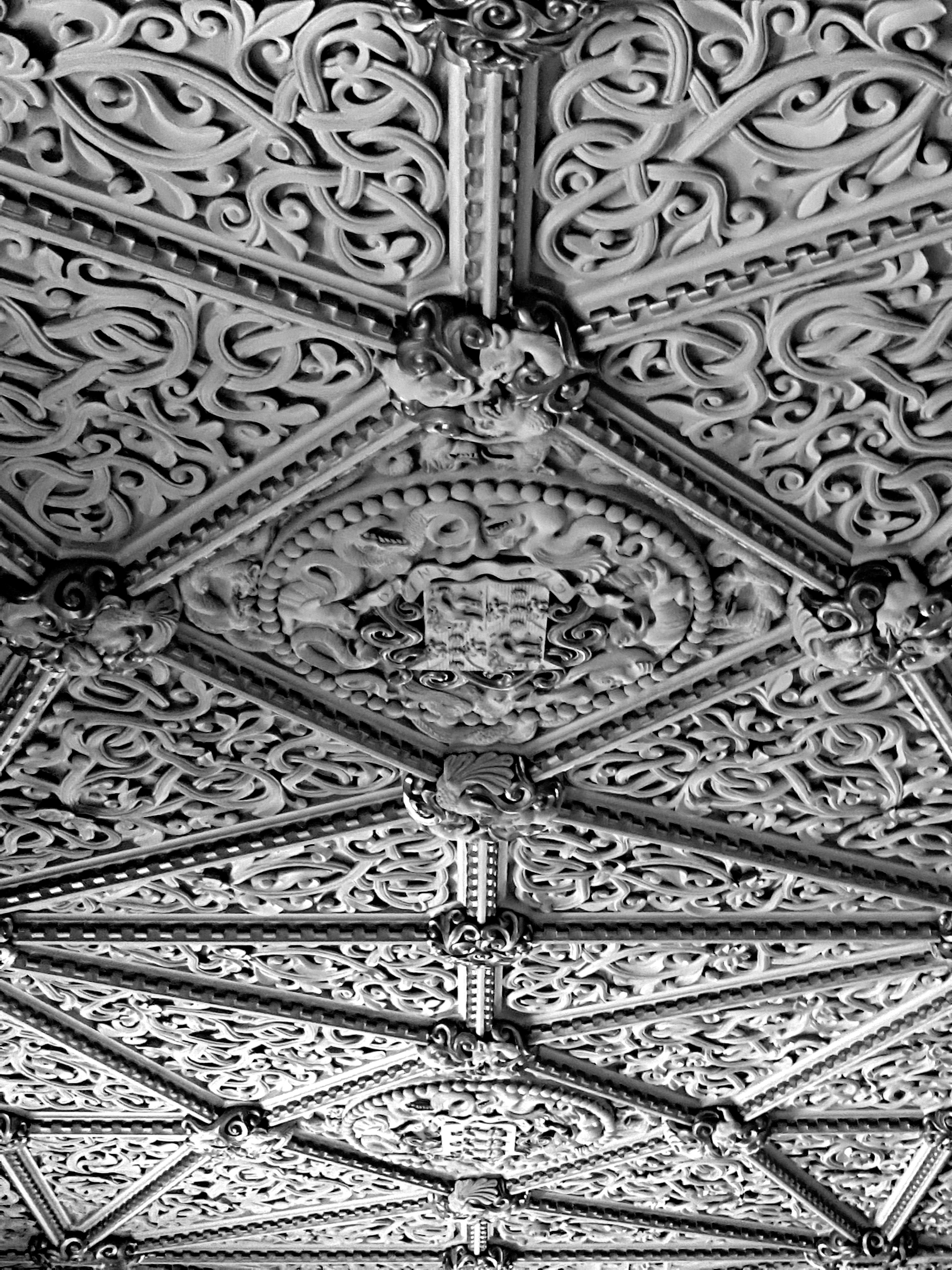
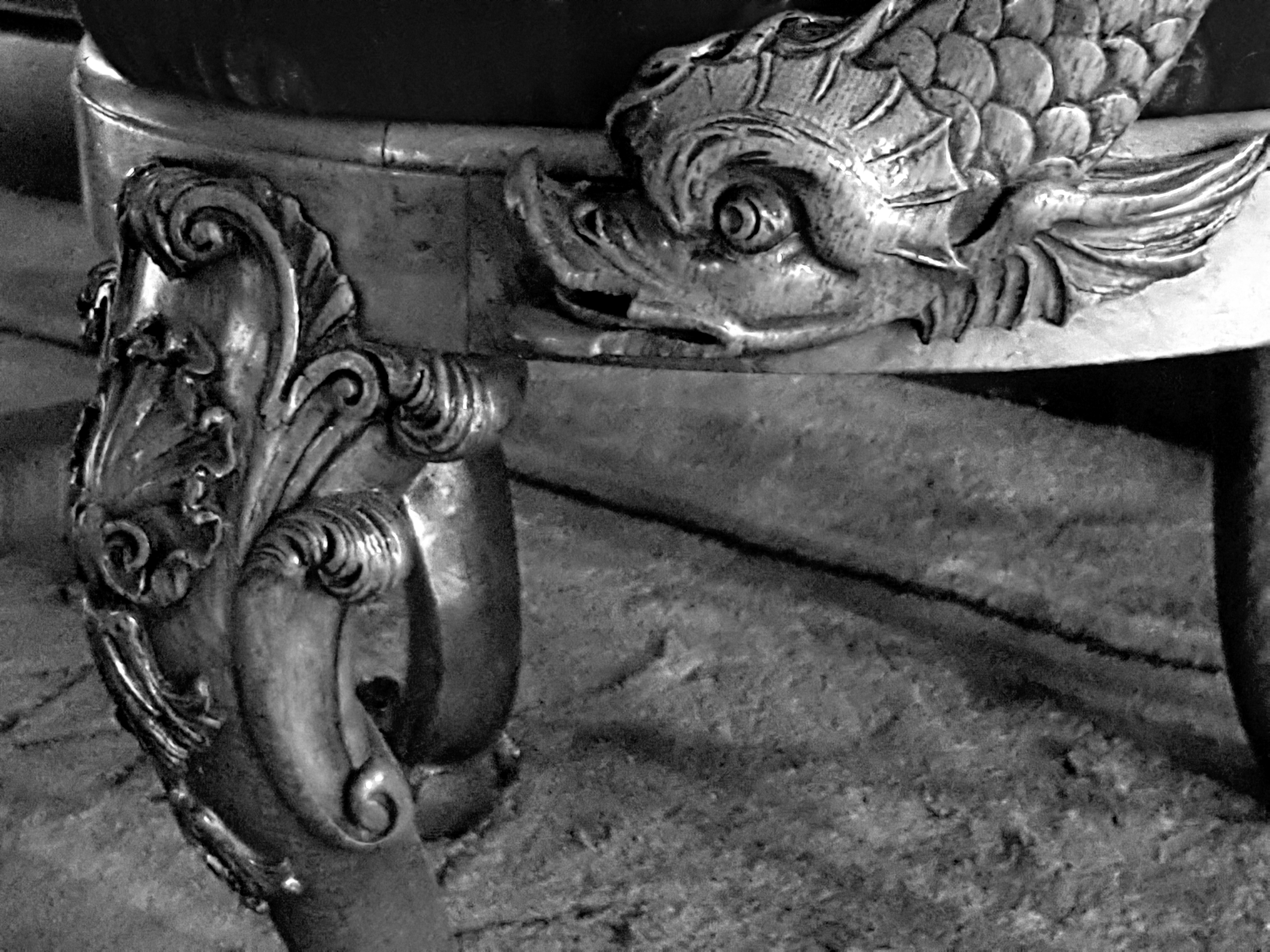
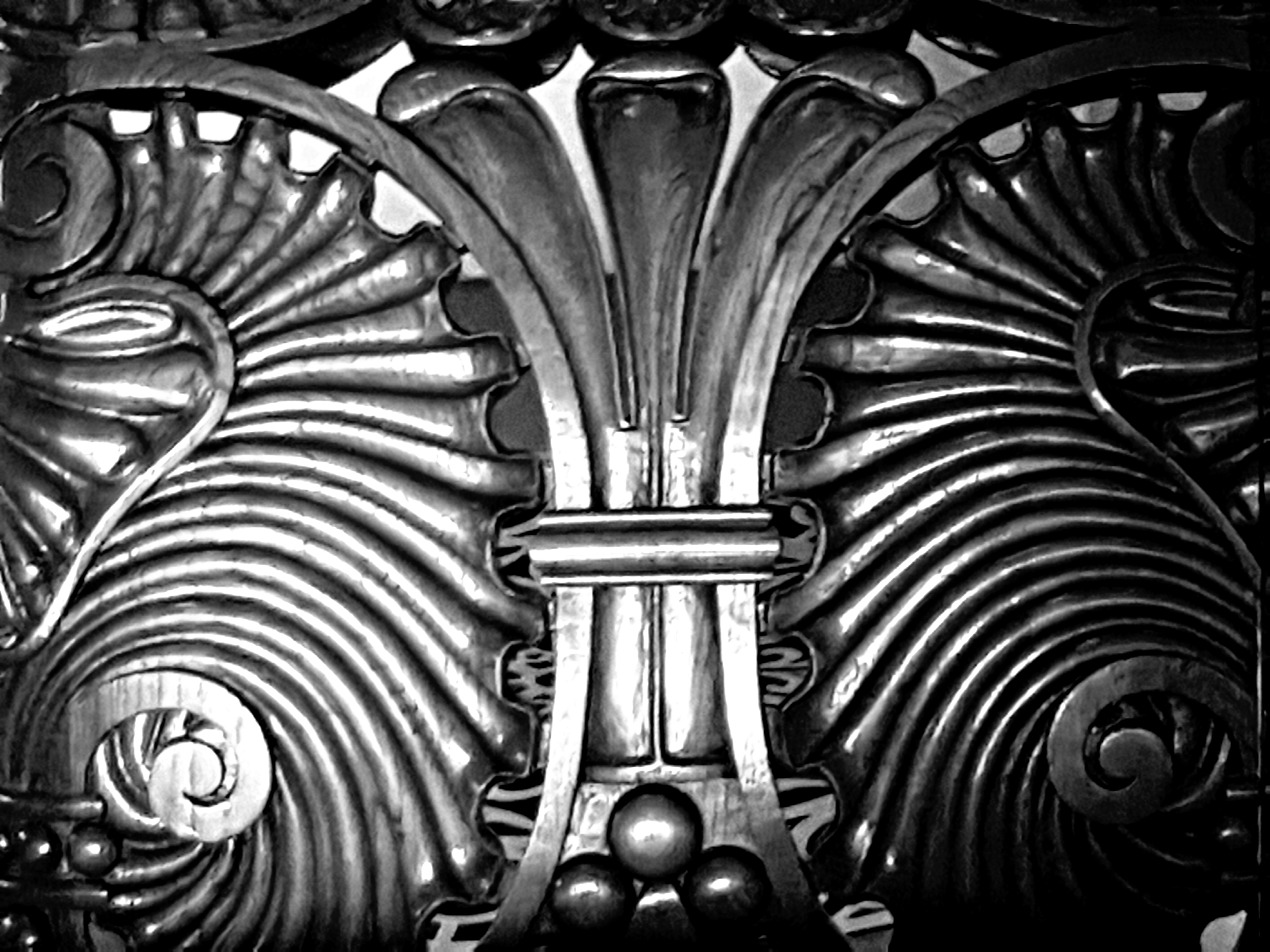
Most amazing of all is the range of rich carved ornament in the monumental Grand Staircase:-

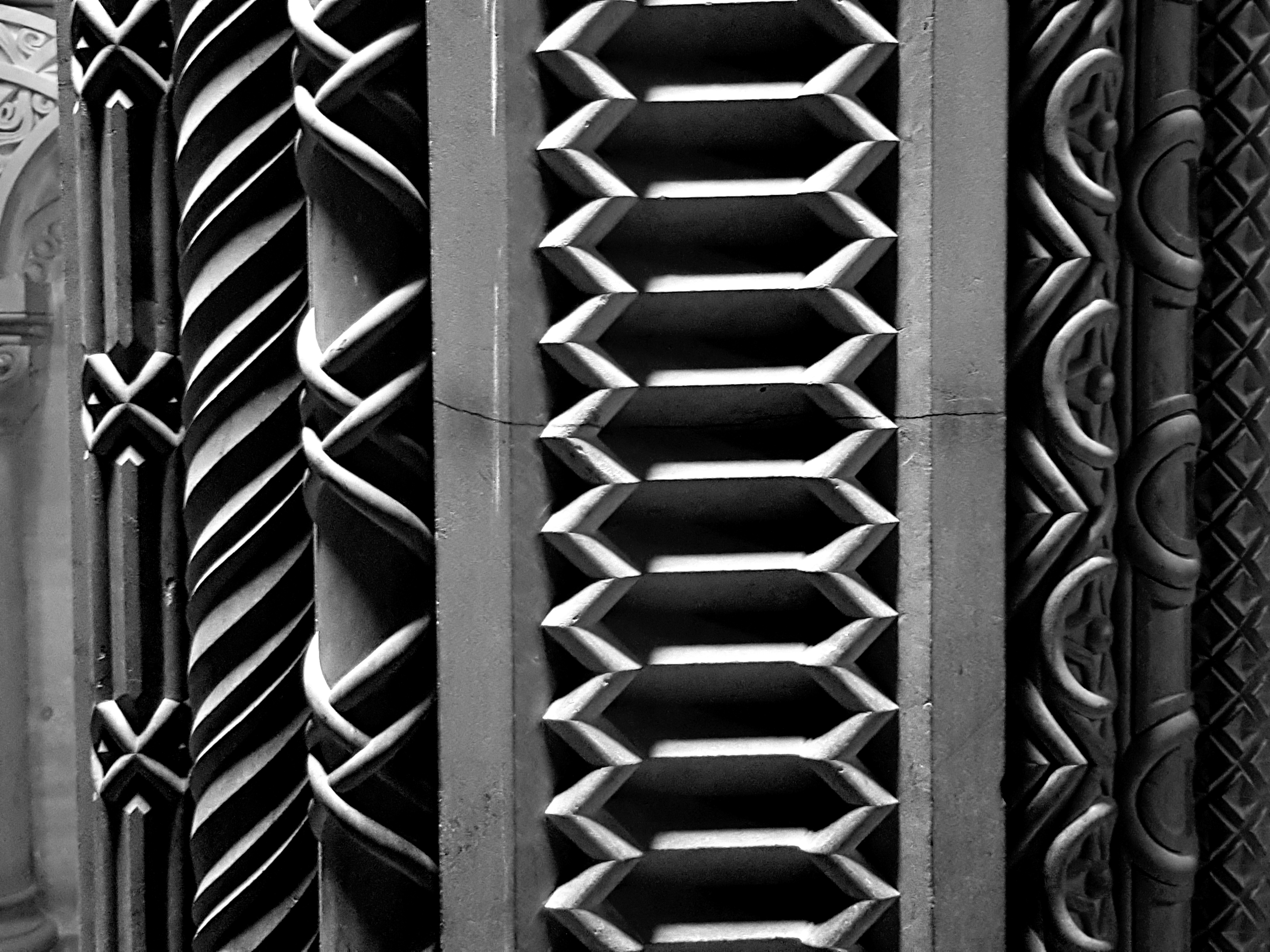
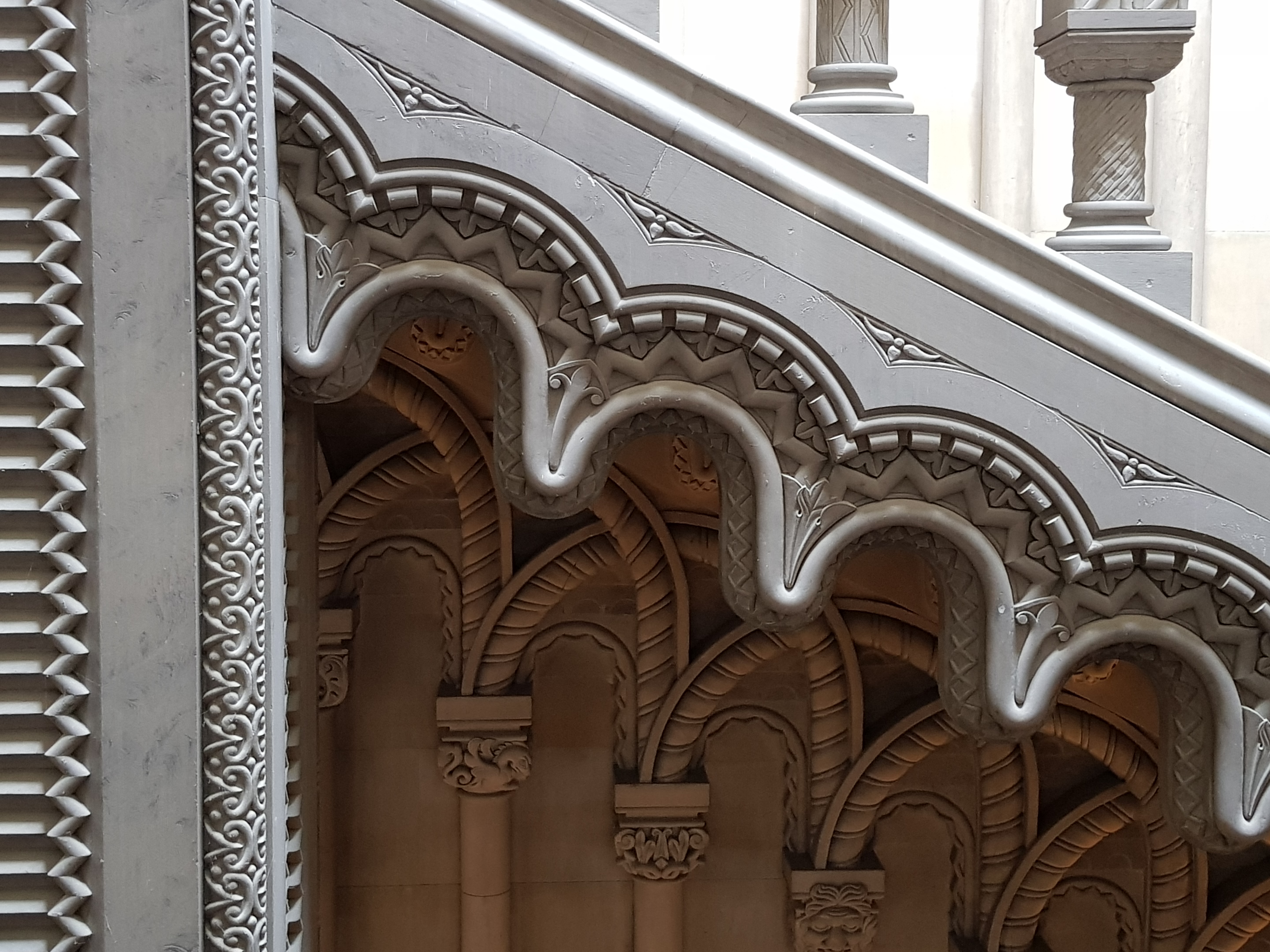
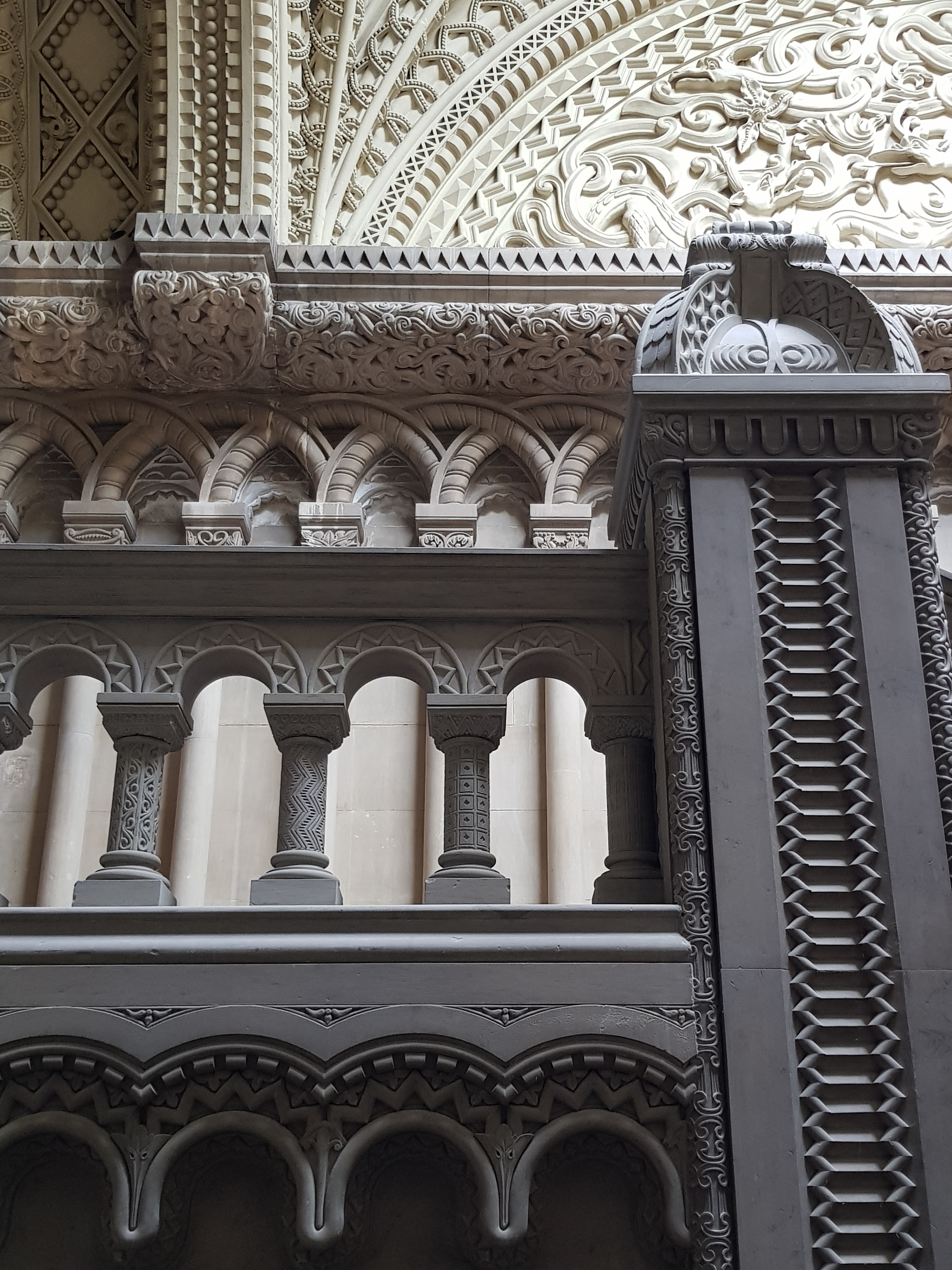
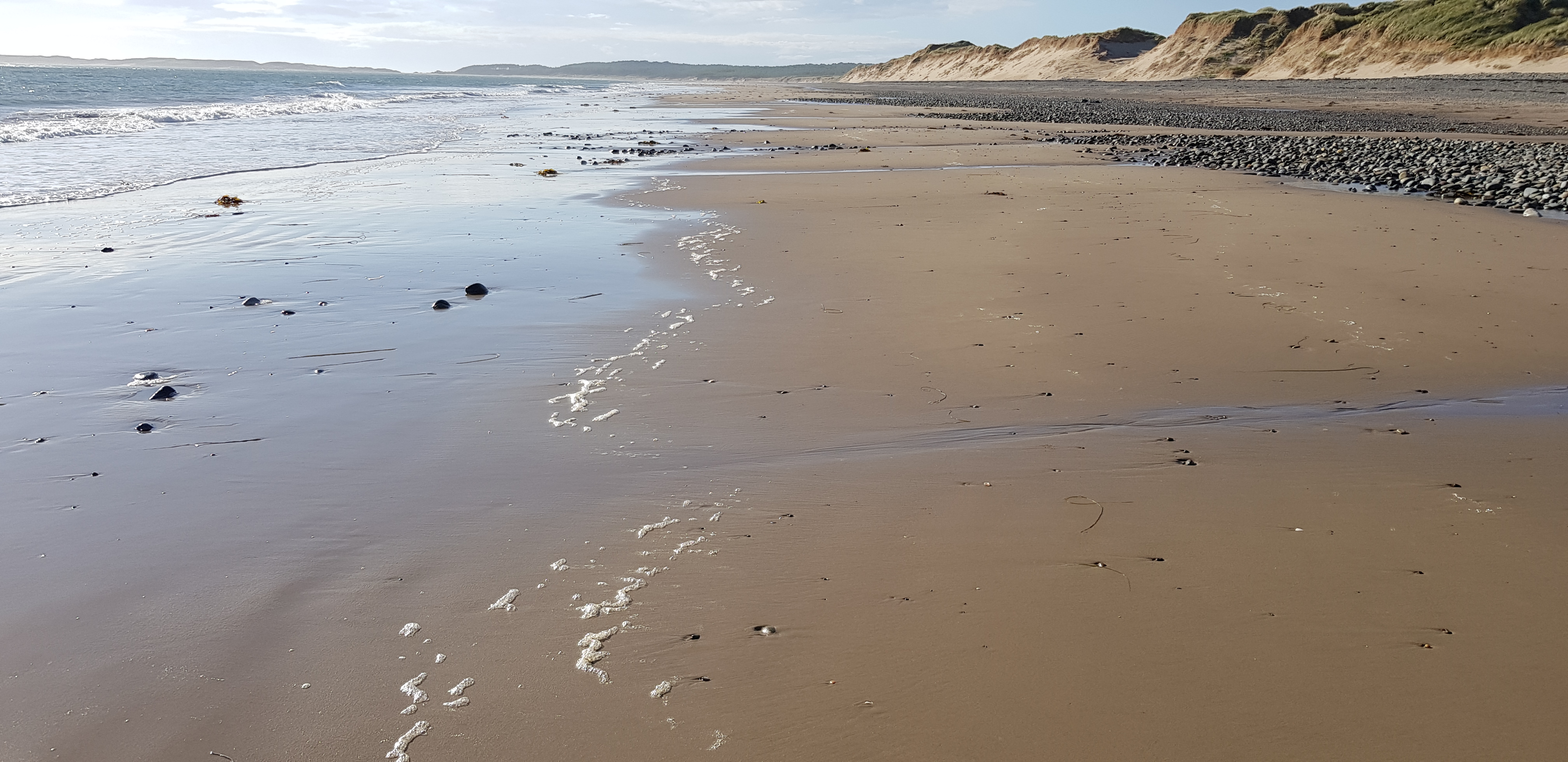
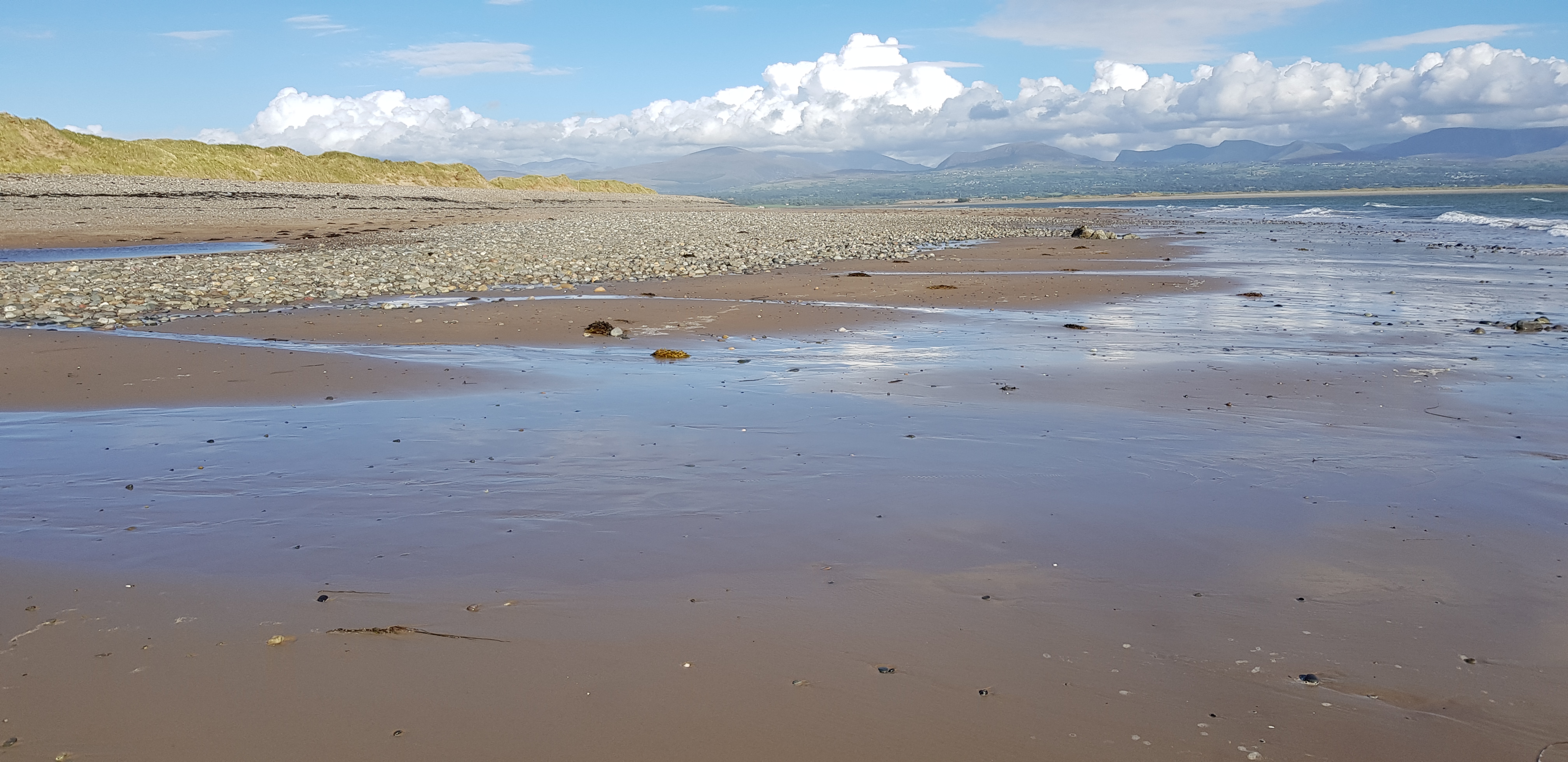
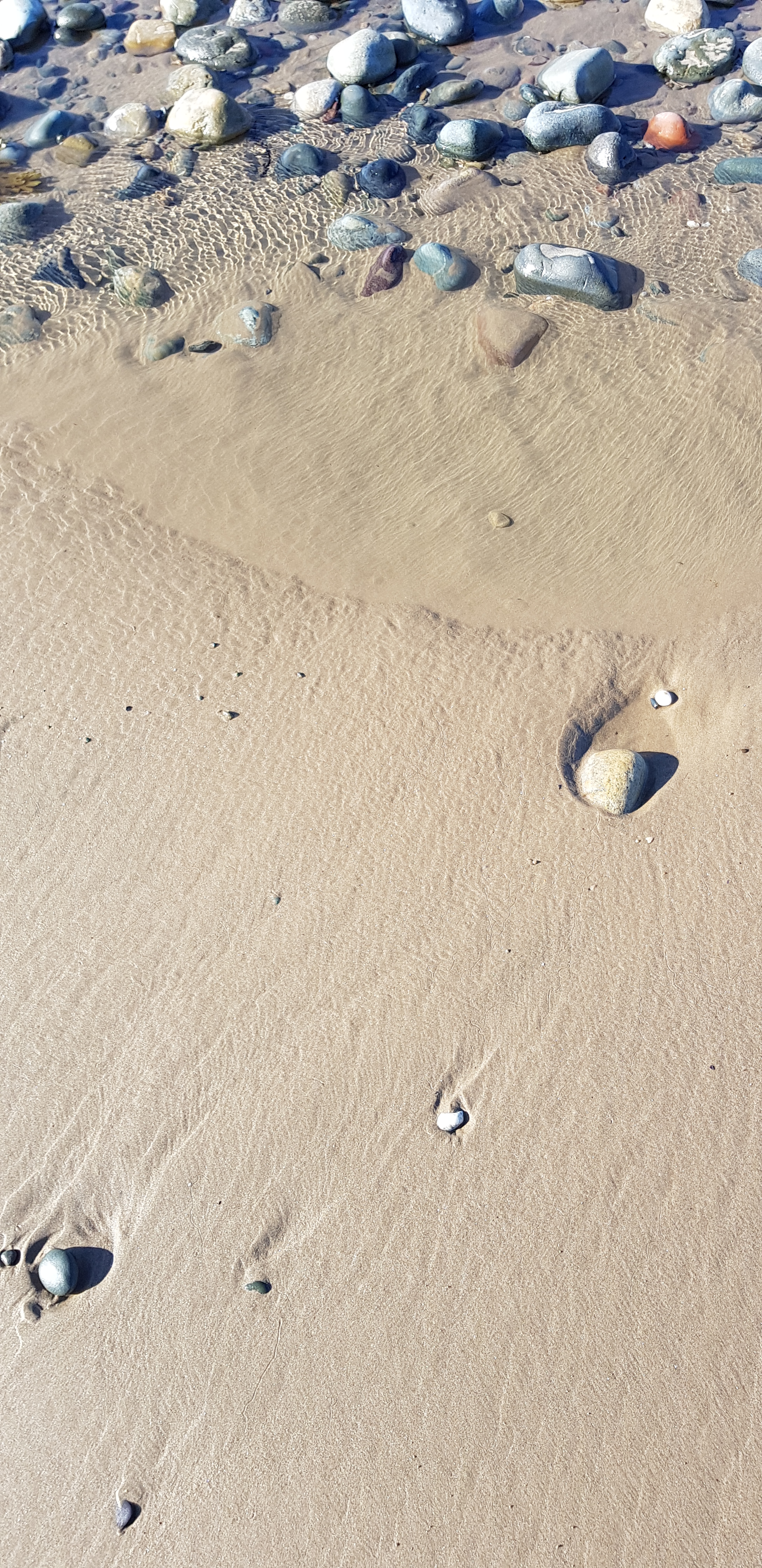
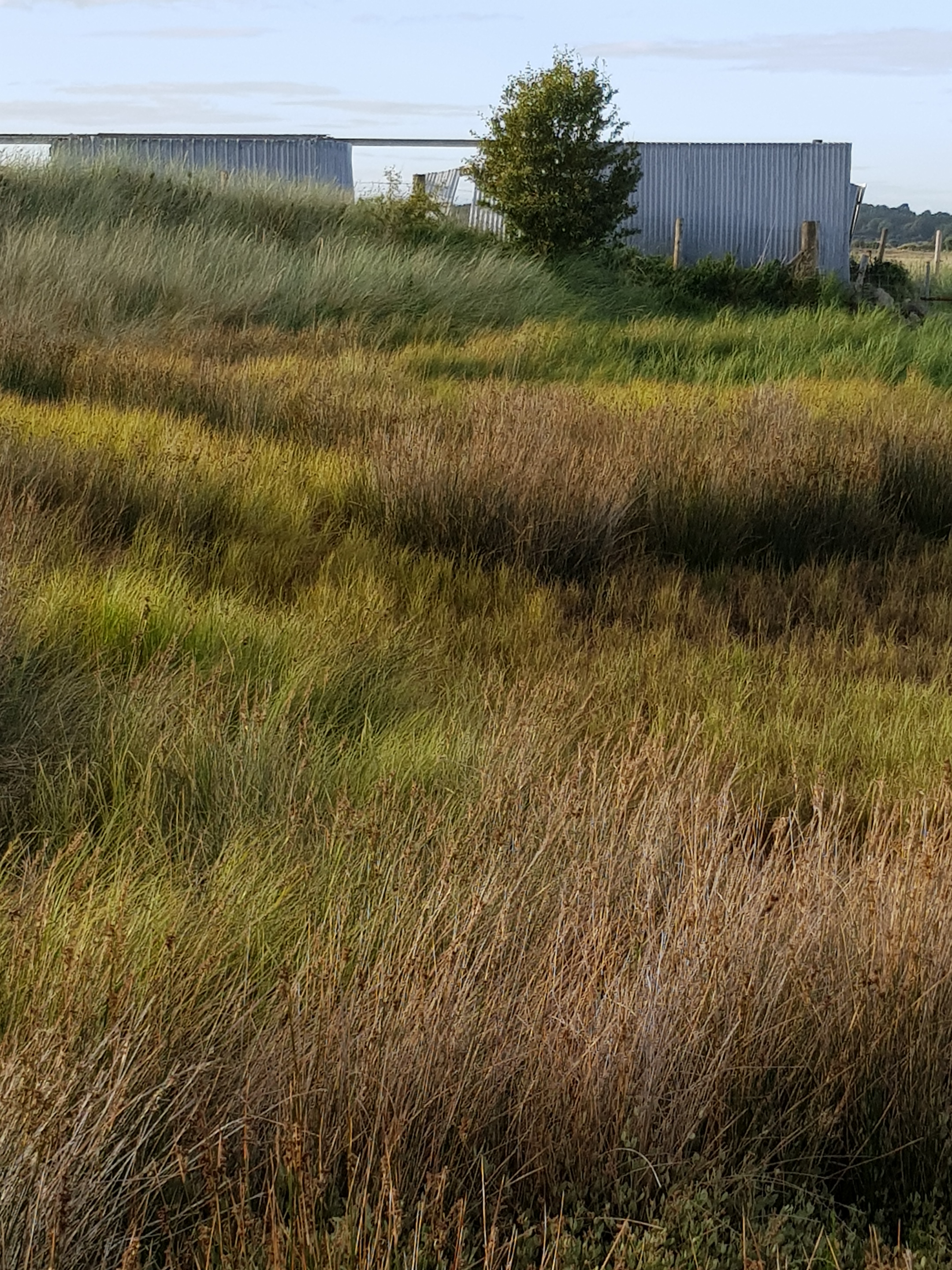
I walked out to the beach again this evening: always the same, but always different:-




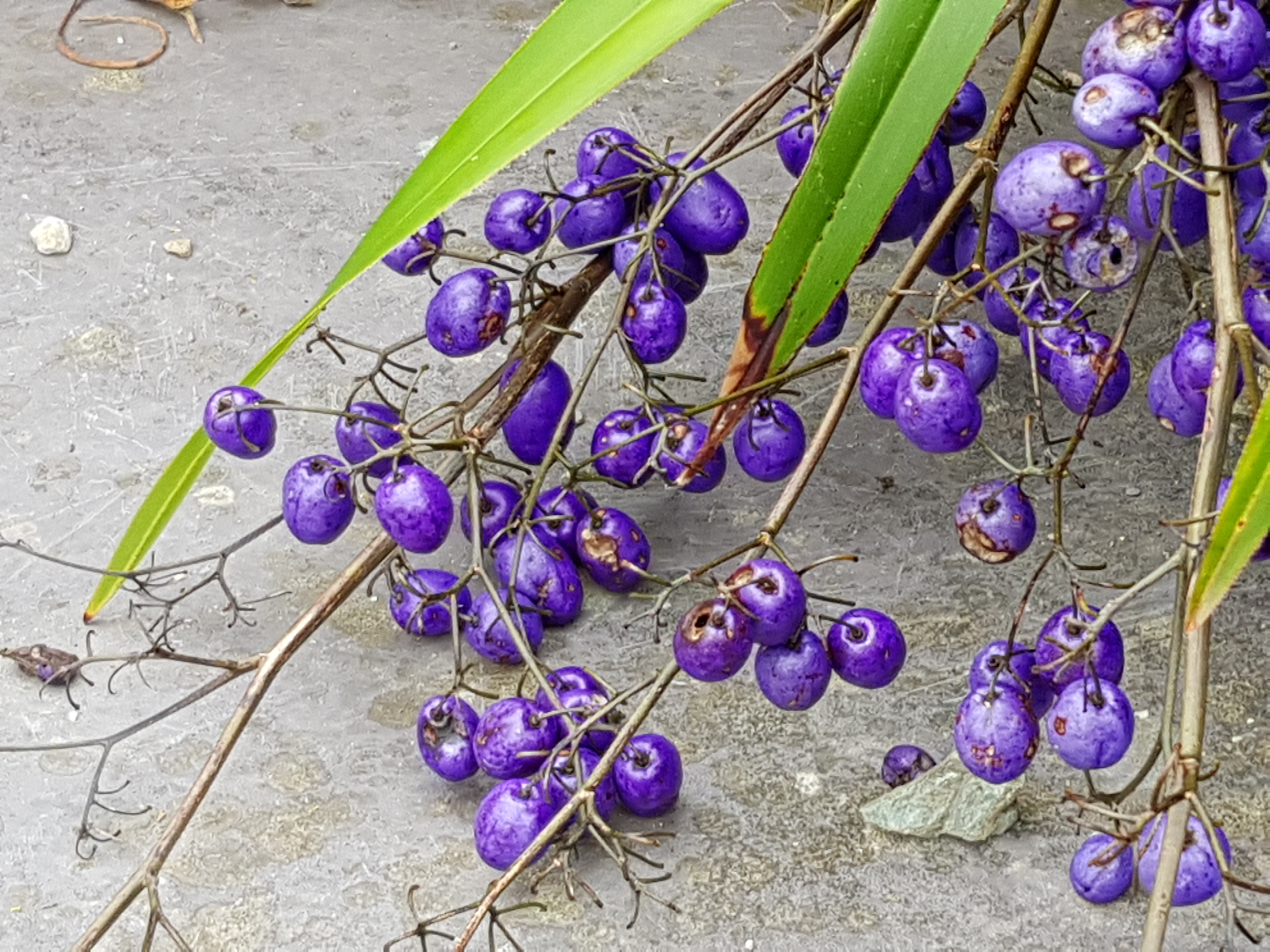
I have now discovered that the bright purple plant which we were unable to identify in the big west-facing border at Cadnant is called Dianella and is normally found in the far east, Australia and the Pacific Islands: so named by Lamarck in 1786. The berries may be poisonous:-
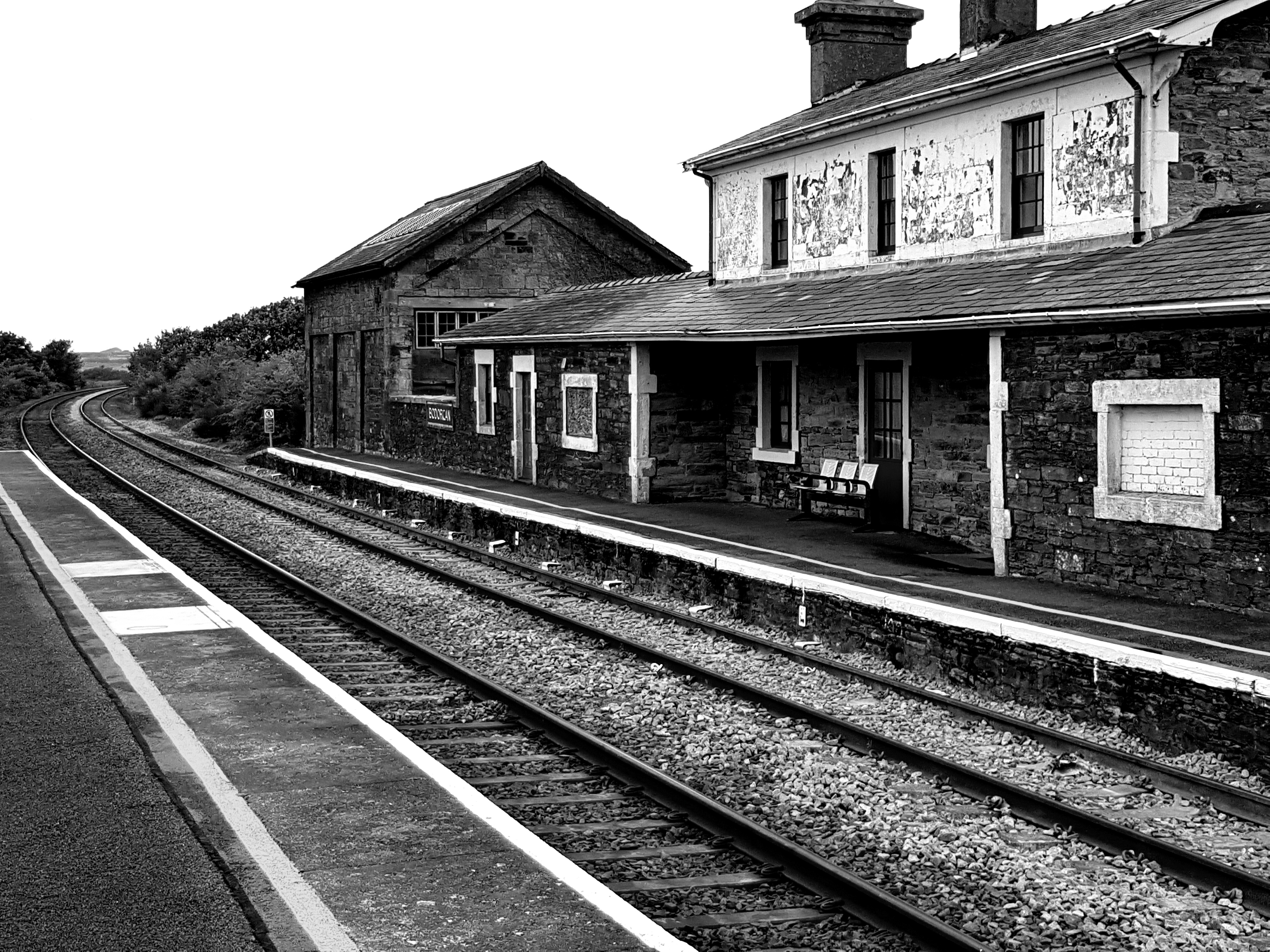
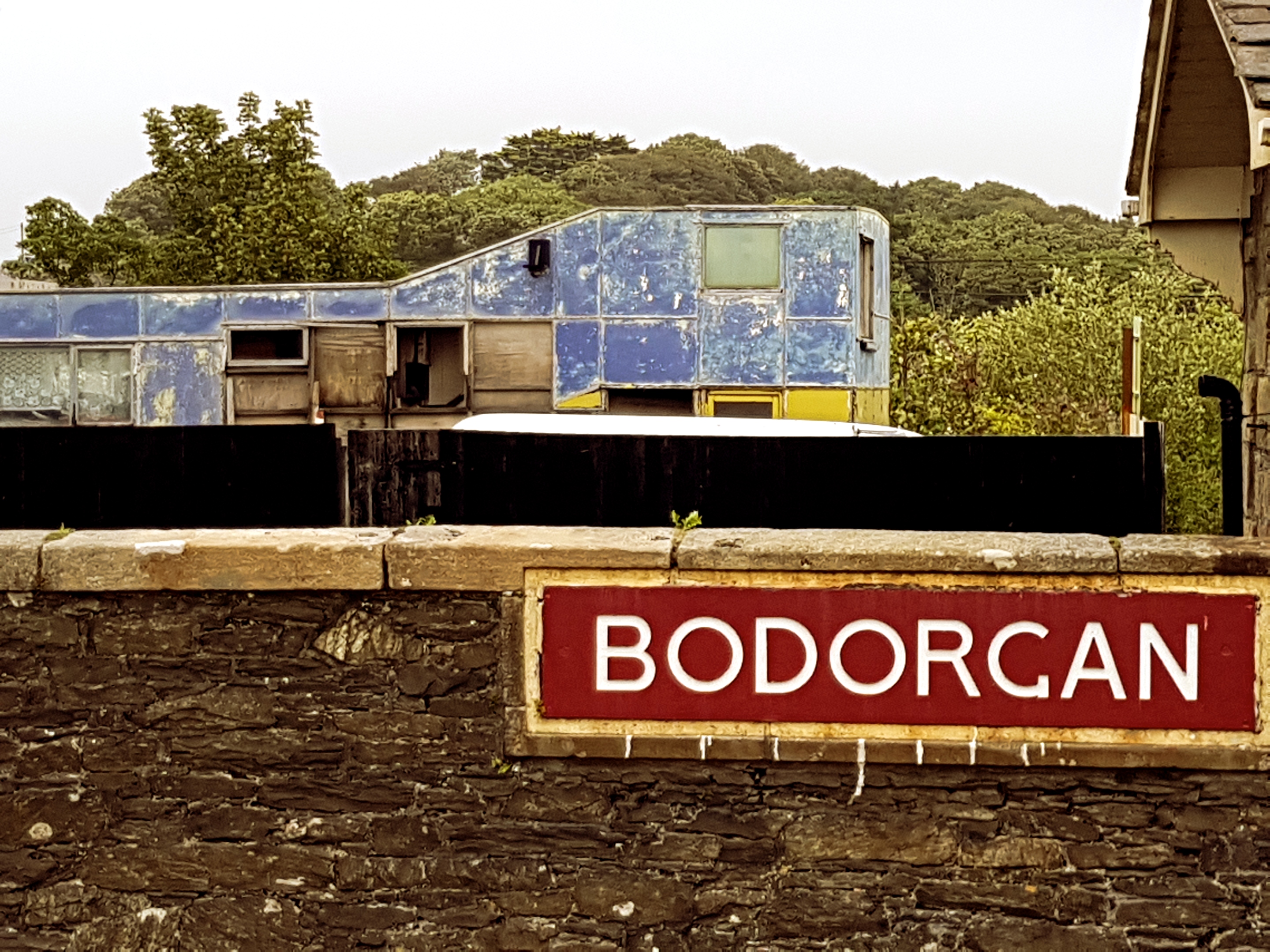
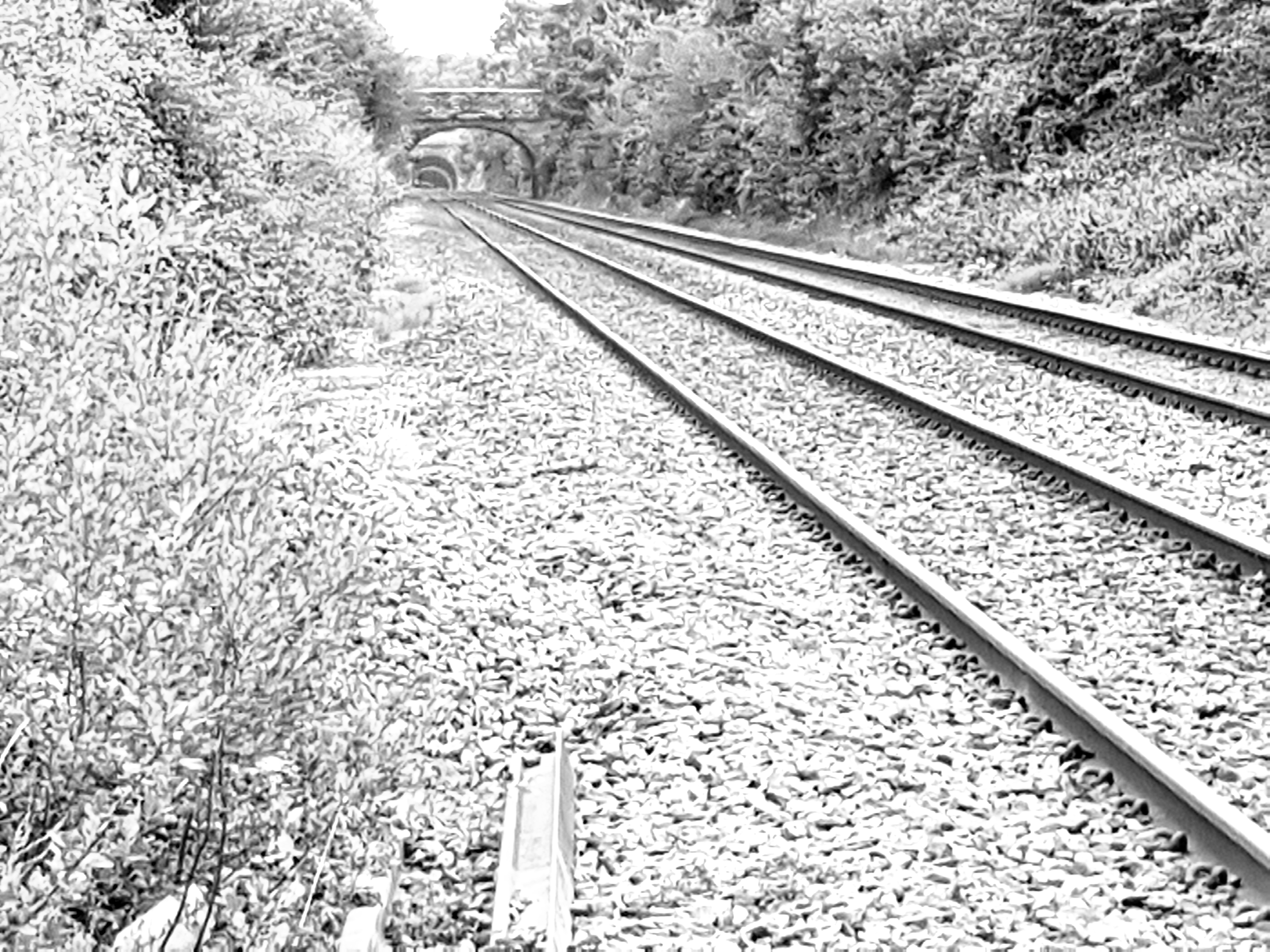
Given all the discussion about the problems of the privatised railway system, it gives me pleasure to say that I went to meet the 11.57 at Bodorgan Station, which must be one of Britain’s more obscure stations, opened, I assume, only to serve the local country house, but with a service every two hours, halting on request and arriving on the dot:-

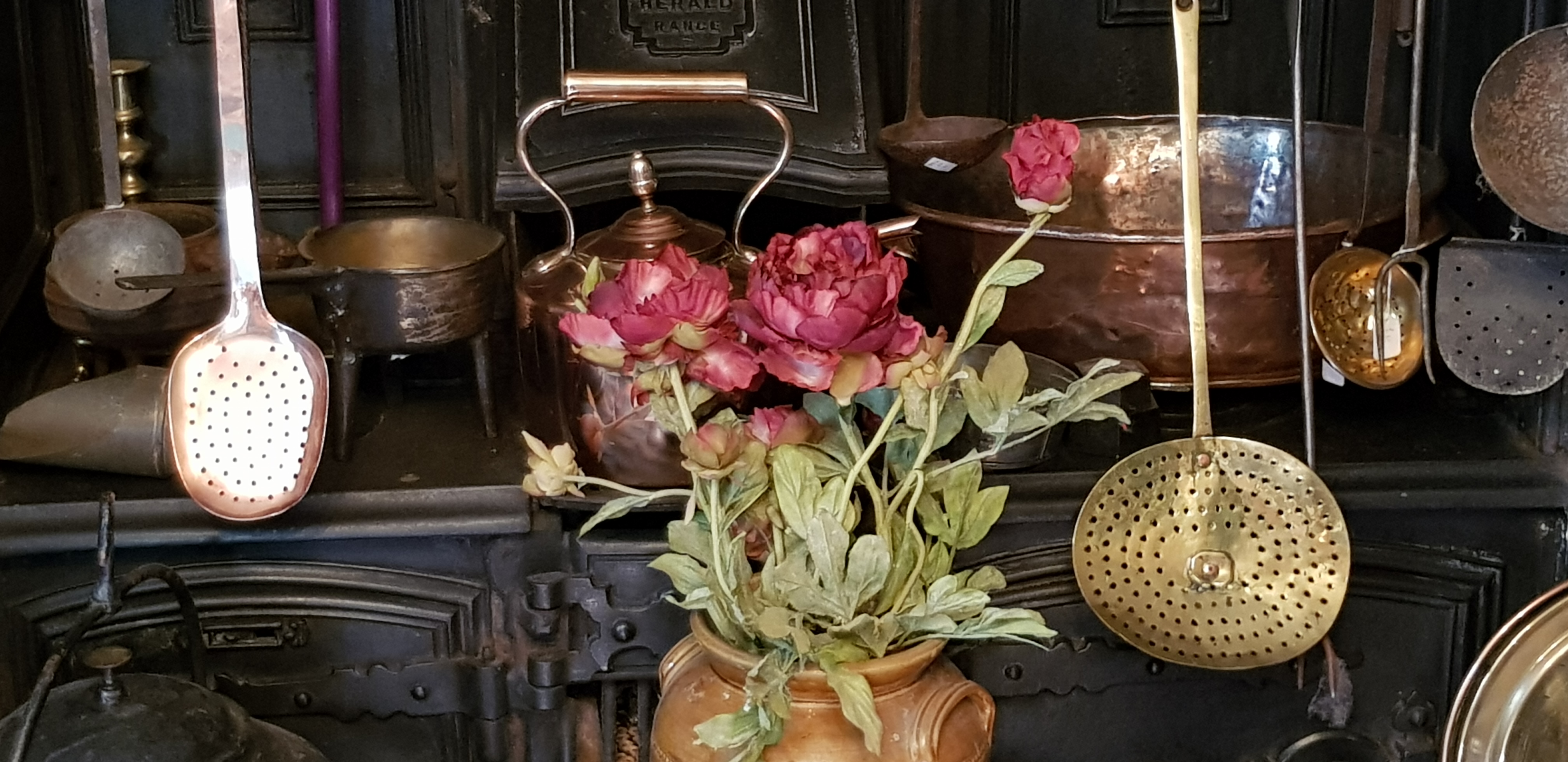
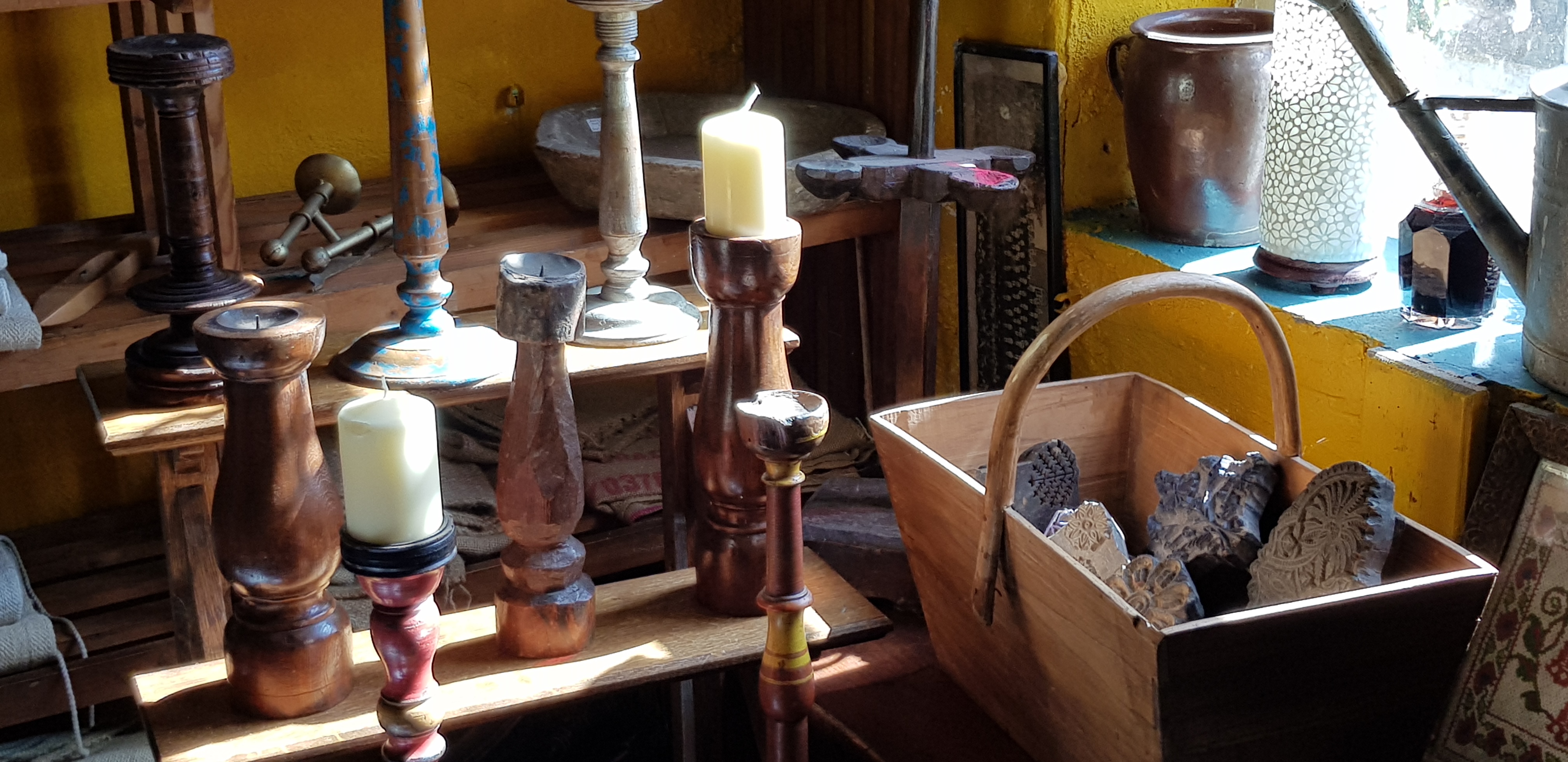
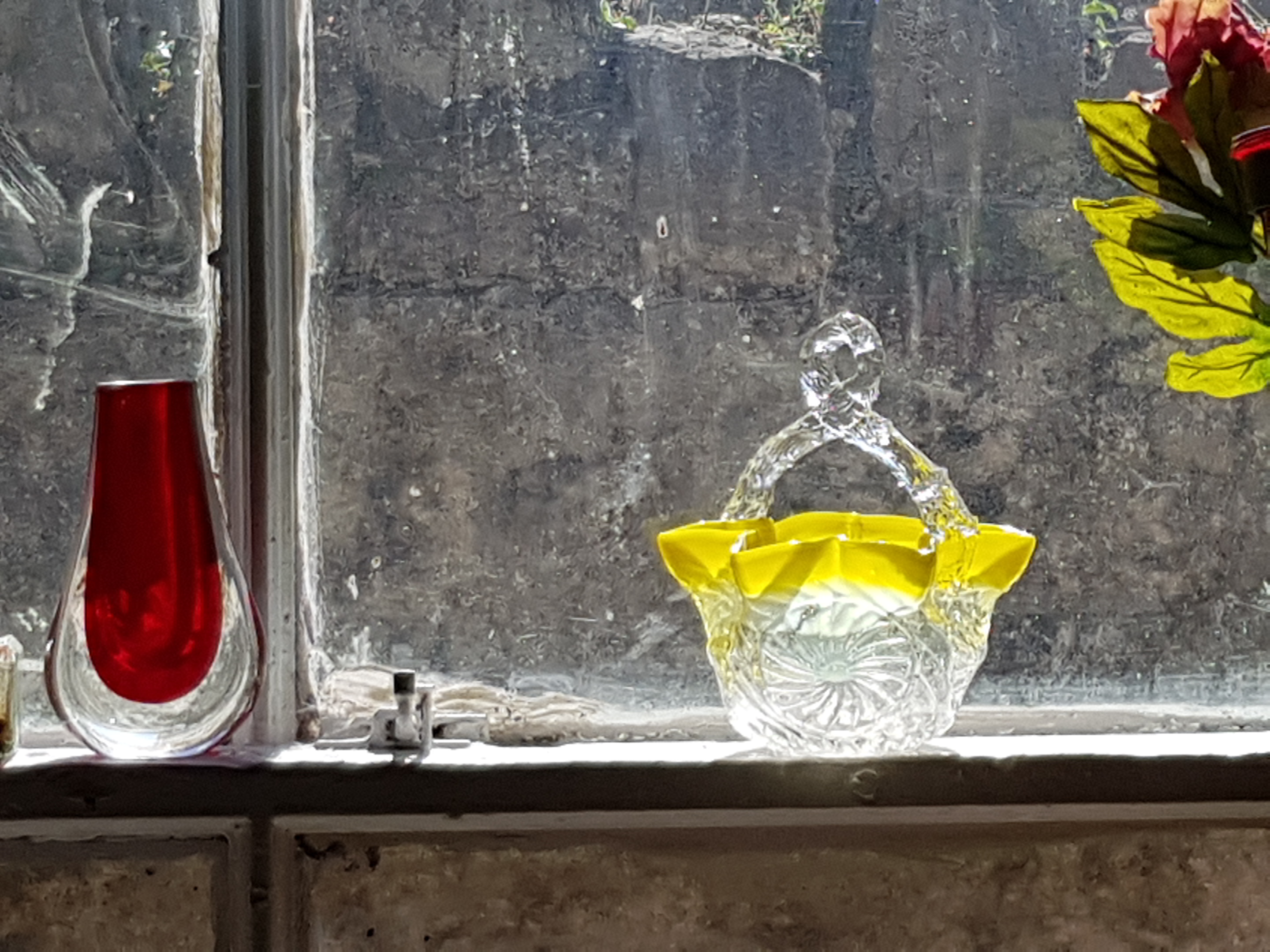
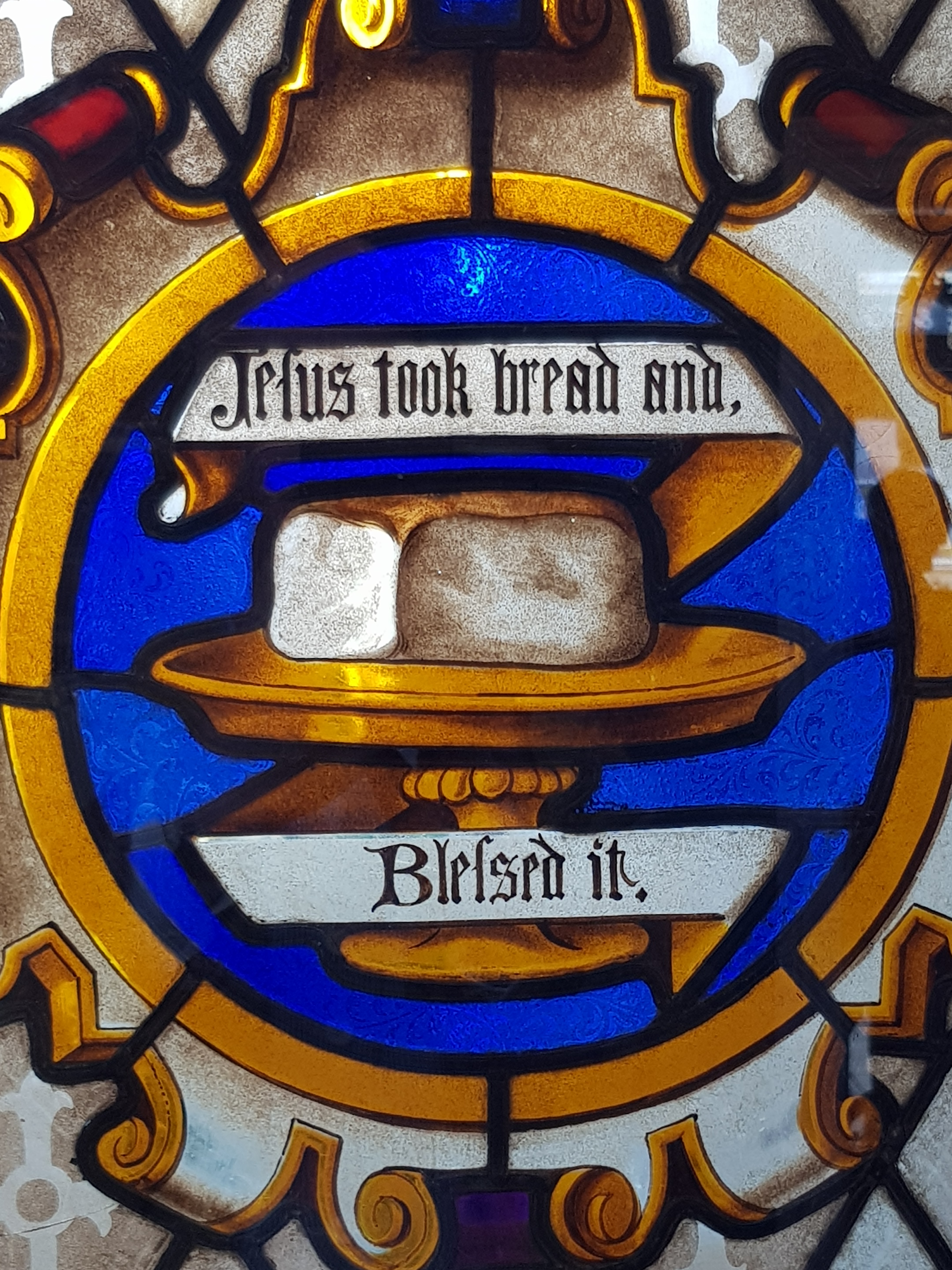
We love Beaumaris: a very English outpost in the southeast corner of Anglesey, as if it belongs to Liverpool or Bournemouth, more than Bangor, and with M Jones a’i Fab Antiques, one of the best antique shops anywhere, always a cabinet of Welsh country curiosities, collected on expeditions across north Wales and full of treen:-


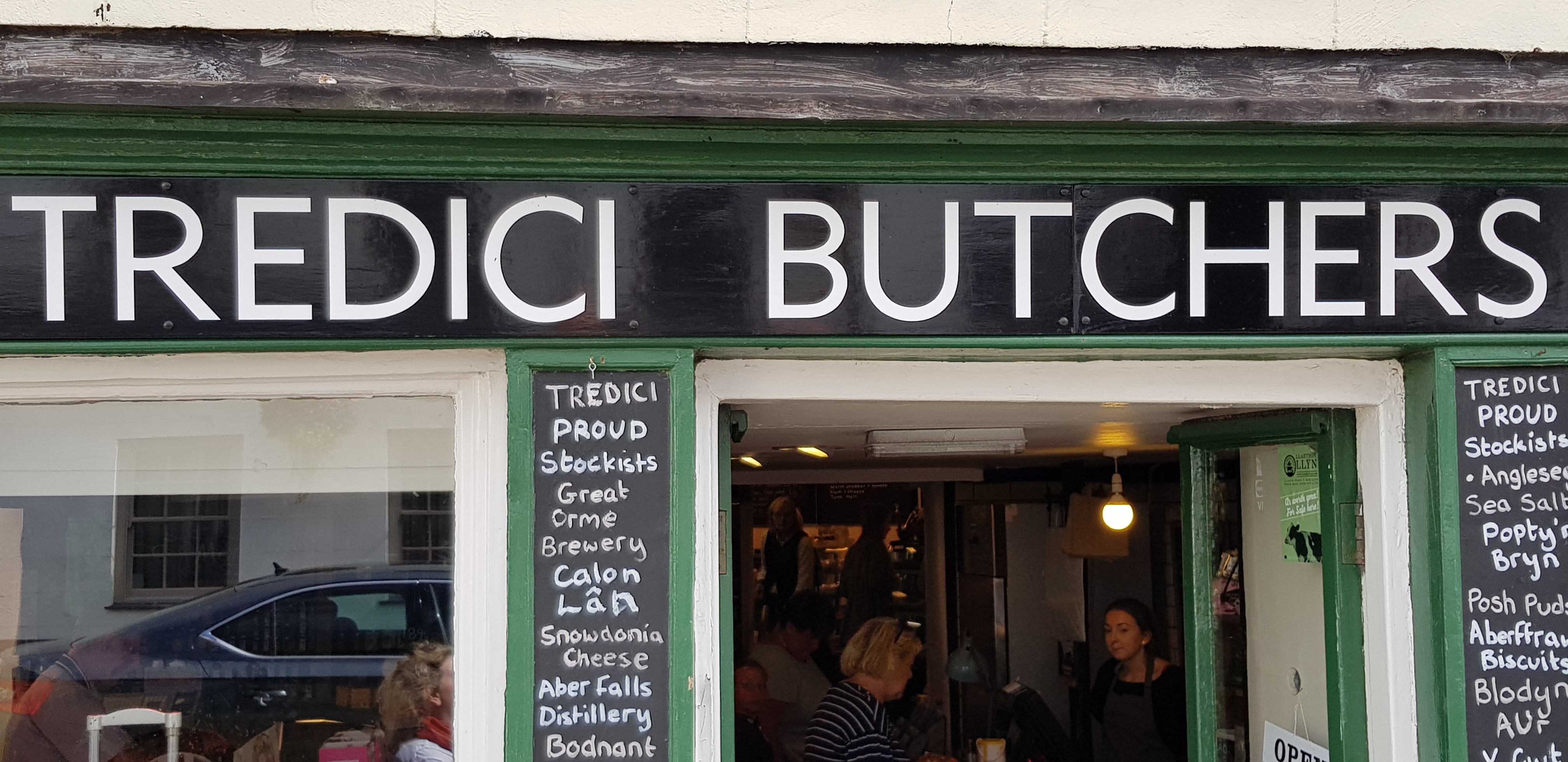
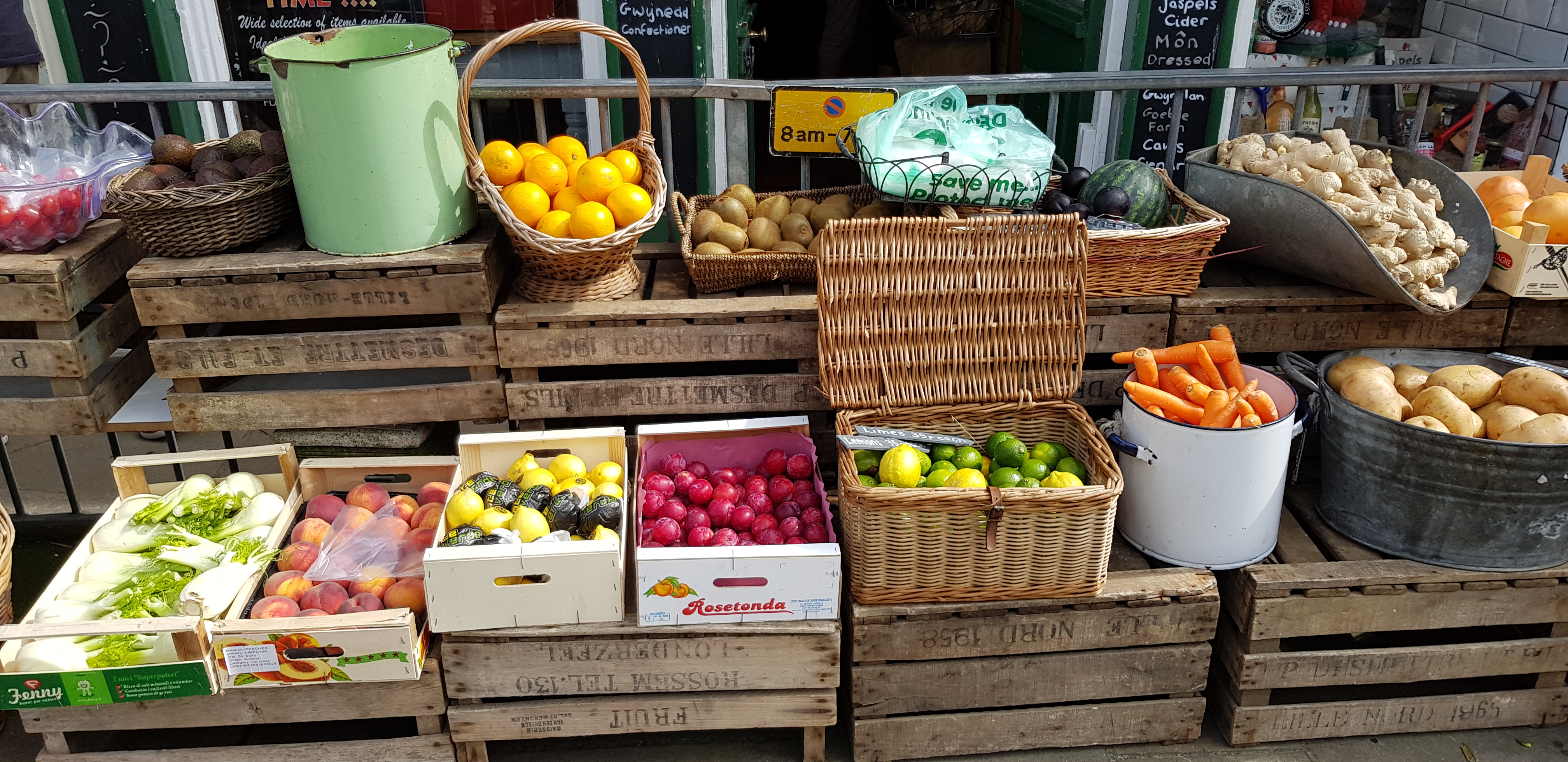
It’s also now acquired an Italian/Welsh delicatessen which sells sausages, fruit and frog’s legs:-

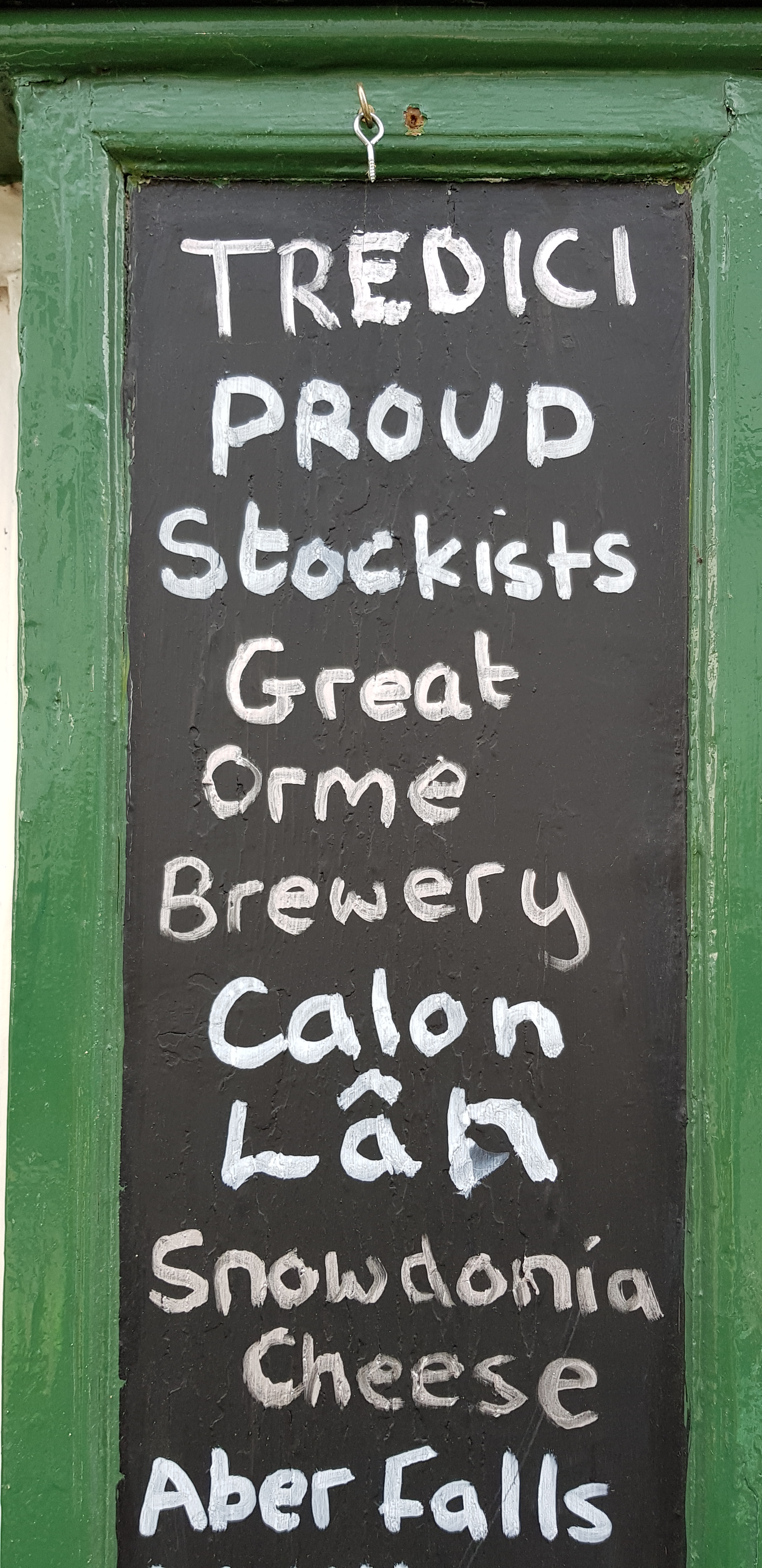

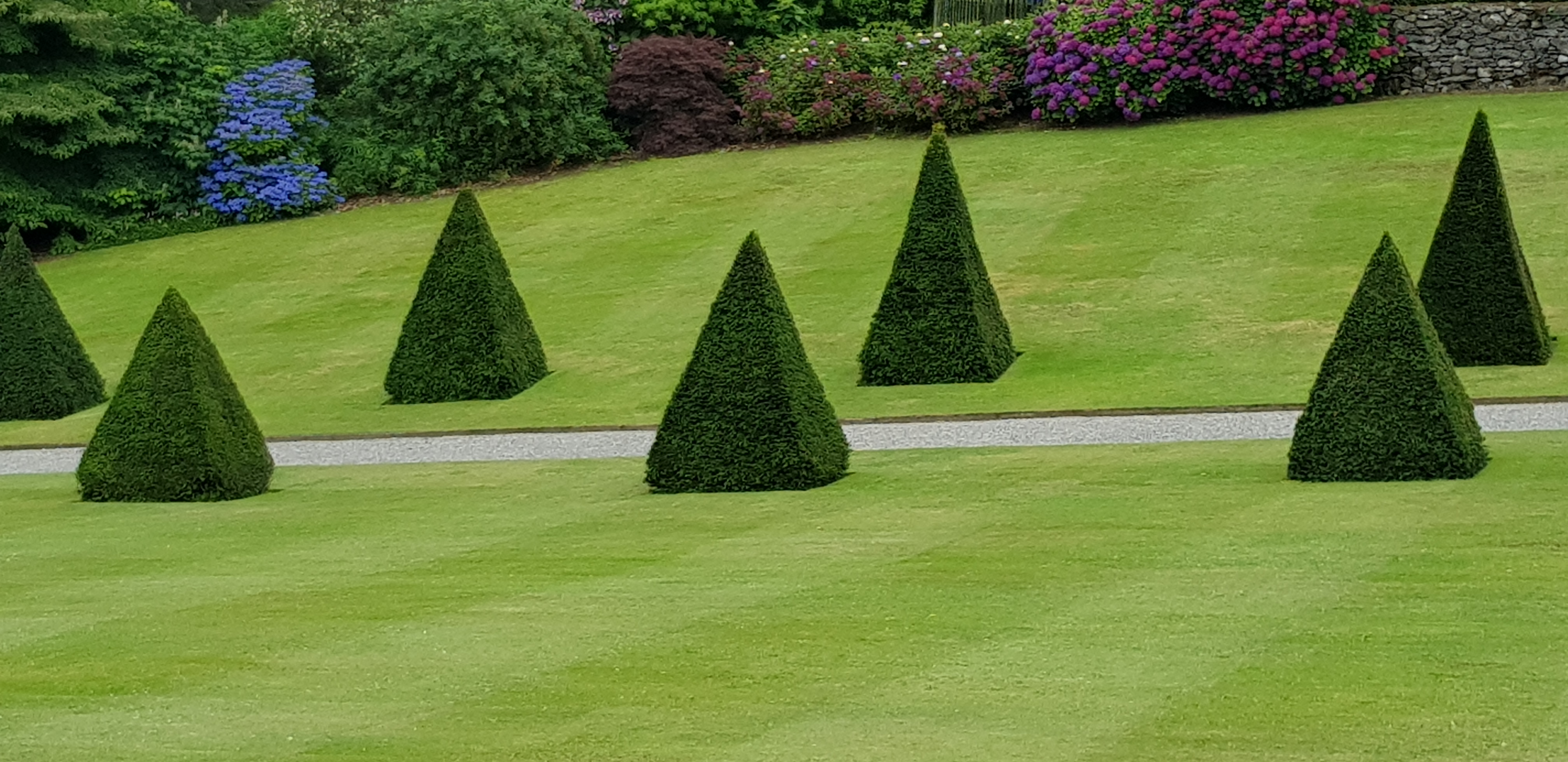
We had our annual trip today to Plas Cadnant, the garden in a steep valley just above Menai Bridge, which was washed away in floods just before Christmas 2015, but has now been restored to its pristine immaculacy:-


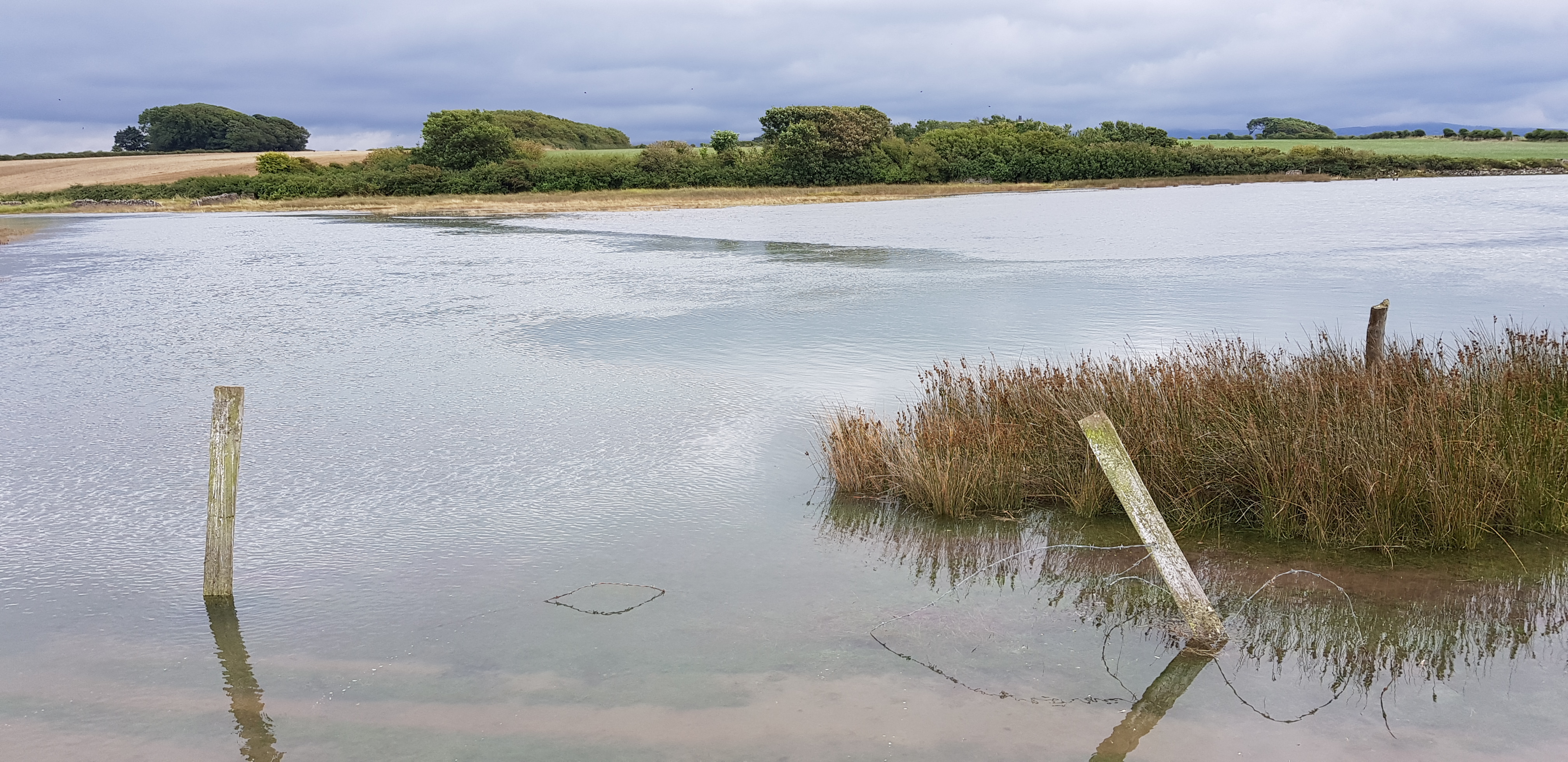
I was worried that the reason why the water level on the River Afon was so low was owing to the long hot summer which had drained the river of water. I was quite wrong. It is owing to the height of the tide at this time of year, which produces a low and correspondingly high tide, such that this morning the river had become a lake:-
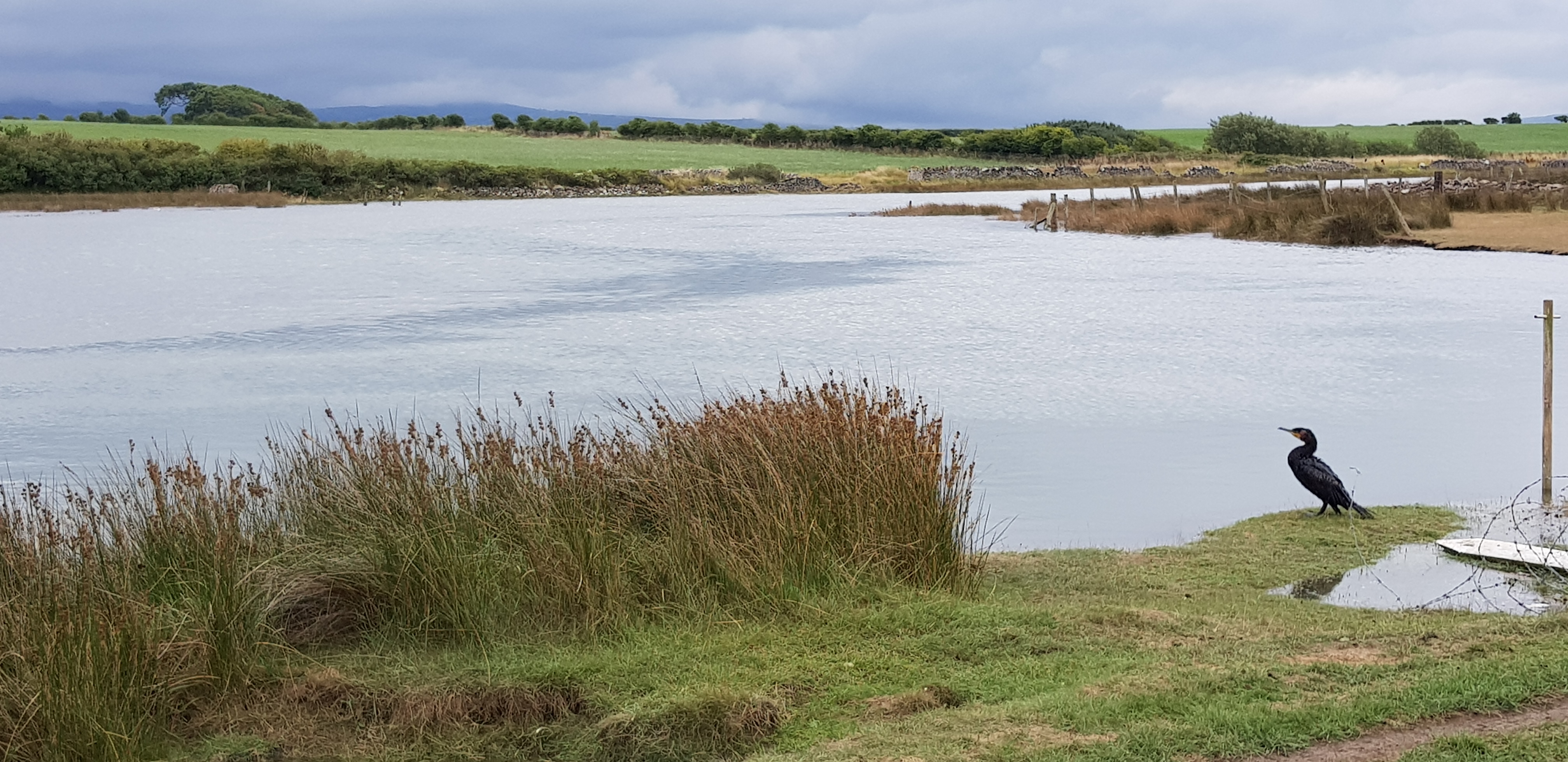
By the way, not being a bird expert, I assume that the bird is an elderly cormorant, but am happy to be corrected.
 | Charles | Saumarez | Smith |
You must be logged in to post a comment.