MASP (1)

I have come too late to São Paulo to join the fiftieth anniversary celebrations of the Museu de Arte de São Paulo, which was opened – but not to the public – on 7 November 1968 by Queen Elizabeth II, no less.   One slightly wonders what she was doing visiting Brazil so soon after the arrival of a military dictatorship.   It was presumably on the Foreign Office’s, and maybe the CIA’s advice. The idea for MASP came from Francisco de Assis Chateaubriand, a newspaper magnate, who had hired Pietro Maria Bardi, an Italian art dealer who had worked for Mussolini, to collect works of art for him when they were cheap in the aftermath of the second world war. But between Pietro Maria Bardi and his architect wife, Lina Bo, they created the most democratic and conceptually original museum of its time:-

image

image

Standard

Isaiah Berlin

Meeting a former pupil of Isaiah Berlin in Beijing reminded me of the commissioned portrait which Lucian Freud agreed to undertake in 1996 not long before Berlin’s death (he was a bit grumpy about not having been asked to undertake a commission much earlier in his career). I had not realised that there were multiple drawings (see below). All I remember is that they met for lunch in Wilton’s (Berlin had a set in Albany) and that the portrait was not completed to Freud’s satisfaction before Berlin died in November 1997. Instead of going to the NPG as had been intended, it was given to Lady Berlin and she in turn apparently left it to Wolfson.

https://betweentwocities.com/2012/01/12/lucian-freud-paints-isaiah-berlin/

Standard

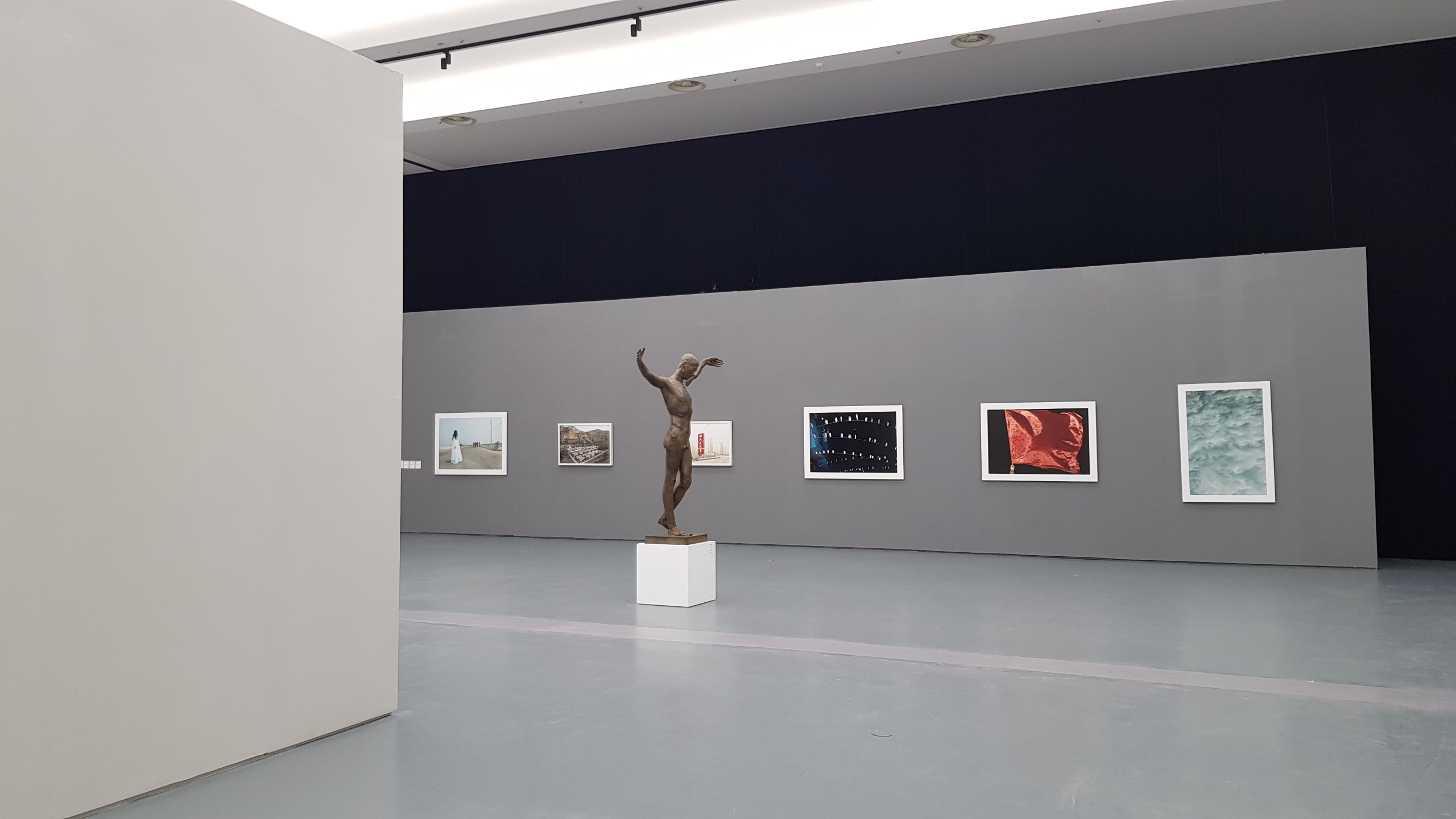
Langfang CAFA Art Museum

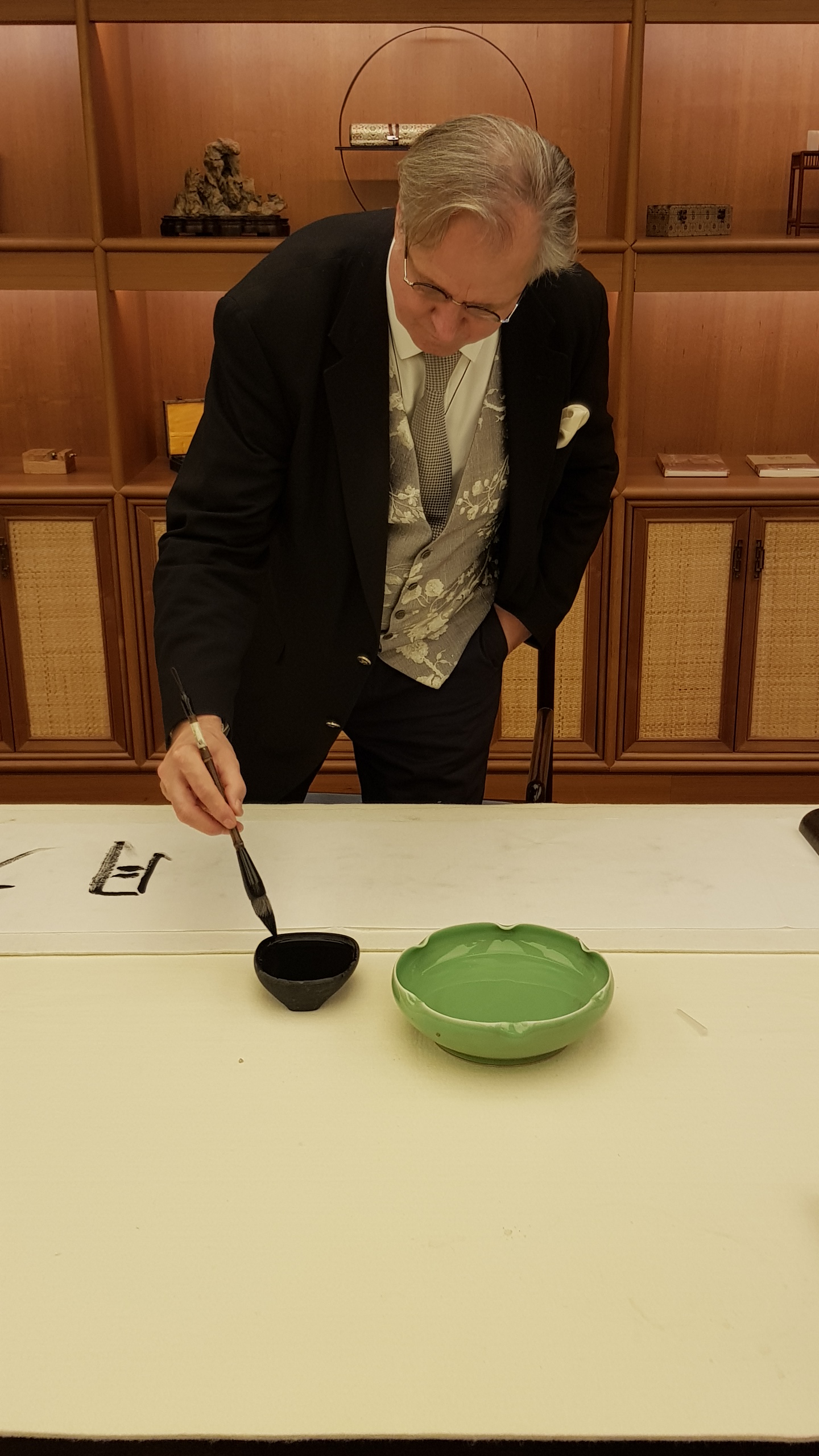
We ended the day practising our calligraphy:-

image

image

image

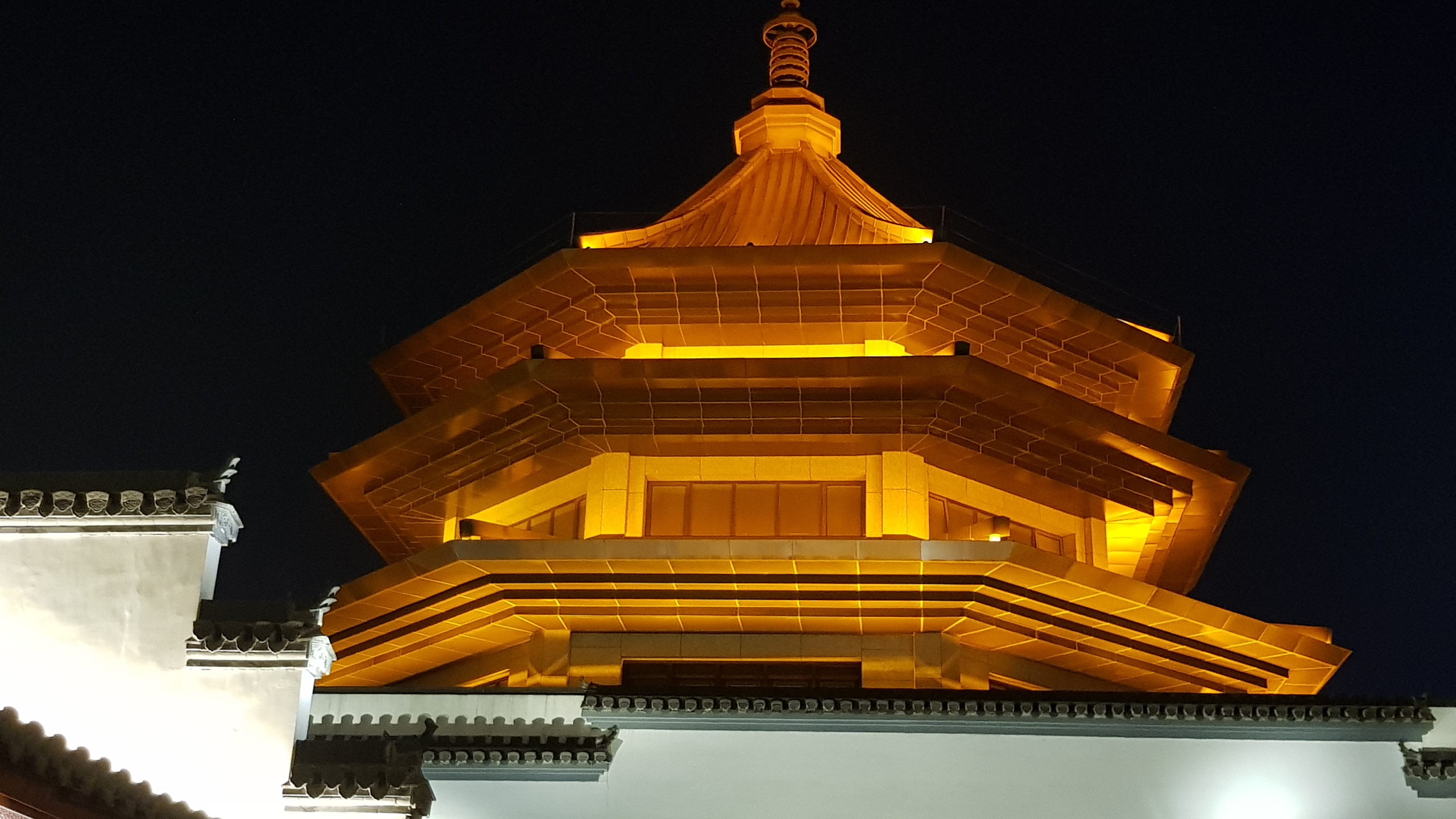
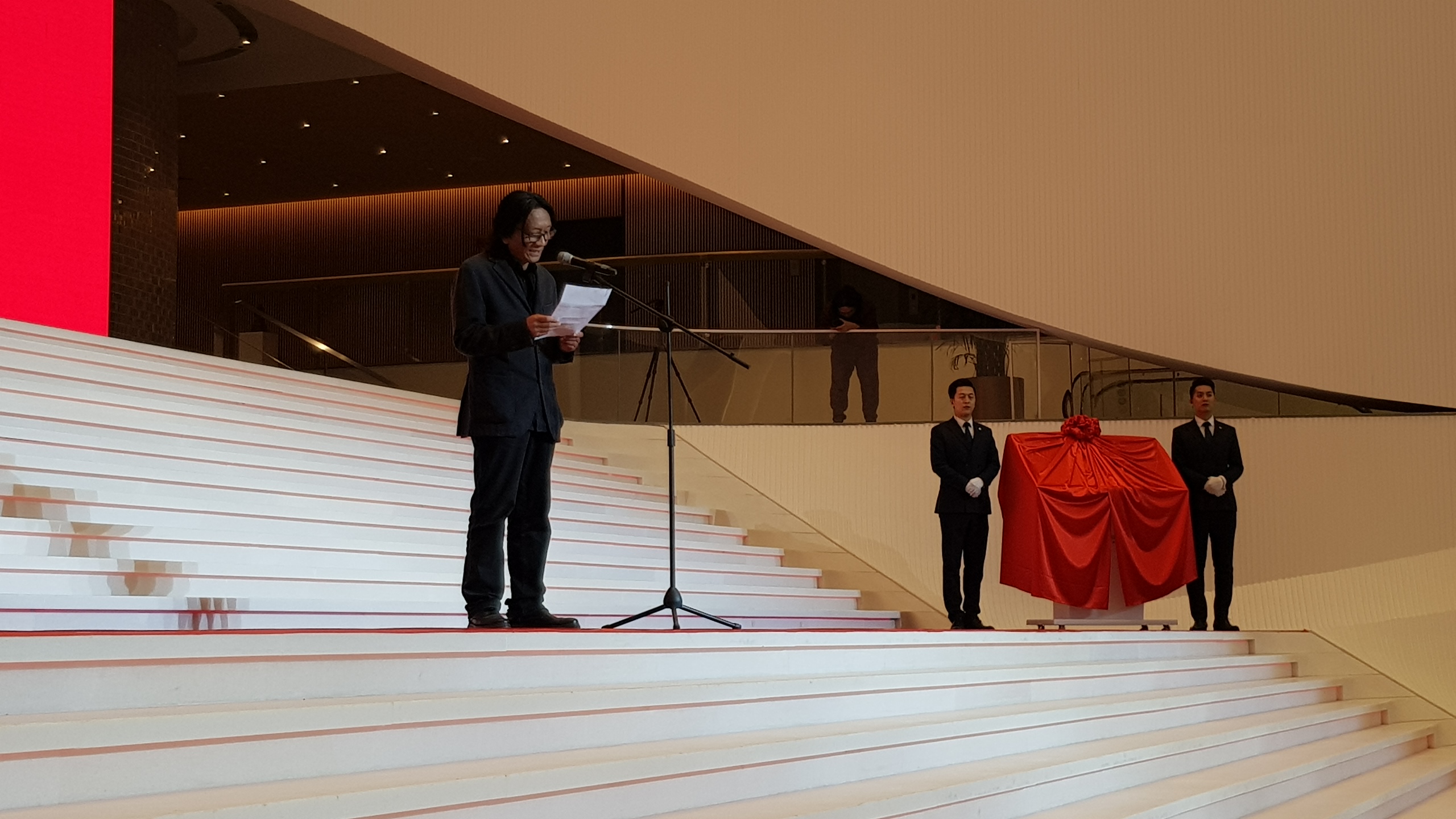
And attending the grand ceremonial opening of the new CAFA Art Museum:-

image

image

image

image

image

Standard

University Art Museums

In the afternoon of the CAFA Centenary Conference, we were encouraged to focus on the role and responsibilities of University Art Museums.   We started with Geoffrey Ward, the acting Director of the Fitzwilliam Museum, talking about the role of the university museum as a social venue, followed by Ernst Vegelin, the Director of the Courtauld Gallery providing a spirited defence of the intellectual responsibilities of university museums, exploring the foothills as well as the mountain peaks of art history, anti-populist in its motivation, driven, like its academic peers, by new research, not visitor numbers. More common is the role of the University Art Museum as a bridge into the local community, as was vigorously expounded by Caitlin Doherty, the Director of the Museum of Contemporary Art in Jacksonville, Florida.

Meng Xianwei described an amazing project – the Museum of Contemporary Art at Qingdao – which combines a huge museum with an artist’s village, studios, a park, a wedding hall, dunes, an apartment block, and the Qingdao campus of CAFA, all designed futuristically by Jean Nouvel. An eco museum-cum-holiday resort. A public-private investment serving both the local community, artists and tourists.

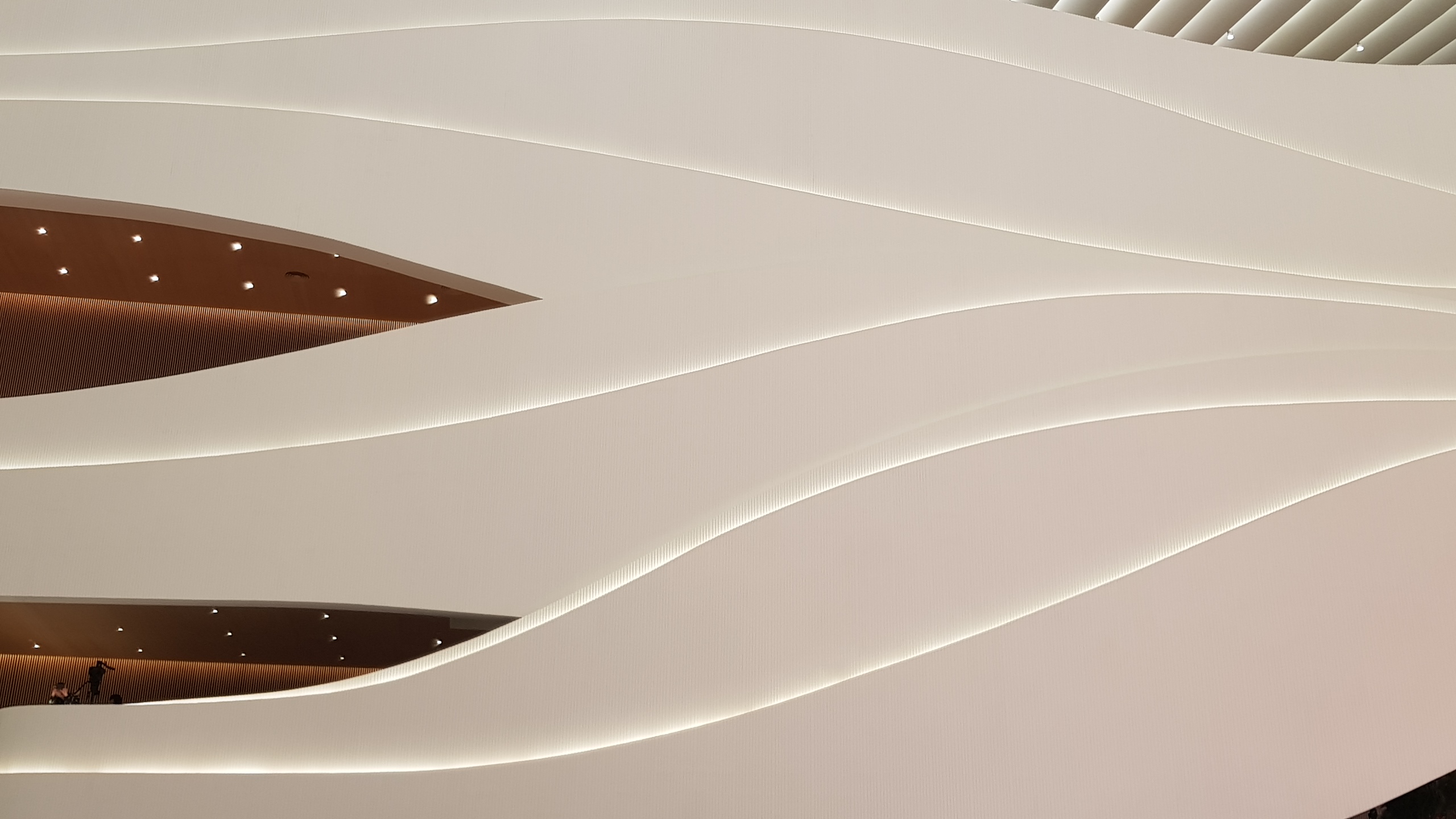
Finally, Han Haiyan described the gestation of the CAFA Art Museum in Langfang, one part only of the International Cultural Exchange Center, a huge, new town building in best neo-expressionist style:-

image

Standard

Langfang

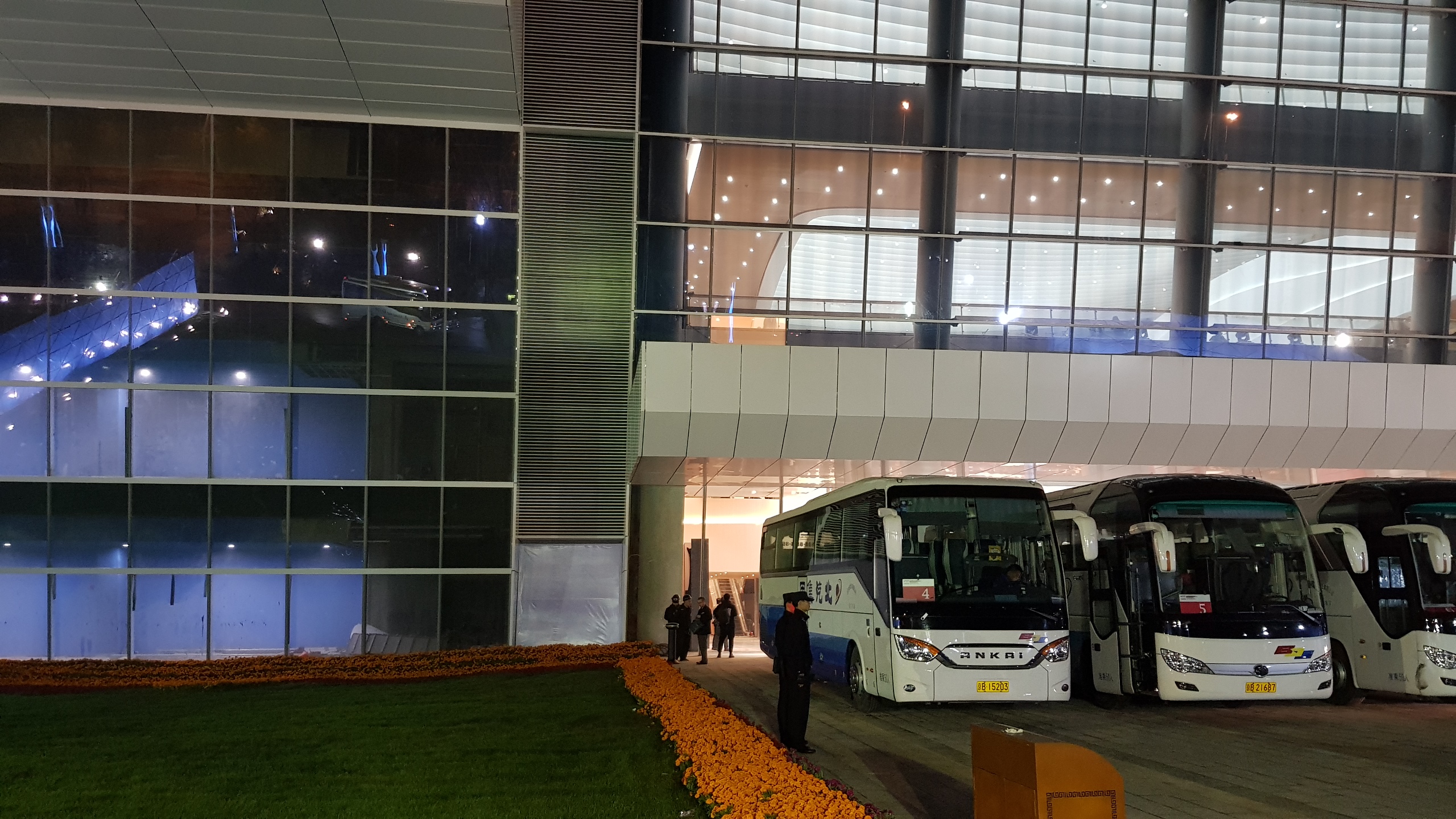
We all piled on to the bus in the morning for what I thought was going to be the half a mile drive back to CAFA again, but turned out to be a mystery ride out beyond the 6th. Ring Road to Langfang, a new township southwest of Beijing, to a conference centre attached to the International Cultural Exchange Center:-

image

We returned to the topic of new digital developments in museums, including the National Museum of Singapore, where visitors are encouraged to copy photographs from a table where they are all displayed (no copyright) so that they don’t need to take photographs themselves. Not surprisingly, the most impressive and most fully digital museum presented was the National Museum of Modern and Contemporary Art in Seoul, where many of the displays are in new media, even when working with old media artists, including Michael Craig-Martin and William Kentridge.

Standard

The Future of Art Museums

The afternoon session was devoted to the  future of art museums and their role in public and art education, as the way in which most people have their first and most systematic experience of art.   I had said that I would talk about the ideas underlying our recent building developments;  but I realised that much of what we have done is to rectify the omissions of a nineteenth-century building project – its previous nearly total lack of circulation space or proper public facilities, including no lecture theatre.   In China, they have built 600 new museums in the last couple of decades.   One of the issues is how to maintain authentic private experience when there is sometimes overcrowding.   Another is whether digital access, including the ubiquitous photography with mobile phones, enhances or detracts from visitor experience.   Since I like taking photographs myself, I am hardly one to deplore it, but this may not apply to Selfies in front of the Mona Lisa.

Standard

CAFA

The conference turns out to be a gigantic affair, held to celebrate the centenary of CAFA – the Central Academy of Fine Arts – which is China’s leading art school, based on the National School of Fine Arts, founded in 1918.   In amongst the glitzy ceremonial, there was much discussion of new challenges and new methods of teaching, the loss of interest in drawing and in any system of training based on materials and skills.   Best of the papers in the morning was a provocative, but historically well informed talk by James Elkins, the art historian and Professor at the Art Institute of Chicago, about the way that all degree courses in the United States (and presumably Britain as well) bear the traces of previous systems of instruction:  the eighteenth century academic system which privileged drawing and observation;  the nineteenth century German Romantic belief in the master, in creativity and the role of the imagination;  the Bauhaus which tried to start from a tabua rasa and taught visual sensibility;  and the postwar system which encouraged writing and self-analysis.   So the question posed was how much, if any, of this remains relevant to the contemporary practice of art.   I may have oversimplified.

Standard

Beijing

It’s night-time in London, but early morning in Beijing.   I had forgotten how discombobulating it is to fly half way round the world and find oneself in the enormity and incomprehensibility of Beijing, which I have been to three times, but never managed to orient myself in either the urban geography or the culture.

I’m here for what is described as an International Art Education Conference:  Art Education in the New Era, with delegates from art institutions across the globe – Florence, Prague, Moscow and Cape Town.   I’m in the Art Museum Forum and have discovered – too late to change my talk – that its theme is Opportunities and Challenges of Art Museums in the Digital Age.   Not really my special subject, but I can always learn.

Standard