Dartmouth

We went to see St. Saviour’s, Dartmouth, three stars in Simon Jenkins’s Thousand Best Churches.

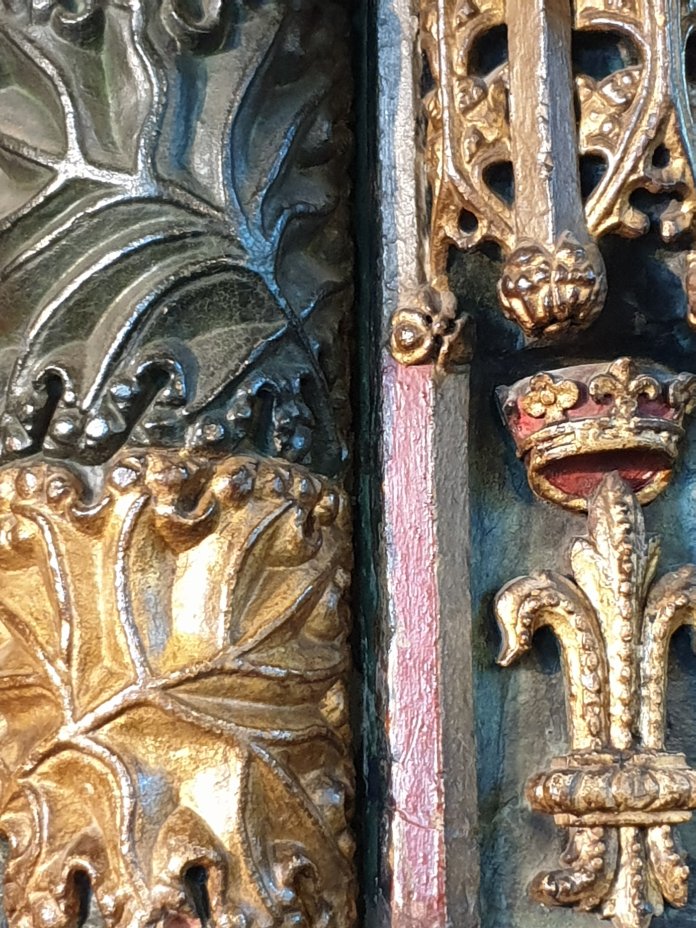
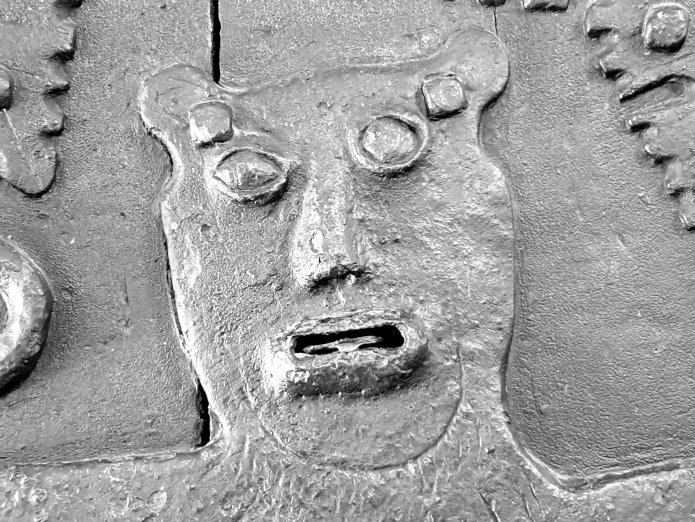
Worth it for it’s South Door, which says 1631 very prominently, but whose design is assumed to date back to the fourteenth century and has magnificent foliage and odd, emblematic bears:-

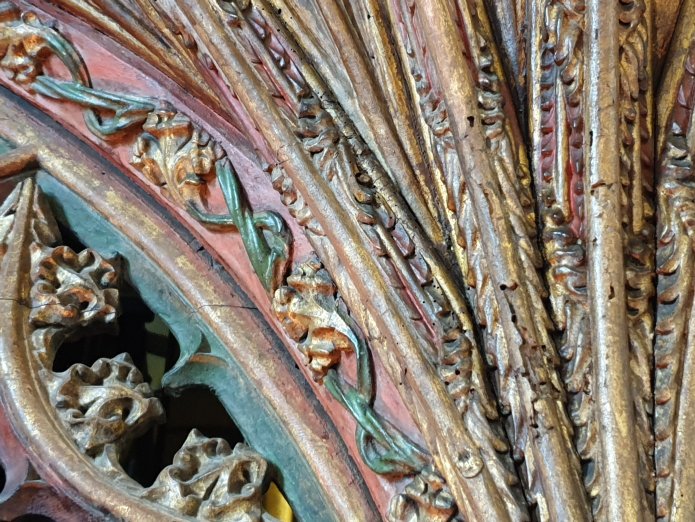
There’s a fine, painted roof screen, with fan vaulting, said to be from the 1480s:-

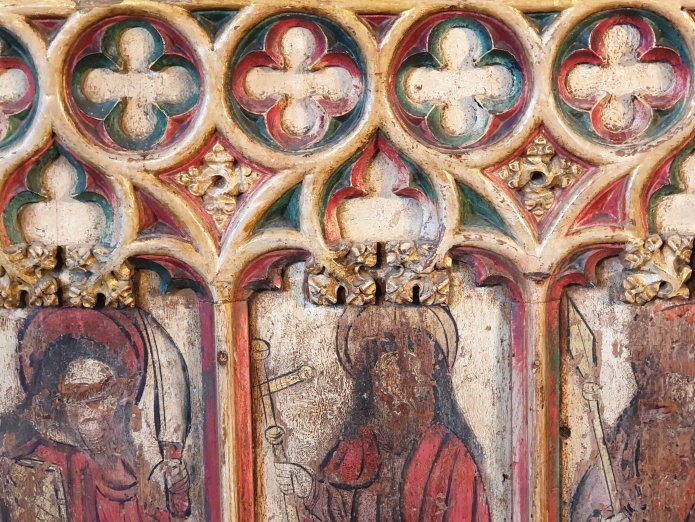
Underneath, painted figures, defaced in the Reformation:-

And a magnificent, painted, stone pulpit:-

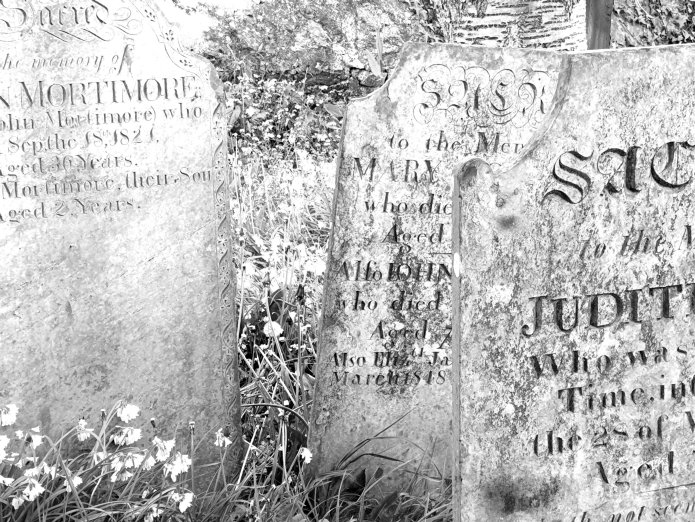
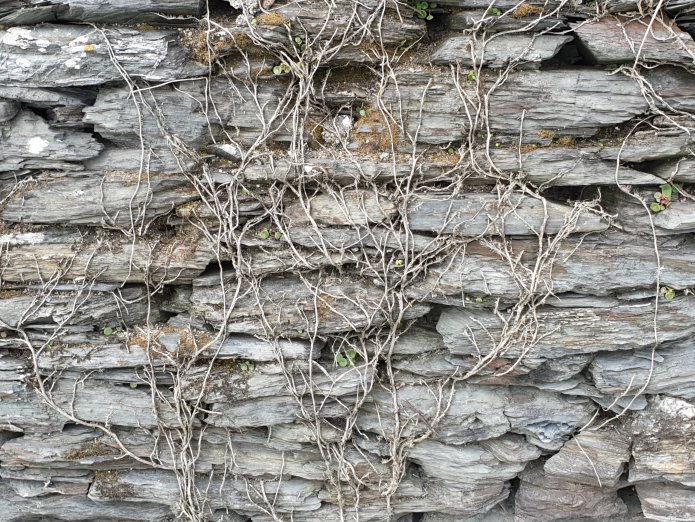
Slate tombs in the churchyard:-

Standard

South Hams

I’m getting the hang of the South Hams, an area of intense agriculture and pastoralism – red earth, orchards, steep hills and even steeper lanes.

We walked round Prawle Point:-

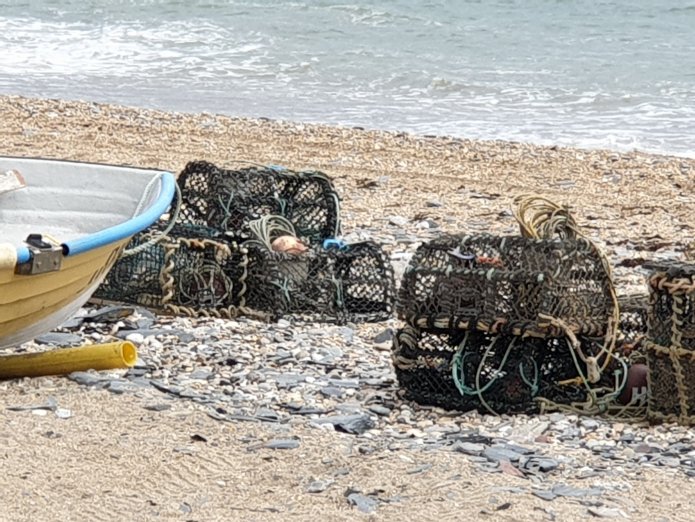
And then further up the coast at Beesands:-

Standard

Mill Bay

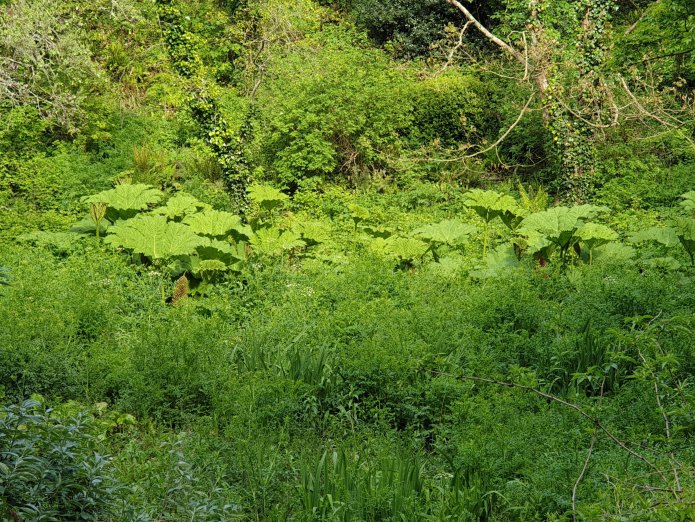
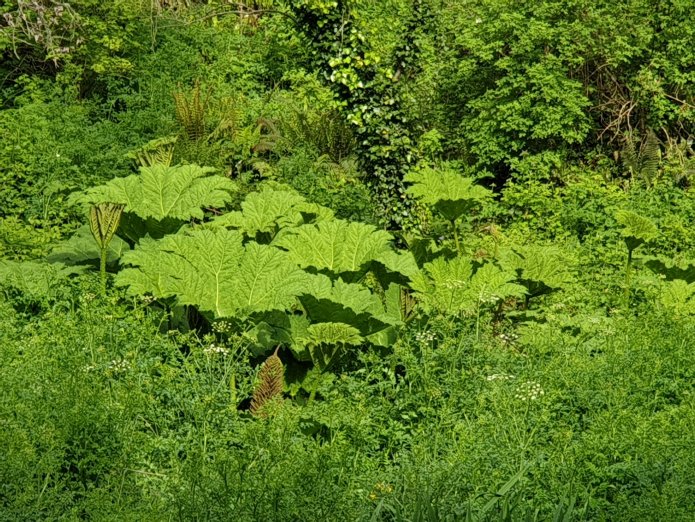
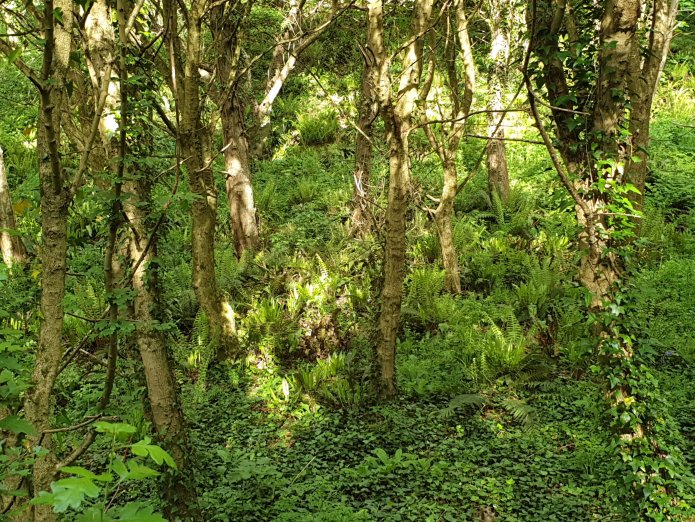
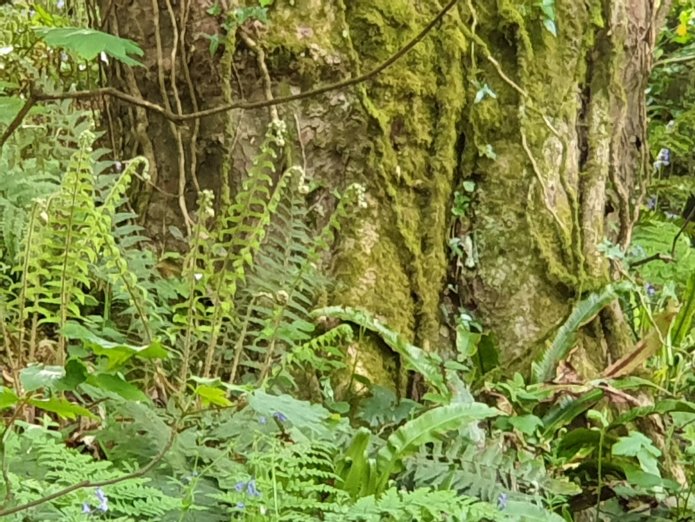
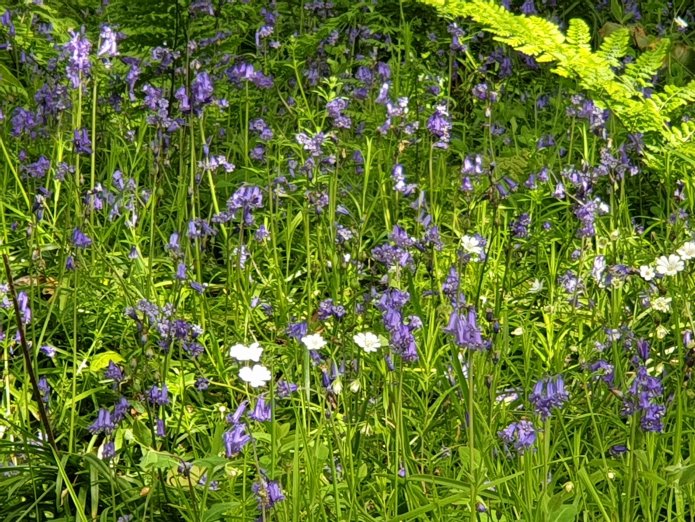
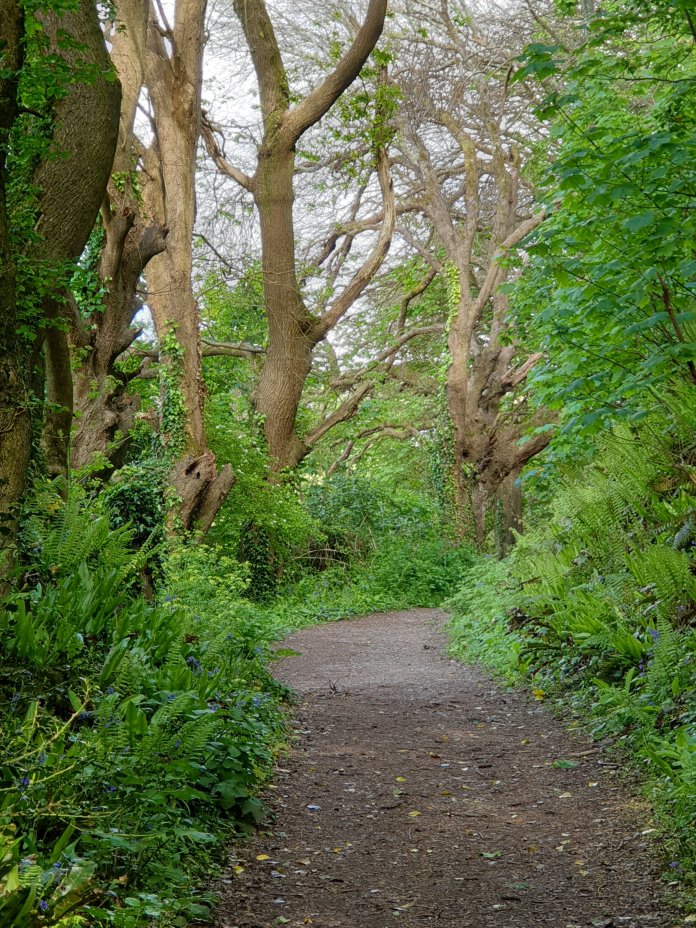
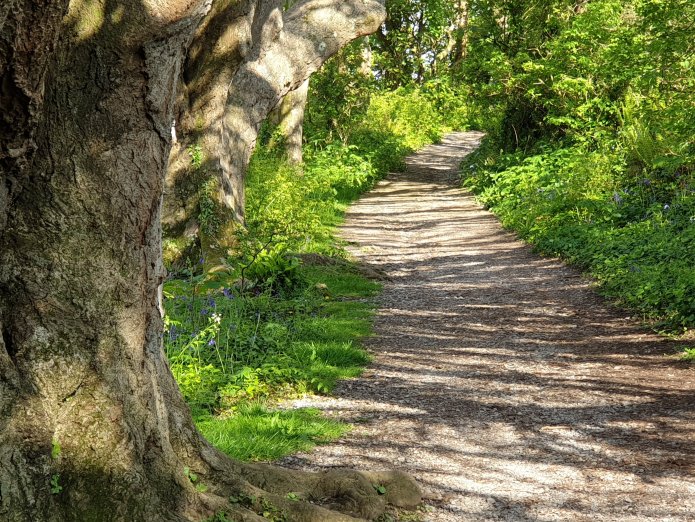
We went down to the National Trust car park at Mill Bay, on the wrong side of the Estuary from Salcombe, and walked up an old wooded track to Rickham and Gara Rock, full of gunnera, ferns and bluebells, with a run of old, possibly diseased beech trees, up towards the sea:-

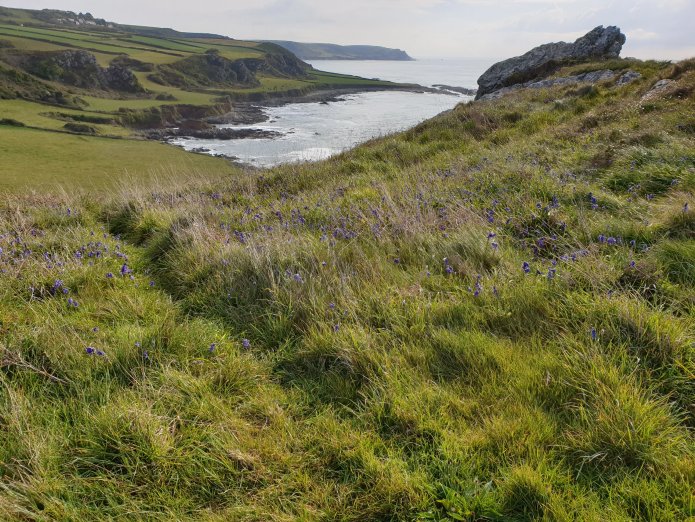
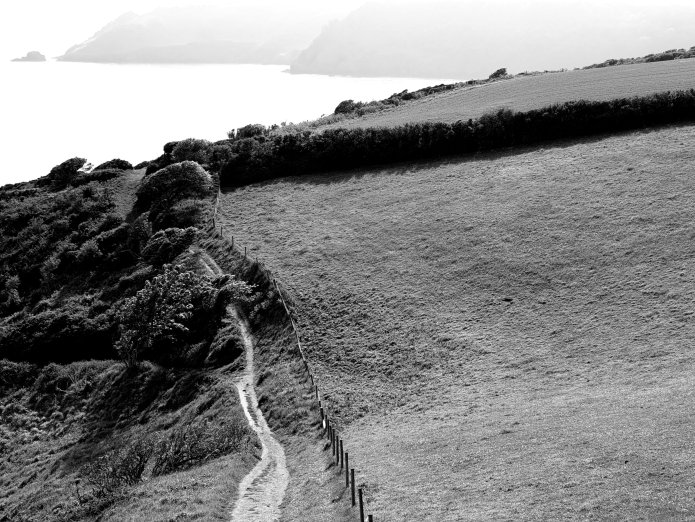
At Gara Rock, one reaches the coast looking west:-

And down to the sea below:-

Standard

Devon

A pleasure of being in Devon is that it gives me an opportunity of studying the Shell Guide to Devon, written by Ann Jellicoe, with photographs throughout by her husband, Roger Mayne, of which I have A.L. Rowse’s review copy, with his caustic annotations, including the comment on the title page ‘arch in style throughout’.

There had been two previous versions of the Shell Guide to Devon. The first was by John Betjeman, the seventh in the series and Betjeman’s second (he had already done Cornwall), first published in 1936 (I think of Shell Guides as a phenomenon of the 1950s, but not so). The second was by Brian Watson, ‘a Devon man’ and was published in 1955.

Mayne is known mostly for his street photographs of London, but after graduating from Oxford and making his reputation as a photographer on Picture Post, he had spent time in St. Ives in 1953. He was commissioned to do the Devon Shell Guide by John Piper, who himself had a good eye for photography, and maybe wanted him to undertake Devon as a documentary project. The result is unusual: anti- picturesque, all black-and-white in high tonal contrast, full of dark photographs of medieval wood carving, more 1950s in style than 1975, when it was published. Rowse wrote ‘Ugh’ on Mayne’s photograph of the beach at Teignmouth.

Standard

Chivelstone (1)

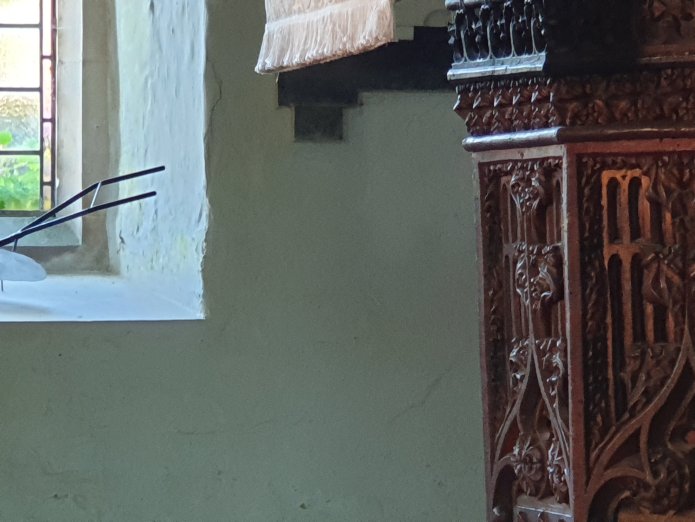
We walked down to the church at Chivelstone, which, surprisingly, was open and is much more interesting and atmospheric than Pevsner makes it appear (and it is not listed in Devon’s Fifty Best Churches) with a carved and painted wooden pulpit, which Pevsner does acknowledge:-

A fine, presumably pre-Reformation, said to be 1460, painted, and somewhat damaged, rood screen:-

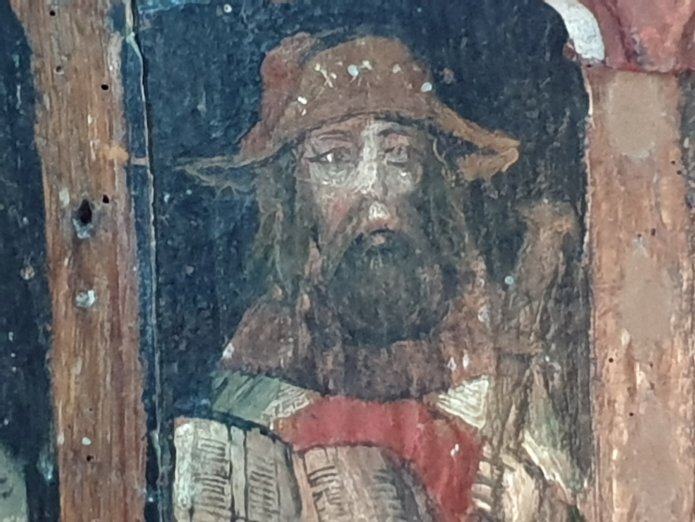
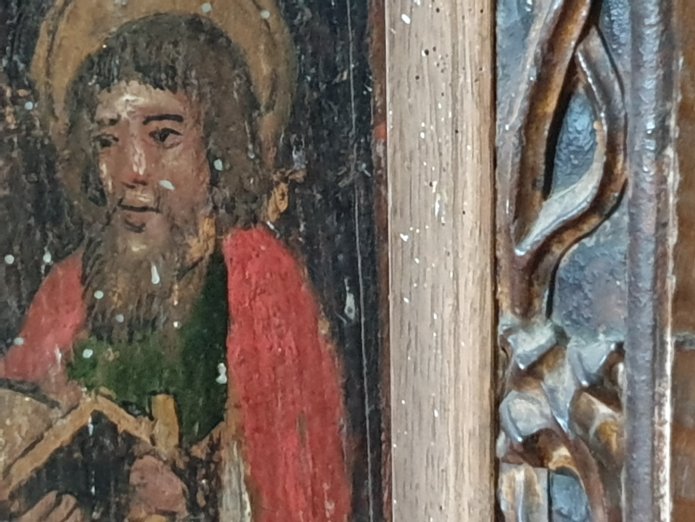
And paintings in the panels below the roof screen which are definitely of interest in a slightly crude way, as representative of fifteenth-century views of the saints, both catholic and pagan:-

Standard

South Devon

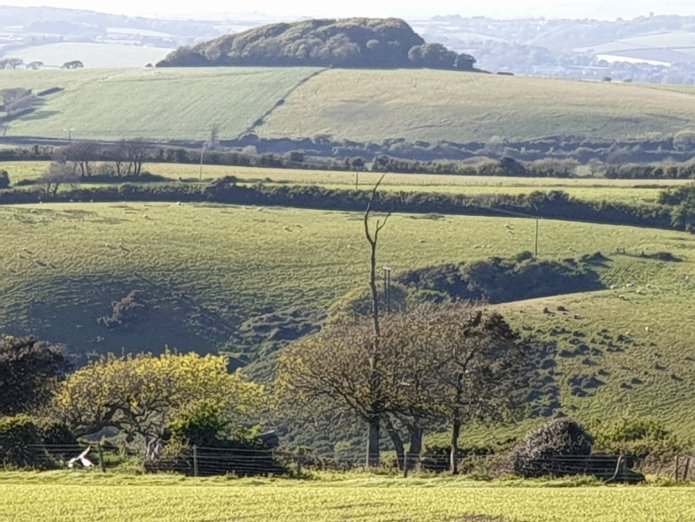
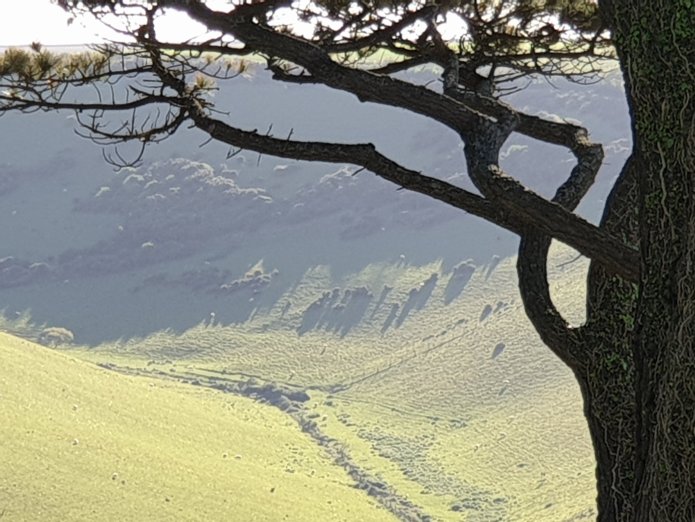
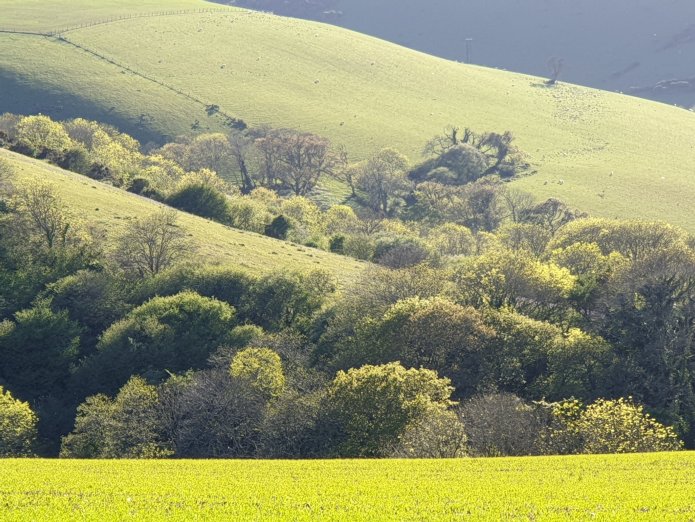
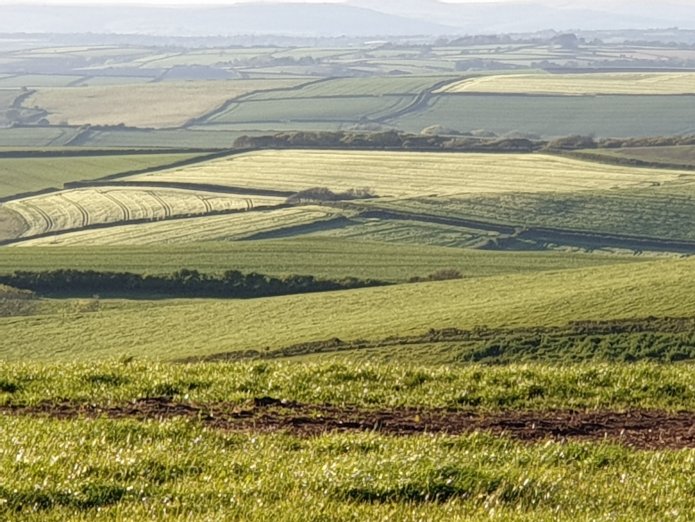
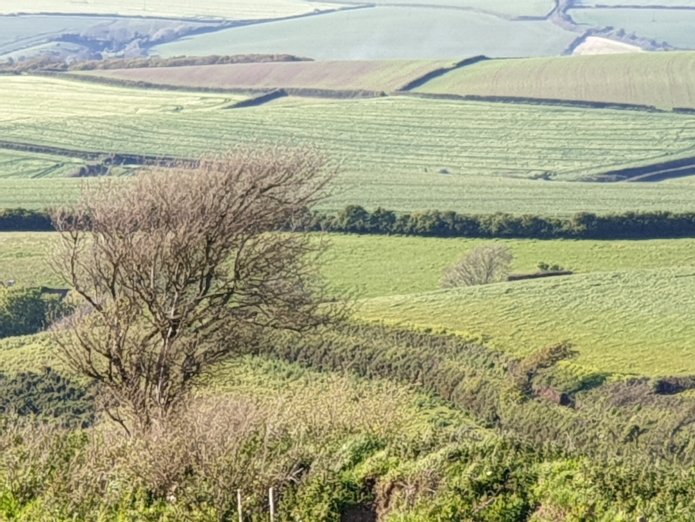
The landscape round The Secular Retreat is spectacularly beautiful with long views out from an eyrie of Scots pines north for twenty miles or so of fields and farmland towards Dartmoor, of which one gets no sense driving through deeply banked, narrow lanes, and west across a wooded valley towards Salcombe, with the sea invisible not far to the south.
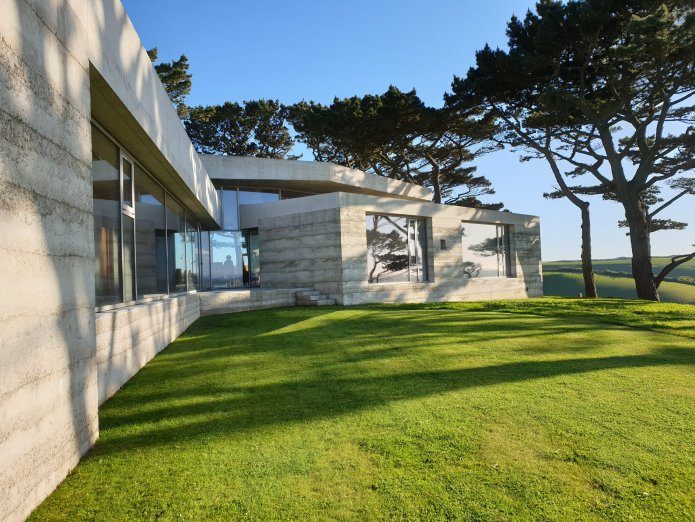
This is where The Retreat sits, high up on a hill above Chivelstone:-

And the views from it:-

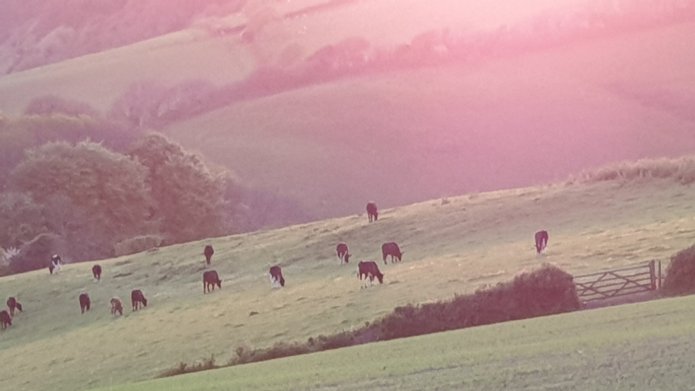
And as dusk comes:-

Standard

The Secular Retreat

I left Venice in order to spend the weekend at The Secular Retreat, Peter Zumthor’s magnificently monumental holiday home, isolated on a hill in rural Devon with spectacular views across open, rolling, farming country – both luxurious and austere, a combination of a Greek temple and Stonehenge, with huge columns made out of rough, rammed concrete, mostly glass walls and a flat, concrete roof, based presumably on the experience of the Thermal Baths at Vals, which I haven’t seen:-

Standard

Venice (4)

This is my last post from Venice as, annoyingly, I have to return to London.
I took the opportunity to make some last peregrinations, motivated by no more than getting to know the city better, which always seems an impossible task.

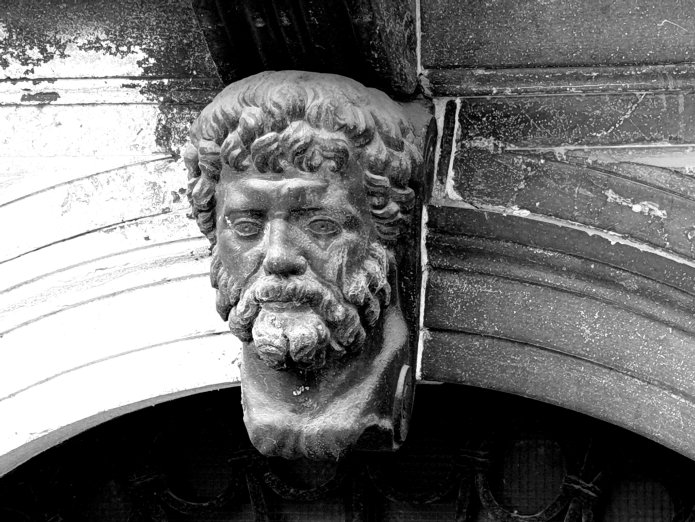
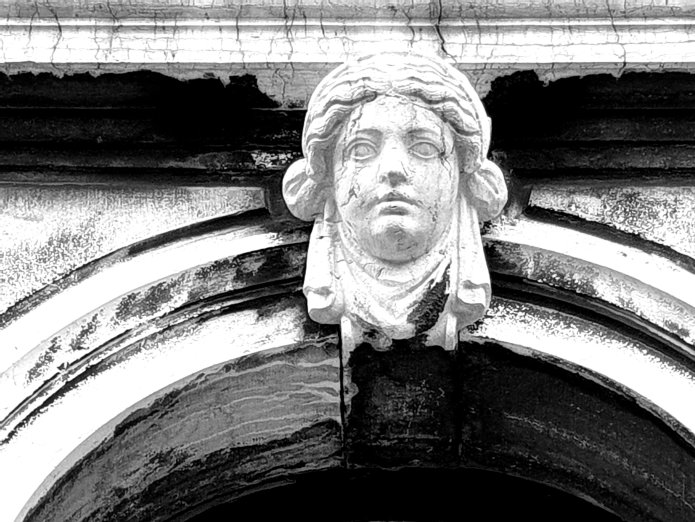
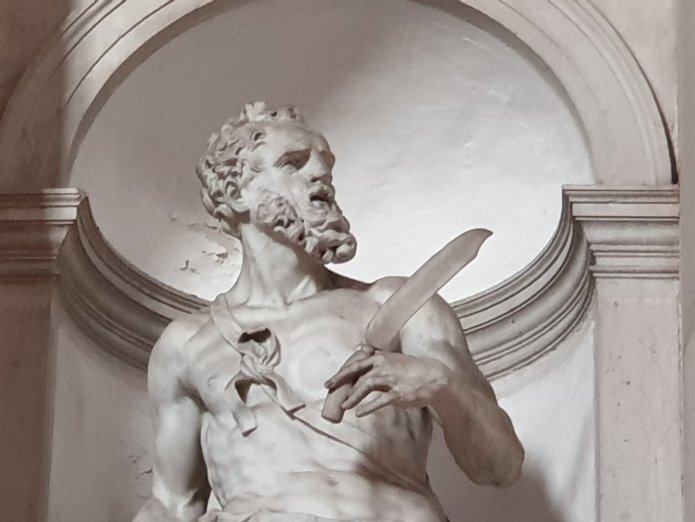
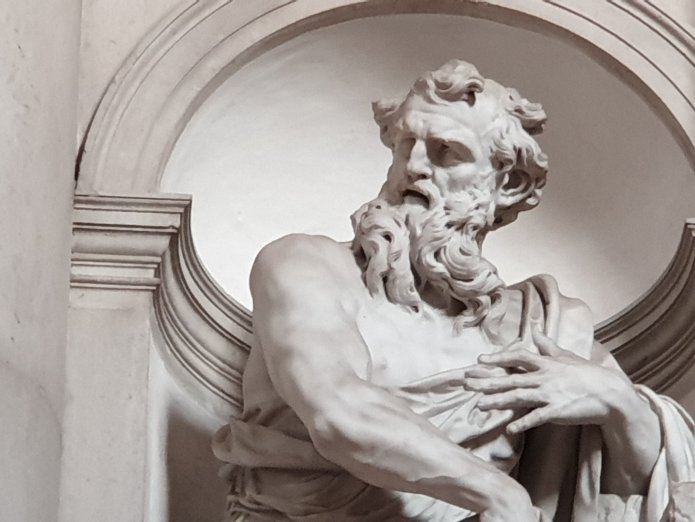
First, three more heads:-

I passed S. Zulian, a church by Sansovino and assumed that it was S. Zulian over the door, but, in fact, it’s Tommaso Rangone, a physician and philologist (the prominence of donors is not a twentieth-century phenomenon):-

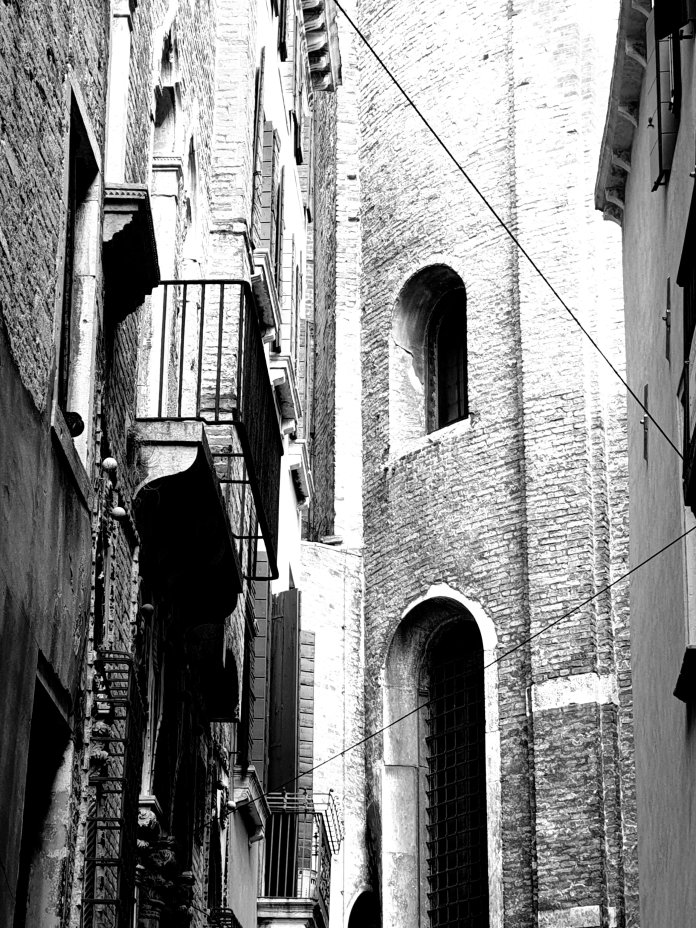
Then I arrived at the back of S. Salvador:-

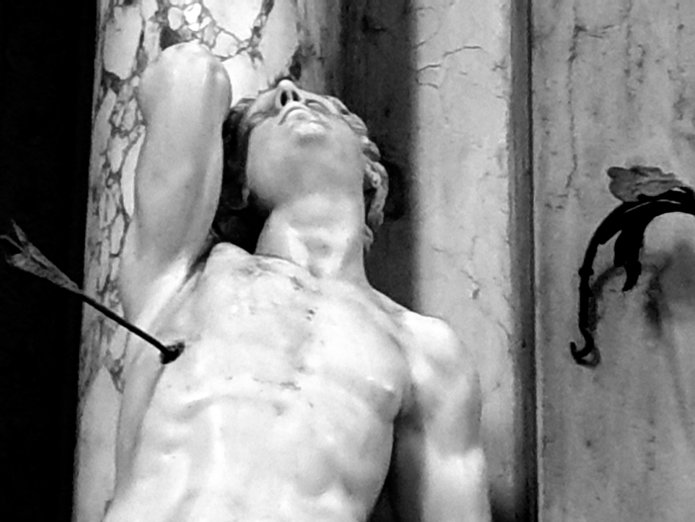
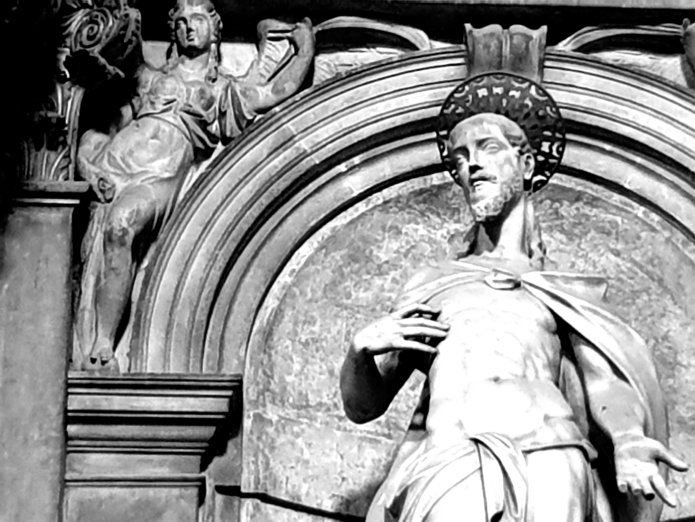
In S. Salvador itself, there is a statue of S. Sebastian by Alessandro Vittoria:-

The tomb of Andrea and Benedetta Dolfin with statuary by Giulio del Moro (again):-

That’s it. The vaporetto awaits.

Standard

S. Giorgio Maggiore

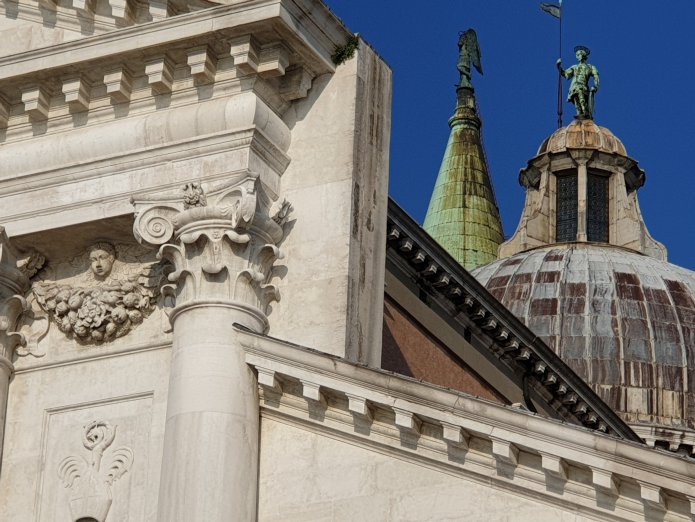
Of course, there is much else to see in S. Giorgio besides Sean Scully’s fine exhibition.The beautiful austerity of Palladio’s façade with statuary by Giulio del Moro:-

Inside, there is a fifteenth-century wooden crucifix which spurts blood on feast days:-

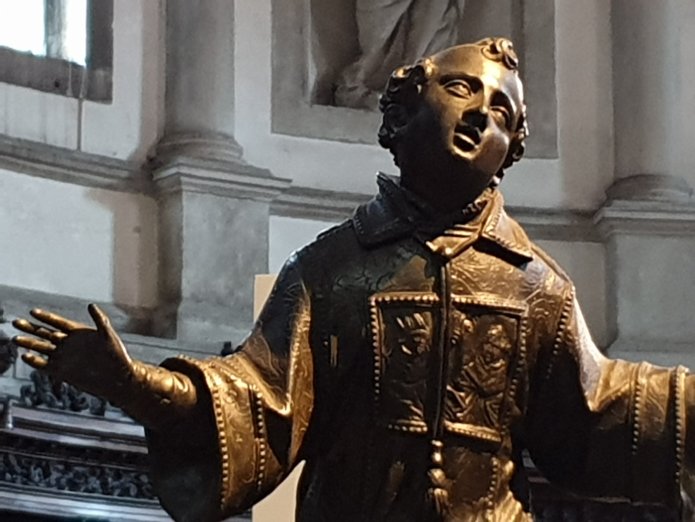
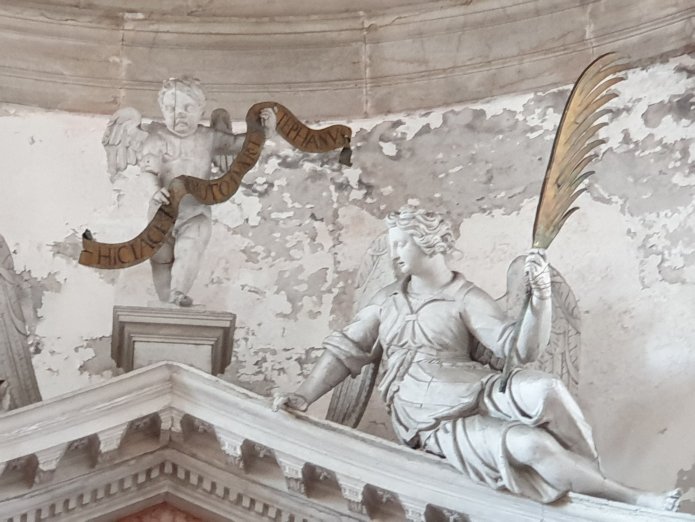
I noticed two statuettes on the balustrade dividing the choir from the chancel. They are by Niccoló Roccatagliata of 1593:-

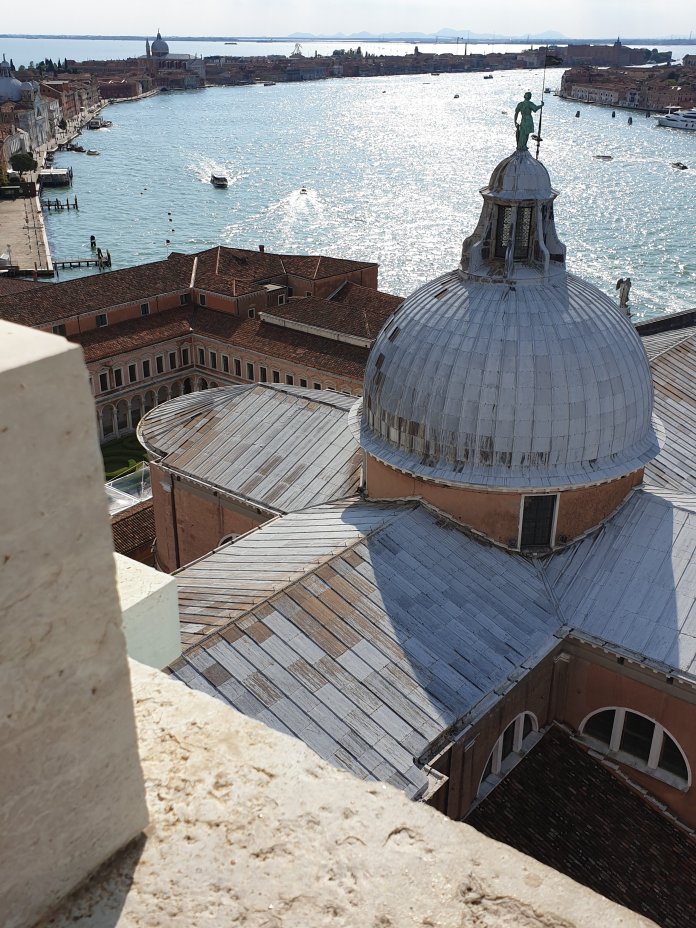
I couldn’t resist going up the tower to see Venice laid out below, including a good view of Il Redentore:-

Some more miscellaneous pieces of stone carving which I haven’t been able to identify:-

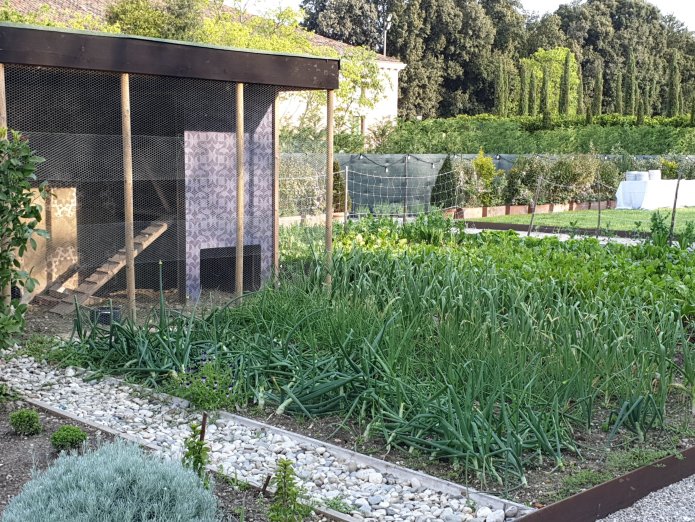
And the monastic garden with chickens beyond:-

Standard

Sean Scully

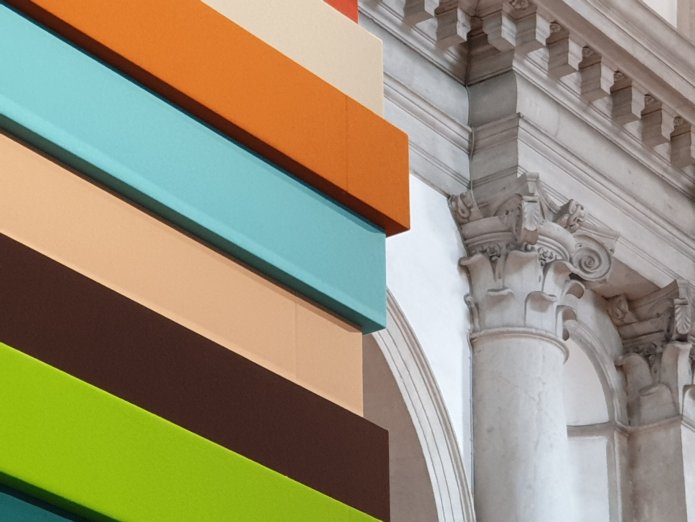
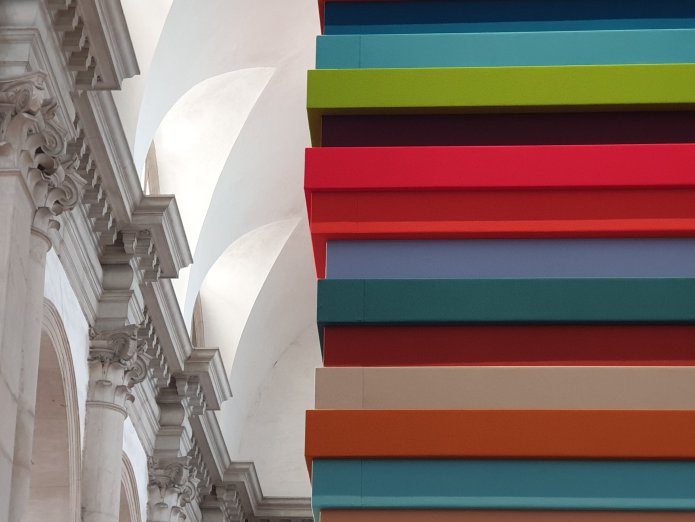
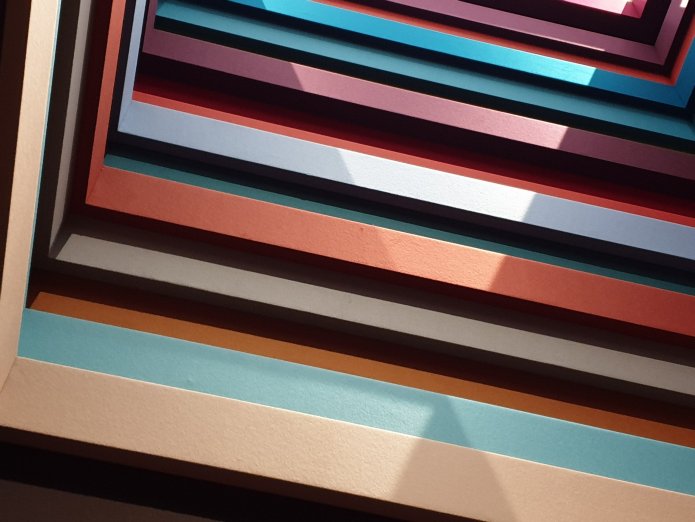
My main raison d’être for coming to Venice is to see Sean Scully’s work in S. Giorgio Maggiore, Palladio’s great church begun in 1566 and incomplete at the time of his death in 1580.

The nave is filled by a single work, Opulent Ascension:-

Behind the high altar is a manuscript which sits within the monks’ stalls:-

Outside is Brown Tower:-

And Landline paintings in the Manica Lunga:-

Window Beneath:

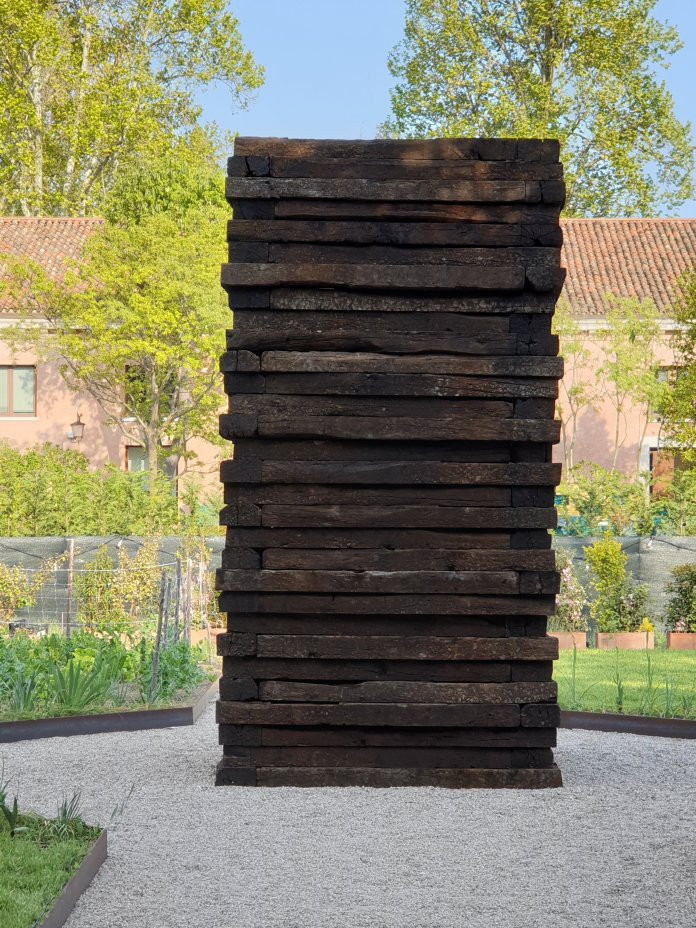
And Sleeper Stack in the garden:-

Standard