Sexey’s Hospital

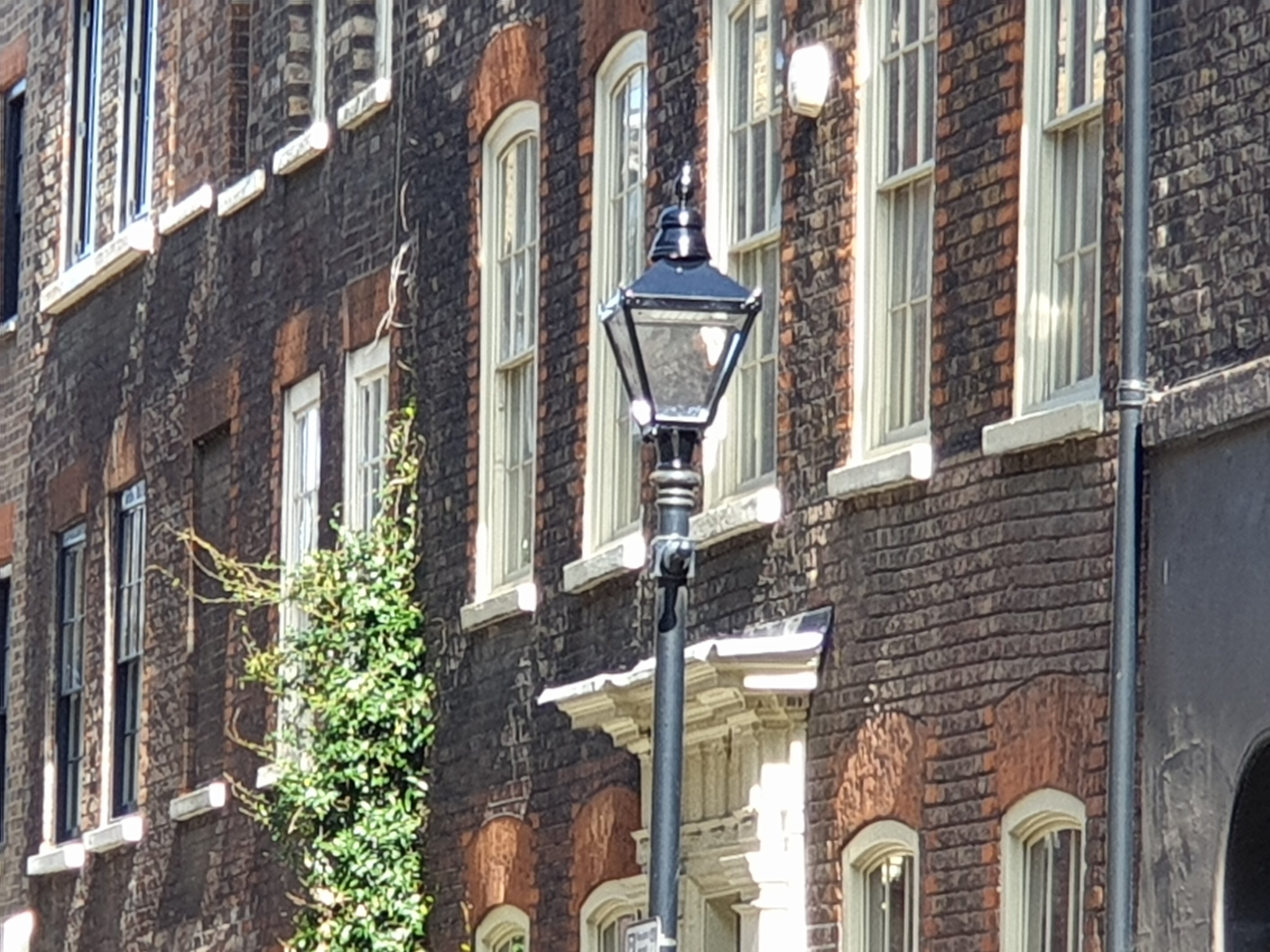
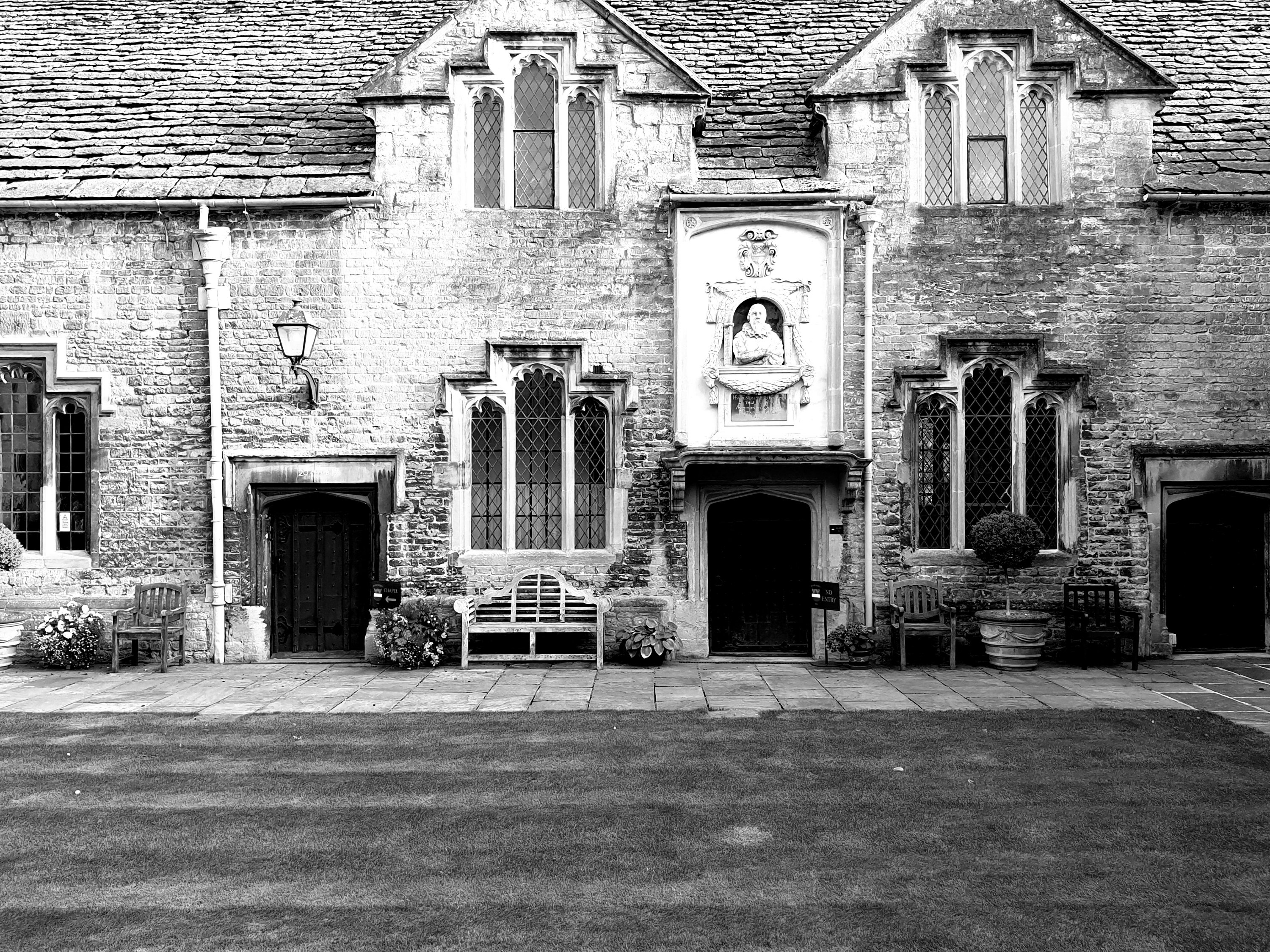
We walked down to the courtyard of Sexey’s Hospital, where they were selling home-grown tomatoes, and were able to admire the fine space of the courtyard, built in 1638 on the instructions of Hugh Sexey’s trustees following his death in 1619. Sexey was a local boy made good, educated at the local Free School, who became a royal auditor in the Exchequer of Queen Elizabeth and King James, thereby accumulating a good fortune through fees, revenues and other property transactions. He is commemorated with a bust and inscription, both now worn:-
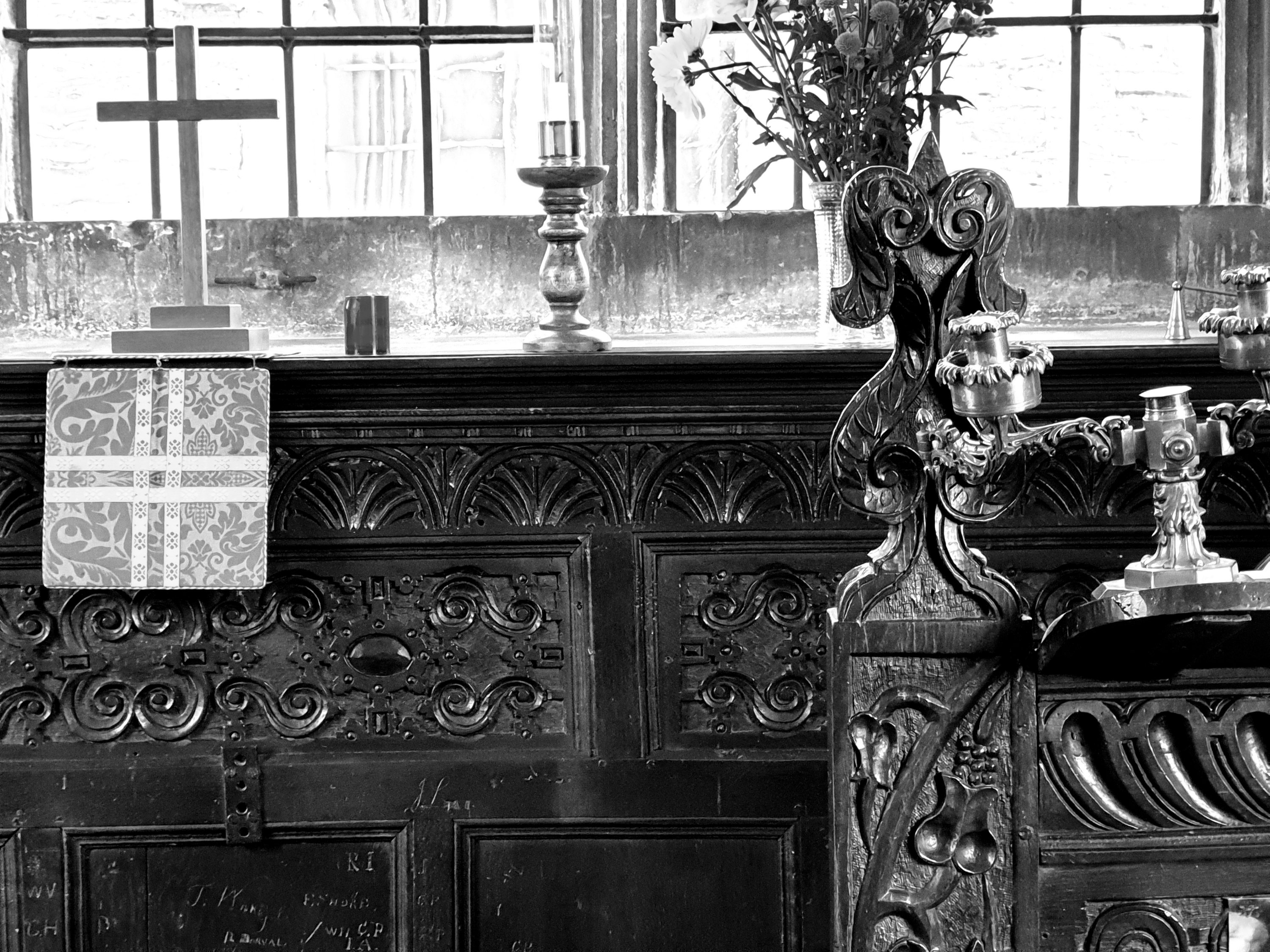
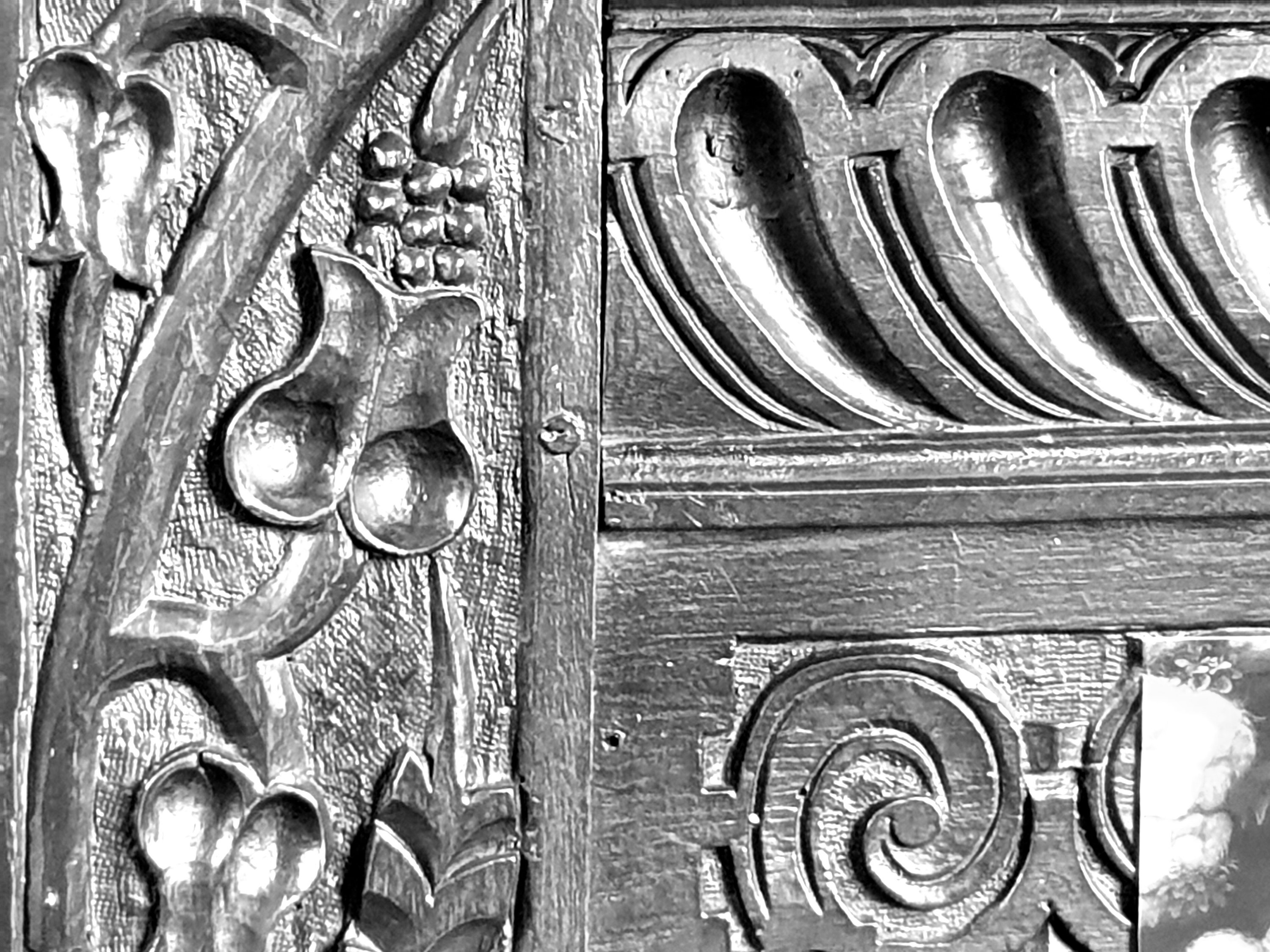
The chapel has wonderful seventeenth-century woodwork:-
Standard

Make

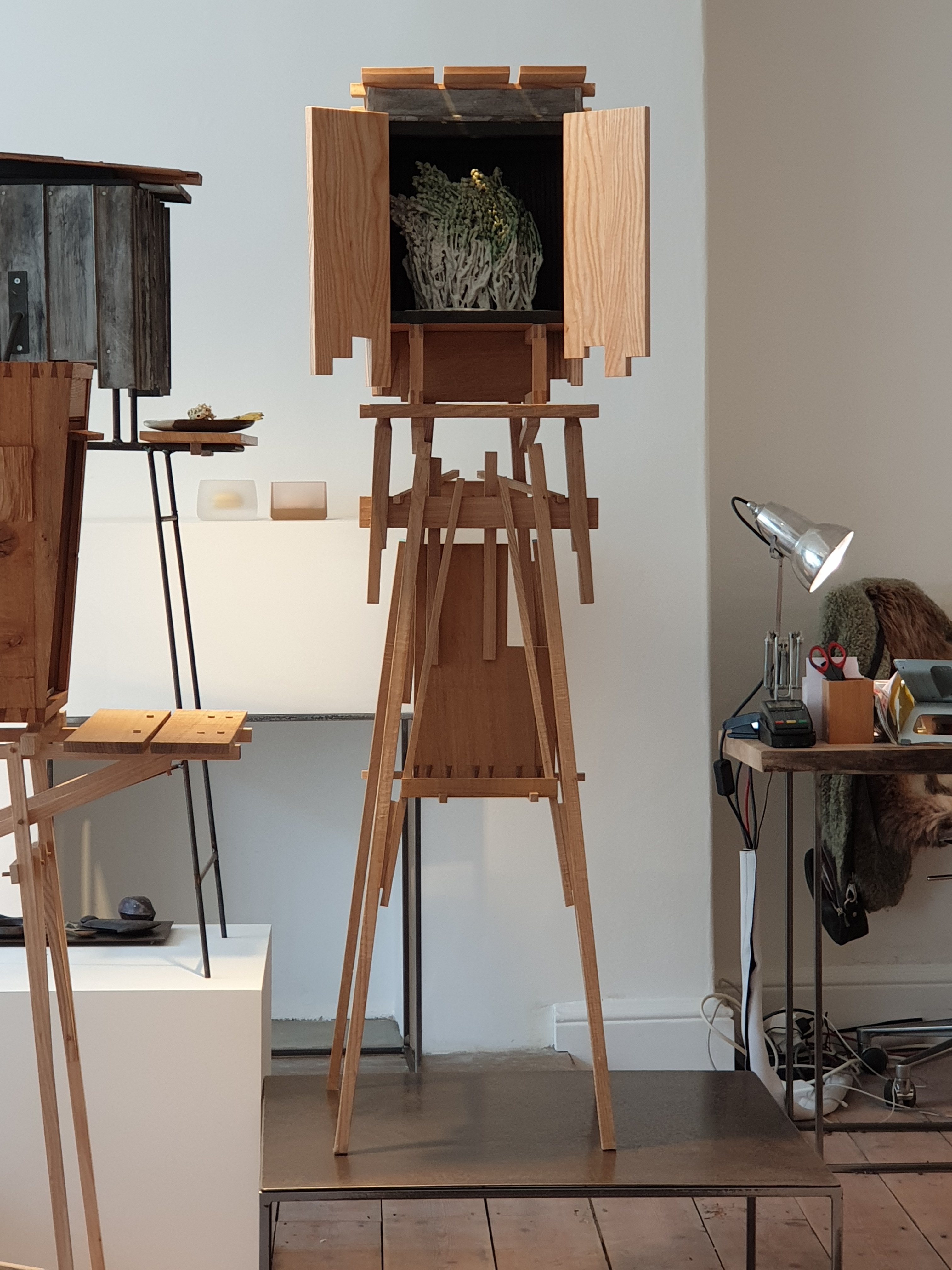
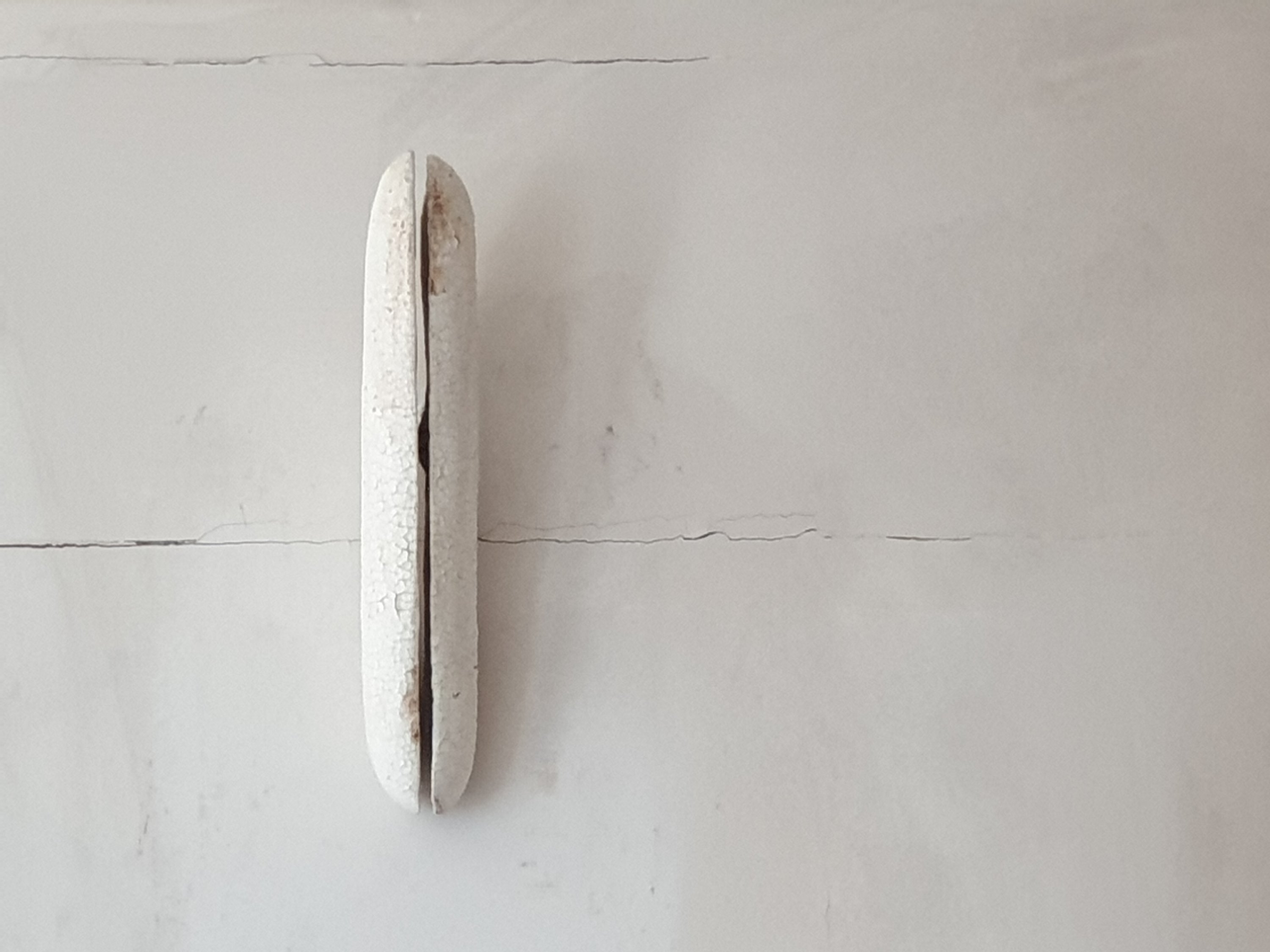
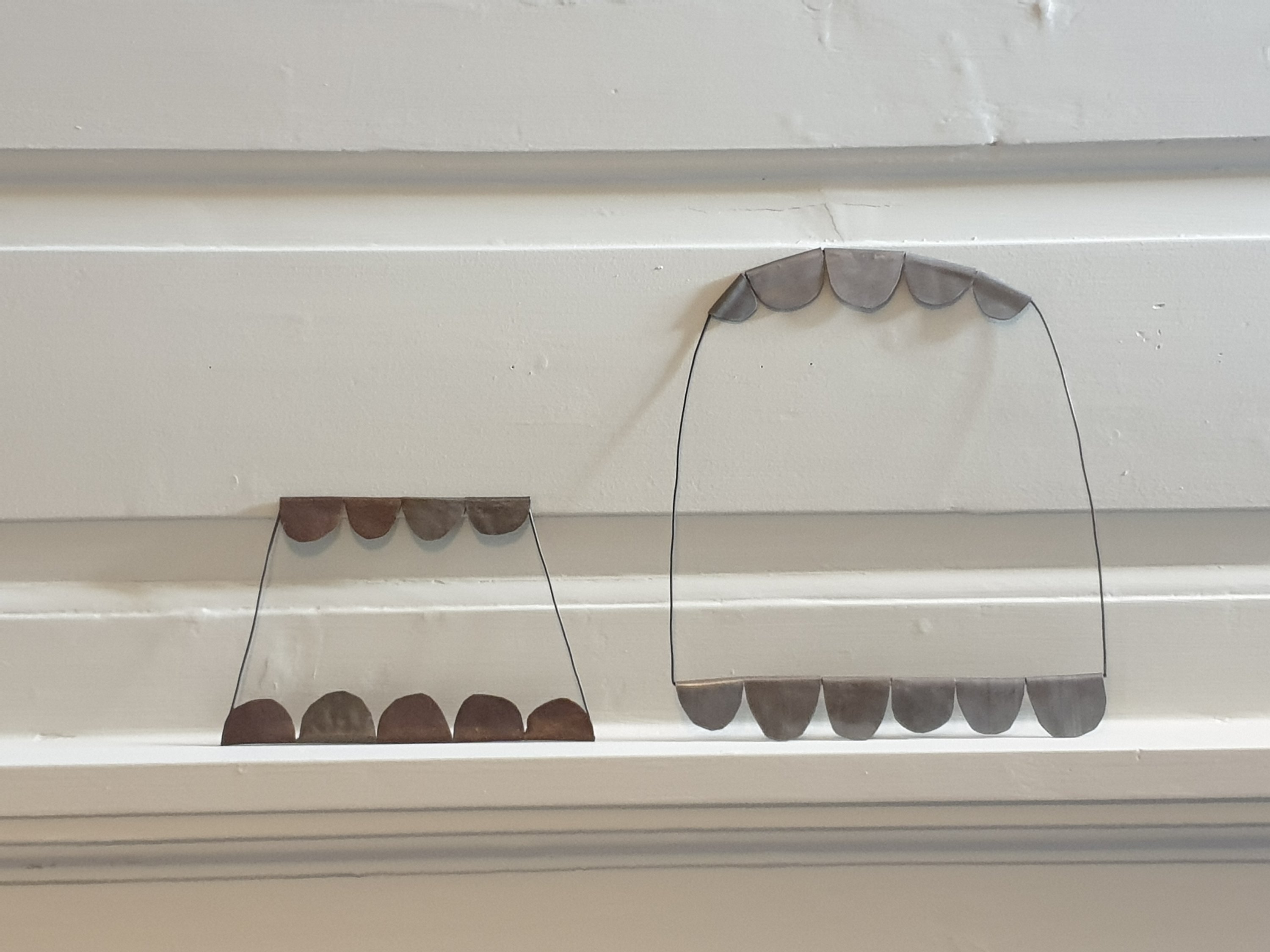
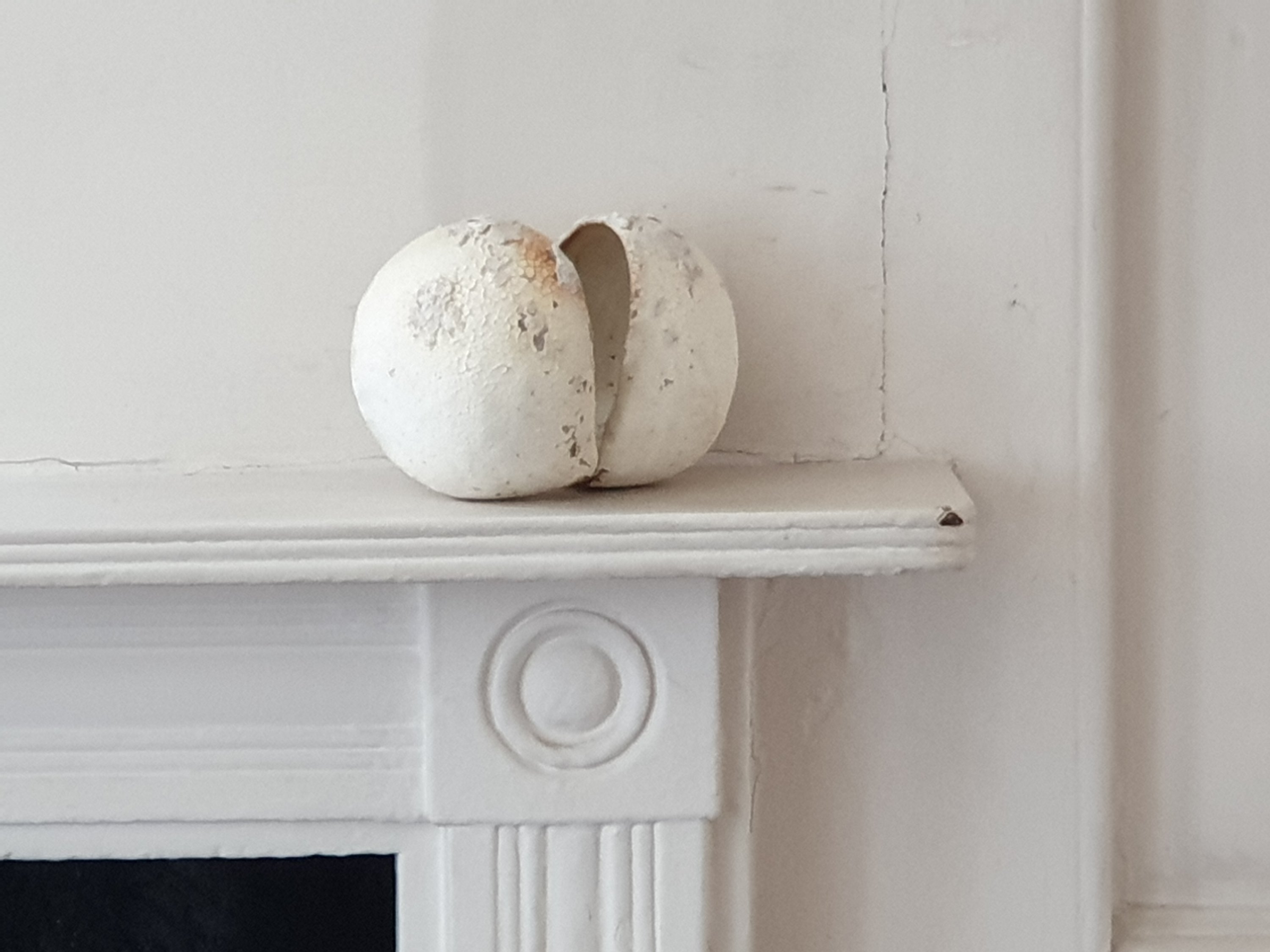
We called in at Make, the Hauser & Wirth gallery in the High Street in Bruton which has an exhibition of deliberately makeshift cabinets by David Gates, half highly finished and detailed, half home-made constructions:-

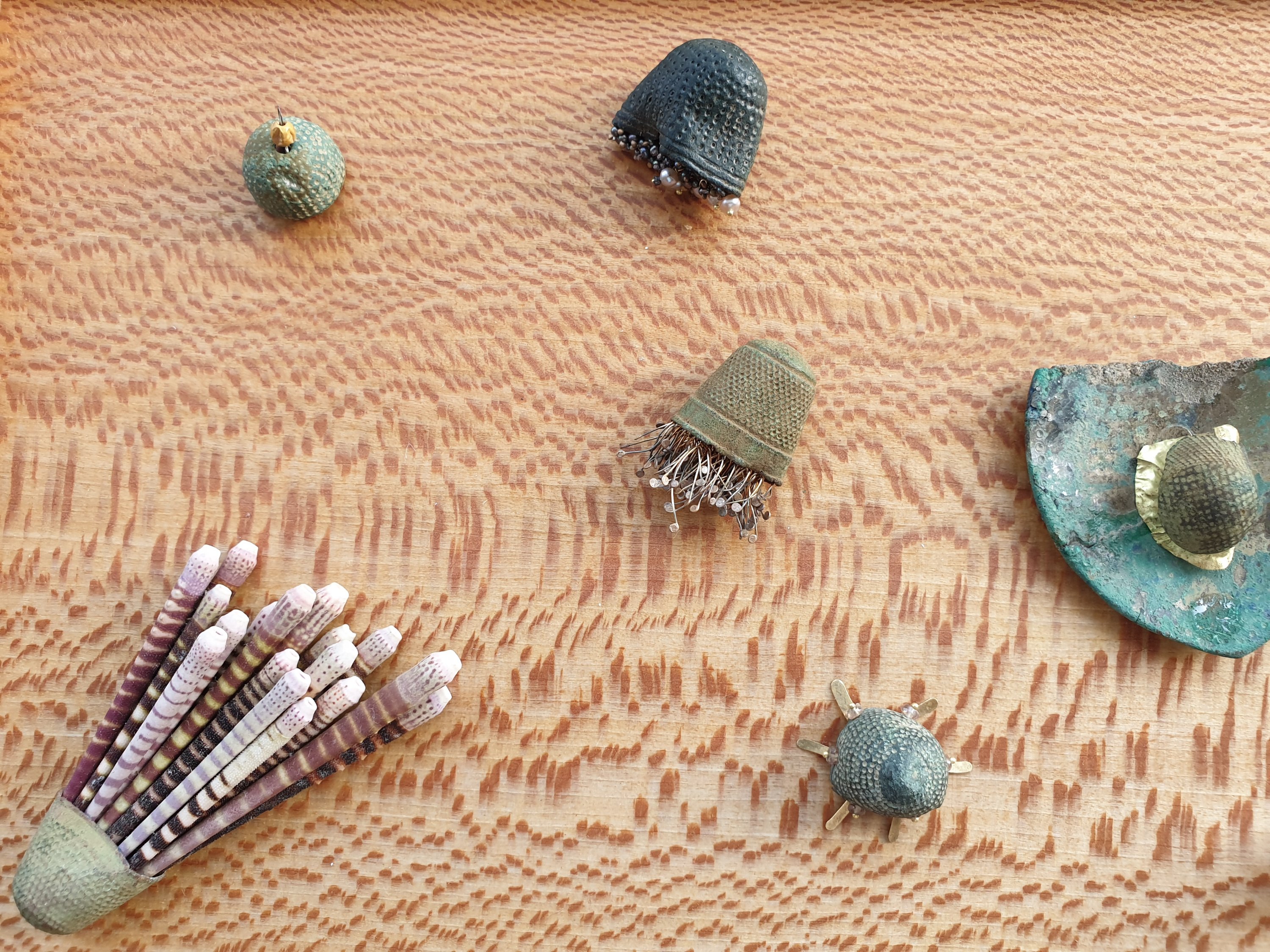
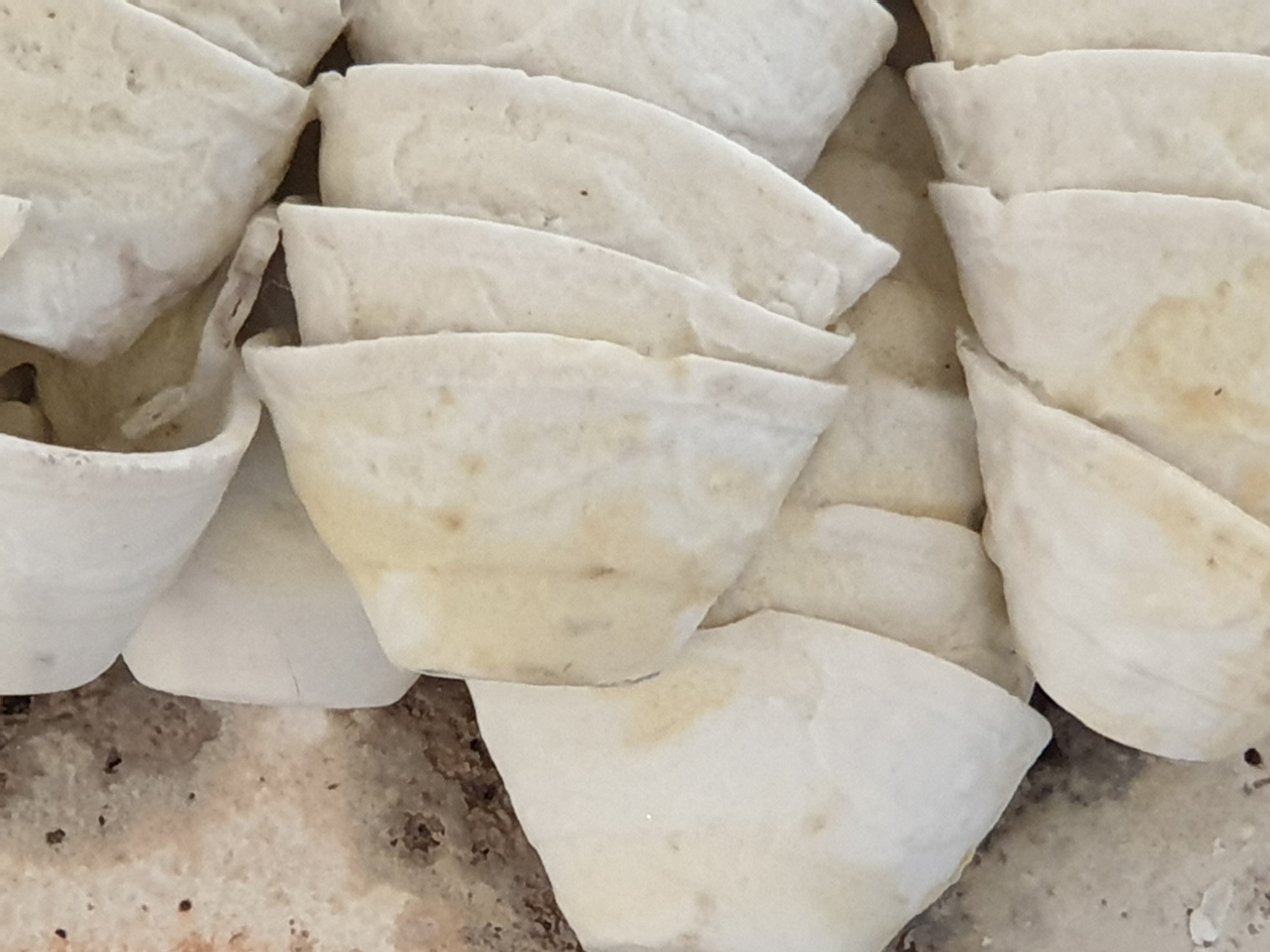
They have been used as storehouses for equivalently ornate craftworks, including trays of thimbles by Romilly Saumarez Smith under the title Thimbellimare:-

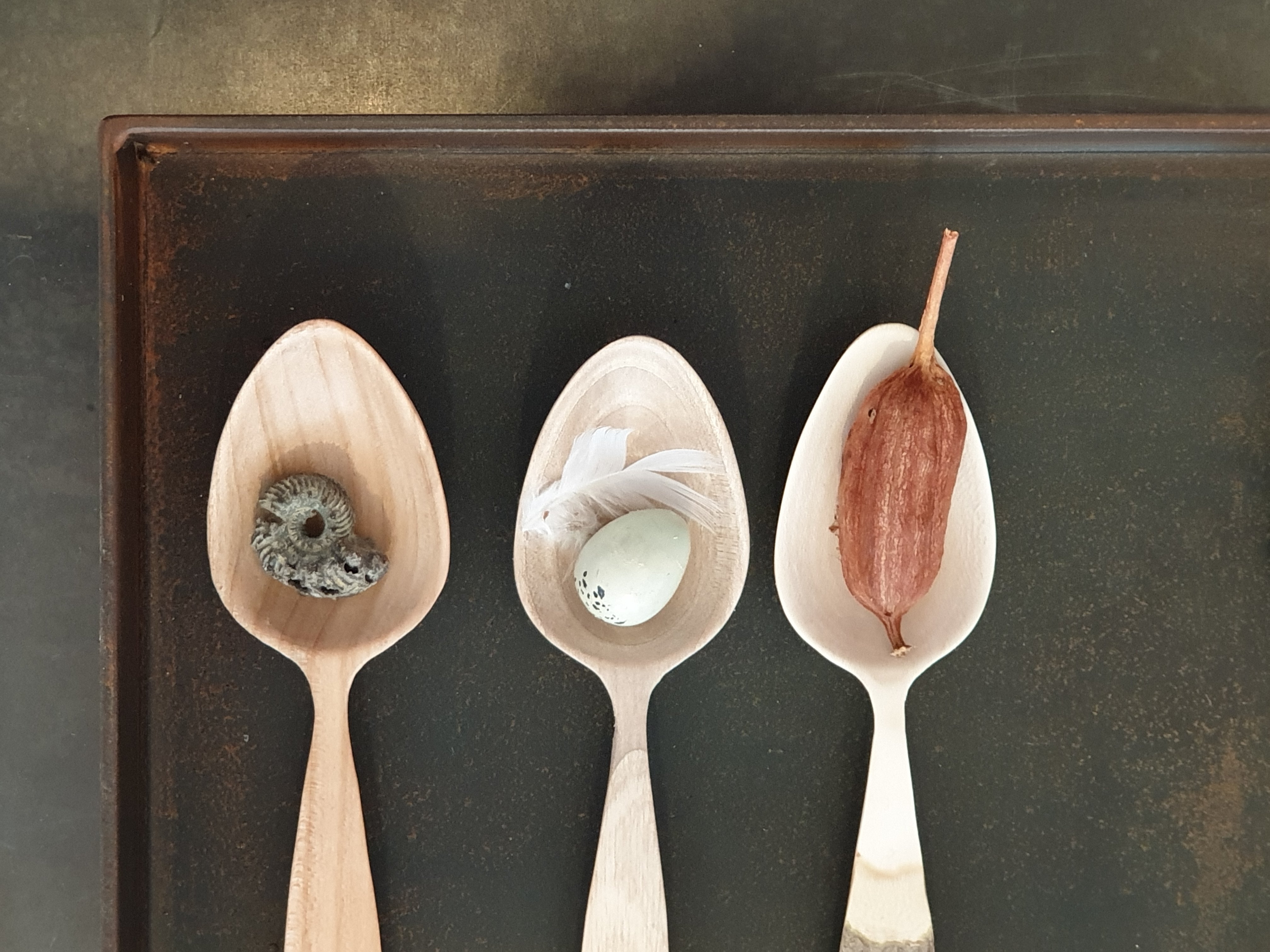
There are beautiful displays/trays of found objects and spoons by Mark Reddy:-

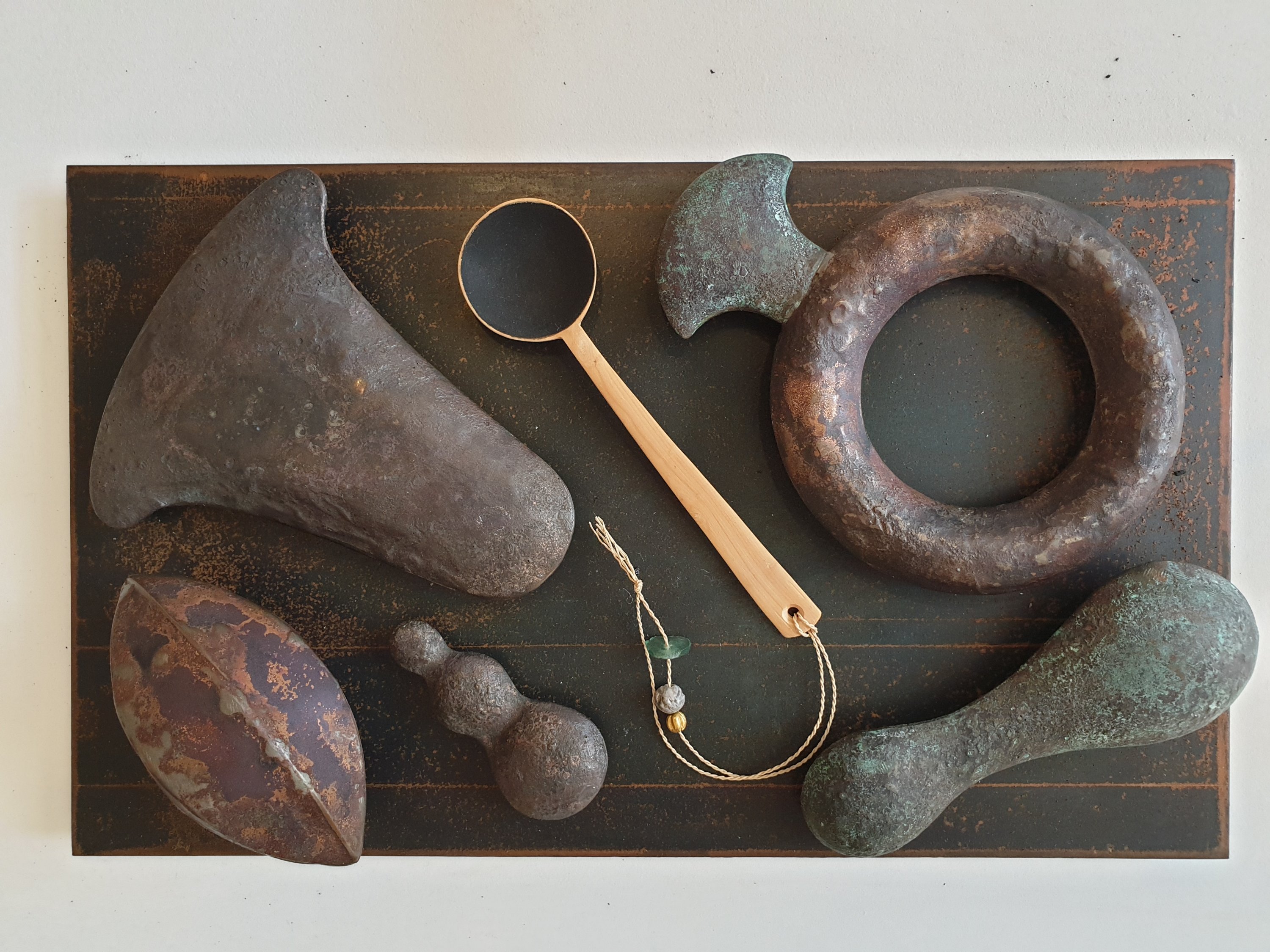
Reconstituted industrial ceramics by Neil Brownsword:-

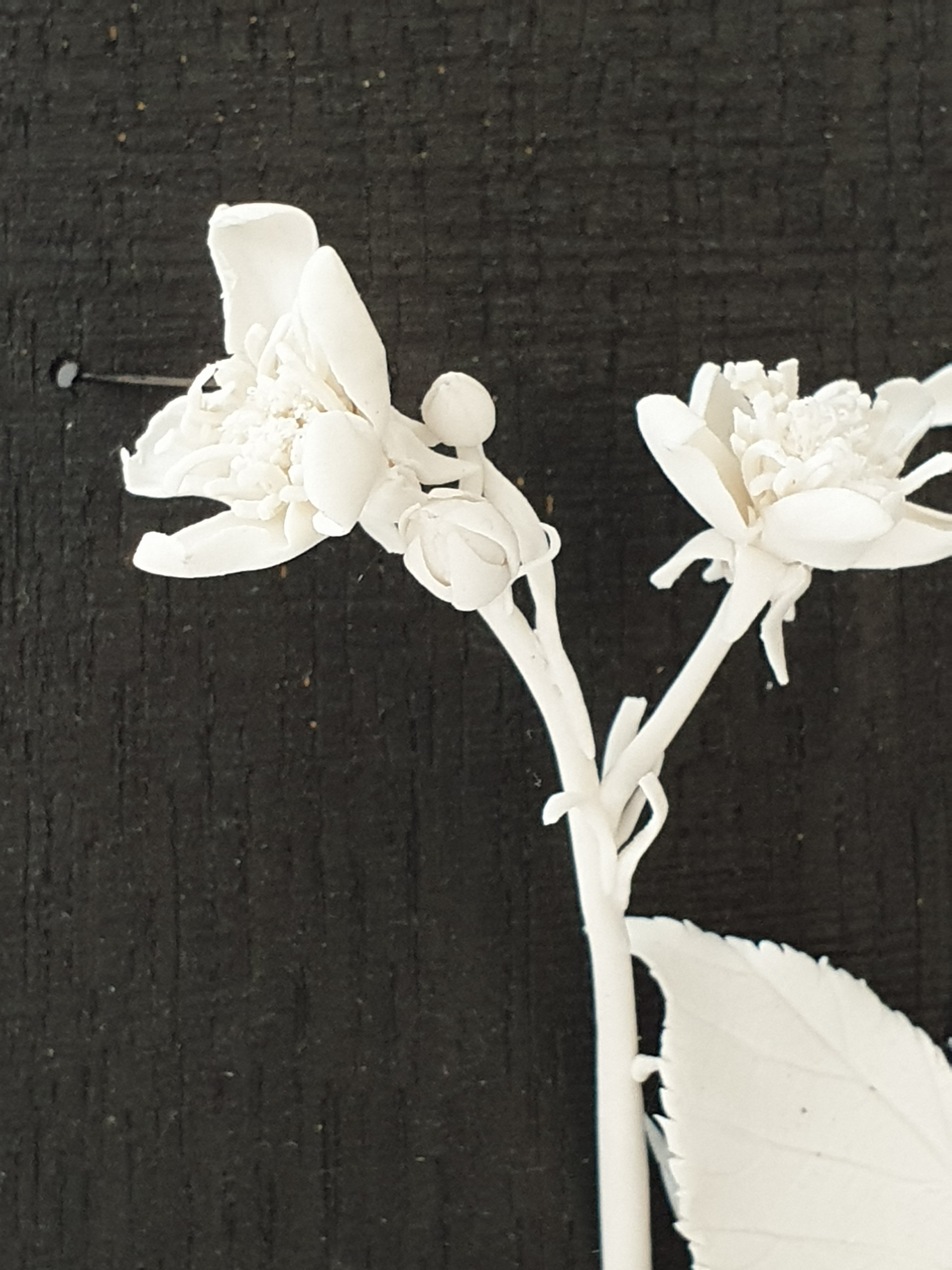
And porcelain flowers by Katie Spragg:-

Standard

Matthew Rutenberg

I have only just heard rather belatedly of the death of Matthew Rutenberg, who was one of the most widely knowledgeable art historians I have ever known. He was brought up in Florida – I once visited there – and claimed that his uncle had tried to buy the paintings off the walls of the National Gallery of Scotland, although, like some of his other stories, this was possibly fictitious. By the time he arrived as a student at Harvard, he had an encyclopedic knowledge of the history of western art, which he combined with taking courses in police studies. I was adopted as a friend and encouraged to go on a tour of every major American art museum accompanied by a guidebook which he supplied. When he came to study at the Warburg Institute, he quickly got to know all the dealers in spite of looking a touch disreputable and stayed for a time at our flat in Southwark reading through the night. I lost touch with him later when he was advising private collectors in New York and now it’s too late to see him again.

Standard

Historic England (2)

It has just come to my attention that Historic England was aware of the proposal to develop the Whitechapel Bell Foundry by United Kingdom Historic Building Preservation Trust, a leading preservation charity with a good track record in preserving working buildings, as at Middleport Pottery in Burslem, in advance of submitting their evidence to Tower Hamlets in support of the rival scheme drawn up by a New York property developer, which turns the bell foundry into a boutique hotel. This raises questions about both due process and how they arrived at their judgment. Did they think the UKHBT proposal not viable ? Did they really think it better to turn a working foundry into a hotel, rather preserve it as is, as a foundry ? Who prepared the evidence ? And did any money pass hands, as has been rumoured, in payments to Historic England and/or its advisors in advance of their advice which led them directly or indirectly to support the property developer’s scheme ?

Standard

Trinity Buoy Wharf

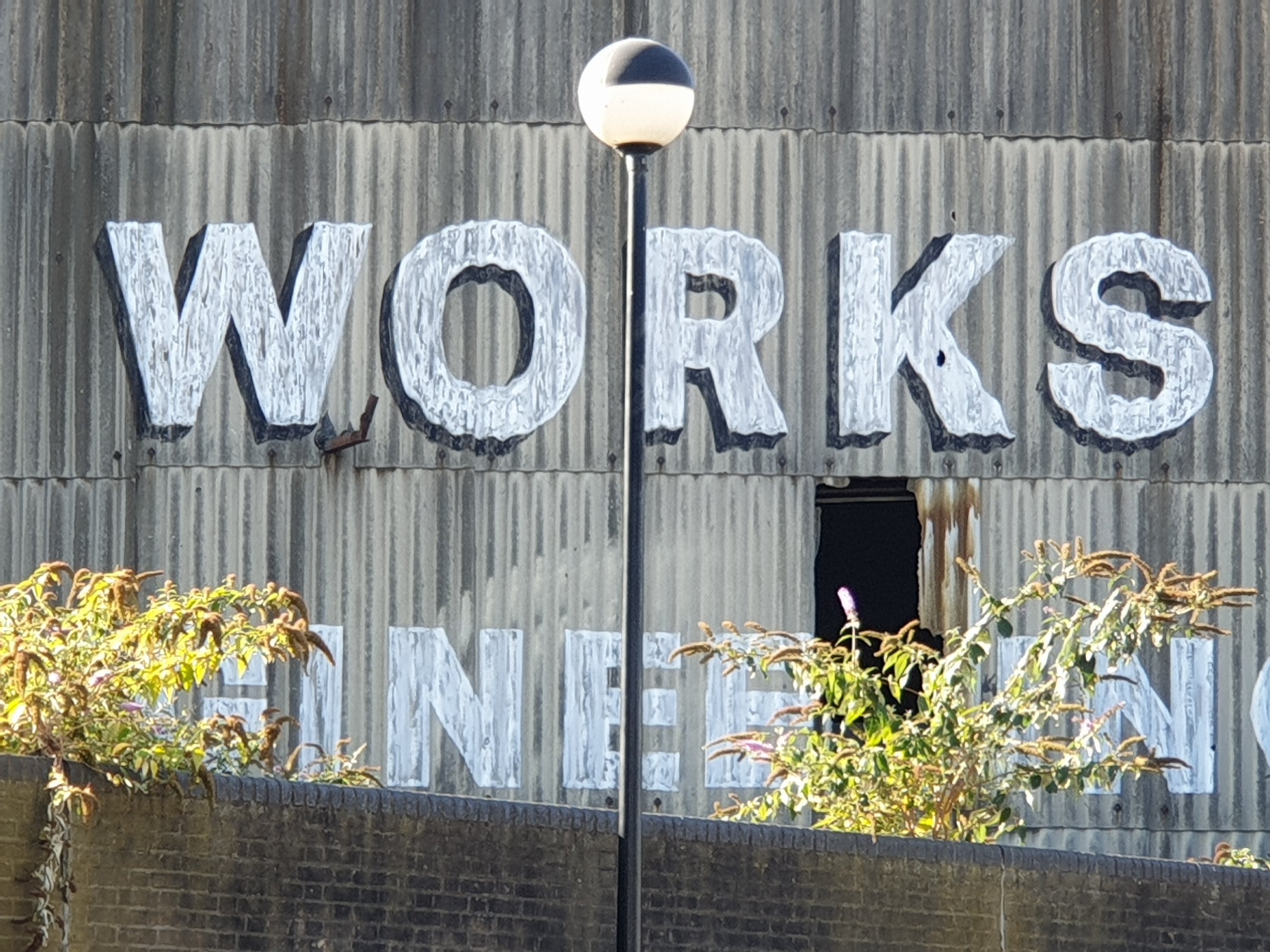
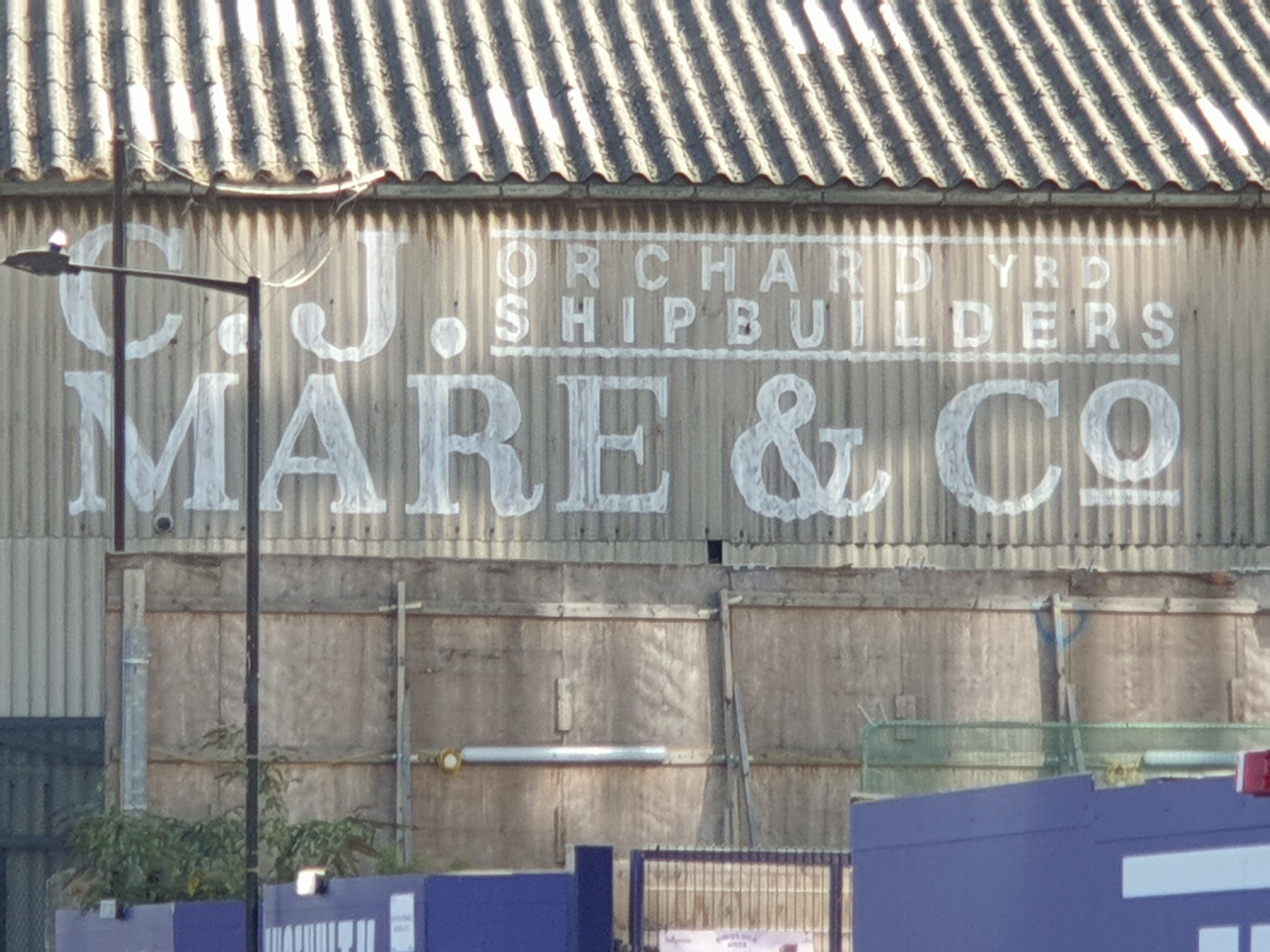
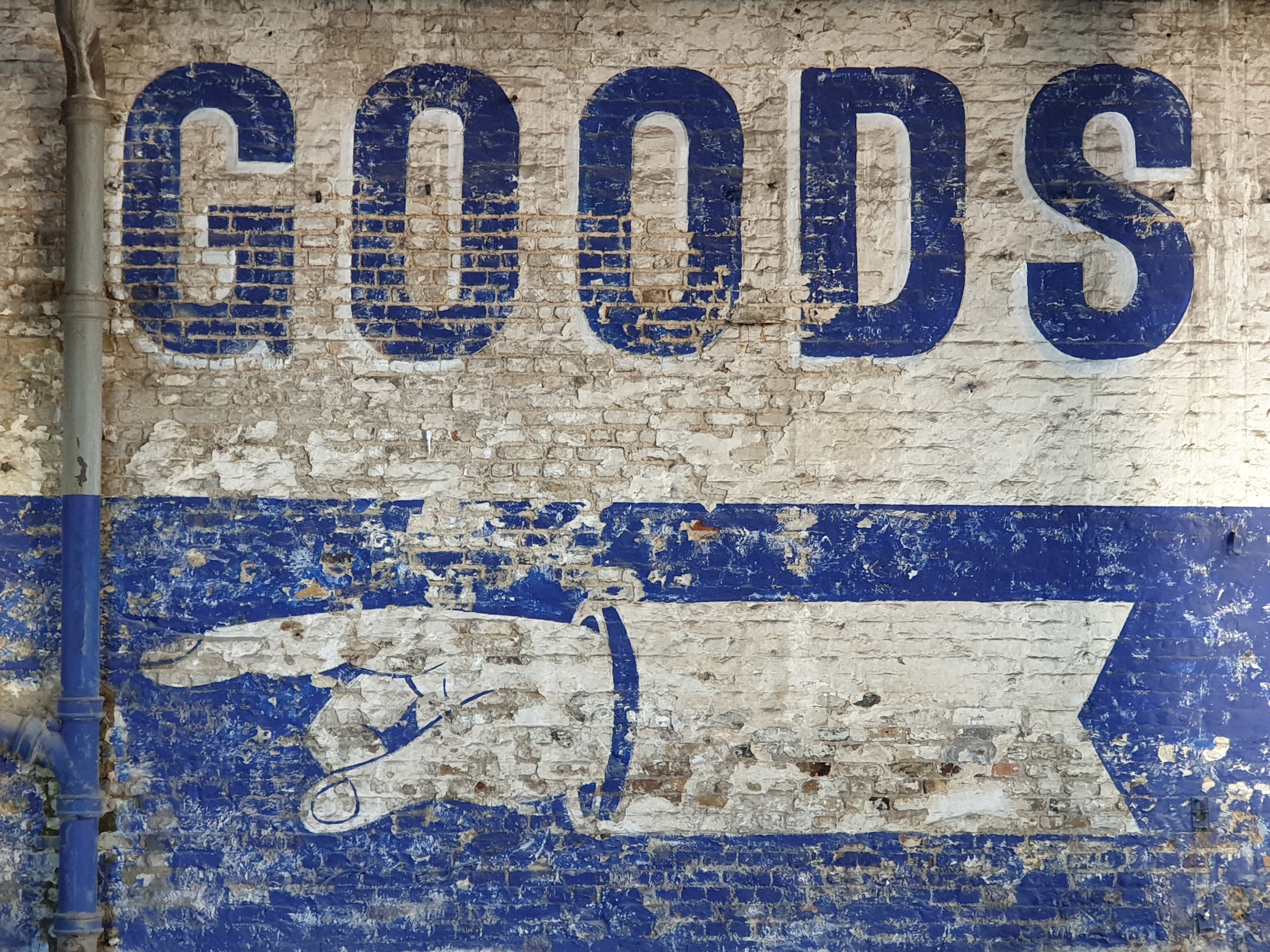
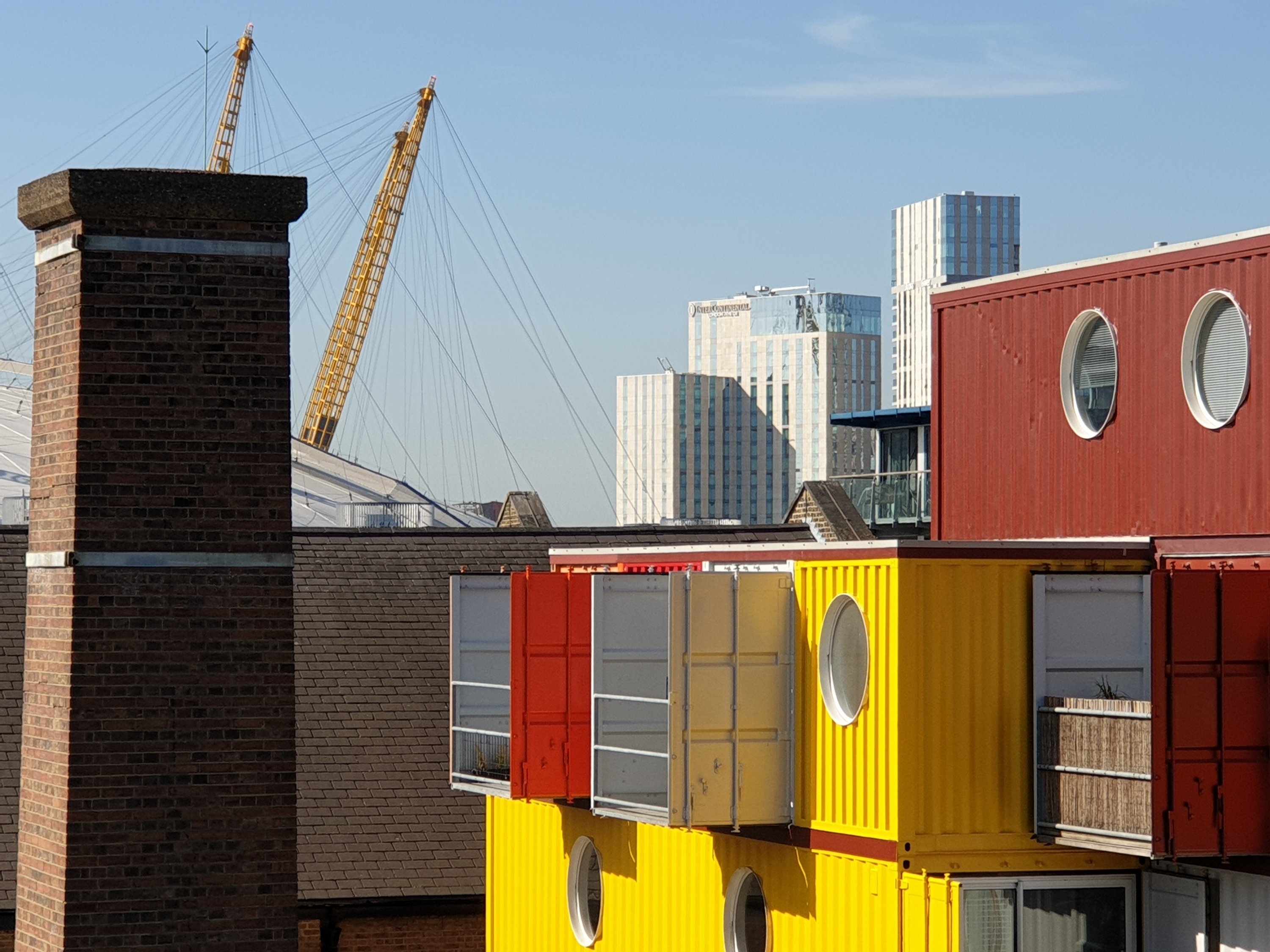
It’s a long time since I’ve been to Trinity Buoy Wharf, the old industrial site at the junction of the River Thames and River Lea, where the Elder Brethren of Trinity House built a lighthouse in 1852 and used the surrounding site for the storing and construction of the buoys which helped navigation on the Thames. The site was acquired in 1998 from LDDC by Eric Reynolds and Urban Space Holdings as a space for ‘the arts and cultural activities’.

One approaches through the residue of the old light industrial workshops:-

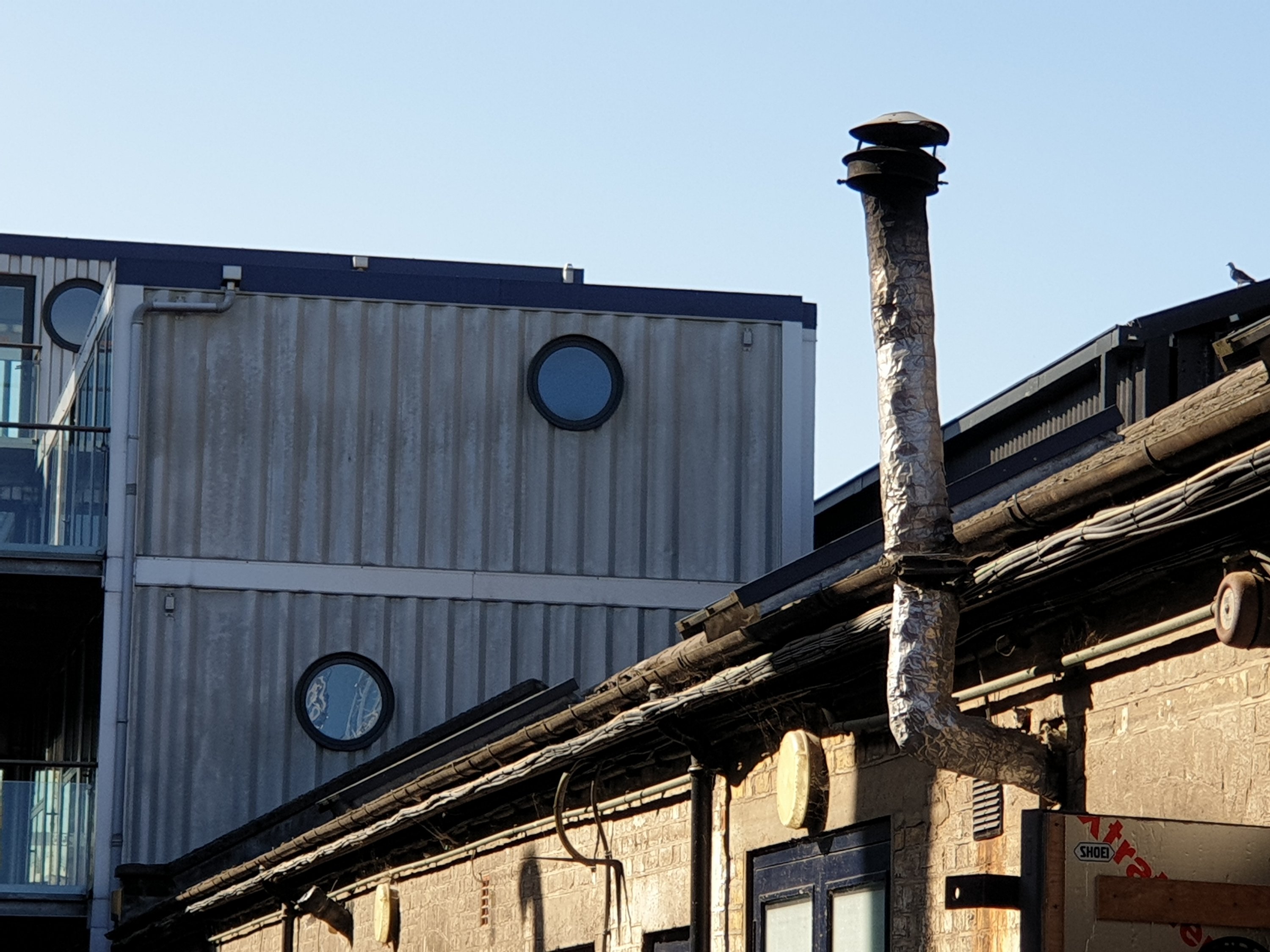
The wharf itself is a mixture of old warehouses and new buildings made out of containers:-

It’s a very lively and impressive setting for the Royal Drawing School’s Foundation Year, where 44 students, some local, go through an intensive programme of teaching from 10 o’clock to 5 o’clock, learning not just about drawing, but about printmaking, sculpture, painting and photography. They’re in Week 3.

Standard

Orcadian Crafts (2)

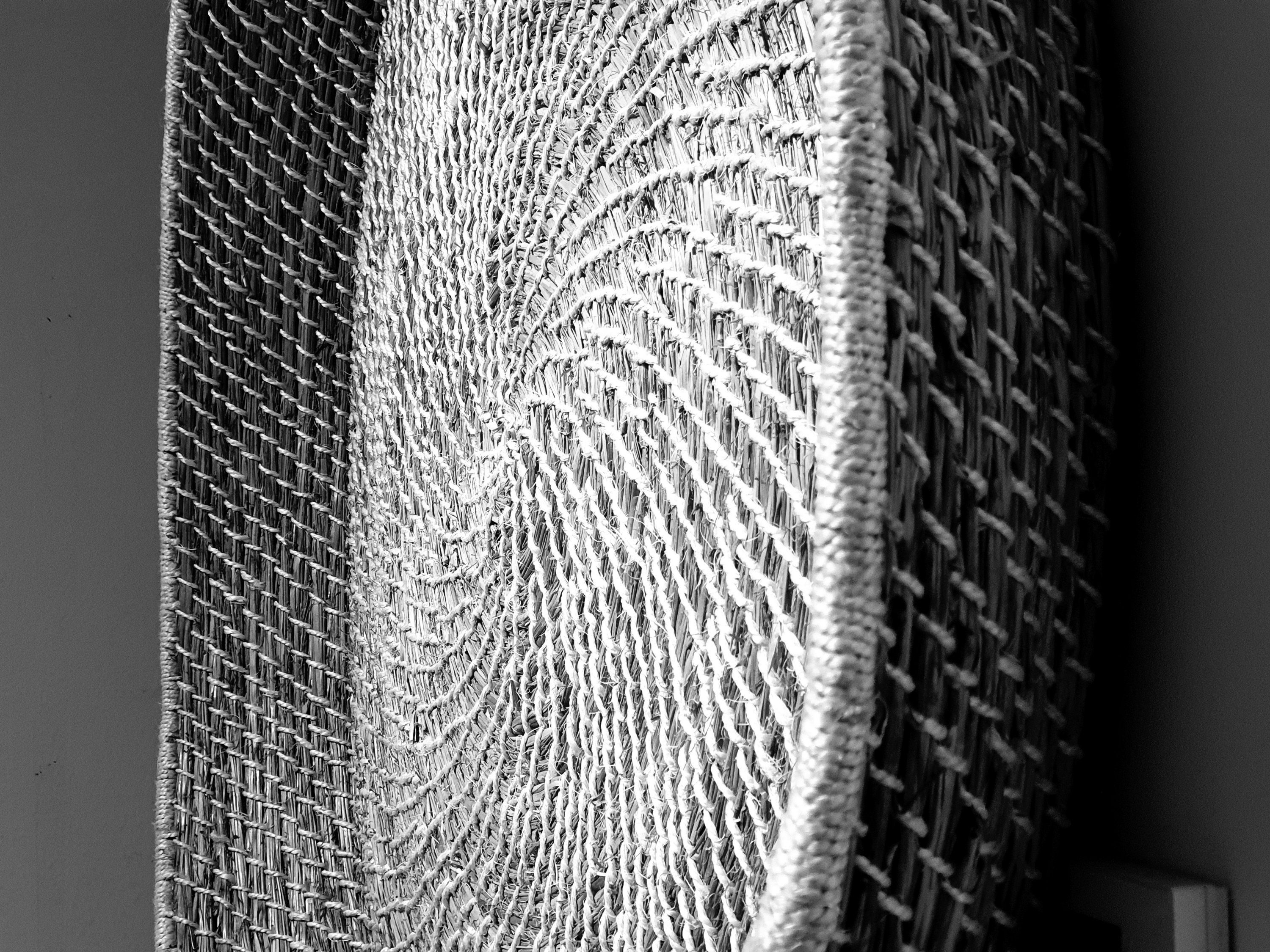
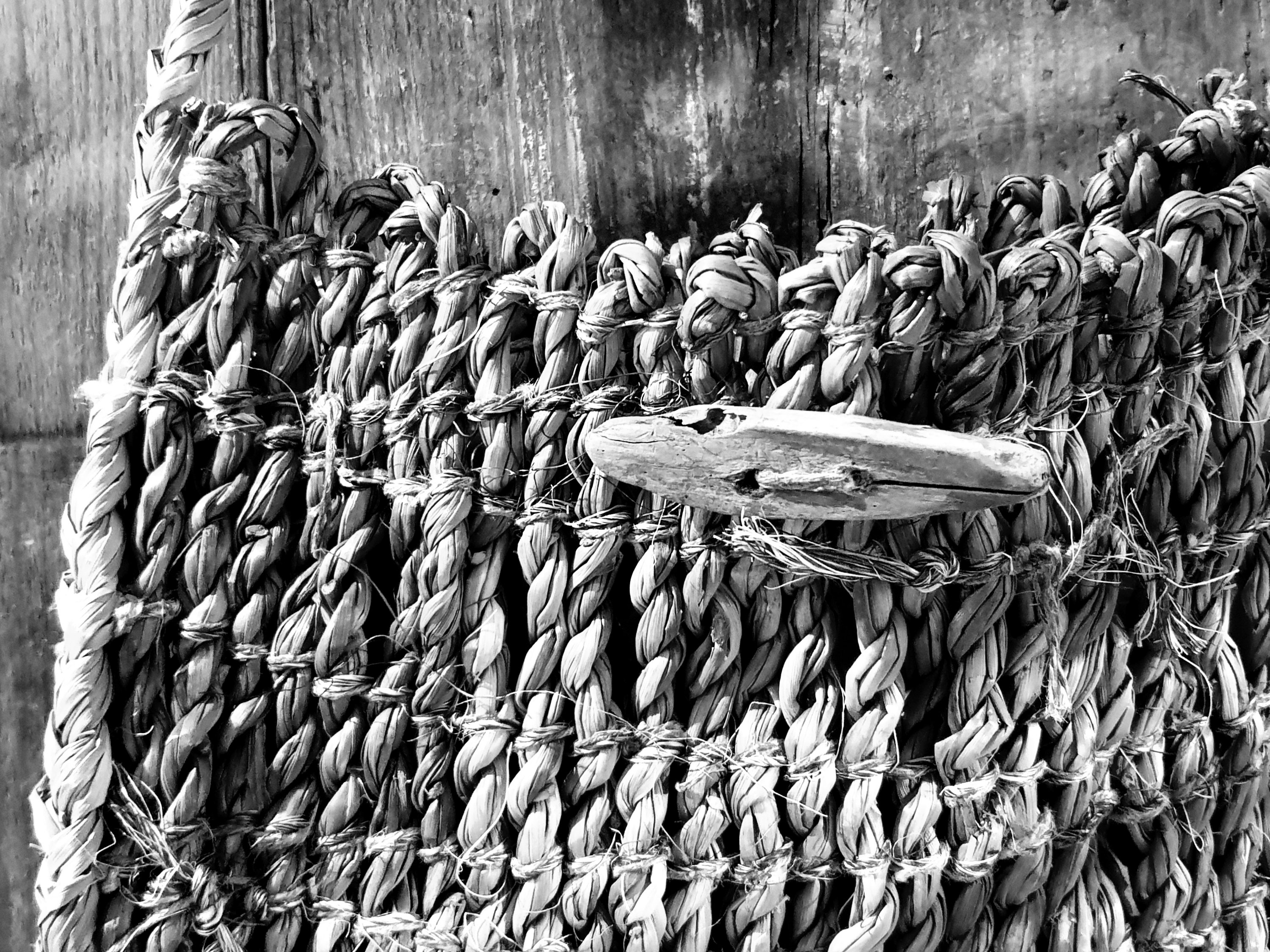
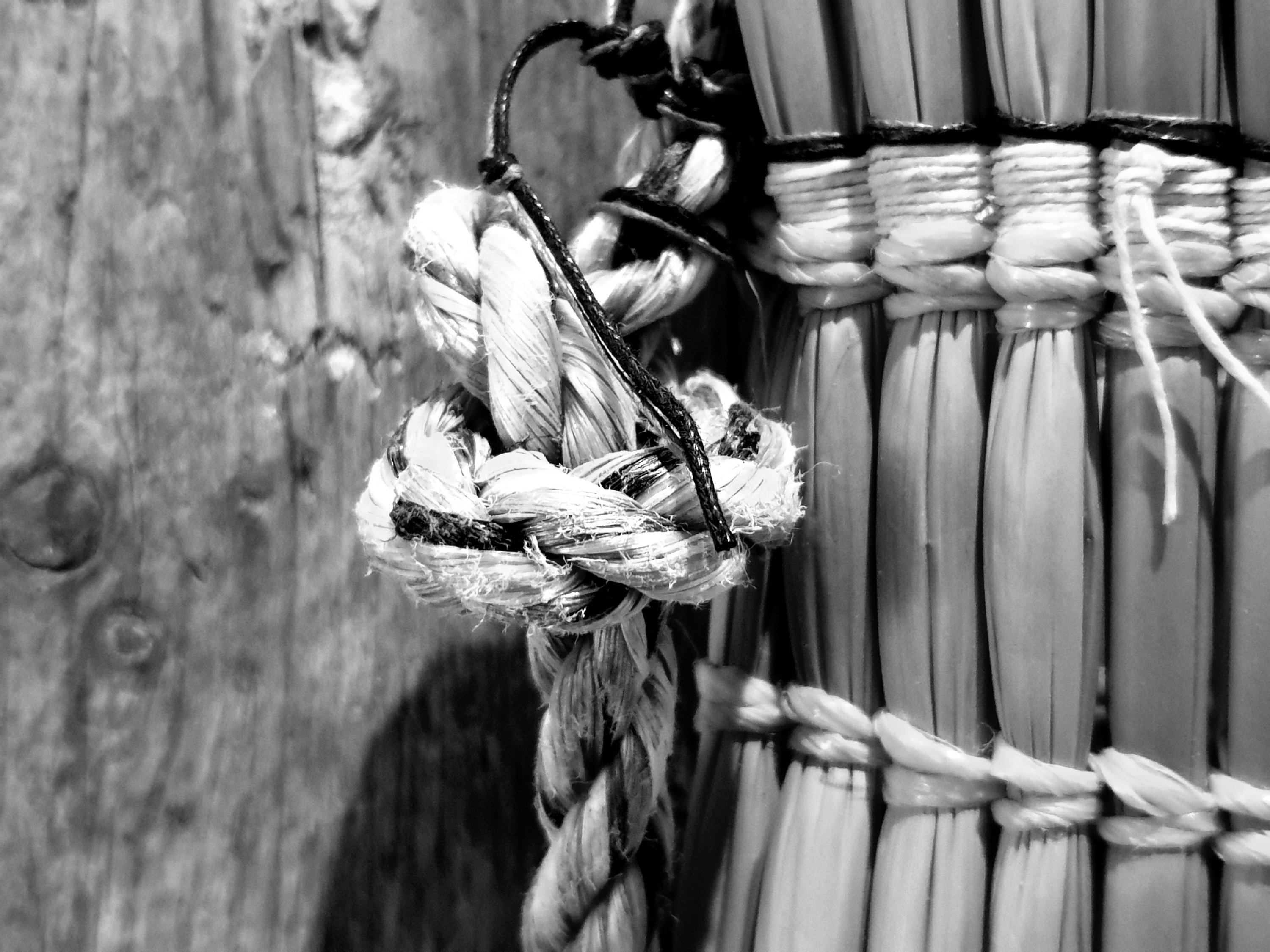
I went back to The New Craftsmen last night to see and admire their collection of work by Orcadian craftsmen, the traditional chairs made by Gareth Neal and Kevin Gauld and the small baskets by Mary Butcher, keeping alive the traditions of basketwork, and to enjoy a Scottish feast cooked – deliciously – by Jeremy Lee of Quo Vadis:-

Standard

Historic England (1)

I have been involved in a discussion on twitter as to whether or not Historic England is justified in supporting the transformation of the Whitechapel Bell Foundry into a boutique hotel. The argument is that the use of buildings has, and does, change over time. Why not just accept that the bell foundry was past its sell-by date and that it’s better now to adapt it for a smart new swimming pool and cappuccinos ?

The problem is that the Bell Foundry was a remarkable and wonderful survival. It was preserved in the 1970s when the GLC recognised its significance to historic archaeology. If it was important in the 1970s, how much more remarkable is it – or was it – that it had survived until 2017 in full working order, still functioning as a bell foundry with all its working practices and equipment. If it’s not the mandate of Historic England to protect it, why not ? They fought to protect Middleport Pottery. They should be fighting to protect the Bell Foundry, too.

Standard

Antony Gormley

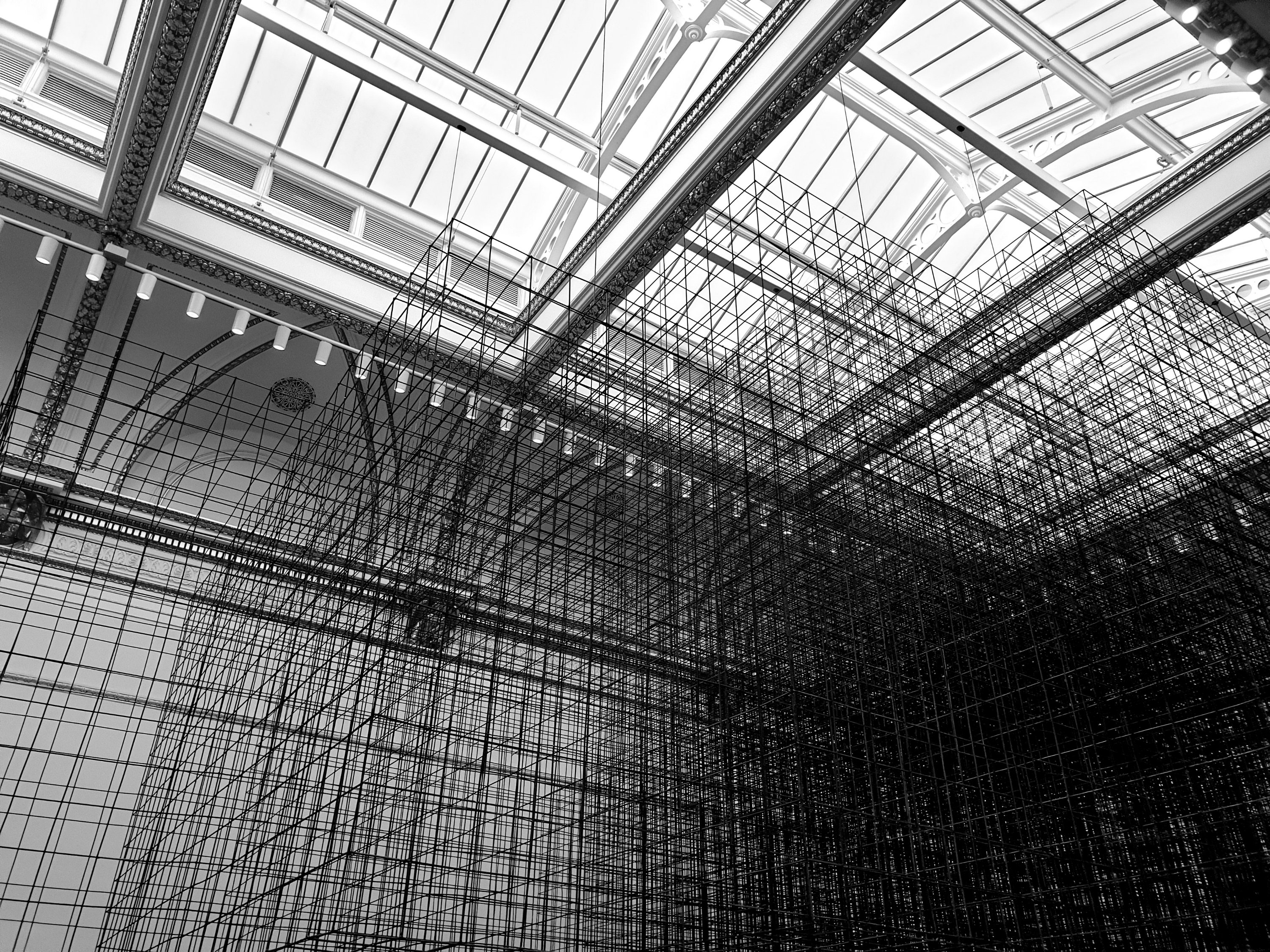
I could do no more than taste the Antony Gormley exhibition at its opening tonight, leaving it to a later date to explore more conscientiously. But I saw enough to recognise how adventurous it is, and how well it uses the wonderfully grand spaces of Sydney Smirke’s Victorian galleries.

The upper ceiling space of Gallery 3 is full up with a form of elaborate steel wire mesh:-

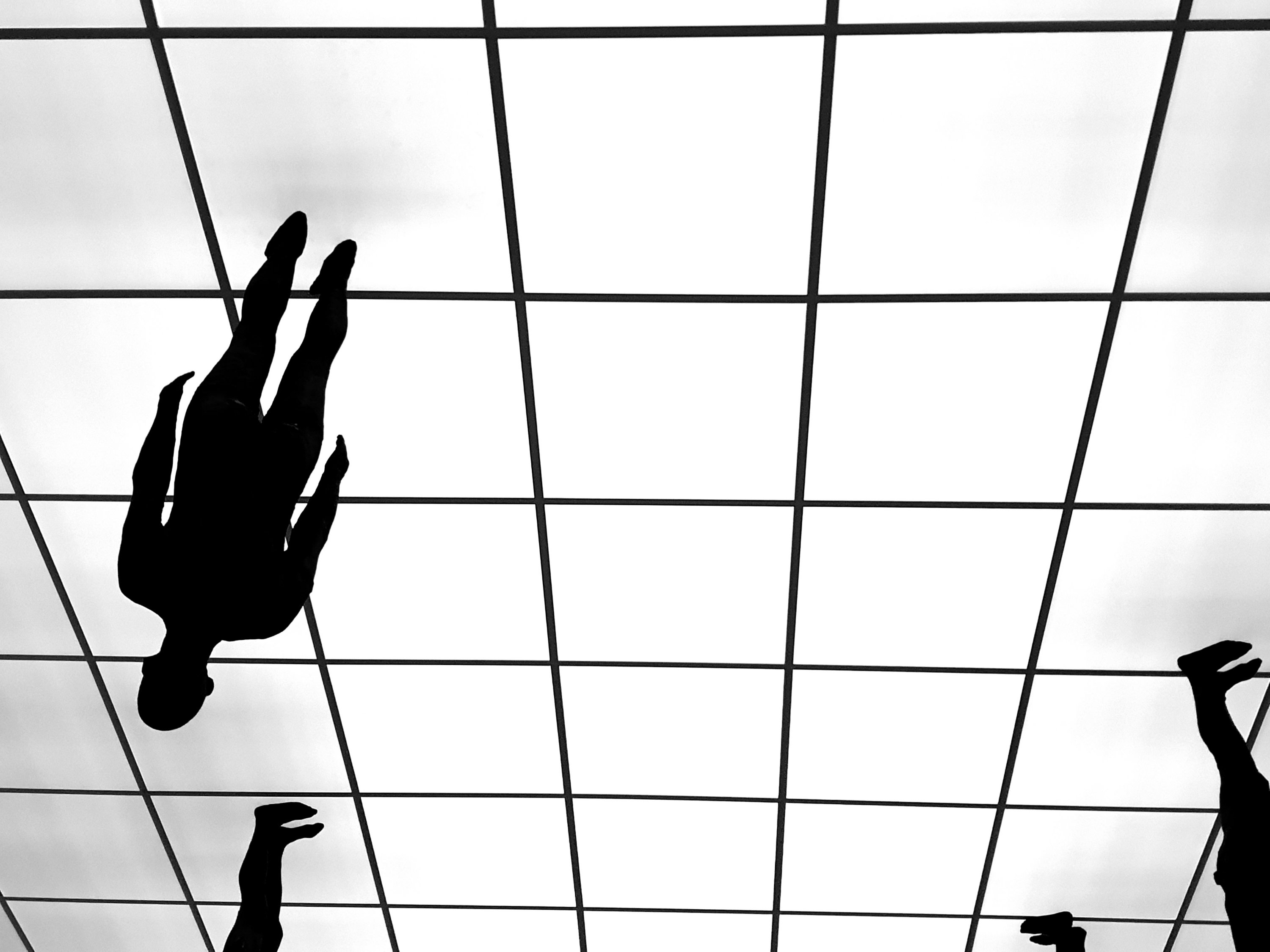
Gallery 6 is brilliantly dramatic with figures hanging off the walls and from the ceiling:-

The Lecture Room, the last in the sequence, has been turned – I don’t know how – into a shallow pool which surreally reflects the grandiosity of the mid-Victorian gilt ornament and door case:-

Standard

The Cold Press

I nipped off at lunch-time to see the work of the artists shown by The Cold Press, a gallery more normally in Holt in Norfolk, who are exhibiting in an empty house in Elder Street – it used to be Timothy Everest’s – during the London Design Festival:-

Standard

Praemium Imperiale

I went to the announcement of this year’s winners of the Praemium Imperiale, established in 1989 as the arts equivalent to the Nobel Prizes, although it attracts less publicity. William Kentridge was awarded the Painting Prize (it is more about drawing); Mona Hatoum, the prize for sculpture; Tod Williams and Billie Tsien the prize for architecture – they were responsible for the new Barnes Foundation building in Philadelphia and the Asia Society building in Hong Kong; Anne-Sophie Mutter, the violinist, for music;  and Bandõ Tamasaburõ, a Kabuki actor, the prize for theatre. A good statement of the importance of high culture in the world.

Standard