Millicent Fawcett (2)

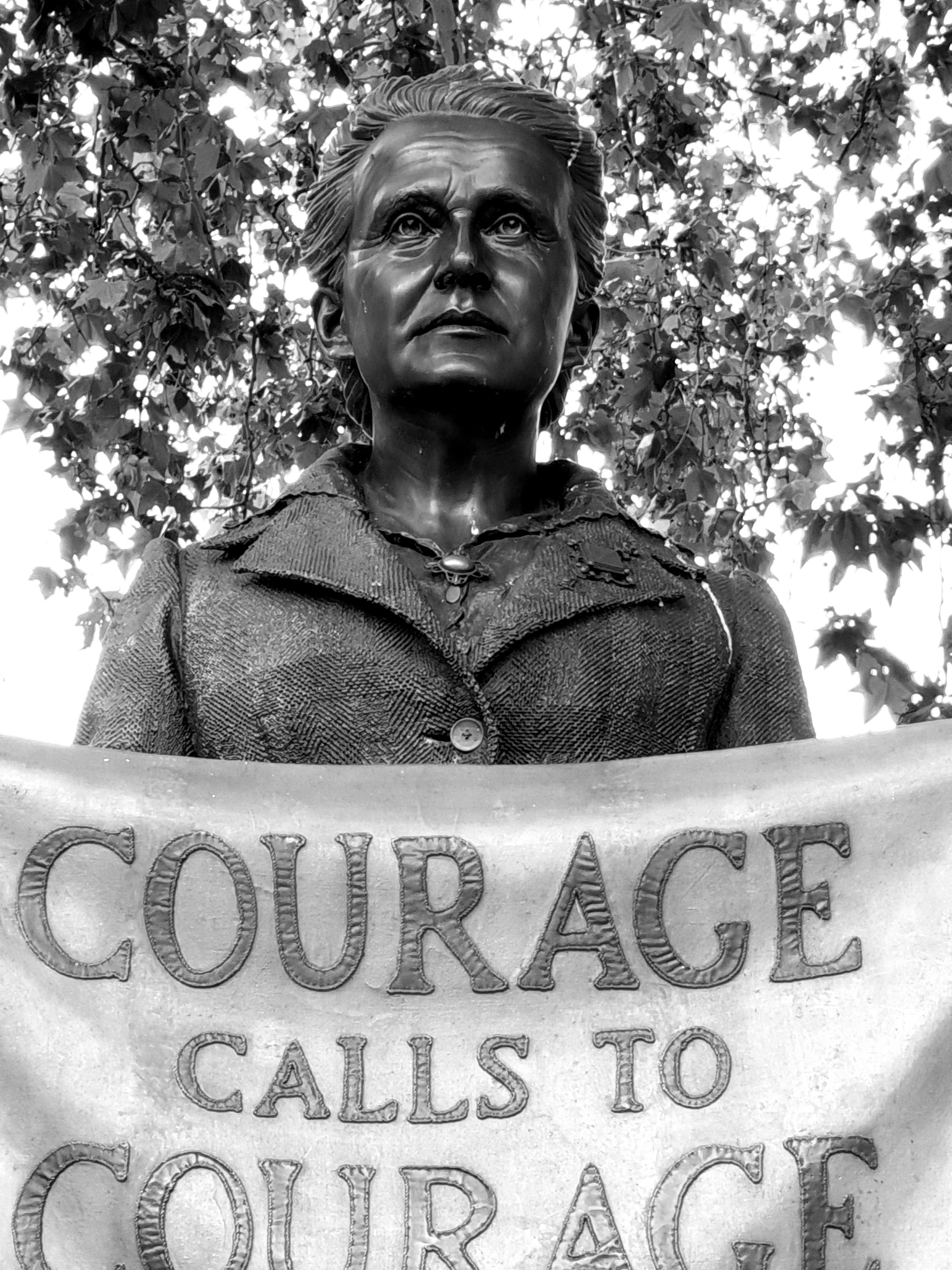
I have been asked by Martin Jennings, himself a sculptor, for my response to Emma Lavender’s long and thoughtful critique of what I had thought of the statue of Millicent Fawcett in Parliament Square. Two things had impressed me about the statue: the first was how much the mood of the square was changed by the presence of a single woman; the second was an element of surprise that a statue produced, as I guessed, by the latest 3D reproductive technologies based on original photographs was so convincing. I still feel, even now that I have read more about how it was produced, that it is better and much more convincing than some of the weaker recent public statues, because the traditions of carving and modelling are no longer much taught.

I am happy to receive more information on where they are still taught and the best examples of contemporary figurative sculpture, as the issue as to how new figurative sculpture is commissioned and who is commissioned will become issues of public concern, if they are not already.

Meanwhile, I am reproducing my photograph of the statue again only so that readers don’t have to scroll back:-
Standard

Breid

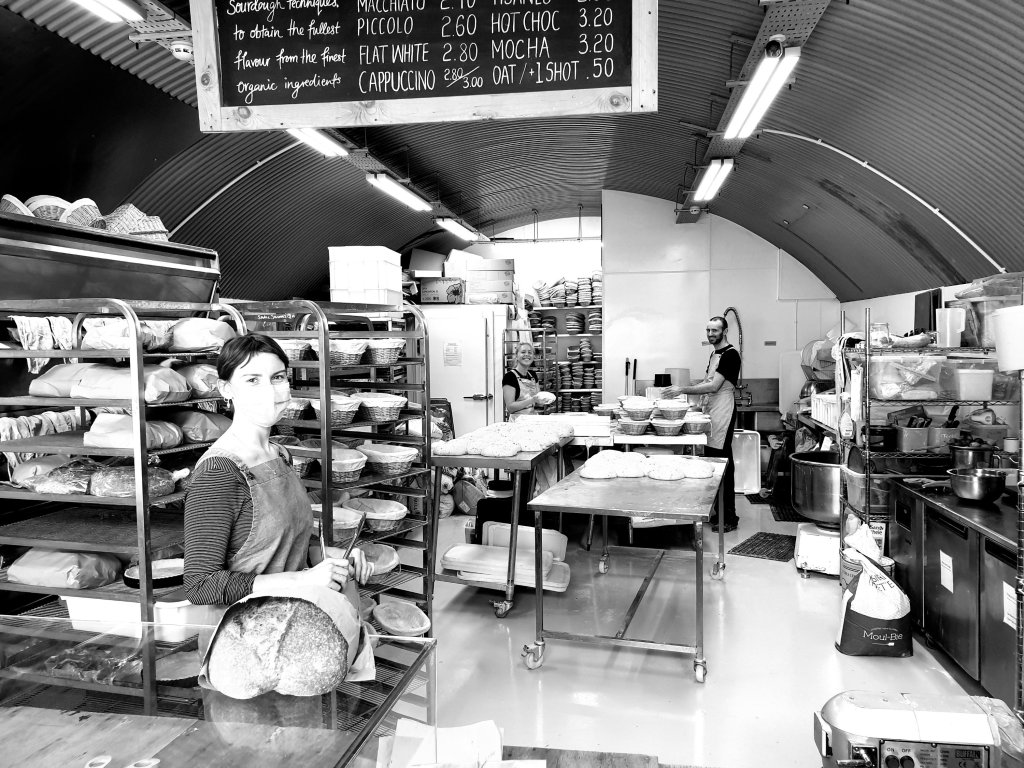
Having said how grateful I was to the London Library during lockdown, I feel that I should add the services of our local bread shop Breid, which at a crucial moment when we were not going out at all, generously said that they would deliver bread to our front gate, if necessary by throwing the bread over it, only providing I paid them retrospectively which I now have. How to make friends and a long lasting sense of gratitude for another form of essential sustenance:-

Standard

Money for the Arts

Since I have been known to post not invariably complimentary posts about the current government’s policies, I feel that they do indeed deserve the plaudits they have received for providing a generous way forward out of the mire, suggesting that, most particularly, Rishi Sunak must have an intelligent regard for the ways in which the arts are now a potential engine of economic recovery, if one includes design, film, education and computer games, alongside theatres and museums; also, as I was told on the pavement outside the London Library, Oliver Dowden must have been a much more effective advocate than has previously been expected. It’s nice to be able to write something complimentary about the current lot.

https://www.theguardian.com/world/2020/jul/05/boris-johnson-uk-lifeline-arts-heritage-sector-afloat?CMP=Share_AndroidApp_WordPress

Standard

London Library

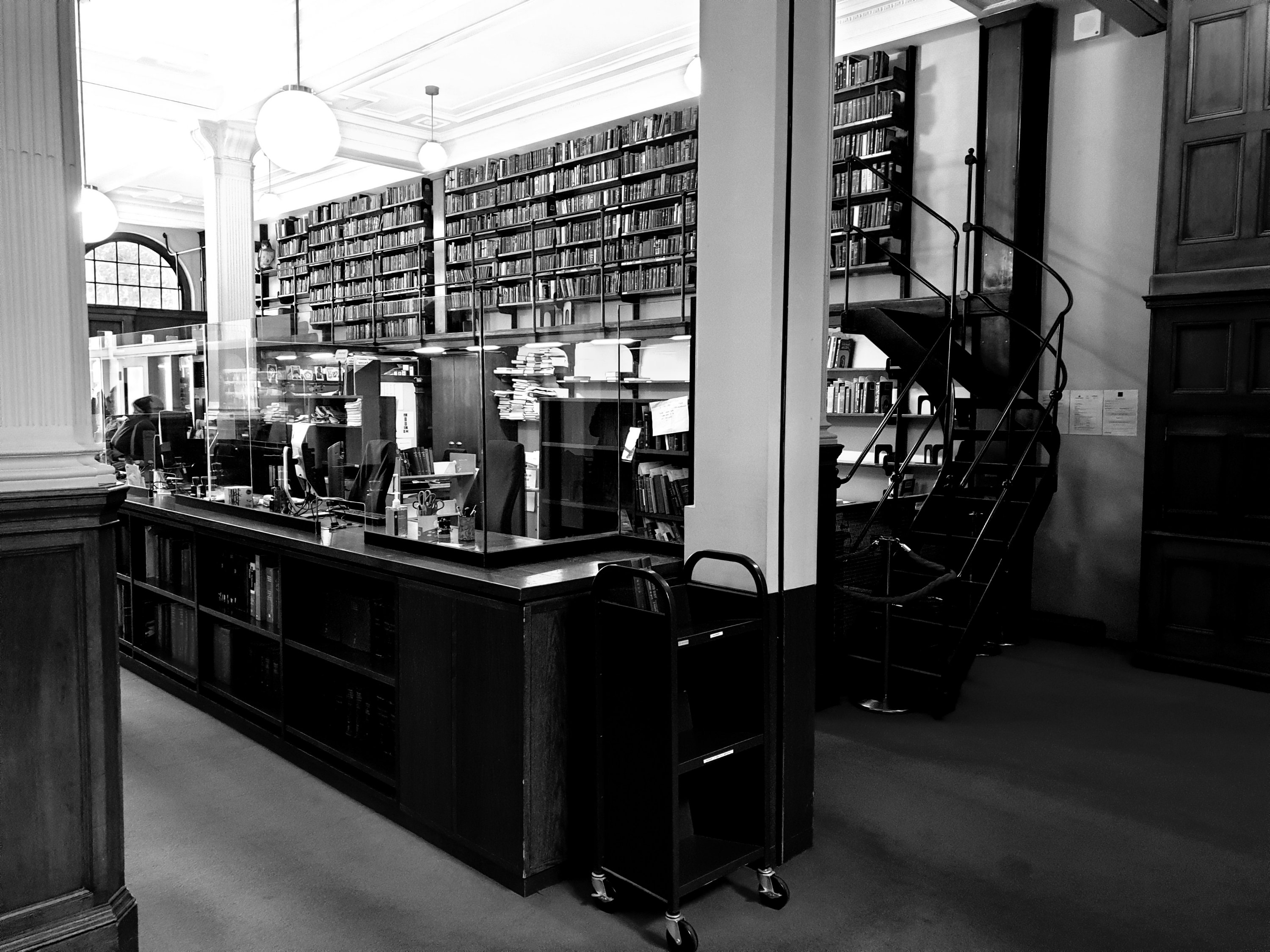
I had booked a slot on the first day of the London Library re-opening. I arrived at 11.25, expecting a queue round St. James’s Square, but I was allowed straight in where the books I had ordered online were waiting for me. The London Library gets my top marks for service during lockdown, sending things out by post without charge, including a rare book about the Neues Museum which is unaffordably expensive and which arrived boxed up pretty much by next day delivery. Everyone is exceptionally friendly: a consequence of not having seen human beings for months is that one greets them is if they are the only other people at the North Pole. I felt waves of nostalgia for the Entrance Hall, although one’s passage through it is much more disciplined, exit through Mason’s Yard:-

Standard

Paradise Cycles

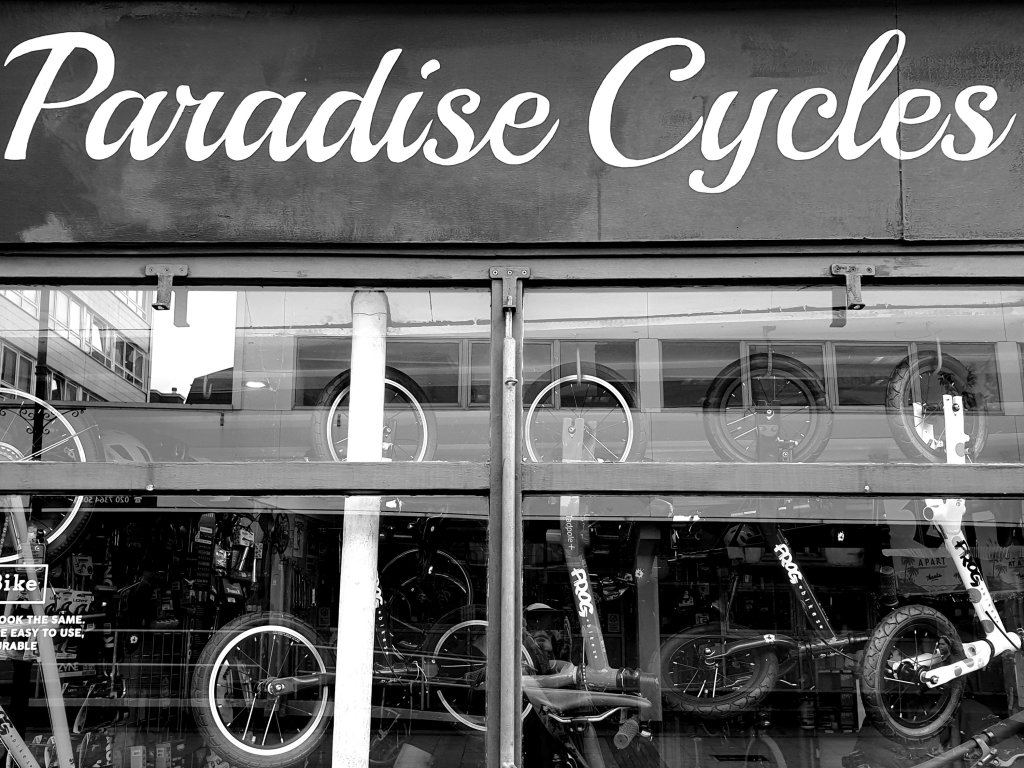
My new favourite shop since taking up cycling again is Paradise Cycles on the Roman Road: the staff are so helpful and knowledgeable, they kept open during lockdown for emergency workers, they are part of the hippy utopian elements of Globe Town alongside the buddhists, and are well named:-

Standard

Victoria Park

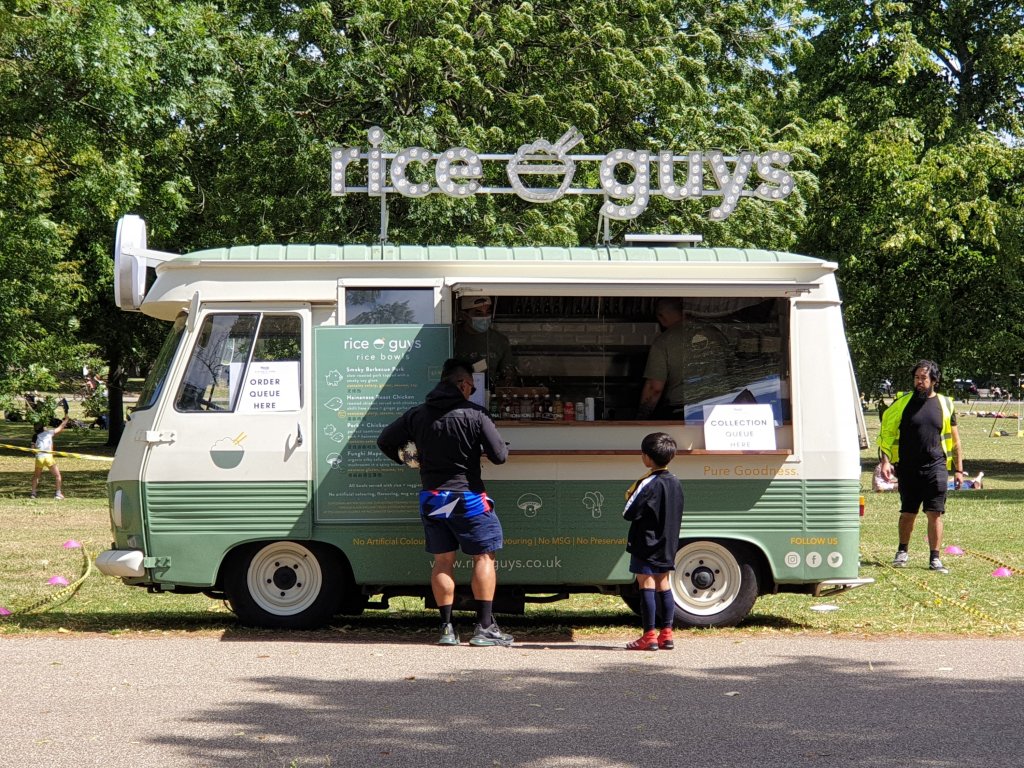
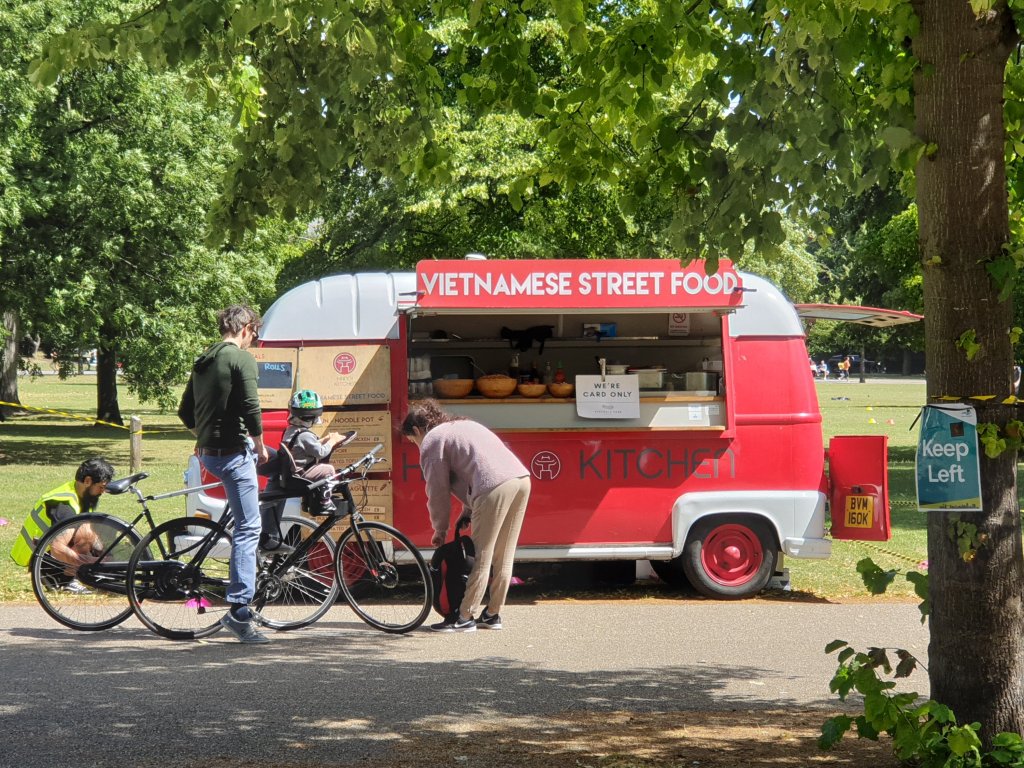
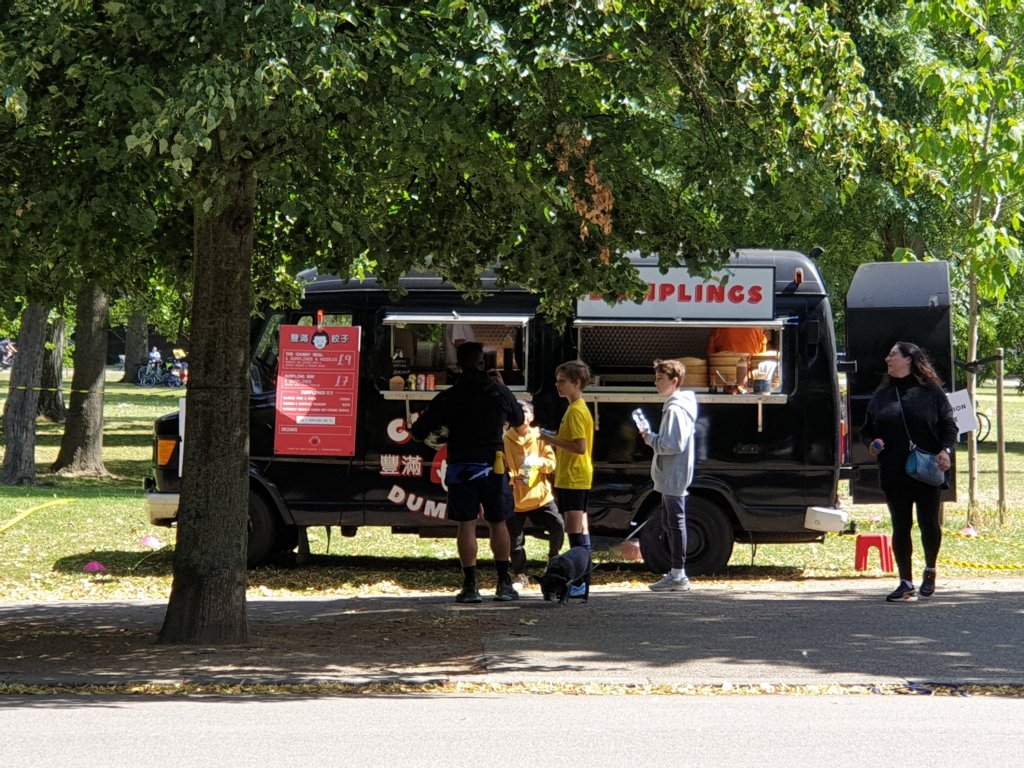
Victoria Park has only been in the news recently in connection with bad behaviour, but my limited experience of it during lockdown, and especially today is the opposite: large numbers of well-behaved people – small children and families, a few sunbathers, people on roller skates, using the park as it was originally intended when it was first proposed in 1840 as the lungs of east London, providing light and air to alleviate the burden of urban deprivation:-

Standard

Stepney City Farm (3)

I found it oddly reassuring to be able to go back to the Saturday farmer’s market at Stepney City Farm and see mostly the same stallholders as before – the bread stall, the stall which sells apple juice – but some new as well, including a stall selling freshly made pasta and a proper cheese shop; but also the sense of nature in the middle of east London even including the pigs:-

Standard

Millicent Fawcett (1)

Given the amount of interest at the moment in public statuary, I took the opportunity yesterday to walk across Parliament Square, which is in some ways the nation’s Valhalla, although a gloomy one, normally little seen because it is treated as a traffic roundabout. The most recent addition is Millicent Fawcett, unveiled in 2018, done by Gillian Wearing. I thought it was effective, more so than many recent statues, and was interested to find, which I had assumed, that it was modelled using the latest 3D scanning system, based presumably on original photographs. It demonstrates that it is still possible to produce convincing contemporary monuments, worth looking at as a model as the demand grows for new ones as replacements for those which are removed:-

Standard

The City

I walked through the City this morning: as deserted as the West End, maybe more so. Not a worker in site, just people hurrying along the pavements.

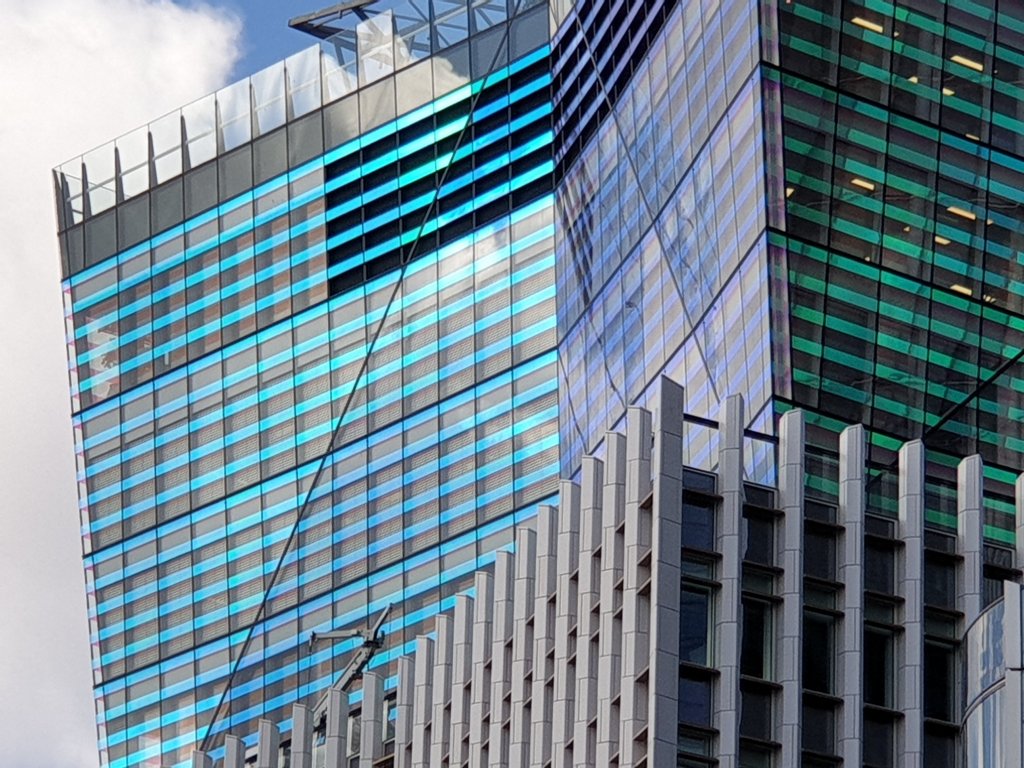
A few familiar sites. Eric Parry’s new building at 120, Fenchurch Street:-

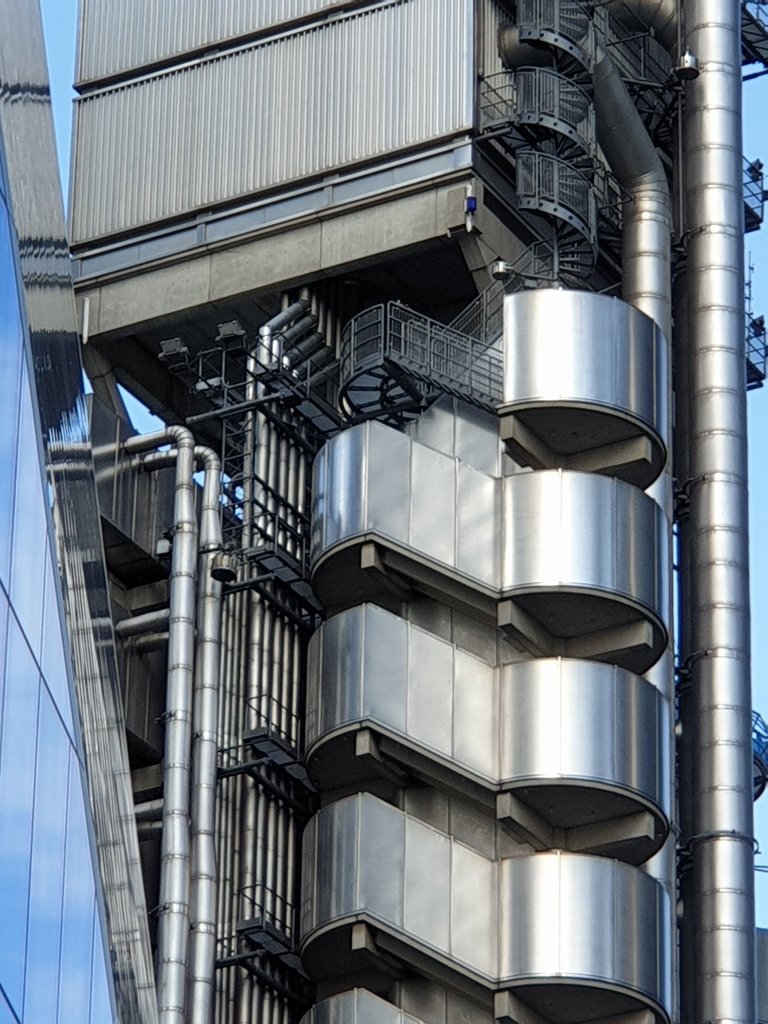
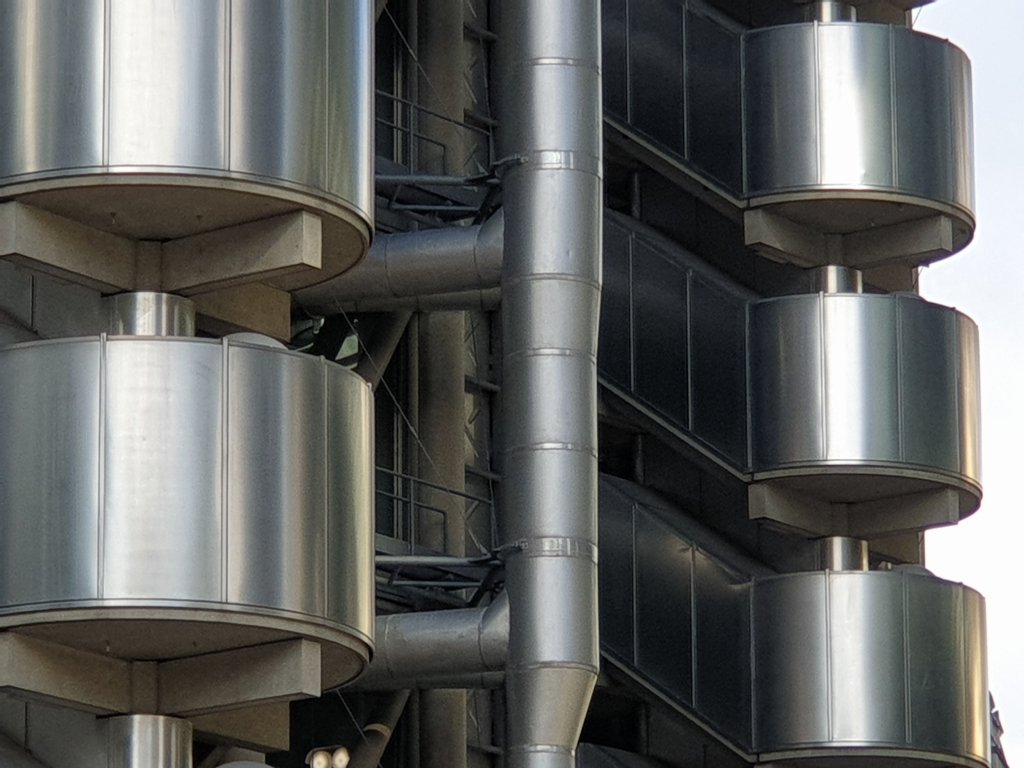
The Lloyd’s Building:-

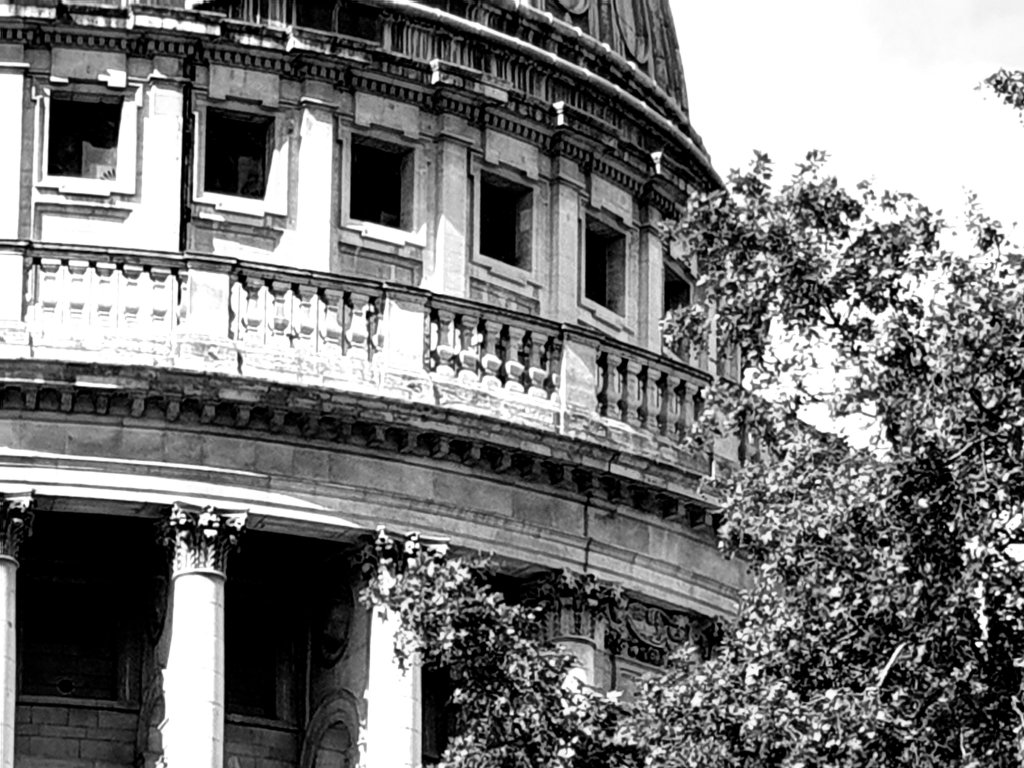
St. Paul’s:-

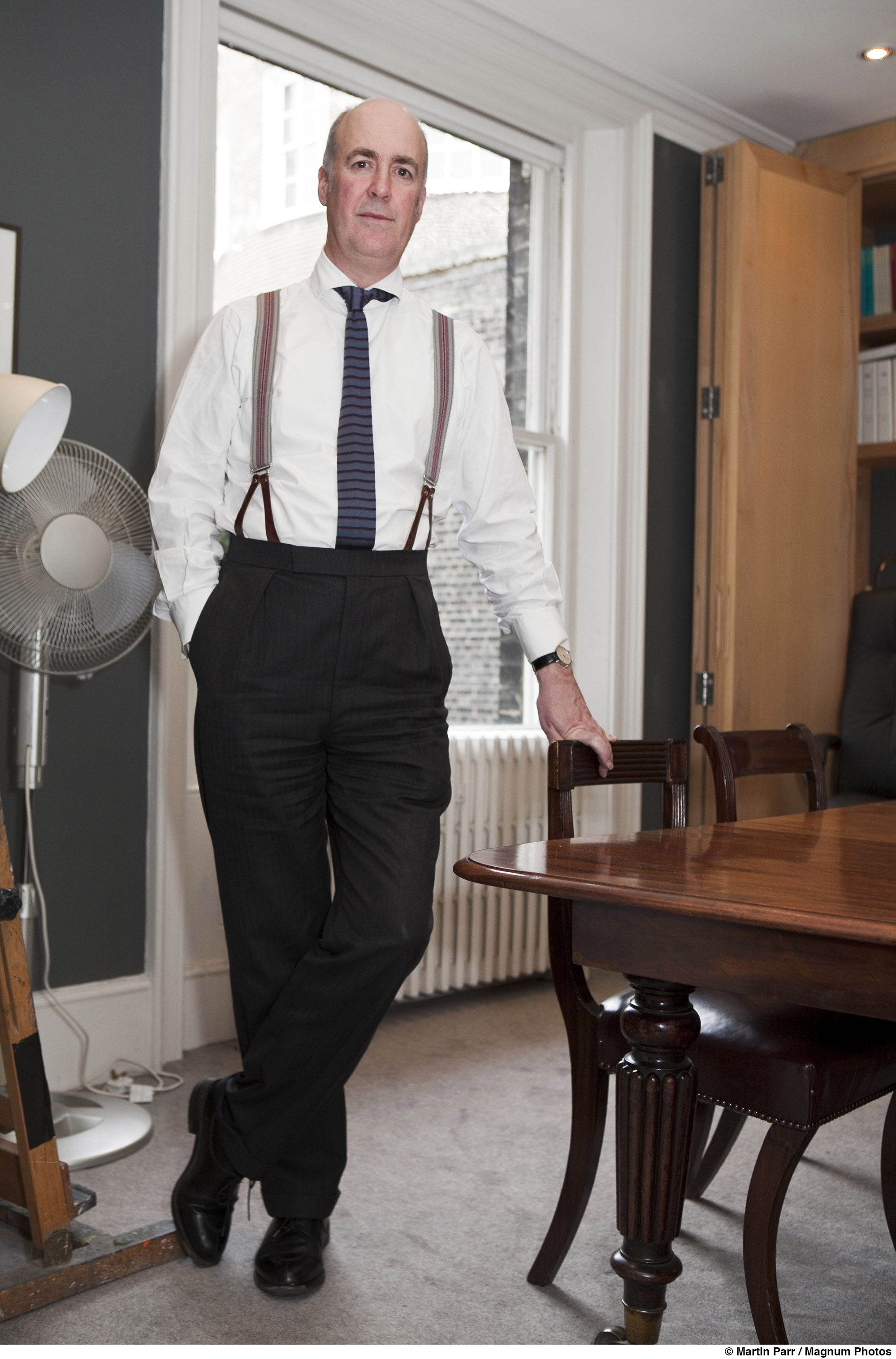
Charles I in Temple Bar by John Bushnell:-

Standard

Whitechapel Bell Foundry (36)

Every fortnight I attend a Zoom meeting about the current state of the plans for the Whitechapel Bell Foundry.

This week the key issue was whether or not the recent controversy surrounding the granting of planning permission to Richard Desmond’s plans for housing on the Isle of Dogs will in any way influence the views of the planning inspector who will be responsible for the planning enquiry opening on October 6th. Two things may arise. The first is the question as to whether or not Whitechapel will need a new luxury boutique hotel post-Coronavirus and whether or not it is going to be economically viable. Who are the tourists going to be who are going to want to swim in a tenth-story swimming pool overlooking the local mosque and pay Soho House rates when Soho House itself is rumoured to be in financial difficulties? The second is the extent to which the planning process is susceptible to lobbying and how far the current system is so heavily weighted towards developers who can afford to pay expensive planning consultants and political lobbyists, not to mention attend tory party fundraising dinners where a case can be put directly to the Secretary of State over coffee. Please keep October 6th. in your diary. There needs to be a show of public support for keeping the Foundry as a foundry and not allowing change-of-use.

Standard