Albury Street

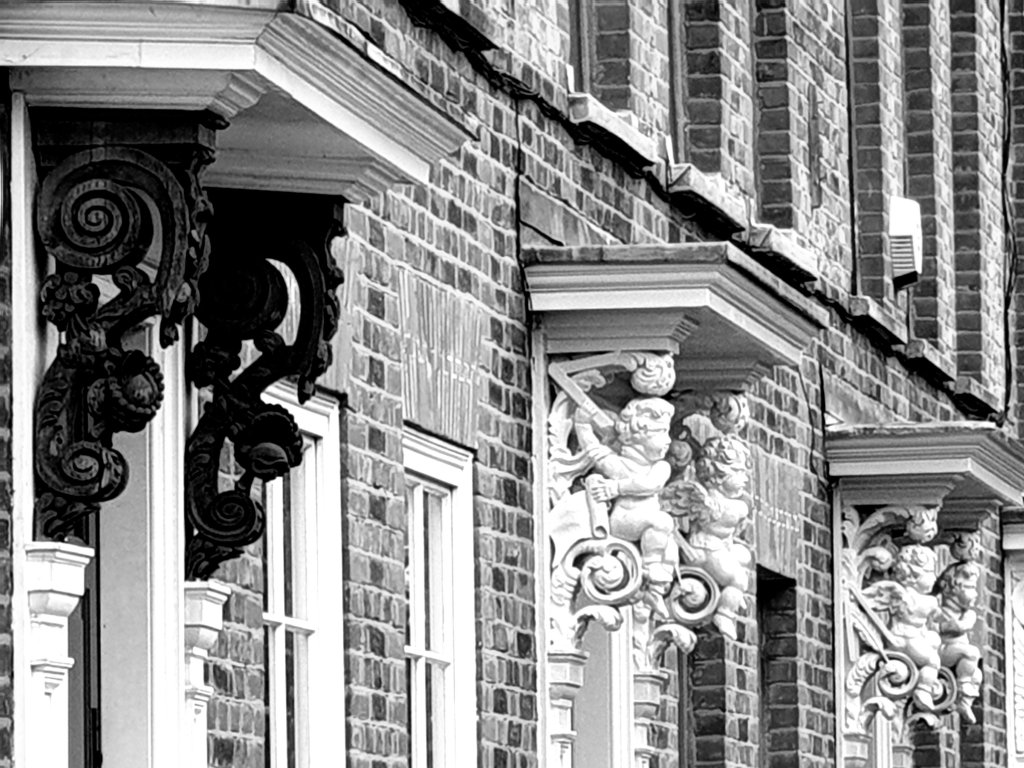
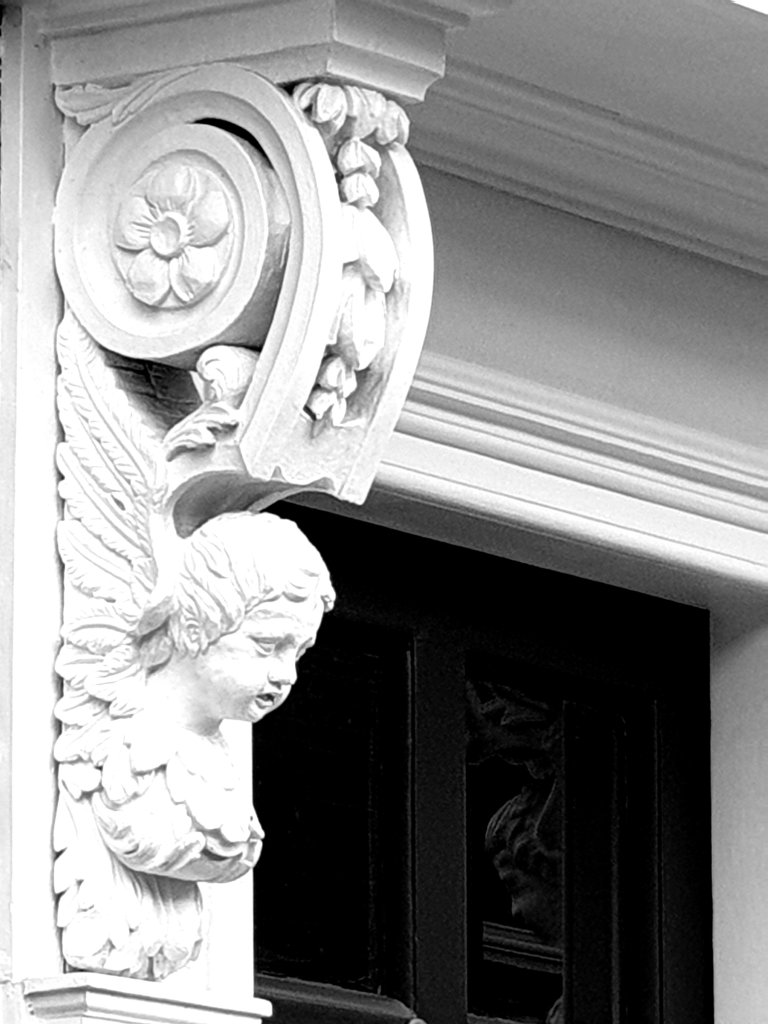
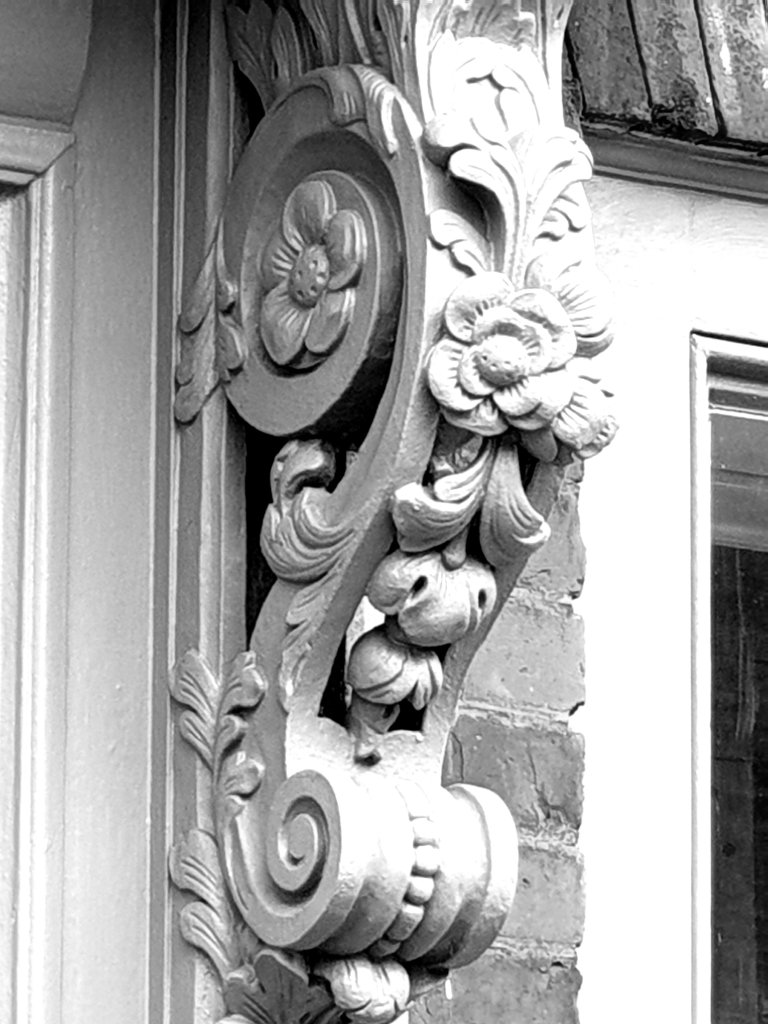
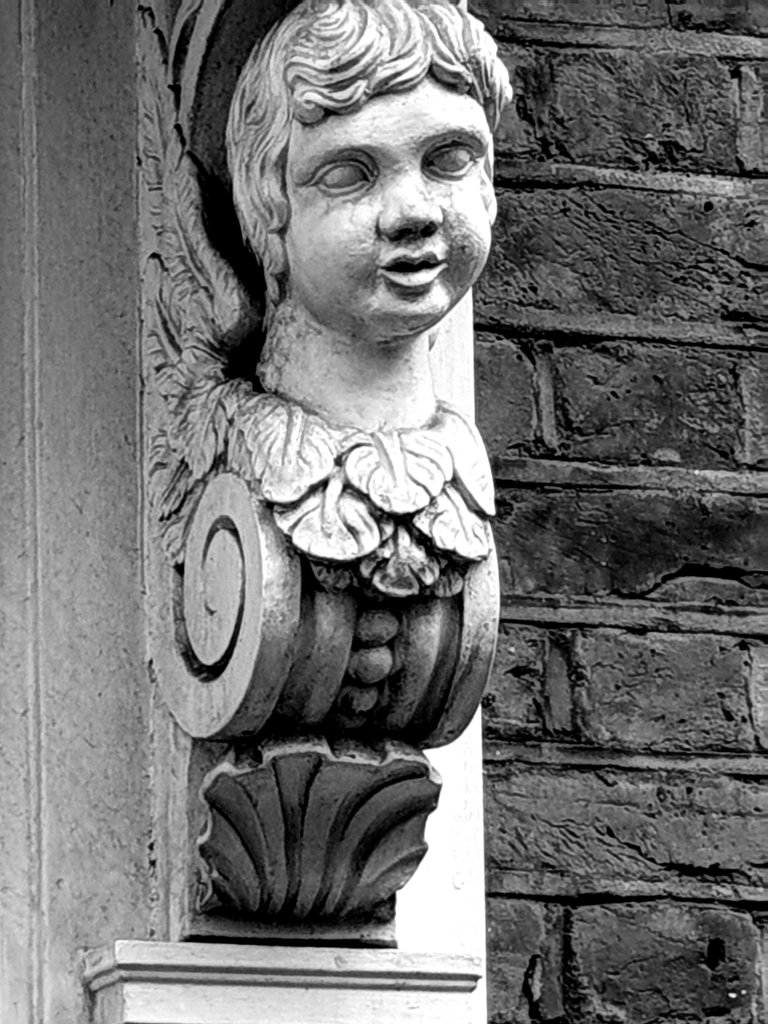
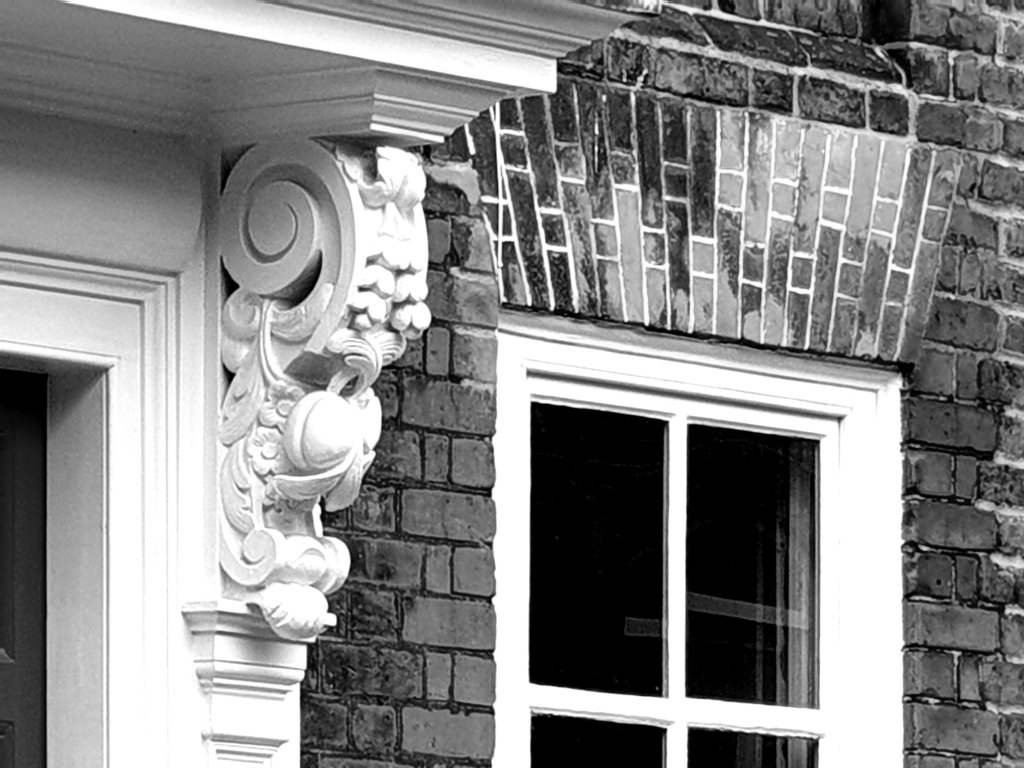
I had forgotten how fine the houses are in Albury Street, just off the High Street in Deptford, with elaborate carved brackets all the way along the street, a recollection of when Deptford was a prosperous riverside village, close to London, but related more to the river and shipbuilding than the distant city, with Emma Hamilton and Nelson reportedly shacking up at no.34:-

Standard

Whitechapel Bell Foundry (75)

For several months, I have known that Hettie O’Brien, an opinion editor at the Guardian, was hard at work on a Long Read about the Whitechapel Bell Foundry. I was worried that it might not appear in time for the verdict due to be delivered any minute by Robert Jenrick, the Secretary of State for Housing, Communities and Local Government.

It is an admirably fair and well-informed piece which casts the debate about the future of the Bell Foundry between the two principal actors: Alan Hughes, the fourth-generation proprietor, who took the decision, apparently with a heavy heart, to sell the business to a local property speculator after years of operating it at a loss; and Nigel Taylor, his employee, a fantastic enthusiastic for the history and technology of bells, who passionately wanted the skills of bell-making to be preserved and could have organised a management buy-out if the opportunity had been given.

It is a very sad story. At its heart is a view held by Hughes that if his family was not able to operate the company at a profit in Whitechapel, then nobody else could, so nobody was given the chance. The business was never put on the open market, nor indeed was the property, but sold for £5.1 million and then flipped not long afterwards for £7.9 million to a New York venture capitalist.

There will be many people who take the view of Alan Hughes – that this is the way of the world and proprietors should be at liberty to sell their property at maximum profit, irrespective of the importance and public interest in its historic use. But it is worth remembering that not far away, C.R. Ashbee campaigned for the preservation of the Trinity Green Almshouses, which led to the establishment of the Survey of London, and effective legislation for the preservation of historic buildings.

Are we simply to abandon history for profit post-COVID and put the interests of speculators above those of the local community ? Is there really no way that Jenrick can intervene and either encourage or compel Siegal to reinstate the foundry as a working foundry, as Re:Form and Factum Arte have so imaginatively and effectively proposed ?

He can easily sign the form sitting on his desk and forbid the redevelopment.

https://www.theguardian.com/news/2021/may/11/whitechapel-bell-foundry-battle-save-britains-oldest-factory?CMP=Share_AndroidApp_Other
Standard

Eataly

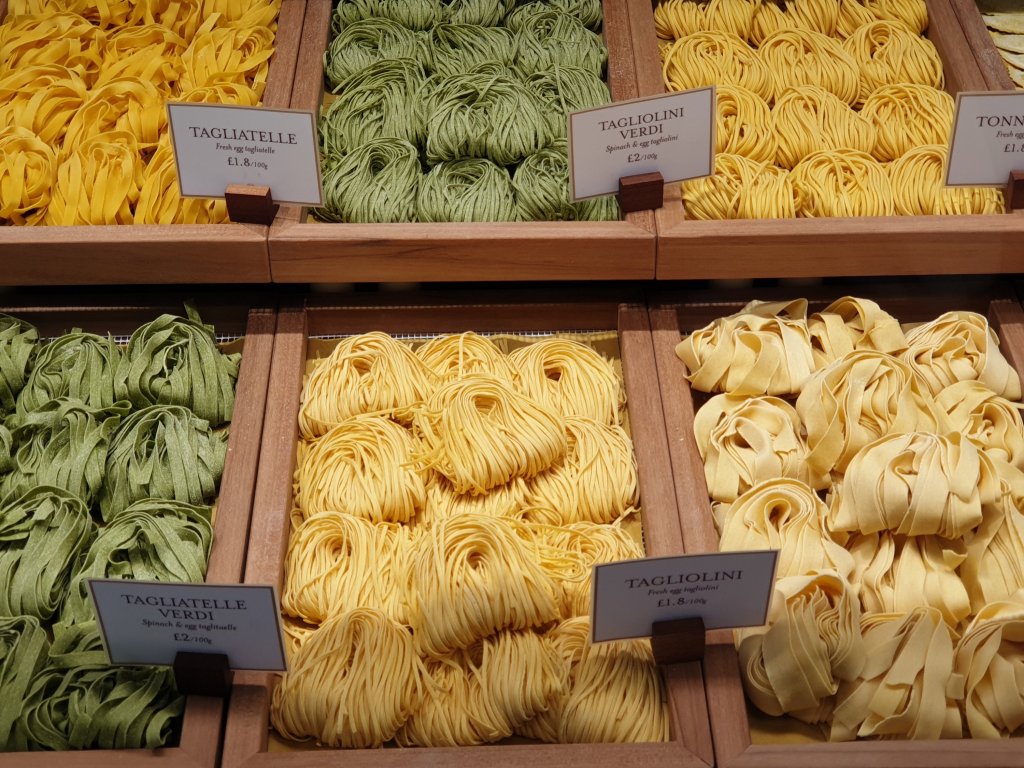
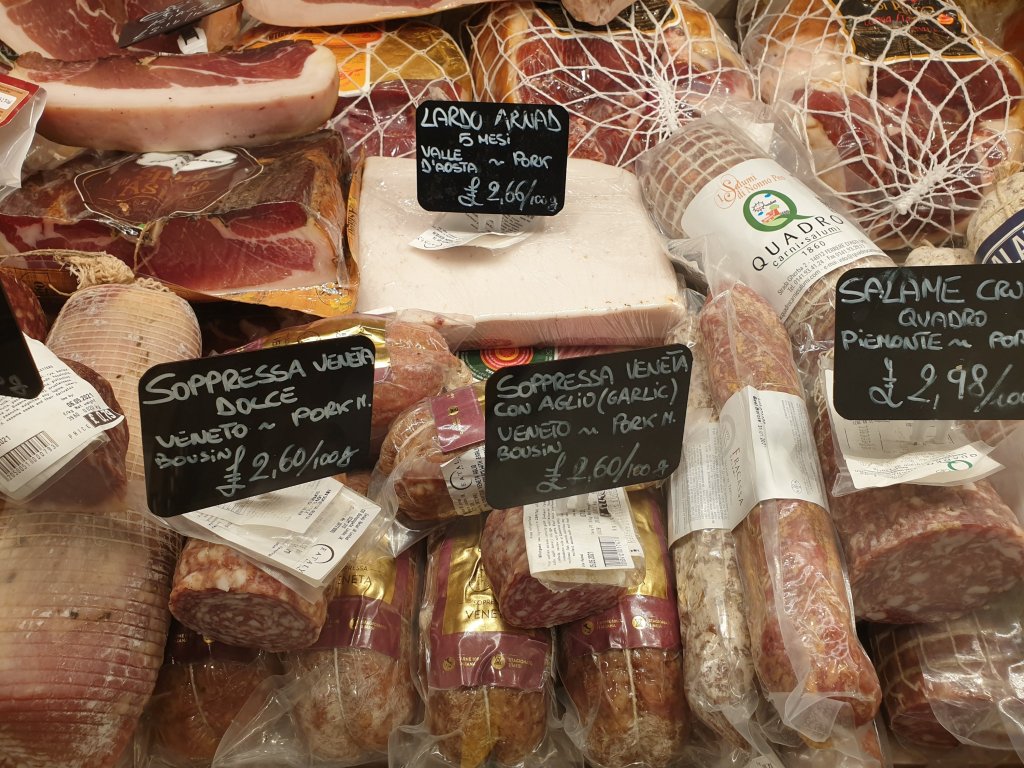
I went off to do some weekend food shopping in Eataly, a massive, and possibly monstrous, new food emporium strategically placed right next door to Liverpool Station. I have been often to their branch outside Pinerolo, but am not quite sure what to think of its sense of massive super-abundance immediately post-lockdown. It feels more than faintly immoral. But I’m not averse to that feeling of being in an Italian supermarket, even if it’s a Hollywood version of one:-

Standard

The Transformation of the Art Museum

I’m doing an online talk tomorrow evening, organised jointly by the Harvard Art Museums and the Harvard Department of History of Art and Architecture, where I was a Henry Fellow in 1976. I have been nervous about it because I never did my Generals, but I have now written the talk on three of my case studies, the Museum of Modern Art, the Guggenheim Bilbao and the new Los Angeles County Museum of Art.

There is still time to sign up.

https://haa.fas.harvard.edu/event/transformation-art-museum-conversation-charles-saumarez-smith-martha

Standard

Start the Week

I don’t normally get to hear Start the Week – it’s when I’m working – so it was quite a treat to hear the episode this morning in which Andrew Marr dexterously juggled topics and ideas between Cynthia Saltzman at home in New York, Francesco da Mosto in Venice, and me sitting immediately opposite Andrew in Portland Place, as we roamed from Milan to Venice, to Paris and Berlin in search, first, of where Napoleon seized the greatest pictures to build up the collections of the Louvre and then, how the Louvre itself helped to inspire a great era of national, if not nationalist, museum-building:-

https://www.bbc.co.uk/programmes/m000vq72

Standard

Plunder, power and prestige

Tomorrow morning, I appear on Start the Week, together with Cynthia Saltzman, who has written a magnificently detailed account of how Napoleon and his army marched through northern Italy, compelling each of the major cities – Milan, Parma, Mantua – to sign treaties compelling them to give up their twenty best works of art to the Louvre (in Rome 100); and Francesco da Mosto, who has the advantage over us in that his ancestor was a Senator at the time that Napoleon arrived in Venice to demand works by Titian, Tintoretto and Veronese, including the Wedding Feast at Cana which was brutally stripped off the wall of the Refectory next door to S. Giorgio Maggiore, rolled up and transported to the Louvre never to return. It makes what Elgin did just a one-off piece of plunder by comparison.

https://www.bbc.co.uk/programmes/m000vq72

Standard

Eli Broad

The news of the death of Eli Broad yesterday has made me read his brief newspaper autobiography, published in the LA Times in May 2019 – pre- COVID. It’s an interesting and in many ways impressive life, making a great deal of money out of real estate and then getting involved in the arts: first, by establishing the Los Angeles Museum of Contemporary Art, with its building by Arata Isosaki on Bunker Hill, run to begin with by Pontus Hultèn; then Temporary Contemporary in 1983, designed by Frank Gehry, which he doesn’t mention; then the Broad Contemporary Art Museum at LACMA, designed by Renzo Piano, definitely not his best building; and finally The Broad itself on South Grand Avenue, right next door to the Walt Disney Concert Hall, designed by Diller Scofidio & Renfro. He made his fortune out of tract houses, but then spent it on civic monuments for his adopted city.

https://www.latimes.com/entertainment/arts/la-et-grand-avenue-eli-broad-essay-2019-htmlstory.html?s=09

Standard