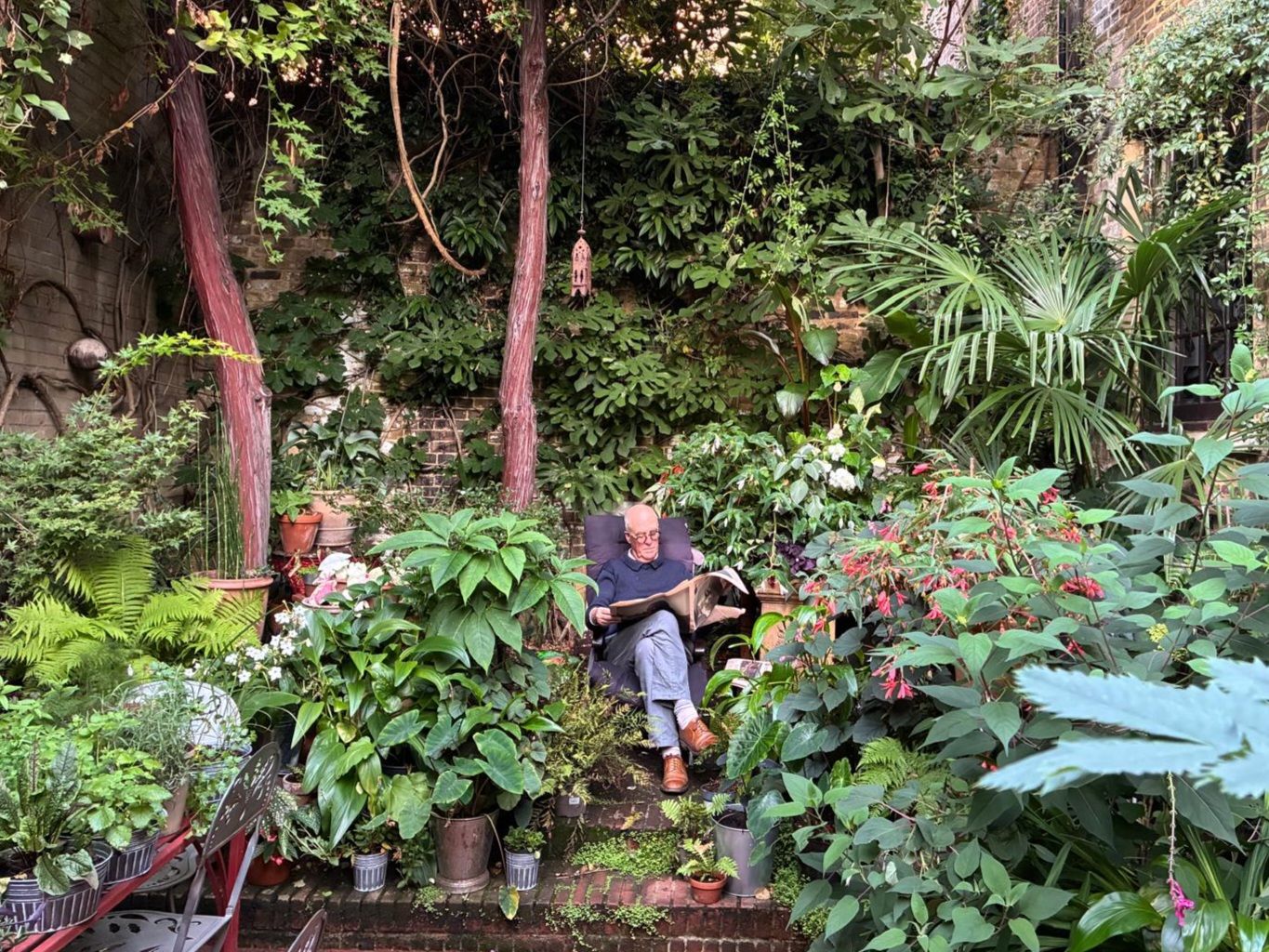
South Kensington Station (1)

One of the consequences of being involved in the debate over the fate of the Whitechapel Bell Foundry is that I pay more attention to planning battles across London, of which there seem to be so many.

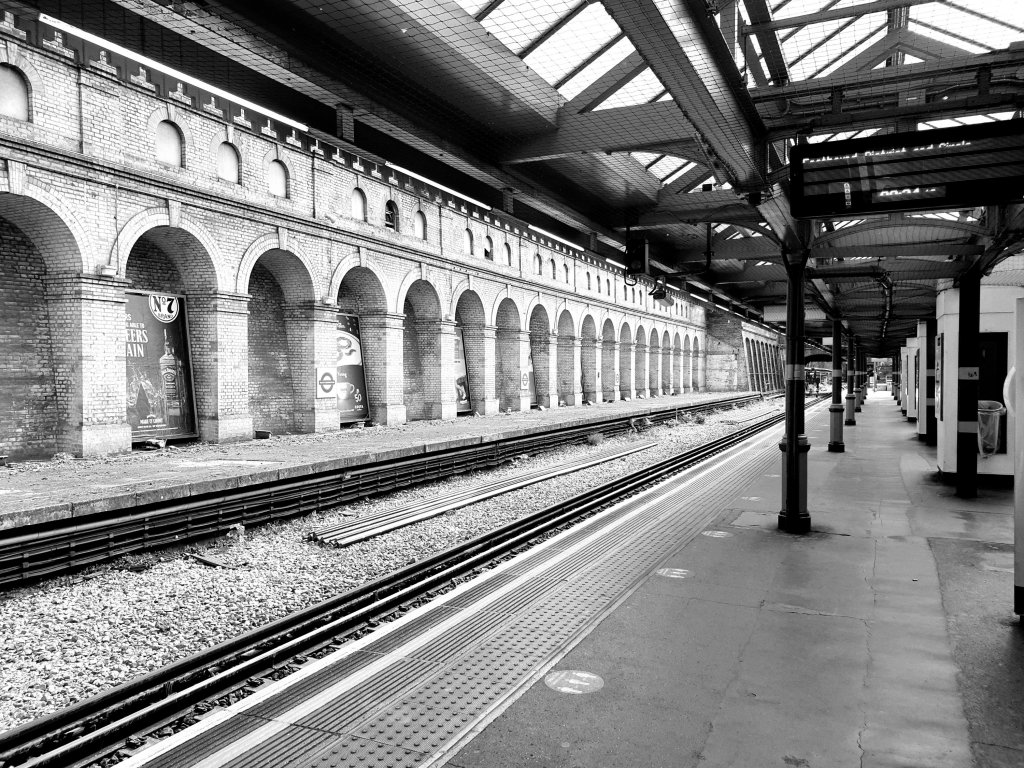
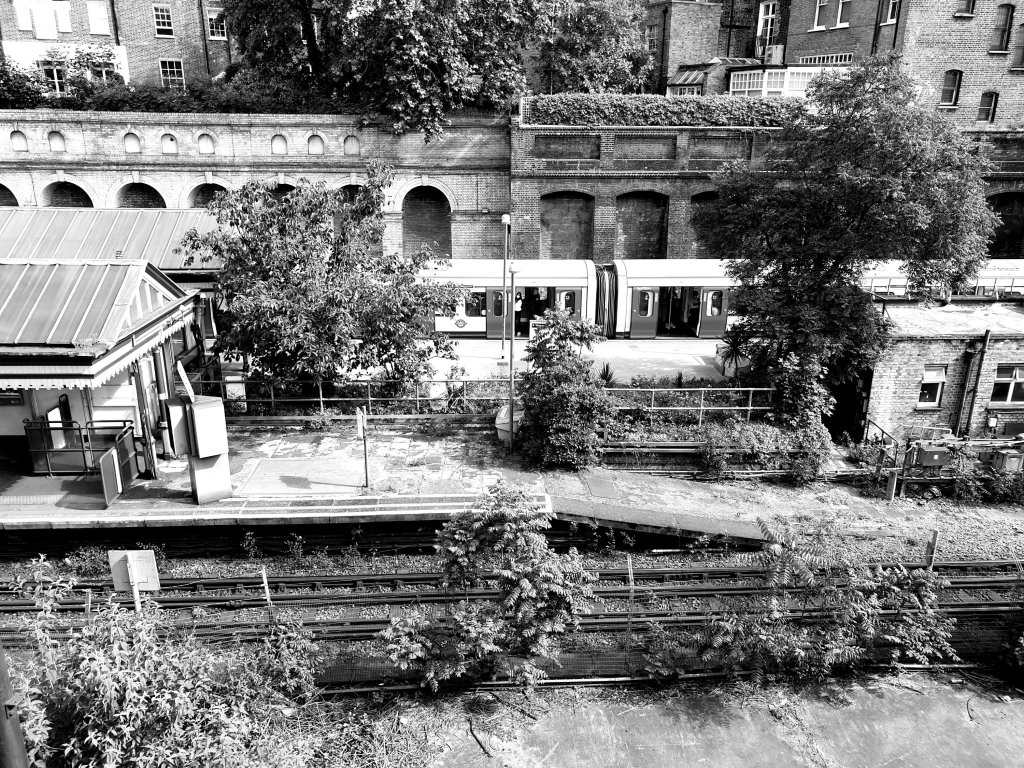
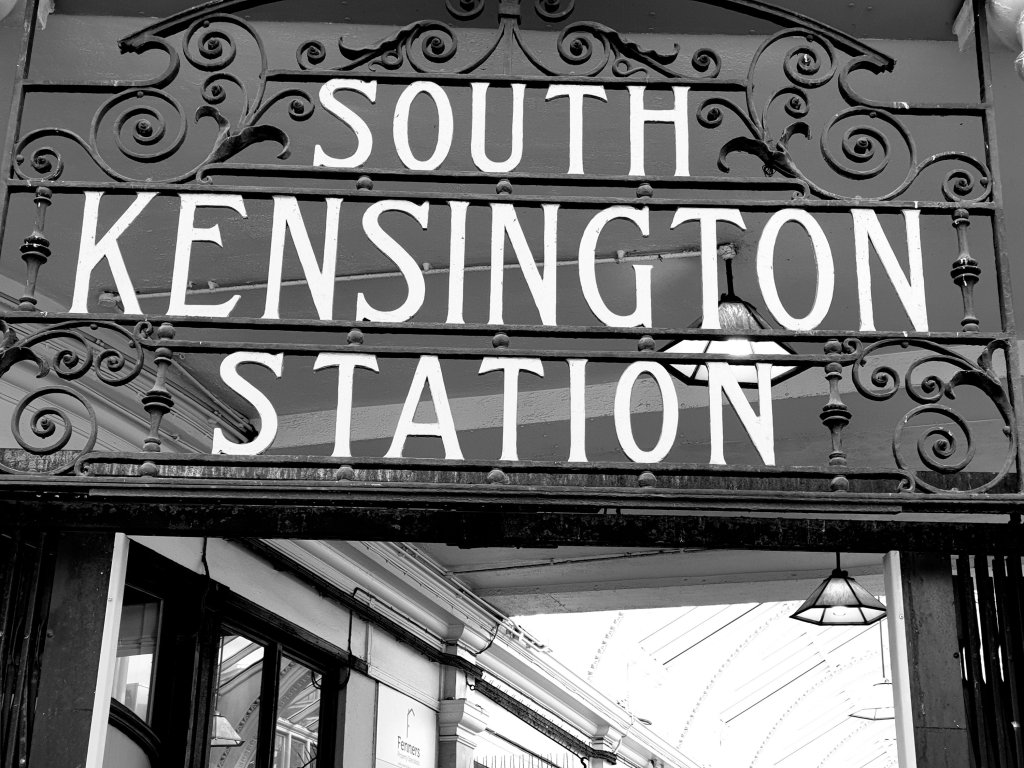
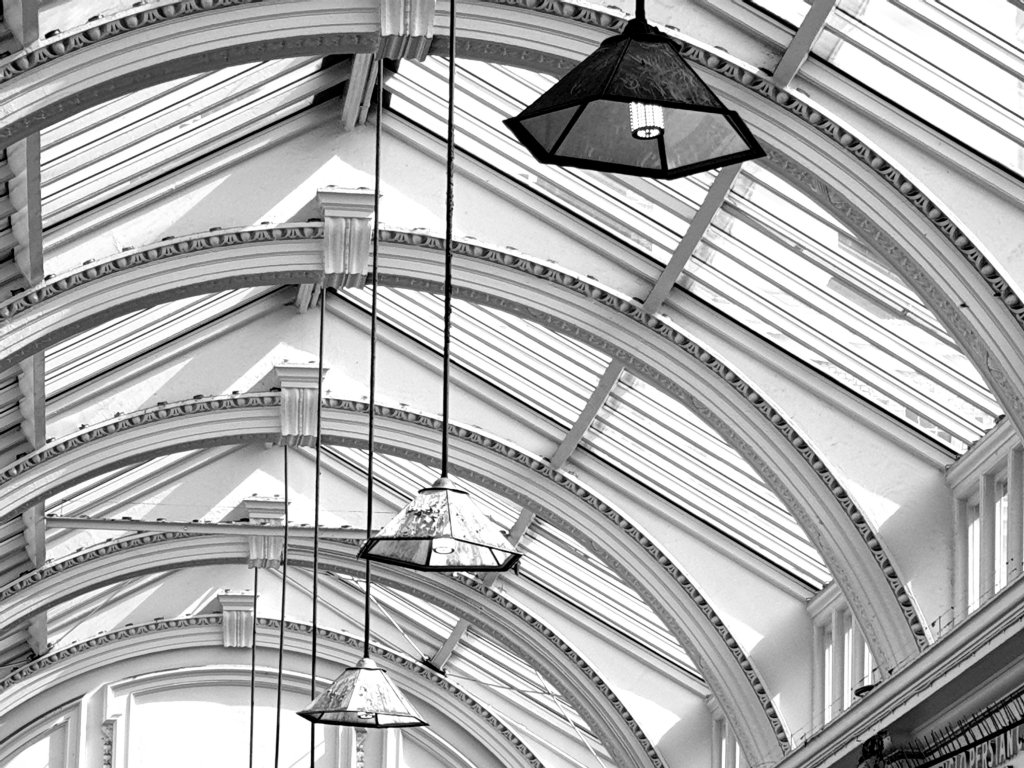
The most recent has been over the future of South Kensington Station. Whereas most of us probably regard South Kensington station as an attractively open gateway to the South Kensington museums – faintly rustic in character with flowerbeds on the platform, as if recalling the market gardens which were there before the museums and relatively unusual in being open to the skies (opened 1868) – Transport for London have long regarded it as being ripe for development where their air rights can be developed for maximum profit, regardless of the low-rise stucco housing round about populated by merchant bankers. Rogers Stirk Harbour came up with an ungainly set of plans leaving the tube arcade, but surrounding it with a circular gasometer tower block.

Unusually, Native Land has sensibly withdrawn its plans, presumably realising the strength of local feeling against the proposals. Who will it employ, one wonders, to draw up more sensitive proposals ?
Standard

Pavel Kolesnikov

We went back to the Wigmore Hall for the first time for many moons to hear Pavel Kolesnikov play Mozart and Chopin. I had deluded myself that listening to music on Spotify was an adequate substitute for the real thing – better at least than looking at digital images of pictures online – but I was quite wrong: most of all in the quality of sound for which a recording is ultimately a nearly, but not totally pure substitute; and the sense of performance – the languid way he played Mozart, the fortissimo of the final Chopin, even the occasional coughing towards the end was faintly reassuring that the normality of real experience is coming back again.

Standard

Collection History

I have been impressed by an answer by Benedicte Savoy to a question from Donatien Grau, ‘Doesn’t this idea of a museum forever holding up a mirror to itself risk calling into question the immediacy of experience of a work of art ?’

Savoy replies, ‘The collection history needn’t necessarily assume a dominant role, but it should be integrated into the experience of the whole. It won’t negate the visitor’s experience before the object, but without it the museum is depriving itself of a particular dimension. I don’t see why aesthetic emotion should have to be separated from historical emotion, from an understanding of the historical plinth on which we rest, in Europe for example. The museum needs to accept that it should show its wrinkles. You see a face, and if that face is all artificial intelligence inside a rubber mask, then it’s highly abstract. What I’m talking about is the opposite of a rejection of emotion; it’s a recognition of the quality of lived experience, the lived experience of the museums, the lived experience of the institutions, which are like the lived experience of a person…Many still clam up on this history, but it’s not a taboo subject’ (Grau 2021, p.177).

Standard

Open a boozeum

It’s strange how the media now works.   I was sitting at my desk this morning when I got a text from a friend congratulating me on my interview in the Times.   But, I said, I haven’t done an interview in the Times.   Oh yes, you have, I was told, it was described at length by Petroc Trelawny on Radio 3 at 6.49. Indeed, it was. It turns out that what I said during my conversation with other museum professionals during the Hay Festival has been turned into a news story on page 3 of today’s Times.

I was asked during the interview which museum that I had visited had succeeded best in attracting a genuinely socially diverse mix of visitors and I answered: MONA in Tasmania, because I thought it succeeded in presenting itself not as a place of learning, but as a visitor attraction, reached by boat from Hobart, with cafés, bars and a ping pong table when you arrive, and when you descend into the ground to see the displays, you are greeted on arrival outside the lift by a bar. Then, I am quoted as saying, ‘You could say all these things are irrelevant to the art but they are signals all the way through of treating it not in a reverential way but as a casual visitor experience’.

All of this is true. I have checked on the latest statistics for MONA. In 2018, they got 347,000 visitors, less than I was quoted as saying, but still 27% of all visitors to Tasmania, whose total population is only 541,071, much less than I thought. They do not give a socio-economic breakdown of visitors, but my impression was – which was my general point – that they are much more obviously socio-economically diverse than most visitors to museums, helped by the fact that the museum is treated as a day out, not as an opportunity for educational improvement.

Does this mean that museums should open a boozeum, as the headline writer suggests ? I certainly think that it should make museums attentive, as they already are, to how they project their identity. And, as I have always realised, people read how the audience is constructed as much from the cafés and bars – the food they offer and how it is priced – as they do from the exhibitions and displays.

I’m not sure this is news, but am more than happy for it to be a topic of discussion on Radio 3 and in the Times.

Standard

Cathie Pilkington

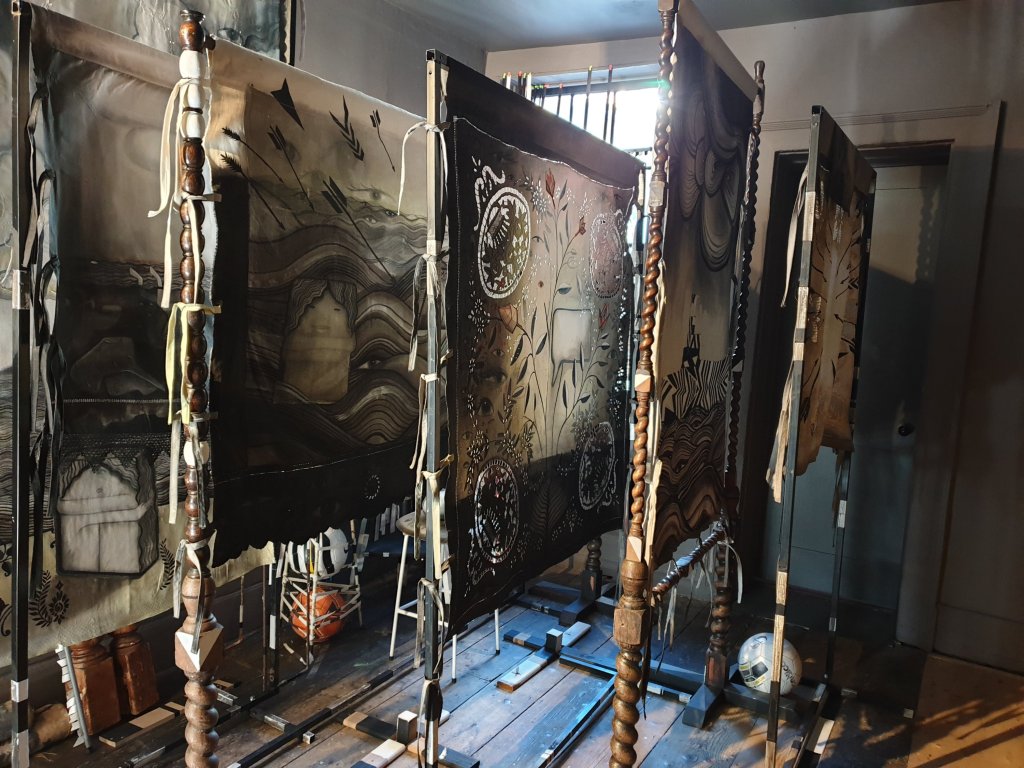
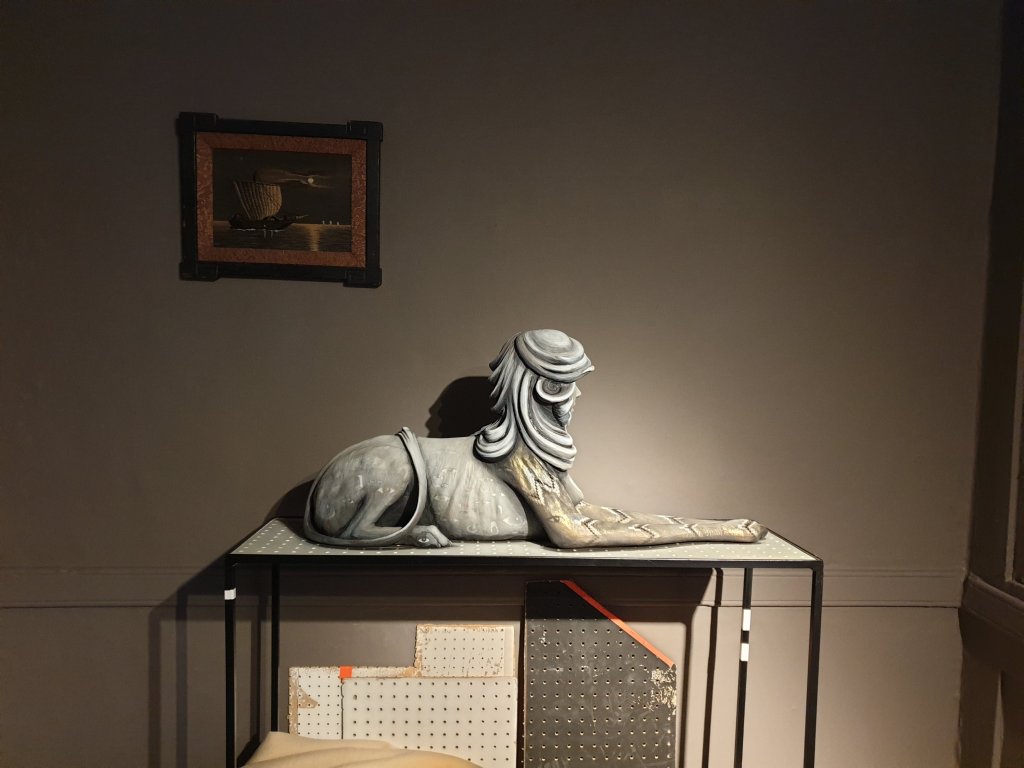
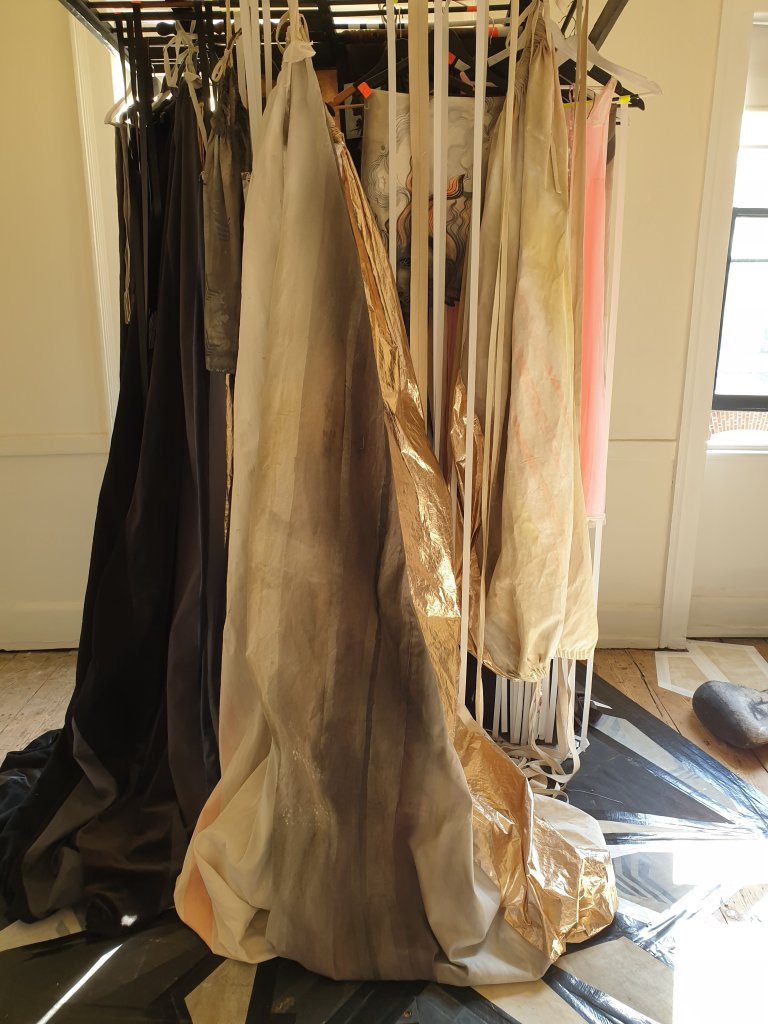
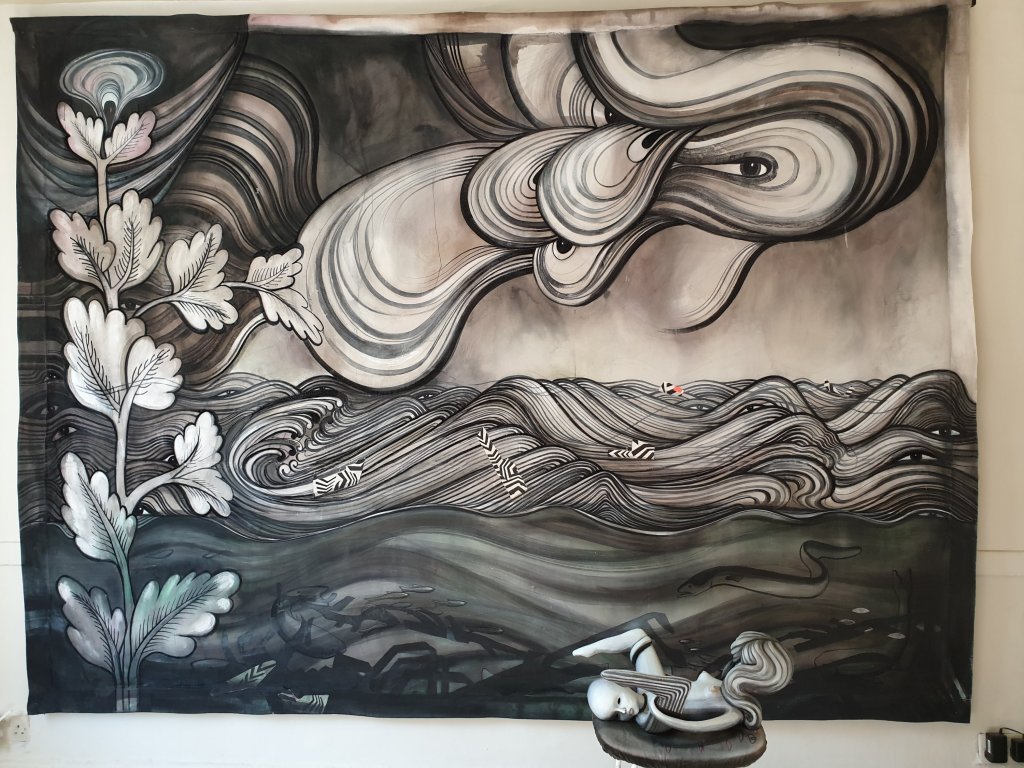
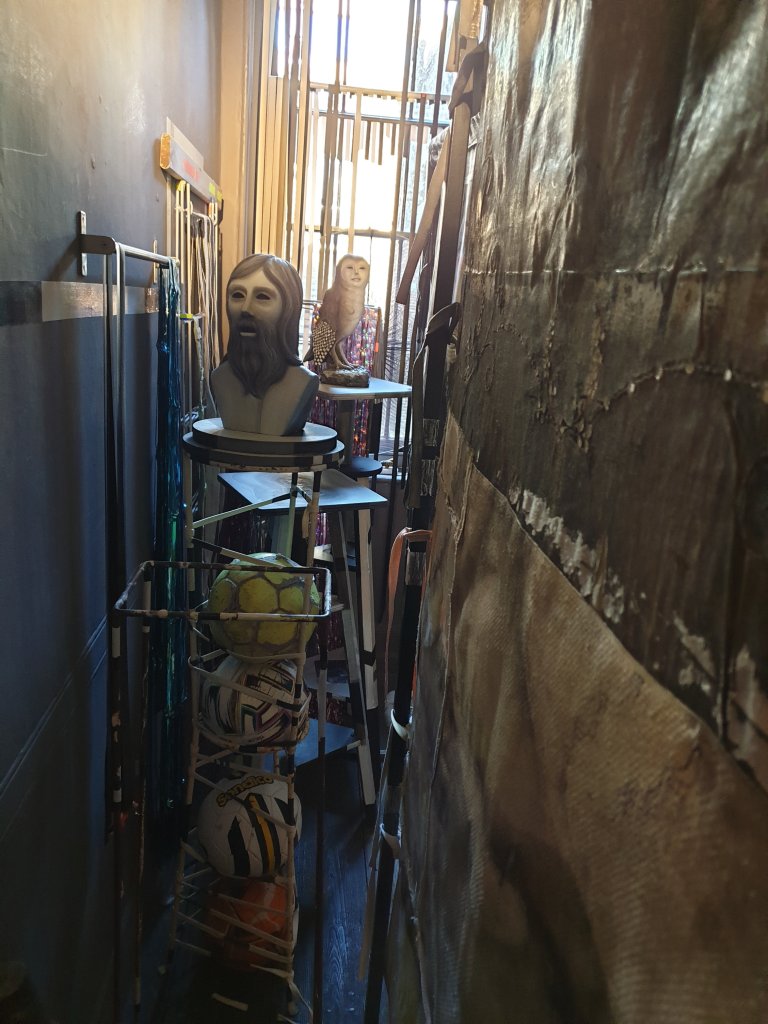
I went to see Cathie Pilkington’s latest exhibition in Karsten Schubert’s tiny, but picturesque two-room gallery upstairs in Lexington Street, which she has filled with subtly disturbing, but atmospheric installations exploring elements of the subconscious, dream worlds, which benefit from the accompanying descriptions:-

Standard

Tribalism

I have been reading the new volume of essays, Under Discussion: The Encyclopedic Museum, edited by Donatien Grau and published by the Getty Research Institute. I was particularly struck by a casual comment in an interview with Mari Carmen Ramirez, a curator at the Museum of Fine Arts in Houston: ‘In societies increasingly veering toward tribalism (Russia, Spain and the UK, among others), even the notion of a global museum is in serious jeopardy’. The breakdown of nation states is obviously happening – in the UK as in Spain – and has already happened in Russia. But is it right to describe it as tribalism ? Maybe. It’s certainly a move away from a belief in the benefits of globalism and internationalism, the disintegration of common values and a rise in strident partisanship. But is this tribalism ?

Standard

Hay Festival

I did a session at Hay Festival yesterday afternoon, only sadly it could not be at Hay – they presumably decided it would be too difficult to organise social distancing and it would have been pointless for the speakers to trek up to Hay to sit in an empty room. So, it was a slightly odd experience talking to people on a version of Zoom. After it, I was asked to write a blog about the experience and reproduce it here (HOW WILL CULTURAL CENTRES EVOLVE POST-PANDEMIC? (hayfestival.com):-

HOW WILL CULTURAL CENTRES EVOLVE POST-PANDEMIC?

I last did Hay Festival in May 2018 – pre-COVID, of course, in a tent that was in competition with a multitude of other simultaneous events. To get to it, I struggled through a massive bookshop from a Green Room where I was surrounded by lots of other speakers. It was all very physical. So it was a strange experience assembling on screen with three other people in the virtual world, Erica Wagner chairing it from New York with the faint sound of sirens echoing in the distance, and the whole experience was made odder by the fact that the technology being used meant that there was a very slight delay between one’s facial movements and then seeing oneself on screen. It felt like looking at people moving about in slow motion in a swimming pool.  

As a result of recognising the effect of this delayed slow motion, we were frozen beforehand, not wanting to speak on top of one another, not wishing to interrupt. It meant the event itself was a good deal more formal than it would have been all together on stage in Hay.  

We started with our different experiences of COVID. Xerxes Mazda, Head of Collections and Curation at the British Library, took up his new job only last month – what an odd experience it had been when it was impossible to meet colleagues or see the library in action. Louise Siddons, associate professor of art history at Oklahoma State University is on a Fulbright Fellowship at the Eccles Centre for American Studies at the British Library, and was unable to go to the reading rooms until last month. I, too, have been in lockdown at home, making the arrangements for the publication of my book on art museums, but unable to speak to anyone about it, unable to visit museums and galleries, adapting to so much of life being in the virtual world.  

The question we all confronted in our different ways was, ‘What will be different post-COVID?’. Much more will be done remotely by the British Library. There will be much more emphasis on the different ways that people use the library collections. The Oklahoma University Museum will also be reaching out to new audiences. The use of digital technology allows for new things to be done in interesting ways. My own feeling – but this may only be a reflection of my own experience – is that there will be a greater focus on permanent collections, less on the razzamatazz of grand new buildings and temporary exhibitions;  people will go more to their local museums, instead of treating them as for tourists; and that this new thoughtfulness and slow visiting will be good for museums.

Standard