
It doesn’t always rain in Oslo:-

As well as spending a great deal of time enjoying and exploring the different floors of the new Munch Museum (you will have to await my full verdict for the December issue of the Burlington Magazine), I also explored more of the old town.
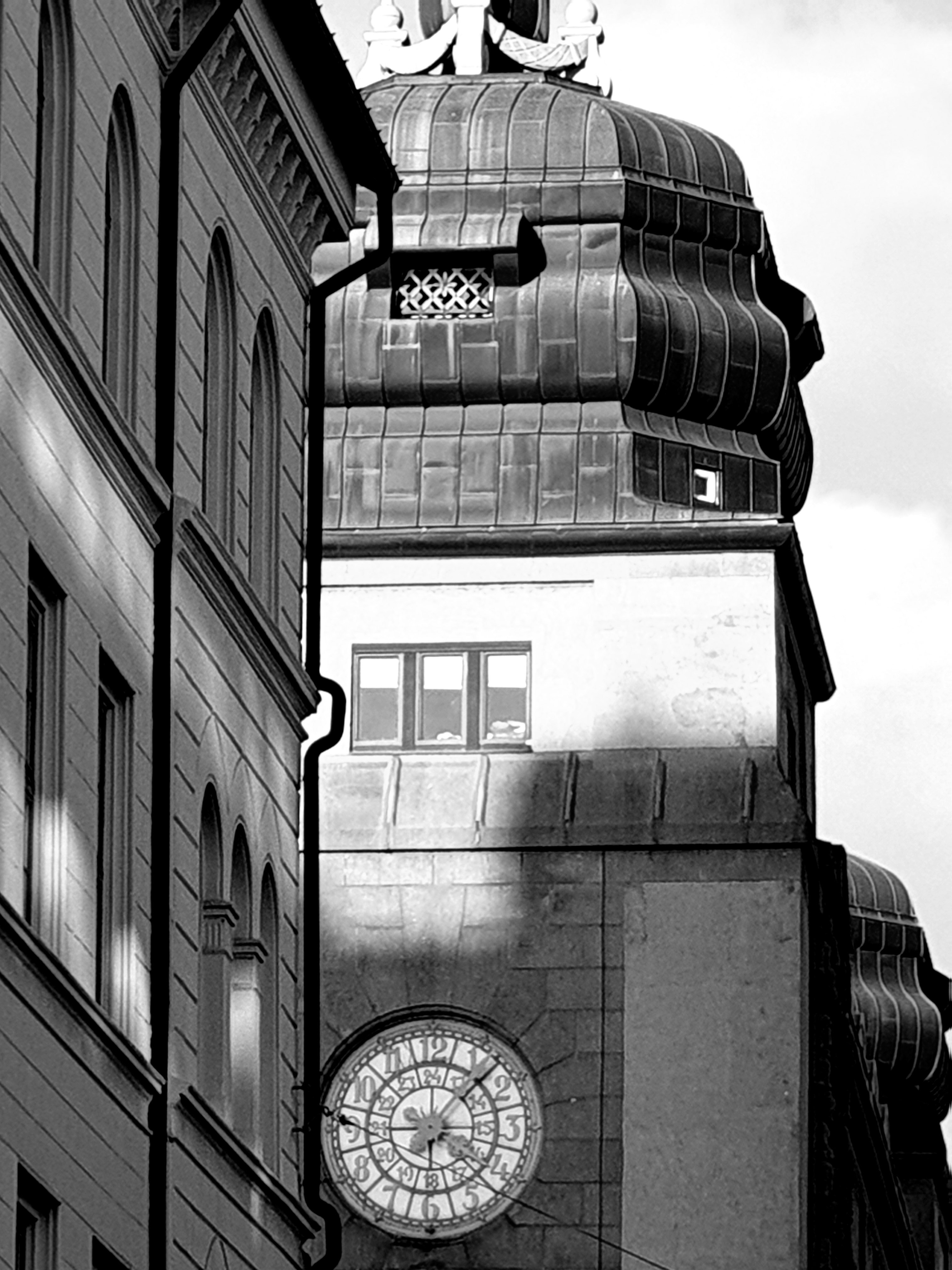
I walked past what I think is the Cental Post Office building in Tollbugata, but can’t find much about its history other than the fact that construction began in 1906, was completed in 1924 and it ceased to be a post office in 2004:-

The Magistrat Gaarden:-

What seem to be barracks:-

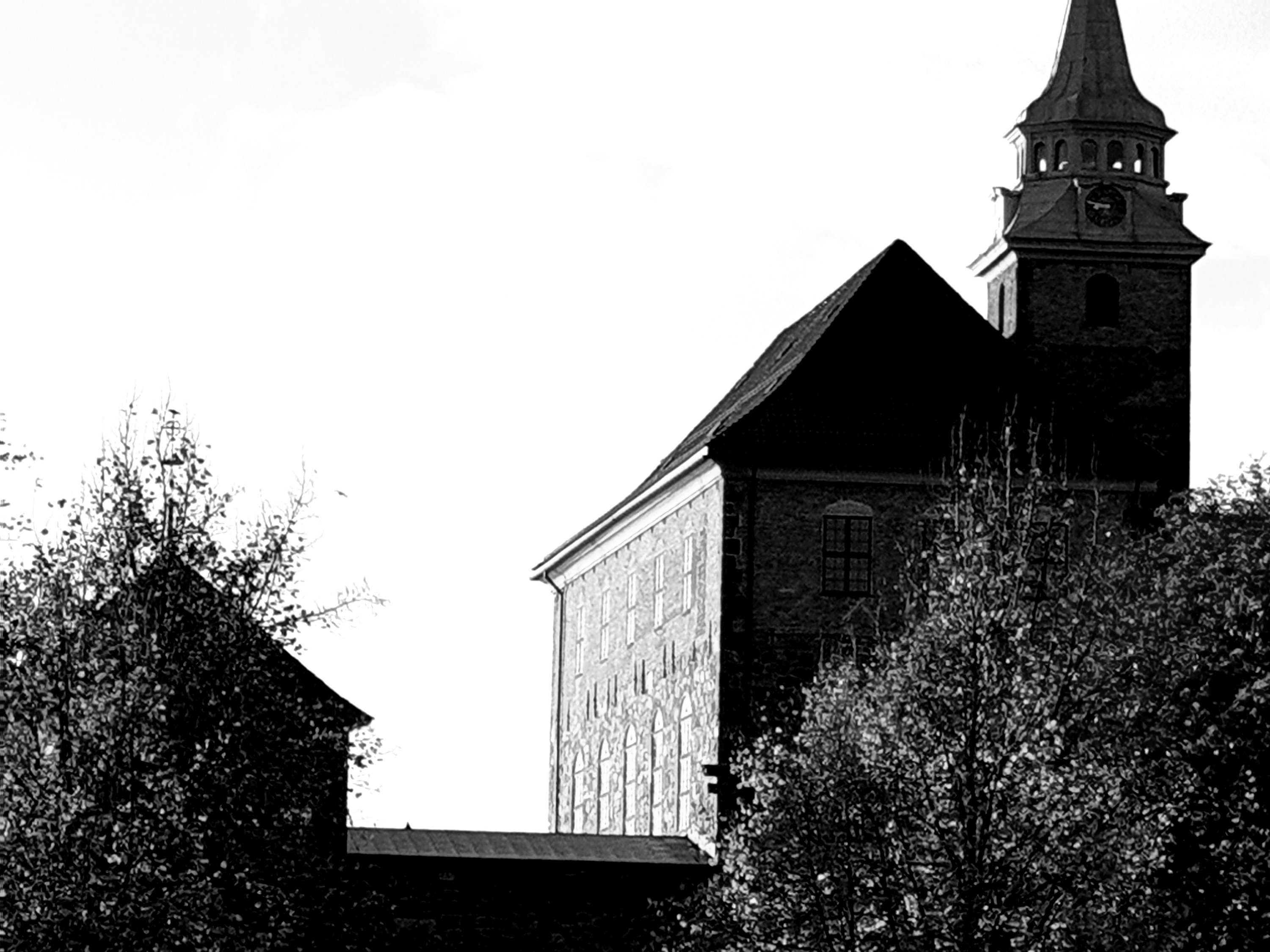
And out on the coast the Akershus Fortress, a medieval palace converted into a seventeenth-century palace:-
I thought I would begin by exploring the new parts of the City which are being constructed very elaborately after the closure of the working docks.
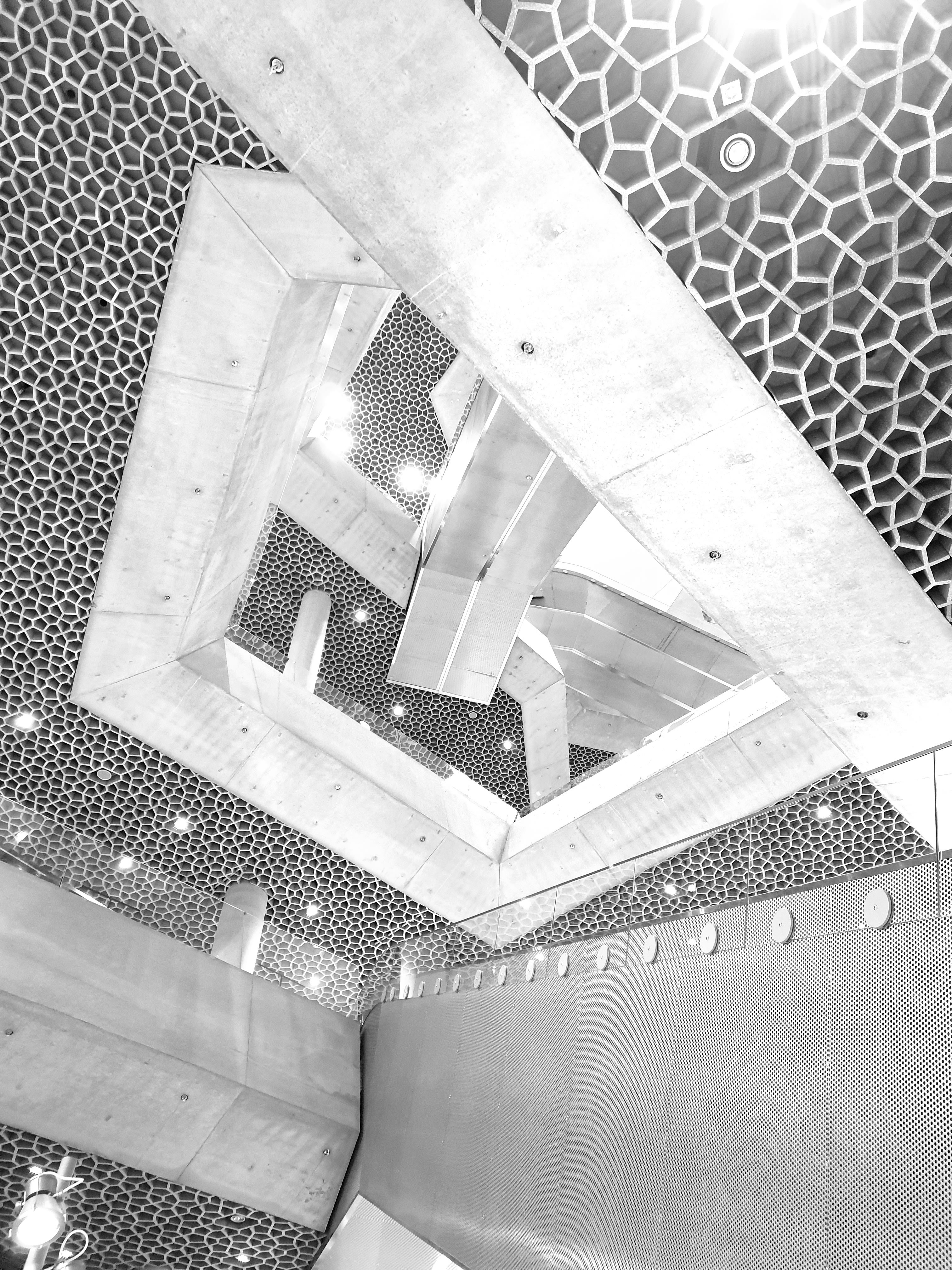
There is a huge and very elaborate new public library, the Deichman Library, opened in June 2020, not perhaps very prepossessing from outside, but spectacularly spacious inside, with escalators taking one upwards, more public working space than somewhere for books:-
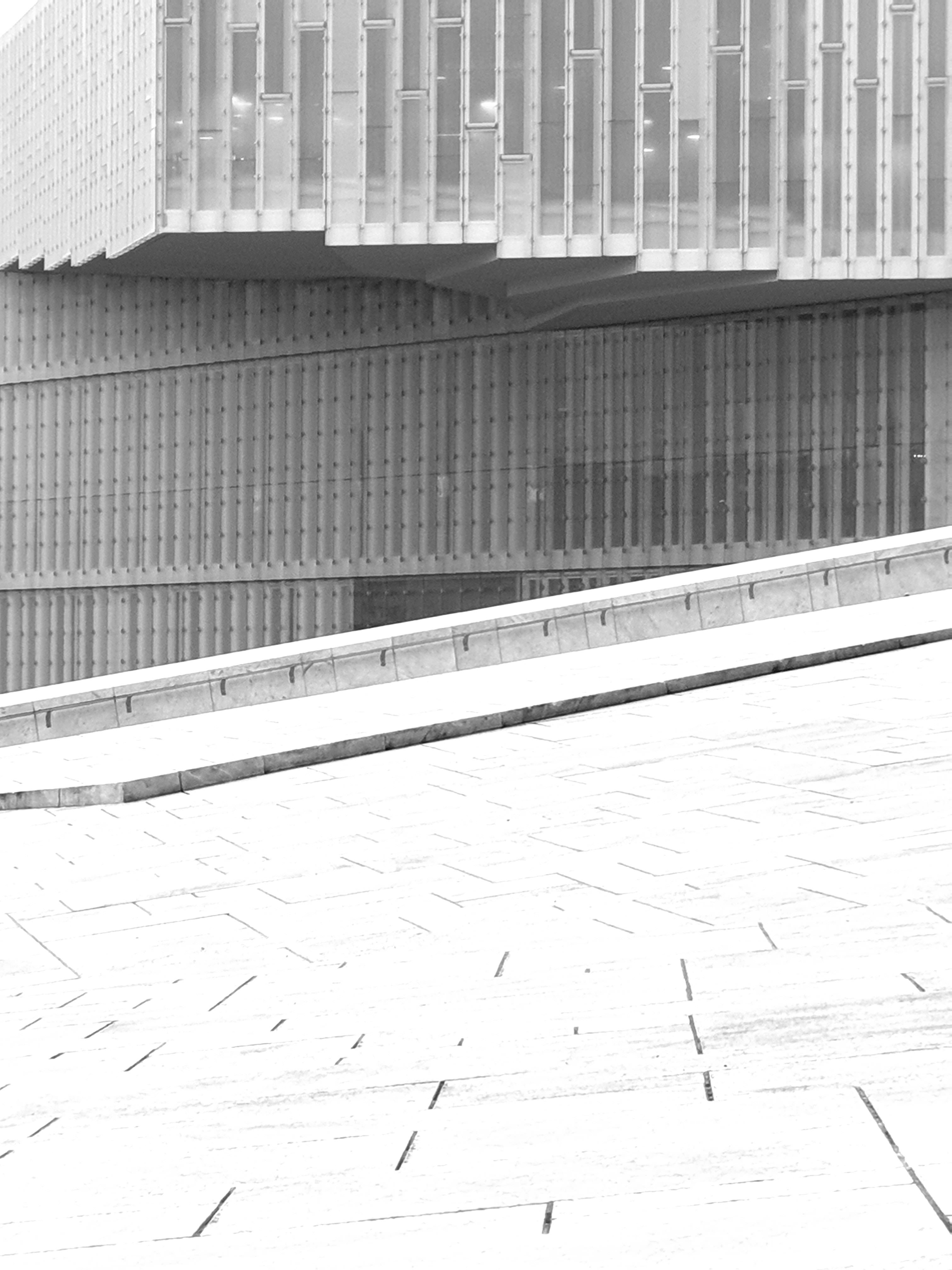
Next, I walked up the roof of Snøhetta’s opera house, which seems to have been popular and successful, opened in 2008, a bit like a public ski slope:-


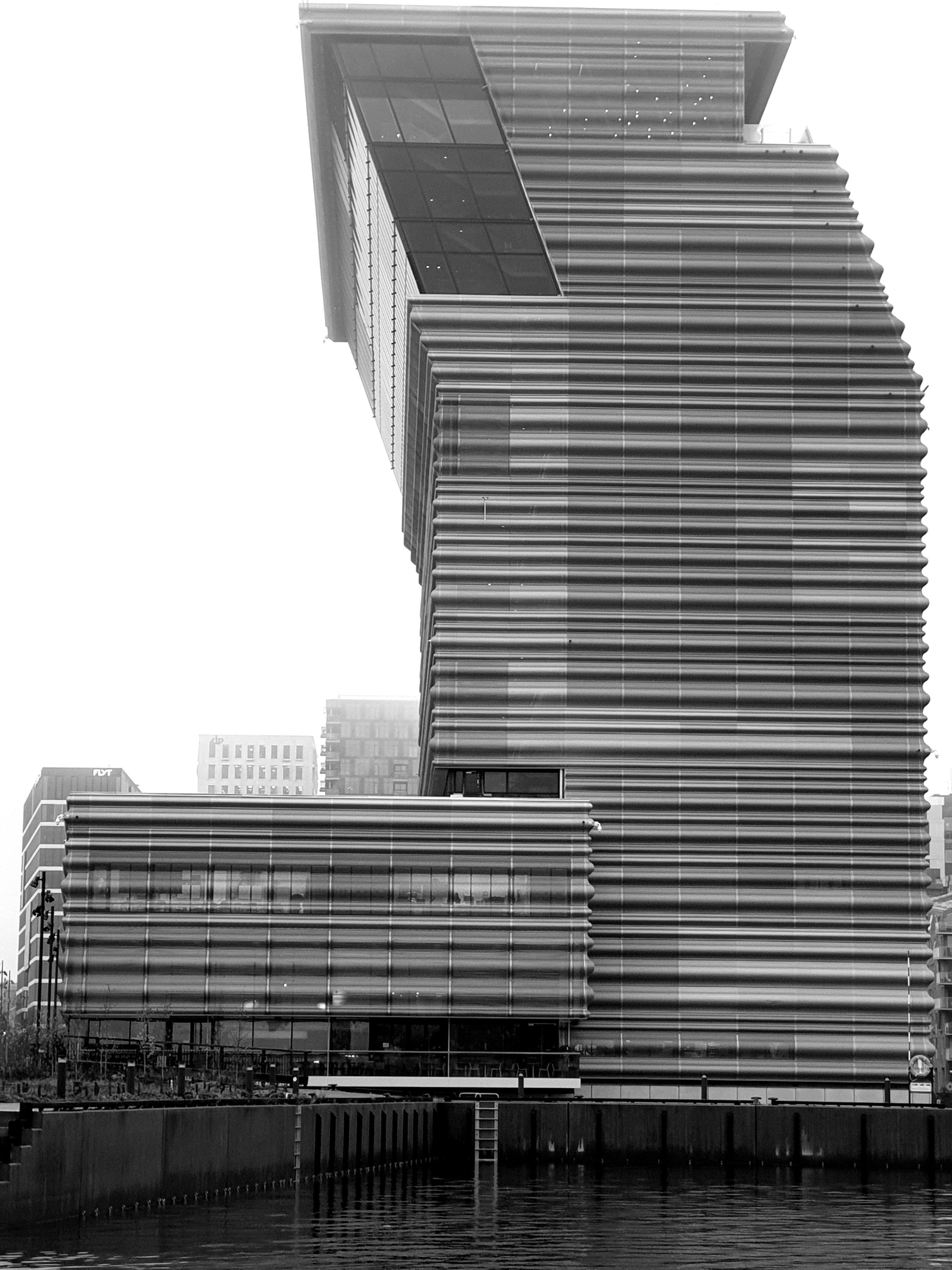
Then, the new Munch museum looms into view, bending its top, as if subservient to the Snøhetta building. I think I will reserve judgment on it until I have seen more of it. It’s had a pretty troubled history, the product of a competition in 2008, nearly axed in 2011, designed by Juan Herreros, a Spanish architect, in an appropriately industrial style, opening tomorrow:-

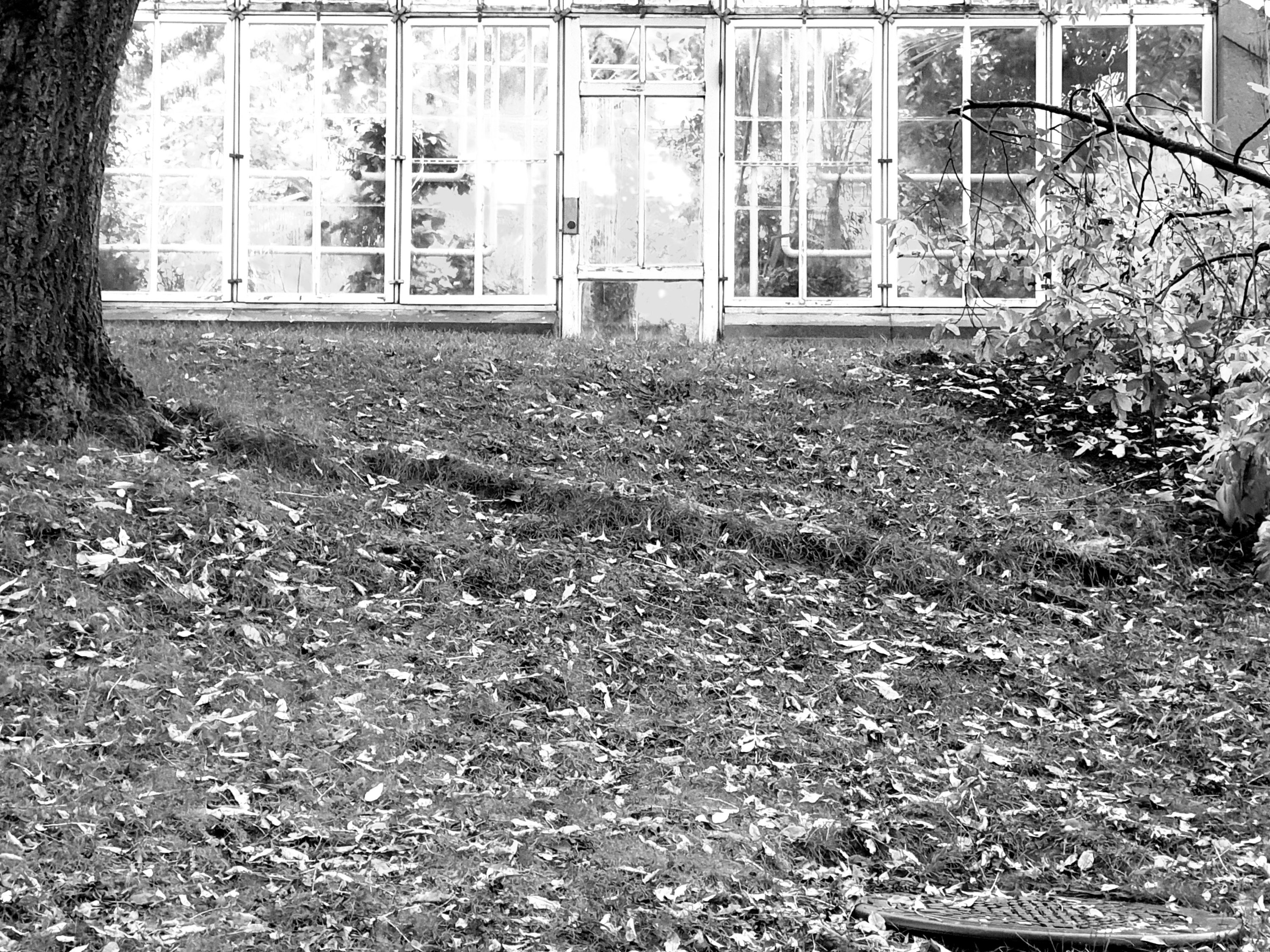
It gave me an irresistible urge to go and see the old Munch Museum, now closed, which opened in 1963 next door to the botanical gardens. I can’t say I mourn its closure. It doesn’t look to me to have had a great deal to recommend it – a low-rise, single story which opened in 1963. But at least I was able to explore the surrounding area of Tøyen and walk through the gardens:-

 | Charles | Saumarez | Smith |
You must be logged in to post a comment.