The Sainsbury Wing (1)

I have only just caught up with Rowan Moore’s careful analysis of some of the problems and issues surrounding the Sainsbury Wing, whose redevelopment is considerably complicated by the fact that it is a building of such exceptional historical importance, but possibly more admired for its intellectual ingenuity than loved, apart from the wonderful top floor galleries.

My own view is that its entrance was compromised from the beginning by the fact that Bob Venturi and Denise Scott Brown were not allowed to design the furniture and fittings themselves, so the gallery instead commissioned Venturi pastiche; half the entrance was chopped off to make a bookshop of an entirely different character; and over time it accumulated a lot of extra desks which meant that the original design was no longer legible. The passage from darkness into light, a characteristic of a Renaissance church (both Venturi and Scott Brown spent time in Rome in the early 1950s), and the more baroque feature of a grand escalier are, rightly or wrongly, no longer regarded as appropriate ways of approaching the experience of a great museum. So, some level of rethinking and redesign was necessary.

Annabelle Selldorf has sensibly opened the entrance space up to give it more height. She would be condemned if she tried to imitate Venturi and Scott Brown (Scott Brown herself is anti-pastiche) and she may now equally be criticised by Rowan Moore and others for being too polite. It’s a nearly impossible task.

https://www.theguardian.com/artanddesign/2022/jun/19/the-sainsbury-wing-redesign-spare-us-the-art-world-good-taste

Standard

Kew Palace

We also went to Kew Palace as well as the Herbarium. I haven’t been since it was totally overhauled by Historic Royal Palaces in 2006 – we thought very successfully with much new fabric, but enough kept of the original, and good quality, straightforward description of the use of the rooms, much of it unexpectedly moving in telling the story of George III’s incarceration on the ground floor, with Queen Charlotte and his daughters all upstairs, joining him poignantly for supper each evening.

Upstairs, there was a recording of Handel’s Sarabande in D Minor, a way of recollecting how poor mad George would console himself by playing alone on the harpsichord:-

Standard

Ruby Hughes (1)

Quite an amazing performance by Ruby Hughes at King’s Place tonight: most of all, Benjamin Britten’s Les Illuminations, a song cycle first performed in 1940 – a work of such great and varied intensity, even ferocity – ‘J’ai seul la clef de cette parade sauvage’. Also, settings by Edmund Finnis of poems by Alice Oswald and ‘Che is può fare’ by Barbara Strozzi. All of it unknown – to me, at least – and revelatory. Not to forget the Manchester Collective who were the performers alongside her.

Standard

The Herbarium

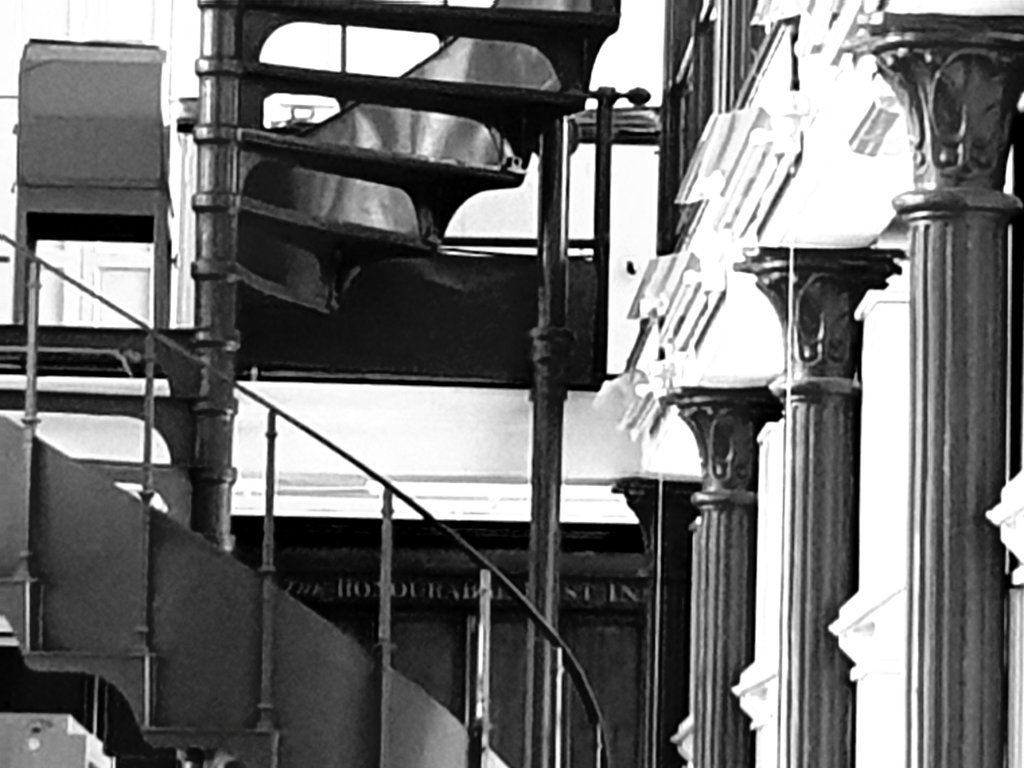
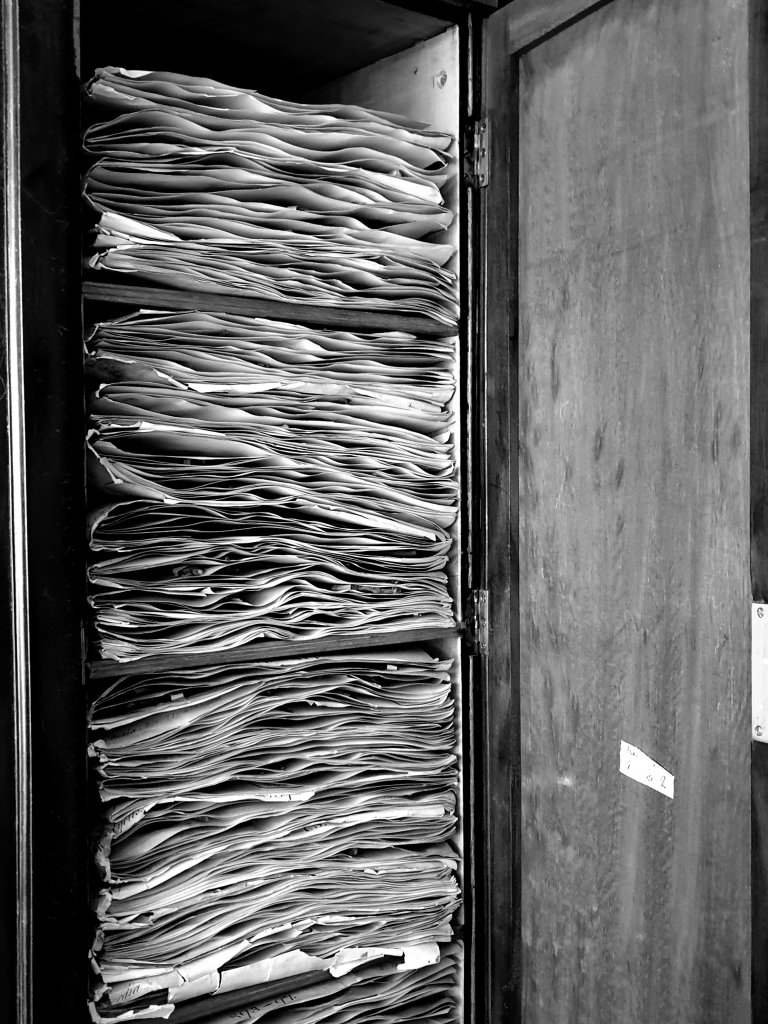
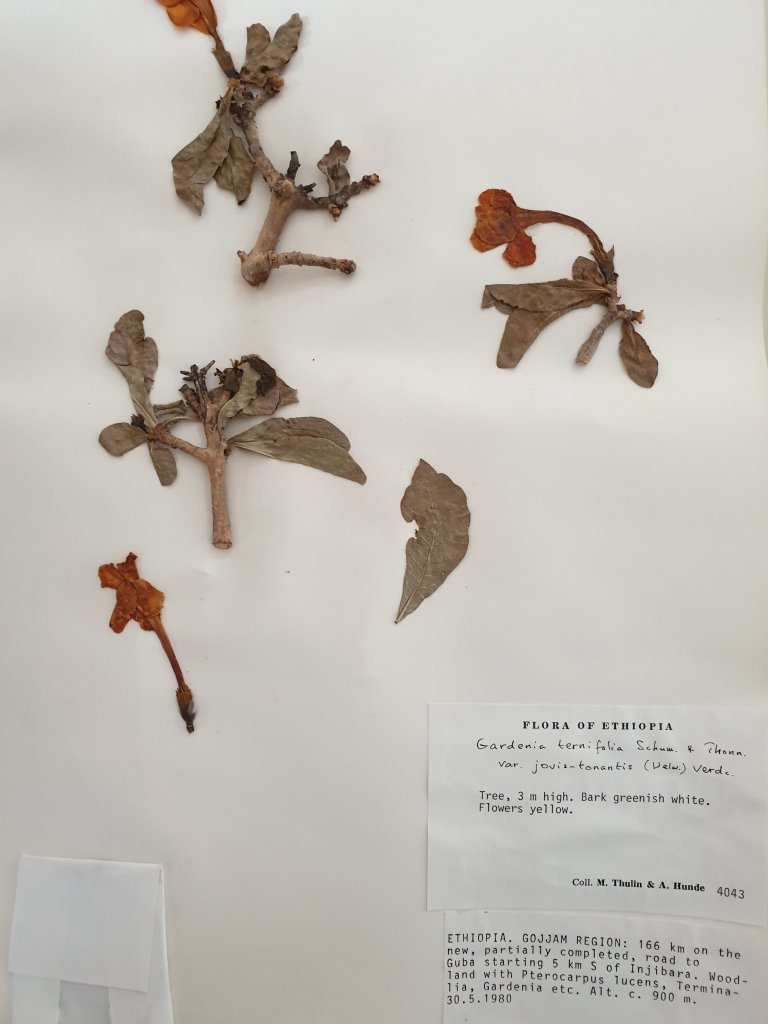
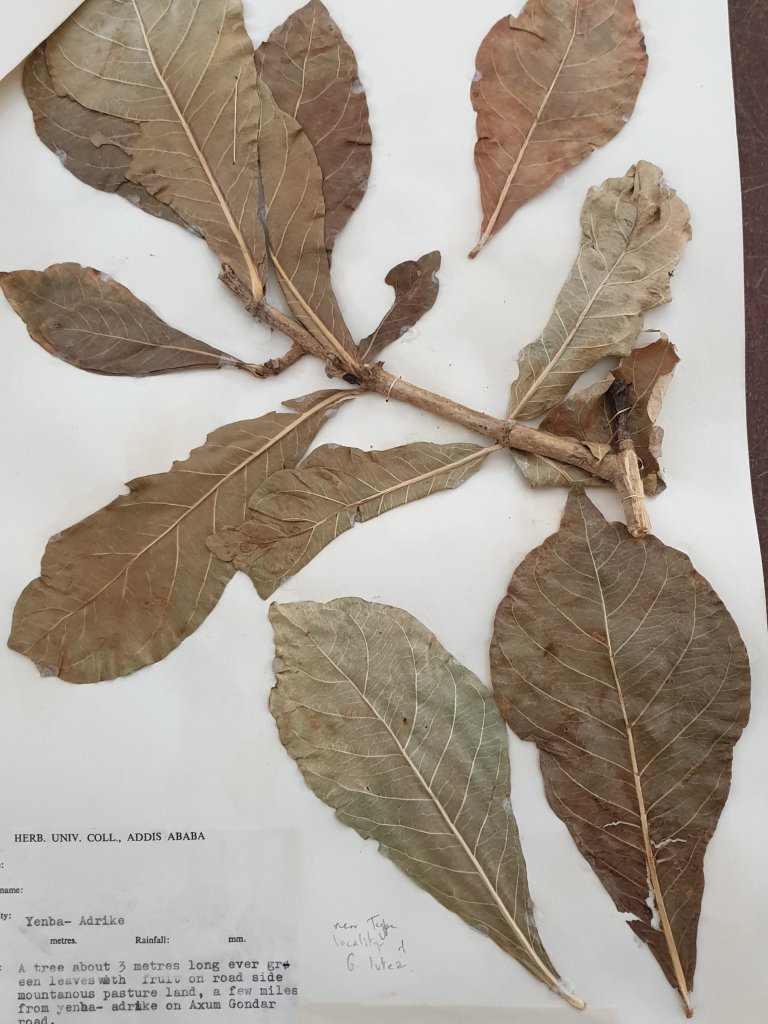
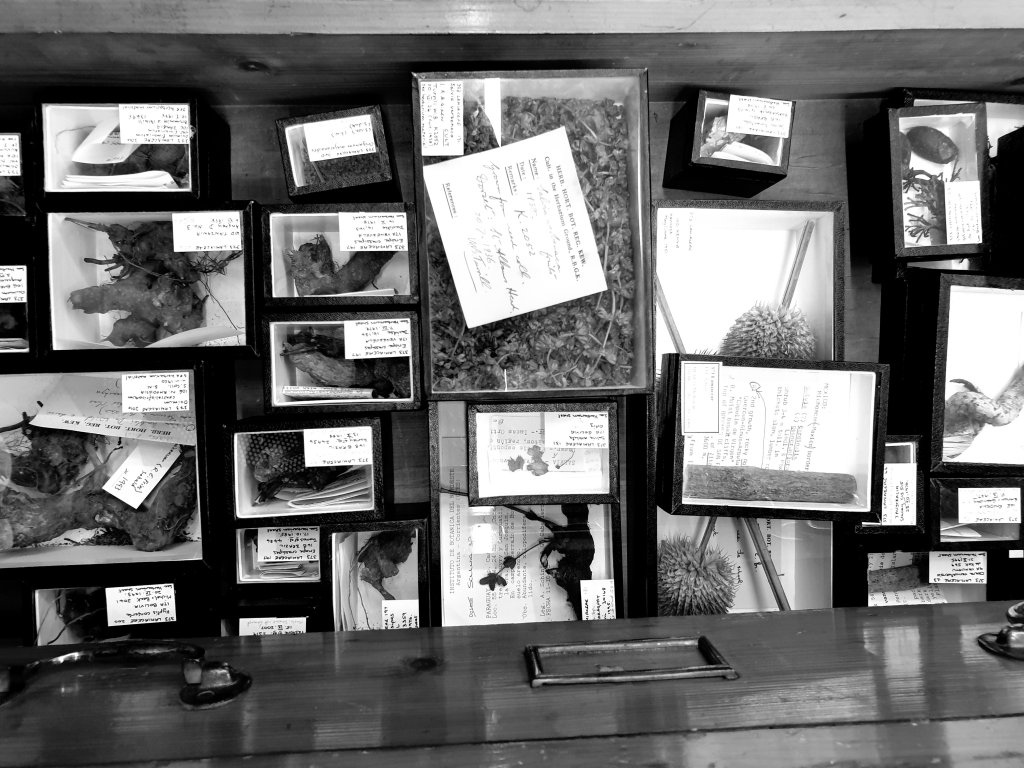
We were initiated into the mysteries of the Royal Botanic Gardens at Kew by seeing its Herbarium on a special behind-the-scenes visit: an extraordinary archive of dried plants collected from round the world and then stored, including a special collection transferred from the Linnaean Society. I have seldom experienced such a strong sense of global taxonomic knowledge:-

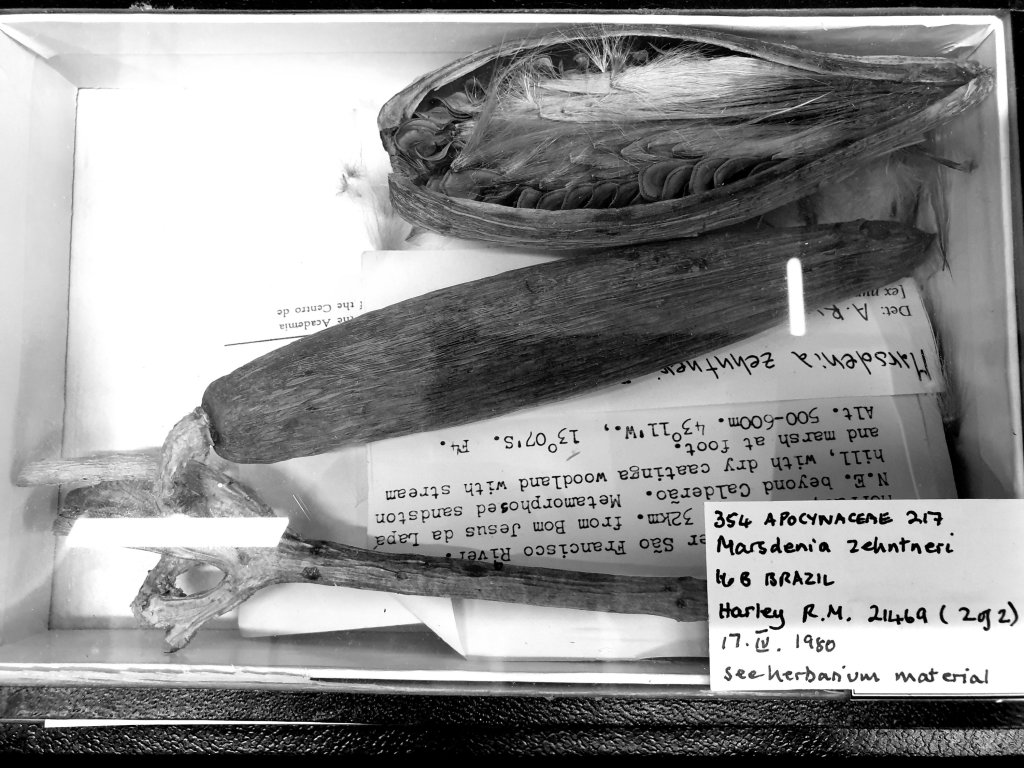
And the plants themselves:-

Standard

Tropical Plants

We went into Kew’s tropical greenhouses, an extraordinary experience: travelling to Madagascar and Brazil through their plants and vegetation:-

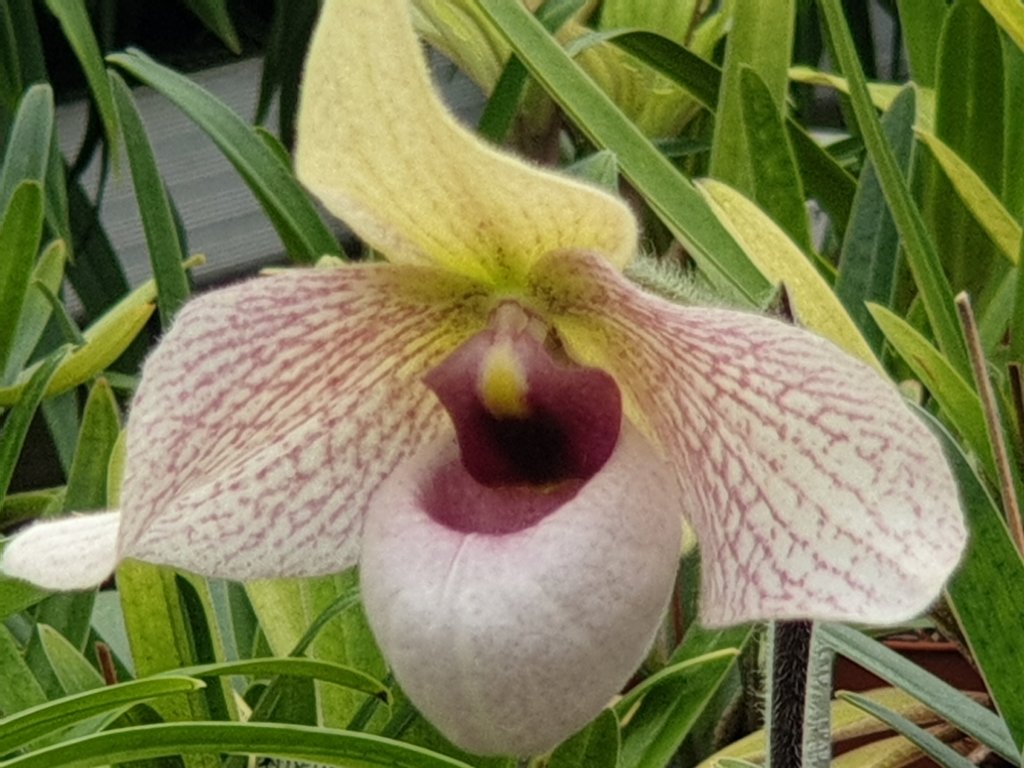
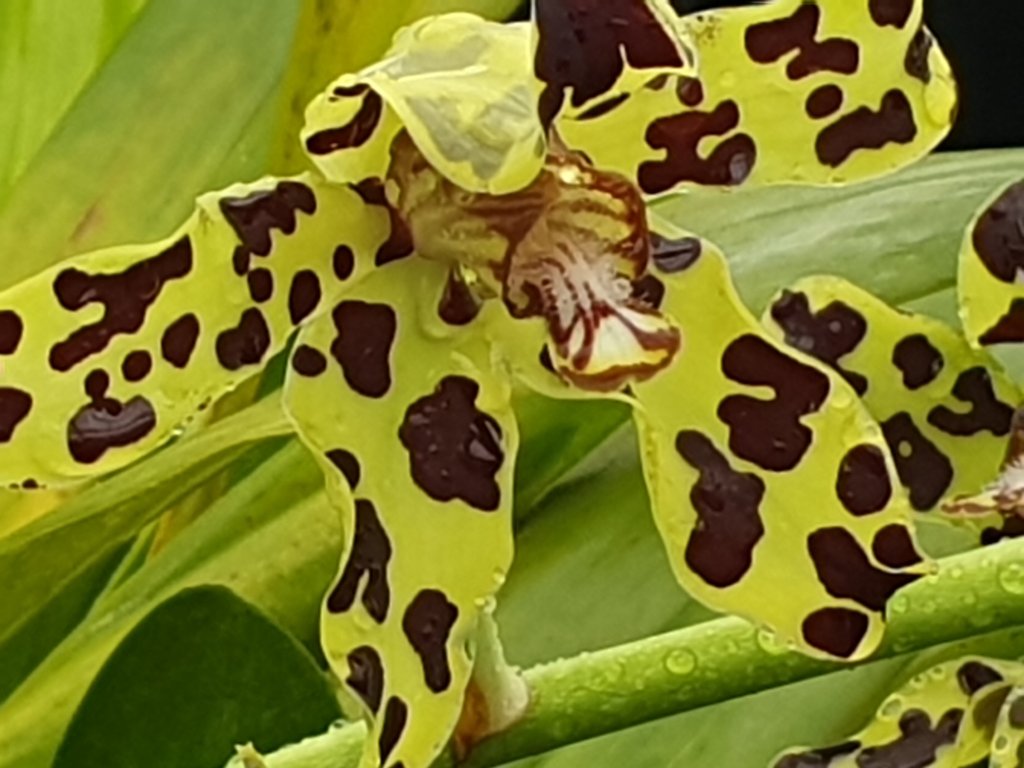
We started with orchids:-

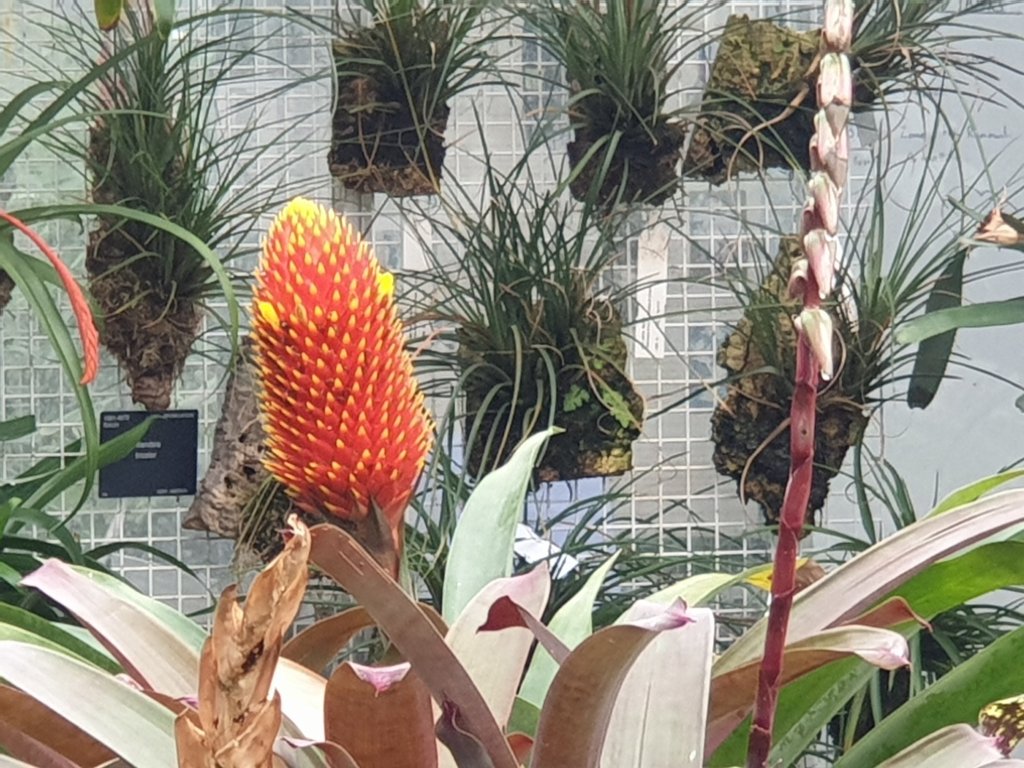
Then to a greenhouse devoted to Bromeliads:-

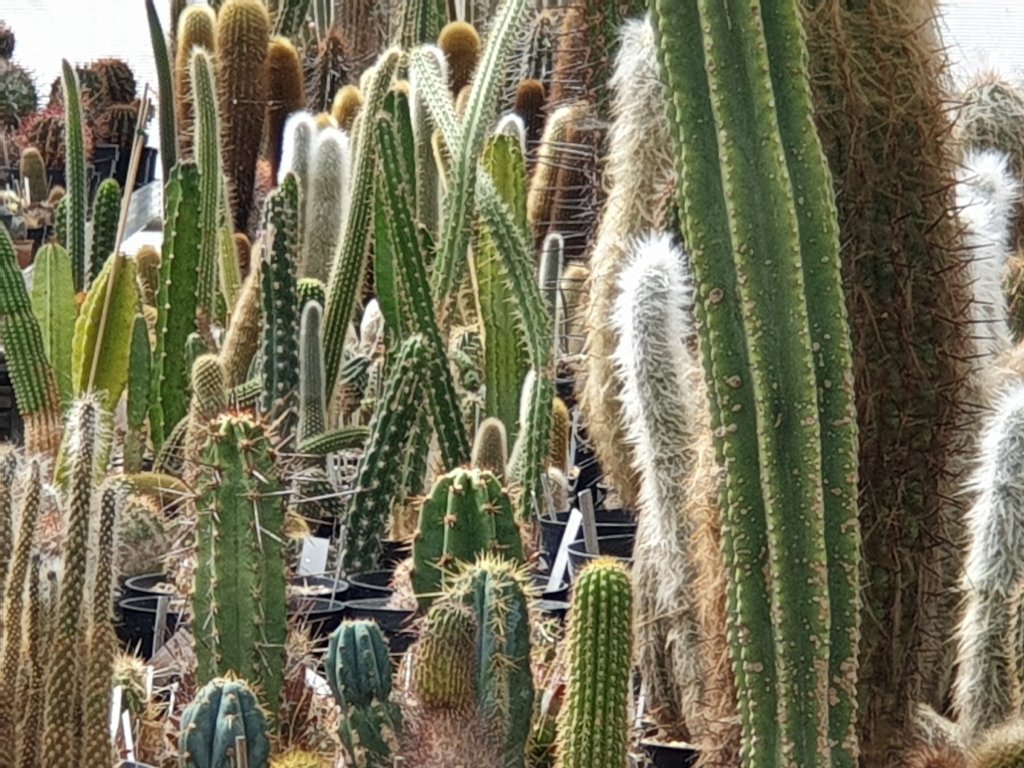
Then, Cacti:-

Melano-cactus:-

Euphorbia:-

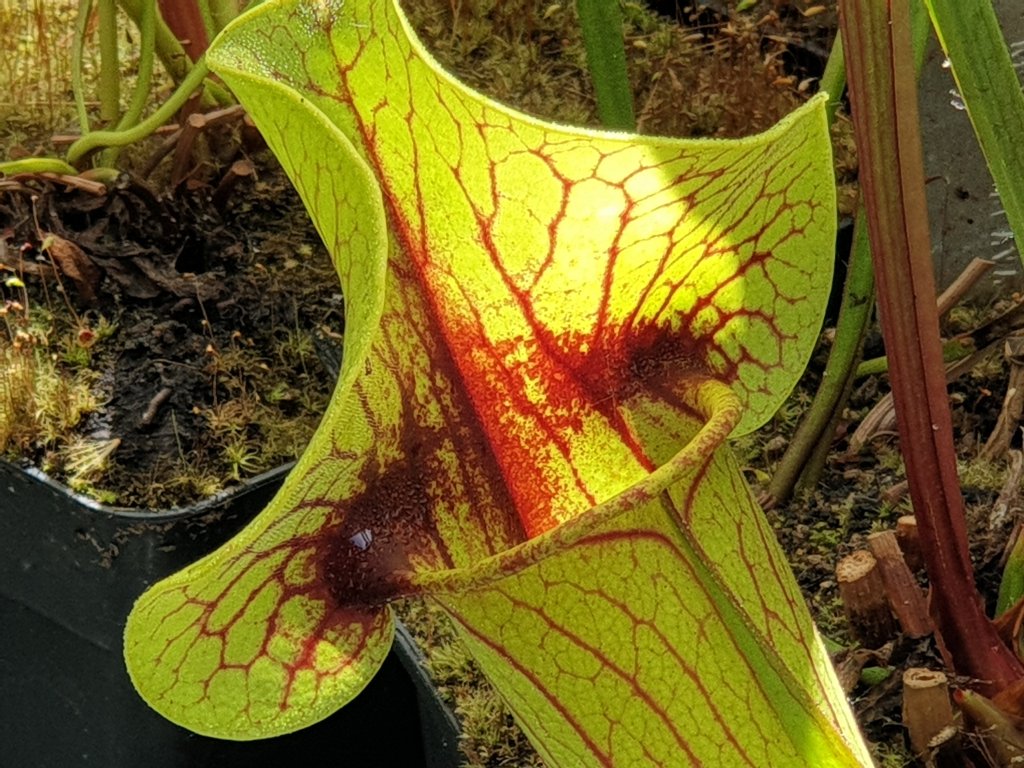
Carnivorous plants:-

Standard