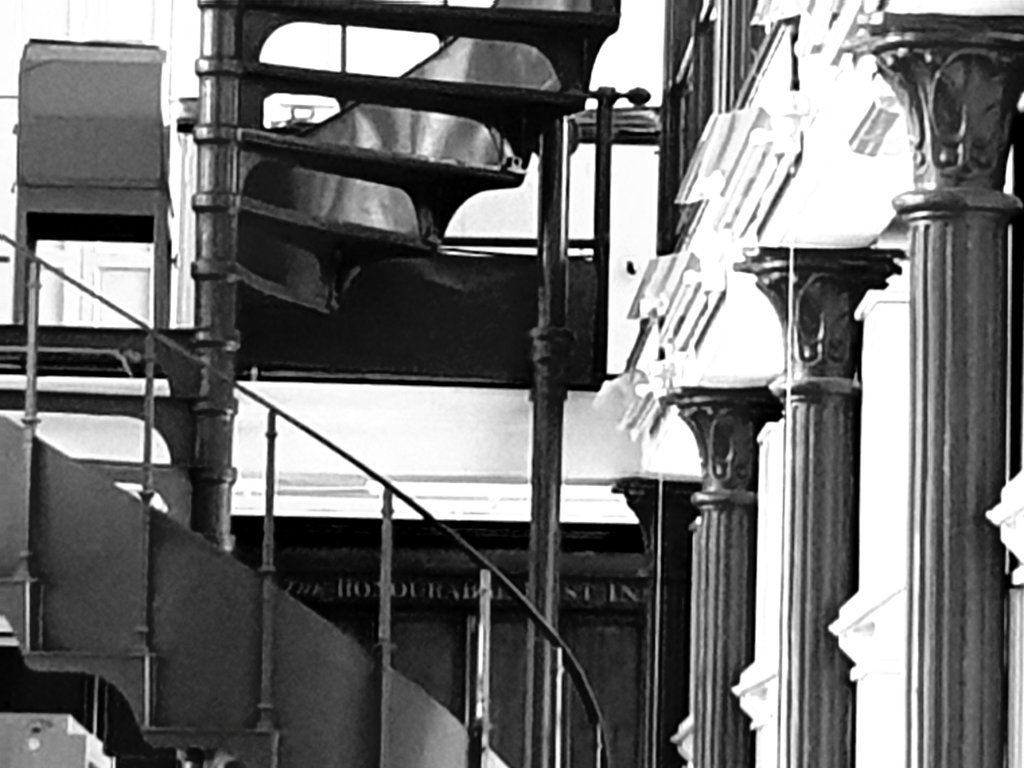
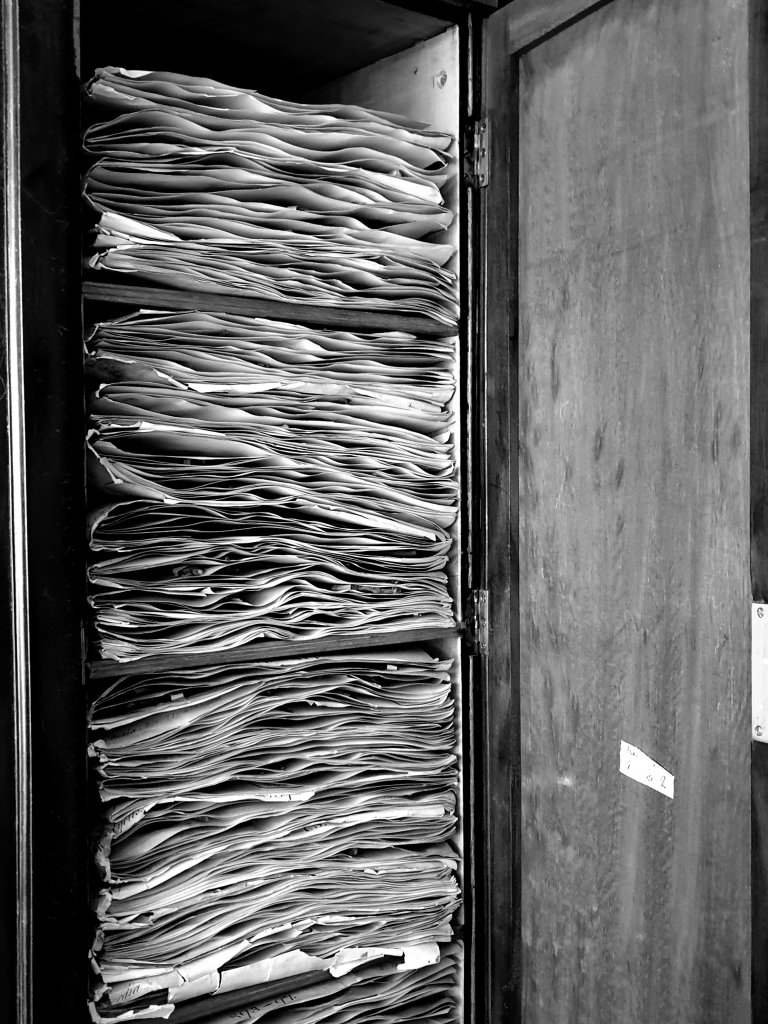
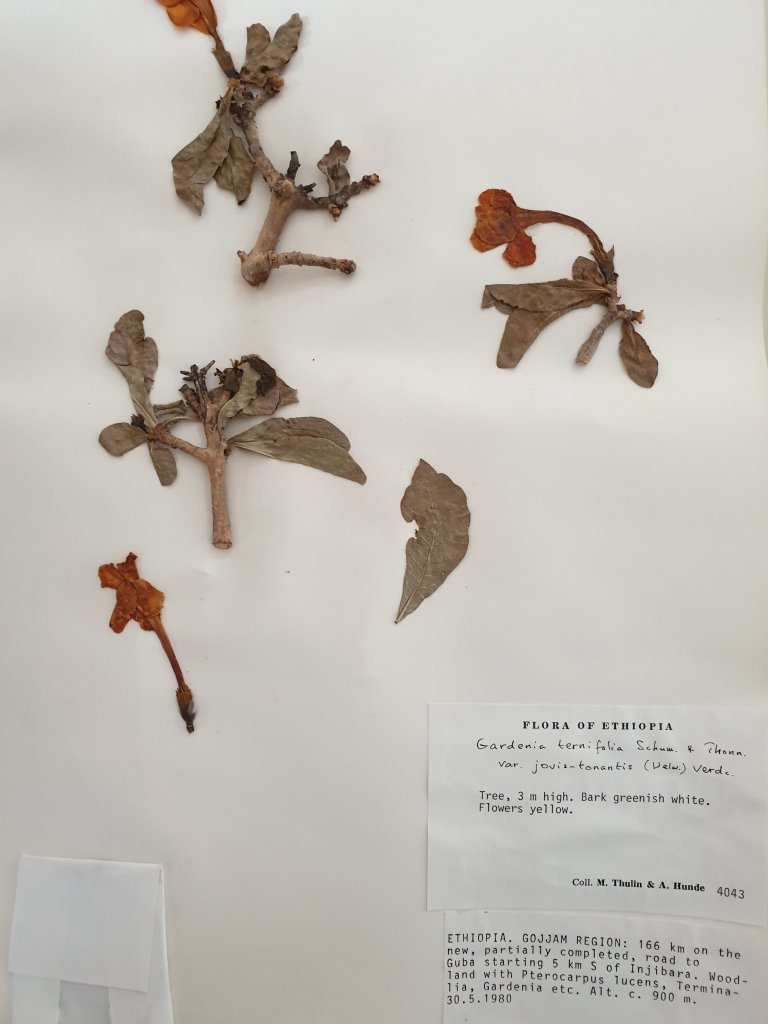
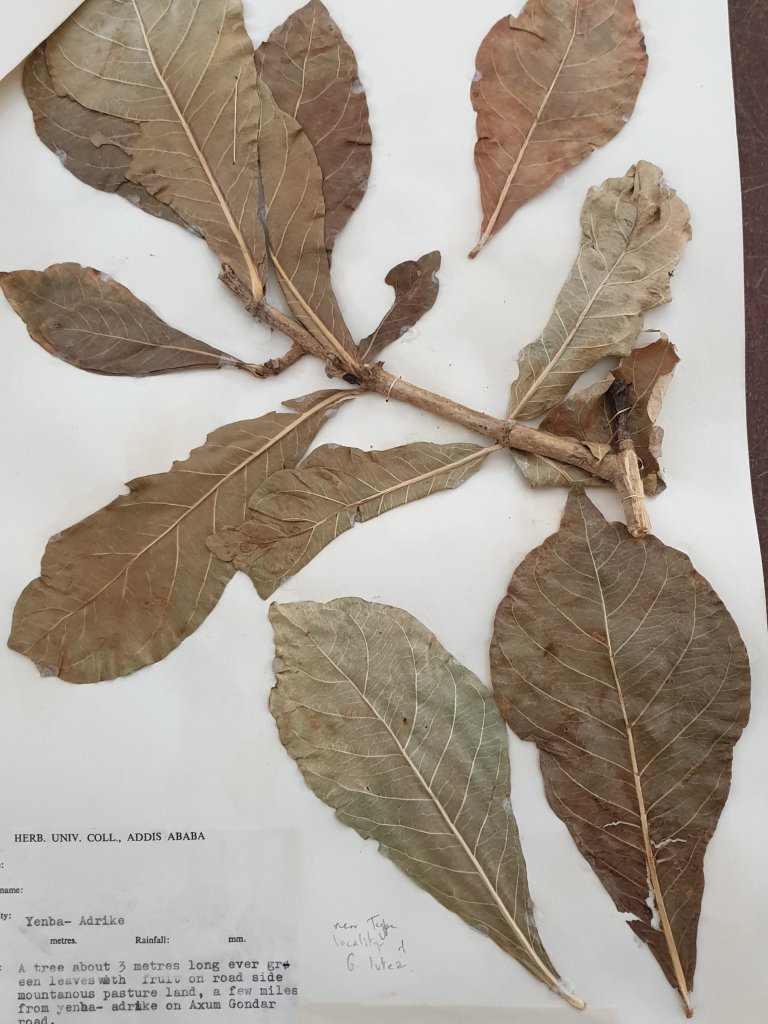
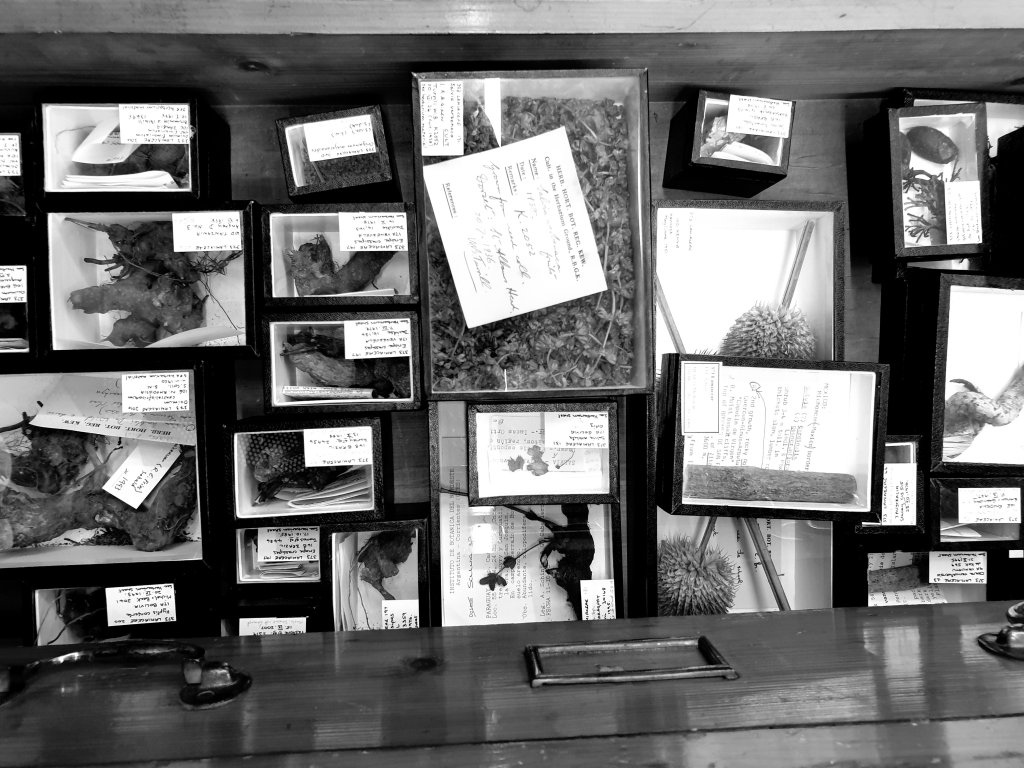
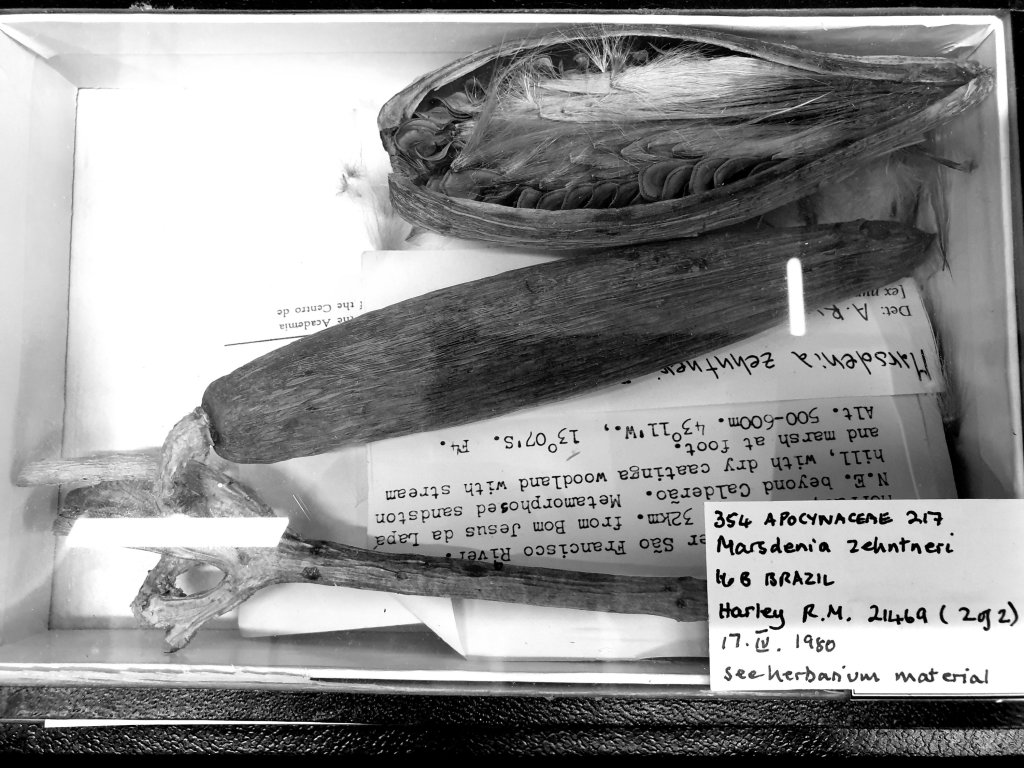
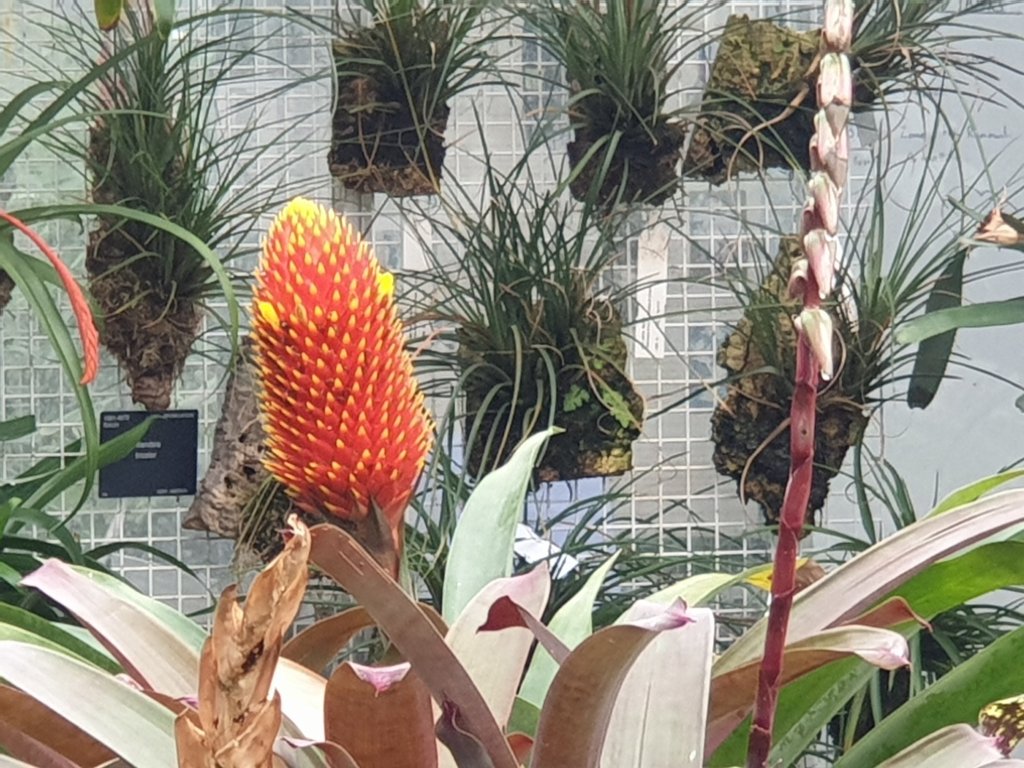
We were initiated into the mysteries of the Royal Botanic Gardens at Kew by seeing its Herbarium on a special behind-the-scenes visit: an extraordinary archive of dried plants collected from round the world and then stored, including a special collection transferred from the Linnaean Society. I have seldom experienced such a strong sense of global taxonomic knowledge:-
A few weeks ago, I took myself off to explore the former Olympic Village, north of Stratford. I formed a very negative impression of its anonymity as a model of recent town planning, so was encouraged (quite rightly) to take a walking tour today organised by Allies and Morrison, the architects who did much of the planning of Olympic Park from 2005 onwards. Of course, it helps to know more about the historical process of planning and design and how decisions were made about the layout of the park and who did what.
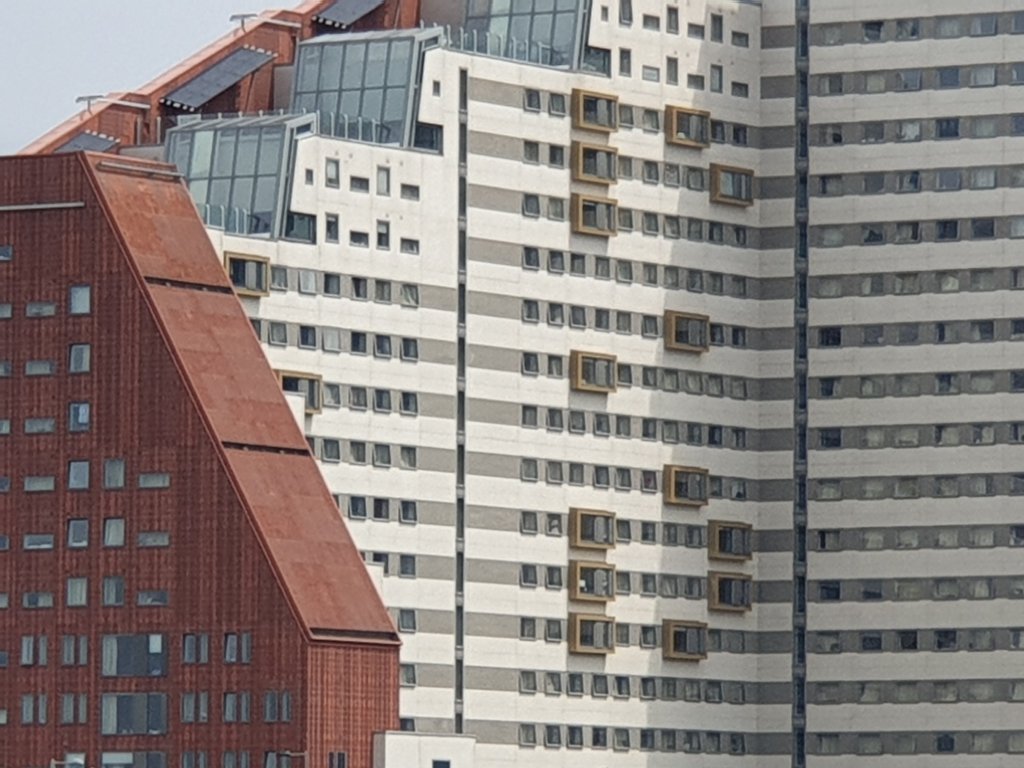
Olympic Village itself was laid out on the European model: broad boulevards and big apartment blocks, the Corbusian model of town planning:-
Immediately north of what is now called East Village is an area of new development, Chobham Manor, laid out more on the London model, with terrace housing designed by Haworth Tompkins, less anonymous and with a different feel:-
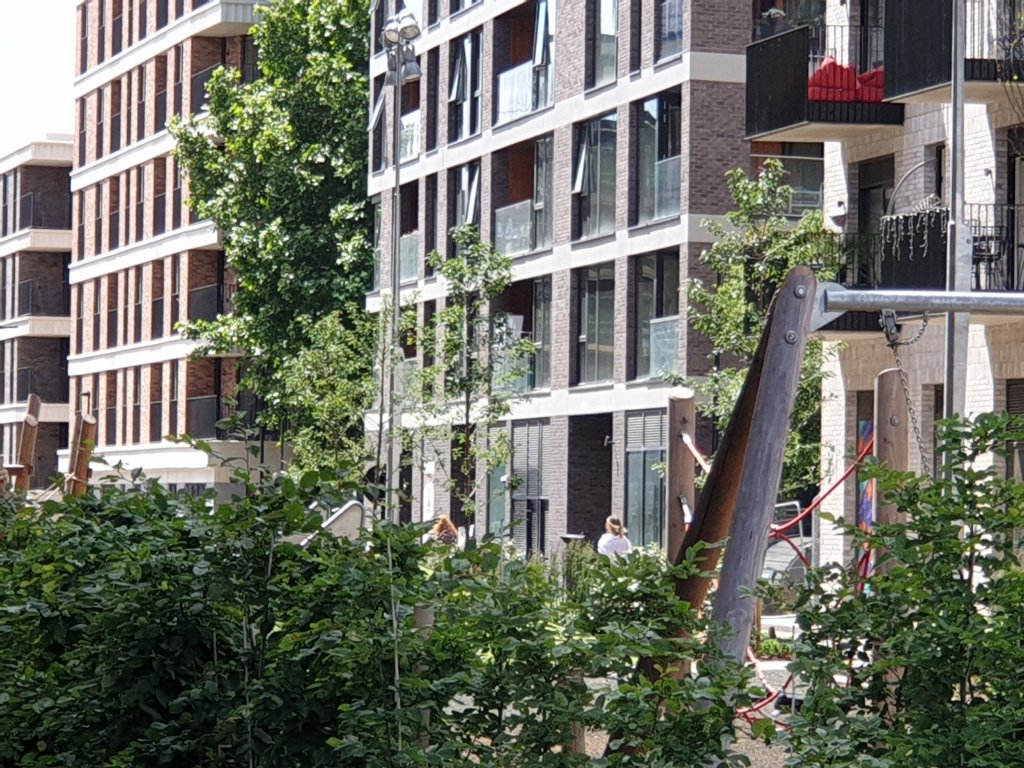
Also, it helps to see behind the big blocks where some of the design is smaller scale and more varied:-
I still prefer the grittier bits of Olympic Park next door to Hackney Wick because it is rougher and less manicured, some of it designed (or un-designed) by muf:-
This is the new Stratford. More tower blocks. But the park itself is good, especially, I realised, the northern half towards the Velodrome which is wilder and has a different character:-
For anyone interested in the nature of architectural education, the attached seems like a pretty measured and illuminating critique of one person’s experience of life at the Bartlett.
On twitter, there is a comment that non-architects should not have the temerity to get involved in this discussion. It’s for architects only. But this seems to be at the core of the problem. Architecture is a public art, requiring a sense of its wider, public responsibilities, not a private indulgence.
Besides, the issues are important in other areas of education as well, not just architecture.
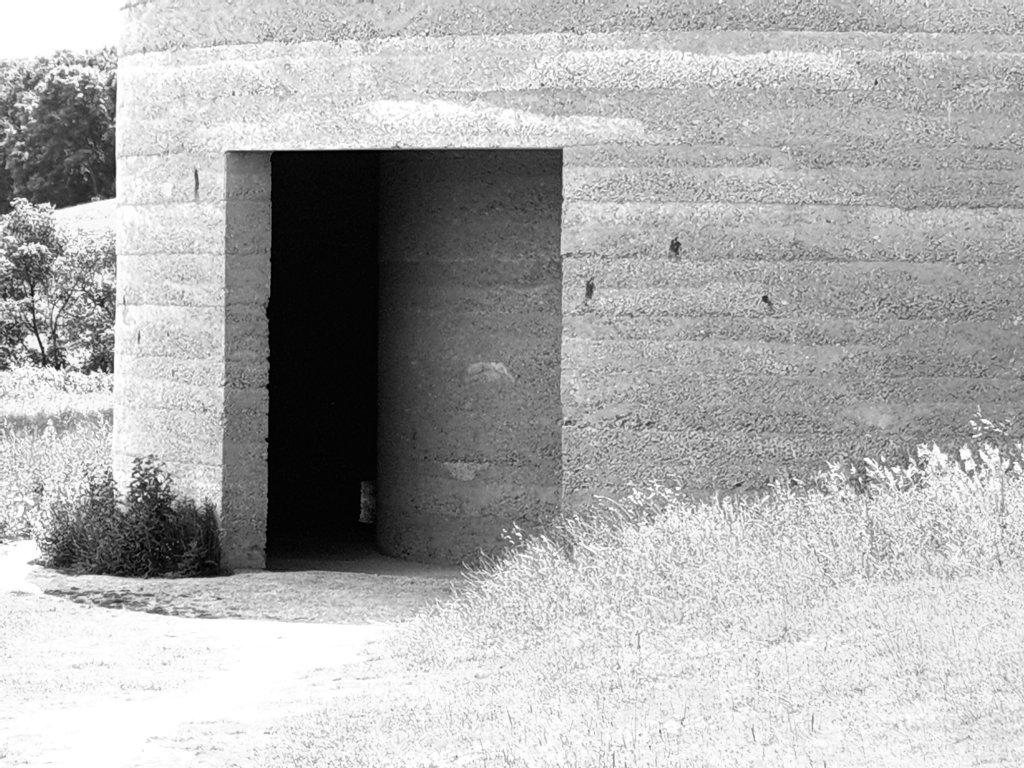
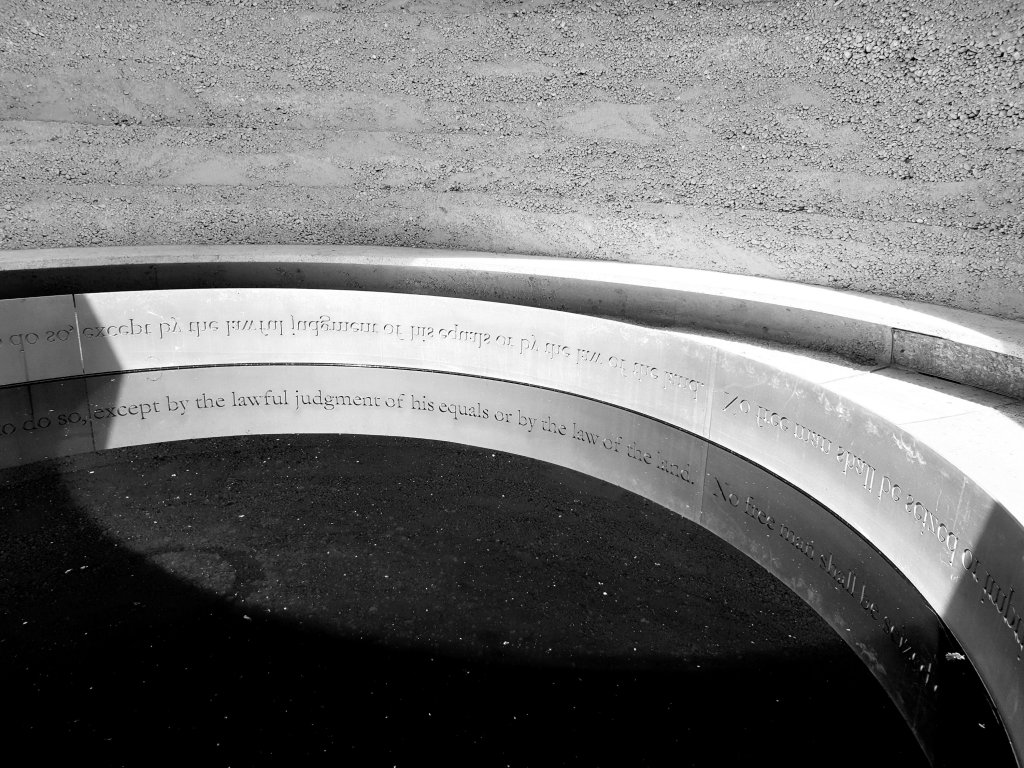
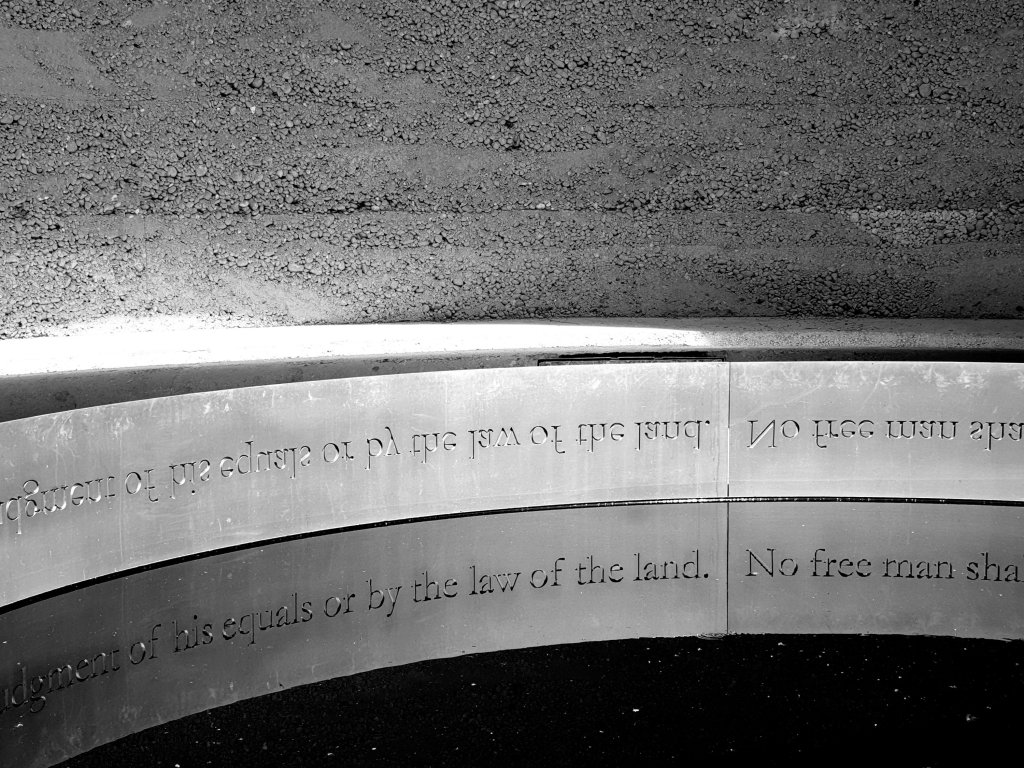
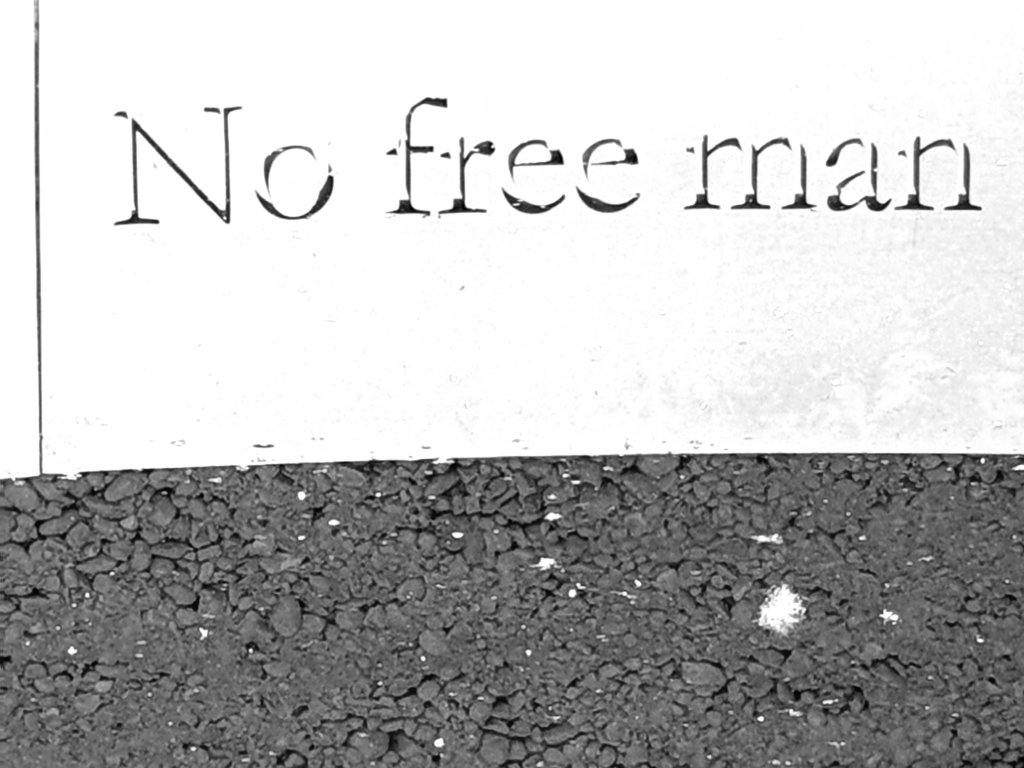
I went to Runnymede to see Mark Wallinger’s deeply atmospheric memorial, originally commissioned to celebrate the 800th. anniversary of the signing of Magna Carta and unveiled in 2018. It stands at the edge of a field, next to deep woodland (Cooper’s Hill), and is constructed out of rammed earth which mirrors the local soil. It is unexpectedly poetic – very quiet and still, so close to Heathrow, and deeply redolent of the importance of the rule of law, with its inscription (Rule 39) which is only legible in its reflection in the dark water:-
No man shall be seized or imprisoned, or stripped of his rights and possessions, or outlawed or exiled, or deprived of his standing in any way, nor will we proceed with force against him, or send others to do so, except by the lawful judgment of his equals or by the law of the land.
For the June issue of The Critic, I have written about two recent buildings in Cambridge. The first is the exemplary new library in Magdalene, designed by Niall McLaughlin, as good a new building as I’ve seen, in an extremely sensitive location, so beautifully crafted; the second is the Dorothy Garrod Building at Newnham by Walters and Cohen, giving Newnham a different feel, also well judged.
I find it reassuring looking at buildings which are designed to last 400 years. It is part of the brief, as opposed to the ephemeral life of office buildings in London which have a life span of 25 years (look at what’s happened in Broadgate).
There is a certain irony in the fact that, after more than a year since the developers were given permission by the Department for Levelling Up to turn the Whitechapel Bell Foundry into a boutique hotel, absolutely nothing has happened and the site has been left to decay. Yet, at the same time, the company which was established to take it on and keep it running as a bell foundry has produced its first artist-designed bell which will take centre stage at this year’s Royal Academy Summer Exhibition, available to ring every hour in memory of those who lost their lives from COVID (Grayson Perry’s memorial Covid Bell to go on show at Royal Academy’s Summer Exhibition (theartnewspaper.com).
There does seem to be a terrible weakness in the planning system that a single planning officer in Historic England can recommend giving permission to the Bell Foundry being turned into a hotel and then whatever happens subsequently, whatever objections come from all over the world, there seems to be no way of turning the clock back.
Yet, now the market for boutique hotels in London has changed. The developer has lost interest. Mayor Biggs who was passionately opposed to all forms of historic preservation has been voted out. I hope that Grayson Perry’s bell will be a reminder of what has been lost: not just the oldest place of manufacture in the United Kingdom; but somewhere which could have been a good model of community-based regeneration. Perhaps Mayor Rahman can intervene. Or Michael Gove.
Having got interested in the ecology of Hackney Wick, particularly when compared to Olympic Village, I went on a walking tour of Fish Island this morning organised by the London Festival of Architecture.
Haworth Tompkins won a competition to develop a big site in 2014. It’s now nearly finished and seems to me well considered: good use of materials, minorly varied, 35% affordable housing, 530 units, the ground floor made available to start-up fashion businesses through a social enterprise called The Trampery. Many are not yet occupied, but when they are, there will presumably be a great deal of activity at street level.
It’s not the sort of scheme which will necessarily win prizes because architects themselves are dismissive of what they call the new London vernacular; but it probably should because it has produced a good sense of urban neighbourhood, so lacking in many new developments:-
I was interested to see New Court in Christ’s College, a building I have scarcely seen since I was a student and certainly have never paid much attention to: by Denys Lasdun; post-University of East Anglia; pre-National Theatre (just). The college had turned down Walter Gropius in March 1937 and this was maybe expiation. Class of 1966:-
























 | Charles | Saumarez | Smith |
You must be logged in to post a comment.