Farleys Farmhouse

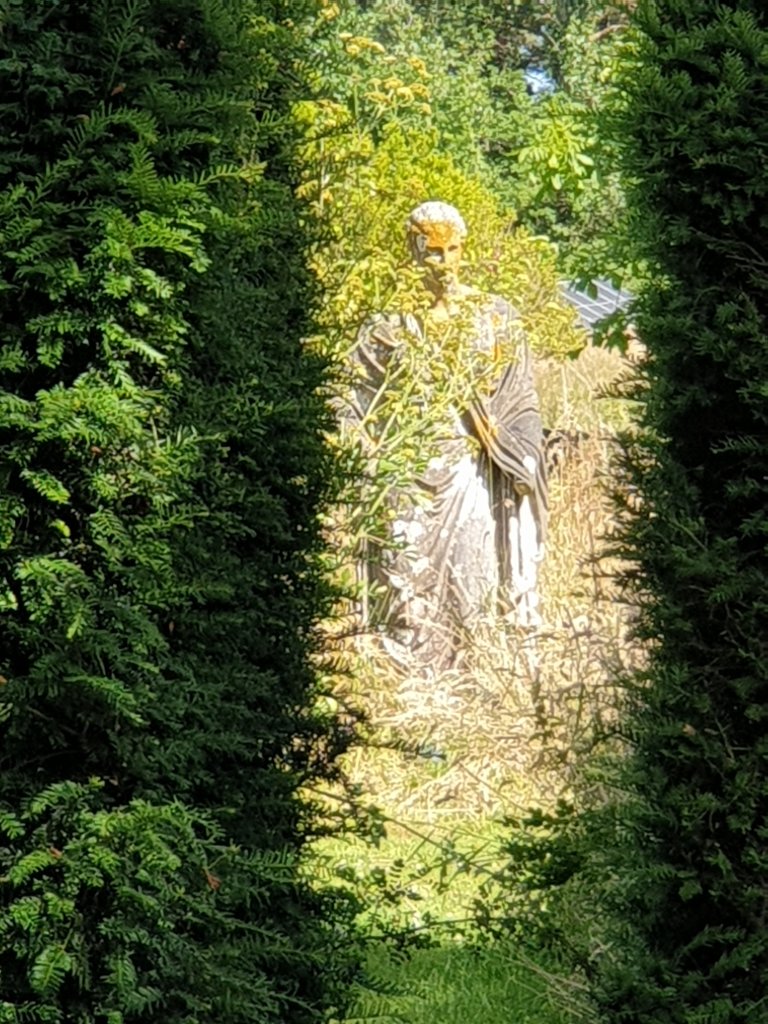
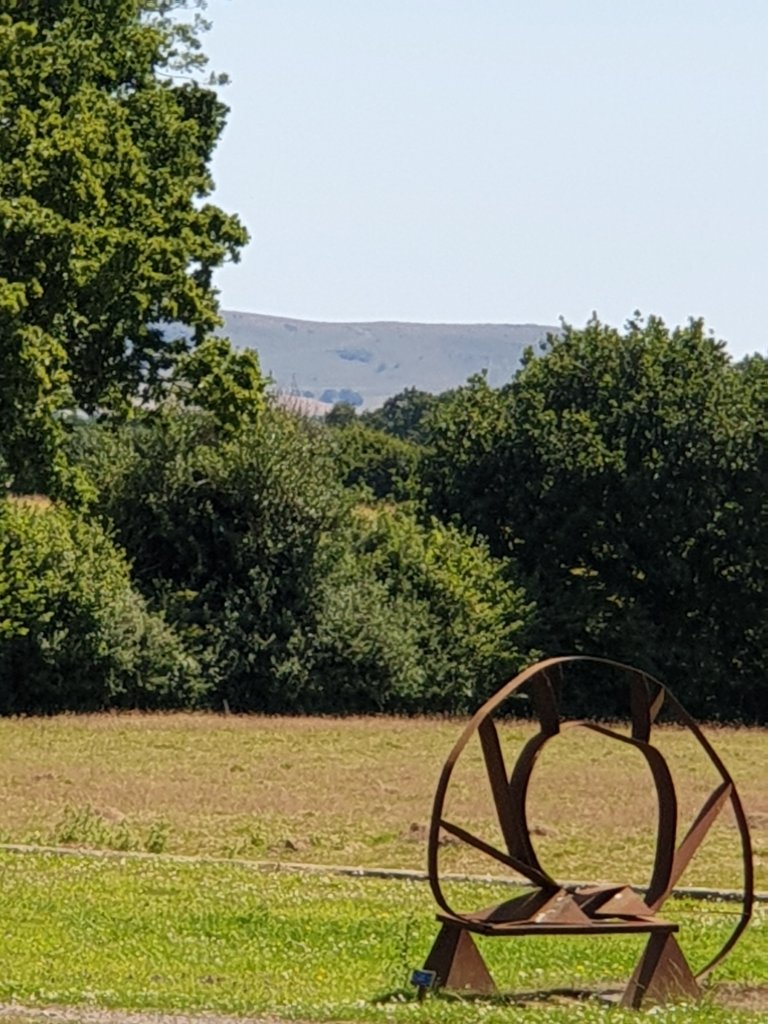
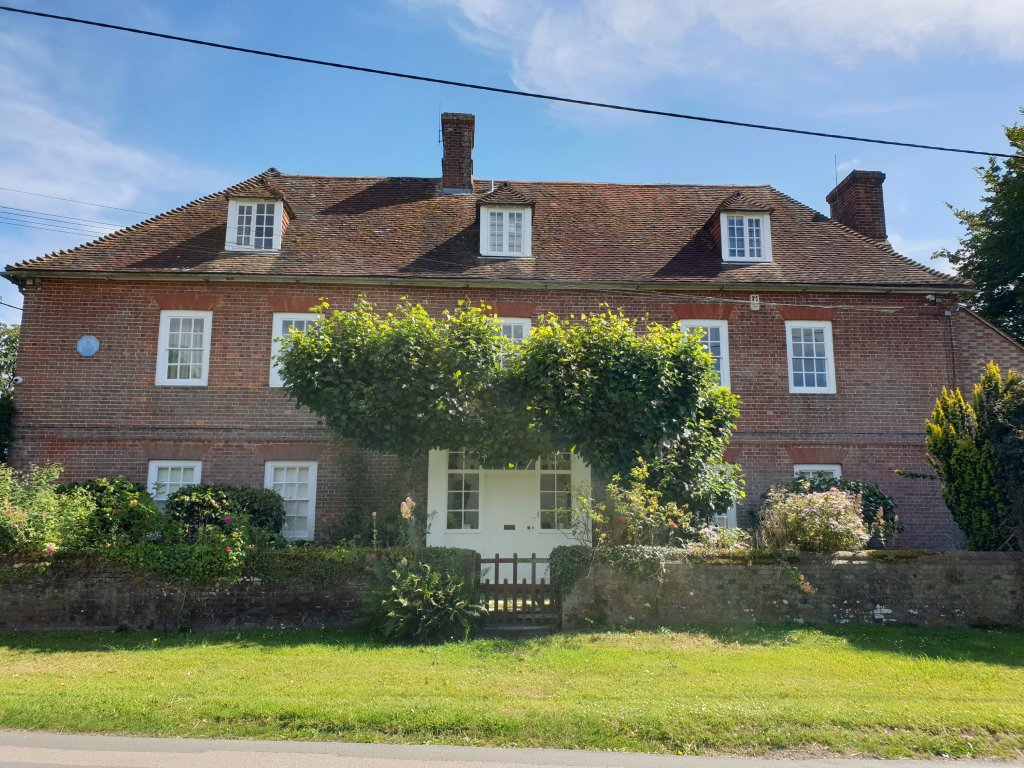
To my great shame, I have never previously been to Farleys Farmhouse, the house which Roland Penrose and Lee Miller bought in 1949 (they married in 1947) and where they entertained so many friends and artists, including Picasso, who were expected to help prepare the food, including peeling potatoes, round the kitchen table. I strongly recommend it: quite small-scale; very atmospheric; completely preserved as it was, with Penrose’s paintings and exhibitions of Lee Miller’s photographs in a barn in the car park:-

Standard

Boughton House (4)

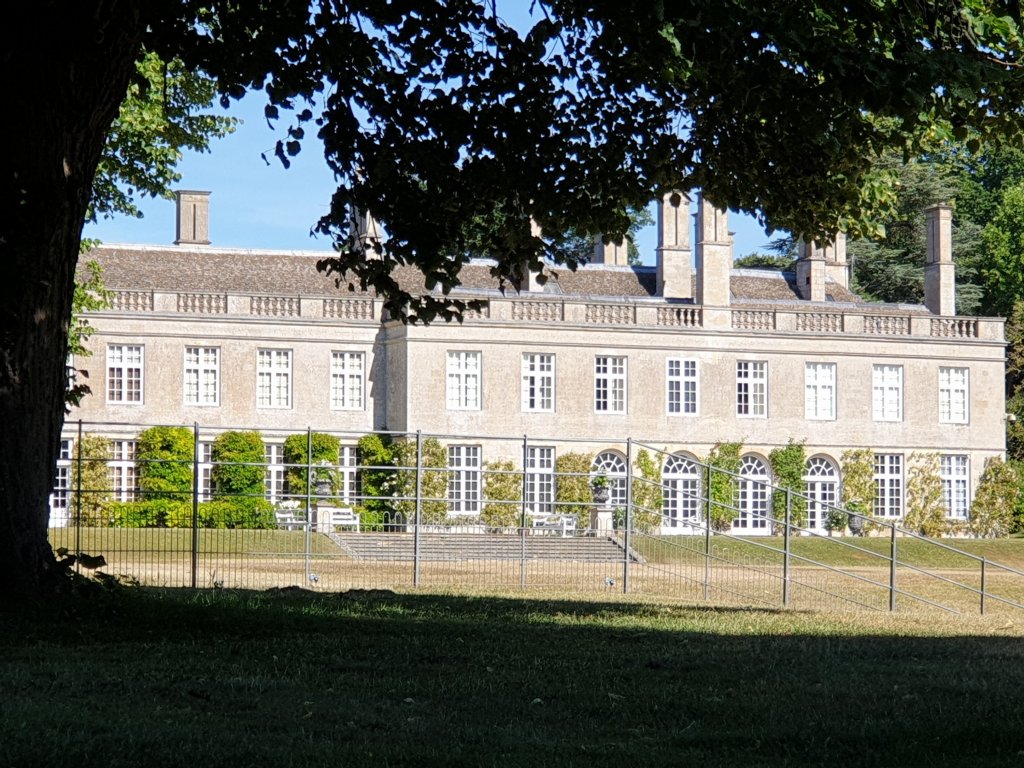
I have done posts on Boughton before – Ralph, Duke of Montagu’s very French chateau in the middle of very English countryside, with trees in the garden planted by John, the second Duke, known, not surprisingly, as ‘John the planter’.

I love the way you come out of small Northamptonshire villages to be confronted by grand avenues and a cluster of out houses like a small dynastic village in the Loire valley:-

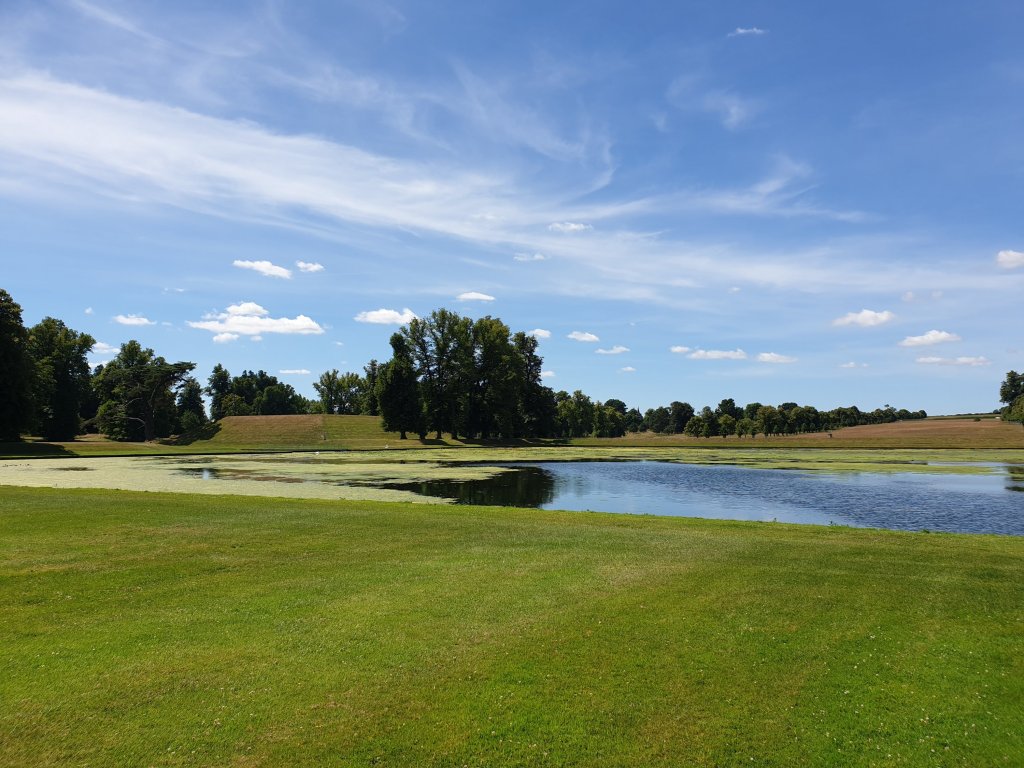
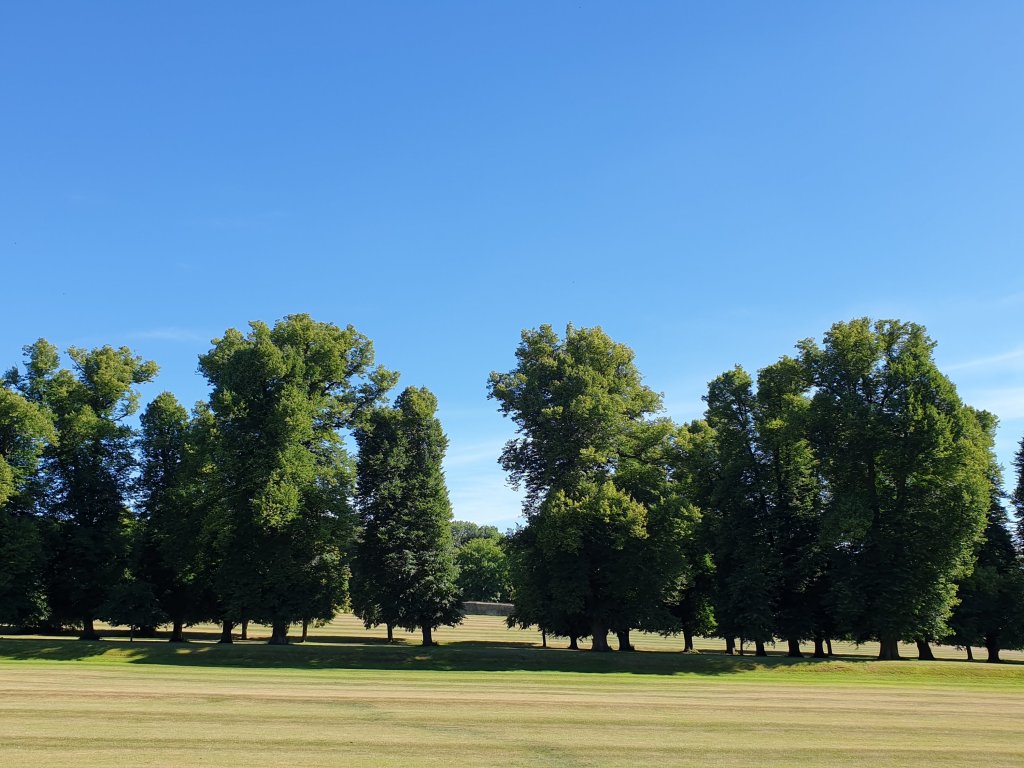
I love the sense of geometry and nature, the sweep of the landscape, the red kites and old trees, planted 300 years ago:-

Standard

Joseph Smith (2)

Following a blog post in late May, I was invited to see what remains of the house and gardens where my great-great-great grandfather lived at Newport, the surprisingly unspoilt part of North Essex, north of Stansted Airport.

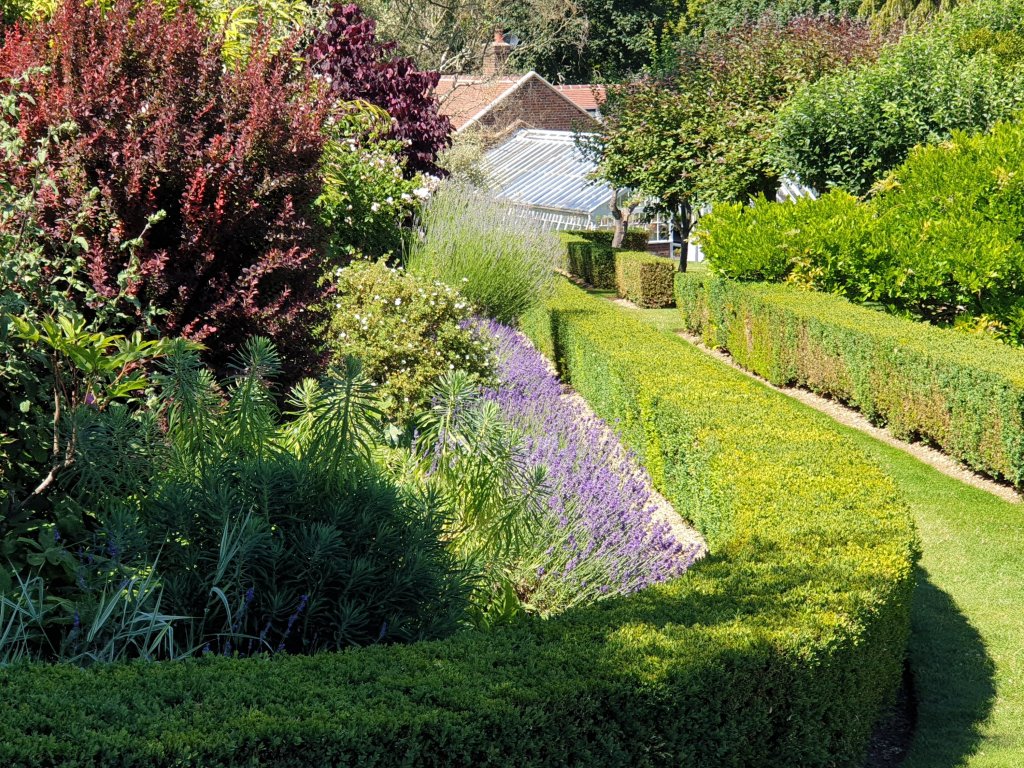
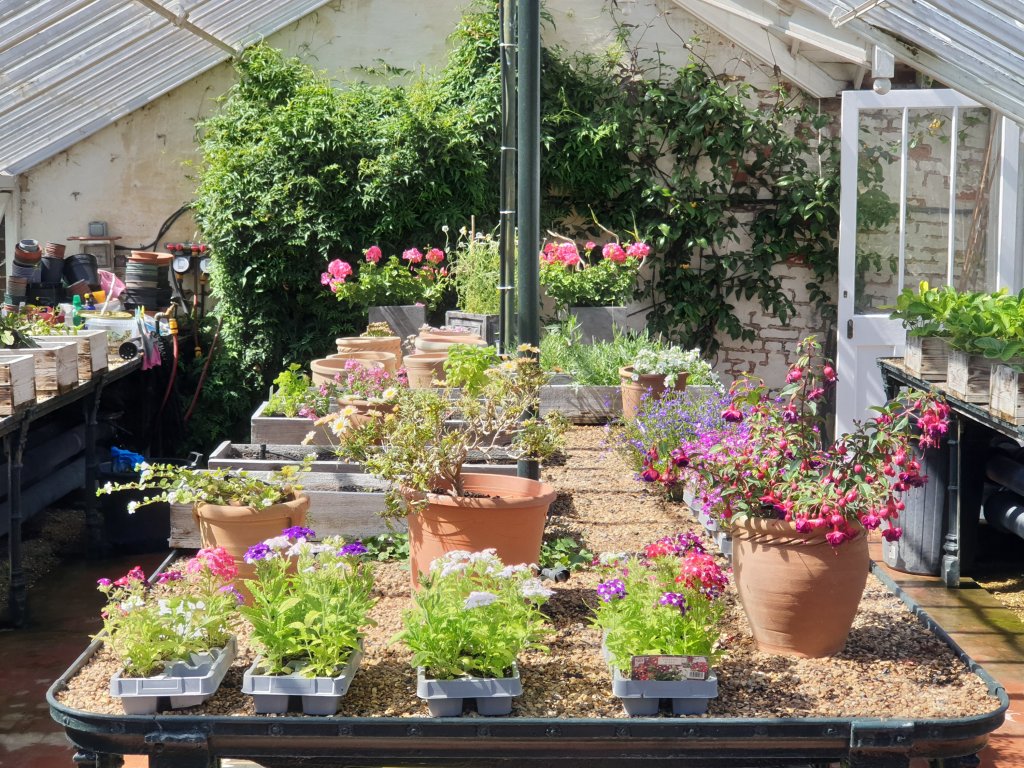
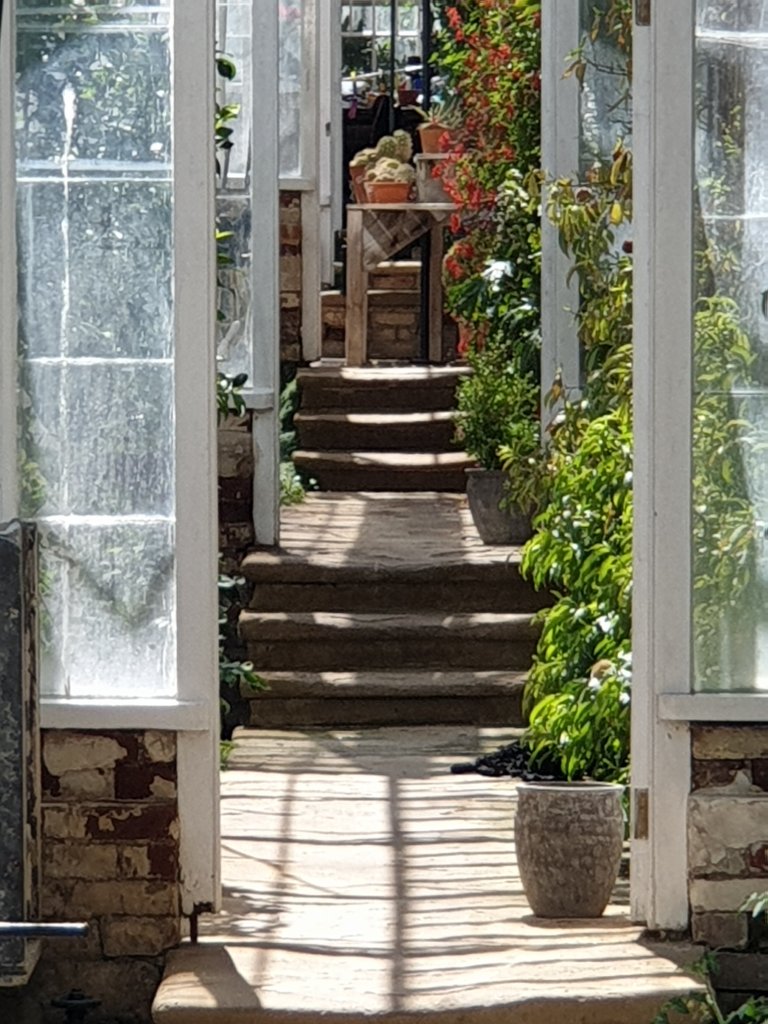
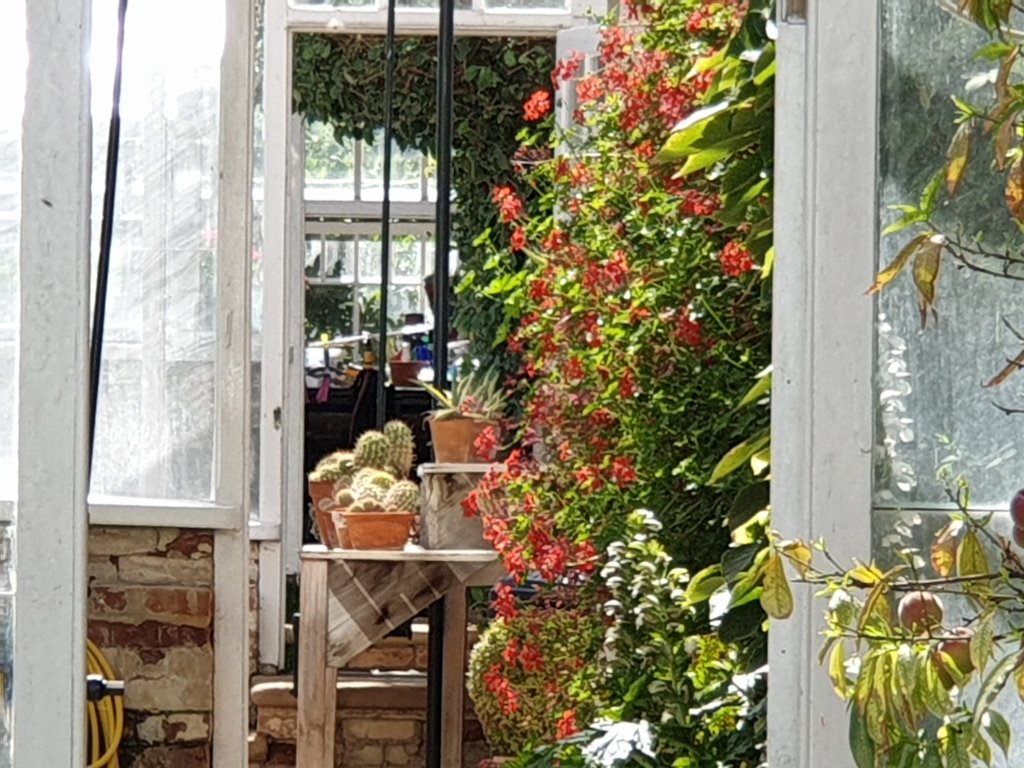
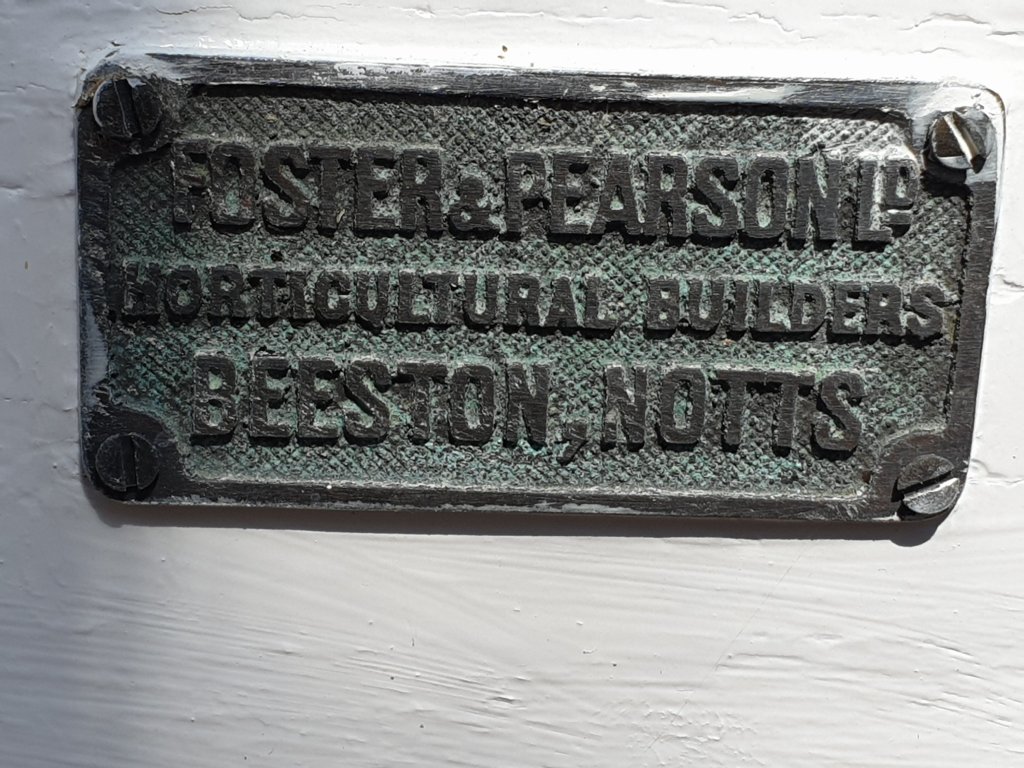
The house was burnt down in 1966 as part of an insurance scam by an associate of the Krays, rebuilt on a much smaller scale in 2000. I’m not sure how much of the estate would have been recognisable to Joseph Smith: maybe some of the trees planted by Capability Brown in 1753; and the stable block thought to have been designed by Matthew Brettingham who worked there in the 1750s. Best of all were the wonderful greenhouses which must date from a later phase of the estate when it was bought by Carl Meyer, who worked for the Rothschilds, for £60,000:-

After a hundred years, the company which installed the greenhouses got in touch offering to repair them:-

Standard

Masterpiece

We caught the last day of this year’s Masterpiece.

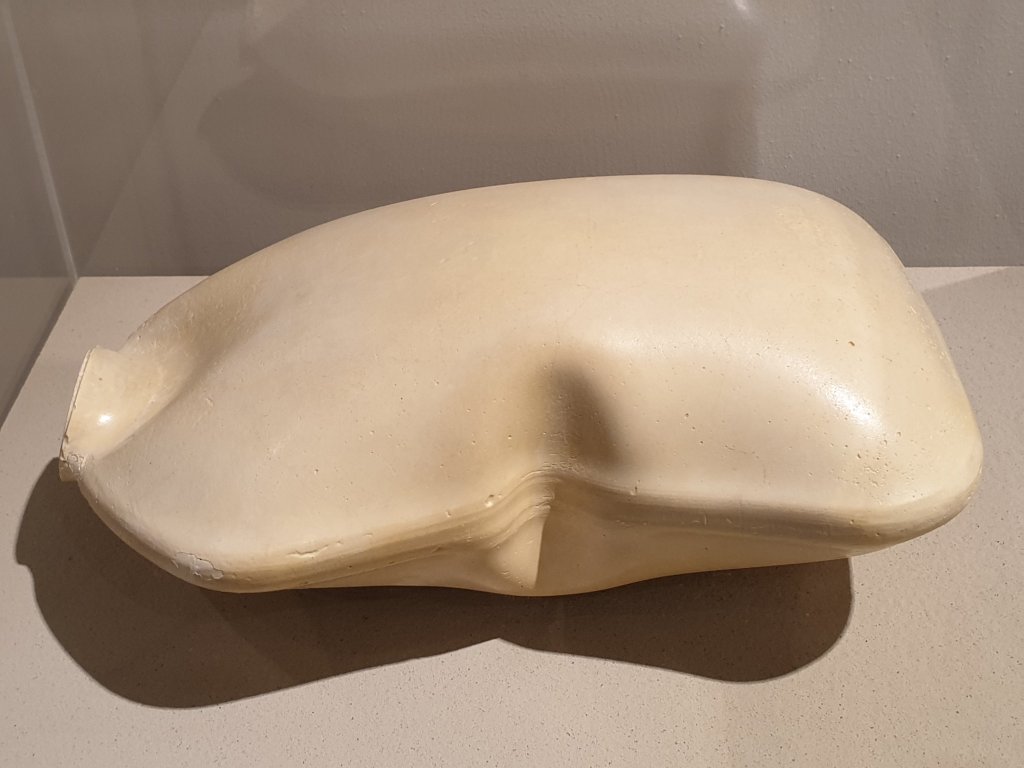
Untitled (1991) by Rachel Whiteread:-

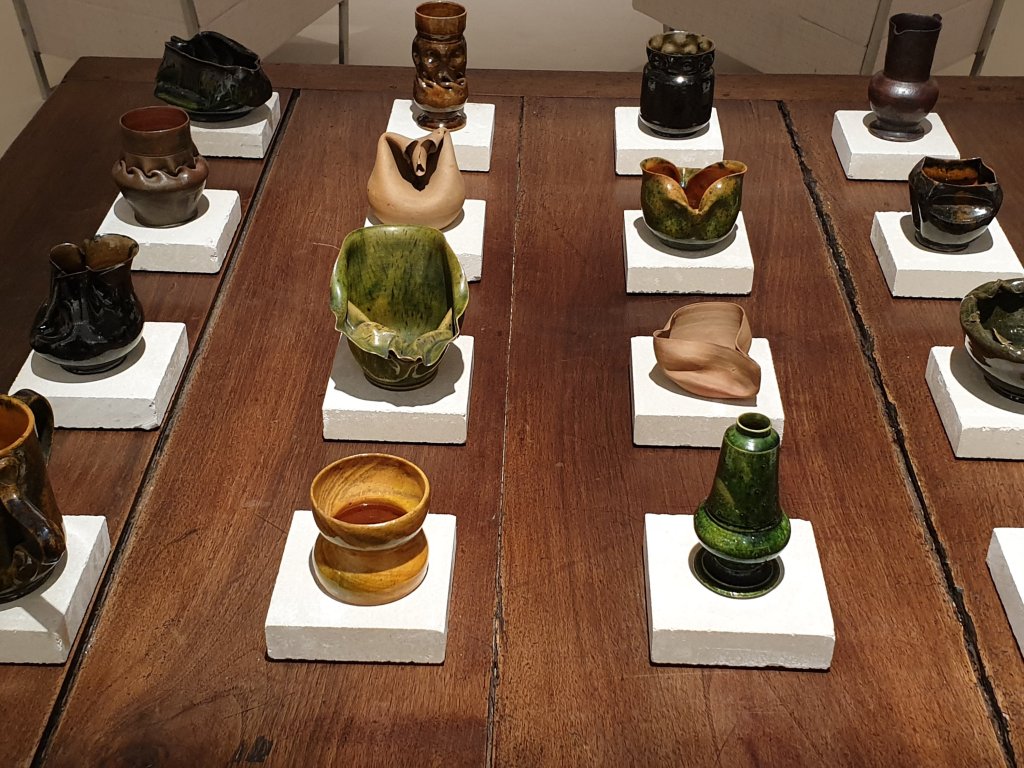
A group of pieces by George Ohr:-

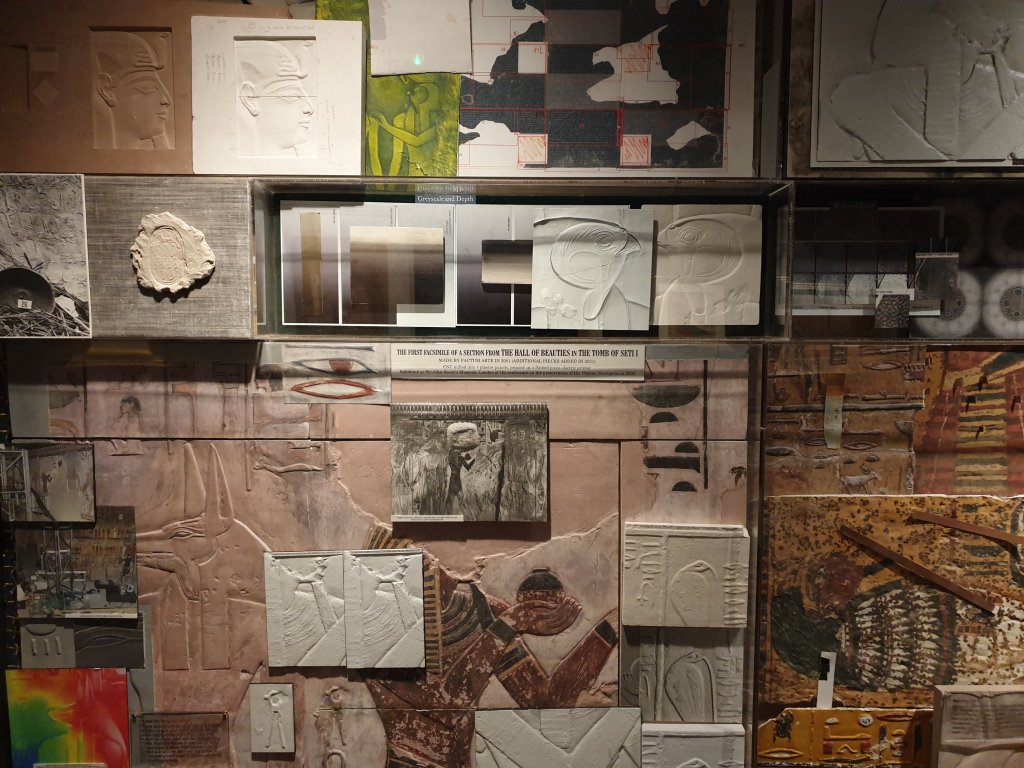
A collage of the tools of the trade used by Factum Arte in documenting the different ways of recording the tomb of Seti I (a beautiful display):-

I recommend going on the last day when it’s quieter and a pleasure to wander round.

Standard

Drawn to War (3)

Lying in the bath this morning and thinking about seeing Drawn to War last night, I thought a couple of things were obvious.

The first, as came out of the discussion afterwards, is that Ravilious’s reputation was originally as a decorative artist – the creator of mugs for Wedgwood – and that his watercolours are inevitably less seen, because of the fugitive nature of the medium.

The second is whether or not there is an influence of surrealism. What everyone, including Alan Bennett, suggests in the film is that the images are not quite as innocent as they seem. There is always a sense of hidden depths, of impending war, barbed wire beside the downland, which is why the images have a power beyond the merely decorative. Ravilious seems not to have been particularly part of the London art world, preferring to live in Essex, but he must have been aware of surrealism which was such a prominent part of the art world in the late 1930s.

Standard

Drawn to War (2)

We went to a screening of Eric Ravilious: Drawn to War at the Gate Cinema – for me, a second viewing. It’s just as good second time round. I was better able to appreciate the extraordinary wealth of documentary material. Ravilious’s daughter, Anne Ullmann, is recorded on film and has obviously done a huge amount to keep memory of Ravilious alive, encouraging one of his mistresses, Helen Binyon, to publish a memoir in 1983, publishing her mother’s autobiography, Long Live Great Bardfield, and finding a cache of watercolours under Edward Bawden’s bed. Then, his granddaughter, Ella, works at the V&A and there is even a twitter account for Ravilious. Rather amazingly, there is cine film of Ravilious’s wedding, as well as Ravilious’s own letters. And, although he died when he was only 39, he had already accomplished a huge amount, including his work for Wedgwood and book illustrations, alongside his work as a war artist.

There was discussion afterwards as to why he is so popular, but regarded more as a decorative than fine artist. Alan Bennett was good on how his very popularity makes him seem not quite a real artist. Anyway, I recommend the film very much.

Standard

Drawn to War (1)

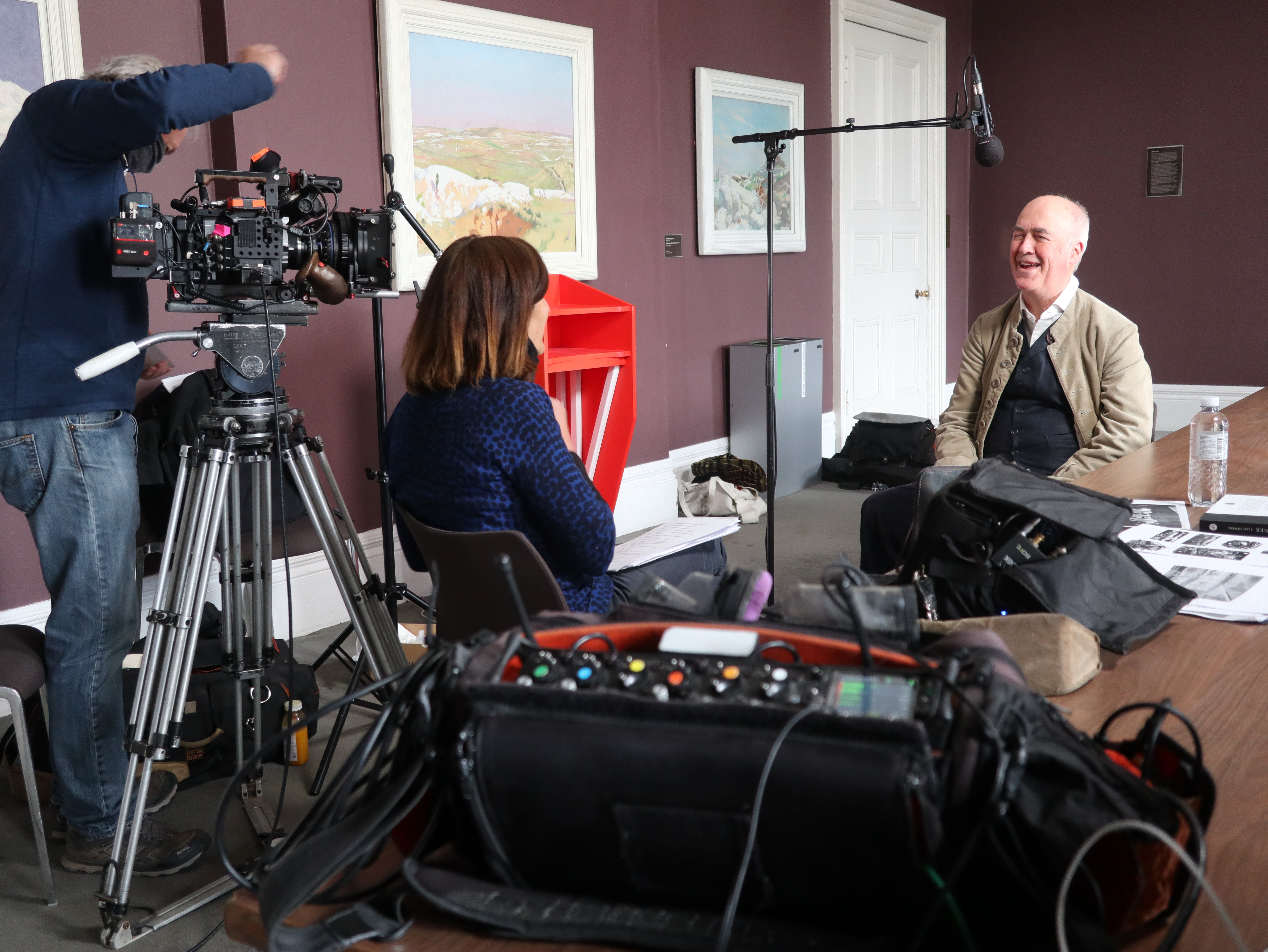
I have been swotting up on Margy Kinmonth’s film about the life of Eric Ravilious, Drawn to War, which is now on general release in cinemas all over the country – and very good it is. I make a fleeting experience, supposedly impersonating Kenneth Clark who was responsible for Ravilious’s appointment as a war artist. Here is a picture of the filming in the Imperial War Museum on 13 April 2021. It seems like another era, much more than just over a year ago:-

Standard

The Custom House (8)

A very good, clear account, as attached below, of the decision not to allow the development of the Custom House as yet another luxury hotel. I hope the developers will now work with the Georgian Group on an alternative and more imaginative scheme. Or perhaps the City could buy it off them and facilitate a more publicly oriented scheme ?

https://georgiangroup.org.uk/2022/07/04/custom-house-appeal-decision/?s=09

Standard

Serpentine Pavilion 2022

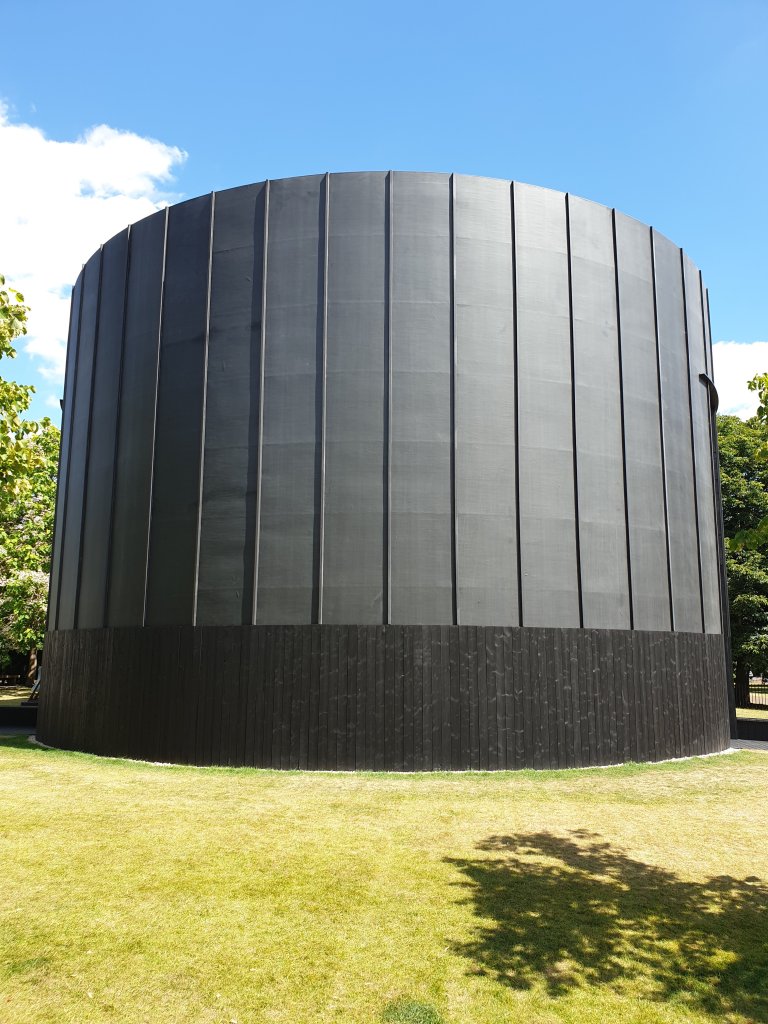
I thought I should go and see this year’s Seroentine Pavilion designed by Theaster Gates: a big, black cylinder with a hole in the roof:-

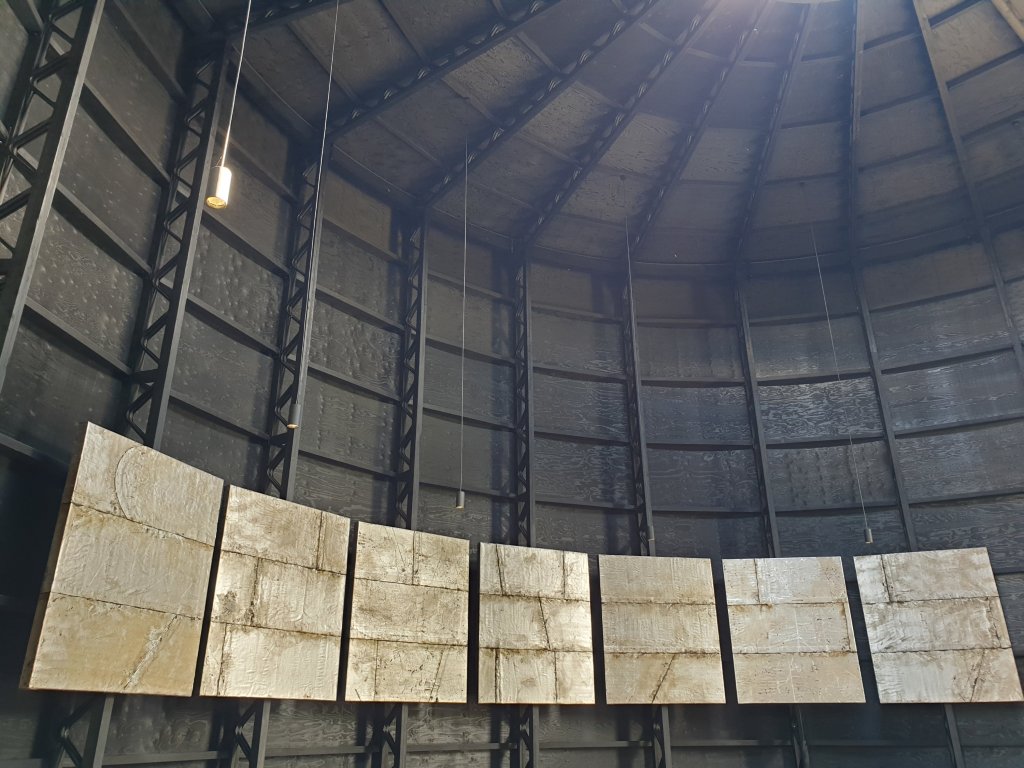
In some way, of course, this imagery has been extensively worked through, not least by Mark Rothko in the Rothko Chapel in Houston and James Turrell in his light installations. I don’t think this invalidates the authority of the black drum – part-funereal and part-meditative. It’s only a bit odd that one can buy a cup of coffee which slightly detracts from the idea that it is sacred space:-

Standard