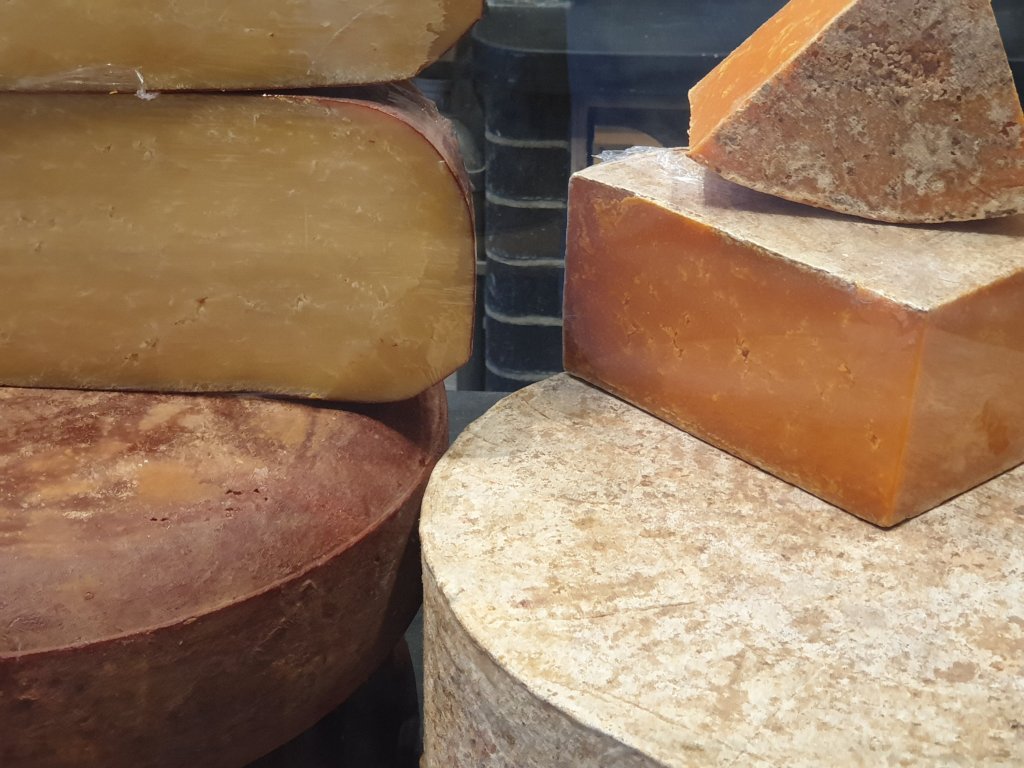
I have given up bread and cheese to the great benefit of my waistline – I have lost a stone in four months – but to the infinite deprivation of one of the great pleasures of life. So, a trip to Neil’s Yard in Borough Market this morning was a form of torture: the citadel of lovers of the best and rarest of English cheese, as I am. Now I can only enjoy it vicariously and in tiny slivers which I was offered illicitly over the counter like the rarest contraband:-
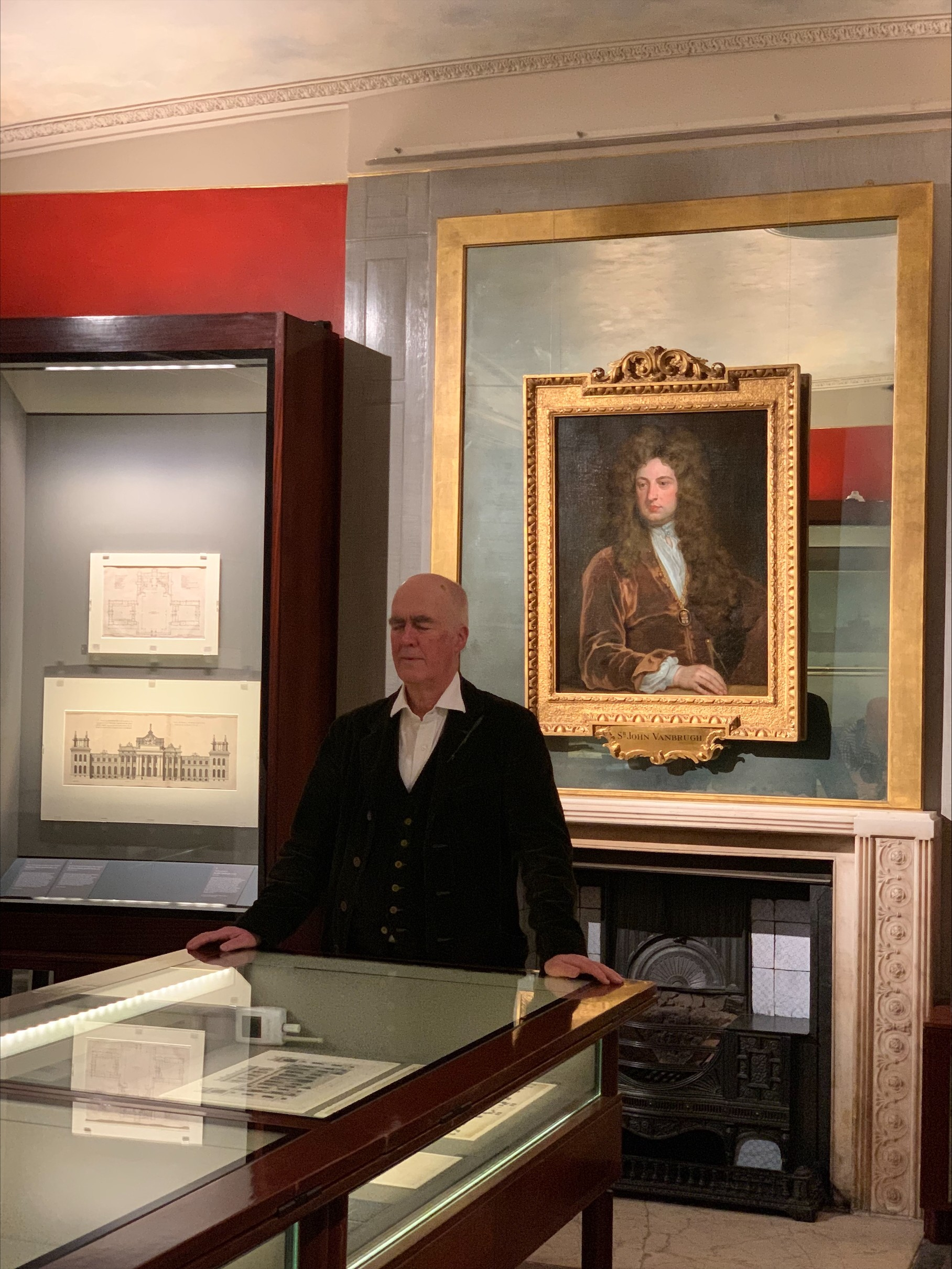
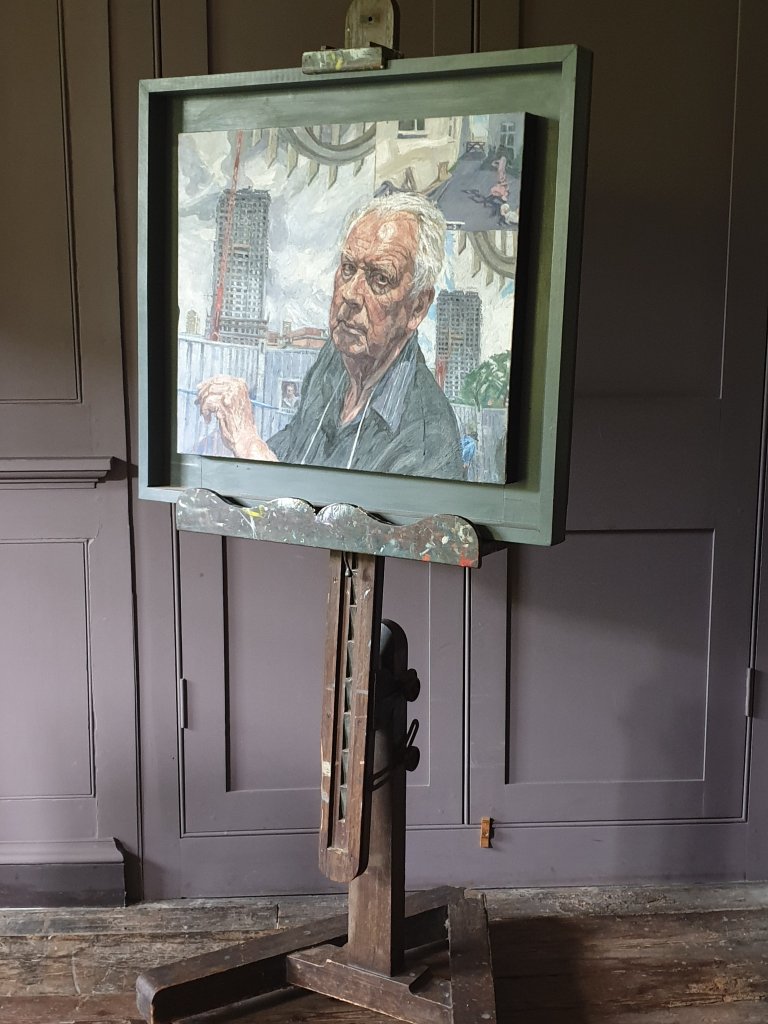
Today is publication day for my book on John Wonnacott. For anyone who is interested in acquiring it, Lund Humphries are offering a discount this month.
Special Offer: 20% off + free UK postage Visit http://www.lundhumphries.com and use offer code WONNACOTT20 at the checkout to apply the discount. Valid until 30 September 2022
I have been enjoying the essays in London Feeds Itself, the book produced to coincide with this year’s Open House. In some ways the best of the essays – because it provides an overview to the volume as a whole – is the Introduction by Jonathan Nunn, reproduced below. The book is a sociology of eating in London, concentrating on the huge variety of places to eat outside the centre, including the history of the Chinese restaurants of Limehouse and a lot about the ecology of Indian/Pakistani/Bangladeshi restaurants in Whitechapel, including Lahore One off the Commercial Road, Dhaka Biryani and Kolapata in the Mile End Road (they don’t give addresses) and, to my surprise, the culture of the PFCs, the chicken shops (Perfect Fried Chicken) which line the Mile End Road.
I have been really enjoying Andrew Wilson’s memoir, Confessions, which arrived through the post on Monday: a very entertaining, but also sometimes darker description of his upbringing and early marriage, including a lot of introspection and gossip. The thing I found by far the most shocking was the date of his birth in 1950 because when I first met him – it must have been in 1971 – he was already married, living in a little terrace house in Jericho and wearing a three-piece suit, having been kitted out by his father at a tailor in South Wales and because – I never knew this – wearing a sports jacket was regarded as the garb of an undergraduate.
There’s a particularly good short chapter on Wedgwood where his father was a successful managing director during the 1950s – ex-army, deeply inculcated with belief in the potteries, extremely knowledgeable and quite adventurous in the choice of artists who were commissioned – and how in 1962, when the firm went public, he was fired and Wedgwood then gobbled up all the other smaller potteries, effectively destroying Stoke-on-Trent as a centre of manufacture. There is a lesson here (he tells it) about how Britain excelled in traditional craft skills and that it may not have been as inevitable as we have been encouraged to think that these industries were all axed – not least because the idea of the smaller specialist company focussed round design and skill has been maintained in Germany.
Thank goodness Greg Clark has called in the so-called Slab for a planning inquiry.
It will be a test case for the system. Let’s hope the Inspector finds good reason to reject such a monstrous, out-of-scale, ill-placed development which would dwarf the National Theatre nearly next door and Somerset House opposite. Please can it be built on the Isle of Dogs, not in such a prominent site on the curve of the river ?
For anyone who has access to The Literary Review, there is the first review of my book about John Wonnacott. I have only been able to read the first two paragraphs, but greatly admire Frances’s recent book The Real and the Romantic: Art between Two World Wars which does for the 1920s and 1930s a version of what I am interested in for the 1980s: that is, providing a broader and more plural narrative of the development of art which admits that some of the more conservative artists should be looked at undogmatically.
The last of my posts about Cotesbach will not mean much to anybody but me – the family memorabilia laid out on the piano in the drawing room, which included a photograph of the wedding of Rhona Hanbury to Brigadier General Vigant de Falbe in the summer of 1911, just before the outbreak of war. It was at Poles in Hertfordshire. The house was sold two years later:-
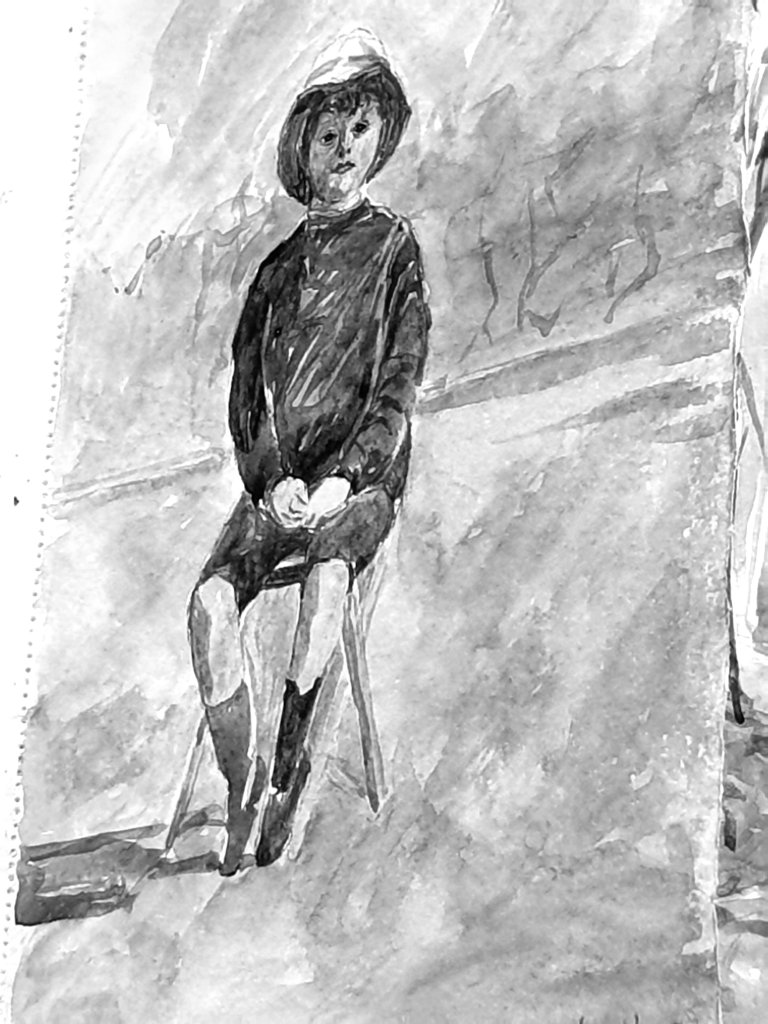
And in a tiny little sketchbook was a watercolour of my father in 1918 at home in King Henry’s Road where he lived during the First World War:-
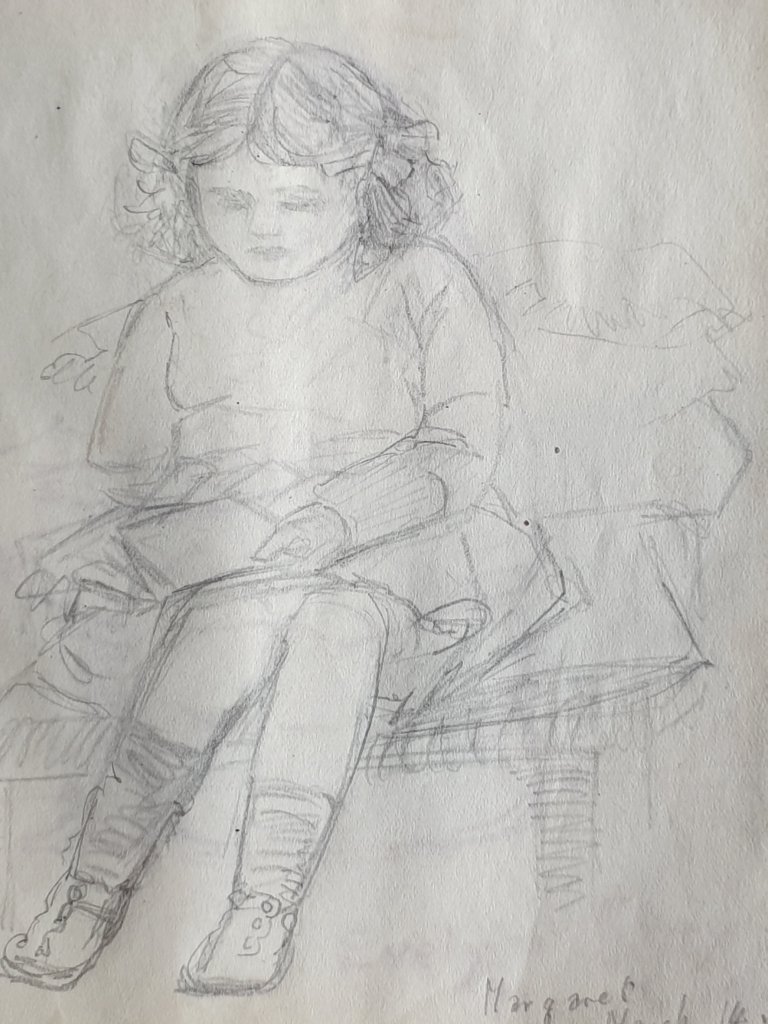
And my Aunt Margaret, studious as a child as ever afterwards:-
The stable yard at Cotesbach Hall is full of surprises, not least an excellent café within easy reach of the M1, much better as a pit stop than a motorway service station:-
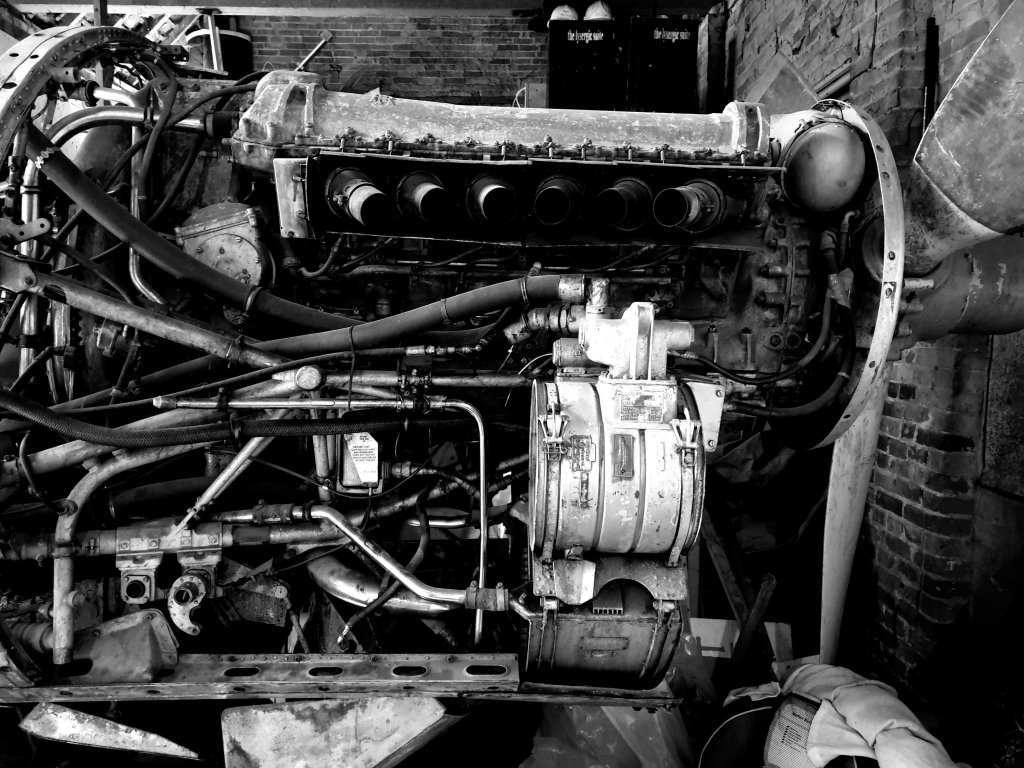
In one of the barns is the remains of the Rolls Royce engine Merlin taken from the Spitfires which flew in the Battle of Britain:-
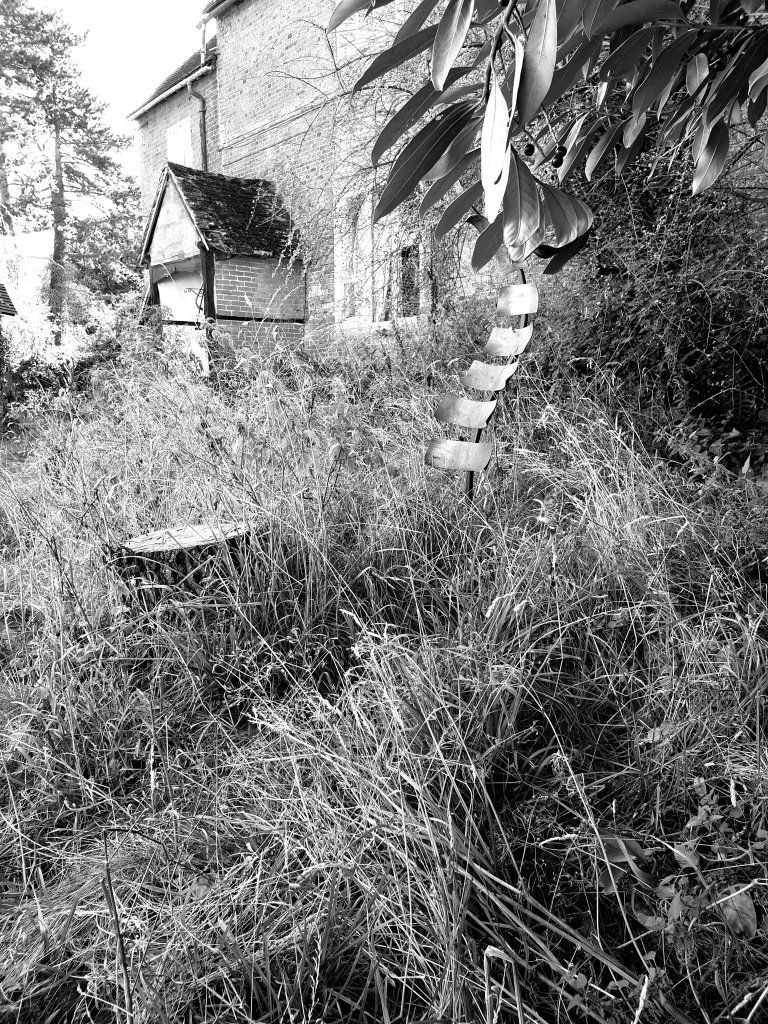
Above is the old Manor House, a sleeping beauty of an old house built in 1630 and awaiting restoration:-
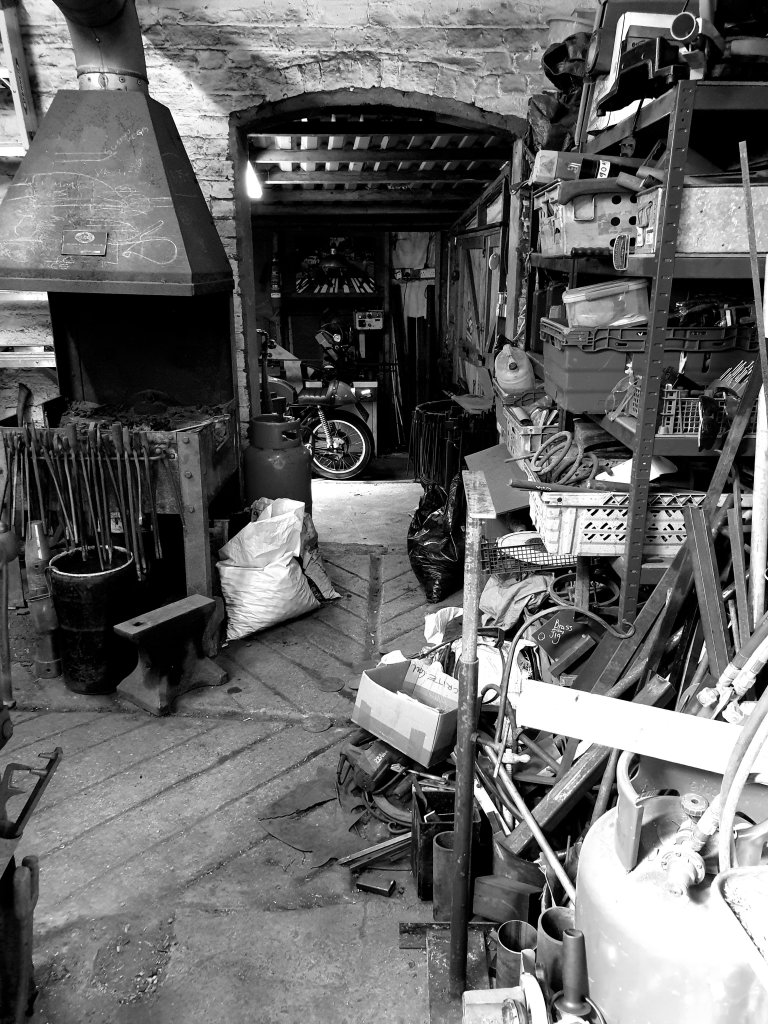
There is a Blacksmith’s:-
Best of all is the room used as a pub, which looks as if it hasn’t been used much during lockdown:-








 | Charles | Saumarez | Smith |
You must be logged in to post a comment.