Liverpool Street Station (17)

The attached article, which has just appeared, summarises the situation surrounding the redevelopment of Liverpool Station pretty clearly (and fairly).

The key is that Network Rail does not have – or chooses not to have – money to maintain and develop the station without selling off the air rights above the station. It has allowed the station to run down in order to secure public support for the planned redevelopment. It shows how far we have lost a feeling for the importance of the public realm.

https://www.bloomberg.com/news/features/2023-02-17/london-liverpool-street-station-revamp-brings-preservation-backlash

Standard

Oswestry

We stopped off at Oswestry on the way back from Anglesey. We have never been, always passing, a town on the signposts. I had somehow imagined that it would have the characteristics of border towns, with its church and medieval castle. But much of it seemed to consist of big car parks.

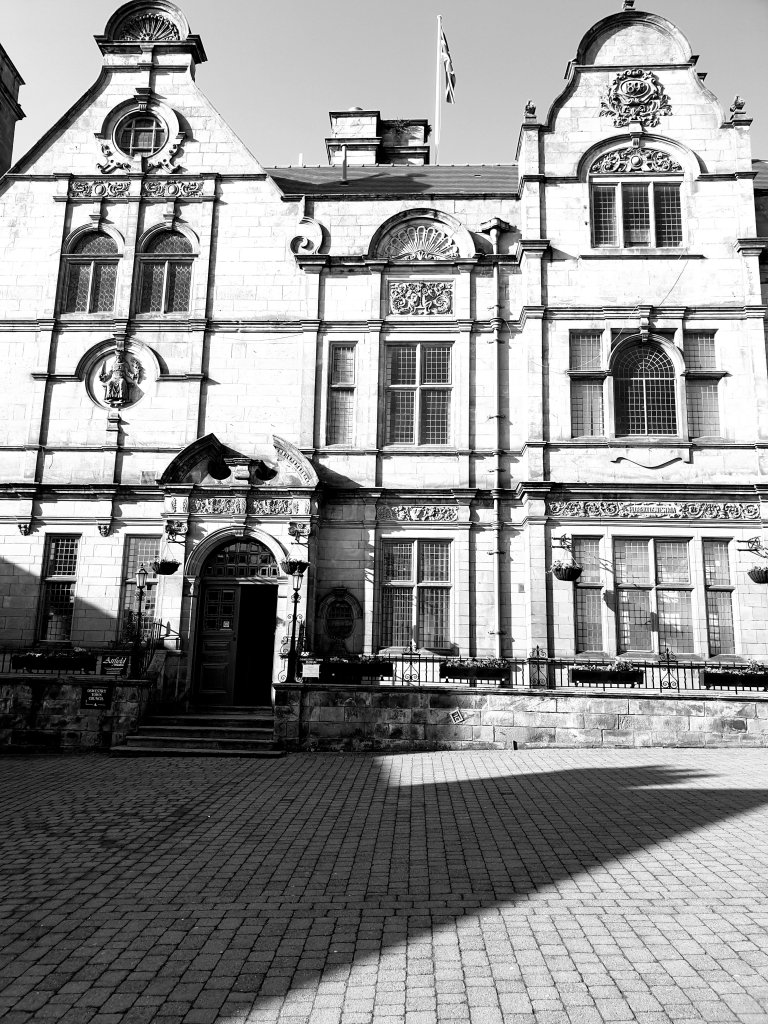
Still a fine Victorian town hall with a museum (closed):-

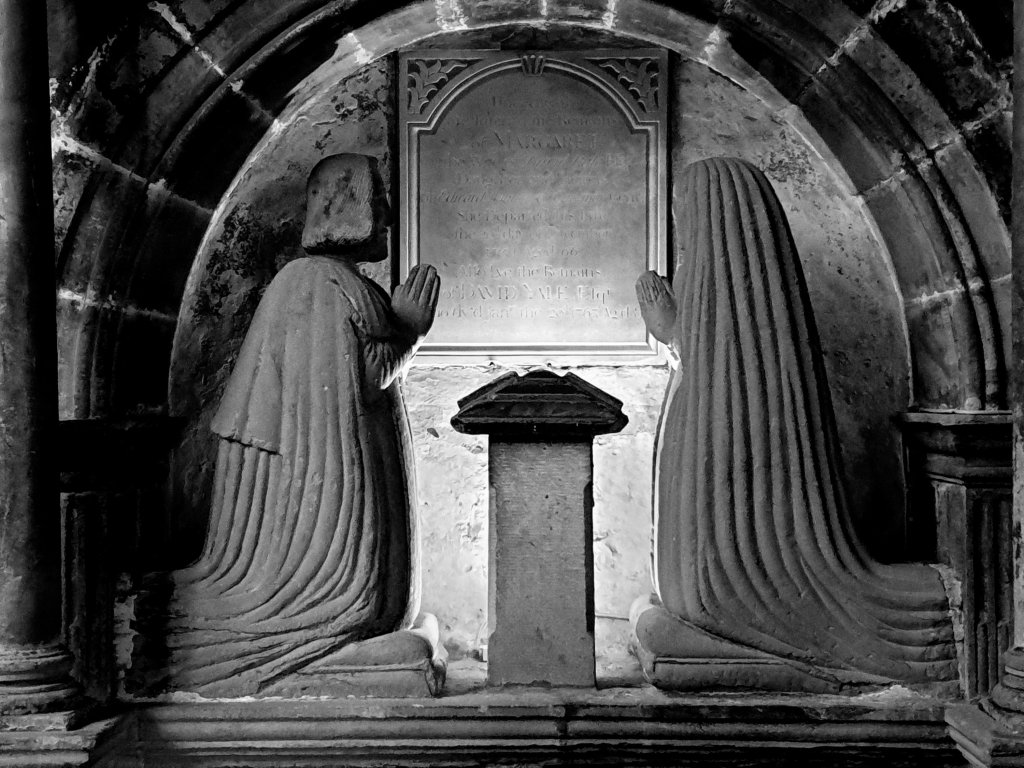
The church has good tombs, including the tomb of Hugh Yale, died 1616, a strangely abstract composition (one of his descendants founded a university):-

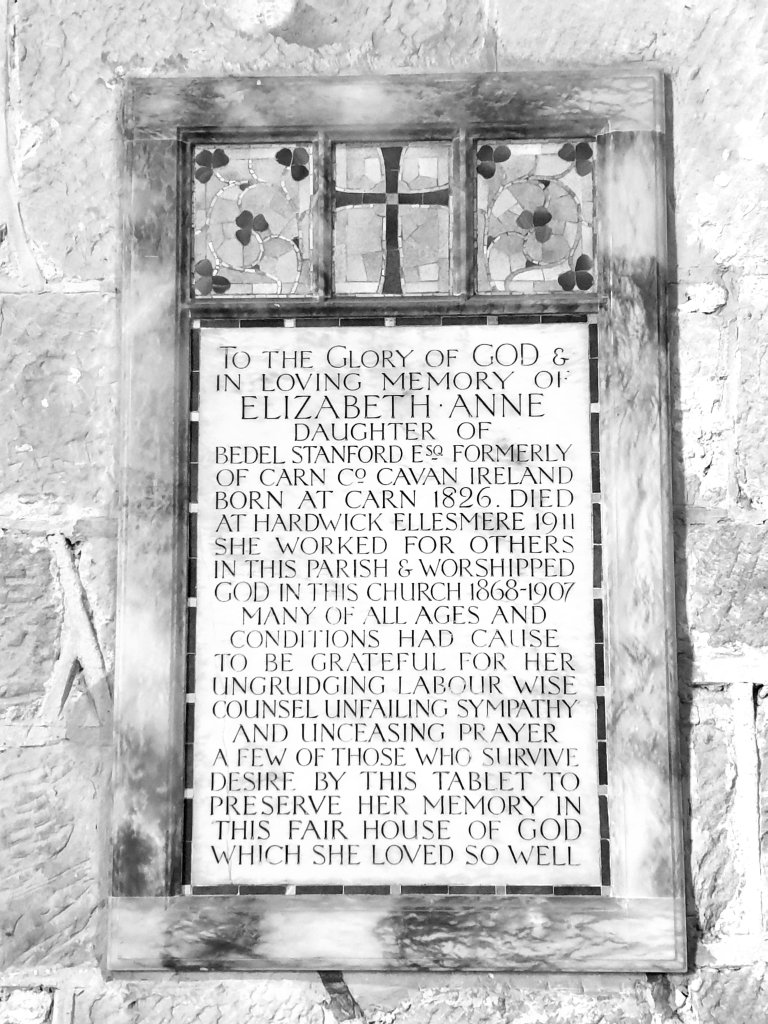
Nice arts-and-craft lettering:-

And a fine war memorial (Wilfred Owen was born in Oswestry and gave his name to one of the many pubs):-

If like us, you are in need of lunch, I recommend a roast pork bap complete with apple sauce and stuffing from Gillhams in Church Street.

Standard

Trains to Bangor

The announcement that Avanti are about to launch a new direct train service from London to Bangor reminds me that during my adult lifetime the train service from London to Bangor has got consistently much worse. In the 1990s, it was still possible to get a train at Euston at 5.20 (or was it 6.20 ?) on a Friday evening and arrive in Bangor three hours later, having had dinner overlooking the sea. Ten years ago, it was still possible to travel from London to Bangor and back again in a day. Now, you nearly invariably have to change at either Chester or Crewe, sometimes both. The line from Chester to Bangor is served by two carriages which bump along, stopping at every stop and filled with mountain climbers. This is progress ! The glories of privatisation. Twelve years of conservative government. No wonder we need levelling up.

Standard

The beach (2)

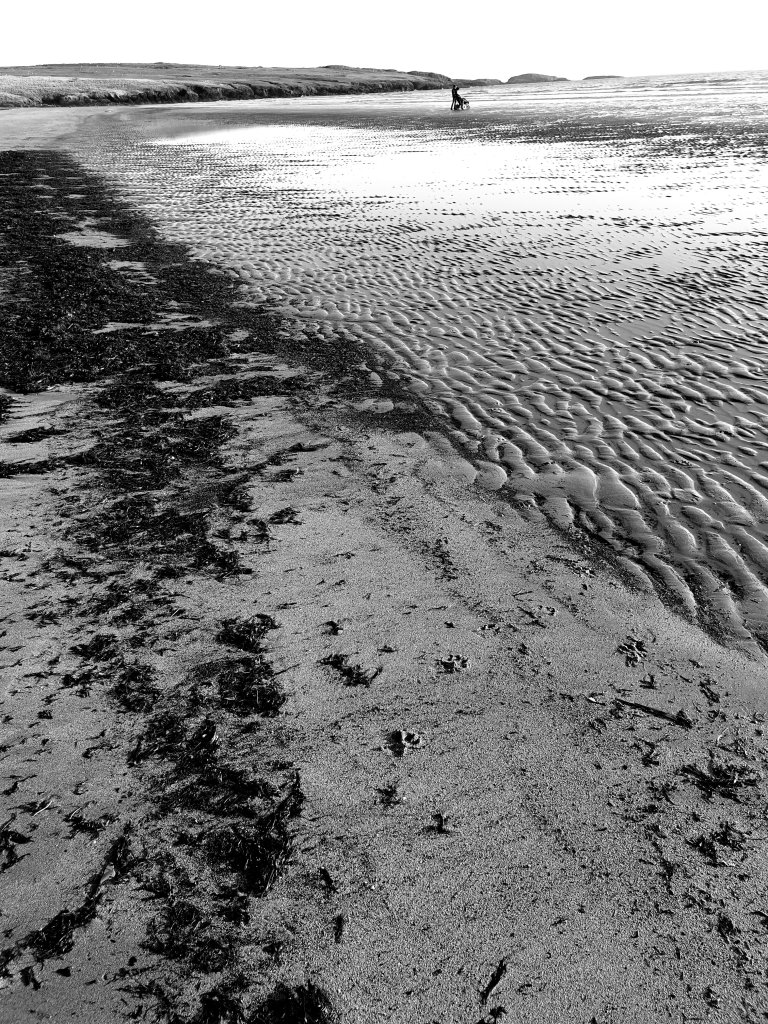
I annoyingly forgot to take my cameraphone to the beach today – it was almost unreal-ly calm and warm. So, instead I am posting those from yesterday of the other beach, equally beautiful and perhaps indistinguishable except to the observant eye:-

Standard

18, Folgate Street

A nice description by Jeremy Musson in this week’s Country Life of Dennis Severs’s House. I wish I had known Severs and can’t quite think why I didn’t organise visits for the students of the V&A/RCA MA Course in the History of Design. We went to Michael Gillingham’s house in Fournier Street instead, chiefly memorable for the fact that he had an eighteenth-century toothbrush. I eventually went as a hanger-on on a tour organised by the Winterthur MA in Material Culture. At least we met Simon Pettet and bought some of his pseudo eighteenth-century ceramics (‘in the spirit of’) which we promptly gave away. Annoying.

https://www.countrylife.co.uk/architecture/the-strangest-museum-in-london-dennis-severs-house-is-art-installation-theatre-set-and-18th-century-throwback-252271?s=09

Standard

Christopher Ligota

Having just written an obituary for the Guardian’s Other Lives, I’m pleased to read another – of Christopher Ligota, who to me was one of the more characteristic and intellectually austere of the Warburg librarians, so it’s fascinating to learn more of his life. I remember someone very improbable – I think it was Jack Baer – saying that Ligota was a friend of his, suggesting that he had a different life away from the book stacks.

https://www.theguardian.com/books/2023/feb/10/christopher-ligota-obituary?CMP=Share_AndroidApp_Other

Standard

Liverpool Street Station (16)

I was really disgusted by the plans to put an office block, not just alongside, but on top of Liverpool Street station. It feels like a strangely dystopian project, as if buildings of the nineteenth century can simply be ignored as tower blocks colonise the space above.

In opposing new developments, I have come to the reluctant view that public campaigns get nowhere and could even be counter-productive, because the authorities who make planning decisions are programmed to ignore them. So, the key is to lobby the two most powerful people involved: Chris Hayward who runs the City’s Policy Committee and wields great, if invisible power; and Michael Gove who is ostensibly on the side of building beautifully.

I hope the heritage authorities win.

https://thecritic.co.uk/Defend-Liverpool-Street-Station/?s=09

Standard

Richard Saumarez Smith (3)

I have realised that one thing got left out of my brother’s obituary, which may have seemed insignificant, but to me was: that was his interest in the east end, long before mine. When he was at school, he spent a summer in St. Katharine’s Foundation and wrote an essay about the east end which won him a Shell Scholarship at Cambridge which made him rich by the standards of undergraduates in the 1960s. I don’t know what the essay was about, but I remember him talking about Cable Street as it was in 1963. I don’t know if the essay survives, but it would be interesting if it did. And I realise, in thinking about it, it must have been partly what made him interested in anthropology, alongside the influence of Edmund Leach, and perhaps what led to him to living later in Quilter Street. He knew all the restaurants in New Road and he must have known Raphael Samuel because he gave me a copy of East End Underworld when it came out in 1981.

Then, in 1964, he went to Vienna to learn the violin. But his violin was stolen from the boot of a car in Rome and he never played again. He learned the mouth organ instead and played Bach on the mouth organ, which he took with him to the Amazon in 1965. To a kid, as I was, this was impressive.

Standard