Liverpool Street Station (19)

The developers of the new plans for Liverpool Street Station, Sellar, are, once again, holding a public consultation which this time is relatively easy to find if you know where to look – it’s in a booth under the escalators opposite Boots on the way out to Broadgate. 

There is an illuminating model and some of the most amazingly sophisticated computer graphics that I have ever seen, showing exactly how the 1980s additions will be swept away in order to create a double deck passenger concourse and a gleaming new twenty-first century entrance from the south.

Having now looked at the scheme, I can see some benefits:-

1.  The current station is very overcrowded.

2.  Disabled access is pretty appalling.

3   The run of shops which were put in during the 1980s block the wonderful views of the original nineteenth-century railway sheds.

4.  Opening up public access to the ballroom of the Great Eastern Hotel is a public benefit.

It is, I think, incontestable that the station would benefit from a bit of rethinking and a lot of investment.

But there is one simply gigantic problem with the scheme as currently proposed which the consultation does not, for obvious reasons, make clear.  The way of paying for it is by building gigantic tower blocks directly on top of the station and the Great Eastern Hotel.

The precedent used to justify this is the work the same developers, Sellar, have done at London Bridge Station and are now doing at Paddington.  But there is a big difference.  At London Bridge, the Shard has been built alongside but independent of the station.  At Paddington, the new building, The Cube, is separate from the station.  The idea of just building tower blocks on top of a Victorian building is frankly repulsive and perhaps not surprisingly is not shown anywhere in the glamorous promotional video.

I feel John O’Mara of Herzog de Meuron should go back to the drawing board and come up with a plan which is elegant, as is the Shard, and not lumpen – monster slabs dropped on top of two historic buildings:-

Standard

Newcastle (2)

In visiting Newcastle after a long interval, I am necessarily thinking about the ways in which it has changed over the last twenty years.

Twenty years ago, there was a strategy in place for what is now called levelling up through a policy of cultural regeneration via the resources of Northern Arts and the Heritage Lottery Fund. I think in retrospect it was pretty successful, particularly in Gateshead with the Angel of the North, Baltic, the Sage and the Millennium Bridge. The quayside was opened up, making Newcastle somewhere which now attracts tourists.

Then came austerity, with massive reductions in public funding and a feeling, doubtless legitimate, that wealth and resources were too concentrated in London. Hence, the policies of the Northern Powerhouse followed by the promises of levelling up. But whereas I understood the policies of cultural regeneration, I’m not sure that I fully grasp the strategy of levelling up other than as an immensely successful election winning strategy: was it just a set of false promises ?

Nor do I have any sense of what the opposition plans to do or how it expects to win support.

Others may be able to tell me.

Standard

The Farrell Centre (1)

I went to see the Farrell Centre for the June issue of The Critic, so you will have to wait for my detailed views, but it’s an act of great generosity on the part of Terry Farrell to part fund it, a centre for architecture in his home town, where he was trained at its School of Architecture and where he has done quite a bit of master planning both for the university and the city.

This is the building it’s in – late Vctorian, once a doctor’s surgery, now with a neo-Victorian tea shop on the ground floor:-

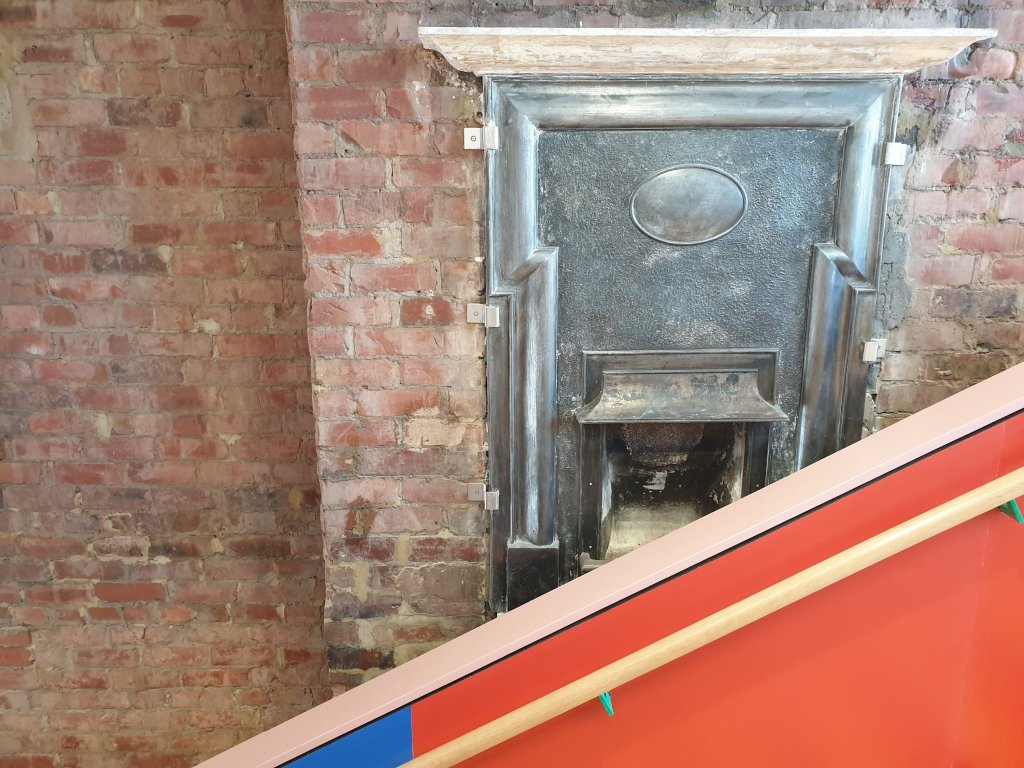
The architects (Space Architects working with Elliott Architects, a smaller practice based in Hexham) have stripped it out, but kept the late Victorian fireplaces:-

Standard

Newcastle (1)

I used to spend a lot of time in Newcastle when I was at the National Gallery because we had a close and enjoyable relationship with the Laing Art Gallery;  but I only ever really remember the walk from the station to the Laing up Grainger Street.  

Today I went to the opening of the new Farrell Centre and was told beforehand that if there was one thing I should see, it was Ralph Erskine’s Byker Estate which, of course, I’ve known about, but never visited.

So, I walked from the glories of Dobson’s Central Station:-
Down past the Lit and Phil:-
To the quayside:-

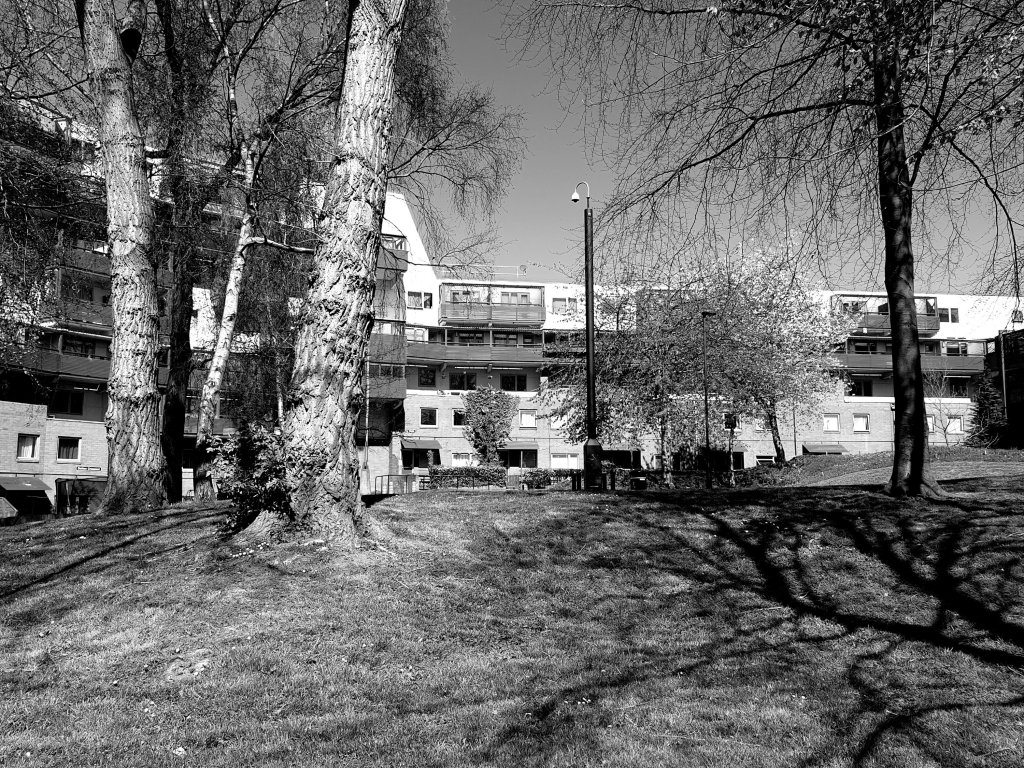
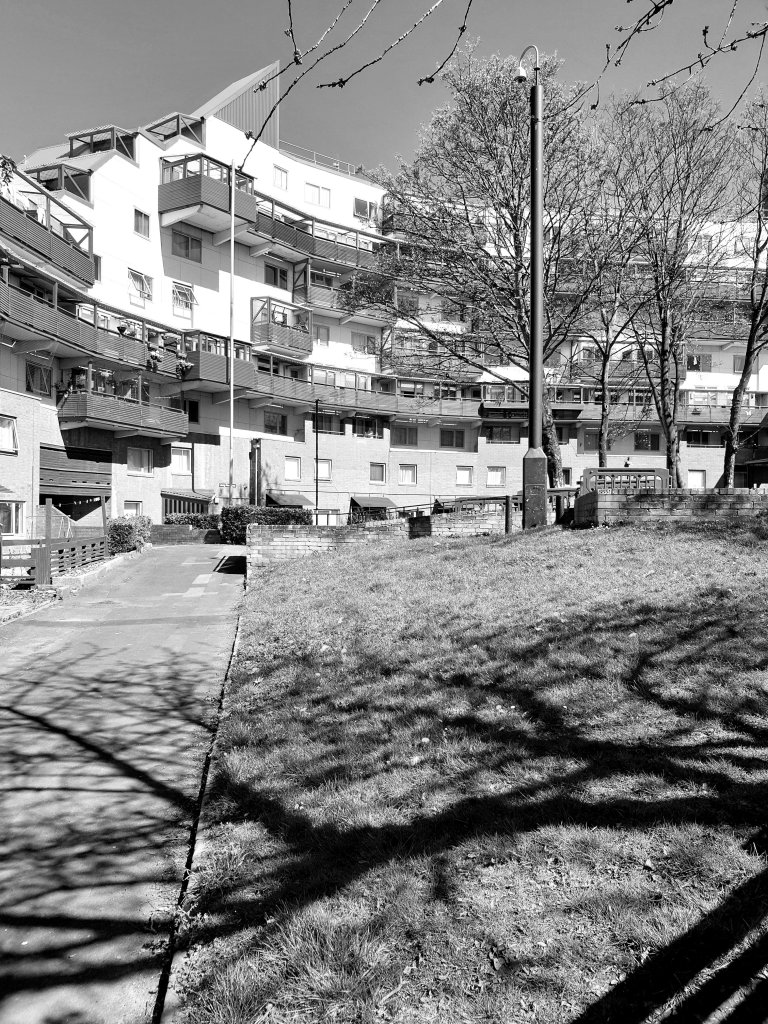
And so up to the Byker. It seems that these big monolithic estates which inspired such horror in the 1980s have now matured into relatively sylvan and well established communities:-

Standard

Tornagrain (2)

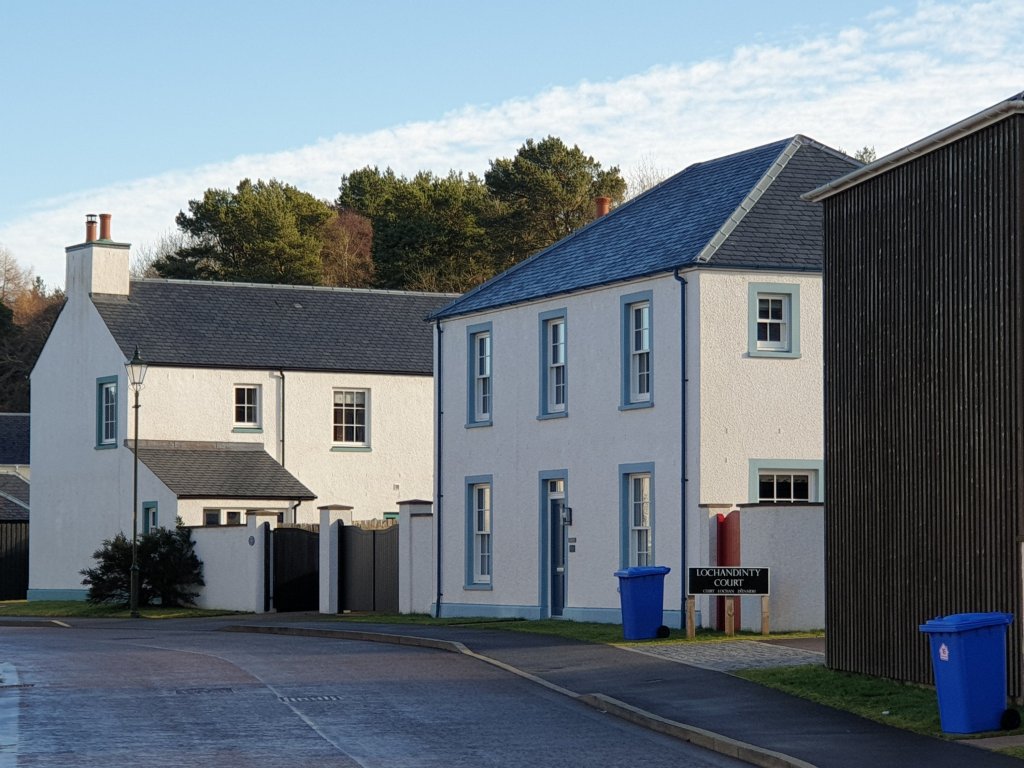
My most recent article for The Critic was on Tornagrain, a new development project outside Inverness. It was one of my more enjoyable and interesting assignments, not least because I stayed overnight and was introduced to the complexities of urban development, a field I didn’t know much about (although I have since discovered that quite a few landed estates are doing it, quite apart from the Duchy of Cornwall).

What lives in the mind is how long and difficult the process is, and how little support the state gives – in this case Moray Estates had to pay for the road and basic infrastructure before beginning. Yet the state benefits by getting the housing at someone else’s expense.

It looks, and is, traditional in design terms, but this is not ideological, but because it’s what people want and the landowners are committed to community involvement and support.

https://thecritic.co.uk/issues/april-2023/moray-berth/

Standard

Sir William Chambers (2)

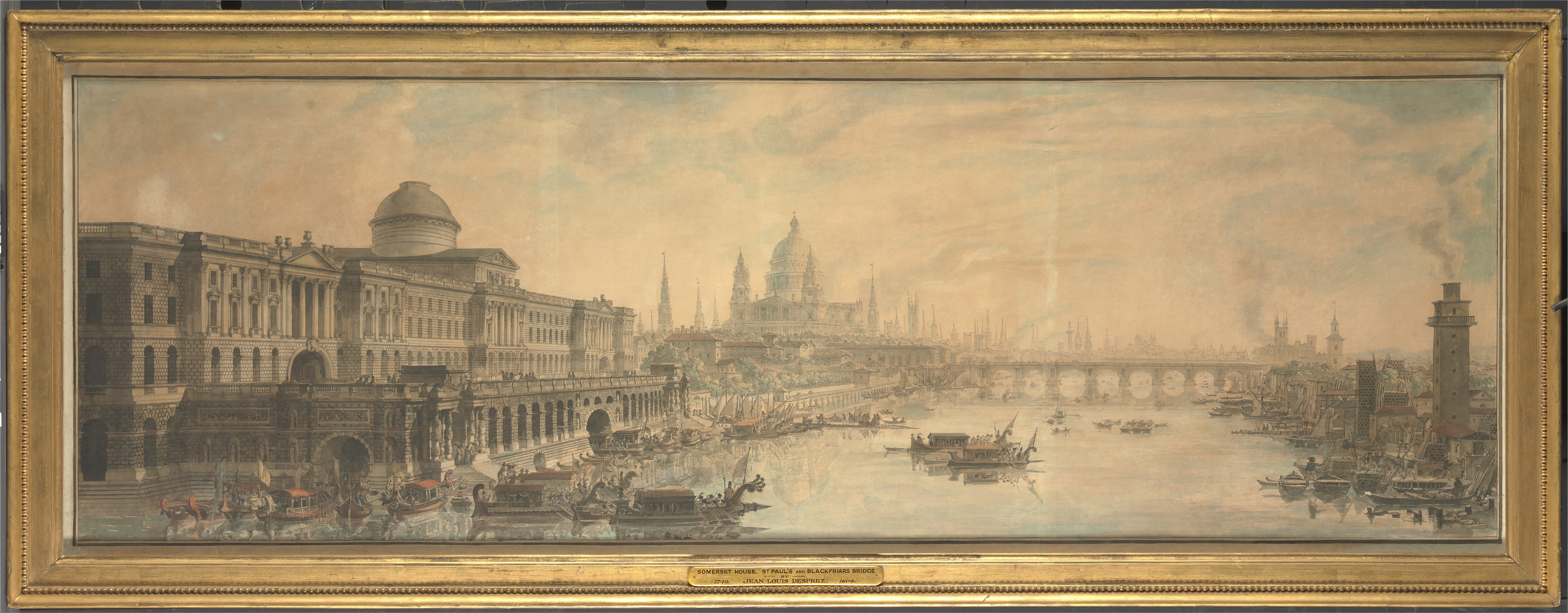
The image which stocks in my mind from the Chambers conference is one from the Yale Center for British Art of Somerset House by Jean Louis Desprez:-

Desprez was a French neoclassical architect who was employed by Gustav III as a scene painter for the newly established Stockholm opera house. It shows so clearly how Chambers envisaged Somerset House as having a monumental presence on the river, now hard to appreciate since the construction of the Embankment.

We should treasure Somerset House instead of allowing Make to construct a monster new development on the other side of the river, as if the French allowed a version of La Defence on the banks of the Seine opposite the Louvre.

Standard

Sir William Chambers (1)

I spent the day at a conference to commemorate the birth of Sir William Chambers on 23 February 1723, to which so much less attention has been paid than to the death of Christopher Wren a couple of weeks later. Chambers has always been somehow hard to accommodate to conventional English taste: so international – knowledgeable about architecture in Paris, Rome and Canton. It’s still not clear how he arrived in the circle of Prince Frederick and then became architect to Princess Augusta and tutor to the Prince of Wales. Was it his knowledge of the most up-to-date methods of teaching ? His intellectual self-confidence ?

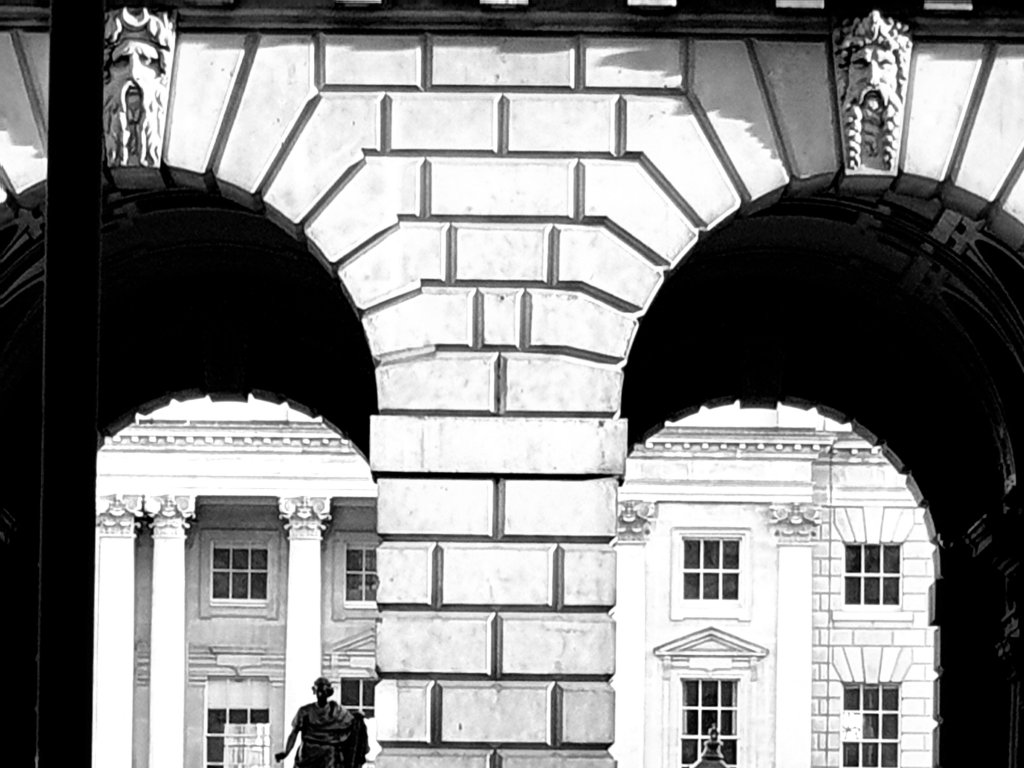
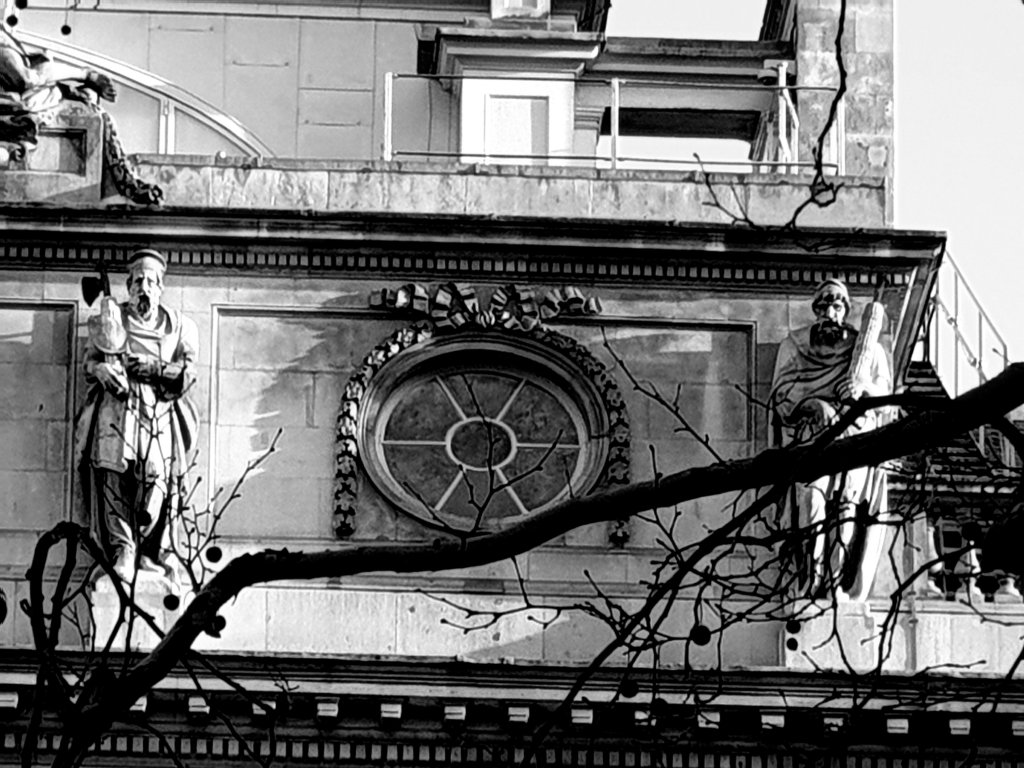
Chambers was key to the foundation of the Royal Academy, but then was slightly pushed sideways to be Treasurer – prominent, not least because he had the ear of the King, but probably not clubbable. Maybe the pedestrianisation of the Strand will help an appreciation of the sophisticated classicism of Somerset House, now much easier to see again:-

Standard

The Chinese Pavilion, Drottningholm (2)

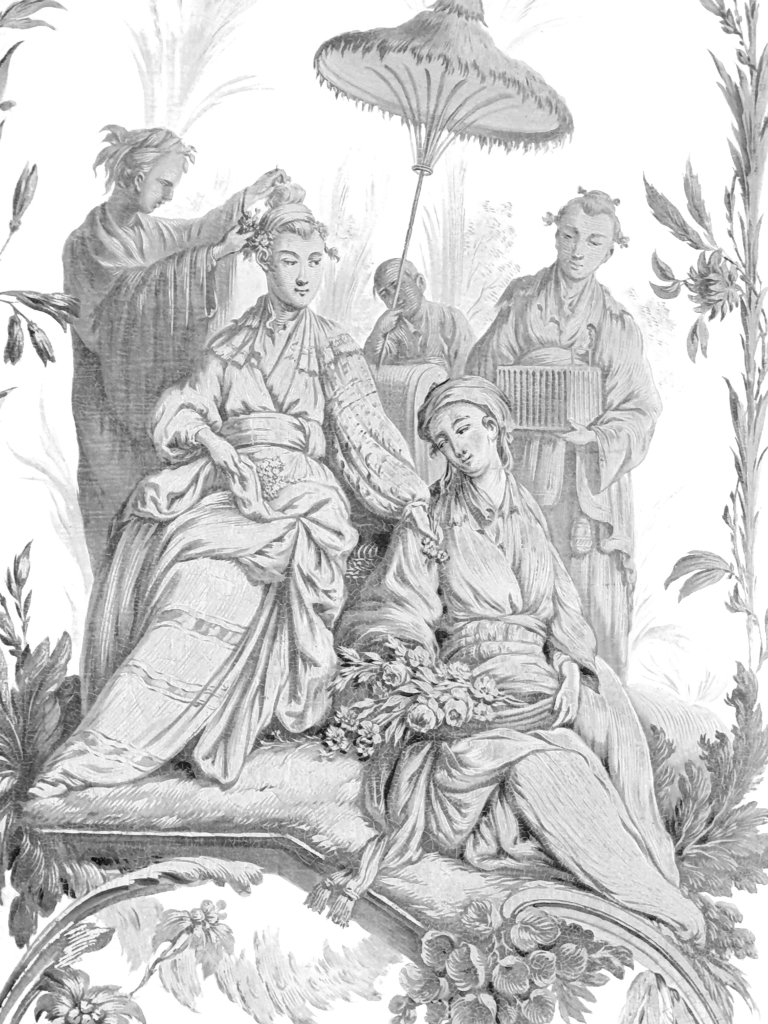
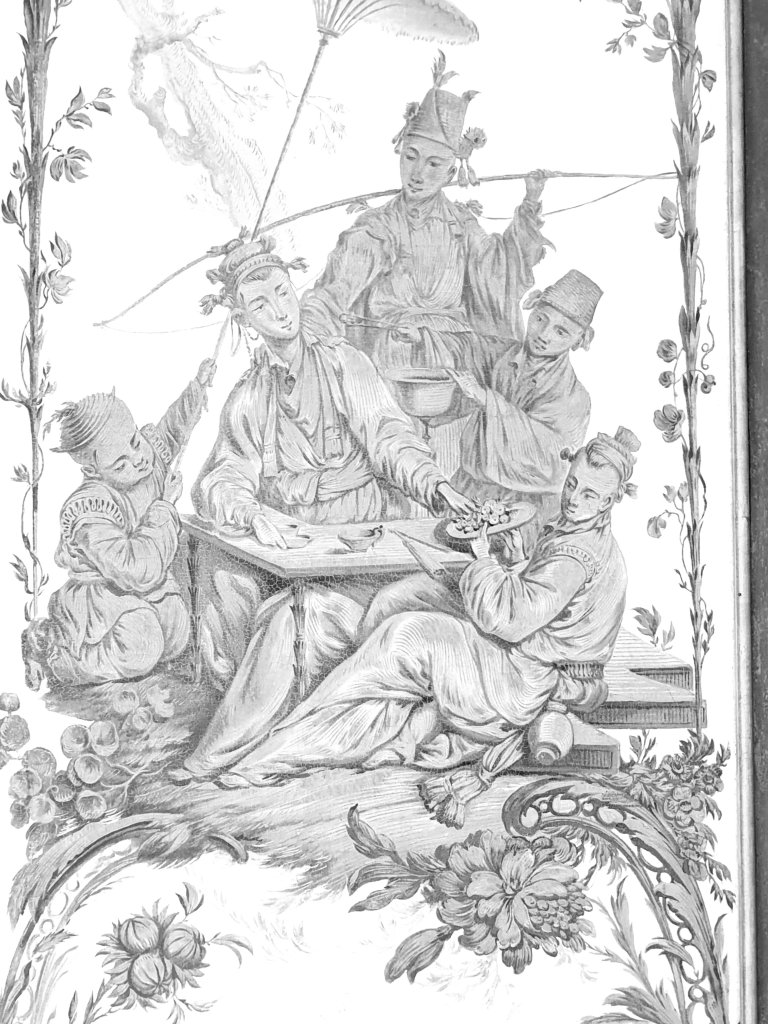
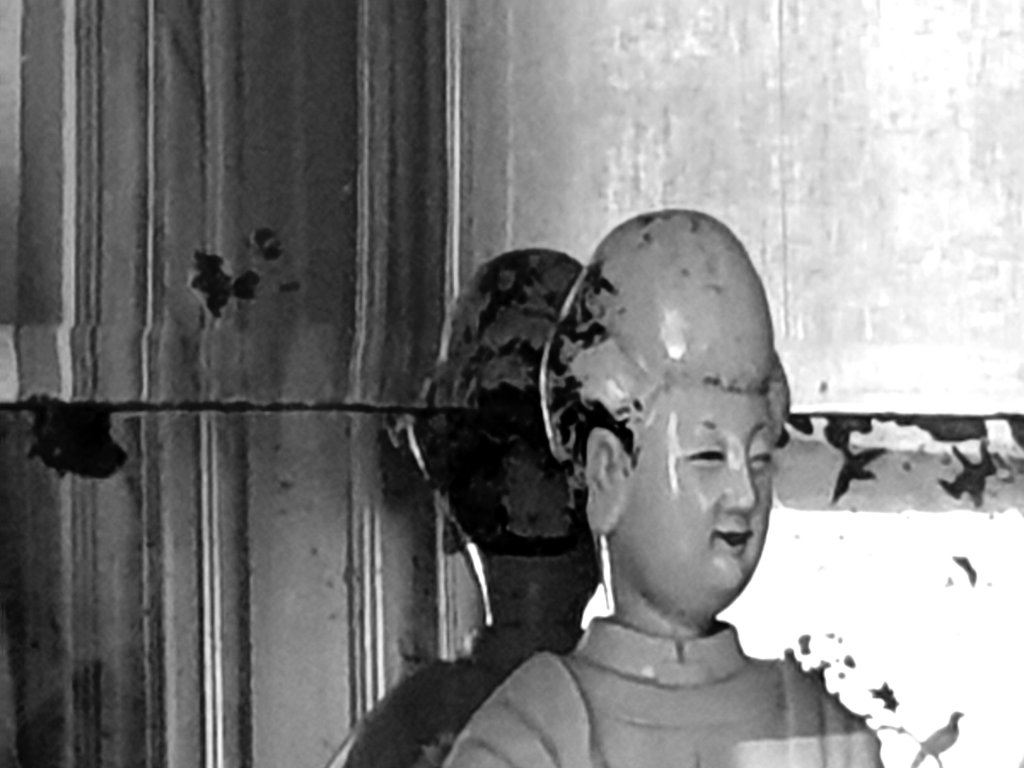
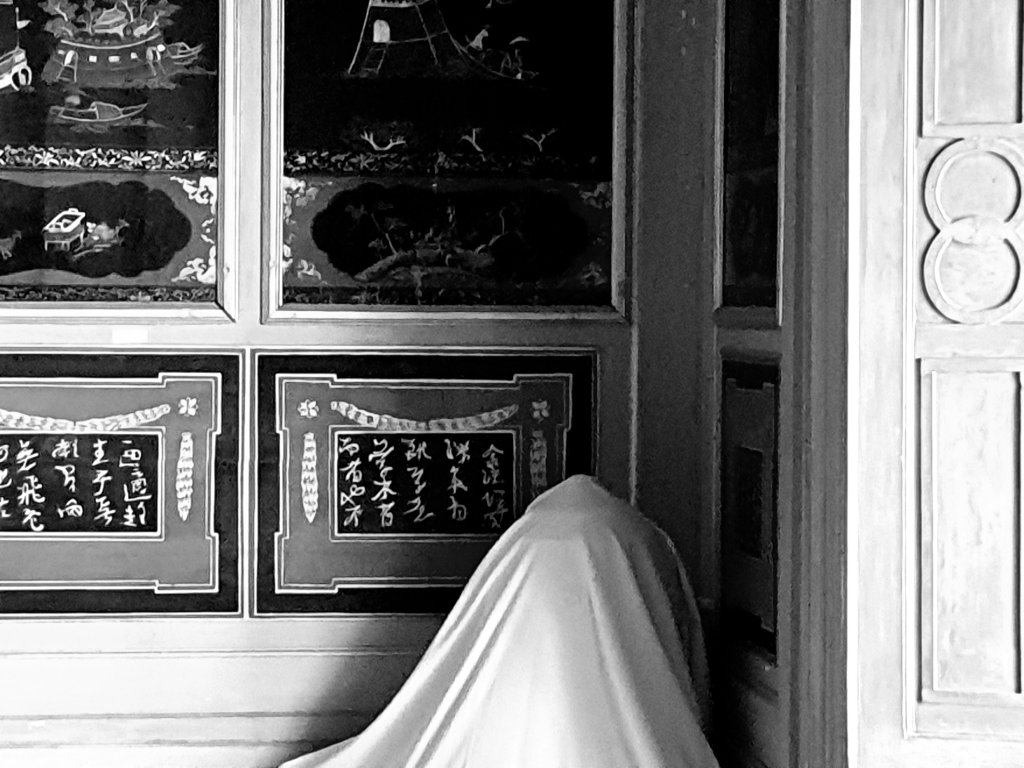
I left out the very beautiful painted decoration in the interiors, hoping to find out more about it:-

Standard

The Chinese Pavilion, Drottningholm (1)

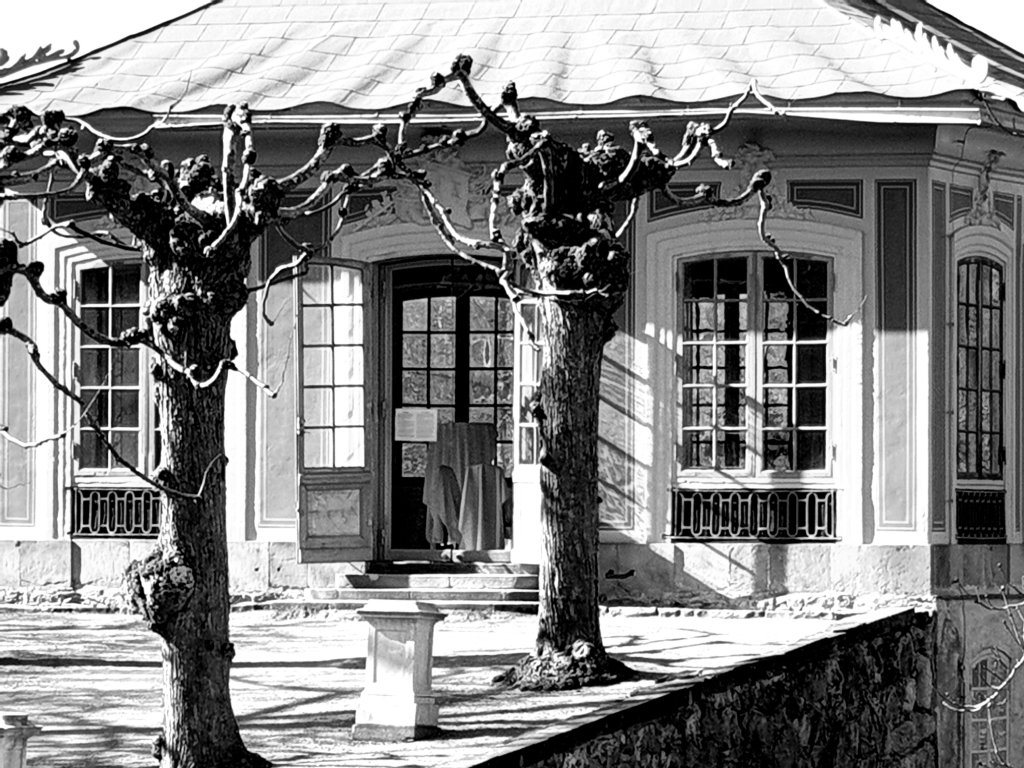
Best of all of the garden pavilions at Drottningholm is the Chinese pavilion, a gift of King Adolf Frederik to his Queen in July 1753. Sweden was at the forefront of the China trade. William Chambers, for example, had been out three times in the 1740s – once in April 1740, again in 1743, and a third time in 1748.

Chinoiserie is traditionally treated as a source of fantasy, but this strikes me as a pretty serious attempt to reproduce the characteristics of Chinese architecture, as represented in Chambers’s Designs of Chinese Buildings, published in May 1757:-

There are two flanking pavilions:-

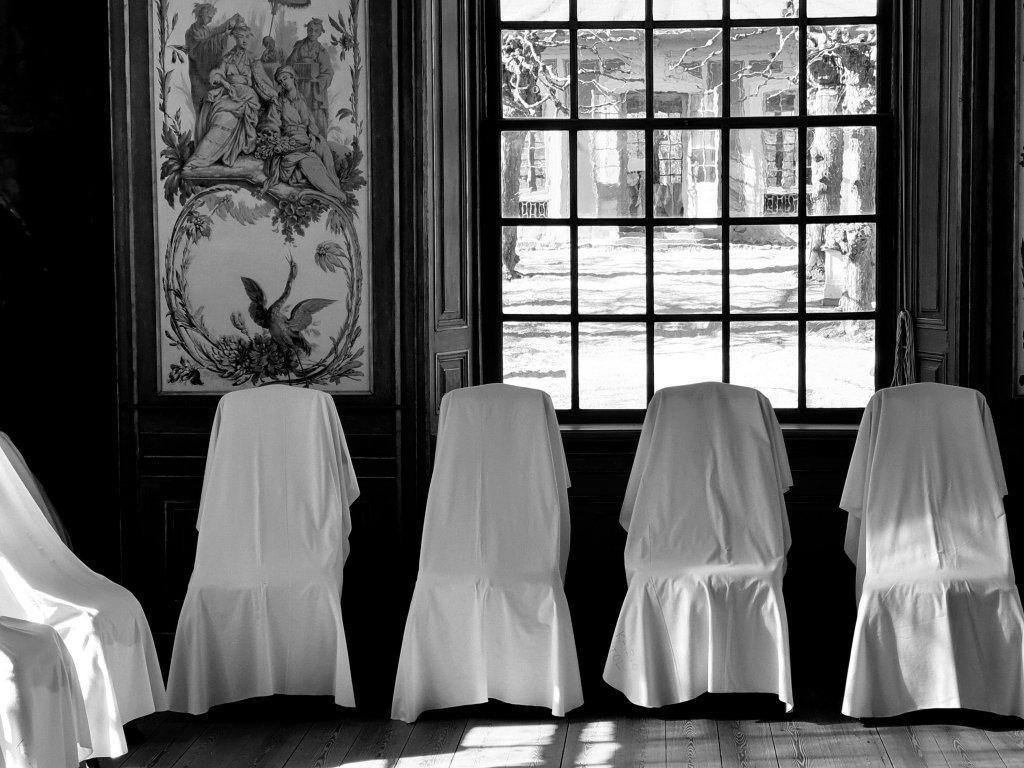
I loved the interiors, so beautifully atmospheric in the afternoon sun:-

Standard

Drottningholm Guards’ Tent

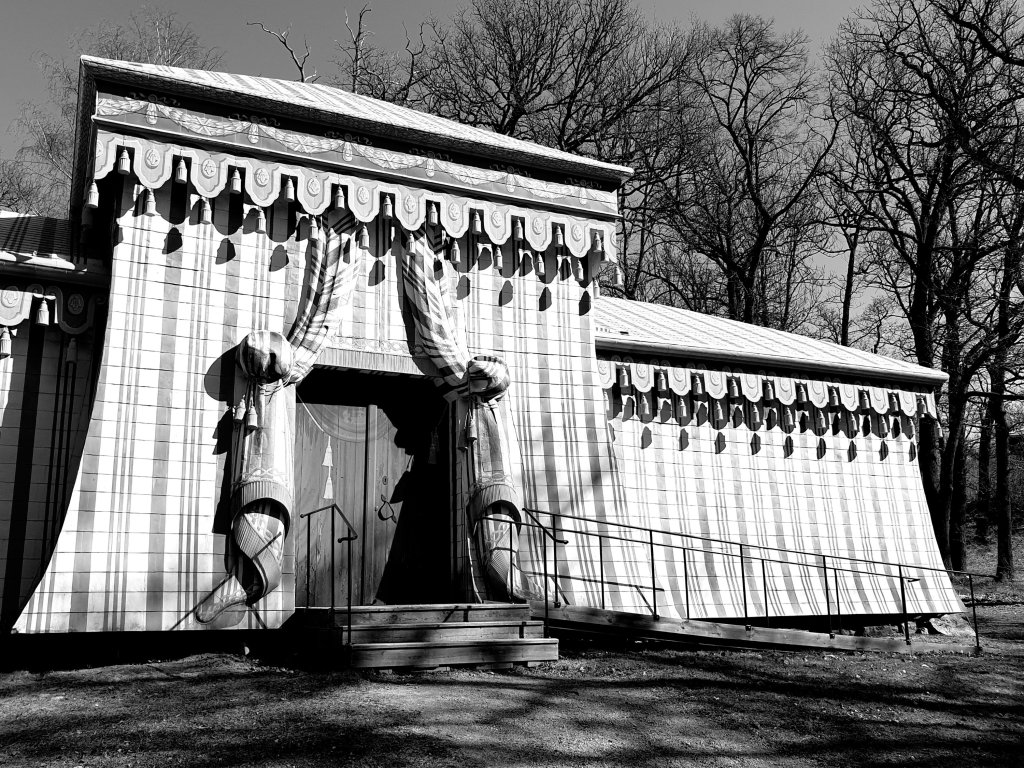
The guards’ tent in the grounds at Drottningholm is a place of charming ephemeral fantasy – a tent, made apparently of metal, but looking like canvas, as if it had been erected for a theatre, a joust, but was barracks for the Royal Guards:-

Standard