Windsor Castle

It was a pleasure to visit Windsor Castle. Its building history is so horribly complicated. Norman in origin, Queen Elizabeth apparently added the Long Gallery, which was later converted by Jeffry Wyatville into the King’s Library (a perfect Tudor fireplace survives, as well as a Rysbrack bust of Elizabeth which came from Queen Caroline’s library, now lost, designed by William Kent at St. James’s Palace). Then, Hugh May added the State Apartments, with ceiling paintings by Verrio, only for it all to be redone by Wyatville under George IV:-

Standard

Sir Michael Hopkins (2)

I read somewhere that Michael Hopkins was influenced by Jim Richards’s The Functional Traditional in Early Industrial Buildings. This seems plausible: a combination of intelligent and non-academic problem-solving with the use of good quality materials both new and old and a strong infusion of East Anglia, where they have built a lot. I know that in 1990, Michael and Patty helped donate Eric De Maré’s beautiful photographs to the RIBA, including those he had done for Richards’s book.

Standard

Sir Michael Hopkins (1)

We have both been mourning the death of Sir Michael Hopkins, a good friend to us both, who I first got to know when he and Patty were the masterplanners for the V&A in the mid-1980s, brought in by David Mellor and Terence Conran to bring some order to the immensity and complexity of its Victorian layout. Not long afterwards, they won the competition for the Glyndebourne Opera House, a brilliant and beautiful project which fits so well in its bucolic surroundings, characteristic of their work in combining the latest technology with the most traditional materials. Over the years, I have visited many of their projects and greatly admire how different each can be, from the simplicity of The Round Building at Hathersage (his obituary in the Guardian is by Fiona MacCarthy, whose husband, David Mellor commissioned it) to the Piranesian complexity of the subterranean depths of Westminster underground station. He remained admirably un-self-important, happiest bumbling around on a small tractor on his estate at Blackheath or on a boat out on the river. We will miss him.

https://www.theguardian.com/artanddesign/2023/jun/19/sir-michael-hopkins-obituary

Standard

The Wedding Cake

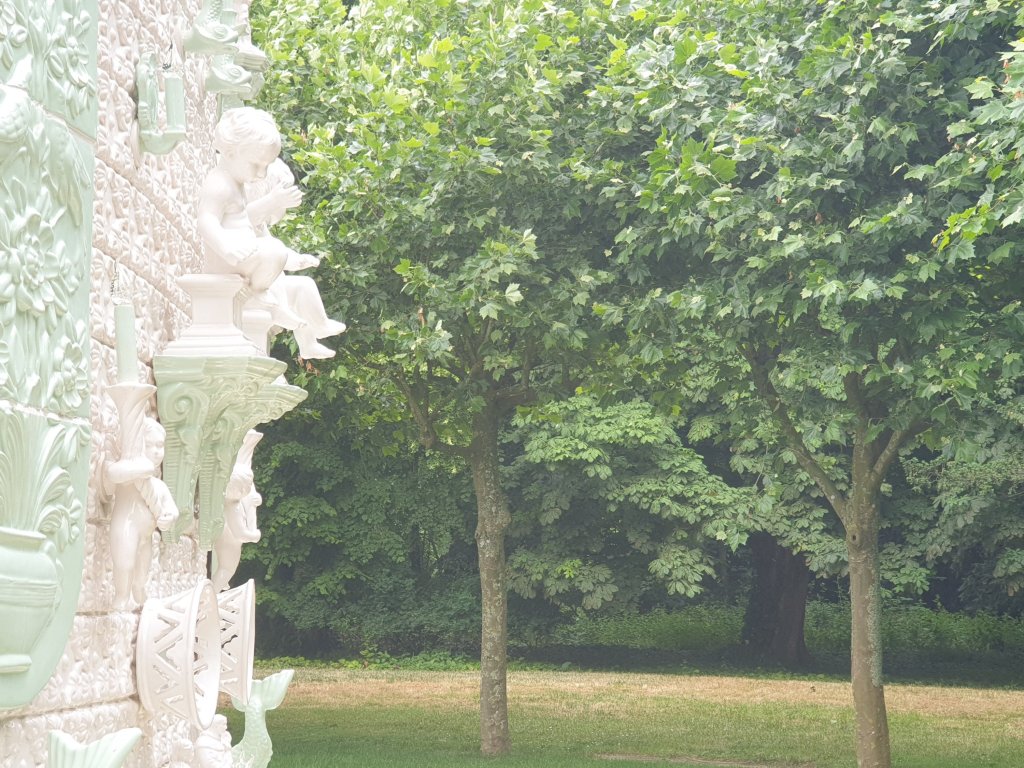
Two weeks ago, the Wedding Cake at Waddesdon was still under scaffolding. Now it’s been unveiled in its full glory:-

It’s quite something:-

Standard

The Farrell Centre (2)

I have only just discovered that the article I wrote about the Farrell Centre in Newcastle for the June issue of The Critic has already appeared online. It’s a product of Terry Farrell’s generosity to the city where he was brought up and the university where he was educated:-

https://thecritic.co.uk/issues/june-2023/a-bid-to-inspire-future-architects/

Standard

A different planet

I had seen that I am advertising a work by Romilly, but I couldn’t find it. Now she has sent me the link (A Different Planet — Romilly Saumarez Smith). I have added the picture to the randomised photos which appear every time you open the blog, just to add a bit of variety. The picture is by Lucinda Douglas-Menzies, a brilliant photographer of both objects and people.

Standard

Play the Game

As readers of my blog will know, I have a long-standing interest in the development of East London – in fact, ever since my blog was set up in early 2014.

So, I was pleased to attend an event involving many of the people involved in attracting the Olympics to London – not the big name politicians, but the civil servants and urban planners, many of whom worked for the London Development Agency, an agency which reported through an independent board to the Mayor, but was funded by the Department of Trade and Industry (to an outsider, the structure of government agencies involved in the Olympic bid is far from straightforward). They have collaborated in producing a book written by Michael Owens and Ralph Ward, two of the key players (Michael Owens was the Head of Development Policy at the LDA, Ward its Head of Sustainable Development) called Playing the Game: How the Olympics came to East London, which seems to be only available on Kindle, although I spotted hard copies for sale at the Bow Arts Trust, where the discussion took place.

We walked from Stratford to Bow while the two authors (mainly) reflected on the process of regeneration. From the walking tour, I picked up the following, but don’t guarantee that I have recorded the points correctly (they appear somewhat differently from how they do in the book):-

1. A key moment was in the late 1990s when plans for the regeneration of Stratford were drawn up by Arup as engineers and Fletcher Priest as architects for Stuart Lipton of Stanhope who, with Chelsfield, had bought large tracts of land in Stratford off British Rail, presumably recognising its future development opportunities. Big chunks of this land was subsequently bought by Westfield for the new Stratford Shopping Centre, which was key to the regeneration of the area before anyone had thought of London hosting the Olympics.

2. It is hard now to remember how rough the area was between Stratford and the River Lea before the creation of the Olympic Park. We stood on the site of what was known as Fridge Mountain and the area apparently was the source of many of the knock-off goods sold on Oxford Street, as well as of allotments which became a battleground over development.

3. In order to bid for the Olympics, Hargreave, an American firm of landscape designers, were hired to landscape an area of desolate tarmac. Their involvement is one of the more impressive things that was done and key still to the success of the project.

4. Ken Livingstone wasn’t remotely interested in sport, but he was in urban regeneration and seems to have been good at attracting a group of independent-minded and free-thinking people to work at the LDA.

5. The lesson at the end seemed to be that the bureaucrats felt that the success of the project was not the quality of the planning process and setting objectives, but allowing a certain inventive freedom in how the plans were drawn up. It sounded very likely.

I’m glad the history is being written because it’s so complicated even if – perhaps especially if – you hear it from those who were so closely involved.

Standard

Peckover Butchers

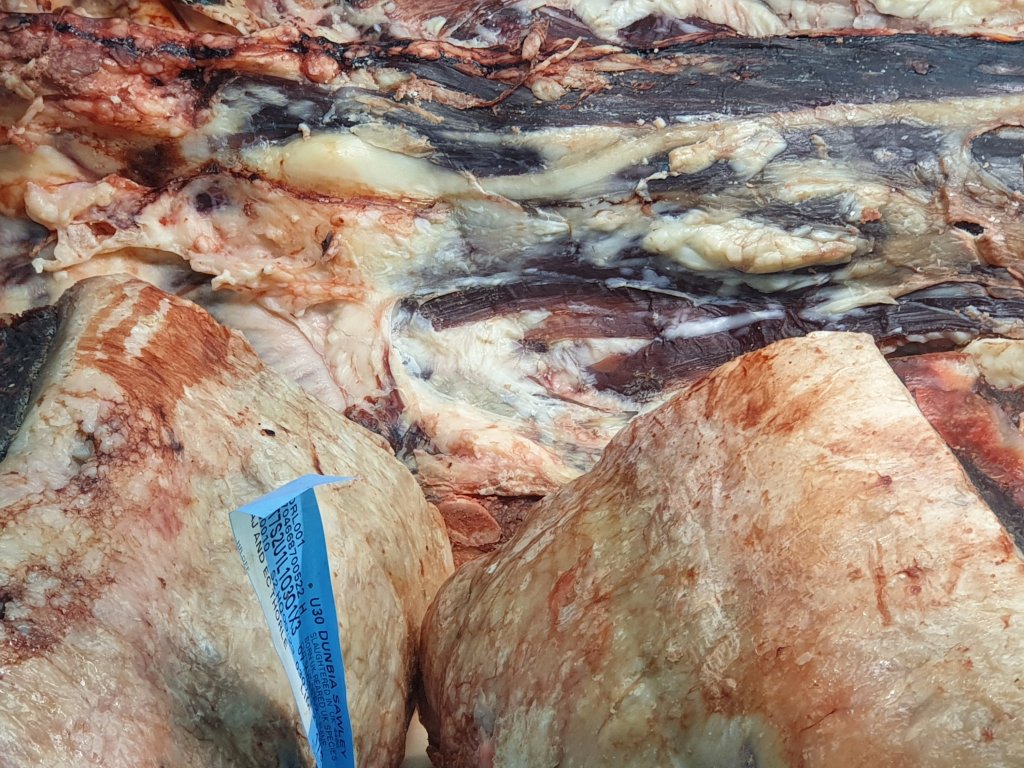
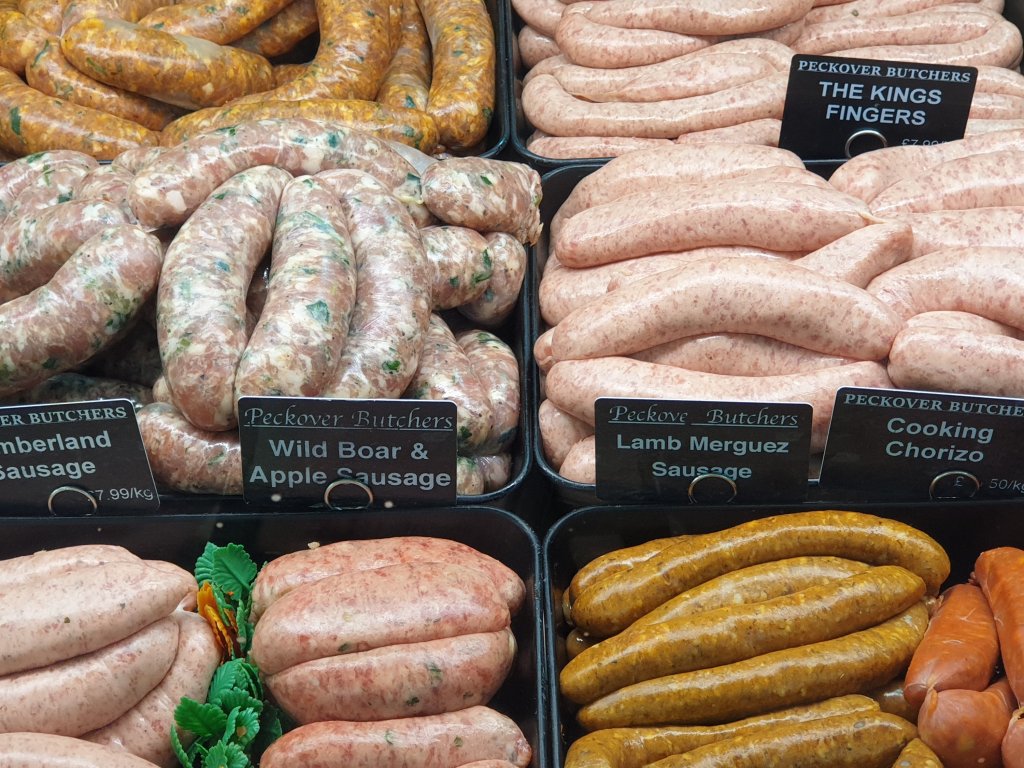
It is only relatively recently that I have discovered the glories of Peckover Butchers in the Roman Road, a carnivore’s dream where one gets the best possible and most attentive service from its proprietor, Gavin Peckover, who sources a lot of his meat from a single farm in Essex. It is always absolutely delicious and he gives advice on cuts.

This morning he was complaining about the long hours he has to work and the relentless pressure on prices of the supermarkets. In many parts of the country, butchers have been driven out of business. Please support Peckovers and encourage it to survive:-

Standard

Ragged School Museum (3)

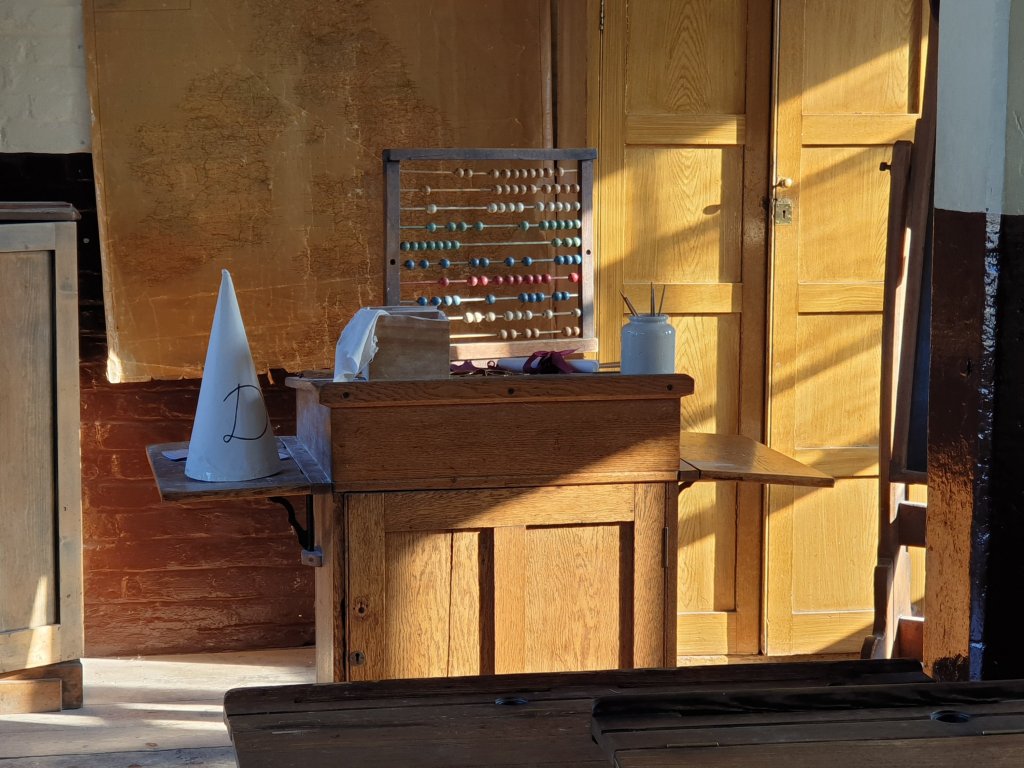
The Ragged School Museum re-opens next Wednesday, made possible by a big grant (£4.8 million) from the National Lottery Heritage Fund, a model of sensitive restoration by Richard Griffiths keeping the atmosphere of the old, late Victorian school room overlooking the canal:-

Standard