Seaton Delaval (1)

I have always loved Seaton Delaval ever since I first visited in the summer of 1975 in search of the mausoleum: its grandeur; the way it dominates the landscape looking out to the North Sea; its dark stone and austerity; reminiscent of elements of Blenheim, but shrunk. 

The Delavals were big local landowners.  Vice Admiral George Delaval, who commissioned Vanbrugh to design Seaton Delaval, joined the navy and was 3rd. Lieutenant on HMS Lenox in 1693.  He travelled to Spain with Lord Peterborough in 1705, was an Envoy to Lisbon in 1707, negotiated an agreement with the Sultan of Morocco in 1708, and was Envoy Extraordinary to the King of Portugal for three years 1710. So, he was widely travelled and came back from his travels with money.

In 1718, he bought Seaton Delaval off his impoverished cousin and embarked on the construction of a grand family seat, telling his brother that he wanted to devote his old age to ‘repairing the old house, making a garden and planting forest trees’.

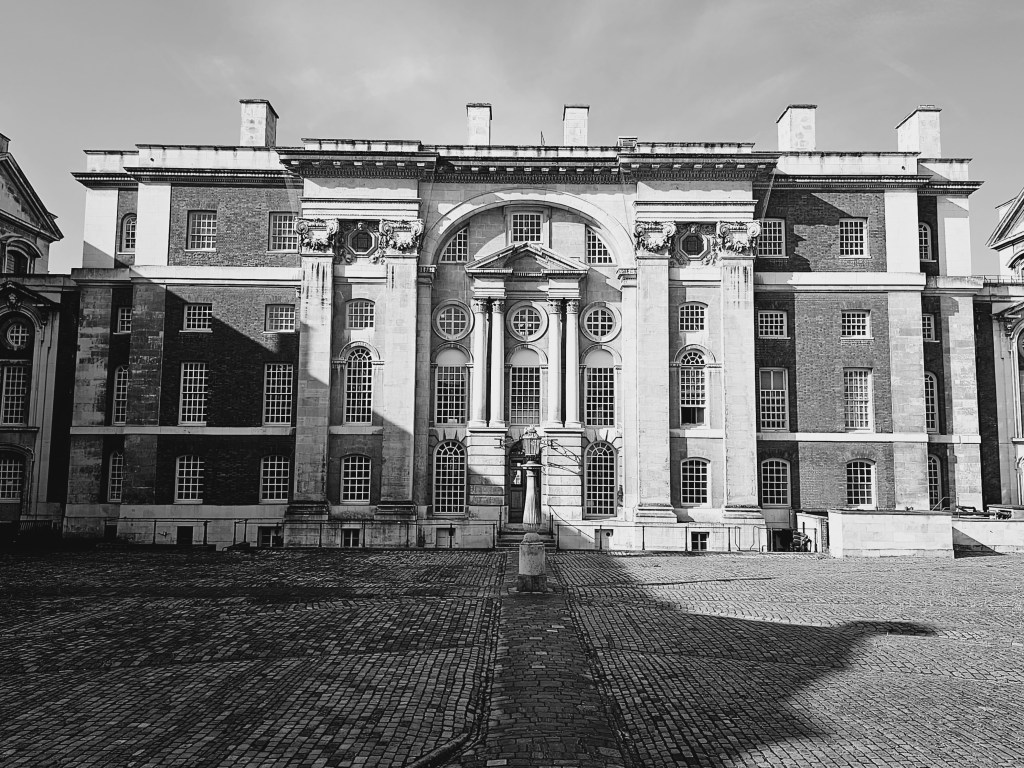
It was late Vanbrugh, more or less at the same time as Vanbrugh Castle, very high, without many rooms on each floor, but small corner rooms which make the outline feel fortified. It was burnt out in 1822 and only survives as a ruin, since 2011 under the care of the National Trust:-

Inside is what survives of a cantilevered stone staircase:-

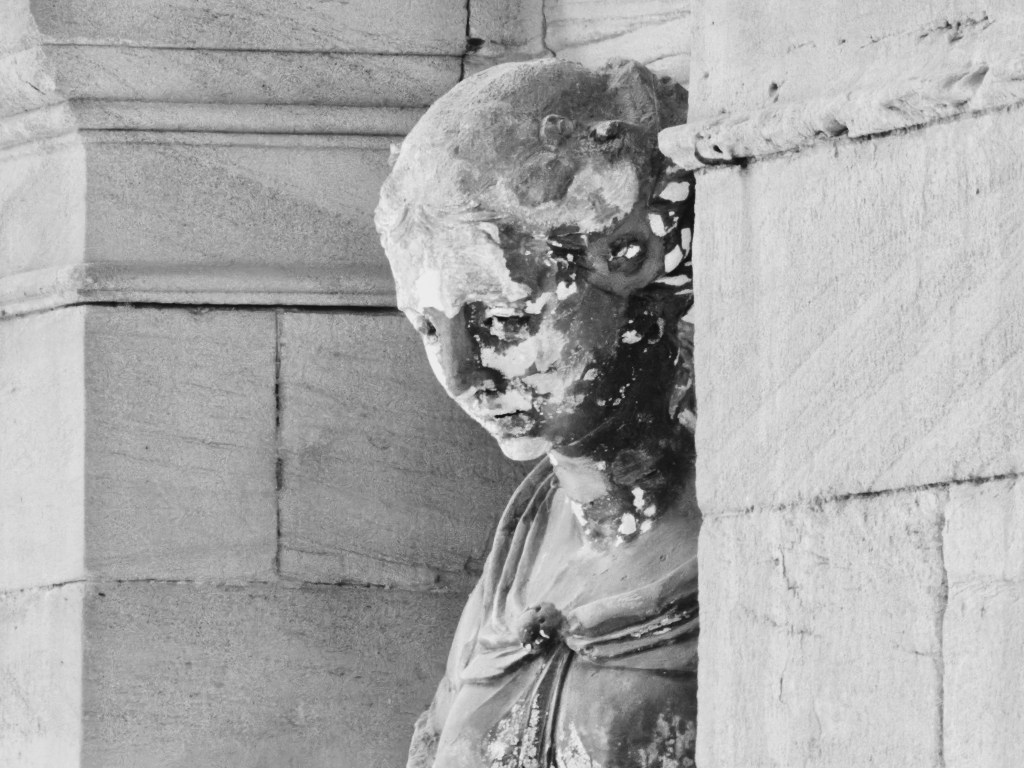
The burnt Muses in the Entrance Hall:-

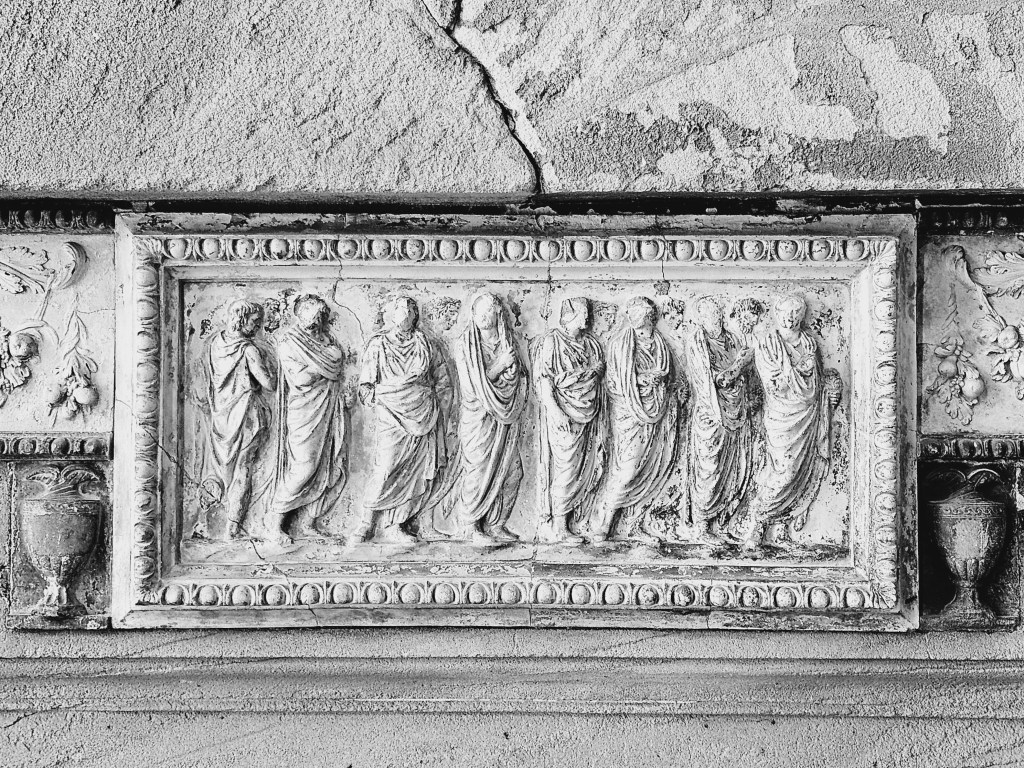
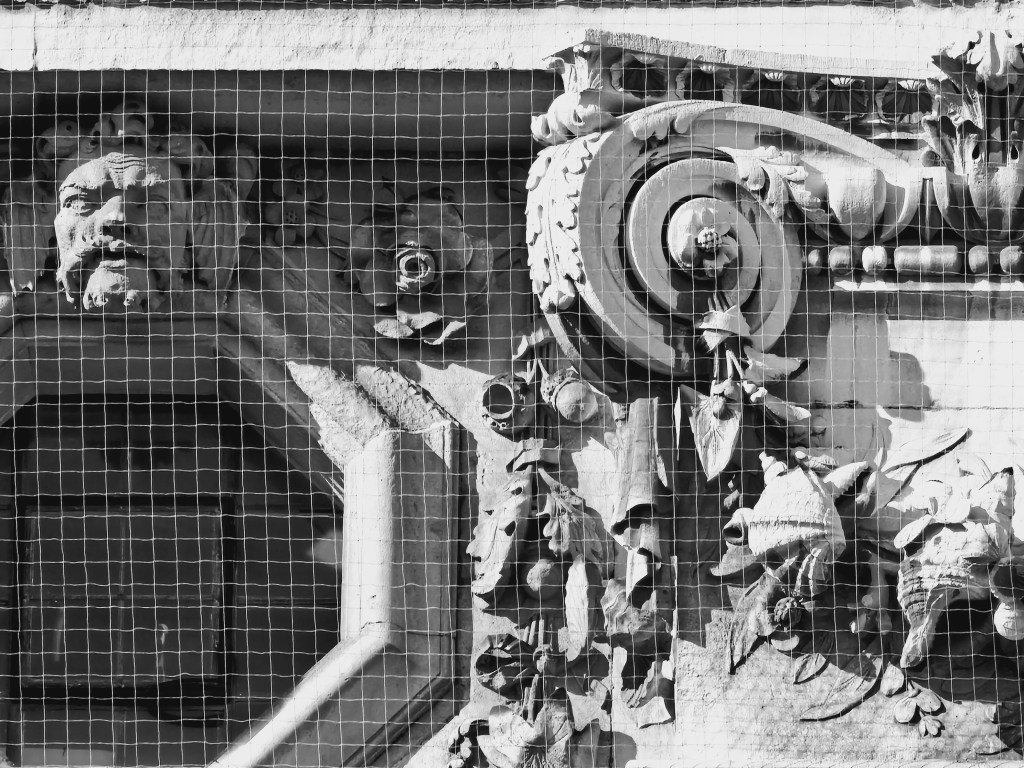
The remains of a chimney piece in the Entrance Hall:-

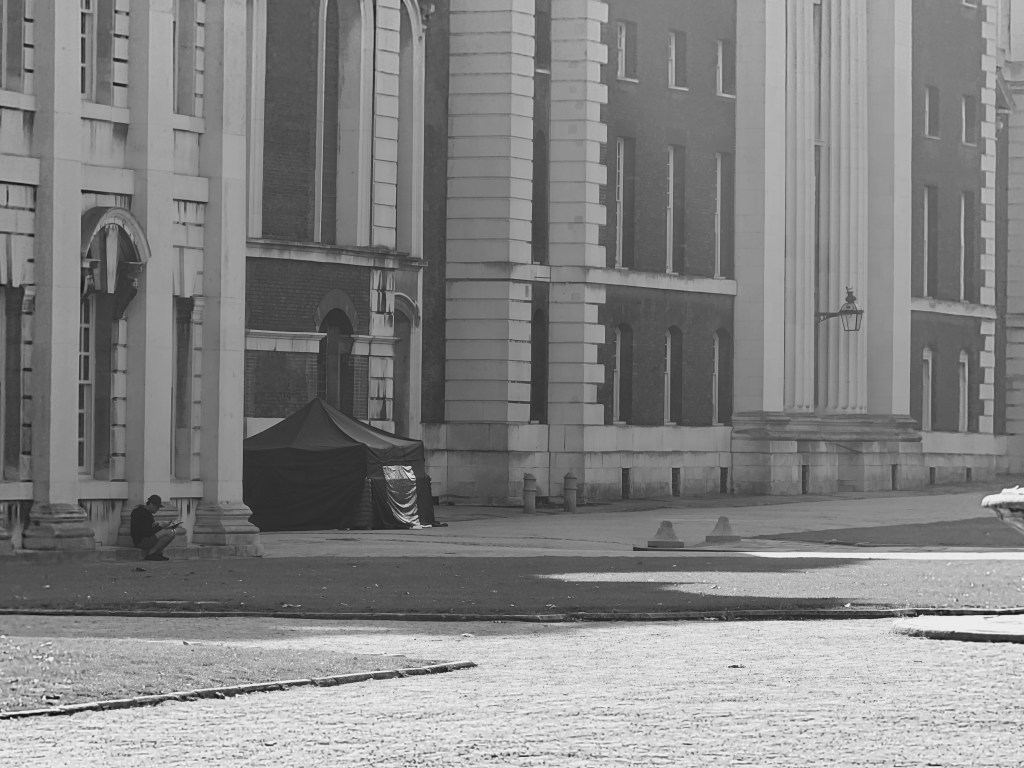
And the splendours of the service wing:-

Standard

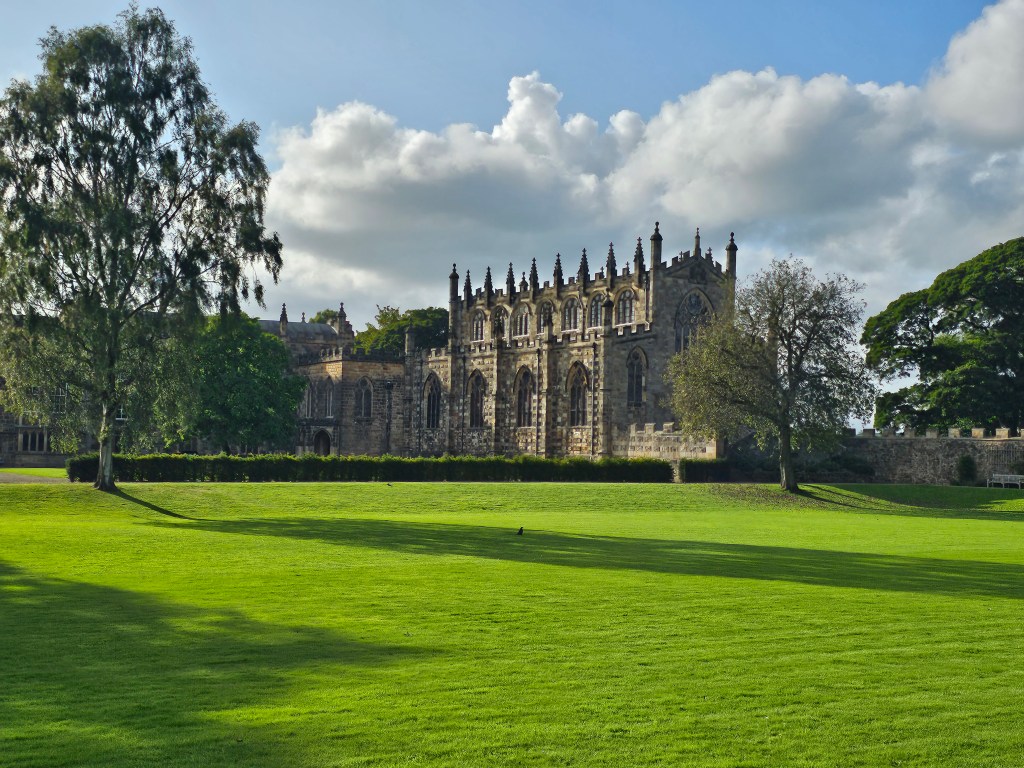
The Chapel at Auckland Castle

I am an admirer of the chapel at Auckland Castle, a sacred space in the way of spaces which are now not so much used, but it has had a long life as the domestic chapel of the Bishops of Durham, who were prince bishops, at least as powerful in the secular world as the spiritual:-

Standard

The Faith Museum (1)

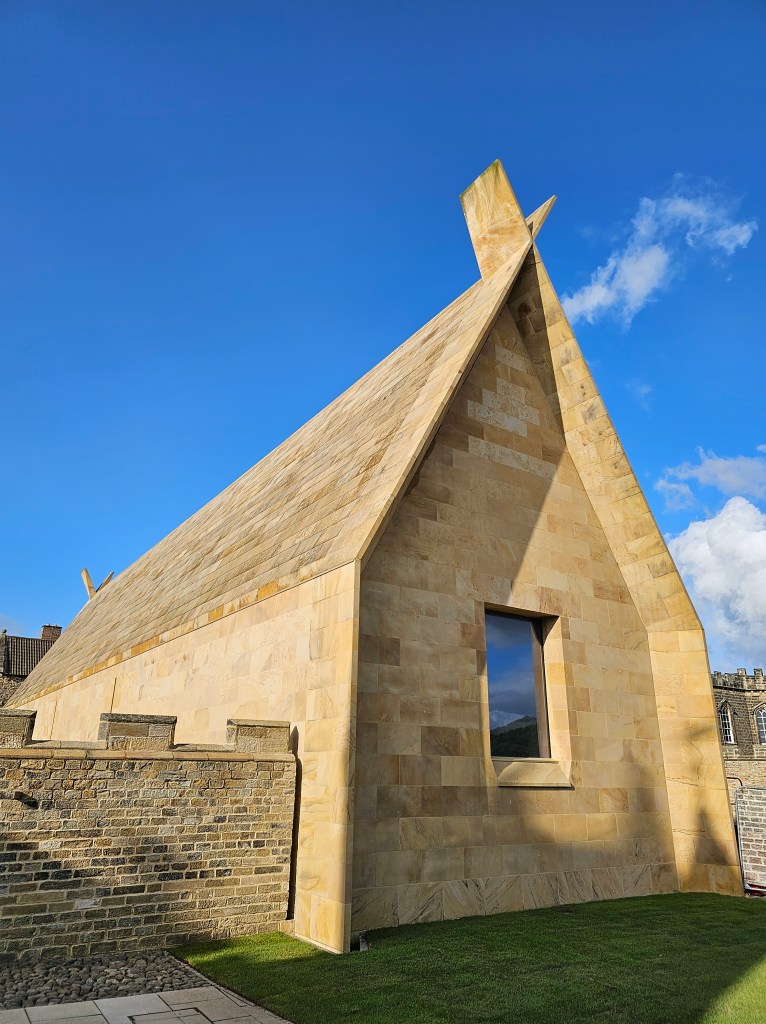
I went to an event today to celebrate the imminent, long-awaited opening of the Faith Museum in Bishop Auckland: an astonishing – in some ways, utopian – project to introduce the history of (mostly) Christianity through archaeology, art and more conventional museum displays in a building by Niall McLaughlin:-

Standard

Pope’s Amphitheatre

Following on from the discussion as to whether or not the amphitheatre in the garden of Vanbrugh Castle dates back to Vanbrugh’s time, I happened to come across a reference to the amphitheatre that Alexander Pope had had made in his garden by March 1726, the month of Vanbrugh’s death, when he wrote to the Earl of Oxford how ‘‘I have just turfed a little Bridgemannic theatre myself.  It was done by a detachment of his [Bridgeman’s] workmen from the Prince’s, all at a stroke, and it is yet unpaid for, but that is nothing with a poetical genius’. Vanbrugh, of course, worked closely with Bridgeman at Stowe. So, it is not unimaginable that he had a ‘little Bridgemannic theatre’ too. I don’t think Vanbrugh much liked Pope – and vice versa – but it wouldn’t have stopped them following the same idea.

Standard

Royal Naval Hospital (2)

My eye was caught by the pediment of the Charles II Wing – described as ‘The Dominon of the Sea’, but unattributed on ArtUK:-

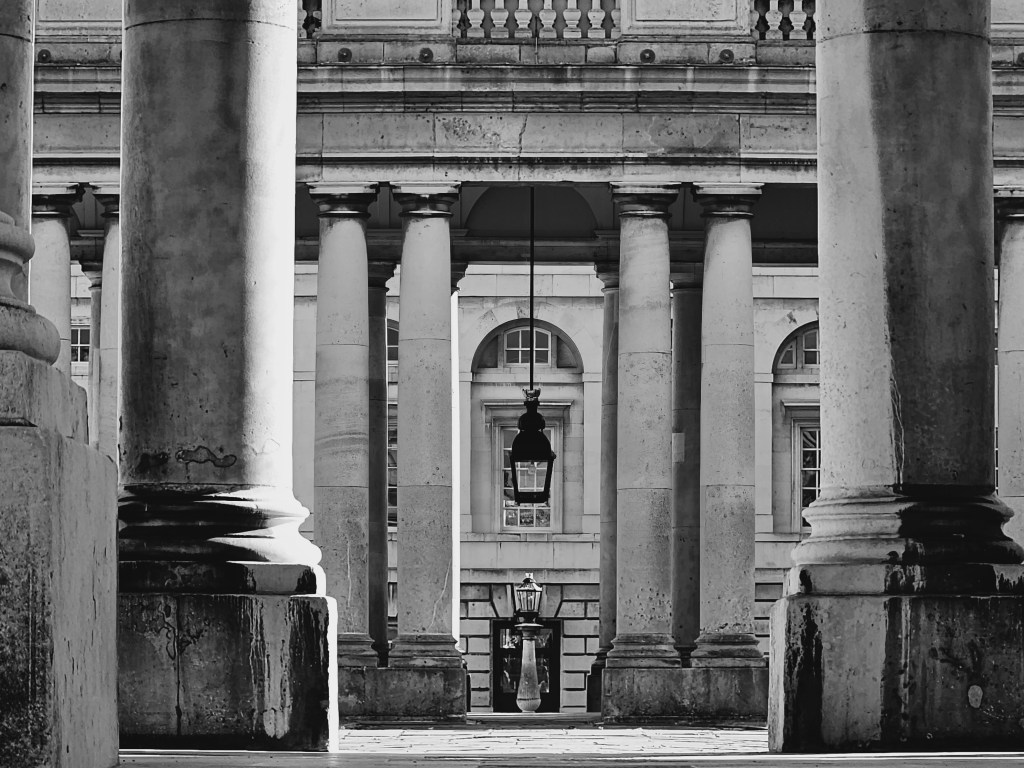
The view of the long colonnade was, as always, magnificent:-

Then, I had a good look at the William III Court which used to be attributed to Vanbrugh, because his first cousin, William, was Secretary to the Commission, but is now regarded as the work of Hawksmoor who was appointed Clerk of Works on 22 July 1698:-

Standard

Vanbrugh Castle (2)

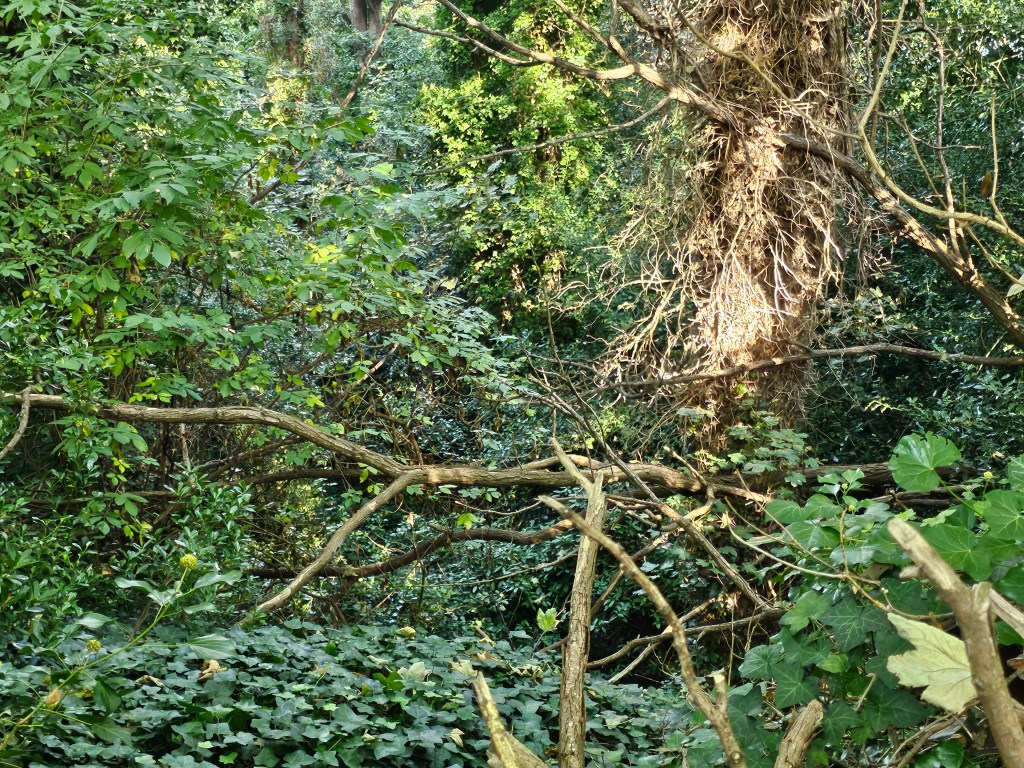
I went back to Vanbrugh Castle again today. Apparently, which I had not known, there is an overgrown amphitheatre in the garden under the steep slope immediately to its north, vividly remembered by the children from the time, pre-1977, when the house was used by the RAF Benevolent Fund as a children’s home.

So, the question is whether it existed in Vanbrugh’s day. It seems a bit unlikely. There is no reference to amateur theatricals in his correspondence.

If anyone knows more, I would be interested:-

Standard

Bright Sparks

It’s the autumn season of new book publishing and I’ve just been sent John Tusa’s latest book, Bright Sparks: How Creativity and Innovation Can Ignite Business Success, about the ways in which creativity works in organisations – an issue of which he has long experience and so has been able to write about with inside knowledge, including interviews with many of the key players. I particularly enjoyed learning more about the establishment of Turquoise Mountain, Rory Stewart’s maverick organisation helping artisans in Afghanistan, but there are also case studies of the National Youth Orchestra and of the work of John Drummond at the Edinburgh Festival. I look forward to his analysis of what went wrong at the British Museum.

https://www.bloomsbury.com/uk/bright-sparks-9781399402408/

Standard

Chris Dyson Architects

I have just received a copy of the book about Chris Dyson’s work, beautifully produced by Lund Humphries – printed in Belgium, cloth binding, excellent photographs of work which is a crossover between modern (he worked under Jim Stirling) and historical, much of it in Spitalfields where he is based.

https://www.lundhumphries.com/products/chris-dyson-architects

Standard

Wren (2)

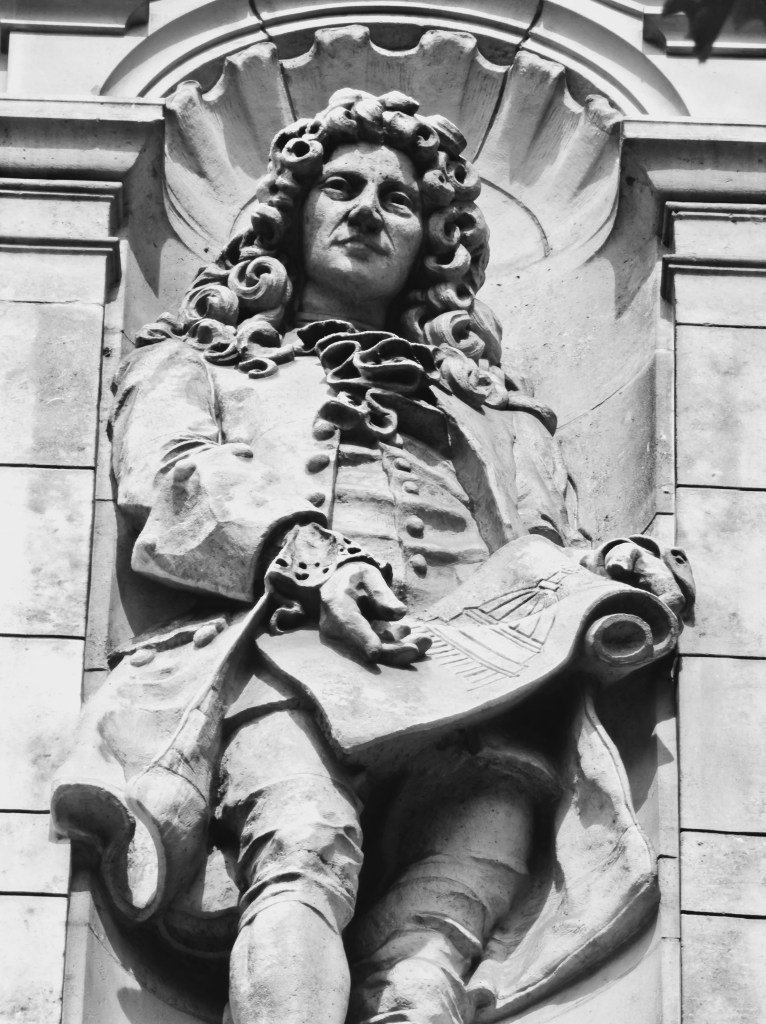
I have been studying the architects on the façade of the V&A because I had been told Vanbrugh was there; but no, or not that I could see. Wren is. Vanbrugh is on the Albert Memorial, but was left out by Aston Webb:-

Standard

Macintosh Ales

I went on a pilgrimage to what I thought was the brewery for Macintosh ales and is now nearly the only place to obtain them while their website is down. It was anyway hard to obtain them as you could only order on the first three days of the month, which gave them an air of exclusivity. Anyway, it turns out that it is not the brewery at all (it is brewed at Orbit in South London), but merely a picturesque bar in a courtyard just off Bouverie Road in Stoke Newington:-

Standard