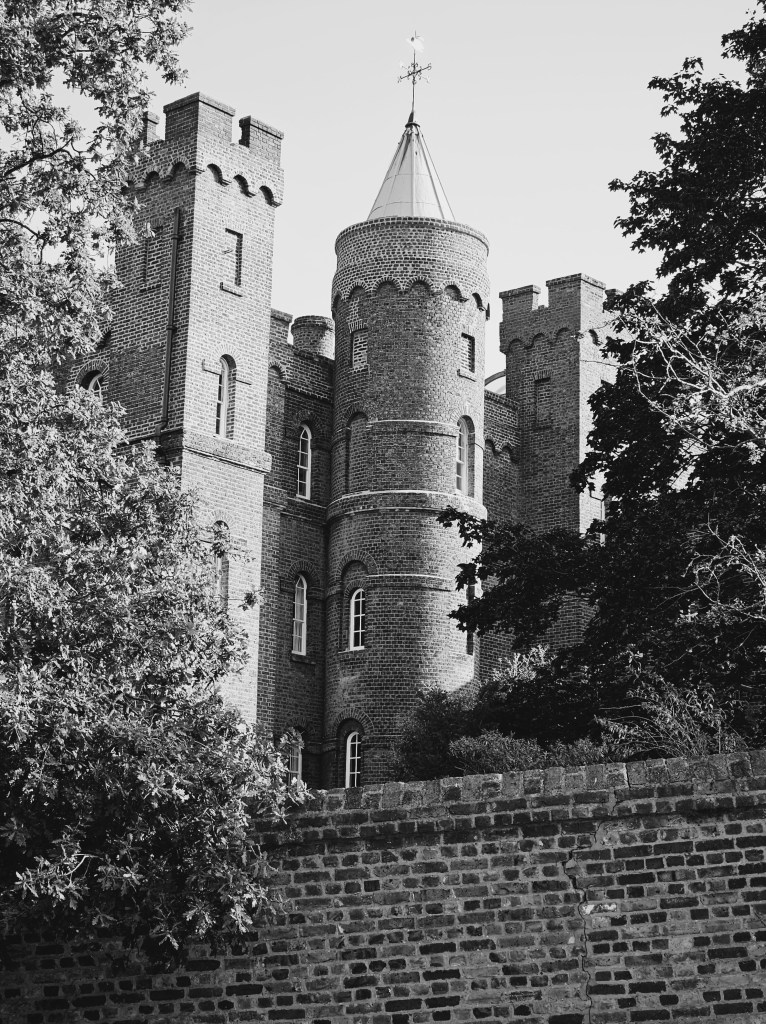
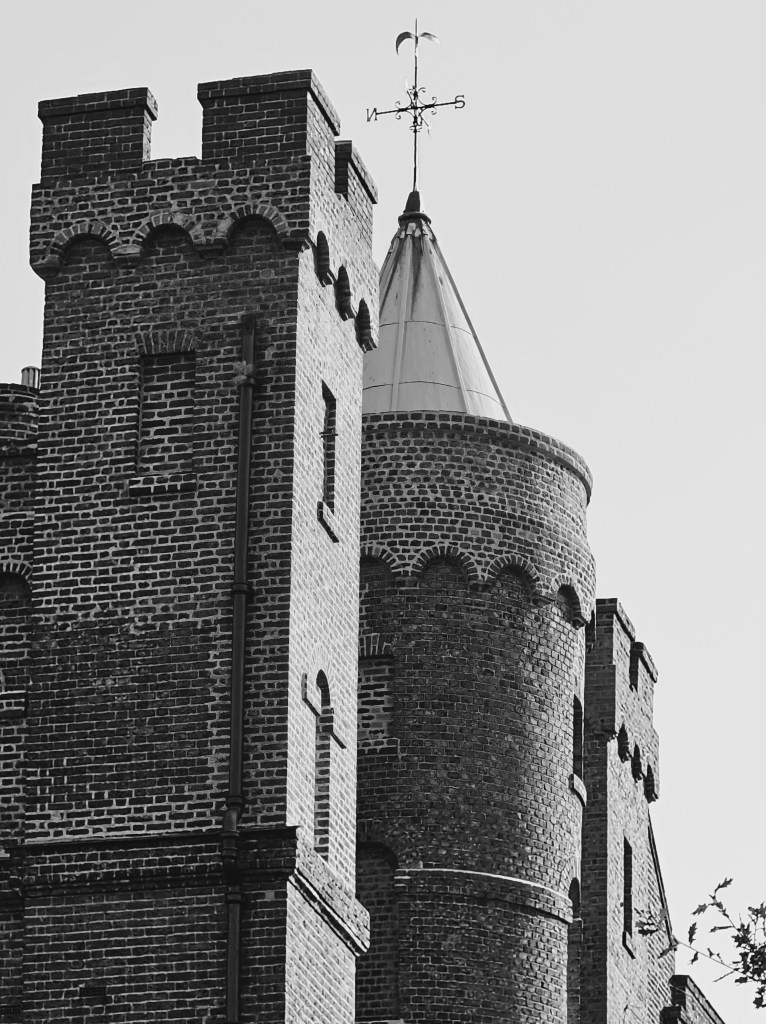
This morning I went to visit Vanbrugh Castle, built by Vanbrugh for himself and his new, young wife from Yorkshire in 1719, on the prow of a hill overlooking the Thames and the Queen’s House where Vanbrugh had been knighted four years earlier, in September 1714, George I’s first act having arrived from Hanover (Vanbrugh had been booted out of the Office of Works by Queen Anne, so it was a very conspicuous act of royal favour). It was just at the time that Vanbrugh was designing fortifications for the Earl of Carlisle and everyone else was turning orthodoxly neo-Palladian. A curious and fascinating project, much more serious in its medievalism than most other examples of early eighteenth-century gothic (I have never been to Shirburn Castle):-
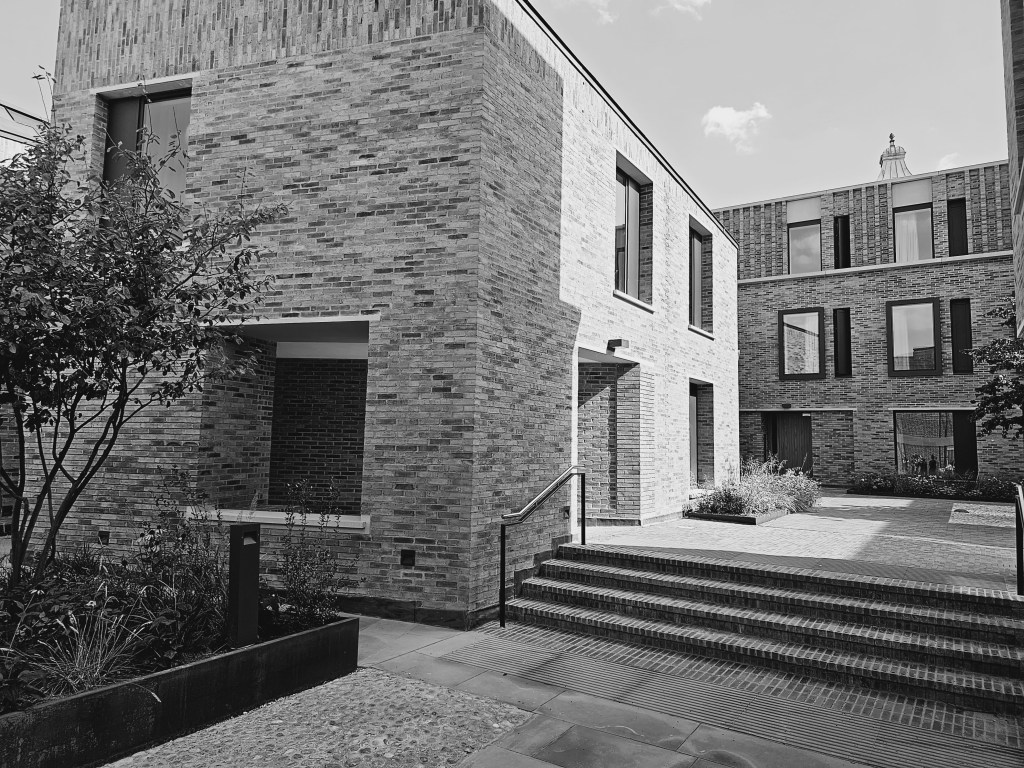
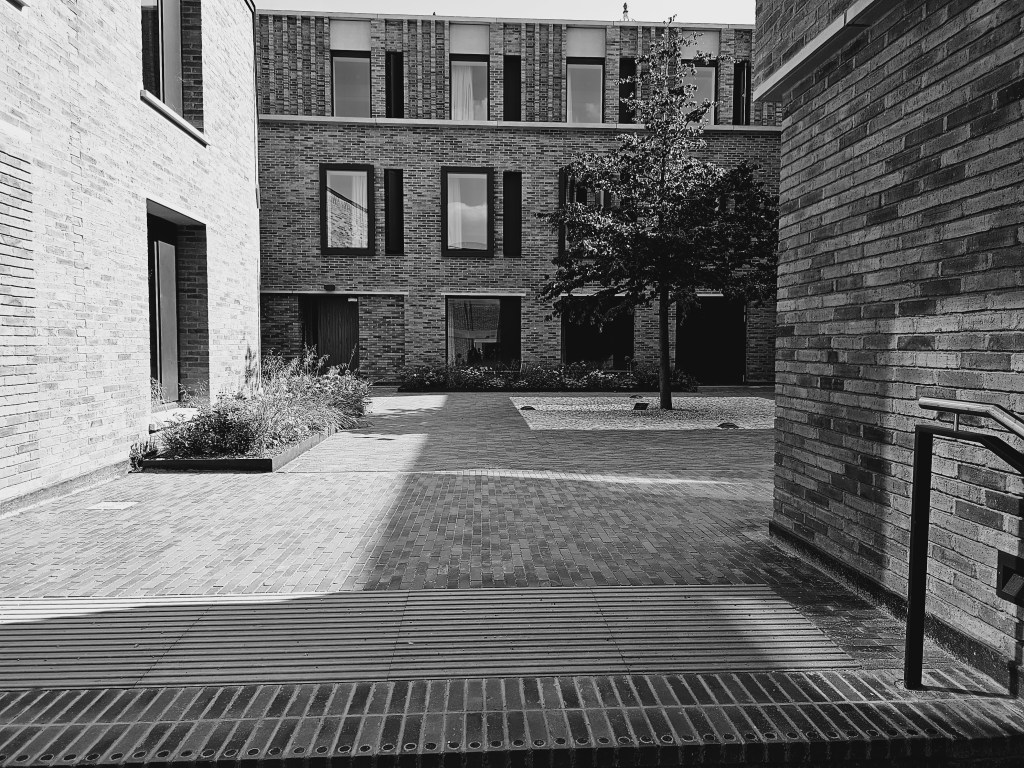
We went to an event at Emmanuel College, Cambridge to celebrate a sculpture by Susanna Heron on the corner of a new, well considered, brick court designed by Stanton Williams and maybe only just completed, although designed in such a way that it looks as if it has been there for a while:-
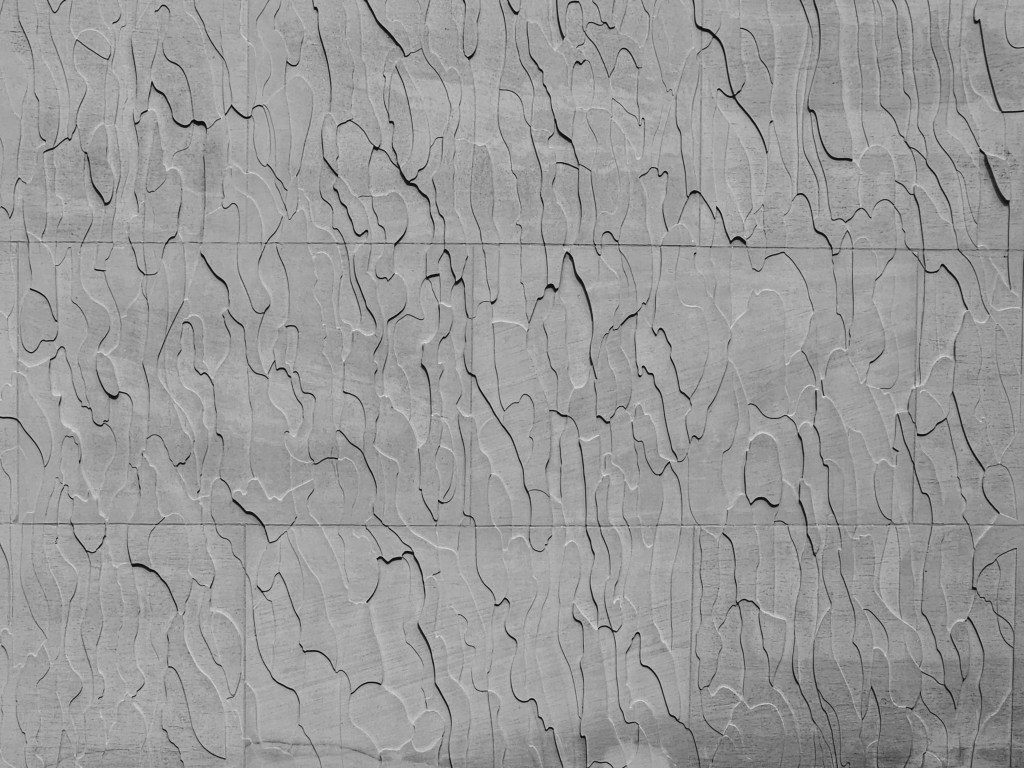
This is Susanna Heron’s piece, Esquina, a Spanish and Portuguese word for a projecting corner:-
Beyond it is the reclad library extension by Kilburn Nightingale:-
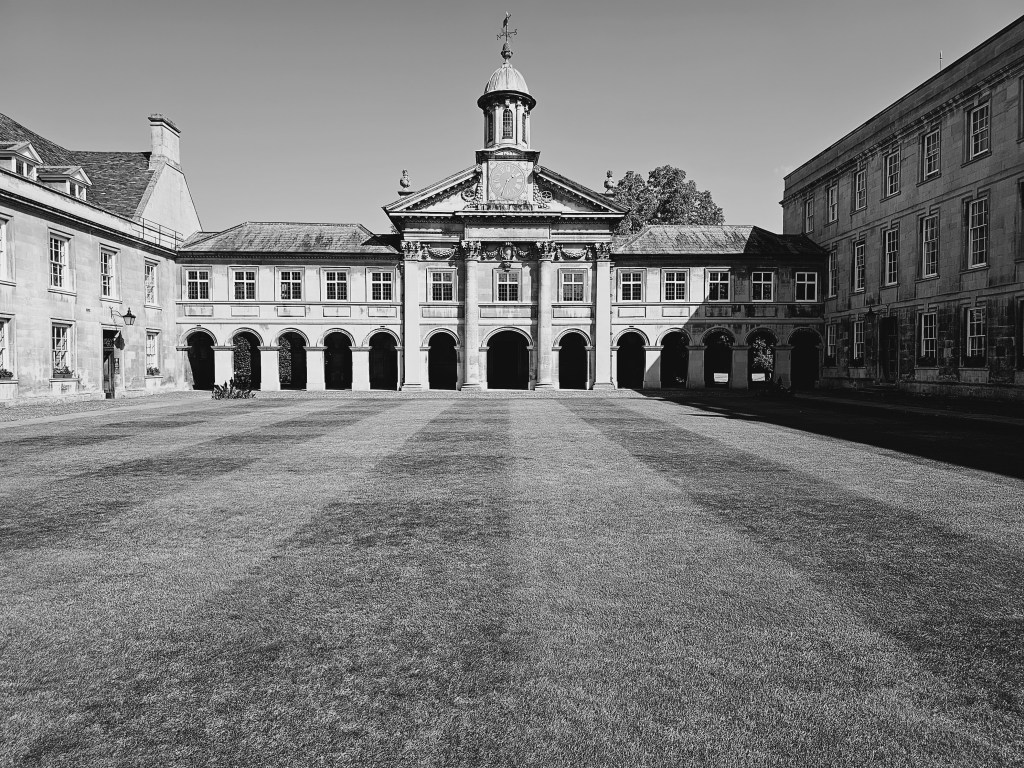
The chapel is by Wren, commissioned by William Sancroft before he became Dean of St. Paul’s, the drawing for it made in 1667 just after Wren had returned from Paris, but the building was only completed ten years later:-
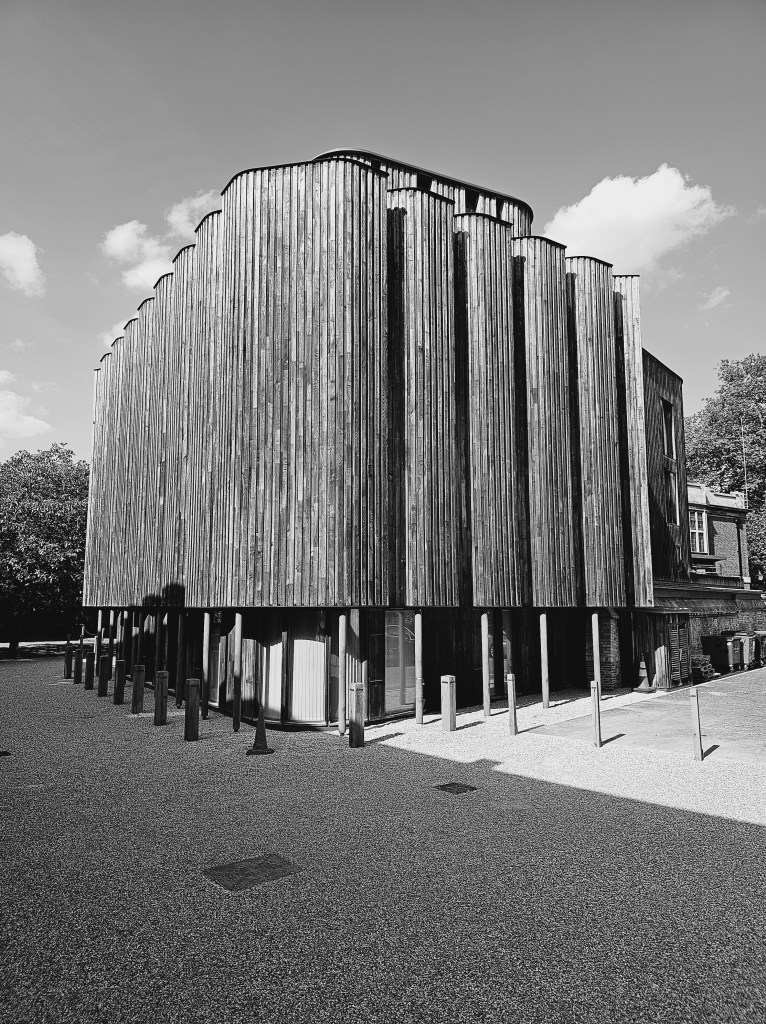
Beyond is the Queen’s Building, a lecture theatre designed by Michael and Patty Hopkins and paid for, I think, by the late Mohammed Al Fayeed: a beautiful building which has worn well:-
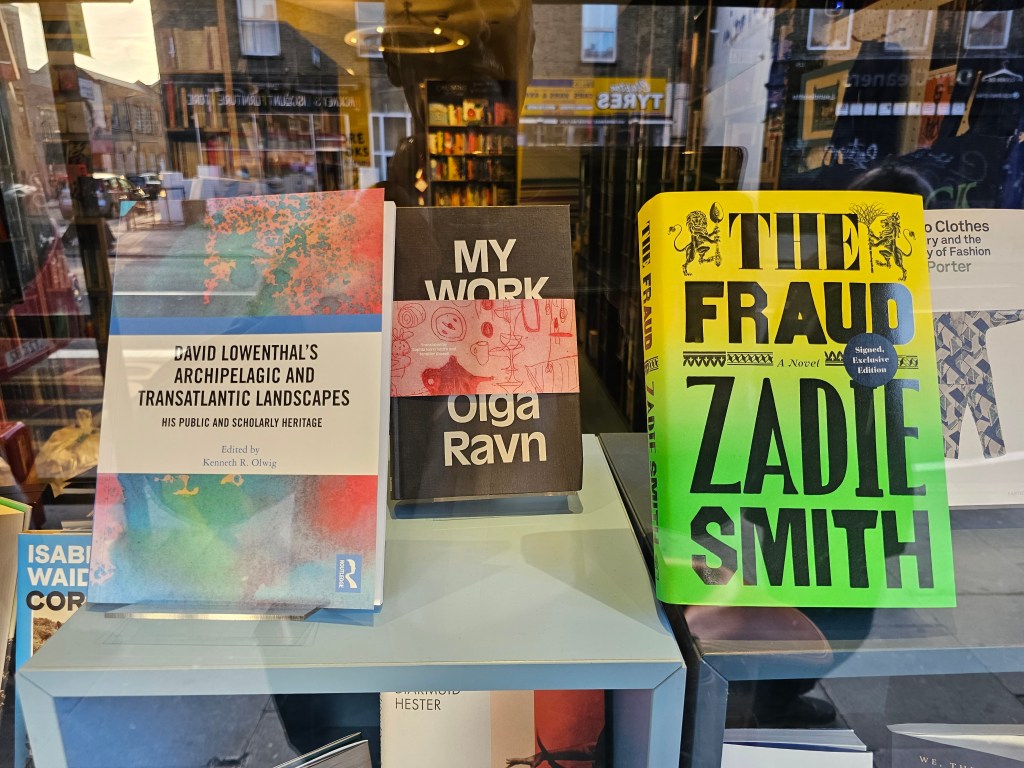
We had a wonderful – and very Lowenthal-style event (suggestive, fluid) – to celebrate the volume of essays about the life and work – and ideas – of the late David Lowenthal who died five years ago, but whose influence lives on through his books – most of all, The Past is a Foreign Country, published in 1985.
The question which was never answered was whether he was part of the Establishment or not. His father, Max Lowenthal, was a prominent Liberal lawyer in New York and Washington. David went to Harvard and was a GI, working during the war for the OSS, the forerunner of the CIA. Then, he studied geography at Berkeley, California and got interested in the ecology and sociology of the Caribbean, which he studied in depth under the auspices of Philip Mason at the Institute of Race Relations. He was hired by Noel Annan to be a Professor of Geography at University College, but took early retirement in 1985, which gave him freedom to write critically, but empathetically, about issues of heritage: the interpretation of the past through books, films and historic sites.
He was so broad-ranging that he is impossible to pin down: a critic of heritage, but deeply interested in all aspects of the past and how it is interpreted. Actually, not part of the Establishment, because so intependent-minded and such a deeply intellectually self-reflective liberal.
An interesting, relatively low-key shortlist for this year’s Stirling Prize. I’m an admirer of Witherford Watson Mann’s transformation of the Courtauld Institute, but can’t quite see it winning. The new Faculty of Arts building at Warwick University is immensely impressive and on a grand scale. But I think I would put my money on what looks like a very thoughtful housing scheme in Clapham by Sergison Bates, since new housing is the order of the day.
I have just read the admirable short biography by John Holden, late of Demos, of Ralph Dutton who owned and reconstructed his family’s Victorian house of Hinton Ampner, employing Gerald Wellesley, the Duke of Wellington, as its architect, just before the Second World War. It’s a fascinating, but in some ways frustrating, story because although Dutton seems to have had a wide circle of friends, many of them writers, including L.P. Hartley, James Lees-Milne and James Pope-Hennessy, none of them seem to have much to say about him, other than complimenting him on his impeccable taste and enjoying his hospitality. The only alternative glimmer of him appears in a characteristically waspish letter from Evelyn Waugh to Nancy Mitford about a review he had written of Dutton’s book on The Victorian Home: ‘I took the writer to be a bumptious young puppy. I hear he is an aged and wealthy pansy’. Anyway, it has particularly good information on the taste for what Osbert Lancaster described as ‘Vogue Regency’ and a generation of Old Etonians who ran the arts.
Having been highly critical of the apparent sloth of the British Museum in dealing with its thefts, I am delighted that they have recruited Mark Jones as its interim director, having nothing but admiration for his stewardship of the V&A – the development of its galleries, its excellent exhibitions programme, and his ability to balance tough management with scholarship, all of which skills he will need in such a demanding, even if only temporary, role.
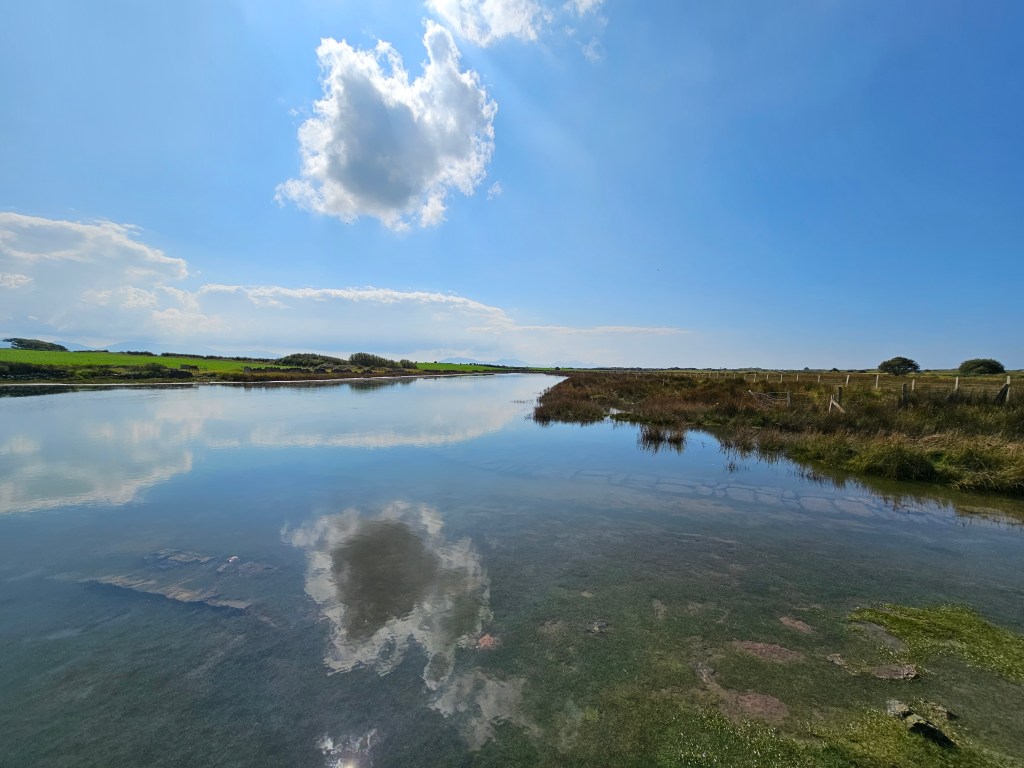
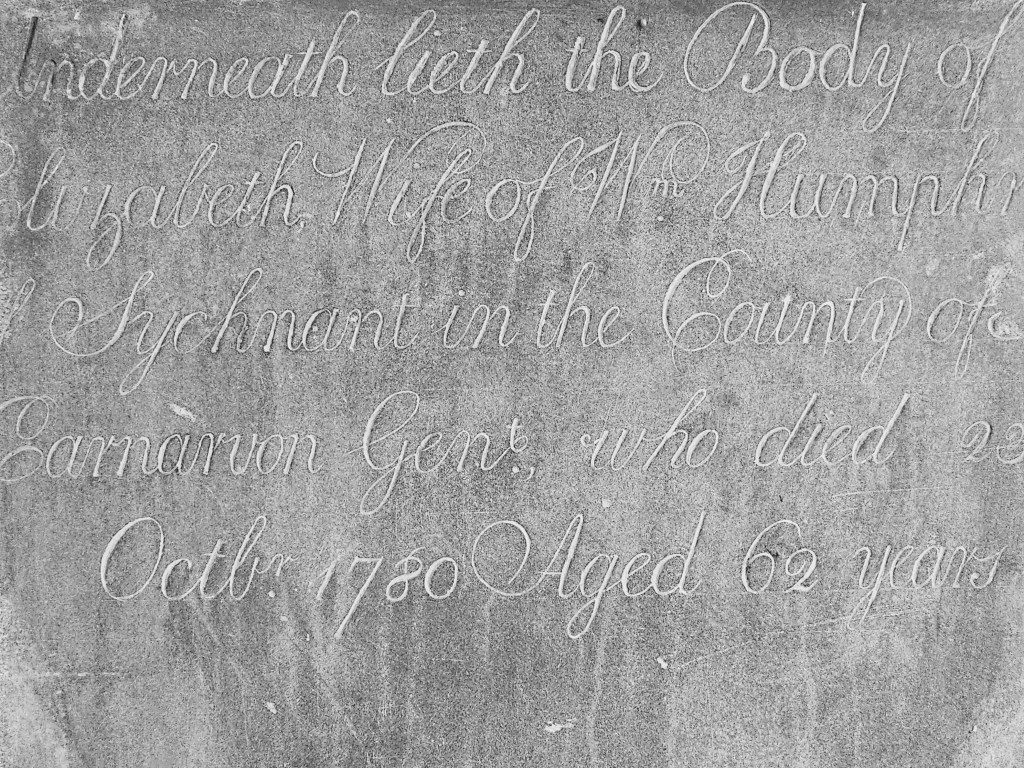
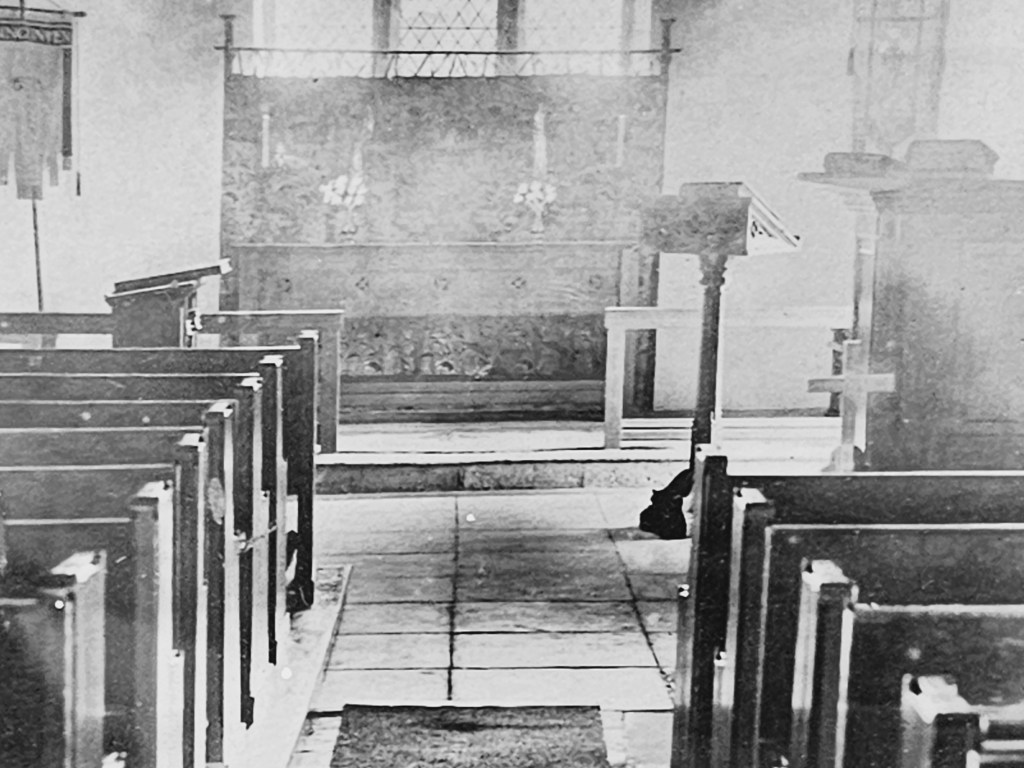
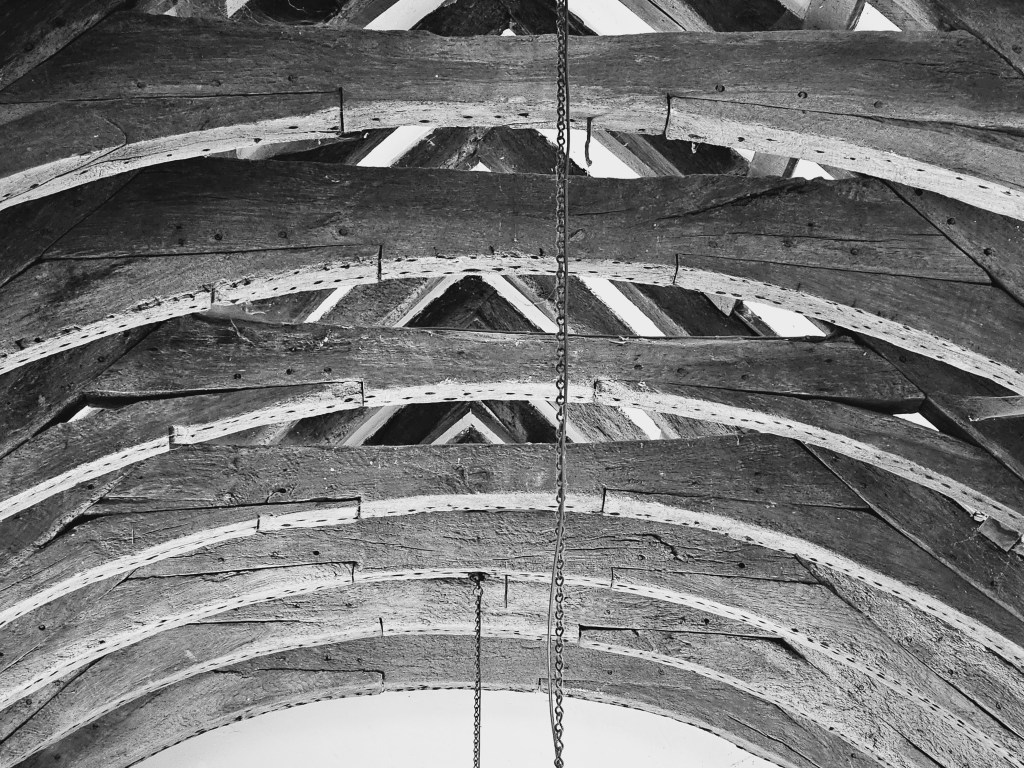
This is the church with the gravestone commemorating Maurice Wilks who was ‘responsible for the world’s first gas turbine driven car’, as well as developing the Land Rover, unrecorded on his tomb. A very peaceful churchyard down a lane north of Dwyran:-







 | Charles | Saumarez | Smith |
You must be logged in to post a comment.