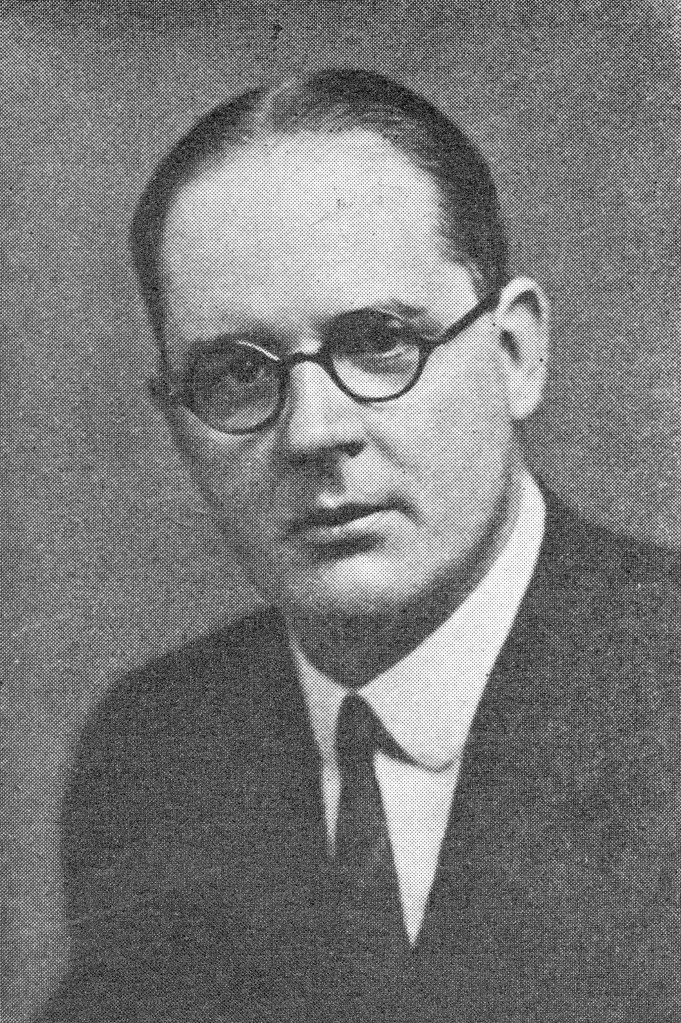
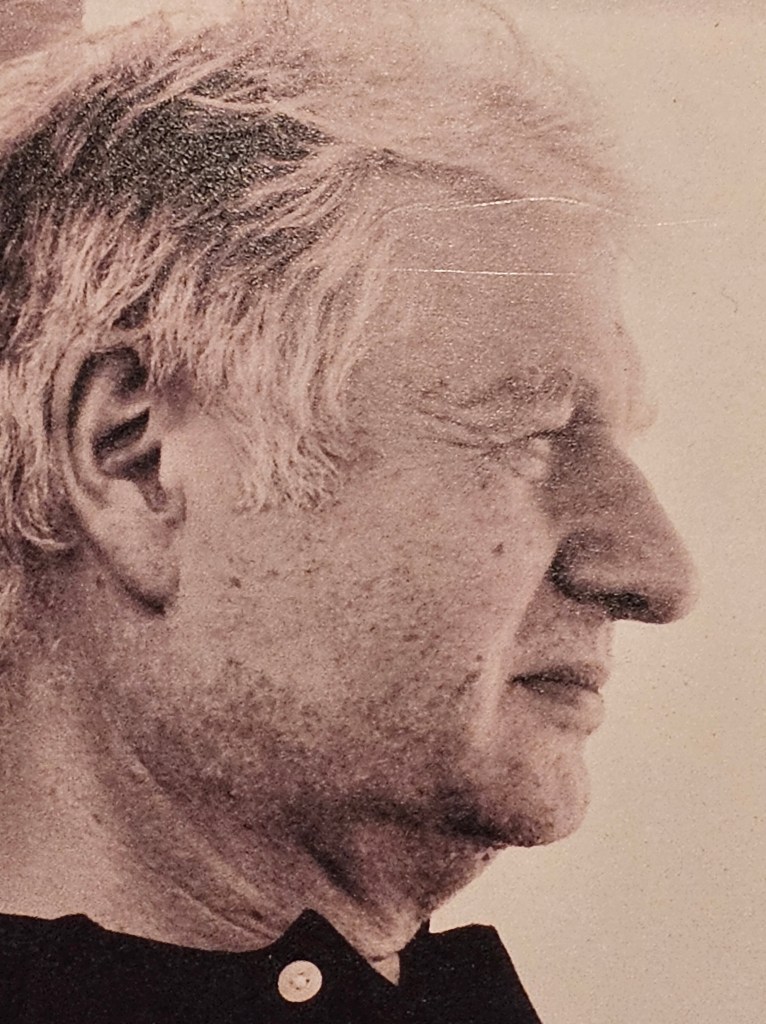
A week or so ago I went to the exhibition in St. James the Less, Park Hill about the church and its architect, Nugent Cachemaille-Day. I was told that there was no image of him, but I found that there was one listed in his entry in the ODNB which appeared in Architect and Building News in 1934.
The RIBA who own the copyright have kindly digitised it for the exhibition and have allowed me to reproduce it, subject of course to copyright.
It doesn’t tell one a great deal about him, but it’s good to have been able to attach a face to his work.
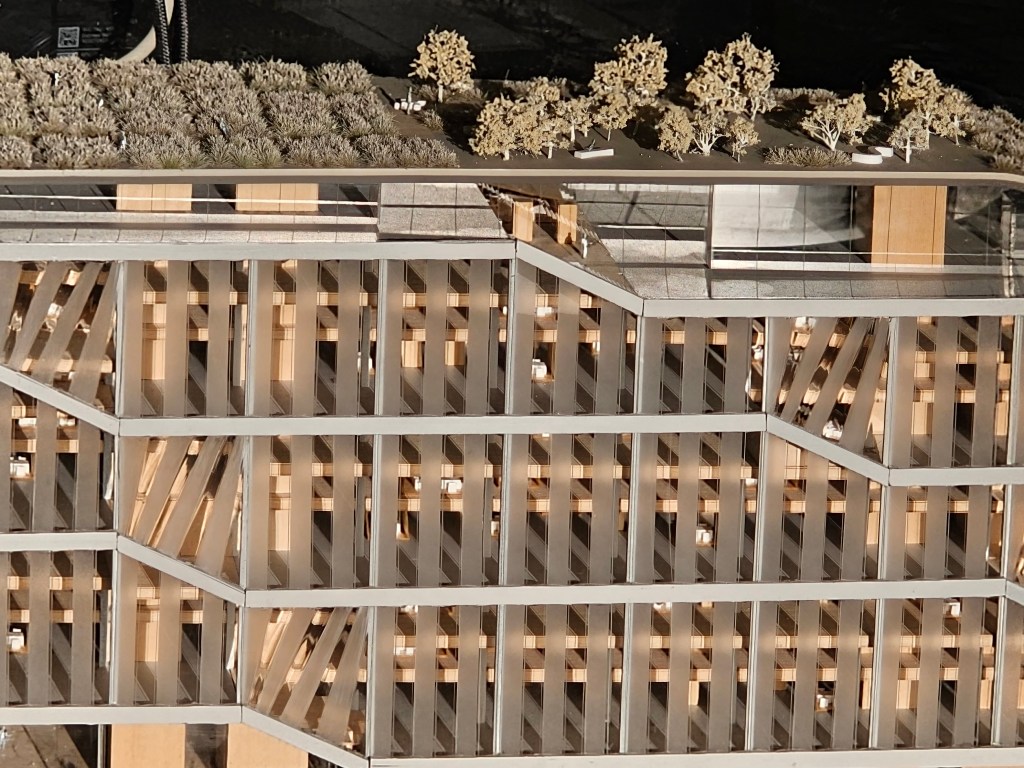
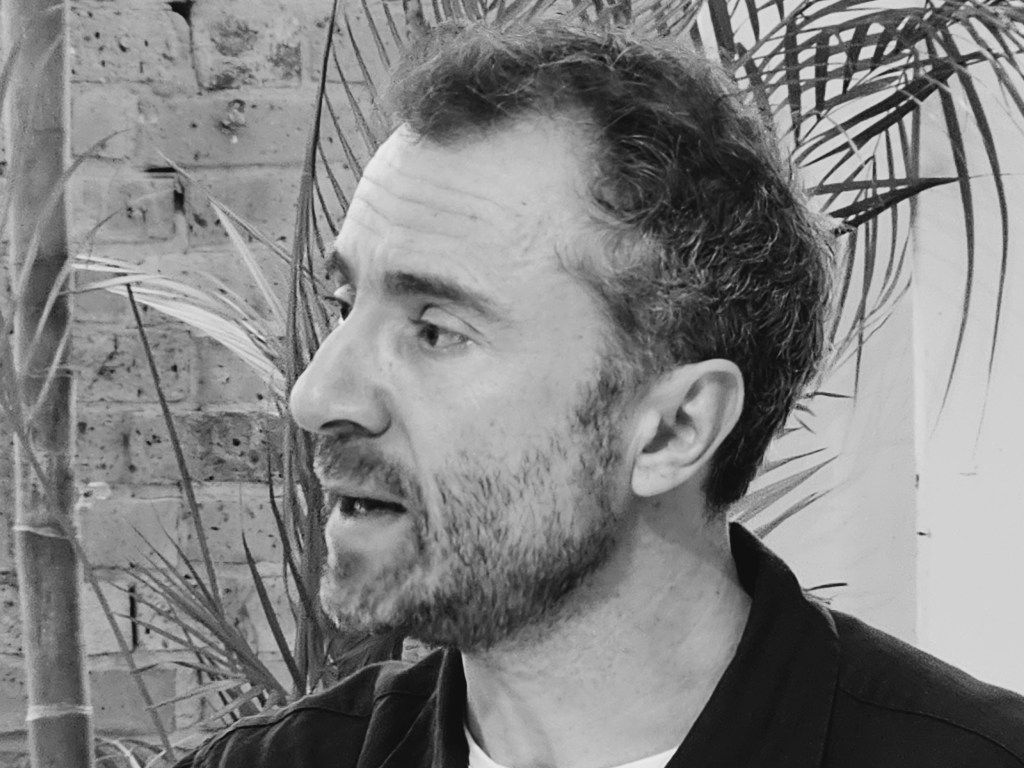
Thomas Heatherwick very generously opened up his new studio close to King’s Cross and, indeed, close to his old studio – and to the new Google Headquarters north of King’s Cross which is presumably soon to open:-
He spoke brilliantly and passionately about his work and his book, Humanise, which will be published next week:-
The manifesto seemed fairly straightforward: that architecture should be about making and materials as much as programme and space, but has seldom been articulated so clearly and with such force. He talked about an upbringing which instilled a belief in making and having to convince his tutors to make a small building after college.
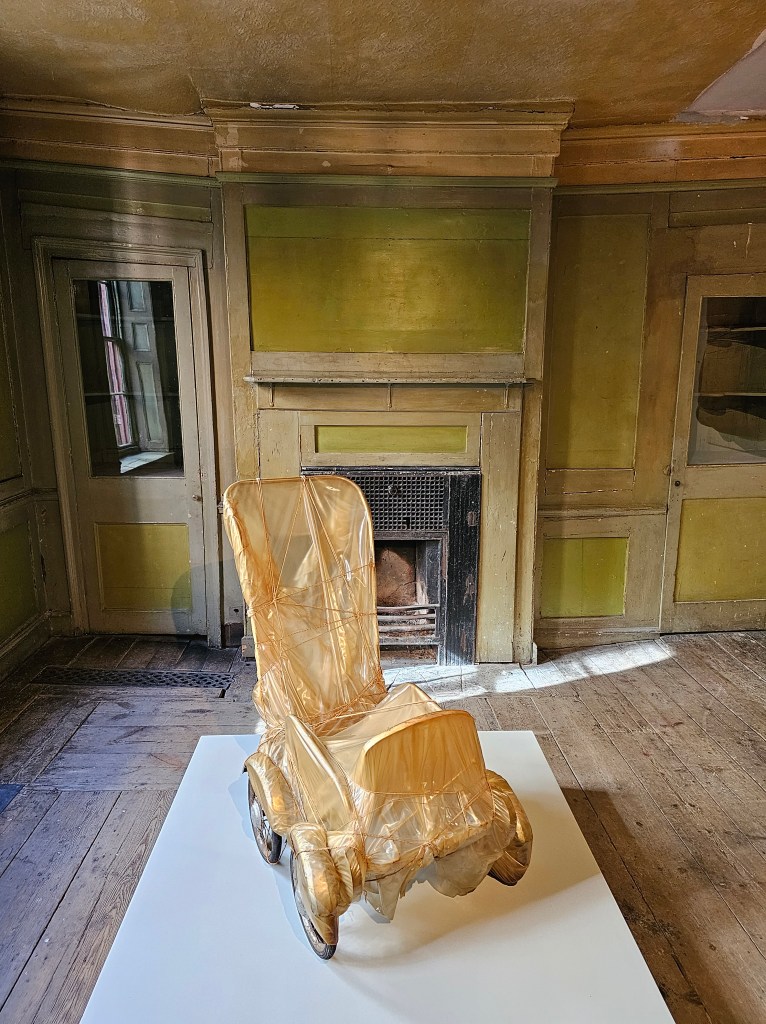
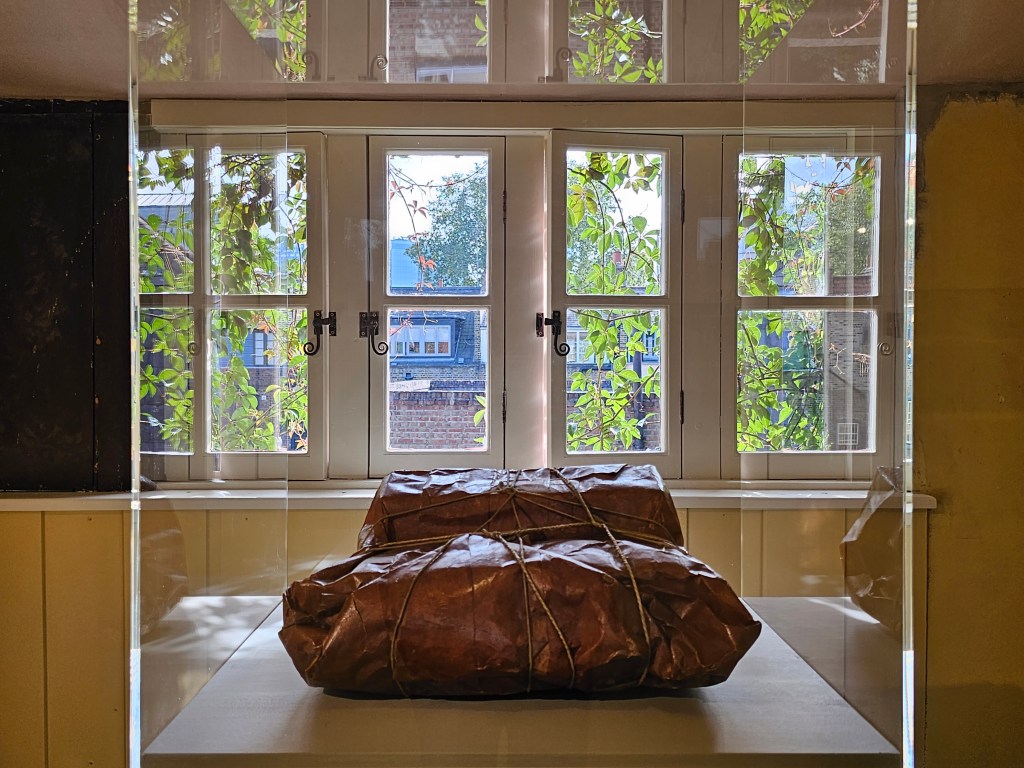
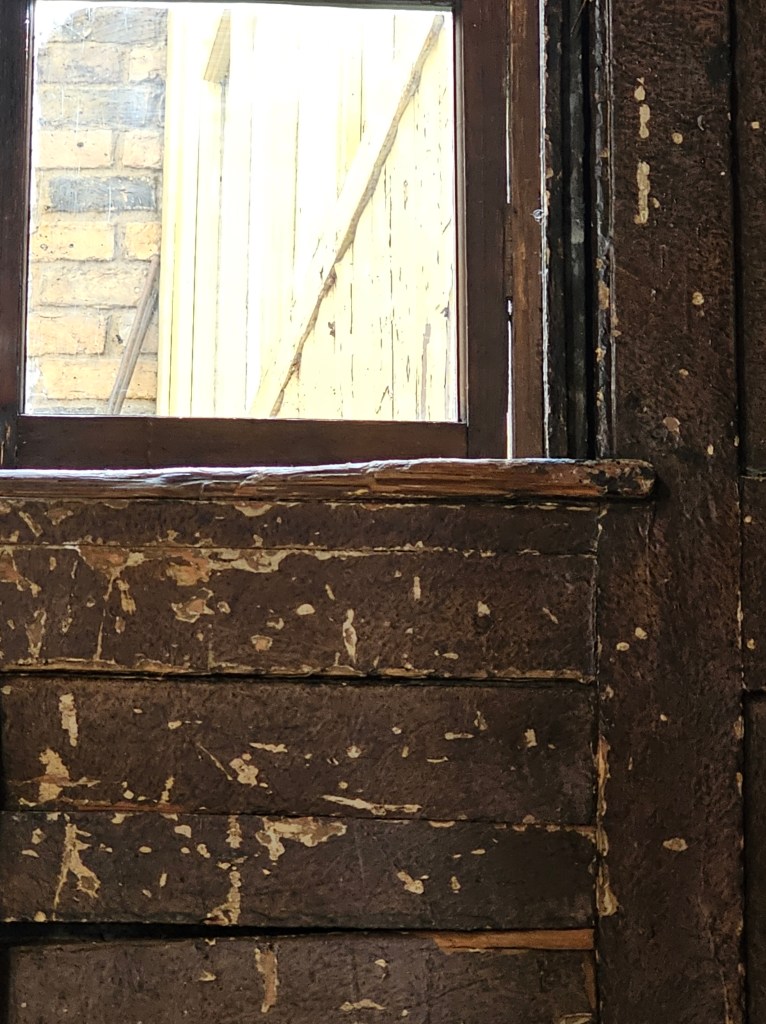
For anyone who is in London for Frieze week or anyone looking for something to do this weekend, I strongly recommend a visit to the exhibition of the work of Christo which Gagosian have installed in 4, Princelet Street in the heart of Spitalfields – originally 2, Princes Street, built by Samuel Worrall and leased to a glover for £756 pa in 1724. It is not just that smaller work by Christo looks very good in the space, but the space itself is remarkable in being completely unrestored.
I will start with works by Christo showing the nature of the relationship established between the work and its surroundings.
It has rightly been pointed out that my post on Jeremy Dixon’s and Edward Jones’s joint lecture last Monday grossly abbreviated their presentations.
What for me came out clearly was that for the first phase of their career, they worked very closely in parallel. Both trained at the Architectural Association, where both came under the influence of, and made friends with, Bob Maxwell. They were both members of the so-called ‘Grunt Group’, a pejorative description by Peter Cook which Jeremy particularly dislikes (according to Cook, ‘The grunt of the Grunt Group was ‘a grunt of seriousness and aestheticism (though it had its origins in the actual throatal noise made by some of its members and their generally quiet English manner))’:-
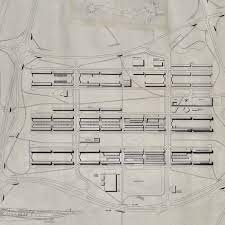
They were both hired by Derek Walker in 1971 to work at Milton Keynes:-
They both (separately) entered the competition for Northampton Town Hall in 1973, which Jeremy won, and then Edward helped with:-
Post-1973, their paths diverged. There was not much work about, particularly the sort of public projects, including social public housing projects which had been available in the 1960s. Jeremy worked in partnership with his wife Fenella, initially on smaller-scale housing in west London and then after 1984 on the Royal Opera House after they had been invited by Bill Jack of BDP to enter the competition for the Royal Opera House and won it through a very complex, non-architectural process of competition. It was a project of large-scale and complex urban design, not helped by the well-mobilised opposition of the local community (the image which was submitted for planning approval is by Carl Laubin):-
Meanwhile, Edward went into teaching (he had a particularly big influence through his teaching in Ireland) and then moved to Canada to work on Mississauga Town Hall before they jointly decided to work together in 1989.
I discovered long ago that it can be invidious to try to separate how they each worked because for the later part of their careers they have worked so closely in partnership that any attempt to differentiate their approach is liable to over-simplification.
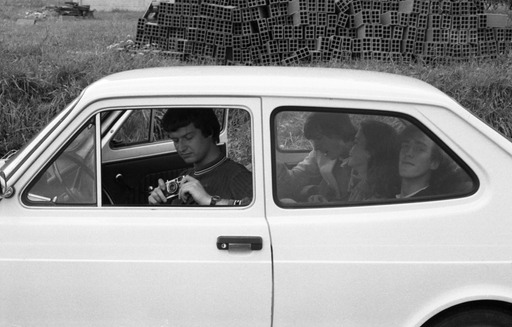
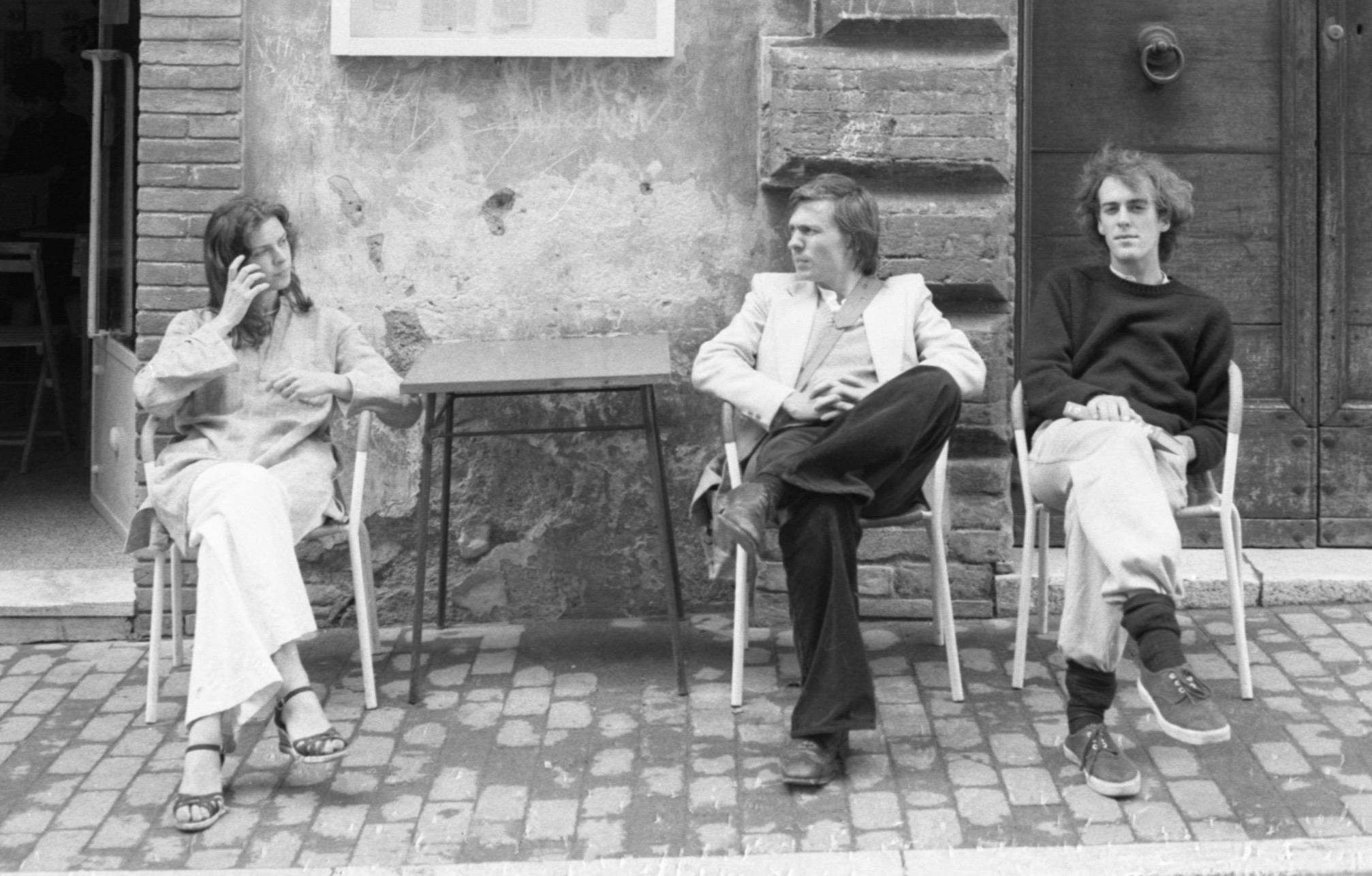
One of the consequences of attending the memorial event for Mark Brockbank last night is that I re-met my old friend, Bill Neave, with whom we went on holiday in a small village, Acqualoreto near Todi, in the summer of 1977. I had remembered that he was a very good photographer. In fact, I thought that he had studied photography in Brussels. He had kept photographs of the holiday which he has now kindly sent with permission to reproduce them, which I do because they are stills from another era .
There is a photograph of Mark Brockbank as he was before he became a big wheel in the insurance industry:-
I like the picture of us all stuffed into what must have been Bill’s rented Fiat (it’s me looking out of the back window):-
Jeremy Dixon and Edward Jones gave the Inaugural Robert Maxwell Lecture on Monday, a chance to look back on their long careers, particularly during the period before they worked in partnership when they sometimes collaborated, as when they worked for the Milton Keynes Development Corporation in the early 1970s and on the aborted project for a new Northampton Town Hall, but more often separately, which helped to illuminate the differences in their approach to architecture.
Jeremy was probably more disillusioned by the failures of the Modern Movement in the 1970s following the project that they both worked on at Netherfield at Milton Keynes:-
He then treated housing more traditionally at St. Mark’s Road, a key project of the period:-
And he was deeply interested in the materiality of architecture, as demonstrated by the library he did for Darwin College, Cambridge:-
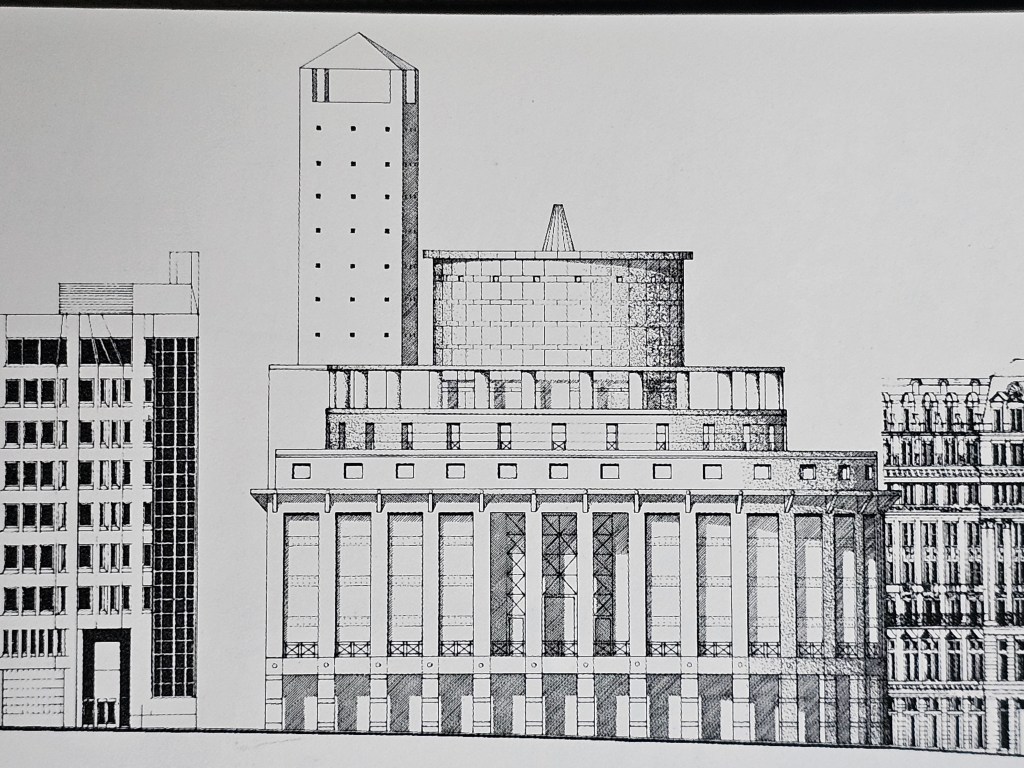
Edward, on the other hand, after a period teaching in Cornell and at the Royal College of Art, was more interested in issues of urban design and in the 1980s went full-blown monumental. I had never looked at his designs for Grand Buildings on the south-west corner of Trafalgar Square. Imagine if it had been built:-
We went to a memorial event of our friend, Mark Brockbank. It is strange how one can know someone very well, but not know much about how they make their living, in his case as a titan of the insurance world. When I first met him in 1973, he had recently trained as an accountant and had not yet joined Willis, Faber Dumas. He was a person of obvious intelligence, keen on opera and bridge. He deeply disapproved of the fact that I drank beer from cans and hitchhiked. The article below gives the gist of his career in establishing the Brockbank Group and selling up when he was not yet fifty to live in Montagu Square, Miami, Monte Carlo and Mykonos. But he was not an obvious plutocrat: an interesting and complex person who was interested in architecture and, as was said at the memorial event, was very loyal to his friends. He used to ring up very regularly and I will miss his calls.


















 | Charles | Saumarez | Smith |
You must be logged in to post a comment.