Warburg Institute (2)

Today is the day of the London launch of the new book about the various architectural incarnations of the Warburg Institute (see below): first, from 1926, in a suburb of Hamburg next door to Aby Warburg’s house, which was already totally overwhelmed by books when Fritz Saxl first arrived in 1910; then, from 1933 to 1938, in the basement of Thames House on the Embankment, after the Warburg Institute had had to move to London, as installed by Godfrey Samuel, a young Tecton architect who was simultaneously designing a house for Fritz Saxl and Gertrud Bing in Bromley, with separate entrances, separate kitchens and the sleeping arrangements undefined; then in the Imperial Institute where Rudolf Wittkower shared a room with the young Anthony Blunt; and from 1958 in its current building in Woburn Square as part of the masterplan drawn up for London University by Charles Holden which contains in its layout memories of the systematic intellectual order of the original building in Hamburg. The book by Tim Anstey, Mari Lending and assorted contributors is very informative about the library and the migration of architectural layouts, a good Warburgian topic.

And today is the ninetieth birthday, to the day, of the arrival of the Warburg in London, an event of still under-appreciated intellectual significance.

https://www.amazon.co.uk/Warburg-Models-Buildings-as-Bilderfahrzeuge/dp/3775755209

Standard

Lord Byron (1)

I’m ashamed to say that until recently, I had not realised that there is a commemorative statue of Lord Byron marooned on a traffic island in the middle of Park Lane.

Such commemorative statues have an ambiguous status because it is seldom clear who is responsible for their care and upkeep. Now, the Department for Culture and the Royal Parks have agreed that it can, and should, be moved, only providing that the Byron Society can raise £350,000 to cover the costs of its conservation.

If the Greek government would like to humiliate the British government, then they could pay for the removal of the great Philhellenist, as they paid for the original plinth, a gesture of international belief in the virtues of commemoration.

http://www.thebyronsociety.com/rescuing-the-byron-memorial-statue

Standard

British Galleries

It’s a long time since I’ve had an opportunity to wander through the British Galleries, the great project for the refurbishment of what had previously been the primary galleries in the south-west wing of the V&A where my office used to be long ago, still a rich and dense cultural experience of objects some of which I remember, like the Melville bed:-

And Charles II:-

Some of which I don’t, like the mourning putto:-

Standard

The Life House

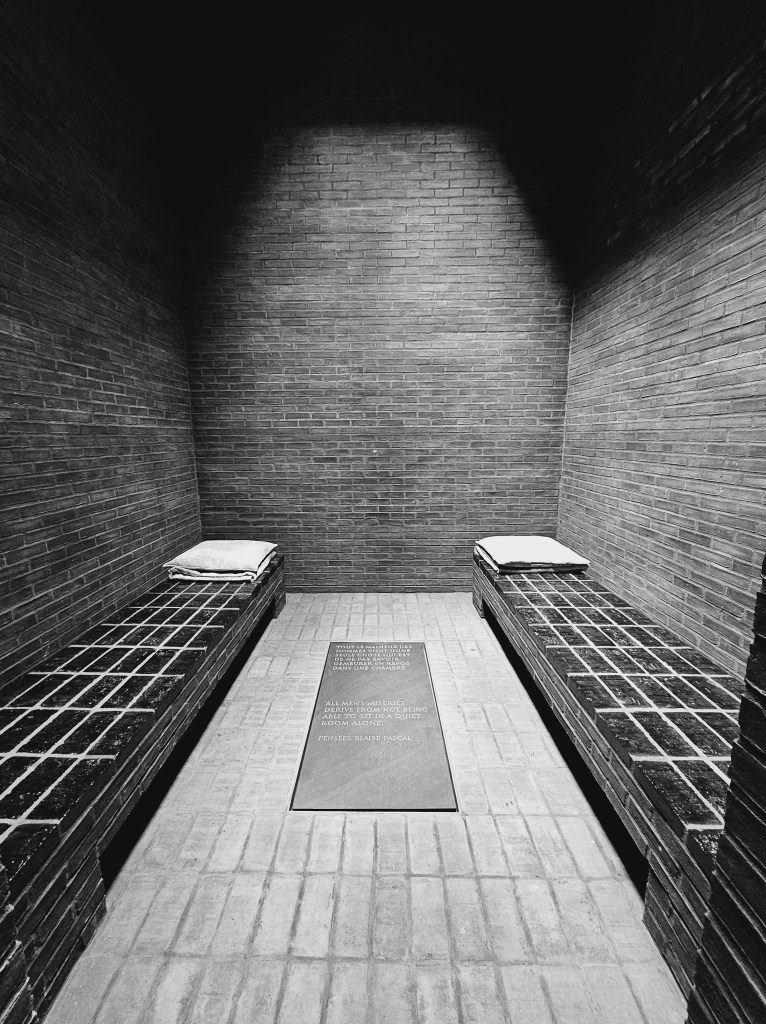
I had forgotten that I had taken a photograph of one of the odder aspects of John Pawson’s Life House which is a room at the end of a dark corridor where one is encouraged to lie and contemplate one’s fate, inspired by a quotation from Pascal carved into the floor: ALL MEN’S MISERIES DERIVE FROM NOT BEING ABLE TO SIT IN A QUIET ROOM ALONE.

I’m not sure that this is exactly how I would choose to spend a weekend in the countryside, immured in a windowless cell:-

Standard

Living Architecture

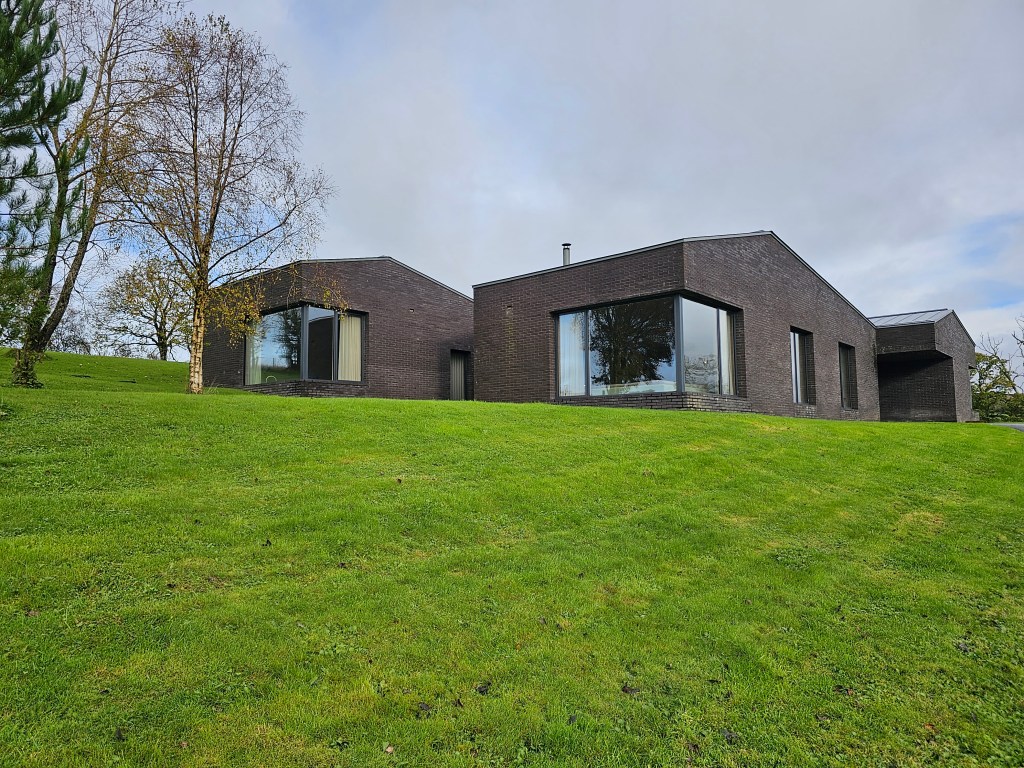
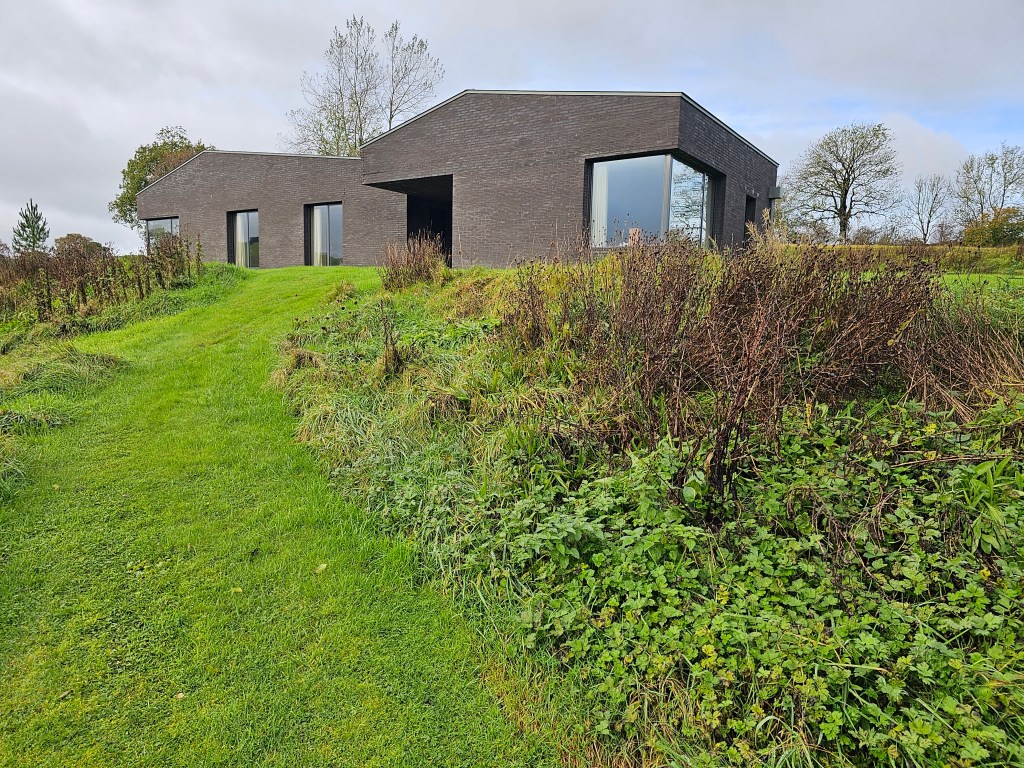
In October, we stayed in John Pawson’s Life House which he designed in remotest Radnorshire for what was Alain de Botton’s project, Living Architecture (de Botton is no longer involved with it). Over the years, we have stayed in nearly all their houses: not least they are inevitably, being new, much more disabled friendly than the Landmark Trust.

I felt that not enough has been done to consider the importance of his project in terms of introducing the idea of genuinely contemporary and adventurous architecture to a sceptical British public who are mostly fed a diet of Barrett homes and prefer to escape to the past for their holiday homes. So, I have written about it in this month’s The Critic and my article has just gone online in their December/January issue.

I can now publish my not very good photographs of it. It eludes photography being almost wilfully subfusc, adopting the language of local agricultural buildings, presumably in order to get planning permission:-

Weekends à la mode | Charles Saumarez Smith | The Critic Magazine

Standard

Anselm

We went to the new film about Anselm Kiefer. I did admire it: beautiful cinematography; illuminating about the circumstances of his life, particularly the influence of Joseph Beuys. Oddly, his son playing his father was almost more convincing and had more cinematic presence than Kiefer himself. The young Kiefer is Wenders’s grand nephew, also very good.

I kept on thinking about our visit to Barjac in May 2015 when we arrived at Avignon Airport and the van we had booked was not there, so we rented a lorry and the fire brigade hoisted the wheelchair on to the back.

It was the most extraordinary, intense and moving visit, which a film can only suggest and is somehow inevitably an inadequate substitute for the experience and life of the work – and seeing Barjac – itself.

Standard

Pevsner

I love this paean to Pevsner by its production editor which conveys so much about its oddity – the fact that an astringent and very Germanic, scholarly, but dry architectural historian, who, when he first came to England, was still enthralled by Hitler (I learned this from his Birmingham landlady, before it was more widely known), should have embedded himself so deeply in the culture of rural, British culture, everyone who wants to help to develop specialist knowledge about buildings.

The office is closing down, when I assumed it was like the Forth Bridge and, once the second edition had been finished, would start on a revised version of London, half of which has now been demolished. Shouldn’t it have a preservation order ? It’s so much a part of architectural history, culture, knowledge and appreciation.

https://yalebooksblog.co.uk/2023/11/15/learning-to-love-pevsner-architectural-guides/

Standard

The Cold Press

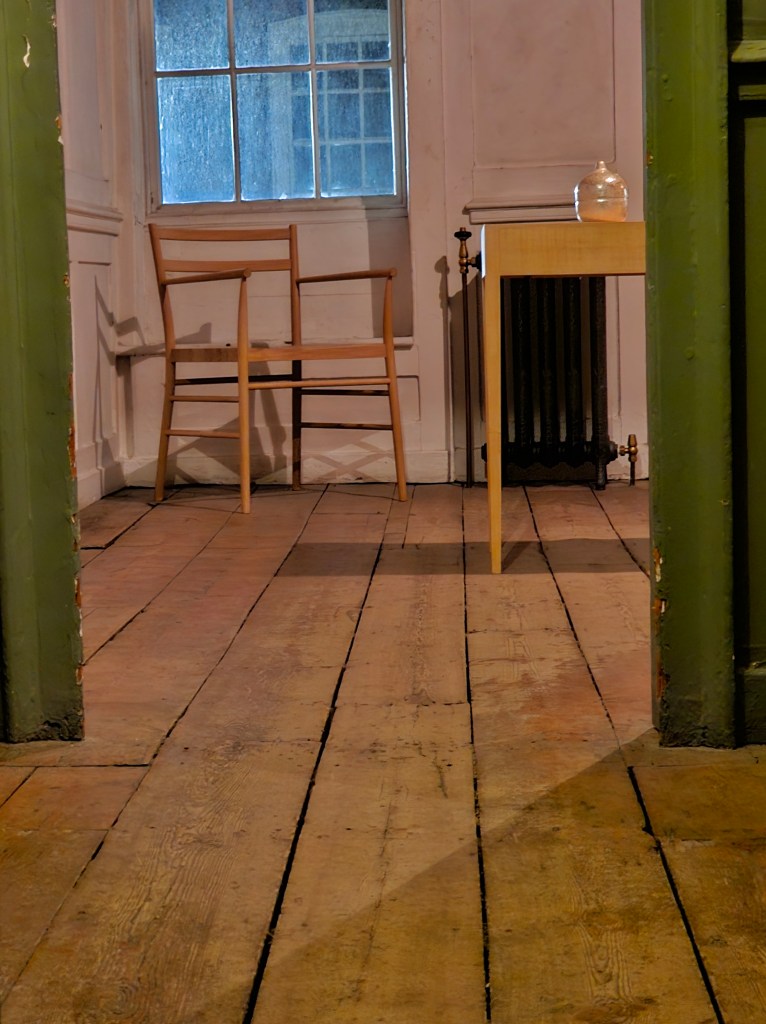
The Cold Press, a beautiful gallery in Holt, has moved to what was Timothy Everest’s atelier in Elder Street, but it is open only by appointment.

We visited today:-

Standard

Robert Clayton

I was walking down the embankment on the opposite side of the river to the Palace of Westminster when my eye was caught by a fine statue in a pretty run-down part of St. Thomas’s Hospital.  It turns out that it is a statue by Grinling Gibbons of Robert Clayton, the land agent, banker, MP and philanthropist who spent the latter phase of his life devoting himself to the construction of a new building for St. Thomas’s Hospital as its President.  It also turns out that it is due for removal owing to the fact that like most city people at the time, including Robert Geffrye, he invested in the Royal African Company which, under the auspices of the Duke of York, before he was King, transported slaves from Africa to America. 

The statue is Grade 1 listed:-

Standard

The Royal Drawing School

I don’t do as many posts about the Royal Drawing School as I maybe should, but it’s been a busy week: the private view of the Drawing Year on Tuesday and tonight an opening for their open studios which I have never previously seen.

I recommend a visit to the end-of-year show in the gallery at 19-22, Charlotte Road EC2 – richly varied work by young artists from a great range of backgrounds, not just fine art – actually, not so many from fine art – but more from philosophy, architecture, fashion and illustration, which maybe demonstrates an increasing pluralism in fine art practice. See below:-

Standard