Whitechapel Bell Foundry (116)

I keep being asked what is happening to the Whitechapel Bell Foundry.

The answer appears to be nothing. It was put on the open market over a year ago either for rent or possibly to buy, but so far there is no evidence of anyone having acquired it, which would almost certainly require fresh planning permission which ought to be granted only on the same stringent conditions as the previous approval, including a requirement to reinstate a working foundry.

Meanwhile, the hotel scheme seems dead as the option to buy the land on which to construct it has lapsed.

So, a major historical asset – of exceptional significance – is being allowed to rot without anyone so far able to provide a workable solution or to intervene.

https://www.theguardian.com/news/audio/2024/jan/31/from-the-archive-the-bells-v-the-boutique-hotel-the-battle-to-save-britains-oldest-factory-podcast?CMP=Share_AndroidApp_Other

Standard

Bletchley Park (2)

There is, of course, an important lesson to Bletchley Park, which may be perfectly well known in the secondary literature and which I have been thinking about overnight: that when war came, the authorities decided to replicate the atmosphere of a Cambridge college, specifically King’s, with as many free-thinking, independent-minded intellectuals packed into nissen huts and given creative freedom to crack the codes which they did: they were trained at least as much as classicists, historians and linguists as pure mathematicians. So, it’s a lesson in how to foster code-breaking thinking: not with a bunch of computer scientists, but a group of crossword puzzle experts who had been trained in the grammar of classical languages.

Standard

South Asian Miniatures

The Milton Keynes Art Gallery (MK) had an absolutely excellent and fascinating exhibition which mixed very fine Indian miniatures from the British Museum and Royal Collection with modern work, some of it very obviously inspired by miniatures, some like the work of Bhupen Khakar less so: an exhibition which demonstrated that miniature painting is unexpectedly alive and well.

It was the last day, so to see it you have to go to the Box in Plymouth, opening 17th. February.

Well worth it.

Standard

Bletchley Park (1)

We went to visit Bletchley Park this afternoon, the rather dreary late Victorian country house which was bought for a song in 1938 (£6,000) to house the Government Code and Cypher School. I don’t know anywhere which is so redolent of the curious mixture of abstract intelligence which enabled the likes of Dilwyn Knox to crack the Enigma Code and at the same time the air of slight amateurism – the huts, the bicycles, the general discomfort.

I realise that quite a few people who were around at King’s, Cambridge when I was an undergraduate had been posted there: Christopher Morris, a genial historian who edited the Journeys of Celia Fiennes for the Cresset Press in 1947 had worked in Hut 5. John Saltmarsh, an eccentric, white-haired medievalist, worked in Hut 3. Jack Plumb, another Fellow of King’s at the outbreak of the war, was in Hut 8.

A key figure was Mavis Batey, one of the pioneers of garden history, who worked on the Italian Enigma Machine.

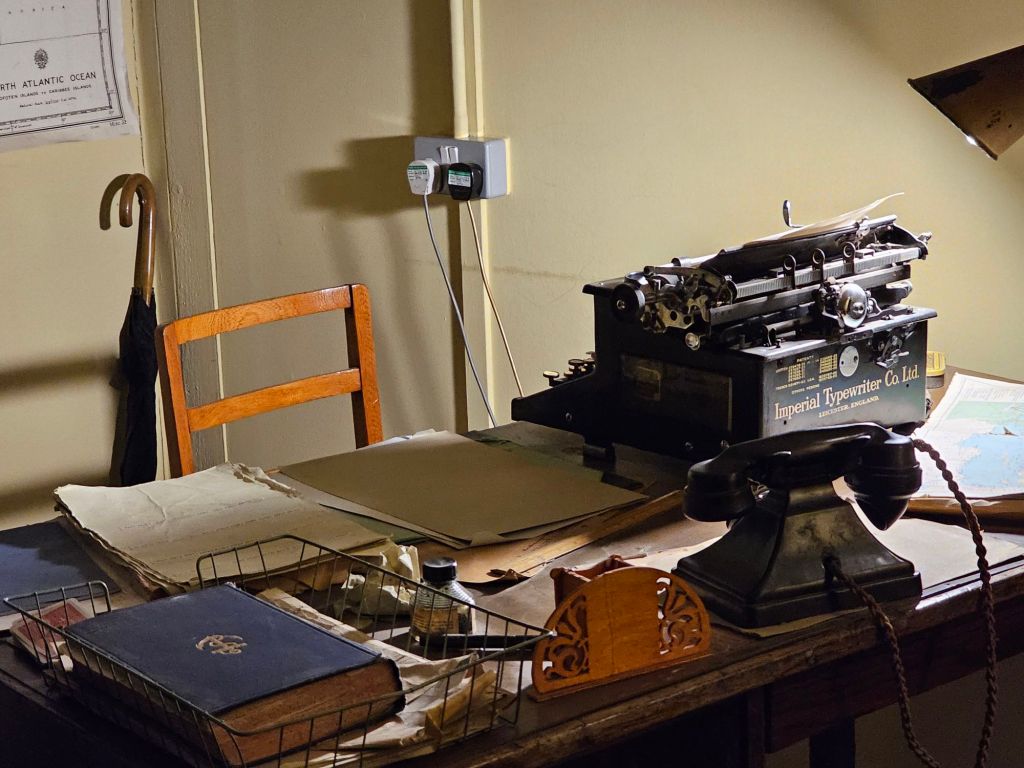
So, it wasn’t just mathematicians like Alan Turing. This is Turing’s desk:-

Standard

The End of Pevsner (2)

The article that I wrote on Pevsner for The Critic has appeared online much faster than I expected (see below). The article was full of a sense of anxiety that somehow the series was coming to an end not with a bang, but with a whimper.

But I have been reassured, first, that matters are in hand for the celebration of the publication of Staffordshire in June to mark the successful completion of a great monument of architectural scholarship; and, second, that plans are indeed afoot to put it online as seems the obvious next step to keep it alive.

The issue, of course, is going to be funding. So, it is perhaps worth recording that Pevsner himself made no money from the series. Nor did Allen Lane. Student assistants were expected to pay for their own food and accommodation as they drove Pevsner round the countryside. Pevsner himself was deeply frugal. So, it is a monument as much as anything else to the high-minded intellectual austerity of the 1950s, with financial support from the Leverhulme Trust and Arthur Guinness when it looked as if the series might come to an end in 1954.

Let’s hope there is a philanthropic organisation which can enable it to survive into its third age.

https://thecritic.co.uk/the-end-of-pevsner/

Standard

Old Town Clothing (5)

The impending closure of Old Town Clothing in Holt has sparked more interest than many of my posts.

I have been mildly rebuked on the grounds that high street shops in small county towns are closing every day without anyone paying attention;  but I don’t regard Old Town as any old shop because it has always felt as if it provided a model for a small-scale rural industry, based on high quality design and farming out some of the making to rural outworkers who they now have difficulty finding.  This is quite different to the ubiquitous high street chains which have, I think, contributed to the demise of local shopping, since one can just as easily get standardised goods online.

The French and Italians have paid attention to the benefits of small-scale manufacture, both in terms of providing a greater variety of goods and a better distribution of regional employment. The fact that officialdom has no interest in this issue and is dismissive of it tells one something about our attitude to the economy.

Standard

St. Anne’s, Limehouse (4)

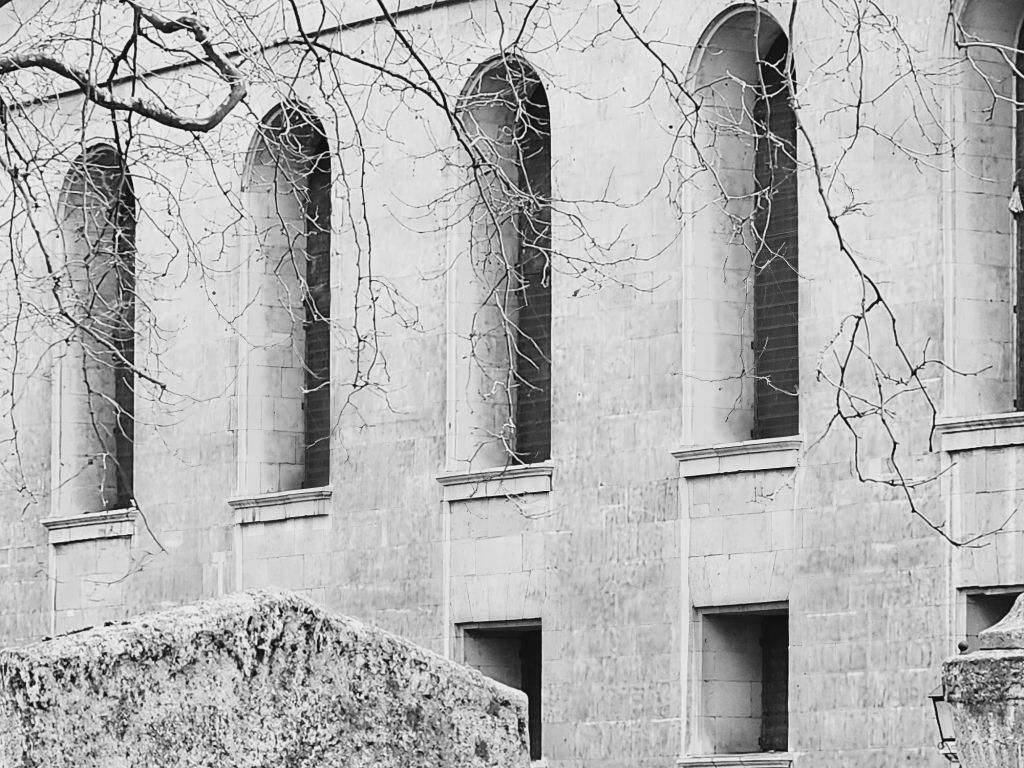
I was slightly early for a meeting about the restoration of St. Anne’s, thinking it might be open. But it’s open now from Thursday to Sunday. So, instead, I sat in the churchyard where Iain Sinclair probably sat when he was composing Lud Heat, his poetic evocation of the churchyard’s ghosts which is said to have inspired Peter Ackroyd’s novel about Hawksmoor.

I was able to contemplate the magnificence of its nave:-

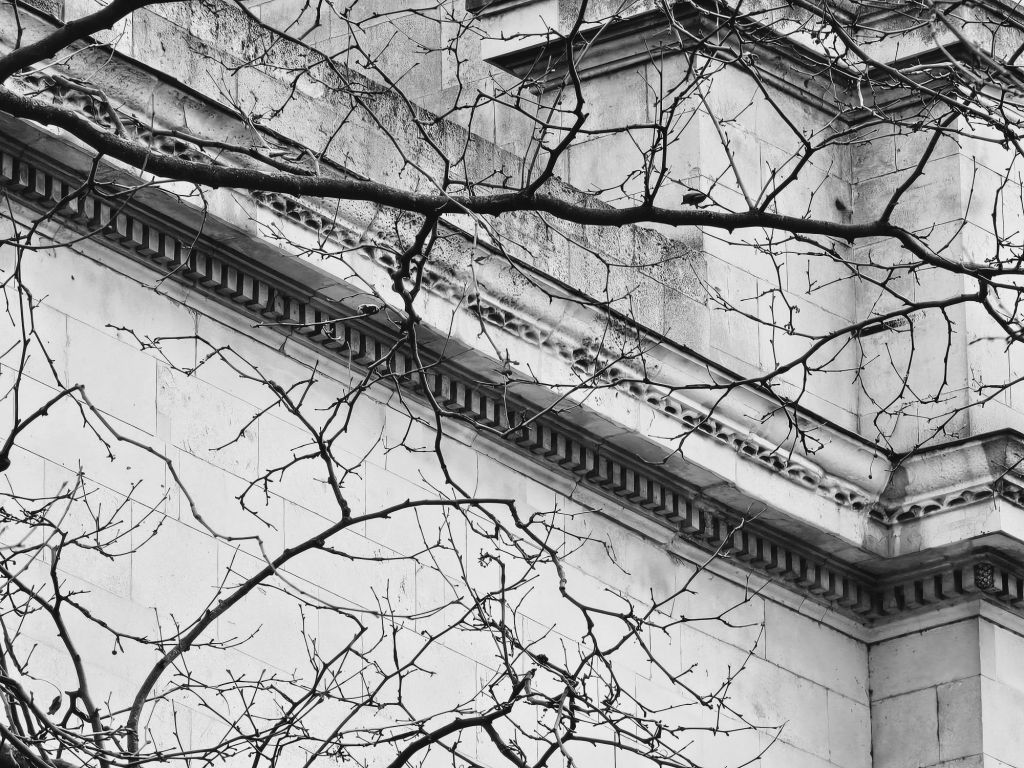
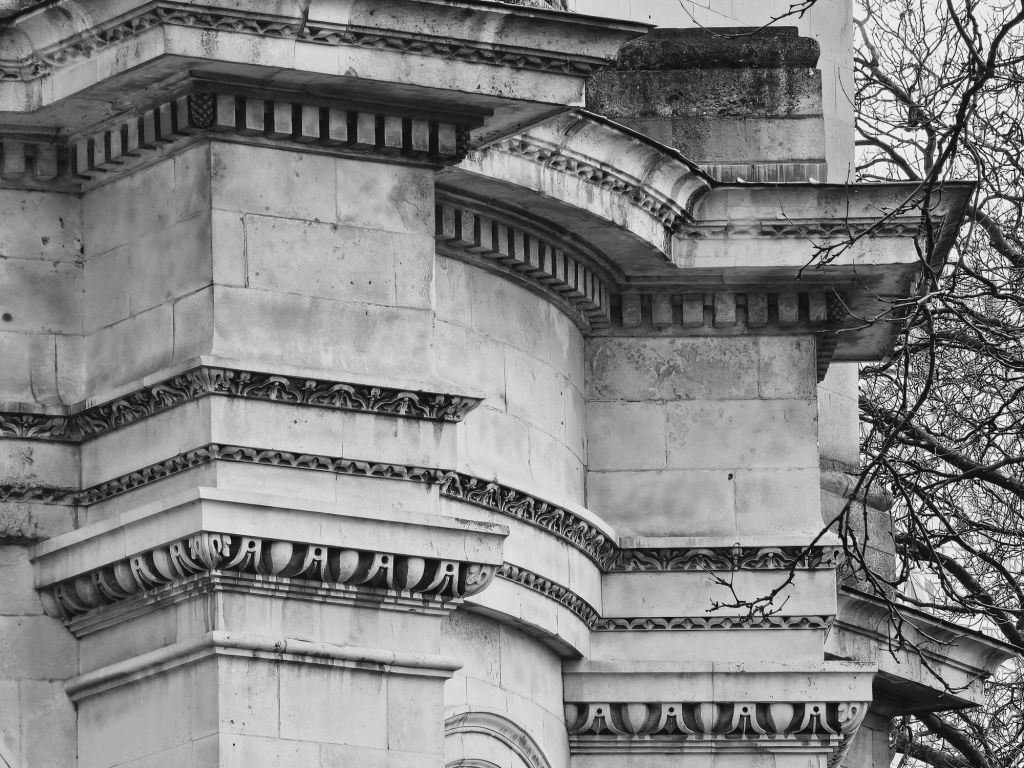
The detail of the west tower:-

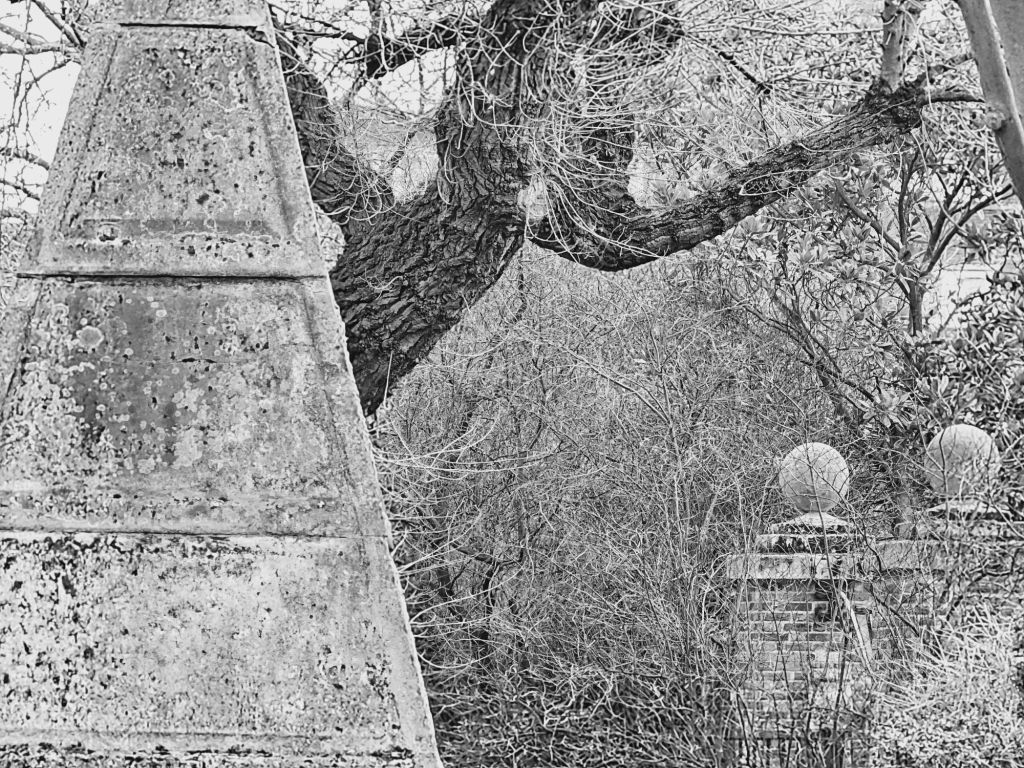
And the surrounding tombs and vegetation:-

Standard

The End of Pevsner (1)

For all those people like me who have been brought up with a copy of the relevant Pevsner in our pocket or at least back home to consult on our bookshelf, I have written in the February edition of The Critic (front section) about the implications of the impending completion of the revised series this summer with the publication of Staffordshire Mark 2.

I can see that there may not be a viable economic case for a further revision, although it is worth pointing out that London 2: South was published over forty years ago, before Tate Modern had been dreamt of and Batttersea Power Station was a ruin.  But it still seems odd that the office has already been shut down without, so far as I am aware, a discussion as to whether they could be put online and kept up-to-date, including the invaluable and admirable City Guides, which are a touch more user friendly than the original county guides, although they too have become so much longer and more scholarly over the last seventy-plus years, since the publication of Cornwall and Nottinghamshire in their brown-and-white covers in July 1951.

Standard

Alan Turing

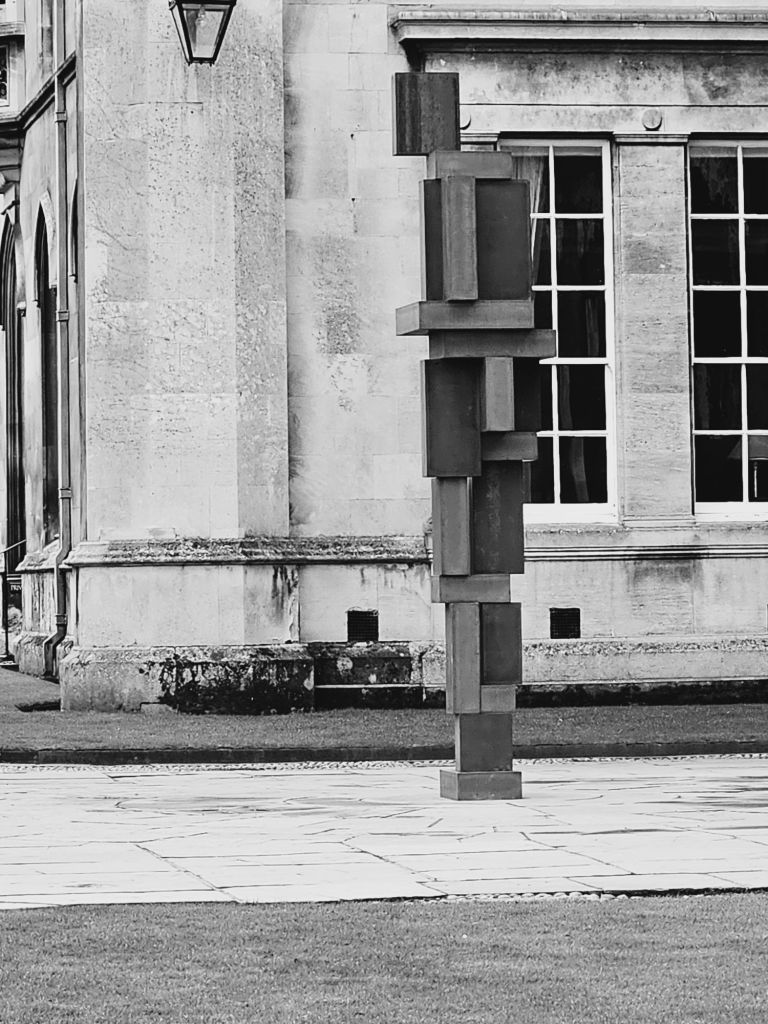
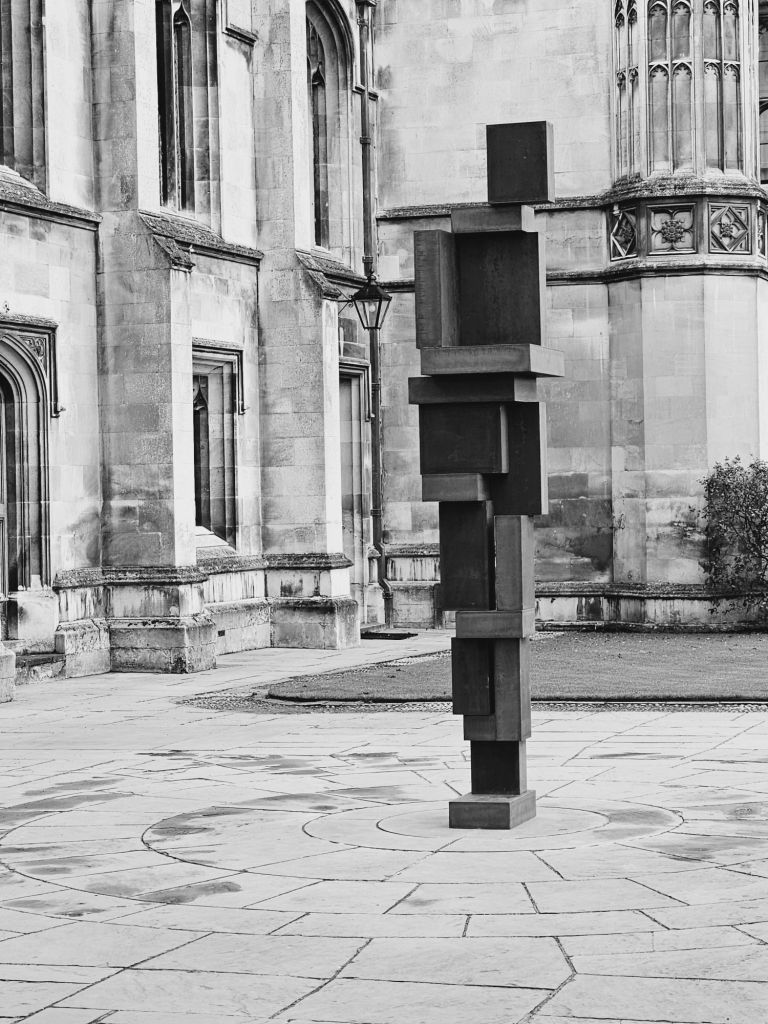
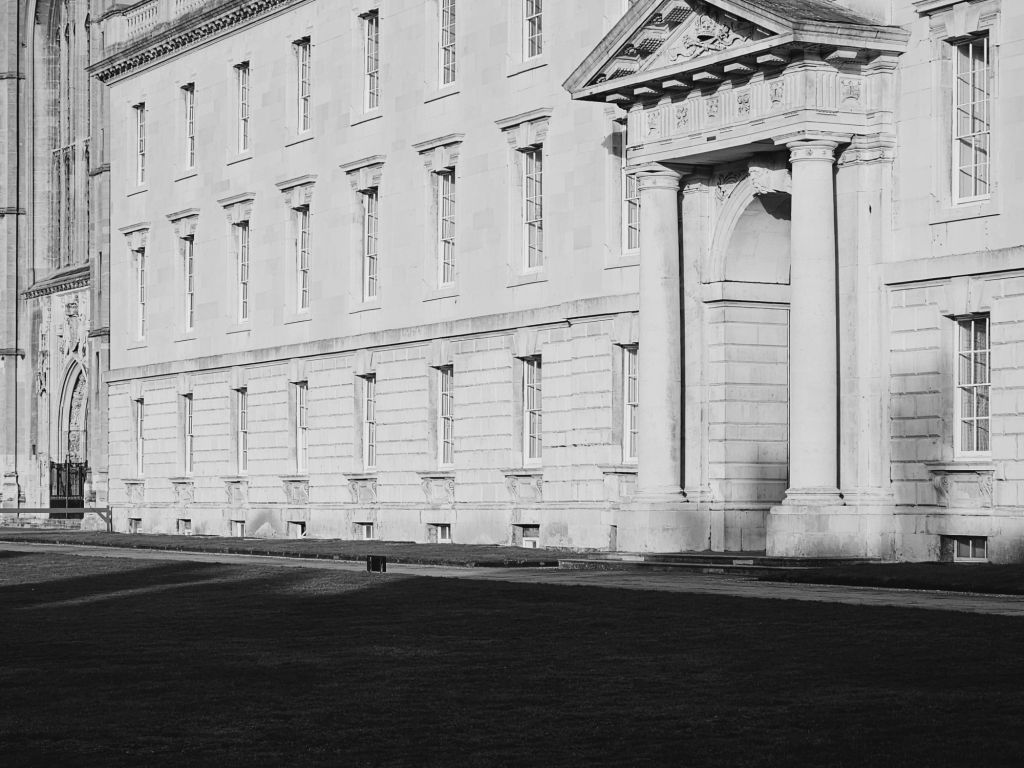
Antony Gormley’s commemorative monument to Alan Turing placed at the highly symbolic junction between the Gibbs Building and the Wilkins Building at King’s College, Cambridge was celebrated/unveiled with speeches:-

There was much insistence upon it being ‘a sculpture’ and not ‘a statue’. But it kept on being described as a statue, which felt like an understandable mistake.

Standard