Excellence (1)

After a conversation at lunch about productions of Wagner in the autumn, I have been puzzling over a sentence in an Arts Council report which is quoted in today’s Observer: ‘Terms like excellence are indicative of the way in which opera and music theatre still retains unhelpful hierarchies about what kinds of work are valued’. 

Can this seriously be true ?  The Arts Council of England is saying that excellence is no longer valid as a judgment in opera and, I assume, also in art, music and literature too.  All things are equal in the eyes of the Arts Council and all forms of discrimination are automatically signs of an unacceptable elitism.  How much, one wonders, were the consultants paid to make this startling and revolutionary assertion ?  The good, the bad, and the ugly, they are all equal in the eyes and ears of the Arts Council and there is no possible way of differentiating between them.   THERE IS NO SUCH THING AS EXCELLENCE.  If you suggest otherwise, you will have your funding cut.  Actually, more than the implication.  Who have they cut ?  Those organisations that had the stupidity, the temerity, still to believe in that outmoded thing called excellence which, once upon a time, the Arts Council was set up to promote.
Standard

Richard Hewlings

I spent the day devoted to the minutiae of professional architectural history – new archival research, new discoveries, new attributions, all in honour of Richard Hewlings, a former Inspector of Ancient Monuments and Editor of the Georgian Group Journal who seemed to have been a friend, colleague and correspondent of nearly all the speakers, each of whom was only allowed ten minutes to pose an architectural historical question or announce an architectural historical discovery.

I was one of the many people in the room who has benefitted from his advice, archival tips and all-round expertise.  He joined what was the Historic Inspectorate of the recently established Department of the Environment in 1972, after, I think I am right in saying, reading history at Pembroke College, Cambridge (he has recently written a biography of Queen Anne).  The only thing I missed was more about his own work which was briefly evident from a photograph of him seeking out information from his card index of building craftsmen. 

Standard

John Miller (architect) (2)

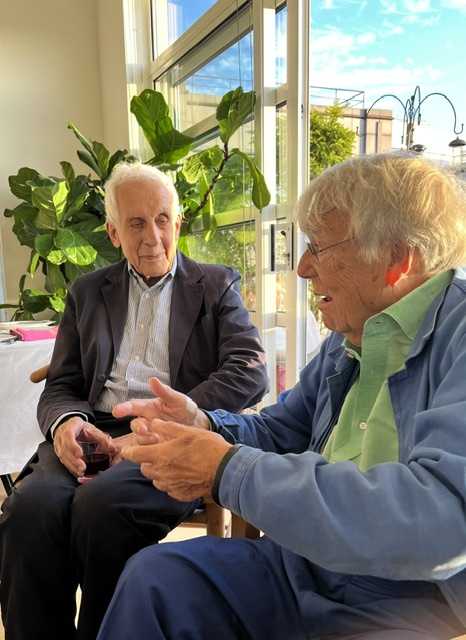
The lack of an easily available online image of John Miller has been rapidly rectified by Margot Jones, as I hoped it would, who has sent me several recent ones, including a particularly characteristic one of him in dialogue with Ken Frampton, maybe after a good lunch:-

Standard

John Miller (architect) (1)

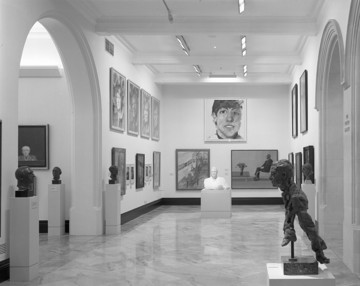
I have only just heard the sad news of the death of John Miller, an extraordinarily nice, thoughtful and avuncular architect, who did a wide range of good work, as described by Deyan Sudjic, his son-in-law (see below), including, which Deyan leaves out, the new ground floor of the National Portrait Gallery which opened in late 1993 and which John never particularly liked because of the touches of luxury – was it the marble floor to which he was allergic (it has now been obliterated by the latest reconfiguration) ?

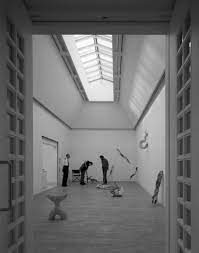
I think his best work, as Deyan implies, was his excellent enlargement of the Whitechapel Art Gallery in the 1980s:-

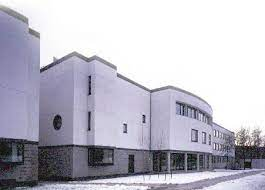
And the way that Tate Britain was enlarged and reconfigured with its Manton Entrance and new entrance staircase which opened in 2002.  Also, the Elizabeth Fry bulding at UEA:-

They were considerate and undemonstrative, like the man himself.

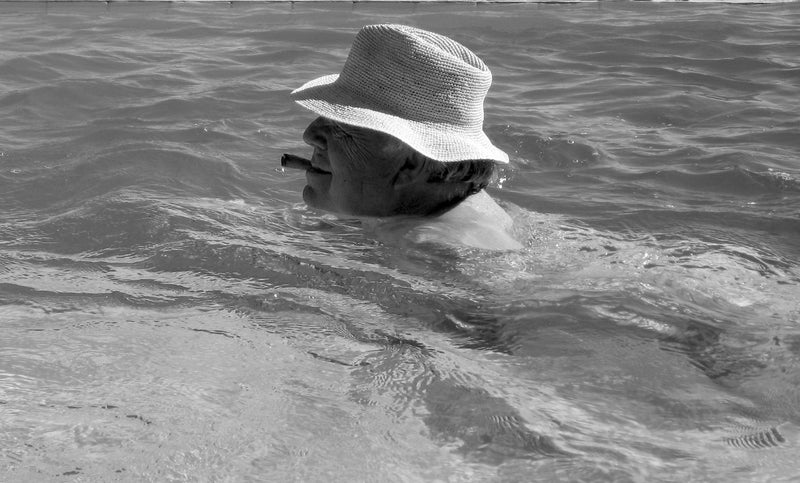
I have tried to find an image of him, but with difficulty. Neither the NPG nor the RIBA seem to have one, something which should be rectified. The only one I could find is by Sandra Lousada and I hope she won’t mind me reproducing it:-

https://www.theguardian.com/artanddesign/2024/mar/08/john-miller-obituary

Standard

Marks and Spencer debate (6)

I have been sent a copy of Libby Purves’s exceptionally sensible and level-headed article in this morning’s Times, which I was for some reason able to read online (We squander our heritage in wasteful demolitions (thetimes.co.uk).

It puts the case very clearly. Not everyone loves the existing Marks and Spencer building in Oxford Street, but this is no reason to knock it down. Most people, especially the next generation of young architects, accept that we need to change our views towards wasteful and unnecessary demolition, but not apparently Marks and Spencer, who have been jubilant at the recent decision of the high court, which I hope may have alienated some of their customers.

Standard

The City in the City

I have been reading the absolutely excellent and illuminating book by Amy Thomas, The City in the City: Architecture and Change in London’s Financial District, recently published and beautifully produced by MIT Press. 

It helps to explain a lot about the radical changes in the architecture of the City in recent decades: essentially since Big Bang when the City’s traditional ways of working which were were conservative, allowed time for long lunches and were based on trust were replaced by a much more aggressive, testosterone fuelled style of trading requiring the exchange of information on huge, self-contained trading floors. 

I am sure I am over-simplifying, but it obviously helps to explain the eruption of big, aggressive, free-form buildings which pay no attention to, in fact, deliberately look down on, the existing more traditional streets of the City.

There are questions, however, which are perhaps inevitably unanswered because of the timing of the book.

The first is what exactly happened – if anything – post the 2008 crash. 

The new style of buildings post-2008 is more anonymous.  The great skyscrapers are over 50 stories high and  accommodate shops and gyms within the building, so that workers never have to go out on to the street. 

But do people actually like this style of working ?  If all work can be done on a laptop, why not sit in a café or at home, rather than in an anonymous open-plan office, as people learned to do during COVID ? 

The fourth chapter ends with a question. ‘As real estate strategists and their clients begin to decrease their real estate holdings, and as desks disappear from offices and resurface in co-working hubs, cafes, snugs, and sitting rooms, the question is: What value does the City have in a digital, postpandemic (not to mention post Brexit) world ?’ (p.297)

This presumably helps to explain the current orgy of destruction and the City’s willingness to disobey its own code of practice with 75 buildings in the City currently scheduled for redevelopment.

The book shows very clearly that the culture of the City can, and has, changed very fast in the past. 

Maybe it has done so again and we are only just waking up to its consequences.

Standard

Arlington

We went to lunch at Arlington, Jeremy King’s new restaurant – actually, also his old restaurant, formerly the Caprice.  It could not have been nicer.  The thing which was striking is how well Eva Jiřičná’s luxurious, polished interiors have worn after more than forty years.  And Jeremy himself was there as we arrived, the best possible host as ever, making sure that everything is in immaculate order.  The only person who was missing was Tony Snowdon who always insisted on eating there, even though the photographs are by David Bailey.

A great treat.

Standard

UCL Marshgate

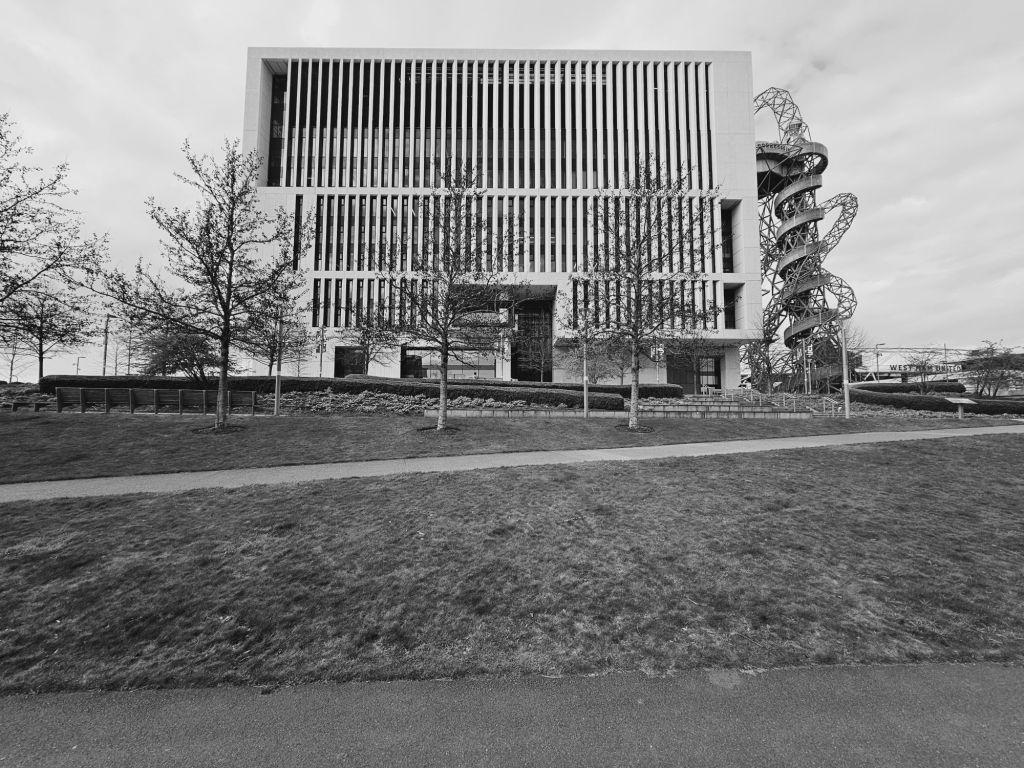
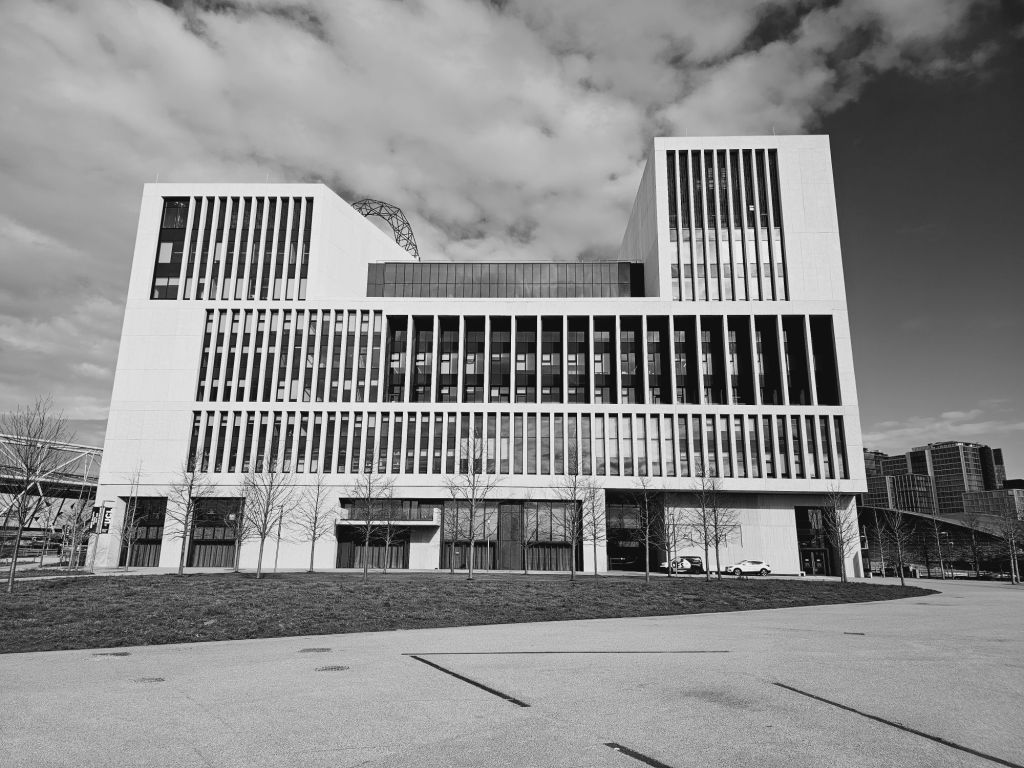
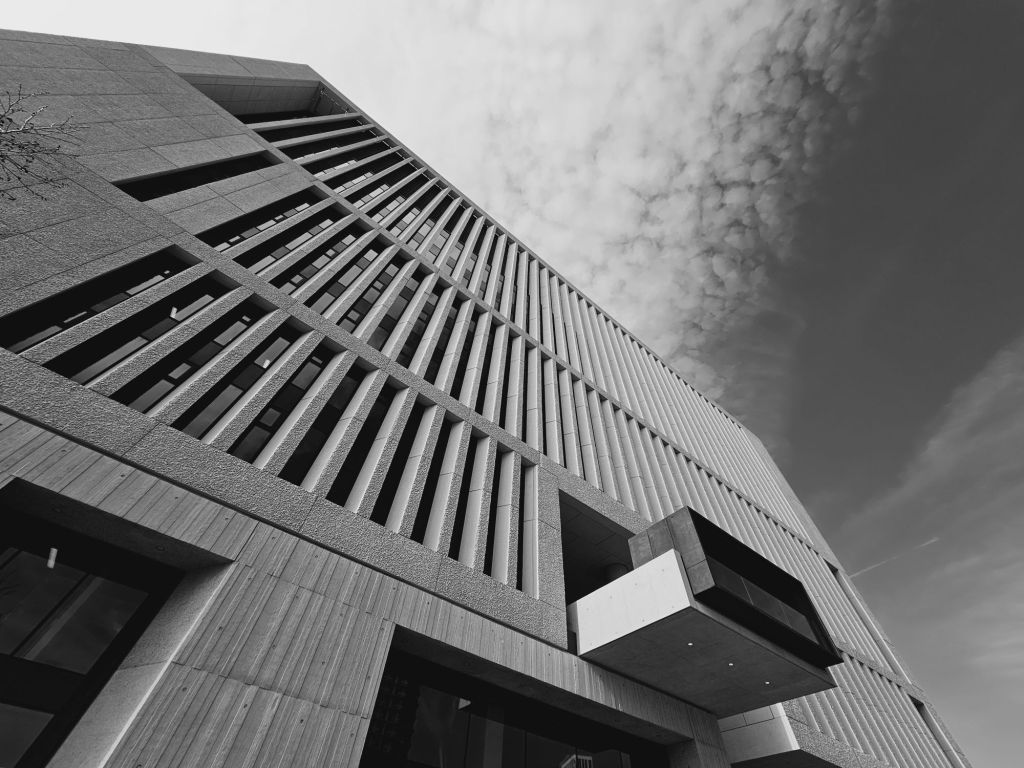
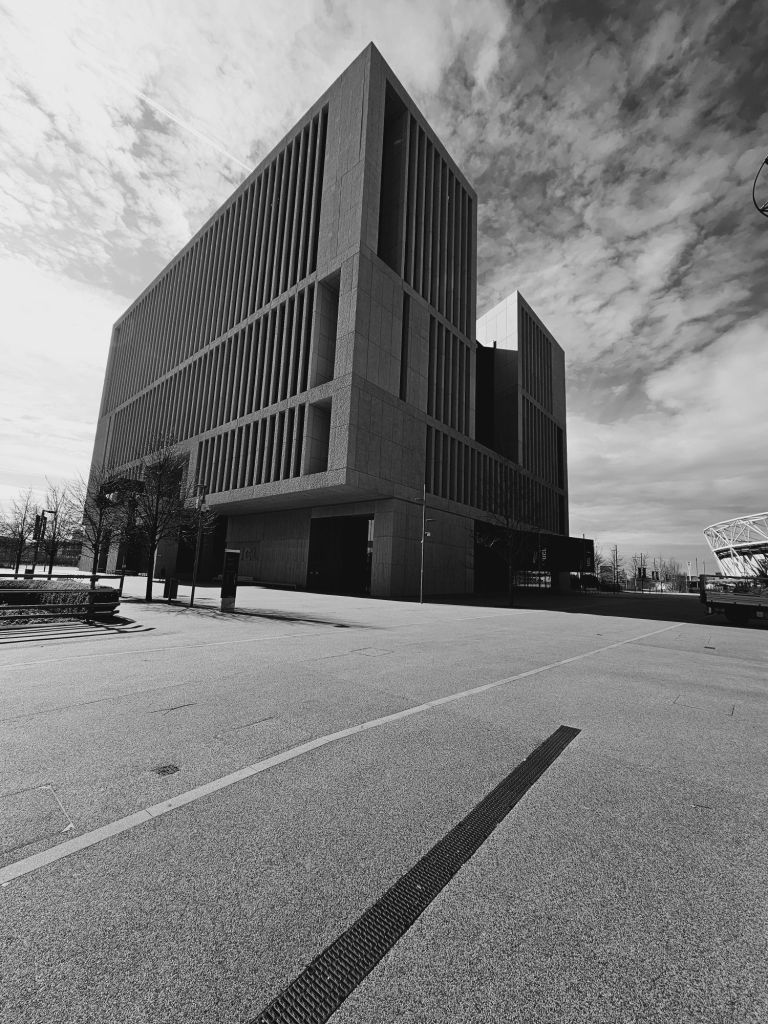
I went on a tour of UCL Marshgate, the vast new building constructed on the opposite side of the river from Zaha Hadid’s Olympic swimming pool:-

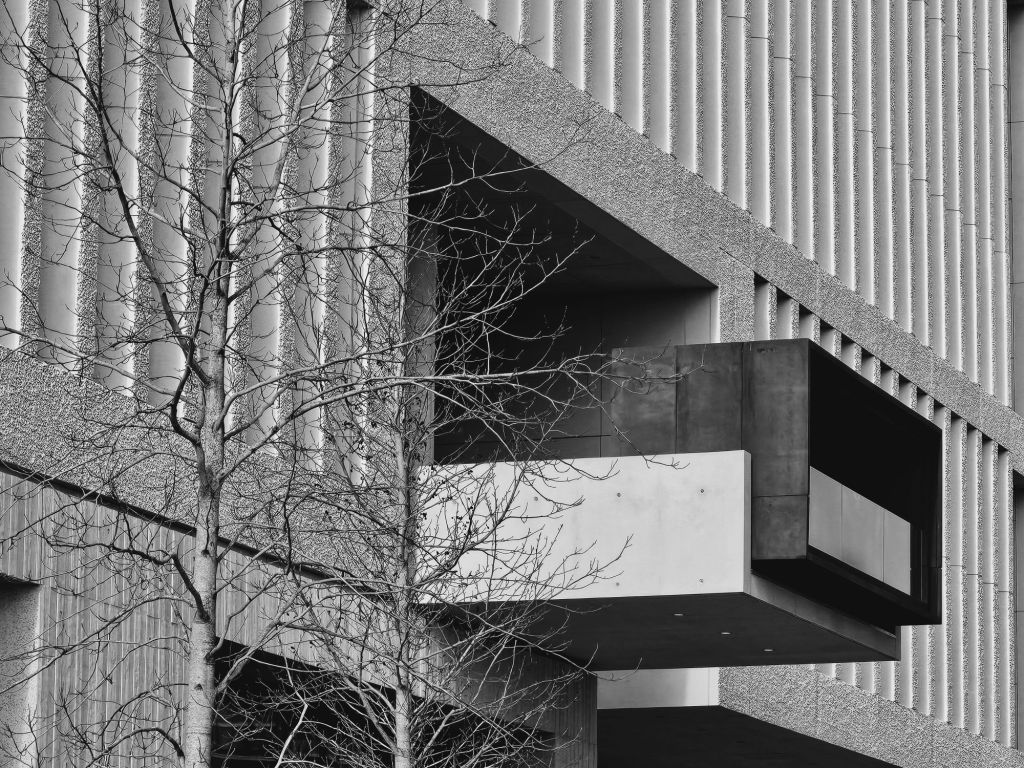
It is designed to be open to use by the local community, although accessibility is not the first characteristic that came to mind.  Impressive, certainly.  It is education on an industrial scale.  5,000 students.  Cross-disciplinary.  No books (books have to be ordered from Bloomsbury).  The brief specified no lecture theatre as public lectures are dead, although this changed during construction.  It only opened in September, so it is only running in.  Beautiful in the abstract and only the first of a series of buildings for UCL at the south end of Olympic Park:-

Standard

Barbican (4)

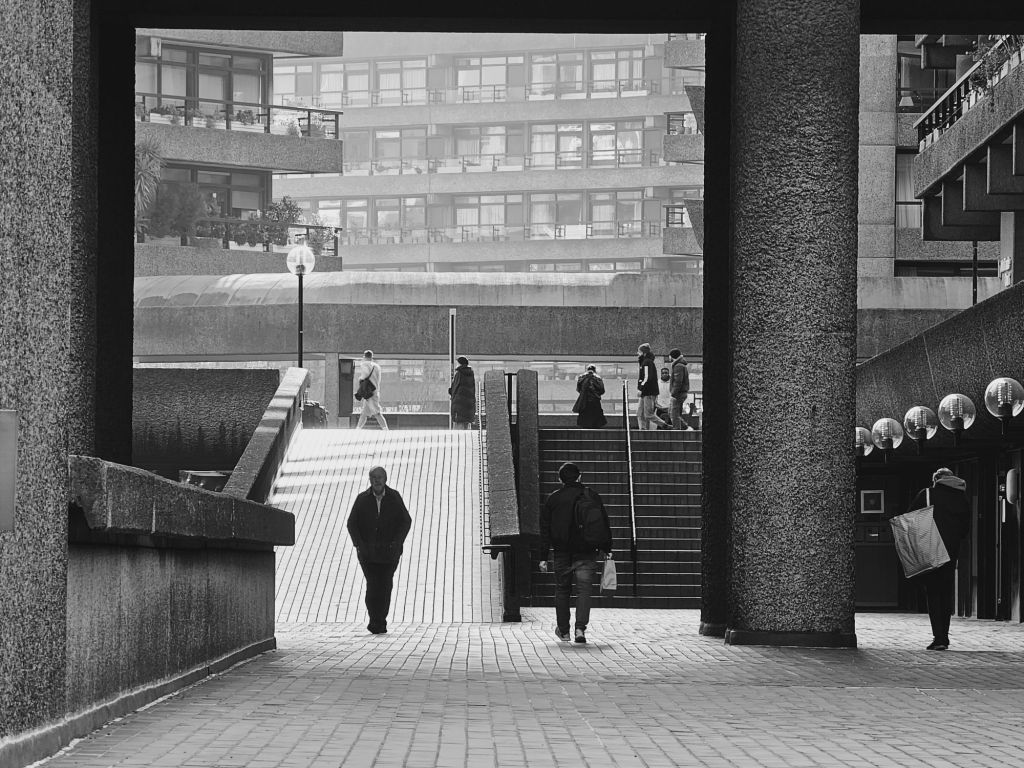
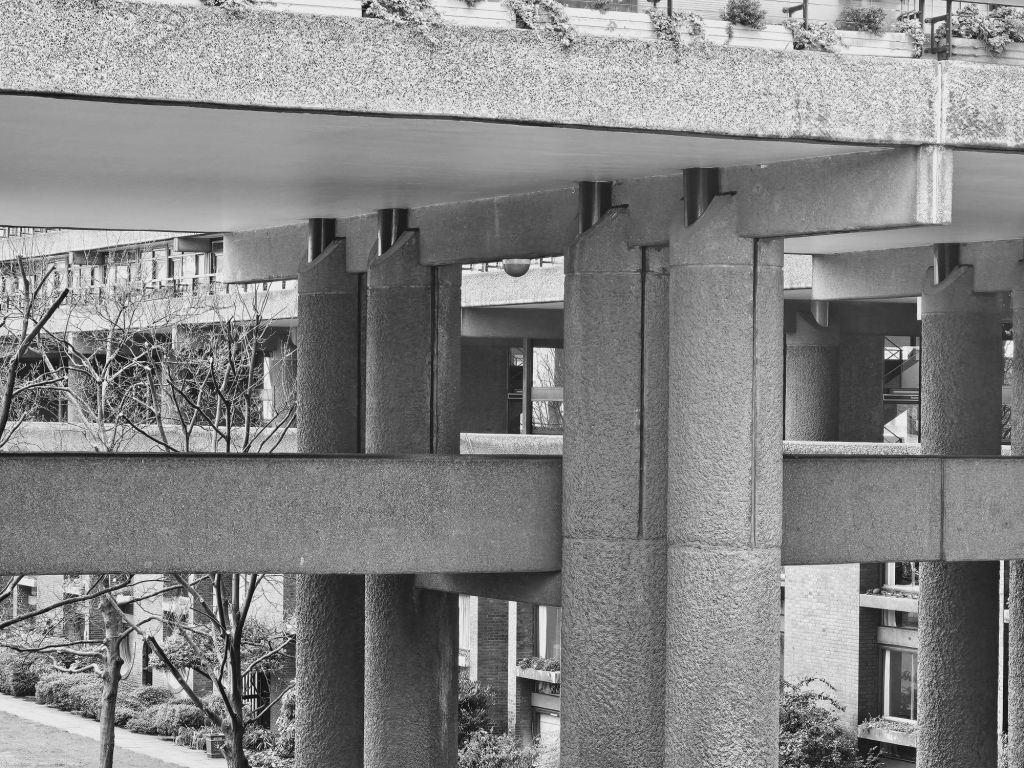
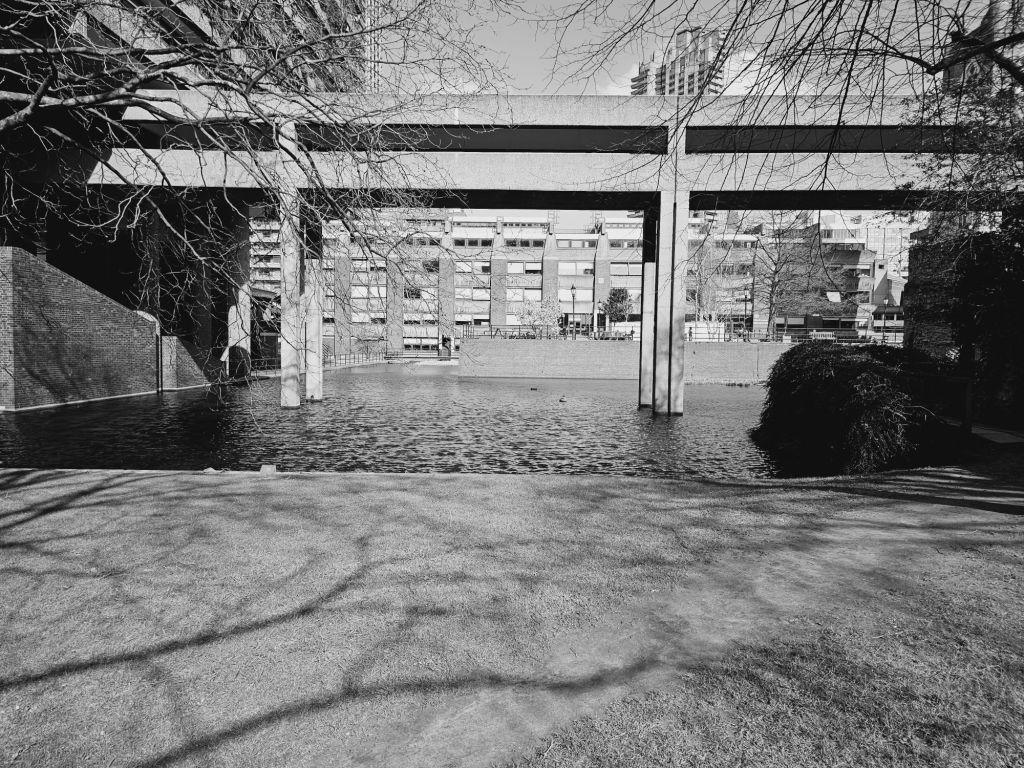
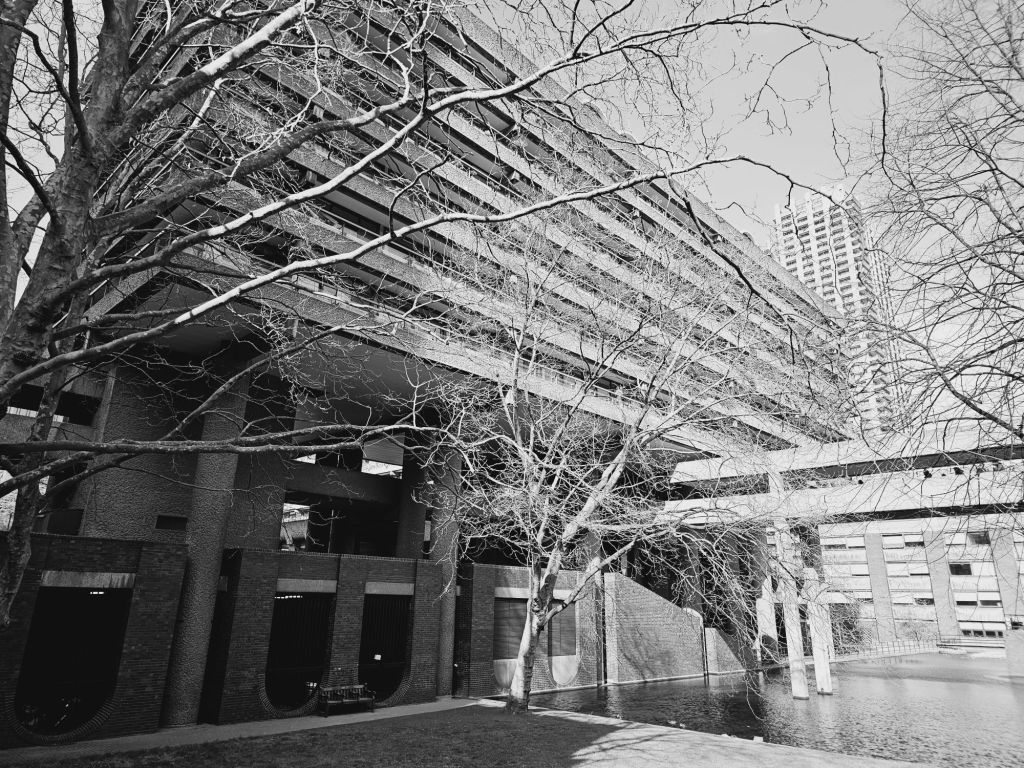
It has taken me a long time to realise how surprisingly nice the Barbican is as a place to explore beyond its arts centre, full of unexpected views and gardens visible from its pedways:-

Standard

London Wall West (1)

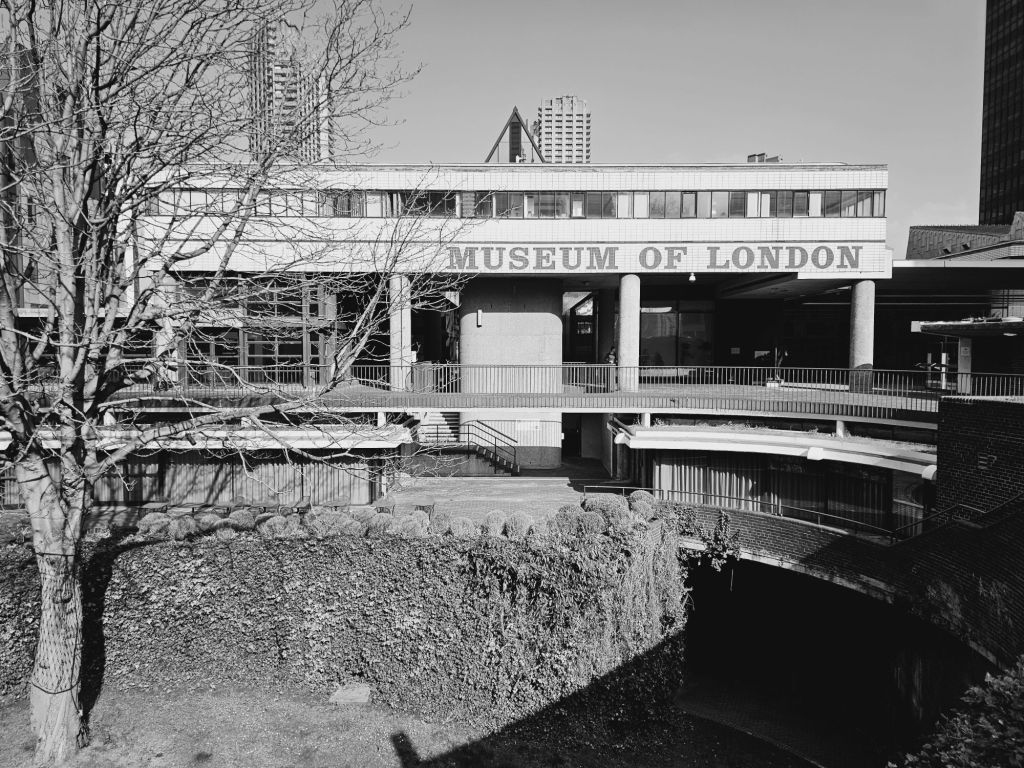
I spent the morning exploring the area round the old Museum of London, which is now scheduled for demolition if the City of London planning committee gives the Corporation of London permission to demolish the building, although this would seem to be contrary to its own recently issued planning advice to retain existing buildings where possible.

I don’t think I had appreciated how complex a site Powell & Moya were given for the Museum of London, some of it the space on top of a roundabout:-

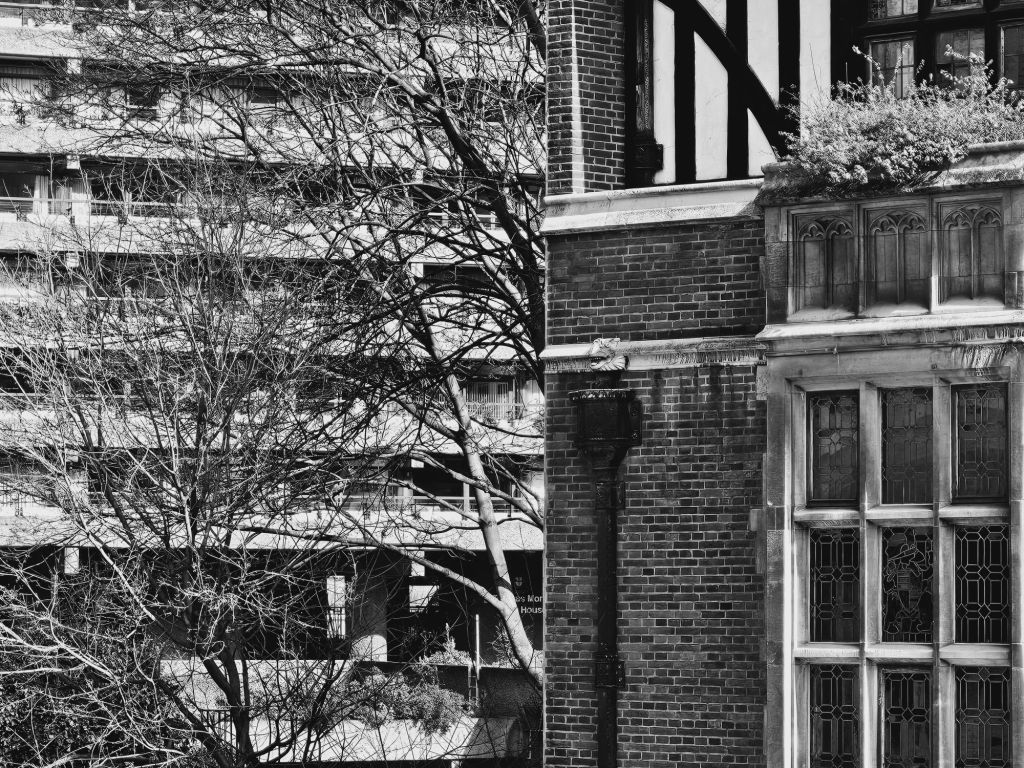
It was required to occupy a narrow site south of the tudorbethan Ironmonger’s Company:-

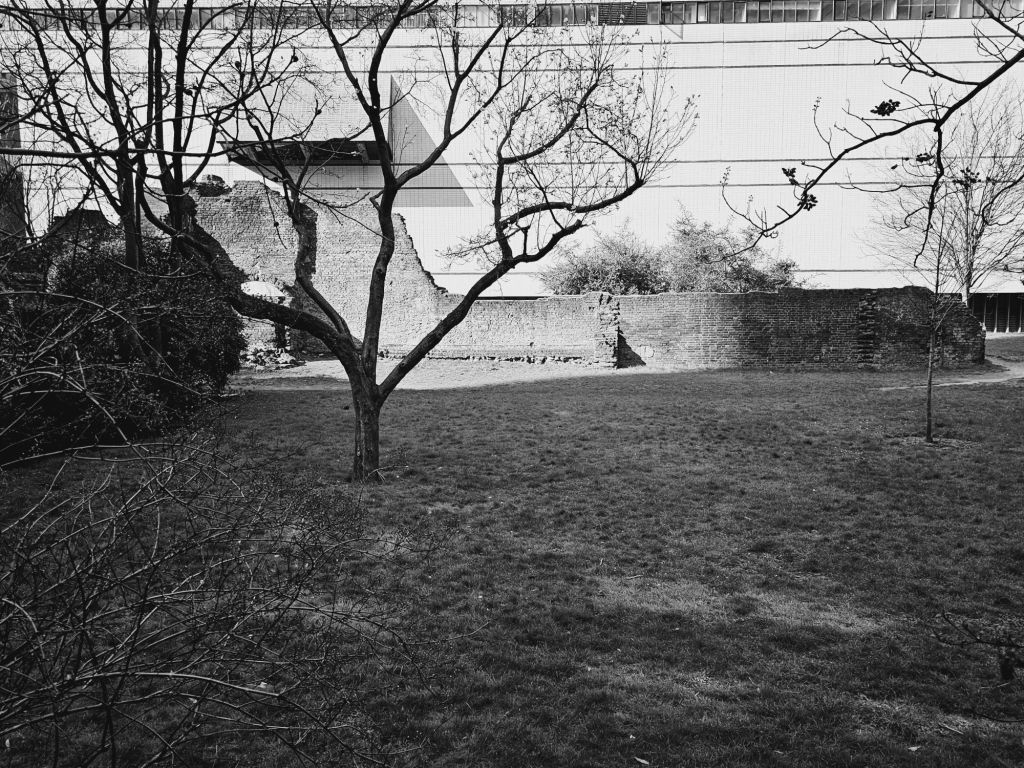
What I had never experienced before is the strange charm of the lawn to its east, the Barber-Surgeon’s meadow, a small oasis in the heart of the city with a surviving fragment of an old Roman fort:-

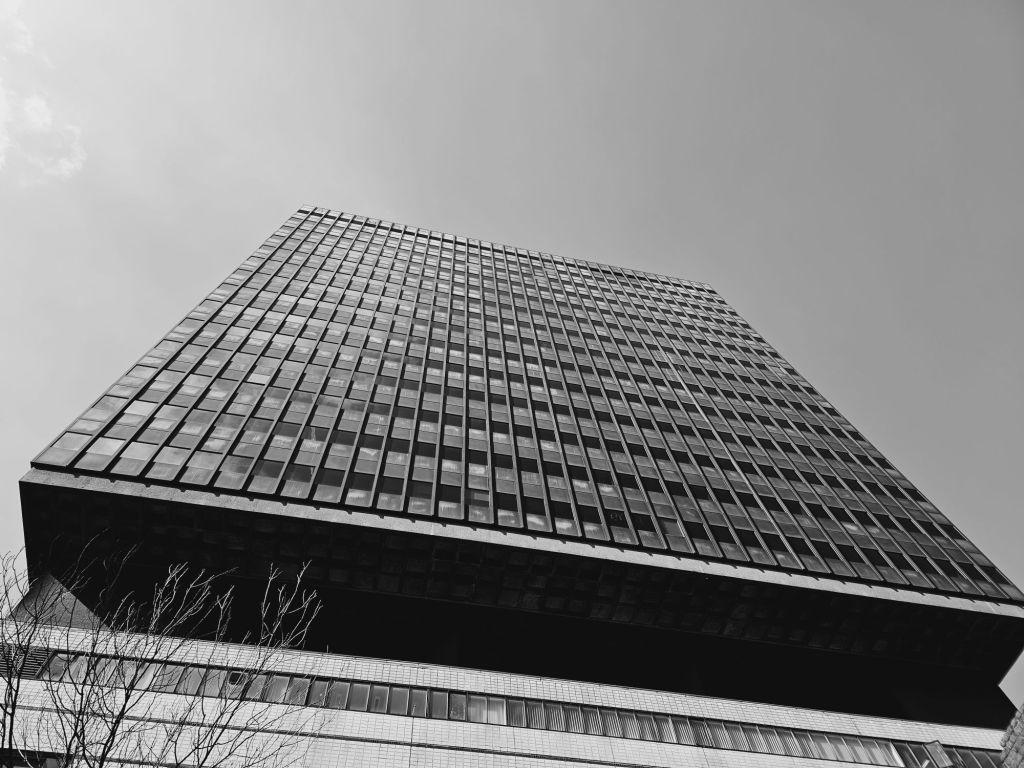
Presumably much of this will disappear in the plans for its redevelopment, along with Bastion House, which the City authorities say is falling down:-

Standard