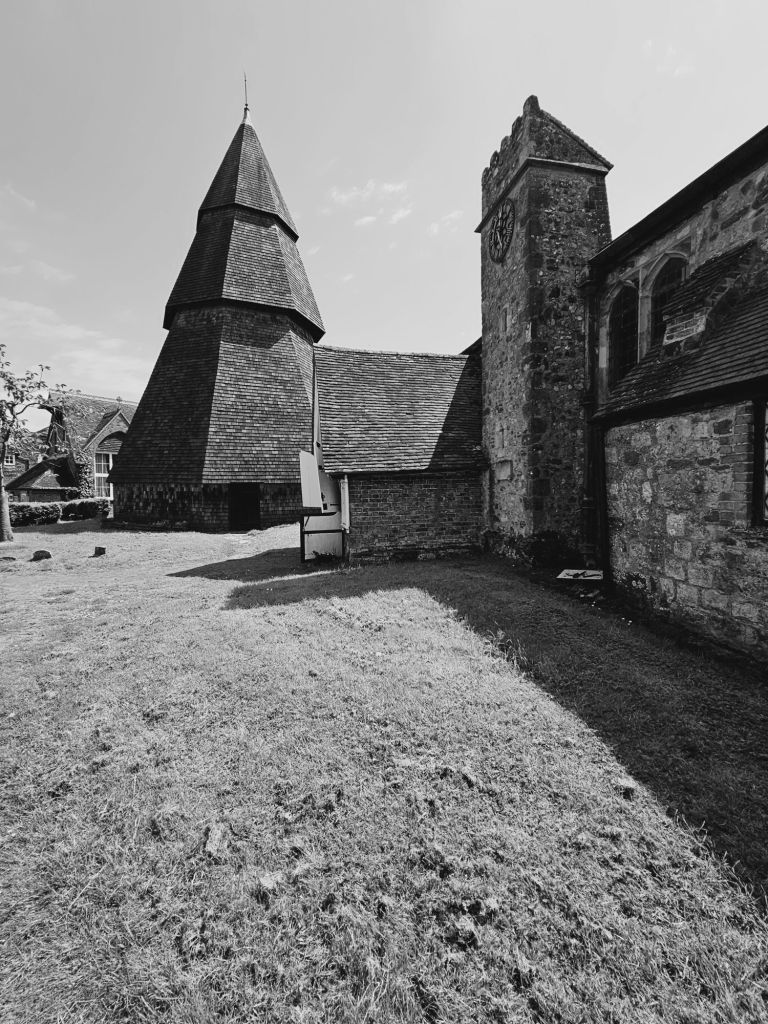
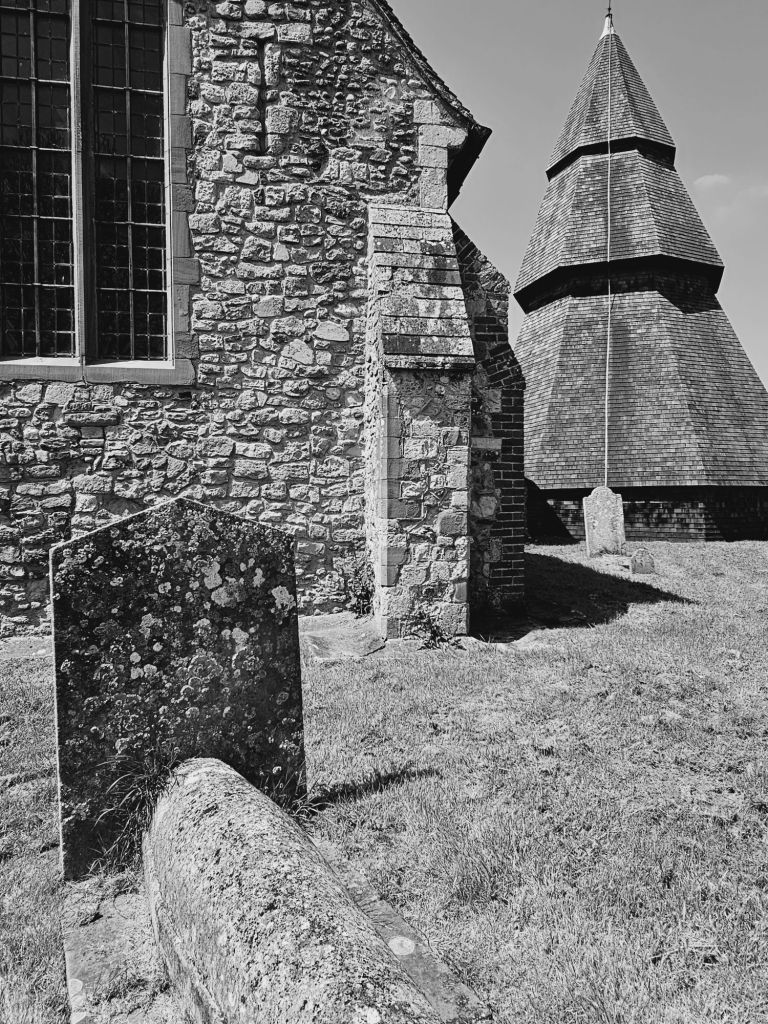
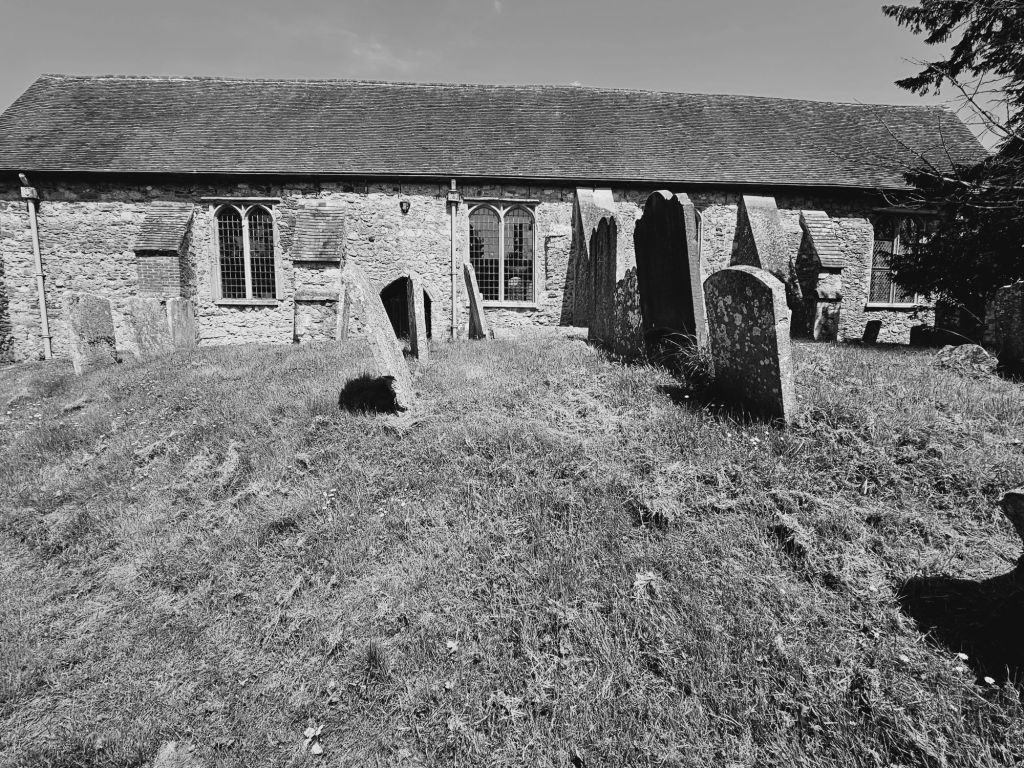
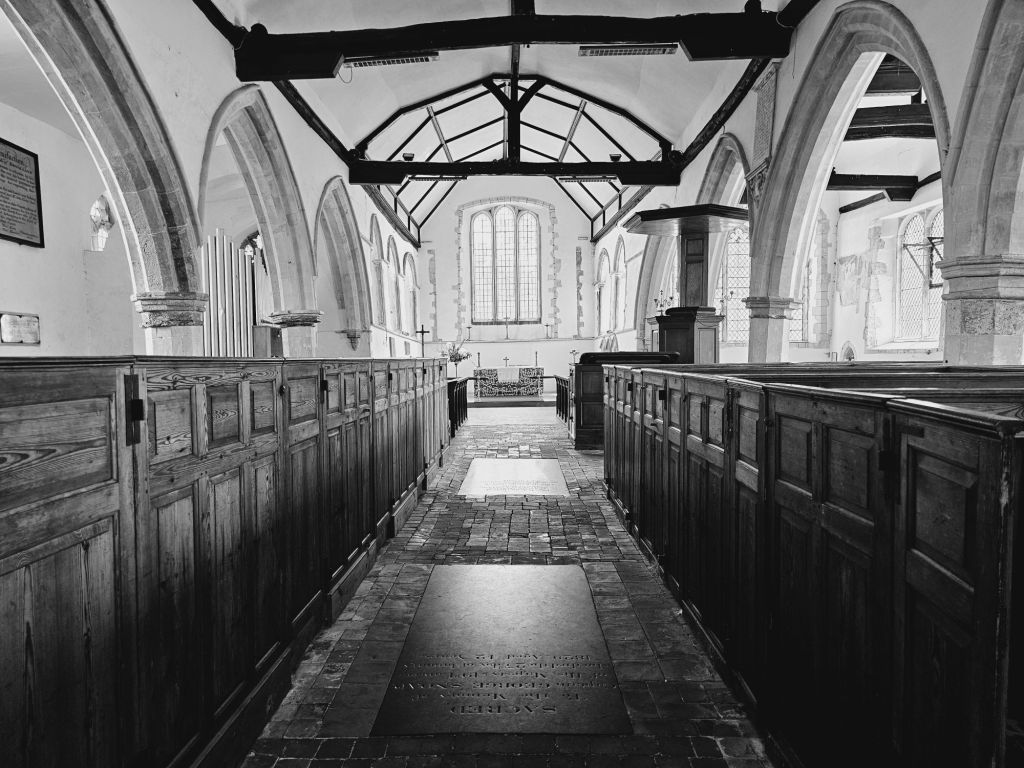
St. Augustine, Brookland

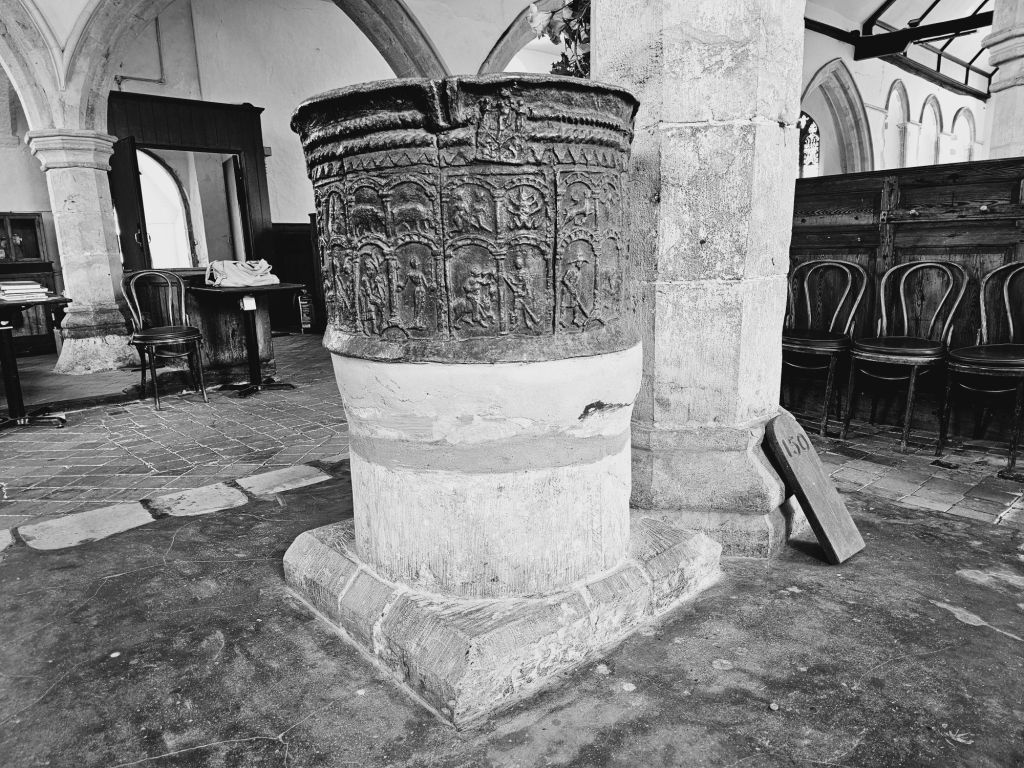
C.1250, on the village street, unspoilt inside and with a strange adjacent belfry, like something from Romania:-

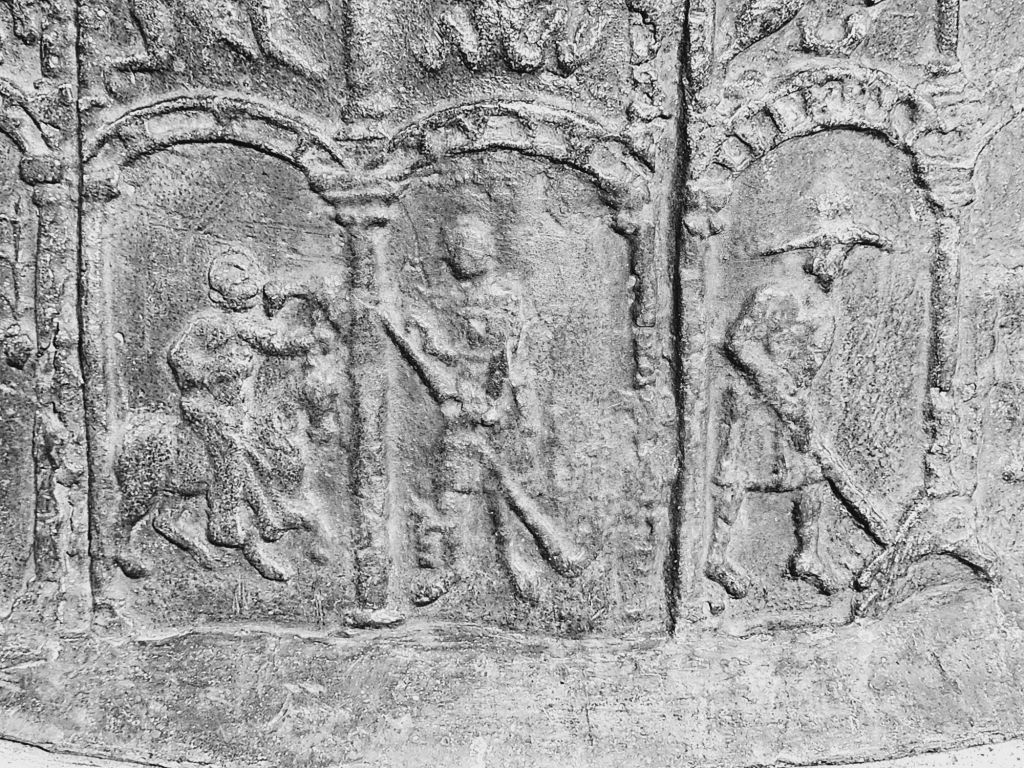
The lead font dated 1150 shows the signs of the Zodiac:-

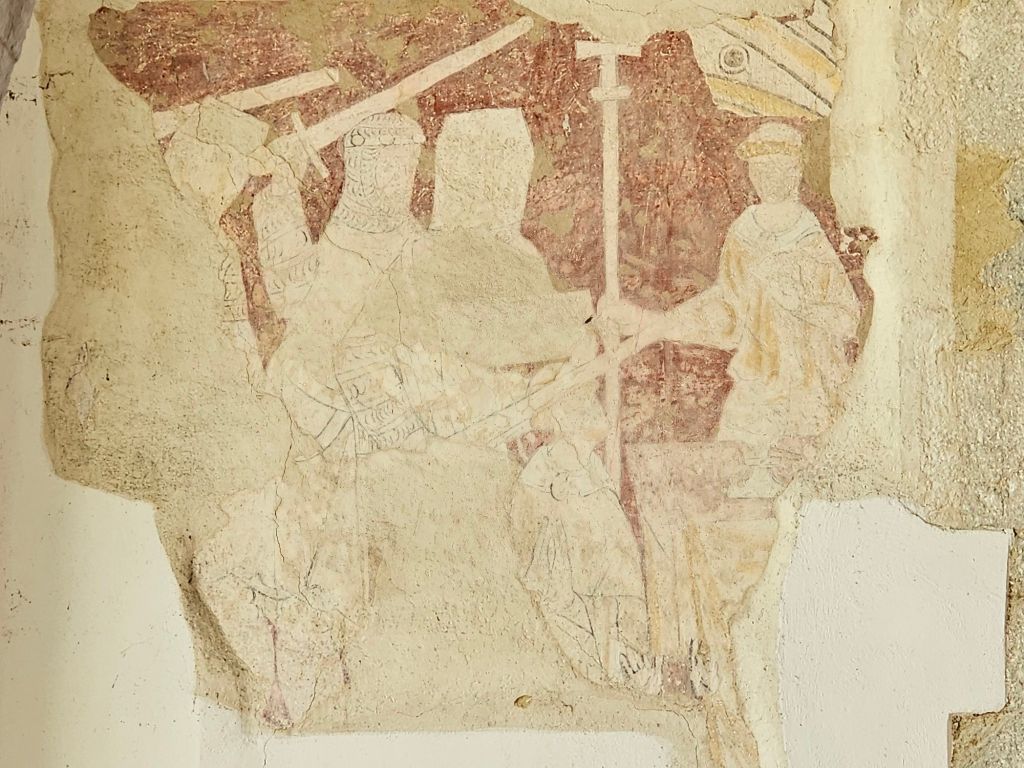
In the south-east corner, a small wall painting of Thomas à Becket kneeling before an altar with the four murderous knights sent by Henry II:-

Standard

London Wall West (4)

I wanted to post a picture of the London Wall West development last night, but my aged computer has conked out, so instead I am posting the article – with pictures – when the scheme was first announced.

Interestingly, and not surprisingly, they are no longer using the key image which demonstrates that the big residential blocks planned to open in 2033 are roughly twice as high as the existing residential blocks of the Barbican and it would appear as high as the dome of St. Paul’s, which is not, as it is made to appear in the computer graphics, in the far distance, but less than half a mile away.

Instead, they use lovely graphics which make it seem as if they are just creating a lush new urban park, not a massive speculative development in an area of extreme sensitivity.

Poor old Sir Philip Powell’s Museum of London which was itself part of a grand new of urban development less than fifty years ago will be razed to the ground by 2028.

https://www.designboom.com/architecture/diller-scofidio-renfro-london-wall-west-neighborhood-uk-06-22-2022/

Standard

London Wall West (3)

I think it was probably inevitable that Gove would approve the plans for London Wall West.  We are at the tail end of an administration which has unshackled planning controls in the City.  They don’t believe in the environment.  They hate conservation.  They think unrestricted growth is the answer.

It will be interesting to see what this project looks like in practice, once built, smothered as the images of it are in Utopian (or dystopian) computer graphics.

I feel at least as sad for the effect it will have on the Barbican as for the loss of the old Museum of London.

Standard

The Quality of Love

Having recently read Sylvia Brownrigg’s discovery of her family past through an envelope sent to her father by her great-grandmother, I have now read Ariane Bankes’s comparable discovery of the extraordinary lives of her mother, Celia Paget, and her mother’s twin sister, Mamaine, from a trunkful of inherited letters. 

It’s an extraordinary story.  They were obviously both spectacularly attractive and half the intellectuals of the time seem to have fallen for one or other of them – or both.  Mamaine had a long affair with Arthur Koestler which included a short time off for a passionate fling with Albert Camus.  Meanwhile, Celia was close to George Orwell and Robert Conquest and had affairs with A.J. Ayer and Jeremy Hutchinson.  Nearly all the men behaved consistently badly, most especially Arthur Koestler who is both the hero and the villain of the book.  Gosh !

Standard

Kunstsilo (3)

I have just spotted that Oliver Wainwright’s review of the Kunstsilo in Kristiansand has now appeared online.  Having spent the last few days being pumped for my views of the building by Norwegian architects, this is a very fair summary of what was involved: the generosity of Nicolai Tangen; the elements of controversy when first proposed; the quality of the public spaces; and the ways in which it is likely to transform the economy of Kristiansand.

https://www.theguardian.com/artanddesign/article/2024/may/16/kunstsilo-grain-silo-gallery-kristiansand-norway-trillion-dollar-man?CMP=Share_AndroidApp_Other

Standard

Provenance

You may have been wondering what I have been doing in Compostela for the last three days.

The answer is attending a symposium/seminar on issues of Provenance in architecture.

Provenance is much more familiar – at least to me – as a term in art history, a methodology used to track systematically changes in the ownership of paintings, a practice which has been much more significant in recent years as it has become more necessary to know the legitimacy of title to a work of art; and it has presumably been a way of understanding changes in how a painting has been valued and esteemed historically.

Its application to architecture is more recent: in fact, the seminar is pioneering, certainly promoting, a new approach to both history and contemporary architectural practice in focusing attention on the long history of the ownership of buildings: their life story; alterations, adaptations, circumstances of sale; and, in one case study, their demolition.

It’s good in that it moves attention away from architects as creators of form to their responsibility to think about how buildings are used: to plan for a long history instead of a quick sale.

There’s more to come.

Standard

Lourizán (1)

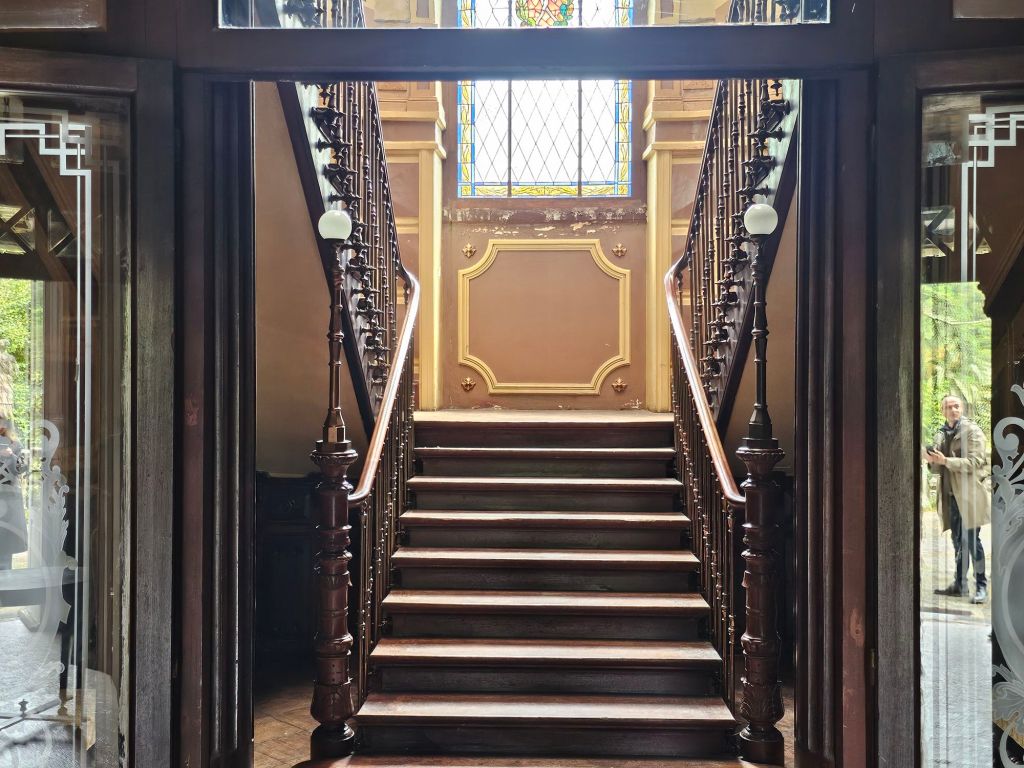
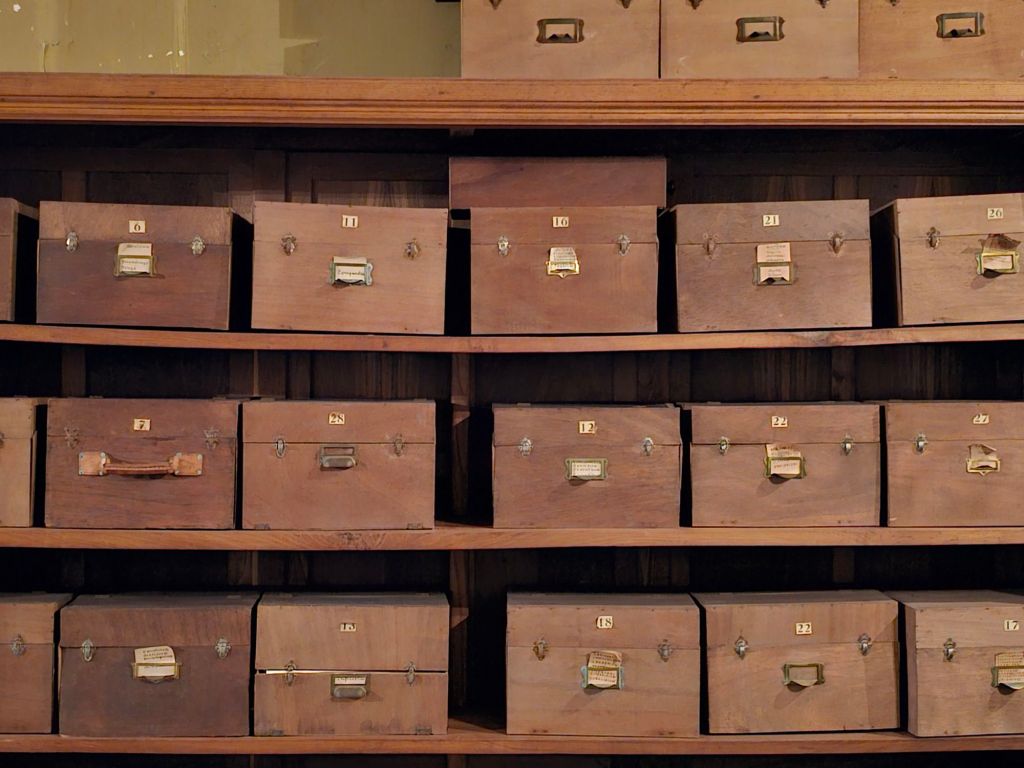
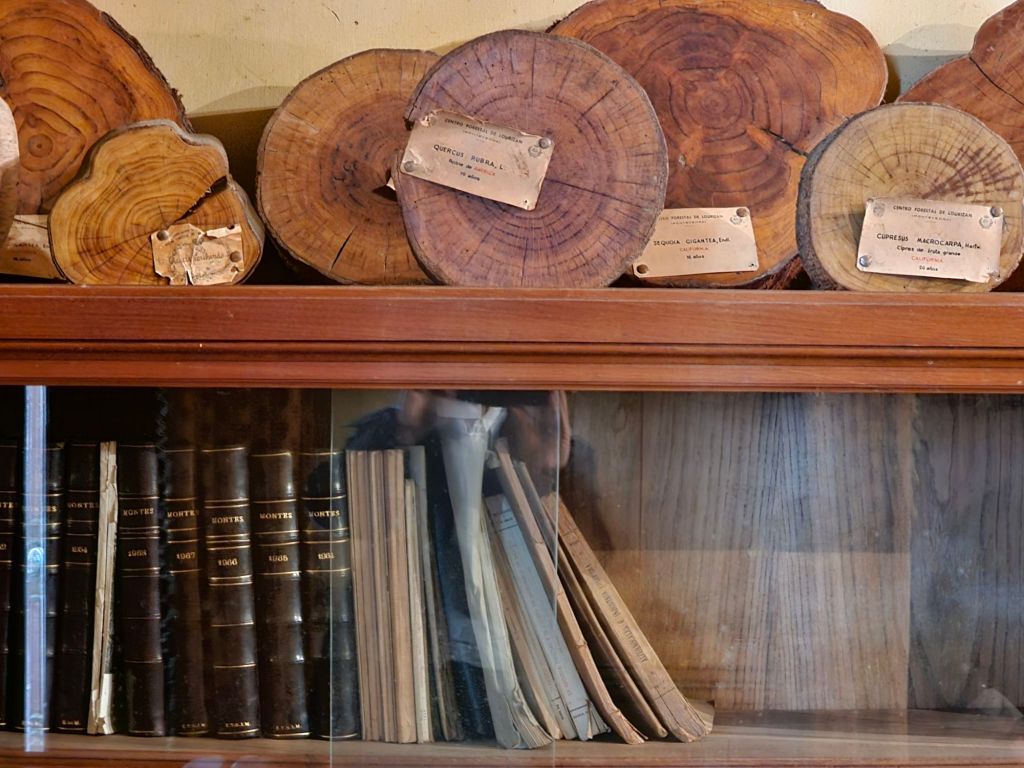
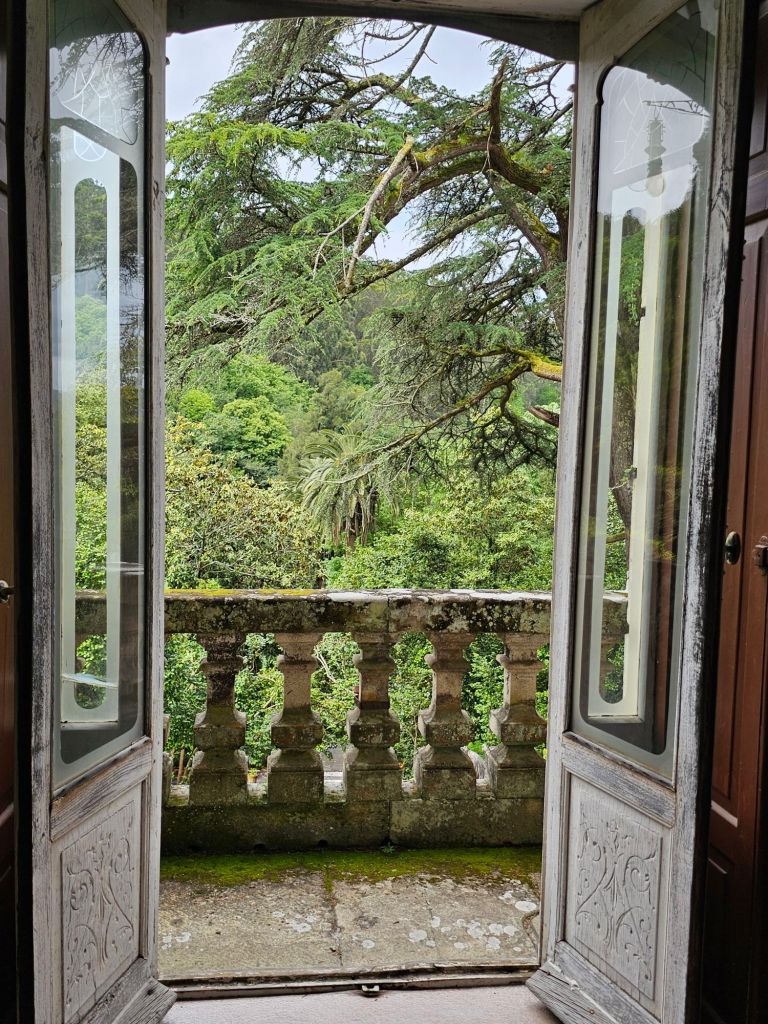
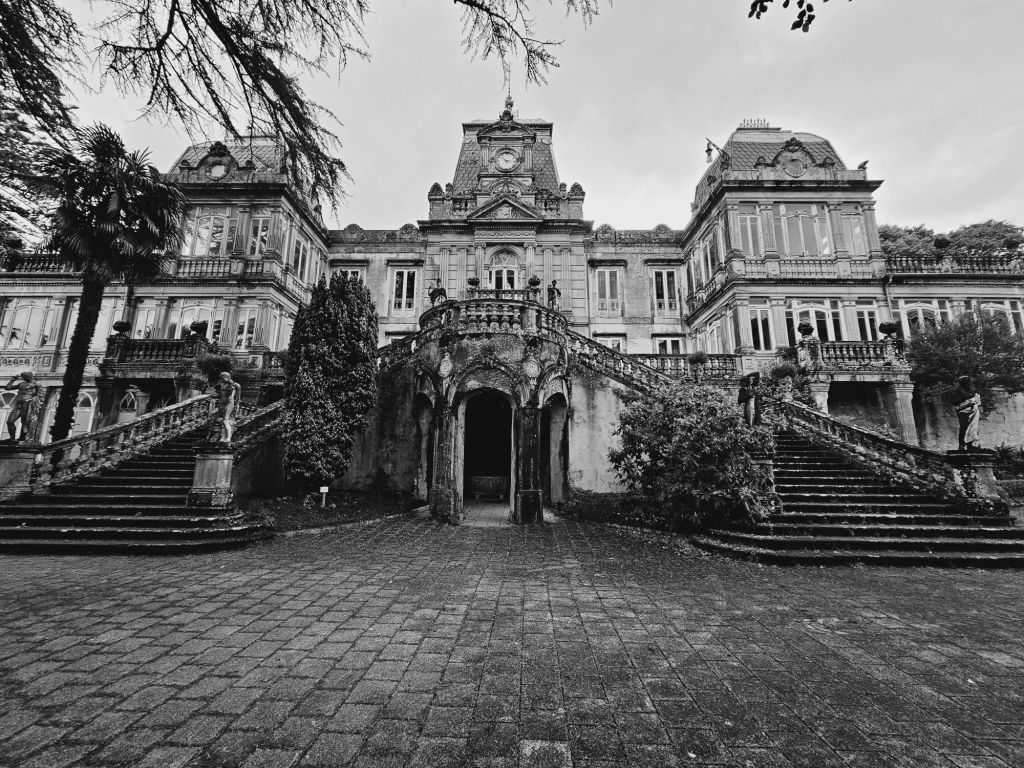
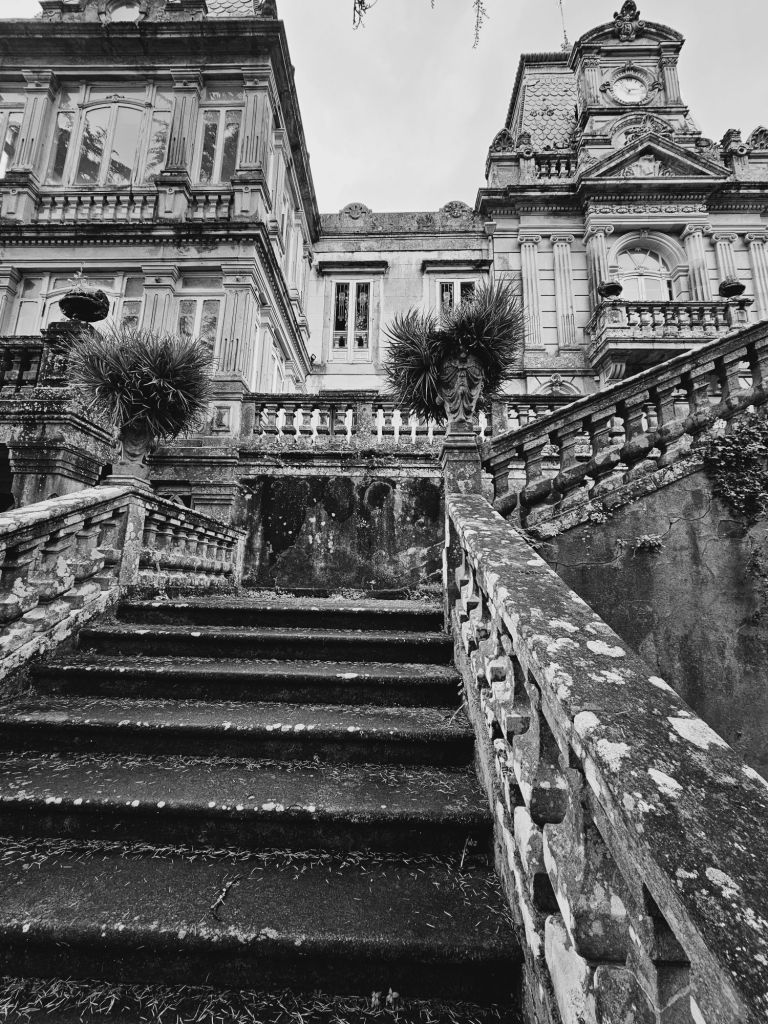
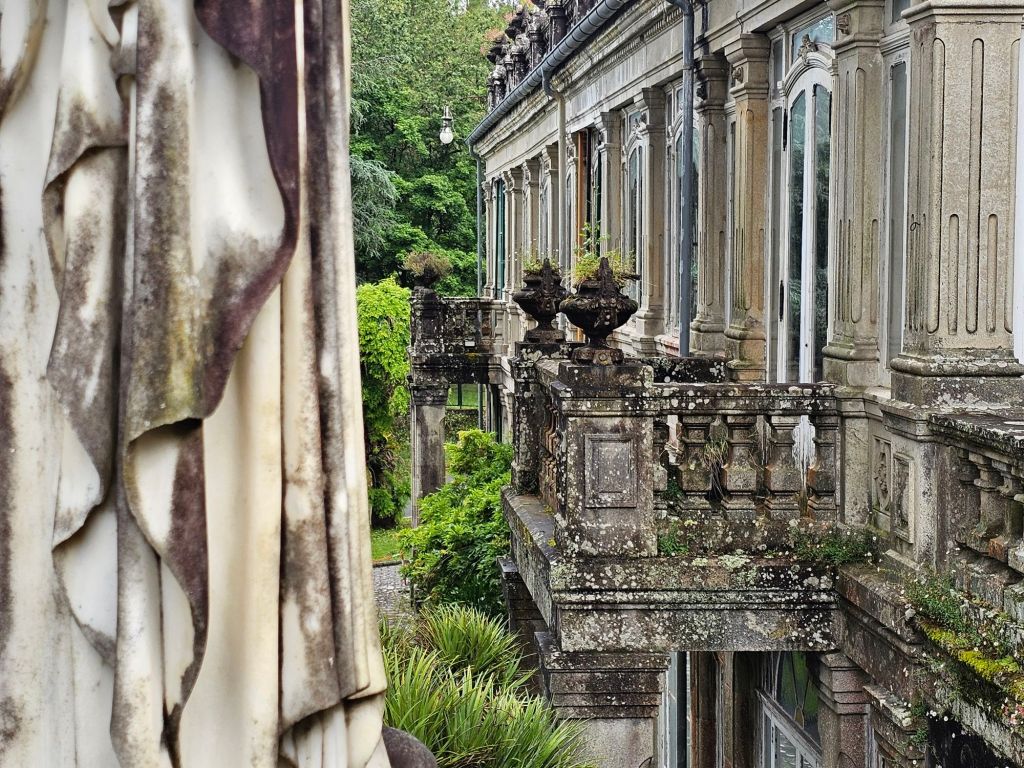
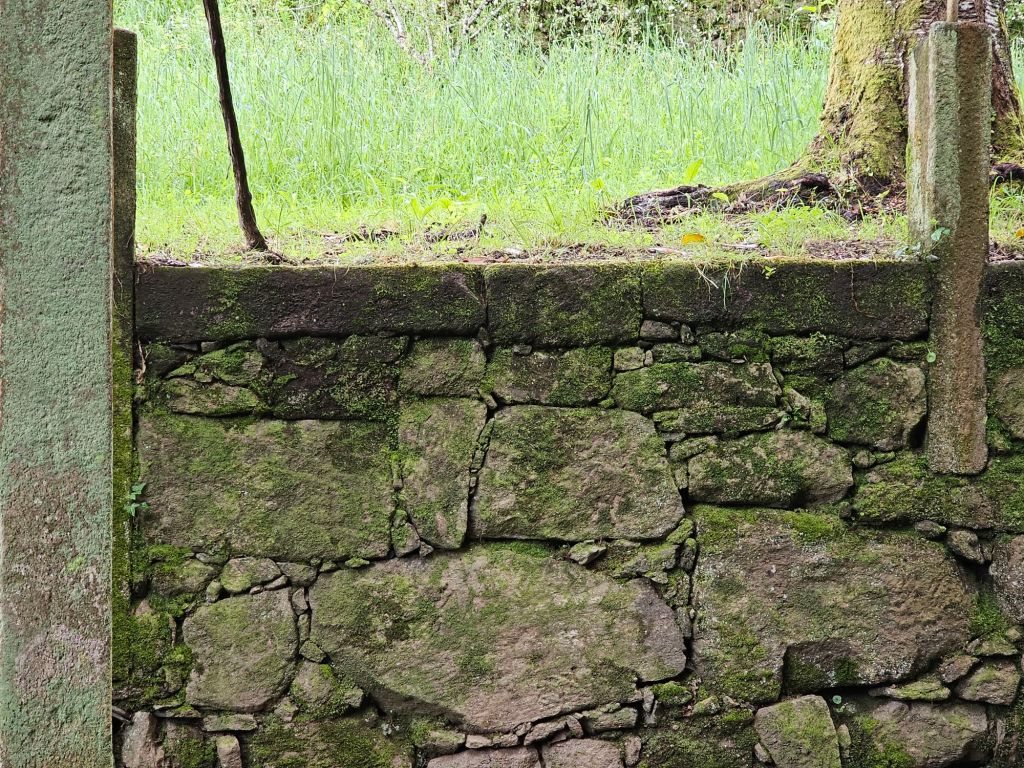
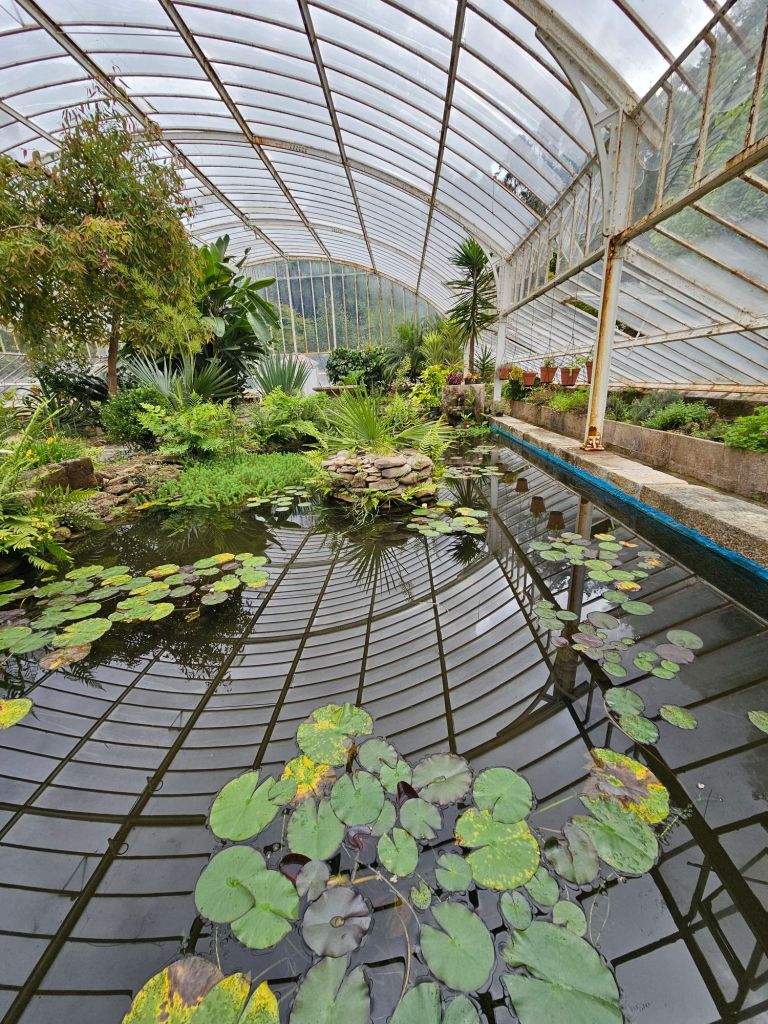
We came by bus to the estate at Lourizán, a nineteenth-century summer cottage, partly dating from 1893, but substantially renovated in Second Empire Style in 1909 by Jenaro de la Fuente Domínguez.  In 1946 it was turned into a technical school for forestry, but is now dilapidated, awaiting renovation following an architectural competition organised by the Fundación RIA:-
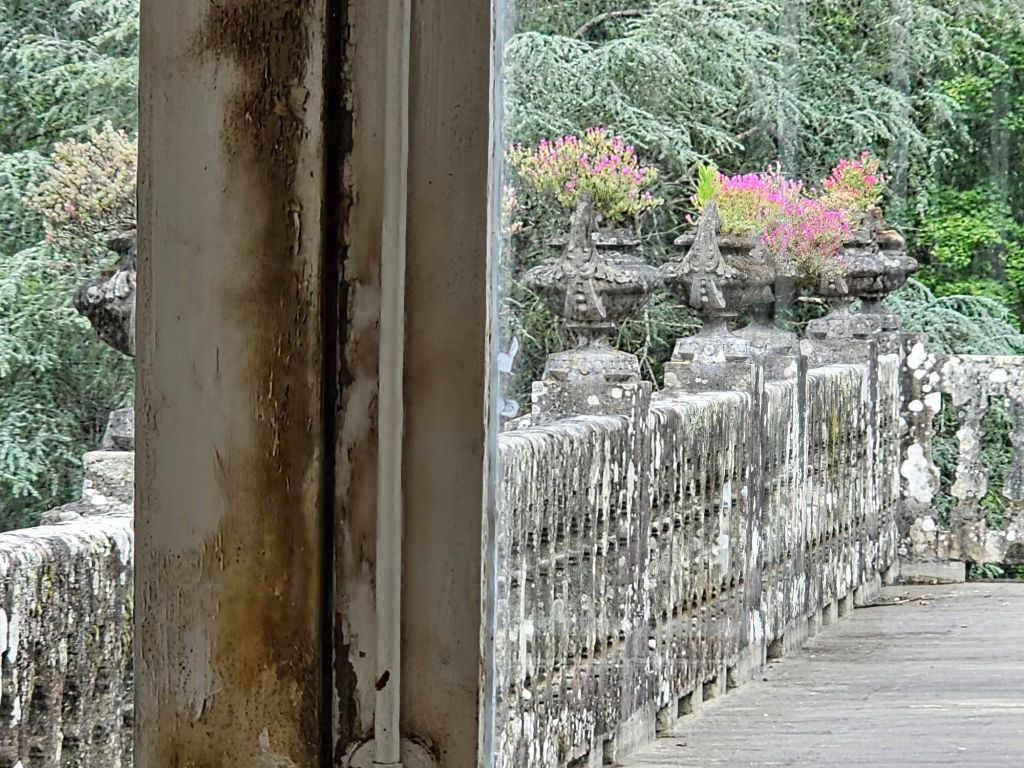
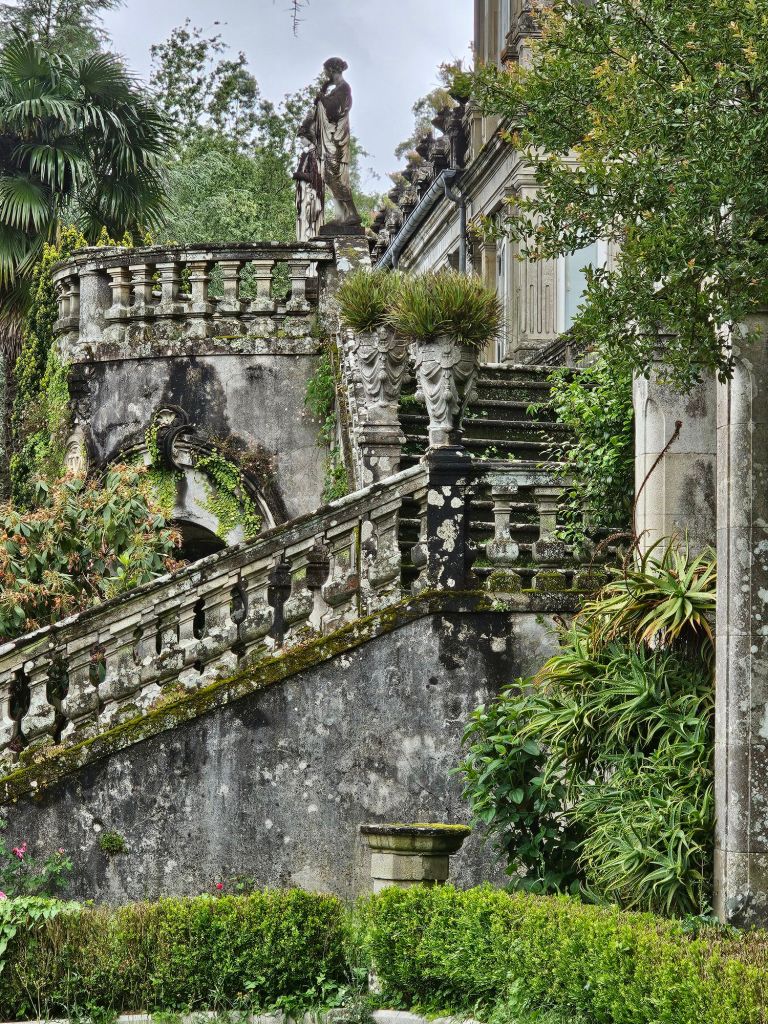
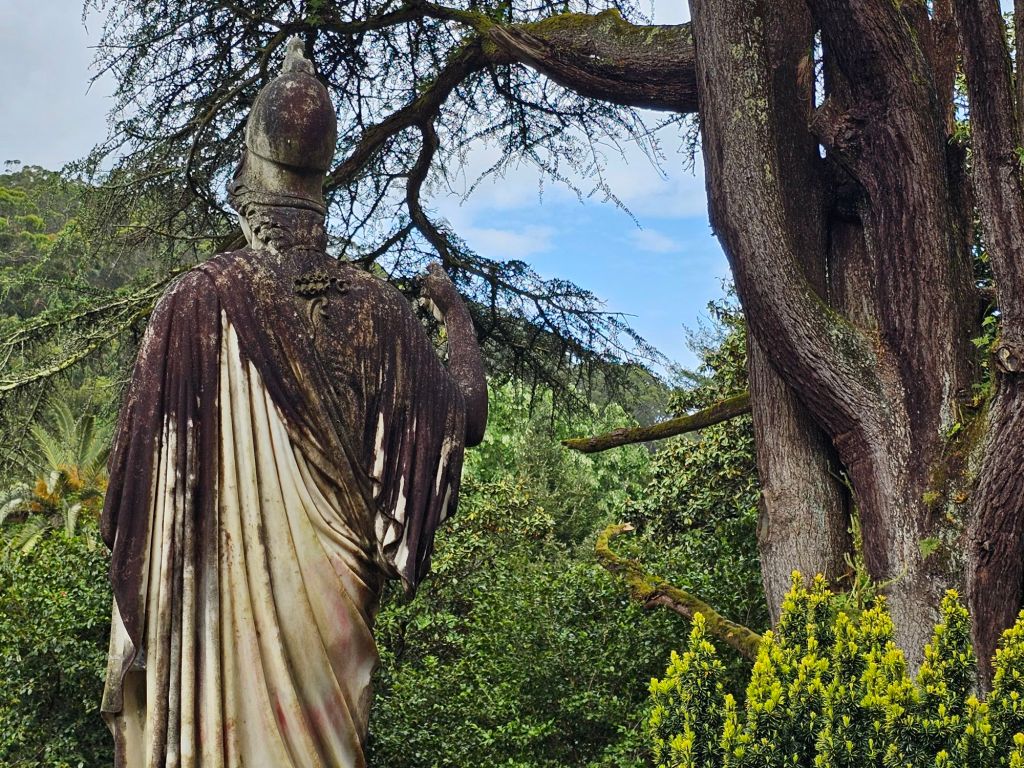
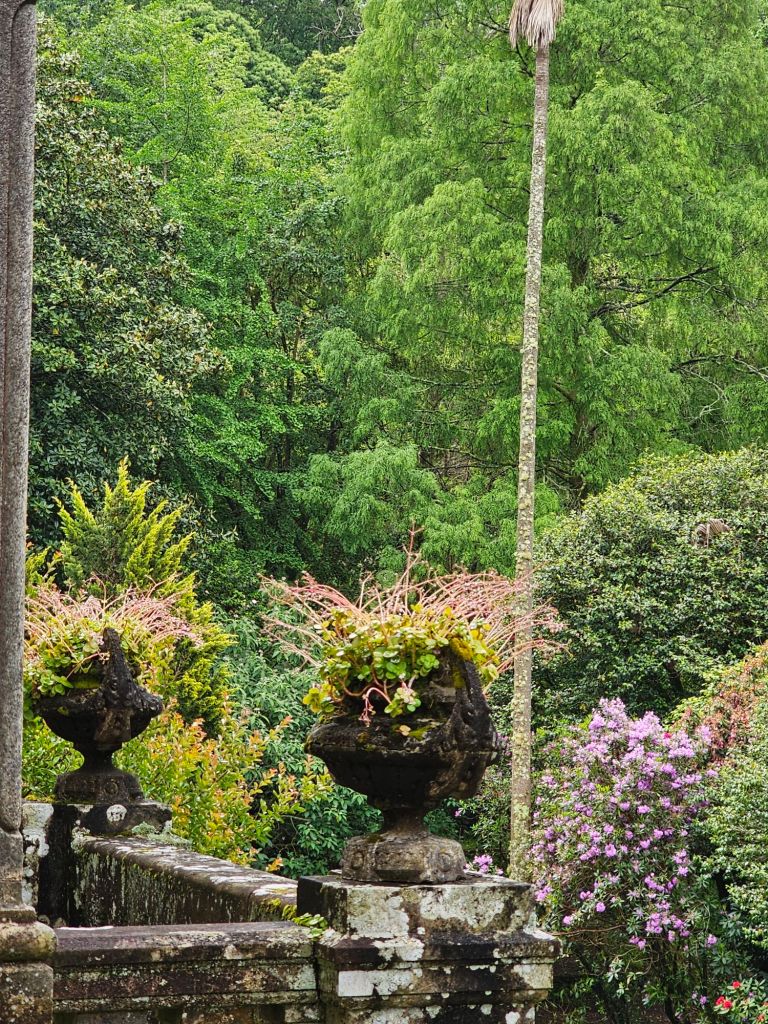
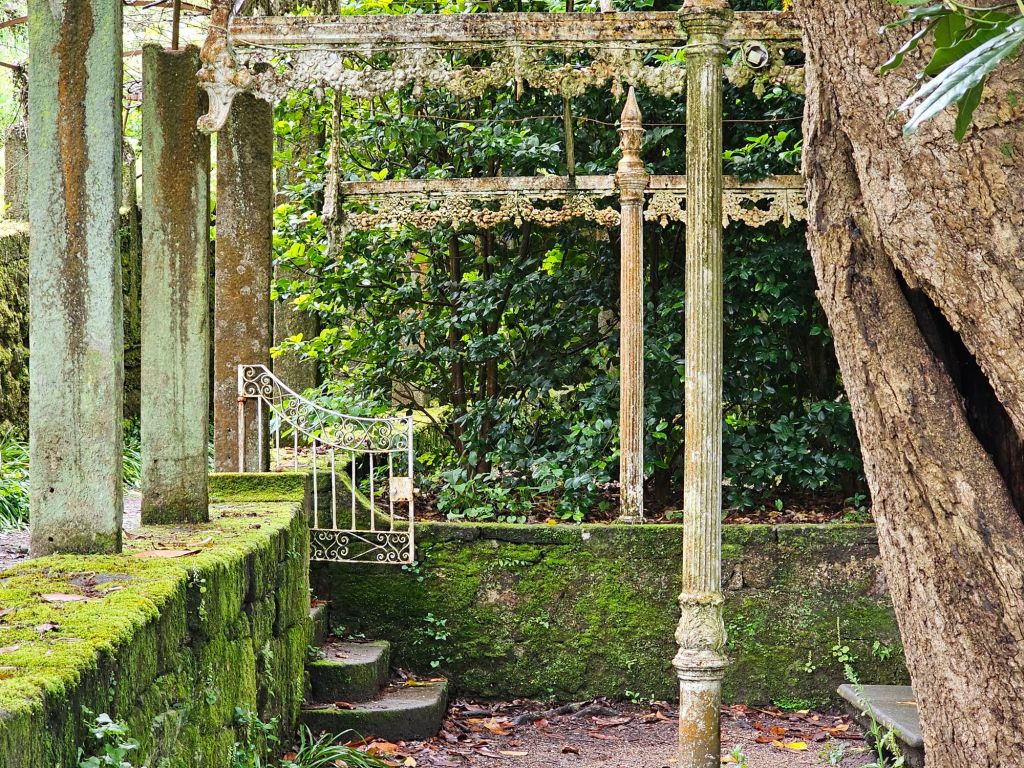
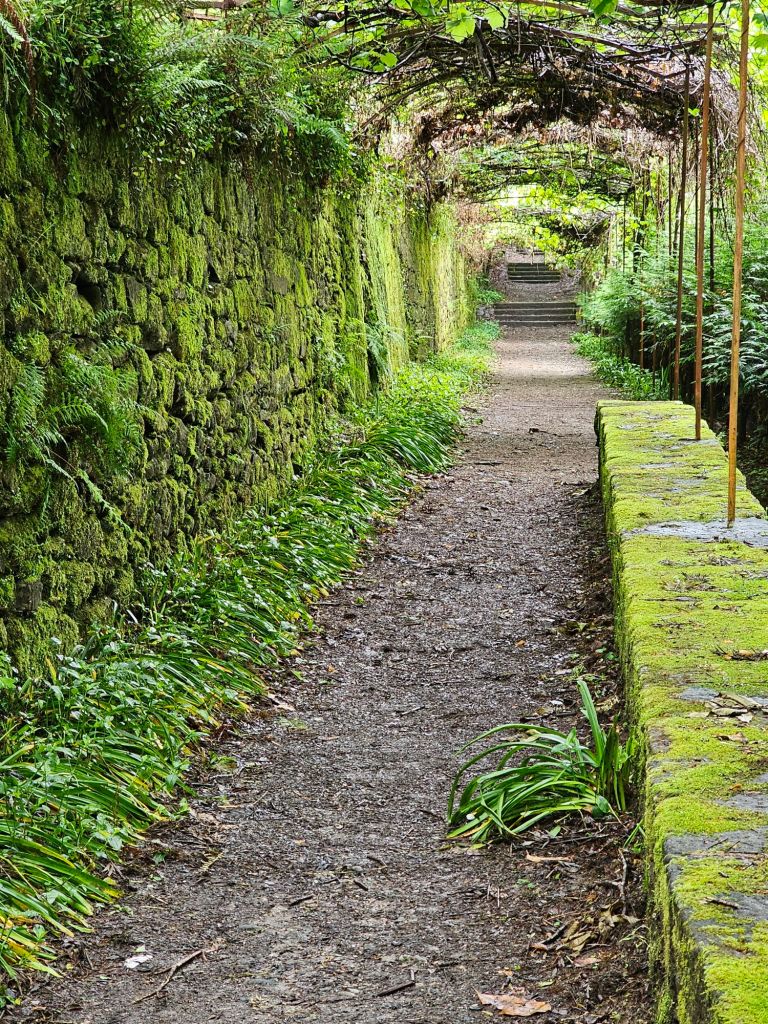
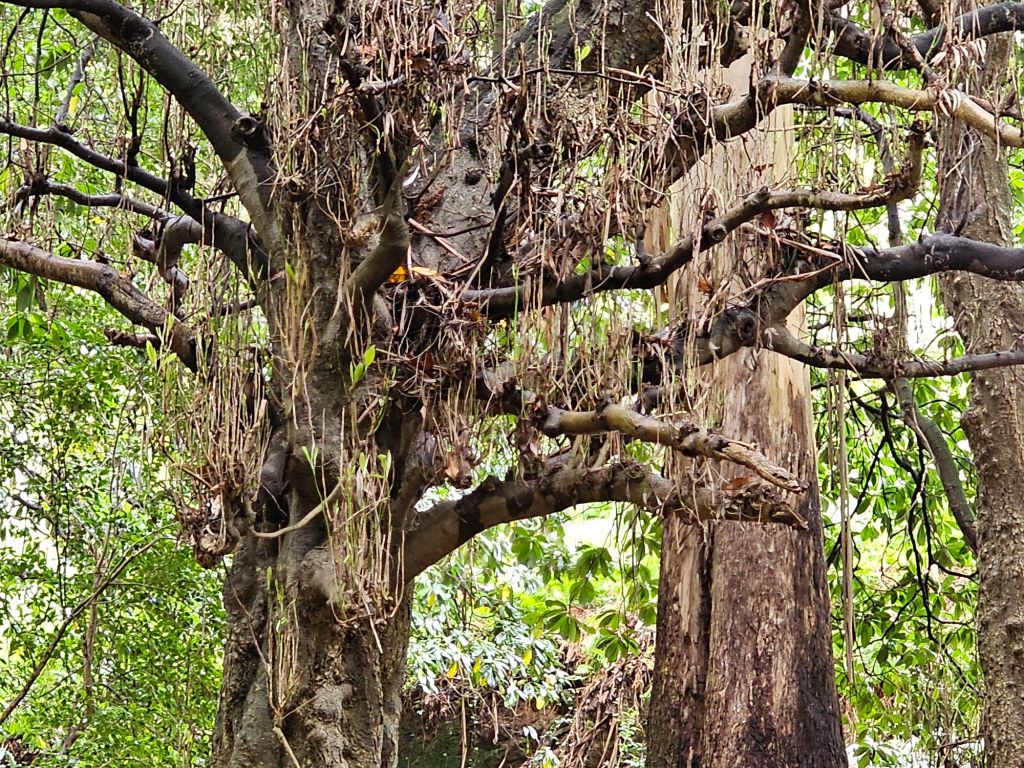
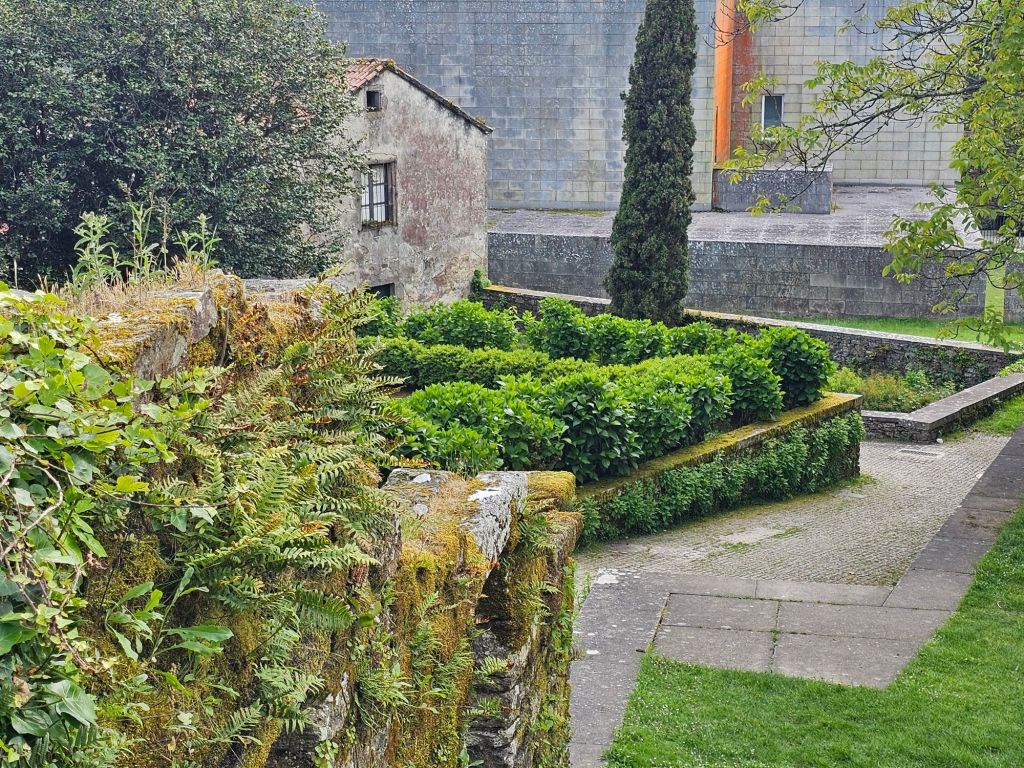
The gardens are magical, formally laid out, but now overgrown:-

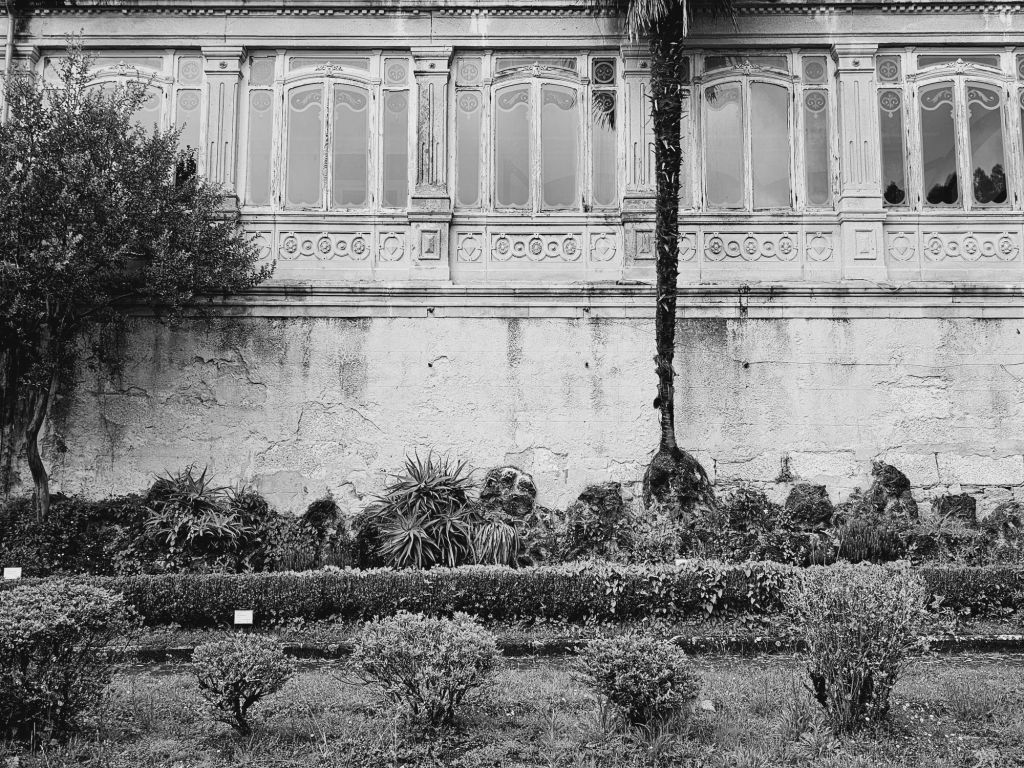
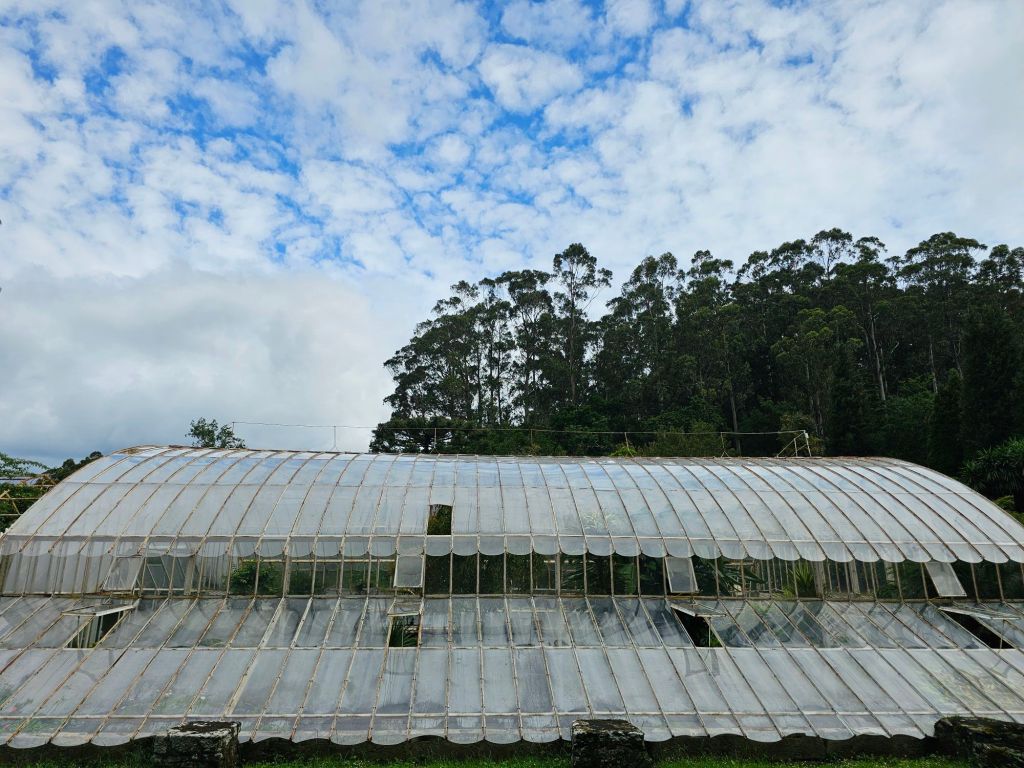
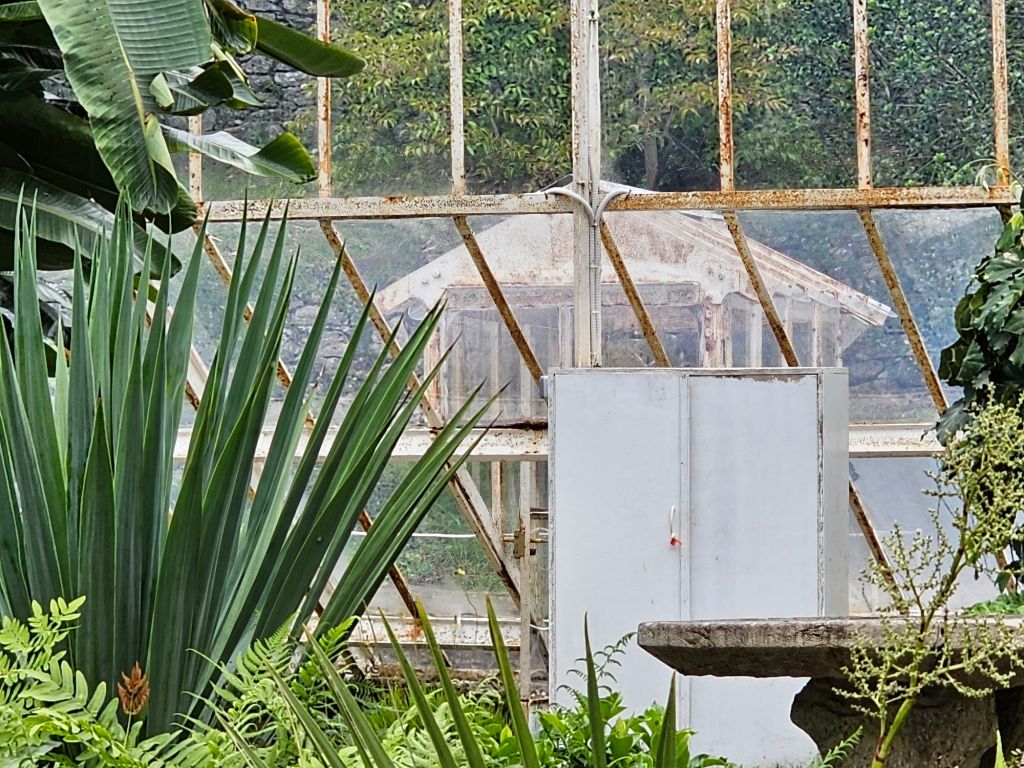
We ended at the greenhouse:-

Standard

Santiago de Compostela (7)

My last post from Compostela is of the park next door to the Galician Contemporary Art Centre which was also apparently laid out by Alvaro Siza, a beautiful hybrid between formal and informal.  I even photographed it in colour:-

Standard

Santiago de Compostela (6)

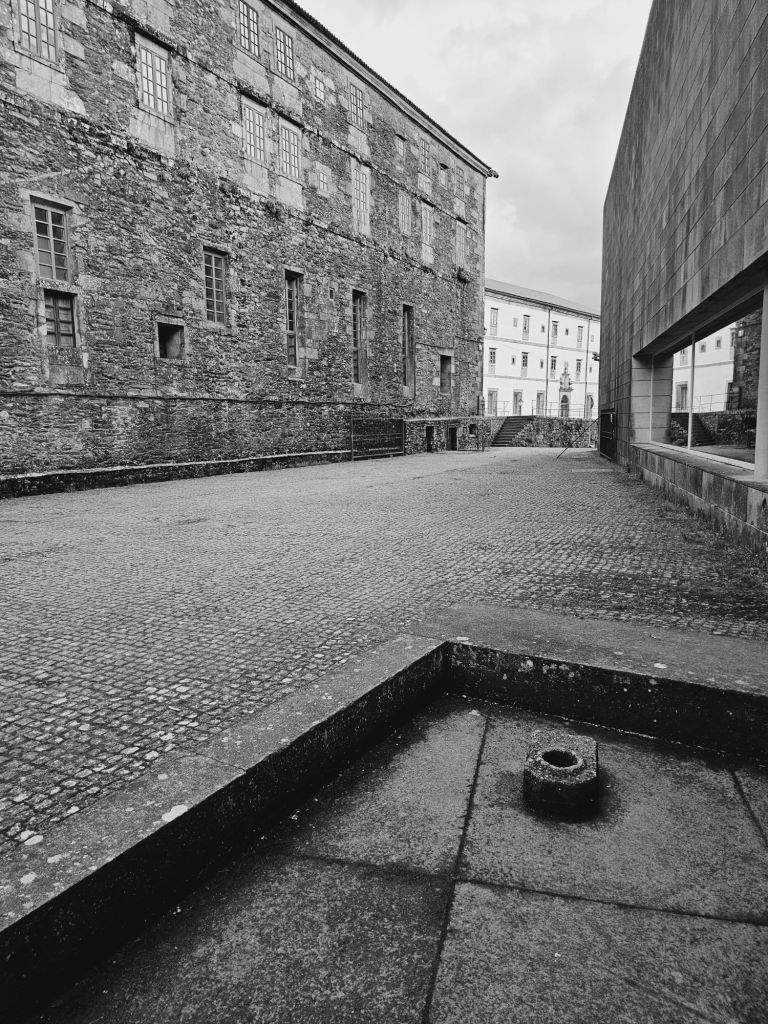
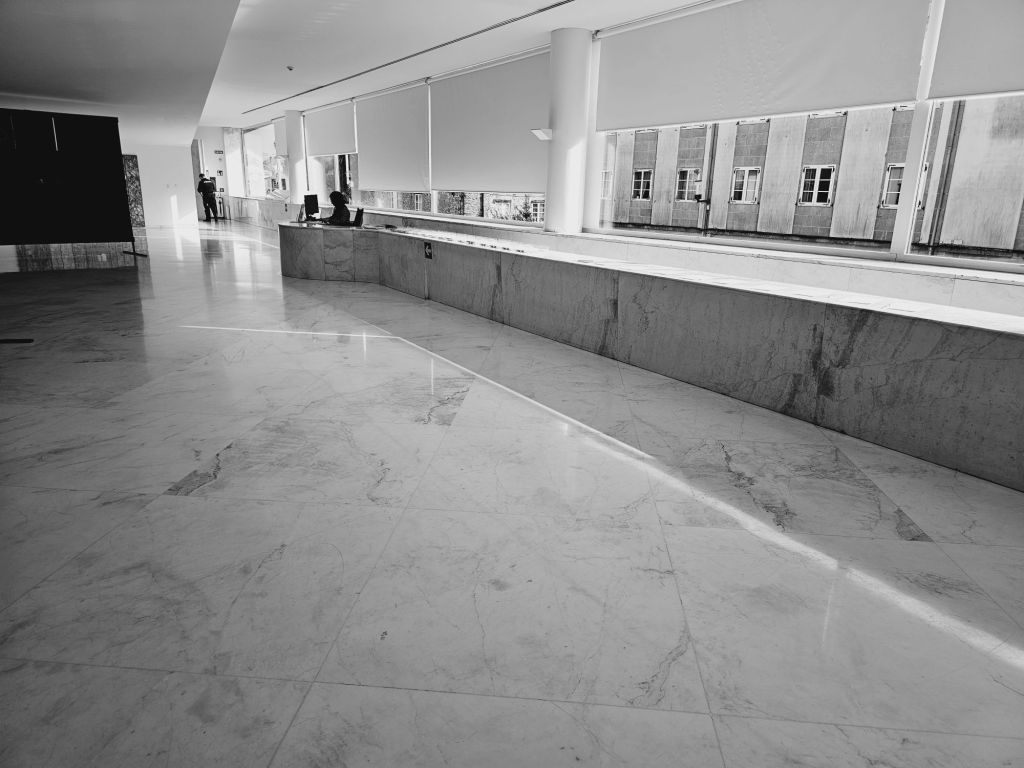
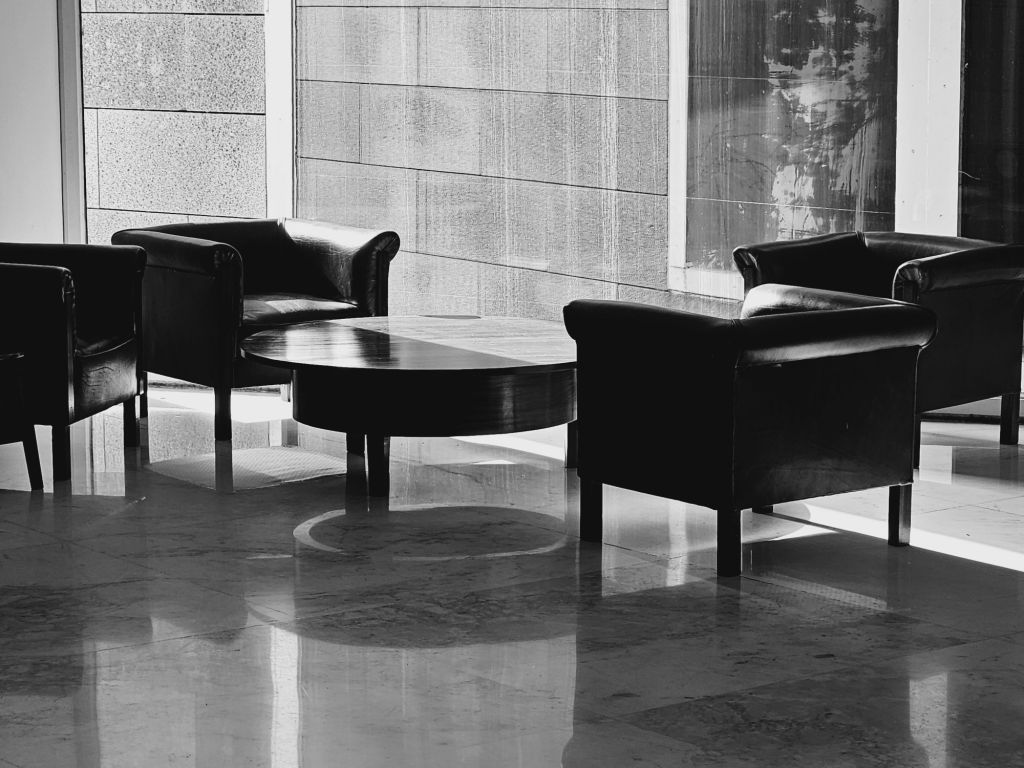
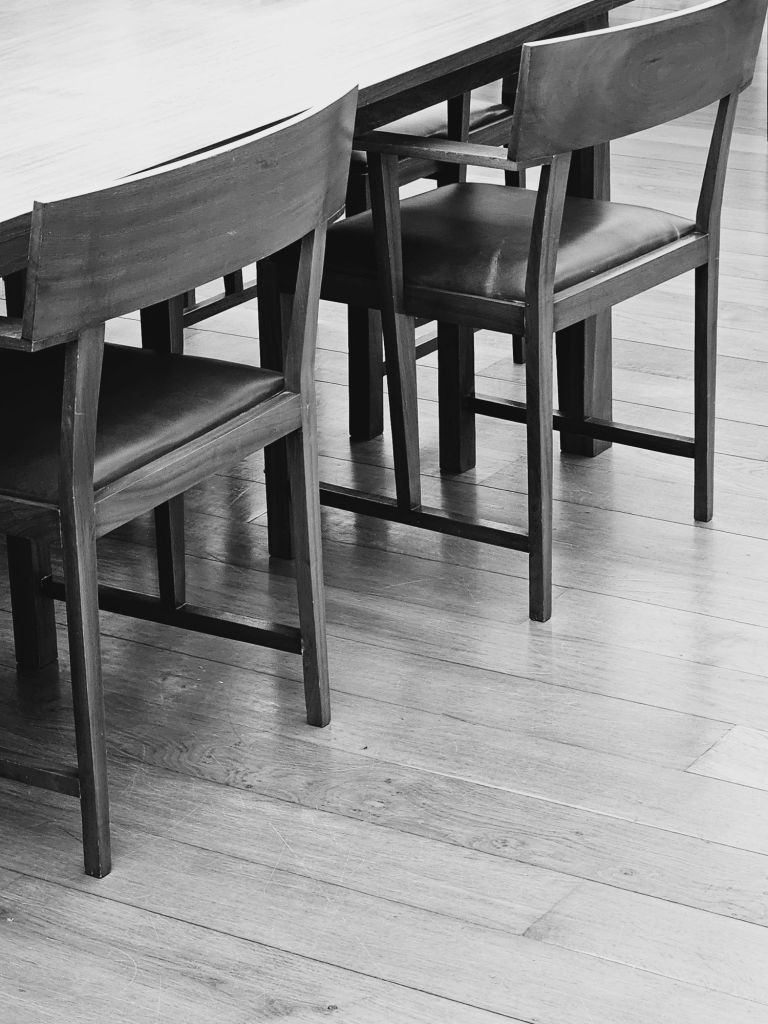
I did not know and should have done that the Galician Contemporary Art Centre was designed by Alvaro Siza between 1988 when the project was first planned and 1993 when it opened.

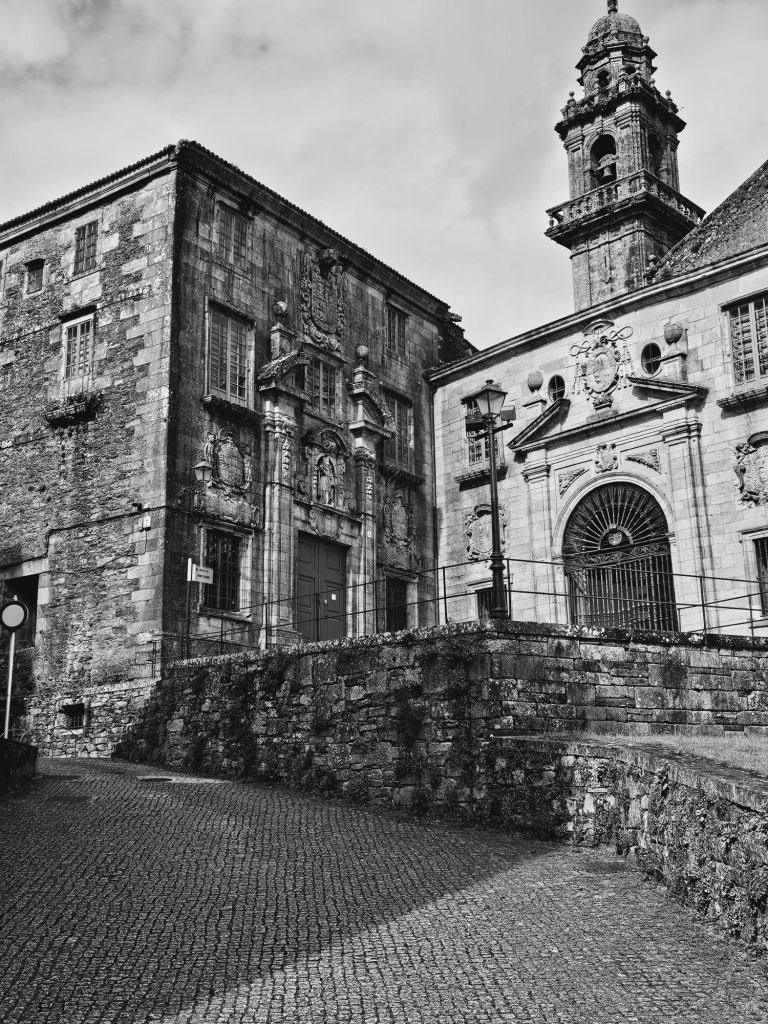
It’s a tough building, of Galician granite, in a beautiful setting opposite the Convent of San Domingos de Bonaval, just outside the city centre:-

There is a ravishing daylit entrance, all of Galician marble:-

There is beautiful furniture designed by Siza:-

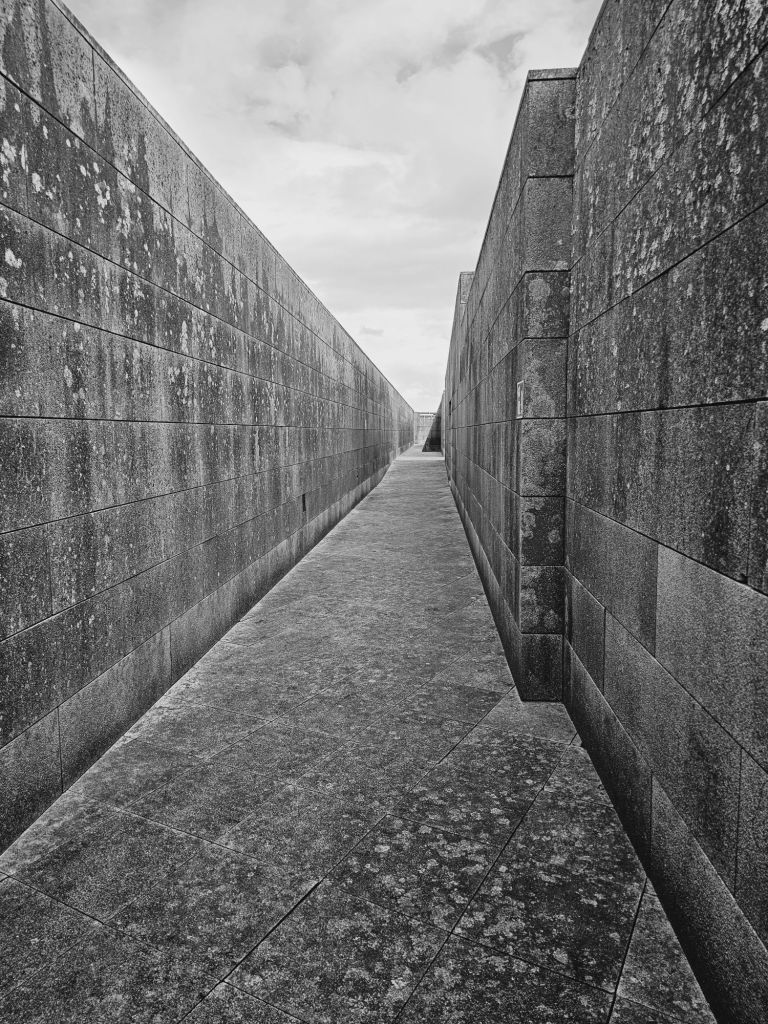
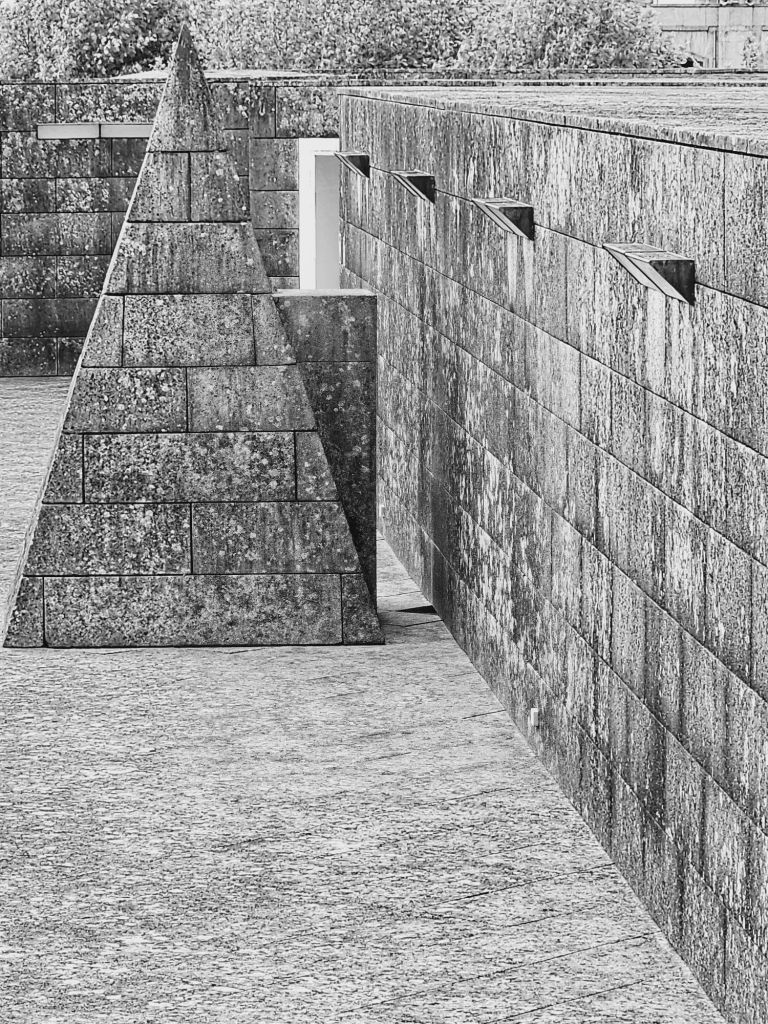
And a strange roof-top, replicating the alleyways and urban spaces in the city below:-

Standard