Perry T. Rathbone (2)

Following Ivan Gaskell’s comment on my post about Perry Rathbone, describing what it was like when he went as the Margaret S. Winthrop Curator to the Fogg in 1991, I freely confess that part of my interest in Rathbone’s diary was that it described a milieu that I discovered and hadn’t expected when I went to the Fogg as a Henry Fellow in 1976.

John Coolidge, who had been Director of the Fogg from 1948 to 1972 – a brahmin if ever there was one – was still teaching a course based on the research he had published in 1942 on Lowell, Massachusetts.  To this day, I wish I had taken it as the field trips might have given me a better knowledge of Massachusetts architecture.

And I was invited to celebrate Thanksgiving with Cornelius and Emily Vermeule.  Cornelius Vermeule III had been a curator of Classical Art at the MFA since 1957.

I realise now it was brahmin-land.  At the time, it seemed a bit unreal.

Standard

Perry T. Rathbone (1)

I have been sent a PDF of the diary of Perry Rathbone, Director of the Museum of Fine Arts in Boston in the 1960s, which has been published by his daughter, Belinda. It gives a good sense of the life of a museum director – hectic, torn between travel, seeking acquisitions, visiting exhibitions and cultivating donors, without much time for self-reflection, or even writing a diary, except for the occasional set pieces as when Kennedy is shot.

It is picture of upper crust Boston as it used to be – a lot of time entertaining, dressing for dinner, going to clubs. Much of it is routine sociability about people now forgotten, but there are occasional moments which make one sit up. I had not realised that Josep Lluís Sert, the Catalan architect, was Dean of Architecture at Harvard and responsible for some of the big buildings in Harvard Yard as well as the Fondation Maeght. There is quite a bit about historic preservation, and while Rathbone is interested and knowledgeable about contemporary art, he hates Corbusier’s Carpenter Center next door to the Fogg. He is contemptuous of poor old W.G. Constable, the first Director of the Courtauld Institute who went to be Keeper of the Paintings Department in Boston and who he keeps meeting at parties. He was also uncomplimentary about Bernard Berenson, quoting Meyer Schapiro who wrote that ‘Business was the concealed plumbing in Berenson’s house of life’. There is an interesting comment as he packs up their holiday cottage on Cape Cod that ‘The Cape changes – how swiftly ! I see a complete surrender of the holdings of the old Yankee higher order and a ruination of the ‘Old Cape’ we have loved’.

Rathbone was a product of Paul Sachs’s course at Harvard on ‘Museum Work and Museum Problems’. What comes across is that the requirements are not so much connoisseurship as stamina in maintaining a hyper-active social life, staying each summer with Peggy Guggenheim in Venice and Henry P. McIlhenny in his castle in Ireland, waiting for rich people to die in the hope that they might bequeath their collection to the MFA.

Standard

Canary Wharf (5)

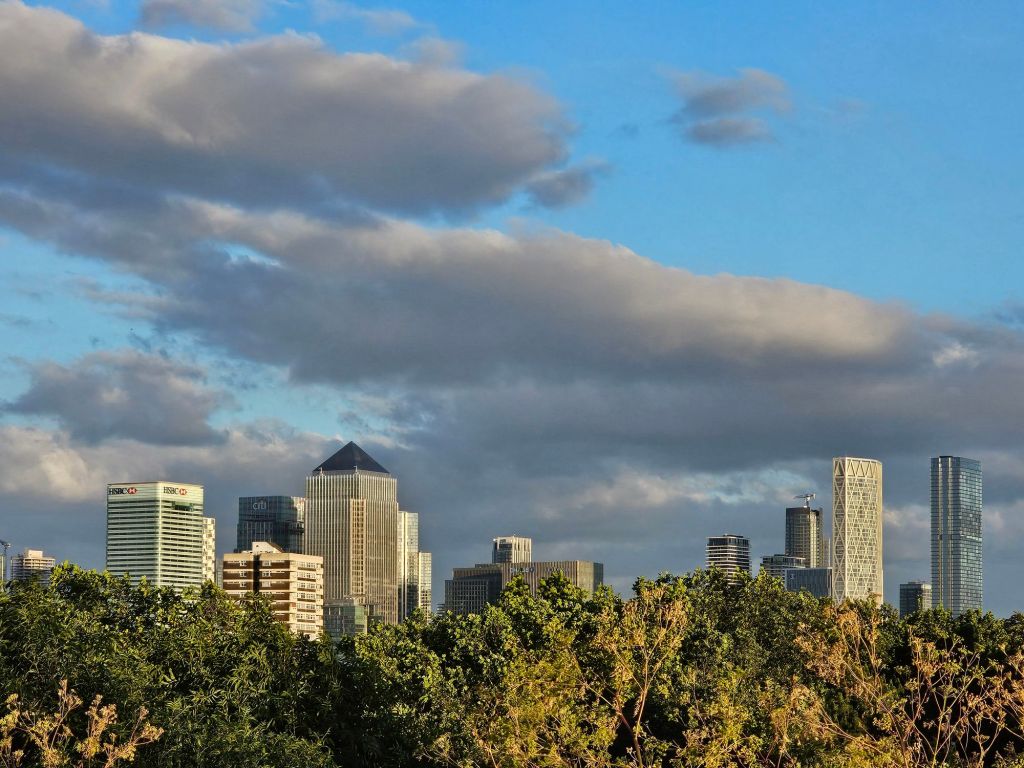
I bicycled through Canary Wharf earlier in the week and was struck by how different it feels to the City: much more alive, more restaurants, more street life.  The City has been promoting a view that having turned itself into a less successful, ersatz version of Canary Wharf, the big banks are now desperate to move to the City.  If I were a big bank, I would be cautious of this.  It’s propaganda from the City who seem to have the newspapers on their side.  Maybe their proprietors are freemasons too.

Standard

St Anne’s, Limehouse (5)

I went for an update on the fundraising for the conservation/restoration of St. Anne’s, Limehouse. 

They are planning an exhibition in the autumn on what they call the Hawksmoor Six – the different strategies adopted by the other six Hawksmoor churches and including documentary material on the Hawksmoor Committee established by Wayland Kennet and his wife, Elizabeth Young, in 1960. 

It should be interesting:-

https://www.careforstannes.org/

Standard

Sezincote (3)

I have been reading the new brief history of Sezincote which has just been written by Edward Peake, the current owner of the house.

It’s not straightforward:  first bought by John Cockerell, who had had a career in the Indian army, including the defeat of Tipu Sultan at Seringapatam, and returned to England with a half-Indian, half-Portuguese mistress, Estuarta.  He planned to employ his younger brother, Samuel Pepys Cockerell, to enlarge it, but the work was done by their younger brother, Charles, who made a lot of money in trade in India and was obviously happy to flaunt his nabobbery by commissioning a house in the Indian style.

William Dalrymple gave a talk on the Mughals which ended with an interesting answer to a question which I didn’t hear:  the gist of the answer was that the British have not yet learned to be ashamed of what we did in India, not the answer expected by an audience enjoying the opulence of Anglo-Indian remains.

https://www.sezincote.co.uk/

Standard

Sezincote (2)

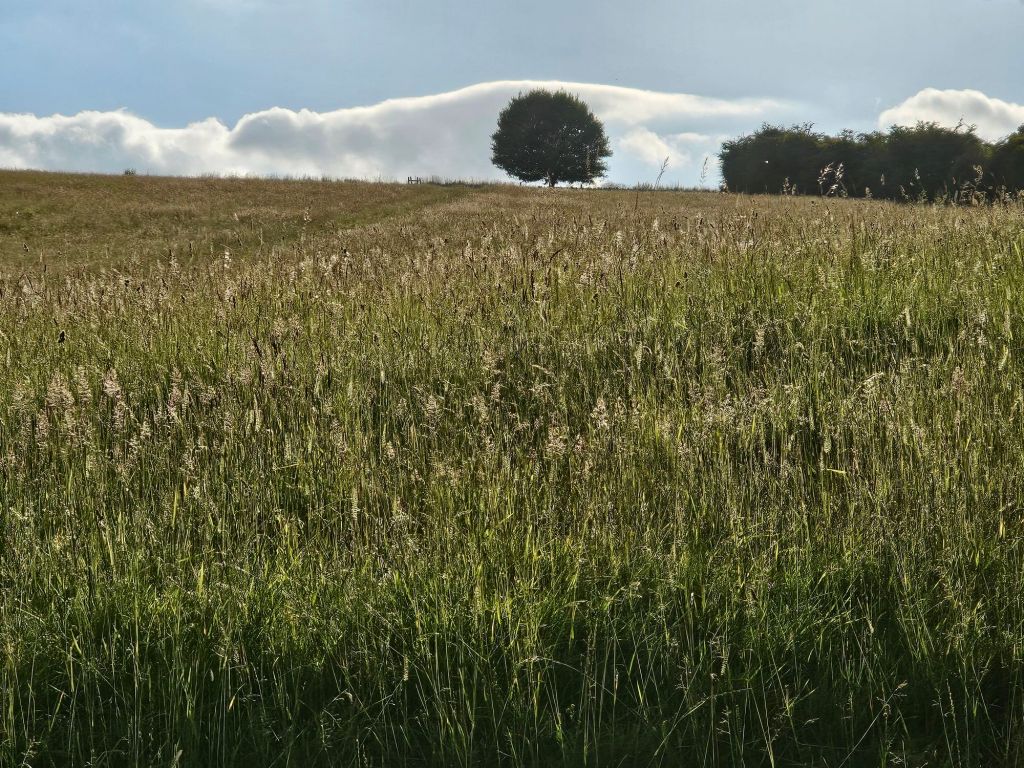
In leaving Sezincote, I am struck by the lushness of the surrounding countryside – the villages west of Stow-on-the-Wold – Longborough, Upper Slaughter, Upper Swell.  Of course, we have had three months of unremitting rain, but it was still a pleasure to be back in the areas of countryside memorialised by Edith Brill in Cotswold Ways:-

Standard

Sezincote (1)

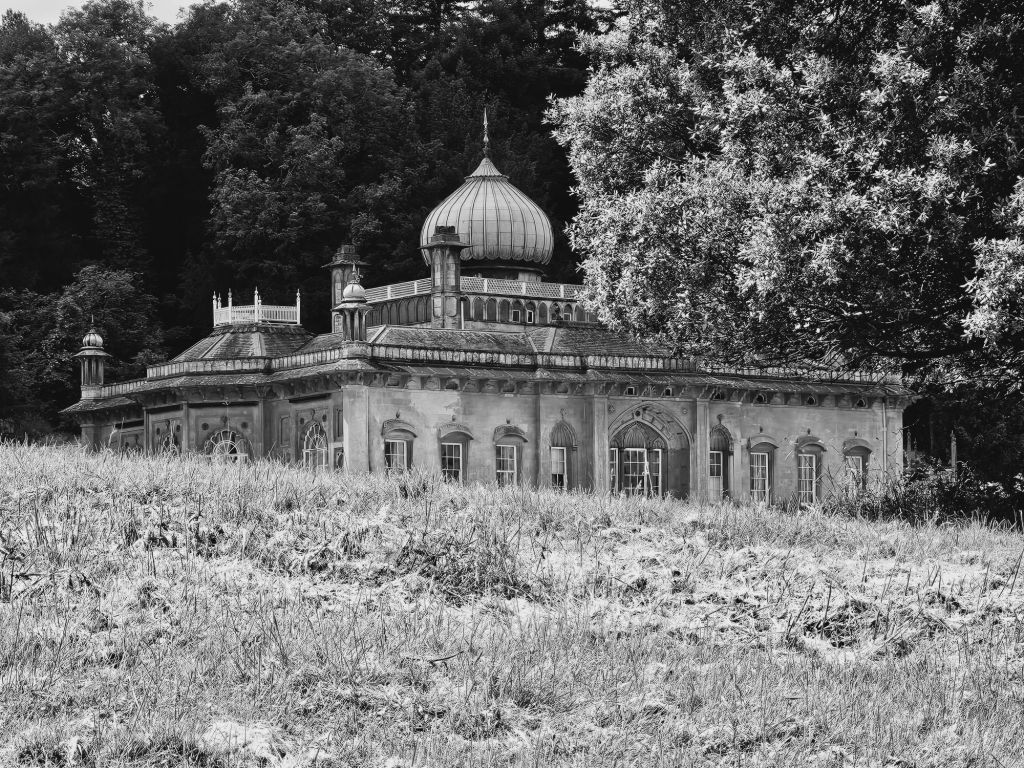
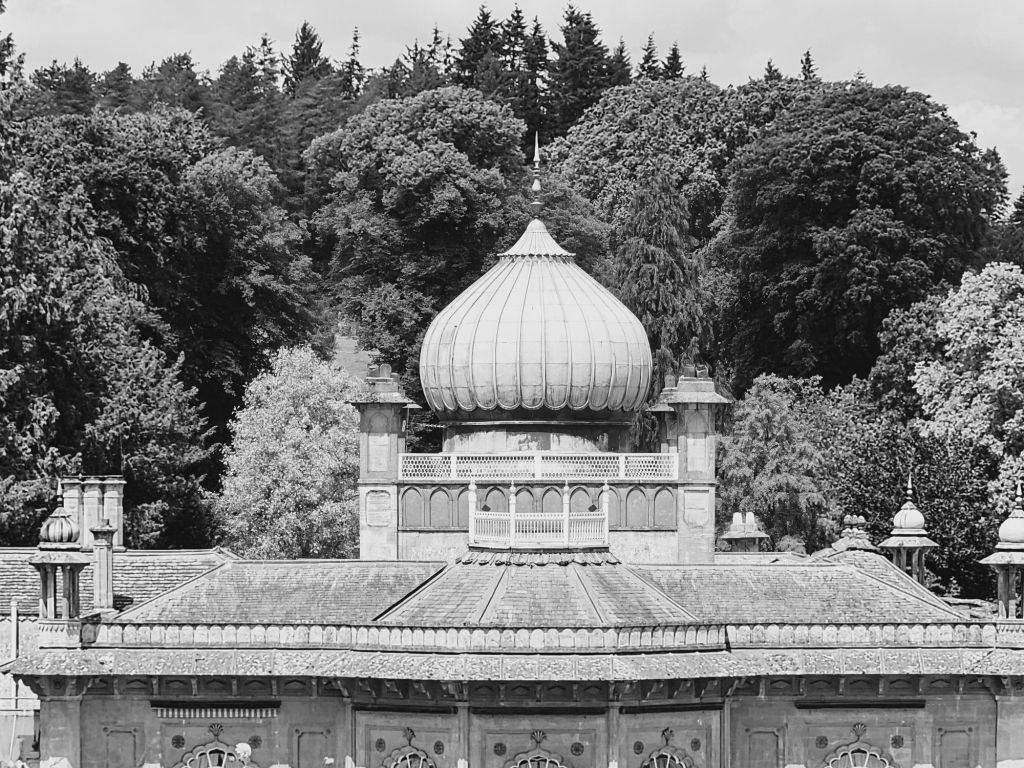
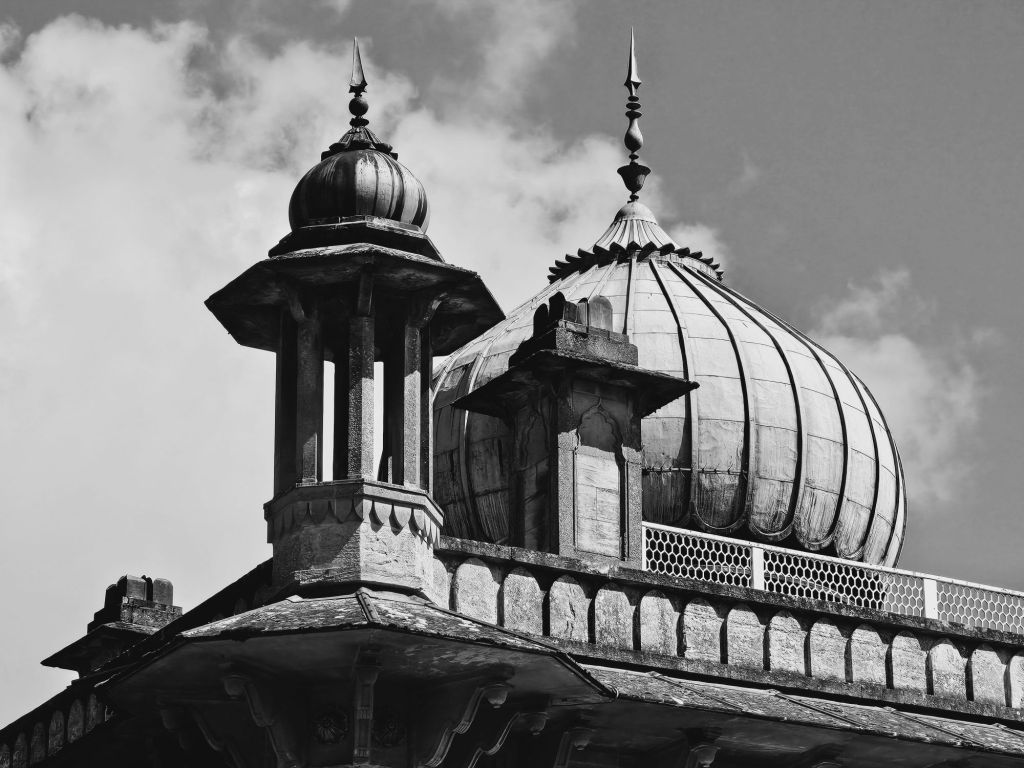
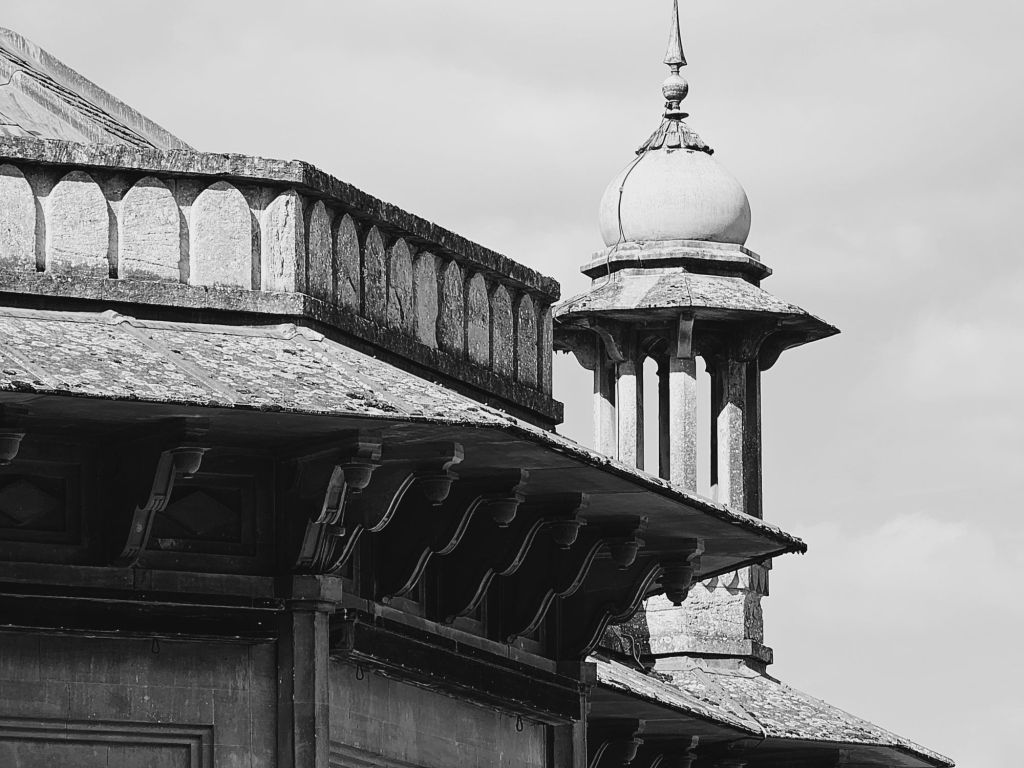
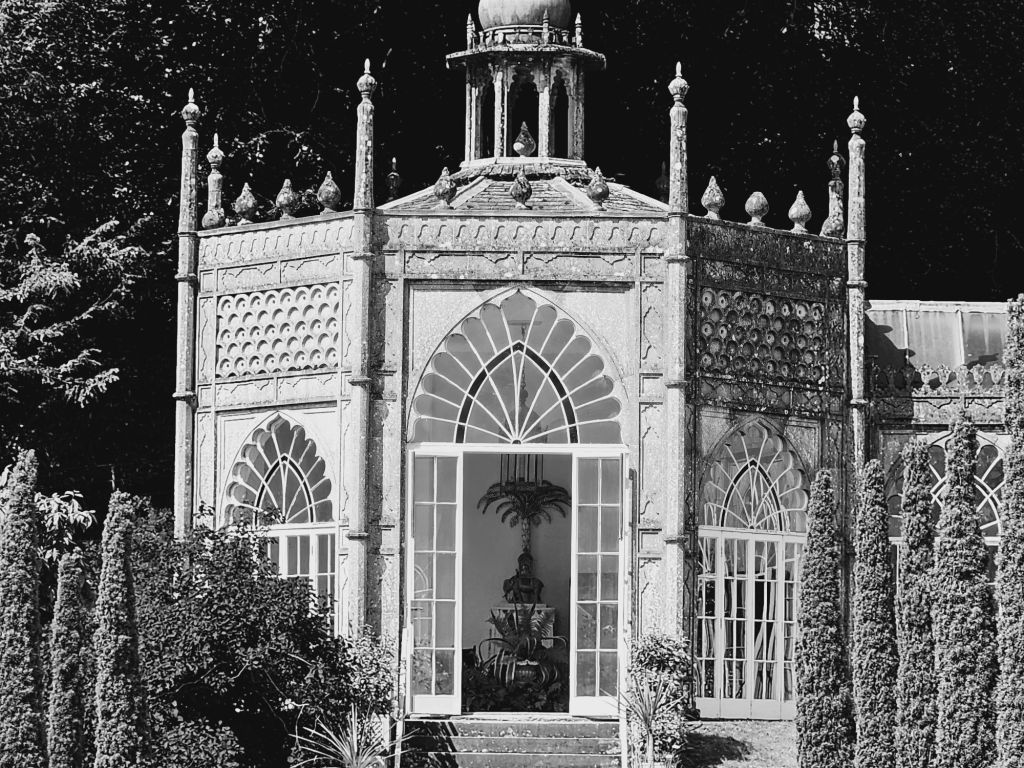
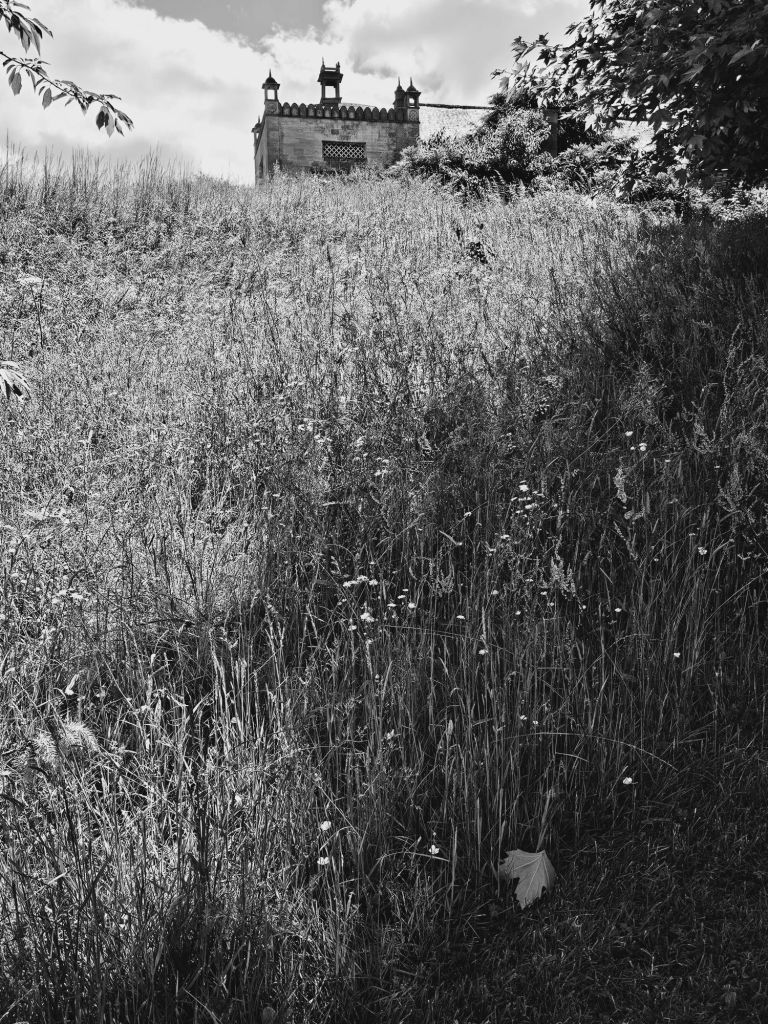
A day spent at Sezincote at the Garden Museum’s annual literary festival: a treat to be able to enjoy the mixture of Indian domes and Gloucestershire countryside:-

Standard

and dead objects would acquire souls (1)

Something to do the weekend after next:-

https://mailchi.mp/fad8445518f9/exhibition-5th-6th-july-2024-at-edmund-de-waals-studio?e=9dc0f9b85b

Standard

The Buildings of Green Park

A very nice walking tour this morning of the buildings – actually, more than buildings – on the east side of Green Park, which can be glimpsed through the shrubbery along Queen’s Walk (the Queen being Queen Caroline).  Andrew Jones was the perfect guide.

Lancaster House:-

Bridgewater House (Barry):-

And Spencer House:-

https://www.theoldie.co.uk/article/the-queens-neighbours-the-buildings-of-green-park-by-andrew-jones-lucinda-lambton

Standard