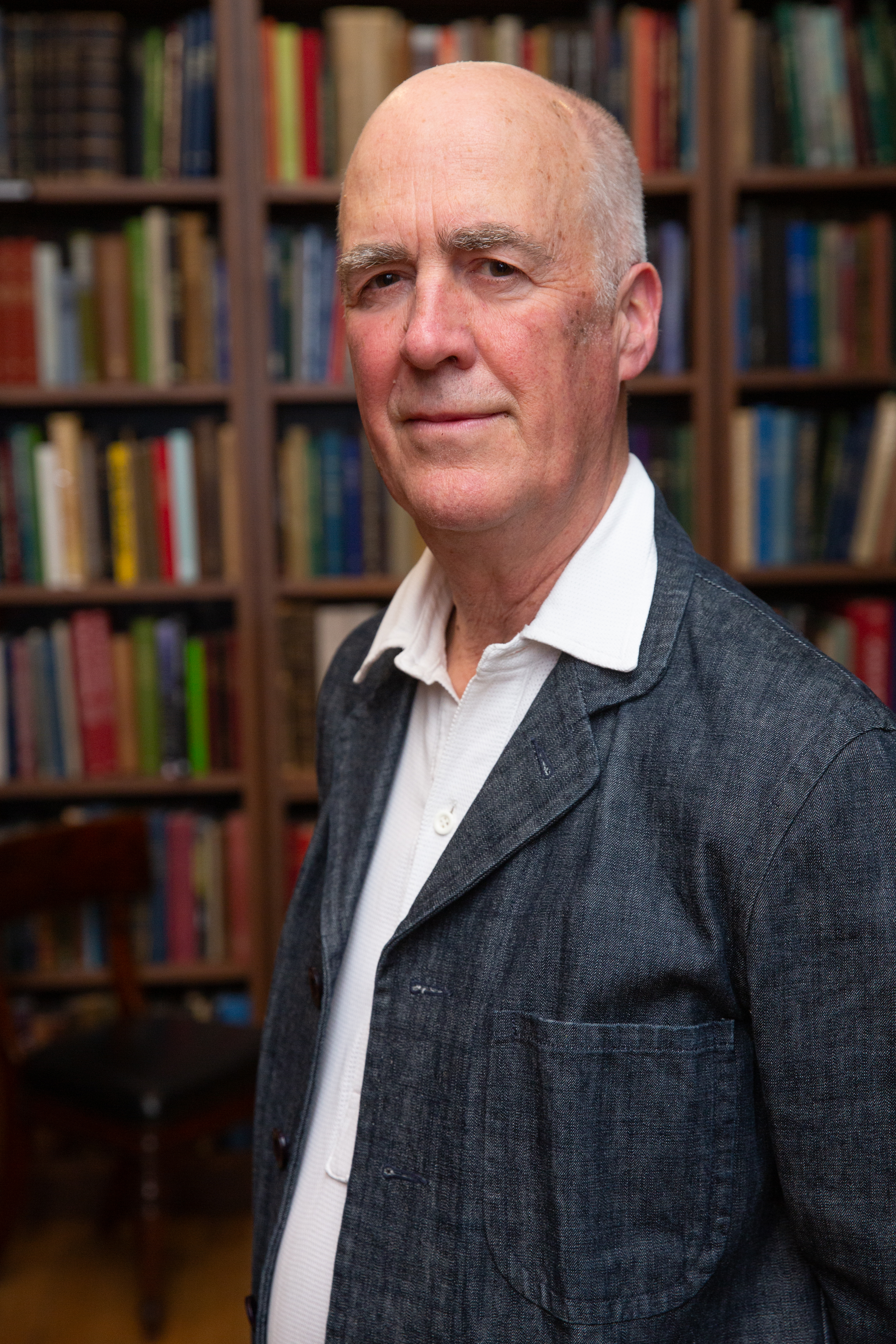
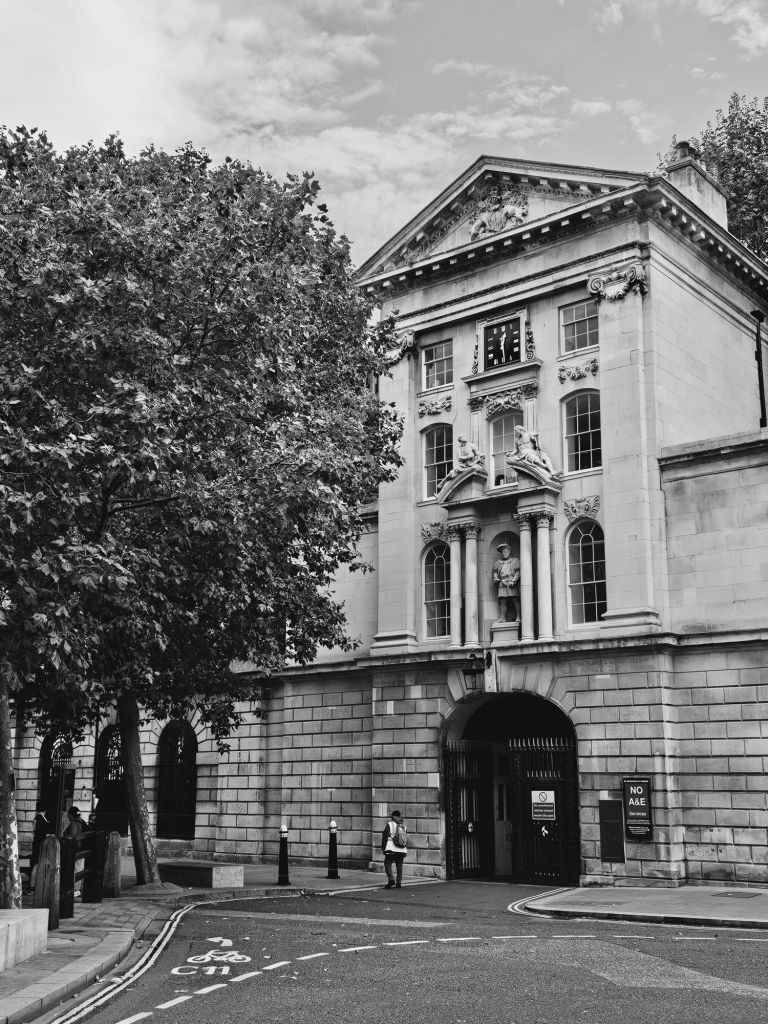
Henry VIII Gatehouse

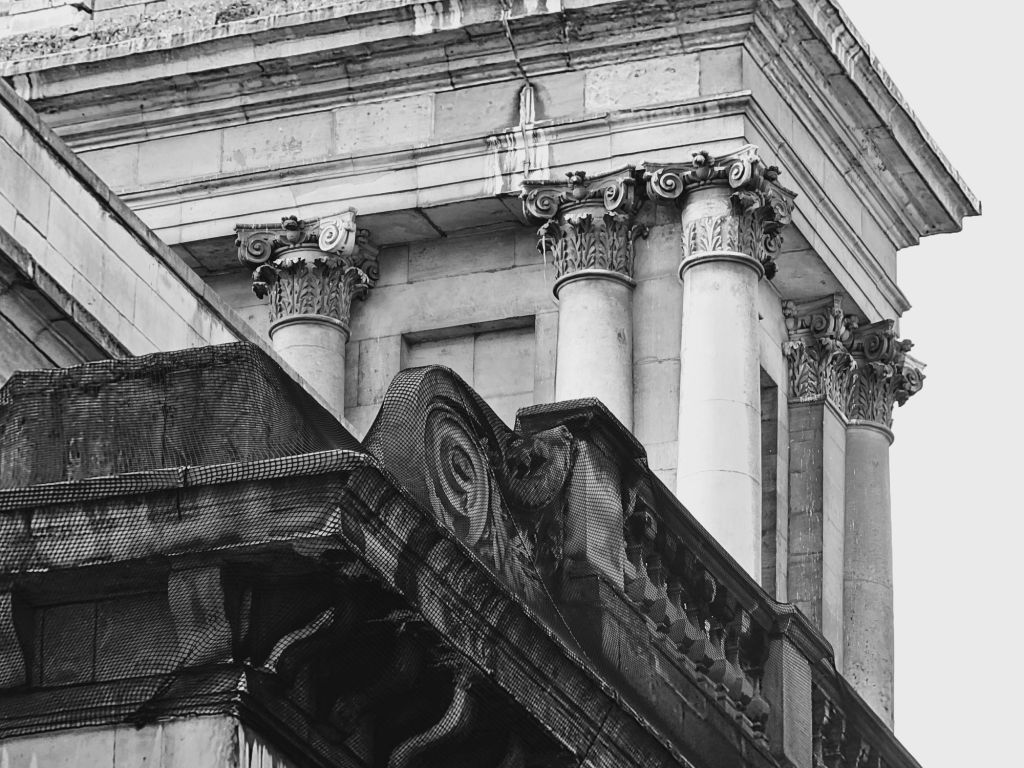
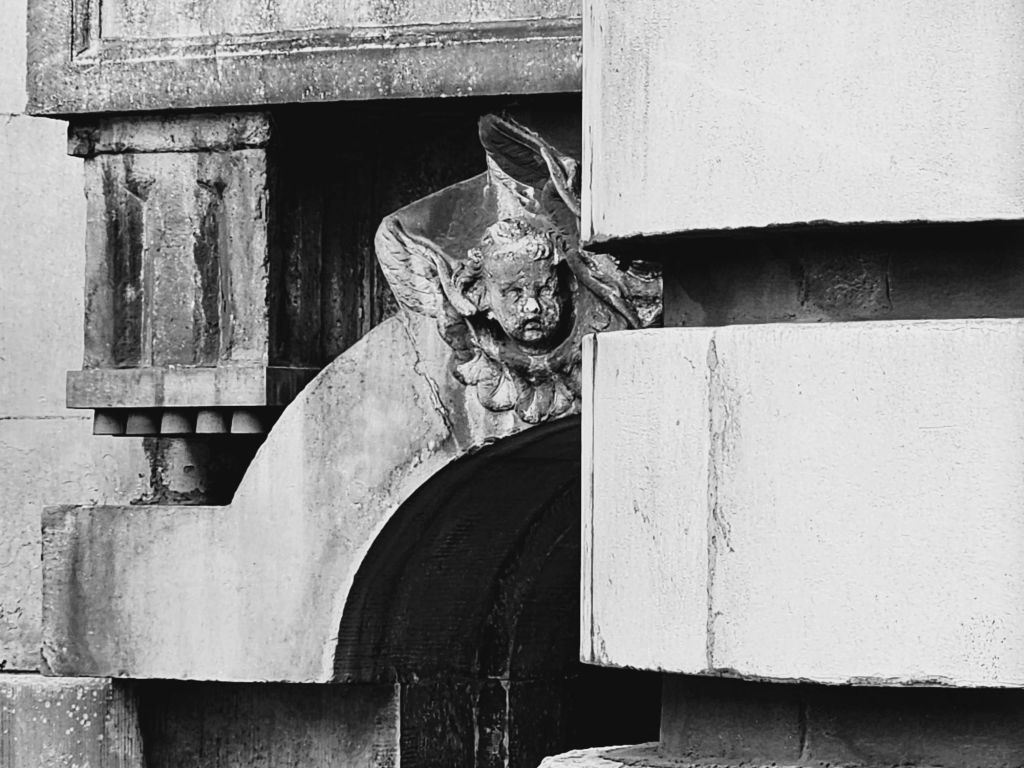
I stopped off on my way home from Goldsmith’s Hall to examine the Henry VIII Gatehouse to St. Bartholomew’s Hospital.  The Board of Governors commissioned it in March 1702 from Edward Strong, one of the family of masons responsible for the construction of St. Paul’s.  It’s assumed that he provided the design as well, since the minute book documents that it was to be built ‘according to the model drawn by the said Edward Strong’.  The contract was for £550.  £1493 had been spent by Michaelmas 1702 and a further £1320 thereafter.  Plus ça change.
Standard

George and Vulture

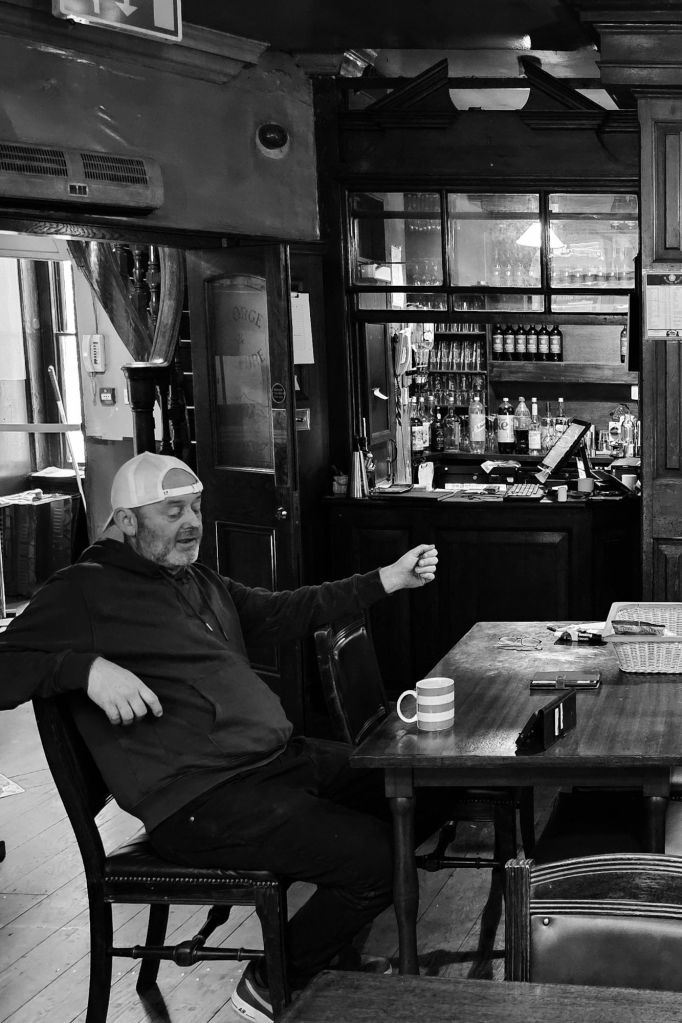
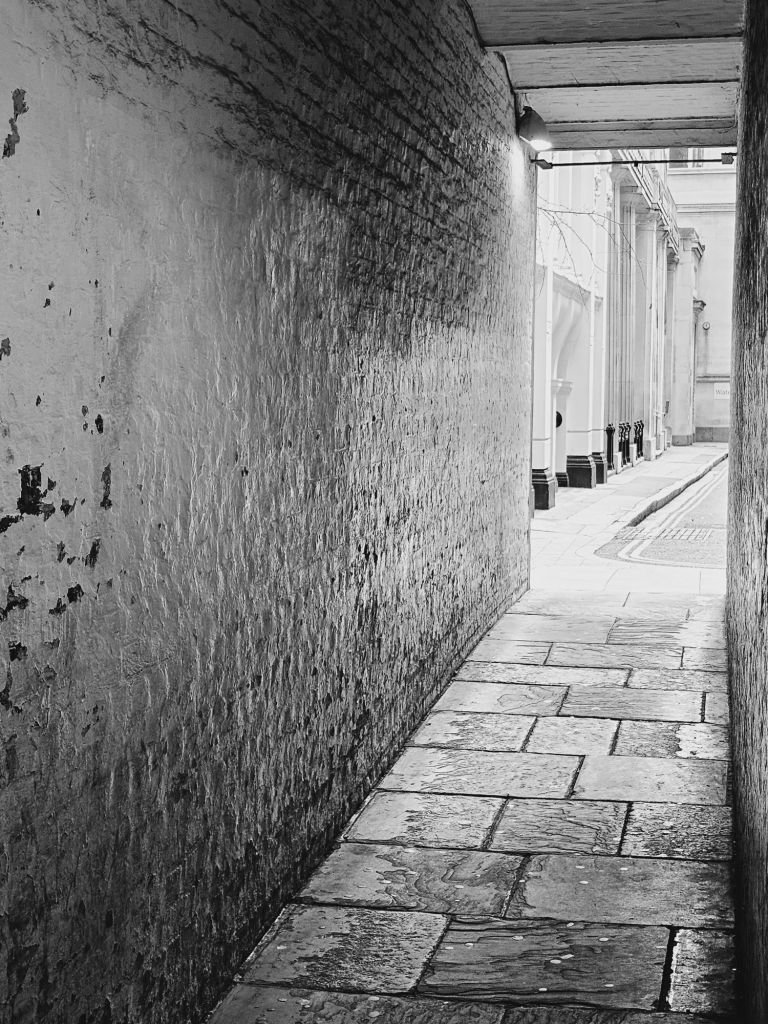
I knew about Simpson’s Tavern, now sadly all shuttered up, but not the George and Vulture, an astonishingly well-preserved and authentically Dickensian pub – well, it features in Pickwick Papers – so buried in the heart of the city that I had never seen it or been before.  It is even open on a Saturday lunchtime although there were not many takers.  I felt I should have known about it.  I strongly recommend a visit before it too is shuttered up and scheduled for modernisation:-

Standard

The City (4)

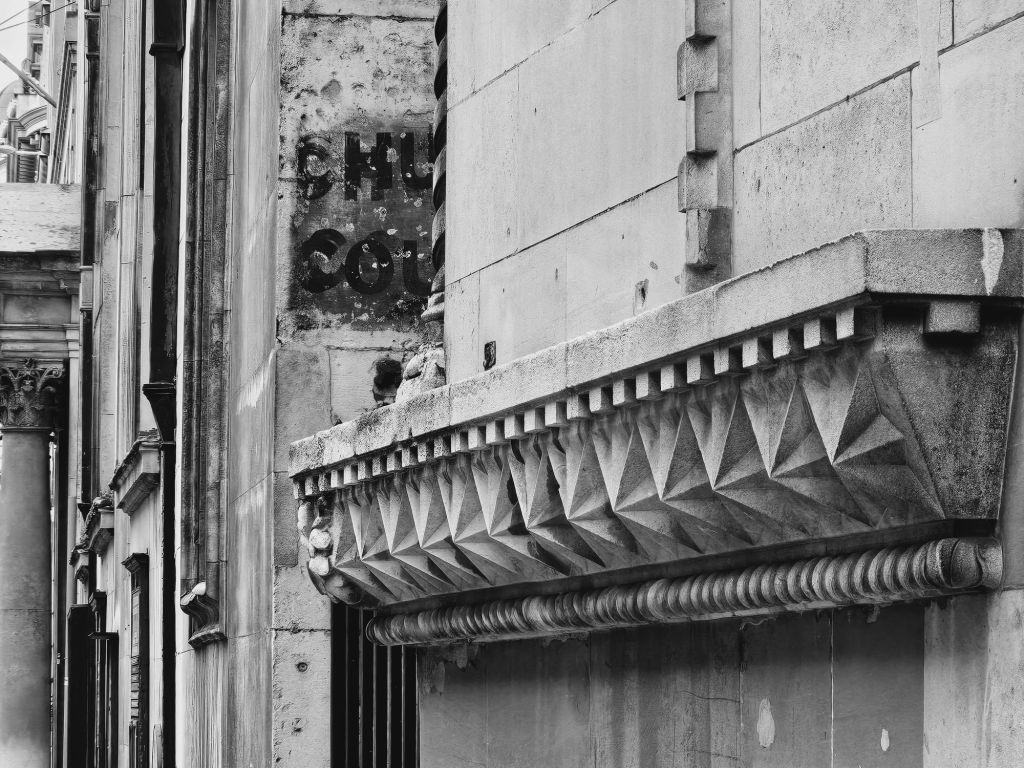
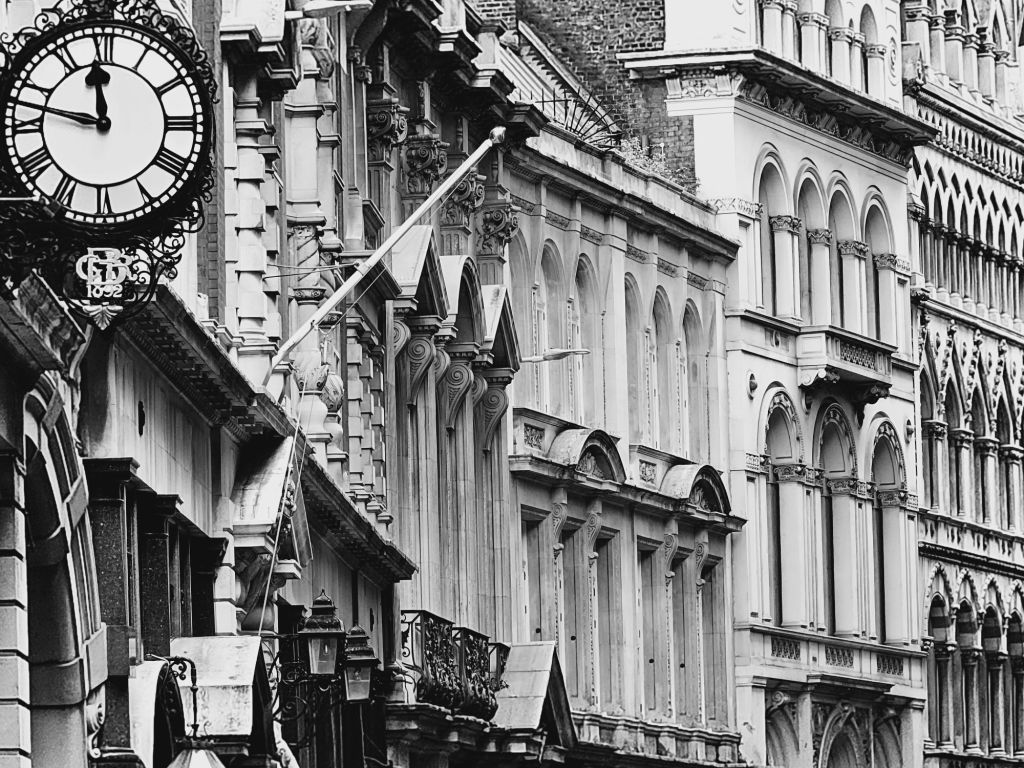
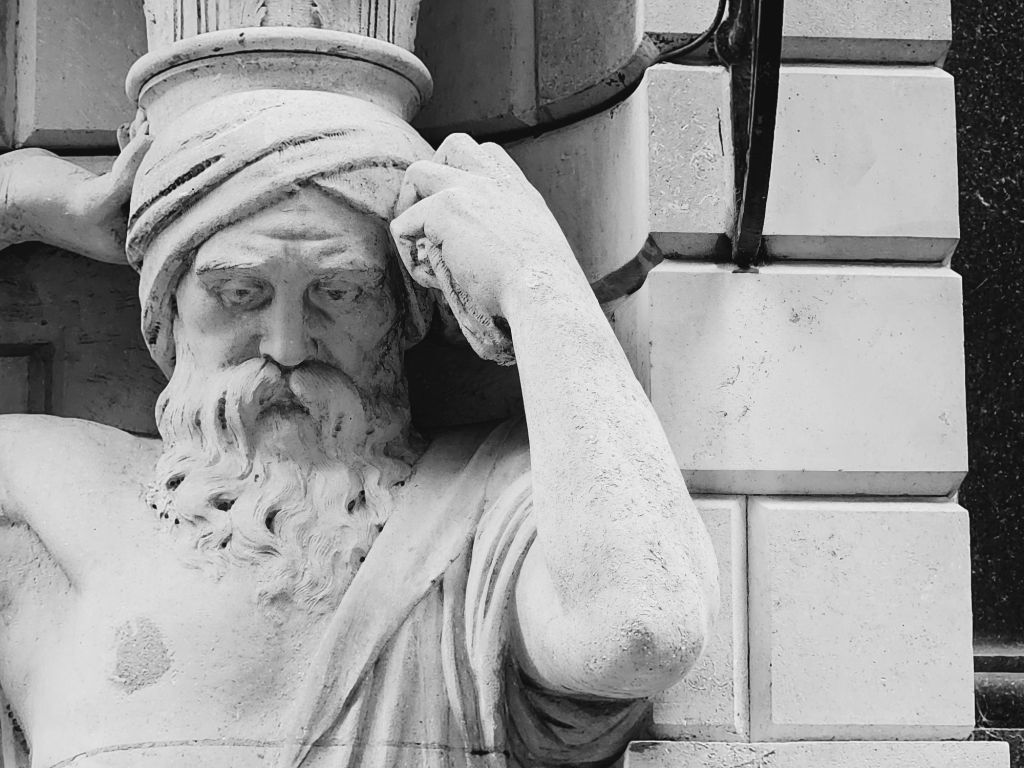
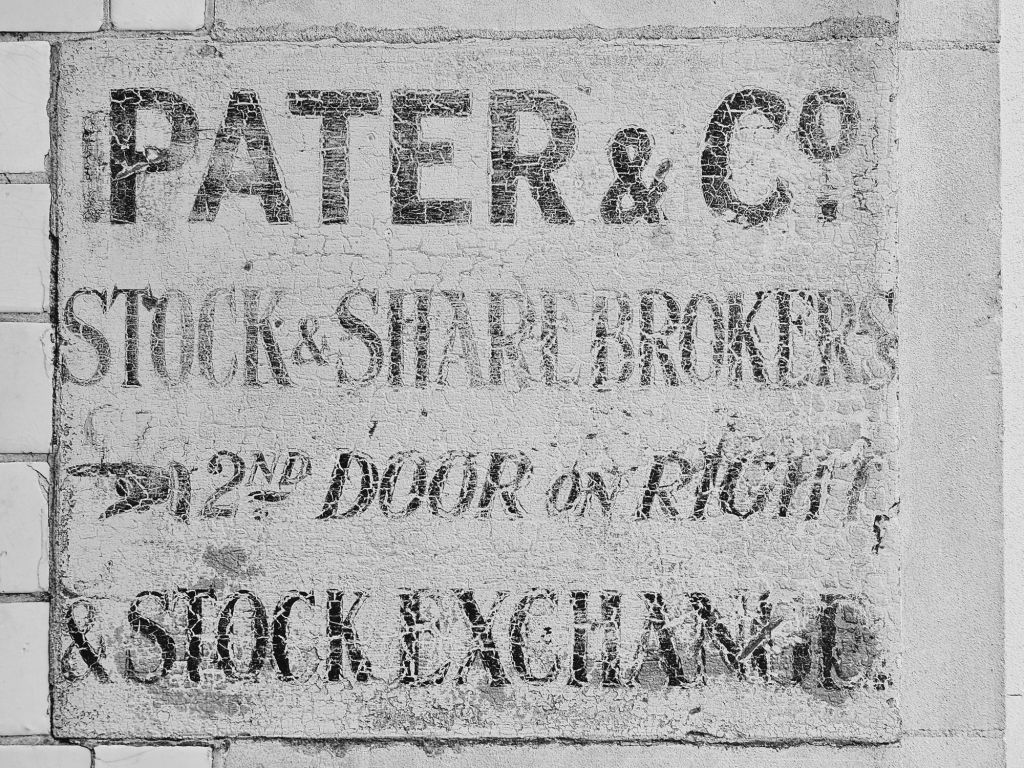
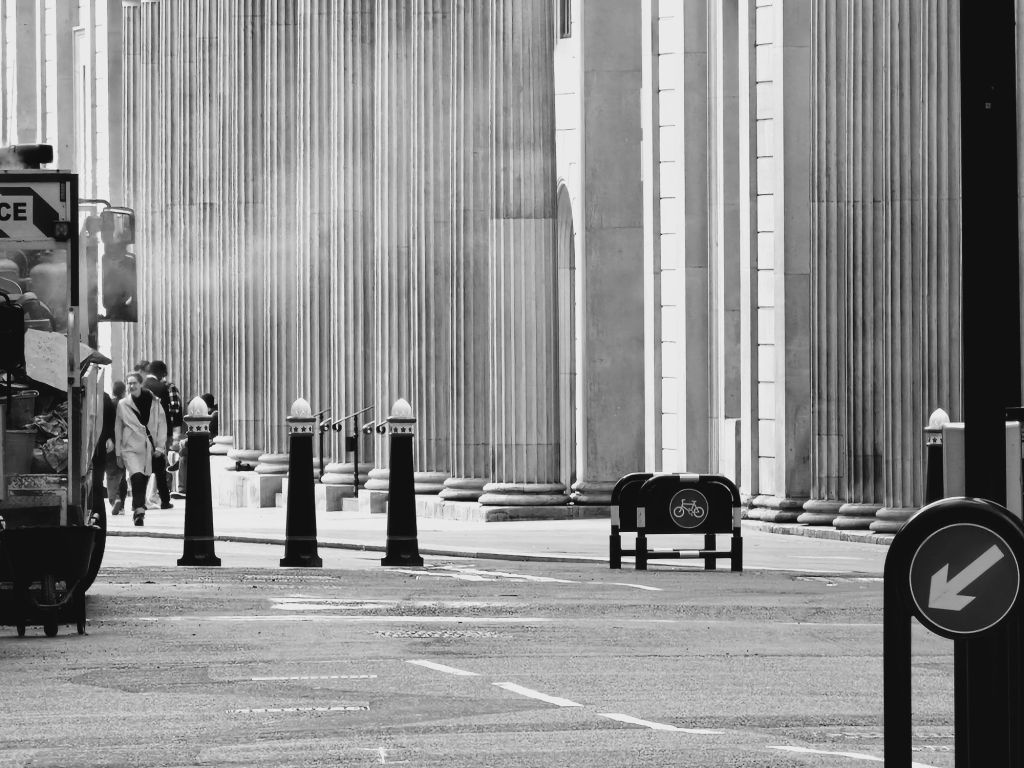
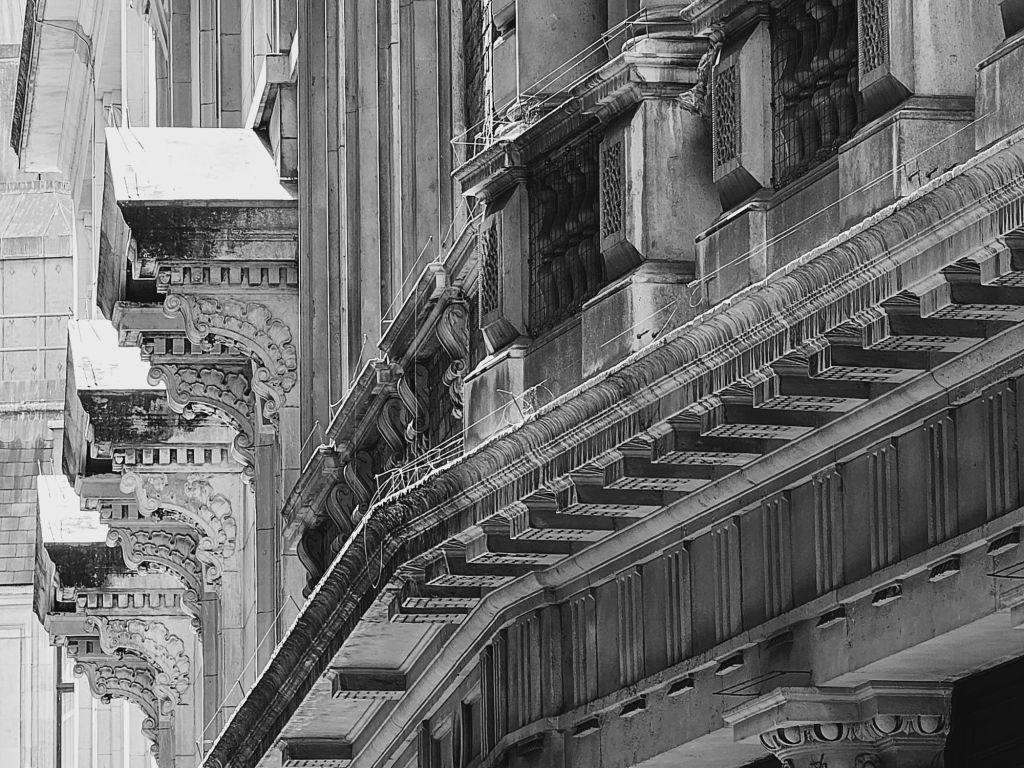
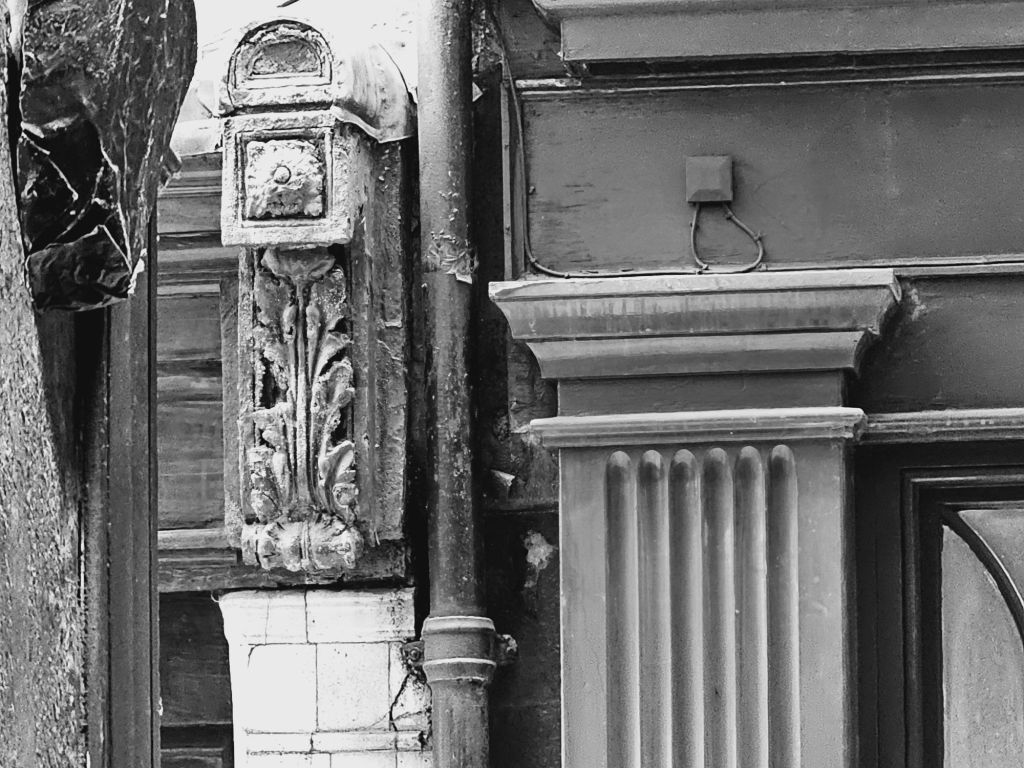
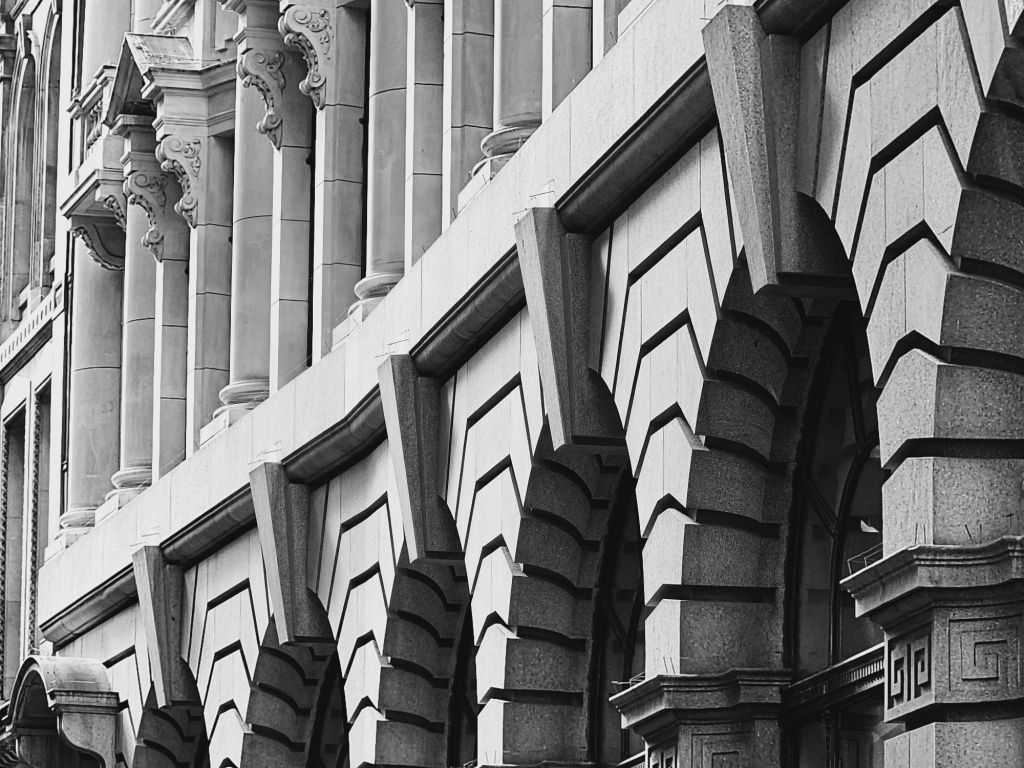
In the intervals of attending Goldsmith’s Fair, I like poking about the City or what’s left of it after every vacant block has been redeveloped.

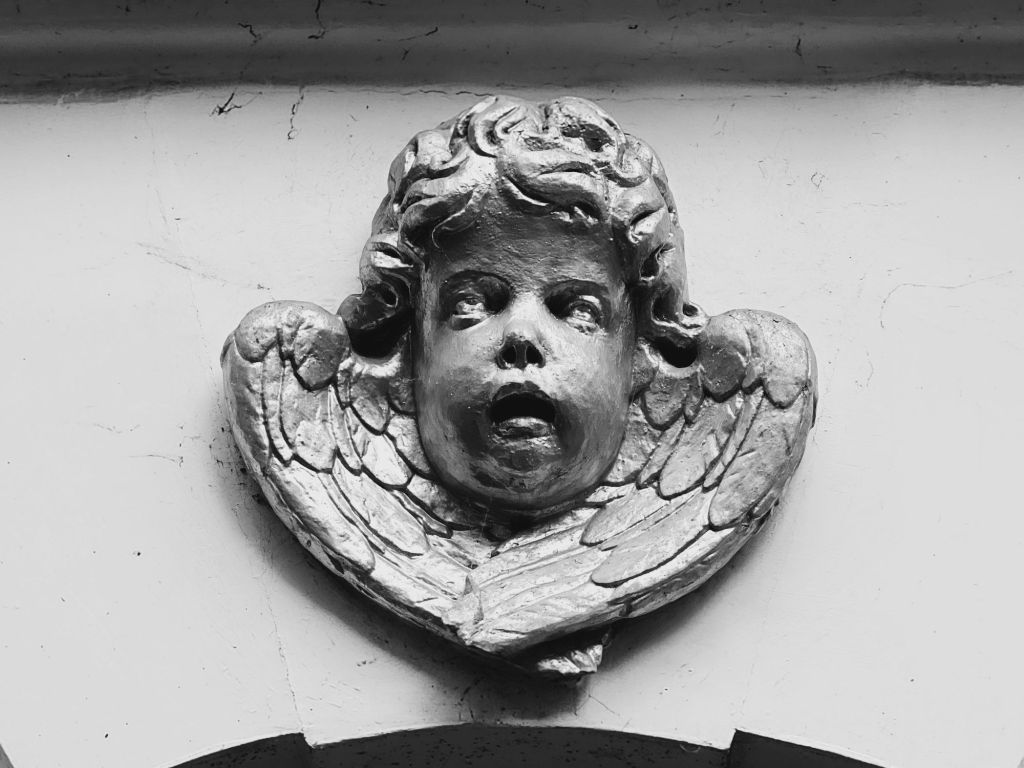
A surviving piece of woodwork from St. Anne and St. Agnes, rebuilt by Wren in 1680:-

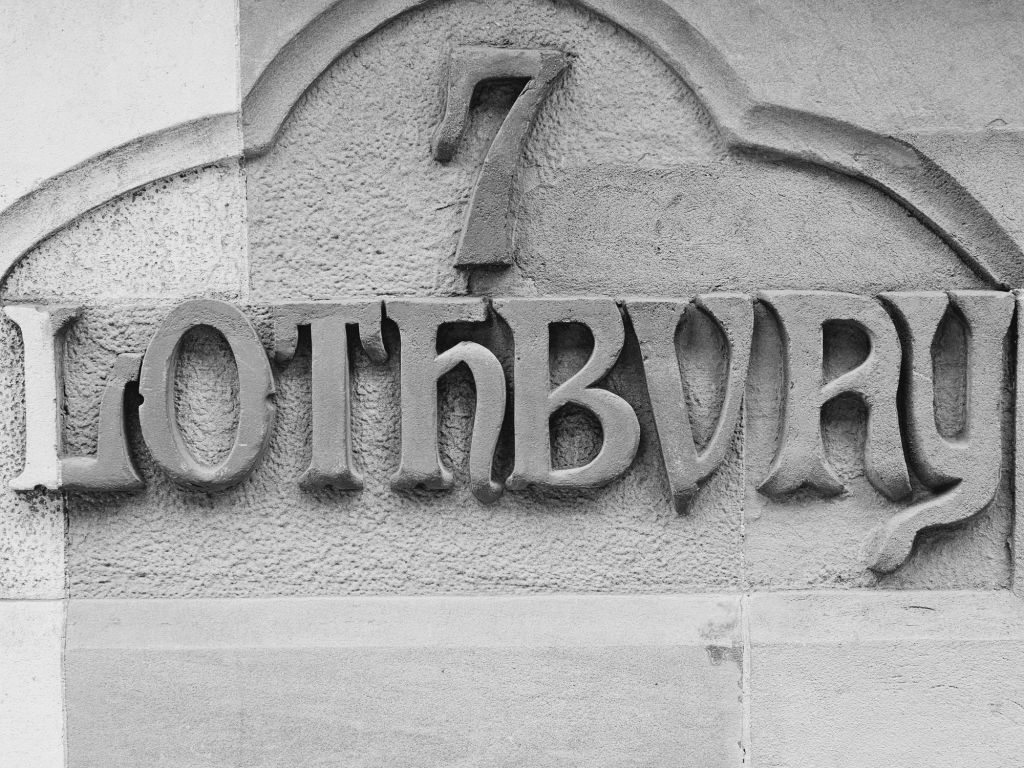
Lothbury:-

Tokenhouse Yard:-

Throgmorton Street:-

The Bank of England:-

Birchin Lane (I think):-

Lombard Street:-

St. Mary Woolnoth:-

Standard

St. Anne’s, Limehouse (8)

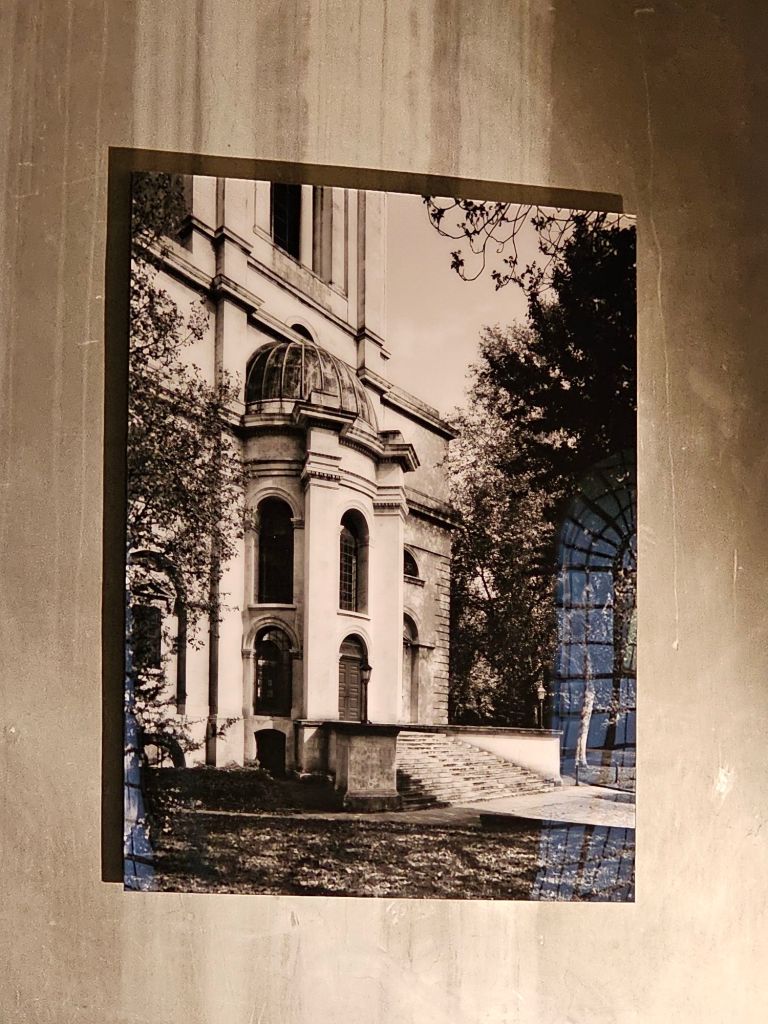
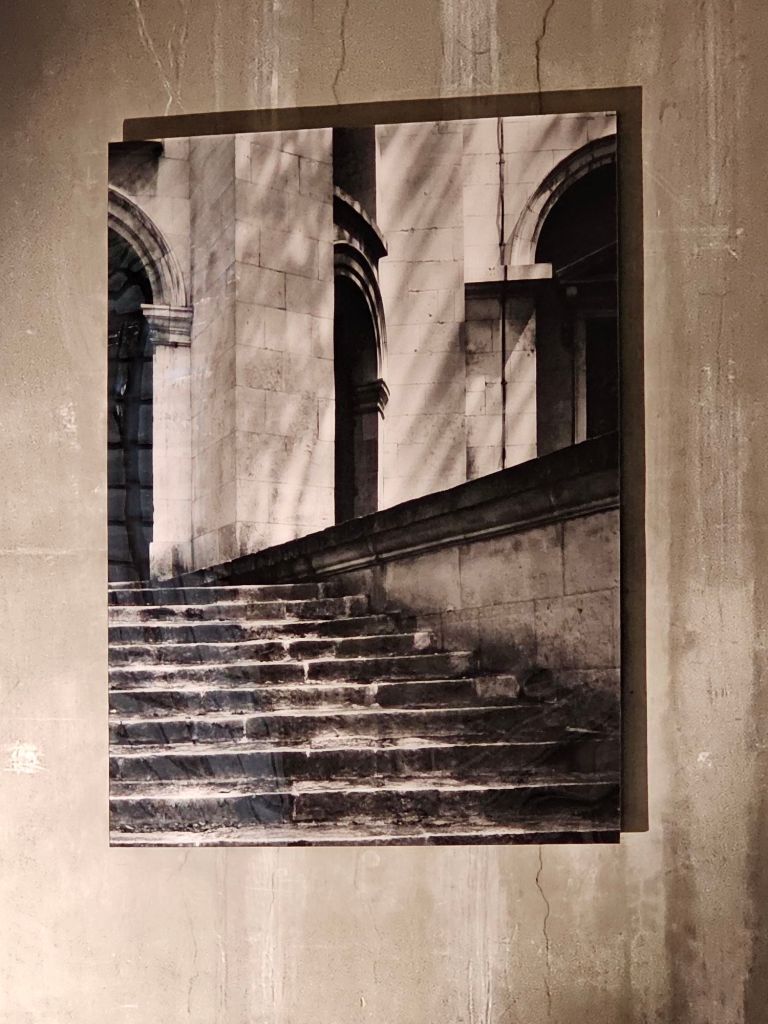
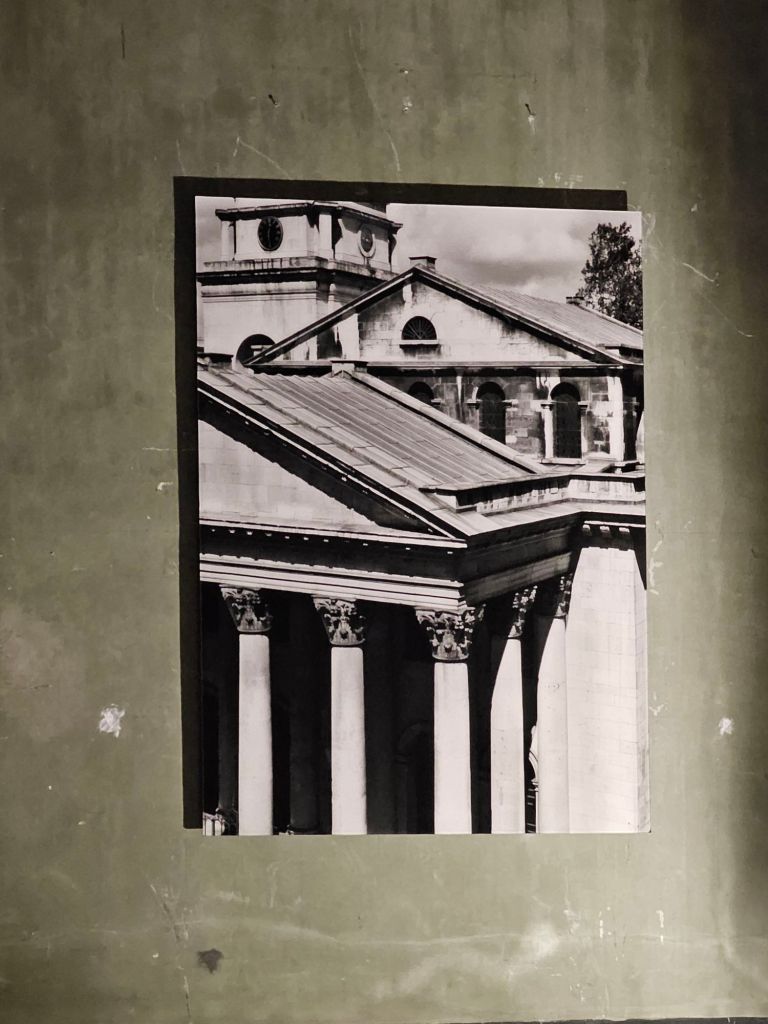
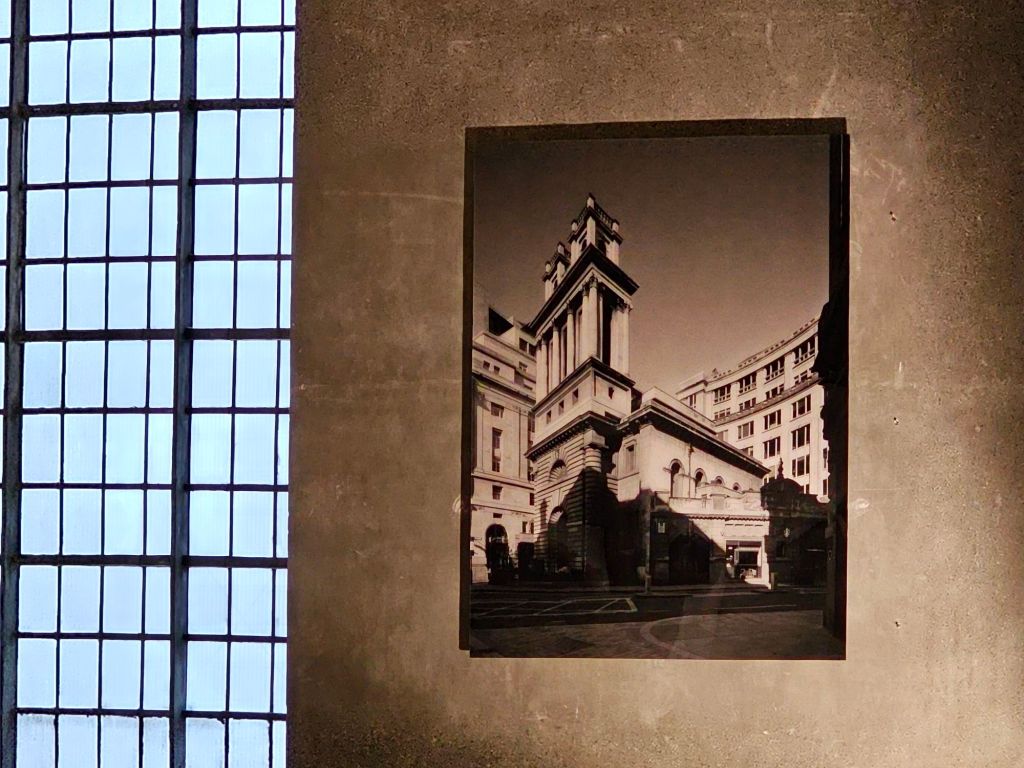
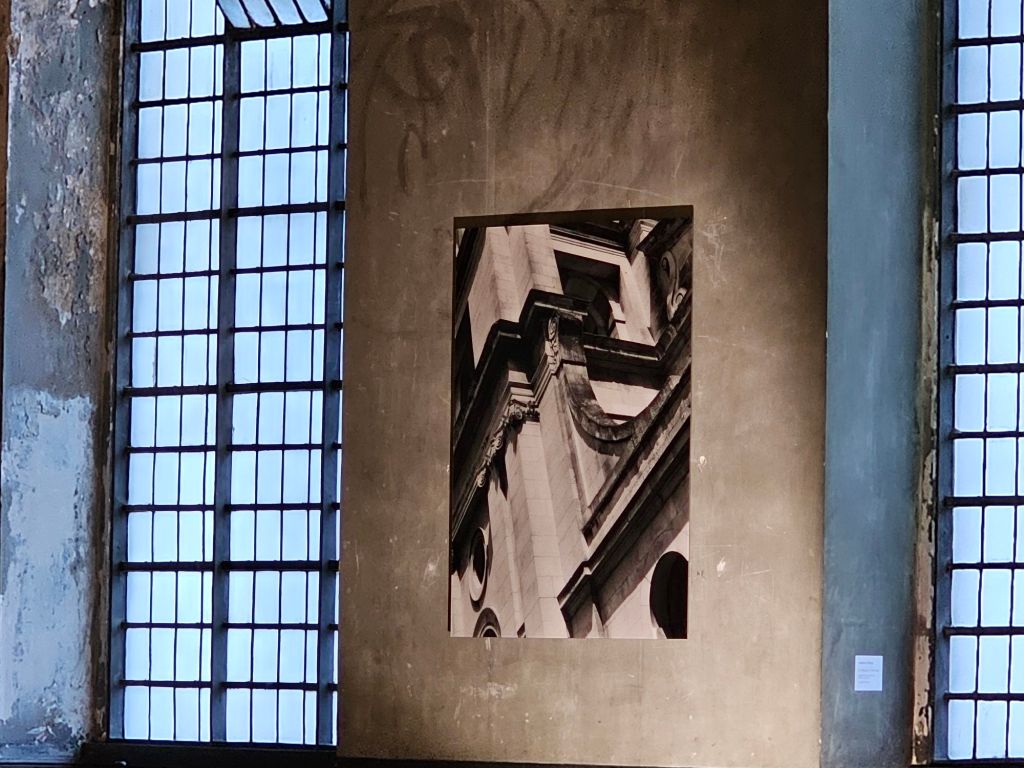
There is something wonderful, but also faintly surreal about seeing Hélène Binet’s austere, black-and-white photographs of St. Anne’s, Limehouse inside St. Anne’s, Limehouse itself.  They are now properly spotlit which makes a big difference to their presence and the sense of juxtaposition between church and photography:-

St. George’s, Bloomsbury looks like a fragment of Rome:-

St. Mary Woolnoth:-

And St. George-in-the-East:-

Standard

Warburg Institute (6)

Glad to see that the repurposing/representation of the Warburg has made it suddenly more mainstream – as was intended by its redesign; but slightly odd to see it now regarded as a place for the study of the arcane.

When I first went as a postgraduate in 1977, someone had told me that it held the papers of Aleister Crowley, but in those days Warburg’s interest in magic, let alone Aleister Crowley’s, had been somewhat sidelined: it was more about language and text and the transmission of ideas.  Maybe it was something about the different floors.  It’s the ground floor stacks containing books relating to Bild (Image) which have expanded most.

https://www.theguardian.com/artanddesign/2024/sep/25/occult-worlds-weirdest-library-warburg-institute?CMP=Share_AndroidApp_Other

Standard

Warburg Institute (5)

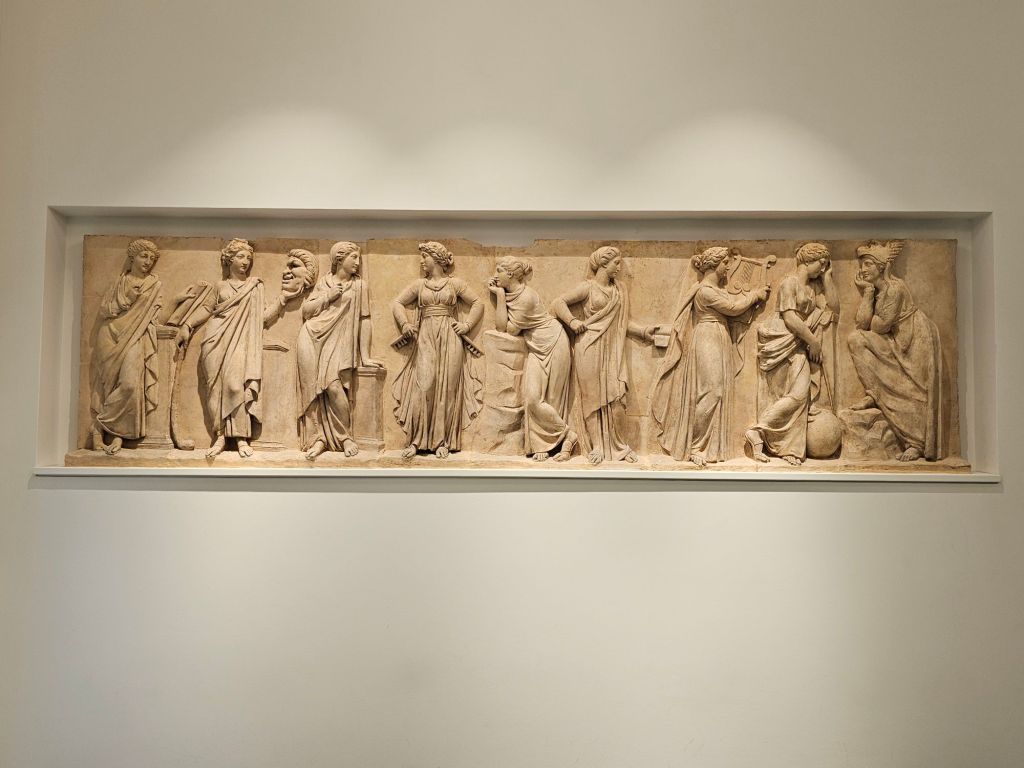
It was the press view for the new look Warburg Institute this morning, the renovation done by Haworth Tompkins with extreme sensitivity to what was required – opening it up, creating a new exhibition space, but retaining its original atmosphere.  I have written about it at greater length for the November issue of The Critic.

Meanwhile, I am posting a photograph of the Coade stone cast of the Nine Muses which was retrieved from the previous house on the site after it was bombed in the War, a good example of cultural memory, the central purpose of the Institute:-

Standard

Is Art History ?

I have just been sent a copy of Svetlana Alpers’s writings Is Art History ? beautifully produced by the Hunters Point Press. The book is due to be launched on Thursday at Rizzoli at 1133, Broadway. There was a time when I hoped to be there, but am at least pleased now to have the full range of her writings, including on museums:-

https://www.hunterspointpress.com/product/is-art-history-selected-writings-by-svetlana-alpers

Standard

The Well-Gardened Mind

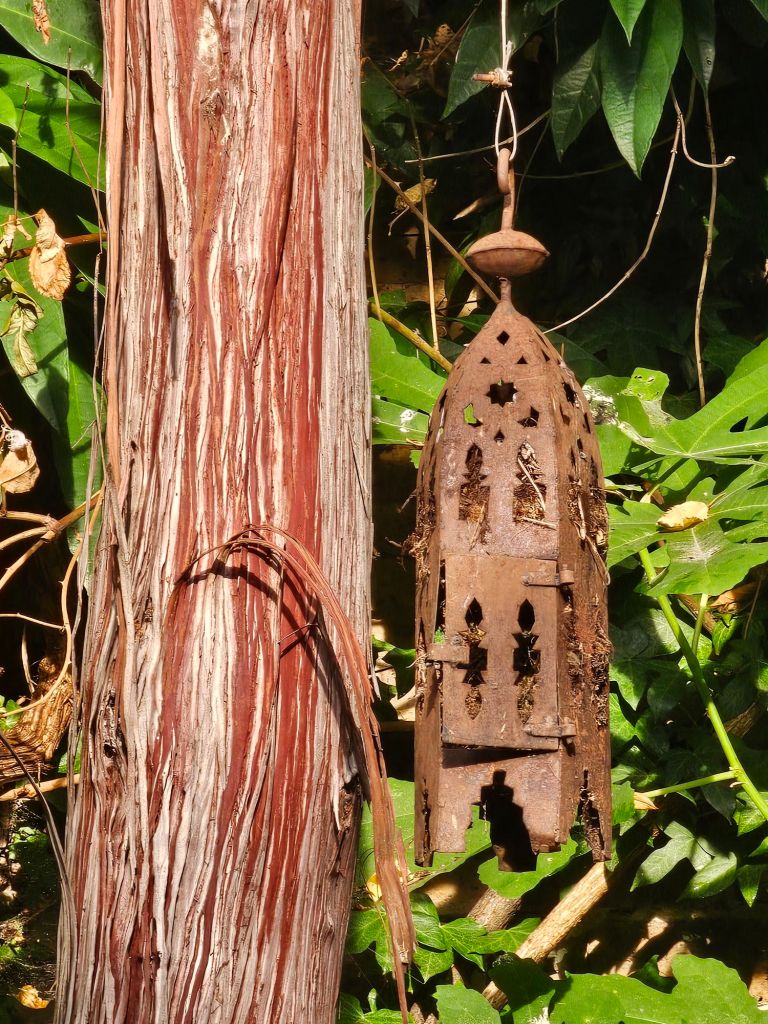
I have been reading Sue Stuart-Smith’s very wonderful book, The Well-Gardened Mind, about the therapeutic value of gardens to all forms of disease, misanthropy and melancholia while sitting on the verandah of our back garden, gradually realising that I was myself living through the experience of one of the chapters of her book: the benefits of close observation of flowers, particularly in the fierce light after heavy rain, surrounded by a wealth of natural forms, which I have not necessarily have paid attention to in the past given my general botanical ignorance, but will obviously need to more closely in the future:-

Standard