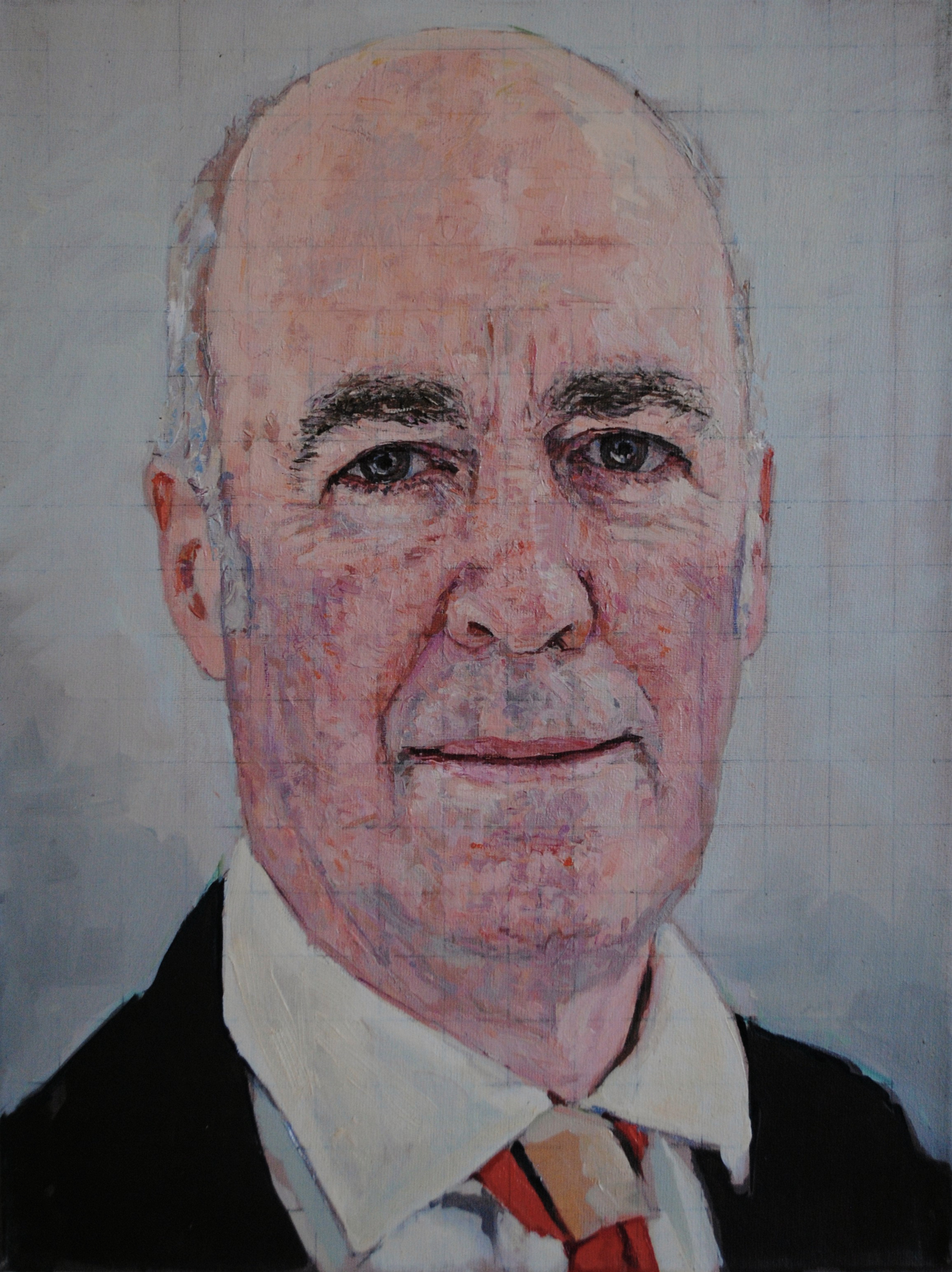
A.S. Byatt (4)

I had never heard till yesterday A.S. Byatt’s own response to her portrait by Patrick Heron, with which Edmund de Waal ended his tribute to her in yesterday’s memorial service (nor was I able to find it in the unexpectedly terse entry on the NPG’s website):-

‘When it was finished, I did not know what to think for a moment. We both stared. I had a curious experience of it settling into shape, becoming itself, as I looked at it. The energy, the brashness, the uncompromising splashes of primary colour represented what I had wanted in an abstract portrait by a great colourist. … They were a painting of the writer, of how I feel when I start work, a vanishing, watching body in a sea of light and brilliance!’
Standard

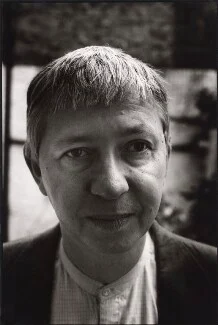
Timothy Hyman RA (2)

In looking up more about Tim Hyman, I have now seen his statement on drawing on the Royal Drawing School’s website:-

My own principal reason for going out drawing is to renew my sense of space, of being in the world; if I stop drawing for several weeks, I find my spatial invention goes dead in my paintings, and my art becomes schematic. But I also draw because the specific – a friend’s face, a familiar London Street – has appeared before me as a moment of seeing, as an epiphany, to which I must somehow respond. As a teacher, I hope to transmit the instability and flux and surprisingness of visual experience – for example, the unmeasurable counterpoint of crowd and traffic, moving against the stillness of architecture. I can’t teach drawing as a “skill”, since I often flounder. Two favourite Bonnard quotations: Drawing is ‘The Transcription of the Adventures of the Optic Nerve’; and a definition of art – ‘Many little lies for one big truth’.

Standard

Timothy Hyman RA (1)

I am immensely sorry to hear of the death of Tim Hyman, an intensely serious, thoughtful and independent-minded artist, who was unusual in being as highly respected as a writer on art, including on Sienese paintings, as he was a painter.

He leaves out of his online CV, but not of his entry in Who’s Who, that he was at the Hall School and Charterhouse; which might not be relevant except that by the time he arrived at the Slade in 1963 he had, as he describes it, ‘already ingested a huge dose of 14th and 15th century Italian painting’ which ‘afforded me a kind of protection’: that is, protection from the orthodoxies of twentieth-century painting.  It is what made him such a good writer, but such an awkward figure in terms of art practice.

For some reason which I never understood, he and Judith were friends of the stage designer, Maris Björnson.  He also introduced me to the work of Bhupen Khakhar and I think it was thanks to Tim Hyman that the National Portrait Gallery acquired its portrait of Salman Rushdie by Khakhar in 1995.

He was a key figure in the foundation of the Royal Drawing School.  He certainly did a lot of teaching for it and was a member of its Academic Advisory Board.  I hope his views and ideas on drawing have been recorded because he was a properly intellectual practitioner.

Standard

Bloomsbury Women Outdoors

I finally made it to the Garden Museum’s Bloomsbury exhibition which has been so wildly popular over the summer that it has apparently been hard to get in.

It starts with Ottoline Morrell, who held court at Garsington Manor till the house was sold in 1928:-

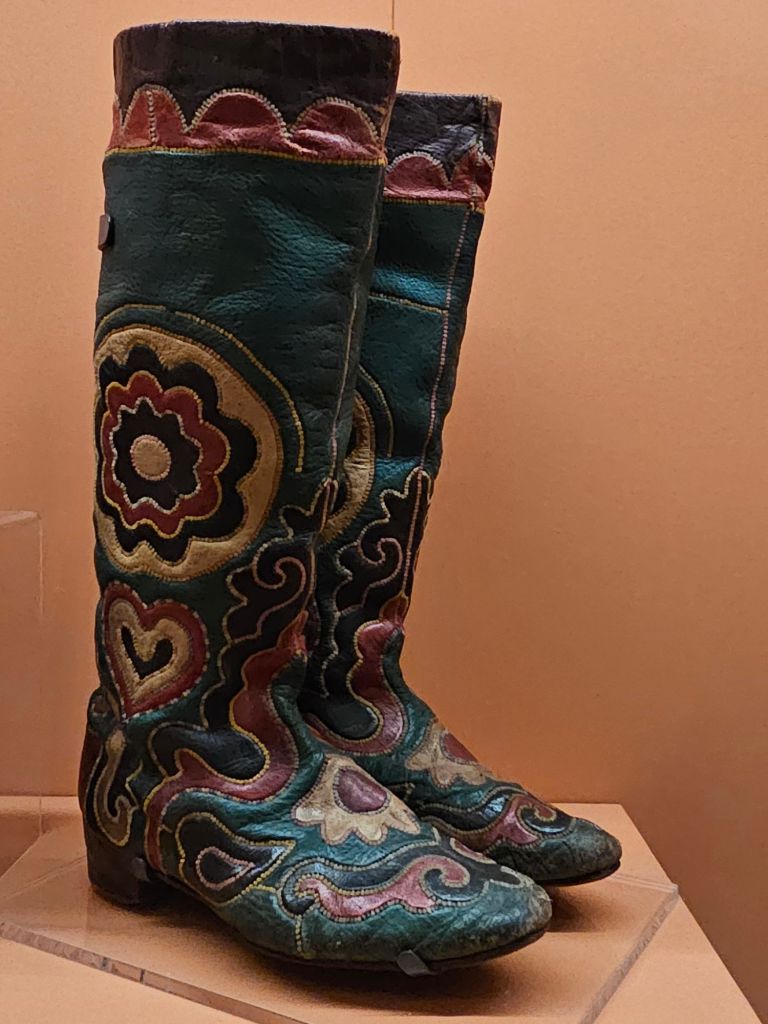
She certainly had an amazing pair of ornamented gumboots:-

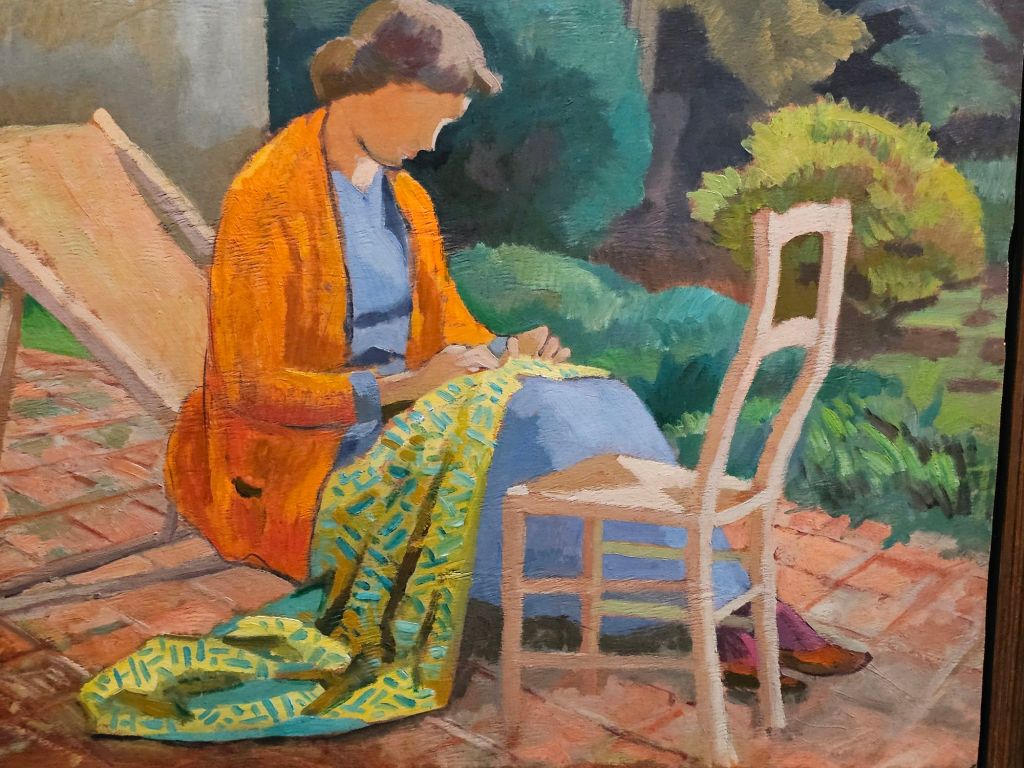
One of the surprises is Roger Fry’s painting of Vanessa Bell in 1911, the year of his Post-Impressionist exhibition.  I have always thought of him as a slightly muddy painter, but this is full of colour and zest:-

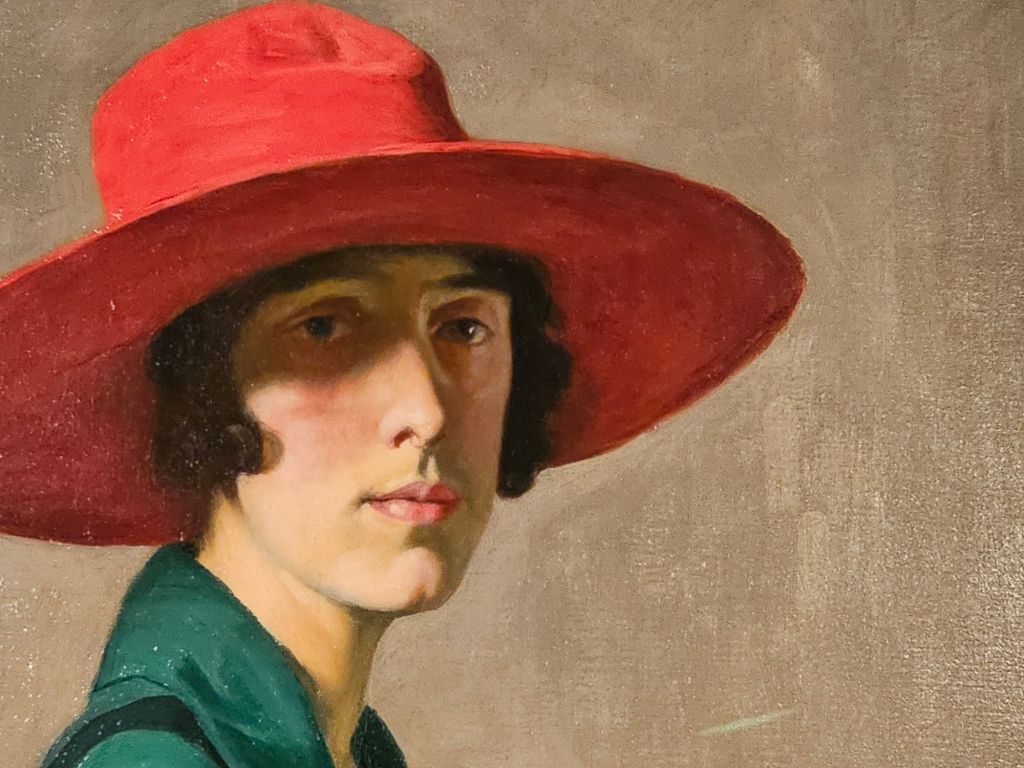
Then comes Vita Sackville-West in a wonderful portrait by William Strang:-

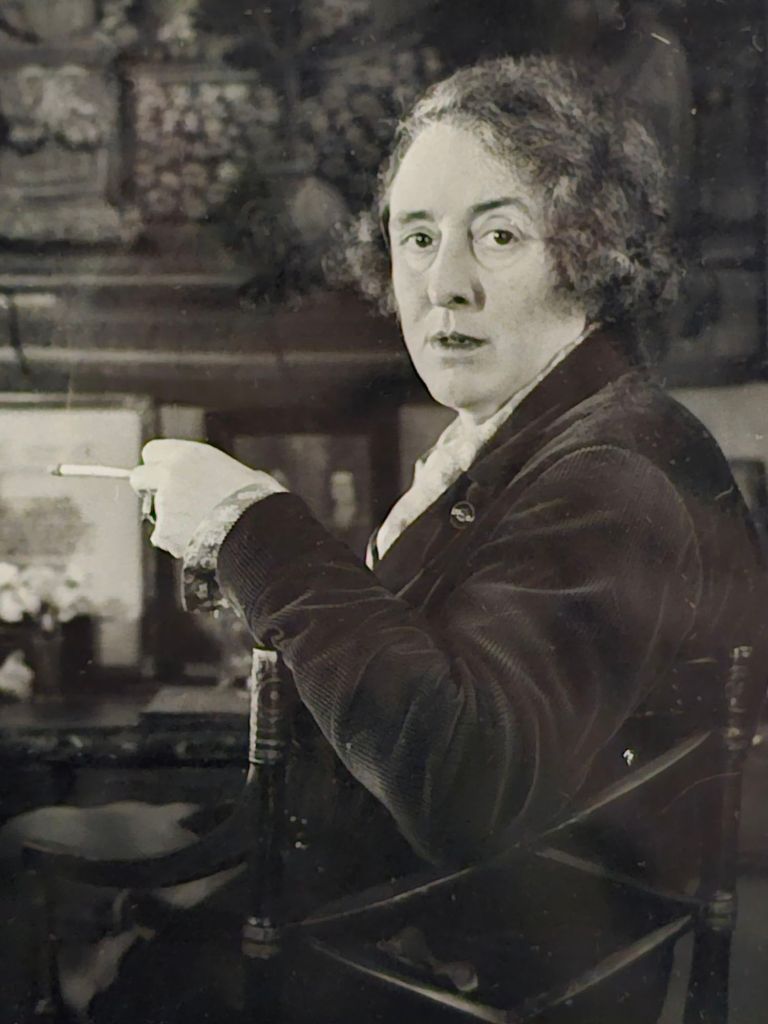
In 1948, she was photographed for the Strand magazine by the German photographer John Gay who did wonderful photographs of London’s railway stations, including Liverpool Street:-

Standard

The Grenfell Tower Report

Since few people, including me, are going to read the full 1,700 page report, I recommend the attached convenient summary.  It was a failure of government: a failure of regulation; a belief that deregulation is in the public interest; a weakening of public control.  I’m sure there are many obvious lessons.  But the central fault was allowing firms to get away with murder.

https://www.theguardian.com/commentisfree/article/2024/sep/04/grenfell-is-simply-explained-firms-chased-profits-ministers-sat-on-their-hands-innocents-paid-with-their-lives?CMP=Share_AndroidApp_Other

Standard

Marks and Spencer debate (7)

I have been following the debates round the planned demolition of Marks and Spencer’s prime store in Oxford Street since it’s beginning and was a signatory to the letter in the Times on Saturday.  But nothing has convinced me more of how important it is as a case study than a thread on Twitter by SAVE which covers the range of different ways that department stores have been successfully renovated across the country, including – very notably – Whiteley’s which has been completely repurposed by Norman Foster.

Marks and Spencer used to be at the heart of the high street.  But the way they greeted getting planning permission was shameless and showed that their senior management was totally out of step with any environmental concerns.

At the weekend, I was told – I think correctly – that it is a test case for the new government.  Will they keep the existing building or will they be in thrall to the army of highly paid lobbyists who will argue that demolishing the building is necessary to the health of Oxford Street, an obviously specious argument when you look at the imaginative ways that existing department stores have been redeveloped.

https://www.theguardian.com/artanddesign/article/2024/sep/01/debenhams-departments-stores-john-lewis-development-town-centres-high-street?CMP=Share_AndroidApp_Other

Standard