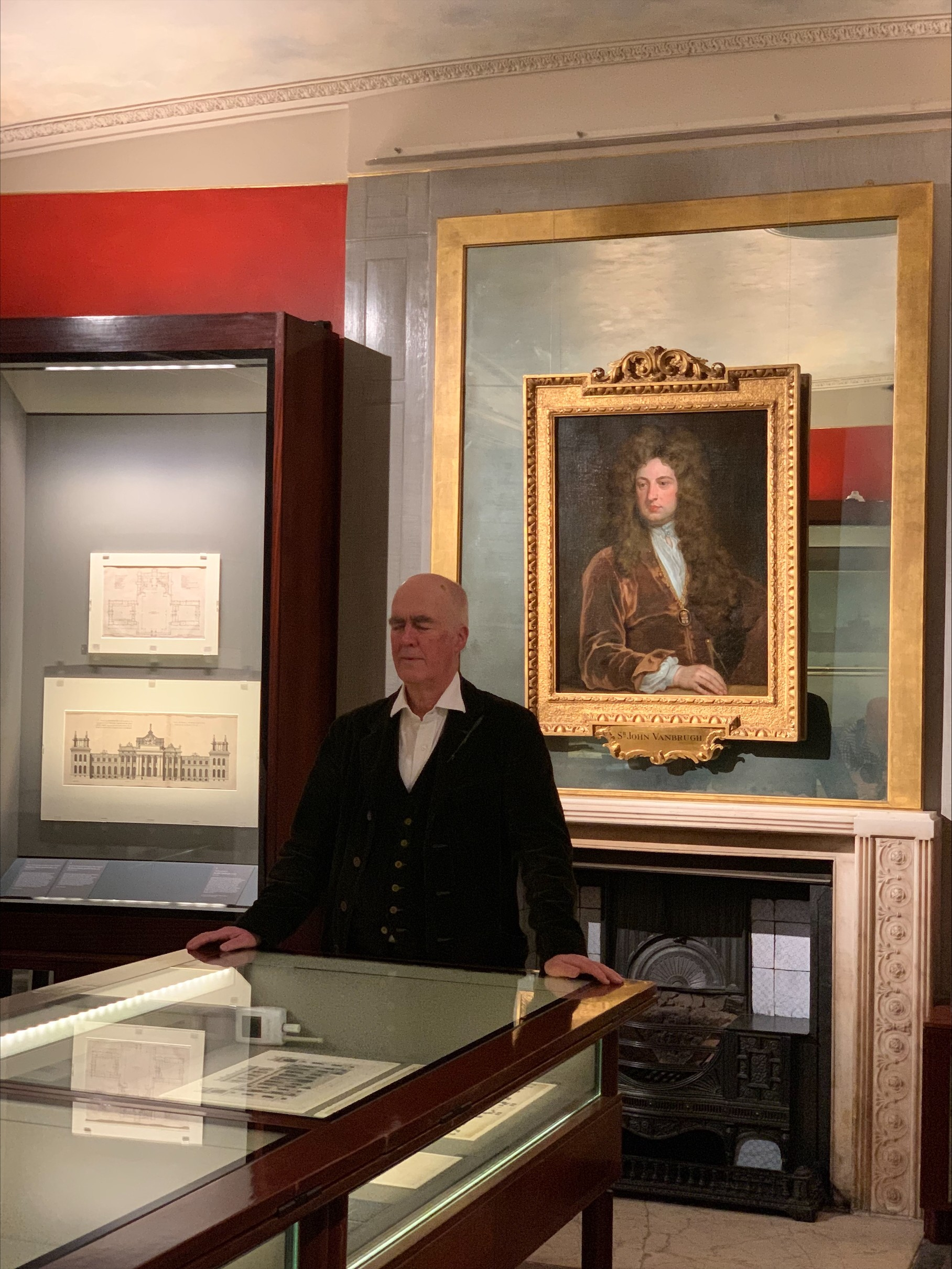
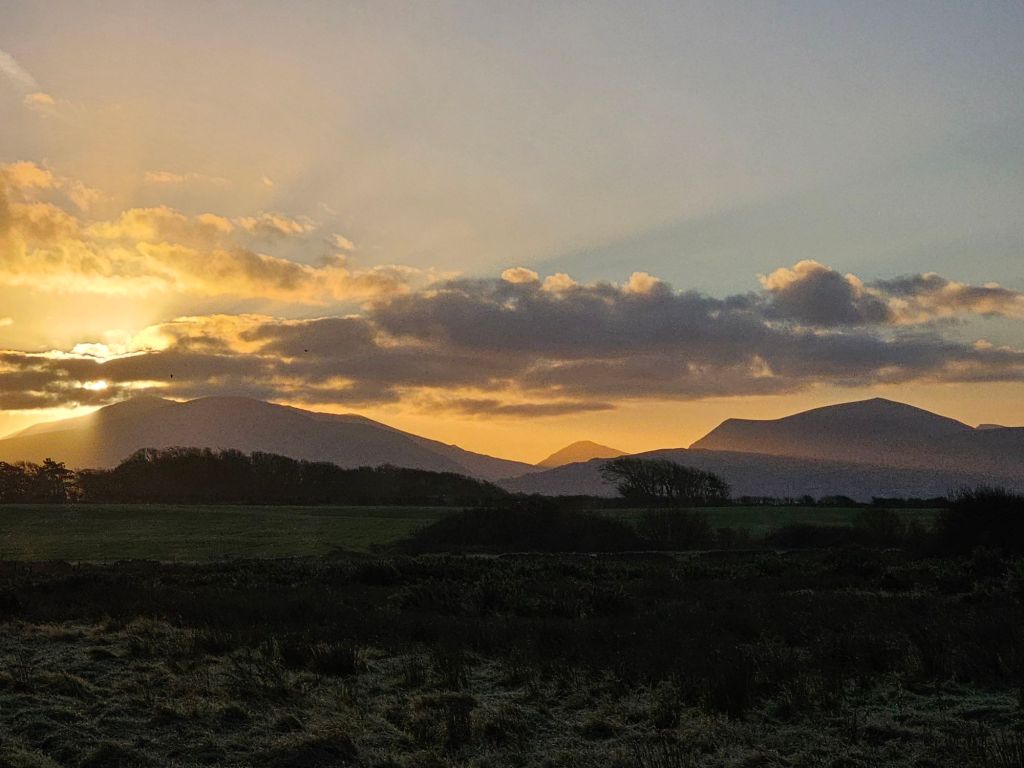
I got up early to catch the best of the day. In fact, the dawn sun was still rising behind the mountains as I walked west towards the sea:-

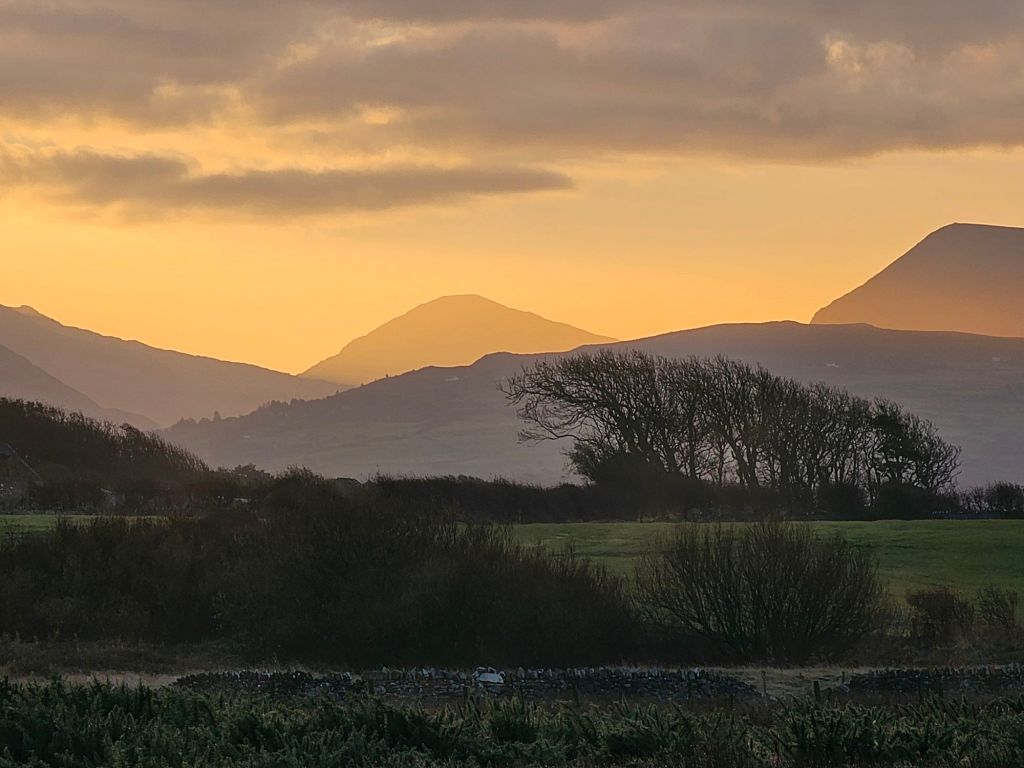
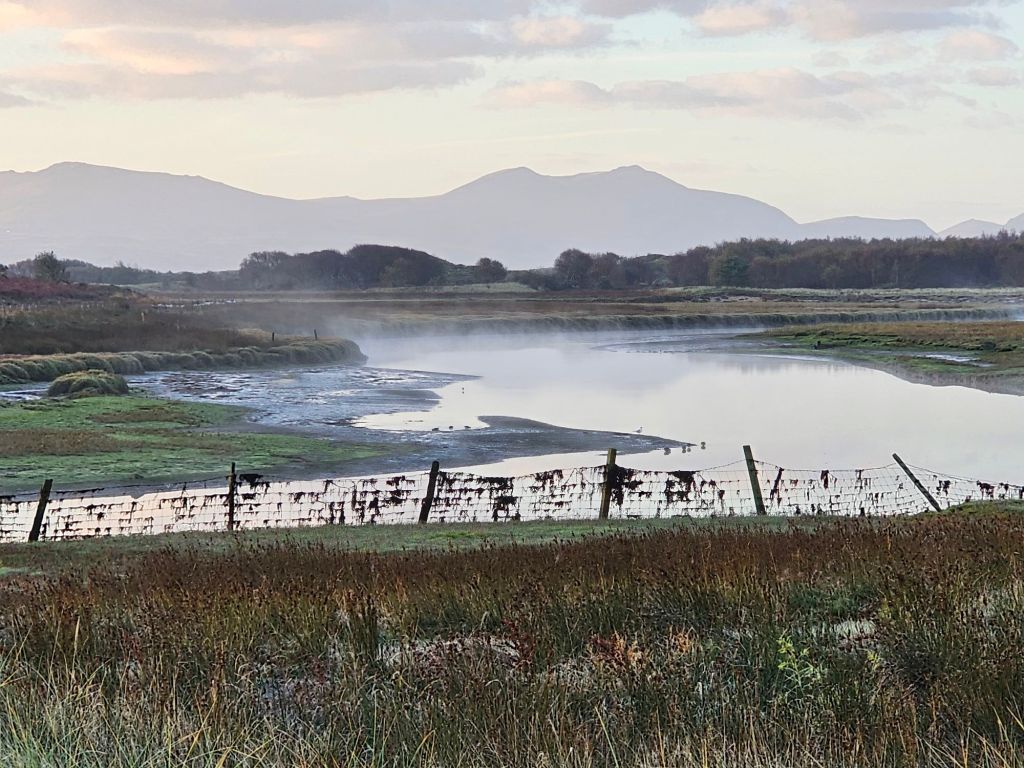
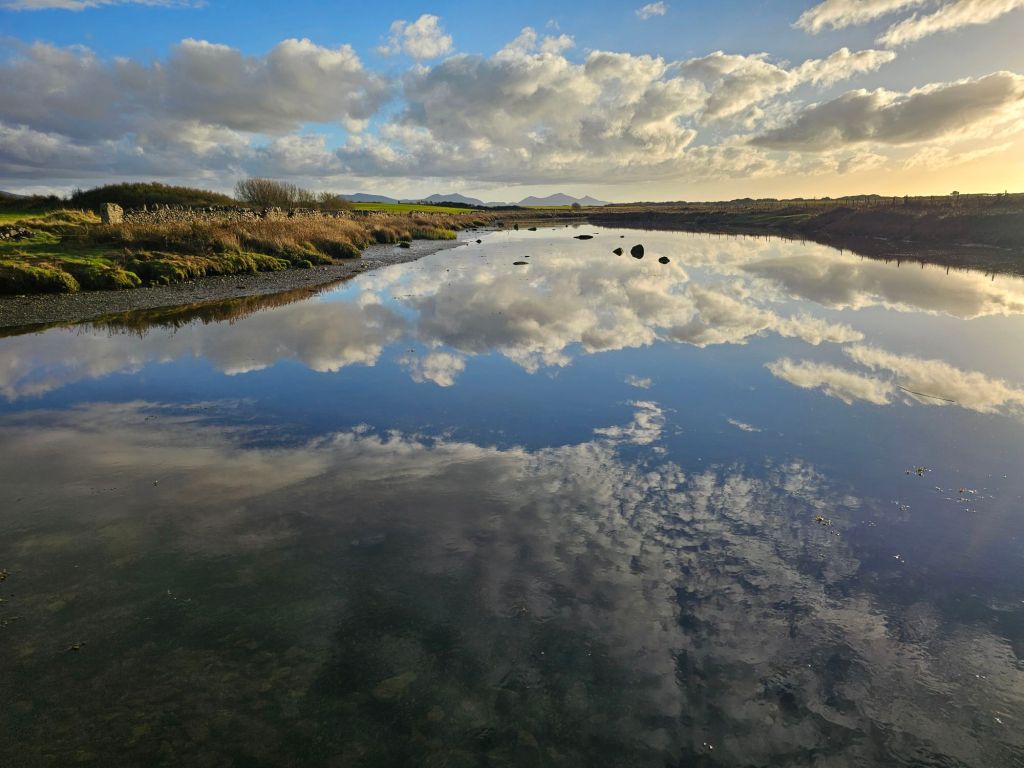
There was mist over the river:-
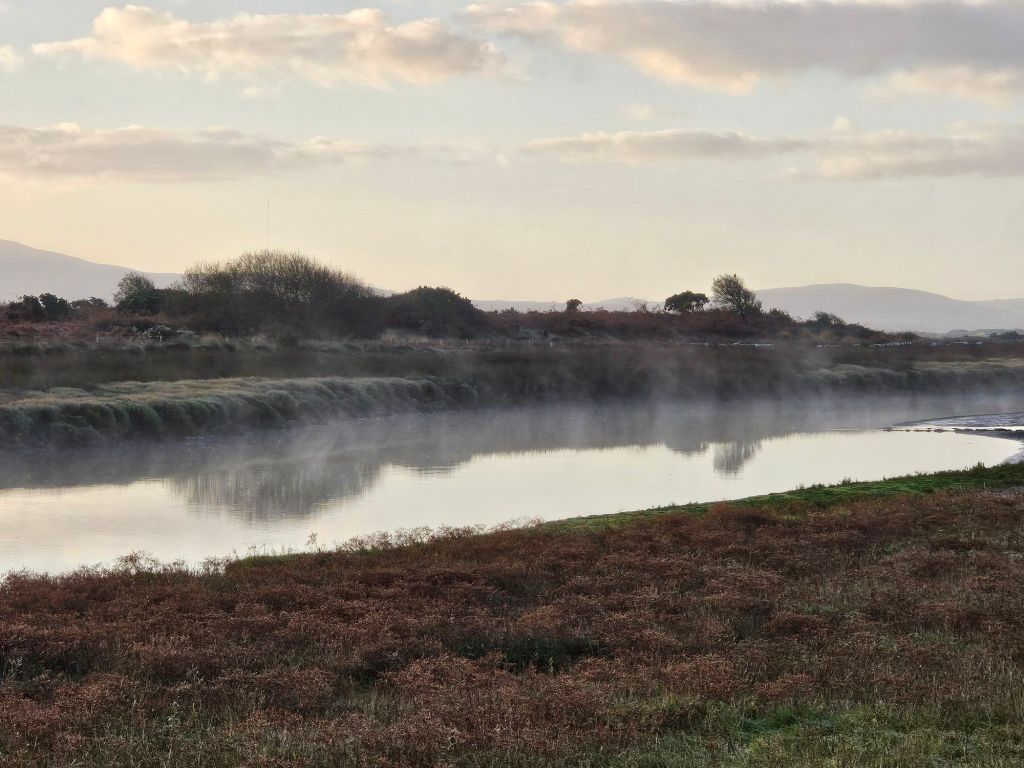


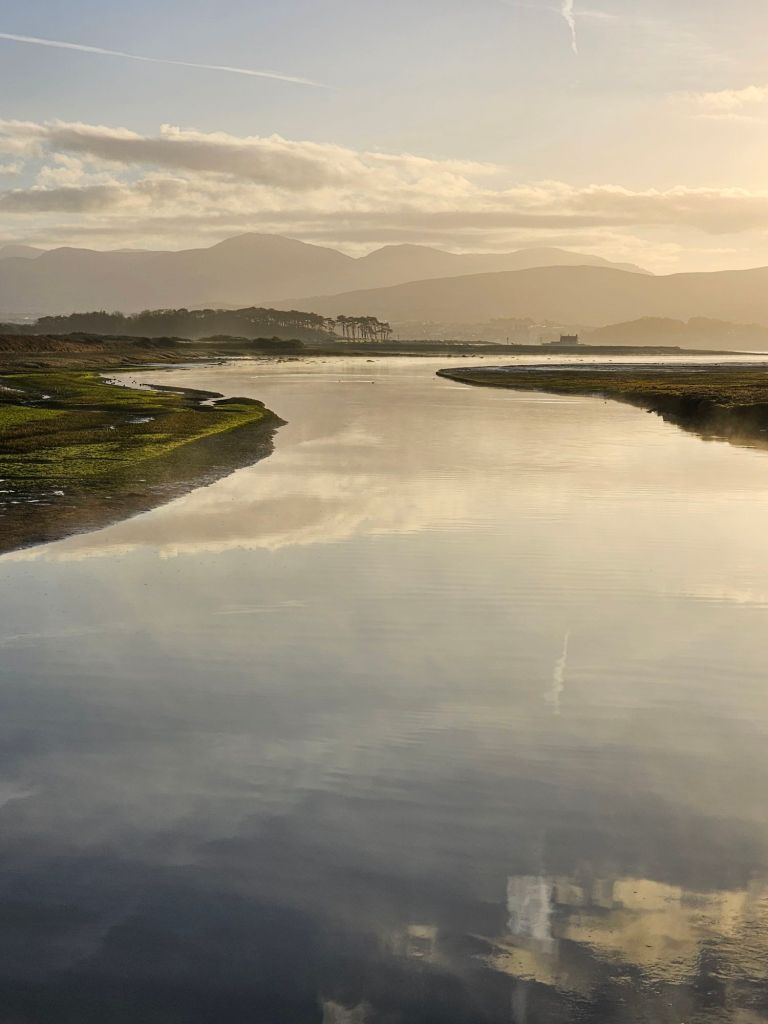


I got up early to catch the best of the day. In fact, the dawn sun was still rising behind the mountains as I walked west towards the sea:-
There was mist over the river:-
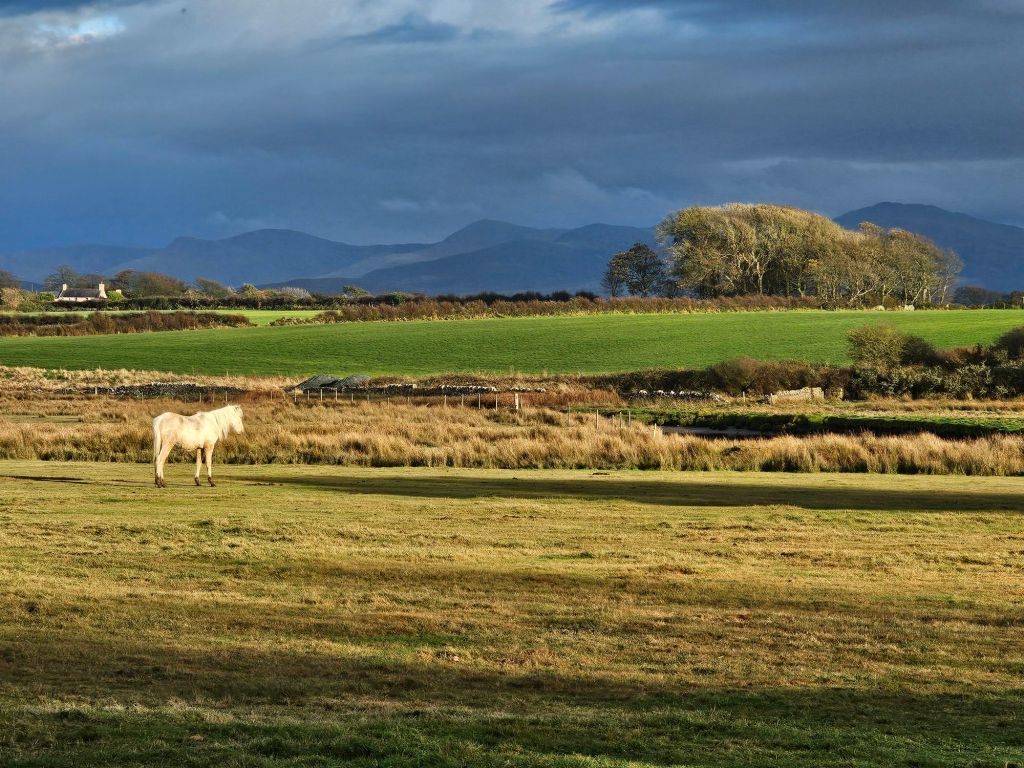
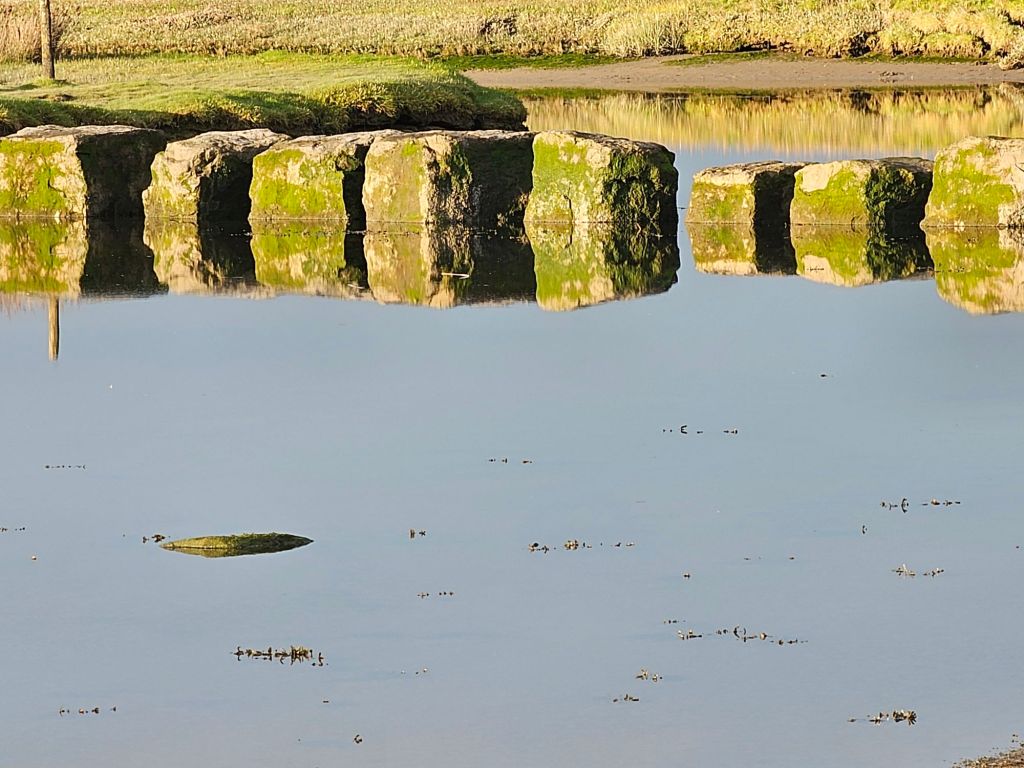
It’s a while since I’ve walked the Anglesey Coastal Path east from Newborough to Plas Newydd which goes across fields and along ancient tracks always with a view of the mountains across the Menai Straits.
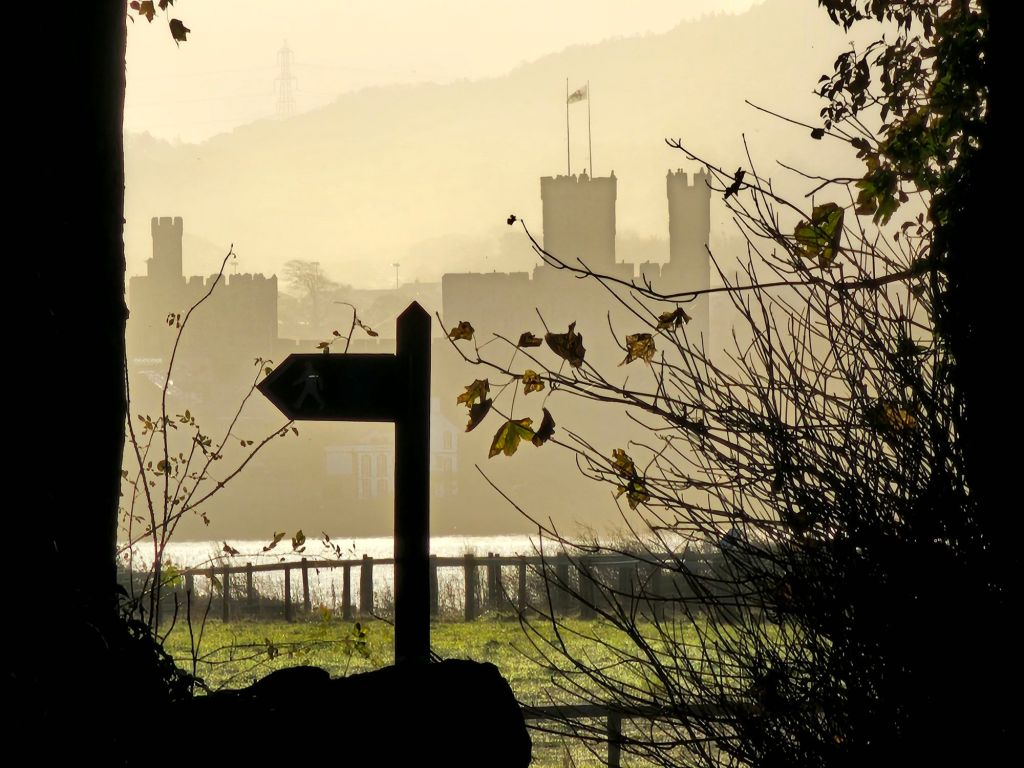
You get a glimpse of Caernarvon Castle in the distance:-
Tide provided a welcome cappuccino:-

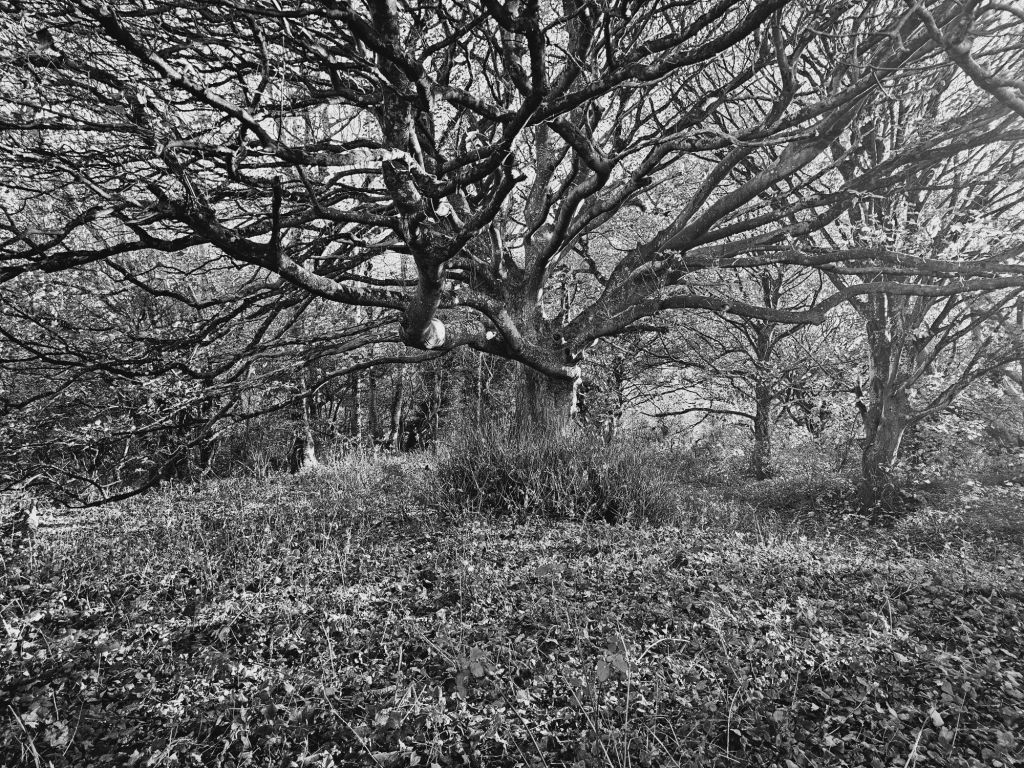
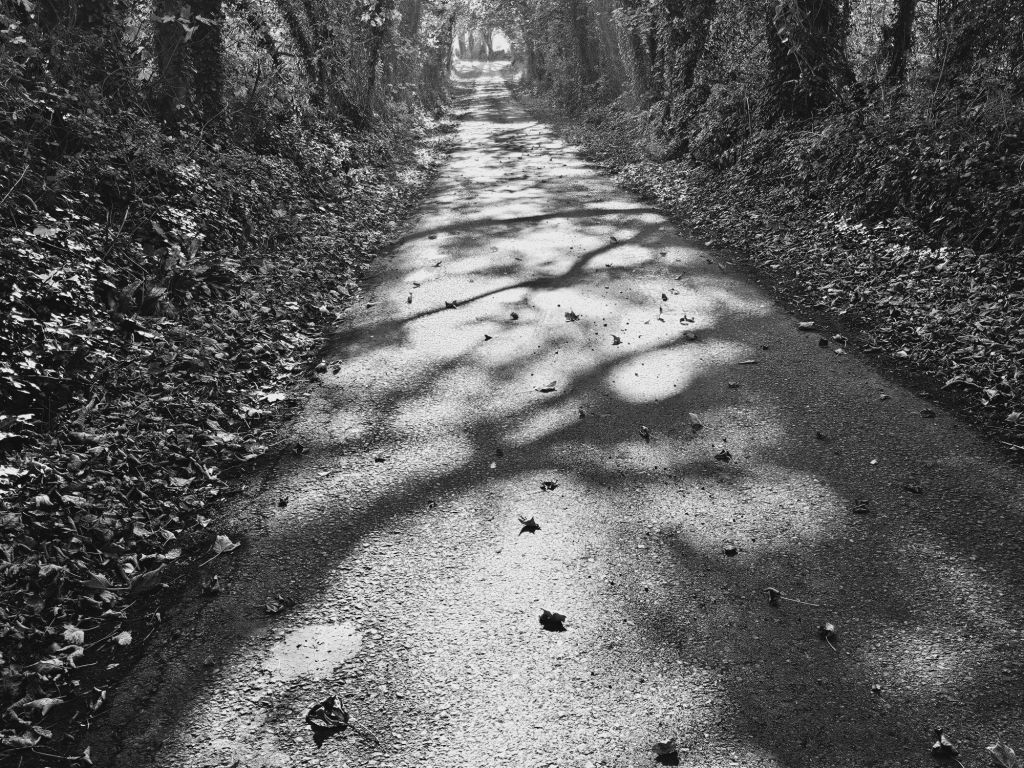
You then go through a patch of old woodland:-
Down to the Straits:-
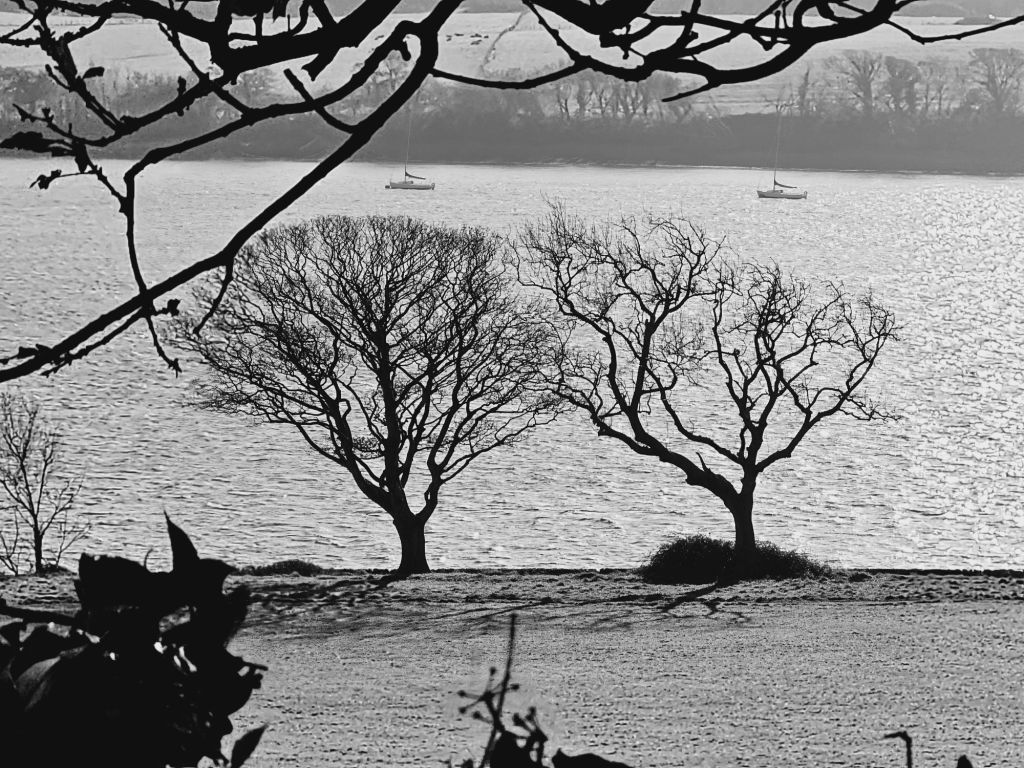
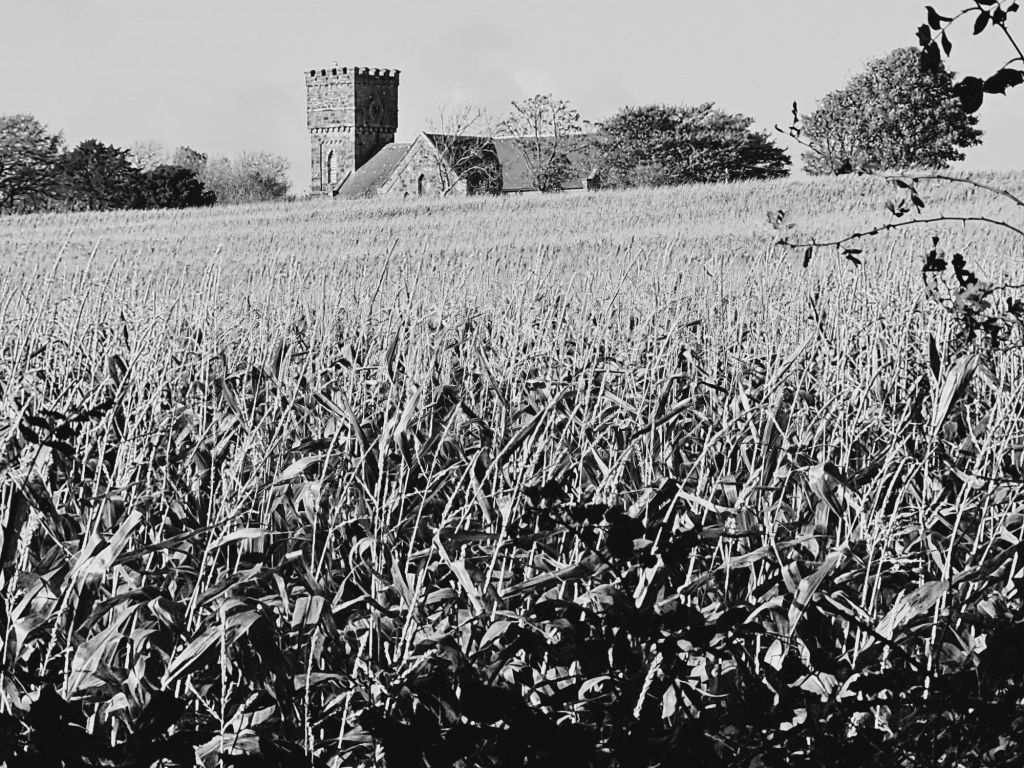
In the end, I doubled back to old St. Nidan’s and caught the bus back from Brynsiencyn:-
I didn’t do a post last week after I went to hear a public conversation organised by Gagosian between Nicholas Serota and Julian Rose about Julian’s new book about museums, Building Culture: Sixteen Architects on How Museums are Shaping the Future of Art, Architecture and Public Space. I wanted to read the book. I have now done so (https://papress.com/products/building-culture). It’s very good, based on sixteen conversations/discussions (he calls them interviews but he contributes much more than just the questions) with sixteen major architects who have focused on the design of museums internationally. Because of the layout of the book, they seem to be mostly men, but that is because Denise Scott Brown, Kazuyo Sejima and Annabelle Selldorf all have surnames towards the end of the alphabet.
In the conversation, I came away particularly impressed by the lay-out of the 21st. Century Museum of Contemporary Art in Kanazawa and hadn’t realised that the original competition was for a museum and community facilities to be treated separately and it was SANAA who suggested putting them together in a way which manages to be both beautifully coherent structurally, but also complex in the way the galleries are arranged.
The interview with Denise Scott Brown makes clear how much of a pioneer she was – more than Bob – in thinking about spatial layouts and the movement of people through the building. She describes the Sainsbury Wing as ‘a pop building in the sense that it considers the populace’.
Cumulatively, it’s a profound meditation on how museums have, and are evolving. I found it particularly interesting in the light of the current competition for the West Wing of the British Museum, not least because there is a long interview with Shohei Shigematsu who works with Rem Koohaas overseeing his museum projects.
Last night we went to the opening of Todd Longstaffe-Gowan’s beautiful and unexpectedly moving exhibition of ‘The Lost Gardens of London’: so many gardens which, for obvious reasons, are unknown; most especially, the number of gardens and squares round Euston which have disappeared as a result of HS2, unlamented and apparently unprotested because it is a poor neighbourhood.
The exhibition has been beautifully designed by Jamie Fobert with strong colours (Papers and Paints) to provide the backdrop; and a wonderful deliberate mix of material – paintings, maps, photographs, even a photograph of the now happily forgotten mount at Marble Arch, one of the great follies of our time.
Highly recommended !
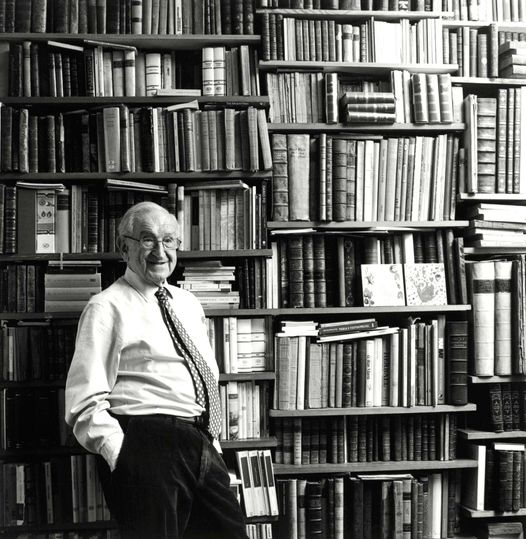
On Friday, I was thinking that I ought to write something about Joseph Rykwert. I have discovered from a notice in La Repubblica that he actually died on Friday, although there is no further information, other than the fact that he was 98.
He only just made it to the UK, as his brilliant autobiography, Remembering Places, describes, escaping out of Poland by way of Stockholm and Amsterdam. He was a remarkable person, who I got to know when he was still, but only just, a Professor in the Department of Art History and Theory at the University of Essex. In fact, I remember that I had to provide evidence of his intellectual credentials when he was appointed to a lectureship at Cambridge not long afterwards because it had come to the authorities’ notice that he had apparently never completed his training at the Architectural Association. He then moved to the University of Pennsylvania, but must have spent most of every year in London where he kept his library.
He was an impressively wide-ranging intellectual, as interested and involved in the practice of architecture as he was in its history and theory. He was important not just for his own writings, including On Adam’s House in Paradise: The Idea of the Primitive Hut in Architectural History (1972) and The First Moderns: The Architects of the Eighteenth Century (1980), but for his influence on other writers and architects, including David Chipperfield and Daniel Libeskind. In 2014, he was awarded the Gold Medal by the RIBA.
I booked myself on to the Architecture Foundation’s tour of Norton Folgate in order to see what has been done in a site which has been one of the great battlegrounds of British conservation history.
To recap (a bit). The site is on the northern edge of the City and was originally occupied by a monastery, the Priory and Hospital of St. Mary Spital. It then became a Liberty until absorbed by the Metropolitan Borough of Stepney in 1900. In the late nineteenth century, much of the site was occupied by Nicholls & Clarke, a builders’ merchants, which sold the land to the City who encouraged British Land to redevelop it in the 1970s. This development was fiercely resisted by a group which became the Spitalfields Trust, including John Betjeman, Mark Girouard and Dan Cruickshank.
More recently, there was another battle when British Land (again) acquired the site and planned to turn it into offices. It was given planning permission by Boris Johnson as one of his last acts as Mayor.
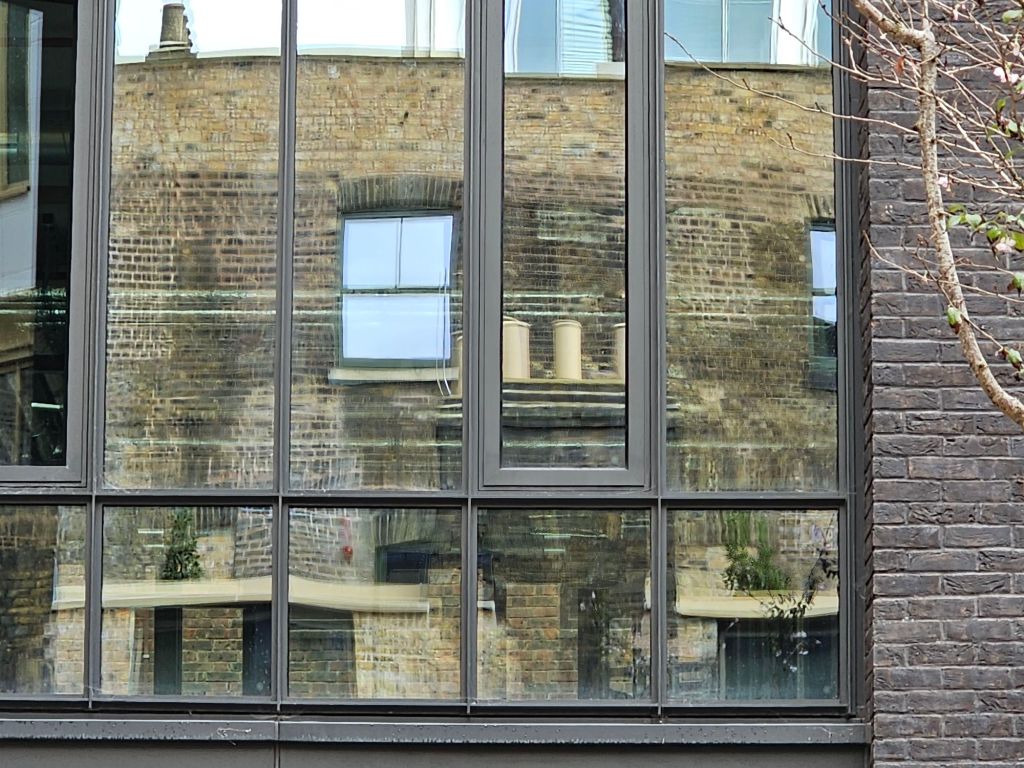
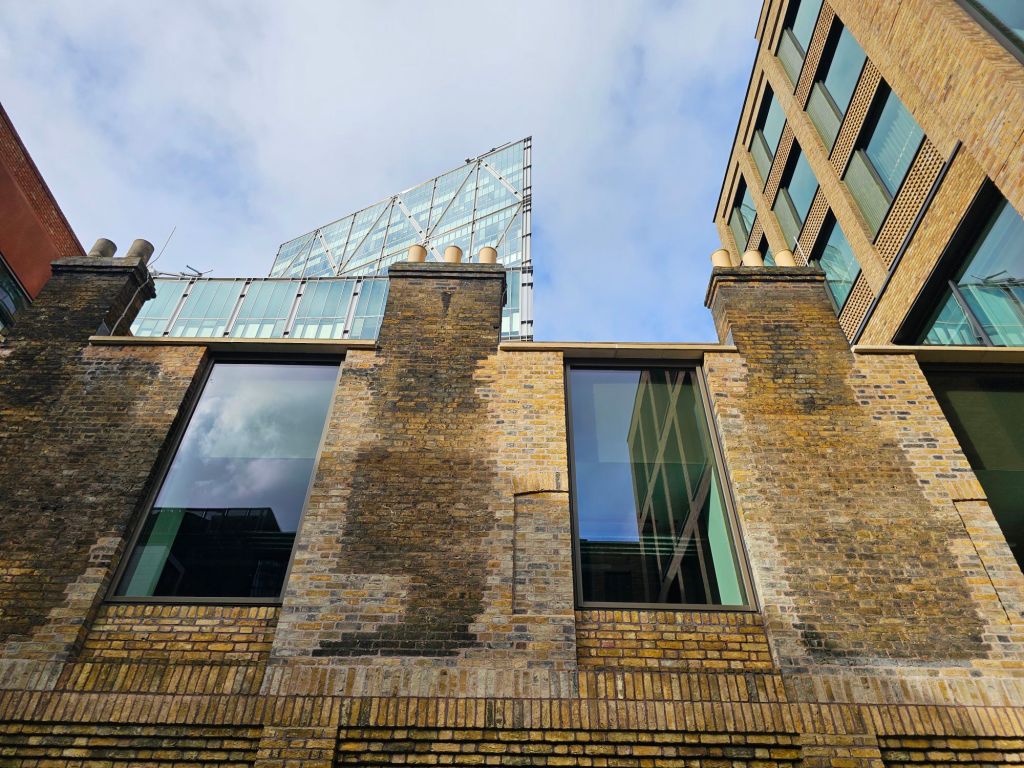
The truth is that the development has been done with considerable care and sensitivity. The masterplan was done by AHMM, but individual parts of the project were subcontracted to other practices including Stanton Williams and Morris & Company. The Arts and Crafts building on Folgate Street has been renovated. Some of the warehouses on Blossom Street have been retained.
It is too early to tell what it will feel like once the offices, shops and restaurants have been let. At the moment, particularly on a Saturday morning, it is a touch lifeless, a bit like Blank Street Coffee, trying hard to belong to the neighbourhood, but not yet succeeding.
Time will tell. It’s certainly been done in a more sensitive way than much of the City.
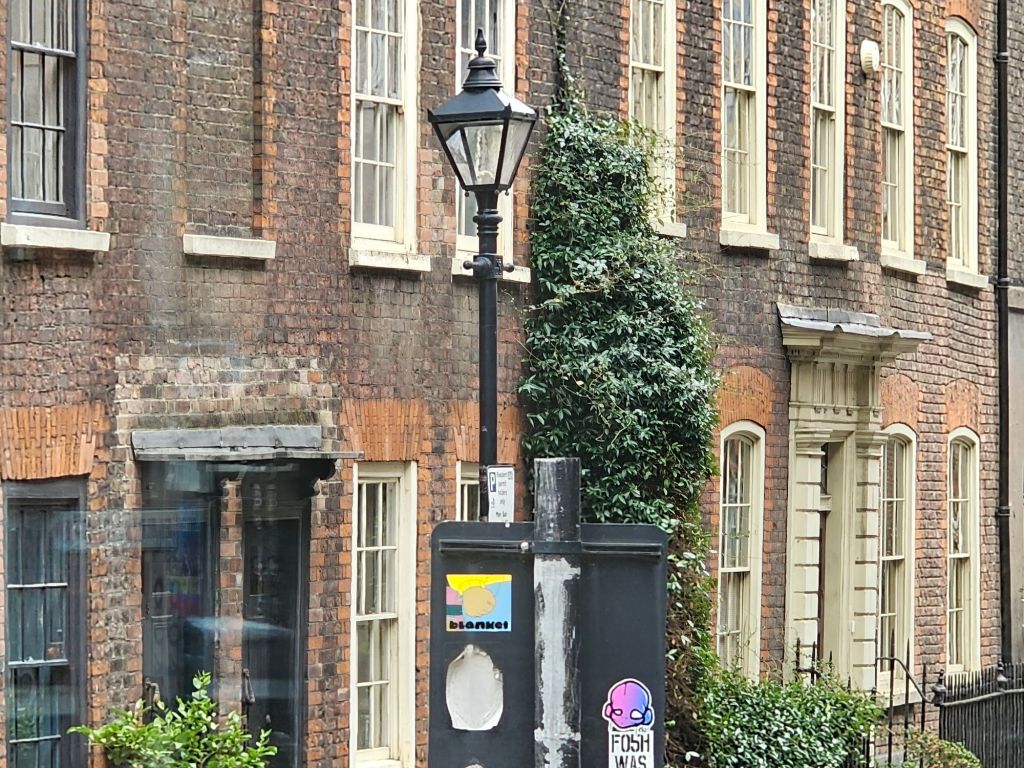
This is Elder Street:-
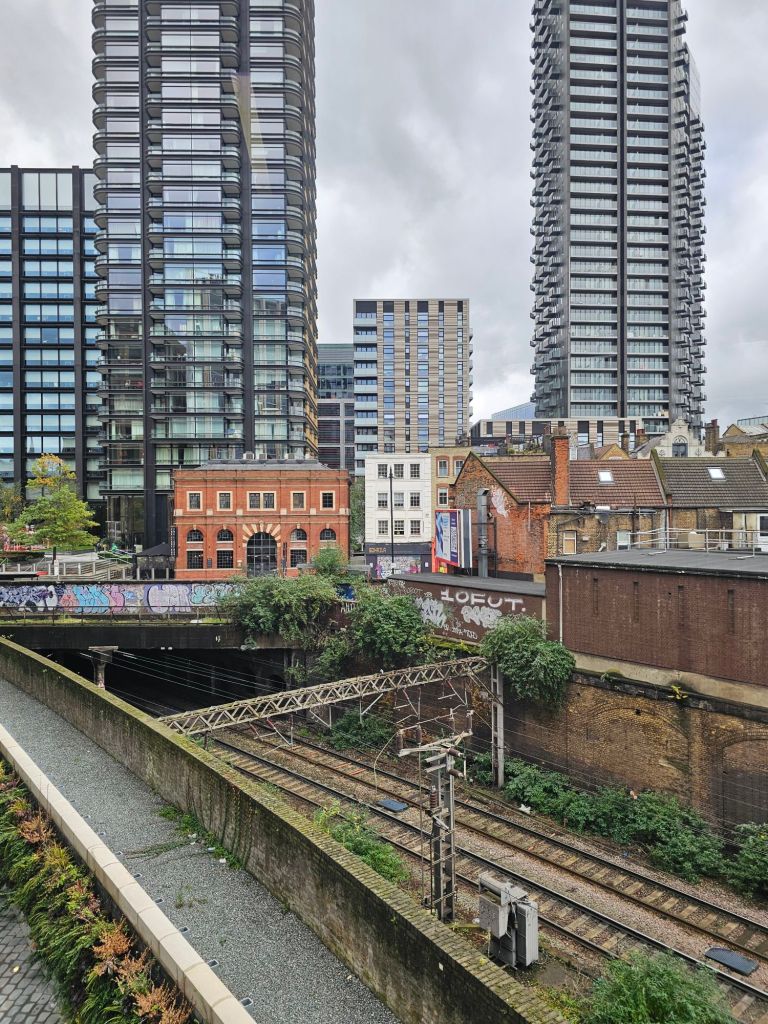
This is the view west across Norton Folgate:-

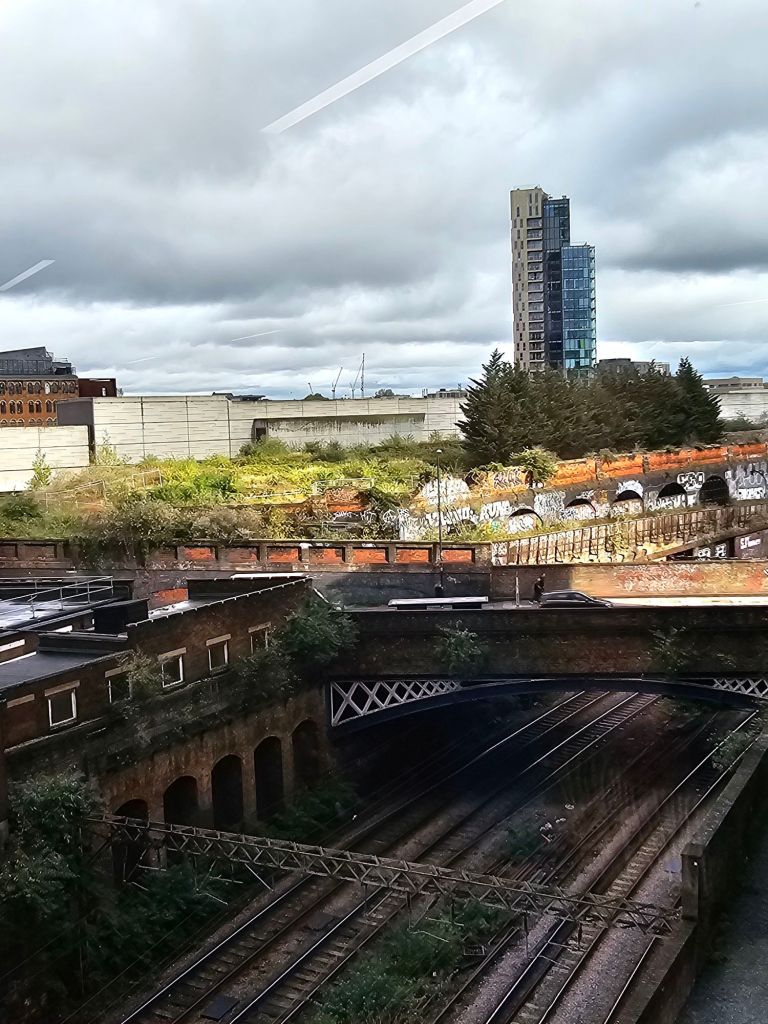
And north towards the Bishopsgate goods yard (another battleground):-
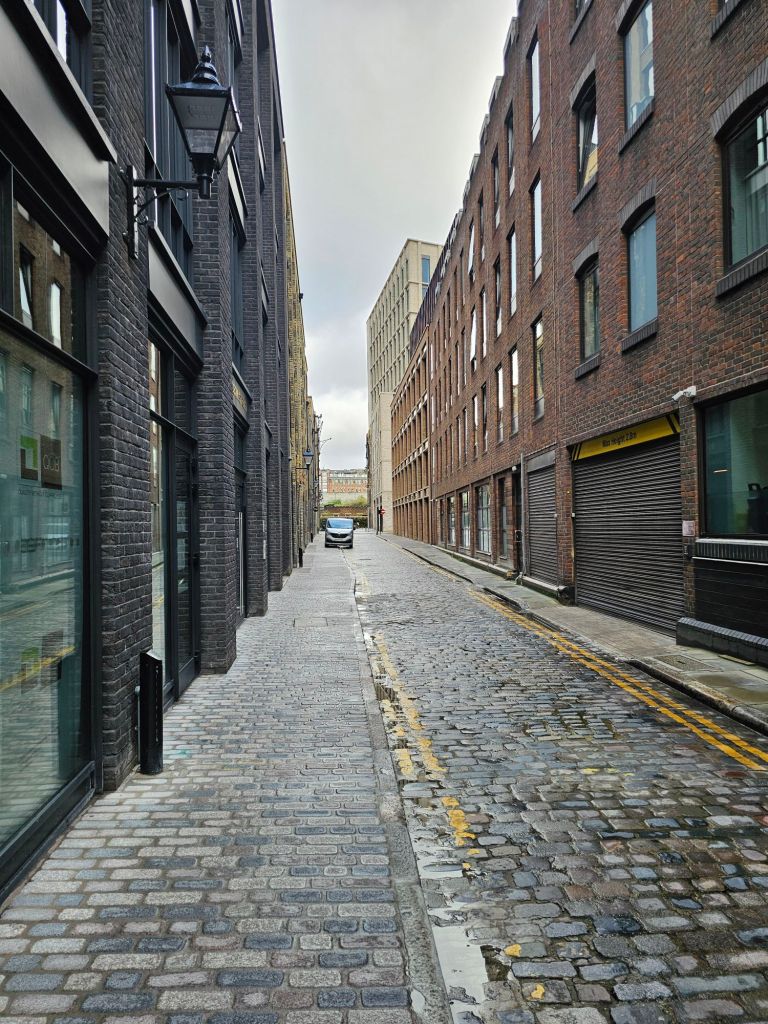
This is Blossom Street:-
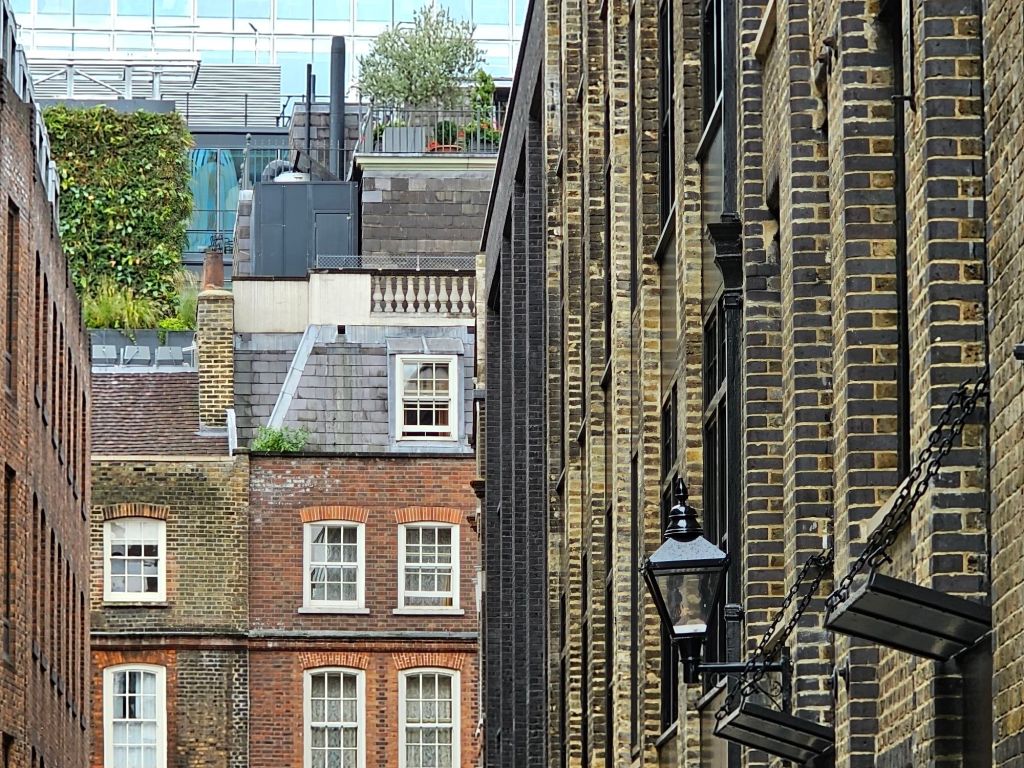
Maybe the most successful bit of the project is Blossom Yard:-
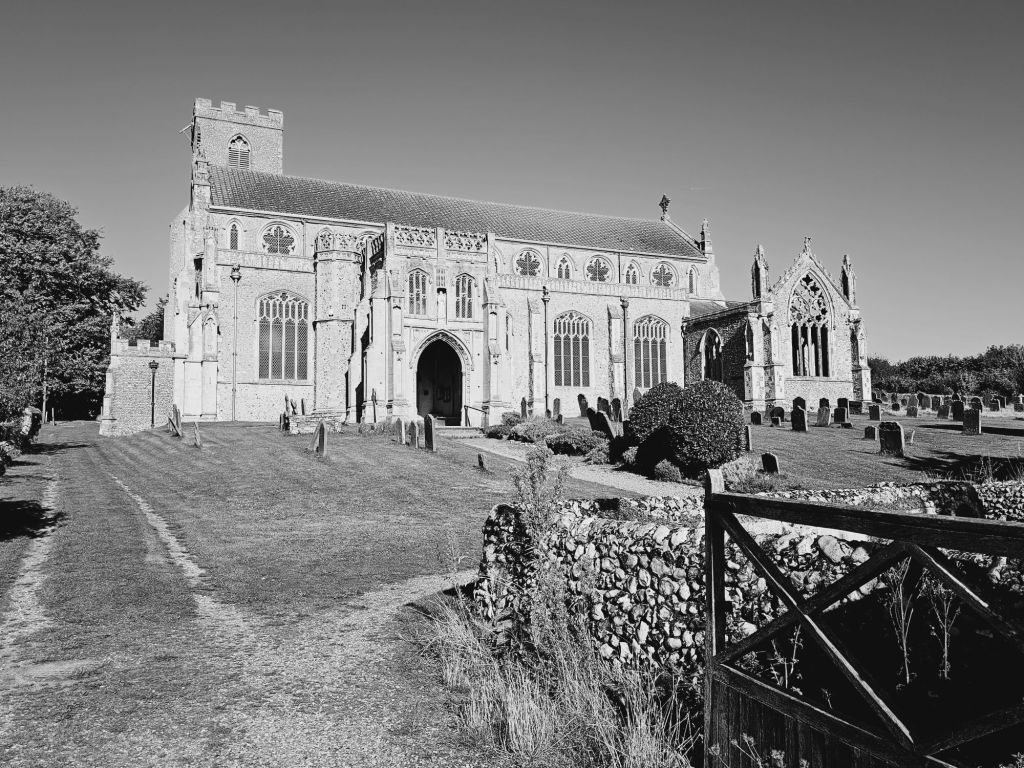
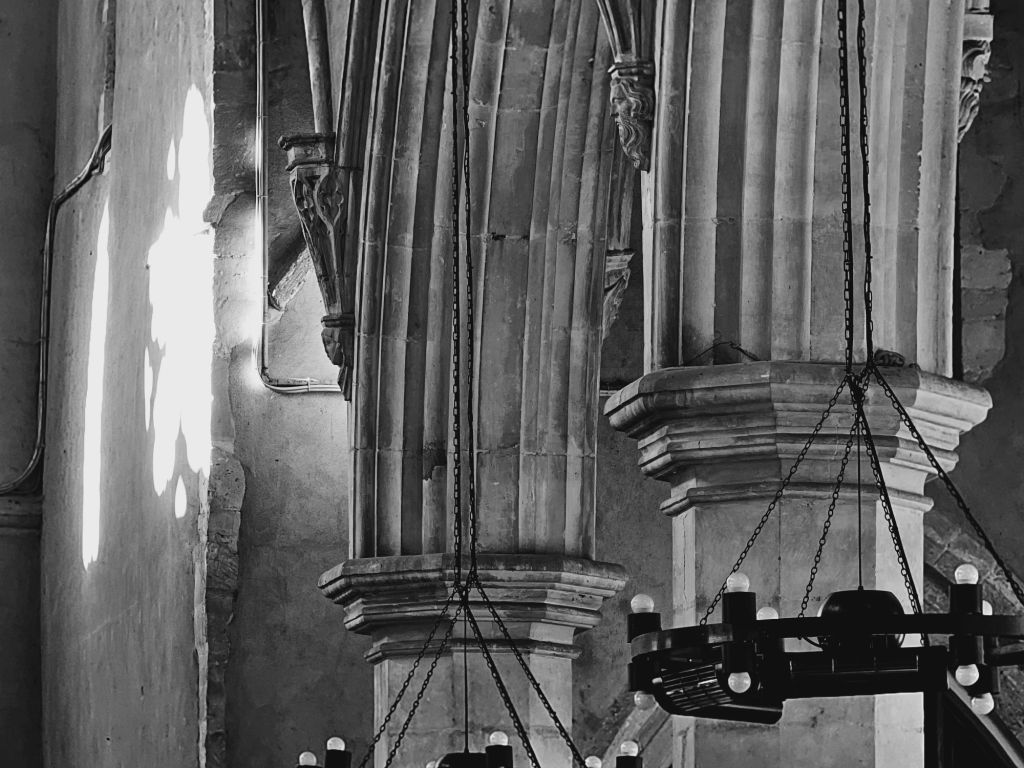
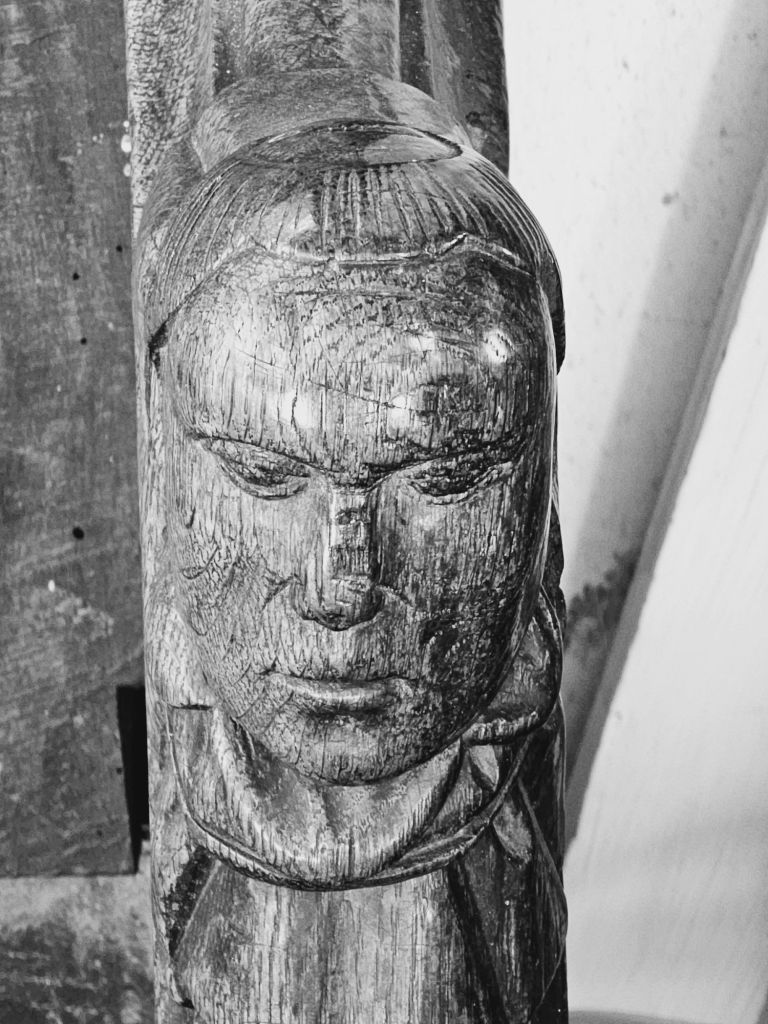
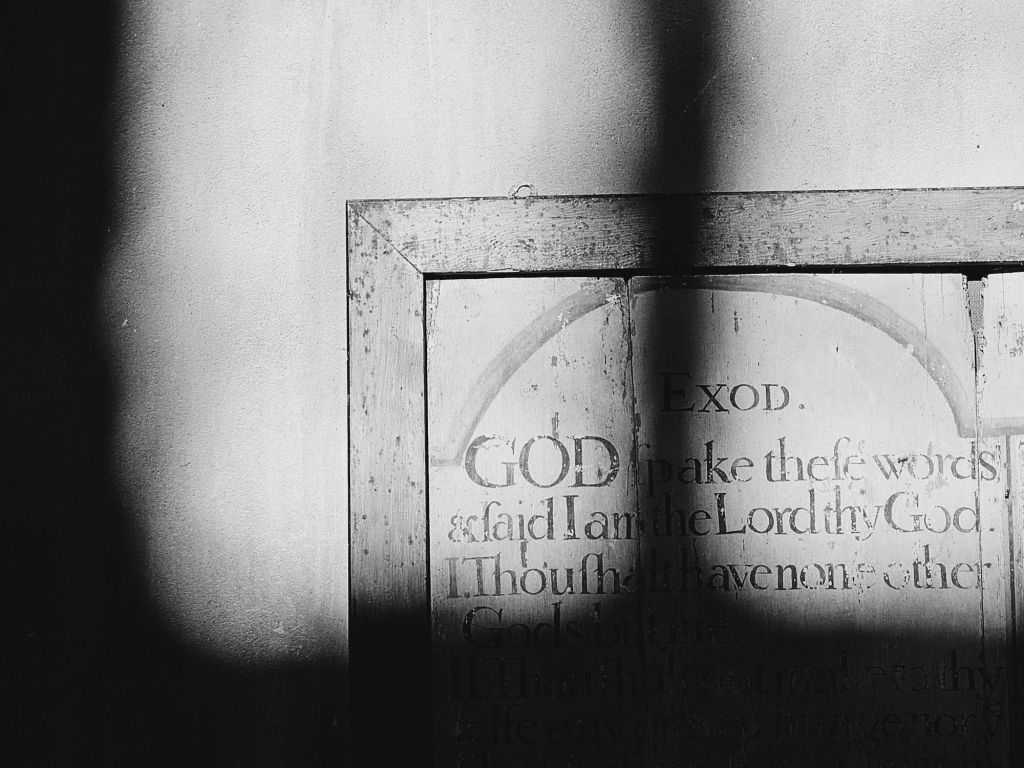
I love the church at Cley: a monument to the prosperity of Norfolk in the thirteenth century when Cley was a port until the plague arrived in 1349 and the port silted up. Like a mini-cathedral-by-the-sea:-
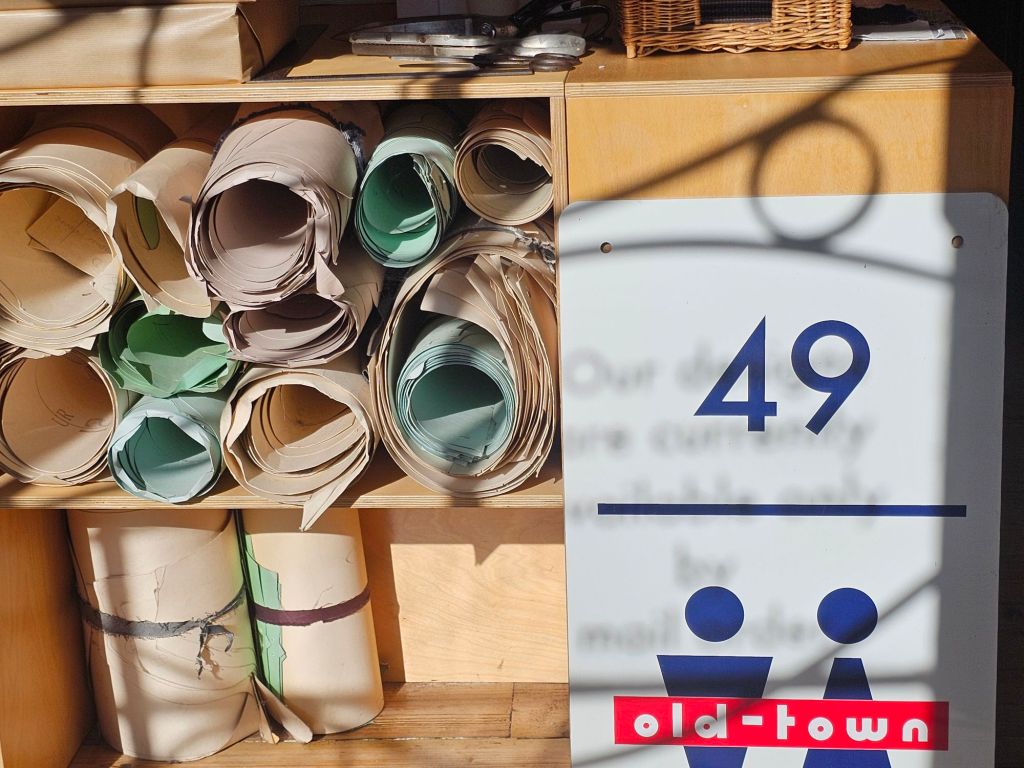
Knowing that Old Town Clothing is due to close by the end of the year, I have been planning a last trip – a pilgrimage – to Holt to pay my respects to Marie Willey and Will Brown who have supplied me with clothes for the last, roughly thirty years, ever since I came upon their first shop in Elm Hill in Norwich.
I went today.
They have had enough. Hardly surprising. They’ve been doing it a long time and it’s hard work running a small business, taking orders, getting things made, not using a factory, but local machinists. It’s become harder to find people with the necessary skills. They have insisted on everything being done to the highest standards. That’s the whole point.
I have been disappointed how little interest there has been in maintaining these craft skills, encouraging the training of the next generation, the idea of rural industry. In Japan, they would be living national treasures. But here I’m not sure we recognise, let alone esteem, the intersection between craft and small-scale industrial production:-
By chance, I am travelling across London on the Elizabeth Line shortly after it has – deservedly – won the 2024 Stirling Prize. Hundreds of people transported smoothly on long distances, opening up parts of London, including Woolwich and Abbey Wood, which were previously unreachable: on a scale and with a level of civic and national ambition which presumably knocked out the competition.
https://www.dezeen.com/2024/10/16/stirling-prize-winner-2024-london-elizabeth-line/


 | Charles | Saumarez | Smith |
You must be logged in to post a comment.