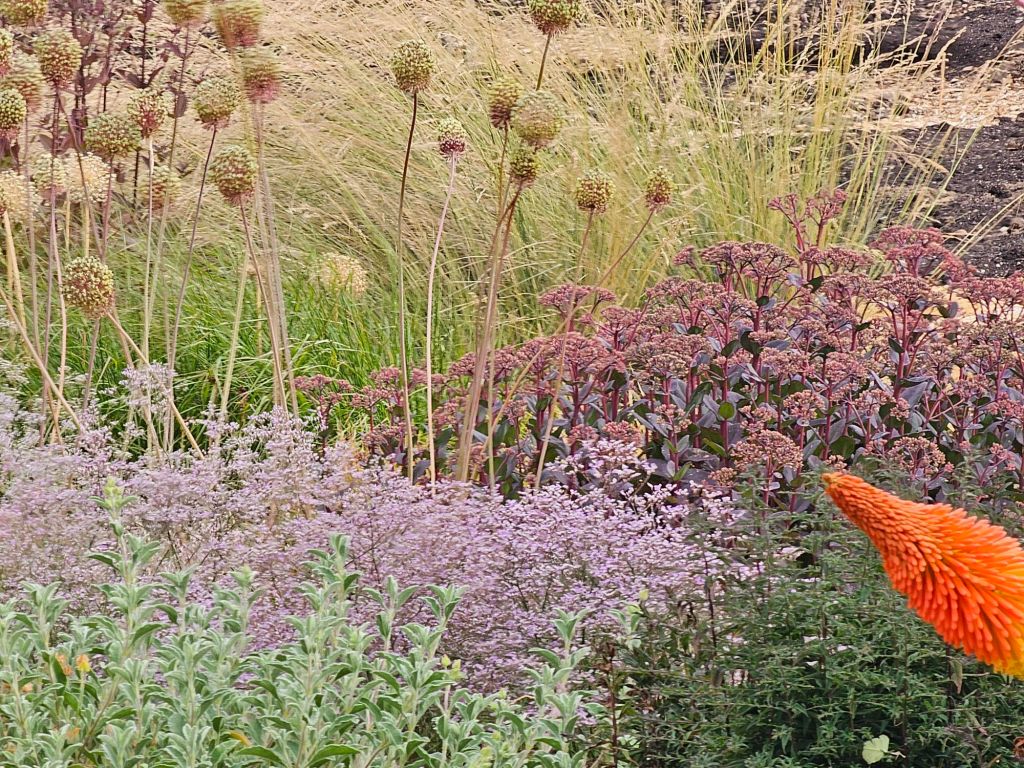
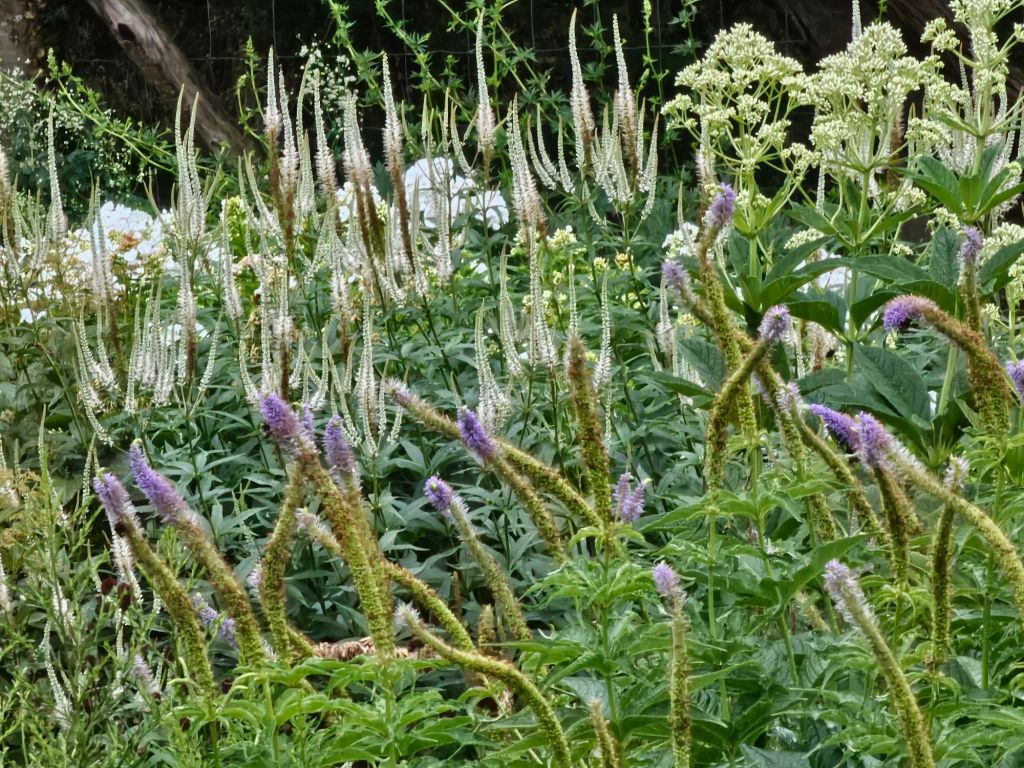
Always beautiful, whatever the time of year, a remarkable garden, re-inventing the Victorian picturesque:-
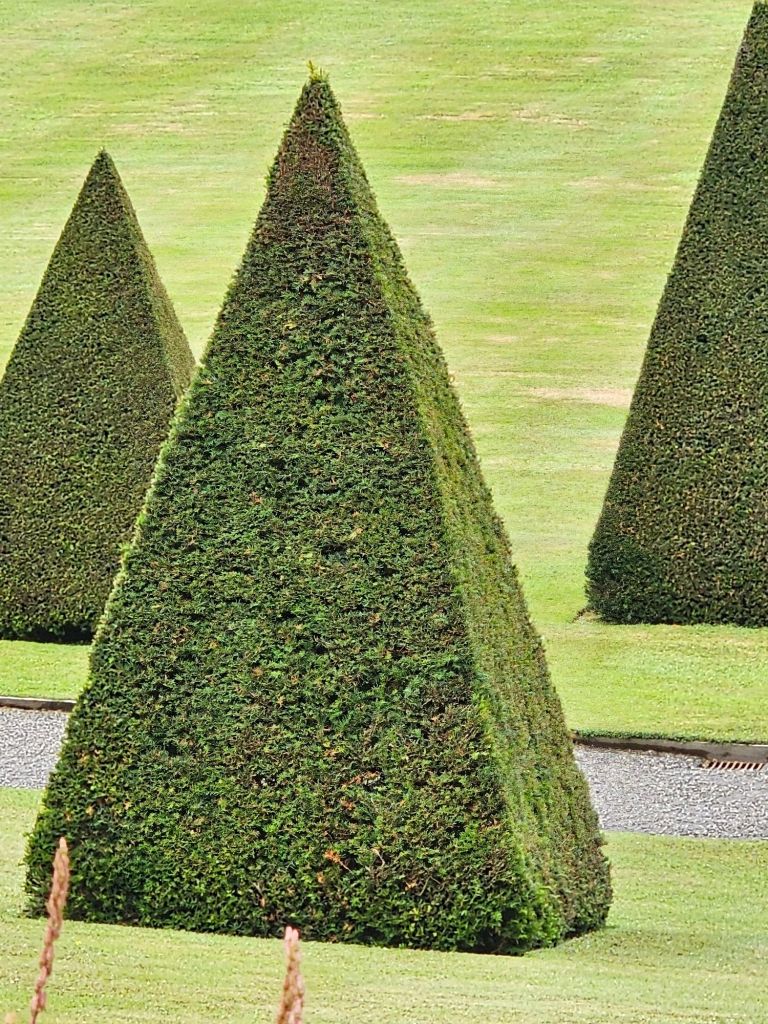
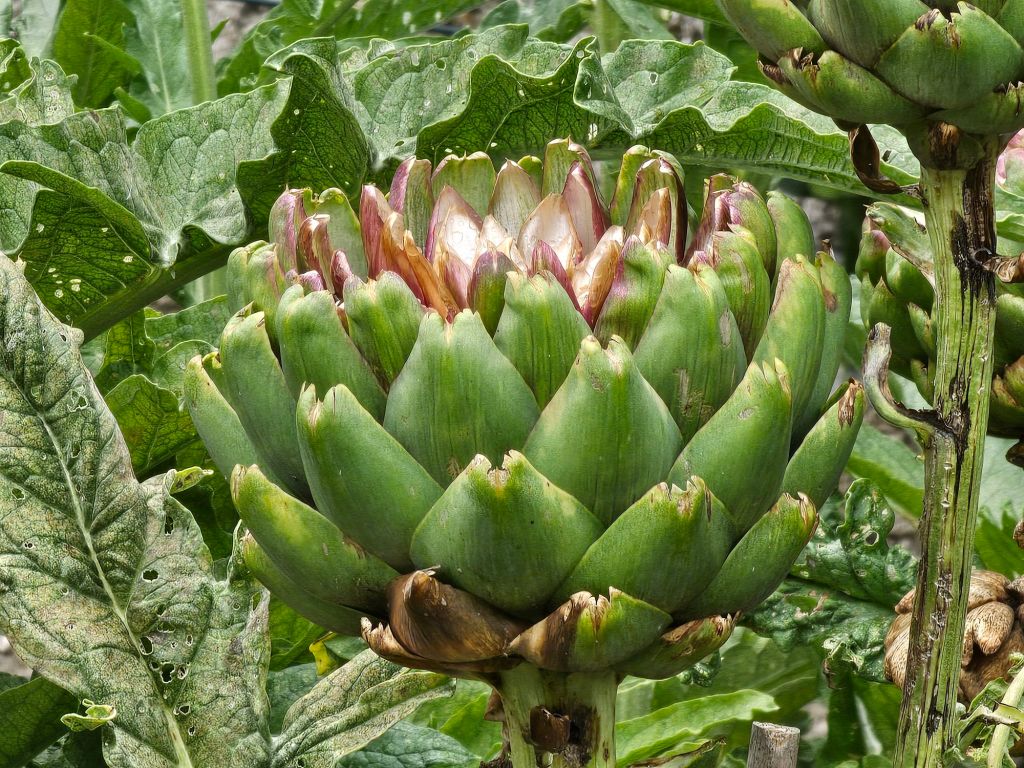

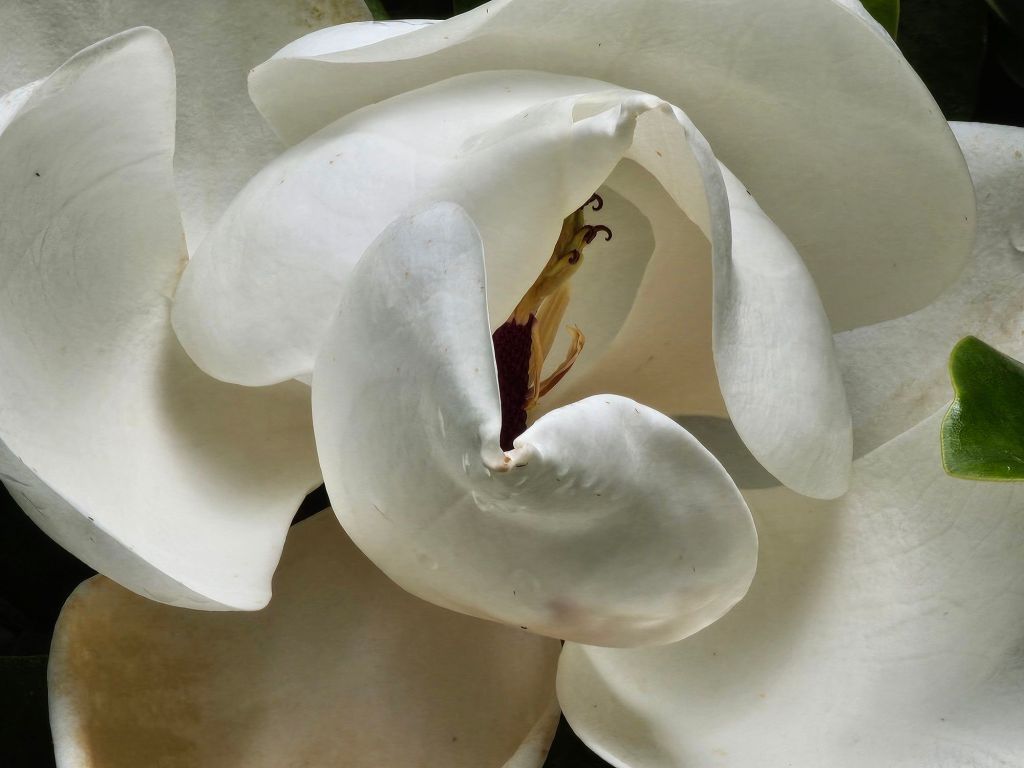
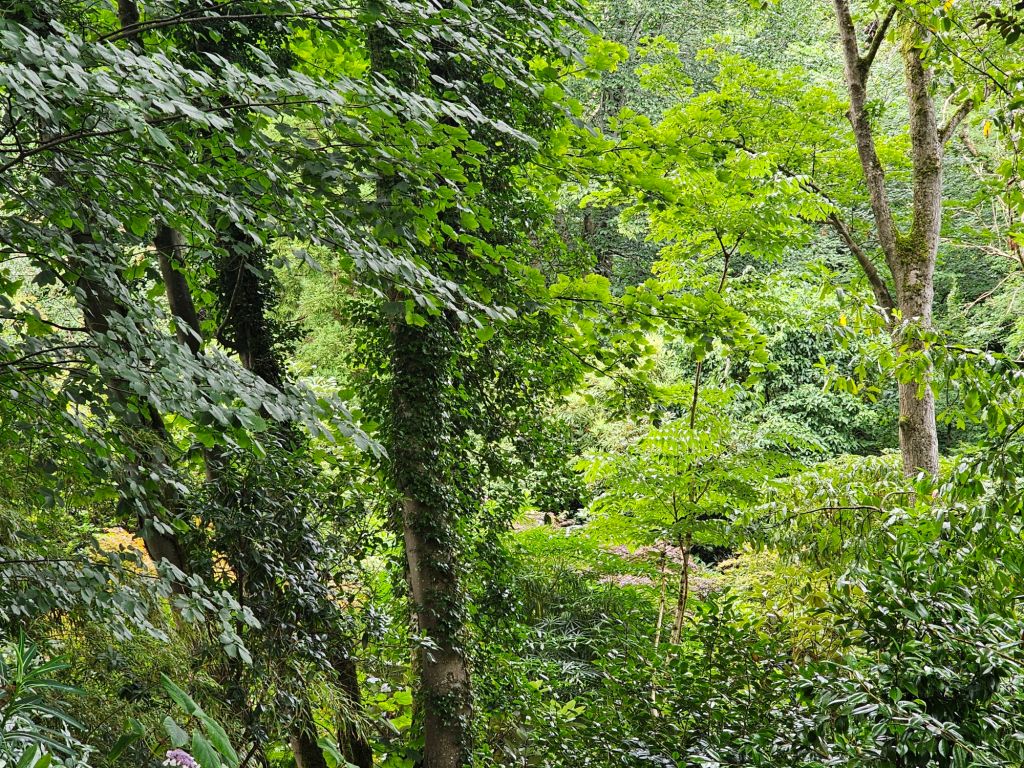
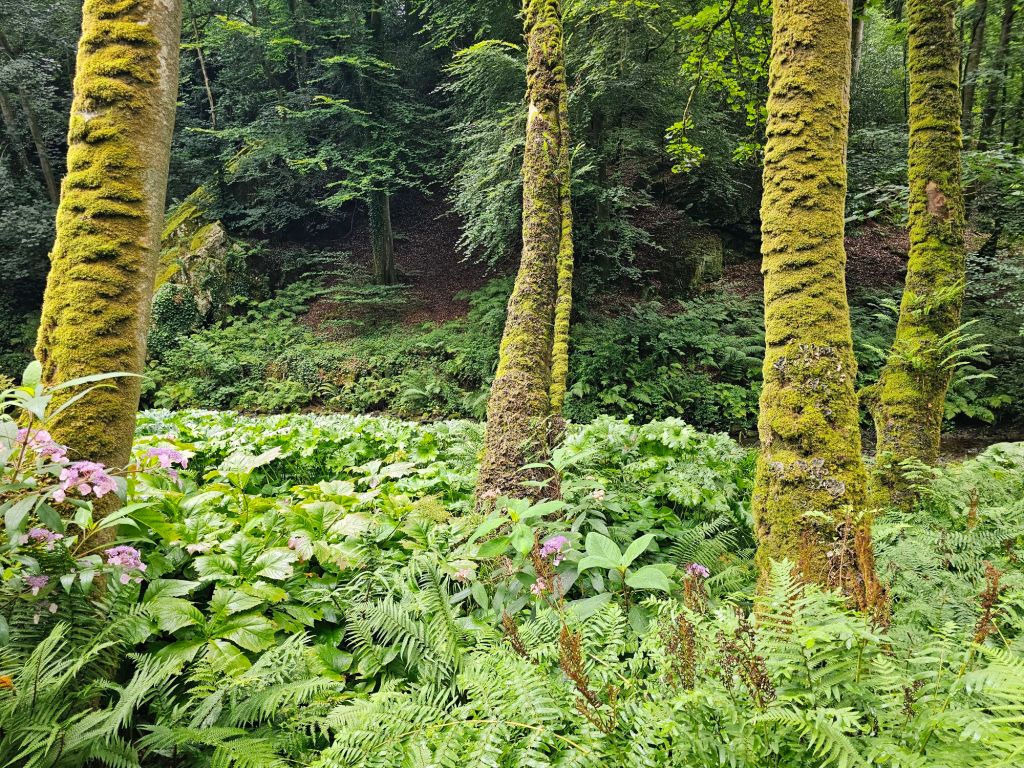
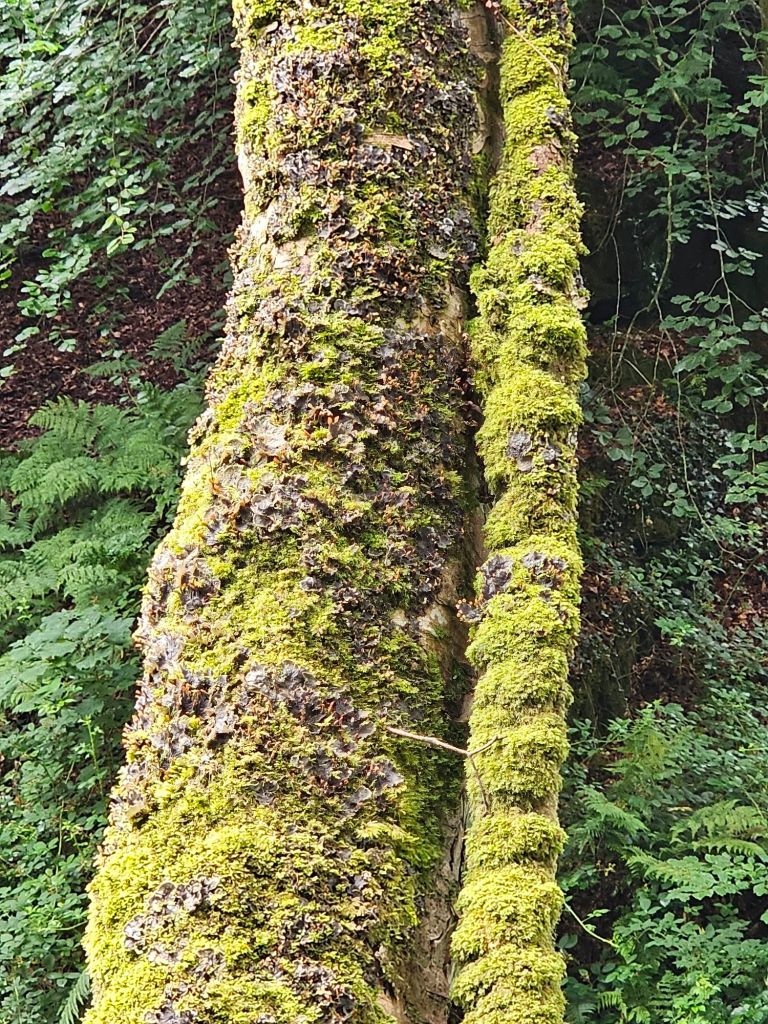
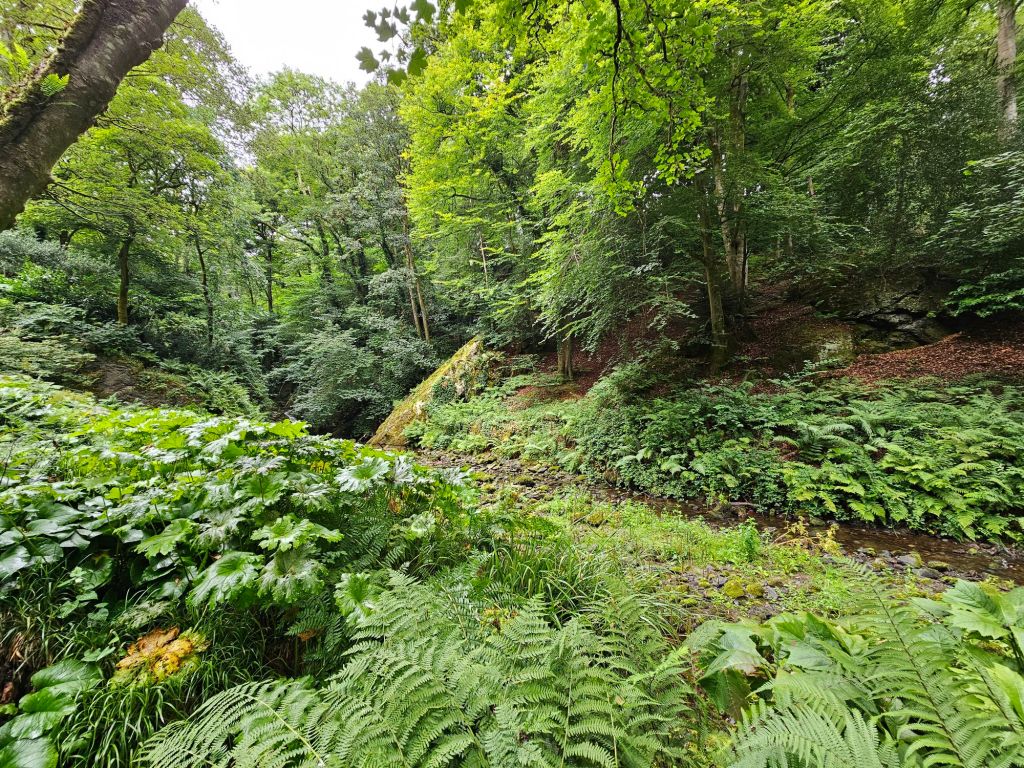
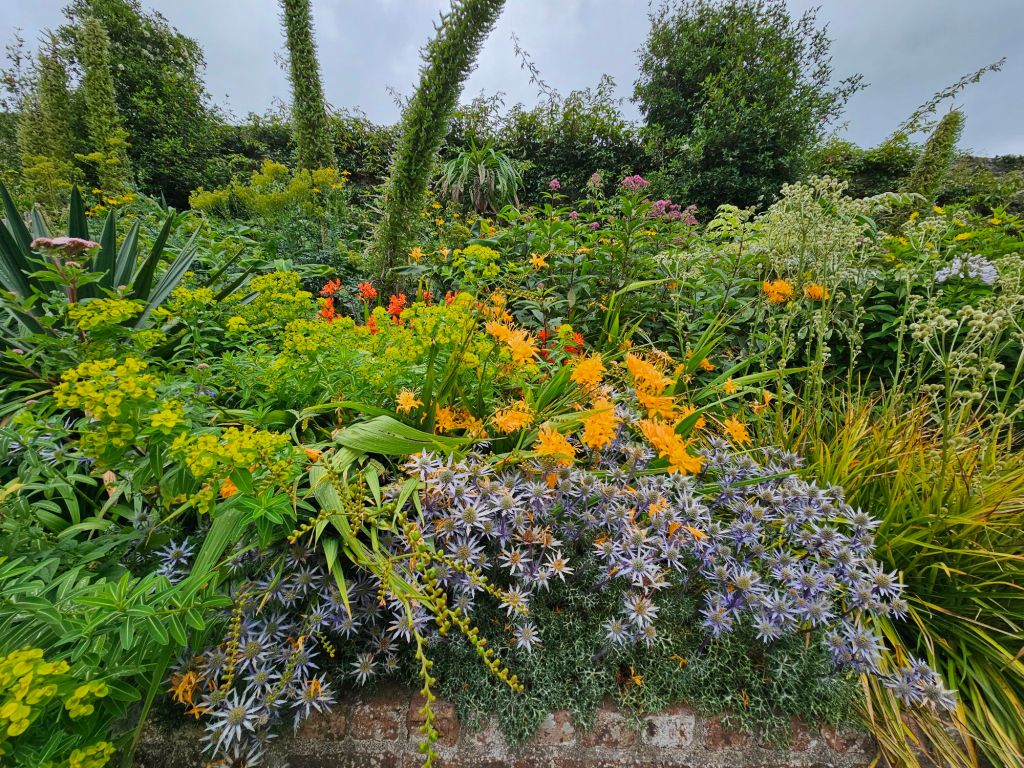
Always beautiful, whatever the time of year, a remarkable garden, re-inventing the Victorian picturesque:-
We went to see the murals by Rex Whistler at Plas Newydd.
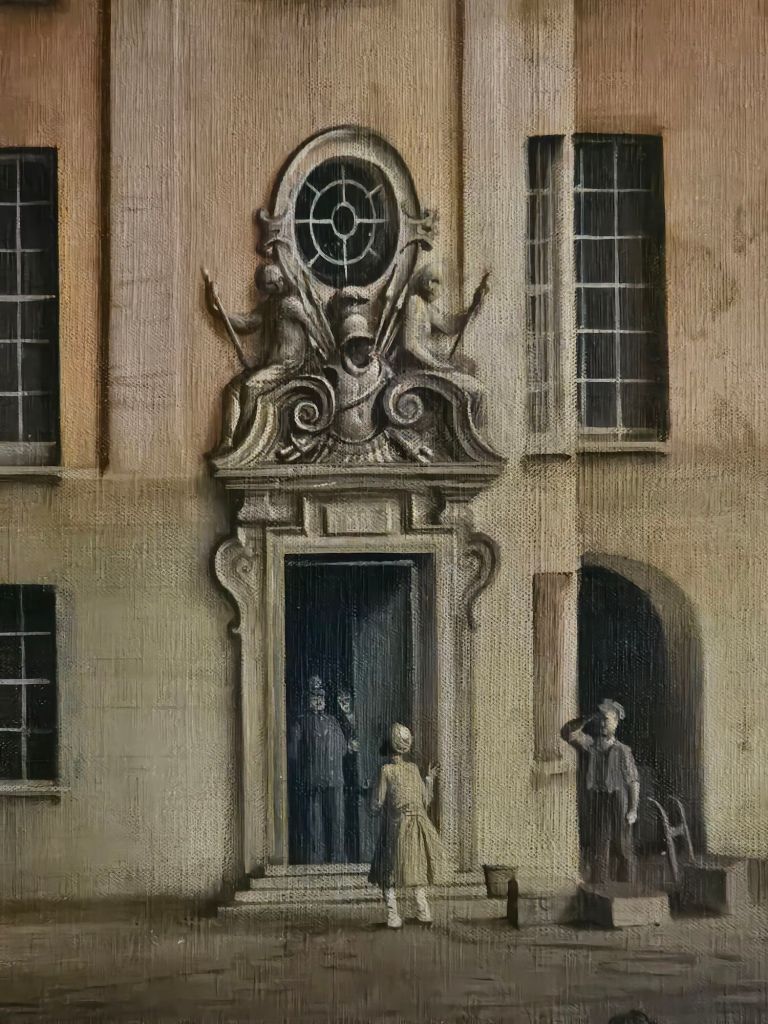
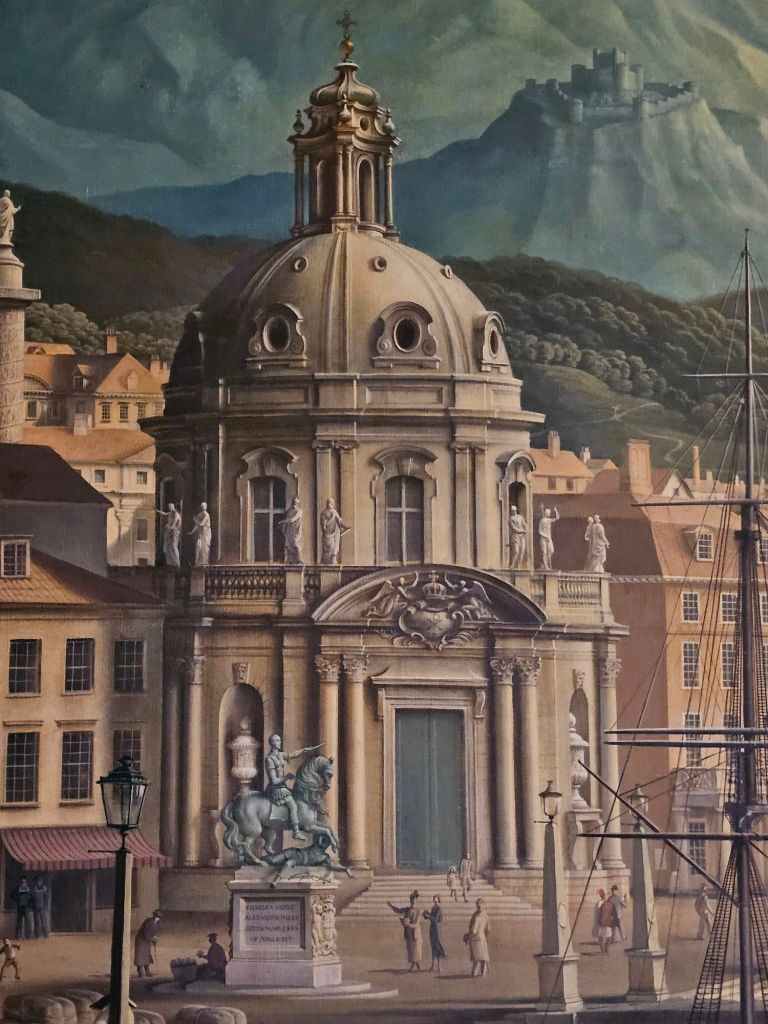
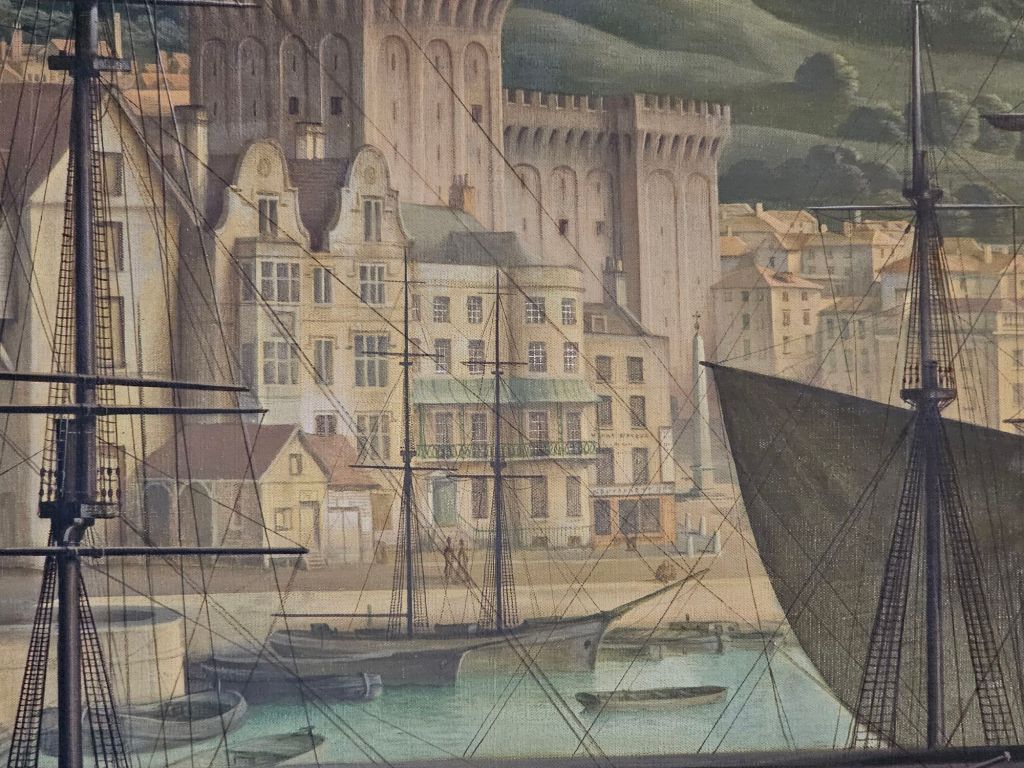
He was commissioned in 1936 to paint the walls of the new dining room, created by knocking together three smaller rooms in the east wing. It is a work of remarkable scale and ambition, its Mediterranean subject matter apparently suggested by the Marchioness (he was in love with her daughter, Lady Caroline).
He depicted himself:-
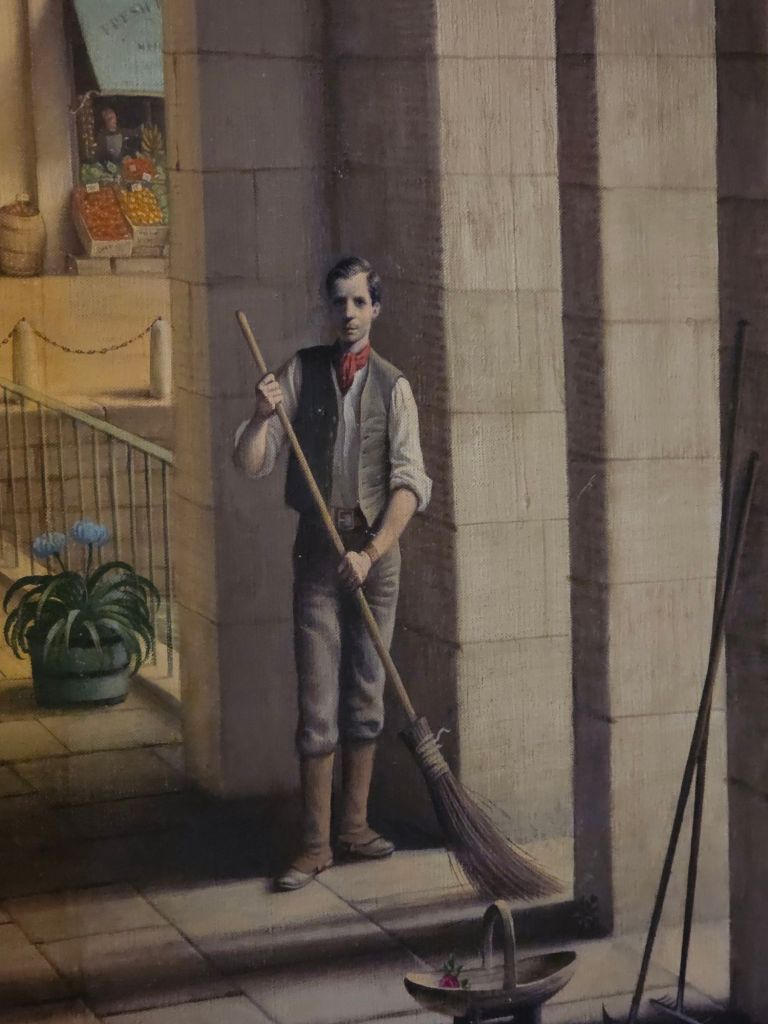
It’s full of rich architectural detail, demonstrating his generation’s interest in the Italian baroque (and his younger brother’s interest in Vanbrugh):-
I missed the exhibition of his work in Salisbury last autumn and now wish I’d seen it.
I have gone easy on the blog because we have had two cloudy days and I assumed you wouldn’t want pictures of grey mountains. But today was better and I walked down to the estuary:-
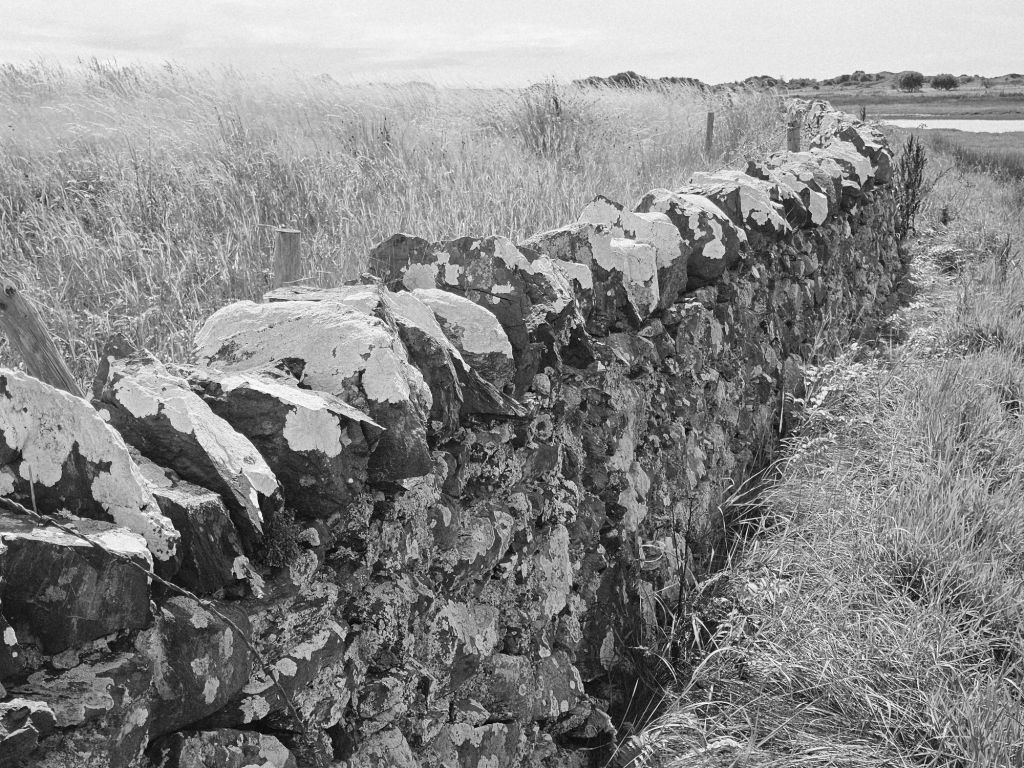
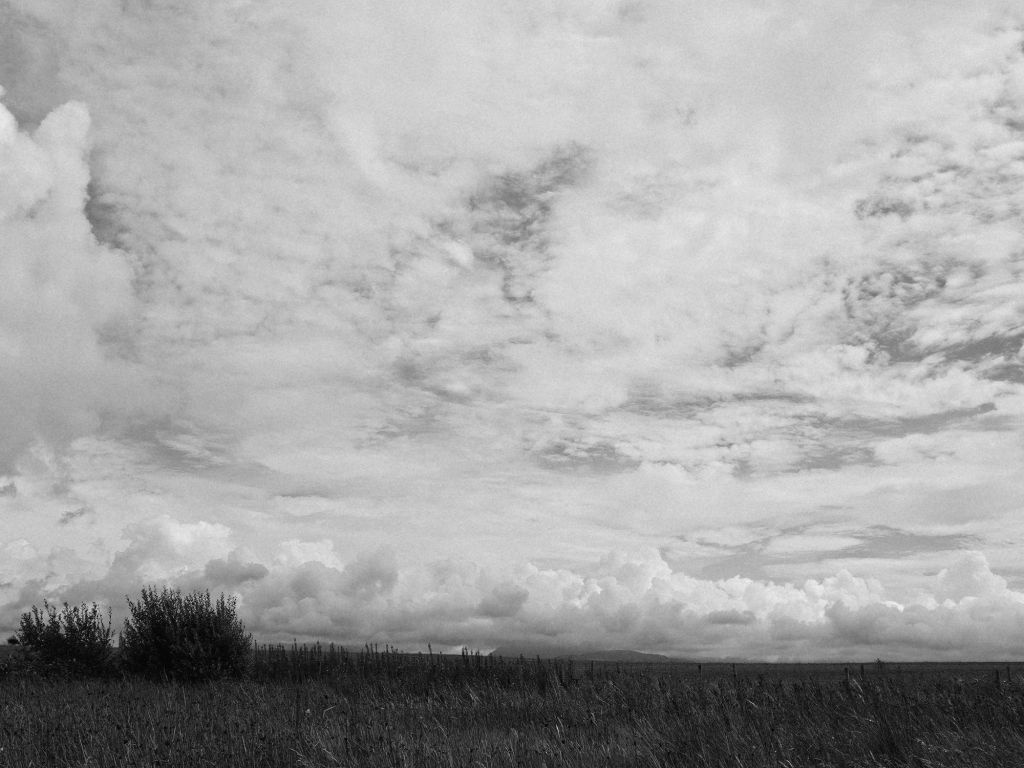
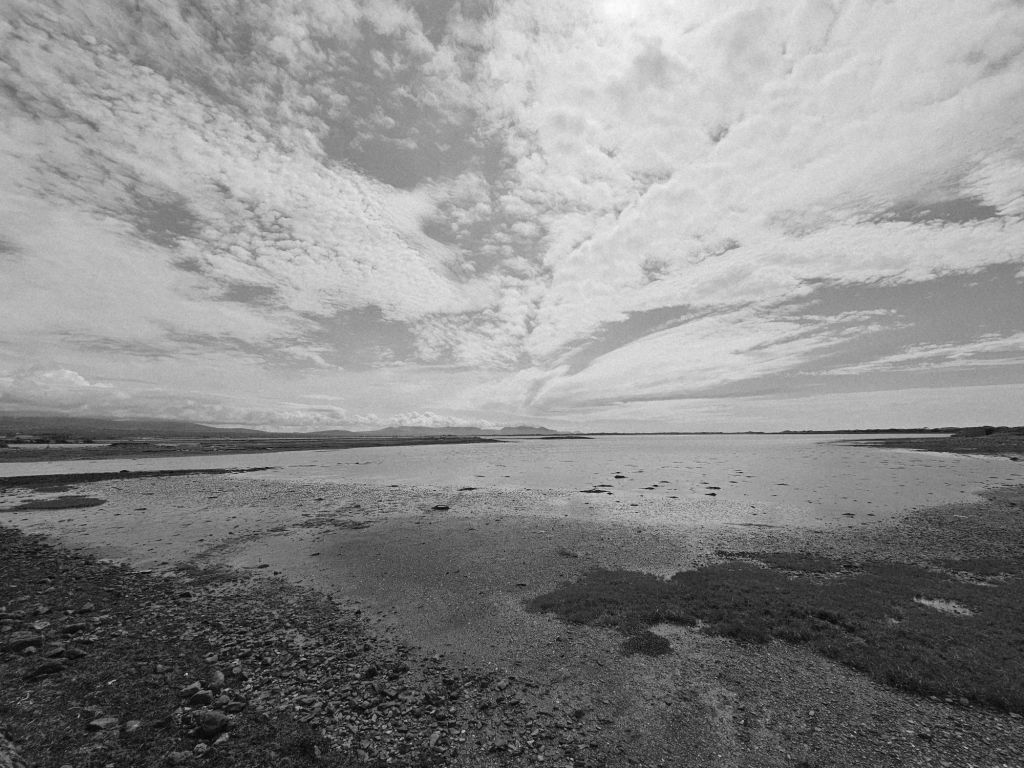
And back along the track and across the fields:-
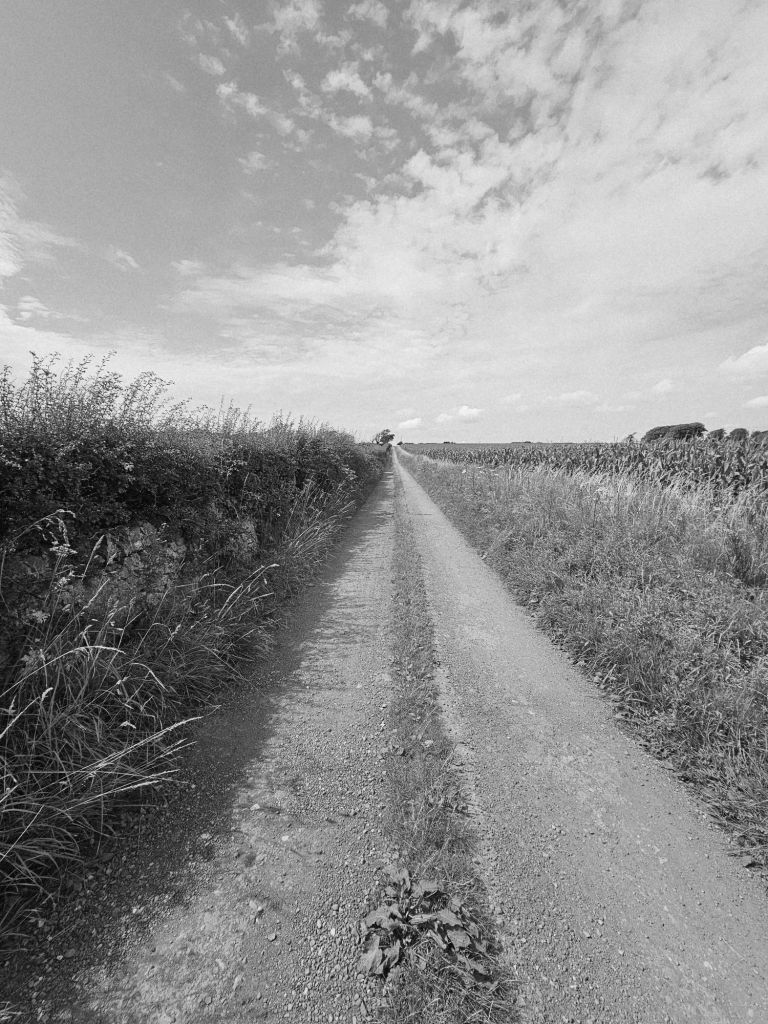
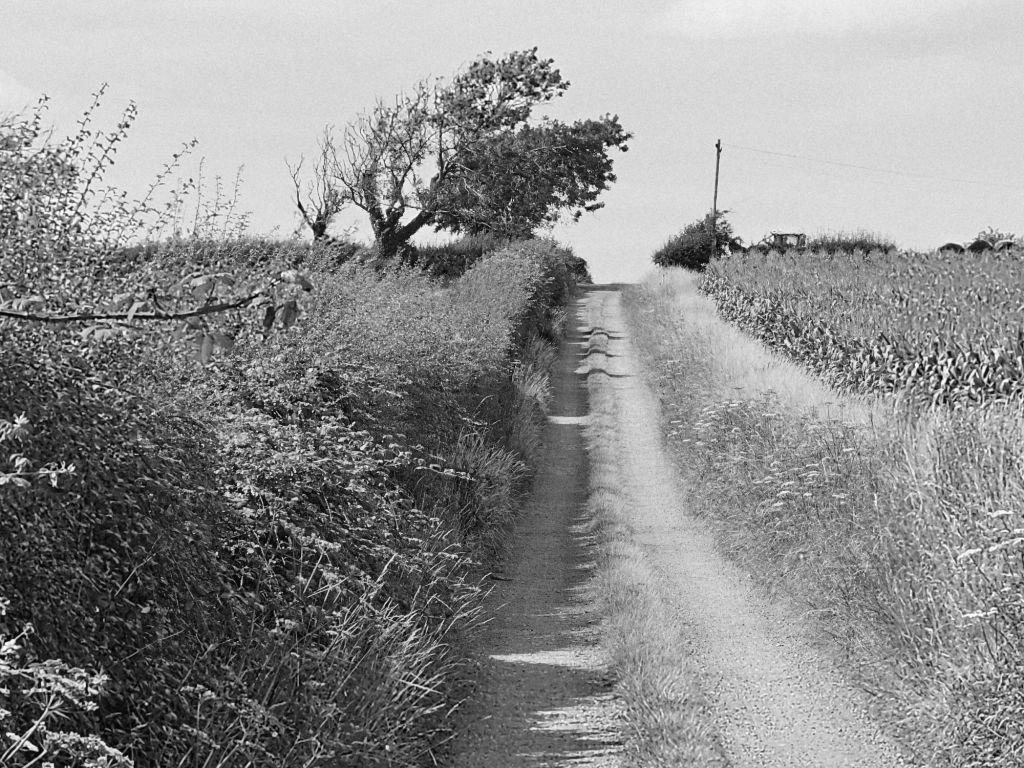
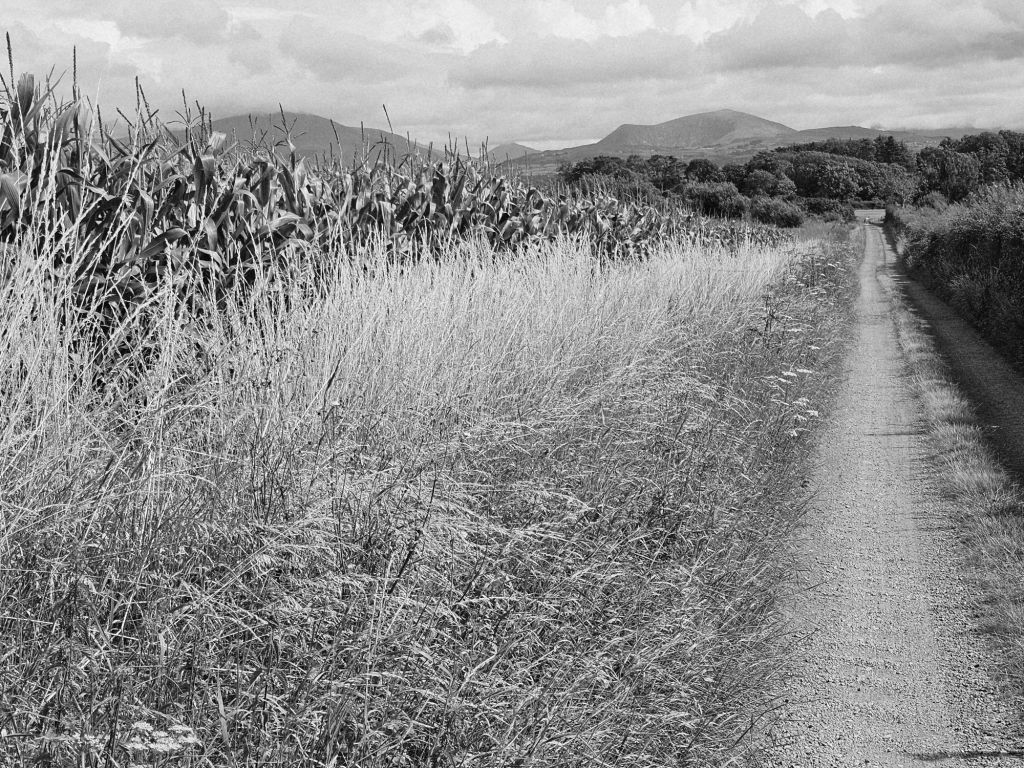
Although we have been coming to Anglesey for years, we scarcely know the Llŷn Peninsula, apart from Criccieth at its eastern end. It has always felt remote – a distant set of hills far into the Irish Sea.
Today, we explored the pilgrimage route on its northern shore, starting with St. Beuno in Clynnog Fawr, an unexpectedly spacious church because of the crush of fifteenth-century pilgrims:-
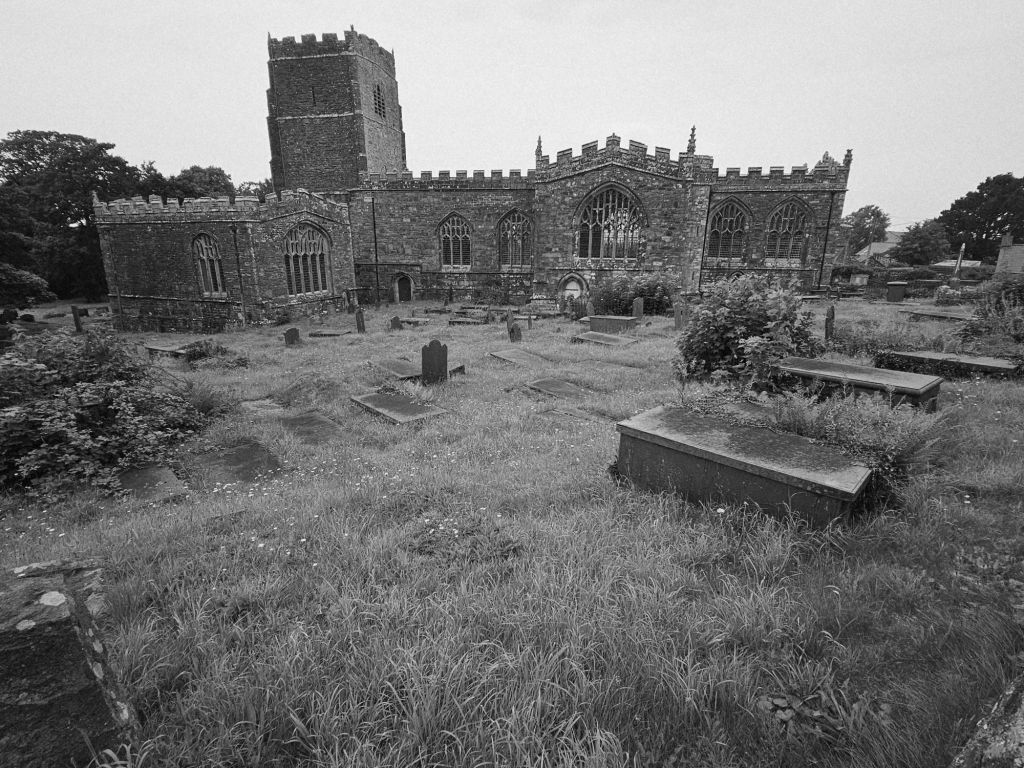
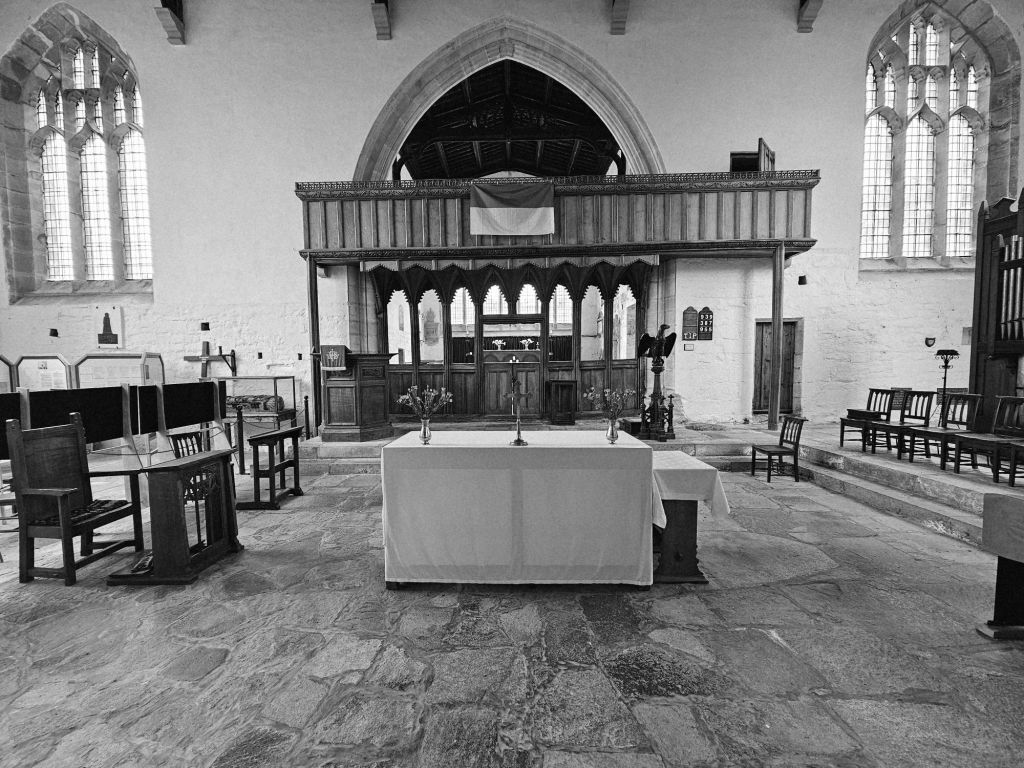
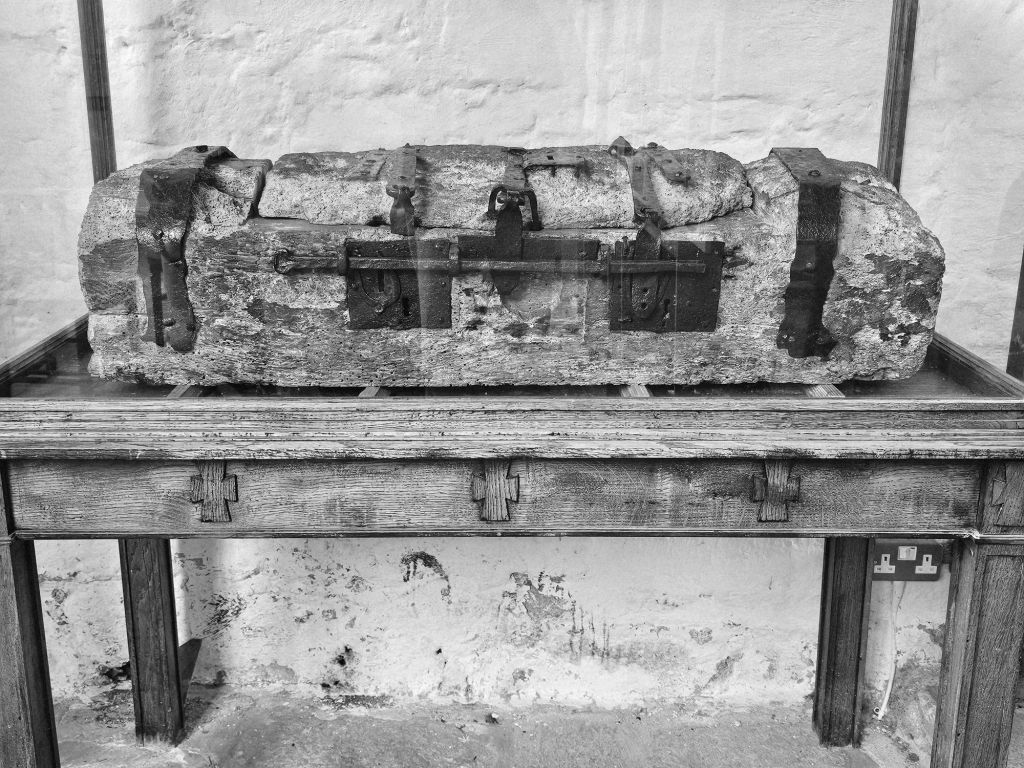
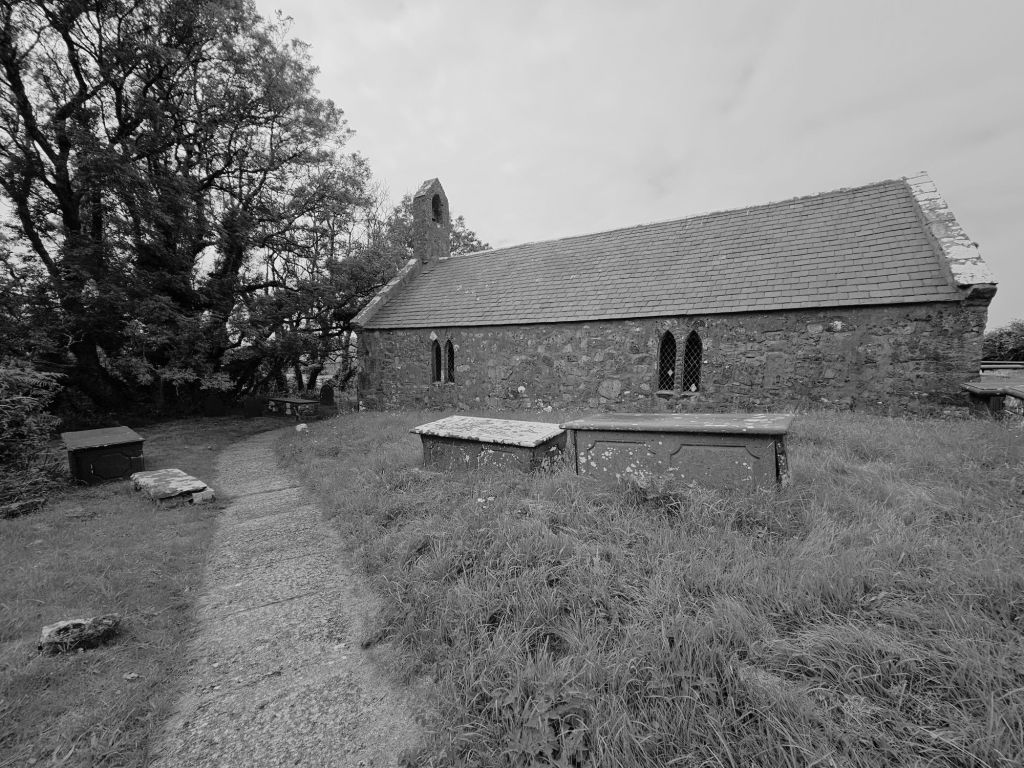
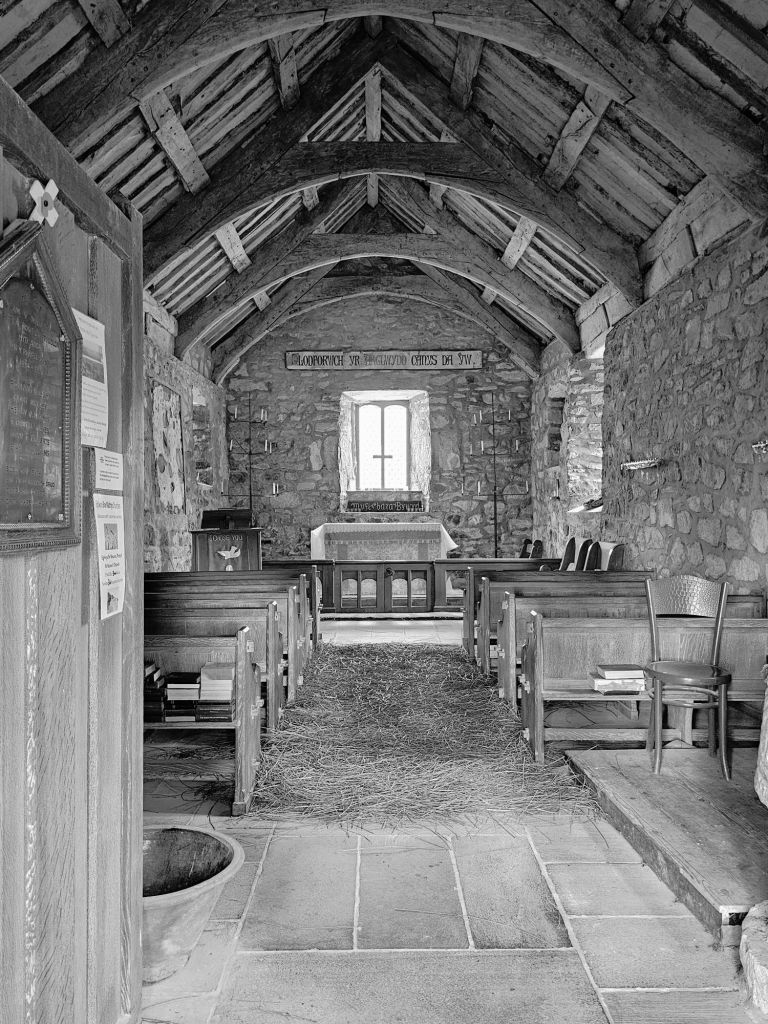
We tried to visit St. Curch in Carnguwch, but couldn’t figure out how to get to it across fields. After lunch in Morfa Nefyn, we ended up in St. Beuno, Pistyll, in a beautiful setting on the side of a hill and with straw on the floor, giving it a monastic feel:-
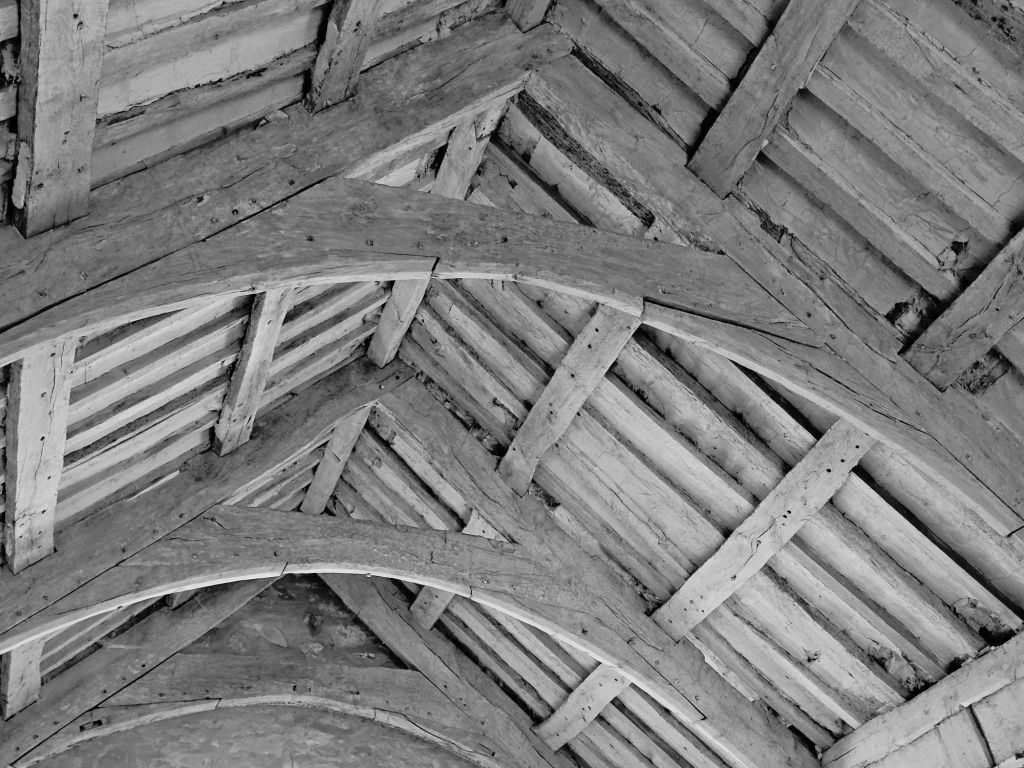
The plans for the celebration of Vanbrugh’s tercentenary have now been formally announced by the Georgian Group (see attached). They include an exhibition at Sir John Soane’s Museum, due to open in late February; and my book, published on November 20th.
I like the description of Vanbrugh as ‘The Rockstar of the English Baroque’.
For some reason, I hadn’t spotted that the article I wrote about 8, Bleeding Heart Yard for the July issue of The Critic was posted online over a week ago, before it had been announced that it had won an RIBA National Award.
So, the question now is whether it makes it on to the Stirling Prize shortlist.
A couple of nights ago, I gave a talk at the Athenaeum, entitled ‘The Changing Face of the City’.
It gave me an opportunity to think through some of the issues currently facing the City. New London Architecture which helped me a great deal with the content have now kindly posted the lecture, pretty much as delivered:-
So, there are still 24 hours to bid on works, including one of Romilly’s sea fans, in aid of Tom and Sue Stuart-Smith’s wonderful educational project at Serge Hill, whereby local schoolchildren can be introduced to the glories of nature.
We, meanwhile, listened to Mozart’s Prussian Quartet no.2, composed for Friedrich Wilhelm II of Prussia, who was himself a cellist, and Debussy’s Les Chansons du Bilitis, sung beautifully by Alexandra Achillea.
https://uk.givergy.com/SummerOnlineAuction2025/?controller=home

I have long wanted to see the church at Warkton which houses the tombs of the Dukes of Montagu:-
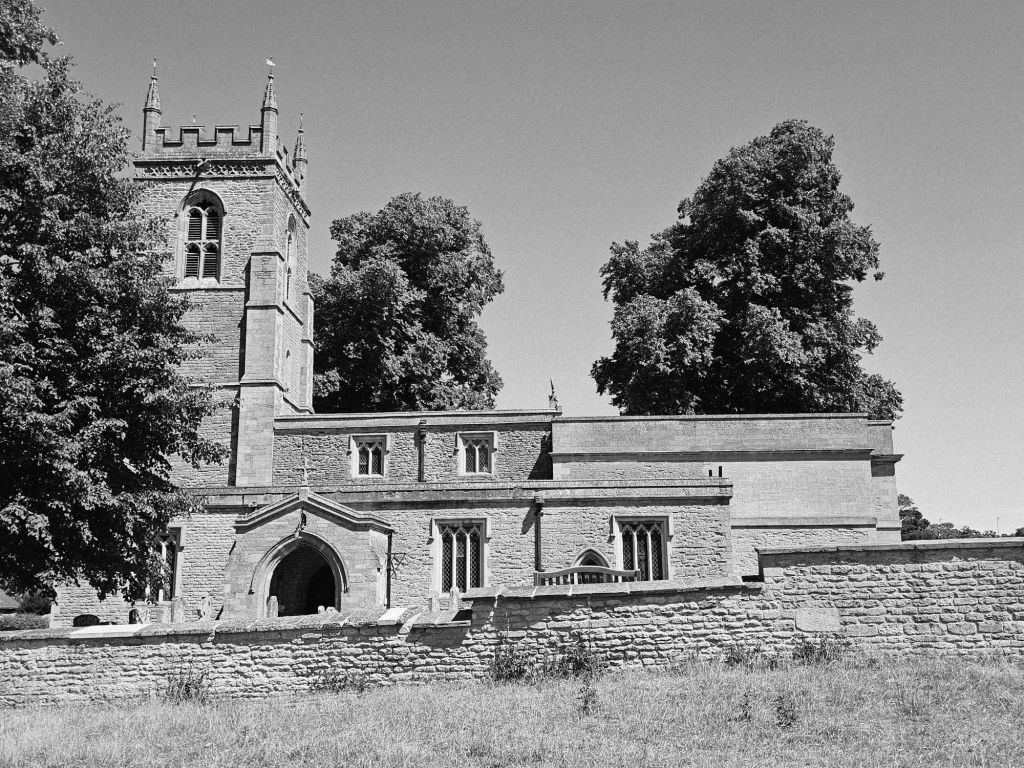
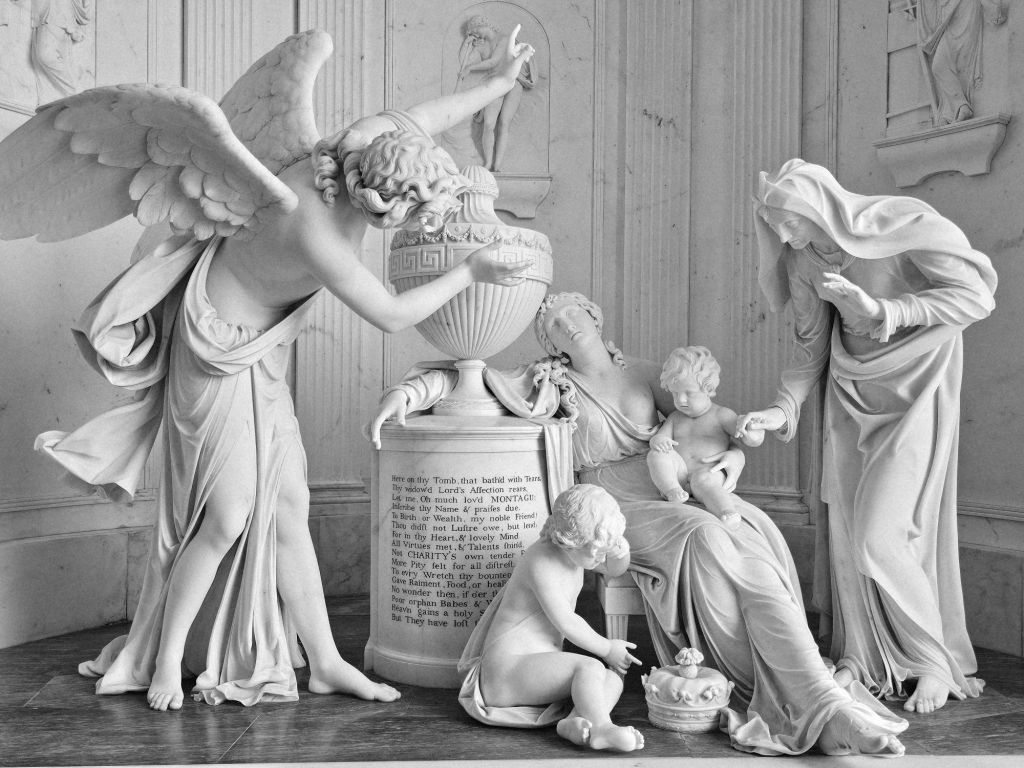
Yesterday was my chance as it was open for a concert by the Venice Music Project. We only caught the tail end of the concert – two pieces by Vivialdi and Pergolesi’s Quando corpus morietur’ – but were then blown away by the scale and magnificence of the monuments which completely dominate the chancel, added to the local medieval church following the death of John, 2nd Duke of Montagu in 1749 instead of constructing a family mausoleum in the grounds of Boughton.
The second duke wasn’t much liked by his mother-in-law, the Duchess of Marlborough, but she probably wasn’t the easiest of mothers-in-law. She wrote that ‘All his talents lie in things only natural in boys of fifteen years old, and he is about two and fifty. To get people into his gardens and wet them with squirts, and to invite people to his country houses, and put things into their beds to make them itch, and twenty such pretty fancies like these’. But he certainly got a good send-off from his wife who commissioned Roubiliac to design his monument. He produced two small terracotta models which survive in the V&A-
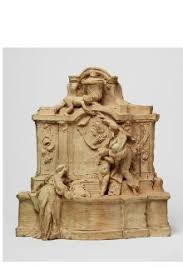
Charity unveils a plaque of the Duke while down below the Duchess is shown weeping.
This is the monument in situ:-
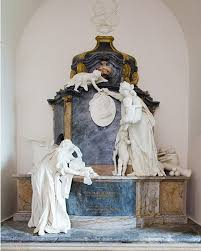
And some details:-
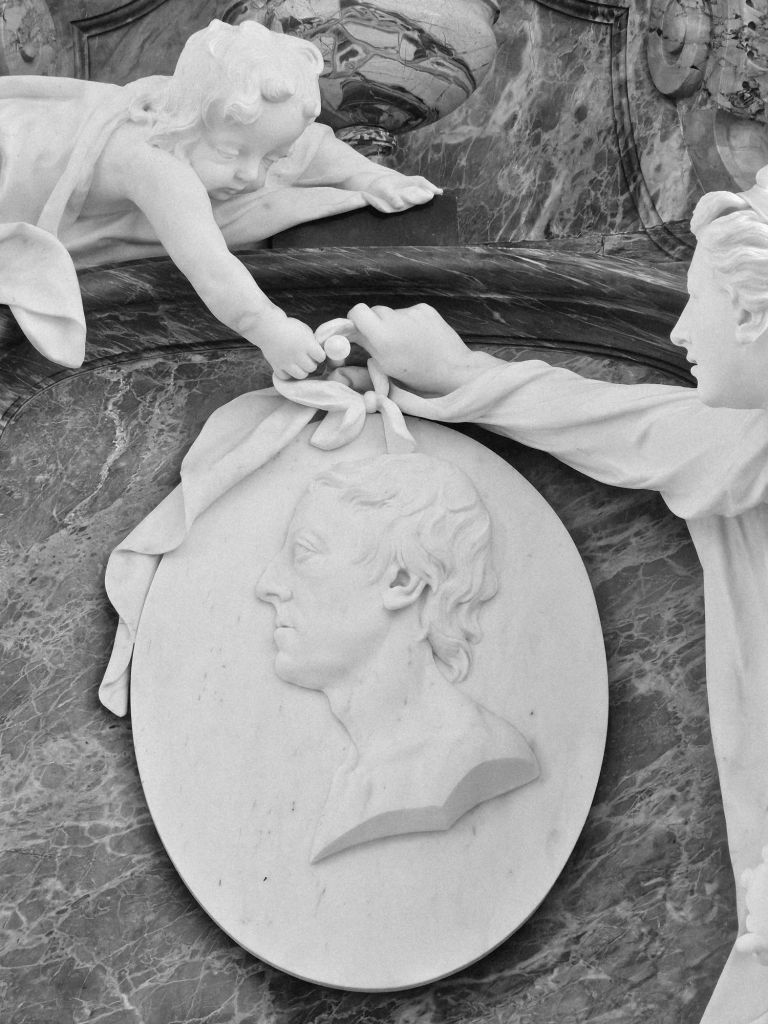
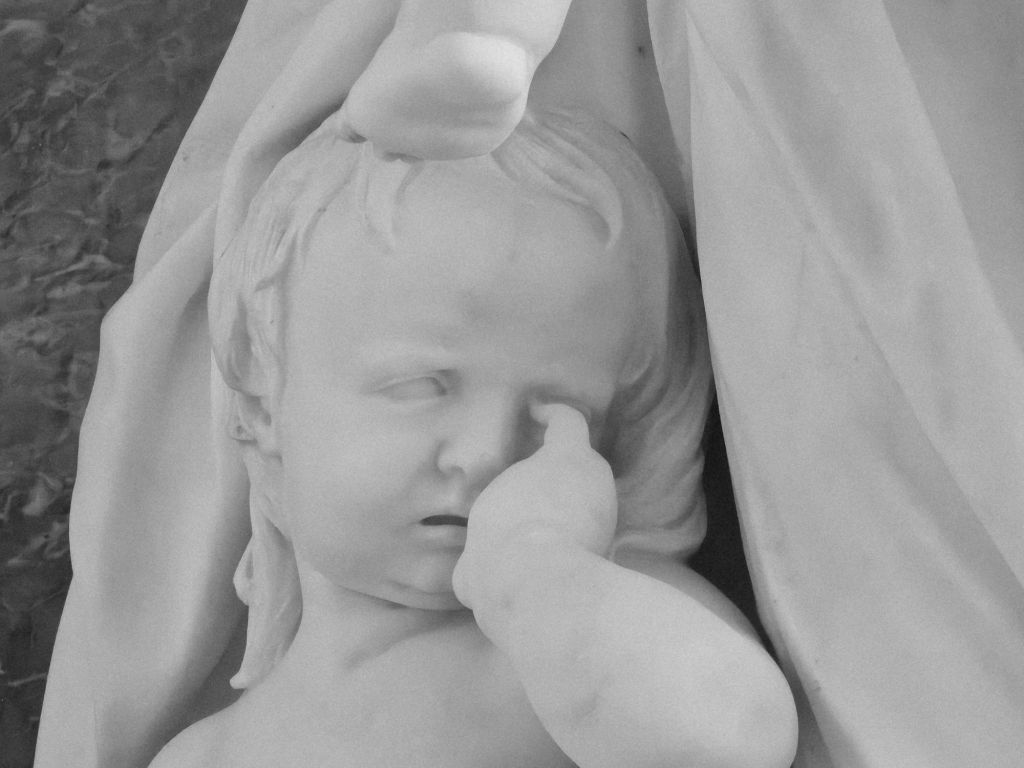
The Duchess died two years later in 1751. Her daughter, Mary, then commissioned Roubiliac to design a companion monument, equally fine, with the three fates, Clotho, Atropos and Lachesis, mourning her loss:-
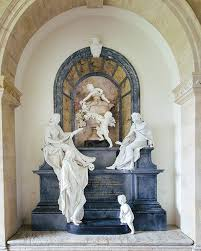
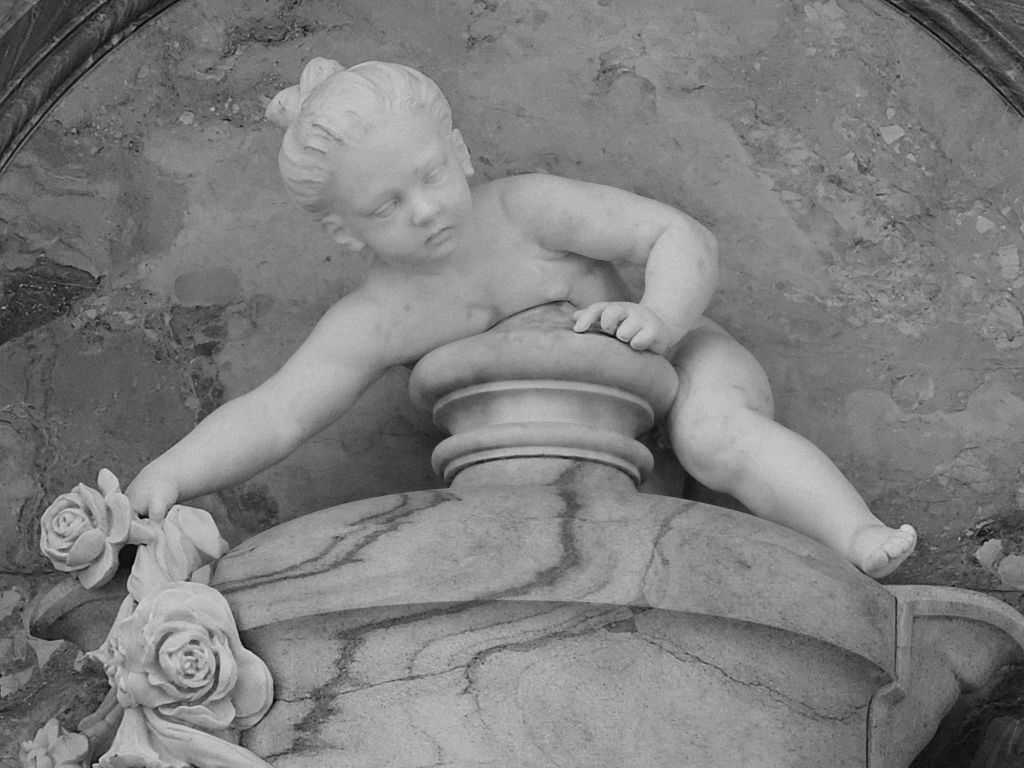
Lady Mary got a more neoclassical, but equally fine monument, by Peter Mathias van Gelder to a design by Robert Adam:-
I have been looking out for the announcement of funding for Vanbrugh 300, the official (or semi-official) celebrations to mark the tercentenary of Vanbrugh’s death of ‘a quinsy in the throat’ on 26 March 1726. It has now appeared on the NLHF’s website (https://www.heritagefund.org.uk/projects/vanbrugh-300), which means that Vanbrugh, who I have often felt was at risk of being over-shadowed by his assistant, Nicholas Hawksmoor, will now be re-instated and recognised for the remarkable breadth of his talents – a theatrical impresario, a playwright amongst architects, the designer of a big new theatre, the Queen’s Theatre, Haymarket, as well as of Castle Howard and Blenheim.
It’s brilliant that the Georgian Group is overseeing the programme of events.
 | Charles | Saumarez | Smith |
You must be logged in to post a comment.