
It’s the first public day of the second week of this year’s Goldsmiths’ Fair in which Romilly is showing her work in a small booth (Stand 66) at the top of the left-hand stairs:-
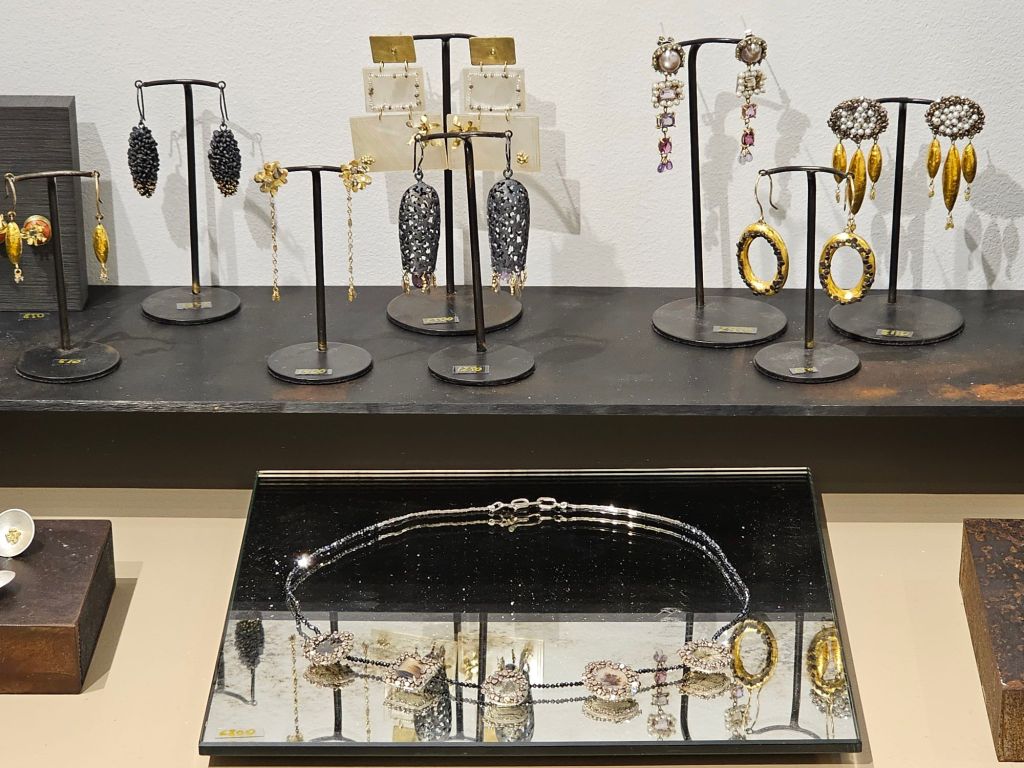
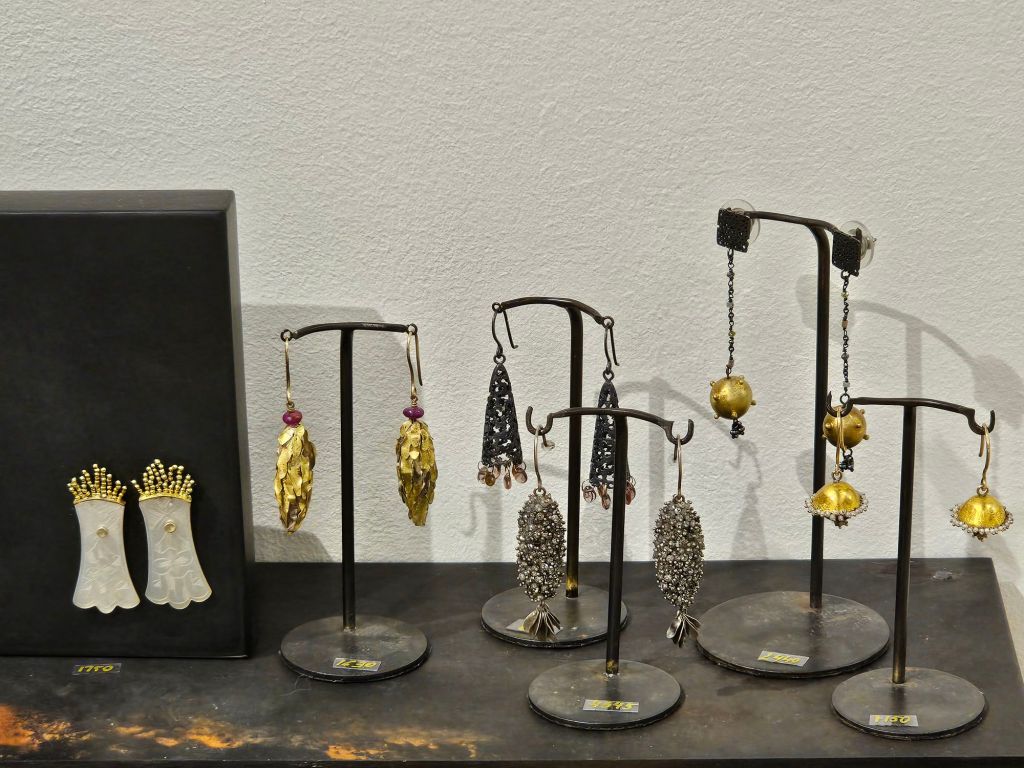
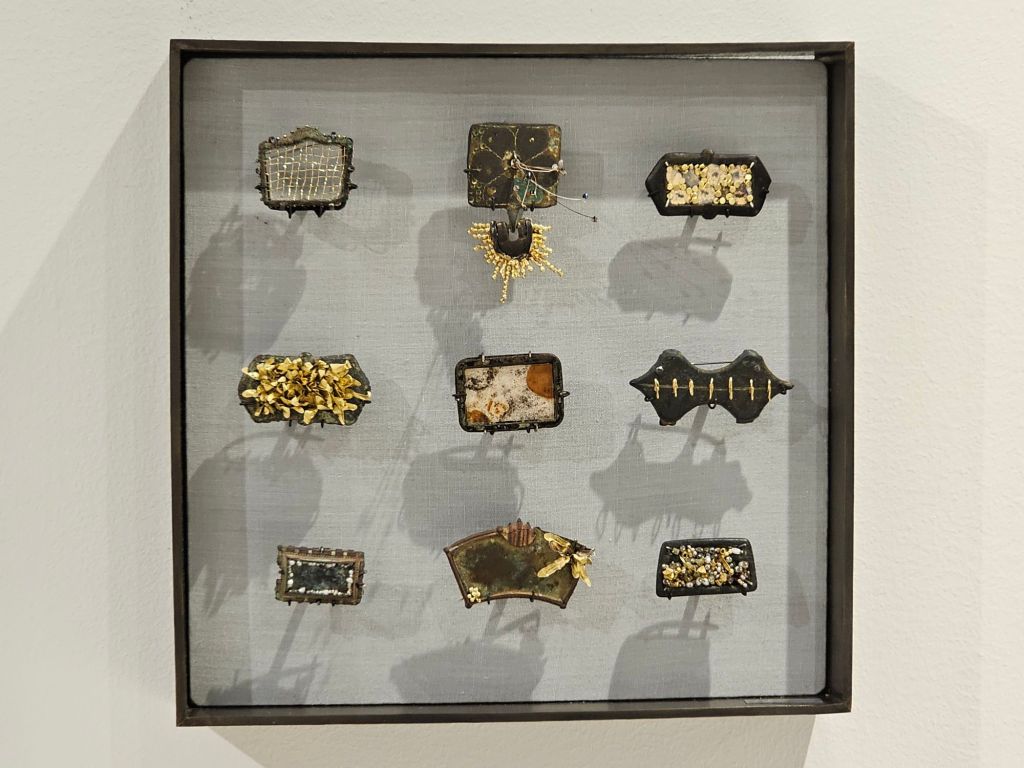
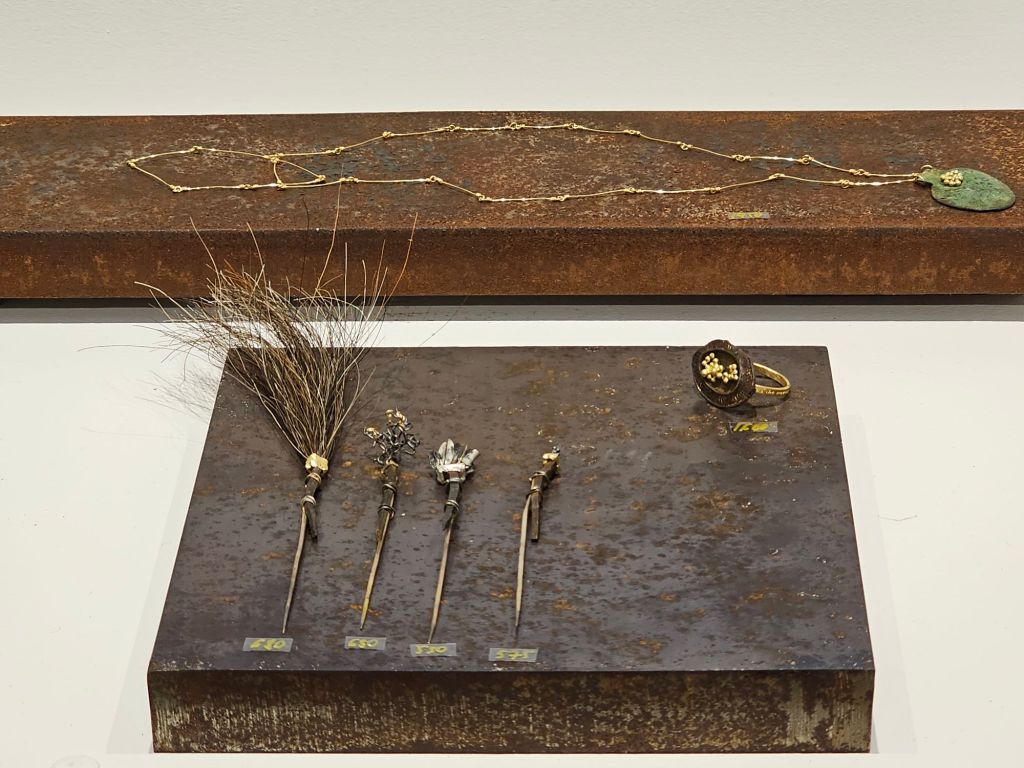
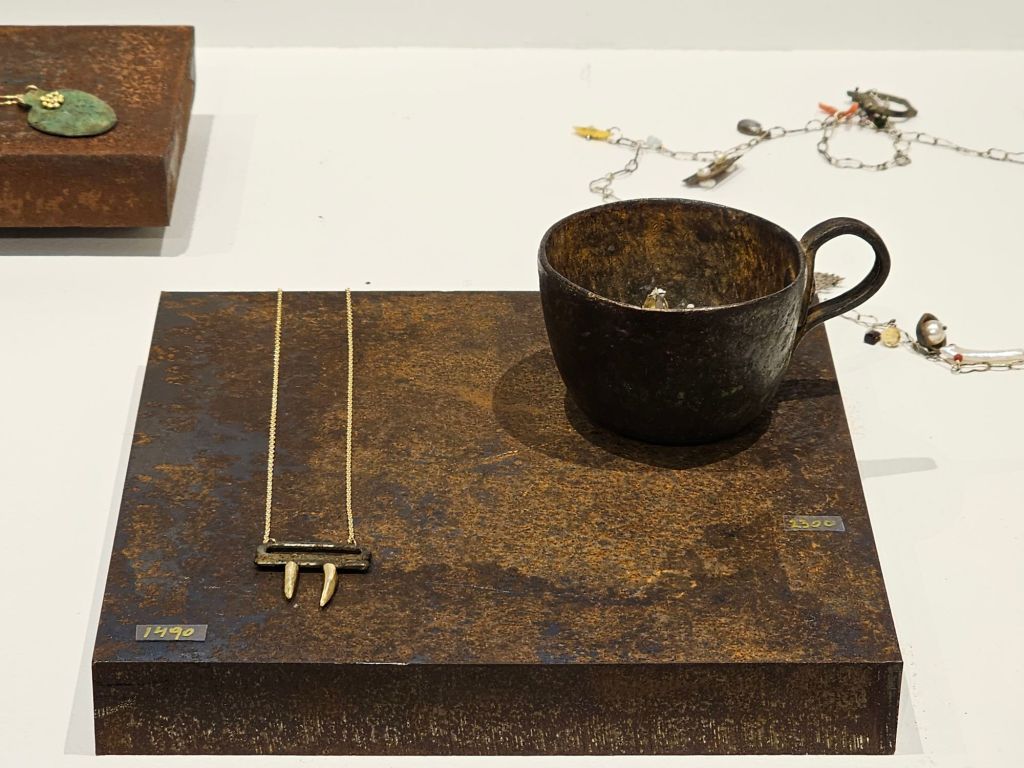
It’s the first public day of the second week of this year’s Goldsmiths’ Fair in which Romilly is showing her work in a small booth (Stand 66) at the top of the left-hand stairs:-
I’m sorry to see that Terry Farrell has died, coincidentally in the same month as Nick Grimshaw, with whom he worked closely for fifteen years, but whose paths diverged very radically thereafter, so much so that it was hard to imagine that they had ever worked together.
In finding out more about Farrell for an article about the Farrell Centre (see below), I found a rather touching quotation about how they had first met in 1961:
For the first few days at the LCC, the architect at the neighbouring desk said not a word to me, nor I to him. Eventually I mentioned my dissatisfaction with the organisation of the office, and he expressed his sympathy and suggested we talk over lunch. That marked the beginning of my close friendship with Nicholas Grimshaw. Together we formed a maverick but pretty insignificant unit within the vast bureaucratic set-up of this local government organisation. Nick was working on the Crystal Palace recreation ground, while I was given a job of my own: the Blackwall Tunnel buildings, which engaged me with the Thames, a new river crossing and the renewal of East London.[1]
https://thecritic.co.uk/issues/june-2023/a-bid-to-inspire-future-architects/
[1] Terry Farrell (London: RIBA Publishing, 2020), p.25.
I have been reading James Fox’s new book Craftland: A Journey Through Britain’s Lost Arts and Vanishing Trades, a wide-ranging and well-written exploration of mostly, but not exclusively rural industries which employ craft skills: dry stone walling: thatching; coppicers; Felicity Irons, a rush weaver; the wheelwrights and tanners of Colyton. Not surprisingly, I was particularly interested in his good account of Taylors, the last remaining bell foundry in England, based in Loughborough; and by the speed and scale of the loss of metal-working trades in Sheffield, which seem to have been allowed to disappear without much effort to protect them. I’m not convinced that Lida Cardozo Kindersley belongs in this company, being much better known and practising a skill which is not about to vanish. But cumulatively the book demonstrates the importance of craft skills and both their economic and social value. But many of them have already pretty well gone.
I was in general impressed by the way Preston has retained so much of its Victorian urban fabric, particularly the brick housing round Winckley Square and south to Avenham, including the Harris Institute:-
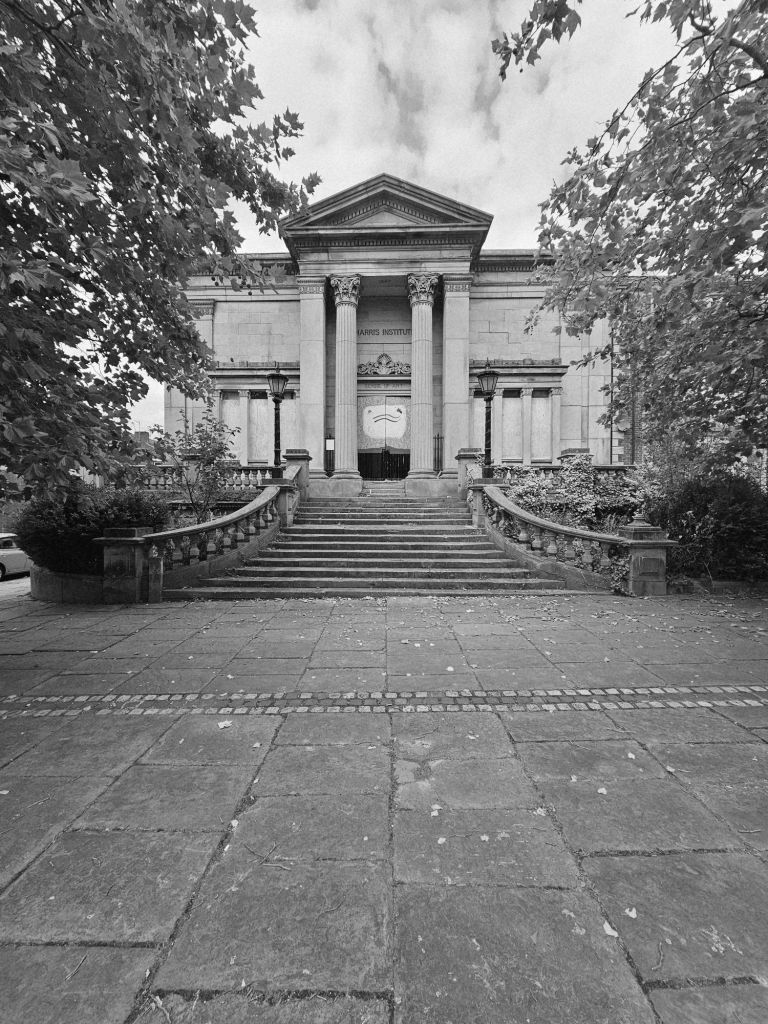
I was intrigued by a comment by Pevsner – ‘it is curious that some people should have moved on recently to a nostalgia for the grimmer aspects of Victorian architecture’ (p.198 1969 edition).
Look at the entrance to Sainsbury’s, converted from a Victorian bank in 2014:-
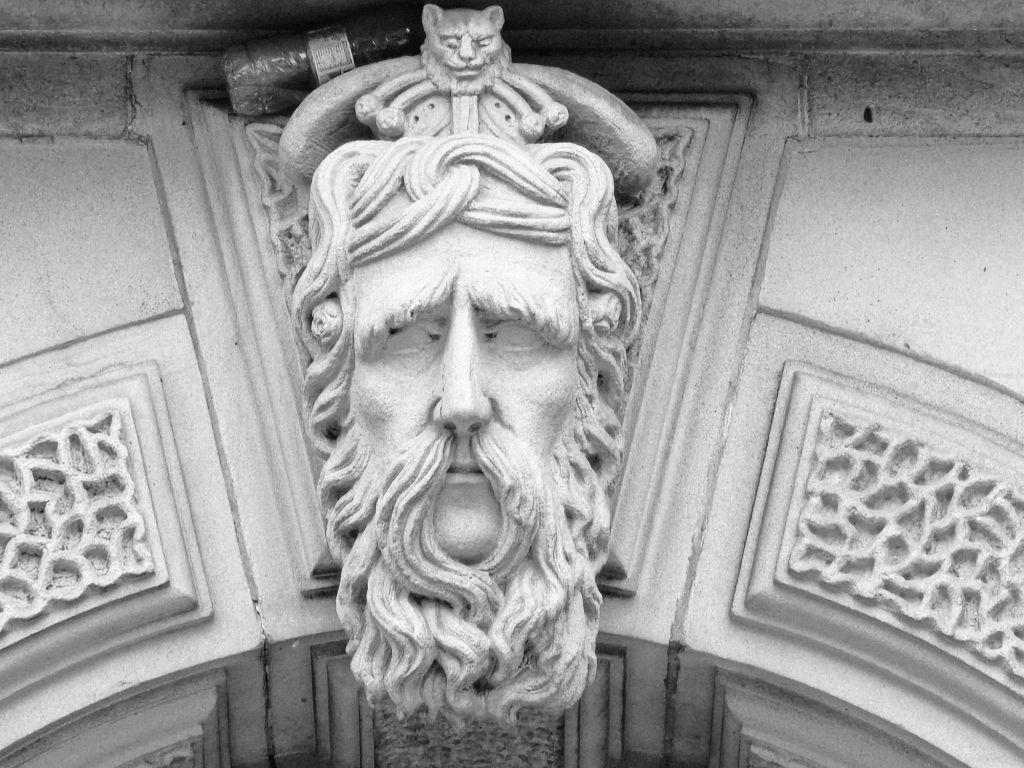
I had wanted to see Preston Bus Station, a heroic piece of late 1960s brutalism, designed by local architects, Keith Ingham and Charles Wilson, working for Building Design Partnership, originally a local firm, and Ove Arup.
It is indeed impressive:-
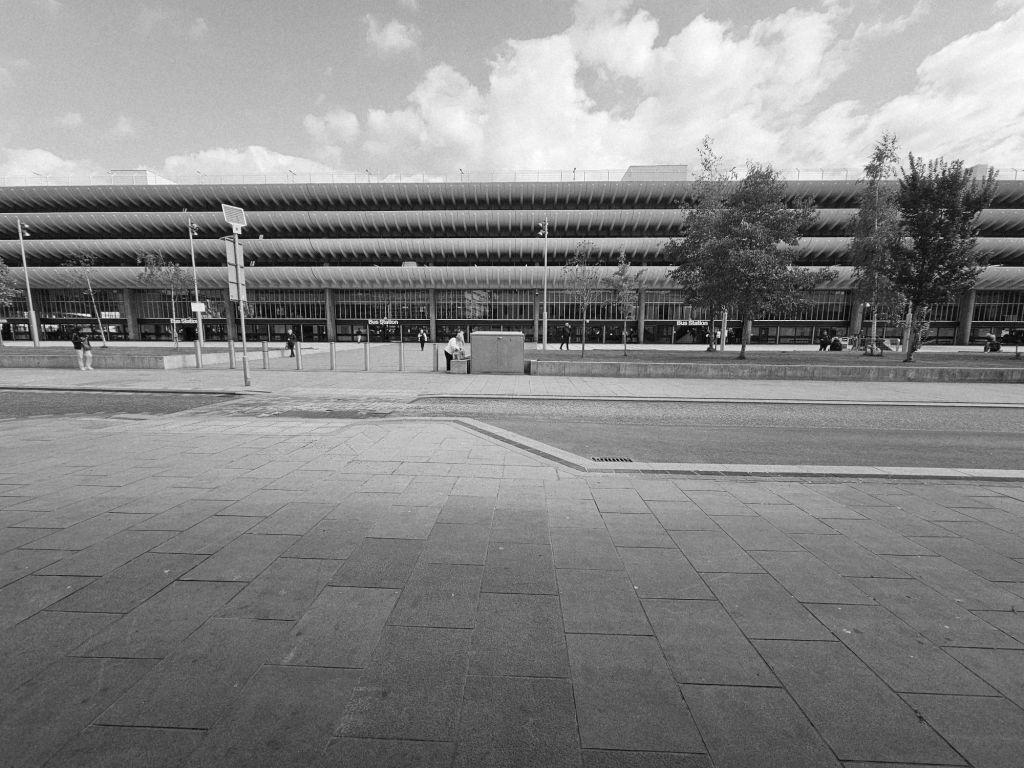
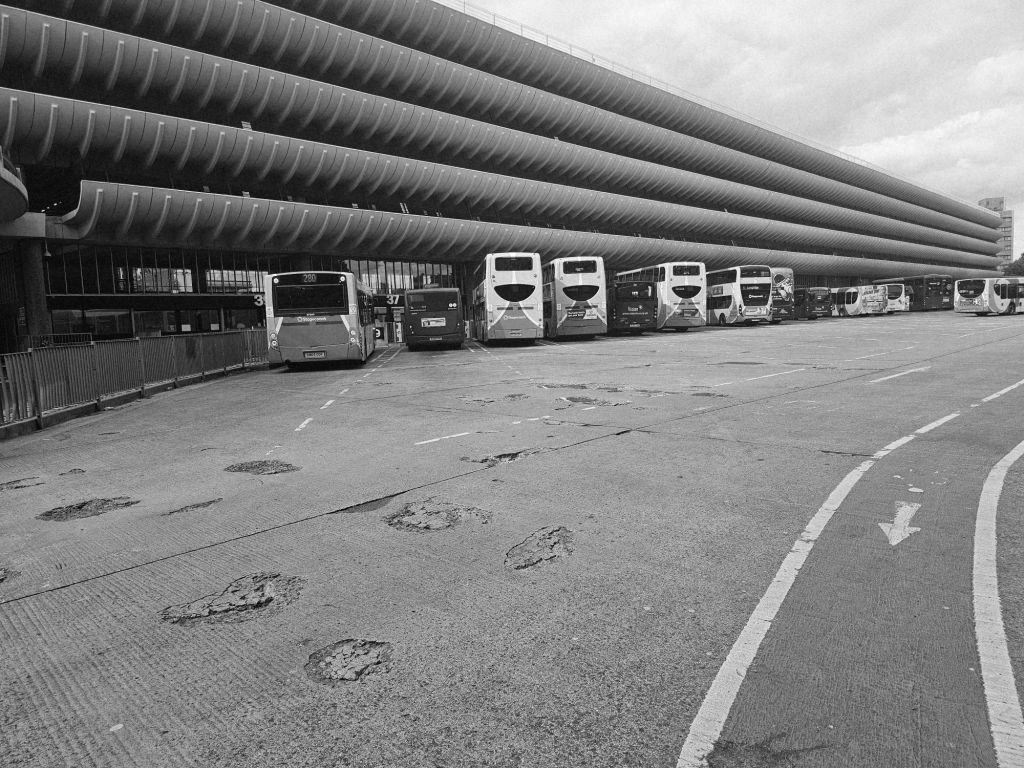
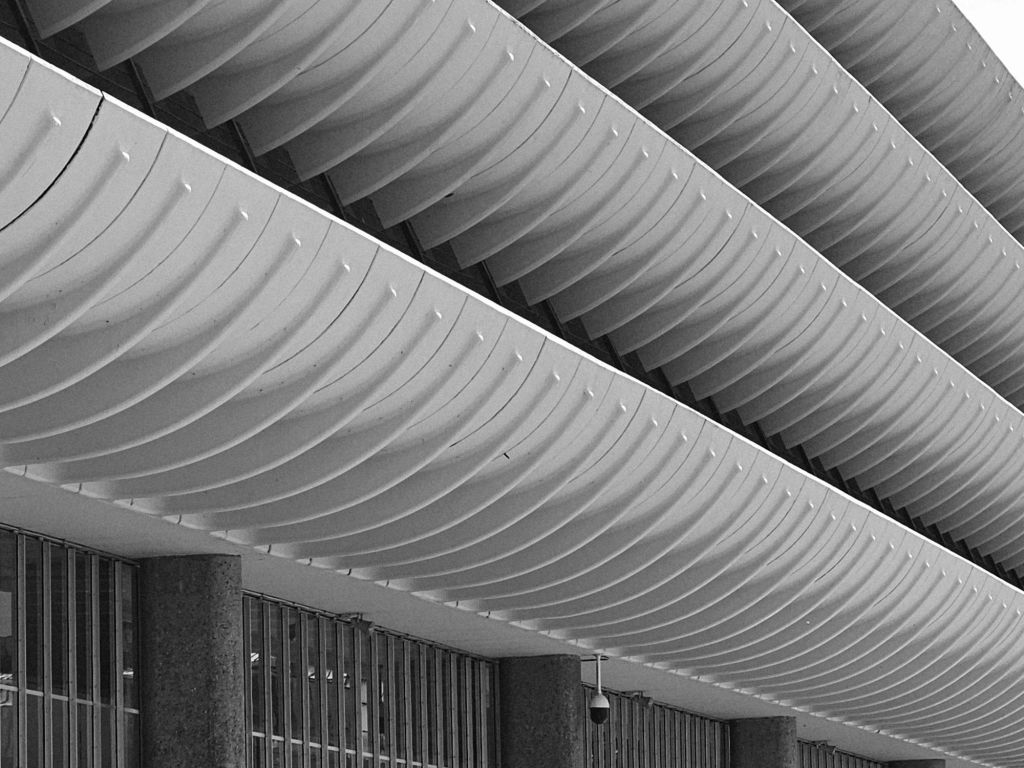
Odd to think that it was only listed relatively recently after being scheduled for demolition.
The Harris – a combination of museum, art gallery and public library – re-opens on Sunday after a £19 million renovation, part-funded by the National Lottery Heritage Fund, which gave £6.3 million.
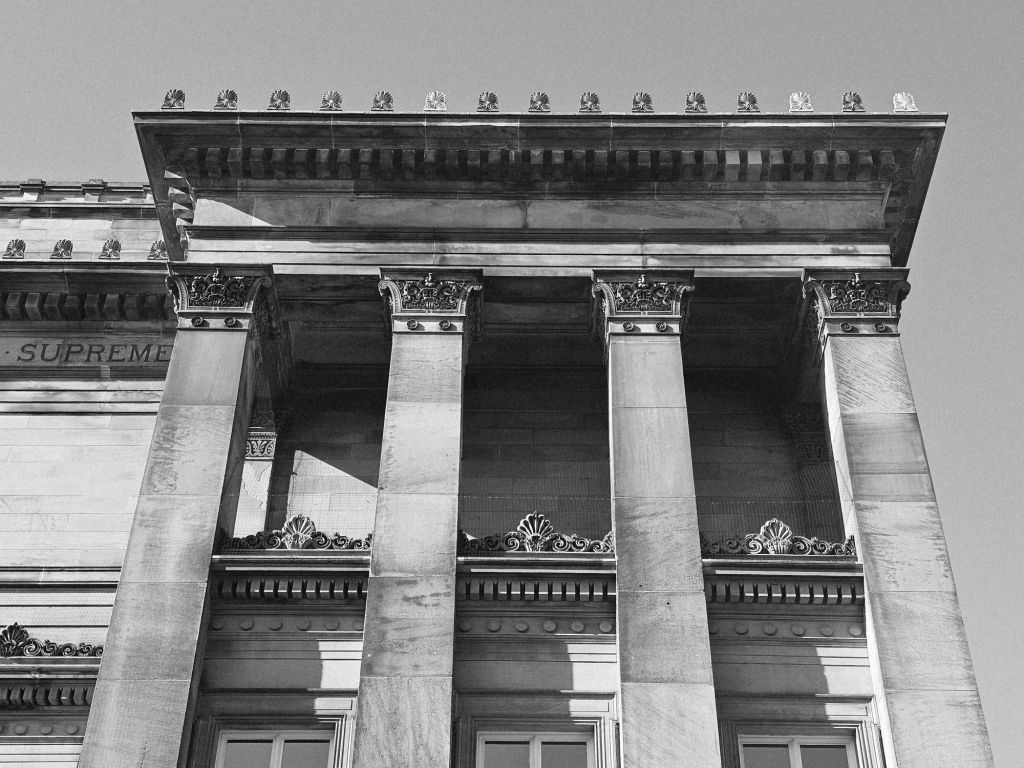
It’s a wonderful late Victorian building, designed by James Hibbert, described by Pevsner as ‘widely unknown’. He was actually the Mayor of Preston and was certainly able to design in a convincing Greek Revival style, as Pevsner, says, more like Glasgow than elsewhere in England:-
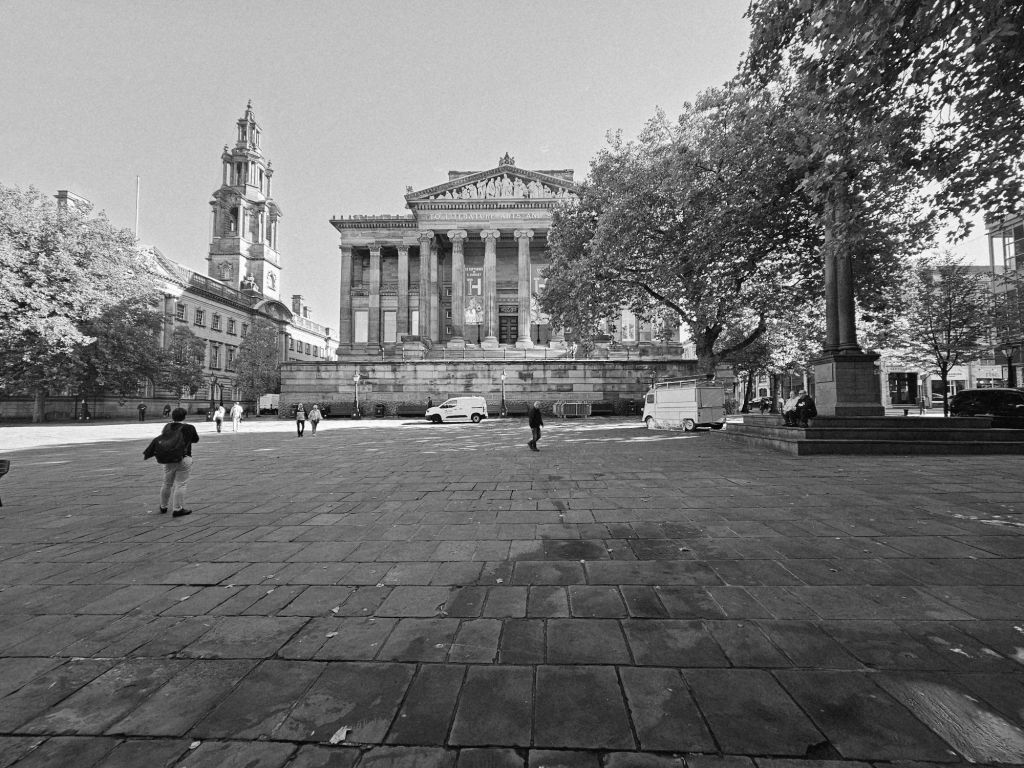
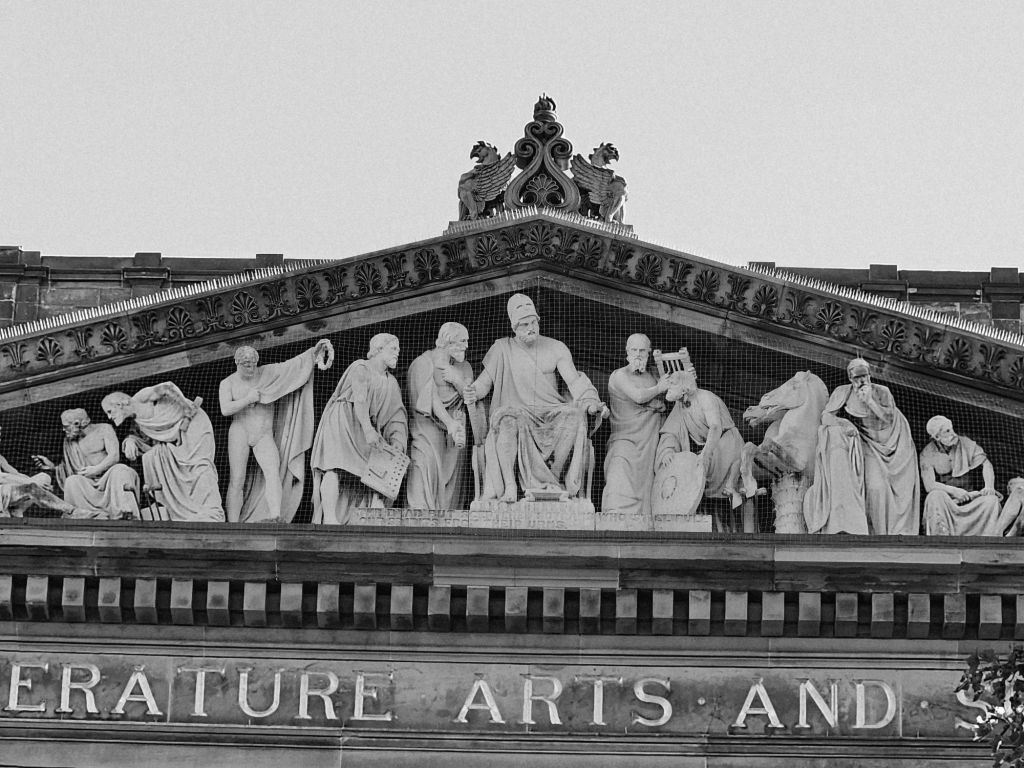
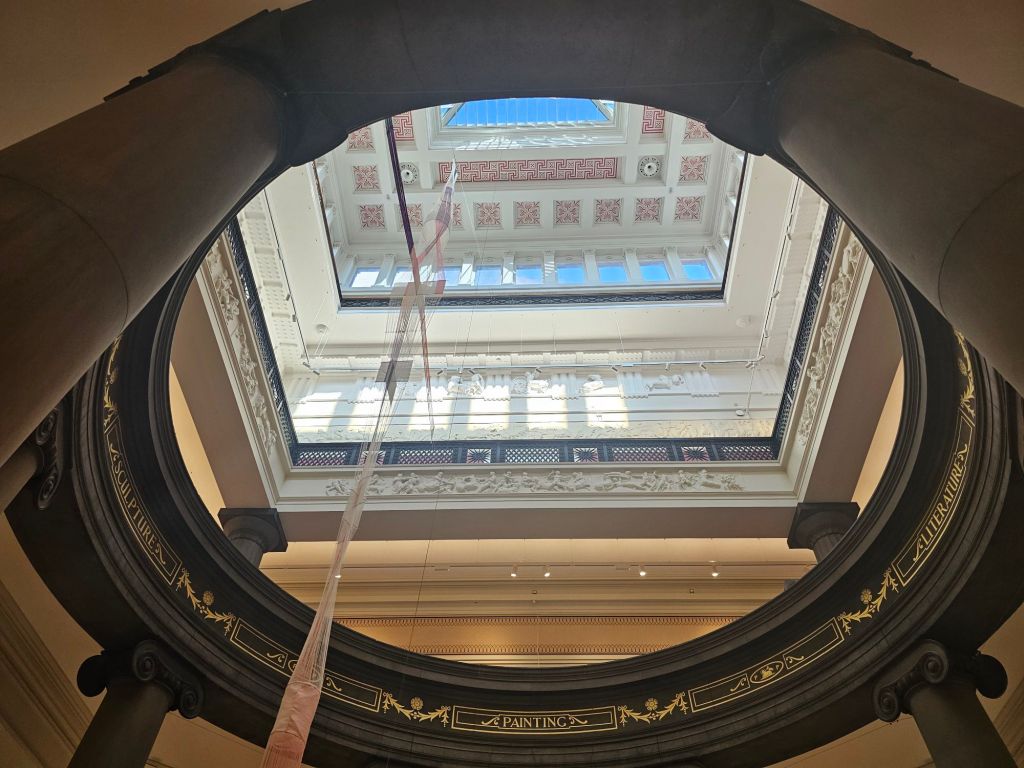
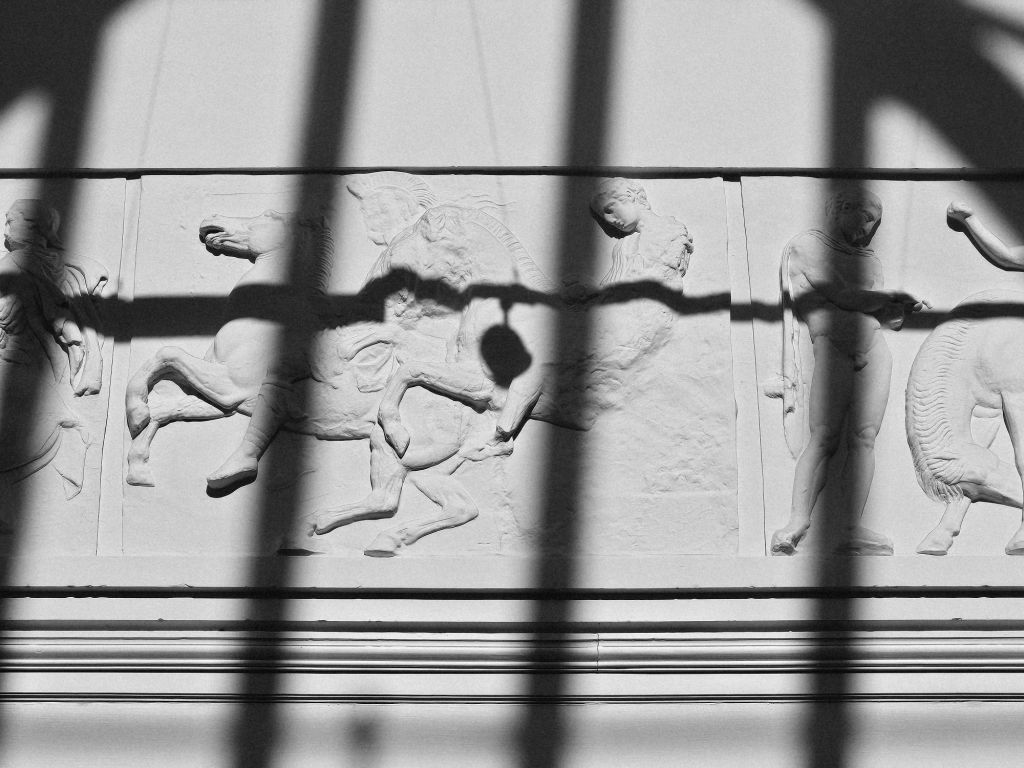
Inside is a wonderful triple-storey, top-lit atrium with casts of the Elgin marbles:-
And the frieze:-
I hope the exhibition of Wallace and Gromit will encourage people to visit.
I spent the day at Clandon, an extraordinary and massive conservation project.
I don’t think I had registered the full extent of the damage: that so little was left apart from the exterior shell, with its amazingly beautiful brickwork left intact.
The major thing about Clandon was the Marble Hall which filled the central volume of the house, two storeys high. It has all gone, apart from the two great chimneypieces north and south by Rysbrack (signed). Of the great ceiling, presumed to be by Artari and Bagutti still, nothing apart from melancholy fragments survive.
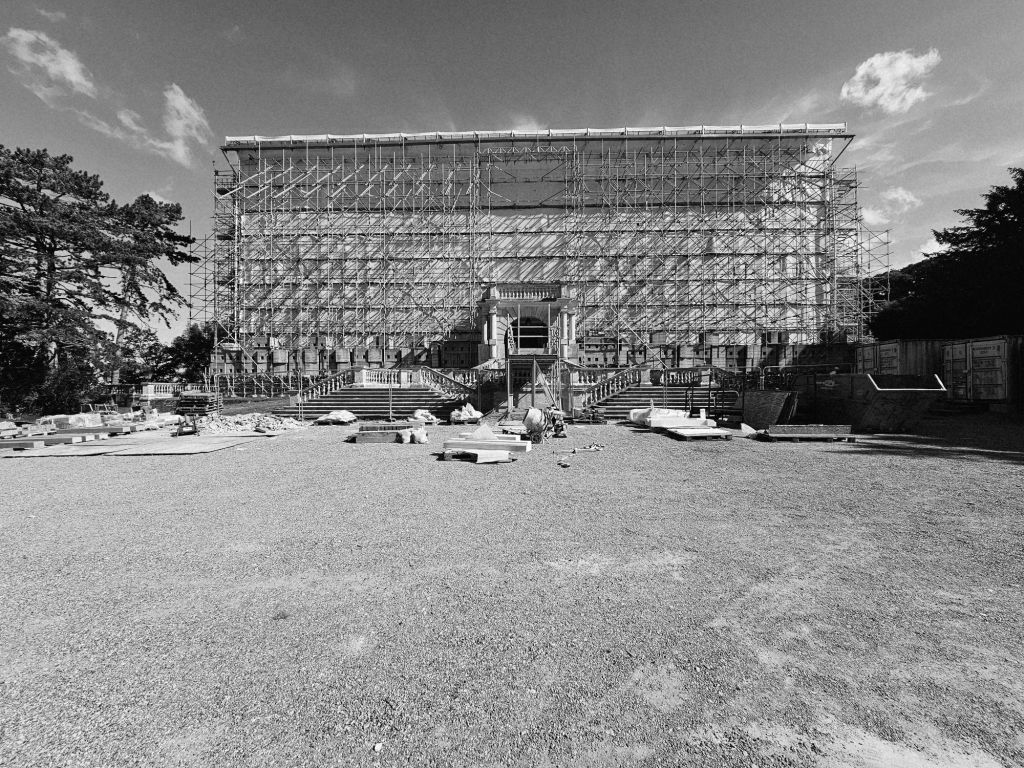
Here is the exterior shell from the west, covered in scaffolding:-
We entered from the east via what was the Saloon, with what’s left of a grand chimneypiece:-
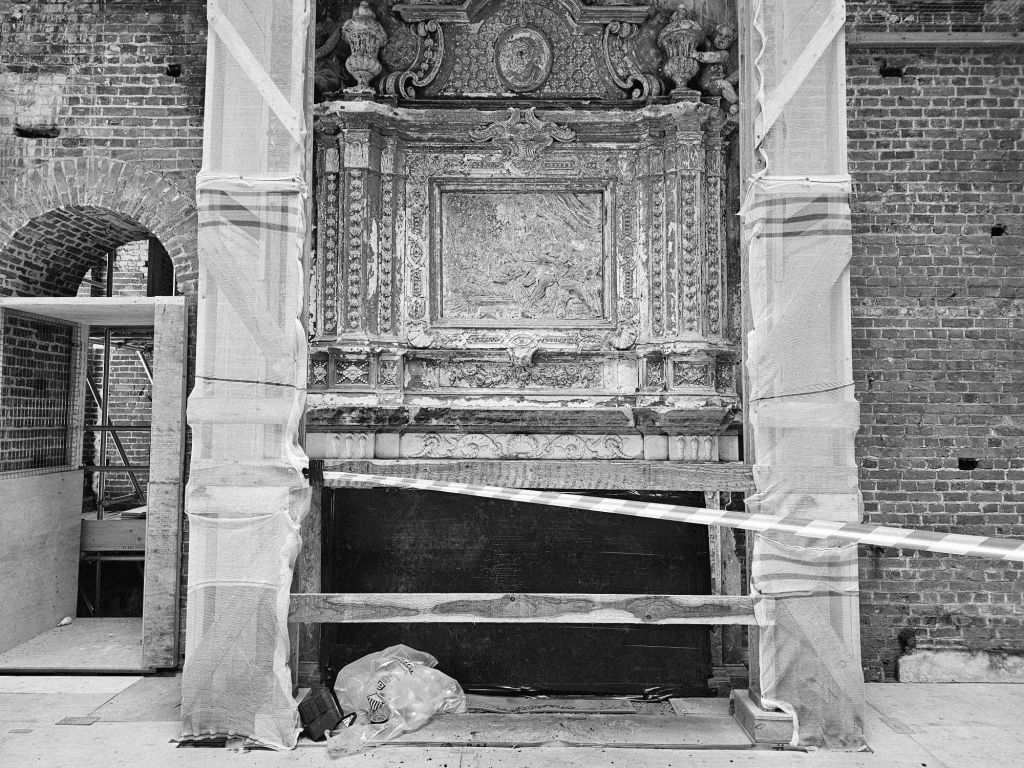
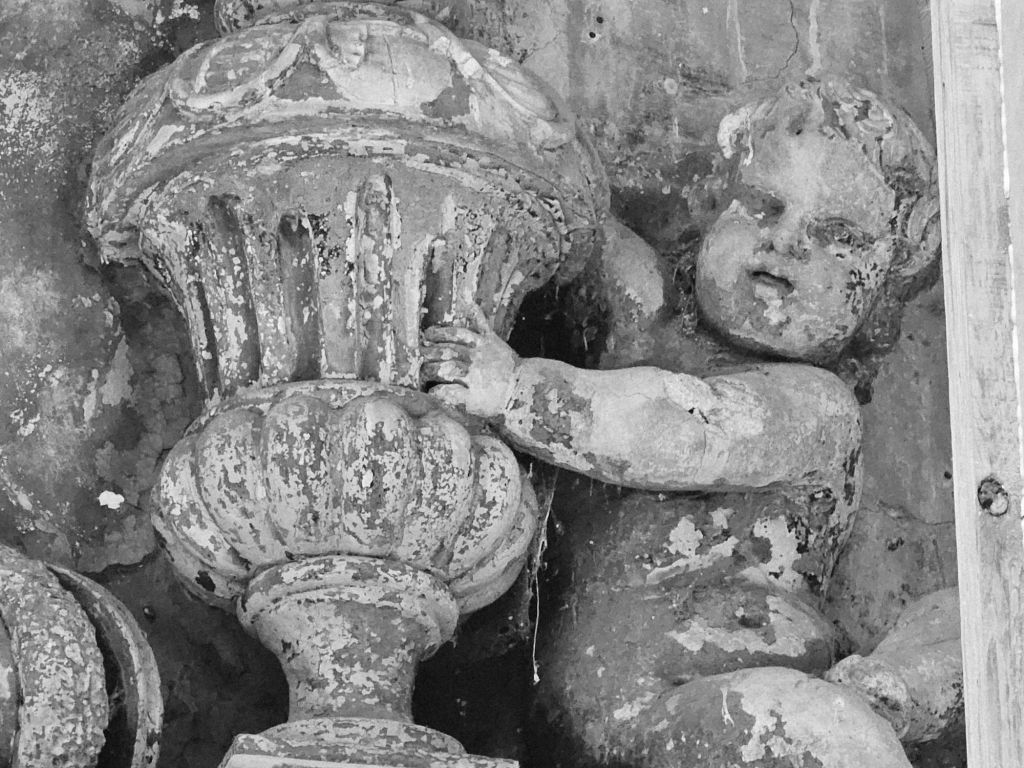
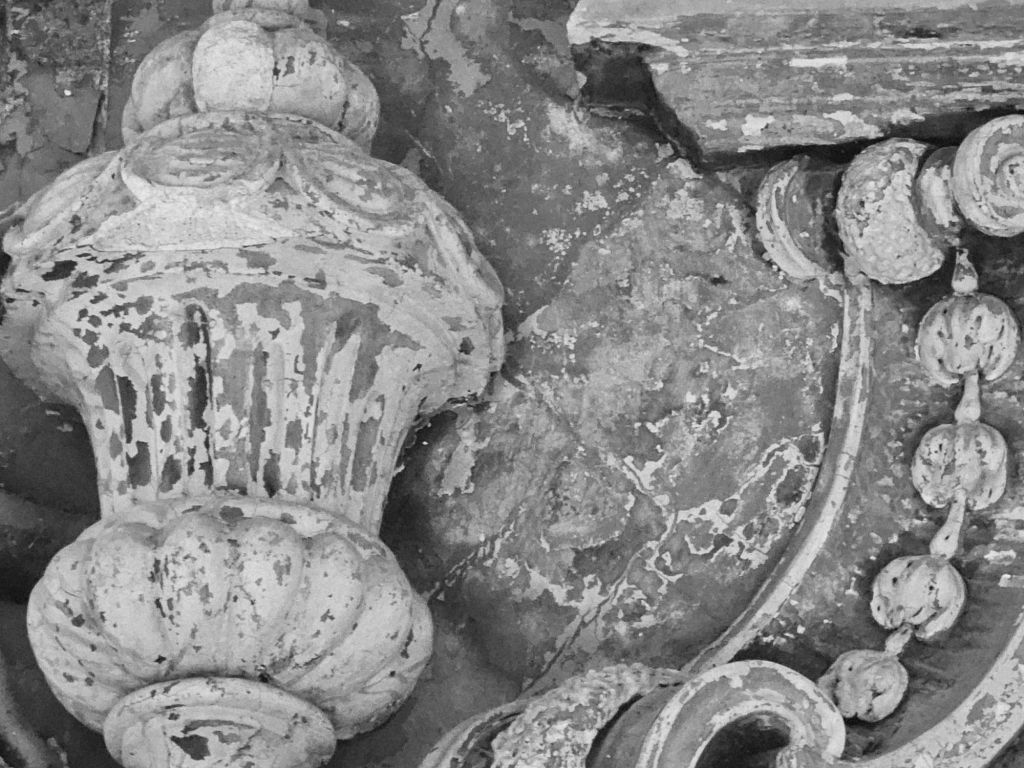
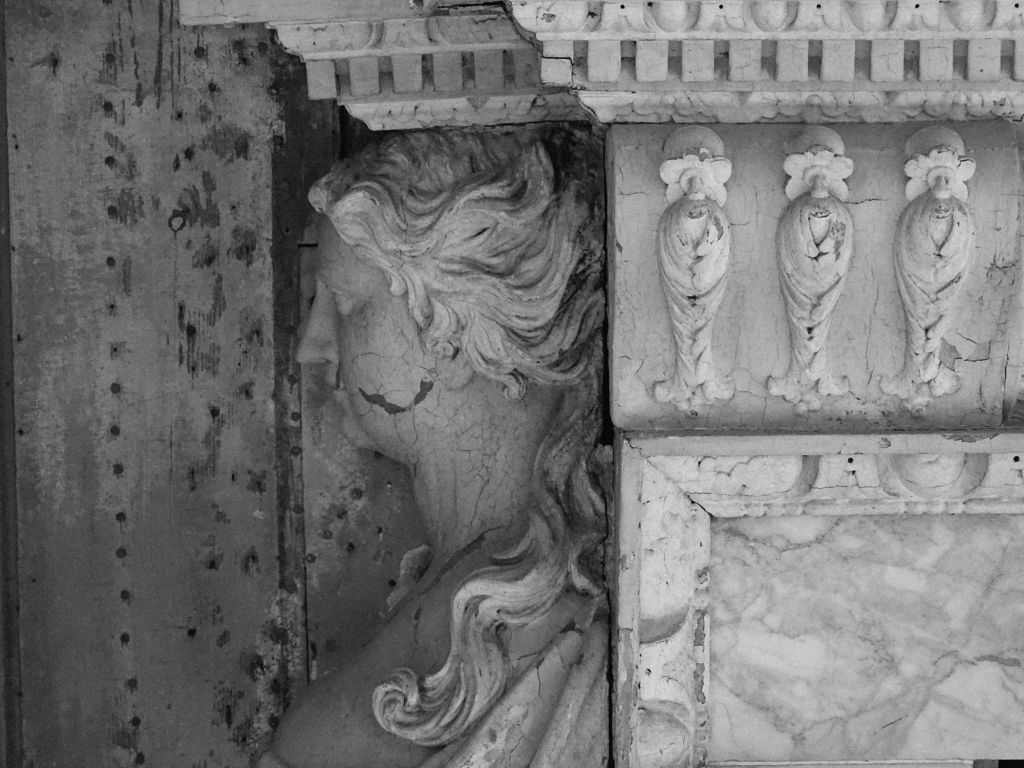
Into the Marble Hall:-
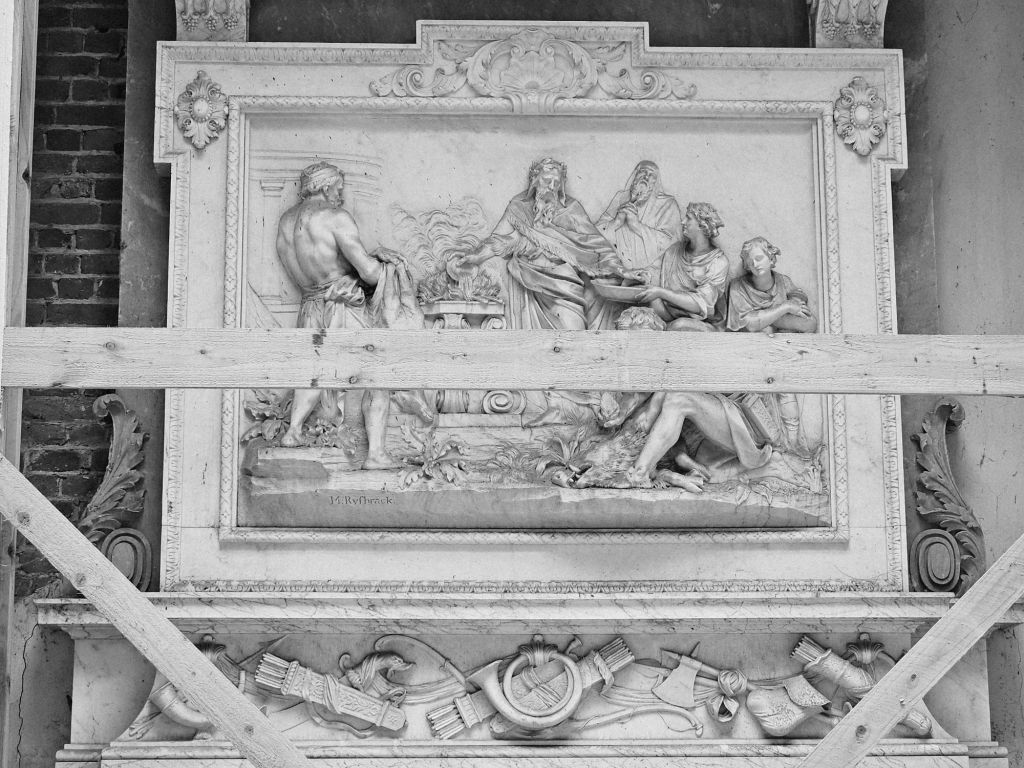
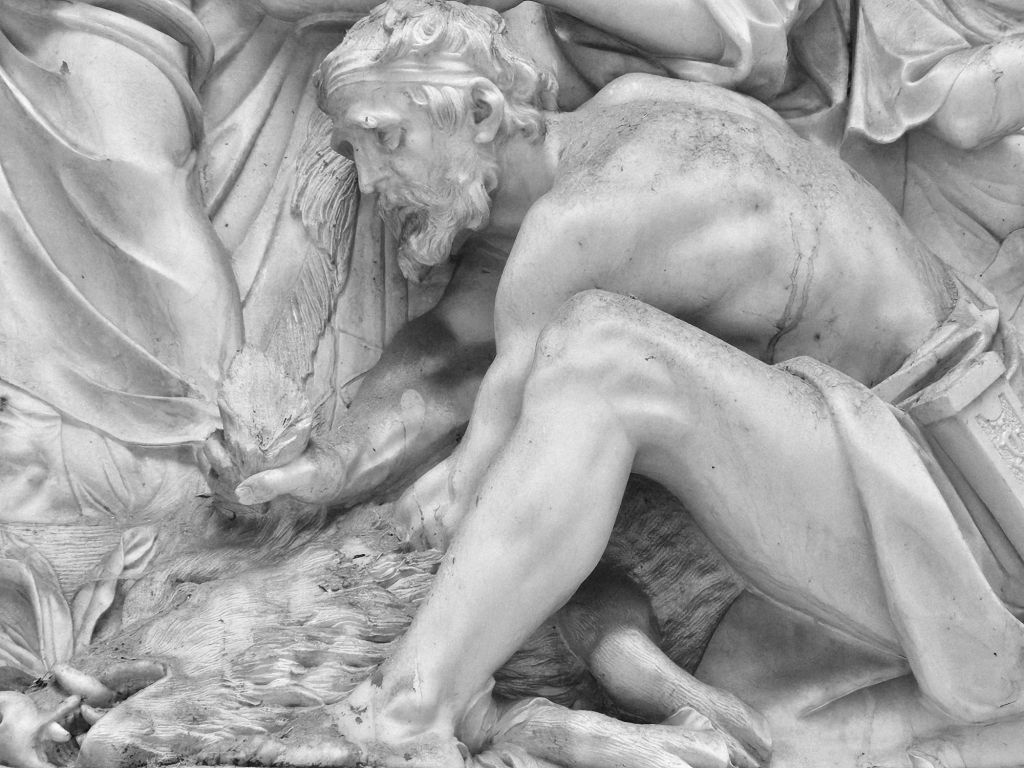
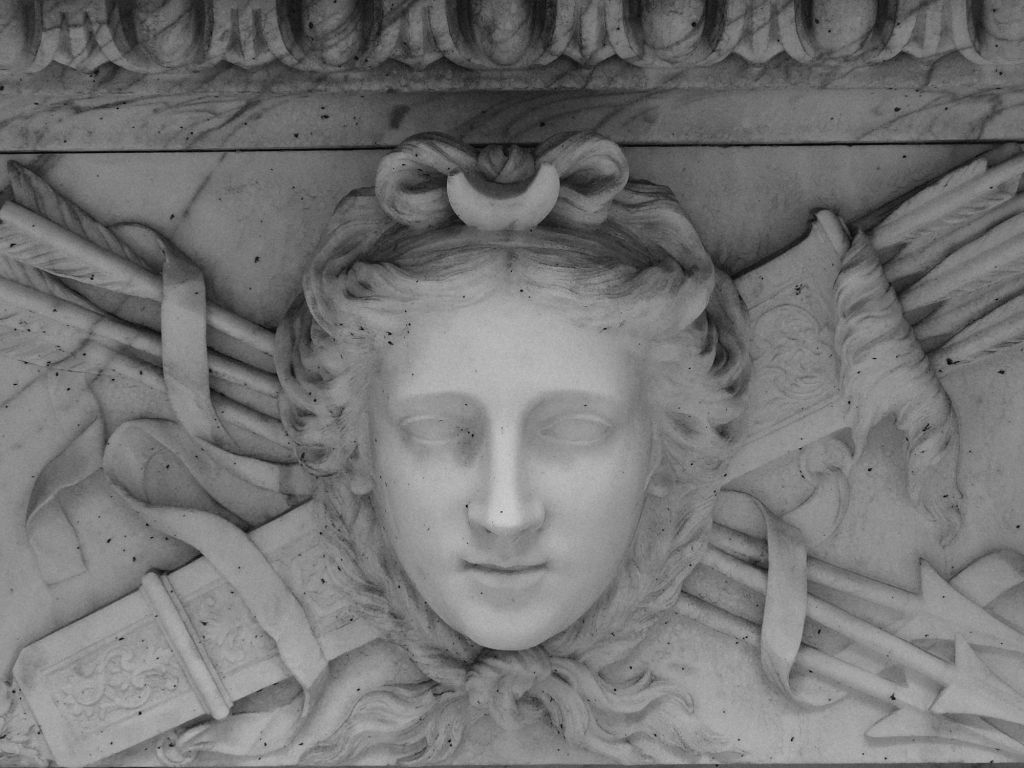
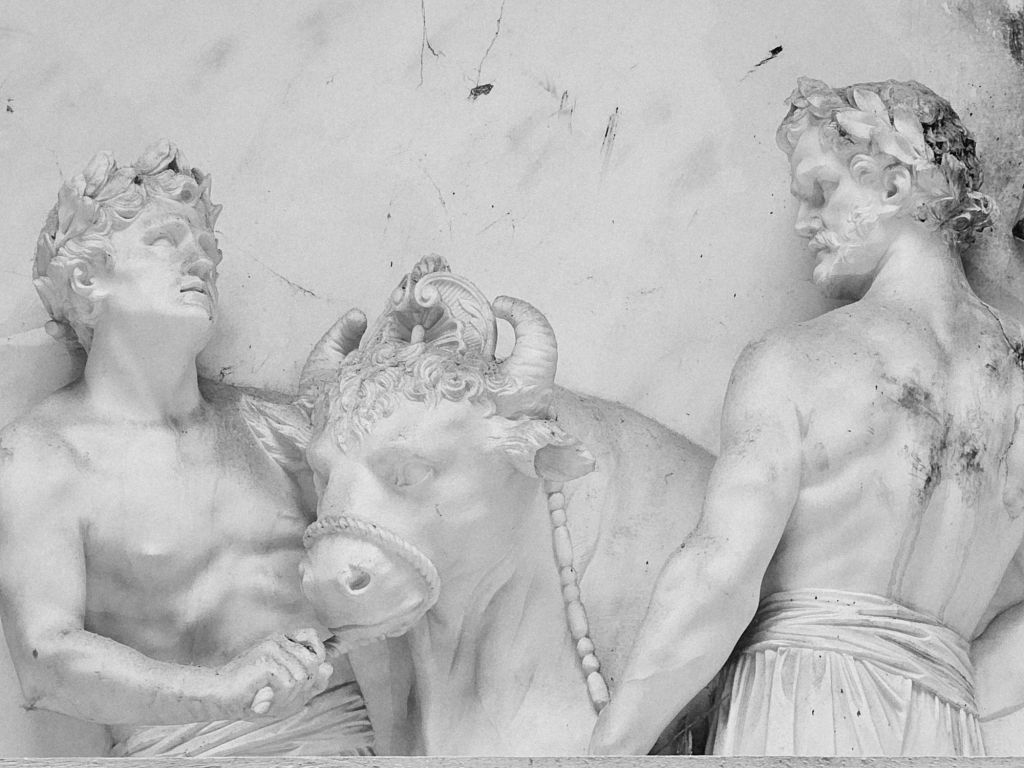
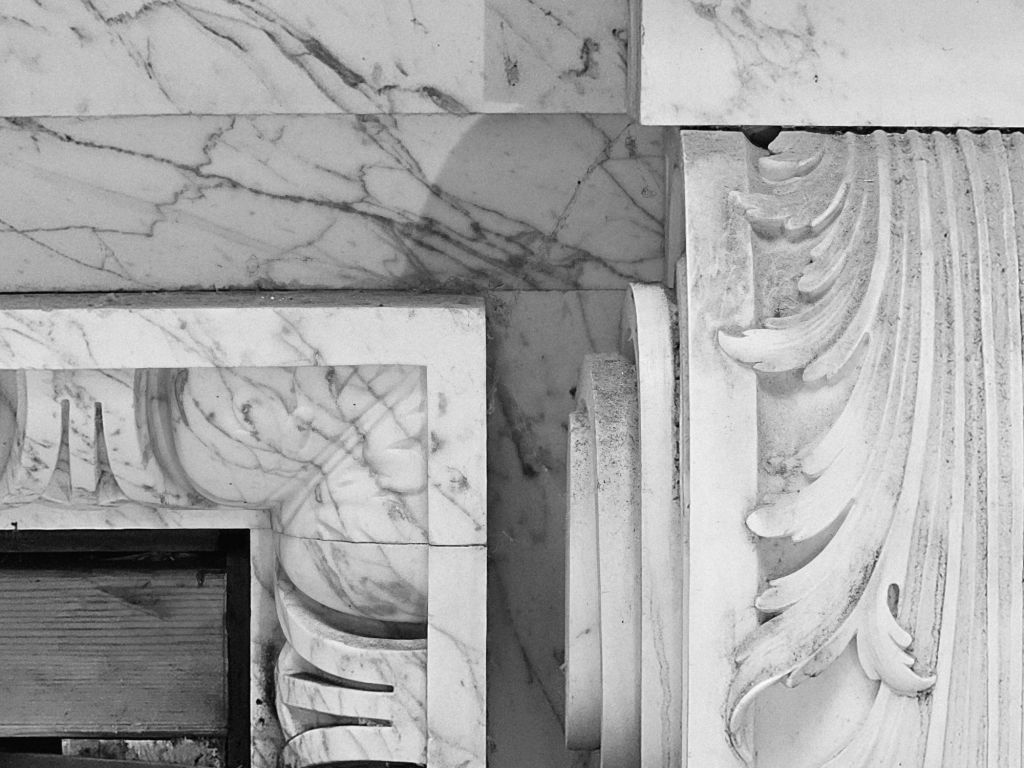
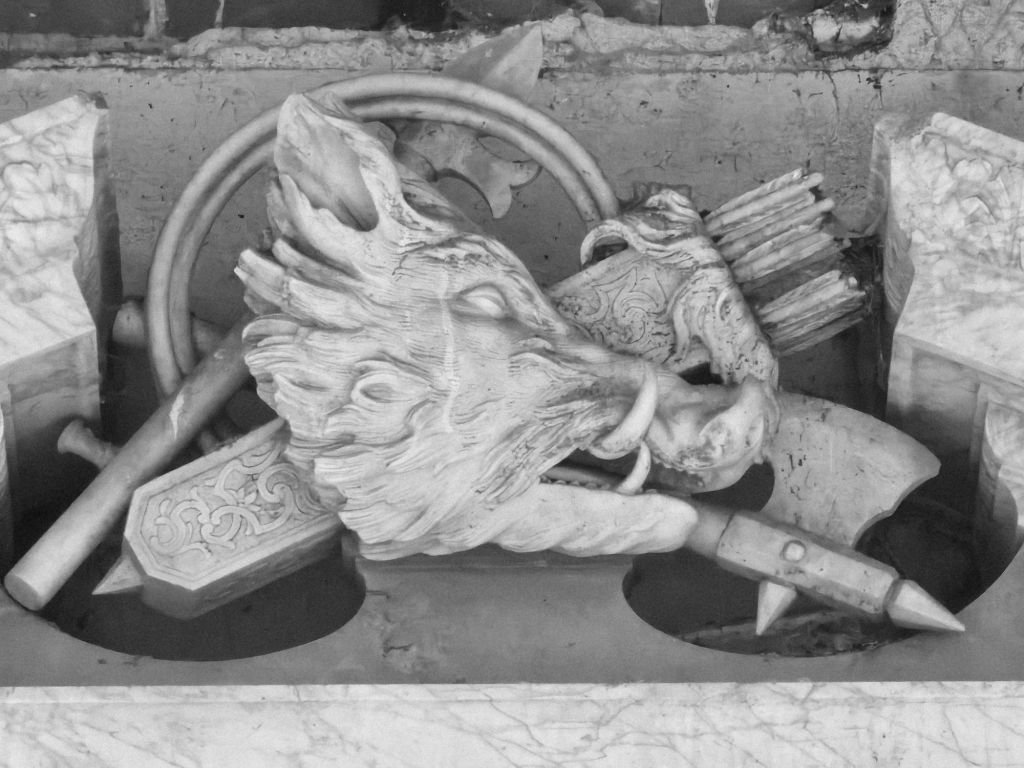
Houghton is the only equivalent in terms of grand classicism.
The only plasterwork to survive is the ceiling of the Speaker’s Parlour:-
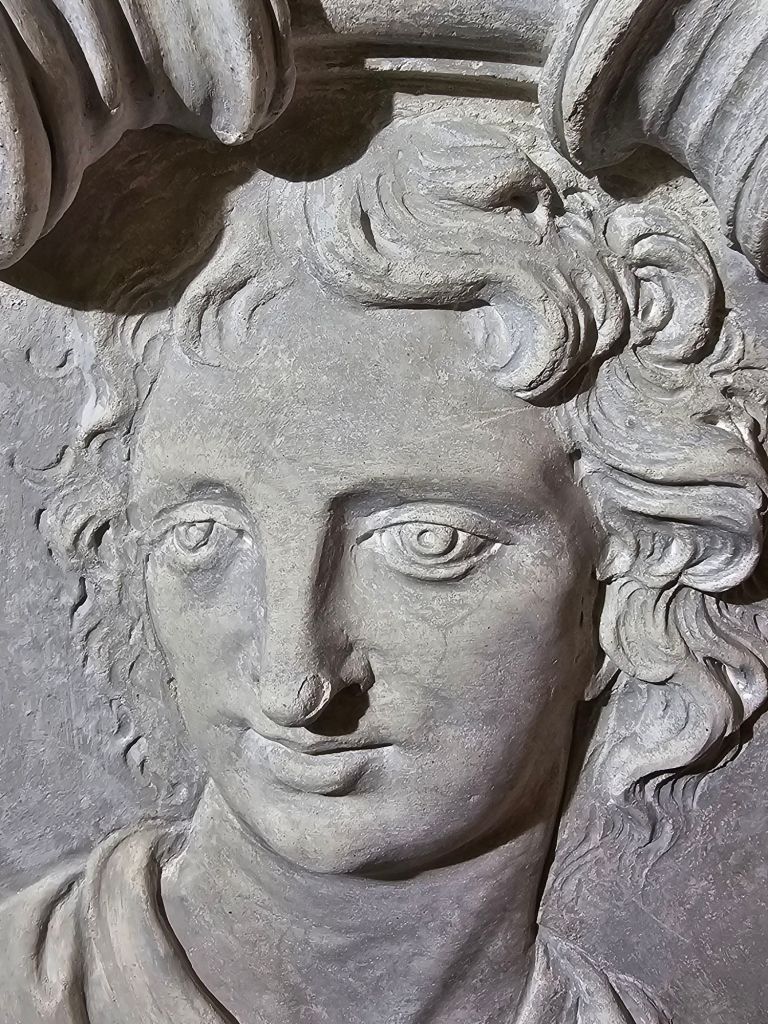
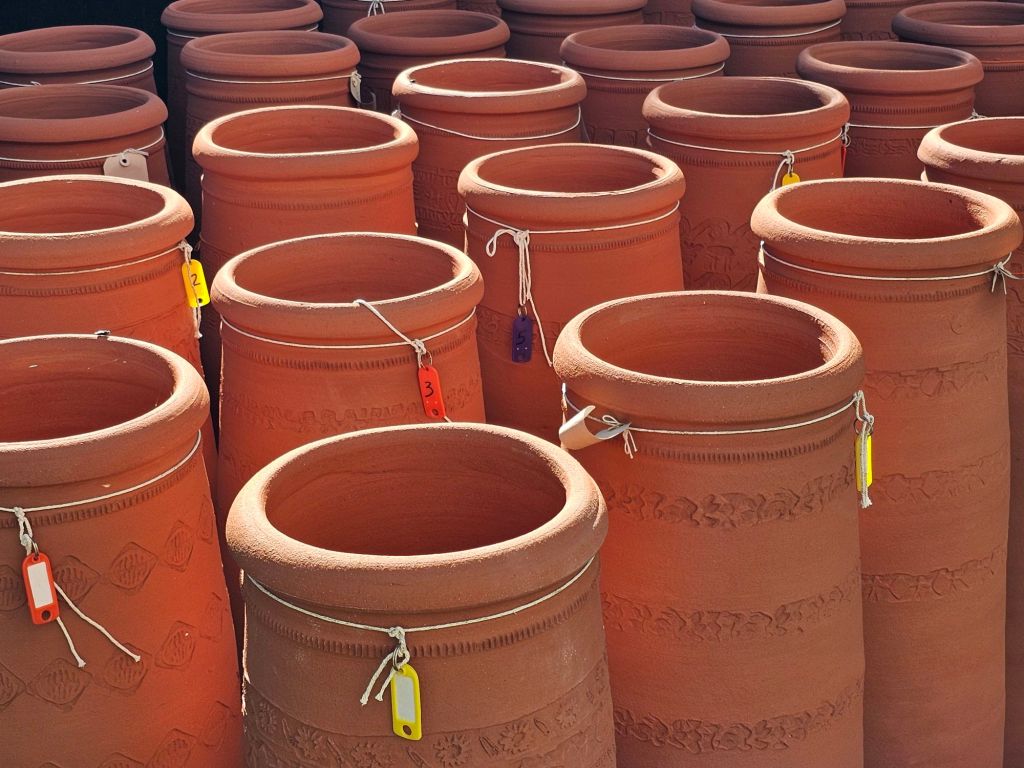
It is planned to re-open in 2029. The chimneypots were piled outside, waiting to be reinstated:-
Some time ago, I visited Culham Court Chapel, shown round by its architect, Craig Hamilton. I was impressed by it, although it’s unlike – perhaps because it’s so unlike – most contemporary architecture in being Catholic, private and essentially commemorative. I wrote it for the August/September issue of The Critic and the article has just appeared online:-
https://thecritic.co.uk/a-neoclassical-style-fit-for-a-queen/
By chance, it coincides with the announcement of Martin Jennings as sculptor of the commemorative statue of the Queen on the Mall (actually just off the Mall in the entryway to St. James’s Park). It’s not clear whether it will be equestrian, as suggested in Norman Foster’s competition entry. Not an easy commission.
We went last night to a performance of How to be a Dancer in Seventy-Two Lessons at Sadler’s Wells East. I am not going to pretend that I am an aficionado of contemporary ballet, having so seldom been, but the work was amazing, very excitingly danced and if there are tickets left for tonight’s performance – there probably are because it’s a big theatre – I strongly recommend it.
A very nice obituary of Nick Grimshaw in tomorrow’s Observer, but online today:-
https://observer.co.uk/profile/obituary/article/obituary-sir-nicholas-grimshaw
 | Charles | Saumarez | Smith |
You must be logged in to post a comment.