Hepworth Wakefield

I haven’t been to Hepworth Wakefield since COVID and indeed since Tom Stuart-Smith created a garden to its south, filling the space between the gallery and the adjacent mills.

I was incredibly impressed by how well David Chipperfield’s design has worn: its sense of complexity of internal gallery spaces, the quality of light in its galleries, its reticent monumentality.

One of the strange things about it is that it is exactly as it was originally drawn for the competition entry – a set of complex interlocking polyhedral spaces. 

£35 million, more than double the cost of Turner Contemporary, but very well worth it:-

The mills are due to be renovated:-

The gallery mirrors some of its industrial surroundings:-

Standard

Liz Fritsch

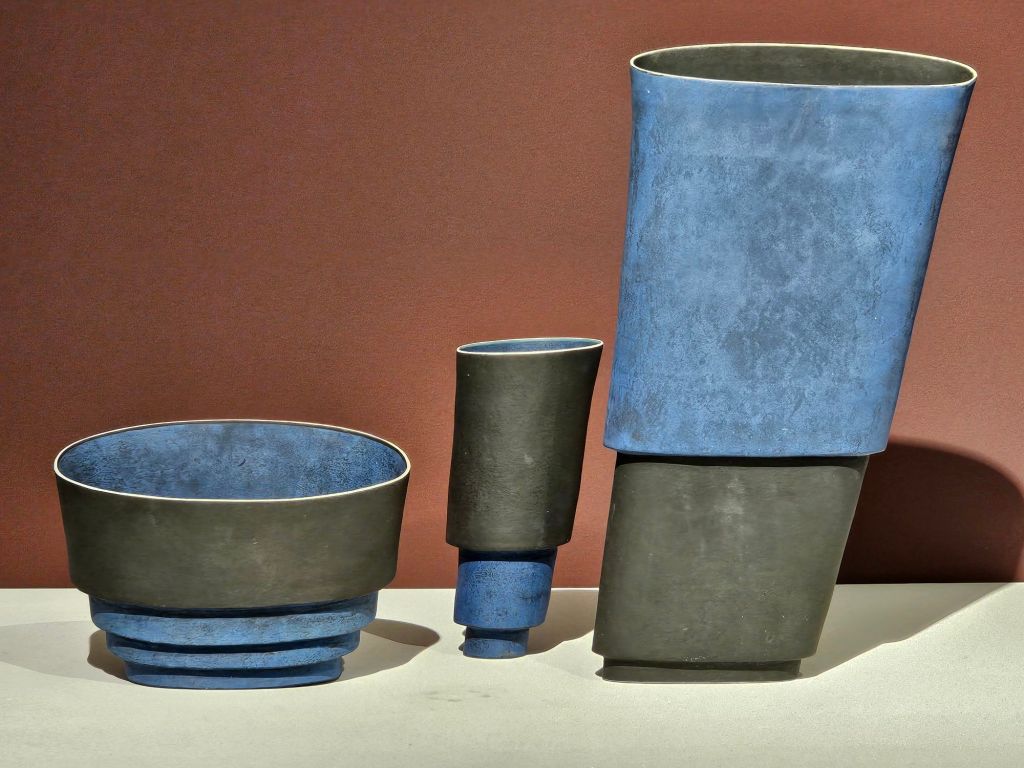
A very beautiful exhibition of work by Liz Fritsch at Hepworth Wakefield, quietly monumental.

One only normally sees them as one-offs, as shown by Adrian Sassoon, but they look wonderful in groups as if they had been composed that way.

Bowls from 1974-5:-

1976-9:-

c.1984:-

1998-2008:-

1990-2000:-

1999-2001:-

Standard

Appleby Blue Almshouse (2)

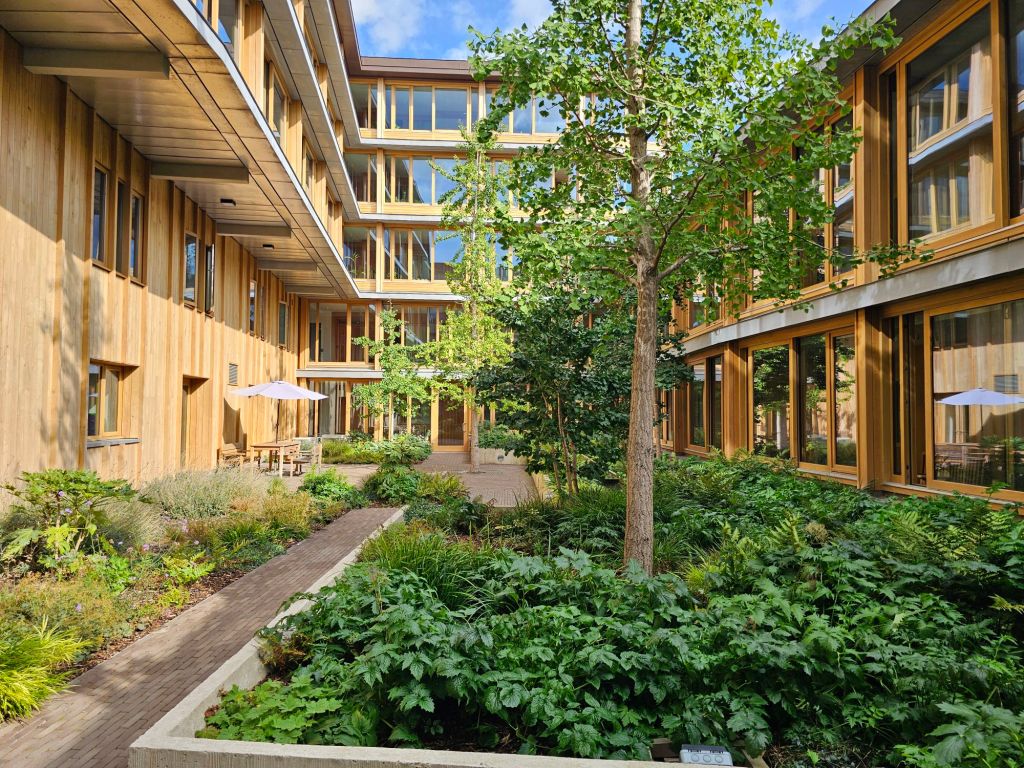
Much as I admired the Hastings House and feel that its owner should have won the Client of the Year Award, the Appleby Blue Almshouse is in every way deserving of this year’s Stirling Prize: thoughtful, well considered, bringing the highest quality of both design and construction to a not very easy part of Southwark. 

And they won the Client of the Year Award.  And the Neave Brown Award for Housing:-

Standard

Julian Bell

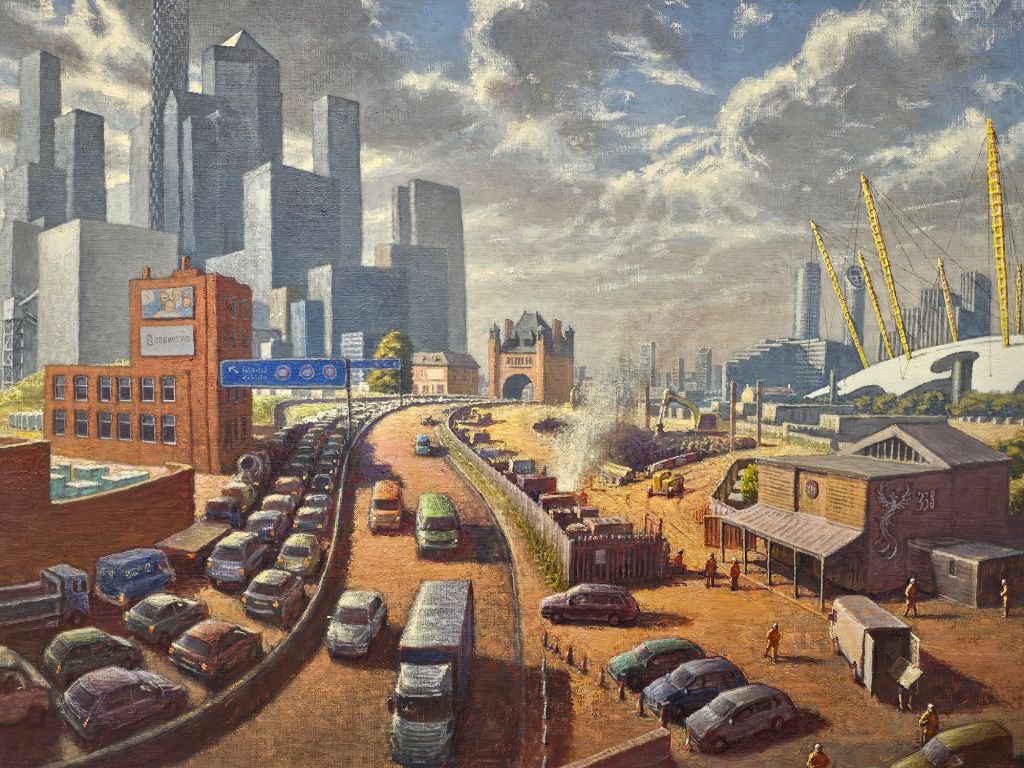
Julian Bell has an exhibition for one week only in a gallery space in 15, Bateman Street in the heart of Soho.

I was particularly taken by two pictures.  One of Dover, apparently topographically exact, but at the same time subtly symbolic.  The three castles;-

The other was a picture of the never-ending queue of cars going into the Blackwall Tunnel.  Although I know this scene only too well, it took me a bit of time to figure it out – again, a subtle mixture of the real and the symbolic, like American painters of tge 1930s:-

https://share.google/Mi1fpUYeTvxR1VgR8

Standard

Somewhere Else

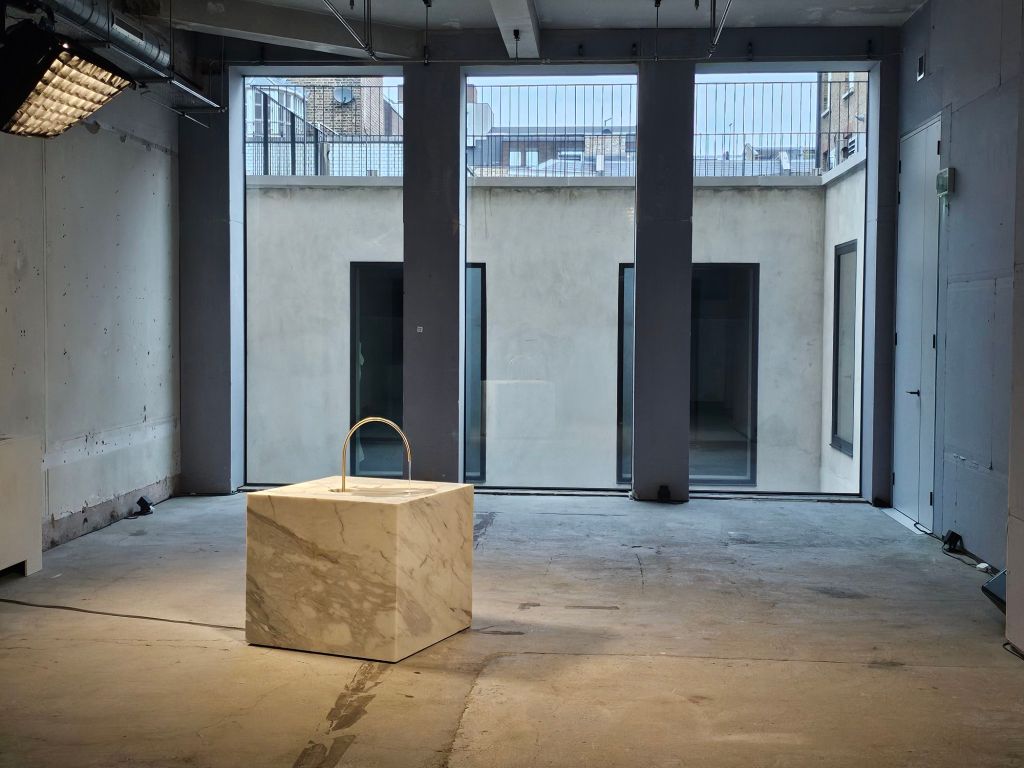
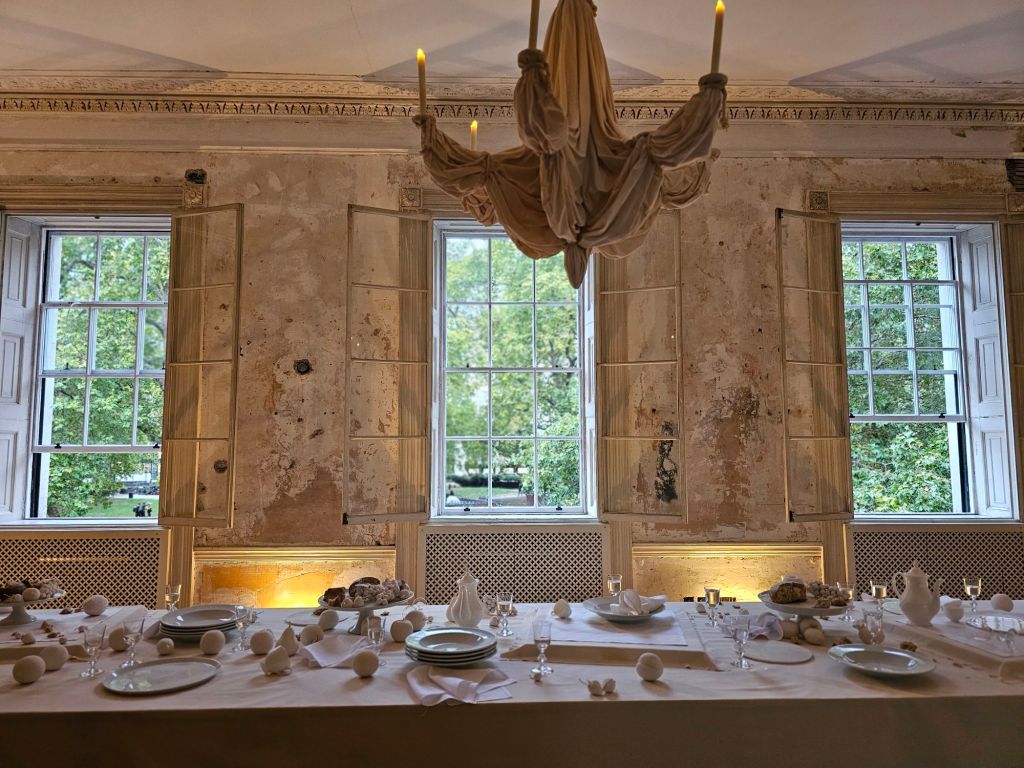
I was invited to an art/architectural installation in 14, Cavendish Square by OF A, a Reykjavik firm of architects.

The house itself is remarkable, one of two grand houses on the north side of Cavendish Square on a site previously owned by the Society of Dilettanti.  No.14 was apparently bought ten years ago, but, although restoration work began, it has been used as an event/party venue.

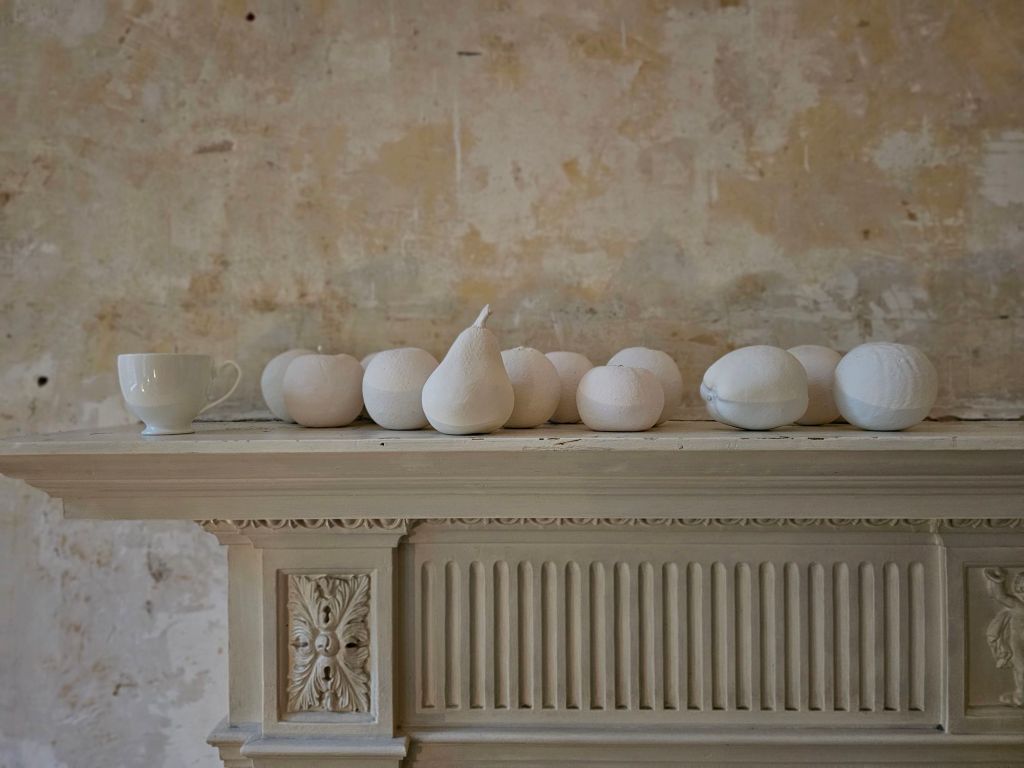
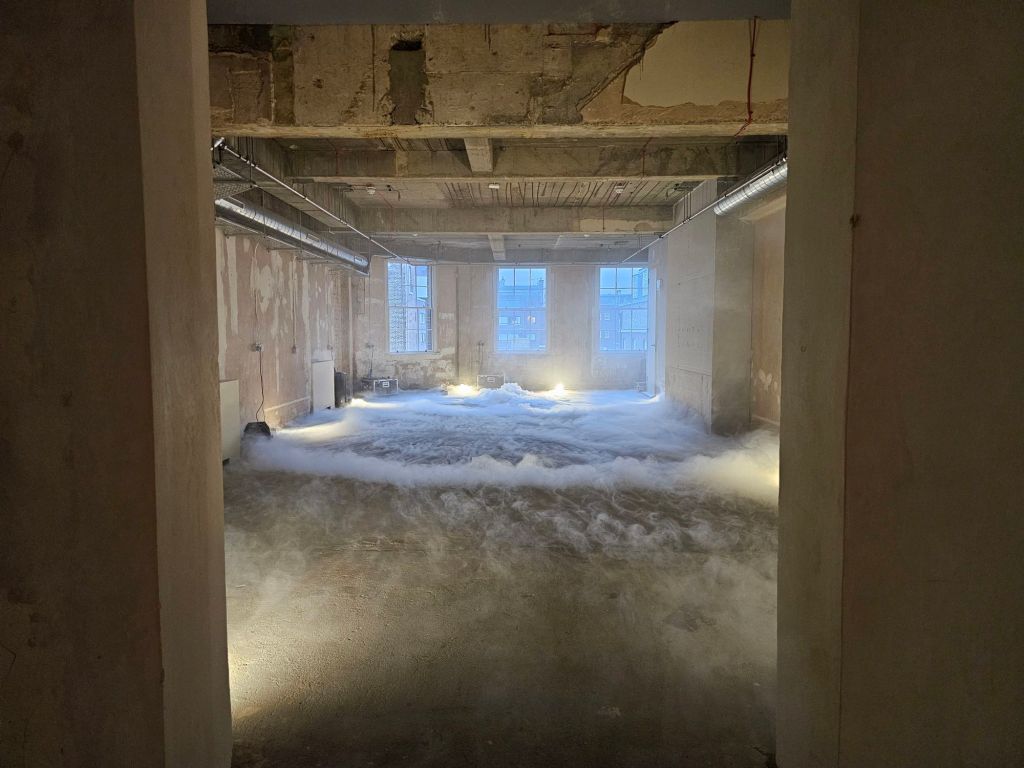
OF A have made only minimal interventions to make it into magical space:-

Standard

The Schoolhouse

I went to see Sarah Myerscough’s beautiful and unexpected new gallery space in Balderton Street, right opposite the front door of Selfridge’s, but feeling as if it belongs somewhere else, far away.  Anyway, it is an extremely fine space for the display of objets d’art, the superior form of craft in which the gallery specialises.  Hard to locate, but very well worth it.

The entrance from the street:-

And the gallery space:-

Standard

Cecil Beaton

I found the Cecil Beaton exhibition at the NPG unexpectedly wide-ranging.  Of course, I pretty well knew many of the images of the Bright Young Things of the 1920s, including the likes of Dadie Rylands; but I didn’t know that he lost his job at Vogue in 1938 after making an anti-semitic comment; nor the quality of his work in the Second World War.

There are lots of photographs of Beaton himself and an exceptionally beautiful pencil drawing of him by David Hockney at his most Ingres-like:-

Standard

Hylton Nel (5)

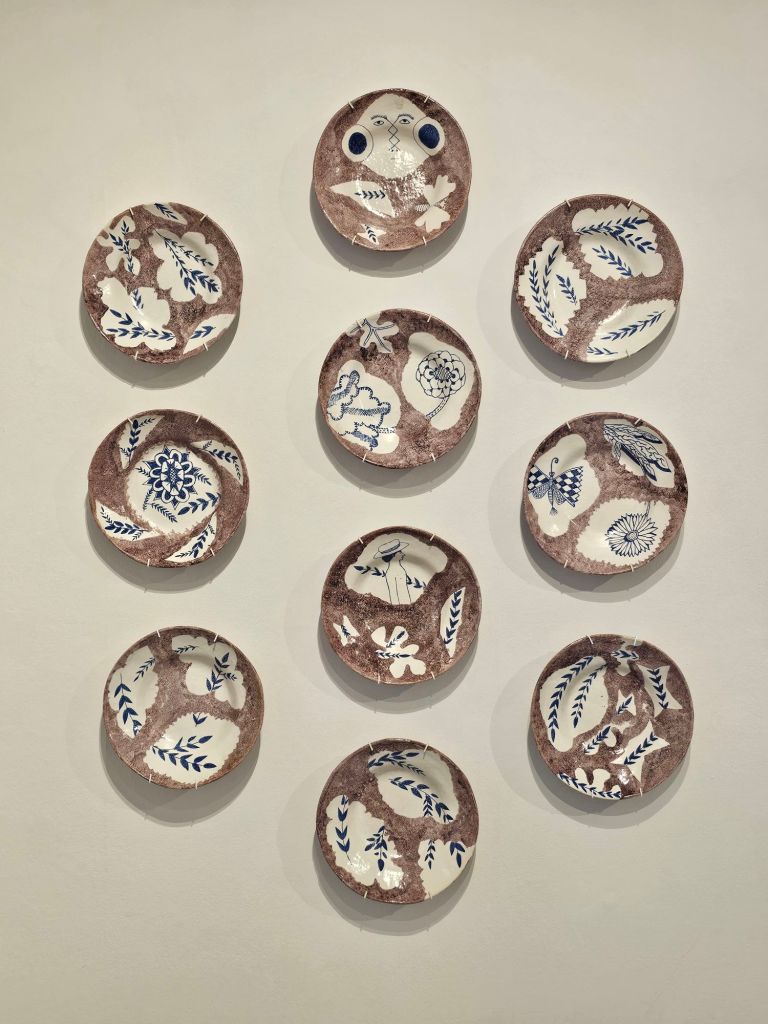
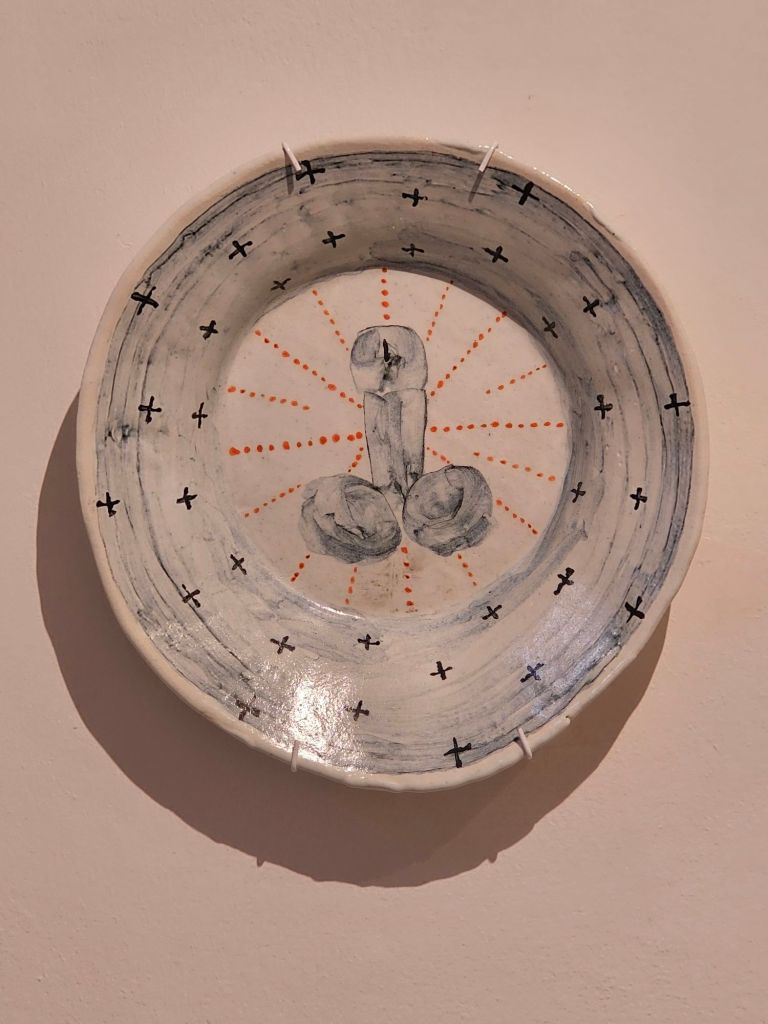
There is a new exhibition of the work of the South African artist-potter opening today at Isaac Benigson’s new gallery at 40, Great Russell Street, nearly opposite the British Museum.

It’s a good and varied selection.  A plate once owned by Min Hogg:-

More plates:-

And some small ceramic sculptures:-

Standard

Rory McEwen

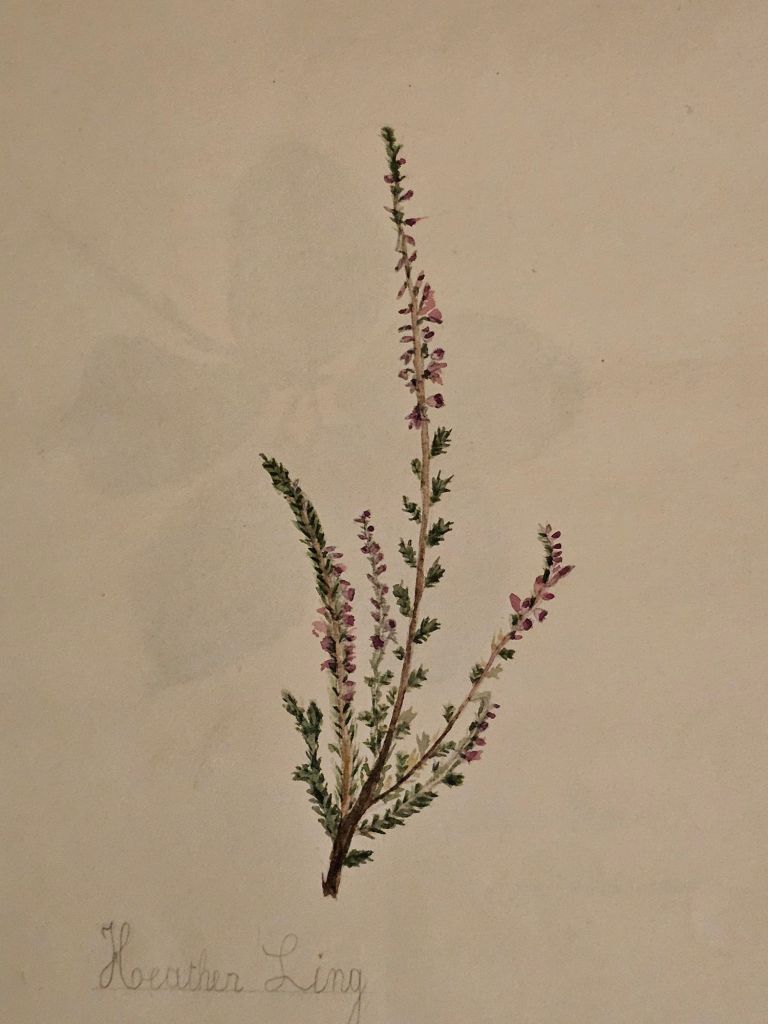
We went to the beautiful exhibition at the Garden Museum of Rory McEwen’s botanical paintings, done on vellum from an early age – the first when he was eight:-

They are very beautiful, sometimes in an abstract way, which is presumably why his work was admired by Jim Dine and Ed Ruscha:-

I realised that we know his work from the book he did for Charlene Garry’s Basilisk Press:-

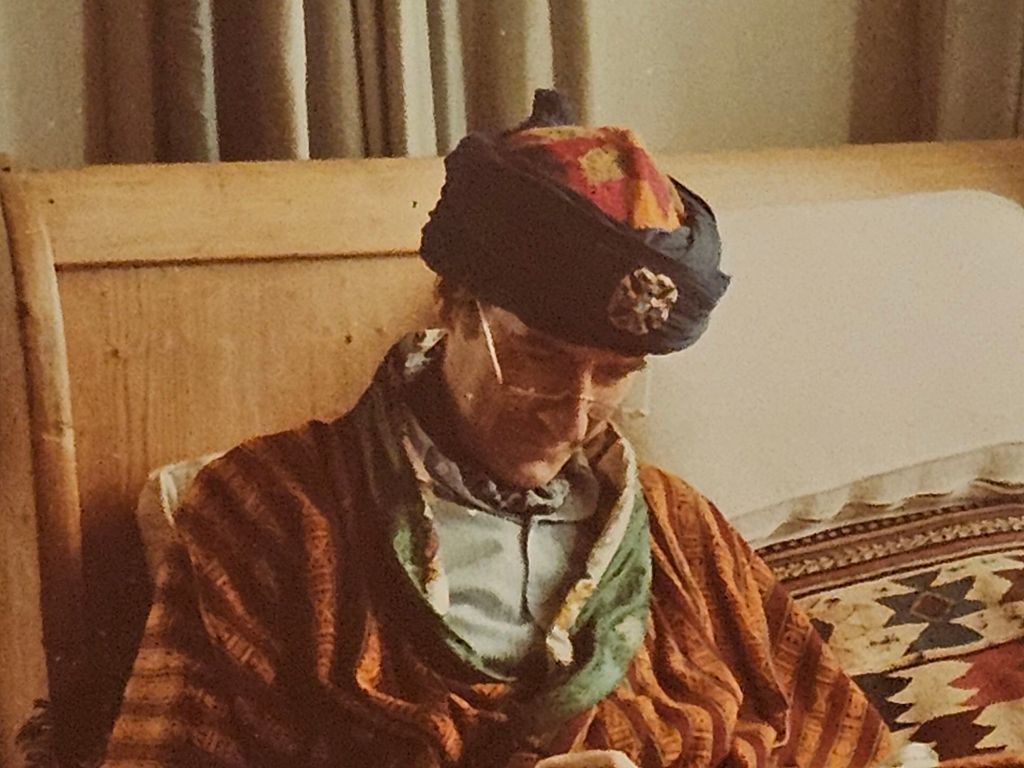
Here he is photographed by David Dimbleby:-

A late work:-

Standard