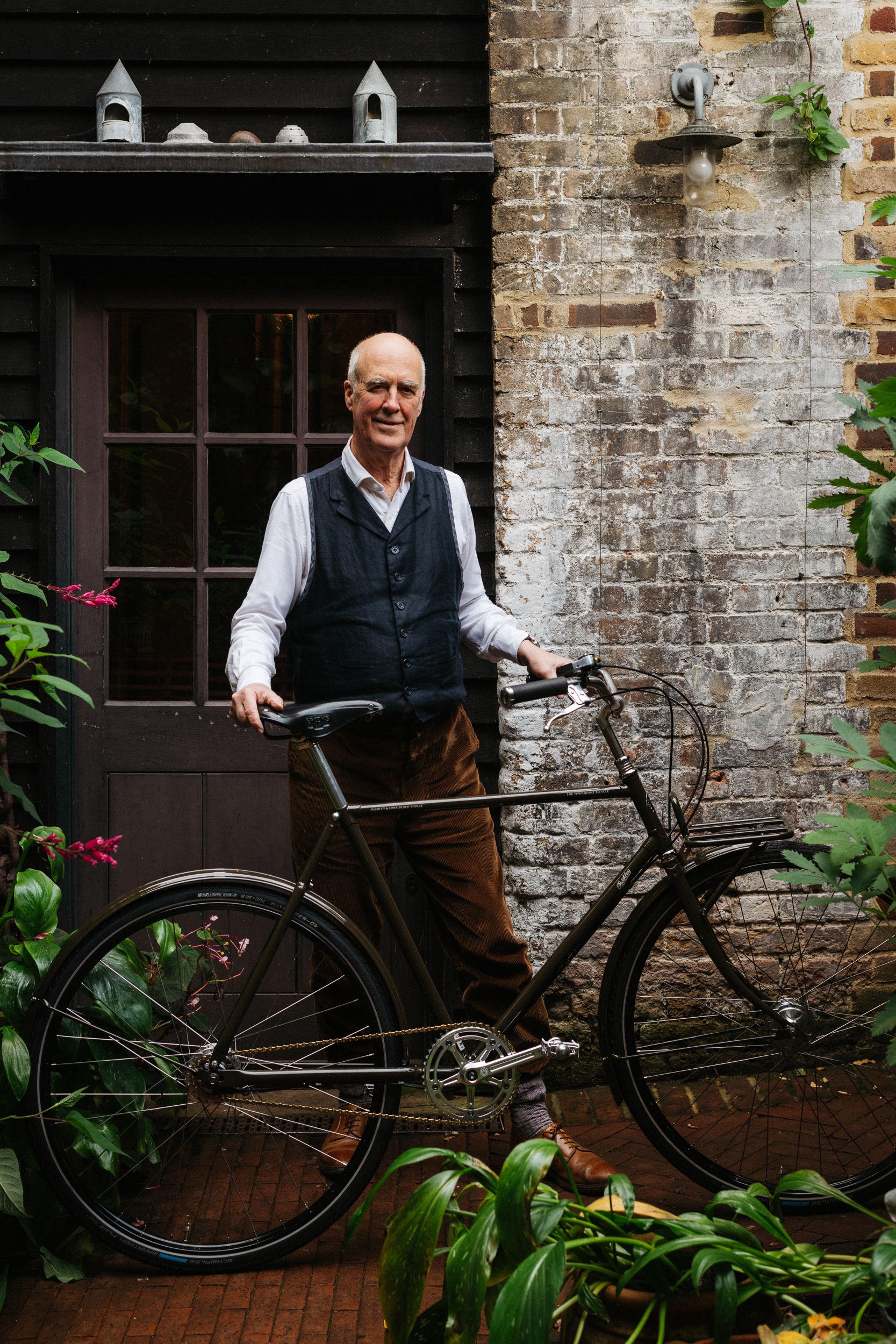
Annette Rubery has now posted her recording of our discussion about Vanbrugh if you want something to listen to while cooking. It’s quite a bit longer than the transcript:-
Monthly Archives: October 2025
John Vanbrugh: The Drama of Architecture (10)
Back in August, I had a very enjoyable and interesting conversation with Annette Rubery, a writer and literary scholar who is herself writing a book about Vanbrugh and his circle, provisionally entitled British Enchanters: John Vanbrugh, his friends and the theatre which changed a nation.
She has just published a record of our conversation on her Substack called The Lichfield Rambler:-

Radcliffe Observatory
One of the pleasures of visiting the Stephen Schwarzman Centre for the Humanities is that it enables a good view of the Radcliffe Observatory immediately to its north, a fine a neoclassical building, originally designed by Henry Keene in 1772, who was displaced by James Wyatt the following year who added a free version of the Tower of the Winds on top:-

Stephen Schwarzman Centre for the Humanities
I spent the morning touring Oxford’s new Stephen Schwarzman Centre for the Humanities which opened to the public a couple of days ago and is already surprisingly well inhabited, full of people making use of its generous ground-floor public space.
The building was designed and planned by Andrew Barnett of Hopkins Architects.
From outside it is pretty reticent, as if it was a homage to Herbert Baker (ie gently classical, trying hard to sit comfortably in Oxford’s classical tradition).
From the south:-
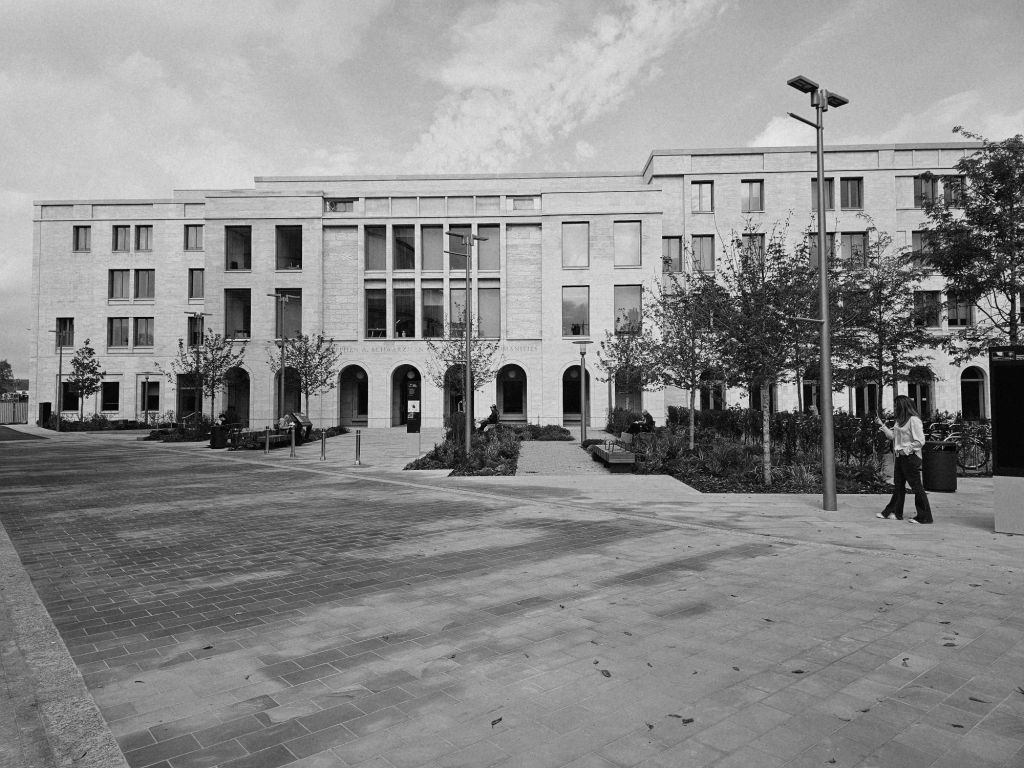
From the north:-

And from the side which demonstrates the depth of the building from north to south:-

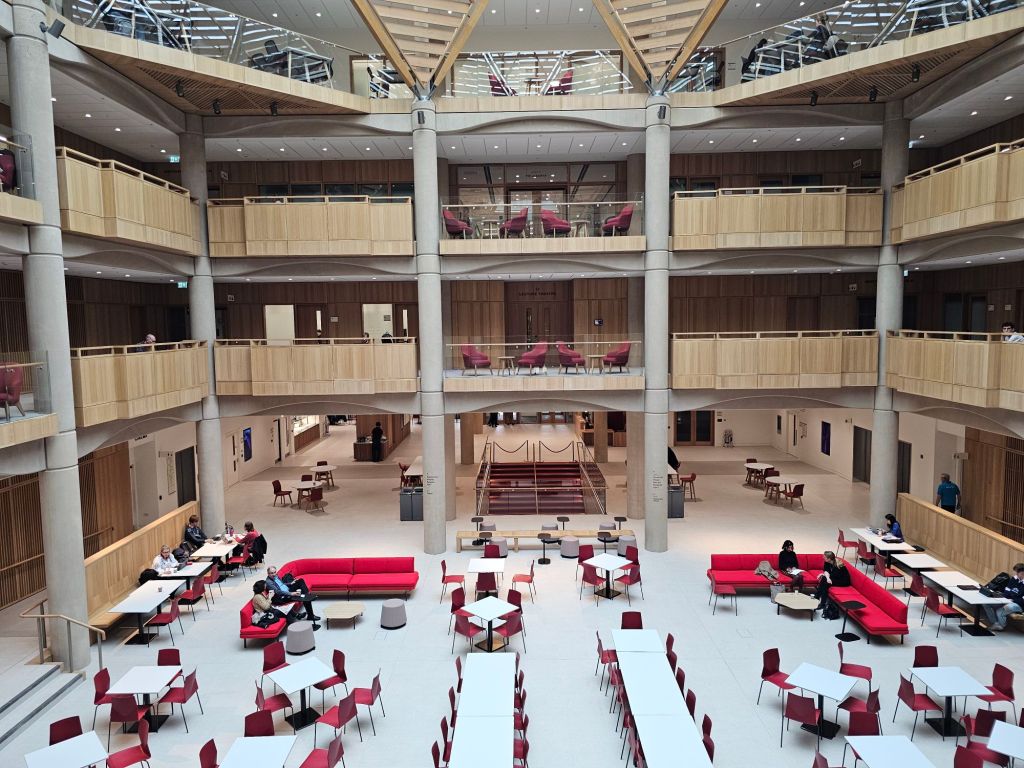
Inside is very different: comfortable and spacious, full of spaces to sit and work, including part of the Bodleian’s humanities collection and space for the Bates collection of musical instruments:-
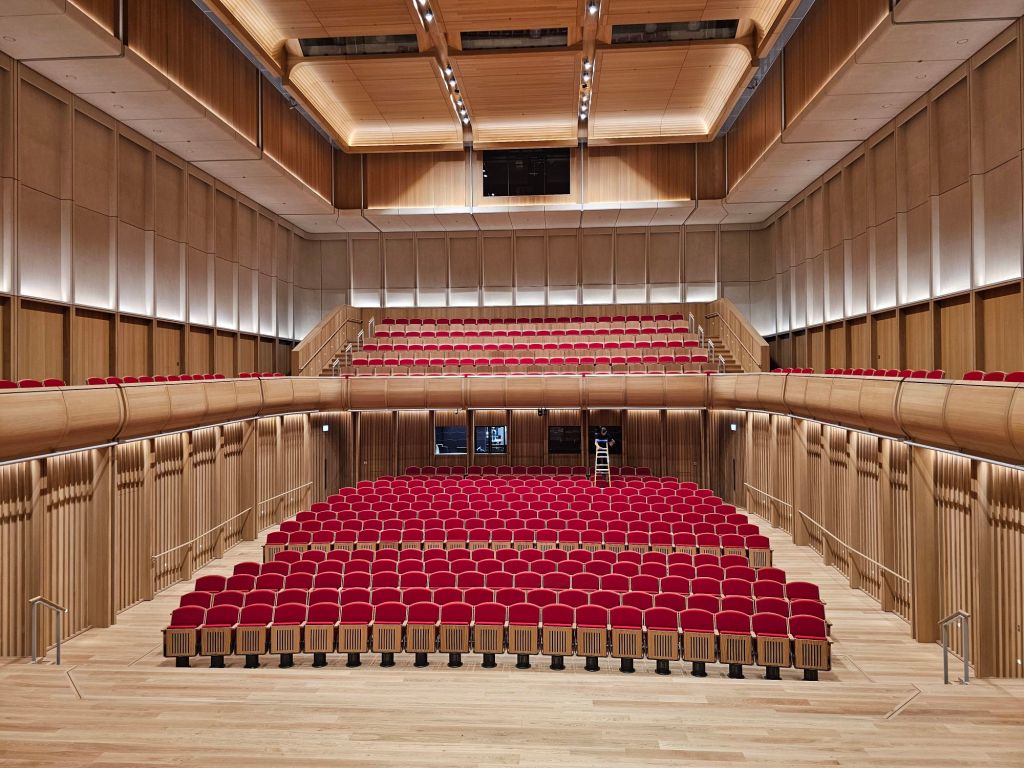
In the basement is an amazing 500-seat concert hall:-
 | Charles | Saumarez | Smith |
You must be logged in to post a comment.