The Gentle Author who in August 2009 pledged to write more than 10,000 stories about Spitalfields at the rate of one a day has generously given over his column today to Vanbrugh Castle, a building which I have found odder and odder the more I have pondered the time it was built and the fact that William Stukeley drew it shortly after it was finished as if it was an ancient monument.
I went on a spin on the new bicycle this morning. It’s so smooth ! And being upright is such a different sensation from being crouched over the handlebars.
Since my previous post about Rousham and the threat to its historic garden, I have been finding out more about the plans for a new town on the old Upper Heyford aerodrome just north of Rousham.
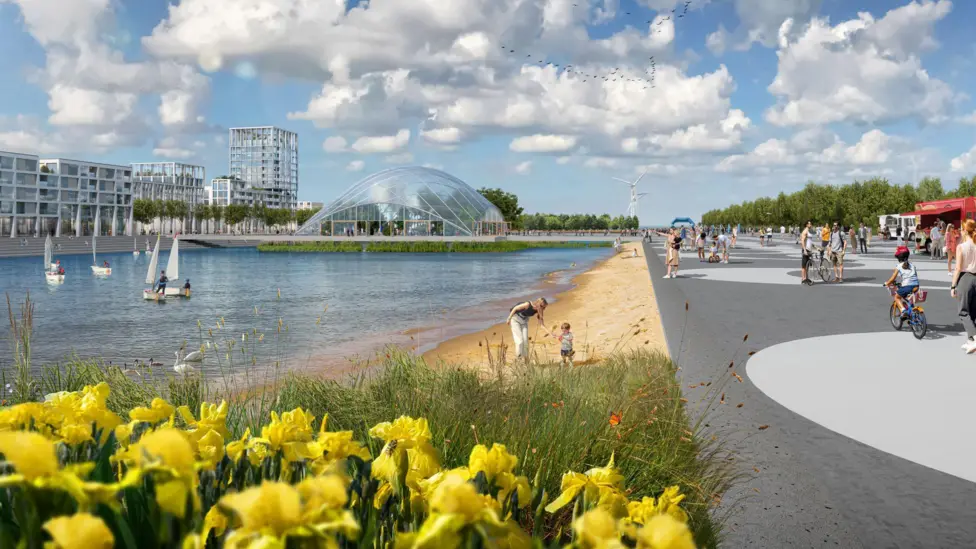
It is currently a small-scale rural development of less than 2,000 homes, which has been marketed as ‘A modern take on the traditional countryside village’. The developer, Dorchester Living, currently has permission to add a further 1,135, houses.
Then, the government identified the site as a potential new town which would mean not a small village development, but a town currently planned to be 9,000 houses, to be enlarged in due course to 13,000. This means that the development will expand beyond the aerodrome into the surrounding agricultural land to its south-west, which has been bought for purposes of commercial development by New College, Oxford (they were left the local village, Upper Heyford, by their founder, William of Wykeham).
In other words, a relatively manageable small-scale development is being expanded into a new town without adequate advance planning about the infrastructure which will be required, including a new railway station, and, so far as I can tell, much thought about the differences in style and character between the design of a new rural village and a new town.
Most new housing development is in the vicinity of an existing city, but Upper Heyford is currently in the middle of unspoilt countryside.
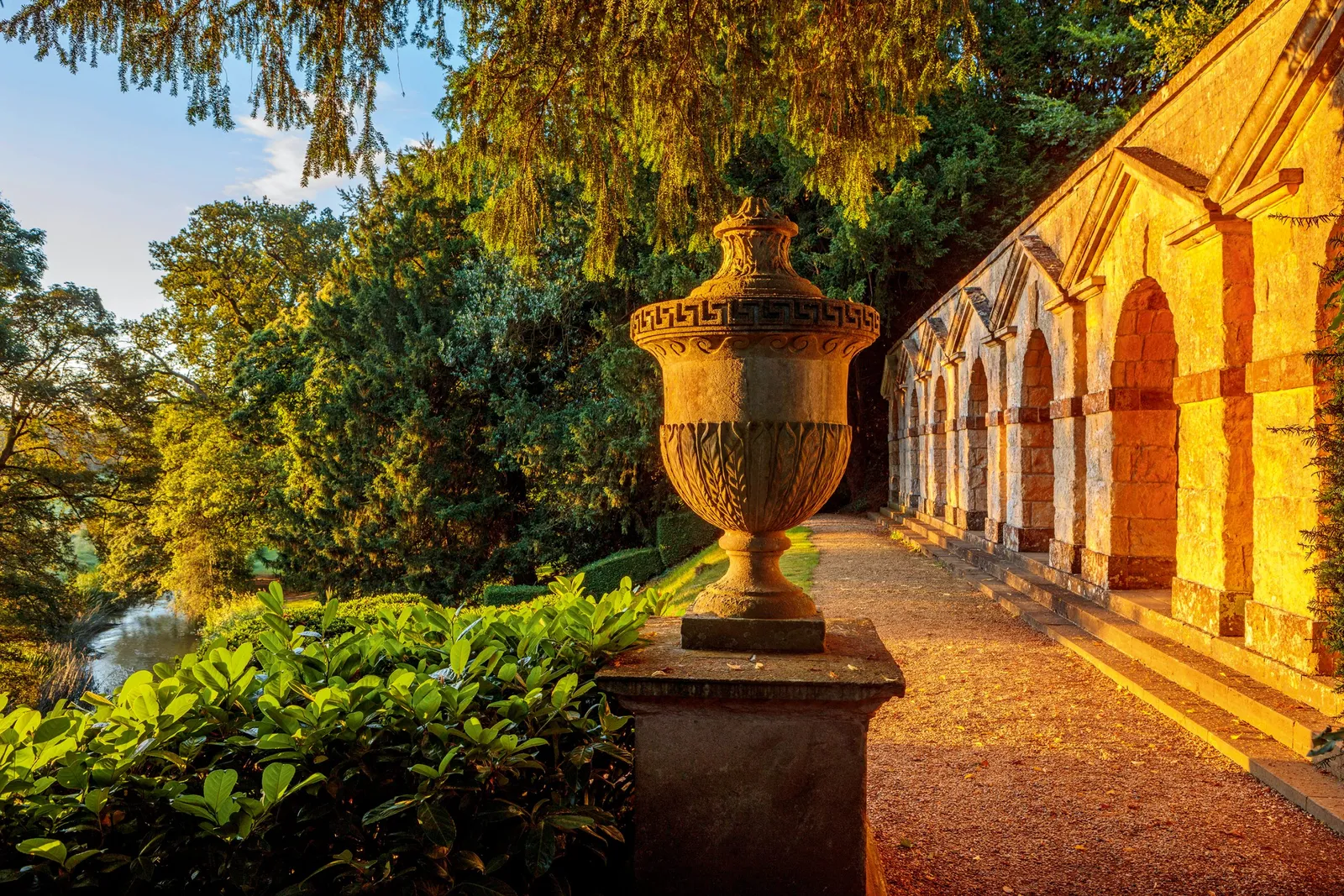
The current proposals risk damaging the ecology of Rousham Park, which has remained essentially unchanged since William Kent landscaped the gardens at the end of the 1730s. However much the architects might like people to walk to the station, many will want to drive. There will have to be a big new car park. The gardens of Rousham look out over a medieval bridge which will have to be widened. The fields in the distance will sprout 6-storey new housing developments and wind turbines.
Without major changes, what is currently planned will destroy the character of Rousham.
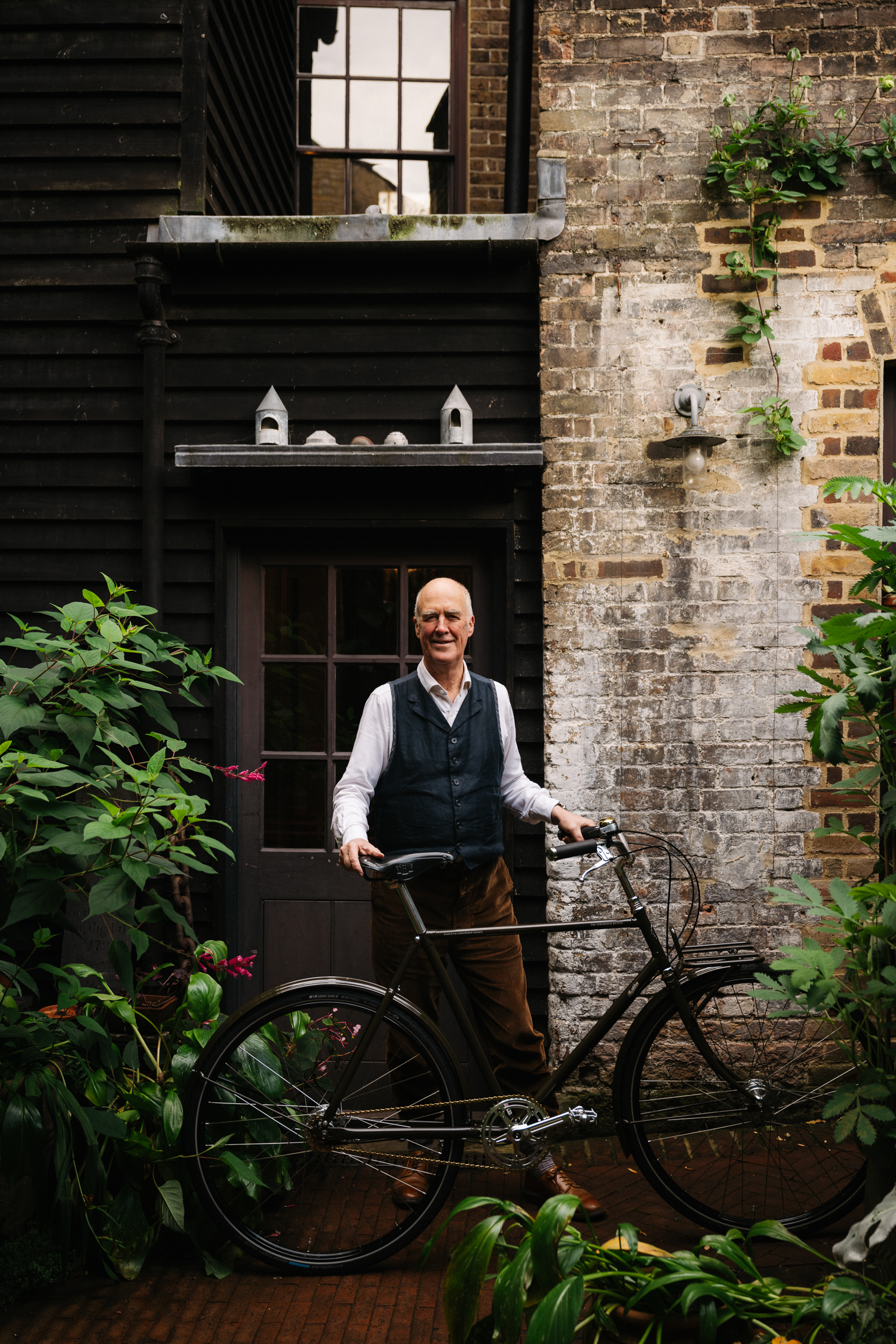
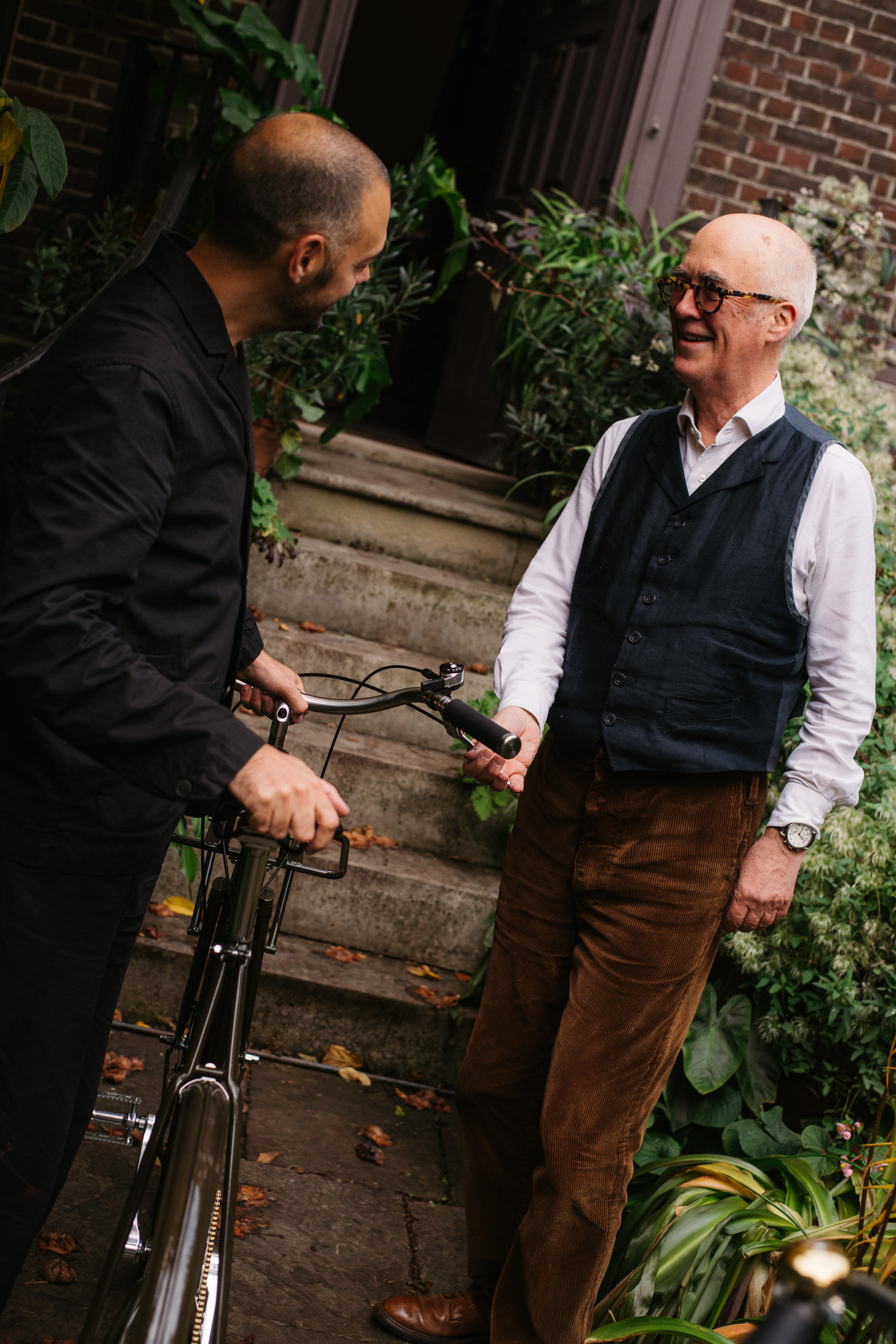
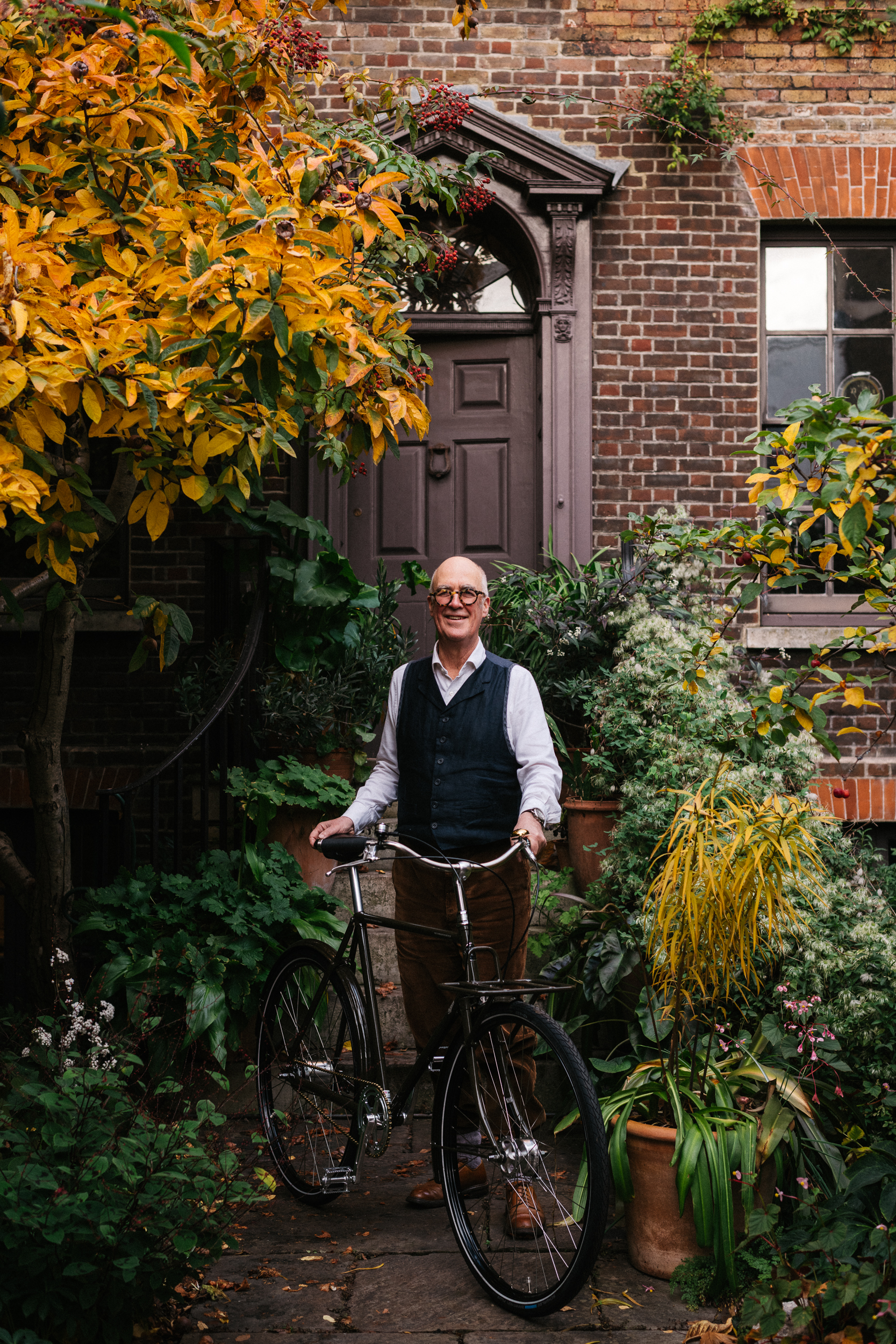
I have just taken delivery of a new bicycle, the result of a happy accident when a neighbour, Paul West, discovered that I am a long-standing enthusiast for Pashley Bicycles:-
It’s a Pashley (again), based on a Guv’nor, which is what I ride on at the moment, but specially customised for metropolitan riding: five gears; painted a tasteful shade of autumnal olive-brown; an upright instead of drop handlebars; and a bell to repel the runners on the towpath by the canal.
Not surprisingly, I look fairly cheerful (it was nice and sunny on the day of the photoshoot):-
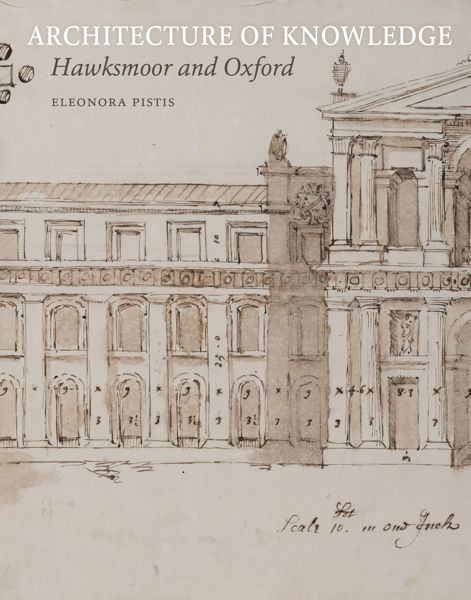
I sadly wasn’t able to attend this year’s prize-giving for the Berger Prize, a prize given annually for a work of art history, and so have only just heard that it was won by Eleanora Pistis for her brilliant, scholarly investigation of all aspects of early eighteenth-century Oxford – Architecture of Knowledge: Hawksmoor and Oxford.
It’s a book that I greatly admired for its uncovering of the huge range of proposals for the development of Oxford beyond those that were actually built, including the Clarendon Building, All Souls and the Radcliffe Camera, and for its understanding of the complexities of architectural culture, as much about the dons who commissioned the buildings as the architects who designed them.
I have been reading Holly Smith’s Up in the Air: A History of High Rise Britain with the utmost pleasure.
It conveys the ambiguity of the early history of tower blocks. It turns out that Osbert Sitwell was an early, and most unlikely, enthusiast for high rises from San Gimignano to Manhattan and was quoted in support by Dame Evelyn Sharp, the formidable Permanent Secretary at the Ministry of Housing and Local Government; and the book which promoted the benefits of new housing developments in Sheffield, including Park Hill, was illustrated with a drawing by John Piper, the editor of the Shell Guides.
I have always viewed the failure of Ronan Point as an emblem of the failure of modernism, equivalent to the blowing up of the Pruitt-Igoe housing project in St. Louis which Charles Jencks used as marking ‘the death of modern architecture’. But here it appears as the failure of local government and the pressures on the construction industry to deliver new housing at speed. I like the comment by Sam Webb that ‘blaming Le Corbusier for this is like blaming Mozart for Muzak’.
If this early history of high rise housing is to some extent familiar from histories of the period, the later account of community action in London and Liverpool is not. It demonstrates that while families generally disliked being in high rise, there were plenty of people who were perfectly happy, providing the buildings were well maintained.
Unfortunately, what comes out most forcibly, not least from the concluding analysis of what led to the Grenfell Tower disaster, is that councils, and not just Tory ones, are often cavalier about maintenance and ignore the warnings of potential fire and its consequences.
In an admirable way, it complicates the narrative of high rise, by historically informed analysis.
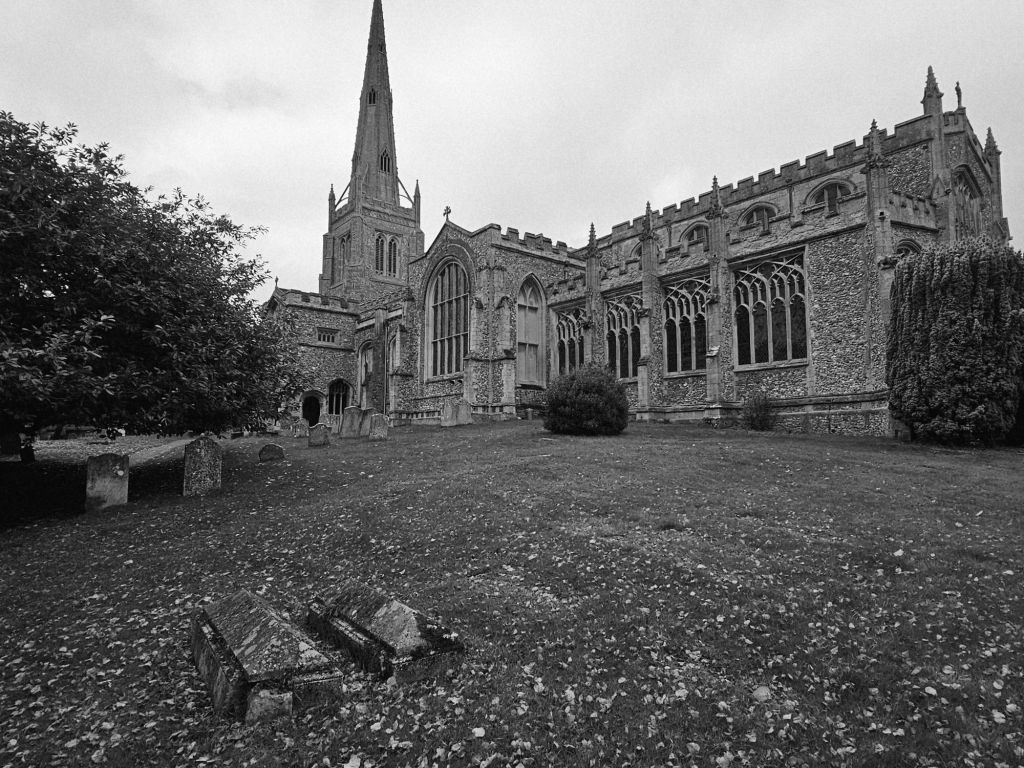
I stopped off in Thaxted to see its wonderful, empty, light church where Conrad Noel was the Red Vicar, flying the red flag alongside the flag of St. George.
There is an exceptionally fine bust of him by Gertrude Hermes, dated 1938:-






 | Charles | Saumarez | Smith |
You must be logged in to post a comment.