John Vanbrugh: The Drama of Architecture (18)

The Architecture Foundation has kindly chosen John Vanbrugh: The Drama of Architecture as one of six books for its Book Week, showing short – well, in my case, not so short – films about what it describes as ‘the best architecture books of the year’.

I hope this will bring the book to the attention to architects as much as architectural historians – and, also, to listeners in the States where it is being published in March, more or less at the same time as the opening of the exhibition at Sir John Soane’s Museum.

Happy Christmas !

Standard

Colin Ford

Very sad news that Colin Ford, the former Keeper of Film and Photography at the NPG, has died.

He was an incredibly important pioneer of the study of photography, appointed by Roy Strong who, like Colin, recognised that the NPG should study and collect photography. He was at the NPG from 1972 to 1981 when he left to establish the National Museum of Photography, Film and Television at Bradford.

Oddly, he came from nearly exactly the same part of north London as Roy, was at school at Enfield Grammar School, and lived there in Gentleman’s Row.

I am posting an unexpected picture of him as a young man in his memory:-

Standard

London Centre for Book Arts

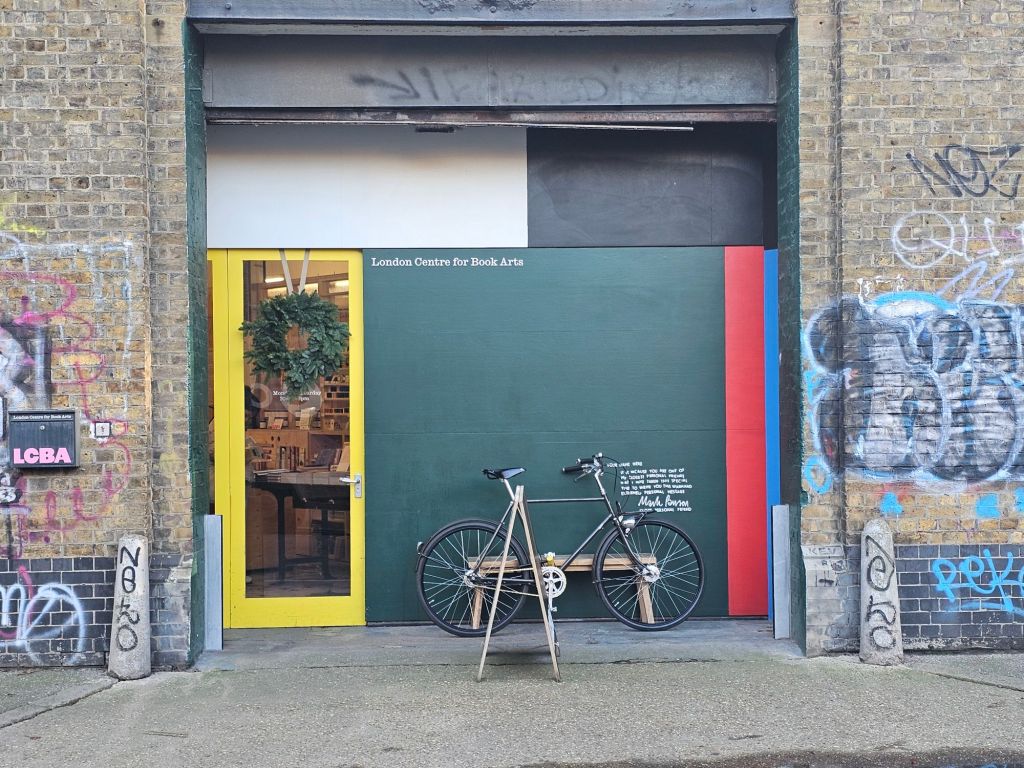
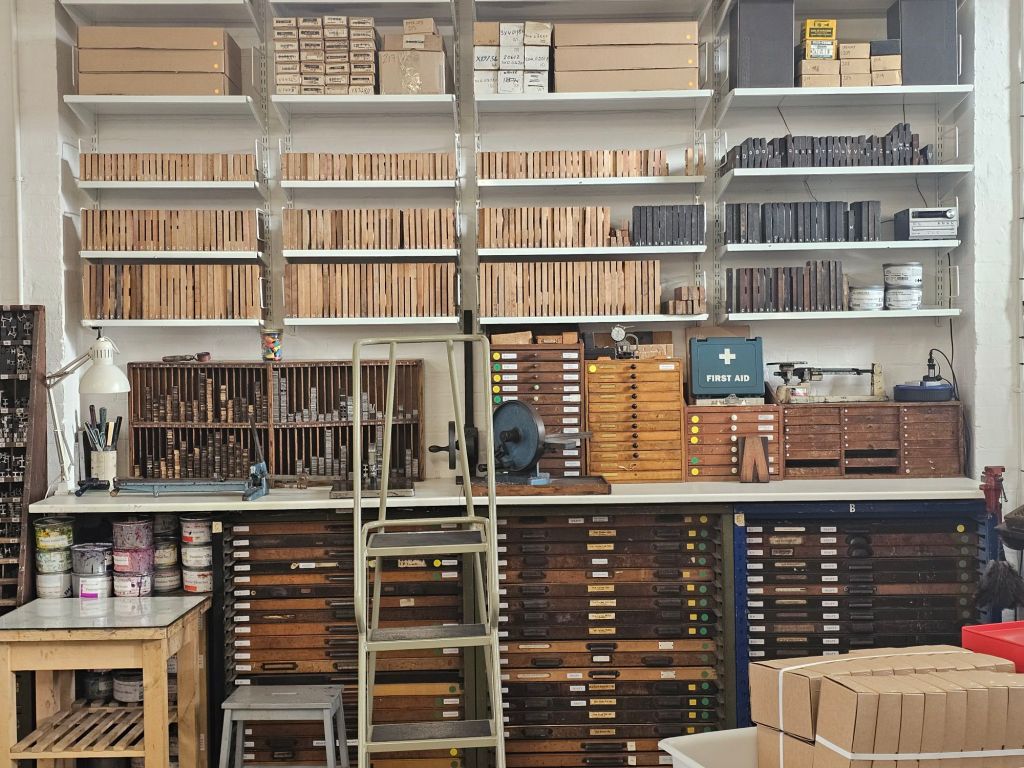
It’s such a beautiful day today (if only it had been yesterday) that I decided to take my still new bicycle out on a spin to Hackney Wick.  I had been tipped off (see Comments) that Simon Goode who runs the London Centre for Book Arts had produced a pamphlet on the industrial history of Hackney Wick or, as he calls it more properly, Old Ford. 

He kindly supplied me with one of the last remaining copies, located in a cupboard.

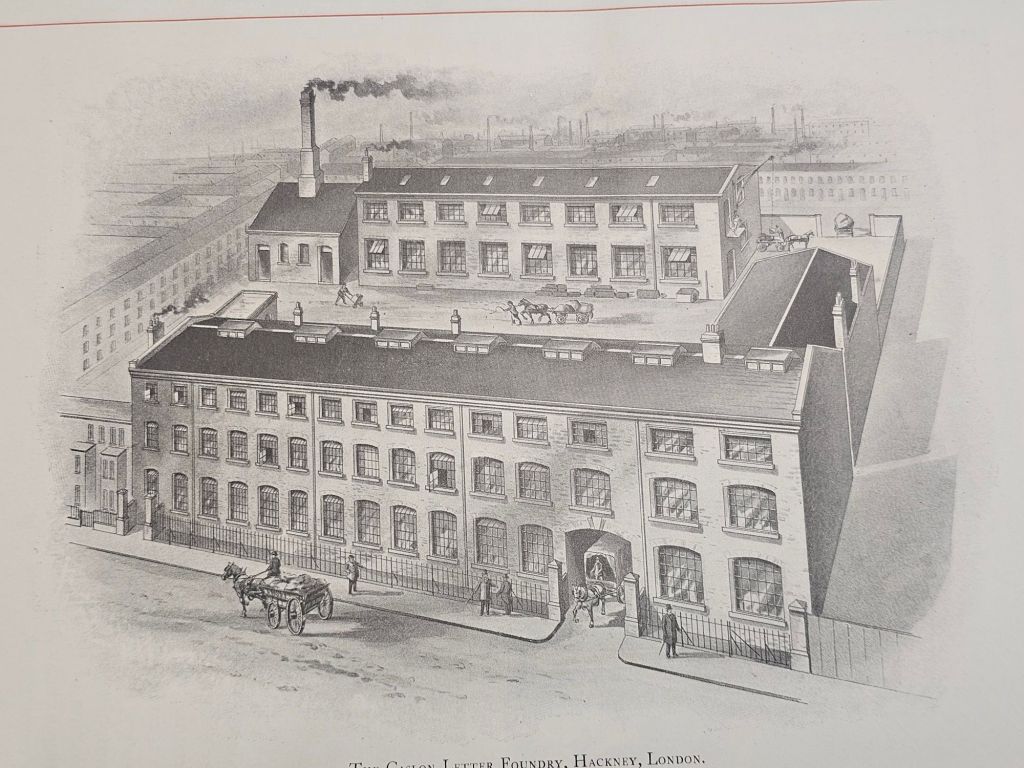
I half knew, but only half, that Old Ford conceals a rich industrial history, including, from the south, John Kidd and Co., who manufactured printing ink on a site previously occupied by a seventeenth-century dye-works (‘Bow dye’); H.W. Caslon & Co. which inherited the business first established by William Caslon, the great eighteenth-century typographer:-

and the Britannia Folding Box Company, which made cardboard boxes until it went out of business in 1973.  The building then housed Percy Dalton’s Famous Peanut Company until the London Centre for Book Arts took it on in October 2012:-

Standard

Hastings House (2)

Back in October, I went on a very enjoyable and interesting trip to Hastings to see the house extension designed by Hugh Strange which had been short-listed for the Stirling Prize. It did not win (nor did it win the RIBA House of the Year), but I still thought it was impressively thoughtful, representing some of the current tendencies in architecture involving small-scale interventions as much as grand statements.

I wrote about it for the December/January issue of The Critic and the piece has just been posted online:-

https://thecritic.co.uk/issues/december-january-2026/recognition-that-small-is-beautiful/

Standard

Kettle’s Yard

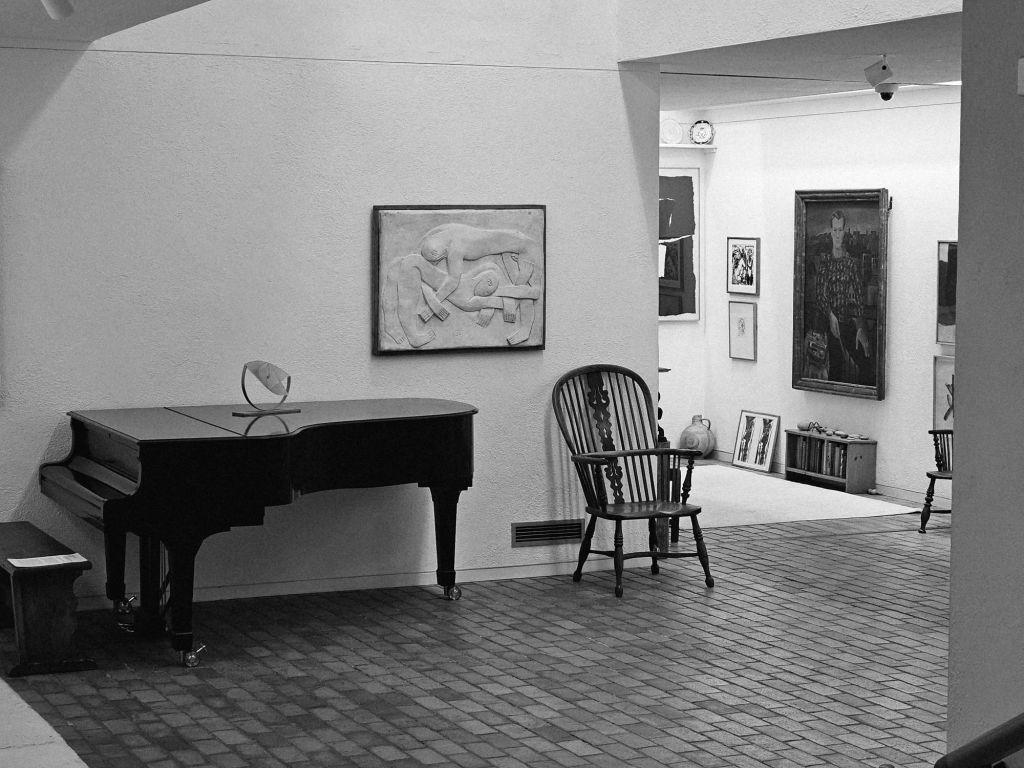
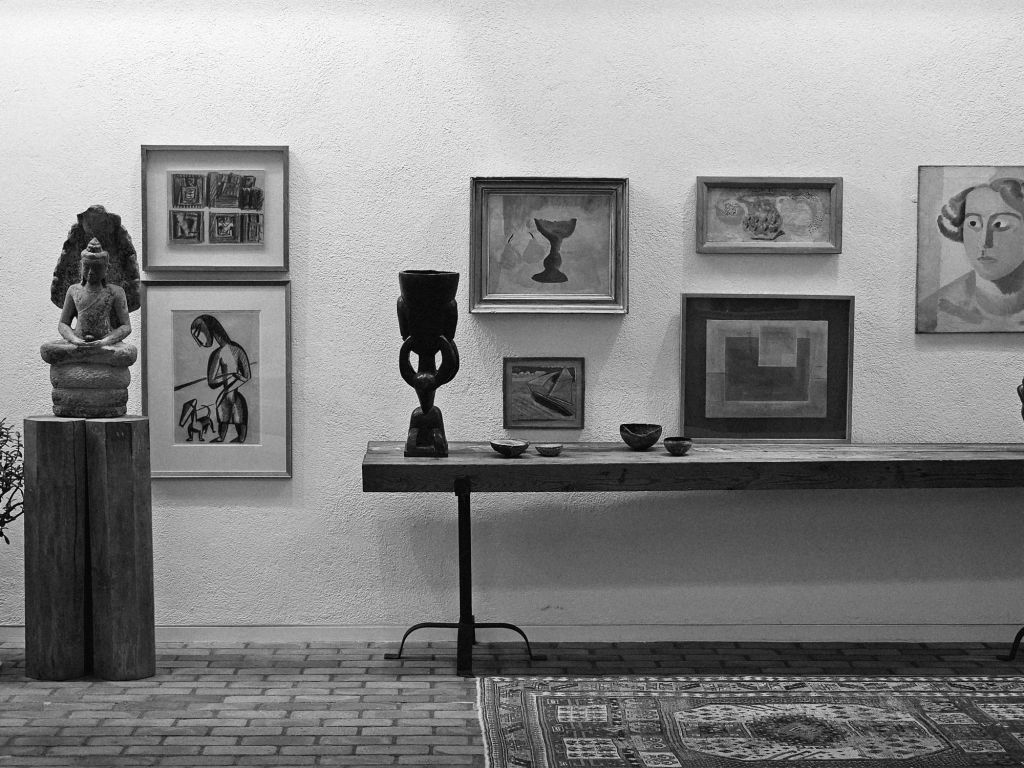
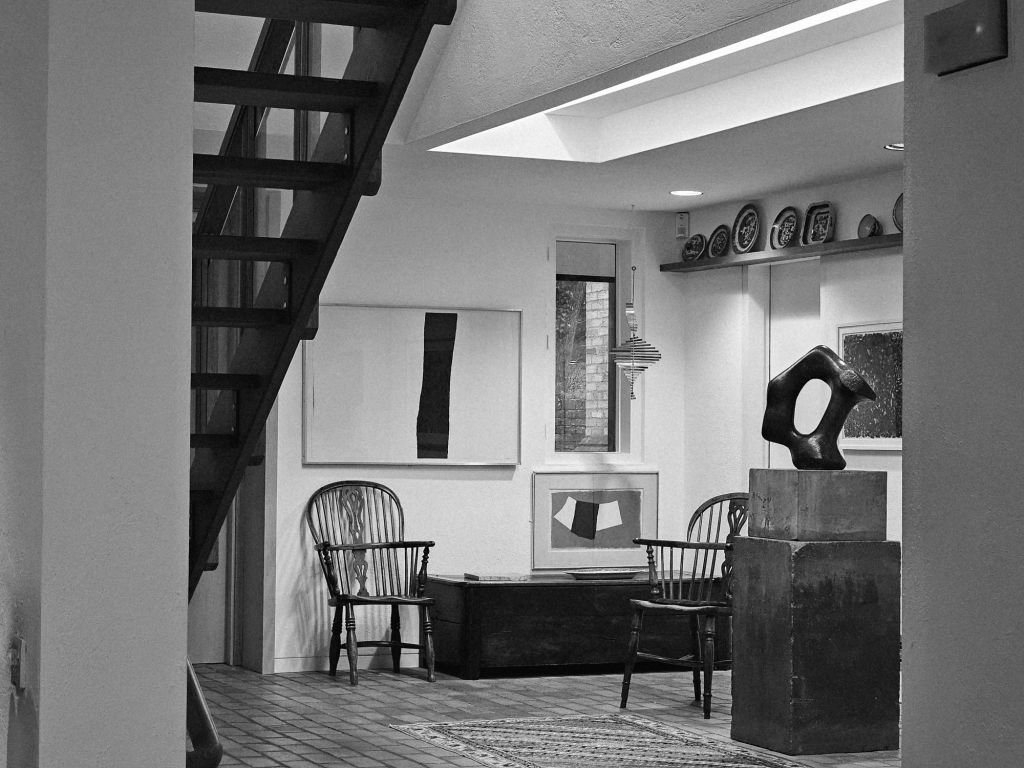
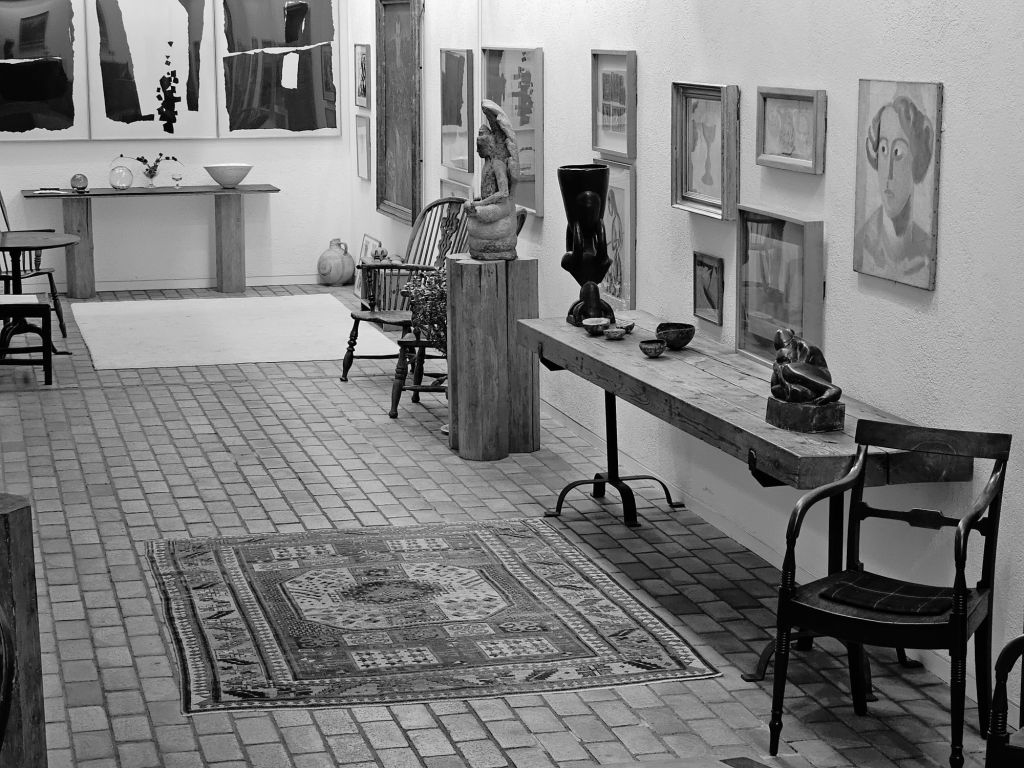
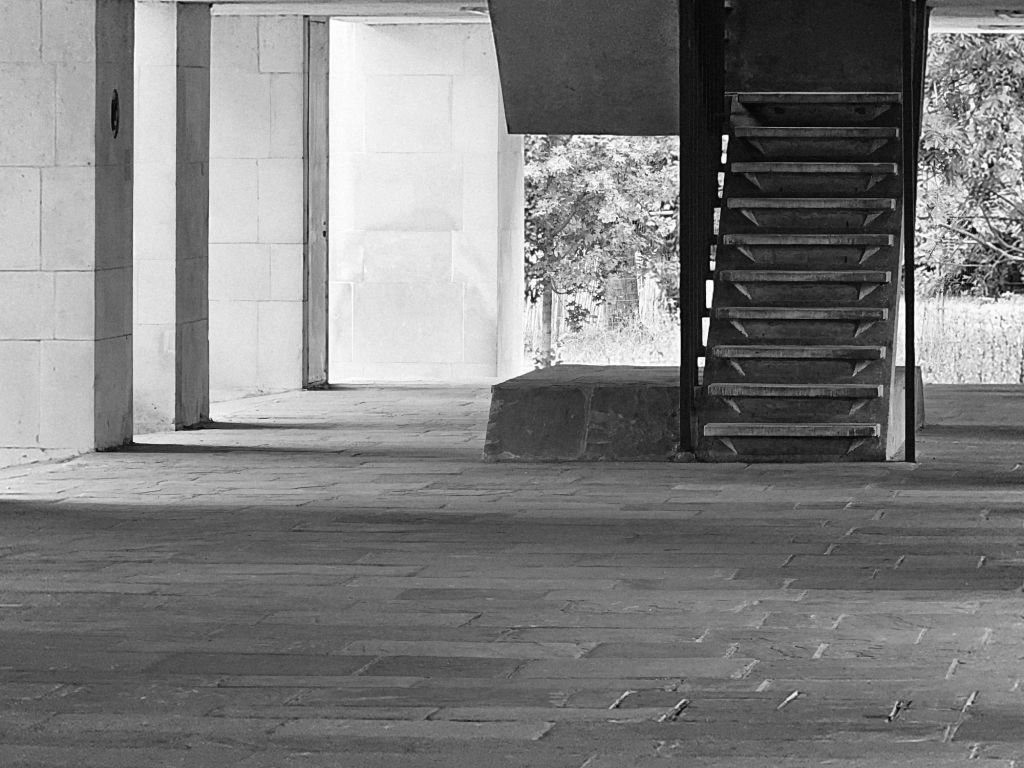
A benefit of going to Cambridge on a cold, wet day in December was that I was able to spend time in Kettle’s Yard when it was nice and empty – so calm, as ever:-

Standard

The Cube

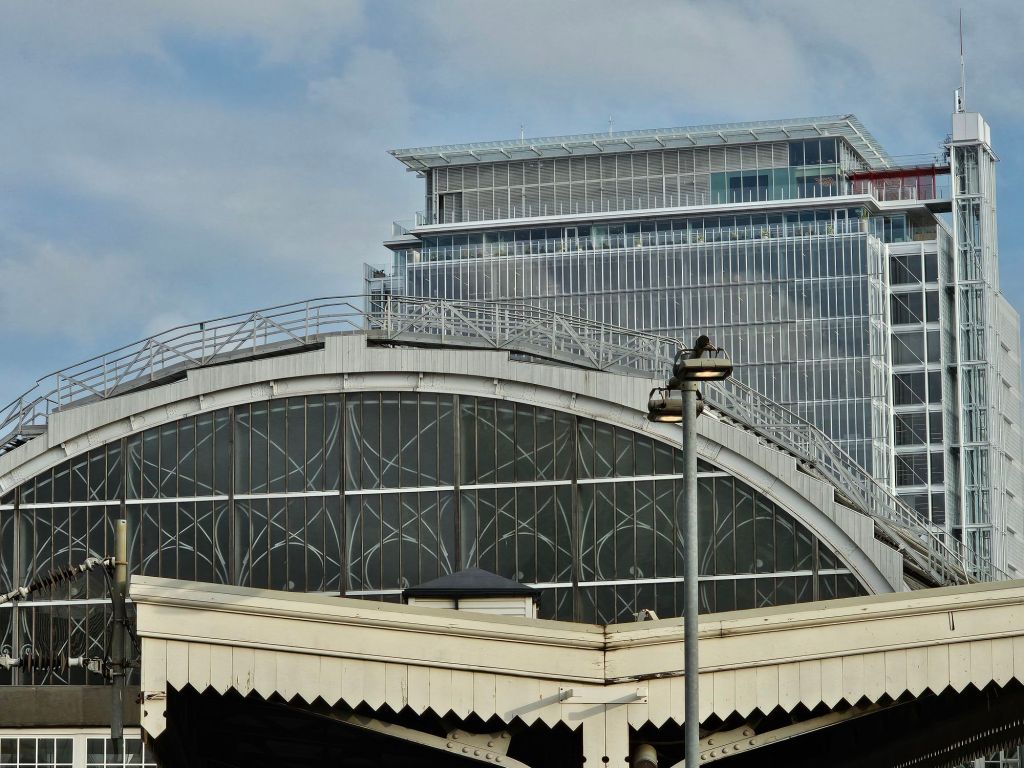
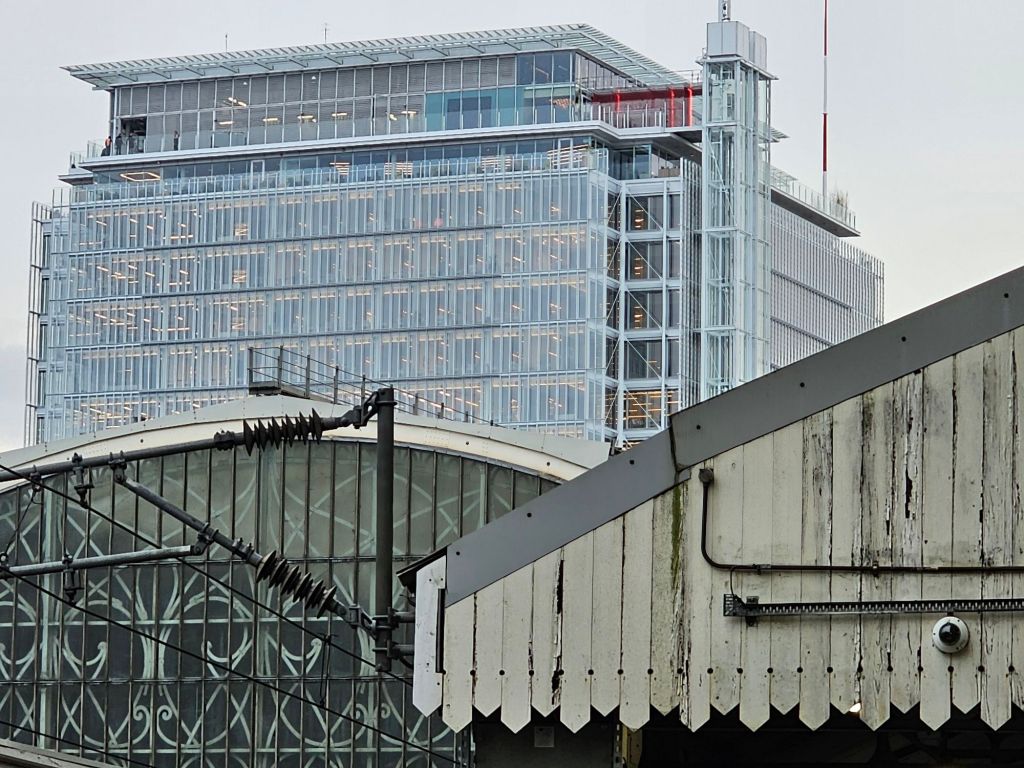
Some time ago, but I have been unable to find it, I was struck by my first sighting of Renzo Piano’s Cube building, glimpsed in the distance beyond the railway tracks from Bishop’s Bridge Road.

Today, I was given a guided tour.

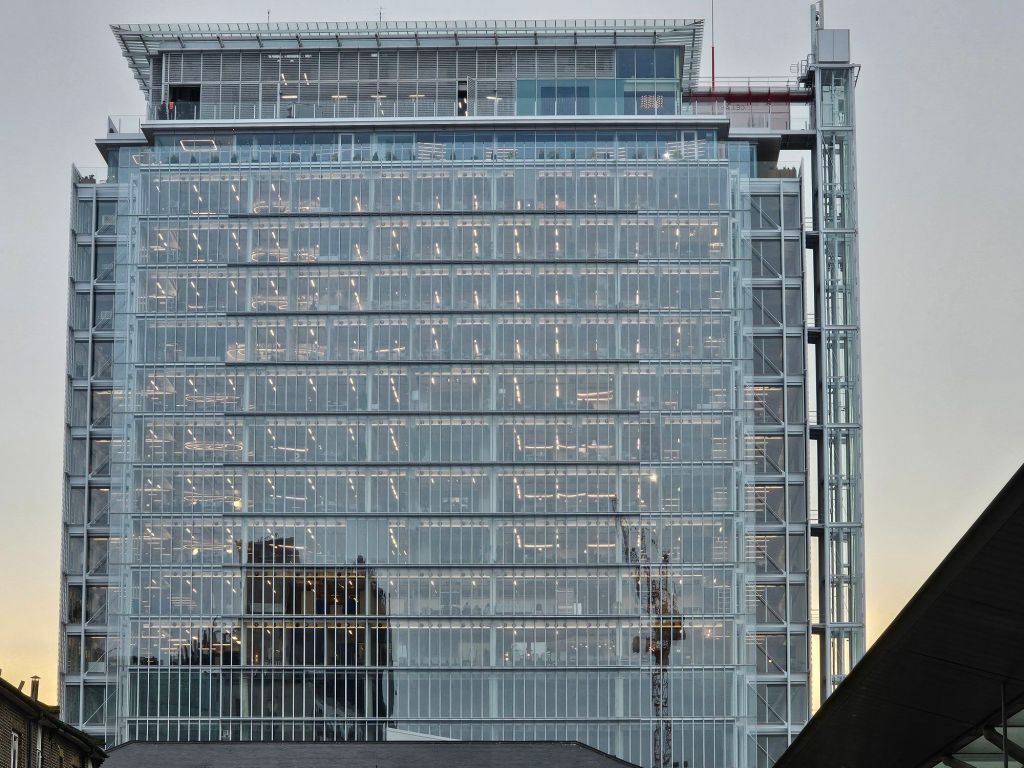
I find it interesting that Piano is perfectly able to design an office block of great elegance and finesse.  What is it about it that gives it a sense of quality ?  Good proportions, of course.  A faint sense of a 1930s liner.  If only there were more like it:-

You get a good view:-

Standard

Architecture 2025

I was asked last week to a party in Camden organised by Vicky Richardson and Tim Abrahams in which Tim did a podcast of what people thought of architecture in 2025.

I had the utmost pleasure looking back on what I have seen during 2025 in order to talk about it with Tim.

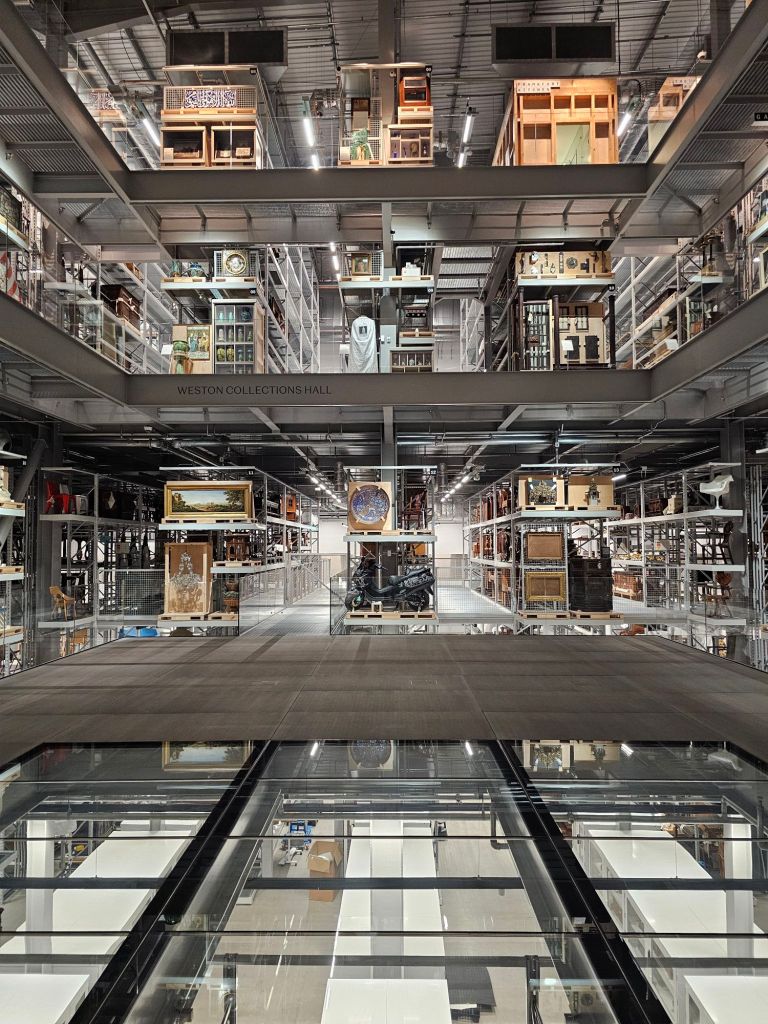
Top of what I have seen is the new V&A East Storehouse which was what I talked about on the podcast, now available on Spotify:-

https://open.spotify.com/episode/67pPYHHDqkYWDDX68VMrLx?si=5eb1048058e749ed

I think is a remarkable achievement – a reinvention of the traditional idea of the museum with a strong democratic dimension:-

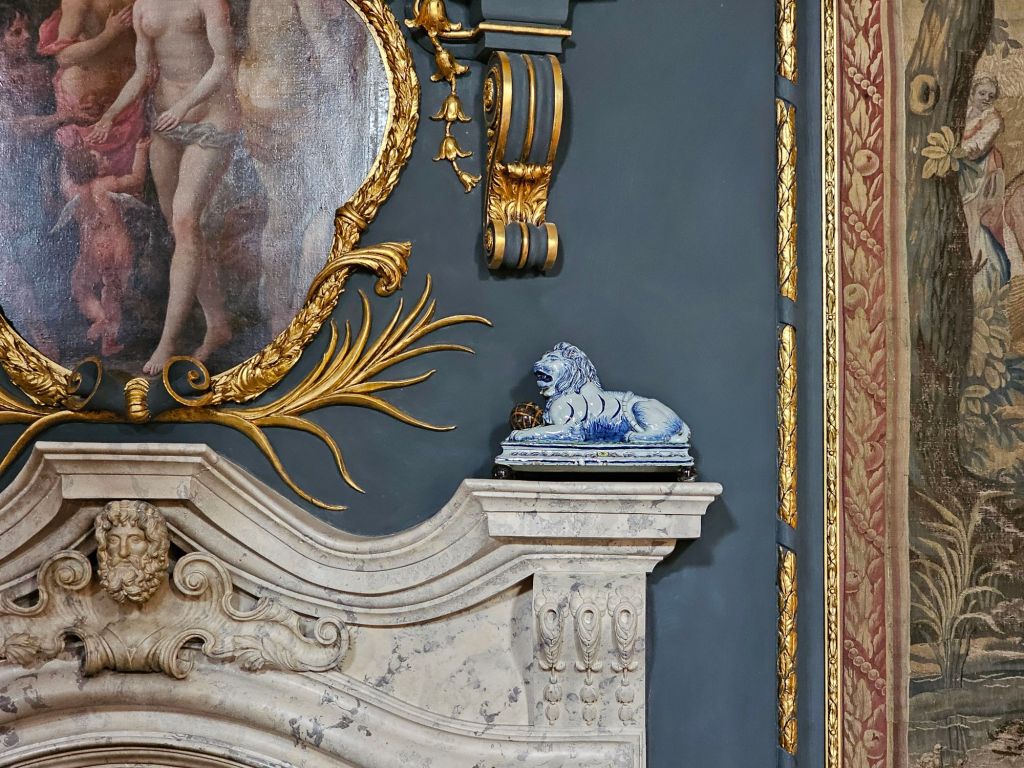
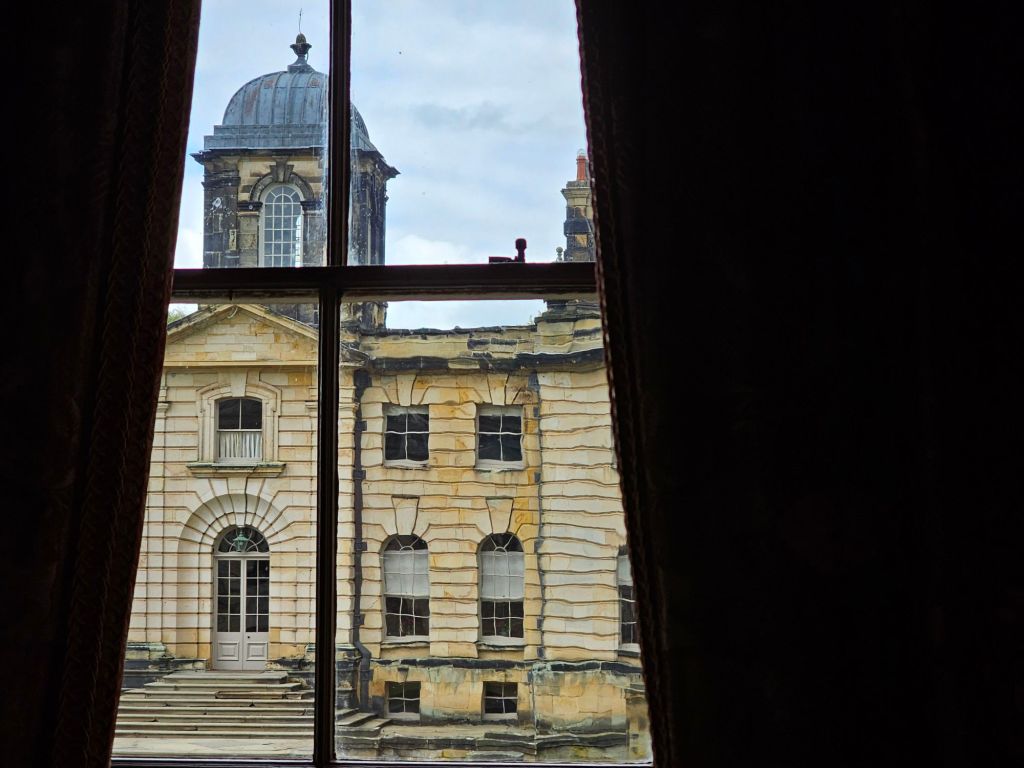
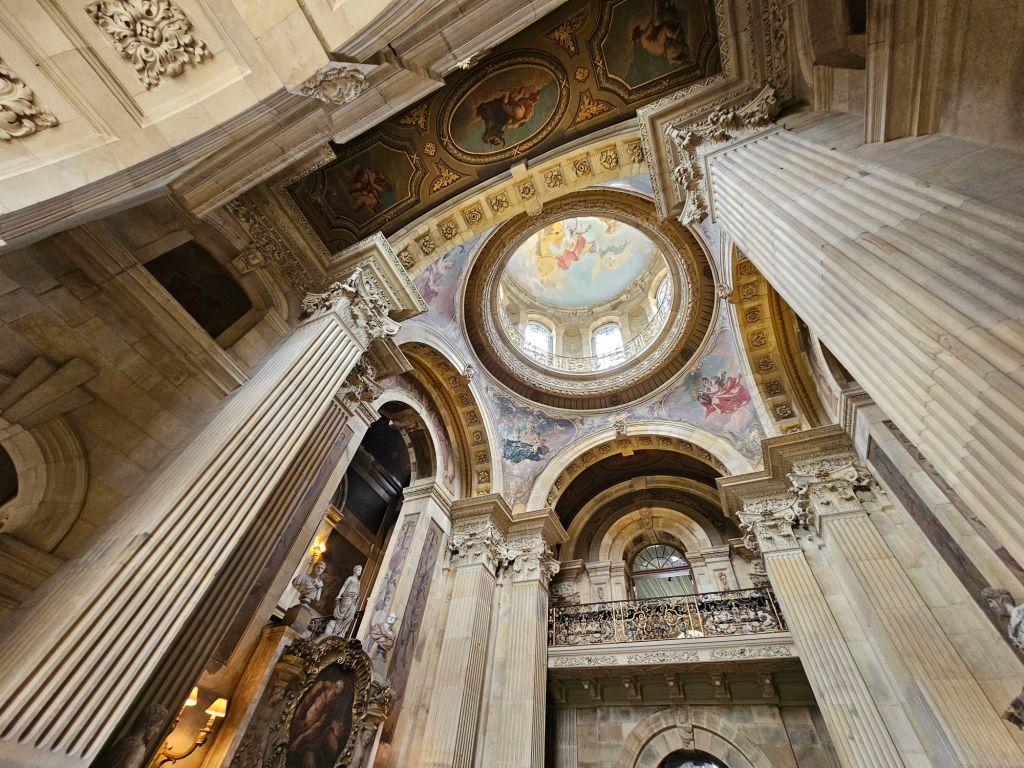
I was also very admiring of the reinvention of Castle Howard – not just the opening of the Tapestry Drawing Room, which was a mere shell the last time I had seen it, but also the interiors in the west wing refurbished by Remy Renzullo:-

We had a memorable visit to the Cripps Building in St. John’s College, Cambridge:-

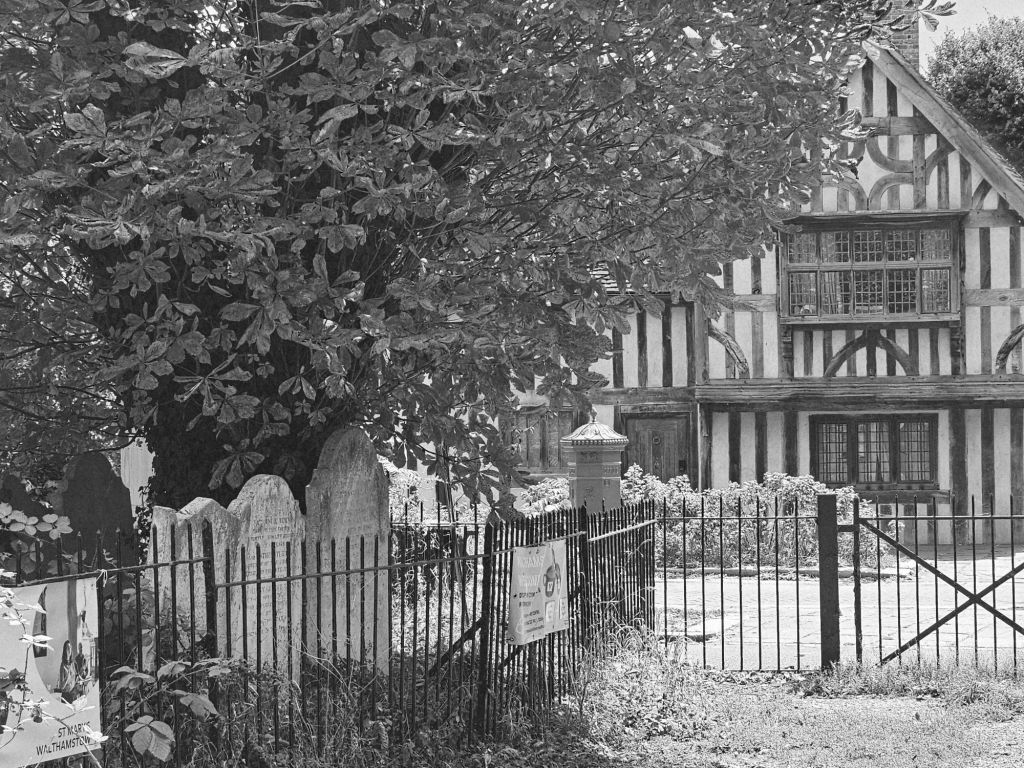
And to Walthamstow:-

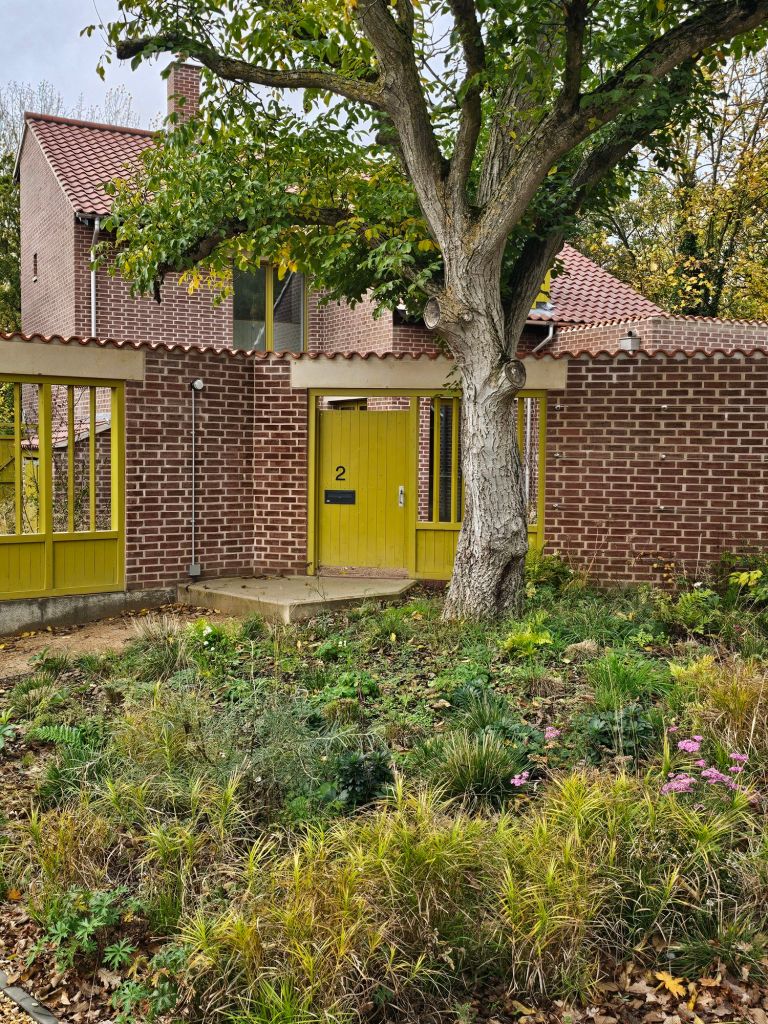
More recently, I saw the new development by Sergisson Bates in Felsted, new architecture which is thoughtful within the arts-and-crafts tradition:-

But, my time has been devoted as much to Vanbrugh as new architecture:-

Standard

Frank Gehry (1929-2025)

It is hard to think of anyone more significant in international architectural practice than Frank Gehry who died yesterday.

In his memory, I have looked up what I wrote about the early gestation of the Guggenheim, Bilbao for my book, The Art Museum in Modern Times. Here it is (at least, this is the version I wrote before it was edited):-

The Guggenheim Bilbao emerged from a set of loose sketches by Gehry done back in his hotel bedroom after visiting the site on 7 July 1991, which were then worked up into a model so that he could ‘carve it in my head’ and then developed further through multiple sketches, based on his memory of the form of his previous projects and on the ways in which a building might replicate the movement of a fish or a boat sailing in the wind.[1]   Gehry’s fluent conceptual drawings were then interpreted by his office on their new CATIA (Computer Aided Three-dimensional Interactive Application) programme, which had been developed for the design of aeroplane wings.   The final result, which evolved and was refined during 1992 and 1993, was the product of three people who worked well together and shared intellectual and creative ambitions.

          The first was Gehry himself.   He had had a long apprenticeship, experimenting with ideas, falling out with clients, using new materials, regarding himself as much as a sculptor as an architect, shaping forms and using materials much more casually and arbitrarily than would be normal for an architect, treating architecture as a product of free invention, much influenced by his friendships with artists not just in the local Los Angeles community, but including Jasper Johns and Robert Rauschenberg in New York as well.   By the time he came to design the Guggenheim Bilbao, he was in his early sixties;  he had won the Pritzker Prize in 1989, which had given him the confidence to be viewed as a member of the international architectural establishment;  in November 1989, he had been appointed as architect for the Walt Disney Concert Hall in Los Angeles;  and, as a result of winning the Disney Hall commission, he had had to enlarge and professionalise his office, appointing two partners, Jim Glymph and Randy Jefferson.   The Guggenheim Bilbao was, by the standards of the Concert Hall, a much simpler project;  and he was able to use all the experience of the difficulties of the Concert Hall to produce a very pure, free-standing, relatively economical project for Bilbao, a distillation of his belief in the value of free-form design.  

          The second key figure was Krens, who was, like Gehry, a left-field figure, trained not as an art historian, like most directors of art museums, but as an artist.   He was in his early forties, very ambitious, and more than happy to do things differently from his peers.   After Gehry had won the commission, Krens wrote a long letter outlining in detail the various concerns of the committee and from that point onwards, he flew to Los Angeles twice a month to work with Gehry on the details of the design.   It was Krens who insisted that there were six relatively conventional, rectilinear gallery spaces which Gehry’s team called the ‘stodgy’ galleries, but which allowed the building to be used for the display of art.[2]

          The third key figure was Ignacio Vidarte, the head of the authority which was created to be responsible for the building’s delivery and who shared a belief in its symbolic significance — for the city, as a symbol of its revival after a long period of industrial decline (the building of the museum coincided with a number of other major capital projects) and as a way to attract foreign visitors, and for Basque culture more widely, giving confidence to the region.   He became the first Director of the Museum and was later appointed as Krens’s Deputy Director of Global Strategies.  

          The Guggenheim Museum represented a paradigm shift in the way that people think about museums.   It has been successful not so much for its contents — no-one thinks of it in terms of its collection, although it has been very successful in its temporary exhibitions — but, instead, as a great and grandiose civic monument, attracting visitors by its adventurous architectural form, shimmering under its titanium skin.   Some parts of the inside are visually exciting as well, including the grand entrance atrium and a huge gallery containing a Richard Serra sculpture.   But what is most exciting is the view of the building from outside as a feature in the surrounding city.


[1] The design process is described in detail in Coosje Van Bruggen, Frank O Gehry: Guggenheim Museum (New York: Guggenheim Museum, 1997), pp.31-94.

[2] Van Bruggen, p.112.
Standard