There’s a lot going on what with the book, the exhibition opening on Tuesday, the book being launched in the US on Tuesday as well and a plethora of events planned for Vanbrugh 300.
I have been asked key questions about why Vanbrugh might be interesting/important to an American audience by Jarrett Fuller who has an American podcast:-
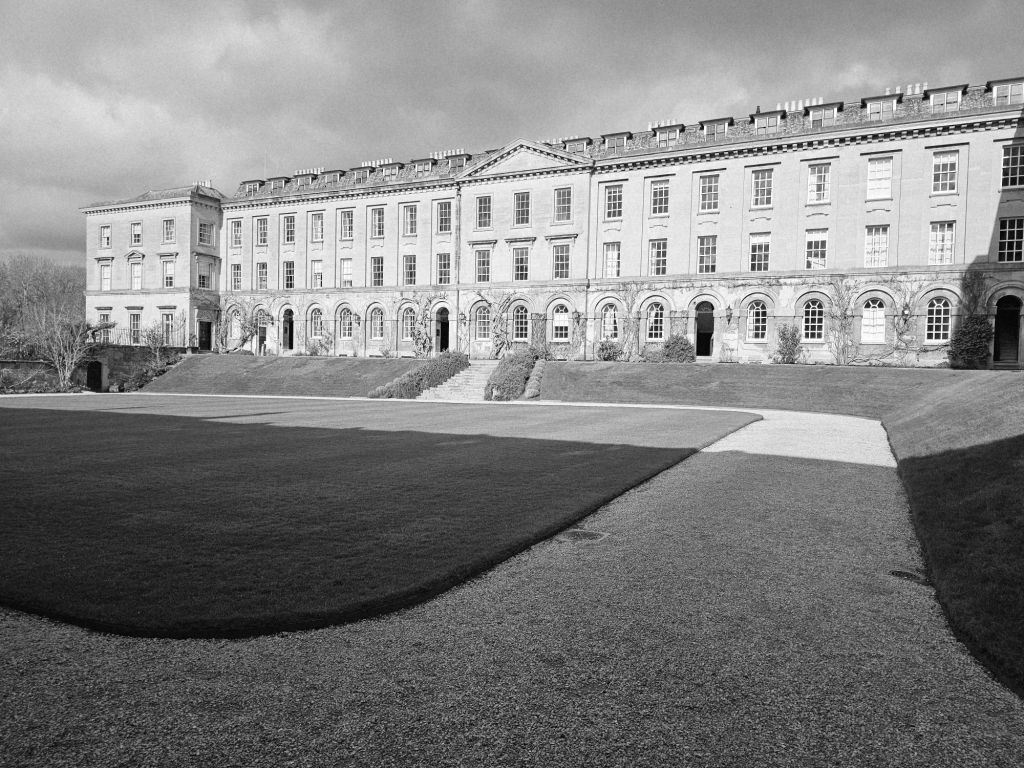
I have always loved Worcester College, but like all Oxbridge colleges, particularly during term-time, it’s hard to explore.
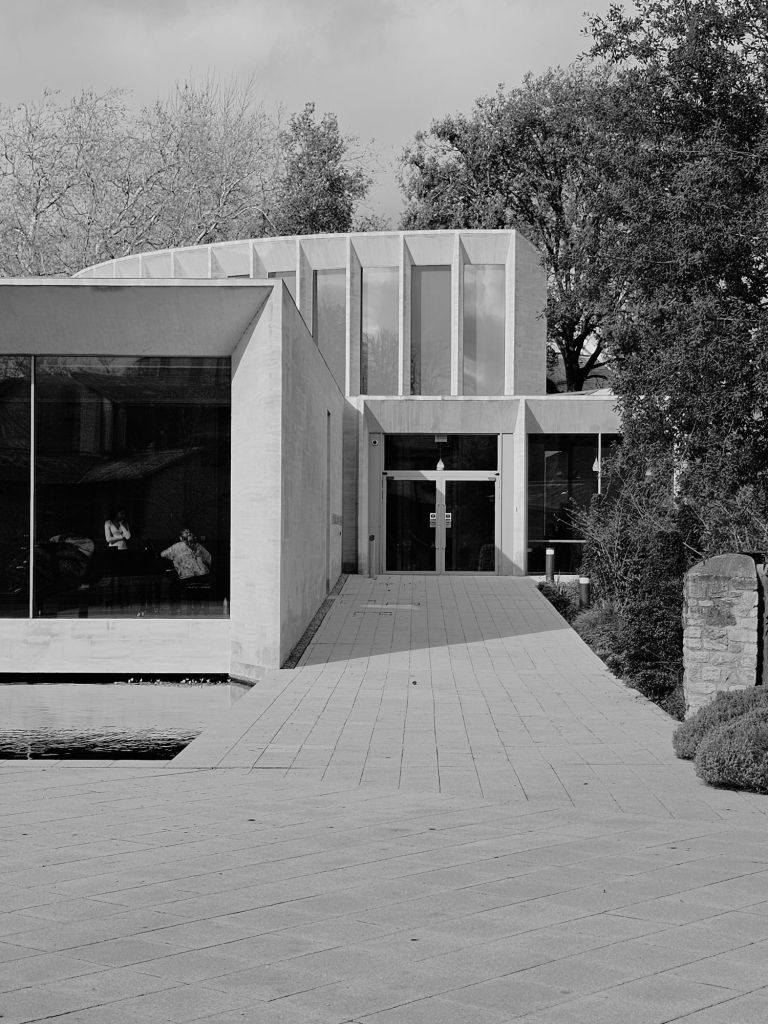
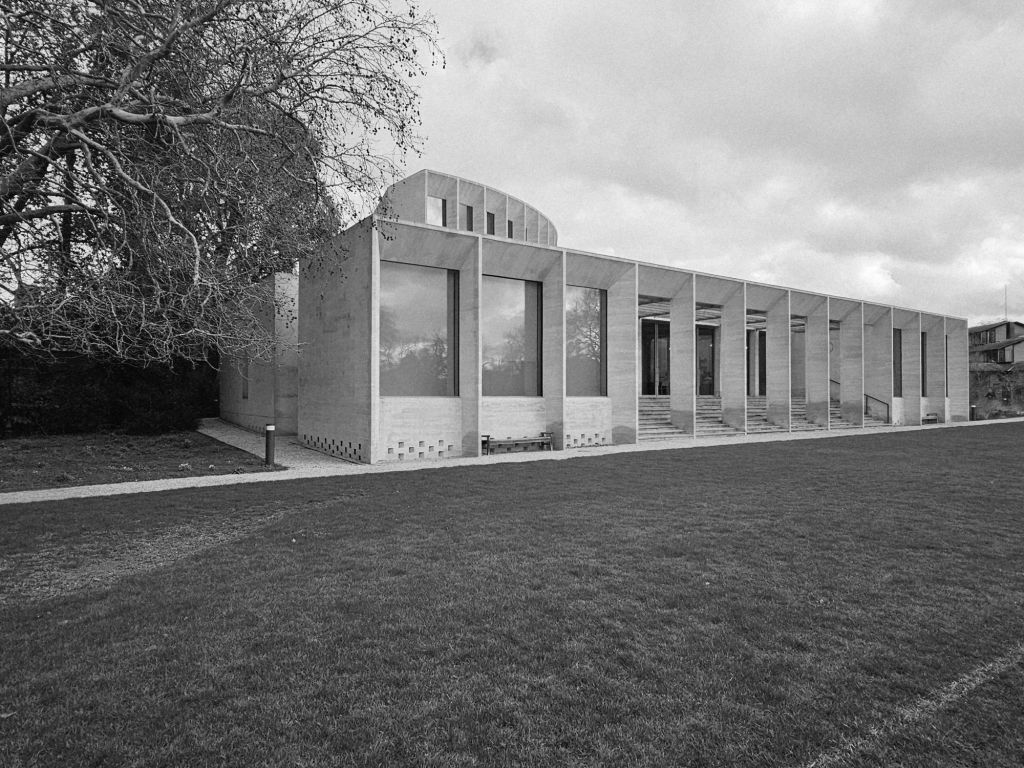
So, I had arranged an escorted visit to see the Sultan Nazrin Shah building, designed by Níall McLaughlin, the winner of this year’s Royal Gold Medal.
This is the terrace on the north side of the Front Quad, assumed to have been designed by George Clarke, a Fellow of All Souls who left his collection of books and drawings to Worcester College:-
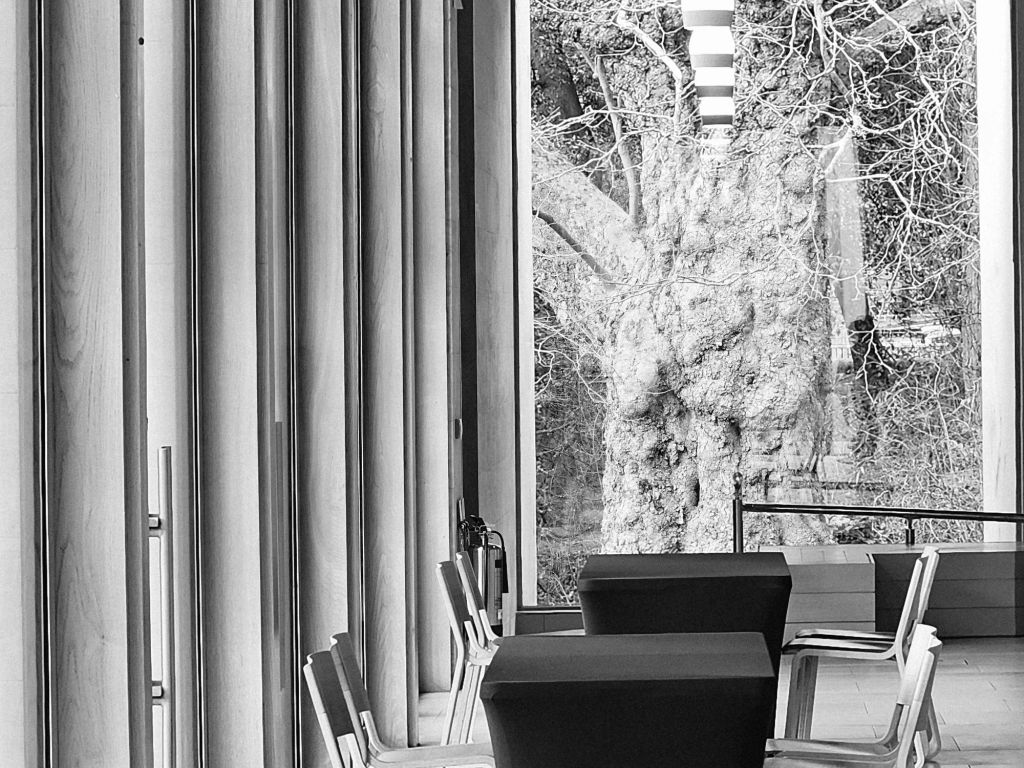
The Sultan Nazrin Shah building is impressive, helped by the beauty of its location and the amazing, impeccable quality of its stonework which gives it a very pure, abstract, geometric character.
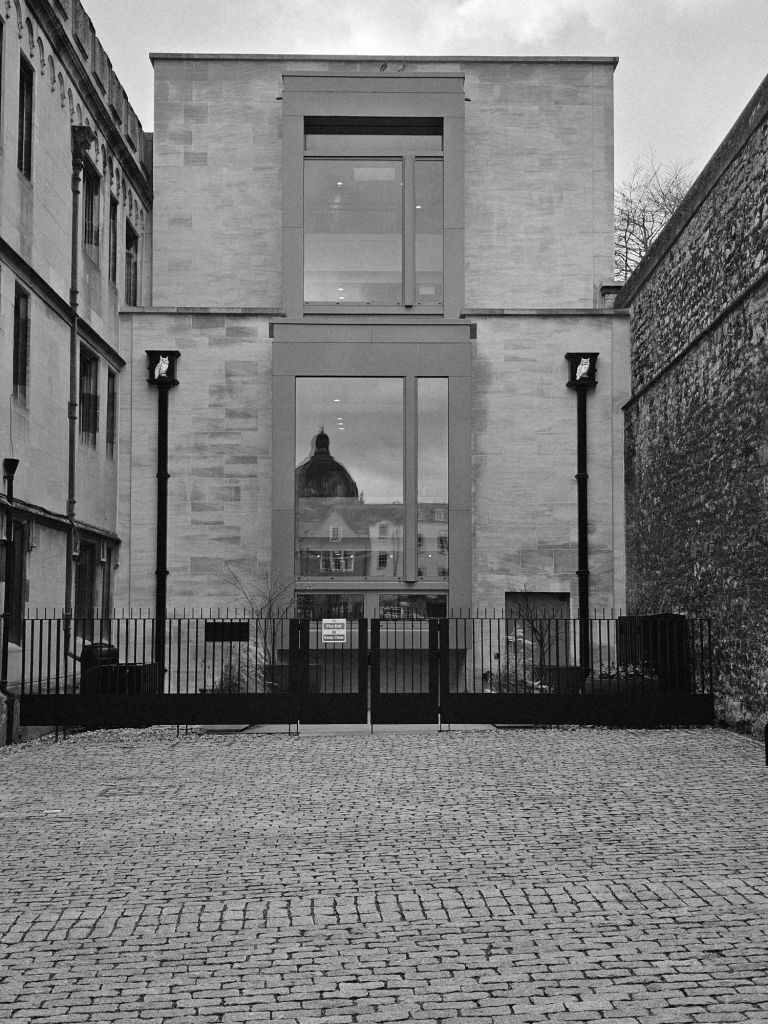
In Oxford for the Howard Colvin Lecture, I thought I would try and see the new Spencer Building, designed by Wright and Wright, which has just received an RIBA South Award.
It has been fitted into a small space alongside the existing 16th. Century Old Library and the boundary with Christ Church, not an easy task, but compensating by a generosity of outlook and big windows as seen from the street.
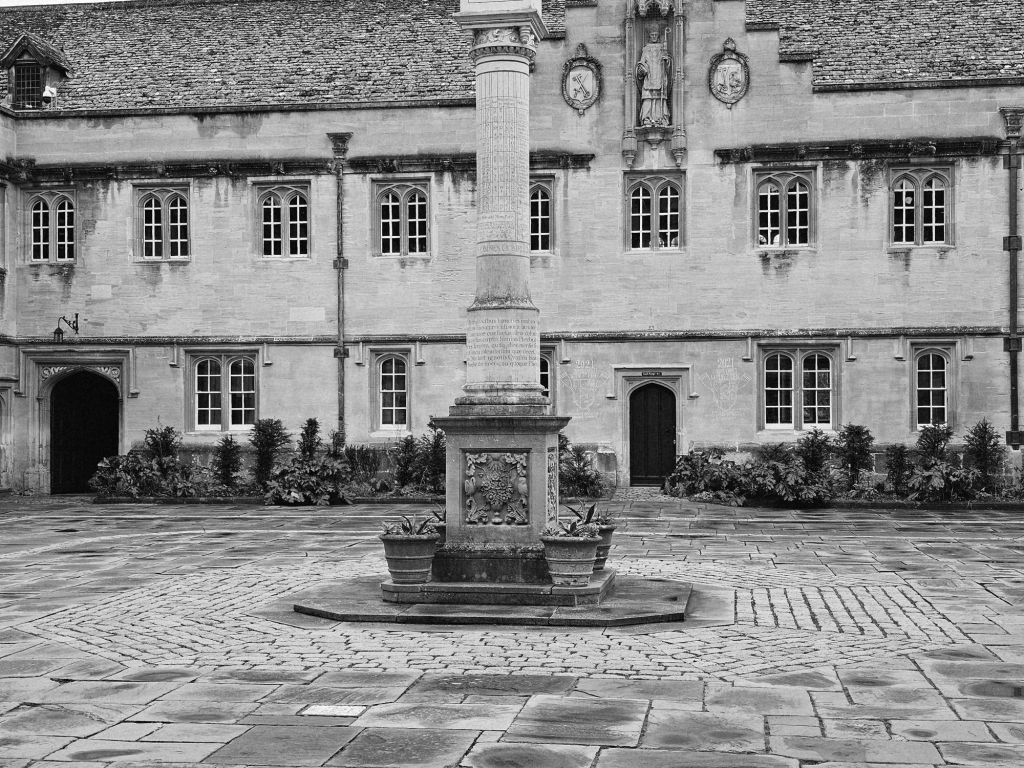
The front quad is still essentially medieval:-
This is the view of the Spencer Building from the street:-
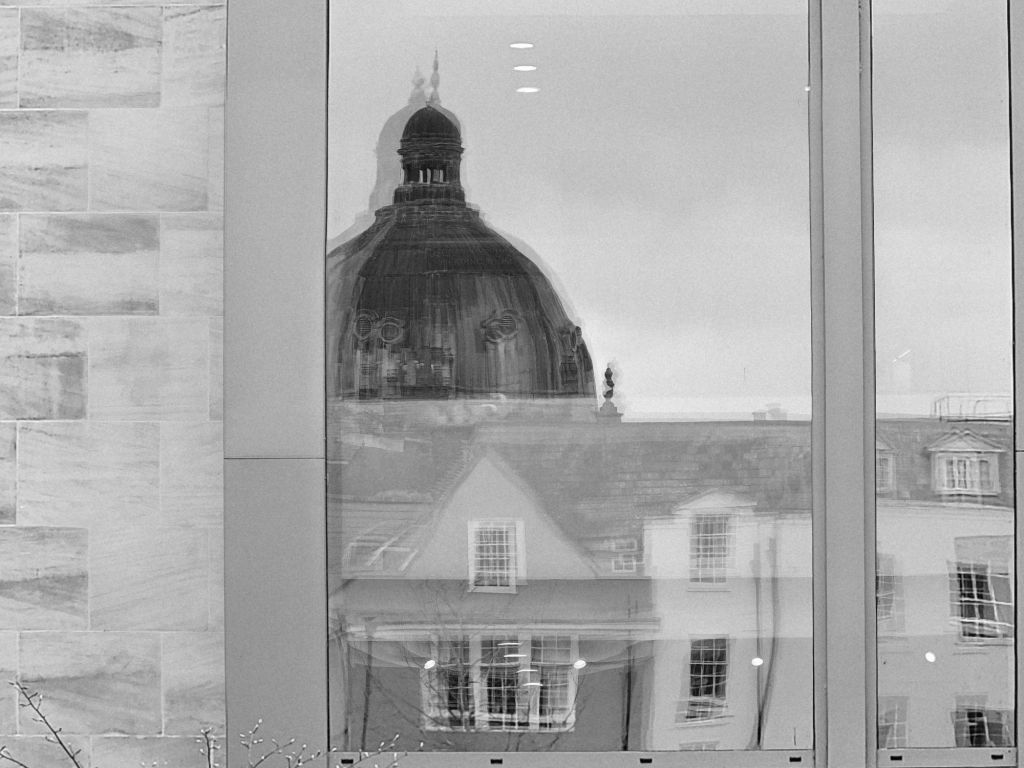
Nice reflections of the Radcliffe Camera in the distance:-
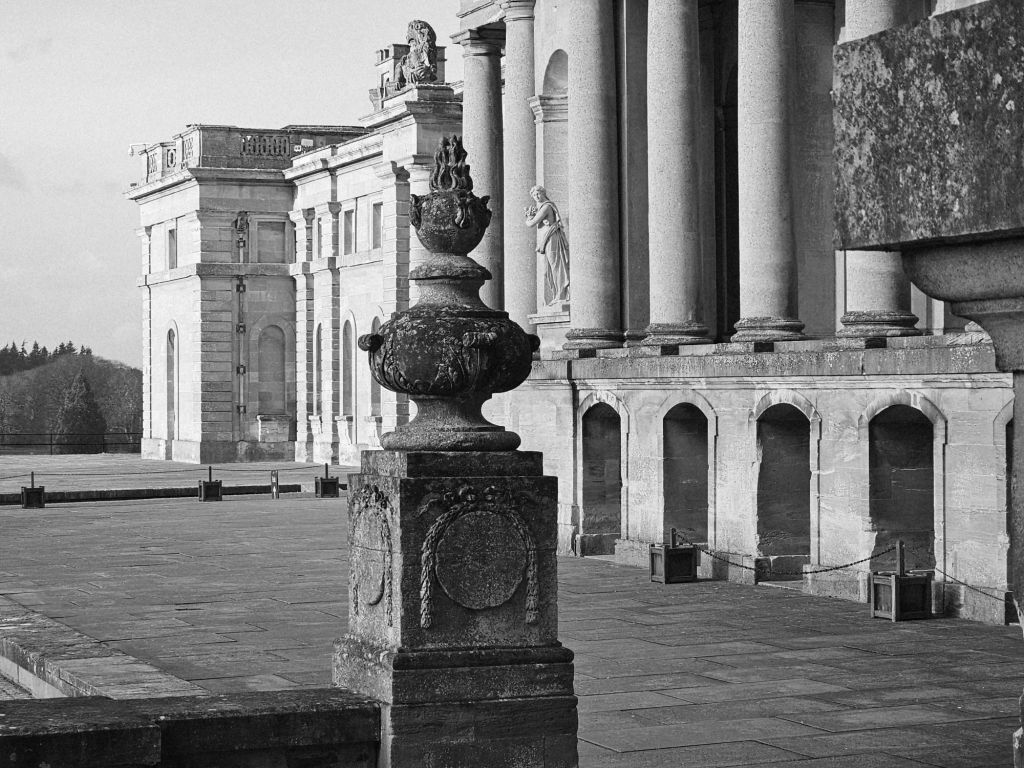
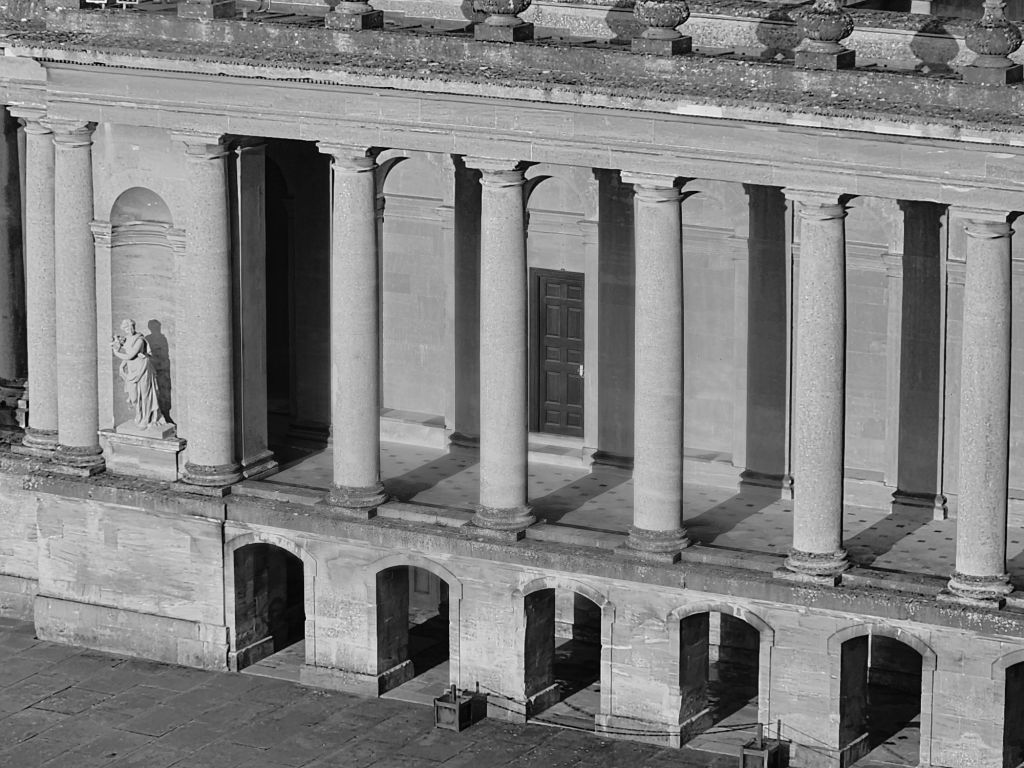
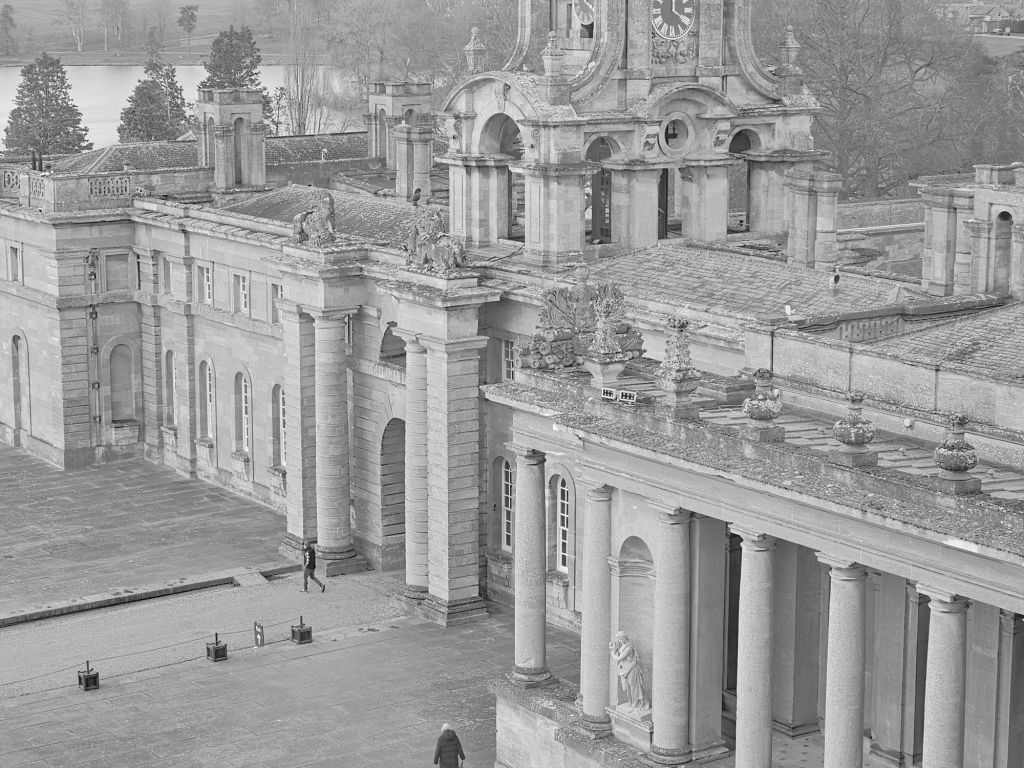
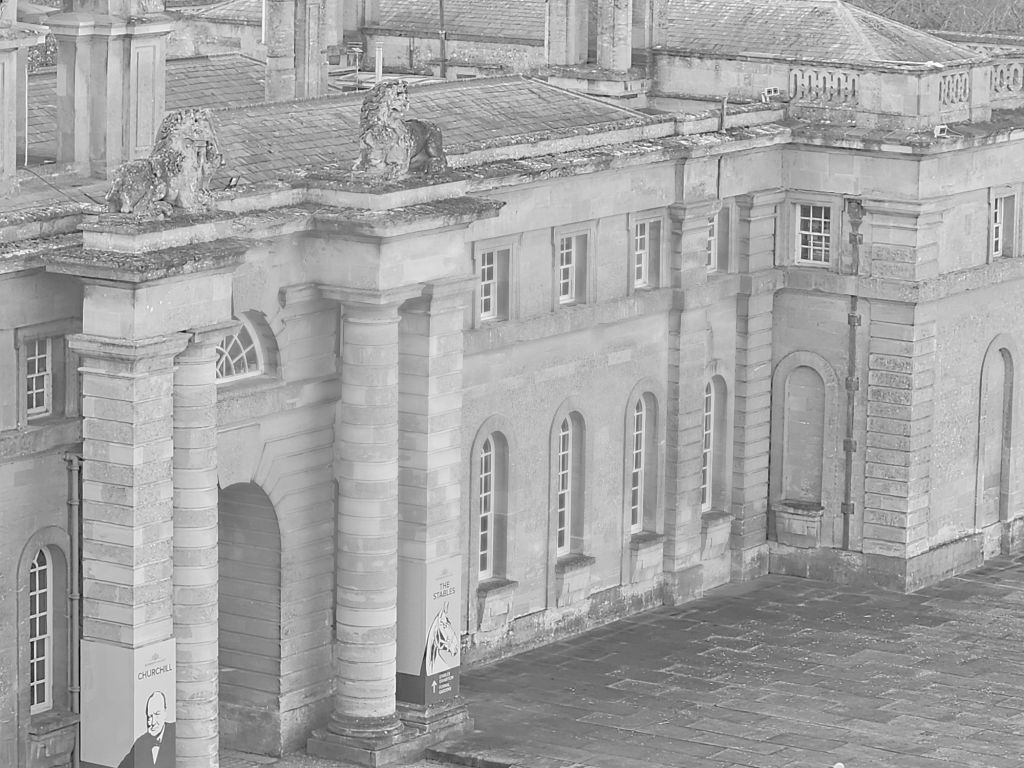
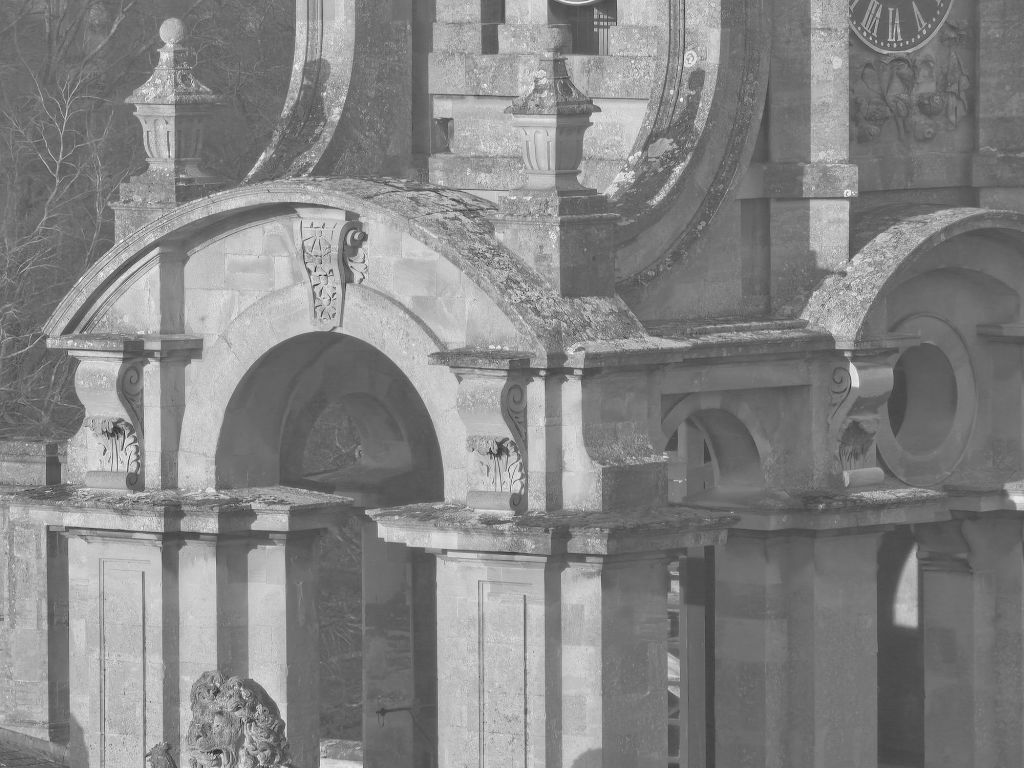
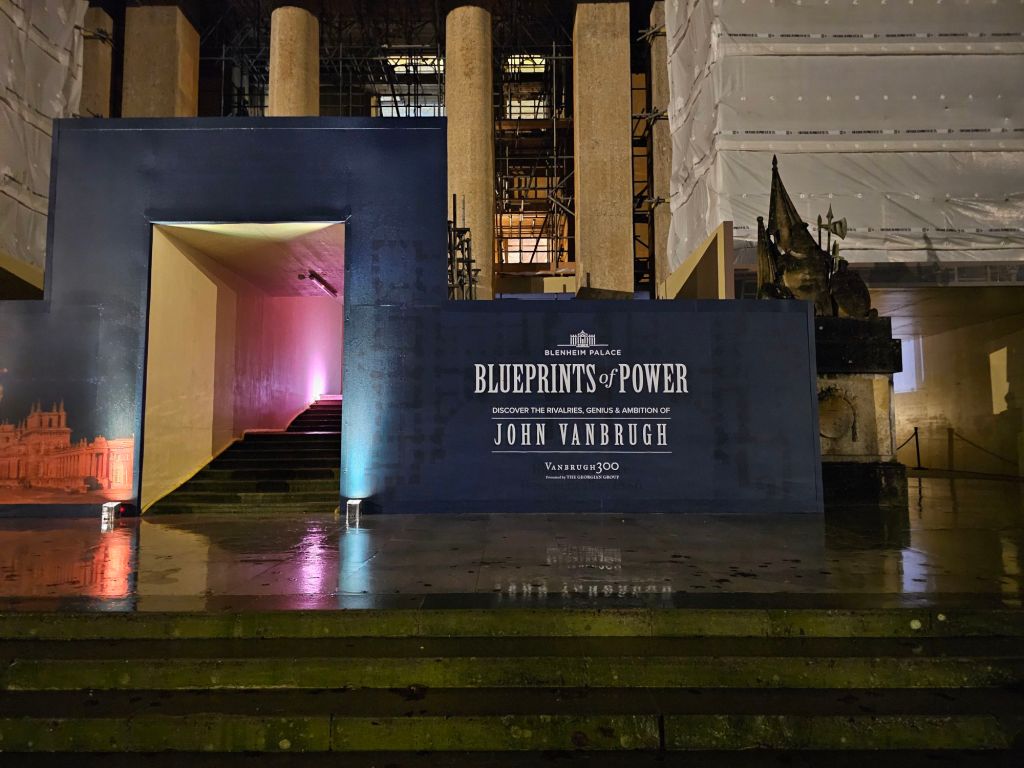
We were driving past Blenheim so went to have a second look at their exhibition Blueprints of Power, not least because I had not registered that you can go up onto/into the roof, which is quite an experience. You look down on the wings from above:-
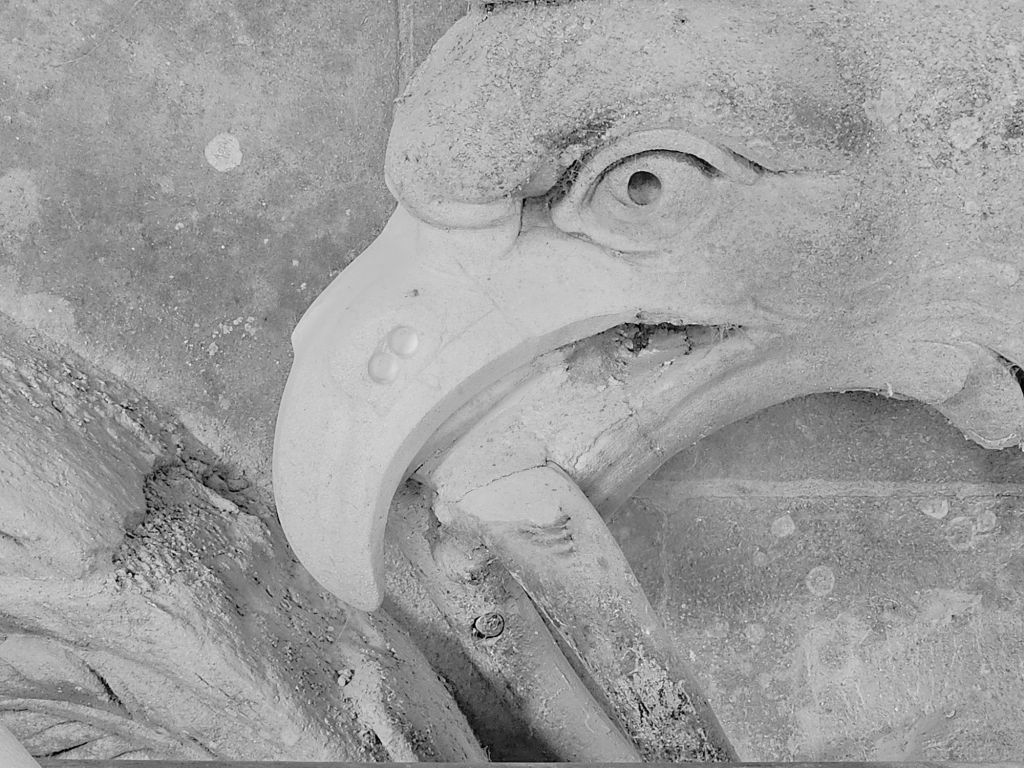
And you see the sculpture in the pediment close-up:-
We went to a small display about the Chinese Community in Limehouse which is in preparation for a larger display due to be held in St. Anne’s, Limehouse, opening on March 20th. (Fridays and Saturdays 10-4).
Nearly the first identifiable Chinese immigrant was Tan-Che-Qua, an artist who made a living making small ceramic stauettes before returning to China in March 1771.
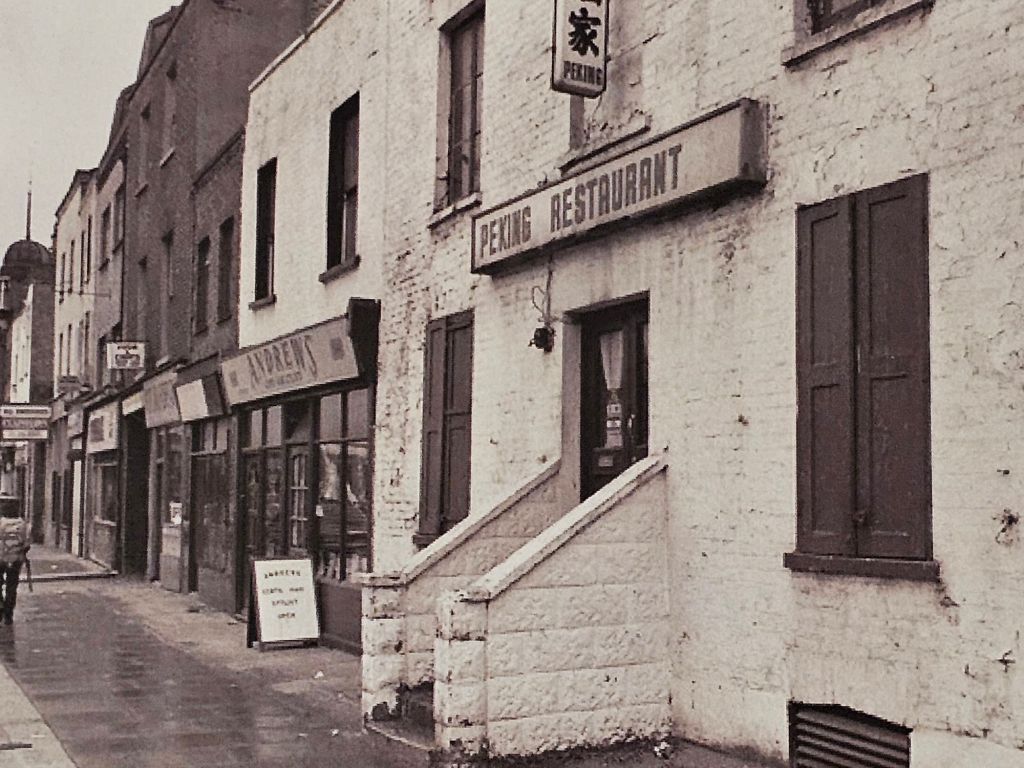
In the 1950s there was apparently still a substantial Chinese community in Limehouse, based round the Chinese laundries and the restaurants, including Good Friends which opened in 1962 and was in the Good Food Guide and – the one we liked – the Peking, which was like entering old Shanghai.
I was particularly pleased to see a photograph of The Peking which was on West India Dock Road till the late 1980s when it was demolished with the advance of Canary Wharf:-
The curator of the exhibition wants to make contact with anyone who has information or memories of Chinese Limehouse.
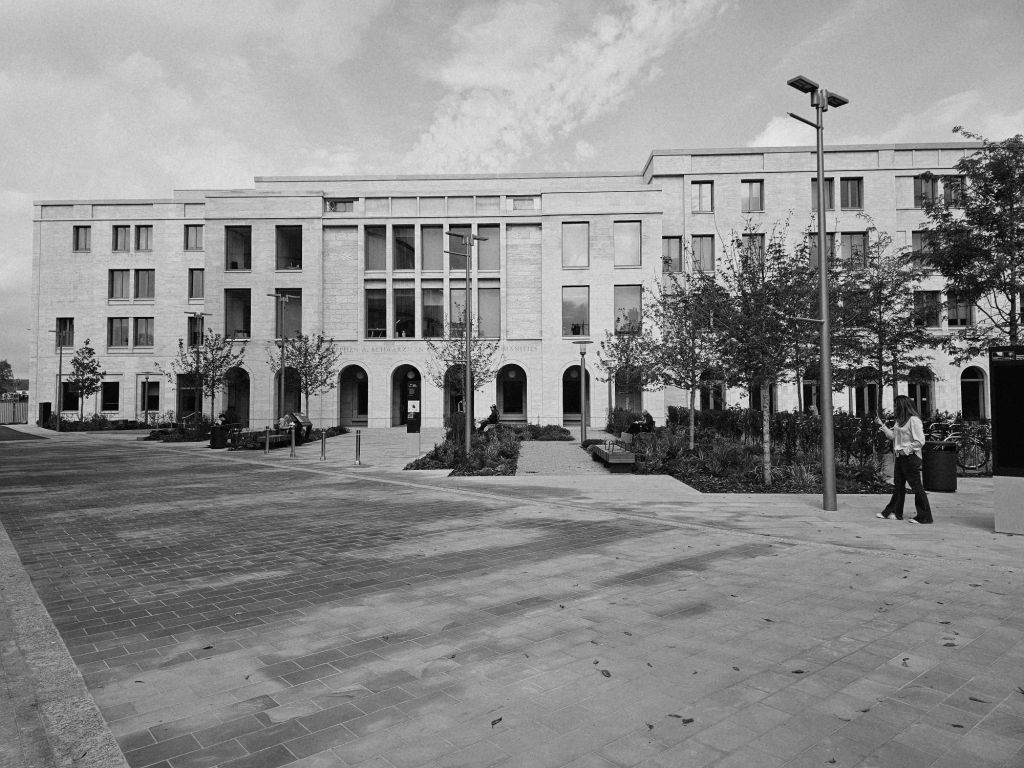
I visited the Schwarzman Centre only three days after it opened and was impressed by its scale, its ambition, its astonishing spaces for music in its basement – and the fact that it had already been colonised so quickly. But everyone I have spoken to has corroborated that its effect on central Oxford may be less welcome:-
Some time ago I was kindly given a copy of András Szántó’s latest volume of dialogues on aspects of the art world: first, during COVID, with museum directors; then with museum architects; now broadening the discussion to the wider institutions and sociology of the art world. But for some reason, it has sat on my pile (a large pile) of books to read.
Tonight, I used it as preparation for a transatlantic discussion about museums (the differences between American and European museums) and I was struck by a fascinating comment in Szántó’s introduction:
What if the art world, struggling to attract tomorrow’s audiences, were to follow in the footsteps of symphonic music, ballet, and jazz, withdrawing into an amber grotto of splendid obscurity ?
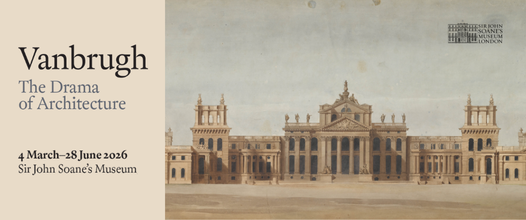
I know that you will think I have become a monomaniac (I have) but this is a gentle reminder that the Vanbrugh exhibition at the Soane Museum is coming up soon and is in the process of being installed.
It’s very exciting. Huge gratitude to Will Gompertz and everyone at the Soane Museum for taking it on when the idea of doing it was only a gleam in the eye and for all their work organising it, installing it and arranging all the loans. And to Roz Barr, co-curator, who got me to look at, and think about, Vanbrugh’s drawings in a new way. And, of course, to all the donors and sponsors who are funding it.
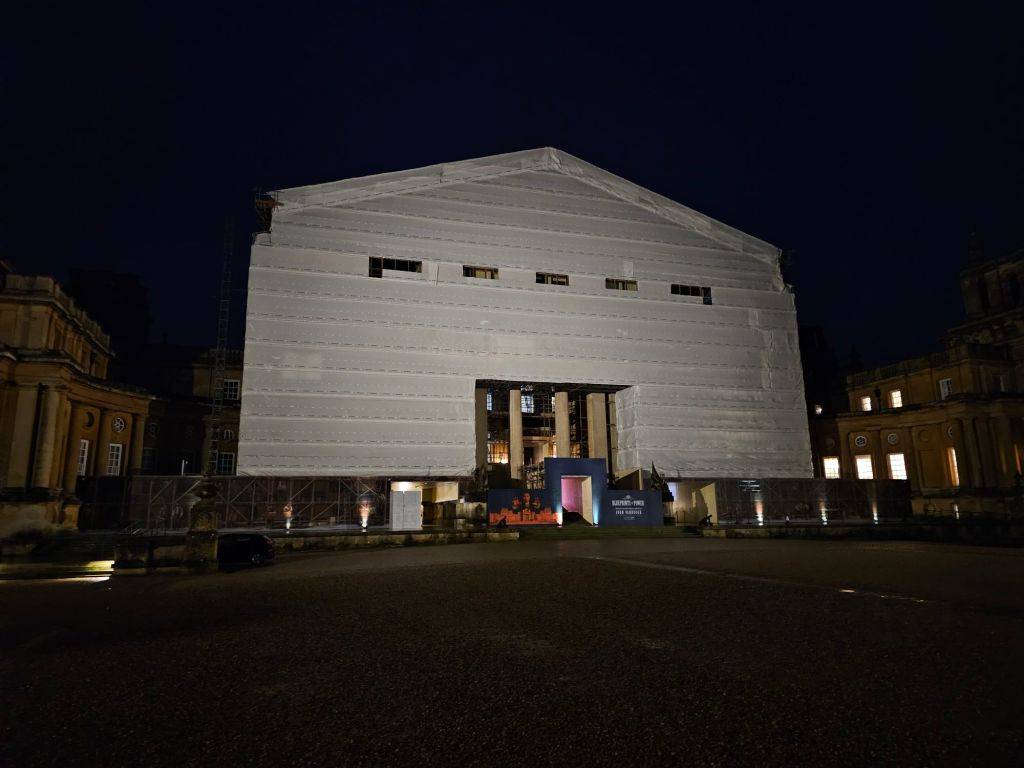
Blenheim Palace has done Vanbrugh proud with an interactive exhibition of all aspects of his life, but particularly the problems with the construction of Blenheim and information about the building technologies and craftsmen involved.
It is maybe oddly helped by the fact that the roof of Blenheim is being reconstructed:-
In the entrance hall, you get to meet Vanbrugh:-
Then, you are able to tour through the private apartments. And there are brilliant animatronics based on the vitriolic letters between Vanbrugh and the Duchess of Marlborough.


 | Charles | Saumarez | Smith |
You must be logged in to post a comment.