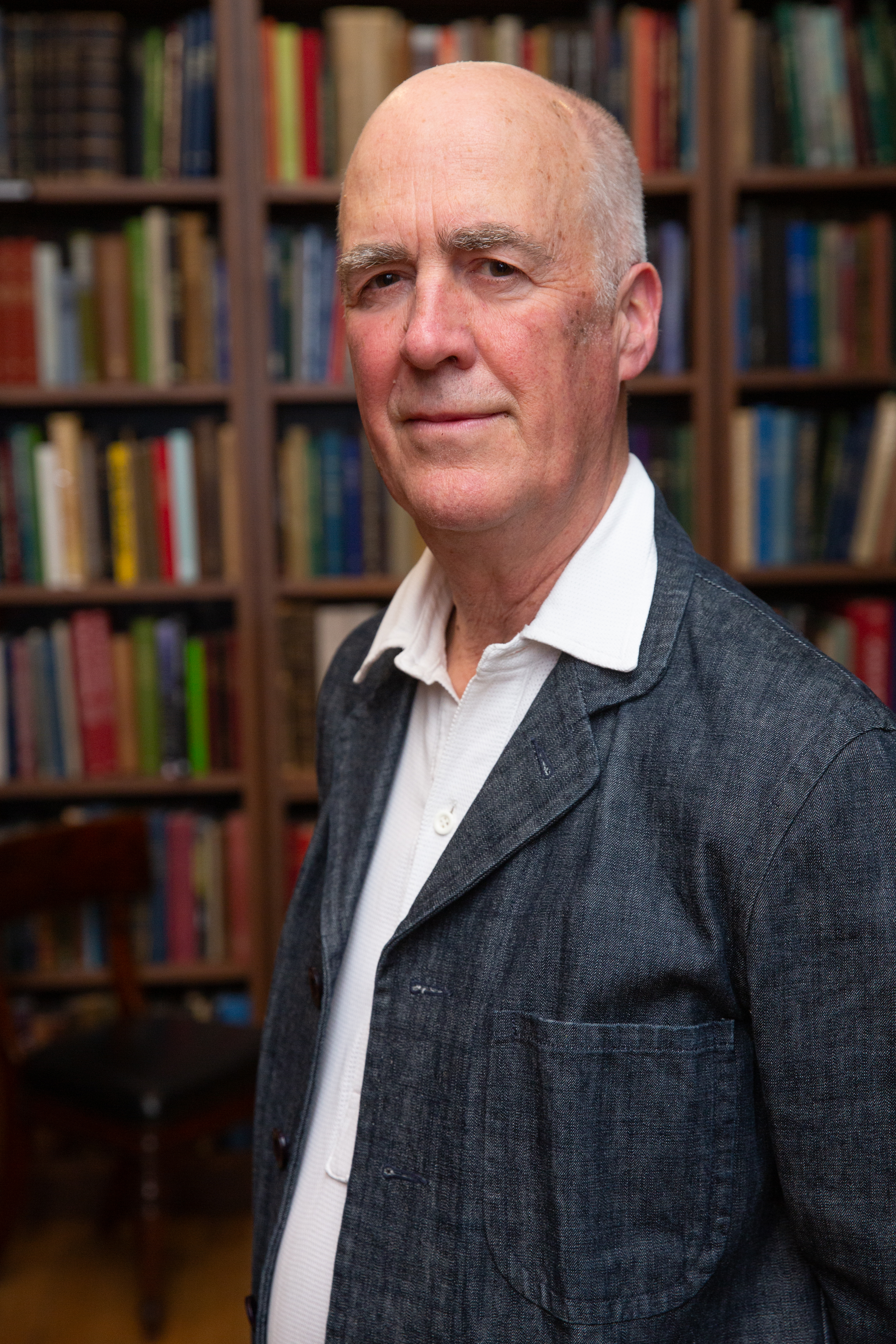
I’m sad not to be able to visit the exhibition of Women Refugee Photographers, which would be at the Four Corners Gallery, close to us on the Roman Road, if it was able to open (I did try to go just before lockdown). Now that the exhibition is available online, I’m fascinated that one of the photographers is Heidi Heimann who used to turn up for lunches in the Warburg Institute in the 1970s and who I now realise had not only worked there, but had been a student of Panofsky in the early 1930s, trained as a photographer in Berlin, and was a photojournalist for Picture Post before joining the staff of the Warburg in 1954. How little one knows of one’s elders. I only remember her as rather shy and silent.
Author Archives: Charles Saumarez Smith
This month’s Apollo
I don’t know quite why I found the arrival of this month’s Apollo so odd. It’s partly the normality of it, that it has arrived as usual, but then it’s so thin. It took me a moment to realise that it has plenty of content, but almost no advertising: no art fairs, no Bond Street galleries opening new exhibitions, fewer art publications, no jobs. Then, the content is a funny mixture: half business as usual, Timothy Brittain-Catlin on recent follies, including a spectacular photograph of Charlotte Skene-Catling’s wonderful Flint House, built on the estate at Waddesdon; Susan Moore on the TEFAF where lots of people got infected. But there is a mournful account of the Museum of Fine Arts in Boston, unable, like the Met, to celebrate its 150th anniversary, with its curators all at home, and only the security guards allowed in. It’s the mixture of normality and exceptionality which I found moving.
An Outing
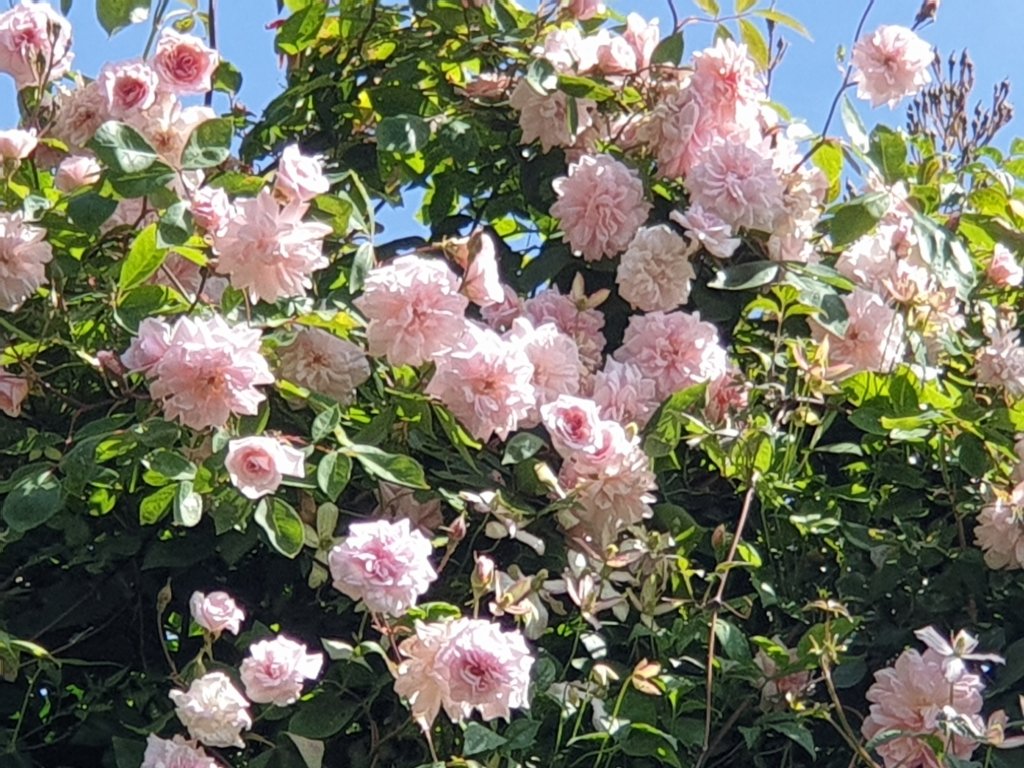
We had our first outing today after three weeks of total lockdown in London, not even going out for our permissible daily exercise. The world has turned green in the intervening four weeks or so, the tulips have come and gone, and I can’t help but notice that there is nearly as much traffic on the Mile End Road as in ordinary times. Actually, there is more solace in the garden:-



Gowns for the NHS (5)
Readers of my blog will know already of my support for Bella Gonshorovitz’s valiant project to single-handedly – actually with the help of friends – make good the British government’s failure to order enough hospital gowns either in advance or during the crisis. Maybe it’s because Dominic Cummings’s friends and relations don’t run the relevant companies.
Fragment from a Masque
I came across the attached poem/performance/celebration by accident on Twitter this morning. I recommend it.
The future of museums
Some of you may have watched the discussion organised by Factum Arte and Art Newspaper. I was very nervous about it, not least because whenever I have done anything on Zoom, it has always said that my internet connection is unstable. And it’s quite hard to chair a group of people onscreen. But I enjoyed it much more than expected, thanks to the quality of the panel, who seemed to have been especially handpicked to be in favour of digital and other forms of replication. Maybe that is the way we’re going. I couldn’t help thinking of my great grandparents who went to buy furniture in Tottenham Court Road because reproduction furniture was so much better quality than Georgian.
Charleston Farmhouse
I am (is this ludicrously narcissistic ?) re-posting my most recent post, of many, about Charleston which I have loved and visited since the early 1980s, first when it was in the process of being restored, and then for many years as a trustee. I have been following its need for emergency funding with the deepest possible anxiety, since it, like so many small organisations, lives close to the brink, without a big endowment and wholly dependent on its income from visitors, its excellent shop and its wonderful Festival, which for every year since 1993 has been one of my highlights in May.
I’m sure Nathaniel Hepburn, its Director, would also want me to add a link to its fund-raising page to which I have just made a too modest contribution (www.charleston.org.uk/charleston-emergency-appeal).
https://charlessaumarezsmith.com/2019/09/15/charleston-farmhouse/
Gowns for the NHS (4)
As readers of my blog will already know, I have been proseletysing for the attached initiative, which is making good the defects of central government ordering and pre-planning by just getting gowns made locally. I suspect it is a model of what should have been done more (eg local testing by labs, encouraging firms to switch to making gowns, not doing it all through systems of centralised bureaucratic control). Anyway, I am so glad it has been such a big success and so grateful for the financial support it has received.
May 1st.
I’ve been looking back, as there is probably a tendency to do, at this stage of the lockdown, at its beginnings. Formal lockdown came on Monday 23rd. March. The two weeks before lockdown are in everyone’s minds as to whether or not the government acted fast enough. I find it interesting to look back at the three weeks before lockdown. Monday 2nd. March was the first time someone refused to shake hands and there was already an awareness of impending difficulties. Monday 9th. March was a dinner at the National Portrait Gallery. We already knew that we were on the decks of the Titanic and Roy Strong had said – in retrospect, very sensibly – that he didn’t feel able to come, but did. Wednesday 11th. March was the opening of Titian: Love, Desire and Death. I didn’t think it was a great idea to go and mingle with a lot of people, which was correct, although I bitterly regret now not having been able to see the exhibition. Wednesday 12th. March, we had lunch at the lovely new restaurant at the Whitechapel Art Gallery. We cancelled a birthday lunch on Sunday 15th. March because everyone by then knew it would be a really bad idea. I was by no means as well informed as a lot of other people who were already self-isolating. They must have been better informed about the progress of the disease in China. I mention this not to be macabre, but only to make the point that many people already knew what were likely to be the problems at the beginning of March. In retrospect – I know it is too easy to be wise after the event – we were all slow to react, including, especially, the government.
Herd Immunity
I am getting increasingly baffled by the suggestion that herd immunity was not the declared policy of the government in March. I thought I would check what I half remembered. A friend in Paris wrote me an email on 17 March, ‘Dear Charles, I hope you are well and safe, and not taken into the UK herd immunity policy’. I knew what he meant as did he: that the UK government was going its own way, independently of the rest of Europe, because it thought it knew better, whatever the consequences in terms of the numbers of deaths. It was maybe a defensible policy at the time. But it’s surely not defensible to now deny it.


You must be logged in to post a comment.