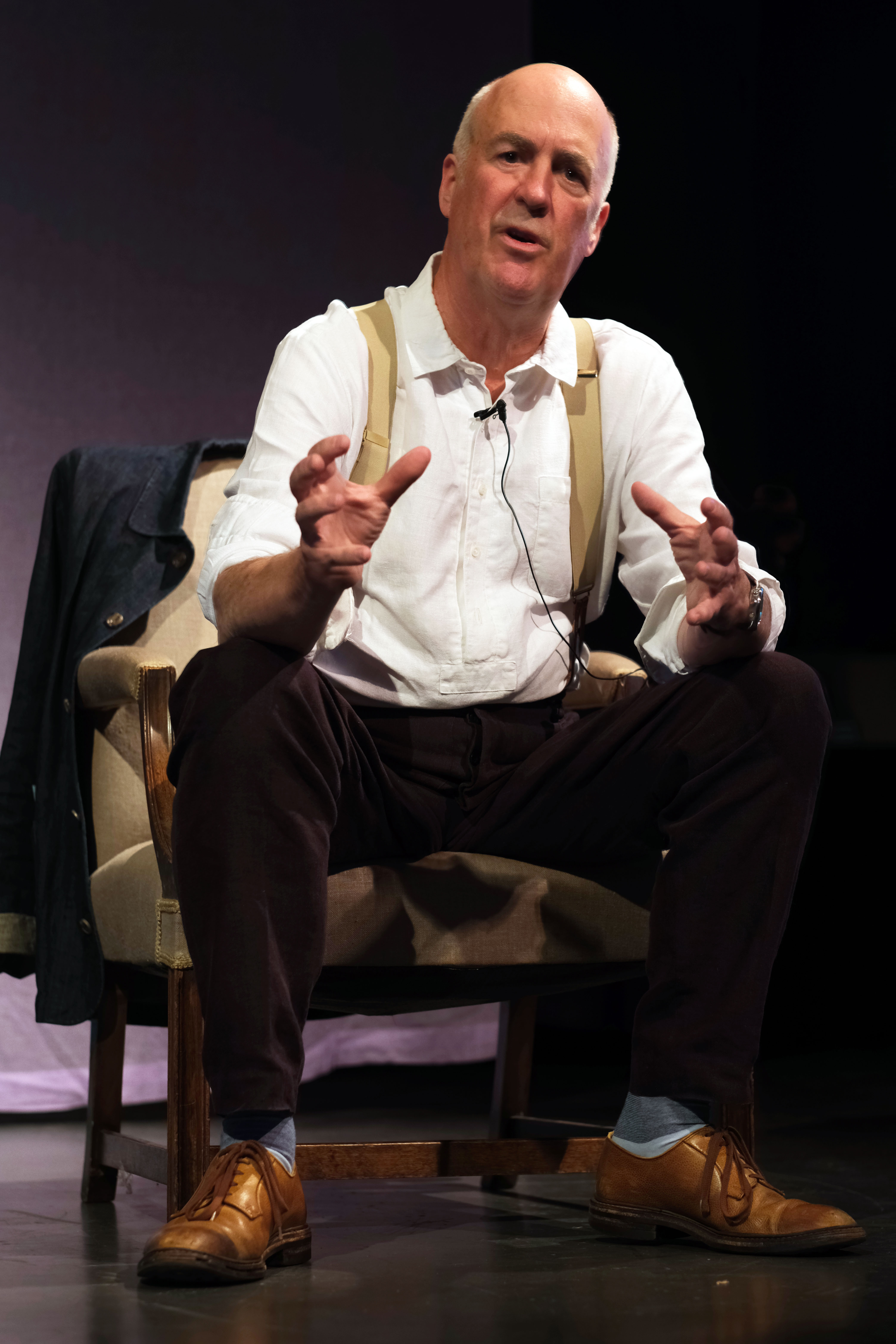
We were tipped off that Walthamstow has an amazing greengrocer-cum-foodstore, which looks as if it has been there for years, but apparently opened quite recently. 25 types of tomato. It’s definitely worth the trip:-
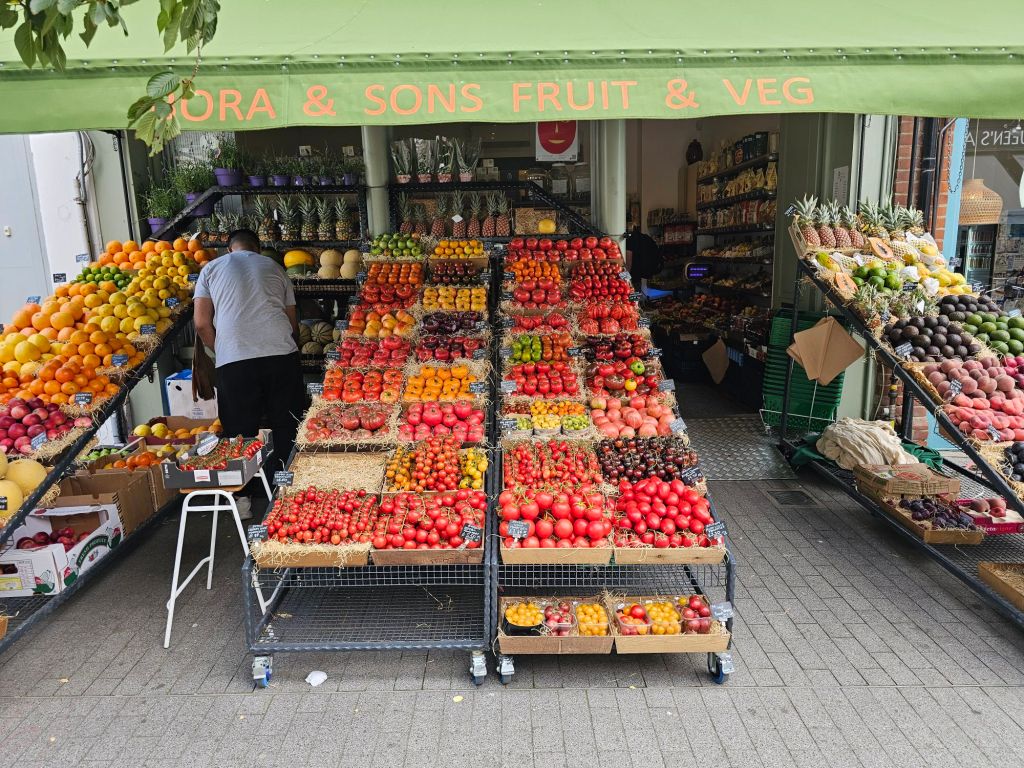


We were tipped off that Walthamstow has an amazing greengrocer-cum-foodstore, which looks as if it has been there for years, but apparently opened quite recently. 25 types of tomato. It’s definitely worth the trip:-
We went on an expedition to St. Mary, Walthamstow which felt unexpectedly rural, definitely not London, a bit of old Essex, surroundings by an overgrown graveyard:-

In the chancel is a very good monument to Sir Thomas and Dame Mary Merry, commissioned by Thomas from Nicholas Stone the Elder in 1634, with excellent relief portraits of them both below:-
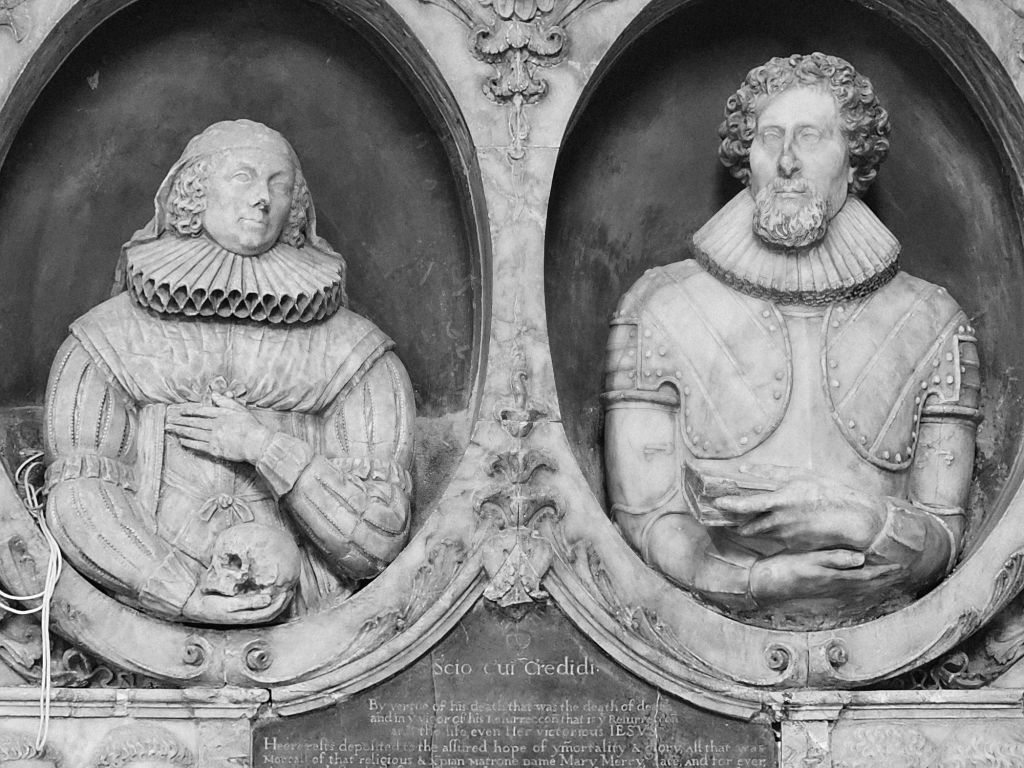


In the nave is a monument to Lady Lucy Stanley, who died c.1630. She was the daughter of the Duke of Northumberland, so posh:-

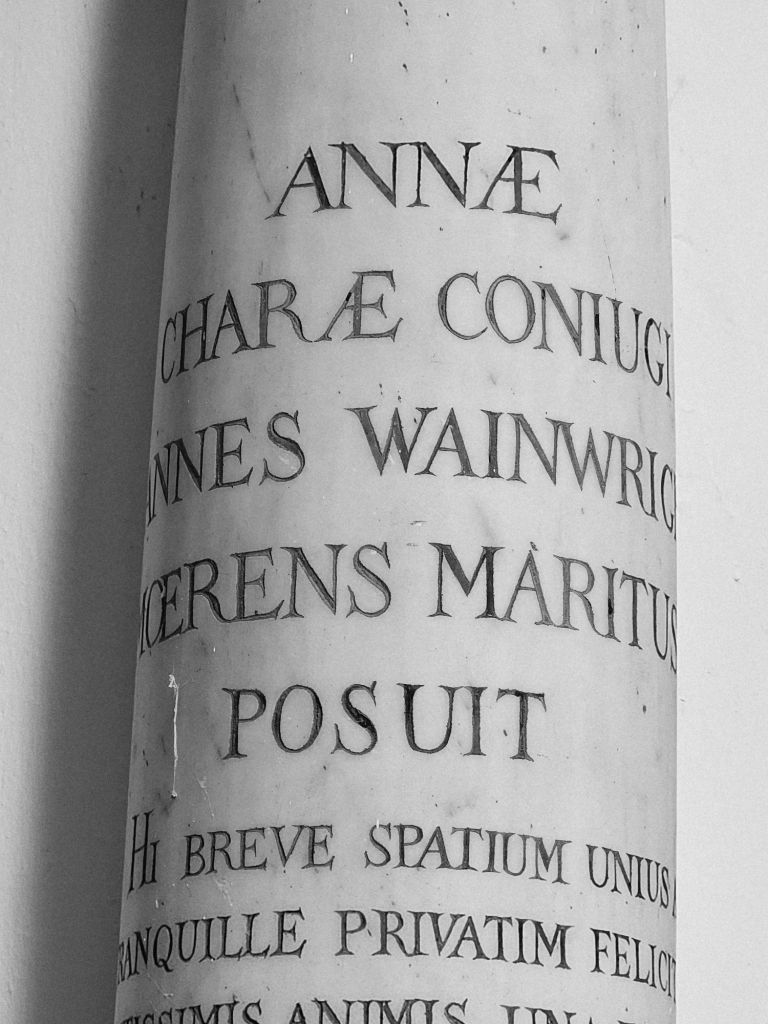
By the north door is an unusual columnar monument commemorating Anne Wainwright:-

The church has just been restored by the NHLF, an interesting model: no pews, a café at the back, a children’s play area ie for community use. It’s presumably a way of keeping it in active use.
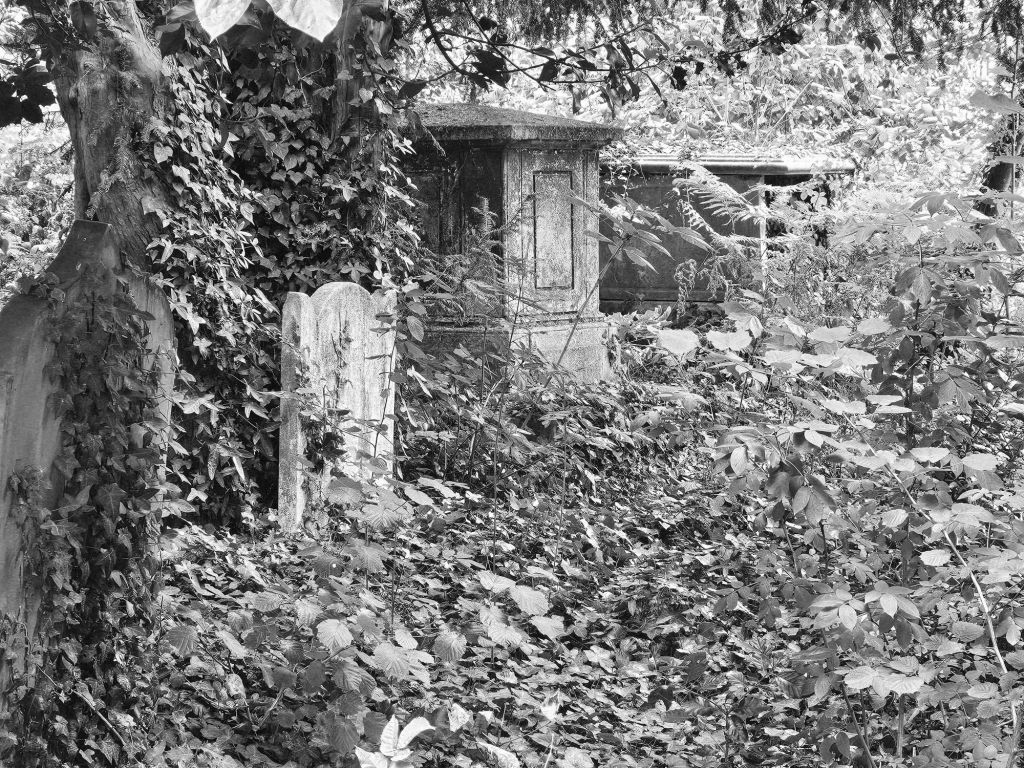
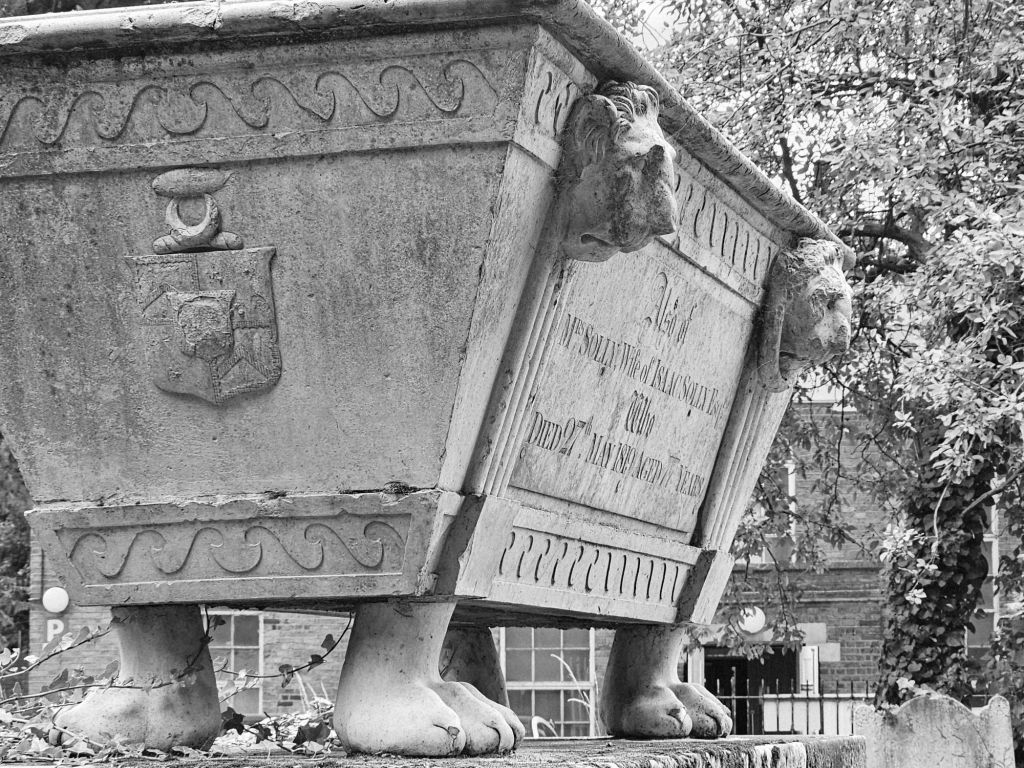
Then, there’s the graveyard:-

To celebrate the announcement of Vanbrugh 300, Tim Abrahams has released a podcast in which we had a wide-ranging discussion about Vanbrugh as a playwright as well as an architect, about his qualities as an architect and his social and intellectual milieu. It’s available as an apple podcast (I hope this is the correct link):-
https://www.timabrahams.net/everything/tag/Podcast
I haven’t been since the mid-1990s when it was bare fields which felt nowhere. It’s certainly changed.
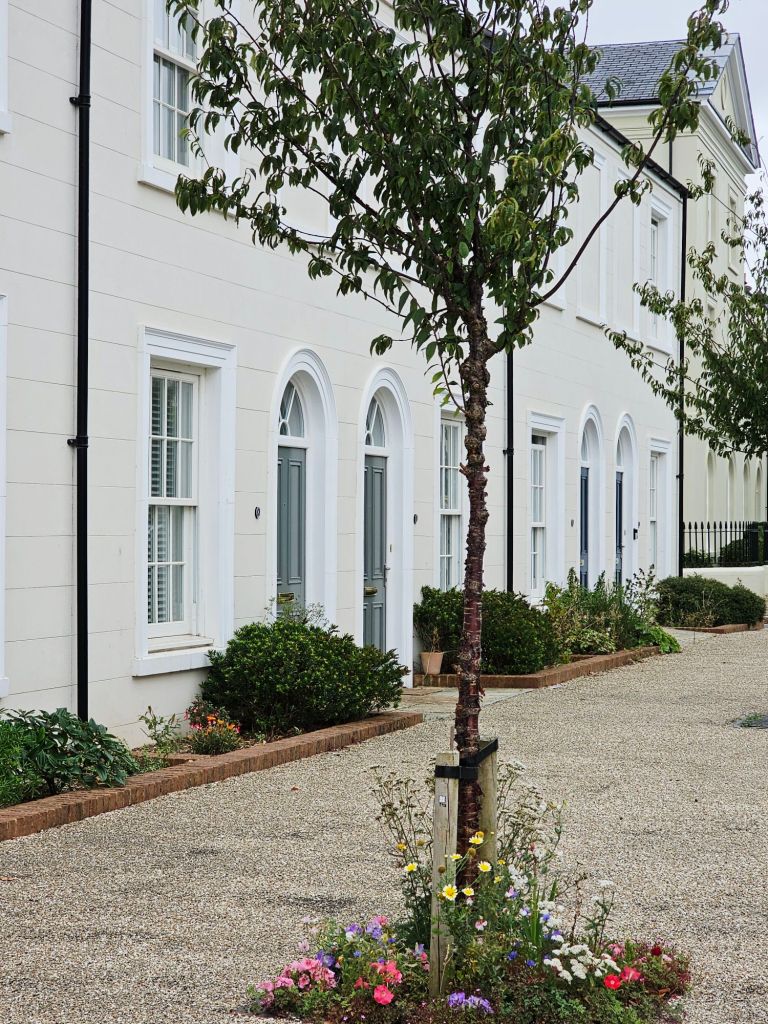
I was looking mainly at the most recent housing developments which adopt a Regency vernacular, but still with a lot of variety within the template.
This is the norm:-

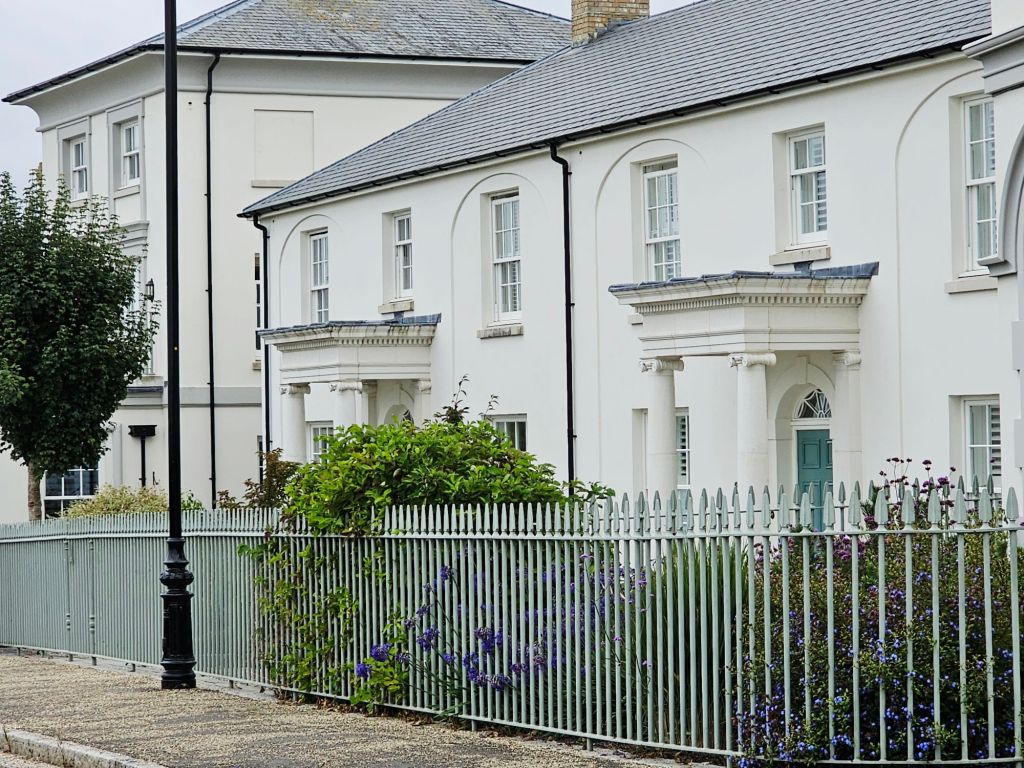
But there is plenty of variety:-


I had no idea of its scale and ambition and how you can walk straight into the countryside:-


I see in today’s Guardian that Bangor is described as a town most tourists avoid. It’s true that one wouldn’t go there for a beach holiday and like many towns, it has not benefitted from the standard hollowing out of the centre of the city by supermarkets and car parks.
But since the Guardian fails to list what it has to offer, I suggest the following:-
The Cathedral
Not the greatest, but still worth visiting.
The University
Up on the hill above the town, difficult to explore, but with a fine Tudor Gothic building by Henry Hare.
The Pier
A beautiful, well-preserved, delicate, late Victorian pier, built out into the Menai Straits.
Treborth Botanic Garden
A lovely botanical garden run by the university and with very helpful staff.
Port Penrhyn
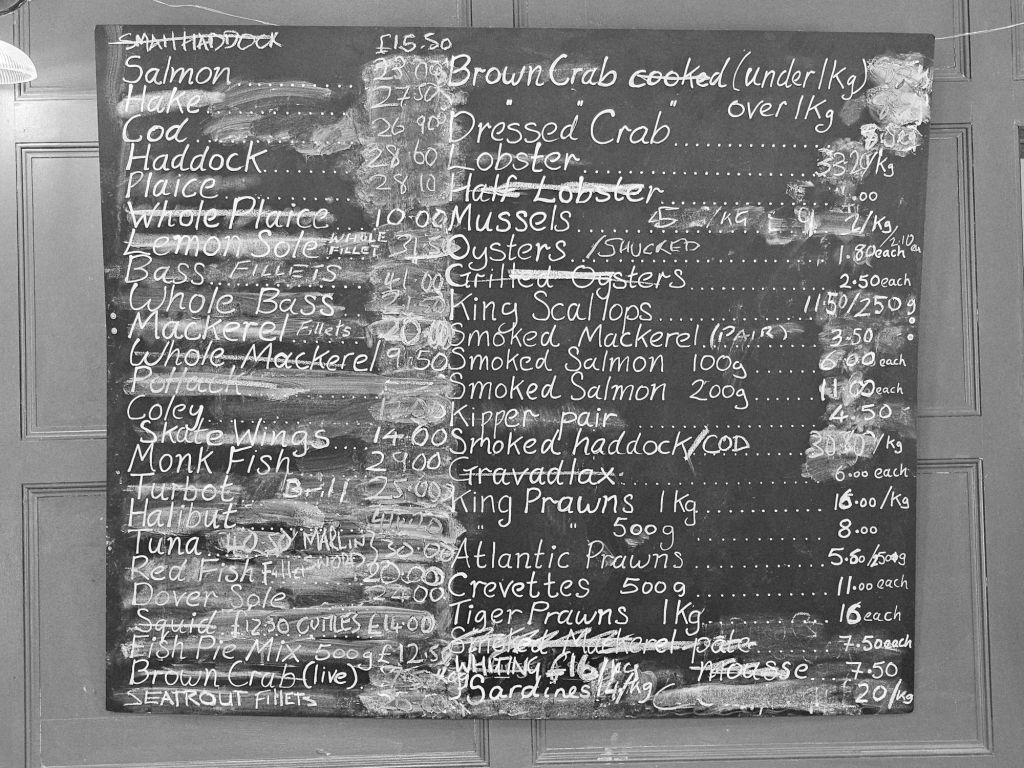
Easily walkable from the town centre, well worth exploring and with an absolutely excellent fish shop, The Menai Seafood Company, where you can buy clam chowder for the price of a cappuccino in Stepney..
You can also walk down the hill for lunch at Dylan’s in Menai Bridge and see Plas Cadnant just beyond, where there are highly desirable cottages to rent. And the best ironmongers in the world.

What more could you want ?
And there are no tourists.
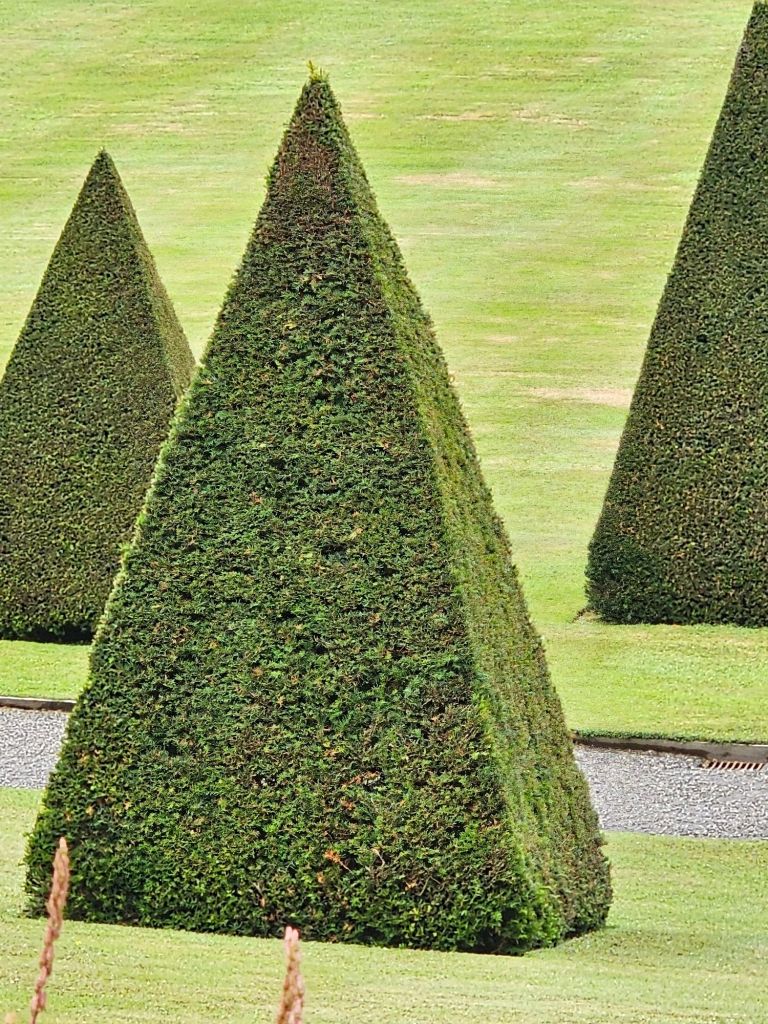
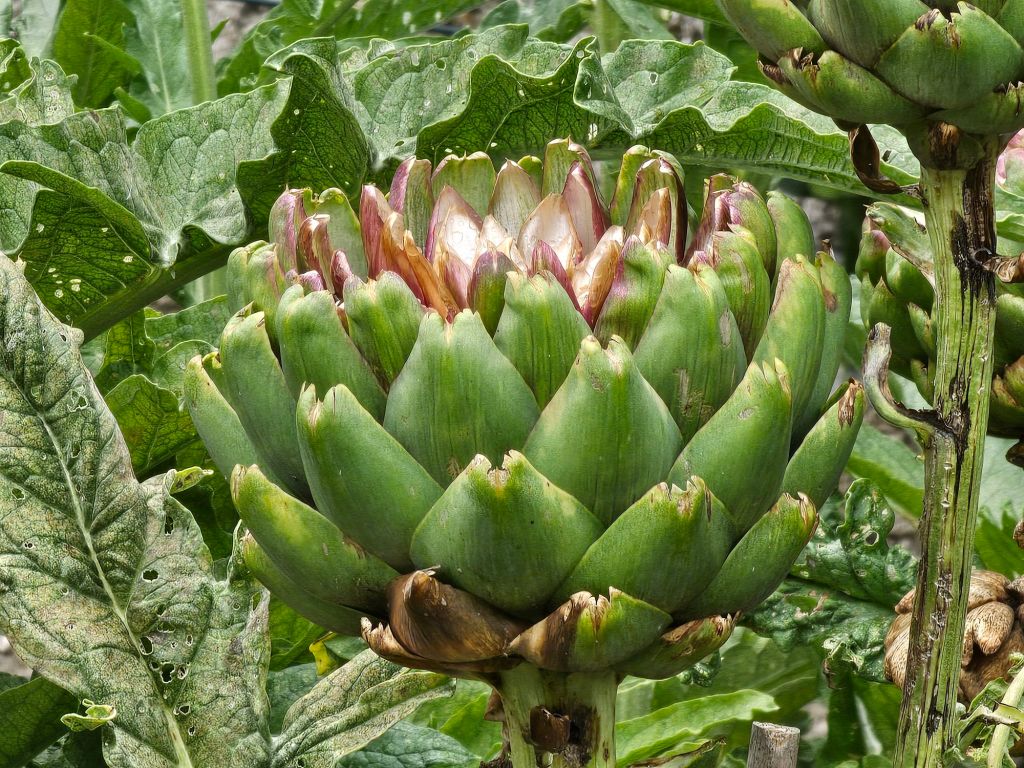
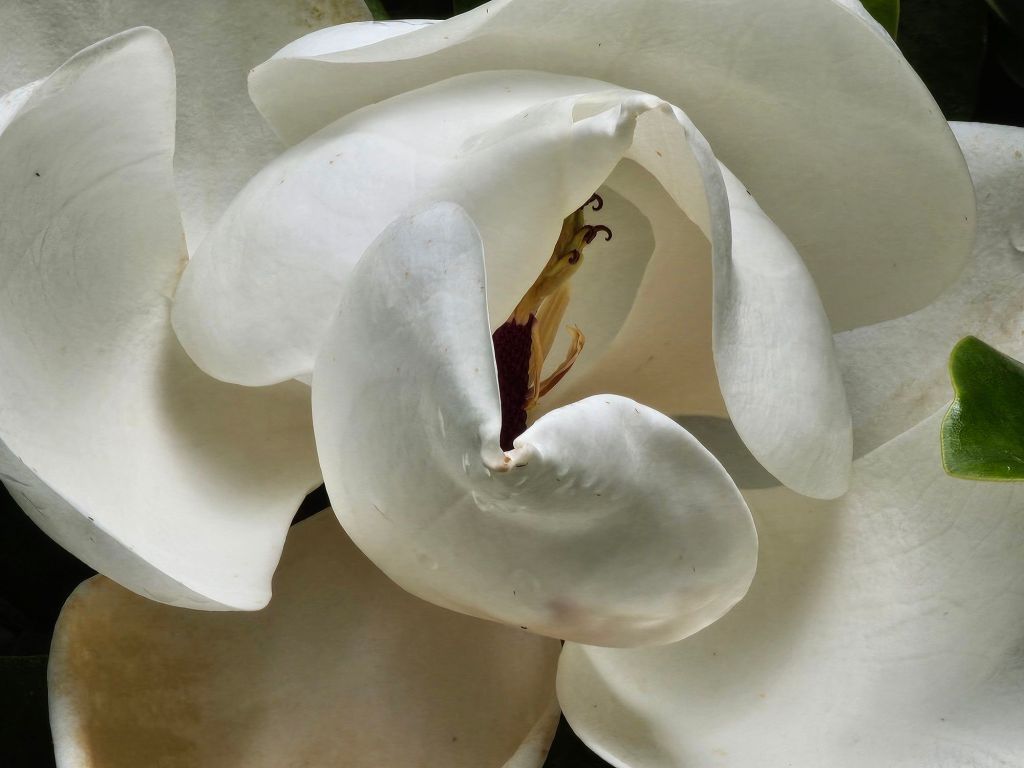
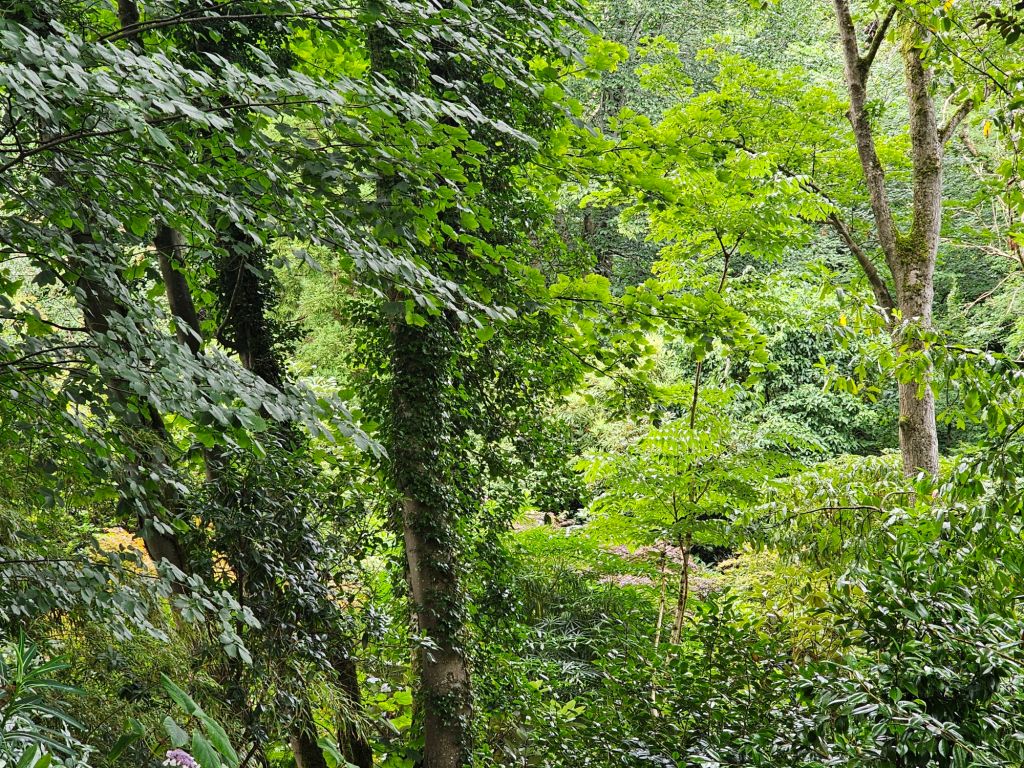
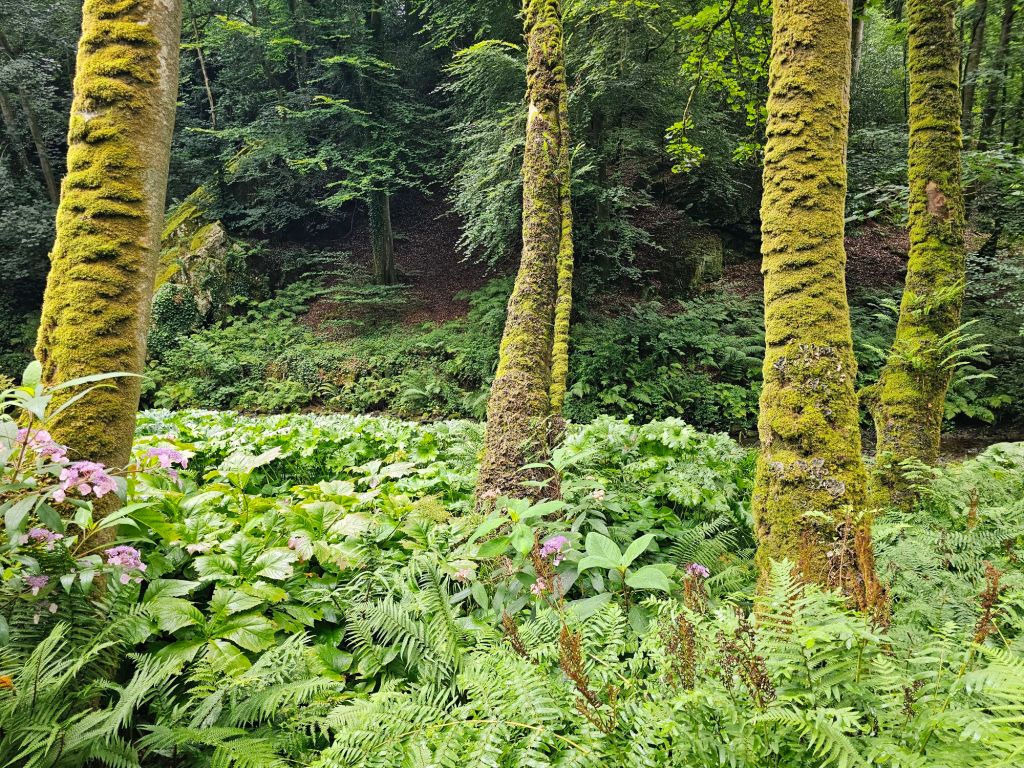
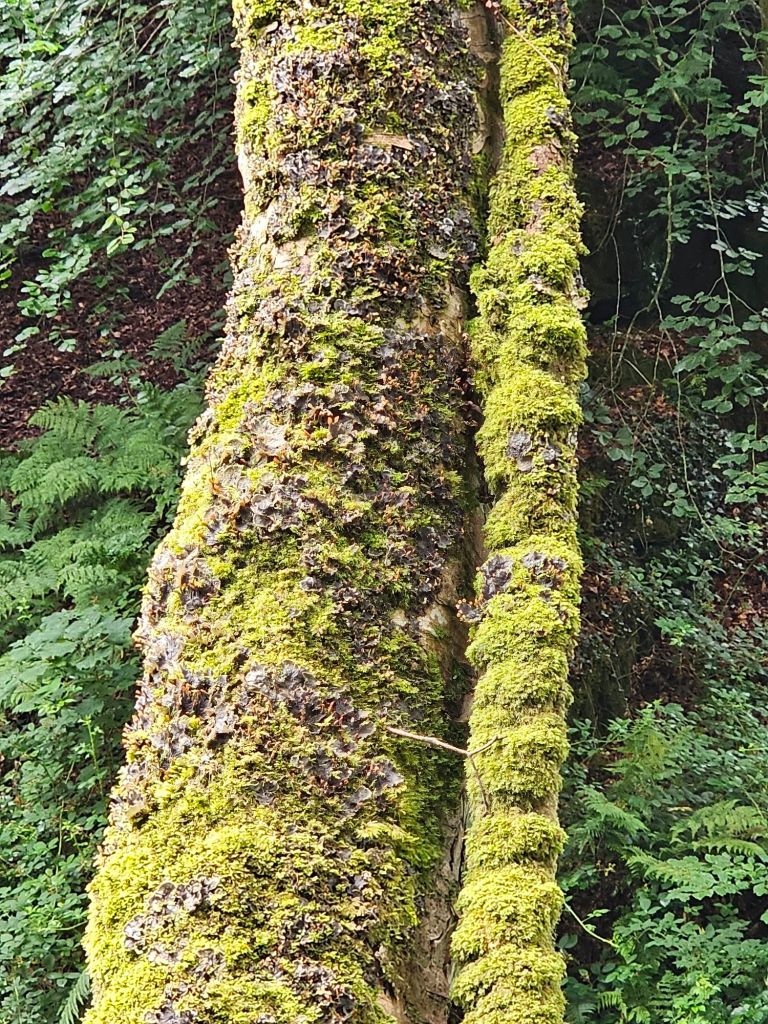
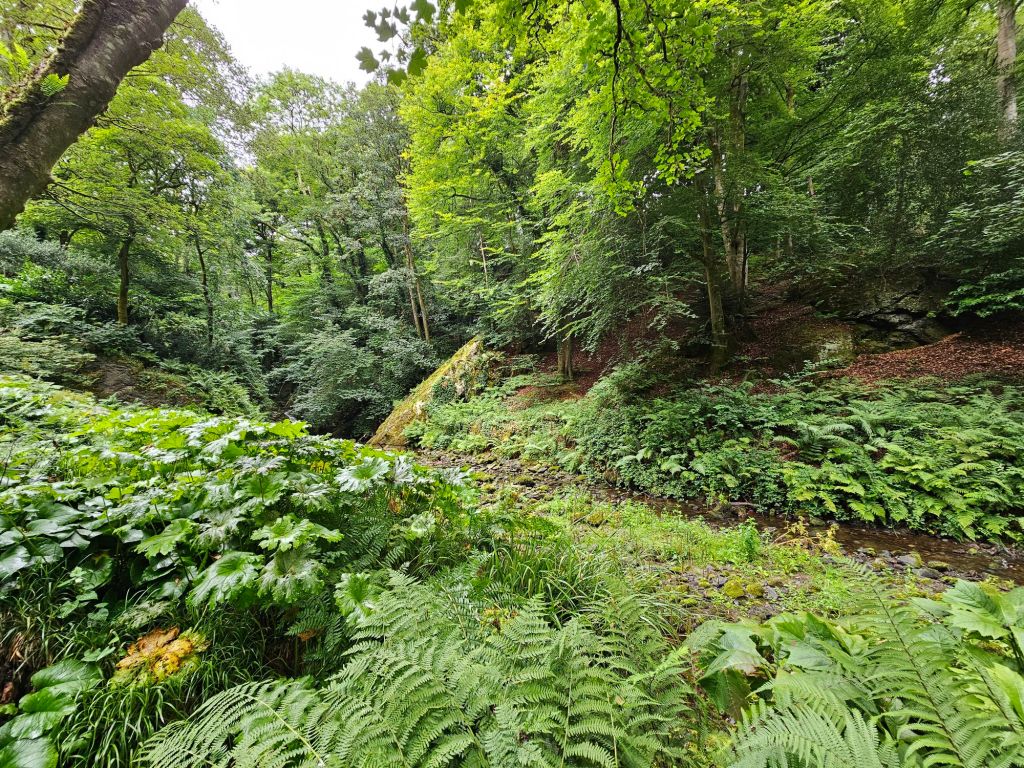
Always beautiful, whatever the time of year, a remarkable garden, re-inventing the Victorian picturesque:-

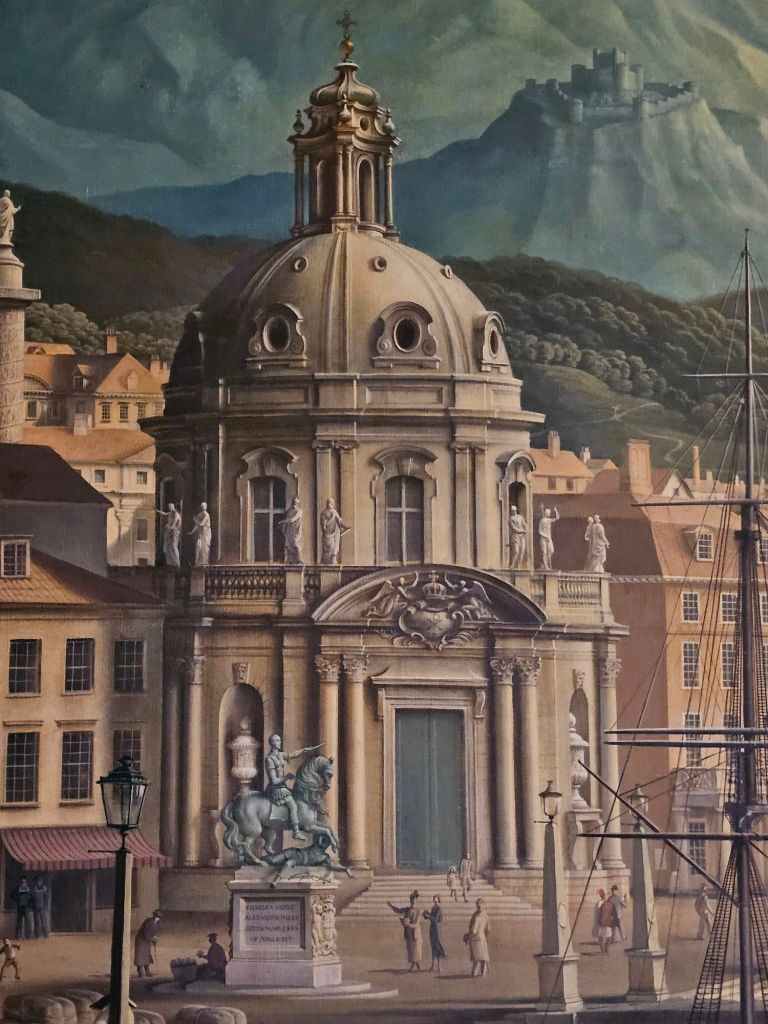
We went to see the murals by Rex Whistler at Plas Newydd.
He was commissioned in 1936 to paint the walls of the new dining room, created by knocking together three smaller rooms in the east wing. It is a work of remarkable scale and ambition, its Mediterranean subject matter apparently suggested by the Marchioness (he was in love with her daughter, Lady Caroline).
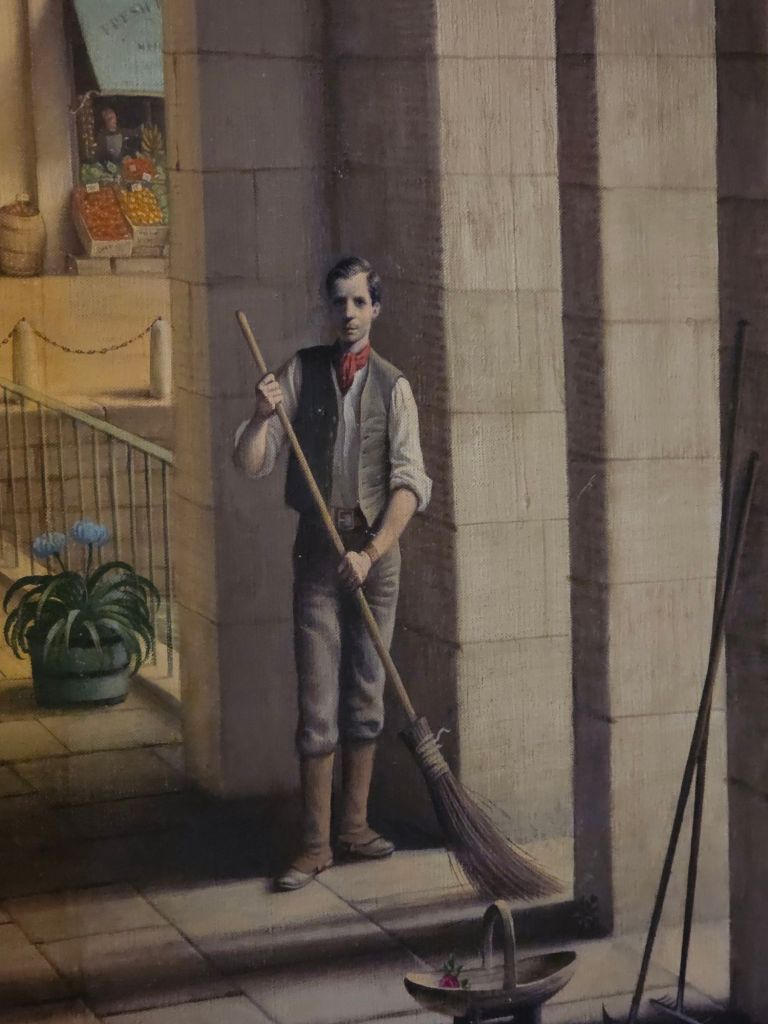
He depicted himself:-
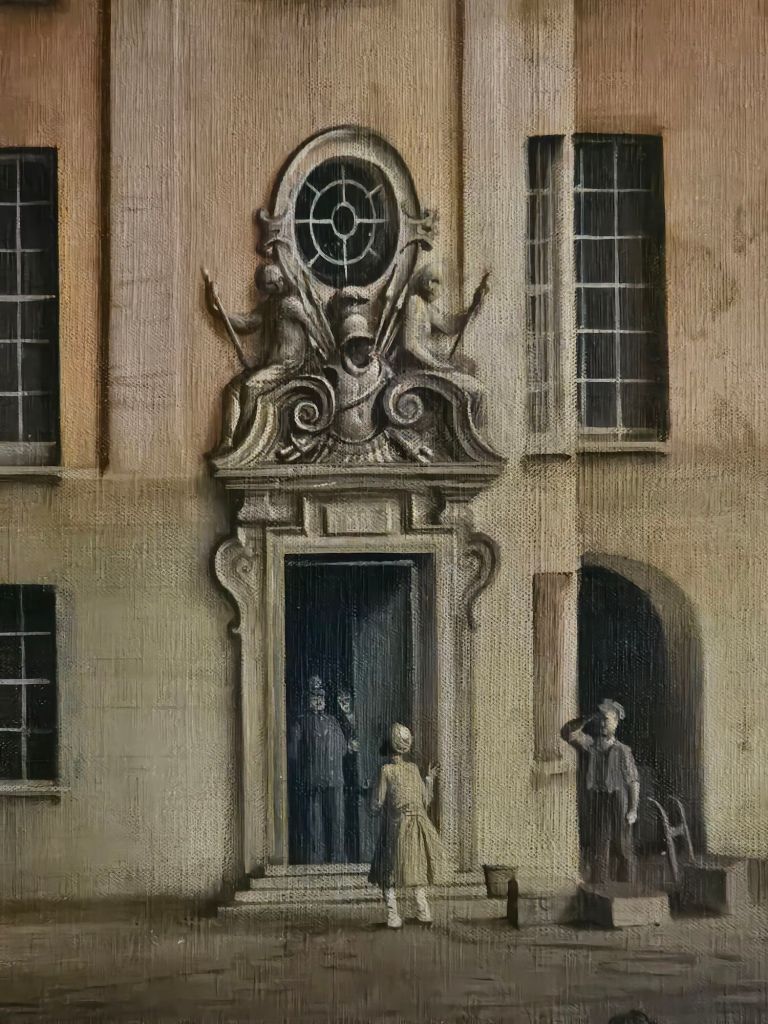
It’s full of rich architectural detail, demonstrating his generation’s interest in the Italian baroque (and his younger brother’s interest in Vanbrugh):-
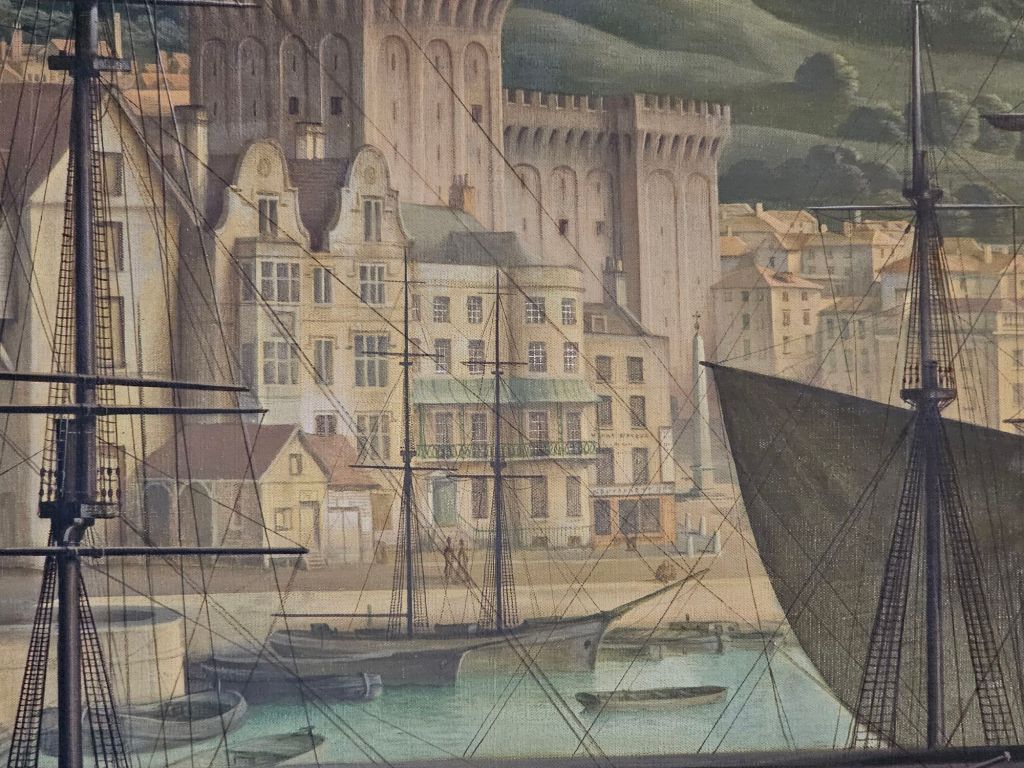
I missed the exhibition of his work in Salisbury last autumn and now wish I’d seen it.
I have gone easy on the blog because we have had two cloudy days and I assumed you wouldn’t want pictures of grey mountains. But today was better and I walked down to the estuary:-
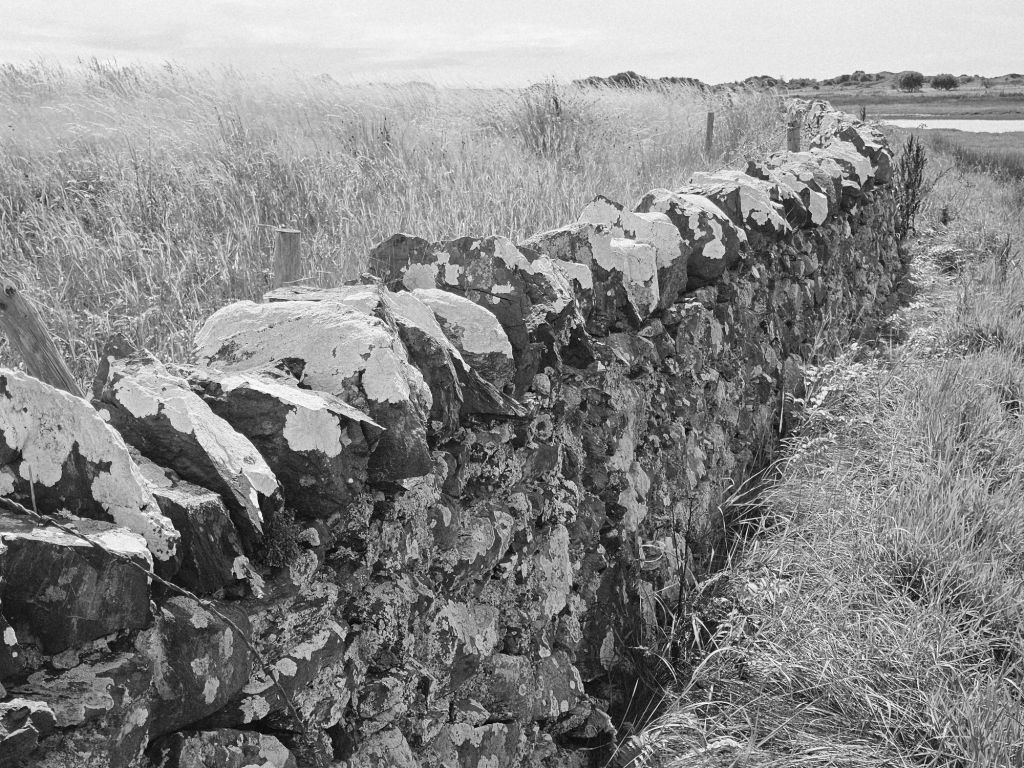
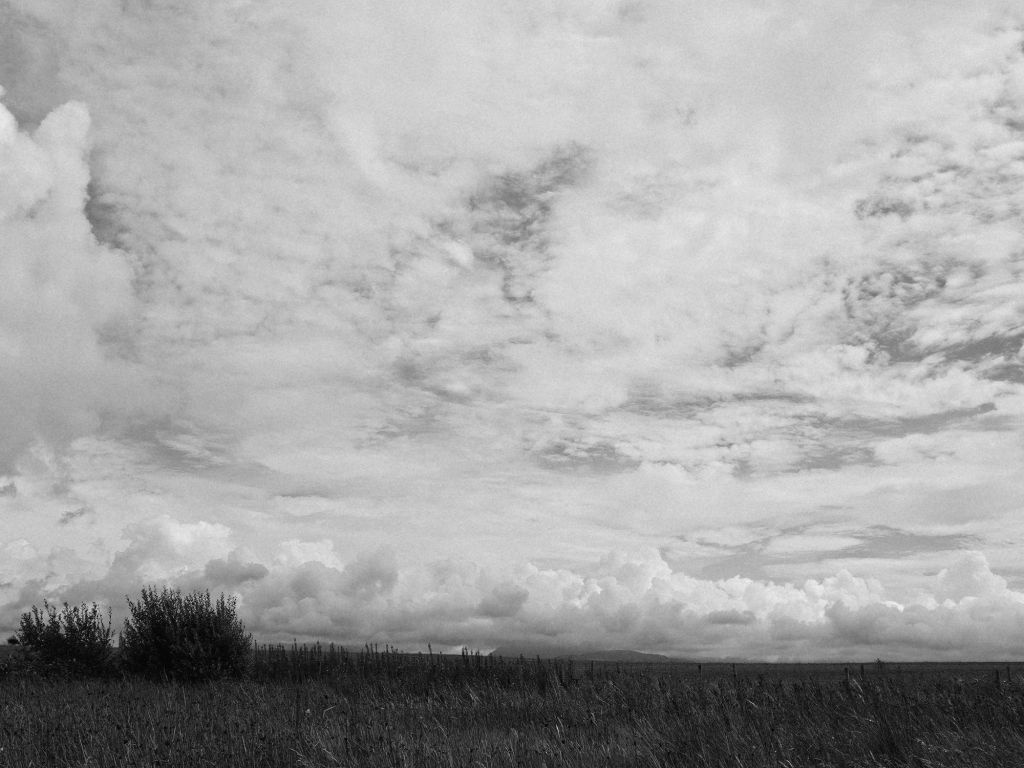
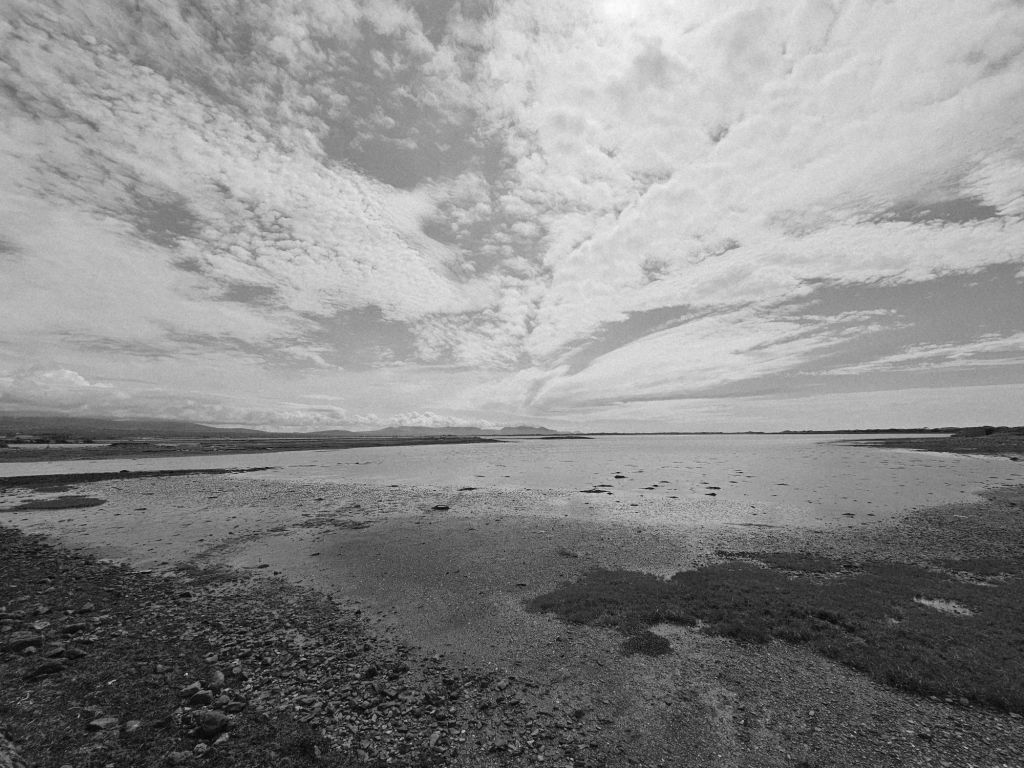
And back along the track and across the fields:-
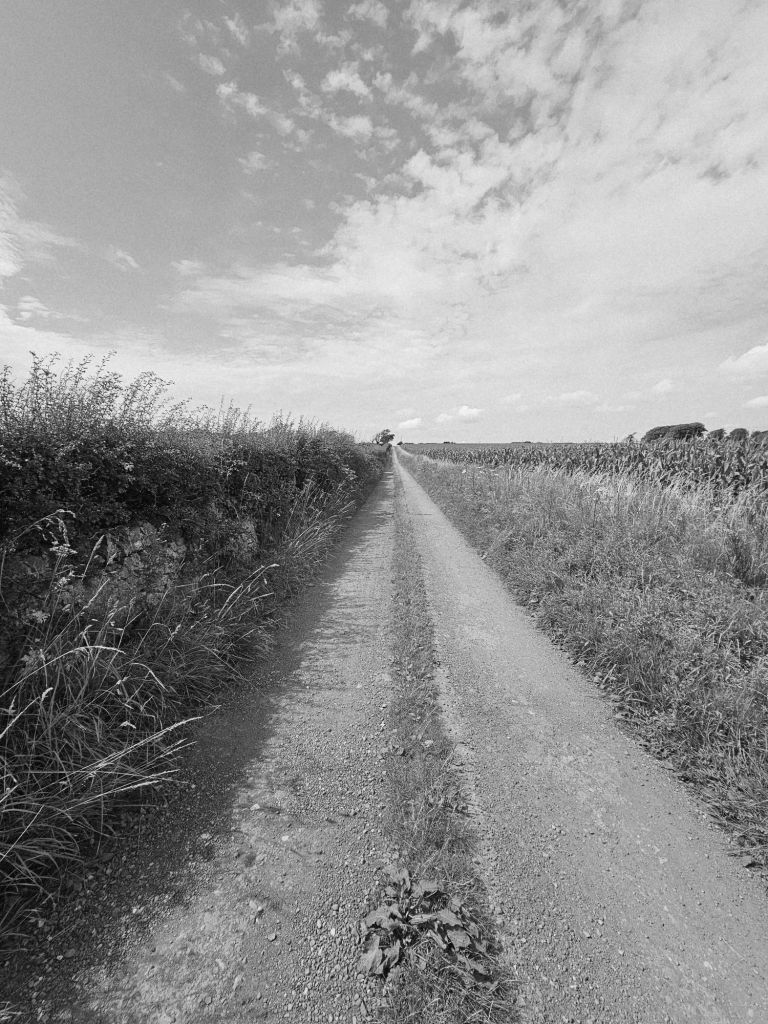
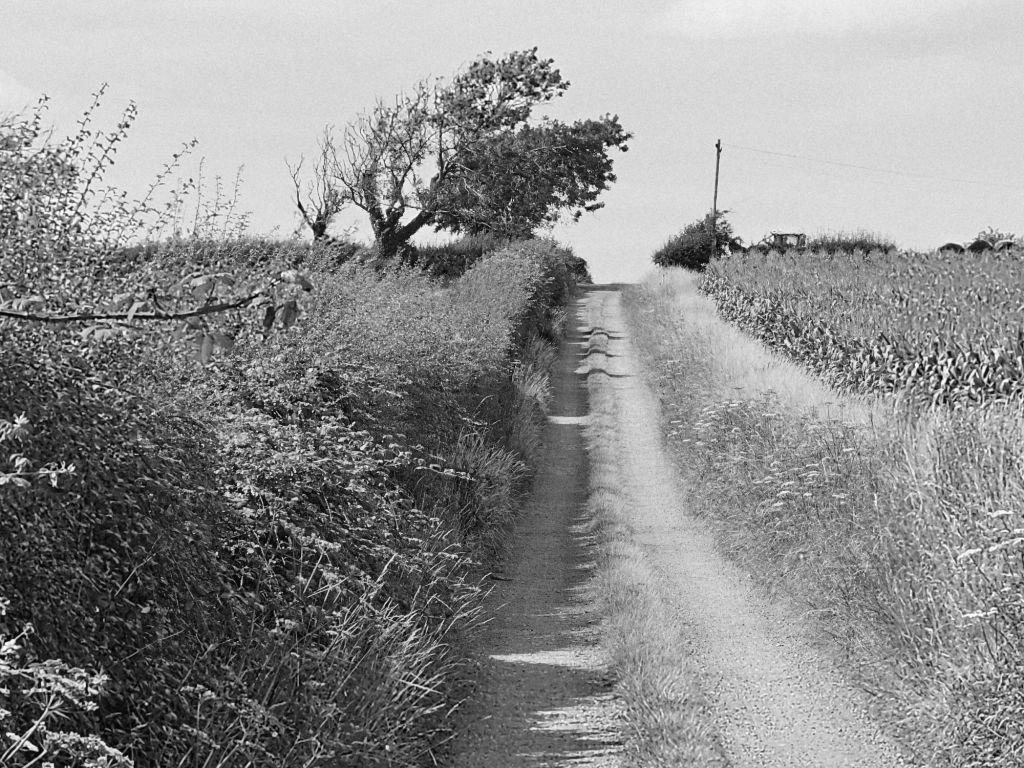
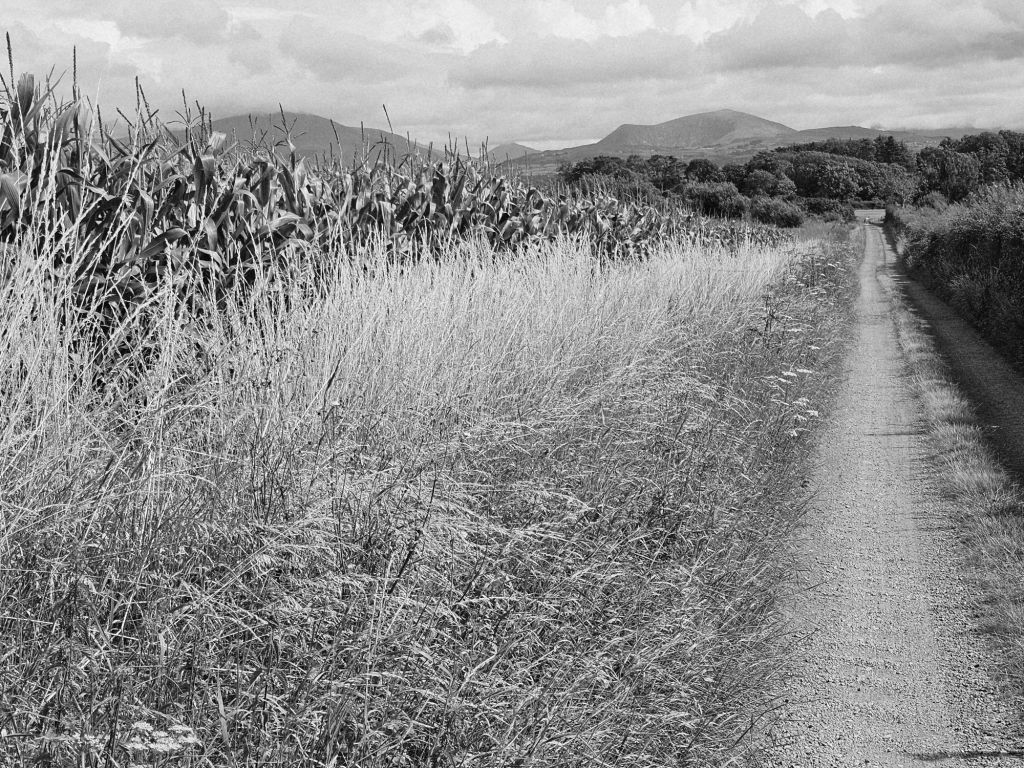
Although we have been coming to Anglesey for years, we scarcely know the Llŷn Peninsula, apart from Criccieth at its eastern end. It has always felt remote – a distant set of hills far into the Irish Sea.
Today, we explored the pilgrimage route on its northern shore, starting with St. Beuno in Clynnog Fawr, an unexpectedly spacious church because of the crush of fifteenth-century pilgrims:-
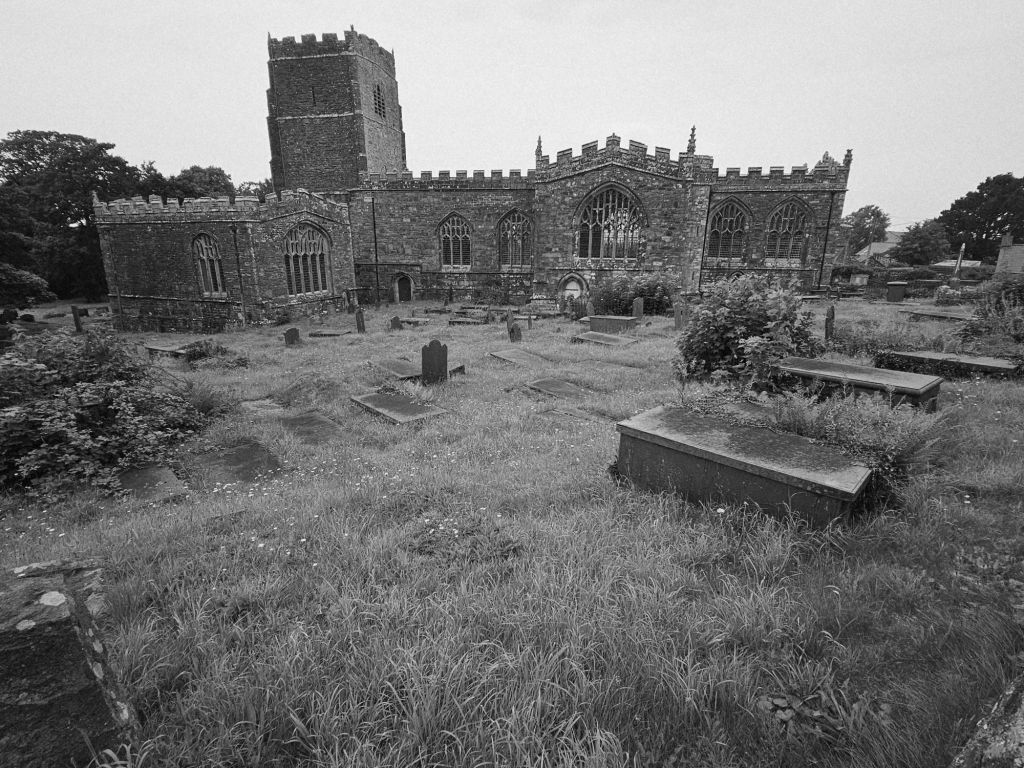
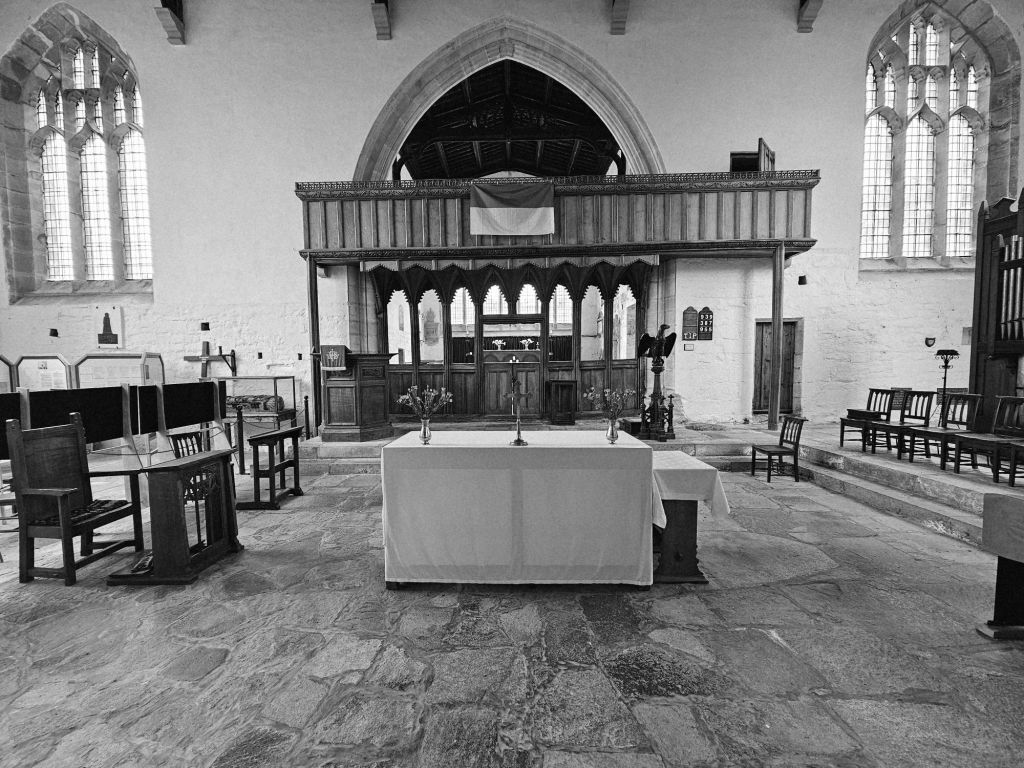
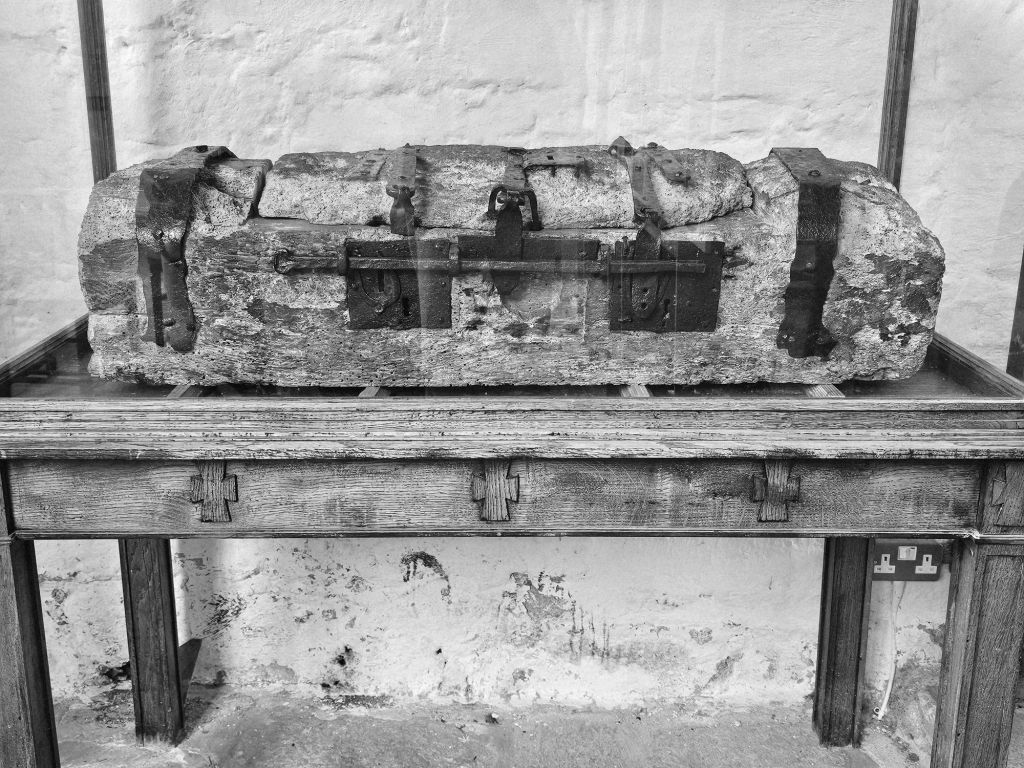
We tried to visit St. Curch in Carnguwch, but couldn’t figure out how to get to it across fields. After lunch in Morfa Nefyn, we ended up in St. Beuno, Pistyll, in a beautiful setting on the side of a hill and with straw on the floor, giving it a monastic feel:-
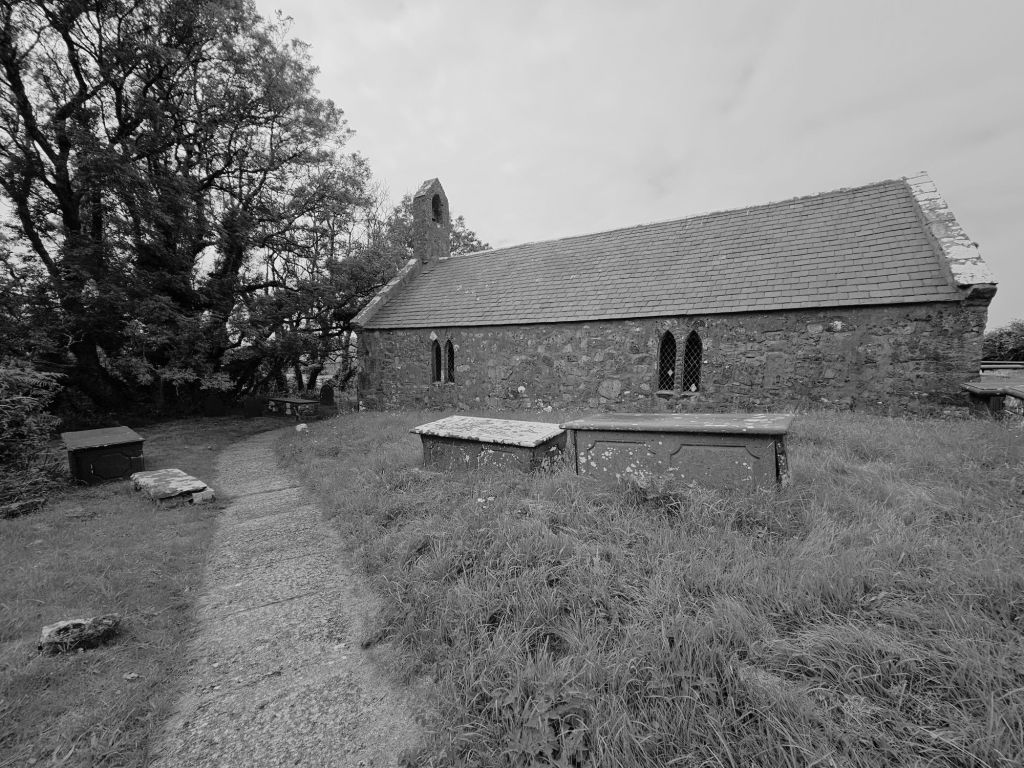
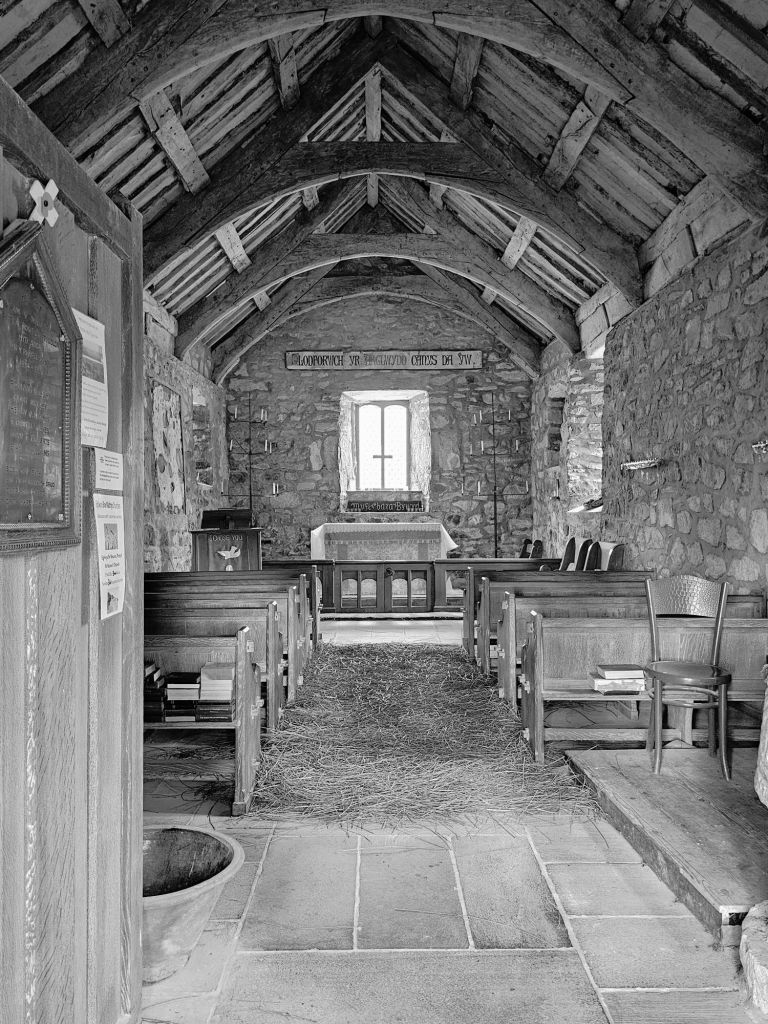


You must be logged in to post a comment.