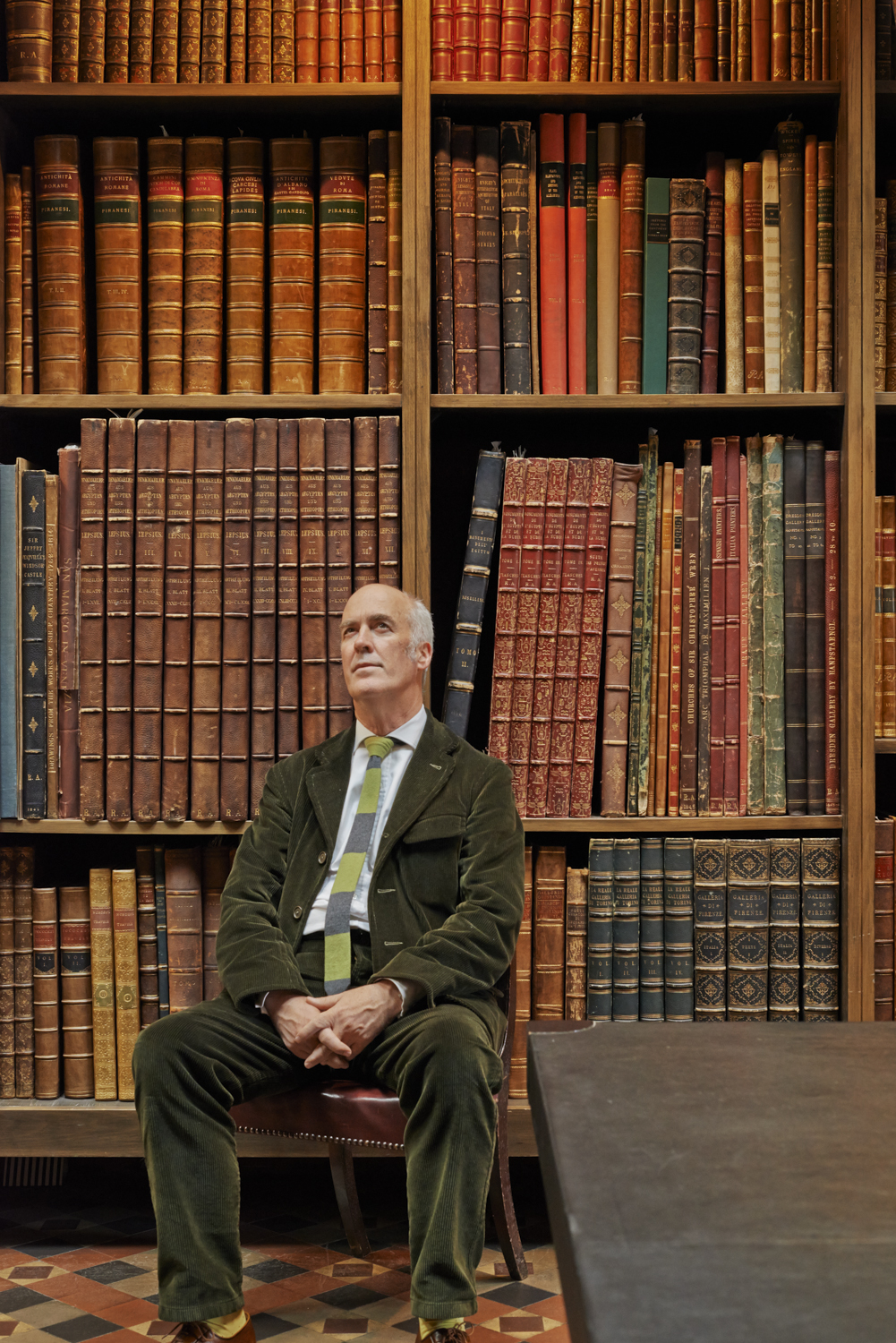
From Korea:-

I have forborne to write about the death of our friend Daphne Astor until her obituary had appeared in the Times, which it has now (but I don’t have a subscription).
Neither of us can remember how we met her, but it seems that we have known her for a really long time, partly because she had such vivid memories of New York as it had been in the early 1970s. We both remember lunch at Hatley on New Year’s Day round the turn of the millennium and meeting up in Brussels where she was doing work as an artist.
I only realised how much of a Warburg she was on a long train journey to Avignon when I asked her if she was in any way related to the great art historian, Aby Warburg. She described him as Uncle Aby, which was not strictly true because he was her great-uncle. Her father was Edward Warburg, part of the group at Harvard in the late 1920s who helped establish the Museum of Modern Art. He had a Picasso in his undergraduate rooms.
She probably wouldn’t have wanted to be remembered for this because she was truly and remarkably independent-minded: a free spirit, passionate about poetry and literature and art, creative herself, but creative also in the way that she encouraged and nurtured others.
In lockdown, she established the Hazel Press, an independent publisher, printing small books of poetry and other writing, printed in Suffolk, where she had a cottage in the countryside outside Aldeburgh (she helped establish Poetry in Aldeburgh, the successor to its poetry festival). It was a perfect vehicle for her talents, publishing work by people she knew and admired – slim volumes, but work to be treasured.
She found she was riddled with cancer about three months ago and treated it with characteristic anger on behalf of her fellow sufferers in the Royal Marsden, as well as mordant humour.
I miss her laugh most, always somehow both affectionate and conspiratorial. She was a wonderful friend to us both and many others.
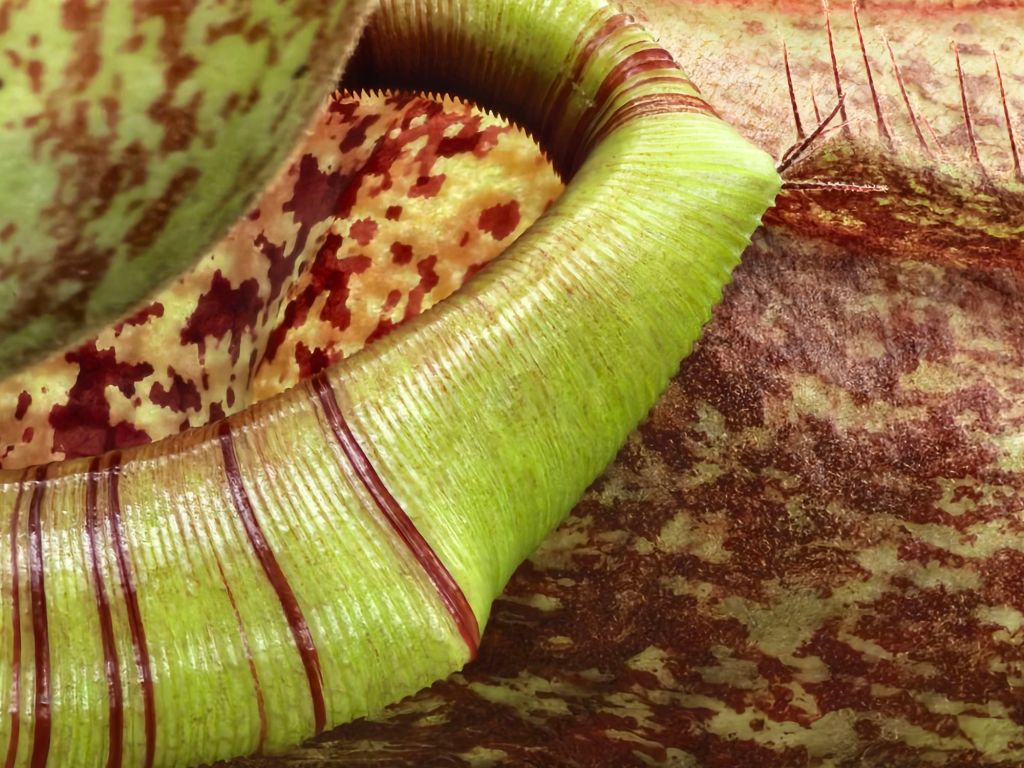
An antidote to Waitrose is a short trip to the tropical greenhouses in Treborth Botanical Garden, run (beautifully) by Bangor University:-


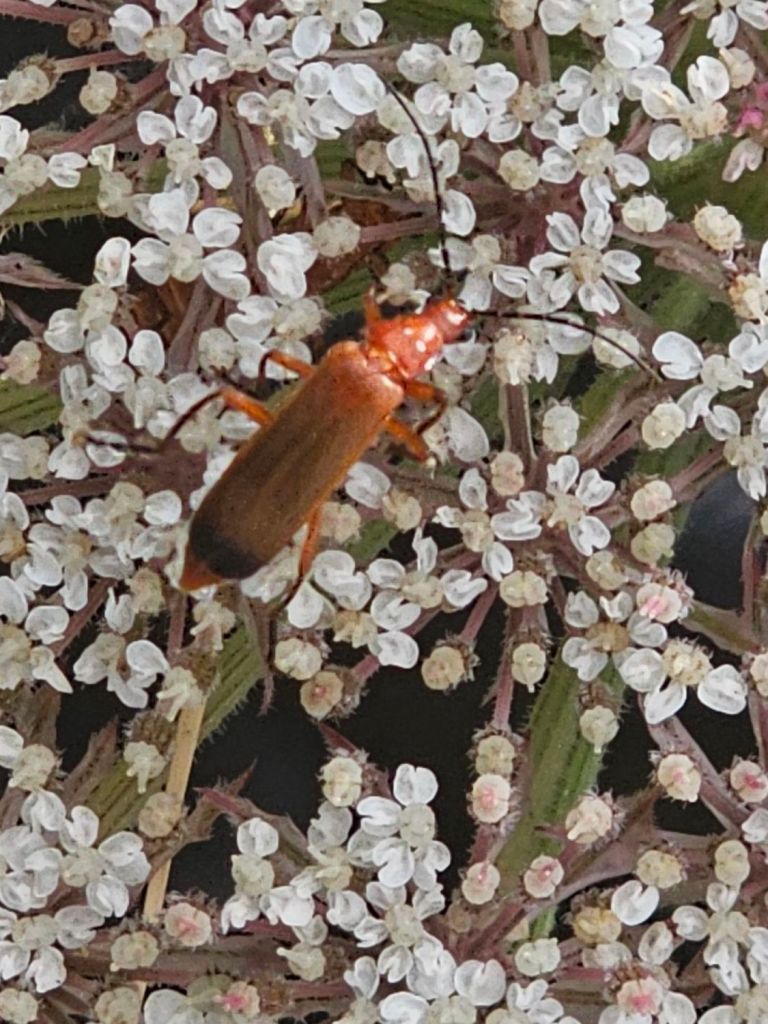
I didn’t know about soldier beetles. I’m sure I should have done. Now I’ve seen them copulating:-

Thanks to the new verandah, we can sit looking out at the garden in a sub-tropical storm:-

I can’t – annoyingly – remember who it was who recommended I read Olivia Laing’s very brilliant, recently published The Garden Against Time: In Search of a Common Paradise – a book that I have enjoyed so much I want to thank whoever it was; although I also now realise that I have missed its launch at the Garden Museum, the opening of the garden itself, and a specially organised trip, all in June. I am too late.
It’s about the garden of the house she and her husband, Ian Patterson, bought in Yoxford, Suffolk, but really a cultural history of gardening: the oppression of the landscape garden and its source in Caribbean wealth; William Morris and his garden at Kelmscott; Eliot Hodgkin’s pictures of wilderness flowers after the blitz; Iris Origo at La Foce; Cedric Morris and Lett Haines at Benton End; the consolation of gardens against fascism and all other forms of oppression.
I can’t recommend it more highly.
I have written before about West Horsley Place where Grange Park Opera relocated in 2017, but not since Charles O’Brien’s excellent revised Pevsner volume was published in 2022.
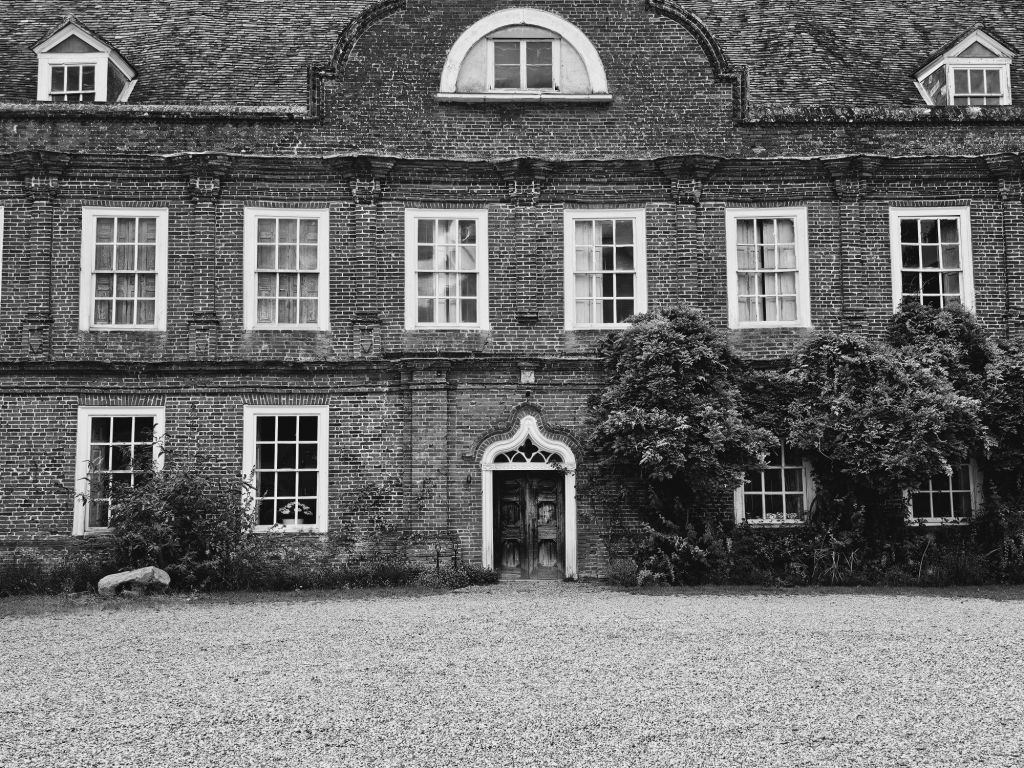
I had remembered how atmospheric the crumbly main house is, left unexpectedly by the Duchess of Roxburghe to the late Bamber Gascoigne, her great-nephew, but not how oddly small its gothick front door is, as if it was an accident or after-thought, which indeed it is, put in by Henry Weston who inherited the house in 1749.
If he wanted to aggrandise it, I don’t think he succeeded:-

And not to forget the wonderful crinkle-crankle walls:-

I am posting a very good, long obituary by Christopher Knight which has just been published in the Los Angeles Times.
https://www.latimes.com/entertainment-arts/story/2024-07-13/bill-viola-dead-video-artist


You must be logged in to post a comment.