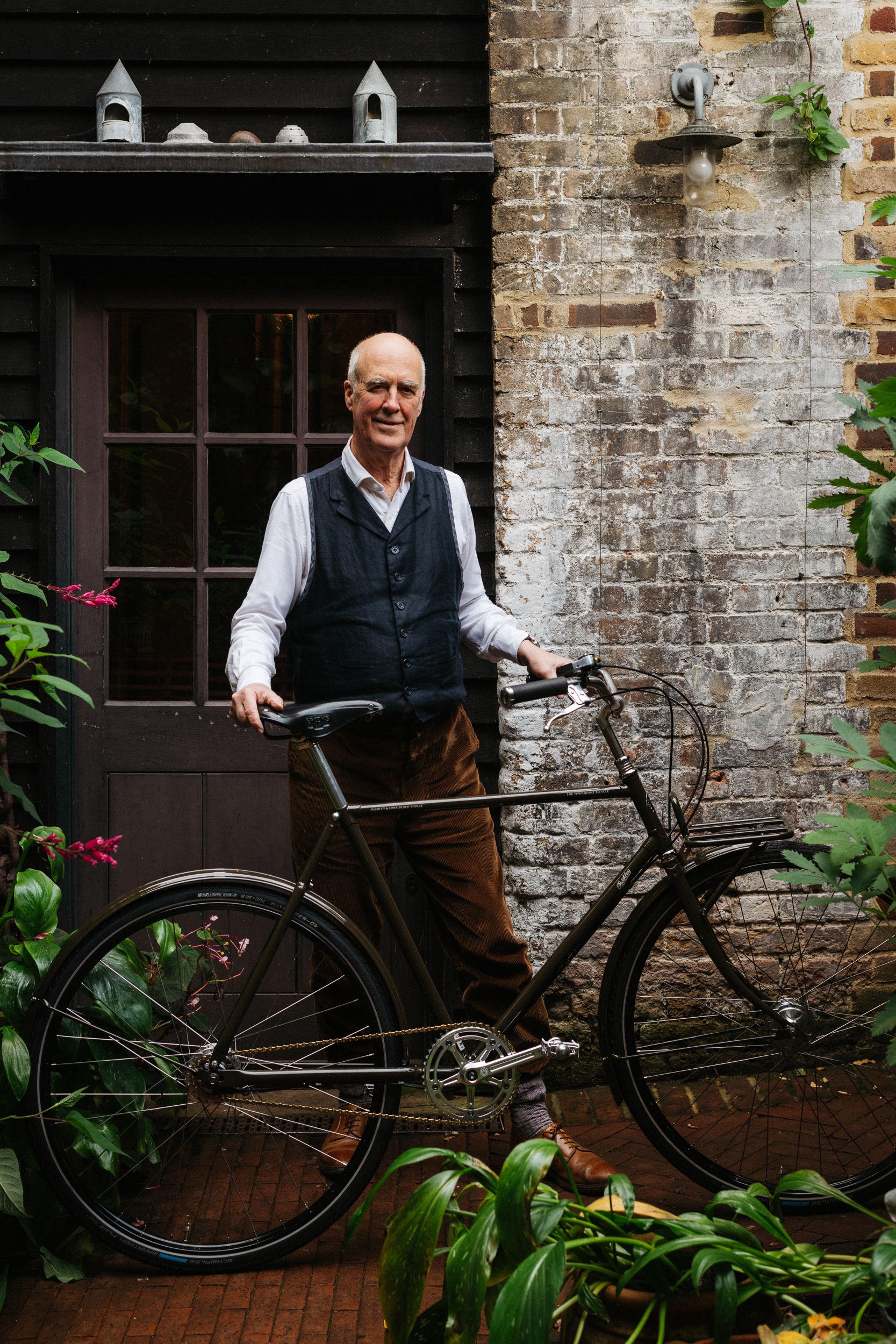
The End of Pevsner (2)

The article that I wrote on Pevsner for The Critic has appeared online much faster than I expected (see below). The article was full of a sense of anxiety that somehow the series was coming to an end not with a bang, but with a whimper.

But I have been reassured, first, that matters are in hand for the celebration of the publication of Staffordshire in June to mark the successful completion of a great monument of architectural scholarship; and, second, that plans are indeed afoot to put it online as seems the obvious next step to keep it alive.

The issue, of course, is going to be funding. So, it is perhaps worth recording that Pevsner himself made no money from the series. Nor did Allen Lane. Student assistants were expected to pay for their own food and accommodation as they drove Pevsner round the countryside. Pevsner himself was deeply frugal. So, it is a monument as much as anything else to the high-minded intellectual austerity of the 1950s, with financial support from the Leverhulme Trust and Arthur Guinness when it looked as if the series might come to an end in 1954.

Let’s hope there is a philanthropic organisation which can enable it to survive into its third age.

https://thecritic.co.uk/the-end-of-pevsner/

Standard

Old Town Clothing (5)

The impending closure of Old Town Clothing in Holt has sparked more interest than many of my posts.

I have been mildly rebuked on the grounds that high street shops in small county towns are closing every day without anyone paying attention;  but I don’t regard Old Town as any old shop because it has always felt as if it provided a model for a small-scale rural industry, based on high quality design and farming out some of the making to rural outworkers who they now have difficulty finding.  This is quite different to the ubiquitous high street chains which have, I think, contributed to the demise of local shopping, since one can just as easily get standardised goods online.

The French and Italians have paid attention to the benefits of small-scale manufacture, both in terms of providing a greater variety of goods and a better distribution of regional employment. The fact that officialdom has no interest in this issue and is dismissive of it tells one something about our attitude to the economy.

Standard

St. Anne’s, Limehouse (4)

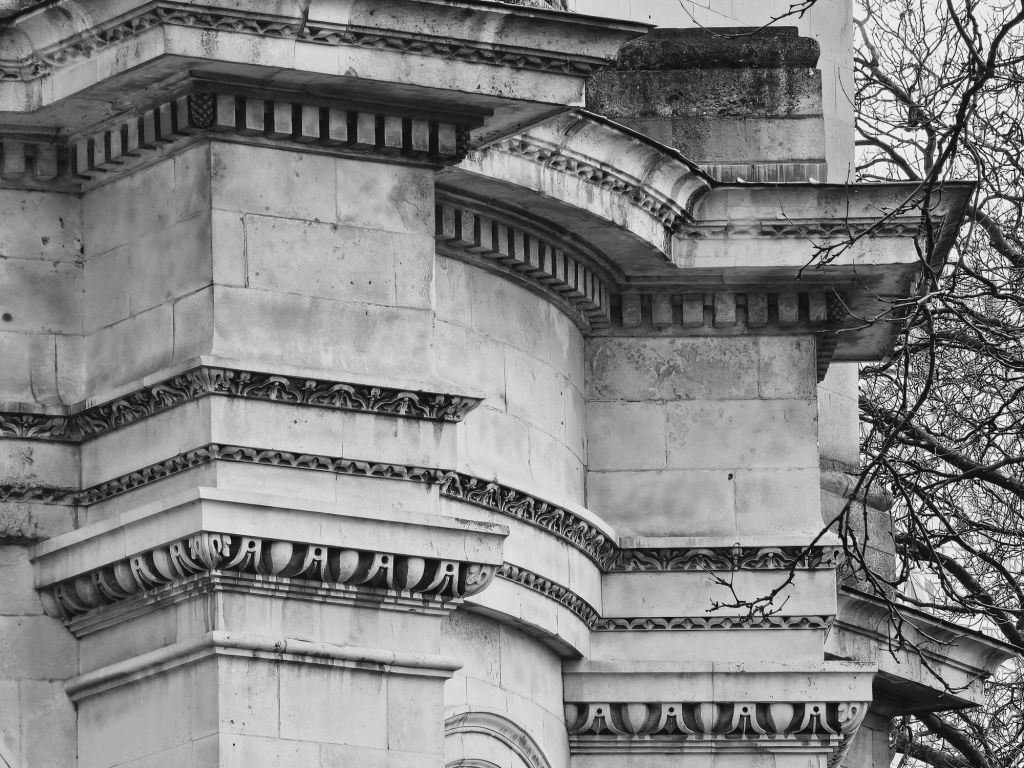
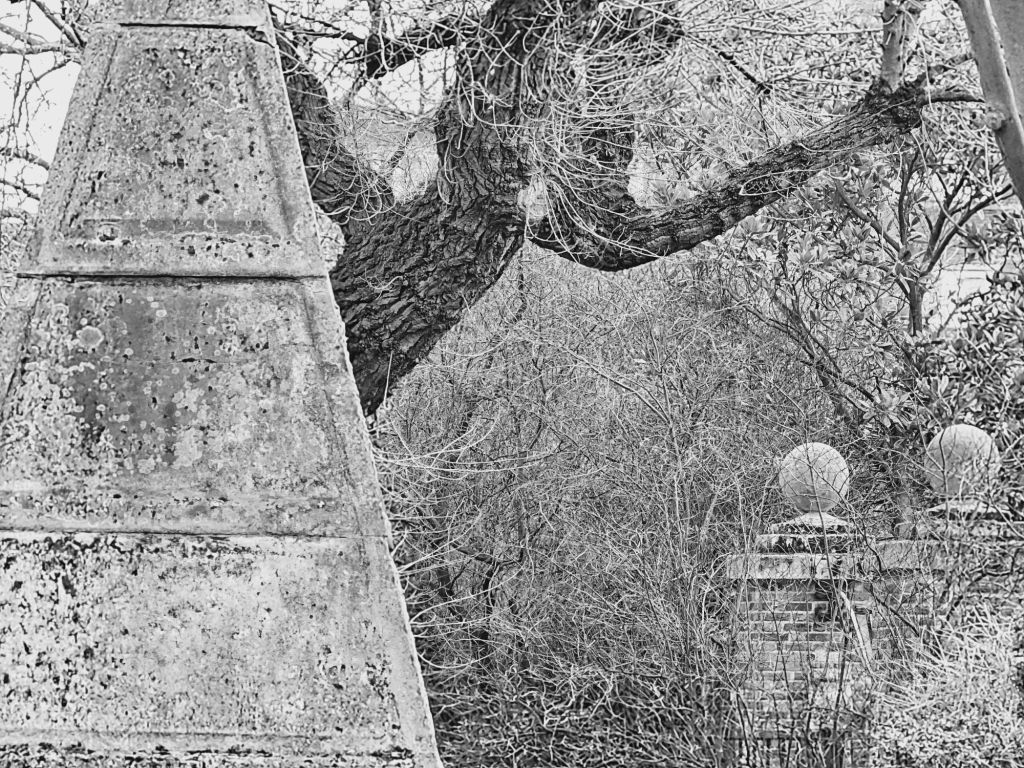
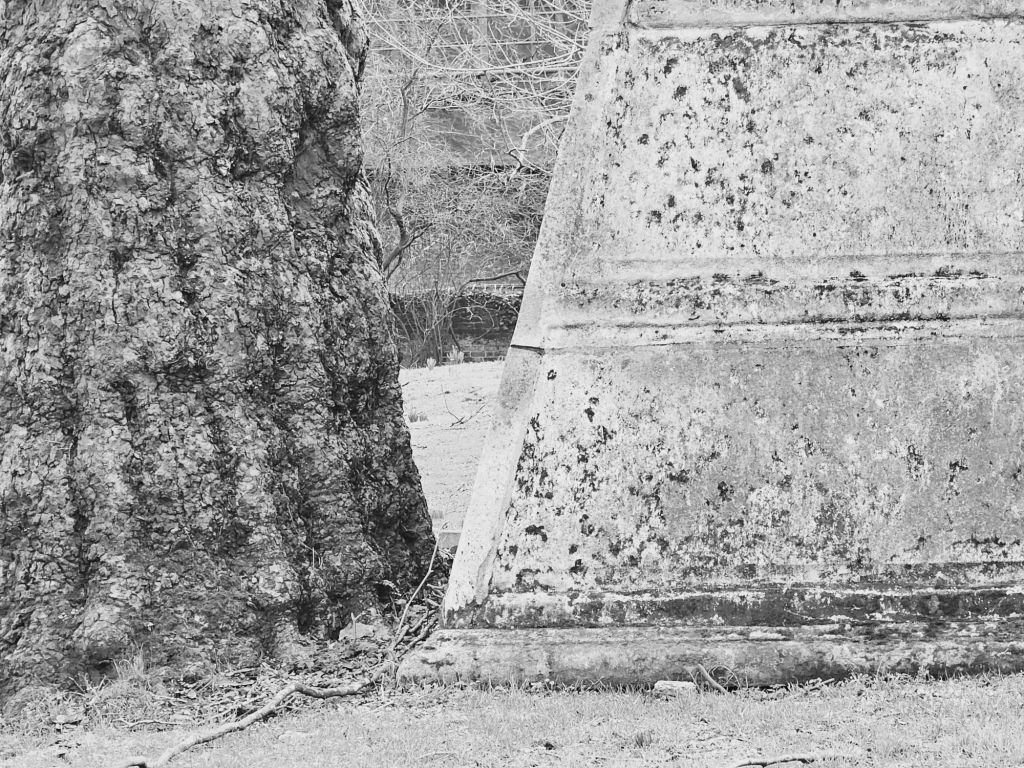
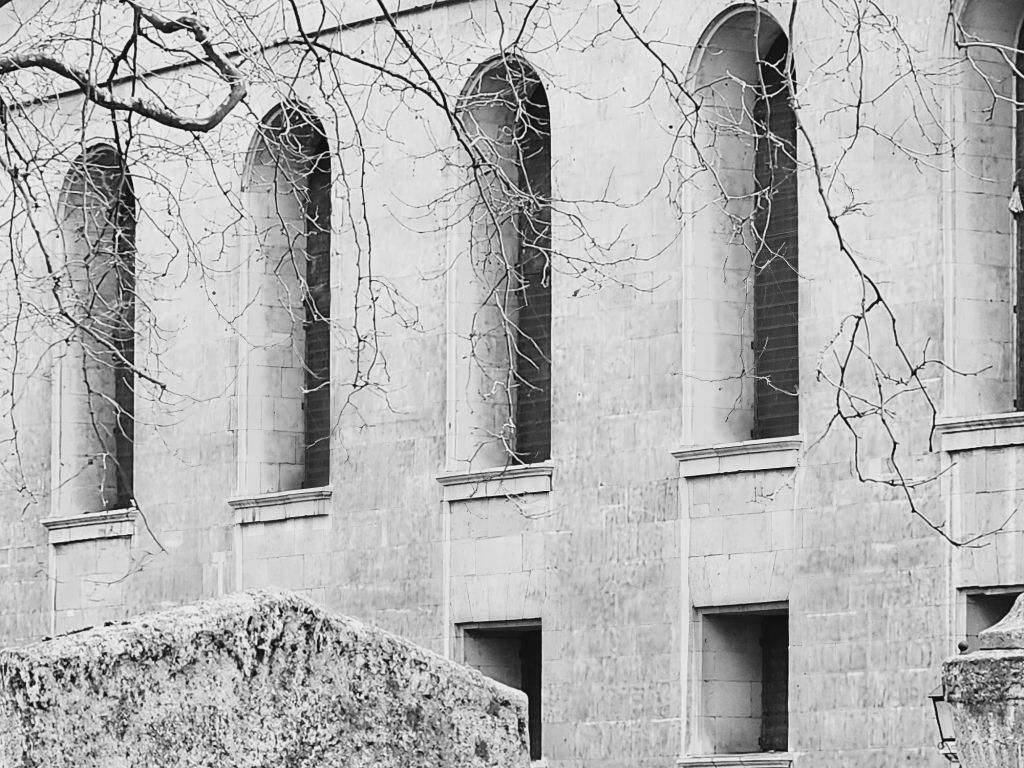
I was slightly early for a meeting about the restoration of St. Anne’s, thinking it might be open. But it’s open now from Thursday to Sunday. So, instead, I sat in the churchyard where Iain Sinclair probably sat when he was composing Lud Heat, his poetic evocation of the churchyard’s ghosts which is said to have inspired Peter Ackroyd’s novel about Hawksmoor.

I was able to contemplate the magnificence of its nave:-

The detail of the west tower:-

And the surrounding tombs and vegetation:-

Standard

The End of Pevsner (1)

For all those people like me who have been brought up with a copy of the relevant Pevsner in our pocket or at least back home to consult on our bookshelf, I have written in the February edition of The Critic (front section) about the implications of the impending completion of the revised series this summer with the publication of Staffordshire Mark 2.

I can see that there may not be a viable economic case for a further revision, although it is worth pointing out that London 2: South was published over forty years ago, before Tate Modern had been dreamt of and Batttersea Power Station was a ruin.  But it still seems odd that the office has already been shut down without, so far as I am aware, a discussion as to whether they could be put online and kept up-to-date, including the invaluable and admirable City Guides, which are a touch more user friendly than the original county guides, although they too have become so much longer and more scholarly over the last seventy-plus years, since the publication of Cornwall and Nottinghamshire in their brown-and-white covers in July 1951.

Standard

Alan Turing

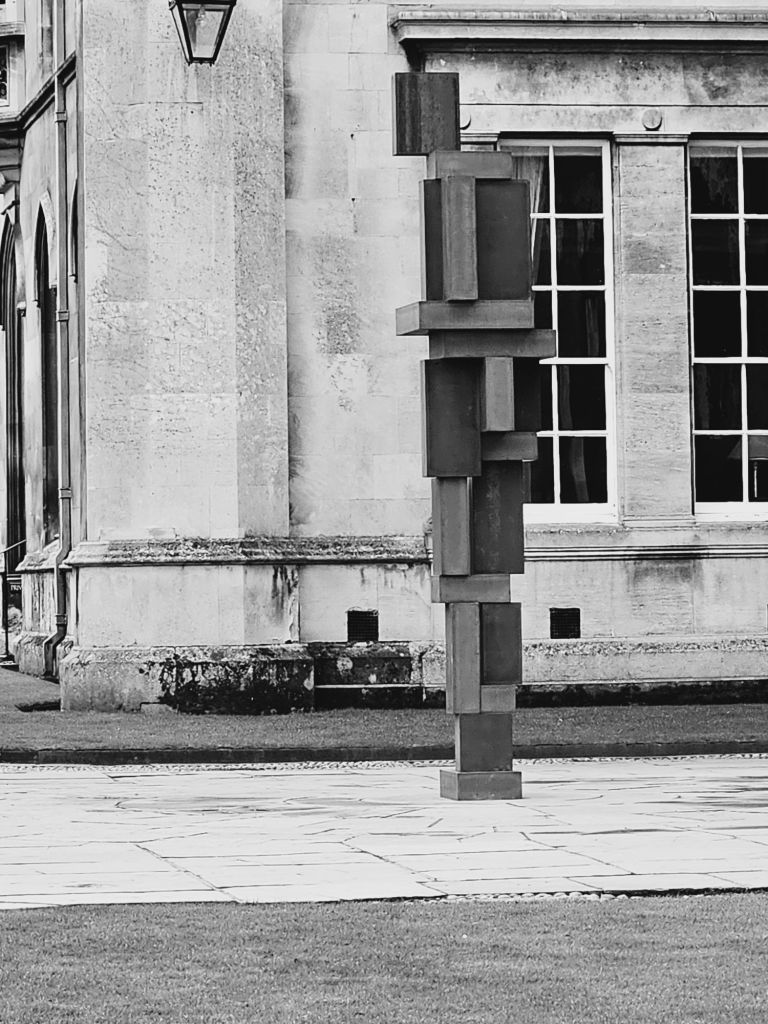
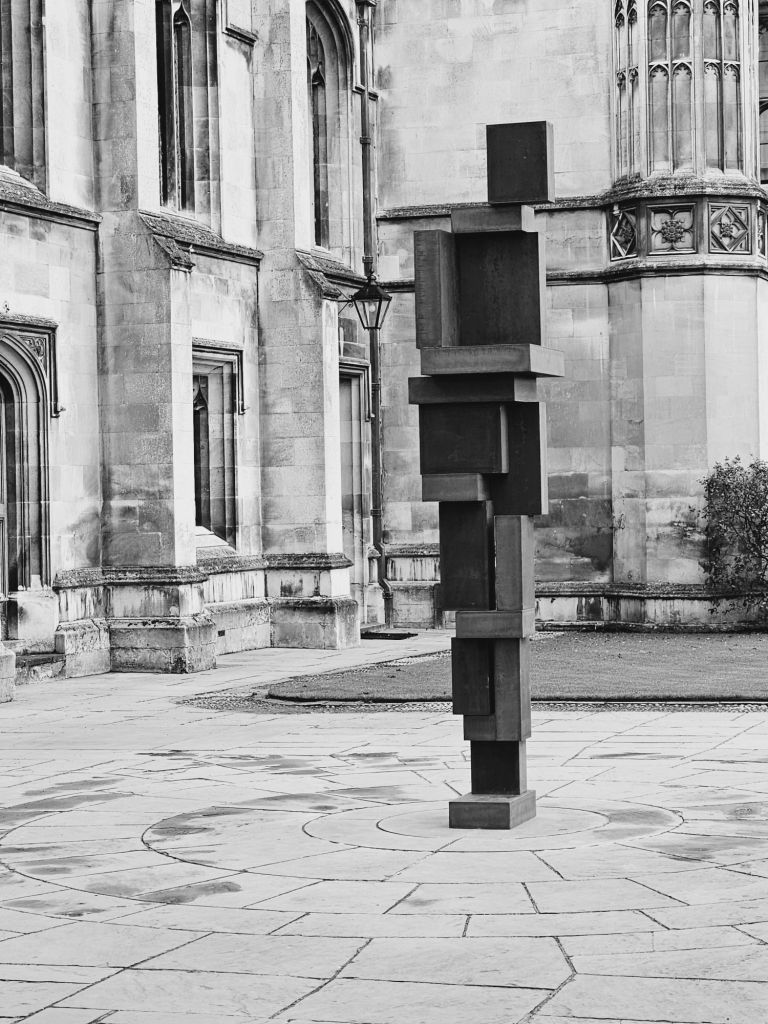
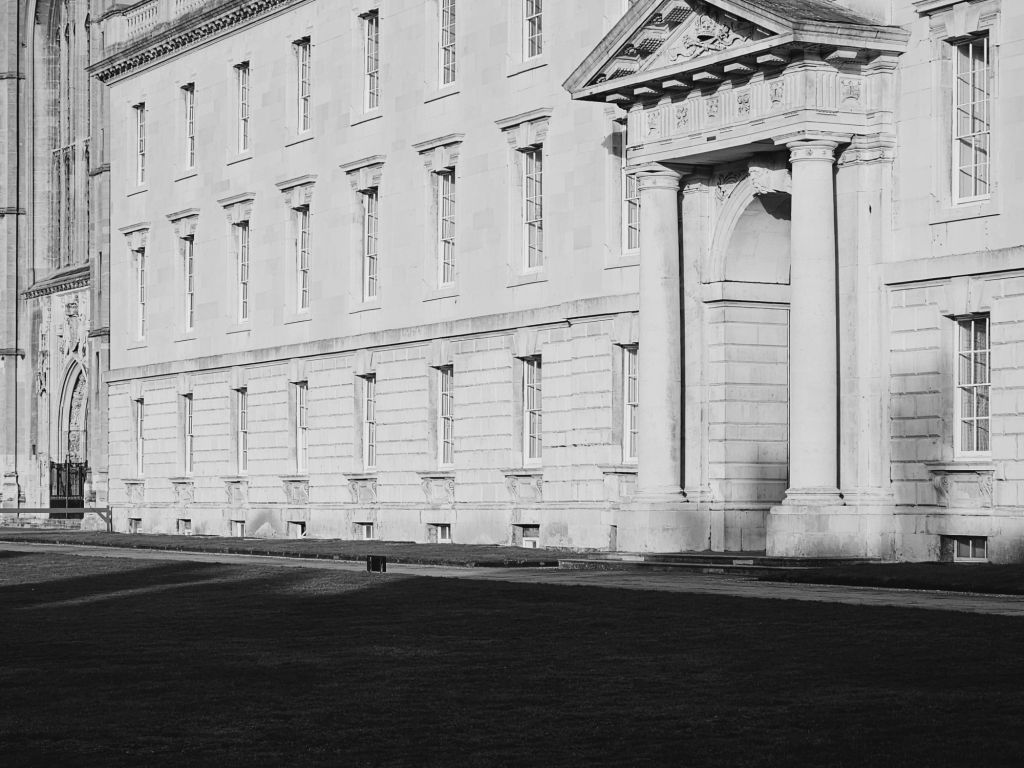
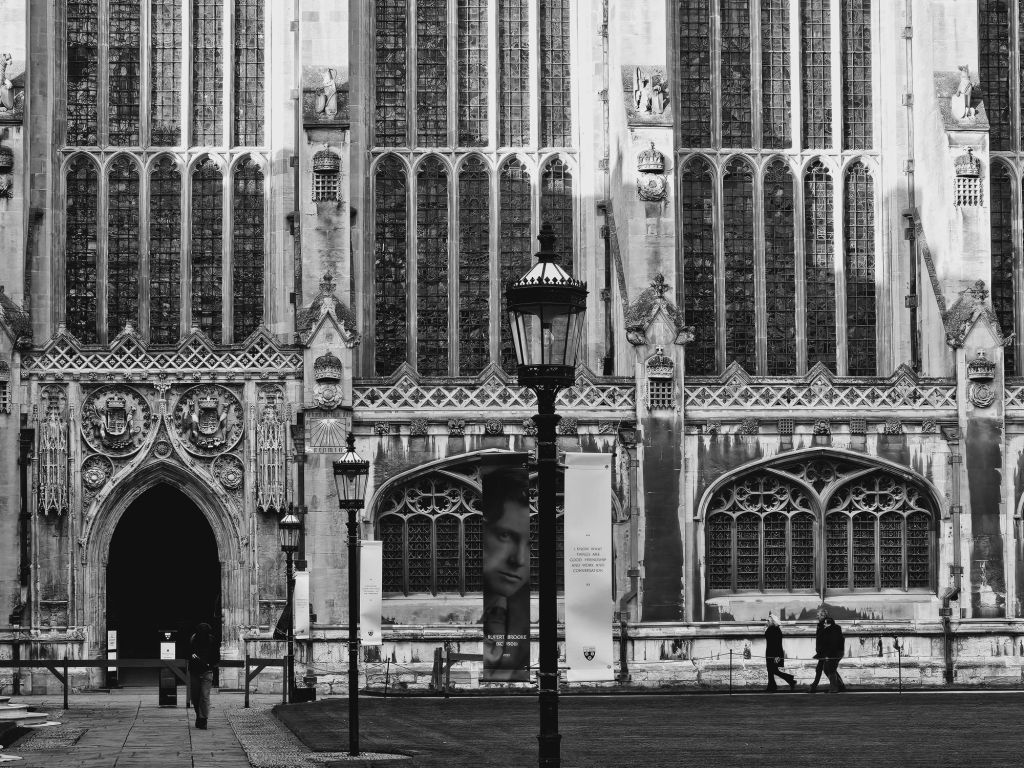
Antony Gormley’s commemorative monument to Alan Turing placed at the highly symbolic junction between the Gibbs Building and the Wilkins Building at King’s College, Cambridge was celebrated/unveiled with speeches:-

There was much insistence upon it being ‘a sculpture’ and not ‘a statue’. But it kept on being described as a statue, which felt like an understandable mistake.

Standard

Kimbolton Castle

Kimbolton Castle is a tricky house to grasp: originally late medieval, built round a courtyard, traces of which remain in the basement.

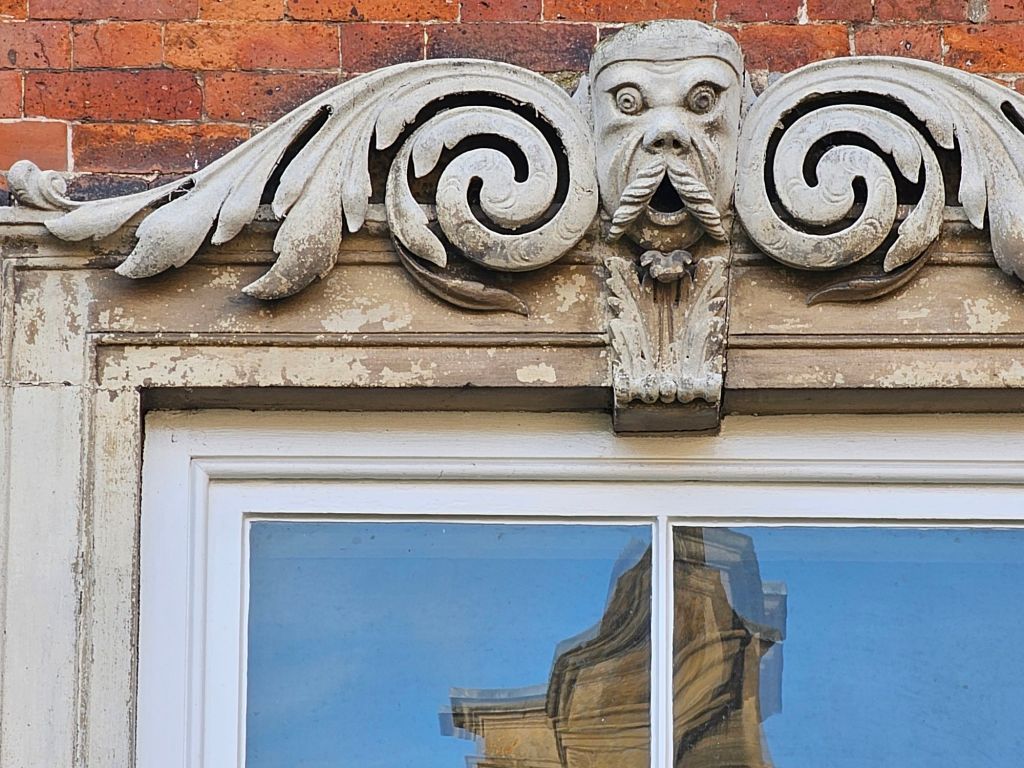
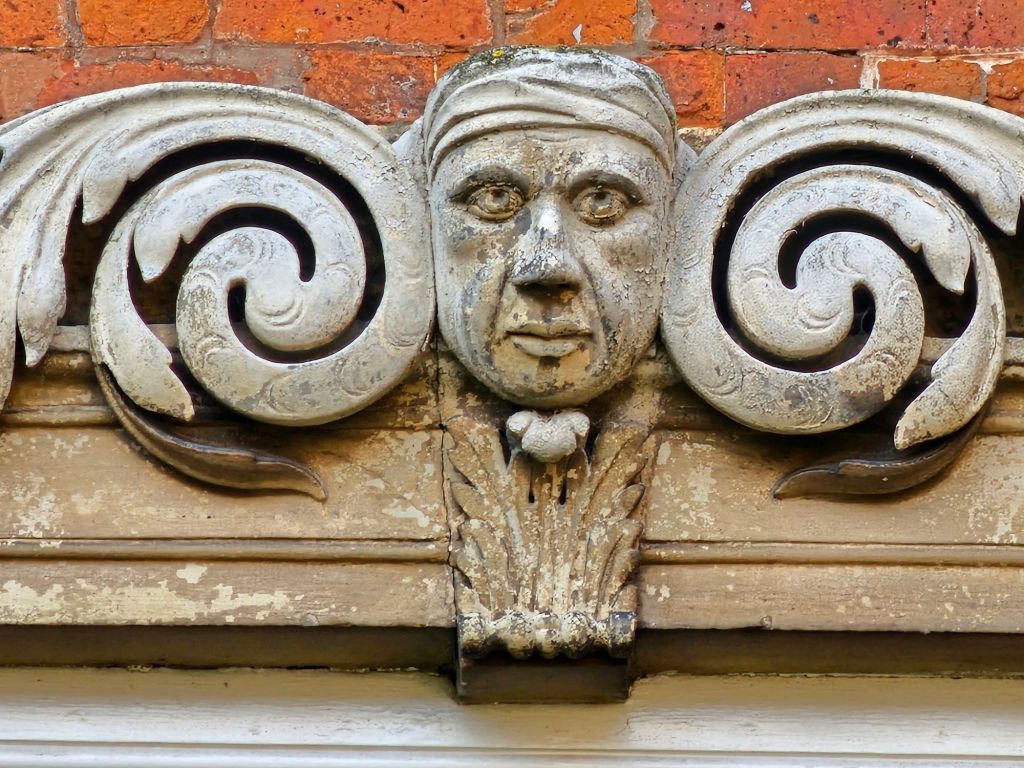
Poshed up in the 1680s by Henry Bell, a mason-contractor from King’s Lynn who added fine window heads and drain pipes in the courtyard:-

Poshed up again by the 4th Earl whose wife employed Vanbrugh to reconstruct the south range after part of it collapsed while the Earl was Ambassador in Venice.

The fourth Earl, an Italophile (he had been on the Grand Tour in the 1670s) brought Gianantonio Pellegrini with him back from Venice who decorated the staircase hall with slightly anodyne portraits of the fourth Earl’s children:-

He was better at the decorative surrounds:-

Pellegrini also did paintings in the chapel:-

And the ceiling of the so-called boudoir on the South Front:-

Then, after the accession of George I, Lord Manchester asked Alessandro Galilei to design a new East front:-

The house was sold to become a school in 1950, which is what it still remains.

A treat to have seen it.

Standard

Old Town Clothing (4)

Long-term readers of my blog will know that I have had a roughly thirty-year attachment to a wonderful clothing store which was established in Elm Hill, Norwich thirty two years ago. It was exactly the opposite of every other men’s clothing store: the clothes were made to last forever; they made no effort whatsoever to follow fashion, in fact were wilfully modelled on styles which dates from round about the First World War; and they were designed to be generous to the expanding waistline instead of assuming that every one is built like a svelte twenty-one year old.

Today I received the catastrophic news that Old Town will close at the end of the year. Its proprietors, Marie and Will, have tried, but so far failed to find someone to take the business on. This seems unbelievable. The clothes are not so obviously cheap, so there should be a modest profit in them. They must have the most loyal clientele of any store in the world. It is exactly the sort of small-scale business enterprise producing ecologically sustainable clothing which should be a model for the future. Surely there is someone enterprising out there of the next generation who might be willing to take it on, even some hedge fund which might invest in it, or one of those Japanese companies which might take it on under new management ?

Because its clothes are built so magnificently to last I hope that I have got enough suits in the cupboard to see me out and then hand them on to the next generation, including at least two suits which are thirty years old. But what of the next generation ? Are they to be deprived of the pleasures of ringing up Miss. Willey’s successors and ordering a new suit which will fit without having to be fitted and will never go out of style because it was never in style ?

Now is your last chance to acquire an heirloom (https://www.old-town.co.uk/). And I hope that there might be someone out there with the intelligence and interest to take the business on into the future.

Standard

Sir Christopher Wren (5)

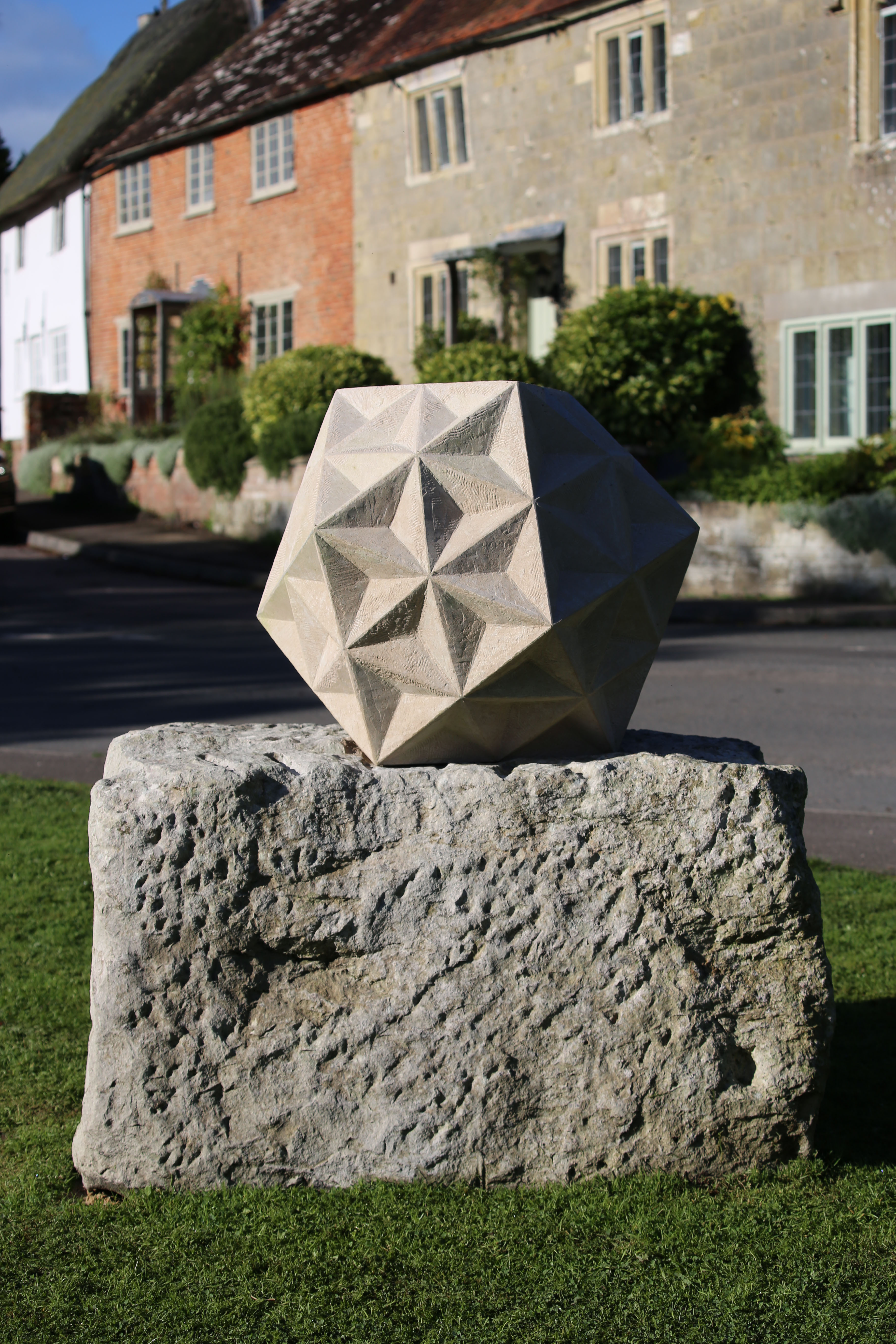
I sadly missed the unveiling of the monument to Sir Christopher Wren in East Knoyle, west of Salisbury, where his father was rector for twenty years and where Wren himself was born in 1632, but I have just been sent a photograph of it by its sculptor, John Maine. It’s a very beautiful and appropriate monument to Wren’s mathematical (and astronomical) intelligence:-

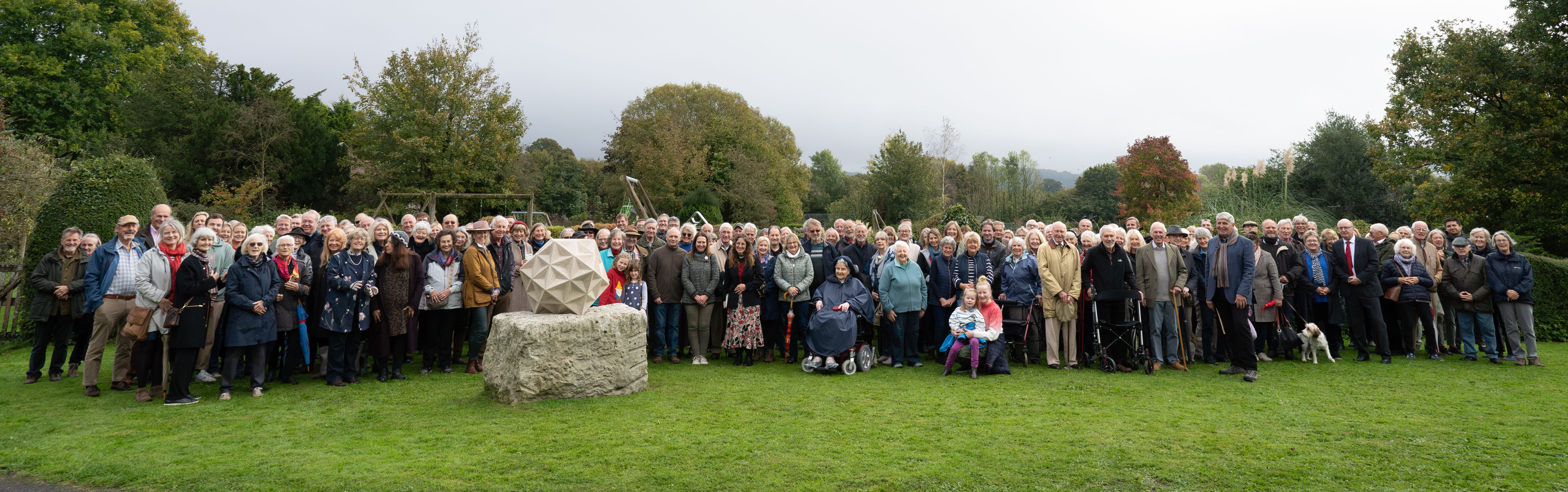
Even more impressive is his picture of the entire village assembled at its unveiling:-

Standard

Architects and the British Museum (2)

For anyone interested in the culture of the British Museum, I recommend a reading of the most recently available set of their Board’s minutes concerning the potential impact on the security of the collection as a result of the acceptance of what is demurely described as ‘the corporate sponsorship under discussion’.

In other words, they could not bring themselves to make it a matter of public record that they had accepted sponsorship from BP in spite of declaring on the front page of their website that it is their policy to act openly and honestly.

Standard